• Trade
  • Markets
  • Copy
  • Contests
  • News
  • 24/7
  • Calendar
  • Q&A
  • Chats
Trending
Screeners
SYMBOL
LAST
BID
ASK
HIGH
LOW
NET CHG.
%CHG.
SPREAD
SPX
S&P 500 Index
6875.61
6875.61
6875.61
6910.40
6804.97
+78.75
+ 1.16%
--
DJI
Dow Jones Industrial Average
49077.22
49077.22
49077.22
49295.03
48546.03
+588.64
+ 1.21%
--
IXIC
NASDAQ Composite Index
23224.81
23224.81
23224.81
23383.24
22927.88
+270.50
+ 1.18%
--
USDX
US Dollar Index
98.550
98.630
98.550
98.640
98.140
+0.220
+ 0.22%
--
EURUSD
Euro / US Dollar
1.16775
1.16782
1.16775
1.16855
1.16701
-0.00089
-0.08%
--
GBPUSD
Pound Sterling / US Dollar
1.34200
1.34211
1.34200
1.34322
1.34163
-0.00082
-0.06%
--
XAUUSD
Gold / US Dollar
4788.12
4788.50
4788.12
4833.82
4777.40
-43.93
-0.91%
--
WTI
Light Sweet Crude Oil
60.417
60.452
60.417
60.579
60.357
-0.208
-0.34%
--

Community Accounts

Signal Accounts
--
Profit Accounts
--
Loss Accounts
--
View More

Become a signal provider

Sell trading signals to earn additional income

View More

Guide to Copy Trading

Get started with ease and confidence

View More

Signal Accounts for Members

All Signal Accounts

Best Return
  • Best Return
  • Best P/L
  • Best MDD
Past 1W
  • Past 1W
  • Past 1M
  • Past 1Y

All Contests

  • All
  • Trump Updates
  • Recommend
  • Stocks
  • Cryptocurrencies
  • Central Banks
  • Featured News
Top News Only
Share

[Texas And New York On High Alert For This Winter's Strongest Storm] Starting Friday, The Strongest Winter Storm Of 2025 Will Bring Record-breaking Low Temperatures To Texas And The US East Coast. It Will First Sweep Through Texas Before Hurtling North Towards New York And Boston On The East Coast. More Than 175 Million People Across The US Will Face Snow, Rain, Sleet, And Icy Conditions This Weekend

Share

[Cz: Today Will Speak At The Davos Forum Panel Discussion, Followed By A CNBC Interview] January 22Nd, Cz Stated On The X Platform That Tomorrow Morning At 8:30 Local Time (Corresponding To 3:30 P.M. Beijing Time) He Will Speak At A Panel Discussion At The Davos World Economic Forum. Later, At Around 3 P.M. (Corresponding To 10 P.M. Beijing Time), He Will Have An Interview With CNBC

Share

[Market Update] Spot Gold Fell 1.00% Intraday, Currently Trading At $4780.56 Per Ounce. Spot Silver Plunged $2 Intraday, Currently Trading At $91.07 Per Ounce, A Drop Of 2.15%

Share

[Venezuela's Acting President: Unafraid To Face Differences With The US] On The 21st Local Time, Venezuelan Acting President Rodriguez Stated That She Was "unafraid" Of Facing Differences With The United States And Reiterated That She Was Engaged In A Dialogue Process With The Trump Administration. Speaking At A Meeting With Governors And Mayors That Day, Rodriguez Said, "We Are Engaging In Dialogue And Cooperation With The United States, And We Are Not Afraid To Resolve Differences And Difficulties Through Diplomatic Channels, Regardless Of Their Sensitivity."

Share

MOF - Japan Dec Preliminary Crude Oil Import Volume -1.5% Year-On-Year

Share

MOF - Japan Dec Thermal Coal Imports -14.7% Year-On-Year At 9.345 Million Tonnes

Share

MOF - Japan Dec LNG Imports +2.8% Year-On-Year At 6.538 Million Tonnes

Share

MOF - Japan Dec Exports To Asia +10.2% Year On Year

Share

MOF - Japan Dec Exports To EU +2.6% Year On Year

Share

MOF - Japan Dec Exports To China +5.6% Year On Year

Share

MOF - Japan Dec Exports To USA -11.1% Year On Year

Share

Japan Dec Trade Balance +105.7 Billion Yen - MOF (Poll: +356.6 Billion Yen)

Share

Japan Dec Imports +5.3% Year On Year - MOF (Poll: +3.6%)

Share

Japan Dec Exports +5.1% Year On Year - MOF (Poll: +6.1%)

Share

Nikkei Futures Trade At 53455 Versus Cash Close 52,774

Share

NATO Secretary General Rutte When Asked If Greenland Will Remain With Denmark: That Issue Did Not Come Up In My Conversation With Trump

Share

Australia's S&P/ASX 200 Index Up 0.8% At 8850.30 Points In Early Trade

Share

S&P 500 Eminis Rise 0.2% In Early Trade, Nasdaq Futures Up 0.3%

Share

South Korea Q4 2025 GDP -0.3% Quarter-On-Quarter, Misses Forecast

Share

South Korea Q4 2025 GDP +1.5% Year-On-Year (Reuters Poll +1.9%) - Central Bank Estimate

TIME
ACT
FCST
PREV
Indonesia 7-Day Reverse Repo Rate

A:--

F: --

P: --

Indonesia Loan Growth YoY (Dec)

A:--

F: --

P: --

Indonesia Deposit Facility Rate (Jan)

A:--

F: --

P: --

Indonesia Lending Facility Rate (Jan)

A:--

F: --

P: --

South Africa Core CPI YoY (Dec)

A:--

F: --

P: --

South Africa CPI YoY (Dec)

A:--

F: --

P: --

IEA Oil Market Report
U.K. CBI Industrial Output Expectations (Jan)

A:--

F: --

P: --
U.K. CBI Industrial Prices Expectations (Jan)

A:--

F: --

P: --

South Africa Retail Sales YoY (Nov)

A:--

F: --

P: --

U.K. CBI Industrial Trends - Orders (Jan)

A:--

F: --

P: --

Mexico Retail Sales MoM (Nov)

A:--

F: --

P: --

U.S. MBA Mortgage Application Activity Index WoW

A:--

F: --

P: --

Canada Industrial Product Price Index YoY (Dec)

A:--

F: --

P: --
Canada Industrial Product Price Index MoM (Dec)

A:--

F: --

P: --
U.S. Weekly Redbook Index YoY

A:--

F: --

P: --

U.S. Pending Home Sales Index YoY (Dec)

A:--

F: --

P: --

U.S. Pending Home Sales Index MoM (SA) (Dec)

A:--

F: --

P: --

U.S. Construction Spending MoM (Oct)

A:--

F: --

P: --
U.S. Pending Home Sales Index (Dec)

A:--

F: --

P: --

U.S. API Weekly Refined Oil Stocks

A:--

F: --

P: --

U.S. API Weekly Gasoline Stocks

A:--

F: --

P: --

U.S. API Weekly Cushing Crude Oil Stocks

--

F: --

P: --

U.S. API Weekly Crude Oil Stocks

A:--

F: --

P: --

South Korea GDP Prelim YoY (SA) (Q4)

A:--

F: --

P: --

South Korea GDP Prelim QoQ (SA) (Q4)

A:--

F: --

P: --

Japan Imports YoY (Dec)

A:--

F: --

P: --

Japan Exports YoY (Dec)

A:--

F: --

P: --

Japan Goods Trade Balance (SA) (Dec)

A:--

F: --

P: --

Japan Trade Balance (Not SA) (Dec)

A:--

F: --

P: --
Australia Employment (Dec)

--

F: --

P: --

Australia Labor Force Participation Rate (SA) (Dec)

--

F: --

P: --

Australia Unemployment Rate (SA) (Dec)

--

F: --

P: --

Australia Full-time Employment (SA) (Dec)

--

F: --

P: --

Turkey Consumer Confidence Index (Jan)

--

F: --

P: --

Turkey Capacity Utilization (Jan)

--

F: --

P: --

Turkey Late Liquidity Window Rate (LON) (Jan)

--

F: --

P: --

Turkey Overnight Lending Rate (O/N) (Jan)

--

F: --

P: --

Turkey 1-Week Repo Rate

--

F: --

P: --

U.K. CBI Distributive Trades (Jan)

--

F: --

P: --

U.K. CBI Retail Sales Expectations Index (Jan)

--

F: --

P: --

U.S. Weekly Continued Jobless Claims (SA)

--

F: --

P: --

U.S. Initial Jobless Claims 4-Week Avg. (SA)

--

F: --

P: --

U.S. Real Personal Consumption Expenditures Final QoQ (Q3)

--

F: --

P: --

Canada New Housing Price Index MoM (Dec)

--

F: --

P: --

U.S. Weekly Initial Jobless Claims (SA)

--

F: --

P: --

U.S. Real GDP Annualized QoQ Final (Q3)

--

F: --

P: --

U.S. PCE Price Index Final QoQ (AR) (Q3)

--

F: --

P: --

U.S. PCE Price Index MoM (Nov)

--

F: --

P: --

U.S. PCE Price Index YoY (SA) (Nov)

--

F: --

P: --

U.S. Real Personal Consumption Expenditures MoM (Nov)

--

F: --

P: --

U.S. Personal Income MoM (Nov)

--

F: --

P: --

U.S. Core PCE Price Index MoM (Nov)

--

F: --

P: --

U.S. Personal Outlays MoM (SA) (Nov)

--

F: --

P: --

U.S. Dallas Fed PCE Price Index YoY (Nov)

--

F: --

P: --

U.S. Core PCE Price Index YoY (Nov)

--

F: --

P: --

U.S. EIA Weekly Natural Gas Stocks Change

--

F: --

P: --

U.S. Kansas Fed Manufacturing Composite Index (Jan)

--

F: --

P: --

U.S. Kansas Fed Manufacturing Production Index (Jan)

--

F: --

P: --

U.S. EIA Weekly Crude Stocks Change

--

F: --

P: --

Q&A with Experts
    • All
    • Chatrooms
    • Groups
    • Friends
    SlowBear ⛅ flag
    marsgents
    @marsgents Its cool sleepig is fine but missing out is not fun
    SlowBear ⛅ flag
    marsgents
    @marsgentsI think possibly, but i will like to see hoe it al plays out eventualy
    FlexyG flag
    alot of accounts got closed today 😓
    SlowBear ⛅ flag
    3427935
    when will the market open..?
    @3427935The market alredy opened bro, start cooking
    SlowBear ⛅ flag
    FlexyG
    alot of accounts got closed today 😓
    @FlexyGYes that is what you get when you sleep on a buy at the very top
    SlowBear ⛅ flag
    FlexyG
    alot of accounts got closed today 😓
    @FlexyGHow did you know the account that gets closed out?
    SlowBear ⛅ flag
    marsgents
    @marsgents400pips that is not bad at all bro, well done indeed
    SlowBear ⛅ flag
    I am going to bed guys. - see you later! Byee and trade safe!
    3405122 flag
    can I buy gold now
    oscar flag
    Could you please explain how to use Bookmap? Thank you.
    NEWBIE flag
    Wait for 4755 I think
    oscar flag
    Richard🇿🇦
    @EurusdonlyHello, do you know how to use a book?
    One Lucky Chen flag
    Good morning 🌞
    SURYAVANSHI flag
    One Lucky Chen
    Good morning 🌞
    h@One Lucky Chengn
    ThatfxSniper📈 flag
    FlexyG
    alot of accounts got closed today 😓
    @FlexyGdamn
    ThatfxSniper📈 flag
    Are you guys already asleep?
    NEWBIE flag
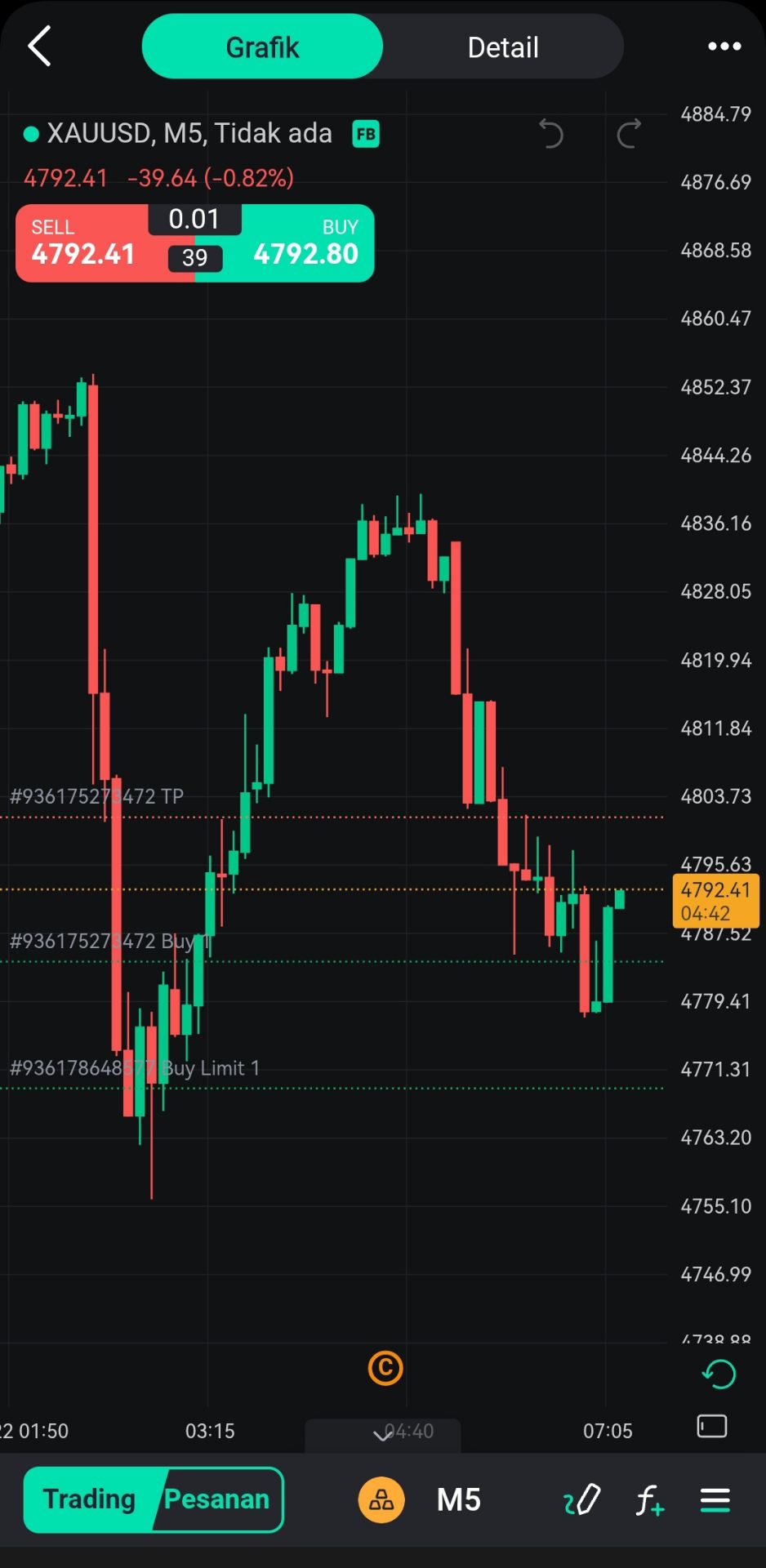
    FVG in action
    Bang Fakhri flag
    now focus on sell
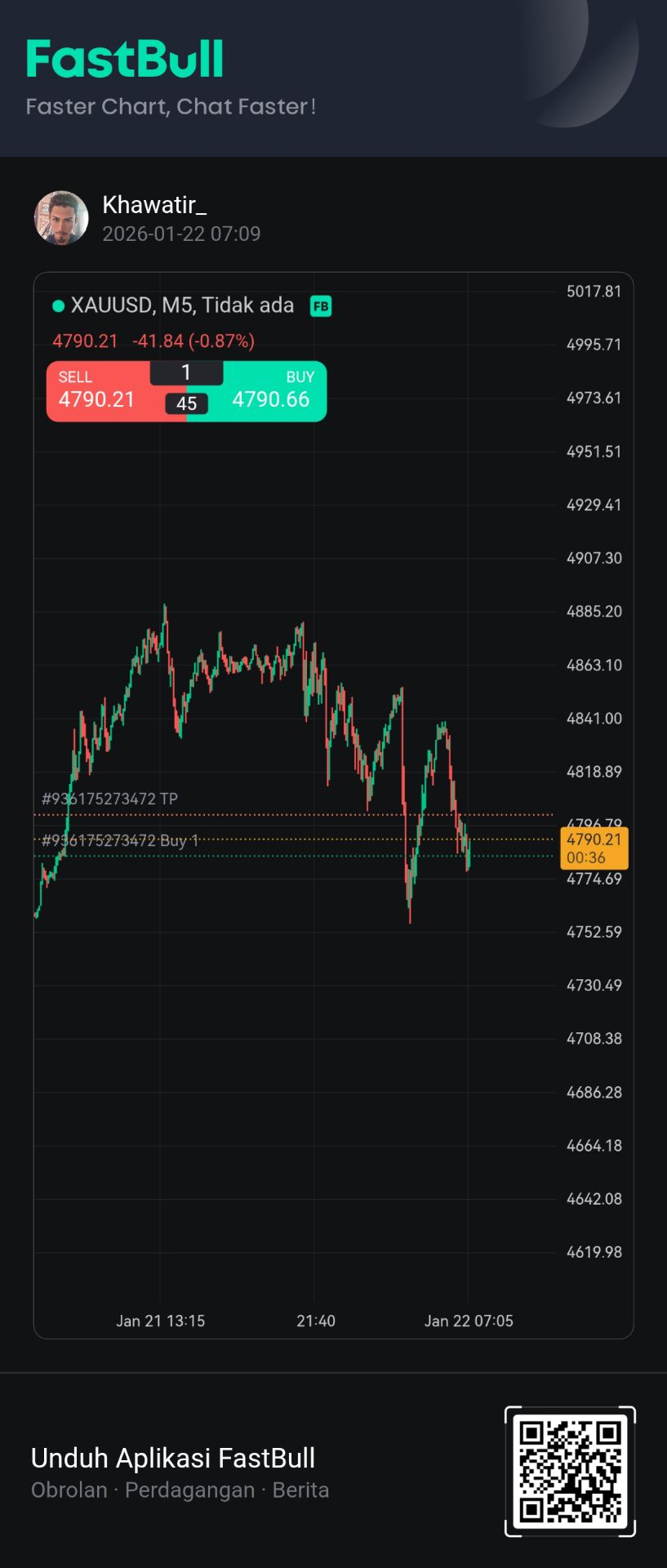
    Khawatir_ flag
    Khawatir_ flag
    Type here...
    Add Symbol or Code

      No matching data

      All
      Trump Updates
      Recommend
      Stocks
      Cryptocurrencies
      Central Banks
      Featured News
      • All
      • Russia-Ukraine Conflict
      • Middle East Flashpoint
      • All
      • Russia-Ukraine Conflict
      • Middle East Flashpoint
      Search
      Products

      Charts Free Forever

      Chats Q&A with Experts
      Screeners Economic Calendar Data Tools
      Membership Features
      Data Warehouse Market Trends Institutional Data Policy Rates Macro

      Market Trends

      Market Sentiment Order Book Forex Correlations

      Top Indicators

      Charts Free Forever
      Markets

      News

      News Analysis 24/7 Columns Education
      From Institutions From Analysts
      Topics Columnists

      Latest Views

      Latest Views

      Trending Topics

      Top Columnists

      Latest Update

      Signals

      Copy Rankings Latest Signals Become a signal provider AI Rating
      Contests
      Brokers

      Overview Brokers Assessment Rankings Regulators News Claims
      Broker listing Forex Brokers Comparison Tool Live Spread Comparison Scam
      Q&A Complaint Scam Alert Videos Tips to Detect Scam
      More

      Business
      Events
      Careers About Us Advertising Help Center

      White Label

      Data API

      Web Plug-ins

      Affiliate Program

      Awards Institution Evaluation IB Seminar Salon Event Exhibition
      Vietnam Thailand Singapore Dubai
      Fans Party Investment Sharing Session
      FastBull Summit BrokersView Expo
      Recent Searches
        Top Searches
          Markets
          News
          Analysis
          User
          24/7
          Economic Calendar
          Education
          Data
          • Names
          • Latest
          • Prev

          View All

          No data

          Scan to Download

          Faster Charts, Chat Faster!

          Download App
          English
          • English
          • Español
          • العربية
          • Bahasa Indonesia
          • Bahasa Melayu
          • Tiếng Việt
          • ภาษาไทย
          • Français
          • Italiano
          • Türkçe
          • Русский язык
          • 简中
          • 繁中
          Open Account
          Search
          Products
          Charts Free Forever
          Markets
          News
          Signals

          Copy Rankings Latest Signals Become a signal provider AI Rating
          Contests
          Brokers

          Overview Brokers Assessment Rankings Regulators News Claims
          Broker listing Forex Brokers Comparison Tool Live Spread Comparison Scam
          Q&A Complaint Scam Alert Videos Tips to Detect Scam
          More

          Business
          Events
          Careers About Us Advertising Help Center

          White Label

          Data API

          Web Plug-ins

          Affiliate Program

          Awards Institution Evaluation IB Seminar Salon Event Exhibition
          Vietnam Thailand Singapore Dubai
          Fans Party Investment Sharing Session
          FastBull Summit BrokersView Expo

          The Real Threat to Iran's Oil Supply Isn't War

          Devin

          Commodity

          Political

          Forex

          Economic

          Traders' Opinions

          Middle East Situation

          Energy

          Summary:

          Iran's oil supply faces an overlooked, potent threat: labor unrest fueled by its severe economic crisis.

          For decades, traders have viewed Iran through the lens of geopolitical conflict. The mere mention of the country conjures images of chokepoints in the Strait of Hormuz, a vital channel for global oil flow. But while markets fixate on the possibility of military action, the most significant danger to Iran's oil supply is far less dramatic: a labor strike by its own oil industry workers.

          This distinction is critical. The risk of a US attack has cooled, yet the potential for labor unrest has quietly grown. A military strike scares the market but rarely disrupts supply for long. Widespread strikes, however, are often overlooked but have historically triggered massive production outages.

          A Fragile Calm After Violent Protests

          Recent protests in Iran were met with brutal state repression, and for now, the government has regained control of its major cities. The violence was severe, with a death toll potentially reaching several thousand, possibly making it the worst in the regime's 47-year history and surpassing the crackdowns of 1988, 1999, 2011, and 2022.

          This suppression gave President Donald Trump an off-ramp. After initially encouraging protestors, Trump noted on January 14 that "the killing in Iran is stopping." When asked about military options, he adopted a wait-and-see approach.

          But this sense of closure is misleading. The government can suppress dissent, but it cannot solve the severe economic crisis fueling public anger. The core grievances remain:

          • Inflation is running near 50%.

          • The national currency, the rial, is in free fall.

          • Unemployment continues to rise.

          Unless the authorities address this cost-of-living crisis, instability will persist, and with it, the risk of turmoil spreading to the country's vital oilfields.

          Economic Rot and Calls for Disobedience

          While international sanctions and low oil prices have damaged Iran's economy, the root problem is internal. The economy is increasingly defined by corruption and military control, with Supreme Leader Ali Khamenei's inner circle and the powerful Islamic Revolutionary Guards Corps (IRGC) dominating a vast network of local companies.

          Without genuine economic and political reform, Iran appears headed for more turmoil. Raz Zimmt, an analyst at the Institute for National Security Studies in Tel Aviv, suggests the country could be entering a period of civil disobedience marked by sporadic eruptions of protest.

          The 2018-2019 protests, which included nationwide strikes in sectors like transportation, offer a potential blueprint. On January 10, Reza Pahlavi, the exiled son of the Shah deposed in the 1979 revolution, called on protestors to cut the regime's "financial lifelines" by launching nationwide strikes in the oil, gas, and energy sectors.

          The Historical Precedent: A Strike That Toppled a Regime

          History proves that labor action can have a catastrophic impact on Iran's oil output. In mid-1978, a strike by oil workers caused production to collapse by roughly 80% in a matter of weeks. That event, which remains the largest oil outage in history, helped pave the way for the revolution that brought Ayatollah Khomeini to power the following year.

          However, the industry has changed significantly since then. Several factors now make a repeat more difficult:

          1. IRGC Control: The IRGC now tightly controls the oil industry, owning major infrastructure and employing loyal workers.

          2. Heavy Security: The security apparatus maintains a firm grip on Khuzestan and Kohgiluyeh and Boyer-Ahmad, the two provinces where the largest oilfields are located.

          3. Precarious Labor: Many oil employees are contract workers with little job security, making them less likely to risk their livelihoods by striking.

          A Low-Risk, High-Impact Threat

          Today, Iran produces nearly 5 million barrels a day of crude and other petroleum liquids, a level comparable to 1978. The potential for internal disruption remains a low-probability but high-impact scenario.

          Crucially, this is a threat beyond Washington's control. The White House can calibrate military action to avoid hitting the energy sector, as it did in June when it discouraged attacks on oil facilities. But it cannot control the actions of protestors on the streets or in the oilfields. For those watching the energy markets, the real story isn't about bombs—it's about the workers.

          To stay updated on all economic events of today, please check out our Economic calendar
          Risk Warnings and Disclaimers
          You understand and acknowledge that there is a high degree of risk involved in trading. Following any strategies or investment methods may lead to potential losses. The content on the site is provided by our contributors and analysts for information purposes only. You are solely responsible for determining whether any trading assets, securities, strategy, or any other product is suitable for investing based on your own investment objectives and financial situation.
          Add to Favorites
          Share

          Why HSBC Sees No Fed Rate Cuts Through 2026

          Nathaniel Wright

          Data Interpretation

          Political

          Remarks of Officials

          Economic

          Central Bank

          HSBC is taking a contrarian stance on U.S. monetary policy, predicting the Federal Reserve will maintain current interest rates throughout 2026. The bank argues there is simply no macroeconomic justification for a rate reduction.

          This forecast puts HSBC directly at odds with the prevailing market consensus, which anticipates one or two rate cuts in 2026.

          Economic Tailwinds Supporting a Rate Hold

          According to Frederic Neumann, HSBC's chief Asia economist, several factors will sustain U.S. economic growth and eliminate the need for rate cuts. These include the impact of tax cuts, a booming artificial intelligence (AI) hardware sector, and robust equity prices.

          "HSBC is actually not expecting the Fed to cut interest rates," Neumann stated during a recent outlook webinar. He projects that U.S. growth will accelerate to 2.3% in 2026, an increase from 2.2% last year.

          "It's not clear [if] the Fed necessarily has major macroeconomic justifications for cutting rates aggressively this year," Neumann added.

          For context, the U.S. Fed delivered a 25 basis point cut in its December meeting last year, which brought the federal funds rate to a range of 3.5%-3.75%.

          Political Pressure on the Central Bank

          The Fed's policy decisions have unfolded amid heightened tensions between the Trump administration and Fed Chair Jerome Powell.

          The central bank was served grand jury subpoenas concerning renovations at its headquarters. Powell alleged this action was a direct result of the Fed's refusal to align its interest rate policy with President Donald Trump's preferences.

          While Powell's term as Fed Chair is set to end in May, he will remain a governor at the central bank until January 2028. The Federal Open Market Committee (FOMC) has scheduled its next policy meeting for January 27 and 28.

          To stay updated on all economic events of today, please check out our Economic calendar
          Risk Warnings and Disclaimers
          You understand and acknowledge that there is a high degree of risk involved in trading. Following any strategies or investment methods may lead to potential losses. The content on the site is provided by our contributors and analysts for information purposes only. You are solely responsible for determining whether any trading assets, securities, strategy, or any other product is suitable for investing based on your own investment objectives and financial situation.
          Add to Favorites
          Share

          Romania Holds Firm on 6.5% Rate as Inflation Nears 10%

          Frederick Miles

          Remarks of Officials

          Economic

          Central Bank

          Romania’s central bank is set to maintain one of the highest interest rates in the European Union as it struggles to control inflation that is running close to 10%. The inflation rate is expected to cool only gradually over the coming months.

          Benchmark Rate Held for 11th Straight Meeting

          According to a Bloomberg survey, economists unanimously predict the National Bank of Romania will hold its benchmark interest rate at 6.5% for the eleventh consecutive meeting.

          This rate, matched within the EU only by neighboring Hungary, has been in place for a year and a half. During this period, the Black Sea nation has navigated significant political turmoil and a market selloff.

          Fiscal Policy Fuels Stubborn Price Pressures

          The central bank faces persistent price pressures driven by the government's fiscal policies. In an effort to reduce the EU's widest budget deficit, the ruling coalition has implemented several key measures:

          • Increases in value-added tax (VAT)

          • Higher excise duties

          • Removal of a price cap on energy

          These actions contributed to an inflation rate of 9.7% in December.

          Rate Cuts Unlikely Before Q3, Analysts Say

          Despite the high inflation, a rate hike is considered improbable. Kevin Daly, an economist at Goldman Sachs Group Inc. in London, noted that the primary drivers of inflation are beyond the central bank's direct control.

          "The elevated inflation has primarily been due to two factors that are beyond the control of monetary policy — the removal of the energy price cap and a VAT rate hike," Daly stated in a report. He predicts that interest rates will likely remain on hold until at least the third quarter of this year.

          Governor Mugur Isarescu also signaled in November that any discussions about potential rate cuts would likely not begin before the summer. The central bank, which targets an inflation range of 1.5% to 3.5%, forecasts that price growth will slow to 3.7% by the end of this year.

          To stay updated on all economic events of today, please check out our Economic calendar
          Risk Warnings and Disclaimers
          You understand and acknowledge that there is a high degree of risk involved in trading. Following any strategies or investment methods may lead to potential losses. The content on the site is provided by our contributors and analysts for information purposes only. You are solely responsible for determining whether any trading assets, securities, strategy, or any other product is suitable for investing based on your own investment objectives and financial situation.
          Add to Favorites
          Share

          China Birthrate Hits Lowest Since 1949 In Blow To Baby Drive

          Justin

          Political

          Economic

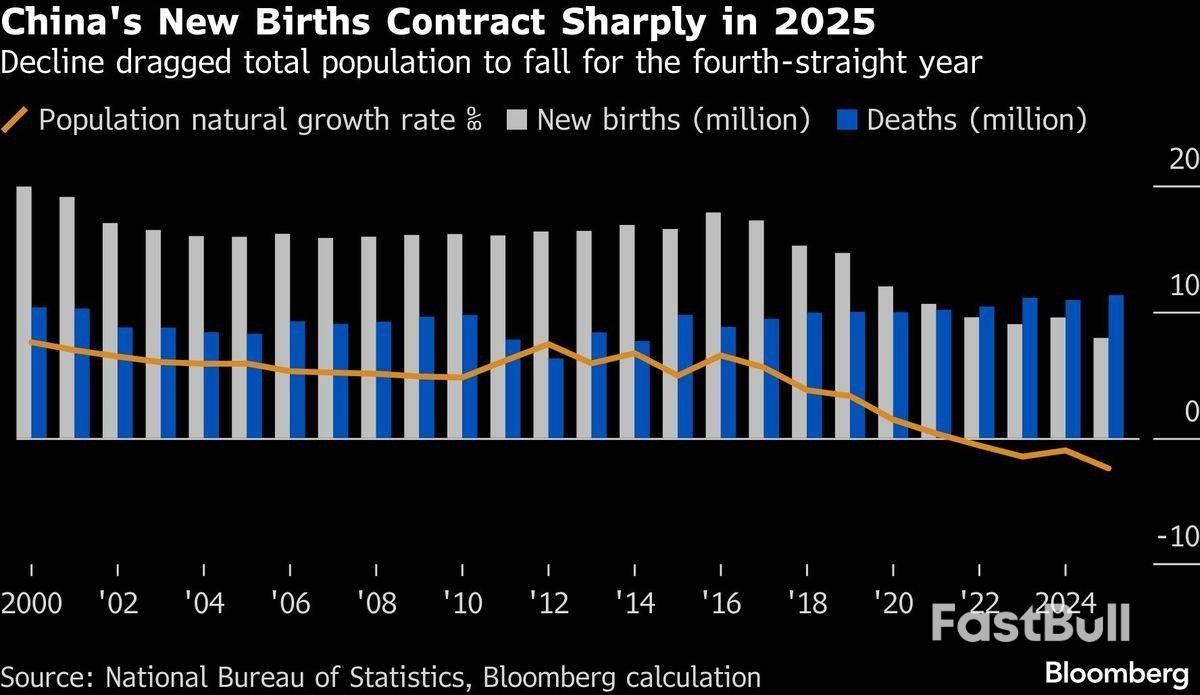
          China's birthrate fell last year to its lowest level since 1949, highlighting a deepening demographic struggle for Beijing even as officials roll out new subsidies to encourage couples to have more children.

          The number of births per 1,000 people dropped to 5.6, the lowest since at least the founding of the People's Republic, according to data released by the National Statistics Bureau on Monday. The number of newborns decreased 1.6 million, the most since 2020, to 7.9 million.

          The figure is a setback for President Xi Jinping's campaign to promote a fertility-friendly society including by offering cash rewards for parents. The total population fell by 3.4 million, the sharpest drop since the 1960 Great Famine under former leader Mao Zedong, to 1.405 billion.

          A shrinking workforce and ageing population are major threats to the world's second-largest economy. As the elderly cohort grows, the worker-to-retiree ratio shrinks, piling more pressure on the underfunded pension system.

          To counter these structural headwinds, the Chinese government has implemented a series of pro-natalist policies in recent years, from extending paternity and maternity leave to making it easier to register a marriage.

          Among the incentives, couples are offered about US$500 (RM2,028.50) a year for each child born on or after Jan 1, 2025, until they reach the age of three. Starting this year, the government also imposed a 13% value-added tax on contraceptive drugs and devices, including morning-after pills and condoms.

          He Yafu, an independent demographer, said the amount of government subsidies is "too small" to meaningfully lift birth rates.

          He attributed the drop to young people's unwillingness to get married and a decline in the number of women of childbearing age, which fell by 16 million from 2020 to 2025.

          This shrinking pool of potential mothers is partly the result of the one-child policy, which hollowed out the demographic base for future growth before being scrapped in 2015.

          Source: Theedgemarkets

          To stay updated on all economic events of today, please check out our Economic calendar
          Risk Warnings and Disclaimers
          You understand and acknowledge that there is a high degree of risk involved in trading. Following any strategies or investment methods may lead to potential losses. The content on the site is provided by our contributors and analysts for information purposes only. You are solely responsible for determining whether any trading assets, securities, strategy, or any other product is suitable for investing based on your own investment objectives and financial situation.
          Add to Favorites
          Share

          Record China ETF Outflows Signal National Team Is Cooling Rally

          Winkelmann

          Stocks

          Economic

          A basket of exchange-traded funds owned by China's so-called national team saw another day of record outflows on Friday, adding to signs that authorities are stepping in to curb the risk of a bubble.

          Eight ETFs tracked by Bloomberg, which include the Huatai Pinebridge CSI 300 Index ETF and E Fund ChiNext ETF, saw a record 101 billion yuan ($14.5 billion) in outflows on Friday. Though state funds' involvement will be evident only through filings, analysts and traders have attributed those flows as proof that the national team is acting to cool markets.

          The back-to-back record outflow is the first clear sign that the national team isn't simply taking a buy-and-hold strategy, but appears to be actively in the market working to smooth out moves both to the upside and downside. It's occurring as concern rises about crowding and speculation in sectors such as commercial rockets.

          The securities watchdog on Friday pledged to step up oversight of market manipulation and to prevent wild swings, another move seen as trying to rein in major fluctuations. Earlier last week, regulators also tightened rules on margin financing.

          Bloomberg Intelligence estimates that the selling by Central Huijin Investment on Thursday alone may have reached around $10 billion, marking its first move to offload holdings in three years, after amassing around $180 billion in such assets as of the end of August.

          "Eight of 23 ETFs held by Central Huijin recorded abnormally large trade sizes, a typical indicator of national team activity, analysts including Rebecca Sin wrote in a note. "Additional selling can be expected if the intervention fails to cool markets, so far taking a targeted approach focusing on the tech-heavy Star 50 and ChiNext indexes."

          Traders have pointed to clear signs of intervention throughout Friday in the expanded turnover in some of the ETFs that came in conjunction with market downdrafts in the session on Friday. However some analysts say that the moves may only be meant to slow, rather than end, the rally.

          "Record outflows in stabilization fund ETFs and other market cooling factors should be read as a preemptive move to cool sentiment in the middle of a rally, not the end of an uptrend," Founder Securities analysts including Yuan Daoyu wrote in a note. Investors should watch whether the outflows subside and whether margin trades start to decelerate as signals of when the cooling measures may taper off, they added.

          Source: Bloomberg Europe

          To stay updated on all economic events of today, please check out our Economic calendar
          Risk Warnings and Disclaimers
          You understand and acknowledge that there is a high degree of risk involved in trading. Following any strategies or investment methods may lead to potential losses. The content on the site is provided by our contributors and analysts for information purposes only. You are solely responsible for determining whether any trading assets, securities, strategy, or any other product is suitable for investing based on your own investment objectives and financial situation.
          Add to Favorites
          Share

          XRP News Today: XRP Slips Below $2.0 As Tariffs And Bill Delays Bite

          Samantha Luan

          Cryptocurrency

          Forex

          Key Points:

          · XRP slid below the $2.0 psychological level as US-EU tariff risks and Market Structure Bill delays hit crypto sentiment.
          · A fifth straight daily loss pushed XRP toward $1.85 support, reflecting rising geopolitical and regulatory uncertainty.
          · Despite near-term pressure, optimism over US crypto legislation supports medium-term targets of $3.0 and $3.66.

          XRP fell for a fifth consecutive day on Sunday, January 18, and extended its losses in early trading on Monday, January 19.

          Delays to the US Senate Banking Committee's Market Structure Bill markup vote triggered a sharp pullback from a January 6 high of $2.4151. However, increased geopolitical tensions added to the negative sentiment.

          US President Trump announced fresh tariffs over the weekend, reviving the risk of a US-EU trade war. XRP and the broader crypto market previously came under selling pressure as President Trump rolled out tariffs in 2024.

          Crucially, XRP dropped below the $2.0 psychological level, despite strong demand for XRP-spot ETFs through January. Nevertheless, the medium-term outlook remains bullish.

          Below, I will explore the key drivers behind recent price trends, the medium-term (4-8 weeks) outlook, and the key technical levels traders should watch.

          US Tariffs on Eight European Countries Hit Risk Sentiment

          US President Trump announced a 10% tariff on eight European countries on Saturday, January 17, including Denmark, Norway, Sweden, France, Germany, the UK, the Netherlands, and Finland. The tariffs will take effect on February 1. Tariffs will then increase to 25% on June 1 as Trump pressures the EU to allow the US to acquire Greenland. Trump stated:

          "This Tariff will be due and payable until such time as a Deal is reached for the Complete and Total purchase of Greenland."

          The EU is reportedly preparing to retaliate, fueling fears of a full-blown trade war. The Kobeissi Letter reported:

          "The EU is preparing up to €93 billion in tariffs and other restrictions on US companies in response to President Trump's 10% tariff and demands for Greenland. Expect a busy night ahead for tariff headlines. US stock market futures open in 4 hours."

          Notably, the Dow Jones E-mini fell 0.66% in early trading on Monday, January 19. The Nasdaq 100 E-mini and the S&P 500 E-mini slid 1.08% and 0.80%, respectively.

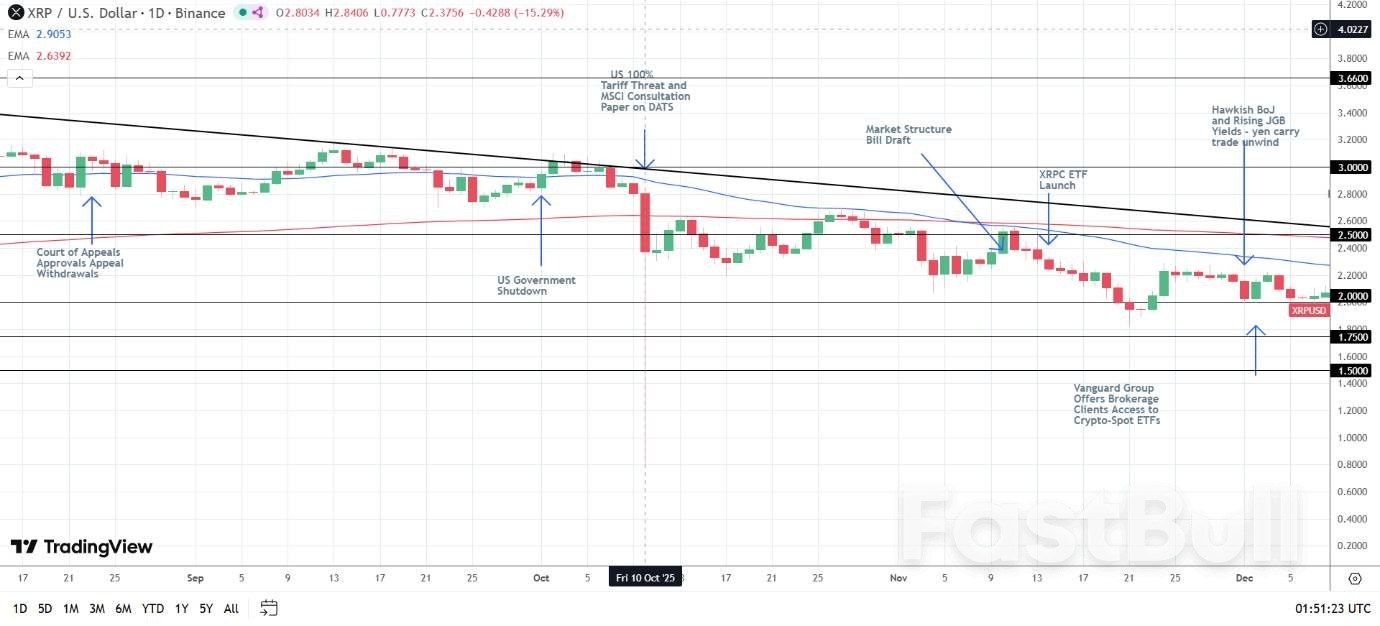
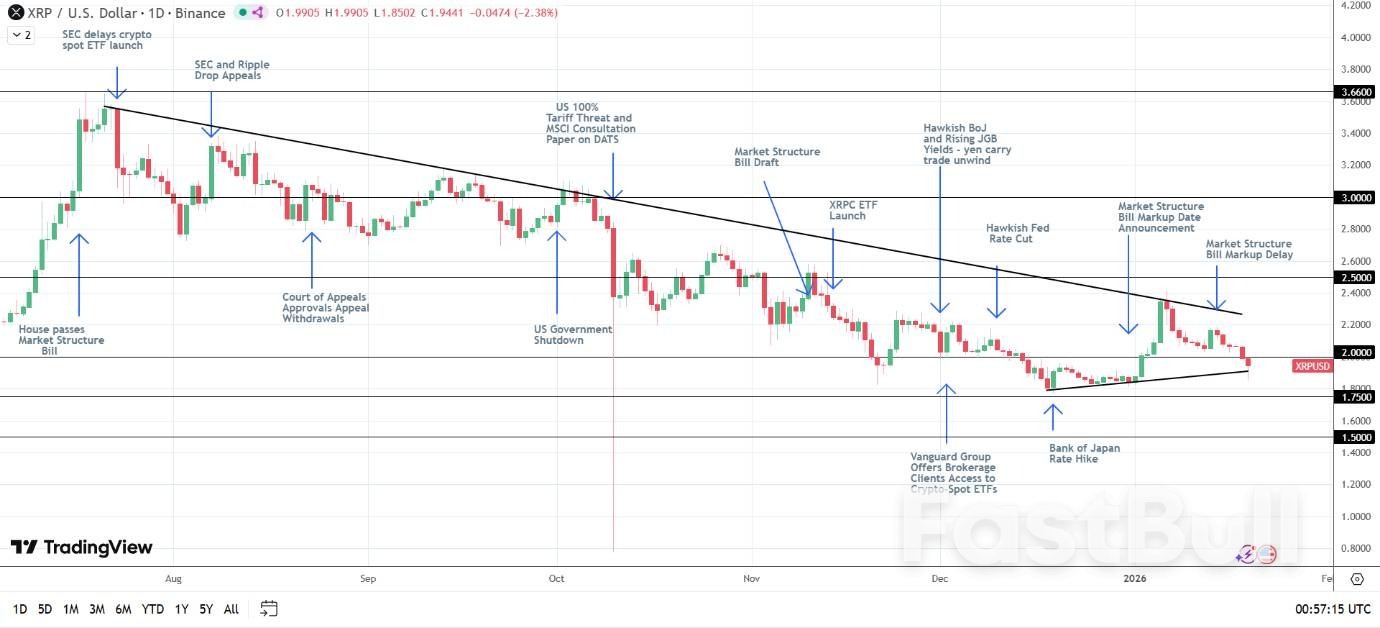
          XRP and the broader market remain exposed to tariff risks. XRP plunged from $2.8406 to $0.7773 (Binance) on October 10 before closing down 15.29% at $2.3756 in response to Trump threatening a 100% tariff on China.

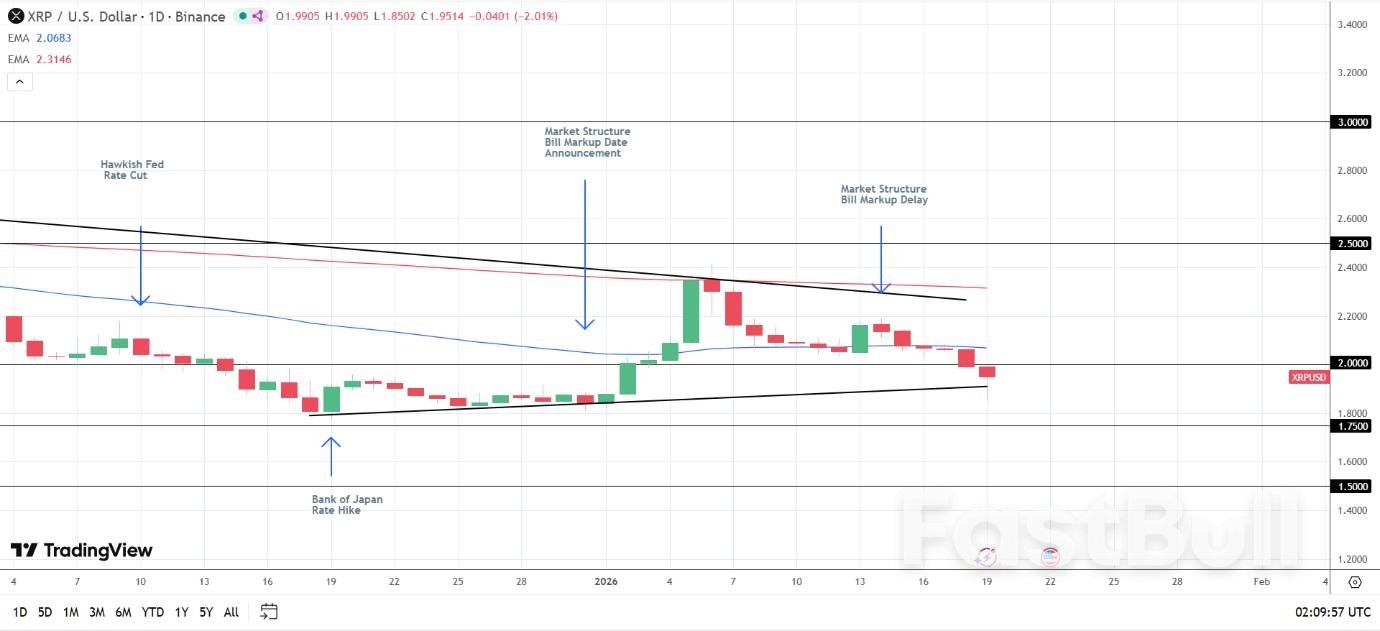
          XRPUSD – Daily Chart – 190126 – Tariffs

          Market Structure Bill Chatter Weighs on XRP Demand

          While markets reacted to the escalation in the US-EU trade war, analysts continued to criticize the efforts of US banks to block stablecoin rewards.

          Last week, Coinbase (COIN) withdrew its support for the US Senate Banking Committee's draft text of the Market Structure Bill. The Banking Committee responded by postponing its markup vote on the draft text, kick-starting XRP's retreat. Coinbase CEO Brian Armstrong referenced text relating to stablecoin rewards, stating:

          "Draft amendments that would kill rewards on stablecoins, allowing banks to ban their competition."

          US banks have warned that crypto legislation permitting stablecoin rewards could trigger more than $6 trillion in deposit outflows from the US banking system. The debate continued over whether US banks' push to block stablecoin rewards is competition-related or protection-related.

          Bloomberg Intelligence ETF Analyst James Seyffart commented on US banks' concerns over stablecoin rewards, stating:

          "I don't fully understand the Banks' argument here. There are so many high yield savings accounts out there that offer 3% or more. Betterment, Marcus/Goldman, CIT, SoFi, Amex, Wealthfront, etc. How are these not the same pressure on<0.1% yield deposits as stablecoin yields?"

          XRP Remains Highly Sensitive to Regulatory Developments

          Recent price action has highlighted XRP's sensitivity to developments in crypto-related legislation.

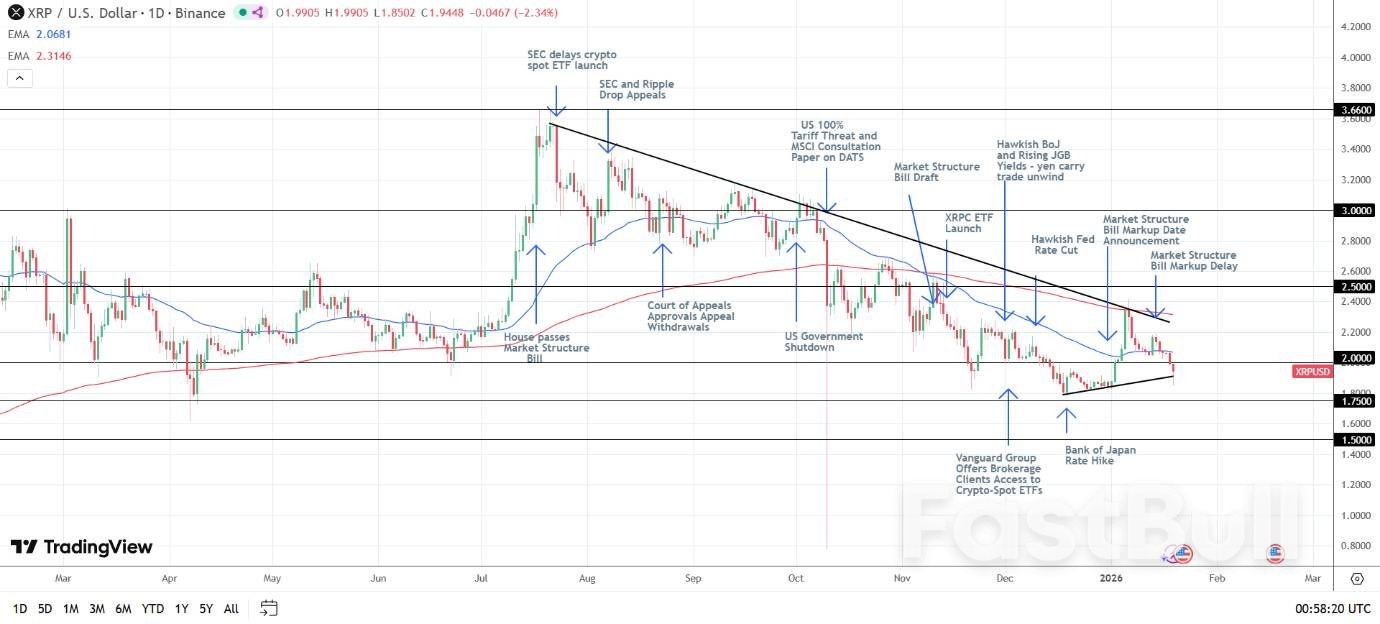
          XRP rallied from $1.8103 on December 31 to a January 6 high of $2.4151 in response to the Banking Committee announcing a January 15 markup vote on the draft text. However, XRP has fallen to a January 19 low of $1.8502 following the Banking Committee's postponement of the markup vote.

          Despite the delays to the markup vote, optimism over US lawmakers delivering much-needed crypto legislation supports a bullish medium-term price outlook for XRP.

          Coinbase CEO Brian Armstrong fueled the optimism after withdrawing support for the draft text, stating:

          "I'm actually quite optimistic that we will get to the right outcome with continued effort. We will keep showing up and working with everyone to get there."

          XRPUSD – Daily Chart – 190126 – Market Structure Bill Price Action 2026

          XRP Price Forecast: Short-, Medium-, and Long-Term Targets

          Strong demand for XRP-spot ETFs, the progress of the Market Structure Bill, and increased XRP utility reaffirm a cautiously positive short-term outlook (1-4 weeks), with a $2.5 price target.

          Furthermore, hopes that US lawmakers will pass crypto-friendly legislation reinforced the bullish longer-term price targets:

          · Medium-term (4-8 weeks): $3.0.
          · Longer-term (8-12 weeks): $3.66.

          Key Downside Risks to the Bullish XRP Outlook

          Several events could change the positive outlook. These include:

          · The Bank of Japan announces a hawkish neutral interest rate (potentially 1.5%-2.5%), signaling multiple rate hikes. A higher neutral rate could trigger a yen carry trade unwind, mirroring price action in mid-2024. A yen carry trade unwind would invalidate the short-term outlook.
          · US economic indicators and the Fed are dampening expectations of an H1 2026 rate cut.
          · US lawmakers roadblock the Market Structure Bill, delaying crypto legislation.
          · XRP-spot ETFs report outflows.

          These events would likely weigh on sentiment, sending XRP below $1.85, which would signal a bearish trend reversal.

          Technical Analysis: Levels to Watch

          XRP slid 3.4% on Sunday, January 18, following the previous day's 0.27% loss, closing at $1.9915. The token faced heavier selling pressure than the broader crypto market cap, which declined 1.60%.

          A five-day losing streak left XRP below its 50-day and 200-day EMAs, signaling a bearish bias. However, the bullish fundamentals continue to offset technicals, limiting the downside.

          Key technical levels to watch include:

          · Support levels: $1.85, $1.75, and then $1.50.
          · 50-day EMA resistance: $2.0681.
          · 200-day EMA resistance: $2.3146.
          · Resistance levels: $2.0, $2.5, $3.0, and $3.66.

          Viewing the daily chart, a break above $2.0 would bring the 50-day EMA into play. A sustained move through the 50-day EMA would indicate a near-term bullish trend reversal. A bullish trend reversal would open the door to testing $2.2. A breakout above $2.2 would enable the bulls to target the 200-day EMA.

          Significantly, a breakout above the EMAs would reaffirm the bullish medium- and longer-term price targets.

          XRPUSD – Daily Chart – 190126 – EMAs

          Fundamental Drivers That Could Move XRP Near Term

          Near-term price drivers include:

          · XRP-spot ETF flows.
          · US economic data and the Fed's rate path.
          · US crypto-related regulatory developments on Capitol Hill.

          Holding Above $1.85 Is Critical for XRP's Bullish Structure

          Holding above $1.85 will be crucial for the short- to medium-term outlook. Positive fundamentals, including spot ETF demand and increased XRP utility, continue to counter bearish technicals, indicating a near-term recovery. The token's recovery from a December low of $1.7712 and January gains of 6.25% reaffirmed the bullish structure and short- to medium-term price projections.

          A breakout above $2.0 would pave the way toward the upper trendline. A sustained move through the upper trendline would affirm the bullish trend reversal and validate the bullish structure, supporting the price targets:

          · Medium-term (4-8 weeks): $3.0.
          · Longer-term (8–12 weeks): target of $3.66.

          However, a sustained fall below the lower trendline would invalidate the bullish structure, signaling a bearish trend reversal.

          XRPUSD – Daily Chart – 190126 – Bullish Structure

          XRP Outlook Hinges on Tariff Developments, Capitol Hill, and Central Banks

          Looking ahead, trade developments and crypto-related regulatory headlines are likely to influence XRP's price outlook.

          Traders should closely monitor trade developments. Additionally, updates from the Banking Committee and Agriculture Committee will be key. This week, the Agriculture Committee will release its draft text on the Market Structure Bill. The Agriculture Committee has scheduled a markup vote on January 27.

          Meanwhile, central bank chatter and XRP-spot ETF flow trends will also influence the near-term price outlook.

          Increased bets on a March Fed rate cut, and a dovish BoJ neutral rate (potentially 1%-1.25%) would lift sentiment. Strong demand for XRP-spot ETFs and positive crypto-related news from Capitol Hill would reinforce the constructive bias.

          In summary, these scenarios support a medium-term (4–8 weeks) move to $3.0. Meanwhile, a March Fed rate cut and the Senate passing the Market Structure Bill would reaffirm the longer-term (8–12 weeks) price target of $3.66.

          Looking beyond the 12-week time horizon, these events are likely to drive XRP to its all-time high of $3.66 (Binance). A break above $3.66 would support a 6- to 12-month price target of $5.

          Source: FX Empire

          Risk Warnings and Disclaimers
          You understand and acknowledge that there is a high degree of risk involved in trading. Following any strategies or investment methods may lead to potential losses. The content on the site is provided by our contributors and analysts for information purposes only. You are solely responsible for determining whether any trading assets, securities, strategy, or any other product is suitable for investing based on your own investment objectives and financial situation.
          Add to Favorites
          Share

          US Battery Makers Shift Supply Chain From China To South Korea

          Winkelmann

          Stocks

          American battery companies are shifting supply chains away from China to South Korea to comply with U.S. restrictions aimed at strengthening domestic development of drones and advanced electric aircraft.

          SES AI and Amprius Technologies have both announced they will expand battery cell manufacturing capacity in South Korea, as the U.S. National Defense Authorization Act (NDAA) will bar the Department of Defense from buying made-in-China batteries beginning in October 2027.

          Boston-headquartered SES AI has converted electric vehicle battery production lines in its Chungju factory to make battery cells for drones and electric vertical takeoff and landing (eVTOL) aircraft. Built in 2021 for EV batteries, the South Korean facility will now produce mostly drone products -- to the tune of 1 million battery cells annually -- and production could eventually be ramped up to 1 gigawatt hour (GWh), matching the company's capacity in China. One-tenth of Chungju's production will be dedicated to SES AI's evTOL vehicle customers, which include Hyundai.

          SES AI founder Qichao Hu said that the pivot to South Korea is in response to a series of U.S. policies and investments aimed at developing a domestic drone industry.

          "[Defense Secretary] Pete Hegseth unleashed this really fast growth in the industry," Hu said. "So I think it's an opportunity."

          U.S. President Donald Trump signed an executive order last July ordering federal agencies to fast track approvals for American drone manufactures and protect the U.S. drone supply chain from "foreign influence."

          Producing a battery pouch cell in South Korea is two times more expensive than making it in its factory in China, Hu said. But, as demand grows for NDAA-compliant batteries, products from the South Korean factory will make up nearly half of its sales this year, he added. SES AI's Chinese factory and its contract manufacturers will continue to serve customers that are not U.S. defense contractors.

          American drone executives have raised concerns over the industry's supply chain after Beijing barred Skydio and BRINC Drones from procuring from Chinese companies last April. After being added to the Chinese Commerce Ministry's "unreliable entity" list, Skydio began to ration batteries as it sought alternative suppliers.

          America's drone industry is still in its early days and it will take time and capital for it to be able to meet the needs of the U.S. military.

          In comparison, China's DJI is the world's largest drone manufacturer and accounts for about 70% of all commercial drones sold globally for hobby and industrial use.

          Amprius Technologies, meanwhile, announced in December that it will also increase production in South Korea as its sales in the U.S. grew in the third quarter last year.

          The addition of three South Korean companies to its list of contract manufacturers means it now works with as many such producers in that country as it does in China.

          Tom Stepien, CEO of Amprius Technologies, said that while its South Korea factory serves only customers working with the U.S. government, there is growing interest from other clients in considering non-Chinese made batteries.

          "I expect that drum beat for NDAA compliance will increase for sure," he said.

          While the company has a pilot production line located at its headquarters in Fremont, California, producing batteries and NDAA-compliant components, it has no plans to revive construction of a Colorado factory that ceased last year as the market outlook for electric vehicles deteriorated.

          Source: Asia_Nikkei

          Risk Warnings and Disclaimers
          You understand and acknowledge that there is a high degree of risk involved in trading. Following any strategies or investment methods may lead to potential losses. The content on the site is provided by our contributors and analysts for information purposes only. You are solely responsible for determining whether any trading assets, securities, strategy, or any other product is suitable for investing based on your own investment objectives and financial situation.
          Add to Favorites
          Share
          FastBull
          Copyright © 2026 FastBull Ltd

          728 RM B 7/F GEE LOK IND BLDG NO 34 HUNG TO RD KWUN TONG KLN HONG KONG

          TelegramInstagramTwitterfacebooklinkedin
          App Store Google Play Google Play
          Products
          Charts

          Chats

          Q&A with Experts
          Screeners
          Economic Calendar
          Data
          Tools
          Membership
          Features
          Function
          Markets
          Copy Trading
          Latest Signals
          Contests
          News
          Analysis
          24/7
          Columns
          Education
          Company
          Careers
          About Us
          Contact Us
          Advertising
          Help Center
          Feedback
          User Agreement
          Privacy Policy
          Personal Information Protection Statement
          Business

          White Label

          Data API

          Web Plug-ins

          Poster Maker

          Affiliate Program

          Risk Disclosure

          The risk of loss in trading financial instruments such as stocks, FX, commodities, futures, bonds, ETFs and crypto can be substantial. You may sustain a total loss of the funds that you deposit with your broker. Therefore, you should carefully consider whether such trading is suitable for you in light of your circumstances and financial resources.

          No decision to invest should be made without thoroughly conducting due diligence by yourself or consulting with your financial advisors. Our web content might not suit you since we don't know your financial conditions and investment needs. Our financial information might have latency or contain inaccuracy, so you should be fully responsible for any of your trading and investment decisions. The company will not be responsible for your capital loss.

          Without getting permission from the website, you are not allowed to copy the website's graphics, texts, or trademarks. Intellectual property rights in the content or data incorporated into this website belong to its providers and exchange merchants.

          Not Logged In

          Log in to access more features

          FastBull Membership

          Not yet

          Purchase

          Become a signal provider
          Help Center
          Customer Service
          Dark Mode
          Price Up/Down Colors

          Log In

          Sign Up

          Position
          Layout
          Fullscreen
          Default to Chart
          The chart page opens by default when you visit fastbull.com