• Trade
  • Markets
  • Copy
  • Contests
  • News
  • 24/7
  • Calendar
  • Q&A
  • Chats
Trending
Screeners
SYMBOL
LAST
BID
ASK
HIGH
LOW
NET CHG.
%CHG.
SPREAD
SPX
S&P 500 Index
6920.92
6920.92
6920.92
6965.70
6919.18
-23.90
-0.34%
--
DJI
Dow Jones Industrial Average
48996.07
48996.07
48996.07
49621.43
48951.99
-466.00
-0.94%
--
IXIC
NASDAQ Composite Index
23584.26
23584.26
23584.26
23723.37
23504.22
+37.10
+ 0.16%
--
USDX
US Dollar Index
98.650
98.730
98.650
98.760
98.630
+0.020
+ 0.02%
--
EURUSD
Euro / US Dollar
1.16713
1.16721
1.16713
1.16723
1.16536
+0.00054
+ 0.05%
--
GBPUSD
Pound Sterling / US Dollar
1.34803
1.34813
1.34803
1.34851
1.34547
+0.00193
+ 0.14%
--
XAUUSD
Gold / US Dollar
4586.24
4586.67
4586.24
4607.74
4573.45
-10.93
-0.24%
--
WTI
Light Sweet Crude Oil
60.291
60.321
60.291
60.575
59.287
+0.635
+ 1.06%
--

Community Accounts

Signal Accounts
--
Profit Accounts
--
Loss Accounts
--
View More

Become a signal provider

Sell trading signals to earn additional income

View More

Guide to Copy Trading

Get started with ease and confidence

View More

Signal Accounts for Members

All Signal Accounts

Best Return
  • Best Return
  • Best P/L
  • Best MDD
Past 1W
  • Past 1W
  • Past 1M
  • Past 1Y

All Contests

  • All
  • Trump Updates
  • Recommend
  • Stocks
  • Cryptocurrencies
  • Central Banks
  • Featured News
Top News Only
Share

Greek December EU-Harmonised Inflation At +2.9 Percent Year-On-Year Versus+2.8 Percent In November

Share

United Arab Emirates, Philippines Sign Comprehensive Economic Partnership Agreement - United Arab Emirates State News Agency

Share

[Dash Surpasses $50, 24-Hour Price Change Reaches 34%] January 13Th, According To Market Data, Dogecoin Has Surpassed $50, With The Current Price At $50.97, Representing A 24-Hour Price Increase Of 34%

Share

[US December CPI Data To Be Released Tonight At 9:30 PM] January 13: The US December CPI Data Will Be Released At 21:30 Beijing Time Tonight, With Mainstream Institutions Including Goldman Sachs, Barclays, And Citibank Expecting The US December Non-Seasonally Adjusted CPI Year-On-Year Rate To Be 2.7%

Share

[Market Update] Brent Crude Oil Rose 1.00% Intraday, Currently Trading At $64.93 Per Barrel. WTI Crude Oil Also Rose 1.00% Intraday, Currently Trading At $60.37 Per Barrel

Share

Brent Crude's Premium To Dubai Settles At $1.97/Bbl, The Highest Since July - Lseg Data

Share

London Metal Exchange (LME): Copper Inventories Increased By 4,325 Tons, Zinc Inventories Increased By 100 Tons, Nickel Inventories Decreased By 414 Tons, Lead Inventories Decreased By 2,525 Tons, Aluminum Inventories Decreased By 1,825 Tons, And Tin Inventories Increased By 25 Tons

Share

Russia's IKAR Sees 2025 Grain Export Potential At 60.2 Million Tons

Share

Serbian President Vucic: Binding Terms On Nis Oil Firm Sale To Be Submitted To Ofac Within 48 Hours - Tanjug Agency

Share

IKAR Consultancy: Russia's 2025/26 Wheat Export Potential Seen At 46.5 Million T (Previously 44.1 Million T)

Share

Indonesia To Allocate $6 Billion To Support Labour Intensive Industries, Kontan Reports

Share

French Budget Balance EUR -155.407 Billion Euros End-November

Share

China Commerce Ministry:Will Impose Tariff Rates Of Up To 113.8%

Share

China Commerce Ministry: Will Continue To Collect Anti-Dumping Tariffs For Another 5 Years

Share

China Commerce Ministry: Announces Final Ruling On Imports Of Solar Polysilicon From US, South Korea

Share

Diesel Loadings From The Baltic Port Of Primorsk Rose 35% In December From November, Data Shows

Share

Russian Foreign Ministry: Summoned Polish Envoy To Protest Over Detention Of Russian Archaeologist

Share

Ukraine Military Says It Attacked And Damaged Russia's Drone Factory In Rostov Region

Share

Czech CPI At 2.1% Year-On-Year In December

Share

Ukrainian Air Force: Russia Launched 293 Drones, 18 Missiles At Ukraine In Overnight Attacks On Tuesday

TIME
ACT
FCST
PREV
U.S. Total Building Permits (SA) (Oct)

--

F: --

P: --

U.S. Building Permits MoM (SA) (Oct)

--

F: --

P: --

U.S. Annual New Housing Starts (SA) (Oct)

--

F: --

P: --

U.S. Government Employment (Dec)

--

F: --

P: --

U.S. UMich 5-Year-Ahead Inflation Expectations Prelim YoY (Jan)

--

F: --

P: --

U.S. UMich Consumer Sentiment Index Prelim (Jan)

--

F: --

P: --

U.S. UMich Current Economic Conditions Index Prelim (Jan)

--

F: --

P: --

U.S. UMich Consumer Expectations Index Prelim (Jan)

--

F: --

P: --

U.S. UMich 1-Year-Ahead Inflation Expectations Prelim (Jan)

--

F: --

P: --

U.S. 5-10 Year-Ahead Inflation Expectations (Jan)

--

F: --

P: --

U.S. Weekly Total Oil Rig Count

--

F: --

P: --

U.S. Weekly Total Rig Count

--

F: --

P: --

Indonesia Retail Sales YoY (Nov)

A:--

F: --

P: --

Euro Zone Sentix Investor Confidence Index (Jan)

A:--

F: --

P: --

India CPI YoY (Dec)

A:--

F: --

P: --

Canada National Economic Confidence Index

A:--

F: --

P: --

Germany Current Account (Not SA) (Nov)

A:--

F: --

P: --

U.S. Conference Board Employment Trends Index (SA) (Dec)

A:--

F: --

P: --
China, Mainland M0 Money Supply YoY (Dec)

--

F: --

P: --

China, Mainland M2 Money Supply YoY (Dec)

--

F: --

P: --

China, Mainland M1 Money Supply YoY (Dec)

--

F: --

P: --

U.S. 3-Year Note Auction Yield

A:--

F: --

P: --

Richmond Federal Reserve President Barkin delivered a speech.
U.S. 10-Year Note Auction Avg. Yield

A:--

F: --

P: --

New York Federal Reserve President Williams delivered a speech.
Japan Trade Balance (Customs Data) (SA) (Nov)

A:--

F: --

P: --

Japan Trade Balance (Nov)

A:--

F: --

P: --

U.K. BRC Overall Retail Sales YoY (Dec)

A:--

F: --

P: --

U.K. BRC Like-For-Like Retail Sales YoY (Dec)

A:--

F: --

P: --

Turkey Retail Sales YoY (Nov)

A:--

F: --

P: --

U.S. NFIB Small Business Optimism Index (SA) (Dec)

--

F: --

P: --

Brazil Services Growth YoY (Nov)

--

F: --

P: --

Canada Building Permits MoM (SA) (Nov)

--

F: --

P: --

U.S. CPI MoM (SA) (Dec)

--

F: --

P: --

U.S. CPI YoY (Not SA) (Dec)

--

F: --

P: --

U.S. Real Income MoM (SA) (Dec)

--

F: --

P: --

U.S. CPI MoM (Not SA) (Dec)

--

F: --

P: --

U.S. Core CPI (SA) (Dec)

--

F: --

P: --

U.S. Core CPI YoY (Not SA) (Dec)

--

F: --

P: --

U.S. Core CPI MoM (SA) (Dec)

--

F: --

P: --

U.S. Weekly Redbook Index YoY

--

F: --

P: --

U.S. New Home Sales Annualized MoM (Oct)

--

F: --

P: --

U.S. Annual Total New Home Sales (Oct)

--

F: --

P: --

U.S. Cleveland Fed CPI MoM (SA) (Dec)

--

F: --

P: --

U.S. Cleveland Fed CPI MoM (Dec)

--

F: --

P: --

China, Mainland Exports (Dec)

--

F: --

P: --

China, Mainland Imports YoY (CNH) (Dec)

--

F: --

P: --

China, Mainland Imports (CNH) (Dec)

--

F: --

P: --

China, Mainland Trade Balance (CNH) (Dec)

--

F: --

P: --

China, Mainland Imports YoY (USD) (Dec)

--

F: --

P: --

China, Mainland Exports YoY (USD) (Dec)

--

F: --

P: --

U.S. EIA Natural Gas Production Forecast For The Next Year (Jan)

--

F: --

P: --

U.S. EIA Short-Term Crude Production Forecast For The Next Year (Jan)

--

F: --

P: --

U.S. EIA Short-Term Crude Production Forecast For The Year (Jan)

--

F: --

P: --

EIA Monthly Short-Term Energy Outlook
U.S. 30-Year Bond Auction Avg. Yield

--

F: --

P: --

U.S. Budget Balance (Dec)

--

F: --

P: --

Argentina 12-Month CPI (Dec)

--

F: --

P: --

Argentina National CPI YoY (Dec)

--

F: --

P: --

Argentina CPI MoM (Dec)

--

F: --

P: --

Richmond Federal Reserve President Barkin delivered a speech.
Q&A with Experts
    • All
    • Chatrooms
    • Groups
    • Friends
    Nawhdir. Øt flag
    Nawhdir. Øt
    just to clean the dirt.
    EuroTrader flag
    Mylocash1
    hi
    @Mylocash1Hello cash money .how you dey my G. Hope you are killing it today in the markets
    Nawhdir. Øt flag
    Nawhdir. Øt
    or it could also be on USSPX500
    EuroTrader flag
    Nawhdir. Øt
    @Nawhdir. ØtOkay. Today am still holding my longs on EURUSD but he still trading at my enteryzone
    EuroTrader flag
    Nawhdir. Øt
    @Nawhdir. ØtIt would all depend on which one gives us the best opportunity to enter
    Nawhdir. Øt flag
    EuroTrader
    @EuroTraderhopefully the zone comes out and is in line with your direction
    dian flag
    SlowBear ⛅
    @SlowBear ⛅Yes, bro, that's what I meant. You entered the sell position in the 4573 area. Earlier, the price touched 4596. This is already very wide, right?
    EuroTrader flag
    Nawhdir. Øt
    @Nawhdir. ØtYeahh but it would all depend on the consumer price index data and how it comes in later today
    SlowBear ⛅ flag
    dian
    @dianyes it is already very wide, you are very correct boss
    Nawhdir. Øt flag
    @EuroTraderstill await from inflation print.
    MUH IRFAN flag
    What matters is profit
    "Nawhdir. Øt" recalled a message
    EuroTrader flag
    Nawhdir. Øt
    @EuroTraderstill await from inflation print.
    @Nawhdir. ØtYeahh . And my hope is to see a poor print from the United states
    MUH IRFAN flag
    Nawhdir. Øt
    @EuroTraderstill await from inflation print.
    @Nawhdir. ØtAre you Indonesian bro?
    Nawhdir. Øt flag
    EuroTrader
    @EuroTraderWow, that's like waiting for a boxing match?
    MUH IRFAN flag
    @dianAre you Indonesian?
    EuroTrader flag
    Nawhdir. Øt
    @EuroTraderstill await from inflation print.
    @Nawhdir. ØtI would love to see a drop in inflation which should trigger calls for more rate cuts
    Nawhdir. Øt flag
    MUH IRFAN
    @MUH IRFANMonaco.
    Nawhdir. Øt flag
    EuroTrader
    @EuroTraderdecreasing inflation, helping bond decisions
    EuroTrader flag
    Nawhdir. Øt
    @Nawhdir. ØtYes that's why trading is boring, trading is boring, trading is boring .it's really boring
    Type here...
    Add Symbol or Code

      No matching data

      All
      Trump Updates
      Recommend
      Stocks
      Cryptocurrencies
      Central Banks
      Featured News
      • All
      • Russia-Ukraine Conflict
      • Middle East Flashpoint
      • All
      • Russia-Ukraine Conflict
      • Middle East Flashpoint
      Search
      Products

      Charts Free Forever

      Chats Q&A with Experts
      Screeners Economic Calendar Data Tools
      Membership Features
      Data Warehouse Market Trends Institutional Data Policy Rates Macro

      Market Trends

      Market Sentiment Order Book Forex Correlations

      Top Indicators

      Charts Free Forever
      Markets

      News

      News Analysis 24/7 Columns Education
      From Institutions From Analysts
      Topics Columnists

      Latest Views

      Latest Views

      Trending Topics

      Top Columnists

      Latest Update

      Signals

      Copy Rankings Latest Signals Become a signal provider AI Rating
      Contests
      Brokers

      Overview Brokers Assessment Rankings Regulators News Claims
      Broker listing Forex Brokers Comparison Tool Live Spread Comparison Scam
      Q&A Complaint Scam Alert Videos Tips to Detect Scam
      More

      Business
      Events
      Careers About Us Advertising Help Center

      White Label

      Data API

      Web Plug-ins

      Affiliate Program

      Awards Institution Evaluation IB Seminar Salon Event Exhibition
      Vietnam Thailand Singapore Dubai
      Fans Party Investment Sharing Session
      FastBull Summit BrokersView Expo
      Recent Searches
        Top Searches
          Markets
          News
          Analysis
          User
          24/7
          Economic Calendar
          Education
          Data
          • Names
          • Latest
          • Prev

          View All

          No data

          Scan to Download

          Faster Charts, Chat Faster!

          Download App
          English
          • English
          • Español
          • العربية
          • Bahasa Indonesia
          • Bahasa Melayu
          • Tiếng Việt
          • ภาษาไทย
          • Français
          • Italiano
          • Türkçe
          • Русский язык
          • 简中
          • 繁中
          Open Account
          Search
          Products
          Charts Free Forever
          Markets
          News
          Signals

          Copy Rankings Latest Signals Become a signal provider AI Rating
          Contests
          Brokers

          Overview Brokers Assessment Rankings Regulators News Claims
          Broker listing Forex Brokers Comparison Tool Live Spread Comparison Scam
          Q&A Complaint Scam Alert Videos Tips to Detect Scam
          More

          Business
          Events
          Careers About Us Advertising Help Center

          White Label

          Data API

          Web Plug-ins

          Affiliate Program

          Awards Institution Evaluation IB Seminar Salon Event Exhibition
          Vietnam Thailand Singapore Dubai
          Fans Party Investment Sharing Session
          FastBull Summit BrokersView Expo

          Japan's Snap Election Risks a "Fiscal Cliff" Scenario

          James Riley

          Remarks of Officials

          Political

          Central Bank

          Traders' Opinions

          Forex

          Economic

          Bond

          Summary:

          Japan's PM Takaichi eyes snap election, imperiling budget financing and stoking fiscal crisis concerns.

          Prime Minister Sanae Takaichi’s consideration of a snap general election is sending shockwaves through Japan’s financial markets, raising concerns that political maneuvering could trigger a fiscal crisis by derailing critical government funding legislation.

          Reports that Takaichi may dissolve parliament as early as this month for a February election have already pushed the yen and Japanese government bond (JGB) prices lower. The move, if it proceeds, would halt parliamentary business shortly after it convenes on January 23. This pause threatens the passage of an essential bill that authorizes the government to issue deficit-covering bonds, a cornerstone of its budget financing.
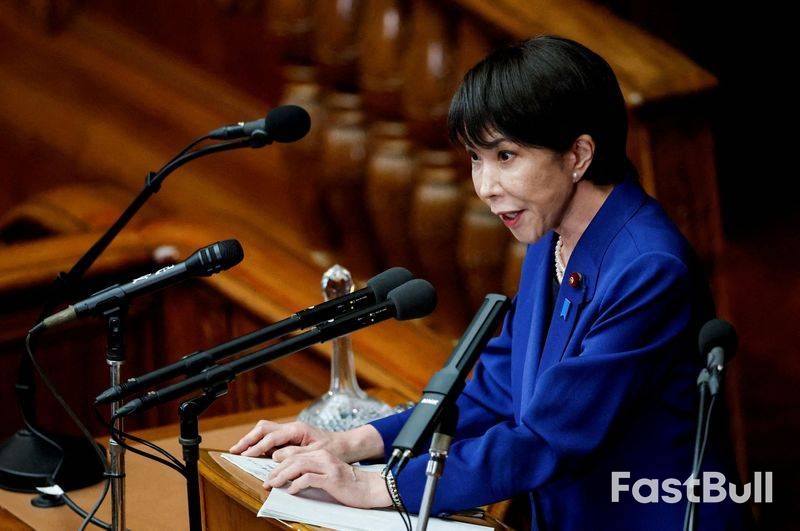
          Figure 1: Prime Minister Sanae Takaichi's consideration of a snap election has introduced significant uncertainty into Japan's fiscal planning.

          Understanding Japan's Deficit-Bond Dilemma

          Japanese law strictly limits government bond issuance to "construction" bonds used for public works projects. To fund its massive stimulus packages and the rising social welfare costs of an aging population, the government has long relied on a workaround: a special, time-limited bill that permits the issuance of "deficit-covering" bonds.

          The current five-year authorization is set to expire at the end of the fiscal year in March. To fund its spending plans for fiscal 2026 and beyond, the government must pass a new bill. Failure to do so would leave a massive hole in the national budget, creating a scenario many are calling Japan's version of a "fiscal cliff."

          A Record Budget Hanging in the Balance

          The stakes are exceptionally high. Takaichi's administration has laid out a record $783 billion budget, nearly a quarter of which is financed by debt.

          Of the 29.6 trillion yen ($186.4 billion) in new debt planned for fiscal 2026, a staggering 22.9 trillion yen is composed of the deficit-covering bonds that require the new legislation. Without that bill, the government would lack the funds to cover its extensive spending commitments.

          Political Fallout and Market Volatility

          The political calculations behind a snap election are complex. While Takaichi's ruling coalition holds a slim majority in the lower house, it lacks control of the upper house. A decisive election victory could strengthen her political mandate but would still necessitate cooperation with the opposition to pass legislation.

          Approval of the debt bill was previously considered a formality, with the opposition Democratic Party for the People (DPP) signaling its support. However, an early election could sour that cooperation, as it would sideline the DPP's own legislative priorities, including tax break proposals.

          DPP leader Yuichiro Tamaki has now stated that his party's support for the debt bill is "in flux," according to Kyodo news agency. This new uncertainty has rattled investors.

          "In terms of a snap election, there's little to be bullish about the bond market," noted Keisuke Tsuruta, a senior bond strategist at Mitsubishi UFJ Morgan Stanley Securities. He warned that heightened political risk would make investors hesitant, potentially putting "upward pressure on the yield curve."

          This pressure is already visible, with the yield on the benchmark 10-year JGB hitting a 27-year high on Tuesday amid expectations that a snap election could empower Takaichi to pursue even more aggressive fiscal stimulus.

          Japan's Enduring Debt Challenge

          The political turmoil unfolds against a backdrop of immense national debt, which stands at twice the size of Japan's economy—the highest ratio among major economies. Debt-servicing costs already consume over a quarter of government spending. These costs are projected to grow as the Bank of Japan continues to raise interest rates, compounding the long-term fiscal challenges facing the nation.

          ($1 = 158.8000 yen)

          To stay updated on all economic events of today, please check out our Economic calendar
          Risk Warnings and Disclaimers
          You understand and acknowledge that there is a high degree of risk involved in trading. Following any strategies or investment methods may lead to potential losses. The content on the site is provided by our contributors and analysts for information purposes only. You are solely responsible for determining whether any trading assets, securities, strategy, or any other product is suitable for investing based on your own investment objectives and financial situation.
          Add to Favorites
          Share

          Trump's Iran Ultimatum: A 25% Tariff on All Partners

          Isaac Bennett

          Remarks of Officials

          Middle East Situation

          Economic

          Political

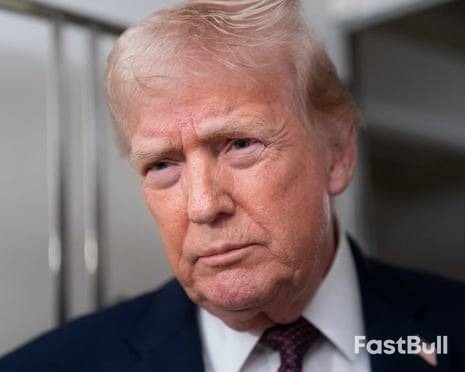
          Donald Trump has issued a stark ultimatum, threatening a 25% tariff on any country that conducts business with Iran. The announcement, made as Washington assesses its response to major anti-government protests in Iran, marks a significant escalation in economic pressure.

          In a Monday post on Truth Social, the US president declared, "Effective immediately, any Country doing business with the Islamic Republic of Iran will pay a Tariff of 25% on any and all business being done with the United States of America."

          Trump added that the order was "final and conclusive," but offered no further details. Tariffs of this nature are typically paid by US-based importers, and Washington already maintains heavy sanctions against Iran.

          White House Silent as China Pushes Back

          Despite the definitive tone of the social media post, the White House website showed no official documentation of the policy. There was no information regarding the legal authority Trump would use to impose such tariffs or a clear list of targeted trading partners. The White House did not respond to a request for comment.

          The move drew a swift response from China, a major destination for Iranian exports along with the United Arab Emirates and India. Beijing stated it opposes "any illicit unilateral sanctions and long-arm jurisdiction" and would "take all necessary measures to safeguard its legitimate rights and interests."

          A spokesperson for the Chinese embassy in Washington reinforced this position on X, saying, "China's position against the indiscriminate imposition of tariffs is consistent and clear. Tariff wars and trade wars have no winners, and coercion and pressure cannot solve problems."

          Tariffs as Leverage Amid Iran's Unrest

          Trump's tariff threat comes at a time of high tension. Iran, which engaged in a 12-day war with US ally Israel last year and saw its nuclear facilities bombed by the US military in June, is now facing its largest anti-government demonstrations in years.

          Trump has previously stated that the US might meet with Iranian officials and that he is in contact with Iran's opposition, while simultaneously threatening military action to pressure Tehran's leaders.

          On Monday, White House Press Secretary Karoline Leavitt confirmed that airstrikes were among the "many, many options" under consideration but stressed that "diplomacy is always the first option for the president."

          Leavitt also suggested a disconnect between public and private communications. "What you're hearing publicly from the Iranian regime is quite different from the messages the administration is receiving privately, and I think the president has an interest in exploring those messages," she said. Tehran confirmed on Monday that communication channels with Washington remain open.

          A Closer Look at Iran's Protests

          The demonstrations in Iran have evolved from grievances over economic hardship into direct calls for the fall of the clerical establishment. The Iranian regime has responded with a harsh crackdown.

          Key elements of the government's response include:

          • Mass arrests, with the US-based Human Rights Activists News Agency reporting over 10,600 detentions.

          • Severe internet blackouts, making it difficult to gauge the situation from abroad.

          • Public warnings that participating in protests could result in the death penalty.

          While the Iranian government has not released casualty figures, the Norway-based NGO Iran Human Rights has confirmed at least 648 deaths. In response to the unrest, France has evacuated non-essential embassy staff from Iran.

          The government has also organized pro-regime rallies, with tens of thousands taking to the streets of Tehran on Monday in a state-sponsored show of support.

          Trump's Tariff-Heavy Playbook Under Scrutiny

          Throughout his second term, Trump has frequently used tariffs as a tool to pressure countries over their ties with US adversaries or what he deems unfair trade policies.

          This latest move adds to a trade policy agenda already facing legal challenges, as the US Supreme Court is currently considering a case that could strike down a wide range of Trump's existing tariffs.

          The potential scope of the new Iran-focused tariff is vast. According to the most recent World Bank data from 2022, Iran, a member of OPEC, exported products to 147 different trading partners.

          To stay updated on all economic events of today, please check out our Economic calendar
          Risk Warnings and Disclaimers
          You understand and acknowledge that there is a high degree of risk involved in trading. Following any strategies or investment methods may lead to potential losses. The content on the site is provided by our contributors and analysts for information purposes only. You are solely responsible for determining whether any trading assets, securities, strategy, or any other product is suitable for investing based on your own investment objectives and financial situation.
          Add to Favorites
          Share

          Russia's Sanction-Proof Oil Trade with India

          King Ten

          Political

          Daily News

          Russia-Ukraine Conflict

          Energy

          Commodity

          Economic

          Russia is actively developing new strategies to bypass the latest US sanctions, ensuring the continued flow of its discounted crude oil to India, one of its most important customers.

          Since the war in Ukraine began, India has emerged as the second-largest global buyer of Russian crude, taking advantage of steep discounts offered in the face of Western economic pressure. This trade relationship has strained ties between the US and India, with the Trump administration accusing New Delhi of financing Moscow's war effort.

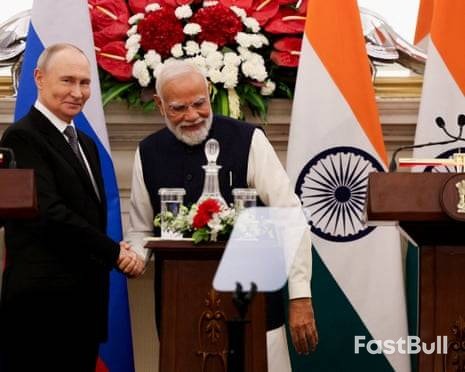
          Figure 1: Russian President Vladimir Putin and Indian Prime Minister Narendra Modi have maintained strong political and economic ties, underpinning the ongoing energy trade despite pressure from the US.

          US Pressure Mounts on New Delhi

          The diplomatic and economic friction has escalated in recent months. In August, the Trump administration imposed a punitive 25% tariff on Indian imports to the US, directly linking the measure to India’s purchases of Russian crude.

          India, however, refused to alter its policy, asserting that its energy decisions are a matter of national sovereignty and would not be dictated by other nations. Trade negotiations between the two countries have since stalled. The White House recently intensified its threats, floating the possibility of 500% tariffs and withdrawing from several India-led global initiatives if the oil purchases continue.

          Sanctions Show Initial Impact

          The latest round of US sanctions, implemented at the end of November, was designed to specifically disrupt the Russia-India oil trade. The rules targeted any company or refinery purchasing oil from Rosneft and Lukoil, Russia's two largest oil exporters and the primary suppliers to the Indian market.

          Initial figures suggest the sanctions had an effect. In December, India's imports of Russian oil fell by approximately one-third, dropping from a daily average of 1.7 million barrels to around 1.2 million barrels.

          Despite this decline, industry analysts remain skeptical that these measures will sever India's reliance on Russian crude in the long run. Even after the sanctions took hold, four of India’s seven largest oil refineries continue to operate primarily on Russian oil.

          Russia's Playbook: Shadow Exporters Emerge

          Evidence already suggests that Russia is reorganizing its supply chain to help partners like India circumvent the sanctions. A significant loophole allows refineries to avoid US penalties as long as the crude is supplied by a company other than Rosneft or Lukoil.

          By December, export data revealed the emergence of several new Russian oil exporters. These entities are believed to be shadow middlemen, created to stand between Russia's oil giants and foreign refineries.

          "It looks like the new players are emerging, which is a sign that Russia is already trying to reorganise the supply chain," said Homayoun Falakshahi, head crude oil analyst at Kpler. "Obviously the Russians are not going to sit and just watch the sanctions take effect, they will try to bypass them as much as they can."

          Falakshahi predicts these new companies will soon dominate exports, estimating it will only take "two or three months until the full supply chain gets reorganised." After that, he expects most barrels will be supplied by firms not named Rosneft or Lukoil, effectively neutralizing the sanctions.

          The Irresistible Logic of a Steep Discount

          For a country like India, which imports 90% of its oil, the economic incentive to buy Russian crude is powerful. Following the latest US sanctions, the discounts have become even more attractive, with Russian barrels selling for $9 to $10 less than comparable oil from Saudi Arabia or Iraq.

          "For the companies that are still willing, buying Russian oil is a risk worth taking because it would represent savings of almost $4bn over a year," Falakshahi noted. "We expect that imports, at least by India's public sector, will soon return to the levels seen previously."

          June Goh, a senior oil market analyst for Sparta Commodities, echoed this sentiment. "The discount is just too attractive for the Indian refiners not to buy the oil," she said. This market reality was reflected in global oil prices, which initially rose on the news of the sanctions but have since fallen back as traders concluded that enforcement would be limited.

          One Exception: Reliance Halts Russian Imports

          Not all Indian refiners are continuing with Russian oil. Reliance, India's largest private oil company and previously a top buyer, announced it would no longer import Russian crude for its Jamnagar refinery. The company cited its "impeccable record" of complying with sanctions, and January marked its first month with zero Russian imports.

          This move appears to be a response not only to US pressure but also to EU sanctions that prevent Russian-origin oil processed in a third country from entering the European market. As the EU is a major export destination for Reliance's diesel and jet fuel, violating the sanctions posed a significant business risk.

          As Reliance looks for alternatives, analysts suggest an opportunity may be emerging. The company is reportedly in talks with the US for authorization to resume purchases of Venezuelan oil, a market India previously sourced from before sanctions were imposed. A Reliance spokesperson confirmed they would "consider buying the oil in a compliant manner."

          To stay updated on all economic events of today, please check out our Economic calendar
          Risk Warnings and Disclaimers
          You understand and acknowledge that there is a high degree of risk involved in trading. Following any strategies or investment methods may lead to potential losses. The content on the site is provided by our contributors and analysts for information purposes only. You are solely responsible for determining whether any trading assets, securities, strategy, or any other product is suitable for investing based on your own investment objectives and financial situation.
          Add to Favorites
          Share

          China & India's Coal Power Use Drops in Historic Shift

          Diana Wallace

          Daily News

          Data Interpretation

          Energy

          Commodity

          Economic

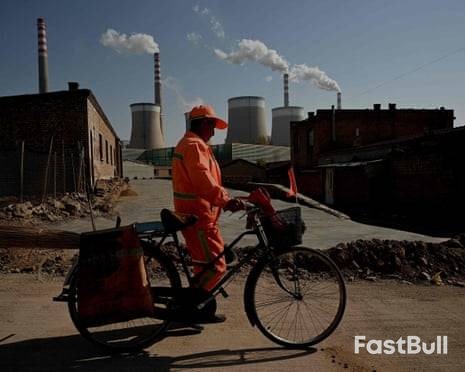
          In a landmark development for global energy markets, coal-fired power generation in China and India fell simultaneously last year, an event not seen since the 1970s. According to new analysis, this historic shift was driven by a record-breaking expansion of clean energy, signaling a potential turning point for global carbon emissions.

          A Landmark Decline in Coal Consumption

          Research from the Centre for Research on Energy and Clean Air, commissioned by Carbon Brief, reveals that electricity generated by coal plants dropped by 1.6% in China and 3% in India during the past year.

          The simultaneous decline in the world's two largest coal-consuming nations is a significant milestone. The report describes the drop in coal power and the corresponding surge in clean energy as a "historic moment" that could be "a sign of things to come."

          The global implications are substantial. Together, China and India accounted for over 90% of the increase in global carbon emissions between 2015 and 2024. A sustained reduction in their coal dependency could signal a peak in worldwide coal consumption and, consequently, global emissions.

          Record Clean Energy Growth Fuels the Transition

          The primary driver behind this downturn in coal use was the explosive growth in renewable energy capacity in both countries. The rollout of new clean energy projects was so extensive that it not only met rising electricity demand but also began to displace existing coal-fired generation.

          China's Unprecedented Renewable Expansion

          China led the charge with a massive build-out of renewable infrastructure. Last year, the country added over 300 gigawatts (GW) of solar power and 100 GW of wind power. To put this in perspective, this combined capacity is more than five times the total existing power generation capacity of the United Kingdom. The report notes these figures are "clear new records for China and, therefore, for any country ever."

          India's Progress Aided by Multiple Factors

          India also made significant strides, adding 35 GW of solar, 6 GW of wind, and 3.5 GW of hydropower. The analysis found that this growth in clean energy was responsible for 44% of the reduction in coal and gas power generation compared to the previous five years.

          However, the reduction in India was also influenced by other factors. Milder weather contributed to 36% of the fossil fuel reduction, while slower growth in underlying energy demand accounted for another 20%. This suggests that a severe summer, which would increase demand for air-conditioning, could potentially reverse some of these gains.

          Global Context and Future Outlook

          This positive development comes after a period of uncertainty for global coal markets. Russia's war on Ukraine caused a spike in global gas prices, prompting many developing nations to turn to cheaper coal and delaying an anticipated peak in global coal power.

          Just over a year ago, the International Energy Agency (IEA) projected that a rebound in coal use following the pandemic could keep consumption at near-record levels until 2027. The latest data from China and India presents a powerful counter-narrative, suggesting the global energy transition may be accelerating faster than previously expected.

          To stay updated on all economic events of today, please check out our Economic calendar
          Risk Warnings and Disclaimers
          You understand and acknowledge that there is a high degree of risk involved in trading. Following any strategies or investment methods may lead to potential losses. The content on the site is provided by our contributors and analysts for information purposes only. You are solely responsible for determining whether any trading assets, securities, strategy, or any other product is suitable for investing based on your own investment objectives and financial situation.
          Add to Favorites
          Share

          Yen Hits New Low on Japan Snap Election Buzz

          Alice Winters

          Remarks of Officials

          Political

          Central Bank

          Forex

          Stocks

          Economic

          The Japanese yen tumbled to its lowest point against the US dollar since July 2024, as speculation intensified that Prime Minister Sanae Takaichi may be preparing to call a snap election.

          On January 13, the currency weakened by as much as 0.5%, hitting 158.91 per dollar and breaking its previous low of 158.87 set in January 2025. In contrast, Japan's Nikkei share index surged, climbing as much as 3.6% after local media reported that Ms. Takaichi intends to dissolve parliament on January 23. This move would pave the way for a general election as early as February 8.

          Election Politics and the "Takaichi Trade"

          An early election could serve to reinforce the prime minister's authority, especially given her high popularity. This political maneuver would likely breathe new life into the "Takaichi trade," an economic strategy associated with her administration that has previously contributed to a weaker yen and losses in the bond market.

          Fundamental Pressures on the Yen

          The yen's decline is not solely driven by political news. It was the worst-performing currency among its Group-of-10 peers in 2025, managing only a 0.3% gain against the dollar. Several underlying factors continue to weigh on the currency:

          • Wide US-Japan yield gaps: The difference in interest rates between the two countries makes holding dollar-denominated assets more attractive.

          • Negative real rates: Japan's interest rates remain low, eroding the yen's value.

          • Persistent capital outflows: Money continues to leave Japan in search of higher returns elsewhere.

          Reflecting these pressures, some currency analysts forecast the yen could weaken further, potentially reaching 160 per dollar or beyond by the end of 2026.

          Intervention Risk Back in Focus

          The rapid currency slide has put Japanese officials on high alert. Finance Minister Satsuki Katayama has escalated warnings against what she describes as "excessive and speculative" moves in the foreign exchange market. These concerns were also shared with US Treasury Secretary Scott Bessent during a bilateral meeting in Washington.

          This brings the possibility of direct government intervention back into the spotlight. The Ministry of Finance last stepped into the currency market on July 12, 2024, when the dollar-yen rate reached a daily high of 159.45. The ministry intervened three other times that year when daily highs hit 161.76, 160.17, and 157.99.

          Officials have consistently stated that they are more concerned with the speed and volatility of the yen's movements rather than any specific exchange rate level. In Japan, intervention decisions are made by the Ministry of Finance and carried out by the Bank of Japan, which typically sells US dollars to strengthen the yen.

          To stay updated on all economic events of today, please check out our Economic calendar
          Risk Warnings and Disclaimers
          You understand and acknowledge that there is a high degree of risk involved in trading. Following any strategies or investment methods may lead to potential losses. The content on the site is provided by our contributors and analysts for information purposes only. You are solely responsible for determining whether any trading assets, securities, strategy, or any other product is suitable for investing based on your own investment objectives and financial situation.
          Add to Favorites
          Share

          SEC Sidesteps Talk of Seizing Venezuela's Bitcoin Stash

          Patrick Turner

          Remarks of Officials

          Daily News

          Cryptocurrency

          Political

          U.S. Securities and Exchange Commission (SEC) Chair Paul Atkins has indicated that the government's response to unconfirmed reports of Venezuela holding a massive $60 billion Bitcoin reserve is still an open question, stressing that any such decision is beyond the SEC's purview.

          Speaking with Fox Business on Monday, Atkins addressed claims that Venezuela possesses up to 600,000 BTC. When asked if the United States would "take those Bitcoin," he deferred, stating, "I leave that to others in the administration to deal with — I'm not involved in that."

          Venezuela's Unverified $60 Billion BTC Hoard

          The speculation surrounding Venezuela's crypto holdings emerged after U.S. forces, acting on President Donald Trump's orders, captured then-President Nicolás Maduro for criminal proceedings in New York.

          Despite the explosive nature of the reports, blockchain analysts and intelligence platforms have so far been unable to verify the existence of the $60 billion crypto stash. However, the Maduro regime has a history of involvement with the digital asset industry. In 2018, the country launched its own oil-backed digital currency, demonstrating a clear interest in the sector.

          US Crypto Regulation Faces Key Senate Test

          While international crypto enforcement remains a complex issue, the focus in Washington is turning toward domestic market structure. Atkins' comments came just days before the U.S. Senate Banking Committee is set to hold a markup on the Digital Asset Market Clarity Act, also known as CLARITY.

          The bill, which aims to establish a clearer regulatory framework for digital assets, was passed by the House of Representatives in July. Its progress in the Senate has been slow, partly due to a 43-day government shutdown in October and November.

          The legislation still faces several hurdles. Key points of contention include:

          • Stablecoin Rewards: Banks and some crypto companies have raised concerns about provisions targeting stablecoin rewards.

          • Ethics and DeFi: Many Democrats are pushing for stronger ethics guardrails and more precise rules governing decentralized finance.

          The bill's path forward is uncertain, with potential delays from the upcoming 2026 midterm elections and the possibility of another government shutdown at the end of January. A central goal of early drafts is to grant the Commodity Futures Trading Commission (CFTC) expanded authority to regulate digital assets.

          Risk Warnings and Disclaimers
          You understand and acknowledge that there is a high degree of risk involved in trading. Following any strategies or investment methods may lead to potential losses. The content on the site is provided by our contributors and analysts for information purposes only. You are solely responsible for determining whether any trading assets, securities, strategy, or any other product is suitable for investing based on your own investment objectives and financial situation.
          Add to Favorites
          Share

          Carney's High-Stakes China Visit Amid US Tensions

          Isaac Bennett

          Remarks of Officials

          Political

          Daily News

          China–U.S. Trade War

          Energy

          Commodity

          Economic

          Canadian Prime Minister Mark Carney departs for China on Tuesday for a critical summit on trade and international security, a move that comes as Canada's relationship with the United States faces growing uncertainty from a trade war and annexation threats by President Donald Trump.

          The visit is the first to Beijing by a Canadian prime minister since 2017 and signals a potential turning point in relations between the two nations. It follows a period of strained ties under former Prime Minister Justin Trudeau, which deteriorated after Canada arrested the chief financial officer of Chinese tech giant Huawei in 2018.

          This trip was set in motion last October when Carney met with Chinese President Xi Jinping in South Korea. While that meeting produced no major breakthroughs, it opened the door for deeper engagement. Now, experts anticipate that concrete deals, or at least promises of future agreements, are on the table.

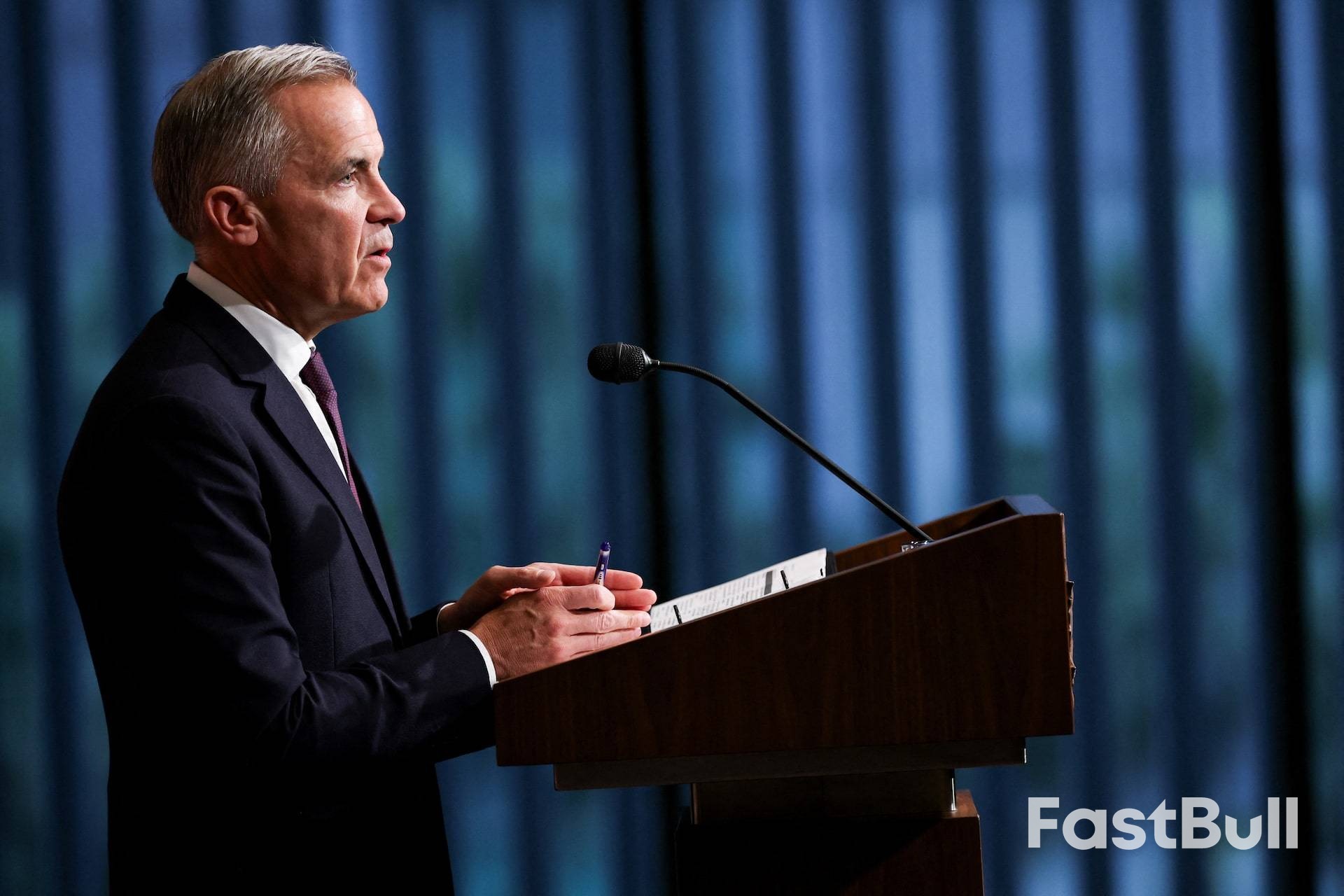
          Figure 1: Prime Minister Mark Carney, pictured here at a 2025 summit, is set to visit China in an effort to redefine Canada's trade and security alliances.

          A Calculated Pivot from Washington

          Analysts believe the visit is far more than a symbolic gesture and will be watched closely in Washington. Greg MacEachern, a former senior Liberal ministerial adviser, noted that an invitation for a prime minister to visit China is rarely for "window dressing."

          "There's a political risk this could upset President Trump, but Prime Minister Carney clearly wants to send the message that Canada is open for business," MacEachern said. "And the Canadian government has made the calculation that it's worth it."

          Senior Canadian officials have confirmed that Carney is expected to sign several memoranda that are currently under discussion. For its part, the Chinese foreign ministry stated it looks forward to deepening mutual trust with Canada during the visit, which runs from January 14-17.

          Crude Oil and Canola Top the Economic Agenda

          High on the agenda are key Canadian exports, particularly crude oil and canola.

          According to a source familiar with the talks, potential deals could pave the way for increased exports of Canadian crude to China. Currently, Canada sends about 90% of its oil to the United States. However, a planned increase in U.S. oil imports from Venezuela threatens to reduce American demand for Canadian crude, making diversification a strategic priority.

          Progress is also expected on the issue of Chinese tariffs on Canadian canola exports, though senior officials do not anticipate a definitive resolution during the trip. China imposed preliminary anti-dumping duties on Canadian canola in August, escalating a year-long dispute that began after Ottawa placed tariffs on Chinese electric vehicle (EV) imports. These duties have effectively halted canola exports to what was once its largest market.

          Colin Hornby, head of the Manitoba farm group Keystone Agricultural Producers, expressed cautious optimism, stating that while he doesn't expect an immediate agreement to lift the tariffs, he is hopeful for a resolution in the coming weeks or months.

          Navigating Tariffs and Domestic Politics

          The trade friction originated with Canada's tariffs on Chinese EVs, a policy introduced under the administration of former U.S. President Joe Biden. Lynette Ong, a professor of Chinese politics at the University of Toronto, suggests that with the recent souring of Canada-U.S. relations, maintaining alignment with Washington on this issue is no longer a priority for Ottawa.

          The situation is further complicated by domestic politics. Doug Ford, the premier of Ontario, Canada's auto manufacturing hub, has urged Carney not to "back down," arguing the EV tariffs should only be removed if China commits to opening a manufacturing facility in the province.

          "Both Canada and China want to signal their good intentions, so they each need to give away something," Ong explained, highlighting the delicate negotiations at play.

          Balancing Trade with Security and Human Rights

          Despite the economic opportunities, the push for closer ties with China comes with significant concerns. Vina Nadjibulla, vice-president of the Asia Pacific Foundation of Canada, warned that increased cooperation in sensitive sectors like AI and critical minerals could jeopardize Canadian security. "There are clear red lines not to be crossed," she stated.

          Canada has previously voiced concerns over human rights violations in China, including:

          • The jailing of pro-democracy media mogul Jimmy Lai.

          • The secret execution of four Canadians in China last year.

          • Past interference in Canadian elections.

          Cheuk Kwan, co-chair of the Toronto Association for Democracy in China, said he hoped Canada would "not fall into the trap of appeasing China just to secure bilateral trade agreements."

          The diplomatic sensitivity of the visit was underscored when two Canadian Members of Parliament announced they were ending a trip to Taiwan ahead of Carney's arrival in China to avoid any confusion with Canada's official foreign policy.

          China's Potential "Charm Offensive"

          China appears to be rolling out the red carpet, with plans to welcome Carney at Beijing's Great Hall of the People. Joseph Torigian, an expert on Chinese politics at American University, described this as part of a potential "charm offensive."

          Torigian suggested China may be looking to bolster its global reputation, especially after the recent U.S. seizure of Venezuelan President Nicolas Maduro. "The Chinese might make a case during bilateral meetings with Canada about how unreliable the U.S. is as a partner and how dangerous they are," he said. "Whereas China is willing to help Canada expand its trade relationships outside of its hemisphere if the Canadians are willing to play ball."

          To stay updated on all economic events of today, please check out our Economic calendar
          Risk Warnings and Disclaimers
          You understand and acknowledge that there is a high degree of risk involved in trading. Following any strategies or investment methods may lead to potential losses. The content on the site is provided by our contributors and analysts for information purposes only. You are solely responsible for determining whether any trading assets, securities, strategy, or any other product is suitable for investing based on your own investment objectives and financial situation.
          Add to Favorites
          Share
          FastBull
          Copyright © 2026 FastBull Ltd

          728 RM B 7/F GEE LOK IND BLDG NO 34 HUNG TO RD KWUN TONG KLN HONG KONG

          TelegramInstagramTwitterfacebooklinkedin
          App Store Google Play Google Play
          Products
          Charts

          Chats

          Q&A with Experts
          Screeners
          Economic Calendar
          Data
          Tools
          Membership
          Features
          Function
          Markets
          Copy Trading
          Latest Signals
          Contests
          News
          Analysis
          24/7
          Columns
          Education
          Company
          Careers
          About Us
          Contact Us
          Advertising
          Help Center
          Feedback
          User Agreement
          Privacy Policy
          Personal Information Protection Statement
          Business

          White Label

          Data API

          Web Plug-ins

          Poster Maker

          Affiliate Program

          Risk Disclosure

          The risk of loss in trading financial instruments such as stocks, FX, commodities, futures, bonds, ETFs and crypto can be substantial. You may sustain a total loss of the funds that you deposit with your broker. Therefore, you should carefully consider whether such trading is suitable for you in light of your circumstances and financial resources.

          No decision to invest should be made without thoroughly conducting due diligence by yourself or consulting with your financial advisors. Our web content might not suit you since we don't know your financial conditions and investment needs. Our financial information might have latency or contain inaccuracy, so you should be fully responsible for any of your trading and investment decisions. The company will not be responsible for your capital loss.

          Without getting permission from the website, you are not allowed to copy the website's graphics, texts, or trademarks. Intellectual property rights in the content or data incorporated into this website belong to its providers and exchange merchants.

          Not Logged In

          Log in to access more features

          FastBull Membership

          Not yet

          Purchase

          Become a signal provider
          Help Center
          Customer Service
          Dark Mode
          Price Up/Down Colors

          Log In

          Sign Up

          Position
          Layout
          Fullscreen
          Default to Chart
          The chart page opens by default when you visit fastbull.com