• Trade
  • Markets
  • Copy
  • Contests
  • News
  • 24/7
  • Calendar
  • Q&A
  • Chats
Screeners
SYMBOL
LAST
ASK
BID
HIGH
LOW
NET CHG.
%CHG.
SPREAD
SPX
S&P 500 Index
6969.02
6969.02
6969.02
6992.83
6870.81
-9.01
-0.13%
--
DJI
Dow Jones Industrial Average
49071.55
49071.55
49071.55
49292.81
48597.22
+55.96
+ 0.11%
--
IXIC
NASDAQ Composite Index
23685.11
23685.11
23685.11
23840.55
23232.78
-172.33
-0.72%
--
USDX
US Dollar Index
96.320
96.400
96.320
96.560
96.240
+0.350
+ 0.36%
--
EURUSD
Euro / US Dollar
1.19306
1.19314
1.19306
1.19743
1.18947
-0.00396
-0.33%
--
GBPUSD
Pound Sterling / US Dollar
1.37620
1.37630
1.37620
1.38142
1.37313
-0.00473
-0.34%
--
XAUUSD
Gold / US Dollar
5216.65
5217.03
5216.65
5450.83
5112.26
-159.66
-2.97%
--
WTI
Light Sweet Crude Oil
64.111
64.146
64.111
65.611
63.409
-1.141
-1.75%
--

Community Accounts

Signal Accounts
--
Profit Accounts
--
Loss Accounts
--
View More

Become a signal provider

Sell trading signals to earn additional income

View More

Guide to Copy Trading

Get started with ease and confidence

View More

Signal Accounts for Members

All Signal Accounts

Best Return
  • Best Return
  • Best P/L
  • Best MDD
Past 1W
  • Past 1W
  • Past 1M
  • Past 1Y

All Contests

  • All
  • Trump Updates
  • Recommend
  • Stocks
  • Cryptocurrencies
  • Central Banks
  • Featured News
Top News Only
Share

According To The Japan Exchange Website, From 10:21:49 To 10:31:59 Beijing Time On January 30, 2026, The Osaka Exchange Activated Its Circuit Breaker Mechanism For Platinum Futures, Temporarily Suspending Trading. This Was Due To A Sharp Drop In Global Platinum Prices, With The Decline Reaching The 10% Limit Set By The Previous Day. The Circuit Breaker Mechanism Is A Measure Taken By Exchanges To Cope With Severe Market Volatility, Aiming To Temporarily Restrict Or Suspend Trading To Encourage Investors To Remain Calm. This Was The First Time The Circuit Breaker Mechanism For Platinum Futures Had Been Activated Since December 30, 2025, Starting At 10:21 AM Beijing Time And Lasting For 10 Minutes

Share

Hsi Down 498 Pts, Hsti Down 105 Pts, Cspc Pharma Down Over 12%, Shk Ppt, Huabao Intl Hit New Highs

Share

Citi Expects Cn 2026 Econ Growth Target To Be Set At 4.5-5%, Below Forecast

Share

India's NIFTY IT Index Down 1.5%

Share

India's Nifty Bank Futures Down 0.26% In Pre-Open Trade

Share

India's Nifty 50 Index Down 0.67% In Pre-Open Trade

Share

India 10-Year Benchmark Government Bond Yield At 6.7042%, Previous Close 6.6984%

Share

Indian Rupee Opens At 91.9125 Per USA Dollar, Little Changed From 91.9550 Previous Close

Share

《Hibor》1-Month Hibor Down To 2.61%, Sinking For 6 Days Logging 1-Month Low

Share

Citi Predicts Cn Allocation To Push Copper To Usd15-16K/ Ton In Coming Weeks, But Rather Unlikely To Sustain

Share

Spot Platinum Extends Declines, Last Down Over 5% At $2453.60/Oz

Share

Bombardier - Have Taken Note Of Post From President Of United States To Social Media And Are In Contact With Canadian Government

Share

Cuba State-Run Media Says Trump Decree Seeks "The Genocide Of The Cuban People"

Share

China's SSE Star 50 Index Down 2%

Share

The Main Lithium Carbonate Futures Contract Hit Its Daily Limit Down, Falling 10.99% To 148,200 Yuan/ton

Share

The Most Active Lithium Carbonate Futures Contract Fell 10.00% Intraday, Currently Trading At 149,540 Yuan/ton. The Most Active Platinum Futures Contract Declined 12.00% Intraday, Currently Trading At 627.10 Yuan/gram. The Most Active Tin Futures Contract On The Shanghai Stock Exchange Plummeted 6.00% Intraday, Currently Trading At 418,000.00 Yuan/ton. LME Tin Fell 2.00% Intraday, Currently Trading At 52,900.00 USD/ton

Share

Platinum Futures Fell 10.00% Intraday, Currently Trading At 643.00 Yuan/gram; Spot Palladium Fell More Than 4.00% Intraday, Currently Trading At 1914.10 USD/ounce

Share

WTI Crude Oil Touched $64 Per Barrel, Down 2.40% On The Day; Brent Crude Oil Fell Below $68 Per Barrel, Down 2.11% On The Day

Share

The Most Active Shanghai Silver Futures Contract Fell 4.00% Intraday, Currently Trading At 28,324.00 Yuan/kg. The Most Active Shanghai Copper Futures Contract Declined 2.00% Intraday, Currently Trading At 104,120.00 Yuan/ton

Share

Oil Futures Fell By More Than $1 Per Barrel, With Brent Crude Futures Dropping To A Low Of $69.62 Per Barrel And WTI Crude Futures Settling At $64.18 Per Barrel

TIME
ACT
FCST
PREV
U.S. Exports (Nov)

A:--

F: --

P: --

Canada Imports (SA) (Nov)

A:--

F: --

P: --
Canada Exports (SA) (Nov)

A:--

F: --

P: --
U.S. Factory Orders MoM (Excl. Defense) (Nov)

A:--

F: --

P: --

U.S. Factory Orders MoM (Nov)

A:--

F: --

P: --
U.S. Wholesale Sales MoM (SA) (Nov)

A:--

F: --

P: --

U.S. Factory Orders MoM (Excl. Transport) (Nov)

A:--

F: --

P: --
U.S. Non-Defense Capital Durable Goods Orders Revised MoM (Excl. Aircraft) (SA) (Nov)

A:--

F: --

P: --
U.S. EIA Weekly Natural Gas Stocks Change

A:--

F: --

P: --

Brazil CAGED Net Payroll Jobs (Dec)

A:--

F: --

P: --

U.S. Weekly Treasuries Held by Foreign Central Banks

A:--

F: --

P: --

South Korea Industrial Output MoM (SA) (Dec)

A:--

F: --

P: --

South Korea Services Output MoM (Dec)

A:--

F: --

P: --

South Korea Retail Sales MoM (Dec)

A:--

F: --

P: --

Japan Tokyo CPI YoY (Excl. Food & Energy) (Jan)

A:--

F: --

P: --

Japan Tokyo CPI MoM (Excl. Food & Energy) (Jan)

A:--

F: --

P: --

Japan Unemployment Rate (Dec)

A:--

F: --

P: --

Japan Tokyo CPI YoY (Jan)

A:--

F: --

P: --

Japan Jobs to Applicants Ratio (Dec)

A:--

F: --

P: --

Japan Tokyo CPI MoM (Jan)

A:--

F: --

P: --

Japan Tokyo Core CPI YoY (Jan)

A:--

F: --

P: --

Japan Retail Sales YoY (Dec)

A:--

F: --

P: --
Japan Industrial Inventory MoM (Dec)

A:--

F: --

P: --

Japan Retail Sales (Dec)

A:--

F: --

P: --

Japan Retail Sales MoM (SA) (Dec)

A:--

F: --

P: --
Japan Large-Scale Retail Sales YoY (Dec)

A:--

F: --

P: --

Japan Industrial Output Prelim MoM (Dec)

A:--

F: --

P: --

Japan Industrial Output Prelim YoY (Dec)

A:--

F: --

P: --

Australia PPI YoY (Q4)

A:--

F: --

P: --

Australia PPI QoQ (Q4)

A:--

F: --

P: --

Japan Construction Orders YoY (Dec)

--

F: --

P: --

Japan New Housing Starts YoY (Dec)

--

F: --

P: --

France GDP Prelim YoY (SA) (Q4)

--

F: --

P: --

Turkey Trade Balance (Dec)

--

F: --

P: --

France PPI MoM (Dec)

--

F: --

P: --

Germany Unemployment Rate (SA) (Jan)

--

F: --

P: --

Germany GDP Prelim YoY (Not SA) (Q4)

--

F: --

P: --

Germany GDP Prelim QoQ (SA) (Q4)

--

F: --

P: --

Germany GDP Prelim YoY (Working-day Adjusted) (Q4)

--

F: --

P: --

Italy GDP Prelim YoY (SA) (Q4)

--

F: --

P: --

U.K. M4 Money Supply (SA) (Dec)

--

F: --

P: --

U.K. M4 Money Supply YoY (Dec)

--

F: --

P: --

U.K. M4 Money Supply MoM (Dec)

--

F: --

P: --

U.K. Mortgage Lending (Dec)

--

F: --

P: --

U.K. Mortgage Approvals (Dec)

--

F: --

P: --

Italy Unemployment Rate (SA) (Dec)

--

F: --

P: --

Euro Zone Unemployment Rate (Dec)

--

F: --

P: --

Euro Zone GDP Prelim QoQ (SA) (Q4)

--

F: --

P: --

Euro Zone GDP Prelim YoY (SA) (Q4)

--

F: --

P: --

Italy PPI YoY (Dec)

--

F: --

P: --

India Deposit Gowth YoY

--

F: --

P: --

Mexico GDP Prelim YoY (Q4)

--

F: --

P: --

Brazil Unemployment Rate (Dec)

--

F: --

P: --

South Africa Trade Balance (Dec)

--

F: --

P: --

Germany CPI Prelim YoY (Jan)

--

F: --

P: --

Germany CPI Prelim MoM (Jan)

--

F: --

P: --

Germany HICP Prelim YoY (Jan)

--

F: --

P: --

Germany HICP Prelim MoM (Jan)

--

F: --

P: --

Canada GDP MoM (SA) (Nov)

--

F: --

P: --

Canada GDP YoY (Nov)

--

F: --

P: --

Q&A with Experts
    • All
    • Chatrooms
    • Groups
    • Friends
    ali flag
    yesday my account wipe out 40 dollar to 3 dollar now 3 dollar to 26 dollar done 👍
    Khizar M flag
    hi
    ali flag
    yesterday not yesday
    Khizar M flag
    john flag
    3463881
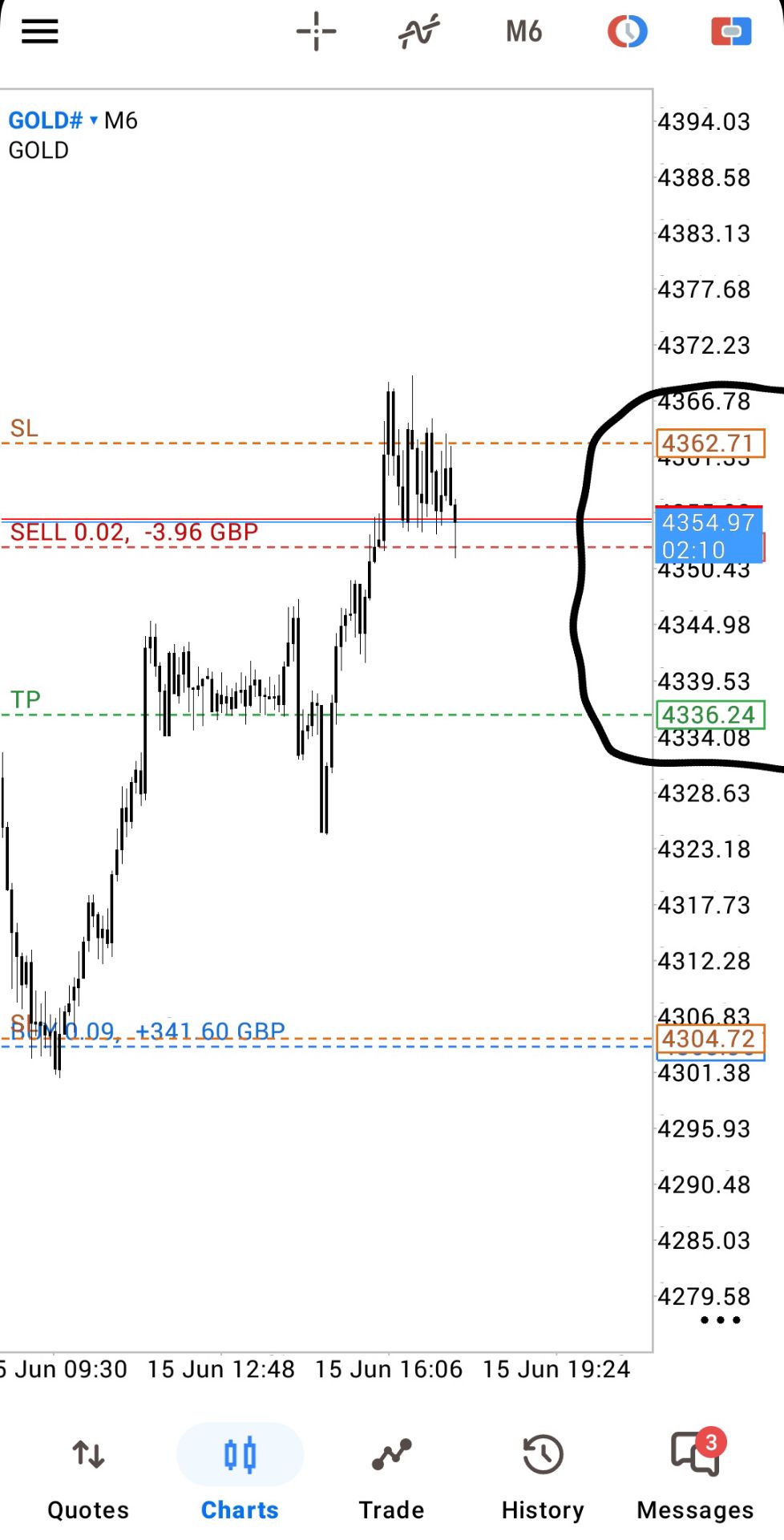
    can we buy gold now?
    @Visitor3463881looking at the chart whatever timeframe you in what does it screams to you
    marsgents flag
    end of month sell off all asset tonight?
    marsgents flag
    john
    @johnsell
    srinivas flag
    john
    @johnis in buy mode as buyers have taken control. is called vsa
    john flag
    marsgents
    @marsgentssame case in H4 timeframe and the fact that it's on a Friday
    srinivas flag
    if you don't create a system you believe in hallucinations as facts Friday we need to sell Wednesday we need to buy. this is why traders lose money
    marsgents flag
    john
    @john4h want more down,do you weekly mate?weekly want halfway last week candle
    Nawhdir Øt flag
    alright this is the last. If fail, I stop
    Nawhdir Øt flag
    srinivas flag
    sl will be hit
    srinivas flag
    82301 trend changed
    Nawhdir Øt flag
    no problem. If touched. I still have ++ left.
    ali flag
    just make box 50% check with resistance then stoploss mark
    srinivas flag
    don't short gold
    ali flag
    No gold short and long right now movement are tsunami wave candle both side
    Nawhdir Øt flag
    Type here...
    Add Symbol or Code

      No matching data

      All
      Trump Updates
      Recommend
      Stocks
      Cryptocurrencies
      Central Banks
      Featured News
      • All
      • Russia-Ukraine Conflict
      • Middle East Flashpoint
      • All
      • Russia-Ukraine Conflict
      • Middle East Flashpoint
      Search
      Products

      Charts Free Forever

      Chats Q&A with Experts
      Screeners Economic Calendar Data Tools
      Membership Features
      Data Warehouse Market Trends Institutional Data Policy Rates Macro

      Market Trends

      Market Sentiment Order Book Forex Correlations

      Top Indicators

      Charts Free Forever
      Markets

      News

      News Analysis 24/7 Columns Education
      From Institutions From Analysts
      Topics Columnists

      Latest Views

      Latest Views

      Trending Topics

      Top Columnists

      Latest Update

      Signals

      Copy Rankings Latest Signals Become a signal provider AI Rating
      Contests
      Brokers

      Overview Brokers Assessment Rankings Regulators News Claims
      Broker listing Forex Brokers Comparison Tool Live Spread Comparison Scam
      Q&A Complaint Scam Alert Videos Tips to Detect Scam
      More

      Business
      Events
      Careers About Us Advertising Help Center

      White Label

      Data API

      Web Plug-ins

      Affiliate Program

      Awards Institution Evaluation IB Seminar Salon Event Exhibition
      Vietnam Thailand Singapore Dubai
      Fans Party Investment Sharing Session
      FastBull Summit BrokersView Expo
      Recent Searches
        Top Searches
          Markets
          News
          Analysis
          User
          24/7
          Economic Calendar
          Education
          Data
          • Names
          • Latest
          • Prev

          View All

          No data

          Scan to Download

          Faster Charts, Chat Faster!

          Download App
          English
          • English
          • Español
          • العربية
          • Bahasa Indonesia
          • Bahasa Melayu
          • Tiếng Việt
          • ภาษาไทย
          • Français
          • Italiano
          • Türkçe
          • Русский язык
          • 简中
          • 繁中
          Open Account
          Search
          Products
          Charts Free Forever
          Markets
          News
          Signals

          Copy Rankings Latest Signals Become a signal provider AI Rating
          Contests
          Brokers

          Overview Brokers Assessment Rankings Regulators News Claims
          Broker listing Forex Brokers Comparison Tool Live Spread Comparison Scam
          Q&A Complaint Scam Alert Videos Tips to Detect Scam
          More

          Business
          Events
          Careers About Us Advertising Help Center

          White Label

          Data API

          Web Plug-ins

          Affiliate Program

          Awards Institution Evaluation IB Seminar Salon Event Exhibition
          Vietnam Thailand Singapore Dubai
          Fans Party Investment Sharing Session
          FastBull Summit BrokersView Expo

          Strong Euro Drags Down Bond Yields as ECB Rate Cut Bets Rise

          Blue River

          Bond

          Commodity

          Energy

          Economic

          Traders' Opinions

          Forex

          Central Bank

          Remarks of Officials

          Summary:

          Euro strength fuels ECB rate cut speculation, but rising oil prices complicate the policy outlook.

          Eurozone bond yields ticked lower on Thursday, driven by growing speculation that the European Central Bank may be forced to cut interest rates sooner than expected. The main catalyst is the euro's recent strength, which is raising questions about its potential impact on inflation.

          Germany’s benchmark 10-year bond yield fell 2.5 basis points to 2.824%. Shorter-term debt also saw downward pressure, with the German two-year yield dropping 2 basis points to 2.06%, its lowest level in a week.

          The Euro's Rally Puts Pressure on the ECB

          The euro recently broke above the $1.20 mark against the U.S. dollar for the first time since mid-2021 before settling back to $1.1932. This appreciation has caught the attention of policymakers and traders alike.

          Because the Eurozone is a net importer of energy, a stronger currency directly reduces the cost of imports, which can have a disinflationary effect. This dynamic has fueled market bets on an earlier ECB rate cut.

          The speculation gained credibility after ECB policymaker Martin Kocher told the Financial Times that further appreciation of the euro could compel the central bank to lower rates.

          A Balancing Act: Oil Prices vs. Currency Strength

          Despite the growing chatter, some analysts believe the market is getting ahead of itself. Andrzej Szczepaniak, senior European economist at Nomura, argued that traders would need to see a decisive and sustained break above the $1.20 level before fully pricing in another rate cut.

          He pointed out that rising oil prices are creating an opposing, inflationary force that counteracts the euro's strength.

          "The stronger euro-dollar and also the rise in oil prices actually offset each other," Szczepaniak explained. "Obviously, stronger euro-dollar having a disinflationary impact, whereas higher oil prices having an inflationary impact."

          Driven by a weaker dollar and geopolitical tensions, the price of oil has climbed 16% this month to its highest point since July. Szczepaniak suggested that as long as these two forces remain in balance, the ECB has room to keep its policy on hold.

          Global Context: The Federal Reserve Holds Steady

          Meanwhile, the U.S. Federal Reserve concluded its recent meeting by leaving interest rates unchanged, as was widely anticipated. The central bank noted that inflation remains elevated while the labor market continues to stabilize.

          In his press conference, Fed Chair Jerome Powell adopted a slightly hawkish tone but clarified that a rate hike was not part of the baseline outlook for policymakers.

          To stay updated on all economic events of today, please check out our Economic calendar
          Risk Warnings and Disclaimers
          You understand and acknowledge that there is a high degree of risk involved in trading. Following any strategies or investment methods may lead to potential losses. The content on the site is provided by our contributors and analysts for information purposes only. You are solely responsible for determining whether any trading assets, securities, strategy, or any other product is suitable for investing based on your own investment objectives and financial situation.
          Add to Favorites
          Share

          IMF's Warning to Emerging Markets: Your Resilience Is Fragile

          Michael Ross

          Economic

          Remarks of Officials

          The International Monetary Fund (IMF) has issued a stark warning to emerging market economies: while they have weathered recent trade shocks and geopolitical turmoil, their current stability rests on a narrow base that may not last.

          According to IMF chief economist Pierre-Olivier Gourinchas, the global economy has absorbed the initial impact of tariff shocks. This resilience has been fueled by companies reconfiguring their supply chains, supportive financial conditions, and a major investment boom in technology and artificial intelligence that has boosted exports, especially in Asia.

          These same forces have propped up emerging markets, sustaining economic activity and capital flows despite high levels of uncertainty.

          The AI Boom: A Double-Edged Sword

          While the global economy appears stable, the IMF cautions that this growth is becoming increasingly concentrated. Activity is clustered in a handful of sectors, with technology and AI leading the charge. This creates significant risks.

          "While the current investment boom offers the promise of a long-lasting productivity boost, the question remains whether returns will continue to meet or exceed expectations," Gourinchas stated at a roundtable ahead of the AlUla Conference on Emerging Market Economies.

          IMF officials warned that if the tech investment cycle turns, emerging markets could be hit hard by a sudden tightening of financial conditions and a rush of capital outflows.

          Looming Risks for Labor and Finance

          The Fund also flagged emerging concerns in the labor market, noting early signs of softening in several countries. Over the longer term, the widespread adoption of AI could displace workers, creating new and complex challenges for policymakers.

          Further complicating the picture is the US dollar. Gourinchas noted that its depreciation over the past year has eased financial pressure in many emerging markets. However, he cautioned that this relief has been unevenly distributed, particularly for commodity-exporting nations.

          On the policy front, many countries have successfully used countercyclical fiscal measures to soften economic downturns. Yet, for economies already burdened with high debt levels, borrowing costs remain elevated.

          A Narrow Window to Prepare

          The IMF has previously credited emerging market resilience to stronger monetary credibility, flexible exchange rates, and improved fiscal frameworks. While these factors are still crucial, officials now say that easier external financial conditions and the tech-led investment boom have played a more significant role in supporting recent growth.

          The Fund's latest global economic update reinforces its warning: the current stability is narrow. Governments are urged to use this period to prepare for potentially less favorable conditions ahead.

          Gourinchas outlined a clear strategy for policymakers:

          • Strengthen fiscal buffers: Use the current window to shore up national finances.

          • Improve debt management: Get a handle on sovereign borrowing before conditions worsen.

          • Safeguard price stability: Maintain control over inflation.

          • Enact structural reforms: Implement policies to lift productivity and diversify the sources of economic growth beyond just a few hot sectors.

          To stay updated on all economic events of today, please check out our Economic calendar
          Risk Warnings and Disclaimers
          You understand and acknowledge that there is a high degree of risk involved in trading. Following any strategies or investment methods may lead to potential losses. The content on the site is provided by our contributors and analysts for information purposes only. You are solely responsible for determining whether any trading assets, securities, strategy, or any other product is suitable for investing based on your own investment objectives and financial situation.
          Add to Favorites
          Share

          Oil Prices Hit 4-Month High on Iran Tensions & US Supply Squeeze

          Edward Lawson

          Energy

          Commodity

          Data Interpretation

          Middle East Situation

          Traders' Opinions

          Remarks of Officials

          Oil prices surged to their highest levels in four months as markets grappled with a combination of escalating geopolitical risk and severe weather-related supply disruptions in the United States.

          On Thursday, Brent crude futures for March delivery rose 2.2% to trade at $68.85 per barrel, after briefly touching $70.35, a peak not seen since late September. Meanwhile, West Texas Intermediate (WTI) crude futures gained 2.4%, reaching $64.72 a barrel and earlier clearing the $65 mark. Both oil benchmarks have climbed approximately 9% over the past week.

          Geopolitical Risk Spikes on US-Iran Standoff

          The primary driver behind the rally is mounting tension between the U.S. and Iran, which has injected a significant risk premium into the market. Traders are concerned that a potential conflict could disrupt crude output from a key Middle Eastern producer.

          Recent reports indicated that U.S. President Donald Trump was considering new military actions against Iran, potentially targeting its leadership and nuclear facilities. This follows earlier calls for Tehran to renegotiate its nuclear program, which were rejected. The situation has been intensified by the arrival of U.S. warships in the Middle East, with Trump suggesting more naval assets are en route.

          As the fourth-largest producer within OPEC, Iran's output of 3.2 million barrels per day is critical to global supply. Analysts at ING noted that while an immediate disruption to Iranian oil is a key concern, a wider escalation could endanger the nearly 20 million barrels of oil that pass through the Strait of Hormuz daily.

          However, not all analysts see a conflict as inevitable. Kepler Cheuvreux argued in a note that the probability of a major supply disruption is low. They believe President Trump's main objective is a nuclear deal, not regime change, making a large-scale bombing campaign unlikely. While Kepler acknowledged that oil prices could continue to rise in the short term, they expect the gains to be temporary, lasting perhaps a couple of weeks.

          Winter Storm Disrupts US Production and Shrinks Inventories

          Adding to supply-side pressures, a severe winter storm has swept across the United States, bringing heavy snow and freezing temperatures that have disrupted domestic crude production.

          An estimated 2 million barrels per day of oil production were taken offline over the past week, and exports from the Gulf Coast were also hampered. The impact of these disruptions is already visible in official data, with U.S. oil inventories showing an unexpectedly sharp decline.

          According to government figures released Wednesday, U.S. oil stockpiles for the week ending January 23 fell by 2.295 million barrels. This drawdown significantly outpaced market expectations of a 0.2 million barrel drop.

          A closer look at the data reveals the sources of this tightening supply:

          • Imports: Dropped by 805,000 barrels per day.

          • Exports: Increased by 901,000 barrels per day week-over-week.

          • Production: Crude output in the Lower 48 states fell by an estimated 42,000 barrels per day.

          • Refinery Activity: Operating rates at U.S. refineries declined by 2.4 percentage points to 90.9% of capacity.

          Risk Warnings and Disclaimers
          You understand and acknowledge that there is a high degree of risk involved in trading. Following any strategies or investment methods may lead to potential losses. The content on the site is provided by our contributors and analysts for information purposes only. You are solely responsible for determining whether any trading assets, securities, strategy, or any other product is suitable for investing based on your own investment objectives and financial situation.
          Add to Favorites
          Share

          WTF Just Happened...

          Justin

          Commodity

          ...aaaand it's gone!

          Tech's wreck at the open started it... following Goldman's Privorotsky's warning earlier to 'keep an eye on the megacap tech names today'...

          US equities puked as the cash market opened, with Nasdaq erasing overnight gains rapidly...

          ...as losses in MSFT accelerated...

          ...crypto followed with Bitcoin crashing to its lowest since Dec 18th...

          ...and then gold plunged back below $5300...

          And for now we see no catalyst for this break.

          Source: Zero Hedge

          Risk Warnings and Disclaimers
          You understand and acknowledge that there is a high degree of risk involved in trading. Following any strategies or investment methods may lead to potential losses. The content on the site is provided by our contributors and analysts for information purposes only. You are solely responsible for determining whether any trading assets, securities, strategy, or any other product is suitable for investing based on your own investment objectives and financial situation.
          Add to Favorites
          Share

          India Projects 7% GDP Growth Amid Global Risks

          Owen Li

          Data Interpretation

          Economic

          Political

          Forex

          Central Bank

          Remarks of Officials

          India's economy is on track to grow between 6.8% and 7.2% in the fiscal year beginning in April, propelled by strong domestic demand even as global volatility presents significant headwinds.

          The projection, detailed in the government's annual economic survey, marks a slight moderation from the current fiscal year's estimated 7.4% growth. Presented to parliament by Finance Minister Nirmala Sitharaman, the report strikes a tone of cautious optimism, forecasting "steady growth amid global uncertainty."

          The government's assessment for the current year at 7.4% notably surpasses the 6.3%-6.8% range predicted in last year’s survey.

          Navigating External Economic Pressures

          While the domestic outlook is robust, the report acknowledges that global conditions introduce considerable uncertainty. Key external risks threatening India's economy include:

          • Slower growth among major trading partners.

          • Trade disruptions stemming from international tariff policies.

          • Volatility in capital flows that could affect exports and investor sentiment.

          The report, authored by Chief Economic Adviser V. Anantha Nageswaran and his team, positions these challenges as sources of uncertainty rather than immediate macroeconomic distress.

          US Tariffs and the Undervalued Rupee

          The survey directly addresses the impact of global trade tensions, particularly with the United States. In August, President Donald Trump imposed a 50% tariff on certain Indian goods, prompting New Delhi to accelerate efforts to diversify its export markets through new trade deals with the European Union, New Zealand, and Oman.

          Since the tariffs were introduced, the Indian rupee has fallen 5%, hitting a record low of 91.9850 per dollar on Thursday.

          The economic survey argues that the currency is now "punching below its weight." The report states that the rupee's valuation does not align with India's strong economic fundamentals. However, this "undervalued" status provides a partial buffer against the impact of higher U.S. tariffs on Indian exports.

          This currency weakness comes with a trade-off. While beneficial for exporters and manageable during a period of low inflation, it has made foreign investors hesitant. This reluctance led to a record withdrawal of $19 billion from Indian equities in 2025, with foreign investors continuing to be net sellers in January.

          Domestic Reforms to Drive a Resilient Economy

          To counter external pressures, the government is relying on a series of domestic reforms to stimulate investment and consumption. The survey highlights recent policy changes expected to strengthen the economy, including consumption-tax cuts, a comprehensive overhaul of labor laws, and measures to open up the nuclear power sector.

          Furthermore, the report expresses optimism that "ongoing trade negotiations with the United States are expected to conclude during the year," which could help reduce uncertainty on the external front.

          International Consensus on India's Growth Story

          The Indian government's growth forecast is broadly in line with projections from major international institutions.

          The International Monetary Fund (IMF) recently raised its growth forecast for India for the upcoming fiscal year to 7.3%. Similarly, the World Bank upgraded its projection to 7.2%.

          Domestically, the Reserve Bank of India (RBI) has noted that high-frequency indicators point to sustained demand. The central bank has actively supported growth by cutting interest rates by 125 basis points since February 2025, its most aggressive easing cycle since 2019.

          To stay updated on all economic events of today, please check out our Economic calendar
          Risk Warnings and Disclaimers
          You understand and acknowledge that there is a high degree of risk involved in trading. Following any strategies or investment methods may lead to potential losses. The content on the site is provided by our contributors and analysts for information purposes only. You are solely responsible for determining whether any trading assets, securities, strategy, or any other product is suitable for investing based on your own investment objectives and financial situation.
          Add to Favorites
          Share

          Bitcoin Flat at $88K Despite Dollar’s 12-Month Slump, Gold’s New High

          Adam

          Cryptocurrency

          Bitcoin is struggling to find its footing near the $88,000 mark even as traditional safe-haven assets reach historic milestones.
          The leading crypto is down 2.1% over the last 24 hours, currently trading at just under $88,000, according to data from price aggregator CoinGecko. In stark contrast, gold reached a peak of $5,602 per ounce Thursday before a slight retracement.
          Simultaneously, the U.S. Dollar Index (DXY)—which measures the greenback against a basket of major currencies—continued its year-long slide, hitting a low of 96.38 as of Thursday.
          Since assets are typically priced in U.S. dollars, a collapsing dollar index should logically inflate the valuation of risk and safe-haven assets. However, Bitcoin's stagnation in 2026 and a sustained downtrend in the last quarter of the previous year have confused investors.
          “Bitcoin’s recent stagnation reflects a market that’s still trading macro first, narrative second,” Wenny Cai, COO at SynFutures, told Decrypt.
          While gold and commodities are drawing flows as traditional havens, Bitcoin is currently behaving more like a "high-beta risk asset"—meaning it moves in sync with speculative stocks—rather than a direct hedge against dollar weakness, Cai said.
          Gold vs. Bitcoin
          The divergence between gold and Bitcoin highlights the market’s perception of a long-standing inflation hedge versus a digital gold narrative that is less than two decades old.
          When macroeconomic or policy fears rise as they did during Japan’s bond crisis and the NY Fed’s rate check events, "old money" typically flows into the most established exit ramp first, as noted in a previous Decrypt report.
          "Gold, as a mature and well-established asset, is unmistakable in the signal it sends," Ben Caselin, CMO of South African crypto exchange VALR, told Decrypt.
          He explained that as more local currencies face pressure and the dollar declines, both assets stand to benefit. "One significant acceleration in gold followed by significant profit-taking is enough to spark a significant Bitcoin rally," Caselin added.
          Still, gold's rally is not bad news for Bitcoin, nor is the top crypto’s consolidation.
          This 'gold-first' movement is viewed by some analysts as a leading indicator for Bitcoin, arguing that the massive capital flowing into bullion often precedes a rotation into digital assets as investors seek alternatives to government-issued fiat currencies.
          Crypto sentiment remains favorable
          Eric He, LBank’s Community Angel Officer and Risk Control Adviser, argued that Bitcoin “isn't stalling; it's coiling for the next explosive leg higher,” suggesting that the cryptocurrency is “poised to reclaim digital-gold status as adoption and clarity accelerate.”
          “Short-term macro is favoring physical havens amid fiat erosion,” he added, “but this isn't a thesis breakdown.”
          Market participants remain largely bullish on Bitcoin’s long-term trajectory despite the short-term stall. Users of prediction market Myriad, owned by Decrypt’s parent company Dastan, put a 65% chance on Bitcoin’s next major move being a rally toward the $100,000 milestone, rather than a crash back to $69,000.

          Source: decrypt

          Risk Warnings and Disclaimers
          You understand and acknowledge that there is a high degree of risk involved in trading. Following any strategies or investment methods may lead to potential losses. The content on the site is provided by our contributors and analysts for information purposes only. You are solely responsible for determining whether any trading assets, securities, strategy, or any other product is suitable for investing based on your own investment objectives and financial situation.
          Add to Favorites
          Share

          Reliance Slashes Russian Oil Imports Amid US Pressure

          Edward Lawson

          Energy

          Commodity

          Russia-Ukraine Conflict

          Economic

          Political

          India's top private refiner, Reliance Industries, is set to drastically reduce its intake of Russian crude oil. Starting in February, the company plans to import approximately 150,000 barrels per day (bpd) of non-sanctioned crude, a significant cut driven by compliance with U.S. sanctions.

          This move marks a major policy shift for the company, led by billionaire Mukesh Ambani. Previously, Reliance was a primary customer for Russian crude, importing over 500,000 bpd through a long-term agreement with Rosneft.

          Following U.S. sanctions targeting Russian energy giants like Rosneft and Lukoil, Reliance completely stopped its purchases from Rosneft and began sourcing crude from non-Russian suppliers.

          Navigating US Trade Tariffs

          The decision to limit Russian oil imports aligns with India's broader strategy to navigate difficult trade negotiations with the United States. The Trump administration has specifically targeted India for its significant purchases of Russian crude, which are seen as supporting Moscow's energy revenues.

          In response, President Donald Trump doubled a tariff on India from 25% to 50%, effective August 2025, as a punitive measure. Consequently, Reliance's import volume is dropping from over 550,000 bpd just months ago to the new, limited level of 150,000 bpd.

          Adjusting Operations for EU Rules

          European Union regulations are also shaping Reliance's operational strategy. The EU recently implemented a ban, effective January 21, on importing petroleum products made from Russian-origin crude, even if they are processed in a third country.

          To comply with this rule, Reliance will now process its limited Russian crude imports exclusively at its Jamnagar refinery unit that serves the domestic Indian market. As a proactive measure, the company had already ceased processing Russian crude at its export-oriented refinery units in November to ensure full compliance with the impending ban.

          To stay updated on all economic events of today, please check out our Economic calendar
          Risk Warnings and Disclaimers
          You understand and acknowledge that there is a high degree of risk involved in trading. Following any strategies or investment methods may lead to potential losses. The content on the site is provided by our contributors and analysts for information purposes only. You are solely responsible for determining whether any trading assets, securities, strategy, or any other product is suitable for investing based on your own investment objectives and financial situation.
          Add to Favorites
          Share
          FastBull
          Copyright © 2026 FastBull Ltd

          728 RM B 7/F GEE LOK IND BLDG NO 34 HUNG TO RD KWUN TONG KLN HONG KONG

          TelegramInstagramTwitterfacebooklinkedin
          App Store Google Play Google Play
          Products
          Charts

          Chats

          Q&A with Experts
          Screeners
          Economic Calendar
          Data
          Tools
          Membership
          Features
          Function
          Markets
          Copy Trading
          Latest Signals
          Contests
          News
          Analysis
          24/7
          Columns
          Education
          Company
          Careers
          About Us
          Contact Us
          Advertising
          Help Center
          Feedback
          User Agreement
          Privacy Policy
          Personal Information Protection Statement
          Business

          White Label

          Data API

          Web Plug-ins

          Poster Maker

          Affiliate Program

          Risk Disclosure

          The risk of loss in trading financial instruments such as stocks, FX, commodities, futures, bonds, ETFs and crypto can be substantial. You may sustain a total loss of the funds that you deposit with your broker. Therefore, you should carefully consider whether such trading is suitable for you in light of your circumstances and financial resources.

          No decision to invest should be made without thoroughly conducting due diligence by yourself or consulting with your financial advisors. Our web content might not suit you since we don't know your financial conditions and investment needs. Our financial information might have latency or contain inaccuracy, so you should be fully responsible for any of your trading and investment decisions. The company will not be responsible for your capital loss.

          Without getting permission from the website, you are not allowed to copy the website's graphics, texts, or trademarks. Intellectual property rights in the content or data incorporated into this website belong to its providers and exchange merchants.

          Not Logged In

          Log in to access more features

          Connect Broker
          Become a signal provider
          Help Center
          Customer Service
          Dark Mode
          Price Up/Down Colors

          Log In

          Sign Up

          Position
          Layout
          Fullscreen
          Default to Chart
          The chart page opens by default when you visit fastbull.com