• Trade
  • Markets
  • Copy
  • Contests
  • News
  • 24/7
  • Calendar
  • Q&A
  • Chats
Trending
Screeners
SYMBOL
LAST
BID
ASK
HIGH
LOW
NET CHG.
%CHG.
SPREAD
SPX
S&P 500 Index
6865.68
6865.68
6865.68
6878.28
6861.22
-4.72
-0.07%
--
DJI
Dow Jones Industrial Average
47882.18
47882.18
47882.18
47971.51
47771.72
-72.80
-0.15%
--
IXIC
NASDAQ Composite Index
23602.57
23602.57
23602.57
23698.93
23579.88
+24.45
+ 0.10%
--
USDX
US Dollar Index
99.030
99.110
99.030
99.030
98.730
+0.080
+ 0.08%
--
EURUSD
Euro / US Dollar
1.16359
1.16367
1.16359
1.16717
1.16341
-0.00067
-0.06%
--
GBPUSD
Pound Sterling / US Dollar
1.33218
1.33227
1.33218
1.33462
1.33136
-0.00094
-0.07%
--
XAUUSD
Gold / US Dollar
4192.01
4192.35
4192.01
4218.85
4190.32
-5.90
-0.14%
--
WTI
Light Sweet Crude Oil
59.177
59.207
59.177
60.084
58.892
-0.632
-1.06%
--

Community Accounts

Signal Accounts
--
Profit Accounts
--
Loss Accounts
--
View More

Become a signal provider

Sell trading signals to earn additional income

View More

Guide to Copy Trading

Get started with ease and confidence

View More

Signal Accounts for Members

All Signal Accounts

Best Return
  • Best Return
  • Best P/L
  • Best MDD
Past 1W
  • Past 1W
  • Past 1M
  • Past 1Y

All Contests

  • All
  • Trump Updates
  • Recommend
  • Stocks
  • Cryptocurrencies
  • Central Banks
  • Featured News
Top News Only
Share

The S&P 500 Opened 4.80 Points Higher, Or 0.07%, At 6875.20; The Dow Jones Industrial Average Opened 16.52 Points Higher, Or 0.03%, At 47971.51; And The Nasdaq Composite Opened 60.09 Points Higher, Or 0.25%, At 23638.22

Share

Reuters Poll - Swiss National Bank Policy Rate To Be 0.00% At End-2026, Said 21 Of 25 Economists, Four Said It Would Be Cut To -0.25%

Share

USGS - Magnitude 7.6 Earthquake Strikes Misawa, Japan

Share

Reuters Poll - Swiss National Bank To Hold Policy Rate At 0.00% On December 11, Said 38 Of 40 Economists, Two Said Cut To -0.25%

Share

Traders Believe There Is A 20% Chance That The European Central Bank Will Raise Interest Rates Before The End Of 2026

Share

Toronto Stock Index .GSPTSE Rises 11.99 Points, Or 0.04 Percent, To 31323.40 At Open

Share

Japan Meteorological Agency: A Tsunami With A Maximum Height Of Three Meters Is Expected Following The Earthquake In Japan

Share

Japan Meteorological Agency: A 7.2-magnitude Earthquake Struck Off The Coast Of Northern Japan, And A Tsunami Warning Has Been Issued

Share

Japan Finance Minister Katayama: G7 Expected To Hold Another Meeting By The End Of This Year

Share

The Japan Meteorological Agency Reported That An Earthquake Occurred In The Sea Near Aomori

Share

Japan Finance Minister Katayama: The G7 Finance Ministers' Meeting Discussed The Critical Mineral Supply Chain And Support For Ukraine

Share

Japan Finance Minister Katayama: Held Onlinemeeting With G7 Finance Ministers

Share

Fed Data - USA Effective Federal Funds Rate At 3.89 Percent On 05 December On $88 Billion In Trades Versus 3.89 Percent On $87 Billion On 04 December

Share

Chinese Foreign Minister Wang Yi: One-China Principle Is An Important Political Foundation For China-Germany Relations, And There Is No Room For Ambiguity

Share

Chinese Foreign Minister Wang Yi: Hopes Germany To Understand, Support China's Position Regarding Japan Prime Minister's Remark On Taiwan

Share

Chinese Foreign Minister Wang Yi: Hopes Germany Will View China More Objectively And Rationally, Adhere To The Positioning Of China-Germany Partnership

Share

China Foreign Ministry: China's Foreign Minister Wang Yi Meets German Counterpart

Share

Israeli Government Spokesperson: Netanyahu Will Meet Trump On December 29

Share

Stc Did Not Ask Internationally-Government To Leave Aden - Senior Stc Official To Reuters

Share

Members Of Internationally-Recognised Government, Opposed To Northern Houthis, Have Left Aden - Senior Stc Official To Reuters

TIME
ACT
FCST
PREV
France Trade Balance (SA) (Oct)

A:--

F: --

P: --
Euro Zone Employment YoY (SA) (Q3)

A:--

F: --

P: --
Canada Part-Time Employment (SA) (Nov)

A:--

F: --

P: --

Canada Unemployment Rate (SA) (Nov)

A:--

F: --

P: --

Canada Full-time Employment (SA) (Nov)

A:--

F: --

P: --

Canada Labor Force Participation Rate (SA) (Nov)

A:--

F: --

P: --

Canada Employment (SA) (Nov)

A:--

F: --

P: --

U.S. PCE Price Index MoM (Sept)

A:--

F: --

P: --

U.S. Personal Income MoM (Sept)

A:--

F: --

P: --

U.S. Core PCE Price Index MoM (Sept)

A:--

F: --

P: --

U.S. PCE Price Index YoY (SA) (Sept)

A:--

F: --

P: --

U.S. Core PCE Price Index YoY (Sept)

A:--

F: --

P: --

U.S. Personal Outlays MoM (SA) (Sept)

A:--

F: --

P: --
U.S. 5-10 Year-Ahead Inflation Expectations (Dec)

A:--

F: --

P: --

U.S. Real Personal Consumption Expenditures MoM (Sept)

A:--

F: --

P: --
U.S. Weekly Total Rig Count

A:--

F: --

P: --

U.S. Weekly Total Oil Rig Count

A:--

F: --

P: --

U.S. Consumer Credit (SA) (Oct)

A:--

F: --

P: --
China, Mainland Foreign Exchange Reserves (Nov)

A:--

F: --

P: --

Japan Trade Balance (Oct)

A:--

F: --

P: --

Japan Nominal GDP Revised QoQ (Q3)

A:--

F: --

P: --

China, Mainland Imports YoY (CNH) (Nov)

A:--

F: --

P: --

China, Mainland Exports (Nov)

A:--

F: --

P: --

China, Mainland Imports (CNH) (Nov)

A:--

F: --

P: --

China, Mainland Trade Balance (CNH) (Nov)

A:--

F: --

P: --

China, Mainland Exports YoY (USD) (Nov)

A:--

F: --

P: --

China, Mainland Imports YoY (USD) (Nov)

A:--

F: --

P: --

Germany Industrial Output MoM (SA) (Oct)

A:--

F: --

P: --
Euro Zone Sentix Investor Confidence Index (Dec)

A:--

F: --

P: --

Canada National Economic Confidence Index

A:--

F: --

P: --

U.K. BRC Like-For-Like Retail Sales YoY (Nov)

--

F: --

P: --

U.K. BRC Overall Retail Sales YoY (Nov)

--

F: --

P: --

Australia Overnight (Borrowing) Key Rate

--

F: --

P: --

RBA Rate Statement
RBA Press Conference
Germany Exports MoM (SA) (Oct)

--

F: --

P: --

U.S. NFIB Small Business Optimism Index (SA) (Nov)

--

F: --

P: --

Mexico 12-Month Inflation (CPI) (Nov)

--

F: --

P: --

Mexico Core CPI YoY (Nov)

--

F: --

P: --

Mexico PPI YoY (Nov)

--

F: --

P: --

U.S. Weekly Redbook Index YoY

--

F: --

P: --

U.S. JOLTS Job Openings (SA) (Oct)

--

F: --

P: --

China, Mainland M1 Money Supply YoY (Nov)

--

F: --

P: --

China, Mainland M0 Money Supply YoY (Nov)

--

F: --

P: --

China, Mainland M2 Money Supply YoY (Nov)

--

F: --

P: --

U.S. EIA Short-Term Crude Production Forecast For The Year (Dec)

--

F: --

P: --

U.S. EIA Natural Gas Production Forecast For The Next Year (Dec)

--

F: --

P: --

U.S. EIA Short-Term Crude Production Forecast For The Next Year (Dec)

--

F: --

P: --

EIA Monthly Short-Term Energy Outlook
U.S. API Weekly Gasoline Stocks

--

F: --

P: --

U.S. API Weekly Cushing Crude Oil Stocks

--

F: --

P: --

U.S. API Weekly Crude Oil Stocks

--

F: --

P: --

U.S. API Weekly Refined Oil Stocks

--

F: --

P: --

South Korea Unemployment Rate (SA) (Nov)

--

F: --

P: --

Japan Reuters Tankan Non-Manufacturers Index (Dec)

--

F: --

P: --

Japan Reuters Tankan Manufacturers Index (Dec)

--

F: --

P: --

Japan Domestic Enterprise Commodity Price Index MoM (Nov)

--

F: --

P: --

Japan Domestic Enterprise Commodity Price Index YoY (Nov)

--

F: --

P: --

China, Mainland PPI YoY (Nov)

--

F: --

P: --

China, Mainland CPI MoM (Nov)

--

F: --

P: --

Q&A with Experts
    • All
    • Chatrooms
    • Groups
    • Friends
    Connecting
    .
    .
    .
    Type here...
    Add Symbol or Code

      No matching data

      All
      Trump Updates
      Recommend
      Stocks
      Cryptocurrencies
      Central Banks
      Featured News
      • All
      • Russia-Ukraine Conflict
      • Middle East Flashpoint
      • All
      • Russia-Ukraine Conflict
      • Middle East Flashpoint
      Search
      Products

      Charts Free Forever

      Chats Q&A with Experts
      Screeners Economic Calendar Data Tools
      Membership Features
      Data Warehouse Market Trends Institutional Data Policy Rates Macro

      Market Trends

      Market Sentiment Order Book Forex Correlations

      Top Indicators

      Charts Free Forever
      Markets

      News

      News Analysis 24/7 Columns Education
      From Institutions From Analysts
      Topics Columnists

      Latest Views

      Latest Views

      Trending Topics

      Top Columnists

      Latest Update

      Signals

      Copy Rankings Latest Signals Become a signal provider AI Rating
      Contests
      Brokers

      Overview Brokers Assessment Rankings Regulators News Claims
      Broker listing Forex Brokers Comparison Tool Live Spread Comparison Scam
      Q&A Complaint Scam Alert Videos Tips to Detect Scam
      More

      Business
      Events
      Careers About Us Advertising Help Center

      White Label

      Data API

      Web Plug-ins

      Affiliate Program

      Awards Institution Evaluation IB Seminar Salon Event Exhibition
      Vietnam Thailand Singapore Dubai
      Fans Party Investment Sharing Session
      FastBull Summit BrokersView Expo
      Recent Searches
        Top Searches
          Markets
          News
          Analysis
          User
          24/7
          Economic Calendar
          Education
          Data
          • Names
          • Latest
          • Prev

          View All

          No data

          Scan to Download

          Faster Charts, Chat Faster!

          Download App
          English
          • English
          • Español
          • العربية
          • Bahasa Indonesia
          • Bahasa Melayu
          • Tiếng Việt
          • ภาษาไทย
          • Français
          • Italiano
          • Türkçe
          • Русский язык
          • 简中
          • 繁中
          Open Account
          Search
          Products
          Charts Free Forever
          Markets
          News
          Signals

          Copy Rankings Latest Signals Become a signal provider AI Rating
          Contests
          Brokers

          Overview Brokers Assessment Rankings Regulators News Claims
          Broker listing Forex Brokers Comparison Tool Live Spread Comparison Scam
          Q&A Complaint Scam Alert Videos Tips to Detect Scam
          More

          Business
          Events
          Careers About Us Advertising Help Center

          White Label

          Data API

          Web Plug-ins

          Affiliate Program

          Awards Institution Evaluation IB Seminar Salon Event Exhibition
          Vietnam Thailand Singapore Dubai
          Fans Party Investment Sharing Session
          FastBull Summit BrokersView Expo

          Japan Boosts Reliance on Allies Australia, US for Long-Term LNG Supplies

          Owen Li

          Energy

          Economic

          Summary:

          Resource-scarce Japan is shoring up long-term supplies of liquefied natural gas...
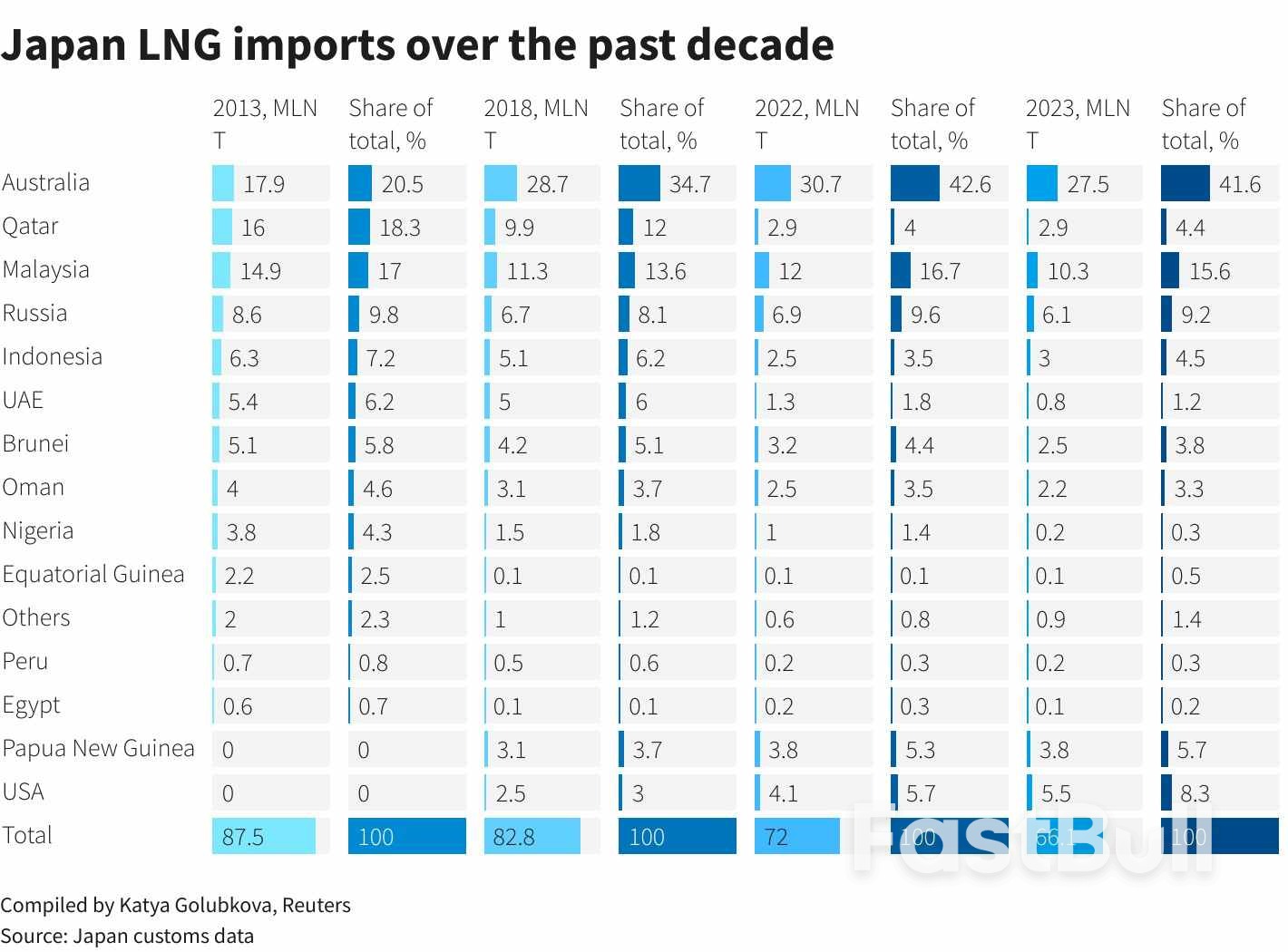
          Resource-scarce Japan is shoring up long-term supplies of liquefied natural gas from close allies Australia and the United States as key contracts from providers including Russia are set to expire by the early 2030s.
          Japan's biggest power generator JERA last month agreed to buy a 15.1% stake in Woodside Energy's Scarborough project in Australia. It was the latest in a string of deals as the fallout from Russia's invasion of Ukraine threatens to disrupt access to gas from its northern neighbour, making it more imperative to find reliable long-term supply sources.
          LNG accounts for about a third of Japan's power generation and it is the world's second-largest importer behind China.
          It remains a key part of Japan's energy mix even though imports fell by 8% last year to the lowest since 2009 as it has increased the use of renewable energy and restarted some nuclear reactors following a complete shutdown after the Fukushima disaster in 2011.
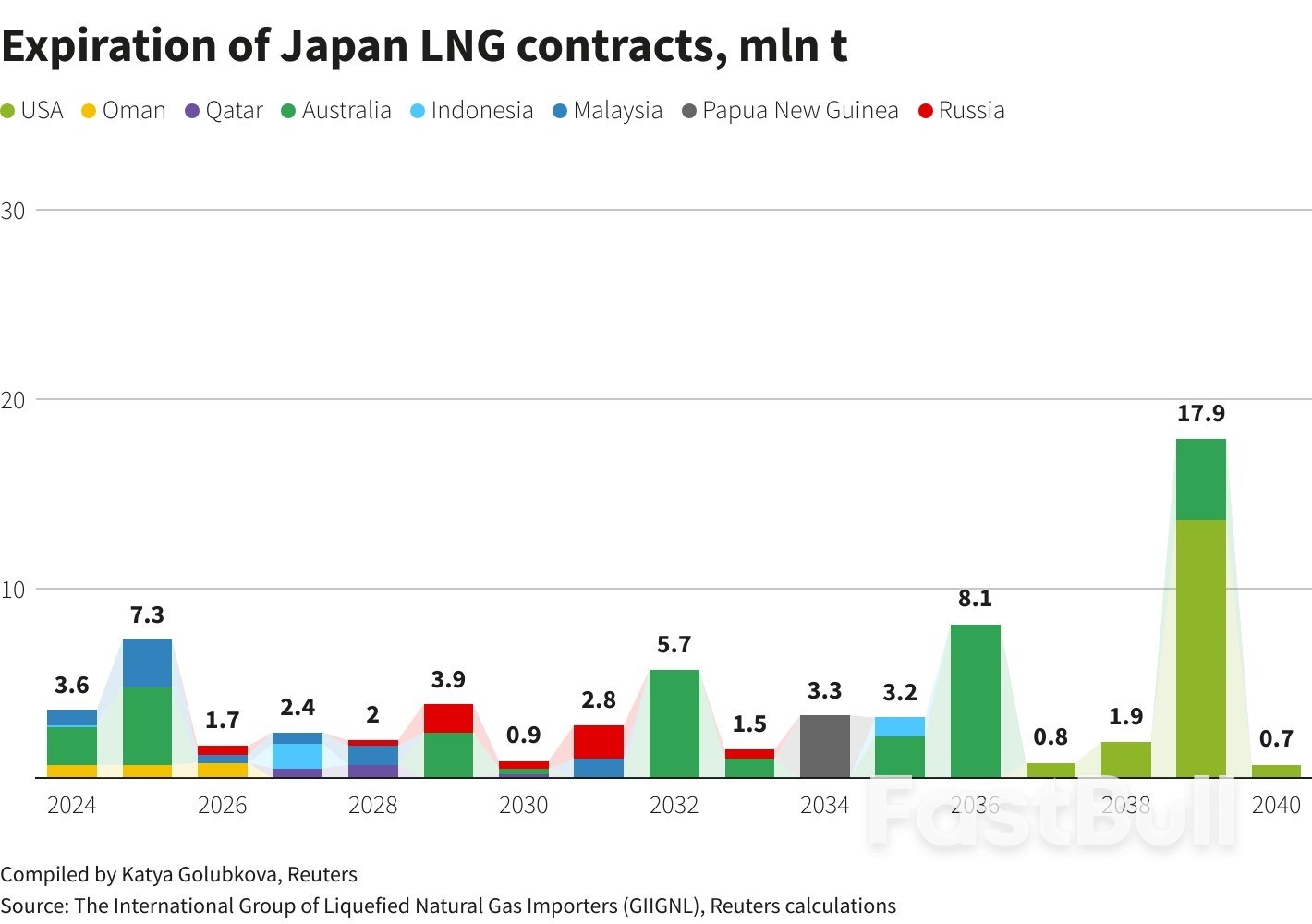
          Since 2022, Japanese LNG buyers have struck equity deals in five projects in Australia and the U.S. including an exploration block. They have secured 10- to 20-year offtake contracts from those countries for more than 5 million metric tons annually, or 8% of Japan's 2023 consumption, according to a Reuters calculation, eclipsing transactions elsewhere in the world.
          Political issues including new carbon emissions rules in the Australia introduced in mid-2023 and President Joe Biden's freeze in January on new U.S. LNG export licence approvals have not dented Japan's appetite for long-term supplies from those countries.
          Kyushu Electric Power, among the top five Japanese utilities, has said it is considering buying a stake in Energy Transfer's Lake Charles LNG project in the United States, even though it is now subject to the U.S. licence freeze.
          That would be its second direct equity stake in gas production after Australia.
          "North America and Australia still have supply stability compared to other projects," Kyushu Electric Executive Officer Takashi Mitsuyoshi said.
          "There are some concerns about North America due to the recent (LNG) move by Biden, but they, along with Australia, are allies and that means a lot."
          Japan and the United States are members of the Group of Seven (G7) alliance of developed nations and are partners with Australia in another regional security body, the Quadrilateral Security Dialogue, also known as "the Quad".
          Kyushu Electric has long-term supply contracts with Australia, Indonesia and Russia, some of which are due to expire between 2027 and 2032.
          Mitsuyoshi said Indonesia may have limited export capacity in the future due to strong domestic demand thanks to a growing economy.
          Qatar, another Japan supplier, is ramping up production but some buyers chafe at its contracts that limit flexibility to trade cargoes, with Japan's industry minister last year calling for the elimination of the destination clause.
          Since 2022, Japanese LNG buyers have increased their involvement with Oman, but on a smaller scale compared to Australia and the U.S., while Inpex acquired new exploration licences in Malaysia.Japan Boosts Reliance on Allies Australia, US for Long-Term LNG Supplies_1

          Replacing Russia

          LNG flows to Japan have changed over the last decade, including large declines from Indonesia, Malaysia, Qatar and Russia as well as the U.S. and Papua New Guinea becoming major new suppliers, according to Japan customs data.
          Throughout that period, Australia has been its top supplier, though other new sources are emerging.
          Canada, a G7 member, is preparing to start its first major export facility, from which Mitsubishi Corp, a shareholder, will receive over 2 million tons of LNG annually.
          Yoko Nobuoka, senior analyst for Japan power research at LSEG, said the importance of cooperation with allies for Japan's energy security, including LNG, had increased on the back of the energy crisis triggered by Russia's invasion of Ukraine.
          Russia was Japan's third-biggest LNG supplier last year, after Australia and Malaysia, but imports fell 10.7% from 2022.
          Much of Japan's Russian LNG comes from the Sakhalin-2 project, but many of its long-term contracts are set to lapse around 2030, giving added incentive to lock in deals elsewhere.
          The vast new Arctic LNG 2 project, in which Mitsui & Co and state-owned Japan Organization for Metals and Energy Security (JOGMEC) together own 10%, underscores the perils of Tokyo's reliance on Russian gas.
          Washington in November imposed sanctions on the project, prompting its operator, Novatek, to declare force majeure and leading Mitsui to record an additional provision of 13.6 billion yen ($91.94 million).
          "But G7 members can't cut that reliance (on Russian LNG) overnight, so that's why they need boosted LNG supplies from allies," said David Boling, a director at consulting firm Eurasia Group who was deputy assistant U.S. trade representative for Japan from 2015 to 2022.Japan Boosts Reliance on Allies Australia, US for Long-Term LNG Supplies_2
          ($1 = 147.9300 yen)

          Source: CNA

          To stay updated on all economic events of today, please check out our Economic calendar
          Risk Warnings and Disclaimers
          You understand and acknowledge that there is a high degree of risk involved in trading. Following any strategies or investment methods may lead to potential losses. The content on the site is provided by our contributors and analysts for information purposes only. You are solely responsible for determining whether any trading assets, securities, strategy, or any other product is suitable for investing based on your own investment objectives and financial situation.
          Add to Favorites
          Share

          Are China's Inflation, Capital Flows Tides Turning?

          Samantha Luan

          Economic

          Central Bank

          Signs of fatigue on Wall Street and mixed Chinese inflation data will set the tone for Asian markets on Monday, with growing expectations of a landmark policy change later this month from the Bank of Japan also likely to drive the Nikkei and yen.
          Asia's economic calendar is light, with only the final reading of fourth-quarter Japanese GDP on tap. A Reuters poll suggests the economy avoided a technical recession thanks to stronger-than-expected corporate spending on plants and equipment.
          Inflation data from China on Saturday showed that consumer price inflation was notably higher than expected, but producer price deflation accelerated once again.
          Annual consumer inflation rose to 0.7%, the highest in almost a year and a sign that the economy is reflating and the battle against deflation may be turning in policymakers' favor.
          But the producer price index fell 2.7% year-on-year, more than forecast and the 17th consecutive month that prices have declined on an annual basis. Pipeline price pressures remain negative.
          Deflation is one of investors' biggest concerns over China. Bubbling U.S.-Sino trade tensions is another, and on Friday Bloomberg reported that Washington is weighing sanctions on several Chinese tech companies, including chipmaker ChangXin Memory Technologies, in a bid to further restrain China's development of advanced semiconductors.
          Capital has flooded out of China for some time, but analysts at the Institute of International Finance say this tide may be turning - China posted its first equity inflow in six months in February and its largest in over a year.Are China's Inflation, Capital Flows Tides Turning?_1Are China's Inflation, Capital Flows Tides Turning?_2
          Trading in the Japanese yen, meanwhile, is intensifying as the BOJ's March 18 to 19 policy meeting draws closer and speculation mounts that it will bring down the curtain on years of ultra-loose policy and negative interest rates.
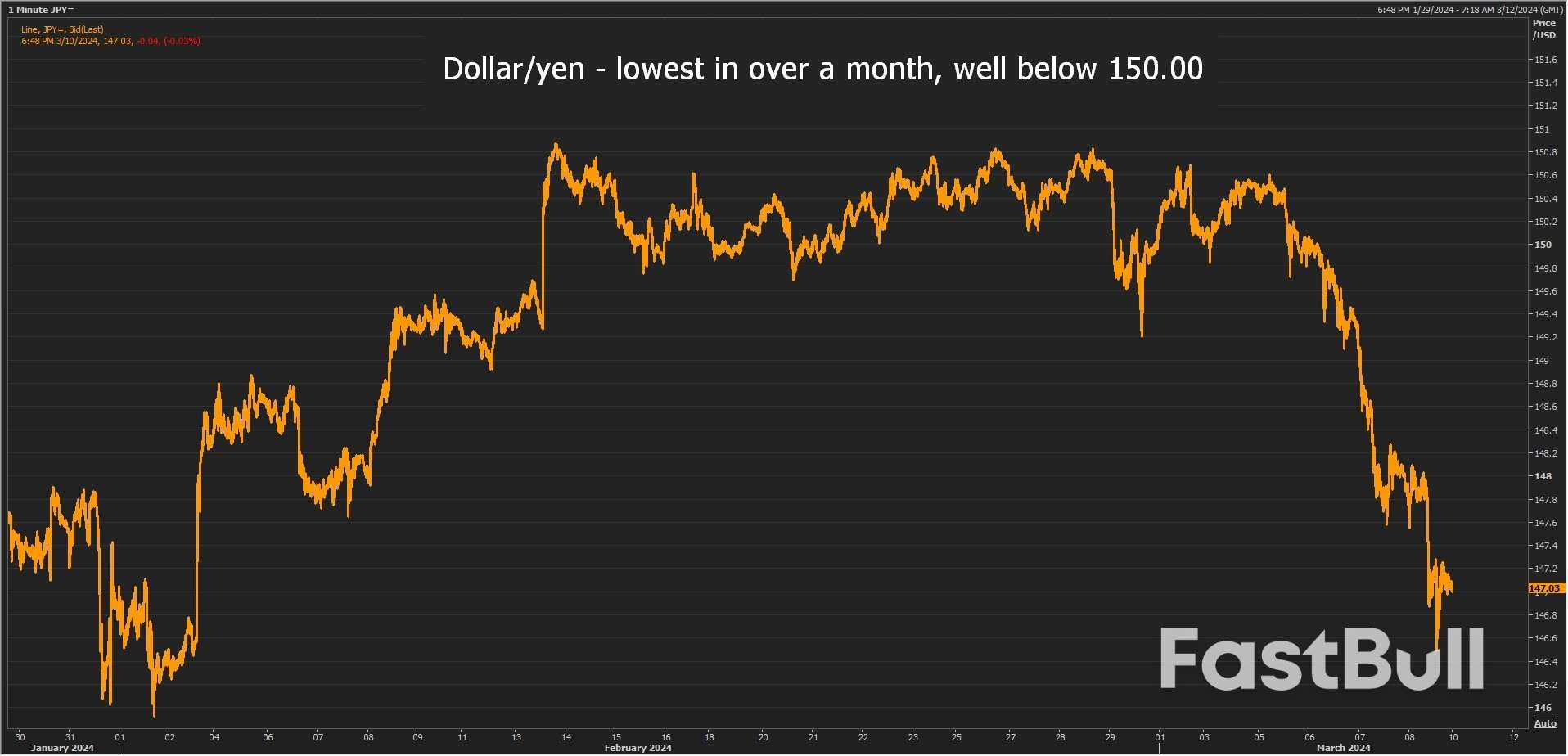
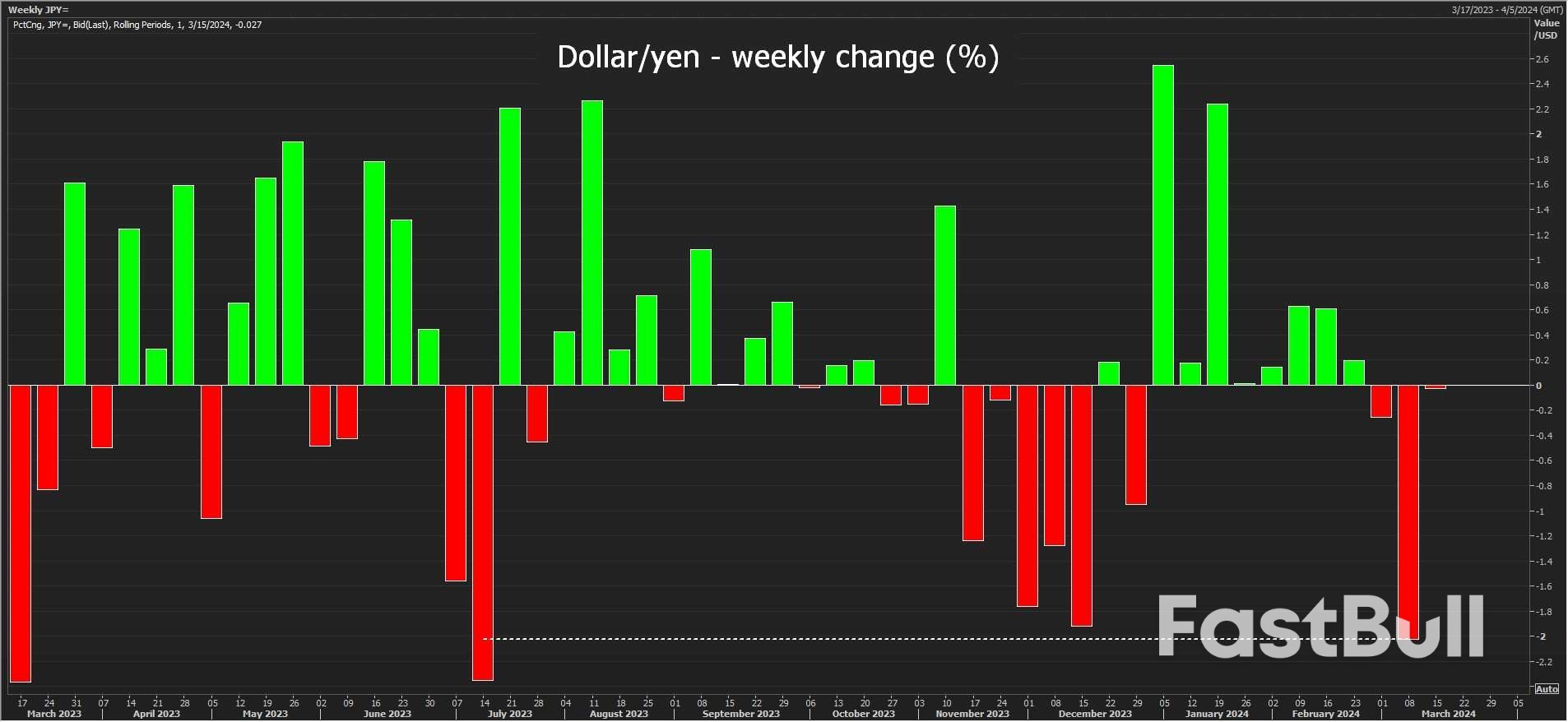
          The yen last week registered its best week since July, rising 2% against the dollar. On the other side of the dollar/yen exchange rate, traders now see the Fed cutting rates in June.
          Dollar/yen could have more room to fall, if hedge funds and speculators continue to cover their short yen position, which was the largest in six years at the end of February. Data shows that funds trimmed this by around 10% in the week to March 5.
          The global backdrop to the Asian open on Monday is mixed. On the one hand, signs are pointing to U.S. and euro zone rate cuts starting in June. But on the other, there are signs that the remarkable rally on Wall Street is running out of steam.
          The S&P 500 and Nasdaq ended lower last week. It may have been only the third weekly decline in 19 for both, but it came despite a notable decline in Treasury yields and the dollar's biggest weekly loss this year.
          Here are key developments that could provide more direction to markets on Monday:
          - Japan GDP (Q4, final)
          - Japan money supply (February)
          - U.S. 3-year bond auction

          Source: Reuters

          To stay updated on all economic events of today, please check out our Economic calendar
          Risk Warnings and Disclaimers
          You understand and acknowledge that there is a high degree of risk involved in trading. Following any strategies or investment methods may lead to potential losses. The content on the site is provided by our contributors and analysts for information purposes only. You are solely responsible for determining whether any trading assets, securities, strategy, or any other product is suitable for investing based on your own investment objectives and financial situation.
          Add to Favorites
          Share

          Oil Maintains Losses as Investors Anticipate US Inflation Data

          Ukadike Micheal

          Commodity

          Economic

          Oil prices experienced a decline in the market, witnessing Brent futures dropping below the $82-per-barrel mark after a 1.1% fall on Friday. Simultaneously, West Texas Intermediate slipped below $78. This downturn comes as investors brace for significant events later in the week, notably the release of crucial US inflation data and market reports from both OPEC and the International Energy Agency (IEA). These reports are anticipated to provide invaluable insights into the trajectory of oil demand.
          The oil market currently finds itself in a delicate equilibrium, with a mix of bullish and bearish factors contributing to the overall sentiment. OPEC and its allies, collectively known as OPEC+, have implemented production cuts, coupled with geopolitical tensions in the Middle East, exerting upward pressure on oil prices. However, these factors are being counteracted by the rise in oil supply from sources outside the OPEC+ agreement. Furthermore, persistent concerns regarding the economic outlook for China, a major global oil importer, add a layer of uncertainty to the market dynamics.
          As the market remains within a narrow trading range, investors are closely monitoring the potential impact of the upcoming US inflation data, scheduled for release on Tuesday. A hotter-than-expected reading could introduce complications to the already intricate path of monetary policy. The anticipation surrounding this economic indicator has contributed to the subdued volatility in oil prices, marking a contrast to the fluctuations observed in previous periods.
          Technical analysis of the oil market reveals a unique challenge for investors and traders. The lack of pronounced volatility, reminiscent of market conditions in late 2021, underscores the intricate balancing act between supply and demand dynamics. With geopolitical tensions influencing sentiment, production cut agreements in place, and economic factors in play, the oil market finds itself at a crossroads.
          Looking ahead, key reports from OPEC and the IEA, both scheduled for release this week, hold the potential to sway market sentiment. OPEC's monthly market report, expected on Tuesday, will likely provide an overview of the organization's perspective on global oil demand and supply dynamics. Following this, the IEA's outlook, set for Thursday, will contribute additional insights into the global energy landscape. The US Energy Information Administration's Short-Term Energy Outlook, also due this week, will add another layer of information for market participants.
          Iran's recent announcement of its highest oil exports since 2018 adds a layer of complexity to the market narrative. The country's oil minister revealed that Iran's oil exports had reached their highest level since the abandonment of the nuclear deal and the reimposition of sanctions by former US President Donald Trump. This development carries implications for the global oil supply-demand balance and geopolitical considerations.
          From a technical standpoint, the oil market's sensitivity to these factors highlights the intricate dance between various elements influencing prices. The potential shift in monetary policy, geopolitical events, and supply-demand fundamentals all contribute to the uncertainty that investors must navigate.
          The oil market's current state reflects a delicate equilibrium, with upcoming events and reports poised to shape its trajectory. The interplay of geopolitical tensions, production dynamics, and economic indicators creates a nuanced landscape. As market participants await key data releases, including US inflation figures and reports from OPEC, the IEA, and the US Energy Information Administration, the evolving conditions will likely dictate the direction of oil prices in the coming weeks.

          Source: Bloomberg

          To stay updated on all economic events of today, please check out our Economic calendar
          Risk Warnings and Disclaimers
          You understand and acknowledge that there is a high degree of risk involved in trading. Following any strategies or investment methods may lead to potential losses. The content on the site is provided by our contributors and analysts for information purposes only. You are solely responsible for determining whether any trading assets, securities, strategy, or any other product is suitable for investing based on your own investment objectives and financial situation.
          Add to Favorites
          Share

          Harvard Researchers Think They Know Why the Booming Economy Still Isn't Being Felt by Average Americans

          Cohen

          Economic

          Over the past year, experts have puzzled over the disconnect between how Americans say they feel about the economy and the hard economic data that suggests things are going pretty well.
          While sentiment has improved a bit in recent months, the "vibecession" still lingers in economists' minds. Now, a group of them has created an interesting model that suggests much of people's dissatisfaction with the economy comes down to interest rates.
          In a working paper published in February by the National Bureau of Economic Research, the authors, economists from Harvard University and the International Monetary Fund, analyzed whether elevated interest rates could have fueled Americans' frustrations with the economy.
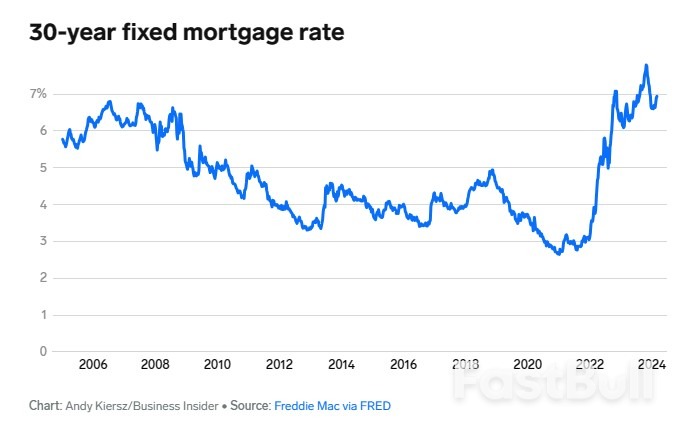
          To do this, they developed their own inflation calculation, which incorporated rising borrowing costs for things like home and car purchases. They then made two separate predictions of economic sentiment — using both their new inflation measure and the official Bureau of Labor Statistics consumer price index — and compared them to the University of Michigan's consumer sentiment index, an oft-cited gauge of economic vibes.Harvard Researchers Think They Know Why the Booming Economy Still Isn't Being Felt by Average Americans_1
          When the economists used the official CPI measure, there was a large gap between predicted and actual sentiment. But when they used their revised inflation measure, they found that the 2023 sentiment gap closed by over 70% — suggesting this was a more accurate way to gauge how Americans feel about the economy.
          In short, the US's standard measure of inflation doesn't capture how much more expensive it is to be in debt these days, even though this could be a major factor explaining Americans' dissatisfaction with the economy.
          "There still seems to be a little bit of excess gloominess or bad vibes given the hard data, but nowhere near as large as we would have gotten if just looking at inflation or unemployment," Judd Cramer, a Harvard economist and coauthor of the paper, said on an episode of the "Plain English" podcast released on March 5.
          The US's popular inflation measure no longer accounts for interest rates
          While Michigan's consumer sentiment index has ticked up in recent months, Americans were still more sour on the economy in February than they were every month between December 2013 and early 2020 — when the pandemic caused sentiment to plunge.
          Traditionally, many economists have used the "misery index" — which adds up the inflation and unemployment rates — as one tool to measure the health of the US economy. When prices are high and a lot of people are unemployed, things probably aren't going well.
          But the paper's authors, which included former Treasury Secretary Larry Summers, said the misery index has a key shortcoming, one that motivated them to develop an alternative inflation measure: It no longer accounts for interest rates.
          In 1983, the BLS changed how it calculated inflation. Among the biggest tweaks was how it determined shelter inflation — one of the largest parts of the consumer price index that's supposed to reflect Americans' housing costs.
          Before the change, housing prices and mortgage rates were among the components used to determine shelter inflation. But following the BLS's change, which was made in part because many people view housing as an investment — not solely as consumption — things changed.
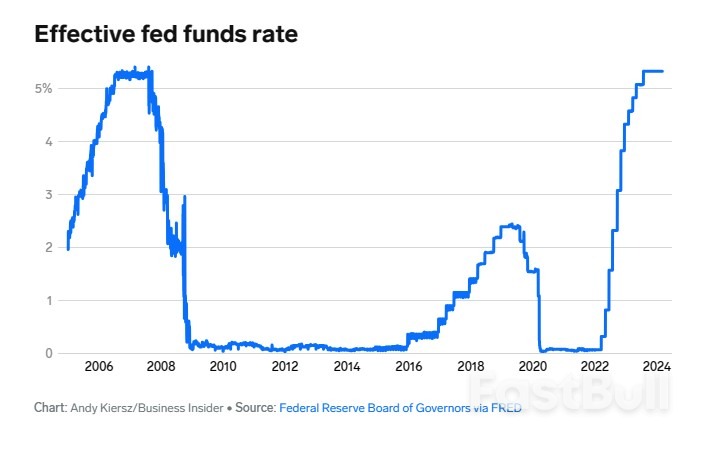
          Today, shelter inflation is calculated using rent prices and the equivalent cost to rent an owned home. It means that the surging mortgage rates — driven partly by the Federal Reserve's inflation-fighting interest-rate hikes — haven't directly impacted shelter inflation, even though they're among the key reasons mortgage payments reached record levels last year.Harvard Researchers Think They Know Why the Booming Economy Still Isn't Being Felt by Average Americans_2
          In fact, the impact of rising interest rates isn't directly accounted for anywhere in the official CPI report — even though they've also contributed to surging car payments and made credit card debt much more costly.
          "As Americans have seen interest rates on their credit cards or on their car loans or on their mortgage rates shoot up in the post-pandemic period, that hasn't been reflected in the CPI," Harvard's Cramer said.
          That's why the economists developed their own inflation measure, and they think it provided a more accurate prediction of economic sentiment.
          "If we include interest rate costs into the consumer price index, similarly to how it was done in the 1970s, then it turns out the economy is not as great as everybody has been saying," Cramer said. "And consumers' gloomy moods are a little more explainable given they've been having to deal with these higher interest rate costs over the last few years."
          Cramer said additional evidence for the impact of interest rates on consumer sentiment has come in recent months. Between November and January, the Michigan consumer sentiment index saw its biggest two-month increase since 1991 — just as mortgage rates fell from their recent peak.

          Source: Business Insider

          To stay updated on all economic events of today, please check out our Economic calendar
          Risk Warnings and Disclaimers
          You understand and acknowledge that there is a high degree of risk involved in trading. Following any strategies or investment methods may lead to potential losses. The content on the site is provided by our contributors and analysts for information purposes only. You are solely responsible for determining whether any trading assets, securities, strategy, or any other product is suitable for investing based on your own investment objectives and financial situation.
          Add to Favorites
          Share

          Pound-CAD Exchange Rate Surges to New Heights Despite Stellar Canadian Jobs Report

          Warren Takunda

          Central Bank

          Economic

          Traders' Opinions

          Commodity

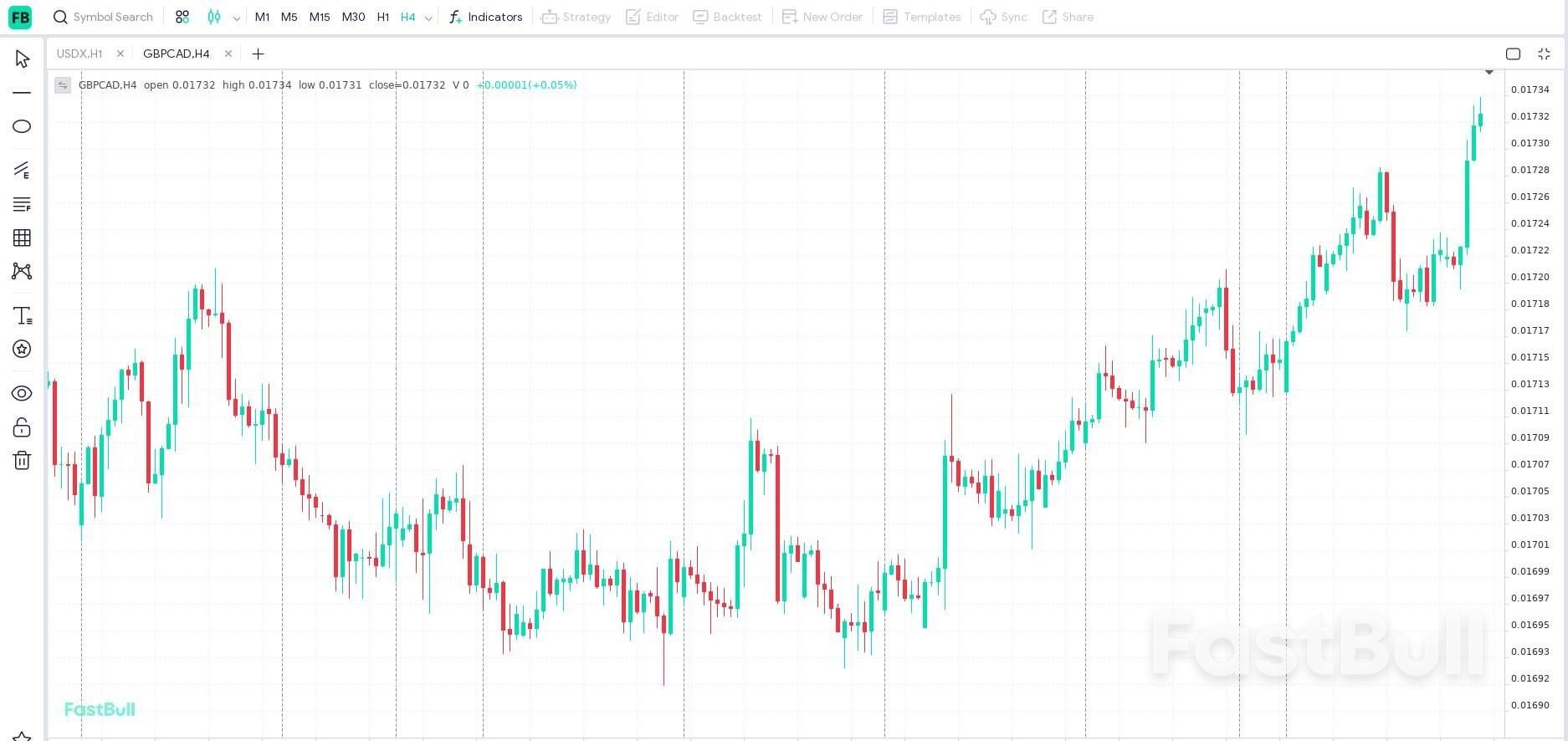
          Pound-CAD Exchange Rate Surges to New Heights Despite Stellar Canadian Jobs Report_1The Pound to Canadian Dollar exchange rate soared to new six-month highs at 1.7314, defying expectations despite a robust Canadian jobs report that surpassed market forecasts. Statistics Canada's latest release revealed a substantial increase in employment by 41,000 positions in February, exceeding both the anticipated 20,000 figure and January's impressive gain of 37,300. However, the uptick in the unemployment rate to 5.8%, though in line with expectations, failed to deter the Pound's ascent against the Canadian Dollar.
          Pound-CAD Exchange Rate Surges to New Heights Despite Stellar Canadian Jobs Report_2
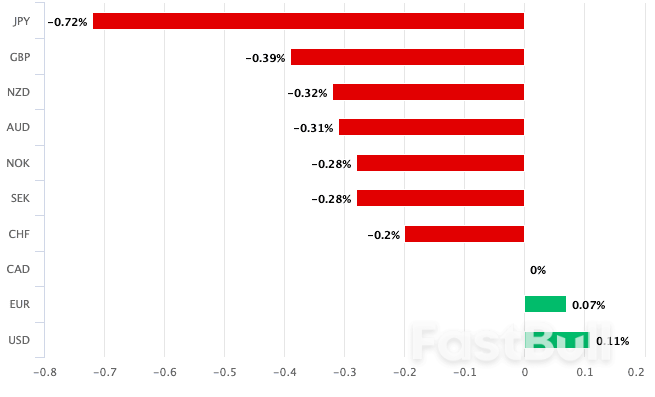
          Surprisingly, the Canadian Dollar emerged as one of the day's joint second-biggest losers among G10 currencies, despite the strong employment figures. The underlying reason behind this unexpected weakness lies in the CAD's status as a 'mini USD' proxy. The recent pronounced sell-off in the US Dollar following the release of the robust US non-farm payroll report has exerted downward pressure on the Canadian Dollar, overshadowing its positive domestic data.
          The US non-farm payroll report revealed robust job growth but also highlighted a notable slowdown in wage growth, suggesting that the Federal Reserve may have room to consider interest rate cuts in June. Market participants interpreted this dovish stance by the Fed as potentially paving the way for the Bank of Canada (BoC) to follow suit, given the close economic and financial ties between the US and Canada.
          Pound-CAD Exchange Rate Surges to New Heights Despite Stellar Canadian Jobs Report_3
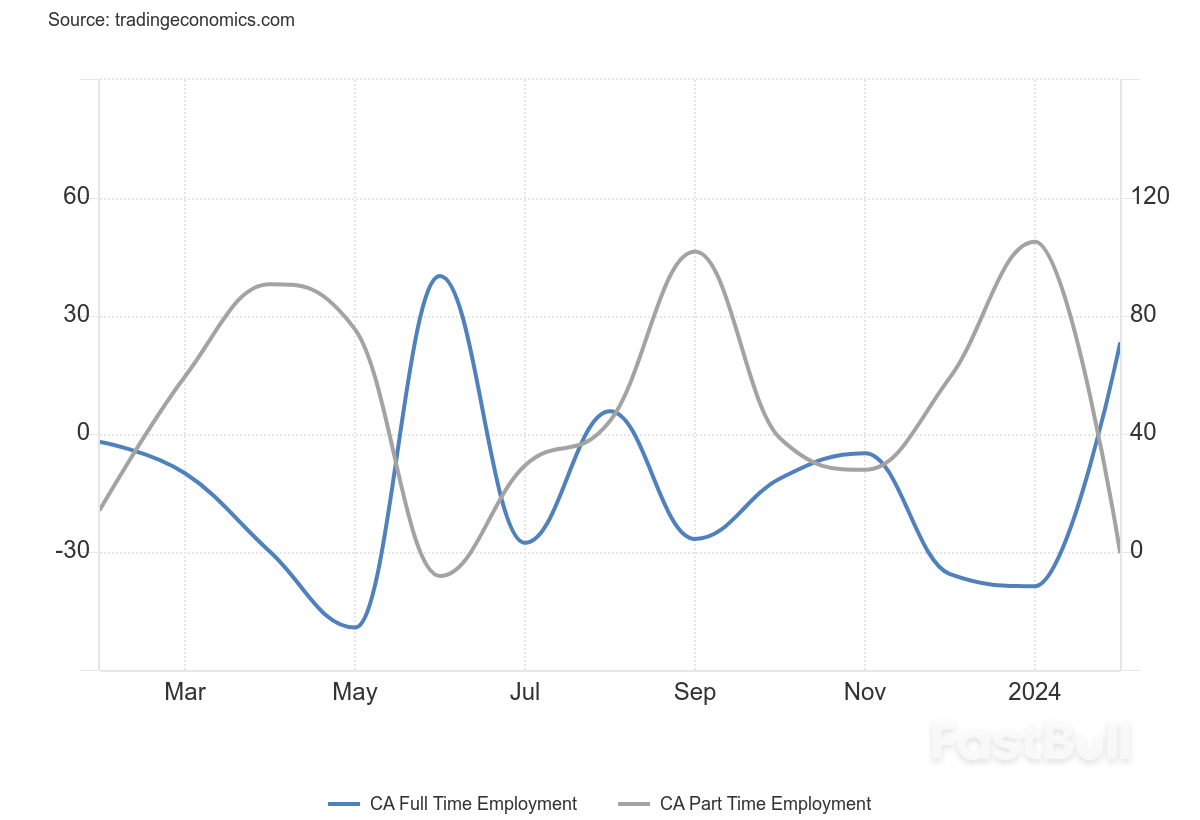
          Despite the strong performance of the Canadian jobs report, it failed to significantly alter expectations regarding BoC rate cuts. Although there was a substantial increase in full-time positions (+71,000), part-time jobs experienced a decline (-30,000). While this indicates gradual signs of loosening labor market conditions, analysts argue that there is currently no immediate pressure for interest rate cuts.
          Looking ahead, the focus remains on the upcoming June BoC meeting as the potential timing for the first rate cut. However, concerns persist regarding weakness in paid private sector employment and the deceleration in wage growth for permanent employees. These factors, albeit gradual, continue to support expectations for future BoC rate cuts.
          In summary, while the Pound-Canadian Dollar rate surged to fresh highs, driven primarily by broader USD weakness, the CAD's strong jobs report failed to alleviate concerns about potential rate cuts by the Bank of Canada. As such, market participants will closely monitor further developments in both the US and Canadian economies for clues on future monetary policy decisions.
          To stay updated on all economic events of today, please check out our Economic calendar
          Risk Warnings and Disclaimers
          You understand and acknowledge that there is a high degree of risk involved in trading. Following any strategies or investment methods may lead to potential losses. The content on the site is provided by our contributors and analysts for information purposes only. You are solely responsible for determining whether any trading assets, securities, strategy, or any other product is suitable for investing based on your own investment objectives and financial situation.
          Add to Favorites
          Share

          What is US Daylight Saving Time and Why Was It Created?

          Kevin Du

          Economic

          As countries including the United States, Canada and Cuba prepare to set clocks forward an hour on March 10 as daylight saving time starts, attention is once again turning to the debate in the U.S. over this practice.
          Here is everything you need to know about daylight saving time and the arguments to end it.
          What is daylight saving time?
          Daylight saving time is the practice of moving clocks forward by one hour during summer months so daylight lasts longer into the evening. Most of North America and Europe follows the custom, while the majority of countries elsewhere, especially those close to the equator, do not.
          The practice has been controversial from the outset, with many countries having adopted and rejected it multiple times. Egypt announced in March it would reintroduce daylight saving time after a seven-year gap to rationalize energy use. Japan considered adopting the practice for the 2020 Olympics but rejected the proposal due to lack of popular support and technical challenges.
          When does daylight saving time end in 2024?
          Daylight saving time in the U.S. and some neighbouring countries will start on March 10 at 2 a.m. local time, meaning people will lose an hour.
          In the UK and other European countries, daylight saving time, also known as summer time, will begin on March 31.
          Daylight saving time always starts on the second Sunday in March and ends on the first Sunday in November for the United States. This contrasts with the UK and European Union, where summer time begins on the last Sunday in March and ends on the last Sunday in October.
          Why was daylight saving created in the us and how did it start?
          The modern idea of changing the clocks with the seasons can be traced back to at least the late 19th century when New Zealand entomologist George Hudson proposed it to conserve energy and extend summer daylight hours, something which would have benefited his own hobby of collecting insects after work.
          The idea was slow to gain traction until World War One when European states sought any strategies to conserve fuel. Germany was the first country to adopt daylight saving time in 1916 and the U.S. followed in 1918.
          The practice went through many variations before the U.S. standardized it in 1966 in the Uniform Time Act, which allows states to opt out of it but not to stay on daylight saving time permanently.
          A common myth is that the U.S. adopted daylight saving time to benefit farmers, but in reality many farmers are opposed to the practice for being disruptive to their schedules.
          The original motivation to conserve fuel is also under debate, as studies have found little, if any, energy savings from the shift, according to the Congressional Research Service.
          Opponents point to other studies that have found adverse health effects linked to daylight saving time, such as a spike in fatal traffic accidents, heart attacks, strokes and sleep deprivation in the days after clocks are moved forward an hour every March.
          A March 2023 YouGov poll found that 62% of Americans want to end the practice of changing clocks, though only 50% preferred to keep permanent daylight-saving time.
          Do all us states observe daylight saving time?
          No, Hawaii and Arizona, with the exception of Navajo Nation, do not observe daylight saving time. American Samoa, Guam, the Northern Mariana Islands, Puerto Rico and the Virgin Islands also observe permanent standard time.
          While daylight saving time is widespread across the United States, 19 states have passed legislation to permanently use daylight saving time if Congress were to allow it, according to the National Conference of State Legislatures.
          Is the US ending daylight saving time?
          The U.S. is not ending daylight saving any time soon, though there is an effort in the federal government to pass the so-called Sunshine Protection Act, which would make daylight saving time permanent.
          The act, which a bipartisan group of senators introduced in 2022, was passed unanimously by voice vote but stalled in the U.S. House of Representatives because lawmakers could not agree on whether to keep standard time or permanent daylight saving time, said Representative Frank Pallone last March.
          The group of senators reintroduced the bill again last year and it has been referred to the Committee on Commerce, Science and Transportation to review. The bill would need to pass the Senate and House of Representatives before President Joe Biden can sign it into law.

          Source: Reuters

          To stay updated on all economic events of today, please check out our Economic calendar
          Risk Warnings and Disclaimers
          You understand and acknowledge that there is a high degree of risk involved in trading. Following any strategies or investment methods may lead to potential losses. The content on the site is provided by our contributors and analysts for information purposes only. You are solely responsible for determining whether any trading assets, securities, strategy, or any other product is suitable for investing based on your own investment objectives and financial situation.
          Add to Favorites
          Share

          What You Need to Know About The 2024 US Presidential Election

          Alex

          Political

          The 2024 U.S. presidential election promises to be like no other in modern times.
          Former President Donald Trump, who faces a battery of federal and state criminal charges related to his efforts to overturn his 2020 election loss to Democrat Joe Biden, is on the cusp of clinching the Republican nomination.
          Biden, the incumbent president, is the expected Democratic nominee. At 81, he would be the oldest American to win a presidential election should he secure a second four-year term in November.

          Who is the republican candidate running for U.S. President in 2024?

          Trump, 77, dominated the Republican field, which largely avoided criticizing him for his actions related to the 2020 election for fear of alienating his base of diehard supporters. Many of those supporters believe Trump's false claims that the election was stolen from him.
          His last Republican rival, former U.S. Ambassador to the United Nations Nikki Haley, dropped out of the race after Trump won 14 states in their matchup on Super Tuesday on March 5.
          But Trump has work to do to consolidate the party behind him ahead of the election. During her campaign, Haley often pointed to the fact that she gained around 40% or more of the vote in states such as New Hampshire and South Carolina as evidence that a large share of the Republican electorate is unhappy with Trump.
          National opinion polls show Trump locked in a tight race with Biden in a head-to-head matchup, with voters concerned about Biden's age, his handling of the economy and the surge of migrants crossing illegally at the U.S. southern border, despite job growth, infrastructure investment and a slow easing of inflation after last year's peak.
          Many Democrats, in particular, are unhappy with the Biden's administration's steadfast support of Israel in its conflict with Hamas in Gaza.
          Trump faces indictments in four cases in federal and state courts for his efforts to undermine the 2020 election, his mishandling of classified documents and his involvement in a "hush money" scheme involving a porn star.
          He has maintained his innocence and argued he is the victim of politically motivated prosecutions, an assertion the Biden administration and other prosecutors deny.
          The legal calendars for those cases pose obstacles for Trump's ability to campaign, although the U.S. Supreme Court's decision to hear Trump's presidential immunity claim related to his federal election interference case could delay that trial indefinitely.
          The Colorado Supreme Court ruled on Dec. 19 that Trump was barred from appearing on the state Republican primary ballot because he engaged in insurrection in violation of the 14th Amendment to the U.S. Constitution.
          That ruling was overturned by the U.S. Supreme Court in March, which held that states had no power to enforce the amendment's provisions against Trump.

          Who are the democrats running for president?

          While voters may not be enthusiastic, Democratic leaders and major donors are backing Biden and his vice president, Kamala Harris.
          Dean Phillips, a little-known U.S. congressman from Minnesota, mounted a long-shot challenge to Biden because he did not believe the president could win another term, but Phillips dropped out after a dismal showing on Super Tuesday.
          Self-help author and speaker Marianne Williamson ended her own long-shot bid in early February but has since restarted it.
          Biden's pitch for a second term rests on his stewardship of the economy as it has emerged from the COVID-19 pandemic, and what he calls the "battle for the soul of America," a fight against Trump-aligned Republicans whom he labels as extremists.
          Under Biden, unemployment dropped to generational lows, gross domestic product (GDP) grew faster than expected and wages have risen. However, inflation spiked last year, and, while it has eased in recent months, voters remain concerned about the high price of staples such as food, fuel, cars and housing.
          With Trump likely the Republican nominee, much of Biden's campaign will focus on warning voters that Trump poses a mortal threat to American democracy.

          Who else is running?

          Robert F. Kennedy Jr., scion of the famed American political family and an anti-vaccine activist, has launched an independent bid rather than challenge Biden for the Democratic nomination. Kennedy has shown some appeal among both Republicans and Democrats unenthused about another Biden-Trump matchup.
          Progressive activist Cornel West has also said he will run as an independent, and former presidential candidate Jill Stein has said she will seek the Green Party's nomination. The challenge for these candidates will be amassing enough support to land on the ballot in all 50 states.

          When are the 2024 primaries held?

          Republicans held their first nominating contest on Jan. 15 with the Iowa caucuses, followed by contests in New Hampshire, Nevada, the Virgin Islands, South Carolina, Michigan, Idaho, Missouri and North Dakota. Trump won all of them handily. Haley won the primary in Washington, D.C. on March 3.
          Trump then won 14 states on Super Tuesday on March 5, ending up with more than 1,000 delegates and putting him on the verge of securing the nomination. He lost only Vermont to Haley.
          The first official Democratic primary took place on Feb. 3 in South Carolina, where Biden won big. He recently won the Michigan primary on Feb. 27, but faced a significant protest vote over his handling of the Israel-Hamas war.
          Biden, too, picked up hundreds of delegates by winning almost every contest on Super Tuesday and will soon secure his party's bid. One of those primaries, in Minnesota, also ended with a notable protest vote over the Middle East war.
          At the close of the primaries, each party will nominate the candidate who receives the most delegates at their nominating conventions this summer. Republicans will hold their convention in Milwaukee, Wisconsin, while Democrats will stage theirs in Chicago.
          The general election will be held on Nov. 5, 2024.

          What are the key issues?

          Abortion: Democrats plan to make abortion central to their 2024 campaign, with opinion polls showing most Americans don't favor strict limits on reproductive rights. The issue has become more motivating to those who support abortion rights than to those who oppose them, and the party is hoping threats to those rights will encourage millions of women and independents to vote their way this year.
          The issue has divided Republicans, with some leaders concerned the party has gone too far with state-level restrictions since the U.S. Supreme Court overturned the landmark 1973 Roe v. Wade ruling in June 2022, ending constitutional protection for abortion.
          The Economy: Biden's White House is trying to reassure Americans that the economy is in solid shape, with inflation slowing and unemployment at its lowest levels in a half-century. Republicans say they will cut federal spending, which they blame for stoking inflation and triggering consumer-price spikes, trim back federal regulations, and lower taxes. Democrats argue the economy is healthy, wages are up and investments in infrastructure are producing long-term job gains.
          Voters remain unconvinced. A Reuters/Ipsos poll in January found that two-thirds of respondents, and 47% of Democrats, believe the country is on the "wrong track."
          Immigration: Since taking office in 2021, Biden has grappled with record numbers of migrants caught illegally crossing the U.S.-Mexico border, straining resources there and in cities they have gone to, such as New York and Chicago.
          Republican candidates, including Trump, have blamed Biden for reversing more restrictive Trump-era policies, and have pledged to step up border security. Trump in February urged congressional Republicans to back away from a bipartisan bill that gave them many of the border-related measures, in order to avoid giving Biden a policy victory. The bill also provided for military aid to Ukraine, which Trump and some of his fellow Republicans also object to.
          Some Democrats have criticized Biden for turning to Trump-style enforcement measures to reduce illegal crossings, while the White House maintains it is moving to a more humane and orderly system by offering new ways for migrants to enter legally.
          A Reuters-Ipsos poll in January found rising concern among Americans about immigration, with 17% of respondents listing it as the most important problem facing the U.S. today, up sharply from 11% in December.
          Foreign Policy: China has emerged as a potent foreign policy issue in the campaign, with Republicans arguing the Asian power is a growing threat to national security, U.S. corporate interests and Taiwan's independence.
          The Biden administration has said it wants to "de-risk" and not "de-couple" its relationship with China and work to keep the competition between the world's No. 1 and No. 2 economic powers from escalating into conflict.
          Ukraine is another major issue and has split the Republican field. Trump argues Biden's support of Ukraine in its war with Russia is distracting the U.S. from preparing for a possible confrontation with China.
          Trump made waves in February when he suggested that the U.S. should not defend NATO countries that do not meet their obligations to contribute to their national defense.
          The eruption of Israeli-Hamas violence threw a polarizing new issue into the election campaign. Republicans also back Israel and are using the conflict to press for a stronger U.S.-Mexico border.
          Crime: Violent crime has mostly dropped back to levels seen before the COVID pandemic and unrest over racial justice. Even so, Americans of both parties remain concerned, with 88% of respondents in a December Reuters/Ipsos poll saying crime would be an important issue for determining who gets their vote.

          What are the key states in the 2024 general election?

          That both parties are holding their conventions in the Midwest says much about the value they are placing on Michigan, Pennsylvania and Wisconsin, all of which went for Trump in 2016 and flipped to Biden in 2020.
          Arizona, Georgia and Nevada have also proven to be closely divided and contain growing populations that could determine the next election. Another key battleground next year could be North Carolina, a Southern state with an increasingly diverse electorate.

          Source: USNews

          Risk Warnings and Disclaimers
          You understand and acknowledge that there is a high degree of risk involved in trading. Following any strategies or investment methods may lead to potential losses. The content on the site is provided by our contributors and analysts for information purposes only. You are solely responsible for determining whether any trading assets, securities, strategy, or any other product is suitable for investing based on your own investment objectives and financial situation.
          Add to Favorites
          Share
          FastBull
          Copyright © 2025 FastBull Ltd

          728 RM B 7/F GEE LOK IND BLDG NO 34 HUNG TO RD KWUN TONG KLN HONG KONG

          TelegramInstagramTwitterfacebooklinkedin
          App Store Google Play Google Play
          Products
          Charts

          Chats

          Q&A with Experts
          Screeners
          Economic Calendar
          Data
          Tools
          Membership
          Features
          Function
          Markets
          Copy Trading
          Latest Signals
          Contests
          News
          Analysis
          24/7
          Columns
          Education
          Company
          Careers
          About Us
          Contact Us
          Advertising
          Help Center
          Feedback
          User Agreement
          Privacy Policy
          Business

          White Label

          Data API

          Web Plug-ins

          Poster Maker

          Affiliate Program

          Risk Disclosure

          The risk of loss in trading financial instruments such as stocks, FX, commodities, futures, bonds, ETFs and crypto can be substantial. You may sustain a total loss of the funds that you deposit with your broker. Therefore, you should carefully consider whether such trading is suitable for you in light of your circumstances and financial resources.

          No decision to invest should be made without thoroughly conducting due diligence by yourself or consulting with your financial advisors. Our web content might not suit you since we don't know your financial conditions and investment needs. Our financial information might have latency or contain inaccuracy, so you should be fully responsible for any of your trading and investment decisions. The company will not be responsible for your capital loss.

          Without getting permission from the website, you are not allowed to copy the website's graphics, texts, or trademarks. Intellectual property rights in the content or data incorporated into this website belong to its providers and exchange merchants.

          Not Logged In

          Log in to access more features

          FastBull Membership

          Not yet

          Purchase

          Become a signal provider
          Help Center
          Customer Service
          Dark Mode
          Price Up/Down Colors

          Log In

          Sign Up
          Position
          Layout
          Fullscreen
          Default to Chart
          The chart page opens by default when you visit fastbull.com