• Trade
  • Markets
  • Copy
  • Contests
  • News
  • 24/7
  • Calendar
  • Q&A
  • Chats
Screeners
SYMBOL
LAST
ASK
BID
HIGH
LOW
NET CHG.
%CHG.
SPREAD
SPX
S&P 500 Index
6915.62
6915.62
6915.62
6932.95
6895.49
+2.26
+ 0.03%
--
DJI
Dow Jones Industrial Average
49098.70
49098.70
49098.70
49265.46
48963.05
-285.30
-0.58%
--
IXIC
NASDAQ Composite Index
23501.23
23501.23
23501.23
23610.74
23374.26
+65.22
+ 0.28%
--
USDX
US Dollar Index
97.230
97.310
97.230
98.250
97.200
-0.820
-0.84%
--
EURUSD
Euro / US Dollar
1.18281
1.18301
1.18281
1.18334
1.17280
+0.00736
+ 0.63%
--
GBPUSD
Pound Sterling / US Dollar
1.36430
1.36467
1.36430
1.36452
1.34817
+0.01433
+ 1.06%
--
XAUUSD
Gold / US Dollar
4986.45
4986.45
4986.45
4990.01
4899.61
+50.62
+ 1.03%
--
WTI
Light Sweet Crude Oil
61.105
61.357
61.105
61.253
59.453
+1.510
+ 2.53%
--

Community Accounts

Signal Accounts
--
Profit Accounts
--
Loss Accounts
--
View More

Become a signal provider

Sell trading signals to earn additional income

View More

Guide to Copy Trading

Get started with ease and confidence

View More

Signal Accounts for Members

All Signal Accounts

Best Return
  • Best Return
  • Best P/L
  • Best MDD
Past 1W
  • Past 1W
  • Past 1M
  • Past 1Y

All Contests

  • All
  • Trump Updates
  • Recommend
  • Stocks
  • Cryptocurrencies
  • Central Banks
  • Featured News
Top News Only
Share

Dollar/Yen Dips, Down 0.47% At 155.00 Yen

Share

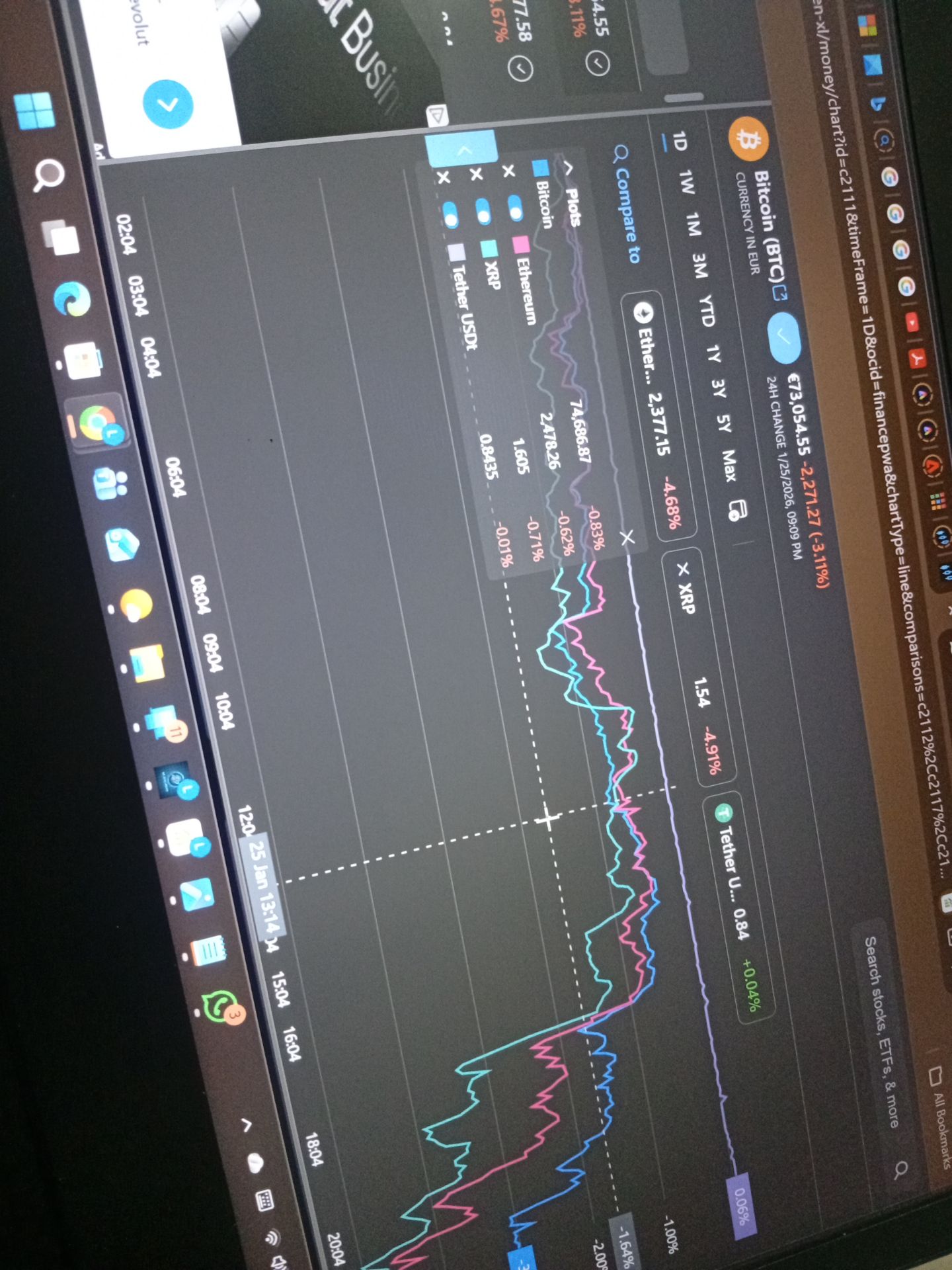
[Bitcoin Dips Below $88,000, 24-Hour Change -1.47%] January 26Th, According To Htx Market Data, Bitcoin Fell Below $88,000, With A 24-Hour Decrease Of 1.47%

Share

Ukraine President Zelenskiy: Documenт Of Safety Guarantees From USA Is 100% Ready

Share

Ukraine President Zelenskiy: Russia Is Avoiding Committing To A Lasting And Just Peace And Is Not Accepting A Ceasefire As A Prelude

Share

CEO: Volkswagen Ag May Pull Plans For US Audi Plant Absent Tariff Cuts

Share

Canada Has No Intention Of Making Free Trade Deal With China- Prime Minister Mark Carney

Share

Canada Respects Our Commitments Under Usma- Prime Minister Mark Carney

Share

Trump Envoy Witkoff: USA Talks With Israeli Prime Minister Netanyahu On Peace Board Were Constructive, Positive

Share

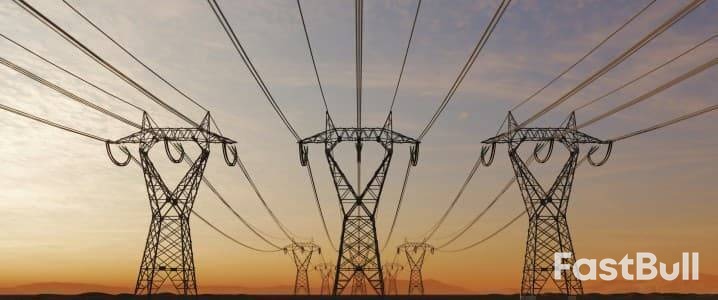
102918 Number Of Power Outage Reported In Louisiana As Of 8:09 Am Et - Poweroutage.US Website

Share

523067 Number Of Power Outage Reported In US As Of 7:22 Am Et - Poweroutage.US Website

Share

107295 Number Of Power Outage Reported In Mississippi As Of 6:34 Am Et - Poweroutage.US Website

Share

Oil Ministry - Iraq's Total Oil Exports For December At 107.651 Million Barrels

Share

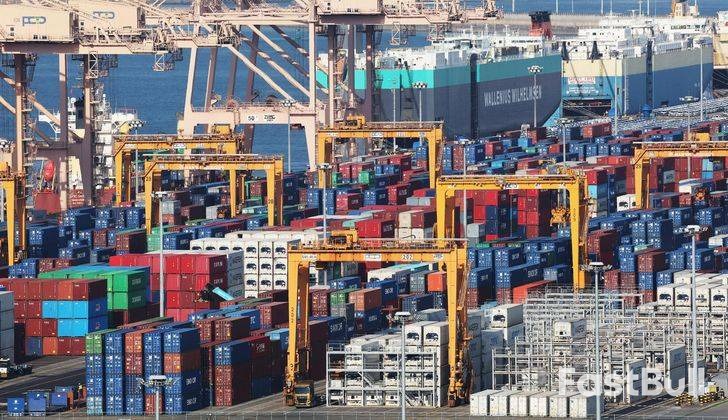
Airbus CEO Says Company Faced Significant Collateral Damage From Trade Tensions In 2025

Share

Kremlin: Russian Military Will Attentively Monitor US Plans For Golden Dome - Including In Context Of Greenland

Share

100765 Number Of Power Outages Reported In Texas As Of 6 Am Et - Poweroutage.US Website

Share

Russia Will Never Discuss Anything With EU's Kallas, Will Just Wait For Her To Leave Her Post - Interfax Cites Kremlin

Share

Statistics Bureau - Israel's Industrial Production 6.3% Seasonally Adjusted In November Versus 1.5% In October

Share

Israel Raised 207 Billion Shekels In Debt In 2025

Share

Israel Public Debt To GDP Ratio 68.6% In 2025 Versus 67.7% In 2024

Share

Around 1700 Kyiv Apartment Blocks Still Without Heating After Russian Strike

TIME
ACT
FCST
PREV
U.K. Retail Sales MoM (SA) (Dec)

A:--

F: --

P: --

France Manufacturing PMI Prelim (Jan)

A:--

F: --

P: --

France Services PMI Prelim (Jan)

A:--

F: --

P: --

France Composite PMI Prelim (SA) (Jan)

A:--

F: --

P: --

Germany Manufacturing PMI Prelim (SA) (Jan)

A:--

F: --

P: --

Germany Services PMI Prelim (SA) (Jan)

A:--

F: --

P: --

Germany Composite PMI Prelim (SA) (Jan)

A:--

F: --

P: --

Euro Zone Composite PMI Prelim (SA) (Jan)

A:--

F: --

P: --

Euro Zone Manufacturing PMI Prelim (SA) (Jan)

A:--

F: --

P: --

Euro Zone Services PMI Prelim (SA) (Jan)

A:--

F: --

P: --

U.K. Composite PMI Prelim (Jan)

A:--

F: --

P: --

U.K. Manufacturing PMI Prelim (Jan)

A:--

F: --

P: --

U.K. Services PMI Prelim (Jan)

A:--

F: --

P: --

Mexico Economic Activity Index YoY (Nov)

A:--

F: --

P: --

Russia Trade Balance (Nov)

A:--

F: --

P: --

Canada Core Retail Sales MoM (SA) (Nov)

A:--

F: --

P: --

Canada Retail Sales MoM (SA) (Nov)

A:--

F: --

P: --
U.S. IHS Markit Manufacturing PMI Prelim (SA) (Jan)

A:--

F: --

P: --

U.S. IHS Markit Services PMI Prelim (SA) (Jan)

A:--

F: --

P: --

U.S. IHS Markit Composite PMI Prelim (SA) (Jan)

A:--

F: --

P: --

U.S. UMich Consumer Sentiment Index Final (Jan)

A:--

F: --

P: --

U.S. UMich Current Economic Conditions Index Final (Jan)

A:--

F: --

P: --

U.S. UMich Consumer Expectations Index Final (Jan)

A:--

F: --

P: --

U.S. Conference Board Leading Economic Index MoM (Nov)

A:--

F: --

P: --

U.S. Conference Board Coincident Economic Index MoM (Nov)

A:--

F: --

P: --

U.S. Conference Board Lagging Economic Index MoM (Nov)

A:--

F: --

P: --

U.S. UMich 1-Year-Ahead Inflation Expectations Final (Jan)

A:--

F: --

P: --

U.S. Conference Board Leading Economic Index (Nov)

A:--

F: --

P: --

U.S. Weekly Total Rig Count

A:--

F: --

P: --

U.S. Weekly Total Oil Rig Count

A:--

F: --

P: --

Germany Ifo Business Expectations Index (SA) (Jan)

--

F: --

P: --

Germany IFO Business Climate Index (SA) (Jan)

--

F: --

P: --

Germany Ifo Current Business Situation Index (SA) (Jan)

--

F: --

P: --

U.S. Dallas Fed PCE Price Index YoY (Nov)

--

F: --

P: --

Brazil Current Account (Dec)

--

F: --

P: --

Mexico Unemployment Rate (Not SA) (Dec)

A:--

F: --

P: --

Canada National Economic Confidence Index

--

F: --

P: --

U.S. Non-Defense Capital Durable Goods Orders MoM (Excl. Aircraft) (Nov)

--

F: --

P: --

U.S. Durable Goods Orders MoM (Excl. Defense) (SA) (Nov)

--

F: --

P: --

U.S. Durable Goods Orders MoM (Excl.Transport) (Nov)

--

F: --

P: --

U.S. Durable Goods Orders MoM (Nov)

--

F: --

P: --

U.S. Chicago Fed National Activity Index (Nov)

--

F: --

P: --

U.S. Dallas Fed New Orders Index (Jan)

--

F: --

P: --

U.S. Dallas Fed General Business Activity Index (Jan)

--

F: --

P: --

U.K. BRC Shop Price Index YoY (Jan)

--

F: --

P: --

China, Mainland Industrial Profit YoY (YTD) (Dec)

--

F: --

P: --

Mexico Trade Balance (Dec)

--

F: --

P: --

U.S. S&P/CS 20-City Home Price Index YoY (Not SA) (Nov)

--

F: --

P: --

U.S. S&P/CS 20-City Home Price Index MoM (SA) (Nov)

--

F: --

P: --

U.S. FHFA House Price Index MoM (Nov)

--

F: --

P: --

U.S. FHFA House Price Index (Nov)

--

F: --

P: --

U.S. Richmond Fed Manufacturing Composite Index (Jan)

--

F: --

P: --

U.S. Conference Board Present Situation Index (Jan)

--

F: --

P: --

U.S. Conference Board Consumer Expectations Index (Jan)

--

F: --

P: --

U.S. Richmond Fed Manufacturing Shipments Index (Jan)

--

F: --

P: --

U.S. Richmond Fed Services Revenue Index (Jan)

--

F: --

P: --

U.S. Conference Board Consumer Confidence Index (Jan)

--

F: --

P: --

Australia RBA Trimmed Mean CPI YoY (Q4)

--

F: --

P: --

Australia CPI YoY (Q4)

--

F: --

P: --

Australia CPI QoQ (Q4)

--

F: --

P: --

Q&A with Experts
    • All
    • Chatrooms
    • Groups
    • Friends
    ali flag
    be careful cut all positions or put good stoploss with target
    Form Forex lk flag
    https://mlk-trading-hub.base44.app
    Form Forex lk flag
    This message has been withdrawn
    FORMFOREXL flag
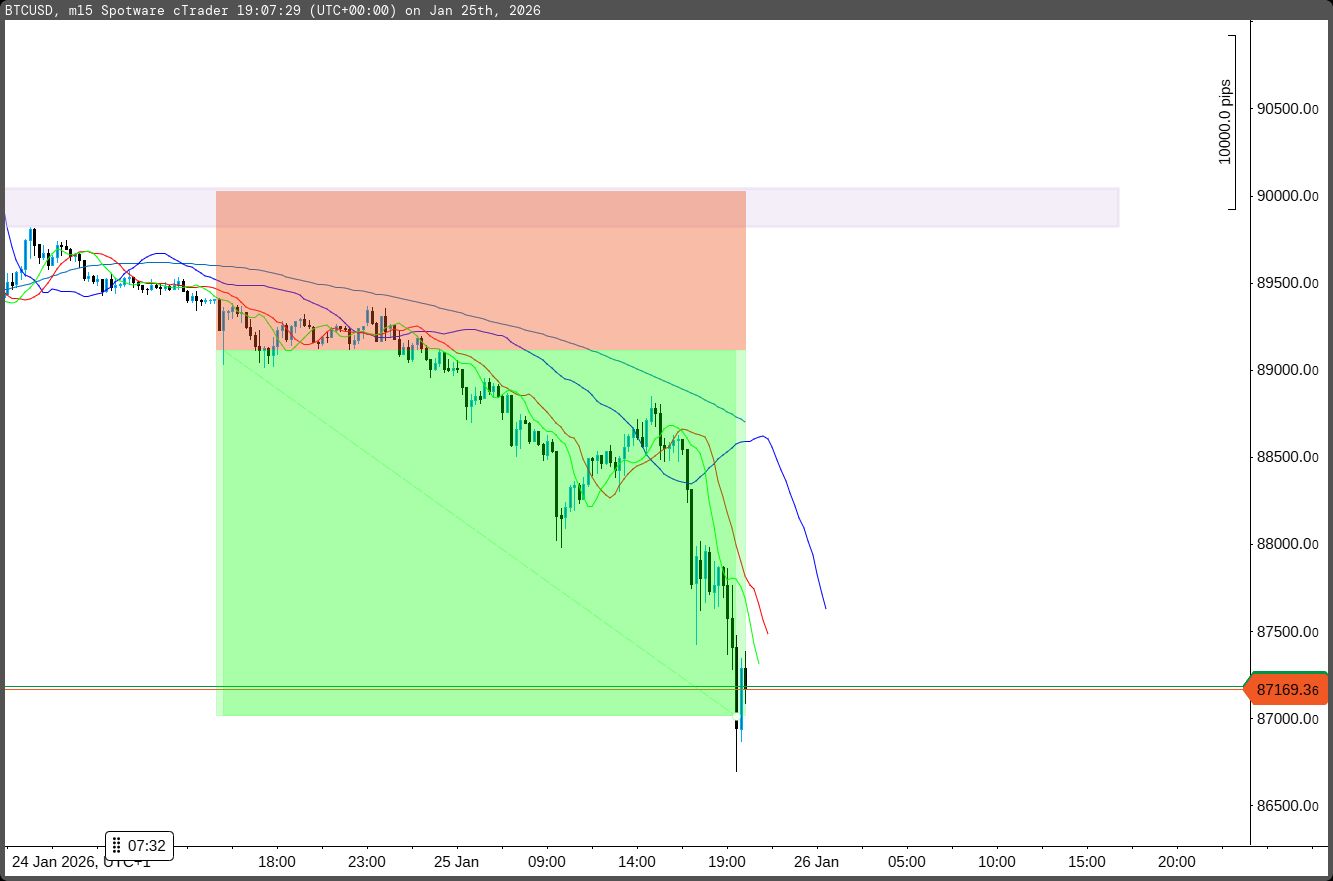
    That analysis was from (MLK TRADING HUB) on BTCUSD entry : 89000 stoploss: 90000 Tp 1: 88000 Tp2: 87000
    Sanjeev Ku flag
    Sanjeev Ku
    87951 to 86377. free fall
    Jon Jony flag
    BTc is beautiful
    Brandon Ki flag
    Jon Jony
    BTc is beautiful
    @Jon Jonyperhaps it's giving a chance to buy dips
    Jon Jony flag
    It's strange that BTC is dumped on Sundays before the market opens.
    Brandon Ki flag
    Jon Jony
    It's strange that BTC is dumped on Sundays before the market opens.
    @Jon Jonylikely to continue longing Gold to new ATH, but look this crazy crash on Sunday could be a warning
    Eurusdonly flag
    Eurusdonly flag
    Eurusdonly flag
    Eurusdonly
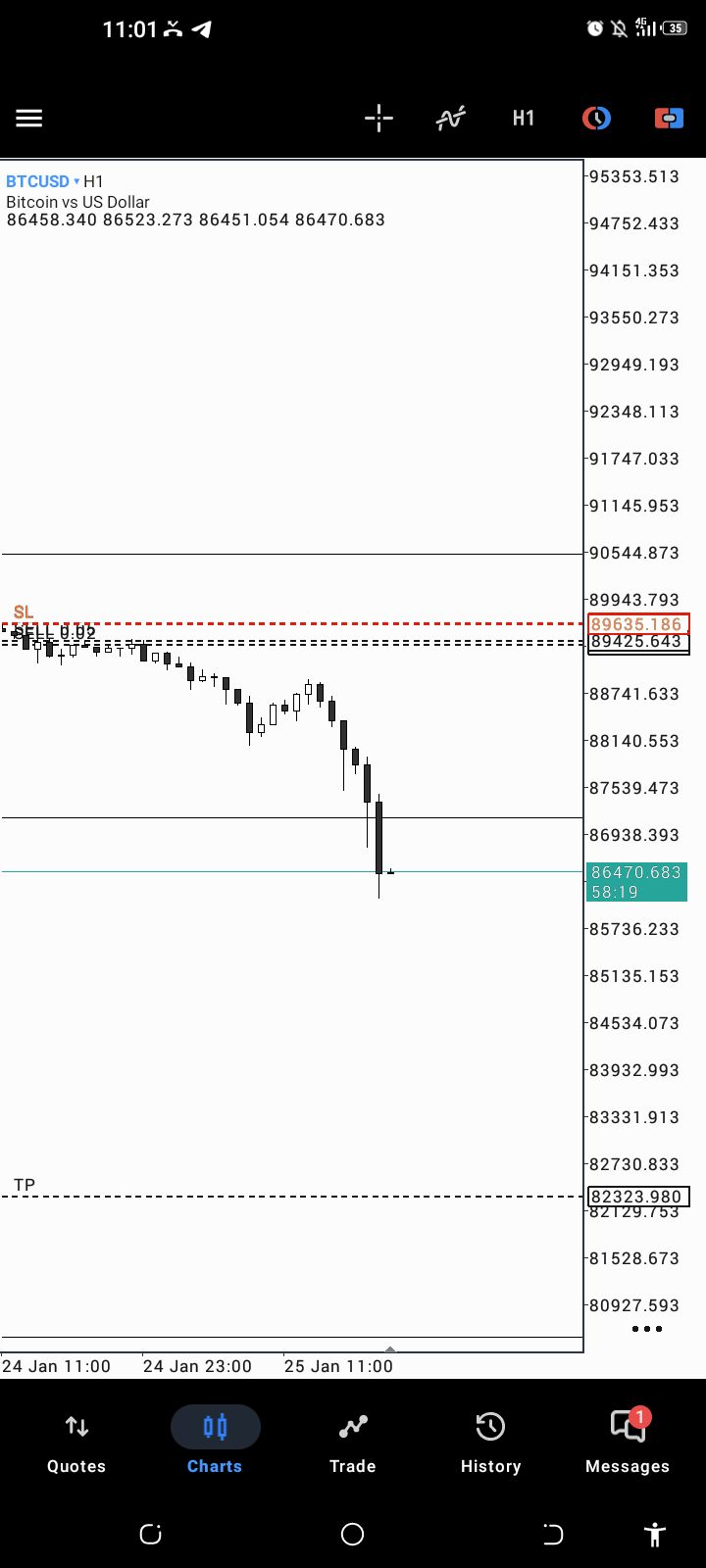
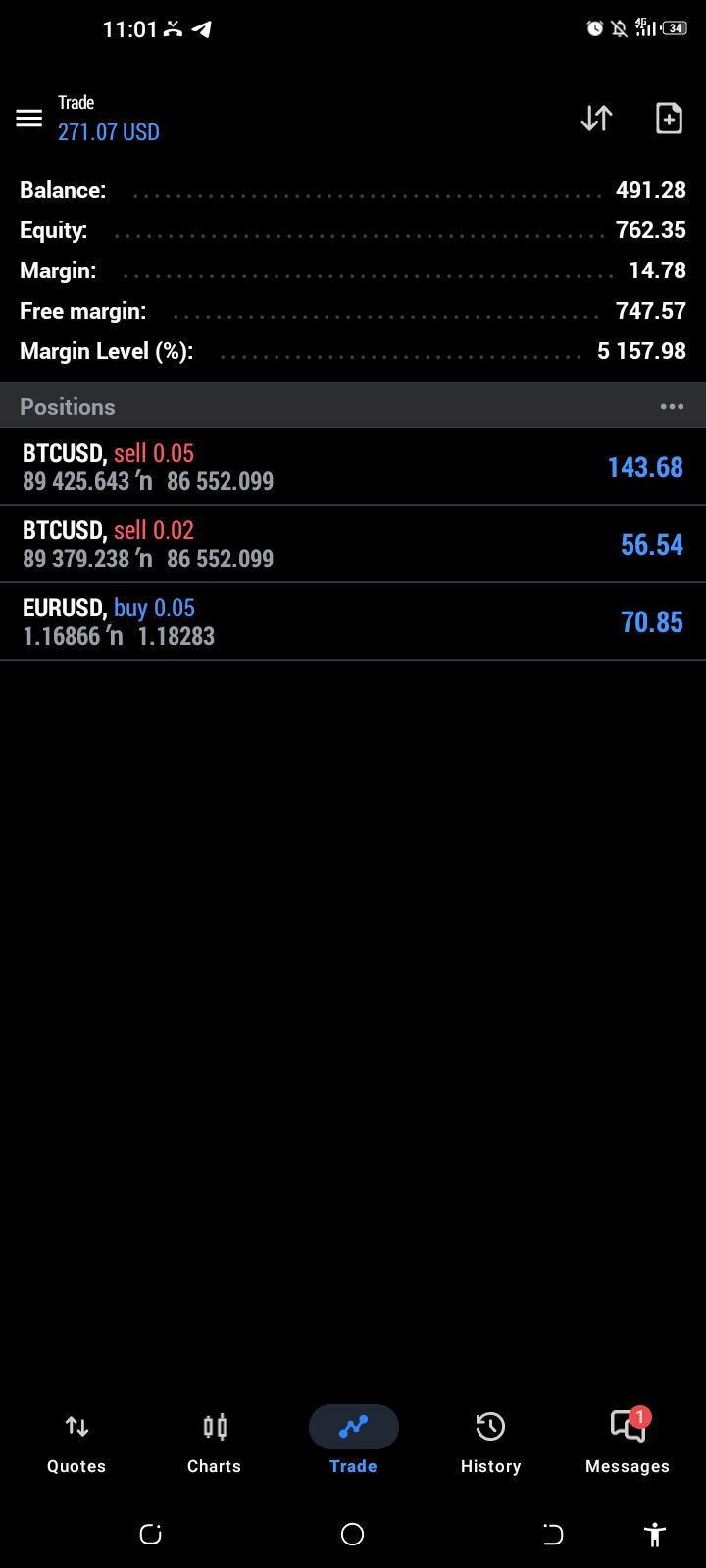
    i have been holding Shorts on Btcusd
    Eurusdonly flag
    Eurusdonly
    who got this ?
    Jon Jony flag
    Sundays and such obemas are sold, small ones are unlikely to make such discoveries next year if the whales don't buy it, then this will be a signal
    FORMFOREXL flag
    Brandon Ki flag
    Jon Jony
    Sundays and such obemas are sold, small ones are unlikely to make such discoveries next year if the whales don't buy it, then this will be a signal
    @Jon Jonysomething crazy is cooking
    Jon Jony flag
    How I love these moments like watching a movie
    "Jon Jony" recalled a message
    "Jon Jony" recalled a message
    Type here...
    Add Symbol or Code

      No matching data

      All
      Trump Updates
      Recommend
      Stocks
      Cryptocurrencies
      Central Banks
      Featured News
      • All
      • Russia-Ukraine Conflict
      • Middle East Flashpoint
      • All
      • Russia-Ukraine Conflict
      • Middle East Flashpoint
      Search
      Products

      Charts Free Forever

      Chats Q&A with Experts
      Screeners Economic Calendar Data Tools
      Membership Features
      Data Warehouse Market Trends Institutional Data Policy Rates Macro

      Market Trends

      Market Sentiment Order Book Forex Correlations

      Top Indicators

      Charts Free Forever
      Markets

      News

      News Analysis 24/7 Columns Education
      From Institutions From Analysts
      Topics Columnists

      Latest Views

      Latest Views

      Trending Topics

      Top Columnists

      Latest Update

      Signals

      Copy Rankings Latest Signals Become a signal provider AI Rating
      Contests
      Brokers

      Overview Brokers Assessment Rankings Regulators News Claims
      Broker listing Forex Brokers Comparison Tool Live Spread Comparison Scam
      Q&A Complaint Scam Alert Videos Tips to Detect Scam
      More

      Business
      Events
      Careers About Us Advertising Help Center

      White Label

      Data API

      Web Plug-ins

      Affiliate Program

      Awards Institution Evaluation IB Seminar Salon Event Exhibition
      Vietnam Thailand Singapore Dubai
      Fans Party Investment Sharing Session
      FastBull Summit BrokersView Expo
      Recent Searches
        Top Searches
          Markets
          News
          Analysis
          User
          24/7
          Economic Calendar
          Education
          Data
          • Names
          • Latest
          • Prev

          View All

          No data

          Scan to Download

          Faster Charts, Chat Faster!

          Download App
          English
          • English
          • Español
          • العربية
          • Bahasa Indonesia
          • Bahasa Melayu
          • Tiếng Việt
          • ภาษาไทย
          • Français
          • Italiano
          • Türkçe
          • Русский язык
          • 简中
          • 繁中
          Open Account
          Search
          Products
          Charts Free Forever
          Markets
          News
          Signals

          Copy Rankings Latest Signals Become a signal provider AI Rating
          Contests
          Brokers

          Overview Brokers Assessment Rankings Regulators News Claims
          Broker listing Forex Brokers Comparison Tool Live Spread Comparison Scam
          Q&A Complaint Scam Alert Videos Tips to Detect Scam
          More

          Business
          Events
          Careers About Us Advertising Help Center

          White Label

          Data API

          Web Plug-ins

          Affiliate Program

          Awards Institution Evaluation IB Seminar Salon Event Exhibition
          Vietnam Thailand Singapore Dubai
          Fans Party Investment Sharing Session
          FastBull Summit BrokersView Expo

          BOJ Holds Rates at 0.75% as Inflation Cools

          Alice Winters

          Central Bank

          Remarks of Officials

          Daily News

          Economic

          Forex

          Summary:

          The Bank of Japan held rates steady despite dissent, impacting the yen and global carry trade amidst moderating inflation.

          The Bank of Japan is holding its key interest rate steady at 0.75%, a closely watched decision driven by signs that inflation is beginning to moderate. The move, which signals a pause after a rate hike last year, has immediate implications for the yen and could influence global financial markets through the popular carry trade.

          The Rate Decision: An 8-1 Split

          The BOJ's Policy Board voted 8-1 to maintain the current interest rate. The decision was not unanimous, highlighting a division among policymakers on the best path forward for Japan's economy.

          Board member Hajime Takata was the sole dissenter, casting a vote in favor of a 25 basis point hike. The central bank's decision was made independently, without direct influence from Prime Minister Sanae Takaichi.

          Market Reaction and the Yen Carry Trade

          Immediately following the announcement, the yen weakened as bond markets reacted. The yield on the ten-year Japanese Government Bond (JGB) now stands at 2.25%, reflecting the market's response to the continued low-rate environment.

          This decision has significant implications for the yen carry trade, a strategy where investors borrow in a low-interest-rate currency (like the yen) to invest in assets denominated in a higher-interest-rate currency. The persistence of low rates in Japan could keep this trade attractive, affecting asset prices globally. Historically, shifts in the carry trade have been known to exert pressure on international financial assets.

          Economic Outlook and Policy Goals

          Alongside the rate decision, the Bank of Japan updated its economic projections. The central bank now forecasts GDP growth to be between 0.8% and 1.0% by fiscal year 2026. This outlook assumes that inflation will continue to moderate, supported by government fiscal measures aimed at boosting private consumption.

          The BOJ's overarching policy is to strike a balance between stable economic activity and price stability, with a long-term inflation target of 2% for the Consumer Price Index (CPI).

          Navigating High Debt and External Risks

          While the policy aims for stability, it operates against a backdrop of significant risk. Japan's national debt remains a major concern, standing at 240% of its GDP. Furthermore, any financial maneuvers related to the yen could have ripple effects on external markets. The BOJ's current stance suggests it expects inflation to stabilize, allowing the economy to navigate these challenges.

          To stay updated on all economic events of today, please check out our Economic calendar
          Risk Warnings and Disclaimers
          You understand and acknowledge that there is a high degree of risk involved in trading. Following any strategies or investment methods may lead to potential losses. The content on the site is provided by our contributors and analysts for information purposes only. You are solely responsible for determining whether any trading assets, securities, strategy, or any other product is suitable for investing based on your own investment objectives and financial situation.
          Add to Favorites
          Share

          Gaza Ceasefire Falters as US Pushes for Next Phase

          Isaac Bennett

          Remarks of Officials

          Middle East Situation

          Latest news on the Israeli-Palestinian conflict

          Palestinian-Israeli conflict

          Political

          Top U.S. envoys met with Israeli Prime Minister Benjamin Netanyahu on Saturday, urging his government to move forward with the second phase of the Gaza ceasefire agreement. The diplomatic push comes as the deal faces significant hurdles, including the return of a hostage's remains and the reopening of a critical border crossing.

          Netanyahu met with U.S. President Donald Trump's envoy Steve Witkoff and son-in-law Jared Kushner. According to a U.S. official, the talks focused on recovering the last hostage's remains from Gaza and outlining the next steps for the territory's demilitarization. While the U.S. is keen to maintain momentum on the Trump-brokered deal, Netanyahu is under domestic pressure to delay progress until Hamas returns the hostage.

          Palestinians receive donated food at a community kitchen in Nuseirat, central Gaza, illustrating the humanitarian crisis underlying the ceasefire negotiations.

          Hostage Remains and Rafah Crossing Stall Progress

          The most critical signal of the ceasefire's second phase would be the reopening of the Rafah border crossing between Gaza and Egypt. Ali Shaath, head of a planned technocratic government intended to manage Gaza's daily affairs, stated on Thursday that the crossing would open in both directions this week. However, Israel, which currently controls the Gaza side of the crossing, has not confirmed this and said it would review the issue.

          The situation is complicated by the case of Ran Gvili, whose body remains in Gaza. His family is urging for increased pressure on Hamas. "President Trump himself stated this week in Davos that Hamas knows exactly where our son is being held," the family said Saturday, accusing the group of violating the agreement.

          Hamas countered on Wednesday, claiming it had provided mediators with "all information" it possesses about Gvili's remains and accused Israel of obstructing search operations in areas it controls. The ceasefire originally took effect on October 10.

          Regional Diplomacy Intensifies

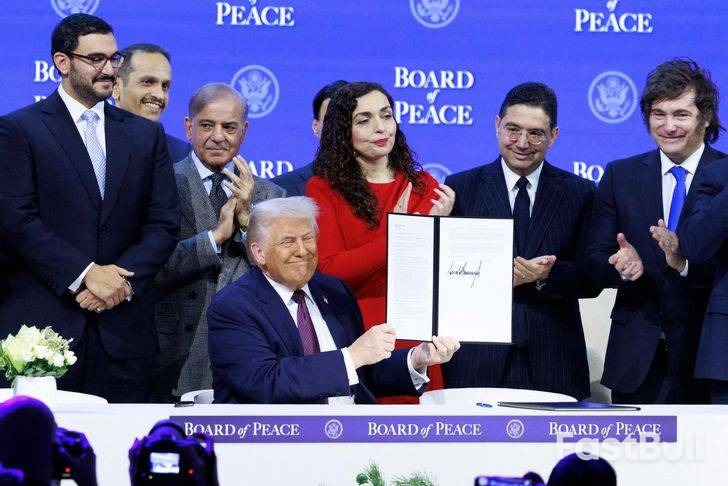
          Egypt's top diplomat is also pushing for an immediate reopening of the Rafah crossing. Foreign Minister Bader Abdelatty spoke by phone with Nickolay Mladenov, the Bulgarian diplomat serving as the high representative for Trump's new Board of Peace in Gaza.

          According to a statement from the Egyptian Foreign Ministry, their discussion covered several key elements of the ceasefire's second phase:

          • Deployment of an international monitoring force.

          • Opening the Rafah crossing for entry and exit.

          • Withdrawal of Israeli forces from the strip.

          The ministry described the implementation of this phase as a "key entry point" for Gaza's reconstruction. Meanwhile, a Hamas delegation met with the head of Turkey's National Intelligence Organization in Istanbul to discuss the ceasefire.

          U.S. President Donald Trump displays a signed charter at the Board of Peace meeting during the World Economic Forum in Davos.

          Violence Persists on the Ground

          Despite the diplomatic efforts, tensions remain high. On Saturday, an Israeli strike killed two Palestinian teenagers, cousins aged 13 and 15, in Gaza. According to Shifa Hospital in Gaza City, which received the bodies, the boys were searching for firewood at the time.

          A relative, Arafat al-Zawara, said the teens were killed about 500 meters from the Yellow Line, which separates Israeli-controlled areas from the rest of the strip, in a zone the Israeli military had previously declared safe for Palestinians.

          The Israeli military stated it had targeted militants who crossed the Yellow Line to plant explosives, denying that children were killed in the strike.

          According to Gaza's Health Ministry, more than 480 Palestinians have been killed by Israeli fire since the ceasefire began. These casualty records are generally considered reliable by U.N. agencies and independent experts. Israel disputes the figures but has not provided its own data.

          Risk Warnings and Disclaimers
          You understand and acknowledge that there is a high degree of risk involved in trading. Following any strategies or investment methods may lead to potential losses. The content on the site is provided by our contributors and analysts for information purposes only. You are solely responsible for determining whether any trading assets, securities, strategy, or any other product is suitable for investing based on your own investment objectives and financial situation.
          Add to Favorites
          Share

          Libya Targets Oil Revival with $20B Total & Conoco Deal

          Edward Lawson

          Remarks of Officials

          Commodity

          Political

          Economic

          Energy

          OPEC member Libya has signed a landmark 25-year oil development agreement with France's TotalEnergies and U.S.-based ConocoPhillips, launching a multi-billion dollar effort to revitalize its energy sector and boost crude production.

          The deal was formalized at the Libya Energy and Economic Summit in Tripoli through the Waha Oil Company, a subsidiary of the state-owned National Oil Corporation. Under the terms, ConocoPhillips and TotalEnergies each hold a 20.4% stake in the Waha venture.

          The Economics: A $20 Billion Bet on 850,000 Barrels

          This long-term partnership involves investments exceeding $20 billion, which will be financed externally. The primary goal is to add 850,000 barrels per day (bpd) of additional oil capacity.

          According to Libyan Prime Minister Abdul Hamid Dbeibah, the project is projected to generate approximately $376 billion in net revenues for the country. He emphasized that the deal will strengthen ties with key international energy partners, expand investment, and provide new economic resources, including job creation and wage increases.

          US Backing Signals Renewed Confidence in Libya

          The involvement of major U.S. corporations highlights a renewed international focus on Libya's energy potential. Massad Boulos, a senior adviser to the U.S. President for Arab World and Middle East Affairs, stated that deals signed by ConocoPhillips and Chevron prove that "the United States and its world-class companies are betting on Libya's future."

          Boulos added, "By opening new opportunities for competitive international investment, Libya is signalling it's ready to play in the big league again."

          In a separate move, the Libyan government also signed an initial cooperation agreement with Chevron and Egypt's Ministry of Petroleum.

          Opening the Floodgates: New Licensing Round Beckons Majors

          Beyond the Waha deal, Libya is actively preparing to award new exploration and development licenses to international firms. Masoud Suleman, acting chairman of the National Oil Corporation, announced that the results of the country's first oil exploration bidding round in over 17 years will be released on February 11.

          The licensing round covers 22 areas—11 offshore and 11 onshore. Several global energy giants have qualified to participate, including:

          • BP

          • Chevron

          • ExxonMobil

          • TotalEnergies

          • Eni

          • Shell

          • OMV

          A Strategic Play for European Energy Security

          Libya produces some of North Africa's most cost-effective, low-sulfur crude oil. Much of this potential has been sidelined since the 2011 civil war. As Europe seeks to diversify its energy sources away from Russia, Libyan crude has become increasingly important due to its quality, proximity, and an existing pipeline connecting western Libya to Italy.

          Ryan Lance, chief executive of ConocoPhillips, noted that Libya recently hit a production milestone of 1.4 million bpd. "The country is well-positioned to deliver oil and gas to Europe and around the world, helping ensure European energy security, as well as global energy security," he said.

          Ambitious Goals Meet Lingering Security Risks

          The ultimate goal is ambitious. Patrick Pouyanne, CEO of TotalEnergies, described Libya's target of reaching 2 million bpd by the end of the decade as a "strong and pragmatic and realistic ambition."

          However, significant challenges remain. The country operates under two rival governments: a UN-backed administration in Tripoli and an eastern-based government supported by military commander Field Marshal Khalifa Haftar. This political division creates persistent security risks, and rival factions have previously forced the shutdown of oilfields and terminals. In 2023, for instance, unrest led to a temporary declaration of force majeure at Sharara, Libya's largest oilfield.

          To stay updated on all economic events of today, please check out our Economic calendar
          Risk Warnings and Disclaimers
          You understand and acknowledge that there is a high degree of risk involved in trading. Following any strategies or investment methods may lead to potential losses. The content on the site is provided by our contributors and analysts for information purposes only. You are solely responsible for determining whether any trading assets, securities, strategy, or any other product is suitable for investing based on your own investment objectives and financial situation.
          Add to Favorites
          Share

          Korea's Economic Growth Stalls at 1%, Experts Say

          Owen Li

          Forex

          Economic

          A recent survey of economic experts suggests South Korea's economy is set for another year of sluggish performance, with more than half predicting growth will remain in the 1% range.

          The poll, conducted by Southernpost Inc. for the Korea Enterprises Federation (KEF), surveyed 100 economics professors to gauge their outlook on Asia's fourth-largest economy.

          Subdued Growth Forecasts Dominate Expert Outlook

          The consensus among the surveyed economists points to a challenging year ahead. The average growth forecast for the Korean economy stands at 1.8%, a figure slightly more pessimistic than the government's 2% outlook and the International Monetary Fund's (IMF) 1.9% projection.

          Key findings from the survey include:

          • 54% of experts believe Korea's economy will post growth in the 1% range this year.

          • 36% anticipate a return to 2% growth, but not until 2027, driven by a slow recovery in demand and consumption.

          • 6% forecast that economic growth could fall below 1%.

          This follows a year in which the economy expanded by just 1%, a notable slowdown from the 2% growth recorded in the previous year.

          Currency Volatility and US Tariff Risks Loom

          Beyond headline growth figures, the experts identified specific risks clouding the economic horizon. They projected the won-dollar exchange rate to fluctuate between 1,403 won and 1,516 won this year, indicating potential for currency volatility.

          Furthermore, trade relations with the United States are a significant source of concern. Nearly 60% of the respondents said the outcome of U.S.-Korea tariff negotiations would negatively impact both Korean exports to the U.S. and domestic corporate investment.

          AI Offers a Productivity Boost Amid Tech Security Concerns

          On the domestic front, technology presents both opportunities and challenges. An overwhelming 92% of the economists surveyed believe the expanding use of artificial intelligence (AI) will help address labor shortages and boost productivity, particularly within the manufacturing sector.

          However, this optimism is tempered by security concerns. Nearly 90% of the experts urged the government to implement effective measures to prevent the overseas leakage of critical technologies like semiconductors, calling for strict penalties for any violations.

          To stay updated on all economic events of today, please check out our Economic calendar
          Risk Warnings and Disclaimers
          You understand and acknowledge that there is a high degree of risk involved in trading. Following any strategies or investment methods may lead to potential losses. The content on the site is provided by our contributors and analysts for information purposes only. You are solely responsible for determining whether any trading assets, securities, strategy, or any other product is suitable for investing based on your own investment objectives and financial situation.
          Add to Favorites
          Share

          Takaichi Warns Speculators as Yen Volatility Spikes

          Benjamin Carter

          Central Bank

          Remarks of Officials

          Bond

          Daily News

          Traders' Opinions

          Political

          Economic

          Forex

          Japanese Prime Minister Sanae Takaichi has issued a direct warning that the government is prepared to act against speculative market moves, following a sharp rebound in the yen that has put traders on high alert for currency intervention.

          The statement comes as both the Japanese yen and government bonds face selling pressure. Markets are reacting to concerns that Takaichi's expansionary fiscal policies, combined with the Bank of Japan's slow pace of interest rate hikes, could lead to increased government debt and runaway inflation.

          Sudden Yen Rebound Fuels Intervention Speculation

          The yen's recent slide brought it close to the psychologically significant level of 160 per U.S. dollar. However, the currency experienced a sudden jump on Friday after the New York Federal Reserve was reported to be conducting rate checks.

          Some traders interpreted this move as a potential signal of coordinated U.S.-Japan intervention aimed at halting the yen's decline, immediately increasing volatility in the currency markets.

          Policy Pressures Weigh on Japanese Markets

          When asked about the recent sell-off in bonds and the yen's weakness during an appearance on Fuji Television, Takaichi declined to comment on specific market fluctuations.

          "The government will take necessary steps against speculative or very abnormal market moves," she stated, without providing further details on what those steps might entail.

          The market jitters stem from Takaichi's economic agenda, which includes a substantial spending package to offset rising living costs. A plan to suspend an 8% levy on food sales for two years has also triggered a spike in bond yields, raising the cost of financing Japan’s massive public debt.

          The Domestic Pain of a Depreciating Currency

          For Japanese policymakers, a persistently weak yen has become a major economic challenge. It directly increases the cost of imports, which in turn fuels broader inflation and diminishes the purchasing power of households across the country.

          To stay updated on all economic events of today, please check out our Economic calendar
          Risk Warnings and Disclaimers
          You understand and acknowledge that there is a high degree of risk involved in trading. Following any strategies or investment methods may lead to potential losses. The content on the site is provided by our contributors and analysts for information purposes only. You are solely responsible for determining whether any trading assets, securities, strategy, or any other product is suitable for investing based on your own investment objectives and financial situation.
          Add to Favorites
          Share

          US Energy Costs Surge Under Trump's Second Term

          James Riley

          Energy

          Political

          Economic

          Remarks of Officials

          Despite campaign promises to slash energy bills, American consumers saw their costs rise in 2025. President Trump’s energy policy, enacted early in his second term, appears to have reversed previous trends, with higher prices expected to continue into 2026 and beyond.

          Household Energy Bills Spike Across the Nation

          An analysis of data from the Energy Information Administration (EIA) reveals the average U.S. household electricity bill was 6.7 percent higher in 2025 than in 2024. This translates to an additional $116 in spending per household for the year.

          Some regions faced even steeper increases. Washington D.C. saw electricity costs jump by 23 percent, while Indiana experienced a 17 percent rise.

          The financial pressure extends beyond electricity. Natural gas costs also climbed by an average of 5.2 percent last year. This has led to a sharp increase in utility disconnections for unpaid bills, with New York State, for example, recording a fivefold rise in its disconnection rate as households are forced to choose between essentials.

          A Policy Pivot to Fossil Fuels

          Upon taking office, President Trump declared a state of energy emergency and issued executive orders designed to curb former-President Biden's 2022 Inflation Reduction Act. These measures prioritized the expansion of fossil fuels while limiting the deployment of renewable energy.

          This policy shift halted several wind energy projects and created investor uncertainty in the clean energy sector, stalling new development. Concurrently, the administration has moved to expand oil and gas operations and extend the operational life of several aging coal plants.

          Expert Warnings and White House Rebuttals

          The impact on consumers has drawn sharp criticism. "Instead of reducing electric bills by 50 percent, the president's actions have raised the cost of home energy for all Americans," stated Mark Wolfe, executive director of the National Energy Assistance Directors Association.

          Wolfe added that the financial strain is expanding beyond the lowest earners. "It used to be the poorest Americans who struggled with their power bills, but now we are seeing more and more middle-income families who have to make sacrifices to avoid being shut off."

          President Trump has pushed back on these concerns, recently calling the affordability crisis a "hoax" and a "fake narrative" created by political opponents. He also described 2025 as the "greatest first year in history" for the economy.

          AI Data Centers Compound the Energy Squeeze

          The administration's focus on fossil fuels has come at a direct cost to new energy capacity. A December report from Climate Power estimated that canceled or delayed renewable projects represent a loss of almost 25 GW of planned generation—enough to power nearly 13.2 million homes.

          At the same time, U.S. energy demand has started increasing for the first time in decades, driven largely by the administration's support for large-scale data centers needed for artificial intelligence (AI).

          Facing rising consumer bills and concerns about a potential energy supply gap, the White House has called for an emergency wholesale electricity auction. The goal is to compel tech companies to pay for the new power capacity their data centers require.

          A Challenging Outlook for US Energy Supply

          While the administration has also shown support for nuclear power with significant investments, these projects take years to develop and are unlikely to resolve the immediate supply shortage.

          Slowing the development of new renewable energy capacity while demand from the tech sector grows is expected to keep upward pressure on consumer bills. While tech firms may be willing to pay a premium for power, securing affordable energy for households will remain a significant challenge for the foreseeable future.

          To stay updated on all economic events of today, please check out our Economic calendar
          Risk Warnings and Disclaimers
          You understand and acknowledge that there is a high degree of risk involved in trading. Following any strategies or investment methods may lead to potential losses. The content on the site is provided by our contributors and analysts for information purposes only. You are solely responsible for determining whether any trading assets, securities, strategy, or any other product is suitable for investing based on your own investment objectives and financial situation.
          Add to Favorites
          Share

          Fed to Hold Rates Amid Global Economic Pressure

          George Anderson

          Central Bank

          Remarks of Officials

          Data Interpretation

          Daily News

          Political

          Economic

          The Federal Reserve is expected to keep interest rates unchanged this week, a move likely to be mirrored by central banks in Canada, Brazil, and Sweden as global policymakers navigate a tense economic landscape.

          Officials in Washington are set to conclude their two-day meeting on Wednesday, where they are widely anticipated to resist President Donald Trump's demands for lower borrowing costs. This decision comes as Fed Chair Jerome Powell receives public backing from his international peers. Central bank chiefs from the UK, Europe, and over a dozen other nations have expressed "full solidarity" with Powell, reinforcing central bank independence against mounting political pressure from the White House.

          The Fed is not just contending with verbal attacks. The institution is also facing grand jury subpoenas and a Supreme Court case concerning President Trump's authority to fire Governor Lisa Cook. This domestic drama unfolds against a backdrop of global uncertainty, marked by market volatility in Japan and ongoing trade tensions.

          "We are in a more shock-prone world," International Monetary Fund head Kristalina Georgieva remarked at the World Economic Forum in Davos. "We're not in Kansas any more." While policymakers are focused on growth risks from tariffs, they remain vigilant about potential inflation pressures. With 18 central banks scheduled for decisions this week, the global policy landscape is varied; some African nations, for instance, may be poised to ease rates.

          Federal Reserve Braces for a Pause

          After implementing three consecutive rate cuts at the end of 2025, Federal Reserve officials are expected to hold rates steady. Chair Powell will likely signal that current policy is well-positioned, buying the committee time to assess the impact of its previous easing measures without committing to a future direction.

          Recent economic data supports a pause. A decline in the U.S. unemployment rate in December, combined with inflation holding above the Fed's target, provides common ground for both hawks and doves on the committee.

          Powell's upcoming press conference will be his first since the disclosure of Justice Department subpoenas targeting the Fed and the Supreme Court hearing on Governor Cook's employment. However, he is not expected to comment extensively on these legal matters. Key economic data this week includes the December producer price index, durable goods orders, the November trade deficit, and January consumer confidence.

          Global Central Banks Stand Firm

          Bank of Canada Expected to Stay on Sidelines

          The Bank of Canada is widely projected to maintain its policy rate at 2.25% on Wednesday. The accompanying monetary policy report is likely to highlight slower growth and heightened uncertainty related to the upcoming review of the US-Mexico-Canada Agreement (USMCA). Traders see the bank holding rates for most of 2026, aligning with policymakers' view that the current rate is appropriate. Upcoming Canadian data includes November GDP figures, which are expected to show weak fourth-quarter output.

          Inflation Data Guides Australia and Japan

          Australia: All eyes are on inflation data due Wednesday, ahead of the Reserve Bank of Australia's (RBA) February 3rd decision. Economists forecast that consumer price gains accelerated to 3.6% year-over-year in the fourth quarter. Paired with recent strong jobs data, a high inflation reading could reinforce the RBA's hawkish stance and fuel speculation of a rate hike next month.

          Japan: Tokyo's inflation report on Friday, a key indicator for national trends, is expected to show core inflation slowing to 2.2%. However, an index that excludes energy subsidies is projected to hold steady at 2.6%, suggesting underlying price pressure remains robust. This could keep the Bank of Japan on a path toward further rate increases.

          Key Economic Indicators Across Asia

          China is set to release industrial profits data on Tuesday, which will provide fresh insight into the pressures facing its manufacturing sector from weak domestic and export demand. Elsewhere in the region, fourth-quarter GDP data is scheduled for the Philippines, Taiwan, and Hong Kong. Growth in the Philippines is forecast to have accelerated to 1.5% quarter-on-quarter, while Taiwan's year-on-year growth is seen rising to 8.75%.

          Several economies, including the Philippines, Hong Kong, and Thailand, will release December trade data. Consumer confidence reports are also due from Japan and New Zealand, where business sentiment in December hit a 30-year high. On the policy front, Pakistan's central bank is expected to cut its SBP rate to 10%, while Sri Lanka is likely to hold its rates steady.

          Eurozone Focuses on Growth and Prices

          Economic momentum will be the main theme in the euro area this week. Germany's Ifo business sentiment survey on Monday will be closely watched to see if it aligns with recent positive industrial data.

          The first look at fourth-quarter GDP for the region arrives on Friday, with economists unanimously predicting an expansion. Stronger-than-expected data from Germany has already set a positive tone, and output is also expected to have increased in France, Italy, and Spain.

          Preliminary inflation figures from Spain and Germany are also due Friday. Inflation is anticipated to have slowed to a seven-month low of 2.4% in Spain, while holding at 2.0% in Germany. Both the European Central Bank and the Bank of England are now in their pre-meeting blackout periods ahead of their decisions on February 5.

          Divergent Paths in Emerging Markets

          Latin America's Mixed Policy Outlook

          Brazil: The central bank will hold its first policy meeting of 2026 as mid-month inflation data is released. Inflation may have risen above the 4.5% upper limit of the target range. While most analysts expect Brazil to begin an easing cycle in the first quarter, trimming the key rate from its current 15%, a cut this Wednesday is seen as unlikely.

          Colombia: The central bank is expected to act decisively on Friday in response to a 23% hike in the minimum wage. Analysts forecast a half-point rate increase to 9.75%, with more tightening expected by year-end as 2026 inflation expectations have jumped significantly.

          Mexico & Chile: Mexico's fourth-quarter output data will likely show the economy avoided a technical recession, though uncertainty around U.S. trade policy clouds the 2026 outlook. Chile's central bank is expected to stand pat after cutting its rate to 4.5% in December. Major Latin American economies including Brazil, Chile, Colombia, and Mexico will also release December unemployment reports.

          To stay updated on all economic events of today, please check out our Economic calendar
          Risk Warnings and Disclaimers
          You understand and acknowledge that there is a high degree of risk involved in trading. Following any strategies or investment methods may lead to potential losses. The content on the site is provided by our contributors and analysts for information purposes only. You are solely responsible for determining whether any trading assets, securities, strategy, or any other product is suitable for investing based on your own investment objectives and financial situation.
          Add to Favorites
          Share
          FastBull
          Copyright © 2026 FastBull Ltd

          728 RM B 7/F GEE LOK IND BLDG NO 34 HUNG TO RD KWUN TONG KLN HONG KONG

          TelegramInstagramTwitterfacebooklinkedin
          App Store Google Play Google Play
          Products
          Charts

          Chats

          Q&A with Experts
          Screeners
          Economic Calendar
          Data
          Tools
          Membership
          Features
          Function
          Markets
          Copy Trading
          Latest Signals
          Contests
          News
          Analysis
          24/7
          Columns
          Education
          Company
          Careers
          About Us
          Contact Us
          Advertising
          Help Center
          Feedback
          User Agreement
          Privacy Policy
          Personal Information Protection Statement
          Business

          White Label

          Data API

          Web Plug-ins

          Poster Maker

          Affiliate Program

          Risk Disclosure

          The risk of loss in trading financial instruments such as stocks, FX, commodities, futures, bonds, ETFs and crypto can be substantial. You may sustain a total loss of the funds that you deposit with your broker. Therefore, you should carefully consider whether such trading is suitable for you in light of your circumstances and financial resources.

          No decision to invest should be made without thoroughly conducting due diligence by yourself or consulting with your financial advisors. Our web content might not suit you since we don't know your financial conditions and investment needs. Our financial information might have latency or contain inaccuracy, so you should be fully responsible for any of your trading and investment decisions. The company will not be responsible for your capital loss.

          Without getting permission from the website, you are not allowed to copy the website's graphics, texts, or trademarks. Intellectual property rights in the content or data incorporated into this website belong to its providers and exchange merchants.

          Not Logged In

          Log in to access more features

          Connect Broker
          Become a signal provider
          Help Center
          Customer Service
          Dark Mode
          Price Up/Down Colors

          Log In

          Sign Up
          Position
          Layout
          Fullscreen
          Default to Chart
          The chart page opens by default when you visit fastbull.com