


- GBPUSD
- XAUUSD
- XAGUSD
- WTI
- USDX


Markets
Analysis
User
24/7
Economic Calendar
Education
Data
- Names
- Latest
- Prev













AI's energy demands are driving a US-led global natural gas boom, threatening record emissions and inflating costs.
A massive global expansion in natural gas power is underway, driven by the voracious energy demands of artificial intelligence and the data centers that support it. A new forecast reveals that the United States is at the forefront of this boom, which threatens to lock in decades of new carbon emissions.
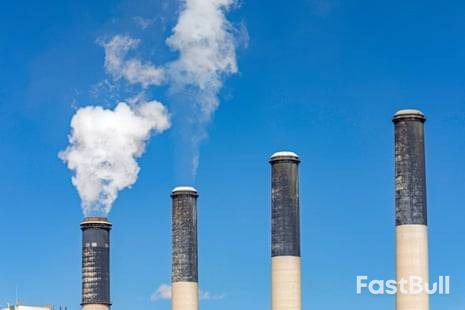
According to a report from Global Energy Monitor (GEM), this year is on track to break the annual record for new gas power capacity. The pipeline of planned and under-construction projects slated for 2026 is projected to nearly triple the world's existing gas generation capacity.
The United States is spearheading the global push for more natural gas. After tripling its planned gas-fired capacity in 2025, the country is set for even more growth over the next five years. A significant portion of this new power is specifically for the AI industry, with one-third of the 252 gigawatts (GW) of gas power in development intended to be built on-site at data centers.
While the US accounts for nearly a quarter of all global gas capacity in development, several other nations are also making significant investments:
• China: The world's largest carbon emitter installed a record 22.4 GW of gas power last year.
• Vietnam, Iraq, and Brazil: These countries follow the US and China in planned gas capacity.
Within the US, Texas is the epicenter of the expansion, with 57.9 GW of new gas power underway last year, followed by Louisiana and Pennsylvania. Projections for 2026 indicate that new gas additions in the US will surpass the previous annual record of 100 GW set back in 2002.
This surge in gas-fired energy comes with a heavy climate price tag. Scientists have consistently warned that fossil fuels must be phased out rapidly to avert catastrophic global heating.
If all planned projects are completed, the new gas plants in the US alone will generate 12.1 billion tonnes of carbon dioxide emissions over their lifetimes—double the current annual emissions from all sources in the country.
Globally, the planned gas boom could produce 53.2 billion tonnes of emissions, intensifying the risk of extreme heatwaves, droughts, and floods.
"Locking in new gas plants to meet uncertain AI energy demand means hard-wiring decades of pollution into a gambit that could be solved with flexible, clean power," said Jenny Martos, a project manager at GEM. "As the AI bubble inflates, the US must decide whether it will double down on a fossil future while the rest of the world pivots to renewables."
The explosive growth of the AI industry is the primary catalyst for this new demand for electricity. Tech companies are building vast data centers to power their AI models, and these facilities require immense amounts of energy.
The Trump administration has enthusiastically promoted AI development, with the president vowing to do "whatever it takes" for the US to lead the industry and remove "foolish rules" that slow data center construction. However, this has led to an increase in greenhouse gas emissions and higher electricity bills for many Americans, despite promises to cut energy costs.
Rising Energy Costs and Public Risk
Experts note that the administration's blocking of clean energy projects and its push to export liquified natural gas have also contributed to higher energy prices for American households. Domestic gas prices rose last year and are forecast to surge again next year after a flat 2026.
Steve Clemmer, director of energy research at the Union of Concerned Scientists, warned of the consequences. "Frenzied datacenter growth with little transparency or guardrails puts the public at risk of massive cost increases," he said. The organization predicts that new data centers could cause US electricity demand to jump by 60% by 2050.
The proliferation of data centers has sparked a grassroots backlash over rising power bills and the facilities' high water consumption. This opposition has halted some projects and created political challenges. President Trump recently promised that tech giants like Microsoft will "pay their own way" for new infrastructure, though details of such a plan remain unclear.
Even Trump has acknowledged the scale of the energy challenge. "You can't create this much energy," he said in a recent speech in Davos, Switzerland. "We needed more than double the energy currently in the country just to take care of the AI plants, and I said we can't do that."
Despite these concerns, major projects continue. Tech giant Meta is building a $1.5 billion gas-powered data center in El Paso, Texas.
The Homer City Case: A Community Divided
In western Pennsylvania, a shuttered coal plant near Homer City is set to be converted into the largest gas-fired facility in the US to power a data center campus. The plan for the 3,200-acre site, about 50 miles east of Pittsburgh, has split the local community.
"The coal plant was an environmental monstrosity, but it was a pillar of the local economy and some people are nostalgic for that," said Tom Pike, director of campaigns at the Clean Air Council. "But no one wants to live next to a datacenter. The ammonia, and the smell of that, from gas will be worse than the coal plant, and the power generated will be used in service of private profit rather than keep households' lights on."
Pike added that there is "tremendous public concern" about the project's inevitable impact on local power prices.

728 RM B 7/F GEE LOK IND BLDG NO 34 HUNG TO RD KWUN TONG KLN HONG KONG


The risk of loss in trading financial instruments such as stocks, FX, commodities, futures, bonds, ETFs and crypto can be substantial. You may sustain a total loss of the funds that you deposit with your broker. Therefore, you should carefully consider whether such trading is suitable for you in light of your circumstances and financial resources.
No decision to invest should be made without thoroughly conducting due diligence by yourself or consulting with your financial advisors. Our web content might not suit you since we don't know your financial conditions and investment needs. Our financial information might have latency or contain inaccuracy, so you should be fully responsible for any of your trading and investment decisions. The company will not be responsible for your capital loss.
Without getting permission from the website, you are not allowed to copy the website's graphics, texts, or trademarks. Intellectual property rights in the content or data incorporated into this website belong to its providers and exchange merchants.
Not Logged In
Log in to access more features


Log In
Sign Up


