• Trade
  • Markets
  • Copy
  • Contests
  • News
  • 24/7
  • Calendar
  • Q&A
  • Chats
Screeners
SYMBOL
LAST
ASK
BID
HIGH
LOW
NET CHG.
%CHG.
SPREAD
SPX
S&P 500 Index
6915.62
6915.62
6915.62
6932.95
6895.49
+2.26
+ 0.03%
--
DJI
Dow Jones Industrial Average
49098.70
49098.70
49098.70
49265.46
48963.05
-285.30
-0.58%
--
IXIC
NASDAQ Composite Index
23501.23
23501.23
23501.23
23610.74
23374.26
+65.22
+ 0.28%
--
USDX
US Dollar Index
97.030
97.110
97.030
97.120
96.730
-0.200
-0.21%
--
EURUSD
Euro / US Dollar
1.18546
1.18555
1.18546
1.18975
1.18441
+0.00265
+ 0.22%
--
GBPUSD
Pound Sterling / US Dollar
1.36530
1.36542
1.36530
1.36824
1.36427
+0.00100
+ 0.07%
--
XAUUSD
Gold / US Dollar
5041.77
5042.22
5041.77
5043.73
5003.35
+55.32
+ 1.11%
--
WTI
Light Sweet Crude Oil
60.987
61.022
60.987
61.114
60.514
-0.118
-0.19%
--

Community Accounts

Signal Accounts
--
Profit Accounts
--
Loss Accounts
--
View More

Become a signal provider

Sell trading signals to earn additional income

View More

Guide to Copy Trading

Get started with ease and confidence

View More

Signal Accounts for Members

All Signal Accounts

Best Return
  • Best Return
  • Best P/L
  • Best MDD
Past 1W
  • Past 1W
  • Past 1M
  • Past 1Y

All Contests

  • All
  • Trump Updates
  • Recommend
  • Stocks
  • Cryptocurrencies
  • Central Banks
  • Featured News
Top News Only
Share

South Korea Kang: Security Cooperation With Canada Has A Long History

Share

Malaysia's Ringgit Surges To 3.97 Per USA Dollar, Highest Since June 2018

Share

South Korea Kang: Will Discuss Canada Wide Range Of Industrial Cooperation

Share

Yield On 2-Year Japanese Government Bond Falls 1.0 Basis Points To 1.240%

Share

Yoshihiko Noda, Leader Of Japan's Constitutional Democratic Party: The Government Must Avoid Interfering With The Bank Of Japan's Efforts To Raise Interest Rates

Share

Yoshihiko Noda, Leader Of The Constitutional Democratic Party Of Japan, Said: "The Government And The Bank Of Japan Should Adjust Their Current Joint Agreement, Which Focuses On Combating Deflation, And Formulate An Agreement That Clarifies The Respective Roles Of Both Parties In Curbing Inflation."

Share

Yoshihiko Noda, Leader Of Japan's Constitutional Democratic Party: Currency Intervention May Have Limited Effectiveness In Sustainably Curbing The Yen's Decline

Share

Noda: Government, Bank Of Japan Should Tweak Current Joint Agreement Focusing On Beating Deflation To One Clarifying Role Each Would Play In Taming Inflation

Share

Noda: Government Must Avoid Interfering In Bank Of Japan Efforts To Raise Interest Rates

Share

Japan Ex-Finance Minister And Head Of Largest Opposition Party Cra Noda: Currency Intervention Likely To Have Limited Effect In Sustainably Halting Yen Slide

Share

US President Trump: The Possibility Of Eventually Withdrawing Immigration Enforcement Officials From The Minneapolis Area Cannot Be Ruled Out

Share

Japan Top Forex Diplomat Mimura: Declined To Comment On The Reported Currency Intervention

Share

Japan Top Forex Diplomat Mimura: Will Take Appropriate Steps On Forex Based On Japan-US Joint Statement

Share

Spot Gold Rises 1% To $5035.09

Share

US President Trump: The Government Is “reassessing” All The Details Of The Minneapolis Shooting

Share

Yield On 10-Year Japanese Government Bond Falls 4.0 Basis Points To 2.215%

Share

[US Navy's USS Abraham Lincoln Carrier Strike Group Arrives In The Middle East] According To Israeli Sources On The 25th, The US Navy's USS Abraham Lincoln Carrier Strike Group Has Arrived In The Middle East And Is Conducting Operations Within The US Central Command's Area Of ​​responsibility. The US Air Force Stated That Day That It Would Soon Begin A Multi-day Combat Readiness Exercise In The Middle East. The US Air Force Stated That The Exercise Aims To Demonstrate The US Military's Ability To Deploy And Sustain Air Combat Power In The Region

Share

U.S. State Department: Rubio Told The Iraqi Prime Minister That A Government Controlled By Iran Could Not Successfully Prioritize Iraq's Own Interests

Share

U.S. State Department: Secretary Of State Rubio Discussed With The Iraqi Prime Minister The Ongoing Diplomatic Efforts To Ensure The SWIFT Repatriation Of Citizens From Iraq

Share

U.S. State Department: U.S. Secretary Of State Marco Rubio Discussed With The Iraqi Prime Minister The Possibility Of Transferring And Detaining ISIS Militants In Iraqi Security Facilities

TIME
ACT
FCST
PREV
U.K. Retail Sales MoM (SA) (Dec)

A:--

F: --

P: --

France Manufacturing PMI Prelim (Jan)

A:--

F: --

P: --

France Services PMI Prelim (Jan)

A:--

F: --

P: --

France Composite PMI Prelim (SA) (Jan)

A:--

F: --

P: --

Germany Manufacturing PMI Prelim (SA) (Jan)

A:--

F: --

P: --

Germany Services PMI Prelim (SA) (Jan)

A:--

F: --

P: --

Germany Composite PMI Prelim (SA) (Jan)

A:--

F: --

P: --

Euro Zone Composite PMI Prelim (SA) (Jan)

A:--

F: --

P: --

Euro Zone Manufacturing PMI Prelim (SA) (Jan)

A:--

F: --

P: --

Euro Zone Services PMI Prelim (SA) (Jan)

A:--

F: --

P: --

U.K. Composite PMI Prelim (Jan)

A:--

F: --

P: --

U.K. Manufacturing PMI Prelim (Jan)

A:--

F: --

P: --

U.K. Services PMI Prelim (Jan)

A:--

F: --

P: --

Mexico Economic Activity Index YoY (Nov)

A:--

F: --

P: --

Russia Trade Balance (Nov)

A:--

F: --

P: --

Canada Core Retail Sales MoM (SA) (Nov)

A:--

F: --

P: --

Canada Retail Sales MoM (SA) (Nov)

A:--

F: --

P: --
U.S. IHS Markit Manufacturing PMI Prelim (SA) (Jan)

A:--

F: --

P: --

U.S. IHS Markit Services PMI Prelim (SA) (Jan)

A:--

F: --

P: --

U.S. IHS Markit Composite PMI Prelim (SA) (Jan)

A:--

F: --

P: --

U.S. UMich Consumer Sentiment Index Final (Jan)

A:--

F: --

P: --

U.S. UMich Current Economic Conditions Index Final (Jan)

A:--

F: --

P: --

U.S. UMich Consumer Expectations Index Final (Jan)

A:--

F: --

P: --

U.S. Conference Board Leading Economic Index MoM (Nov)

A:--

F: --

P: --

U.S. Conference Board Coincident Economic Index MoM (Nov)

A:--

F: --

P: --

U.S. Conference Board Lagging Economic Index MoM (Nov)

A:--

F: --

P: --

U.S. UMich 1-Year-Ahead Inflation Expectations Final (Jan)

A:--

F: --

P: --

U.S. Conference Board Leading Economic Index (Nov)

A:--

F: --

P: --

U.S. Weekly Total Rig Count

A:--

F: --

P: --

U.S. Weekly Total Oil Rig Count

A:--

F: --

P: --

Germany Ifo Business Expectations Index (SA) (Jan)

--

F: --

P: --

Germany IFO Business Climate Index (SA) (Jan)

--

F: --

P: --

Germany Ifo Current Business Situation Index (SA) (Jan)

--

F: --

P: --

U.S. Dallas Fed PCE Price Index YoY (Nov)

--

F: --

P: --

Brazil Current Account (Dec)

--

F: --

P: --

Mexico Unemployment Rate (Not SA) (Dec)

A:--

F: --

P: --

Canada National Economic Confidence Index

--

F: --

P: --

U.S. Non-Defense Capital Durable Goods Orders MoM (Excl. Aircraft) (Nov)

--

F: --

P: --

U.S. Durable Goods Orders MoM (Excl. Defense) (SA) (Nov)

--

F: --

P: --

U.S. Durable Goods Orders MoM (Excl.Transport) (Nov)

--

F: --

P: --

U.S. Durable Goods Orders MoM (Nov)

--

F: --

P: --

U.S. Chicago Fed National Activity Index (Nov)

--

F: --

P: --

U.S. Dallas Fed New Orders Index (Jan)

--

F: --

P: --

U.S. Dallas Fed General Business Activity Index (Jan)

--

F: --

P: --

U.K. BRC Shop Price Index YoY (Jan)

--

F: --

P: --

China, Mainland Industrial Profit YoY (YTD) (Dec)

--

F: --

P: --

Mexico Trade Balance (Dec)

--

F: --

P: --

U.S. S&P/CS 20-City Home Price Index YoY (Not SA) (Nov)

--

F: --

P: --

U.S. S&P/CS 20-City Home Price Index MoM (SA) (Nov)

--

F: --

P: --

U.S. FHFA House Price Index MoM (Nov)

--

F: --

P: --

U.S. FHFA House Price Index (Nov)

--

F: --

P: --

U.S. Richmond Fed Manufacturing Composite Index (Jan)

--

F: --

P: --

U.S. Conference Board Present Situation Index (Jan)

--

F: --

P: --

U.S. Conference Board Consumer Expectations Index (Jan)

--

F: --

P: --

U.S. Richmond Fed Manufacturing Shipments Index (Jan)

--

F: --

P: --

U.S. Richmond Fed Services Revenue Index (Jan)

--

F: --

P: --

U.S. Conference Board Consumer Confidence Index (Jan)

--

F: --

P: --

Australia RBA Trimmed Mean CPI YoY (Q4)

--

F: --

P: --

Australia CPI YoY (Q4)

--

F: --

P: --

Australia CPI QoQ (Q4)

--

F: --

P: --

Q&A with Experts
    • All
    • Chatrooms
    • Groups
    • Friends
    dimas eyhh flag
    gold will correct
    dimas eyhh flag
    gold will correct
    dimas eyhh flag
    gold will correct
    dimas eyhh flag
    gold will correct
    Rochim flag
    ok
    Lucifer flag
    dimas eyhh
    gold will correct
    @dimas eyhhto where
    dimas eyhh flag
    4800
    3152361 flag
    How many gaps has gold failed to close?
    ali flag
    dimas eyhh
    gold will correct
    @dimas eyhhyes brother but right now not possible
    24QM48JYWV flag
    every week market opens with fresh high
    win flag
    Why do you need to borrow money?
    ali flag
    silver may be go down right now running 104 down 99
    Shreshth B flag
    What a rally in Gold and Silver. Pure Gamble in Silver though. Gold price make sense but Silver price too high need a super correction.
    Muhammad Bakir Adam flag
    Hii every one
    dimas eyhh flag
    Shreshth B
    What a rally in Gold and Silver. Pure Gamble in Silver though. Gold price make sense but Silver price too high need a super correction.
    @Shreshth Bsame as gold
    Gaurav flag
    btc and eth now cmp buy fir big move,sl day low
    SURYAVANSHI flag
    buy gold and fuck me
    SURYAVANSHI flag
    for 2 days
    ali flag
    ali
    silver may be go down right now running 104 down 99
    sorry silver also trapping
    ali flag
    stocks going up silver gold going up oil and gas going up totally unpredictable market
    Type here...
    Add Symbol or Code

      No matching data

      All
      Trump Updates
      Recommend
      Stocks
      Cryptocurrencies
      Central Banks
      Featured News
      • All
      • Russia-Ukraine Conflict
      • Middle East Flashpoint
      • All
      • Russia-Ukraine Conflict
      • Middle East Flashpoint
      Search
      Products

      Charts Free Forever

      Chats Q&A with Experts
      Screeners Economic Calendar Data Tools
      Membership Features
      Data Warehouse Market Trends Institutional Data Policy Rates Macro

      Market Trends

      Market Sentiment Order Book Forex Correlations

      Top Indicators

      Charts Free Forever
      Markets

      News

      News Analysis 24/7 Columns Education
      From Institutions From Analysts
      Topics Columnists

      Latest Views

      Latest Views

      Trending Topics

      Top Columnists

      Latest Update

      Signals

      Copy Rankings Latest Signals Become a signal provider AI Rating
      Contests
      Brokers

      Overview Brokers Assessment Rankings Regulators News Claims
      Broker listing Forex Brokers Comparison Tool Live Spread Comparison Scam
      Q&A Complaint Scam Alert Videos Tips to Detect Scam
      More

      Business
      Events
      Careers About Us Advertising Help Center

      White Label

      Data API

      Web Plug-ins

      Affiliate Program

      Awards Institution Evaluation IB Seminar Salon Event Exhibition
      Vietnam Thailand Singapore Dubai
      Fans Party Investment Sharing Session
      FastBull Summit BrokersView Expo
      Recent Searches
        Top Searches
          Markets
          News
          Analysis
          User
          24/7
          Economic Calendar
          Education
          Data
          • Names
          • Latest
          • Prev

          View All

          No data

          Scan to Download

          Faster Charts, Chat Faster!

          Download App
          English
          • English
          • Español
          • العربية
          • Bahasa Indonesia
          • Bahasa Melayu
          • Tiếng Việt
          • ภาษาไทย
          • Français
          • Italiano
          • Türkçe
          • Русский язык
          • 简中
          • 繁中
          Open Account
          Search
          Products
          Charts Free Forever
          Markets
          News
          Signals

          Copy Rankings Latest Signals Become a signal provider AI Rating
          Contests
          Brokers

          Overview Brokers Assessment Rankings Regulators News Claims
          Broker listing Forex Brokers Comparison Tool Live Spread Comparison Scam
          Q&A Complaint Scam Alert Videos Tips to Detect Scam
          More

          Business
          Events
          Careers About Us Advertising Help Center

          White Label

          Data API

          Web Plug-ins

          Affiliate Program

          Awards Institution Evaluation IB Seminar Salon Event Exhibition
          Vietnam Thailand Singapore Dubai
          Fans Party Investment Sharing Session
          FastBull Summit BrokersView Expo

          Trump vs. The Fed: Supreme Court Case Tests Central Bank's Power

          Julia Daniels

          Economic

          Central Bank

          Political

          Summary:

          The Supreme Court will rule on Trump's attempt to fire a Fed governor, a case set to redefine the central bank's independence from political influence.

          The U.S. Supreme Court is set to hear a landmark case that could fundamentally reshape the Federal Reserve's independence from political influence. The dispute centers on President Donald Trump's attempt to fire Fed Governor Lisa Cook, putting the central bank's century-old shield against political pressure to its most significant test.

          At stake is whether the world's most important central bank can continue to operate without direct interference from the White House, a principle Congress designed to protect it. The court's decision could either reinforce this independence or hand presidents a new level of control over monetary policy.

          Key points in this high-stakes confrontation include:

          • The Supreme Court will review Trump's move to oust Fed Governor Lisa Cook.

          • The ruling could redefine the legal standard for removing a Fed official.

          • Analysts fear the outcome may weaken the central bank's political insulation, impacting its credibility.
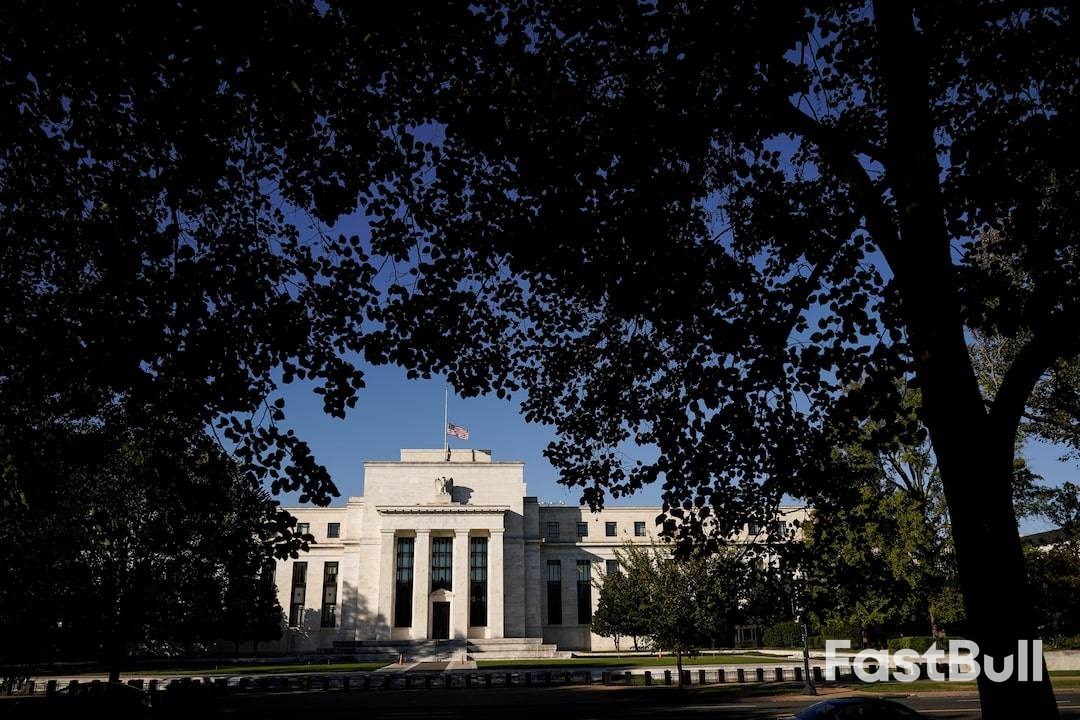
          The Core of the Legal Challenge

          The case revolves around Trump's effort to remove Lisa Cook from her post over allegations of mortgage fraud. While the immediate outcome will determine Cook's future at the Fed, the broader implications are far-reaching. Even if she retains her position, the court's ruling could establish the first clear roadmap for how a president might legally remove a member of the central bank's governing body.

          The Federal Reserve Act states that a governor can only be removed "for cause." This standard has never been tested in court and is intended to prevent dismissals over policy disagreements, such as interest rate decisions. Both Cook and Fed Chair Jerome Powell argue that policy disputes are the true motivation behind the administration's actions, which have also included threatened criminal charges against Powell.

          Last August, Trump announced he was firing Cook, whose term expires in 2038, based on claims she misrepresented information on a home mortgage application. No financial institution has accused her of fraud, and no charges have been filed. Cook sued to block her removal, and a lower court allowed her to remain in her job pending a hearing.
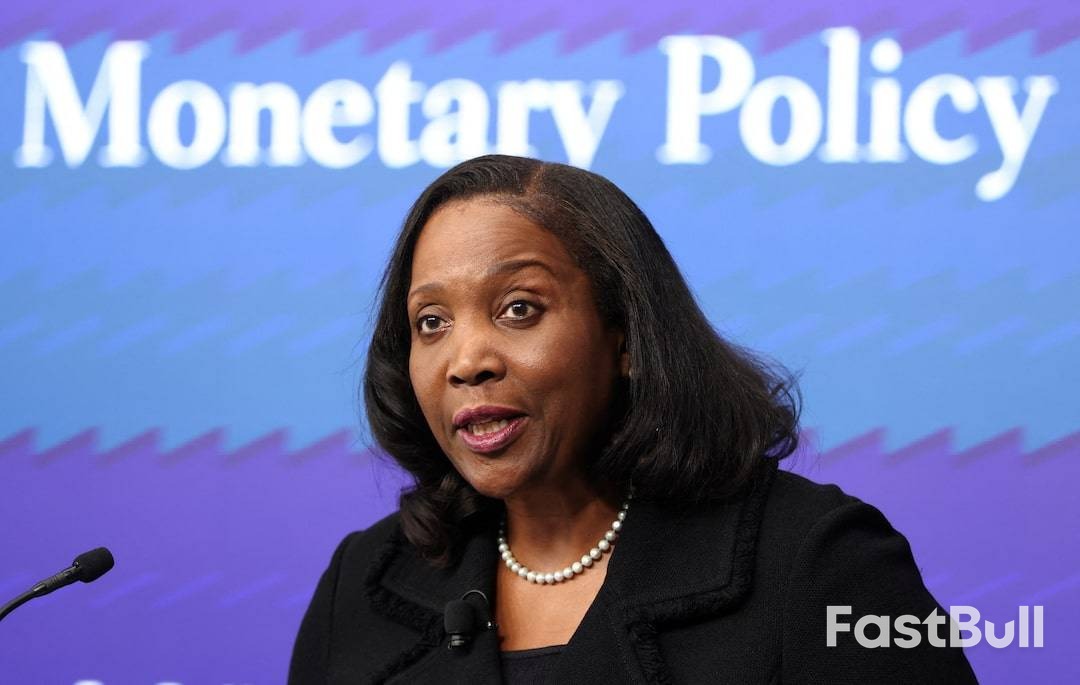
          Figure 1: Federal Reserve Governor Lisa Cook is at the center of a legal battle that could redefine the central bank's independence from political pressure.

          The Trump administration's argument effectively suggests that "cause" is whatever the president determines it to be. If the Supreme Court agrees, it would place Fed governors on precarious ground, potentially allowing them to be removed at will.

          Analysts Divided on the Outcome

          Legal experts and former Fed officials are watching closely, with opinions varying on how the conservative-leaning court might rule.

          "The door is open," said Loretta Mester, a former Cleveland Fed President now at the University of Pennsylvania's Wharton School. "The question is how does it get resolved in a way that does not allow whoever is in the president's office to just decide, okay, I don't want that person, I will accuse them of doing something and that is enough."

          Jon Faust, a former top adviser to Powell and former Chair Janet Yellen, expressed concern that the Fed's political insulation will be weakened regardless of the verdict. "I think the prospect of coming out with a strict and hard-to-clear hurdle is highly unlikely," said Faust, now an economics professor at Johns Hopkins University. "The battles will go on, Trump will continue the attacks... it is highly likely that independence does crumble."

          Others are more optimistic. Kathryn Judge, a professor at Columbia Law School, suggested the court might seek a middle ground. "It does look like they're going to try to carve out some exception that allows the Fed to maintain independence," she noted. "But for that independence... to be effective, cause has to mean something."

          Why Fed Credibility Is on the Line

          The principle of Fed independence is built on a simple premise: monetary policy often requires making decisions that are politically unpopular in the short term but beneficial for the economy in the long run. Fed governors are given long, 14-year terms precisely to shield them from the pressures of two- and four-year election cycles.

          The classic example is former Fed Chair Paul Volcker's battle against high inflation in the 1980s. He implemented punishing, double-digit interest rates that triggered two recessions and pushed unemployment above 10%. The economic pain contributed to President Jimmy Carter's loss in the 1980 election.

          However, that painful medicine worked. By demonstrating its resolve, the Fed established immense credibility, which helped anchor public inflation expectations for decades. This credibility is believed to have helped the central bank bring down the recent pandemic-era inflation spike without causing the severe recession many economists had predicted. If monetary policy becomes subject to political demands, that hard-won credibility—and its economic benefits—could be lost.

          The Risks of a Politicized Central Bank

          If presidents can easily fire Fed officials, the temptation to pressure the central bank for short-term political gain could become irresistible. Too-loose monetary policy can create a temporary economic boom by lowering unemployment to unsustainable levels, but it ultimately drives up wages and prices, leading to higher inflation down the road.

          "If you are not an independent central bank, inflation is higher, and it is higher by a lot," explained William English, a Yale School of Management professor and former head of the Fed's monetary affairs division. "The benefits arrive up front. The costs arrive later, so there may be a temptation to ease policy and have lots of talk about the Trump boom and the inflation becomes somebody else's problem."

          The gravity of the situation was highlighted when the Fed's last three chiefs, including Alan Greenspan, signed a joint statement supporting Powell. They warned that the administration's actions were reminiscent of "how monetary policy is made in emerging markets with weak institutions," not in the country responsible for the world's reserve currency.

          To stay updated on all economic events of today, please check out our Economic calendar
          Risk Warnings and Disclaimers
          You understand and acknowledge that there is a high degree of risk involved in trading. Following any strategies or investment methods may lead to potential losses. The content on the site is provided by our contributors and analysts for information purposes only. You are solely responsible for determining whether any trading assets, securities, strategy, or any other product is suitable for investing based on your own investment objectives and financial situation.
          Add to Favorites
          Share

          Trump's Unchained Second Term: A One-Year Review

          Isaac Bennett

          Political

          Remarks of Officials

          Economic

          Russia-Ukraine Conflict

          Middle East Situation

          Daily News

          One year after returning to the White House on January 20, 2025, President Donald Trump has unleashed a policy blitz that is reshaping the American government and expanding the boundaries of executive power. As he enters his second year, Trump appears to be operating with fewer constraints than ever, pursuing an agenda that has deepened national divisions.

          In a series of bold moves, Trump has demonstrated an increasingly aggressive approach. His administration recently ordered a federal crackdown on illegal immigration in Minnesota, which resulted in the shooting death of an unarmed female motorist by a federal agent. On the world stage, he oversaw a military raid in Venezuela to capture President Nicolas Maduro, revived a controversial plan to acquire Greenland, and threatened to bomb Iran.

          When questioned about a criminal investigation into Federal Reserve Chairman Jerome Powell, Trump dismissed concerns about potential economic fallout. "I don't care," he told Reuters in an Oval Office interview. Earlier, he told The New York Times on January 7 that the only check on his authority to launch military strikes was "my own morality," underscoring a belief that his power is limited primarily by his own judgment rather than institutional restraint.

          A Presidency Redefined by Executive Might

          Trump came into his second term with a vow to remake the U.S. economy, federal bureaucracy, and immigration policy. He has made significant progress on that agenda, cementing his role as one of the most powerful presidents in modern American history.

          Presidential historian Timothy Naftali argues that Trump has wielded power with fewer limitations in his second term than any president since Franklin Roosevelt. During his tenure from 1933 to 1945, Roosevelt commanded large congressional majorities that passed his agenda with little resistance, buoyed by public support and a fractured opposition.

          Similarly, Trump has expanded executive authority through a stream of executive orders and emergency declarations, shifting decision-making from Congress to the White House. This push has been largely supported by a conservative-majority Supreme Court and a Republican-controlled Congress. Unlike his first term, his cabinet is now filled exclusively with loyalists.

          White House spokeswoman Anna Kelly stated that while diplomacy is Trump's first instinct, he keeps all options open. She confirmed he ordered the raid on Maduro and the bombing of three Iranian nuclear facilities last year only "after both failed to negotiate in a serious way."

          Figure 1: President Trump's second term has been defined by a rapid series of executive actions aimed at reshaping federal policy.

          A Sweeping Policy Overhaul

          In his first year back in office, Trump has implemented sweeping changes across the government, including:

          • Cutting the size of the federal civilian workforce.

          • Dismantling and closing entire government agencies.

          • Slashing humanitarian aid to foreign nations.

          • Ordering sweeping immigration raids and deportations.

          • Deploying National Guard troops to Democratic-run cities.

          • Imposing tariffs that have triggered trade wars.

          • Passing a massive tax-and-spending-cut bill.

          • Prosecuting political enemies and attacking universities, law firms, and media outlets.

          • Canceling or restricting access to certain vaccines.

          Despite promising to end the war in Ukraine on his first day in office, Trump has made little progress on a peace deal, even as he claims to have ended eight wars—a statement disputed by the ongoing conflicts in those regions.

          Economic Headwinds and Political Risks

          Like all second-term presidents, Trump faces the inevitable decline of his political power. He remains a deeply unpopular figure, with a recent Reuters/Ipsos poll placing his approval rating at 41%, while 58% of U.S. adults disapprove of his job performance. While low for a president, he retains substantial backing from his core supporters.

          The primary issue for voters ahead of the November congressional elections is the high cost of living. When asked about high prices, Trump repeated his claim that the economy was the "strongest" in history, despite data showing stubbornly high inflation. In recent weeks, he has complicated his own messaging by calling the issue of affordability a Democratic "hoax."

          This difficulty in addressing voters' economic struggles could create challenges for his party. Democratic strategist Alex Floyd warned that "Trump's total disregard for the rule of law or basic checks and balances has made Americans less safe," adding that voters could punish Republicans for what he called "lawless behavior."

          Midterm Elections Loom Large

          Trump himself has acknowledged the political danger. In his interview with Reuters, he conceded that Republicans could lose control of Congress in the November elections, noting that history rarely favors the president's party in midterms.

          He has urged Republican lawmakers to fight to retain their majority, warning that a Democrat-controlled House of Representatives would impeach him for a third time. To counter the negative sentiment, Trump's aides say he plans to travel frequently to promote his economic agenda. However, his recent speeches on the economy have often been unfocused, a lack of message discipline that alarms some Republican strategists as the elections draw closer.

          To stay updated on all economic events of today, please check out our Economic calendar
          Risk Warnings and Disclaimers
          You understand and acknowledge that there is a high degree of risk involved in trading. Following any strategies or investment methods may lead to potential losses. The content on the site is provided by our contributors and analysts for information purposes only. You are solely responsible for determining whether any trading assets, securities, strategy, or any other product is suitable for investing based on your own investment objectives and financial situation.
          Add to Favorites
          Share

          London Open: Stocks Fall on Trump Tariff Threats, but Defence Firms and Gold Miners Shine

          Warren Takunda

          Stocks

          London stocks fell in early trade on Monday but losses were contained as investors appeared to take US President Donald Trump’s latest tariff threats in their stride, with gains for defence firms and gold miners also lending a hand.
          At 0830 GMT, the FTSE 100 was down 0.3% at 10,209.60. US markets will be closed for Martin Luther King Jr day.
          Market sentiment took a hit after Trump said over the weekend on Truth Social that he would impose tariffs of 10% from 1 February, rising to 25% from the 1 June, on eight European countries opposing US efforts to acquire Greenland.
          The affected countries are Denmark, France, Germany, the UK, the Netherlands, Sweden, Norway and Finland.
          Trump said the tariffs would remain in place until a deal for the sale of Greenland to the US is done.
          His latest threats came as world leaders were set to gather at the World Economic Forum in Davos, Switzerland, this week.
          Derren Nathan, head of equity research at Hargreaves Lansdown, said: "UK and European markets are tracking Asian markets downwards this morning after an extraordinary weekend of economic sabre-rattling over Greenland.
          "The European Union has hit back with a proposed €93 billion tariff package and has dusted off its never-before-used ACI (anti-coercion instrument), which would further limit US companies' access to major contracts across the single market.
          "The UK is yet to make a formal response, but the Prime Minister will address the nation today at 2:30pm after reiterating his opposition to Washington’s desire to take control of Greenland in a call with Donald Trump on Sunday. The market reaction to this escalation has been relatively muted compared to the post-liberation day sell-off seen last April. Given the President’s history of dramatic threats and last-minute stand-downs, investors may be pricing in a generous degree of bluff in this high-stakes poker game.
          "However, markets are close to record-highs. If this year’s theme of the ‘Spirit of Dialogue’ at the World Economic Forum in Davos turns out to be more ironic than prophetic, there’s scope for a steeper dip in risk-on assets."
          On home shores, industry data showed house prices rocketed in January as the market rebounded strongly following last autumn’s Budget.
          According to the latest house price index from Rightmove, the national average asking price shot up by a record 2.8% this month. It is the largest-ever increase in the month of January, and the largest in any month since June 2015.
          The average asking price now stands at £368,031, while the number of available homes for sale is the highest it has been at this time of year since 2014.
          Rightmove’s Colleen Babcock called it an "encouraging" start to 2026, especially following the muted growth seen in 2025.
          "Over the last week, buyer demand is lower than last year, when buyer activity was boosted by some buyers trying to find a property before stamp duty rose in April.
          "However, buyer demand is in line with 2024. It’s an encouraging early snapshot, and as the start of the year progresses it will become clearer if this momentum is maintained into the peak spring selling season."
          The unusually long build-up to last year’s Budget - which was held in November, a month later than normal - weighed heavily on consumer sentiment. However, despite widespread speculation and leaks, in the end the Budget did not include as many tax rises as feared.
          Further supporting the housing market since then was a quarter point reduction in the cost of borrowing, to 3.75%, in December, and the prospect of more cuts to come.
          Data from Rightmove showed a 57% spike in buyer demand in the two weeks after Christmas Day in 2025, with the number of homes newly listed for sale rising by 81% compared to the fortnight before 25 December.
          Rightmove said Boxing Day had been its busiest ever for visits to the platform. Year-on-year, house prices rose 0.5% in January.
          In equity markets, defence firms were the standout gainers, with BAE Systems and Babcock both sharply higher.
          Precious metals miner Fresnillo and gold miners Endeavour and Hochschild all racked up strong gains as gold and silver prices hit record highs.
          WH Smith shot to the top of the FTSE 250 as the travel retailer appointed Leo Quinn to the role of executive chairman with effect from 7 April. Quinn has over 20 years' experience as CEO of UK publicly quoted companies, most recently as CEO of infrastructure group Balfour Beatty.
          Landscaping supply group Marshalls fell after saying it expects to report annual earnings in line with market expectations despite subdued end markets and "prolonged" pre-Budget uncertainty during the second half which saw revenues come in flat. It also said the outlook for 2026 "continues to be uncertain" but that it is confident that cost-cutting last year would deliver an improved financial performance.
          Great Portland Estates lost ground as it appointed Jayne Cottam to the role of chief financial officer with effect from 16 March.
          Workspace Group nudged lower as it announced that chief executive Lawrence Hutchings was leaving the company after just 14 months in the role. He will be replaced by Charlie Green, the former CEO and co-founder of The Office Group, now known as Fora.

          Source: Sharecast

          Risk Warnings and Disclaimers
          You understand and acknowledge that there is a high degree of risk involved in trading. Following any strategies or investment methods may lead to potential losses. The content on the site is provided by our contributors and analysts for information purposes only. You are solely responsible for determining whether any trading assets, securities, strategy, or any other product is suitable for investing based on your own investment objectives and financial situation.
          Add to Favorites
          Share

          Trump to Meet Global CEOs at Davos Amid Policy Tensions

          James Riley

          Remarks of Officials

          Economic

          Political

          President Donald Trump is scheduled to meet with global business leaders this Wednesday at the World Economic Forum (WEF) in Davos, Switzerland. Sources familiar with the plans indicate that CEOs from sectors including financial services, cryptocurrency, and consulting have been invited to a reception following Trump's formal address.

          The White House reportedly issued the invitations for the event, described in one CEO's schedule simply as "a reception in honour of President Donald J Trump." The meeting is expected to include a global contingent of corporate leaders, not just those from the United States, though the specific agenda remains unclear.

          US Delegation and Geopolitical Backdrop

          Trump is set to arrive in the Swiss resort on Wednesday to deliver a special address to the forum. He will be accompanied by several high-ranking U.S. officials, including Treasury Secretary Scott Bessent, who is slated to hold a press briefing on Monday.

          The formal agenda of the WEF, which will host over 3,000 delegates from more than 130 countries, has been significantly impacted by recent U.S. policy moves. This year's gathering includes 64 heads of state and government, with many focused on shifts in U.S. policy under the Trump administration.

          Greenland and Trade Threats Dominate Discussions

          Recent dramatic policy statements from President Trump, including his demand that the United States purchase Greenland, are casting a shadow over the event.

          These tensions have already had a direct impact on sideline meetings. According to diplomatic sources, national security advisers from several countries are meeting on Monday, and the topic of Greenland has been added to their agenda. A European diplomat confirmed this was a direct result of Trump's threat on Saturday to impose additional tariffs on eight European countries.

          The threat of new tariffs, linked to the U.S. being allowed to buy Greenland, caused European stock markets to fall on Monday.

          Adding another layer of international intrigue, Vladimir Putin's special envoy, Kirill Dmitriev, is also traveling to Davos. Two sources confirmed that Dmitriev plans to hold meetings with members of the U.S. delegation during the forum.

          To stay updated on all economic events of today, please check out our Economic calendar
          Risk Warnings and Disclaimers
          You understand and acknowledge that there is a high degree of risk involved in trading. Following any strategies or investment methods may lead to potential losses. The content on the site is provided by our contributors and analysts for information purposes only. You are solely responsible for determining whether any trading assets, securities, strategy, or any other product is suitable for investing based on your own investment objectives and financial situation.
          Add to Favorites
          Share

          Gold & Silver Surge as Global Tensions Escalate

          George Anderson

          Political

          Commodity

          Remarks of Officials

          Palestinian-Israeli conflict

          Economic

          Central Bank

          Russia-Ukraine Conflict

          Middle East Situation

          Stocks

          Gold and silver prices have climbed to new records, driven by a surge in investor demand for safe-haven assets as geopolitical and economic uncertainty intensifies. This rally follows a series of market-shaking events that have pushed investors toward precious metals.

          On Monday, U.S. gold futures for February delivery increased by 1.71% to settle at $4,674.20 per ounce, after hitting a new high last week. Spot gold also saw gains, rising 1.6% to $4,668.14.

          Silver mirrored this upward trend. U.S. silver futures for March delivery reached a record $93.035 per ounce and were last trading 5.06% higher at $93.02. The spot price for silver was up 3.55% at $93.16 per ounce.

          Tariffs and Trade Disputes Rattle Markets

          A key catalyst for the market anxiety is President Donald Trump's announcement of new tariffs on goods from eight European countries. The administration has tied these tariffs to its demand for "the Complete and Total purchase of Greenland."

          The proposed tariffs are set to begin at 10% on February 1 and could increase to 25% by June 1 if a deal is not reached. The threat has directly impacted European markets, with reports indicating that officials are considering retaliatory tariffs and other economic countermeasures.

          In response, European and Asia-Pacific stock markets mostly declined on Monday. Shares of major European automakers and luxury goods companies fell sharply, with the Stoxx Europe 600 Automobiles & Parts Index dropping 2.2% and the Stoxx Europe Luxury 10 index down 2.9% in early trading.

          A Broad Landscape of Geopolitical Risk

          The Greenland tariff dispute is just one of several factors contributing to the current risk-averse climate. Investors are also monitoring a range of other global flashpoints, including:

          • Venezuela: The recent U.S. capture of the Venezuelan president and subsequent control of the nation's oil industry.

          • Iran: Lingering tensions after President Trump suggested a military strike was imminent before backing away from the threat last week.

          • U.S. Policy Uncertainty: A Justice Department criminal investigation into Federal Reserve Chair Jerome Powell is also unsettling markets, following sustained pressure from the president to lower interest rates.

          • Ongoing Conflicts: The protracted conflict in Ukraine and the slow progress toward a resolution in Gaza continue to add to global instability.

          Analyst Outlook: Fundamentals Support Gold's Rally

          According to George Cheveley, a natural resources portfolio manager at Ninety One, gold's powerful rally is grounded in solid fundamentals that remain firmly in place. In the asset manager's 2026 sectoral outlook, Cheveley noted that falling real interest rates and continued reserve diversification by central banks provide strong support for gold prices to either consolidate or move higher.

          The report also highlighted that at current prices, profit margins for gold producers are expected to be four to five times higher than they were in 2024.

          In contrast to precious metals, other base metals are seeing gains driven more by long-term structural trends than by immediate geopolitical fears. Copper, for instance, is considered to have an "attractive" risk-reward profile due to strong demand from the energy transition and data center infrastructure. U.S. copper futures for March were last trading 0.54% higher at $5.8625 per ounce.

          To stay updated on all economic events of today, please check out our Economic calendar
          Risk Warnings and Disclaimers
          You understand and acknowledge that there is a high degree of risk involved in trading. Following any strategies or investment methods may lead to potential losses. The content on the site is provided by our contributors and analysts for information purposes only. You are solely responsible for determining whether any trading assets, securities, strategy, or any other product is suitable for investing based on your own investment objectives and financial situation.
          Add to Favorites
          Share

          Putin Invited to Trump's Gaza Peace Board Amid Ukraine War

          King Ten

          Political

          Palestinian-Israeli conflict

          Remarks of Officials

          Middle East Situation

          Daily News

          The Kremlin confirmed on Monday that Russian President Vladimir Putin has been invited to join the "Board of Peace," a U.S.-led council created by President Donald Trump to address the Gaza conflict.

          Moscow is now reviewing the proposal, which aims to bring international leaders together to maintain the ceasefire between Israel and Hamas and manage the reconstruction of Gaza.

          Figure 1: U.S. President Donald Trump and Russian President Vladimir Putin are the central figures in a new diplomatic proposal concerning the Gaza peace process.

          Kremlin Confirms Offer, Seeks Clarification

          Kremlin Spokesman Dmitry Peskov announced that the offer was received through diplomatic channels and is under careful consideration.

          "President Putin has indeed received an offer... to join this Board of Peace. We are currently studying all the details of this proposal," Peskov told the Russian state news agency TASS. He added, "We hope to contact the U.S. side to clarify all the details."

          The invitation to Putin is particularly noteworthy given Russia's ongoing war against Ukraine, a conflict approaching its four-year mark that has resulted in hundreds of thousands of casualties.

          A Global Council With a High Price Tag

          The Trump administration has extended invitations to a number of other world leaders. According to a Bloomberg report, Canadian Prime Minister Mark Carney and Argentine President Javier Milei are among those invited.

          AP News reported that Hungary, India, Jordan, Greece, Cyprus, and Pakistan have also confirmed receiving invitations.

          However, membership may come at a steep cost. Citing a draft charter, Bloomberg noted that the Trump administration reportedly wants nations to pay $1 billion for a permanent position on the board.

          Israel Voices Opposition to Board's Structure

          The initiative is already facing pushback from key regional players. Israel has expressed its dissatisfaction with the board's formation, particularly its leadership structure.

          On Friday, Prime Minister Benjamin Netanyahu's office released a statement clarifying its position: "The announcement regarding the composition of the Gaza Executive Board, which is subordinate to the Board of Peace, was not coordinated with Israel and runs contrary to its policy."

          The "founding Executive Board" announced by the U.S. on Saturday includes former U.K. Prime Minister Tony Blair, Trump's son-in-law Jared Kushner, and U.S. Secretary of State Marco Rubio, among others.

          CNBC has contacted the White House for confirmation regarding Putin's invitation.

          Risk Warnings and Disclaimers
          You understand and acknowledge that there is a high degree of risk involved in trading. Following any strategies or investment methods may lead to potential losses. The content on the site is provided by our contributors and analysts for information purposes only. You are solely responsible for determining whether any trading assets, securities, strategy, or any other product is suitable for investing based on your own investment objectives and financial situation.
          Add to Favorites
          Share

          Takaichi Calls Snap Election, Vows Food Tax Freeze

          James Riley

          Data Interpretation

          Political

          Remarks of Officials

          Economic

          Daily News

          Japanese Prime Minister Sanae Takaichi has called a snap general election for February 8, centering her campaign on a bold promise to suspend the country's 8% consumption tax on food for two years. The proposal aims to tackle the rising cost of living but mirrors policies from her rivals and raises serious questions about Japan's already strained public finances.

          Cutting the consumption tax, a move also advocated by several opposition parties, would carve a significant hole in government revenue. This comes as concerns over Japan's fiscal stability are already pushing government bond yields to their highest levels in decades.

          Currently, Japan operates a dual-rate system, levying an 8% tax on food and a 10% tax on other goods and services to help fund the escalating social welfare costs of its rapidly aging population.

          Election Gamble Centers on Suspending 8% Food Tax

          At a press conference, Takaichi argued that a two-year exemption on the 8% food levy would provide direct relief to households struggling with inflation. She insisted the government would not issue new debt to cover the shortfall, suggesting funds could be found by reviewing existing subsidies.

          "We will overhaul past economic and fiscal policy," Takaichi stated. "My administration will put an end to an excessively tight fiscal policy and a lack of investment for the future."

          Bond Market Reacts as Yields Hit 27-Year High

          Investors immediately reacted to the growing likelihood of a tax cut and Takaichi's commitment to expansionary fiscal policy. On Monday, the yield on the 10-year Japanese government bond surged to 2.275%, a 27-year high.

          The move has drawn skepticism from economists who worry about its potential to backfire.

          "I can't see why Japan needs a consumption tax cut after compiling a significant stimulus package to counter rising inflation," said Keiji Kanda, a senior economist at the Daiwa Institute of Research. "I'm worried these steps could accelerate inflation and lead to further rises in bond yields."

          Opposition Parties Echo Calls for Tax Relief

          Takaichi's proposal enters a political arena where tax cuts have become a common theme. Mindful of public frustration over inflation, opposition parties have also called for the consumption tax to be reduced or eliminated.

          A new political party, formed last week from a merger of two major opposition groups, has called for the 8% tax on food to be abolished permanently. In its campaign platform, the party suggested creating a new sovereign wealth fund to generate the necessary revenue. Other groups, including the Democratic Party for the People, have also demanded that the consumption tax be lowered.

          The Fiscal Tightrope: Weighing Revenue Loss vs. Voter Appeal

          The push for tax cuts comes as inflation has remained above the Bank of Japan's 2% target for nearly four years, largely driven by stubbornly high food prices.

          Historically, Takaichi's ruling Liberal Democratic Party (LDP) has resisted calls for consumption tax cuts, arguing that they would undermine market confidence in Japan's commitment to fiscal discipline.

          The financial stakes are high. According to government data, scrapping the 8% food tax would cost an estimated 5 trillion yen ($31.71 billion) in annual revenue—an amount roughly equivalent to Japan's entire yearly budget for education.

          Analysts warn that a permanent cut would put immense pressure on Japan's finances and heighten the risk of a bond selloff. These concerns are amplified by the fact that Takaichi's government has already compiled a record $783 billion budget for the next fiscal year, in addition to a major stimulus package designed to ease cost-of-living pressures.

          ($1 = 157.6900 yen)

          To stay updated on all economic events of today, please check out our Economic calendar
          Risk Warnings and Disclaimers
          You understand and acknowledge that there is a high degree of risk involved in trading. Following any strategies or investment methods may lead to potential losses. The content on the site is provided by our contributors and analysts for information purposes only. You are solely responsible for determining whether any trading assets, securities, strategy, or any other product is suitable for investing based on your own investment objectives and financial situation.
          Add to Favorites
          Share
          FastBull
          Copyright © 2026 FastBull Ltd

          728 RM B 7/F GEE LOK IND BLDG NO 34 HUNG TO RD KWUN TONG KLN HONG KONG

          TelegramInstagramTwitterfacebooklinkedin
          App Store Google Play Google Play
          Products
          Charts

          Chats

          Q&A with Experts
          Screeners
          Economic Calendar
          Data
          Tools
          Membership
          Features
          Function
          Markets
          Copy Trading
          Latest Signals
          Contests
          News
          Analysis
          24/7
          Columns
          Education
          Company
          Careers
          About Us
          Contact Us
          Advertising
          Help Center
          Feedback
          User Agreement
          Privacy Policy
          Personal Information Protection Statement
          Business

          White Label

          Data API

          Web Plug-ins

          Poster Maker

          Affiliate Program

          Risk Disclosure

          The risk of loss in trading financial instruments such as stocks, FX, commodities, futures, bonds, ETFs and crypto can be substantial. You may sustain a total loss of the funds that you deposit with your broker. Therefore, you should carefully consider whether such trading is suitable for you in light of your circumstances and financial resources.

          No decision to invest should be made without thoroughly conducting due diligence by yourself or consulting with your financial advisors. Our web content might not suit you since we don't know your financial conditions and investment needs. Our financial information might have latency or contain inaccuracy, so you should be fully responsible for any of your trading and investment decisions. The company will not be responsible for your capital loss.

          Without getting permission from the website, you are not allowed to copy the website's graphics, texts, or trademarks. Intellectual property rights in the content or data incorporated into this website belong to its providers and exchange merchants.

          Not Logged In

          Log in to access more features

          Connect Broker
          Become a signal provider
          Help Center
          Customer Service
          Dark Mode
          Price Up/Down Colors

          Log In

          Sign Up

          Position
          Layout
          Fullscreen
          Default to Chart
          The chart page opens by default when you visit fastbull.com