Markets
News
Analysis
User
24/7
Economic Calendar
Education
Data
- Names
- Latest
- Prev



Signal Accounts for Members
All Signal Accounts
All Contests


U.S. NY Fed Manufacturing New Orders Index (Jan)A:--
F: --
P: --
U.S. NY Fed Manufacturing Employment Index (Jan)A:--
F: --
P: --
U.S. Export Price Index YoY (Nov)A:--
F: --
P: --
U.S. NY Fed Manufacturing Index (Jan)A:--
F: --
U.S. Initial Jobless Claims 4-Week Avg. (SA)A:--
F: --
U.S. Export Price Index MoM (Nov)A:--
F: --
P: --
Canada Manufacturing Unfilled Orders MoM (Nov)A:--
F: --
P: --
Canada Manufacturing New Orders MoM (Nov)A:--
F: --
P: --
U.S. Philadelphia Fed Manufacturing Employment Index (Jan)A:--
F: --
P: --
Canada Wholesale Sales YoY (Nov)A:--
F: --
P: --
Canada Wholesale Inventory MoM (Nov)A:--
F: --
P: --
U.S. Philadelphia Fed Business Activity Index (SA) (Jan)A:--
F: --
P: --
U.S. EIA Weekly Natural Gas Stocks ChangeA:--
F: --
P: --
Richmond Federal Reserve President Barkin delivered a speech.
U.S. Weekly Treasuries Held by Foreign Central BanksA:--
F: --
P: --
Germany CPI Final MoM (Dec)A:--
F: --
P: --
Germany CPI Final YoY (Dec)A:--
F: --
P: --
Germany HICP Final MoM (Dec)A:--
F: --
P: --
Germany HICP Final YoY (Dec)A:--
F: --
P: --
Brazil PPI MoM (Nov)A:--
F: --
P: --
Canada New Housing Starts (Dec)A:--
F: --
U.S. Capacity Utilization MoM (SA) (Dec)A:--
F: --
U.S. Industrial Output YoY (Dec)A:--
F: --
P: --
U.S. Manufacturing Capacity Utilization (Dec)A:--
F: --
P: --
U.S. Manufacturing Output MoM (SA) (Dec)A:--
F: --
U.S. Industrial Output MoM (SA) (Dec)A:--
F: --
U.S. NAHB Housing Market Index (Jan)A:--
F: --
P: --
Russia CPI YoY (Dec)A:--
F: --
P: --
U.S. Weekly Total Rig CountA:--
F: --
P: --
U.S. Weekly Total Oil Rig CountA:--
F: --
P: --
Japan Core Machinery Orders YoY (Nov)--
F: --
P: --
Japan Core Machinery Orders MoM (Nov)--
F: --
P: --
U.K. Rightmove House Price Index YoY (Jan)--
F: --
P: --
China, Mainland GDP YoY (YTD) (Q4)--
F: --
P: --
China, Mainland Industrial Output YoY (YTD) (Dec)--
F: --
P: --
Japan Industrial Output Final MoM (Nov)--
F: --
P: --
Japan Industrial Output Final YoY (Nov)--
F: --
P: --
Euro Zone Core HICP Final MoM (Dec)--
F: --
P: --
Euro Zone HICP Final MoM (Dec)--
F: --
P: --
Euro Zone HICP Final YoY (Dec)--
F: --
P: --
Euro Zone HICP MoM (Excl. Food & Energy) (Dec)--
F: --
P: --
Euro Zone Core CPI Final YoY (Dec)--
F: --
P: --
Euro Zone Core HICP Final YoY (Dec)--
F: --
P: --
Euro Zone CPI YoY (Excl. Tobacco) (Dec)--
F: --
P: --
Euro Zone Core CPI Final MoM (Dec)--
F: --
P: --
Canada National Economic Confidence Index--
F: --
P: --
Canada CPI MoM (SA) (Dec)--
F: --
P: --
Canada Core CPI MoM (SA) (Dec)--
F: --
P: --
Canada CPI YoY (SA) (Dec)--
F: --
P: --
Canada Trimmed CPI YoY (SA) (Dec)--
F: --
P: --
Canada CPI YoY (Dec)--
F: --
P: --
Canada CPI MoM (Dec)--
F: --
P: --
Canada Core CPI YoY (Dec)--
F: --
P: --
Canada Core CPI MoM (Dec)--
F: --
P: --
South Korea PPI MoM (Dec)--
F: --
P: --
China, Mainland 1-Year Loan Prime Rate (LPR)--
F: --
P: --
China, Mainland 5-Year Loan Prime Rate--
F: --
P: --
Germany PPI YoY (Dec)--
F: --
P: --
Germany PPI MoM (Dec)--
F: --
P: --
U.K. 3-Month ILO Unemployment Rate (Nov)--
F: --
P: --


No matching data
Latest Views
Latest Views
Trending Topics
Top Columnists
Latest Update
White Label
Data API
Web Plug-ins
Affiliate Program
View All

No data
Donald Trump threatens to sue JPMorgan Chase for "debanking" him post-January 6, denying a Fed chief offer to CEO Jamie Dimon.
Donald Trump has threatened to sue JPMorgan Chase & Co., accusing the banking giant and its CEO Jamie Dimon of "debanking" him following the Capitol riot on January 6, 2021.
The former president’s statement, made in a social media post on Saturday, was a direct response to a Wall Street Journal story. The report claimed Trump had offered Dimon the position of Federal Reserve chief several months ago, an offer Dimon reportedly interpreted as a joke.
"There was never such an offer," Trump wrote. "In fact, I'll be suing JPMorgan Chase over the next two weeks for incorrectly and inappropriately DEBANKING me after the January 6th Protest."
Trump did not provide further details on the planned lawsuit. JPMorgan did not immediately issue a comment on the matter.
This isn't the first time Trump has leveled these accusations against the bank. In August, he claimed JPMorgan "discriminated against me very badly," alleging the firm asked him to close accounts he had maintained for decades. Trump asserted that this action was linked to his supporters storming the Capitol to prevent the certification of Joe Biden’s 2021 election victory.
JPMorgan has previously acknowledged it is facing reviews, investigations, and legal proceedings connected to the broader political fight over "debanking."
In the past, Dimon has directly pushed back against claims that the bank's decisions are politically biased. "We do not debank people's religious or political affiliations," he told Fox Business in December.
Jamie Dimon has made his own position on a potential government role clear. When asked about leading the central bank at a U.S. Chamber of Commerce event on Thursday, Dimon was unequivocal.
"Chairman of the Fed, I'd put in the absolutely, positively no chance, no way, no how, for any reason," he stated.
However, he expressed openness to a different cabinet position, noting that if offered the job of running the Treasury, "I would take the call."
The public exchange highlights ongoing friction over the Federal Reserve's independence. Dimon recently criticized attacks on the institution, warning that "chipping away at Fed independence is not a great idea" and could ultimately result in higher inflation and interest rates. His comments followed actions by the Justice Department, including criminal subpoenas related to the renovation of the Fed's headquarters.
Meanwhile, the question of who would lead the central bank under a new Trump administration remains open. Fed Chair Jerome Powell's term ends in May. On Friday, Trump confirmed he has a successor in mind but declined to name the individual.
Canada is launching a bold new auto strategy designed to counter the impact of Donald Trump's protectionist trade policies, which have threatened to pull car manufacturing back to the United States. The plan, spearheaded by Prime Minister Mark Carney, aims to make Canada a more attractive place for automakers to build vehicles by offering better access to the domestic market.
The full strategy is expected to be unveiled in February by Industry Minister Melanie Joly. However, details emerging from government officials reveal a clear objective: to reverse the trend of plant closures and job losses that have hit the sector since the U.S. imposed tariffs on foreign cars.
Recent high-profile losses include the closure of a General Motors facility in Ontario and Stellantis's decision to build a new Jeep plant in Illinois instead of near Toronto. The new policy is Canada's direct response to these pressures.
In a significant policy shift, Canada will permit Chinese auto companies to assemble vehicles within its borders for the first time. This access, however, comes with strict conditions aimed at integrating these new players into the Canadian economy and managing security risks.
According to a government source, Chinese firms will be required to partner with local companies and utilize Canadian-made software. This requirement highlights a potential role for companies like BlackBerry in providing secure platforms for in-car technology. National security remains a core consideration, with officials emphasizing the need to prevent technology-related vulnerabilities.
The strategy extends beyond attracting traditional manufacturing. It includes a major push into the electric vehicle (EV) market through sales mandates and new buyer incentives. The ultimate goal is to diversify Canada's trade relationships and reduce its heavy reliance on the U.S. market, leveraging existing free trade agreements with Europe and Asia.
Currently, five major manufacturers—GM, Stellantis, Ford, Toyota, and Honda—operate assembly plants in Canada. Most of their output is exported to the United States. Meanwhile, major brands like Tesla, Nissan, and Kia serve the Canadian market, which saw 1.9 million new car sales last year, entirely through imports.
A recent trip to Beijing by Prime Minister Carney has already produced a concrete agreement with President Xi Jinping. This trade truce sets the stage for the new auto policy and includes several key provisions:
• EV Quotas: Canada will allow approximately 49,000 Chinese-made EVs to enter the country annually under a low 6% tariff. This is a dramatic reduction from the 100% surtax imposed in 2024.
• Reciprocal Benefits: In return, China has agreed to lower tariffs on Canadian agricultural exports and grant visa-free travel to Canadian citizens.
• Investment Commitment: During the same visit, Minister Joly secured a tentative agreement with automakers BYD and Chery, along with Canadian parts manufacturer Magna. Chinese firms gain immediate market access but must explore significant investment in Canadian production facilities within three years. Failure to do so could void the deal.
A crucial part of the agreement is a price cap, which mandates that a portion of the EV import quota must consist of vehicles priced at C$35,000 or less. This condition largely favors Chinese brands, which are already leaders in producing affordable EVs.
While the deal caught some in Washington by surprise, President Trump appeared unconcerned. When asked about the Carney-Xi agreement, he told reporters, "That's OK, that's what he should be doing. If you can get a deal with China you should do that."
Despite this reaction, the strategy carries risks. The agreement with China could introduce friction as Canada, the U.S., and Mexico prepare to review their trilateral trade pact. To mitigate potential surprises, the Canadian government stated it had briefed U.S. Trade Representative Jamieson Greer before the deal was finalized. Ultimately, the move underscores a broader ambition for Canada: to forge a more independent economic path, less reliant on its southern neighbor.

Political

Latest news on the Israeli-Palestinian conflict

Remarks of Officials

Palestinian-Israeli conflict

Middle East Situation
The White House has formally invited leaders from several countries to join a U.S.-led "Board of Peace" initiative, a plan designed to first manage the post-conflict governance of Gaza before expanding to address global conflicts. The move follows a fragile ceasefire in Gaza that has been in place since October.
According to a plan unveiled by the Trump administration, this international board will supervise a Palestinian technocratic administration during a transitional period. Both Israel and the Palestinian militant group Hamas have reportedly signed off on the framework.

The White House announced several members of the board, which is intended to outlive its initial role in Gaza. President Donald Trump will serve as the board's chair.
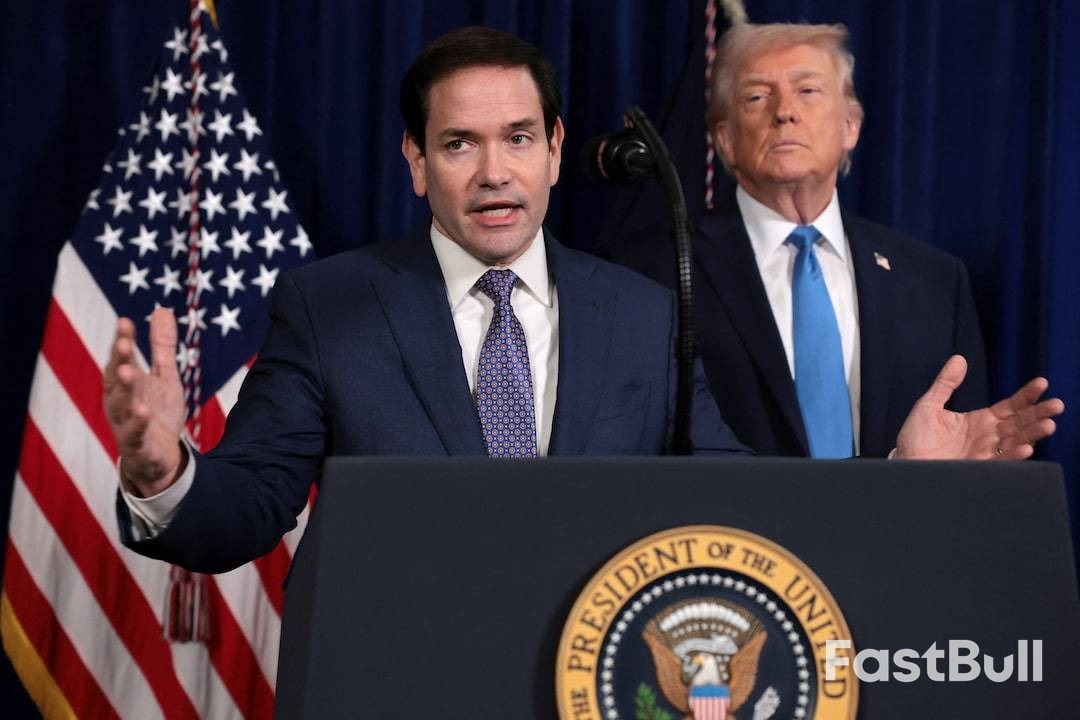
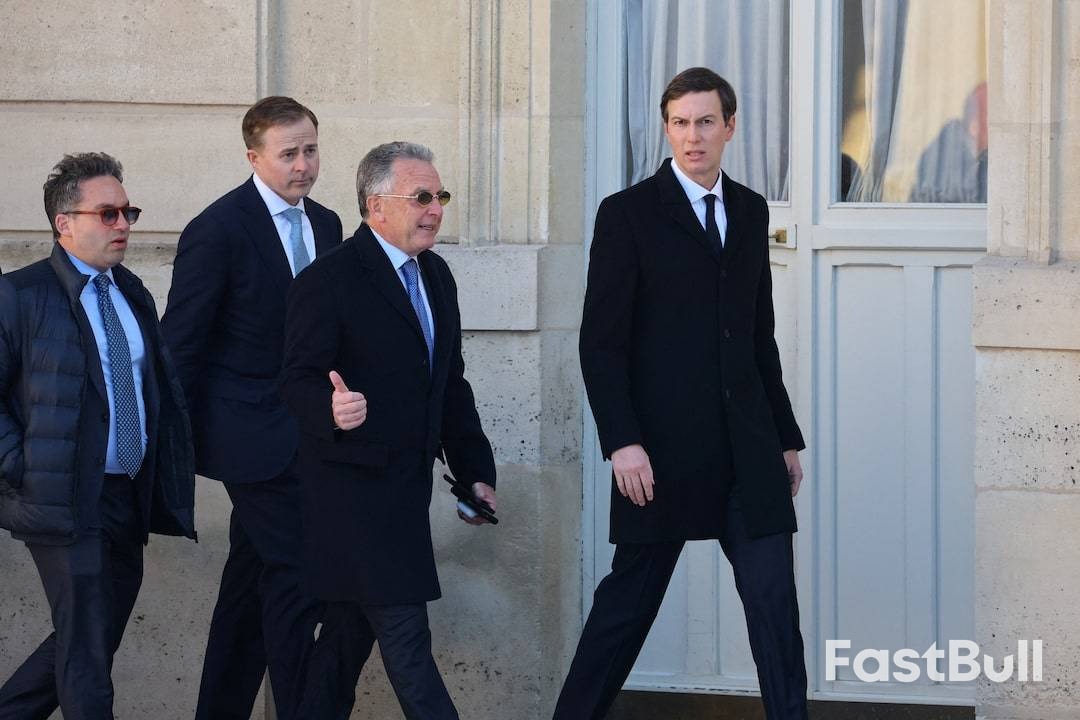
Key members named to the "Board of Peace" include:
• Marco Rubio, U.S. Secretary of State
• Steve Witkoff, Trump's special envoy
• Tony Blair, former British prime minister
• Jared Kushner, Trump's son-in-law
• Marc Rowan, private equity executive
• Ajay Banga, World Bank President
• Robert Gabriel, Trump adviser

Nikolay Mladenov, a former U.N. Middle East envoy, was named high representative for Gaza. Additionally, Army Major General Jasper Jeffers, a U.S. special operations commander, was appointed to lead the International Stabilization Force. This force was authorized by a U.N. Security Council resolution in mid-November.
The White House confirmed more members will be announced in the coming weeks but did not detail the specific responsibilities of each appointee. Notably, the current list does not include any Palestinian members.
In a related move, the White House also announced an 11-member "Gaza Executive Board" to support the technocratic body. This group includes Turkish Foreign Minister Hakan Fidan, U.N. Middle East peace coordinator Sigrid Kaag, UAE International Cooperation Minister Reem Al-Hashimy, and Israeli-Cypriot billionaire Yakir Gabay.
However, the office of Israeli Prime Minister Benjamin Netanyahu stated that the composition of this executive board was not coordinated with Israel and contradicts its policy. The objection may be related to the inclusion of Turkey's Hakan Fidan, as Israel has opposed Turkish involvement.
President Trump has indicated that the board's mandate will extend far beyond the Middle East. "It's going to, in my opinion, start with Gaza and then do conflicts as they arise," Trump told Reuters, adding that its objective would be to address "other countries that are going to war with each other."
Invitations to join the Board of Peace have been sent to the leaders of France, Germany, Australia, and Canada, according to four sources. The offices of the Egyptian and Turkish presidents confirmed receiving invitations, and an EU official stated that European Commission President Ursula von der Leyen was invited to represent the European Union.
The initiative has drawn criticism from rights experts, who have described the structure as resembling a colonial framework. The involvement of Tony Blair has also been criticized due to his role in the Iraq war. One diplomat familiar with the invitation letter called the board a "bold new approach to resolving Global Conflict" and described it as a "'Trump United Nations' that ignores the fundamentals of the U.N. charter."

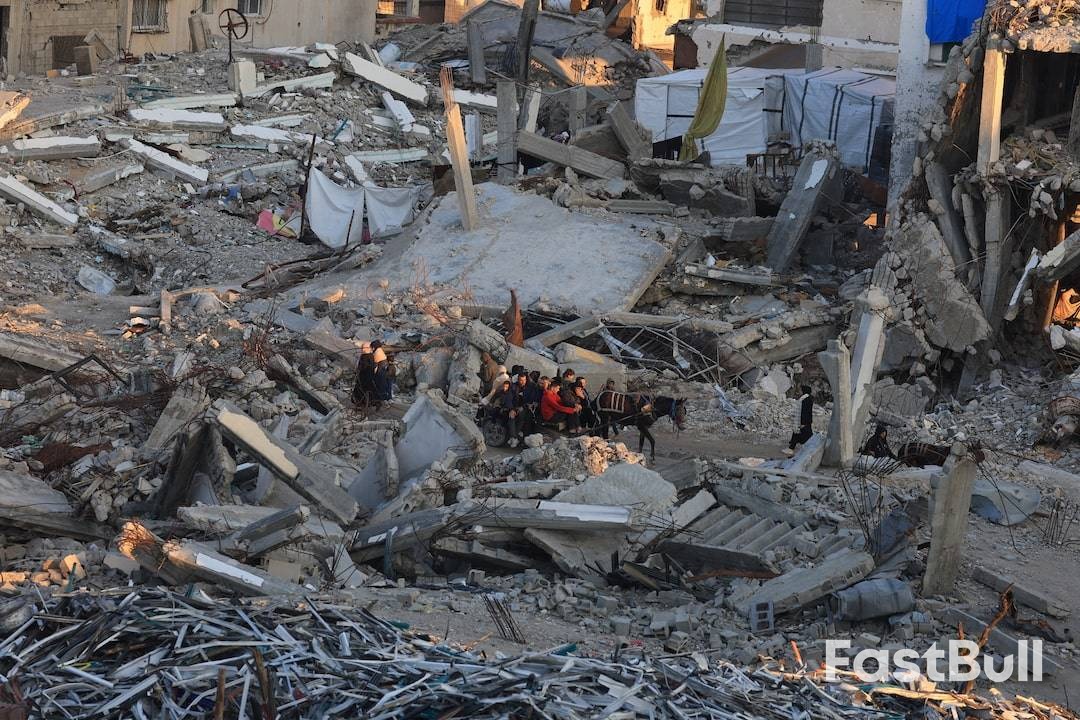
The fragile ceasefire has been marked by accusations of violations from both Israel and Hamas. During the truce, over 450 Palestinians, including more than 100 children, and three Israeli soldiers have been reported killed.
Israel's military assault on Gaza, which began in October 2023, has killed tens of thousands, triggered a hunger crisis, and internally displaced the entire population. Numerous rights experts, scholars, and a U.N. inquiry have concluded that the actions amount to genocide. Israel maintains it acted in self-defense following an attack by Hamas-led militants in late 2023 that killed 1,200 people and resulted in over 250 hostages being taken.
The European Union and the South American bloc Mercosur have officially signed one of the world's largest free trade agreements, concluding a negotiation process that spanned more than two decades.
The historic pact was signed in Asunción, Paraguay, by European Commission President Ursula von der Leyen and European Council head Antonio Costa. This milestone comes just a week after the EU gave its final approval to the deal with Mercosur, which includes Brazil, Argentina, Uruguay, and Paraguay.
The agreement establishes an integrated market of 780 million consumers and is poised to significantly strengthen Europe's economic presence in a resource-rich region where the United States and China are also competing for influence. Leaders like von der Leyen and Brazil's Luiz Inacio Lula da Silva have framed the deal as a declaration of independence from the two global superpowers.
"This moment is about connecting continents," von der Leyen stated at the signing ceremony. "We choose fair trade over tariffs; we choose a productive long-term partnership over isolation."
The agreement promises substantial economic benefits by systematically eliminating tariffs. South America's agricultural giants are expected to gain from easier access to European markets, while European industrial sectors—including cars and machinery—will benefit from the removal of import levies.
• Combined Economy: The two blocs represent a combined economy valued at $22 trillion.
• GDP Growth: Bloomberg Economics estimates the deal could boost the Mercosur economy by up to 0.7% by 2040 and the EU's economy by 0.1% after 15 years.
"That will help the region to be better integrated to the global economy," said Tatiana Prazeres, Brazil's foreign trade secretary.
The deal is a major strategic move for the EU, expanding its trade network to cover 97% of Latin America's economy, according to Banco Santander SA. This far surpasses the economic reach of the US (44%) and China (14%) in the region.
The EU's share of trade with Mercosur had previously declined from 23% in 2001 to 14%, making this agreement a critical tool for reversing that trend. The pact arrives as the US shows renewed policy interest in South America, highlighted by the Trump administration's recent national security document and the arrest of Venezuelan leader Nicolas Maduro.
For Europe, this agreement offers a way to navigate its complex trade relationships with both the US and China, especially after a year marked by trade disputes in 2025. It positions Europe as a credible economic partner for South America, particularly as it seeks investment to develop reserves of metals and minerals essential for its green and digital transitions.
Securing Critical Raw Materials
In a related development, von der Leyen confirmed that Europe and Brazil are negotiating a separate agreement focused on critical metals. This deal aims to frame cooperation on joint investment projects in lithium, nickel, and rare earths.
She emphasized that such a partnership would promote strategic independence "in a world where minerals tend to become an instrument of coercion."
The final signing ceremony was attended by Argentine President Javier Milei, Uruguay's Yamandu Orsi, and Paraguay's Santiago Pena. Brazilian President Lula, who has been involved in the talks since his first term in 2003, met with von der Leyen separately in Rio de Janeiro.
The deal nearly collapsed in December due to strong opposition from major agricultural nations like France and Italy. However, the inclusion of safeguard measures for European farmers successfully brought Italian Prime Minister Giorgia Meloni on board. This left French President Emmanuel Macron without enough support to block the agreement.
Despite the signing, the pact still requires final ratification by the European Parliament before it can be fully implemented.
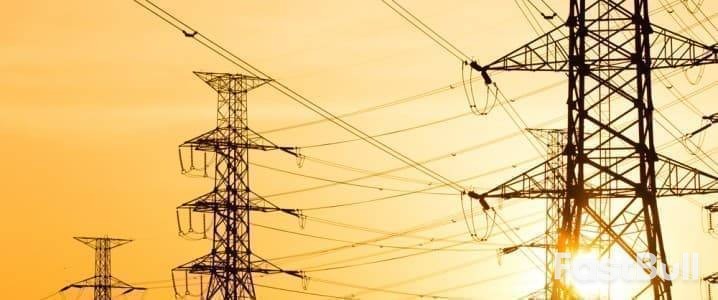
Egypt is setting the stage for a major expansion of its energy sector, backed by recent oil discoveries and an ambitious strategy to scale its renewable energy capacity. The country kicked off the year by signing $1.8 billion in renewable energy agreements, signaling a serious commitment to its clean energy goals.

These new deals, which include contracts with Norwegian developer Scatec and China's Sungrow, are a cornerstone of Egypt's plan to have renewable sources account for 42% of its electricity generation by 2030.
The first major project underway is a Scatec solar energy plant in Upper Egypt's Minya Governorate. According to an Egyptian cabinet statement, this facility will not only produce clean electricity but will also feature integrated energy storage stations. The solar plant is designed for a total capacity of 1.7 GW, complemented by 4 GW-hours of battery storage.
In a related move, the Egyptian government has finalized a power purchase agreement (PPA) with Scatec for 1.95 GW of clean power and 3.9 GW-hours of battery storage. Scatec noted in a statement that these agreements highlight a growing market demand for reliable clean power and sophisticated storage solutions.
Alongside generation projects, Egypt is focused on developing local manufacturing capabilities. Sungrow plans to construct a factory in the Suez Canal Economic Zone dedicated to producing energy storage batteries.
A portion of the factory's output will supply the new Scatec solar plant, while the rest will be targeted for regional export and to meet rising domestic demand. This initiative aligns with the government's strategy to bolster supply chain security through local production.
This aggressive push into renewables is a direct response to the severe energy shortages Egypt has faced in recent years. The country's economy was particularly affected by shortfalls in natural gas production from its giant offshore Zohr field.
To counter this, Egypt began courting foreign investment in green energy last year, aiming to secure over $10 billion in private funding for wind and solar projects. By the end of 2024, it had attracted $4 billion. To draw in more capital, the government has been offering a suite of incentives, including tax breaks, free land, and cash rebates. However, experts have noted that improvements to national energy policies are also essential to attract the desired level of investment.
By 2024, Egypt's installed renewable energy capacity, including hydropower, wind, and solar, was nearly 7.8 GW. Solar capacity alone saw a dramatic rise from just 35 MW in 2012 to almost 2.6 GW in 2024. The New and Renewable Energy Authority reported that the country's total renewable installed capacity reached about 8.6 GW last year.
Looking ahead, Egypt is also positioning itself as a key player in the green hydrogen market. Last year, the government announced investment incentive packages designed to capture 8% of the global green hydrogen share, equivalent to 10 million tonnes per year.
Egypt's strategic location, connecting Africa, Europe, and the Middle East, combined with its abundant sunlight, makes it an ideal hub for green hydrogen production and export. The Suez Canal is expected to become a critical artery in the global clean energy supply chain.
A tangible project in this area is the expansion of green ammonia production at the Misr Fertilisers Production Company complex in Damietta. In partnership with Scatec and Yara International, the project will use 480 MW of solar and wind energy to produce 150,000 tonnes of green ammonia annually, with production slated to begin in 2027.
While these new projects are promising, the government acknowledges that more international support is needed to hit its 2030 energy mix target. Investors have previously been hesitant due to a lack of clarity on long-term power pricing. However, the new PPA-based deal with Scatec suggests a shift towards more favorable contracts designed to attract foreign developers.
Azza Ghanem, an Energy and Environmental Economist, noted the significant progress. "Egypt has successfully integrated more than 2,000 MW of wind power and over 2,500 MW of solar power into the national grid—a significant shift compared to the situation a decade ago," she said. Ghanem emphasized that public-private partnerships and long-term PPAs have been crucial for driving investment, helping to reduce fossil fuel reliance and support Egypt's climate objectives.
To realize its full green energy potential, Egypt must continue to refine its policies and successfully attract higher levels of international investment across the entire clean energy spectrum.
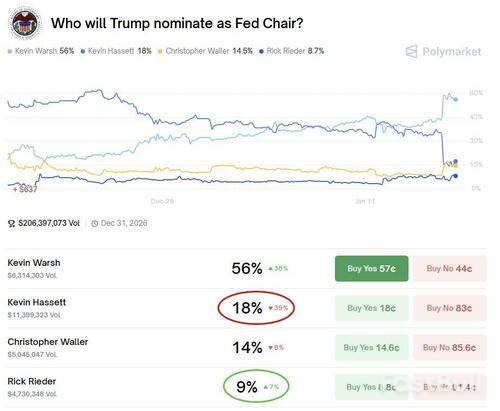
BlackRock executive Rick Rieder’s recent meeting with President Donald Trump has ignited speculation that the bond market heavyweight is a serious contender to become the next chair of the Federal Reserve.
The meeting immediately raises the profile of Rieder, who serves as BlackRock's chief investment officer for global fixed income. Over the last decade, this role has made him one of the most powerful voices in global bond markets. While he lacks direct experience within the Fed or in a government policy position, his opinions on monetary policy are closely monitored by investors and officials.
Rieder has built a reputation on his view that interest rates have been kept higher than necessary for the current economic landscape. He has consistently argued that the Federal Reserve should be prepared to lower rates toward a more neutral level, which he suggests is closer to 3 percent.
His perspective is shaped by decades of navigating credit markets, leading him to worry that overly restrictive monetary policy could unnecessarily strain the financial system and curb economic growth. Rieder believes the Fed has focused too much on historical inflation data and risks overtightening, especially as financial conditions are already helping to cool the economy. He advocates for a broader focus on overall financial health rather than a narrow obsession with inflation metrics.

Adding to his unique profile, Rieder has often downplayed concerns about large government deficits. He contends that structural forces, such as aging demographics, high global savings, and strong demand for U.S. assets, make these deficits more manageable than many critics believe.
At times, Rieder has also questioned the conventional wisdom that inflation must be strictly controlled, suggesting that a rate slightly above the Fed's target may not be harmful if it helps stabilize debt and support employment. These views resonate with Trump's long-standing calls for a central bank leader who favors lower interest rates. Still, nominating a Wall Street asset manager to lead the world's most important central bank would be a highly unconventional move.
As Rieder’s candidacy gains momentum, the field of potential nominees is shrinking. Last week, Trump indicated that economic adviser Kevin Hassett is no longer in the running, stating he prefers to keep Hassett in his current role at the White House. This removes a prominent name from the list of contenders.

With Hassett out, the race now centers on a smaller group. Besides Rieder, the most frequently mentioned candidates are former Fed governor Kevin Warsh and current governor Christopher Waller. Both Warsh and Waller offer deep experience within the central banking system and would represent more traditional choices compared to Rieder's market-oriented background.
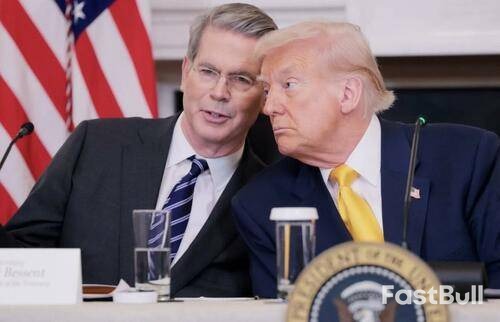
Treasury Secretary Scott Bessent has confirmed that a decision is expected soon, noting that Trump aims to announce his pick before or shortly after the Davos forum. Rieder’s meeting at the White House signals that the president is actively considering both conventional and non-traditional candidates to shape the future of U.S. monetary policy.
Newly public transcripts from the Federal Reserve's 2020 meetings offer a detailed look at how Chair Jerome Powell personally championed a policy shift that he would later come to regret.
The records show that during the height of the COVID-19 pandemic, Powell forcefully advocated for strong, specific guidance on keeping interest rates at zero, winning a crucial internal debate despite significant pushback from his colleagues. Critics now see this commitment as a key reason the Fed was slow to act when inflation surged in the following years.
The pivotal discussion took place at the Fed's September 2020 meeting, six months into the pandemic. With interest rates already slashed to zero in March, Powell argued it was time to issue a decisive statement about how long they would remain there to support what he expected to be a long economic recovery.
The central bank releases edited minutes three weeks after each meeting, but full transcripts are withheld for five years. These new documents reveal the extent of the internal disagreement over the policy.
The statement ultimately issued by the Fed promised to hold rates near zero "until labor market conditions have reached levels consistent with the committee's assessments of maximum employment and inflation has risen to 2% and is on track to moderately exceed 2% for some time."
While the final decision saw only two official dissents—from Dallas Fed President Rob Kaplan, who wanted a weaker commitment, and Minneapolis Fed President Neel Kashkari, who wanted an even stronger one—the transcripts reveal a broader unease.
Several other policymakers shared Kaplan's concerns, even though they did not formally vote against the measure. This group included:
• Eric Rosengren (then-Boston Fed President)
• Tom Barkin (Richmond Fed President)
• Raphael Bostic (Atlanta Fed President)
Then-Cleveland Fed President Loretta Mester and then-Philadelphia Fed President Patrick Harker, who were both voting members, also expressed reservations but ultimately supported the decision.
Mester described "the changes to the liftoff criteria as being very significant ones." She added that she "would have preferred to wait to make such a change until the committee had had the opportunity to fully discuss the implications of this commitment."
Powell, however, saw no reason for delay. "With the expansion well under way, now is the time to focus our policies and communications on supporting the economy as it travels the long road to a full recovery. I see no need to wait further," he told his colleagues.
His push came just one month after the Fed had announced a historic overhaul of its policy framework, moving away from its long-standing practice of preemptively raising rates to head off inflation.
The transcripts show Powell was concerned that the market and the public were not taking this strategic shift seriously.
"It's so easy to slide back into a place where people say, 'There's no story here.' In fact, it's already happening," the Fed chair said. "A substantially weaker form of guidance going forward, to me, would sound an awful lot like the same reaction function we've been using for the past eight years."
At the time of the September 2020 meeting, the Fed's preferred inflation metric stood at 1.3%, and the median policymaker projection did not see it reaching the 2% target until 2023.
Instead, inflation soared the following year, peaking at 7.2% in mid-2022. For months, Powell and other Fed officials labeled the price spike "transitory," delaying an aggressive policy response. The strong commitment to near-zero rates made in 2020 is now widely seen as a factor that tied the central bank's hands.
By November 2022, after the Fed had begun its aggressive rate-hiking cycle, Powell admitted his misgivings at a Brookings Institution event.
"The one piece of guidance that we gave that I probably wouldn't do again is, we said we wouldn't lift off unless, until we saw both maximum employment and price stability," Powell reflected. "And I don't think I would do that again."
While the transcripts highlight a decision Powell now regrets, they also show his early recognition of the COVID-19 threat. At an unscheduled meeting on March 2, 2020, before the virus had fully hit the U.S., Powell was unequivocal about the risk at a time when some of his colleagues were still downplaying it.
Referring to a late-February gathering of finance officials in Saudi Arabia, he said, "I picked up growing concern at the G-20 meeting in Riyadh that weekend that the coronavirus was likely to now spread widely around the world."
"Markets and the general public need a clear signal that the Federal Reserve and other policymakers around the world understand the significance of what's going on and will move decisively," Powell urged. That day, the Fed cut its benchmark rate by half a percentage point.
White Label
Data API
Web Plug-ins
Poster Maker
Affiliate Program
The risk of loss in trading financial instruments such as stocks, FX, commodities, futures, bonds, ETFs and crypto can be substantial. You may sustain a total loss of the funds that you deposit with your broker. Therefore, you should carefully consider whether such trading is suitable for you in light of your circumstances and financial resources.
No decision to invest should be made without thoroughly conducting due diligence by yourself or consulting with your financial advisors. Our web content might not suit you since we don't know your financial conditions and investment needs. Our financial information might have latency or contain inaccuracy, so you should be fully responsible for any of your trading and investment decisions. The company will not be responsible for your capital loss.
Without getting permission from the website, you are not allowed to copy the website's graphics, texts, or trademarks. Intellectual property rights in the content or data incorporated into this website belong to its providers and exchange merchants.
Not Logged In
Log in to access more features

FastBull Membership
Not yet
Purchase
Log In
Sign Up