

Markets
News
Analysis
User
24/7
Economic Calendar
Education
Data
- Names
- Latest
- Prev



Signal Accounts for Members
All Signal Accounts
All Contests
 Indonesia 7-Day Reverse Repo Rate
A:--
F: --
P: --
Indonesia Loan Growth YoY (Dec)A:--
F: --
P: --
Indonesia Deposit Facility Rate (Jan)A:--
F: --
P: --
Indonesia Lending Facility Rate (Jan)A:--
F: --
P: --
 South Africa Core CPI YoY (Dec)
A:--
F: --
P: --
South Africa CPI YoY (Dec)A:--
F: --
P: --
 IEA Oil Market Report
 U.K. CBI Industrial Output Expectations (Jan)
A:--
F: --
U.K. CBI Industrial Prices Expectations (Jan)A:--
F: --
P: --
South Africa Retail Sales YoY (Nov)A:--
F: --
P: --
U.K. CBI Industrial Trends - Orders (Jan)A:--
F: --
P: --
 Mexico Retail Sales MoM (Nov)
A:--
F: --
P: --
 U.S. MBA Mortgage Application Activity Index WoW
A:--
F: --
P: --
 Canada Industrial Product Price Index YoY (Dec)
A:--
F: --
Canada Industrial Product Price Index MoM (Dec)A:--
F: --
U.S. Weekly Redbook Index YoYA:--
F: --
P: --
U.S. Pending Home Sales Index YoY (Dec)A:--
F: --
P: --
U.S. Pending Home Sales Index MoM (SA) (Dec)A:--
F: --
P: --
U.S. Construction Spending MoM (Oct)A:--
F: --
U.S. Pending Home Sales Index (Dec)A:--
F: --
P: --
U.S. API Weekly Refined Oil StocksA:--
F: --
P: --
U.S. API Weekly Gasoline StocksA:--
F: --
P: --
U.S. API Weekly Cushing Crude Oil Stocks--
F: --
P: --
U.S. API Weekly Crude Oil StocksA:--
F: --
P: --
 South Korea GDP Prelim YoY (SA) (Q4)
A:--
F: --
P: --
South Korea GDP Prelim QoQ (SA) (Q4)A:--
F: --
P: --
 Japan Imports YoY (Dec)
A:--
F: --
P: --
Japan Exports YoY (Dec)A:--
F: --
P: --
Japan Goods Trade Balance (SA) (Dec)A:--
F: --
P: --
Japan Trade Balance (Not SA) (Dec)A:--
F: --
 Australia Employment (Dec)
--
F: --
P: --
Australia Labor Force Participation Rate (SA) (Dec)--
F: --
P: --
Australia Unemployment Rate (SA) (Dec)--
F: --
P: --
Australia Full-time Employment (SA) (Dec)--
F: --
P: --
 Turkey Consumer Confidence Index (Jan)
--
F: --
P: --
Turkey Capacity Utilization (Jan)--
F: --
P: --
Turkey Late Liquidity Window Rate (LON) (Jan)--
F: --
P: --
Turkey Overnight Lending Rate (O/N) (Jan)--
F: --
P: --
Turkey 1-Week Repo Rate--
F: --
P: --
U.K. CBI Distributive Trades (Jan)--
F: --
P: --
U.K. CBI Retail Sales Expectations Index (Jan)--
F: --
P: --
U.S. Weekly Continued Jobless Claims (SA)--
F: --
P: --
U.S. Initial Jobless Claims 4-Week Avg. (SA)--
F: --
P: --
U.S. Real Personal Consumption Expenditures Final QoQ (Q3)--
F: --
P: --
Canada New Housing Price Index MoM (Dec)--
F: --
P: --
U.S. Weekly Initial Jobless Claims (SA)--
F: --
P: --
U.S. Real GDP Annualized QoQ Final (Q3)--
F: --
P: --
U.S. PCE Price Index Final QoQ (AR) (Q3)--
F: --
P: --
U.S. PCE Price Index MoM (Nov)--
F: --
P: --
U.S. PCE Price Index YoY (SA) (Nov)--
F: --
P: --
U.S. Real Personal Consumption Expenditures MoM (Nov)--
F: --
P: --
U.S. Personal Income MoM (Nov)--
F: --
P: --
U.S. Core PCE Price Index MoM (Nov)--
F: --
P: --
U.S. Personal Outlays MoM (SA) (Nov)--
F: --
P: --
U.S. Dallas Fed PCE Price Index YoY (Nov)--
F: --
P: --
U.S. Core PCE Price Index YoY (Nov)--
F: --
P: --
U.S. EIA Weekly Natural Gas Stocks Change--
F: --
P: --
U.S. Kansas Fed Manufacturing Composite Index (Jan)--
F: --
P: --
U.S. Kansas Fed Manufacturing Production Index (Jan)--
F: --
P: --
U.S. EIA Weekly Crude Stocks Change--
F: --
P: --



















No matching data

Latest Views
Latest Views
Trending Topics
Top Columnists
Latest Update
White Label
Data API
Web Plug-ins
Affiliate Program
View All
No data
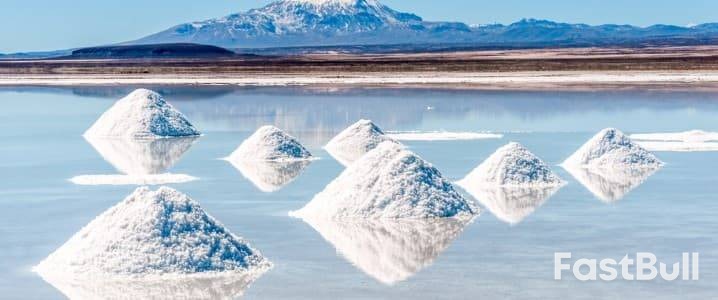
Bolivia's new centrist government will honor existing lithium and energy contracts, aiming to stabilize the economy after two decades of socialist rule.
Bolivia's new government is sending a clear message to global investors: existing lithium and energy contracts, including major deals with Russia and China, will be honored. The move is designed to reassure markets and stabilize the economy as the nation pivots away from two decades of socialist rule. Bolivia is estimated to hold over 20% of the world's lithium reserves, making its policy decisions critical for the global energy transition.
Bolivian Energy Minister Mauricio Medinaceli confirmed the government's stance, stating plainly, "Our contracts will be respected." This promise explicitly covers agreements signed by the previous leftist administration.
This declaration serves as a crucial "first message to investors," signaling that the new centrist government will not tear up signed deals, despite its efforts to thaw relations with the United States.
The policy shift comes after centrist senator Rodrigo Paz won the presidential election at the end of 2025. President Paz immediately began working to reverse policies established during nearly 20 years of socialist government.
In a departure from its predecessors, the new leadership has gained the support of the U.S. Administration. This was highlighted by the presence of Deputy Secretary of State Christopher Landau, who led the U.S. Presidential Delegation to Paz's inauguration in November.
The previous socialist government, led by Evo Morales, nationalized the energy industry and implemented extensive fuel subsidies. These policies led to a cascade of economic problems, including:
• Plunging natural gas production
• Dwindling foreign exchange reserves
• Widespread fuel shortages
• A massive economic crisis
The heavily subsidized fuel also created a black market, with smugglers profiting by selling cheap Bolivian fuel in neighboring countries.
Energy Minister Medinaceli stated in November that the government plans to reform the subsidy system. The goal is to ensure financial support reaches those who truly need it, such as small businesses, "and not those who profit from smuggling at the borders."
Looking ahead, Bolivia aims to launch a new oil and gas bidding round in 2027. This initiative is contingent on the successful passage of a new hydrocarbons law and a separate lithium law this year. Both pieces of legislation are being designed to attract significant foreign investment and revitalize the country's critical energy sector.
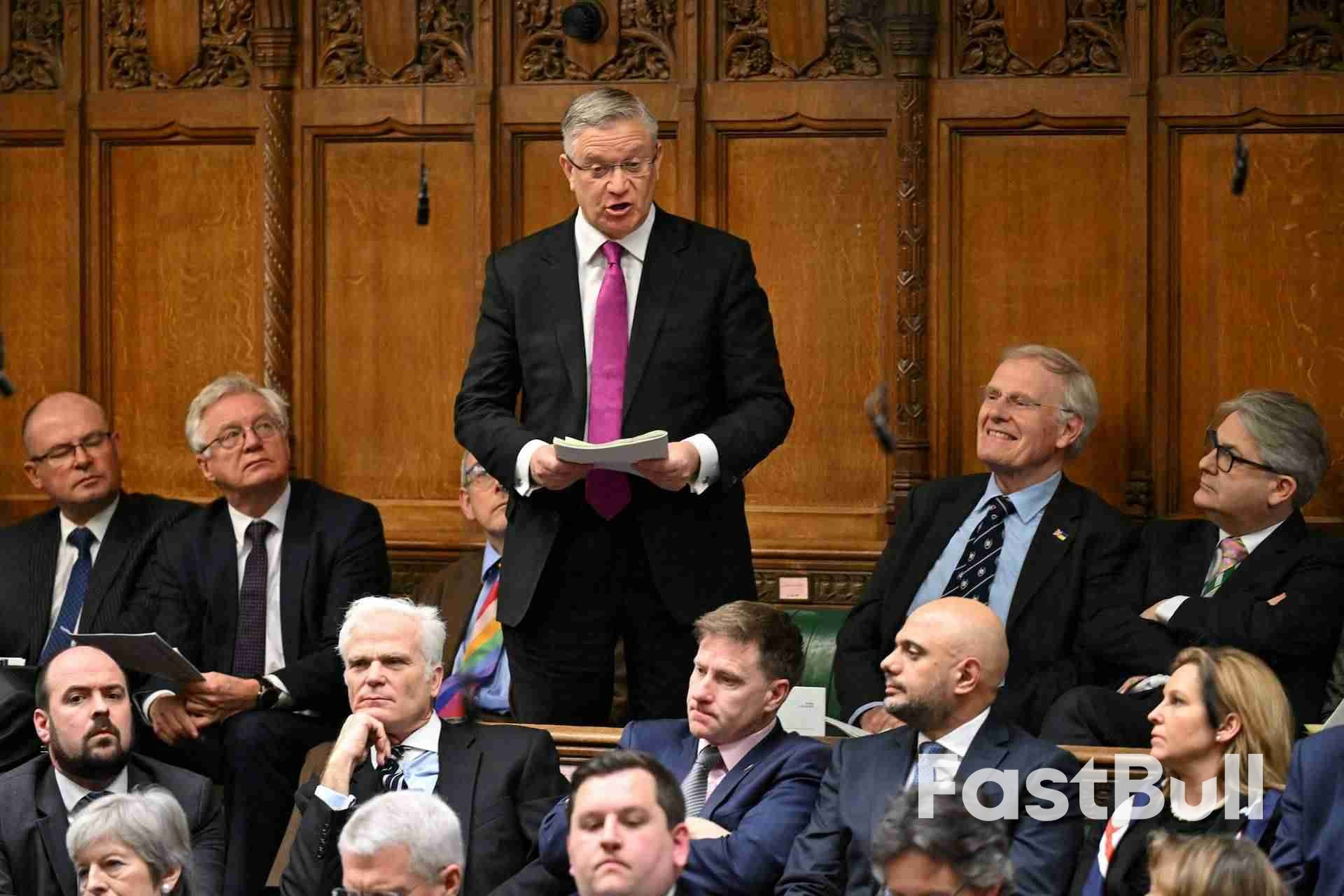
Britain's populist Reform UK party won another defector from the country's once dominant Conservative Party on Sunday, attracting lawmaker Andrew Rosindell, part of the Conservatives' foreign policy team, who said it was time "to put country before party".
With Reform UK well ahead in the opinion polls before a national election due in 2029, Rosindell is one of more than 20 serving or former Conservative lawmakers to switch to the party led by veteran Brexit campaigner Nigel Farage. His move gives Reform seven seats in the 650-seat parliament.
Rosindell announced his resignation from his position and from the party "with sorrow" on X, saying "the failure of the Conservative Party both when in government and more recently in opposition" to challenge Prime Minister Keir Starmer's decision to cede sovereignty of the Chagos Islands to Mauritius was "a clear red line for me".
"Both the government and the opposition (Conservatives) have been complicit in the surrender of this sovereign British territory to a foreign power," he said.
The Chagos deal allows Britain to retain control of a strategically important U.S.-UK air base on Diego Garcia, the largest island of the archipelago in the Indian Ocean, under a 99-year lease.
Farage, who welcomed former Conservative leadership candidate Robert Jenrick to his party on Thursday, said in a statement that Rosindell would be "a great addition to our team".
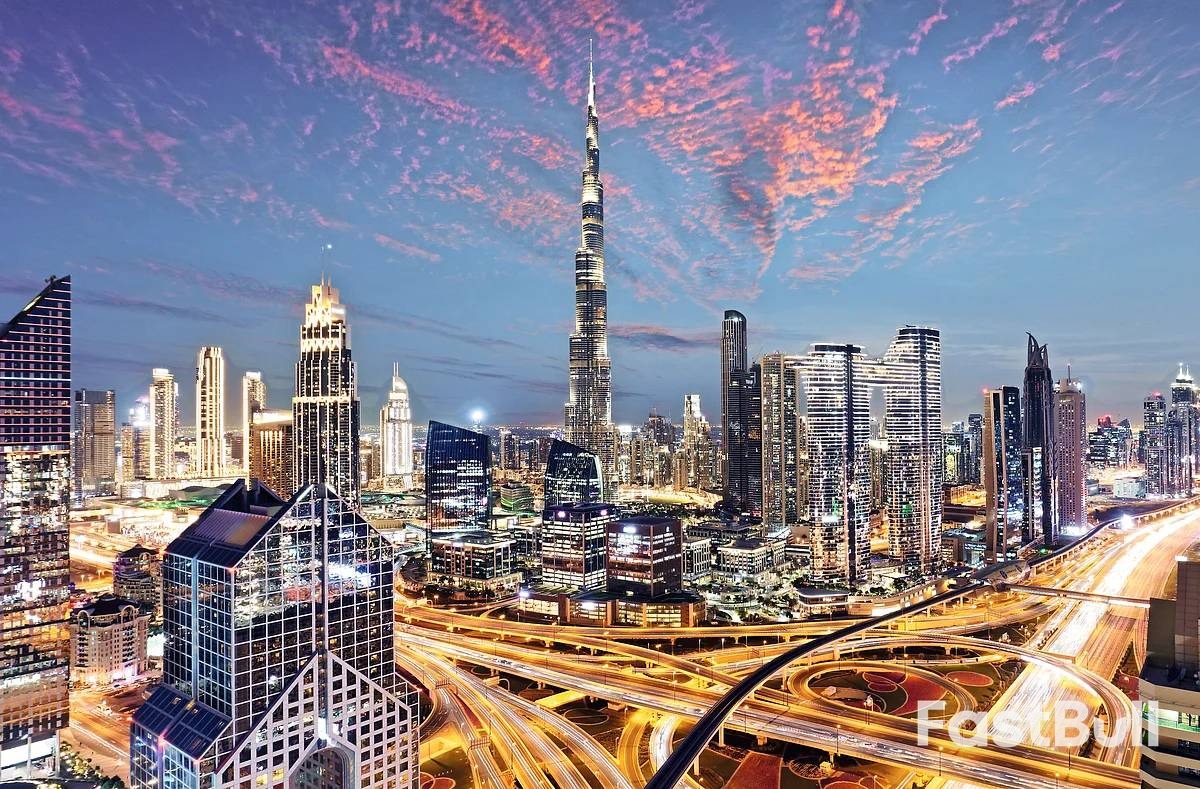
The economies of the Gulf Cooperation Council (GCC) have entered 2026 with significant momentum, driven by a powerful expansion in non-oil sectors and a steady recovery in hydrocarbon production. Among the regional powerhouses, the United Arab Emirates is emerging as one of the strongest performers.
According to the World Bank’s latest Global Economic Prospects report, economic growth across the GCC is projected to accelerate to 4.4% in 2026 and climb further to 4.6% in 2027. This outlook highlights the region's success in diversifying its economic base while maintaining strength in the energy sector.
The UAE is set to be a key driver of this regional upswing. The World Bank forecasts the nation's economy will expand by 5% in 2026 and 5.1% in 2027. This robust growth is fueled by strong performance in trade, tourism, logistics, real estate, manufacturing, and financial services, cementing the UAE's role as a regional anchor. The outlook is supported by sustained foreign investment, major infrastructure projects, and policy reforms designed to boost the private sector.
Saudi Arabia is also on track for a period of stronger growth. The World Bank anticipates the Kingdom's real GDP will grow by 4.3% in 2026 and 4.4% in 2027, an increase from the estimated 3.8% in 2025. An independent analysis by Standard Chartered projects Saudi GDP growth at 4.5% for 2026, outpacing the global average of approximately 3.4%. This momentum is attributed to both rising hydrocarbon output and accelerating non-oil activity aligned with its Vision 2030 strategy.
The World Bank notes that the improving outlook for GCC economies is rooted in the strengthening of their non-hydrocarbon sectors, which now constitute over 60% of the bloc's total GDP.
Large-scale investment programs in Saudi Arabia, the UAE, and Kuwait are key drivers, channeling capital into construction, tourism, transport, renewable energy, and advanced manufacturing. For Saudi Arabia, this push is a core component of Vision 2030, which aims to reduce long-term reliance on oil revenues by developing the private sector and creating jobs.
Key business indicators reflect sustained expansion in the region's non-oil economy. S&P Global data revealed that Saudi Arabia posted the GCC's highest purchasing managers' index (PMI) reading in December at 57.4, thanks to strong new orders and rising business activity.
Similar positive trends are evident in the UAE, where PMI readings have consistently remained in expansionary territory. This reflects resilient domestic demand and a vibrant services sector, particularly in tourism, aviation, and trade.
Other Gulf nations are also set to benefit from the positive regional climate. Key forecasts include:
• Qatar: Projected growth of 5.3% in 2026, accelerating sharply to 6.8% in 2027, driven by expanded liquefied natural gas capacity and non-energy investments.
• Oman: GDP is forecast to grow by 3.6% in 2026 and 4% in 2027, supported by infrastructure development and industrial diversification.
• Bahrain: Expected to record 3.5% growth in 2026.
• Kuwait: Expected to see 2.6% growth in 2026.
The International Monetary Fund (IMF) has also affirmed this positive outlook, projecting that GCC economies will continue to outperform many emerging and advanced markets in 2026. The IMF highlighted the UAE's role as a trade and financial hub, where liberalized regulations and investment-friendly policies are successfully attracting global capital and talent.
Beyond the GCC, growth in the wider Middle East, North Africa, Afghanistan, and Pakistan (MENAP) region is projected to strengthen from an estimated 3.1% in 2025 to 3.6% in 2026 and 3.9% in 2027.
For the UAE, the 2026 outlook reflects a fundamental shift. Non-oil sectors are now the primary engine of economic activity, with record tourism arrivals and expanding trade volumes. Investments in renewable energy, artificial intelligence, and advanced technology are expected to support medium-term growth.
However, global risks persist. Geopolitical tensions, volatile energy markets, and slower growth in major economies remain potential headwinds. Despite these challenges, the GCC's strong fiscal positions and continued reform momentum provide a substantial buffer against external shocks. As 2026 unfolds, the Gulf's economic story is increasingly about diversification and private-sector expansion, marking a new cycle built on stronger and more balanced foundations.
Russia slashed government spending in December in a bid to keep its fiscal deficit within revised targets as a collapse in oil and gas revenue hammered its finances.
According to Bloomberg calculations based on Finance Ministry data, December budget spending fell 19% from the previous year. While full-year spending for 2023 still increased by 7%, this marks a dramatic slowdown from the 24% growth recorded a year earlier.
These last-minute cuts helped Russia contain its budget deficit to 2.6% of GDP, totaling a 5.6 trillion ruble ($71.6 billion) shortfall. This met the government's revised goal but shattered the original plan for a modest 0.5% deficit, which was derailed by the worst oil and gas revenues in five years.
Although Russia has now run a budget deficit for four consecutive years amid its war in Ukraine, the 2023 gap was caused primarily by a revenue collapse rather than by aggressive spending.
A combination of factors squeezed Russia's energy income, which plunged by 24% compared to the previous year. These include a drop in global crude prices, a wider discount on Russian oil due to tighter sanctions, and an unexpectedly strong ruble.
The situation deteriorated sharply in December, with oil and gas revenue plummeting 43% following U.S. sanctions against two of the country's largest producers, Rosneft PJSC and Lukoil PJSC.
The problem was compounded by weak receipts from other sectors of the economy. Economic growth was disappointing, likely falling short of all official forecasts to finish below 1% for the year—a steep decline from the 4.3% growth seen a year earlier.
While the current deficit of 2.6% of GDP is smaller than the 3.8% recorded during the pandemic year of 2020, Russia's overall fiscal position is far more vulnerable now.
Back in 2020, the country's National Wellbeing Fund held approximately 8.8 trillion rubles in liquid assets, more than double its current level. At the same time, borrowing has become significantly more expensive and difficult. The central bank's key interest rate now stands at 16%, compared to a record-low 4.25% in 2020, and the exit of foreign investors has shrunk the available market for government debt.
Taken together, these figures suggest that the era of abundant resources to fund the war, support the economy, and finance social programs is over.
Looking ahead, the outlook for oil markets remains weak. U.S. President Donald Trump has signaled that sanctions on the Kremlin could be tightened further until a peace deal is reached. Meanwhile, non-oil budget revenue is expected to be held back by sluggish economic momentum, with growth forecast at just 1.3% this year.
Finance Minister Anton Siluanov acknowledged the challenge in a late-year interview with the state television channel Rossiya 24. "We fully understand that we cannot rely on high levels of oil and gas revenues over the long term," he said.
This new reality is forcing difficult choices. For the first time, Russia is planning to cut its defense spending in 2026, with a proposed reduction of about 10% year-on-year.
Even with such measures, the budget is projected to remain in deficit for the foreseeable future. With reserves sharply depleted, Russia will have to rely on expensive domestic borrowing as its main source of financing.
728 RM B 7/F GEE LOK IND BLDG NO 34 HUNG TO RD KWUN TONG KLN HONG KONG


White Label
Data API
Web Plug-ins
Poster Maker
Affiliate Program
The risk of loss in trading financial instruments such as stocks, FX, commodities, futures, bonds, ETFs and crypto can be substantial. You may sustain a total loss of the funds that you deposit with your broker. Therefore, you should carefully consider whether such trading is suitable for you in light of your circumstances and financial resources.
No decision to invest should be made without thoroughly conducting due diligence by yourself or consulting with your financial advisors. Our web content might not suit you since we don't know your financial conditions and investment needs. Our financial information might have latency or contain inaccuracy, so you should be fully responsible for any of your trading and investment decisions. The company will not be responsible for your capital loss.
Without getting permission from the website, you are not allowed to copy the website's graphics, texts, or trademarks. Intellectual property rights in the content or data incorporated into this website belong to its providers and exchange merchants.
Not Logged In
Log in to access more features

FastBull Membership
Not yet
Purchase


Log In
Sign Up


