Markets
News
Analysis
User
24/7
Economic Calendar
Education
Data
- Names
- Latest
- Prev


Signal Accounts for Members
All Signal Accounts
All Contests


U.S. New Home Sales Annualized MoM (Oct)A:--
F: --
U.S. Annual Total New Home Sales (Oct)A:--
F: --
U.S. Cleveland Fed CPI MoM (SA) (Dec)A:--
F: --
P: --
U.S. Cleveland Fed CPI MoM (Dec)A:--
F: --
P: --
China, Mainland Exports (Dec)--
F: --
P: --
China, Mainland Imports YoY (CNH) (Dec)--
F: --
P: --
China, Mainland Imports (CNH) (Dec)--
F: --
P: --
China, Mainland Trade Balance (CNH) (Dec)--
F: --
P: --
China, Mainland Imports YoY (USD) (Dec)--
F: --
P: --
China, Mainland Exports YoY (USD) (Dec)--
F: --
P: --
China, Mainland M0 Money Supply YoY (Dec)--
F: --
P: --
China, Mainland M1 Money Supply YoY (Dec)--
F: --
P: --
China, Mainland M2 Money Supply YoY (Dec)--
F: --
P: --
U.S. EIA Natural Gas Production Forecast For The Next Year (Jan)A:--
F: --
P: --
U.S. EIA Short-Term Crude Production Forecast For The Next Year (Jan)A:--
F: --
P: --
U.S. EIA Short-Term Crude Production Forecast For The Year (Jan)A:--
F: --
P: --
EIA Monthly Short-Term Energy Outlook
U.S. 30-Year Bond Auction Avg. YieldA:--
F: --
P: --
Argentina 12-Month CPI (Dec)A:--
F: --
P: --
U.S. Budget Balance (Dec)A:--
F: --
P: --
Argentina CPI MoM (Dec)A:--
F: --
P: --
Argentina National CPI YoY (Dec)A:--
F: --
P: --
Richmond Federal Reserve President Barkin delivered a speech.
U.S. API Weekly Cushing Crude Oil StocksA:--
F: --
P: --
U.S. API Weekly Crude Oil StocksA:--
F: --
P: --
U.S. API Weekly Refined Oil StocksA:--
F: --
P: --
U.S. API Weekly Gasoline StocksA:--
F: --
P: --
South Korea Unemployment Rate (SA) (Dec)A:--
F: --
P: --
Japan Reuters Tankan Non-Manufacturers Index (Jan)A:--
F: --
P: --
Japan Reuters Tankan Manufacturers Index (Jan)A:--
F: --
P: --
China, Mainland Exports YoY (CNH) (Dec)--
F: --
P: --
China, Mainland Trade Balance (USD) (Dec)--
F: --
P: --
China, Mainland Outstanding Loans Growth YoY (Dec)--
F: --
P: --
U.K. 10-Year Note Auction Yield--
F: --
P: --
Canada Leading Index MoM (Dec)--
F: --
P: --
U.S. MBA Mortgage Application Activity Index WoW--
F: --
P: --
U.S. Core PPI YoY (Nov)--
F: --
P: --
U.S. PPI MoM (SA) (Nov)--
F: --
P: --
U.S. PPI YoY (Nov)--
F: --
P: --
U.S. Current Account (Q3)--
F: --
P: --
U.S. Retail Sales YoY (Nov)--
F: --
P: --
U.S. Retail Sales (Nov)--
F: --
P: --
U.S. Core Retail Sales MoM (Nov)--
F: --
P: --
U.S. PPI YoY (Excl. Food, Energy & Trade) (Nov)--
F: --
P: --
U.S. PPI MoM Final (Excl. Food, Energy and Trade) (SA) (Nov)--
F: --
P: --
U.S. Core Retail Sales (Nov)--
F: --
P: --
U.S. Retail Sales MoM (Excl. Automobile) (SA) (Nov)--
F: --
P: --
U.S. Retail Sales MoM (Nov)--
F: --
P: --
U.S. Retail Sales MoM (Excl. Gas Stations & Vehicle Dealers) (SA) (Nov)--
F: --
P: --
U.S. Core PPI MoM (SA) (Nov)--
F: --
P: --
Philadelphia Fed President Henry Paulson delivers a speech
U.S. Commercial Inventory MoM (Oct)--
F: --
P: --
U.S. Existing Home Sales Annualized Total (Dec)--
F: --
P: --
U.S. Existing Home Sales Annualized MoM (Dec)--
F: --
P: --
U.S. EIA Weekly Cushing, Oklahoma Crude Oil Stocks Change--
F: --
P: --
U.S. EIA Weekly Crude Stocks Change--
F: --
P: --
U.S. EIA Weekly Gasoline Stocks Change--
F: --
P: --
U.S. EIA Weekly Crude Demand Projected by Production--
F: --
P: --
U.S. EIA Weekly Crude Oil Imports Changes--
F: --
P: --
U.S. EIA Weekly Heating Oil Stock Changes--
F: --
P: --
U.S. Refinitiv/Ipsos Primary Consumer Sentiment Index (PCSI) (Jan)--
F: --
P: --


No matching data
Latest Views
Latest Views
Trending Topics
Top Columnists
Latest Update
White Label
Data API
Web Plug-ins
Affiliate Program
View All

No data
Bitcoin surges to $94,500 amid global instability, fueled by Trump's cryptic remarks and US policy on Iran.
Bitcoin has climbed to a striking $94,500, showing remarkable strength as global instability intensifies. This unexpected rally coincides with signals from the U.S. Department of State and comments from former President Trump, suggesting significant market-moving events could be approaching.
Recent statements from Trump have fueled speculation. He has twice advised observers to be patient, stating, "Hold on, help is on the way." This message comes as the U.S. reportedly orchestrated the escape of Venezuela's Maduro, leading to theories that similar strategies could be applied in Iran.
Despite rising geopolitical tensions, Bitcoin’s value continues to push higher, defying historical trends. During past conflicts, such as the one between Russia and Ukraine, markets typically experienced downturns rather than rallies.
One prevailing theory is that Iranian assets are being moved into Bitcoin to hedge against war-related anxieties. While USDT is considered by some to be a more stable alternative, it carries the risk of being frozen. Separately, rumors have also surfaced about a potential leak concerning an upcoming U.S. Supreme Court decision, adding another layer of uncertainty.
The U.S. government is taking a clear stance on the situation. The Department of State has issued a strong advisory, urging American citizens to leave Iran immediately. Trump has indicated he is closely monitoring developments and consulting with international allies to manage the escalating crisis.
He also hinted at forthcoming announcements related to the death toll from Iranian protests, which could shape his next decisions. While leaving the door open for potential negotiations with allied nations, Trump stressed the urgent need for improved conduct from Iran.
In a separate discussion on economic policy, Trump disagreed with JPMorgan CEO Dimon, advocating for a reduction in interest rates. He also expressed optimism about expanding American trade within Chinese markets, signaling broader economic priorities.
As the global landscape remains highly unpredictable, the cryptocurrency markets are reflecting these mounting tensions and strategic shifts. The financial world is on high alert, waiting to see how these geopolitical and economic factors will unfold next.
The White House is considering military action against Iran in response to the deaths of protesters, while simultaneously exploring diplomatic solutions. President Donald Trump has signaled that all options are on the table, creating a tense geopolitical landscape with potential consequences for global markets.
Washington is actively discussing its response to the situation in Iran, with President Trump contemplating military strikes. White House Press Secretary Caroline Leavitt confirmed that airstrikes remain a viable option should diplomatic efforts prove unsuccessful.
Despite the preparations for a potential military response, Trump has also publicly suggested that Iran's leadership may be open to negotiations. This dual-track approach keeps both military and diplomatic pathways active as the administration determines its next steps.
In a significant economic move, President Trump announced a new policy aimed at isolating Tehran. He declared that any country engaging in trade with Iran will face a 25% tariff on all business conducted with the United States.
This move applies immediate economic pressure on nations maintaining trade relationships with Iran, potentially impacting global commerce and supply chains. Iran has warned it will retaliate against any hostile actions.
The prospect of military intervention in Iran raises concerns about regional market stability. However, the precise financial consequences remain difficult to forecast, particularly for digital assets. So far, no major cryptocurrencies have reportedly been affected by these geopolitical developments.
Mona Yacoubian of the Center for Strategic and International Studies (CSIS) voiced concerns that an increase in protester deaths could trigger a military escalation. Market observers note that while historical tensions involving Iran or brief conflicts with Israel have not directly impacted the cryptocurrency market, they often lead to wider economic ramifications. The current situation suggests a similar pattern, with the most immediate effects likely to be felt in traditional trade and regional markets rather than crypto.
President Donald Trump has pushed back against criticism from JPMorgan Chase CEO Jamie Dimon, flatly stating the executive is "wrong" to suggest a Justice Department probe undermines the Federal Reserve's independence.
"I think it's fine what I'm doing," Trump said, adding that Fed Chair Jerome Powell is "a bad Fed person."
The dispute centers on a federal investigation into Powell regarding the cost of renovating the central bank's headquarters and his subsequent testimony to Congress on the matter.
The public disagreement highlights a growing tension between the White House and the financial industry over the central bank's autonomy.
Dimon Warns Against Political Interference
Earlier, Dimon had voiced strong concerns about the probe, emphasizing the importance of institutional independence.
"Everyone we know believes in Fed independence," he stated. "And anything that chips away at that is probably not a great idea."
Dimon warned that such actions could have the "reverse consequences," potentially leading to higher inflation expectations and increased interest rates over time. When asked about these remarks, Trump’s response was blunt: "I think he's wrong."
Political Fallout Mounts Over Powell's Successor
Despite the controversy, Trump confirmed he intends to announce Powell's replacement within "the next few weeks."
However, this plan faces resistance from Republican lawmakers. Senator Thom Tillis, a key Republican on the Senate Banking Committee, has threatened to block all new nominations to the Fed until the investigation is resolved.
The conflict also extended to consumer finance, with Trump defending his proposal for a one-year, 10% cap on credit card interest rates, a move that would likely require congressional approval.
The banking industry has warned that such a cap could restrict access to credit for many consumers and dismantle popular rewards programs.
Trump, however, framed the policy as a protective measure for borrowers. "I think that people that are paying 28% interest should be protected," he said, noting the cap would be for "a one-year period."
He then took another direct aim at the JPMorgan chief, stating that he did not believe it was right for "Jamie Dimon or anybody else" to charge customers high interest rates on their credit cards.
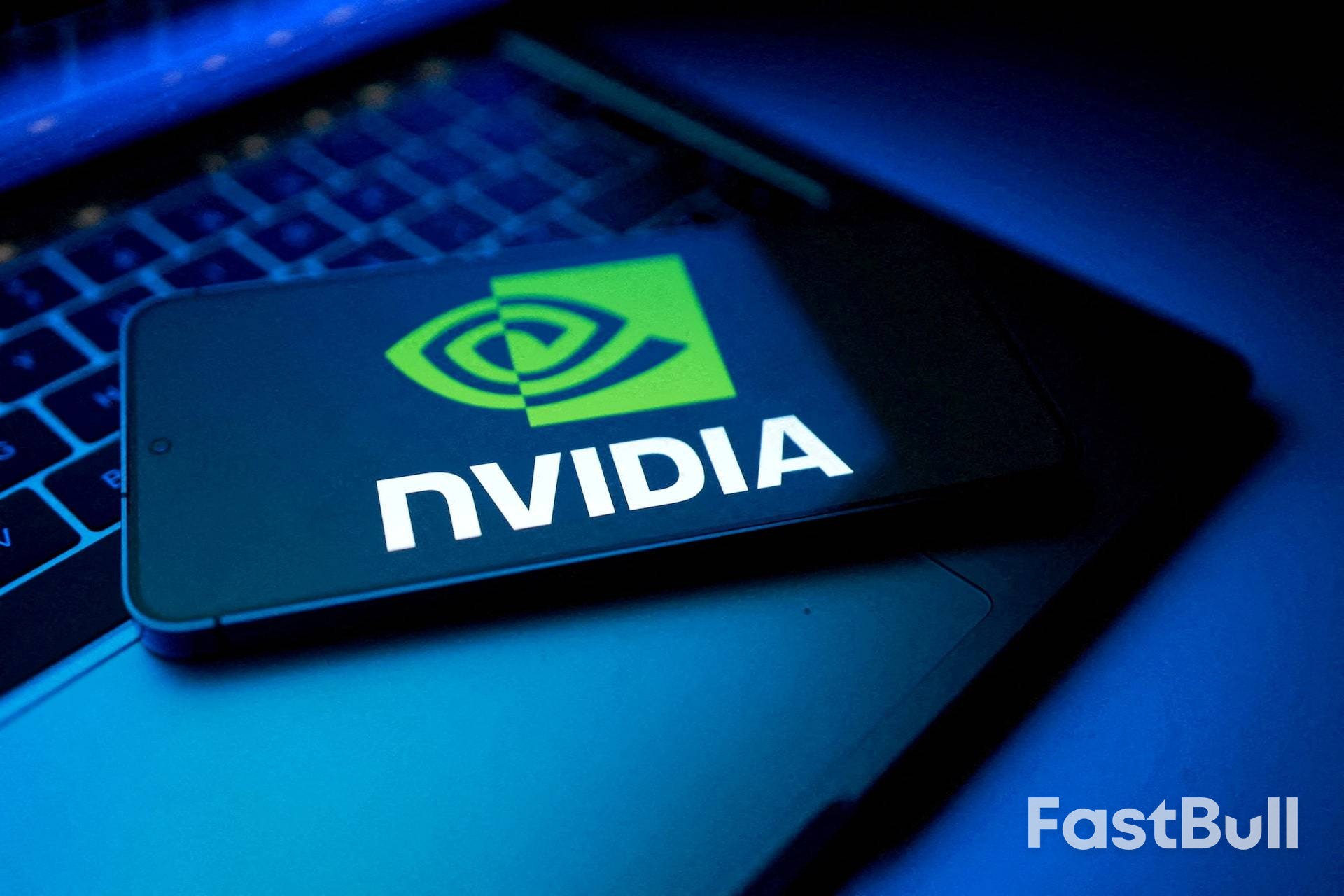
The Trump administration has officially approved the sale of Nvidia’s H200 artificial intelligence chips to China, implementing a new rule that greenlights the exports despite significant pushback from national security hawks in Washington.

This move allows shipments of the company's second most powerful AI chips to proceed under a strict set of conditions designed to manage technology transfer.
To manage the flow of advanced technology, the administration has established several key requirements for any China-bound sales of the H200 chips:
• Third-Party Vetting: All chips must be reviewed by an independent testing lab to verify their technical AI capabilities before shipment.
• Volume Cap: China cannot receive more than 50% of the total volume of H200 chips sold to American customers.
• Supply Certification: Nvidia is required to certify that there is a sufficient supply of H200 chips available within the United States.
• End-User Security: Chinese customers must demonstrate they have adequate security procedures in place.
• Military Use Prohibited: The chips are explicitly banned from being used for any military purposes.
The decision formalizes President Donald Trump's announcement last month to permit the chip sales, which will also be subject to a 25% fee. This policy has drawn sharp criticism from China hawks across the U.S. political landscape, who argue that providing Beijing with powerful AI chips could accelerate its military modernization and erode America's technological edge.
These concerns had previously led the Biden administration to block sales of advanced AI chips to China. The Trump administration, however, is pursuing a different strategy.
The new policy, championed by White House AI czar David Sacks, is based on a specific strategic calculation. The administration argues that allowing controlled sales of advanced American AI chips to China discourages domestic competitors like Huawei from aggressively accelerating their own research and development.
According to this view, supplying the market with top-tier chips from Nvidia and AMD disincentivizes Chinese firms from redoubling efforts to match or surpass the most advanced U.S. chip designs, thereby helping to manage the long-term competitive landscape.

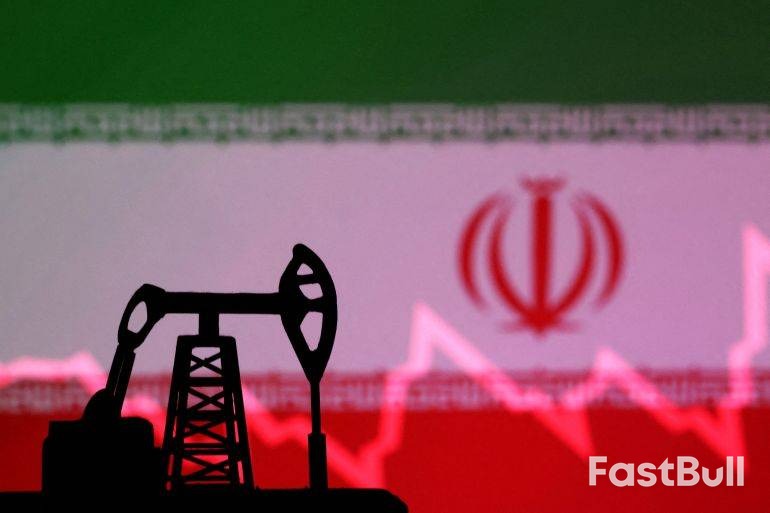
U.S. President Donald Trump has declared his intention to impose a 25% tariff on any country conducting business with Iran, dramatically increasing economic pressure on Tehran. The move comes as the Iranian government contends with significant domestic protests fueled by years of economic hardship.
Western sanctions have already taken a heavy toll on the OPEC member's economy, leading to high inflation, unemployment, and a collapse in its currency, the rial. The current wave of protests is a direct result of these persistent economic troubles, which Iran has struggled to manage amid its international isolation.
This new tariff threat directly targets Iran's primary sources of revenue, which come from exports to key partners including China, Turkiye, Iraq, the United Arab Emirates, and India. The central questions are how this will impact Iran's global trade and how nations like China, which buys 80% of Iran's oil, will react.
The policy was announced via a post on Trump's Truth Social platform.
"Effective immediately, any country doing business with the Islamic Republic of Iran will pay a Tariff of 25% on any and all business being done with the United States of America," Trump stated, adding, "This Order is final and conclusive."
Notably, the announcement was not accompanied by any official documentation from the White House, leaving the legal authority for such a sweeping tariff unclear.
The threat marks a significant escalation in Trump's pressure campaign against Iran's leadership. In response, Iranian Foreign Minister Abbas Araghchi issued a stark warning in an interview with Al Jazeera Arabic, stating that Iran is prepared for war if the U.S. wants to "test" its military capabilities. "If Washington wants to test the military option it has tested before, we are ready for it," Araghchi said, expressing hope that the U.S. would choose dialogue instead.
China stands to be the most affected by the new policy. As Iran's largest trading partner, the two nations officially conducted over $13 billion in trade in 2024, according to U.N. Comtrade data. However, the actual figure is likely much higher, with 2022 World Bank data suggesting a trade volume of $37 billion, much of it conducted through unofficial channels to bypass sanctions.
Last year, China imported 80% of Iran's oil, providing a crucial economic lifeline as other major buyers like India scaled back purchases following U.S. sanctions during Trump's first term. Chinese imports from Iran are not limited to oil; they also include plastics, iron ore, chemicals, and methanol.
For Chinese manufacturers, this potential 25% tariff would be applied on top of an existing 35% tariff on goods sold to the U.S. The development threatens a recent trade truce between Washington and Beijing, which saw tariffs on Chinese goods reduced from over 100%. It could also jeopardize Trump's planned visit to Beijing in April.
Chinese officials have condemned the move. The Chinese embassy in Washington warned that Beijing would take "all necessary measures" to protect its interests and rejected the use of "illicit unilateral sanctions." Foreign Ministry spokeswoman Mao Ning reiterated that "there are no winners in a trade war" and affirmed that "China will resolutely safeguard its legitimate rights and interests."
Several other countries maintain significant trade relationships with Iran and now face potential U.S. tariffs.
• Turkiye: As Iran's second-largest trading partner, Turkiye's bilateral trade was valued at approximately $5.7 billion in 2024. The country already faces a baseline U.S. tariff of 15%, with tariffs on steel and aluminum recently doubled to 50%.
• Pakistan: A top destination for Iranian exports, trade with Pakistan totaled about $1.2 billion in 2024. Pakistani exports to the U.S. are currently subject to a 19% tariff.
• India: Another key export market for Iran, India's trade value exceeded $1.05 billion in 2024. India already contends with 50% U.S. duties on its steel and aluminum, along with a 50% tariff on a range of other exports.
The U.S. has long used sanctions to target Tehran's nuclear program, which Washington alleges is aimed at developing a nuclear weapon—a claim Iran denies.
Most sanctions were lifted under the 2015 nuclear deal brokered by the Obama administration. However, Trump withdrew the U.S. from the agreement in 2018 and launched a "maximum pressure" campaign, reimposing sanctions and adding new ones targeting Iran's petrochemical, metals, and senior officials.
This campaign has severely restricted Iran's oil exports and its access to the global financial system.
The economic consequences of past sanctions have been severe. Iran's oil exports, its primary revenue source, fell by 60% to 80%, costing the government tens of billions of dollars annually.
• GDP Per Capita: Dropped from over $8,000 in 2012 to just over $5,000 in 2024, according to World Bank data.
• Oil Exports: Plummeted from 2.2 million barrels per day (bpd) in 2011 to a low of just over 400,000 bpd in 2020. While exports have since recovered to around 1.5 million bpd in 2025, they remain well below pre-2018 levels.
Despite the pressure, foreign trade remains vital. In 2024, Iran's exports were worth approximately $22.9 billion, accounting for about 5% of its total GDP of $475.3 billion. Trump's latest threat aims to squeeze this remaining economic activity even further.
White Label
Data API
Web Plug-ins
Poster Maker
Affiliate Program
The risk of loss in trading financial instruments such as stocks, FX, commodities, futures, bonds, ETFs and crypto can be substantial. You may sustain a total loss of the funds that you deposit with your broker. Therefore, you should carefully consider whether such trading is suitable for you in light of your circumstances and financial resources.
No decision to invest should be made without thoroughly conducting due diligence by yourself or consulting with your financial advisors. Our web content might not suit you since we don't know your financial conditions and investment needs. Our financial information might have latency or contain inaccuracy, so you should be fully responsible for any of your trading and investment decisions. The company will not be responsible for your capital loss.
Without getting permission from the website, you are not allowed to copy the website's graphics, texts, or trademarks. Intellectual property rights in the content or data incorporated into this website belong to its providers and exchange merchants.
Not Logged In
Log in to access more features

FastBull Membership
Not yet
Purchase
Log In
Sign Up