• Trade
  • Markets
  • Copy
  • Contests
  • News
  • 24/7
  • Calendar
  • Q&A
  • Chats
Trending
Screeners
SYMBOL
LAST
BID
ASK
HIGH
LOW
NET CHG.
%CHG.
SPREAD
SPX
S&P 500 Index
6920.92
6920.92
6920.92
6965.70
6919.18
-23.90
-0.34%
--
DJI
Dow Jones Industrial Average
48996.07
48996.07
48996.07
49621.43
48951.99
-466.00
-0.94%
--
IXIC
NASDAQ Composite Index
23584.26
23584.26
23584.26
23723.37
23504.22
+37.10
+ 0.16%
--
USDX
US Dollar Index
98.660
98.740
98.660
98.700
98.630
+0.030
+ 0.03%
--
EURUSD
Euro / US Dollar
1.16604
1.16612
1.16604
1.16704
1.16561
-0.00055
-0.05%
--
GBPUSD
Pound Sterling / US Dollar
1.34752
1.34763
1.34752
1.34768
1.34547
+0.00142
+ 0.11%
--
XAUUSD
Gold / US Dollar
4586.16
4586.61
4586.16
4607.74
4575.53
-11.01
-0.24%
--
WTI
Light Sweet Crude Oil
59.494
59.529
59.494
59.783
59.449
-0.162
-0.27%
--

Community Accounts

Signal Accounts
--
Profit Accounts
--
Loss Accounts
--
View More

Become a signal provider

Sell trading signals to earn additional income

View More

Guide to Copy Trading

Get started with ease and confidence

View More

Signal Accounts for Members

All Signal Accounts

Best Return
  • Best Return
  • Best P/L
  • Best MDD
Past 1W
  • Past 1W
  • Past 1M
  • Past 1Y

All Contests

  • All
  • Trump Updates
  • Recommend
  • Stocks
  • Cryptocurrencies
  • Central Banks
  • Featured News
Top News Only
Share

Malaysia's Benchmark Stock Index Rises As Much As 0.6% To 1704.69, Highest Since Late February 2019

Share

Source: South Korea Considering Issuing Forex Stabilisation Bonds Early This Year

Share

Spot Palladium Fell Below $1,800 Per Ounce, Down 3.02% On The Day

Share

New York Federal Reserve President Williams: Everyone Who Enters The Federal Reserve Understands The Importance Of This Job

Share

New York Federal Reserve President Williams: The Current Economic Situation Is Quite Good

Share

New York Fed President Williams: I Expect The Next Fed Chair To Understand The Importance Of This Position

Share

New York Fed President Williams: The Fed Is Not Facing Strong Pressure To Change Interest Rates. The Market's Relative Calm Amid The Central Bank Independence Debate Reflects Uncertainty About The Outcome

Share

[US Citizens Urged To Leave Iran Immediately] According To US Media Reports, The US State Department Has Issued An Emergency Security Alert, Urging US Citizens To Leave Iran Immediately And Develop A Departure Plan That Does Not Require Assistance From The US Government. If Unable To Leave, They Are Advised To Remain In Their Residence Or Other Secure Building And Stockpile Food, Water, Medicine, And Other Necessities. They Are Also Advised To Avoid Participating In Any Demonstrations, Maintain A Low Profile, And Be Aware Of Their Surroundings. They Should Follow Local Media For The Latest Updates And Adjust Their Plans Accordingly. Keep Their Mobile Phones Fully Charged, Maintain Contact With Family And Friends, And Keep Them Informed Of The Situation

Share

The Nikkei 225 Index Opened 1.68% Higher, Hitting A Record High

Share

New York Fed President Williams: The Best Way To Boost Confidence In The Fed Is To Do Your Job Well

Share

New York Federal Reserve President Williams: Strong Productivity Growth Echoes Past Periods Of Prosperity

Share

Japan's Trade Balance In November Was 625.3 Billion Yen, Compared To An Expected 508.3 Billion Yen And A Previous Value Of 98.3 Billion Yen

Share

New York Fed President Williams: Restoring The Inflation Rate To The 2% Target Is "completely Realistic"

Share

New York Federal Reserve President Williams: The Current Federal Reserve Interest Rate Control System Is Functioning Well

Share

US President Trump: We Are The "hottest" Country In The World And Number One In Artificial Intelligence. Data Centers Are Key To This Boom, But The Large Tech Companies That Build These Facilities Have To "pay Out Of Their Own Pockets."

Share

New York Federal Reserve President Williams: The Fed Paying Interest On Reserves Is A Good Thing For The Economy

Share

US President Trump: The First Thing Is To Work With Microsoft. My Team Has Been Working With Them

Share

US President Trump: There Are Many Announcements To Be Made In The Coming Weeks

Share

US President Trump: Microsoft Will Implement Major Changes Starting This Week To Ensure Americans Don't Have To Pay Higher Utility Bills For Their Electricity Consumption. The Government Is Working With Major US Technology Companies To Ensure Their Commitment To The American People

Share

Iran's Cyberspace Management Agency Said On The 12th That Internet Access In Iran Will Remain Restricted Until The National Security Situation Is Confirmed To Have Returned To Normal. The Specific Time For Resumption Is Yet To Be Announced, And The Lifting Of The Internet Ban Requires Further Consideration

TIME
ACT
FCST
PREV
U.S. Average Hourly Wage MoM (SA) (Dec)

--

F: --

P: --

U.S. Average Weekly Working Hours (SA) (Dec)

--

F: --

P: --

U.S. New Housing Starts Annualized MoM (SA) (Oct)

--

F: --

P: --

U.S. Total Building Permits (SA) (Oct)

--

F: --

P: --

U.S. Building Permits MoM (SA) (Oct)

--

F: --

P: --

U.S. Annual New Housing Starts (SA) (Oct)

--

F: --

P: --

U.S. Manufacturing Employment (SA) (Dec)

--

F: --

P: --

U.S. Labor Force Participation Rate (SA) (Dec)

--

F: --

P: --

U.S. Private Nonfarm Payrolls (SA) (Dec)

--

F: --

P: --

U.S. Government Employment (Dec)

--

F: --

P: --

U.S. UMich 5-Year-Ahead Inflation Expectations Prelim YoY (Jan)

--

F: --

P: --

U.S. UMich Consumer Sentiment Index Prelim (Jan)

--

F: --

P: --

U.S. UMich Current Economic Conditions Index Prelim (Jan)

--

F: --

P: --

U.S. UMich Consumer Expectations Index Prelim (Jan)

--

F: --

P: --

U.S. UMich 1-Year-Ahead Inflation Expectations Prelim (Jan)

--

F: --

P: --

U.S. 5-10 Year-Ahead Inflation Expectations (Jan)

--

F: --

P: --

U.S. Weekly Total Oil Rig Count

--

F: --

P: --

U.S. Weekly Total Rig Count

--

F: --

P: --

Germany Current Account (Not SA) (Nov)

--

F: --

P: --

Indonesia Retail Sales YoY (Nov)

--

F: --

P: --

Euro Zone Sentix Investor Confidence Index (Jan)

--

F: --

P: --

India CPI YoY (Dec)

--

F: --

P: --

Canada National Economic Confidence Index

--

F: --

P: --

Russia CPI YoY (Dec)

--

F: --

P: --

U.S. 3-Year Note Auction Yield

--

F: --

P: --

U.S. 10-Year Note Auction Avg. Yield

--

F: --

P: --

Japan Trade Balance (Customs Data) (SA) (Nov)

--

F: --

P: --

Japan Trade Balance (Nov)

--

F: --

P: --

U.K. BRC Overall Retail Sales YoY (Dec)

--

F: --

P: --

U.K. BRC Like-For-Like Retail Sales YoY (Dec)

--

F: --

P: --

Turkey Retail Sales YoY (Nov)

--

F: --

P: --

U.S. NFIB Small Business Optimism Index (SA) (Dec)

--

F: --

P: --

Brazil Services Growth YoY (Nov)

--

F: --

P: --

Canada Building Permits MoM (SA) (Nov)

--

F: --

P: --

U.S. CPI MoM (SA) (Dec)

--

F: --

P: --

U.S. CPI YoY (Not SA) (Dec)

--

F: --

P: --

U.S. Real Income MoM (SA) (Dec)

--

F: --

P: --

U.S. CPI MoM (Not SA) (Dec)

--

F: --

P: --

U.S. Core CPI (SA) (Dec)

--

F: --

P: --

U.S. Core CPI YoY (Not SA) (Dec)

--

F: --

P: --

U.S. Core CPI MoM (SA) (Dec)

--

F: --

P: --

U.S. Weekly Redbook Index YoY

--

F: --

P: --

U.S. New Home Sales Annualized MoM (Oct)

--

F: --

P: --

U.S. Annual Total New Home Sales (Oct)

--

F: --

P: --

U.S. Cleveland Fed CPI MoM (SA) (Dec)

--

F: --

P: --

U.S. Cleveland Fed CPI MoM (Dec)

--

F: --

P: --

China, Mainland Exports (Dec)

--

F: --

P: --

China, Mainland Imports YoY (CNH) (Dec)

--

F: --

P: --

China, Mainland Imports (CNH) (Dec)

--

F: --

P: --

China, Mainland Trade Balance (CNH) (Dec)

--

F: --

P: --

China, Mainland Imports YoY (USD) (Dec)

--

F: --

P: --

China, Mainland Exports YoY (USD) (Dec)

--

F: --

P: --

U.S. EIA Natural Gas Production Forecast For The Next Year (Jan)

--

F: --

P: --

U.S. EIA Short-Term Crude Production Forecast For The Next Year (Jan)

--

F: --

P: --

U.S. EIA Short-Term Crude Production Forecast For The Year (Jan)

--

F: --

P: --

U.S. EIA/WTI Crude 1-Year Average Price Forecast (Jan)

--

F: --

P: --

U.S. 30-Year Bond Auction Avg. Yield

--

F: --

P: --

Argentina 12-Month CPI (Dec)

--

F: --

P: --

Argentina National CPI YoY (Dec)

--

F: --

P: --

Q&A with Experts
    • All
    • Chatrooms
    • Groups
    • Friends
    This message has been withdrawn
    This message has been withdrawn
    Kung Fu flag
    raj Kumar
    which indices I can trade with contest
    @raj Kumaryou can only trade gold. That's the only instrument allowed.
    Kung Fu flag
    It's a gold trading contest @raj Kumar
    marsgents flag
    Kung Fu
    @Kung Fumorning dad
    C.E.O flag
    hello
    Ikeh Sunday flag
    hello all
    Ikeh Sunday flag
    Daniel Beninboy flag
    good day guys
    This message has been withdrawn
    "GOLD MASTER" recalled a message
    This message has been withdrawn
    Kung Fu flag
    marsgents
    @marsgentsgood morning Son. How are you today
    Kung Fu flag
    Daniel Beminboy
    good day guys
    @Daniel Beminboygood day, Friend. Happy to have you here today again
    Kung Fu flag
    C.E.O
    hello
    @C.E.Ohi. What's up? Any plans or setup for gold this Asia-Pacific overlap
    C.E.O flag
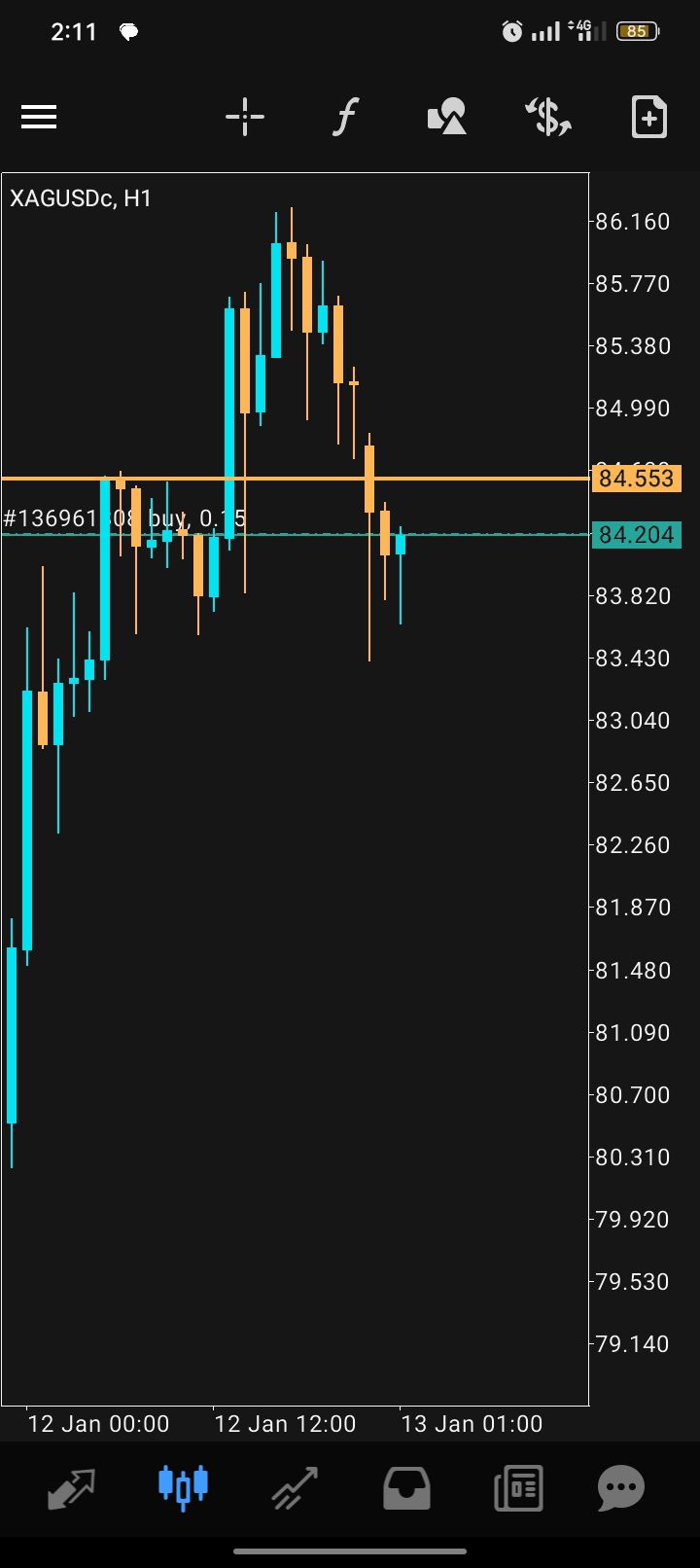
    My expectation was for gold at 4630 last night based on the Daily. It was profitable for me.
    Kung Fu flag
    C.E.O
    My expectation was for gold at 4630 last night based on the Daily. It was profitable for me.
    @C.E.Oit got to 4630. I was anticipating 39 when I took a buyside but I exited the trade before it got to 30
    XLWQ0VN27K flag
    hello
    GOLD MASTER flag
    Hello guys
    Kung Fu flag
    XLWQ0VN27K
    hello
    @XLWQ0VN27Khello. Good morning. I trust that you're good. What's uo5
    Type here...
    Add Symbol or Code

      No matching data

      All
      Trump Updates
      Recommend
      Stocks
      Cryptocurrencies
      Central Banks
      Featured News
      • All
      • Russia-Ukraine Conflict
      • Middle East Flashpoint
      • All
      • Russia-Ukraine Conflict
      • Middle East Flashpoint
      Search
      Products

      Charts Free Forever

      Chats Q&A with Experts
      Screeners Economic Calendar Data Tools
      Membership Features
      Data Warehouse Market Trends Institutional Data Policy Rates Macro

      Market Trends

      Market Sentiment Order Book Forex Correlations

      Top Indicators

      Charts Free Forever
      Markets

      News

      News Analysis 24/7 Columns Education
      From Institutions From Analysts
      Topics Columnists

      Latest Views

      Latest Views

      Trending Topics

      Top Columnists

      Latest Update

      Signals

      Copy Rankings Latest Signals Become a signal provider AI Rating
      Contests
      Brokers

      Overview Brokers Assessment Rankings Regulators News Claims
      Broker listing Forex Brokers Comparison Tool Live Spread Comparison Scam
      Q&A Complaint Scam Alert Videos Tips to Detect Scam
      More

      Business
      Events
      Careers About Us Advertising Help Center

      White Label

      Data API

      Web Plug-ins

      Affiliate Program

      Awards Institution Evaluation IB Seminar Salon Event Exhibition
      Vietnam Thailand Singapore Dubai
      Fans Party Investment Sharing Session
      FastBull Summit BrokersView Expo
      Recent Searches
        Top Searches
          Markets
          News
          Analysis
          User
          24/7
          Economic Calendar
          Education
          Data
          • Names
          • Latest
          • Prev

          View All

          No data

          Scan to Download

          Faster Charts, Chat Faster!

          Download App
          English
          • English
          • Español
          • العربية
          • Bahasa Indonesia
          • Bahasa Melayu
          • Tiếng Việt
          • ภาษาไทย
          • Français
          • Italiano
          • Türkçe
          • Русский язык
          • 简中
          • 繁中
          Open Account
          Search
          Products
          Charts Free Forever
          Markets
          News
          Signals

          Copy Rankings Latest Signals Become a signal provider AI Rating
          Contests
          Brokers

          Overview Brokers Assessment Rankings Regulators News Claims
          Broker listing Forex Brokers Comparison Tool Live Spread Comparison Scam
          Q&A Complaint Scam Alert Videos Tips to Detect Scam
          More

          Business
          Events
          Careers About Us Advertising Help Center

          White Label

          Data API

          Web Plug-ins

          Affiliate Program

          Awards Institution Evaluation IB Seminar Salon Event Exhibition
          Vietnam Thailand Singapore Dubai
          Fans Party Investment Sharing Session
          FastBull Summit BrokersView Expo

          Australian Consumer Sentiment Sinks on Rate Hike Fears

          Michael Ross

          Remarks of Officials

          Central Bank

          Daily News

          Data Interpretation

          Traders' Opinions

          Economic

          Summary:

          Australia's consumer confidence plummeted in January, driven by rate hike fears, leaving RBA policy uncertain.

          Australian consumer confidence soured in January, with households growing increasingly concerned about their finances as the prospect of higher interest rates looms.

          Westpac Survey Reveals Widespread Pessimism

          A survey from Westpac Banking Corp. on Tuesday showed that overall sentiment fell by 1.7% to 92.9 points. With the index remaining below the neutral 100-point mark, pessimists continue to outnumber optimists.

          "The main catalyst continues to be a sharp turn in interest rate expectations," said Matthew Hassan, Westpac's head of Australian macro-forecasting. He noted that nearly two-thirds of consumers now anticipate mortgage rates will climb over the next year, a figure that has more than doubled since September.

          The survey's sub-indexes painted a uniformly bleak picture. "All sub-indexes were below 100, only the second time since October 2024 that pessimists have outnumbered optimists across every component," Hassan added.

          RBA's Hawkish Stance Fuels Mortgage Worries

          The growing anxiety among consumers reflects the messaging from the Reserve Bank of Australia (RBA). The central bank has held borrowing costs steady at 3.6% since August but has consistently warned about persistent inflation pressures in a tight job market.

          RBA Governor Michele Bullock has indicated that further policy easing is unlikely in the near term, suggesting the next move is more likely to be a rate hike than a cut.

          Mixed Signals: Spending Rises Amidst Growing Concern

          This drop in sentiment contrasts with recent official data showing that Australian household spending grew faster than expected in November. The increase was driven by spending on services and strong pre-Christmas retail discounts.

          The disconnect has left economists divided. Forecasters at Commonwealth Bank of Australia and National Australia Bank are predicting at least one more rate increase this year to combat inflation. In contrast, analysts at Bank of America expect the RBA to keep rates on hold. Meanwhile, money markets are pricing in a rate hike by mid-2024.

          Key Data to Watch Ahead of RBA Meeting

          The RBA's next policy decision at its February 2-3 meeting remains uncertain and will be heavily influenced by upcoming economic reports.

          Policymakers will be closely watching December's employment figures to assess the labor market's tightness. The fourth-quarter inflation data, scheduled for release in late January, will also be a critical factor in shaping interest rate expectations.

          To stay updated on all economic events of today, please check out our Economic calendar
          Risk Warnings and Disclaimers
          You understand and acknowledge that there is a high degree of risk involved in trading. Following any strategies or investment methods may lead to potential losses. The content on the site is provided by our contributors and analysts for information purposes only. You are solely responsible for determining whether any trading assets, securities, strategy, or any other product is suitable for investing based on your own investment objectives and financial situation.
          Add to Favorites
          Share

          Taiwan's Political Showdown Over a $40B Defense Budget

          Thomas

          Economic

          Political

          President Lai Ching-te is escalating a power struggle with Taiwan's opposition-controlled legislature, with a record-breaking defense budget at the center of the conflict. His ability to pass this monumental spending package has become a critical test of his young presidency.

          In a sharp break from tradition, Lai's premier recently refused to sign tax legislation that threatened the central government's funding, a move opponents decried as unconstitutional. His administration followed this with a legal victory, successfully challenging a court revamp that would have weakened his power to contest laws passed by parliament.

          These maneuvers represent a significant advance for a leader who took office in early 2024 with the slimmest victory margin in over two decades. However, they have also deepened political polarization. Lai's opponents are now threatening a long-shot impeachment and labeling his administration a "green dictatorship," accusing him of eroding legislative authority.

          This sets the stage for his next major challenge: passing a special budget to bolster Taiwan's defenses by an extra $40 billion in the coming years without inflaming the already tense political climate.

          The High Stakes of Military Spending

          Failure to pass the defense budget could have serious international consequences, particularly with the United States. The proposed spending aligns with US President Donald Trump's public calls for Taiwan to significantly increase its own military investment.

          "Such an outcome would be detrimental to Taiwan's relationship with the US and the Trump administration," said William Yang, a senior analyst at the International Crisis Group.

          The Lai government is also in the final stages of negotiating a tariff agreement as part of a broader trade deal with the US. According to the New York Times, this deal could pave the way for Taiwan Semiconductor Manufacturing Co. (TSMC) to build five new chip facilities in Arizona.

          President Lai’s Democratic Progressive Party (DPP) is scheduled to make its seventh attempt on Tuesday to advance the budget-related legislation for a reading. The president's office did not respond to a request for comment.

          Rising Threats from Beijing

          The budget standoff is unfolding amid escalating military aggression from China. In the final days of 2025, President Xi Jinping ordered military drills around Taiwan to protest an $11 billion US weapons package for the self-governed island, which Beijing claims as its own territory.

          During these exercises, the People’s Liberation Army fired long-range projectiles into the Taiwan Strait for the first time since 2022, disrupting one of the world's most vital shipping lanes. This pressure has reinforced Lai's pledge to accelerate the development of the T-Dome, a sophisticated and costly system for intercepting aerial threats.

          Chieh Chung, an assistant professor at Tamkang University, emphasized that the special budget, which helps fund the T-Dome, is "extremely important for Taiwan's future combat capability."

          Lai first detailed the plan in a Washington Post commentary last November, stating the funds would be used for "significant new arms acquisitions from the United States" and to "vastly enhance Taiwan's asymmetrical capabilities." His cabinet has suggested financing the budget through previous fiscal surpluses or government borrowing.

          A Deepening Political Deadlock

          Despite the clear external threats, the opposition, led by the Kuomintang (KMT) party which advocates for closer relations with Beijing, has blocked the budget legislation from its first reading on six separate occasions.

          Opposition parties have also delayed the review of the annual general budget, which includes standard defense spending. While Taiwan's general budget is usually passed by February, delays are not unprecedented. In 2007, another minority DPP government saw its budget held up until June.

          While the opposition agrees on the need for increased defense spending, they disagree on the priorities and demand more transparency.

          Niu Hsu-ting, a lawmaker who frequently represents the KMT's positions, argued that "improving the treatment of military personnel is the most important issue." She suggested the annual budget should first incorporate opposition-backed legislation mandating pay raises for soldiers.

          Opponents have also criticized the special military budget for its lack of specifics and have asked Lai to submit to questioning by legislators. The president has offered to deliver a "state of the nation" address but only "in a manner that fits the constitution," implying he would not take questions.

          "The continued stalling of the special military budget by opposition parties is an indicator the political stalemate is far from being resolved," noted Yen Wei-ting, an assistant research fellow at Academia Sinica's Institute of Political Science.

          Can US Influence Break the Stalemate?

          Ultimately, pressure from the United States, Taiwan’s most crucial military ally, might be the key to breaking the legislative gridlock.

          On January 7, representatives from the American Institute in Taiwan (AIT) met with the speaker of Taiwan's legislature and his deputy. According to an AIT Facebook post, the meeting aimed to "strengthen US-Taiwan cooperation" on security and economic matters.

          Lin Ying-yu, an associate professor at Tamkang University, believes the US is likely already engaging in quiet diplomacy with the opposition.

          "The US will likely engage with members of opposition parties and take advantage of year-end or New Year events to communicate with them on a wide range of issues, including arms sales," Lin said.

          To stay updated on all economic events of today, please check out our Economic calendar
          Risk Warnings and Disclaimers
          You understand and acknowledge that there is a high degree of risk involved in trading. Following any strategies or investment methods may lead to potential losses. The content on the site is provided by our contributors and analysts for information purposes only. You are solely responsible for determining whether any trading assets, securities, strategy, or any other product is suitable for investing based on your own investment objectives and financial situation.
          Add to Favorites
          Share

          Trump's Cheap Oil Promise Faces Geopolitical Headwinds

          Daniel Foster

          Political

          Middle East Situation

          Energy

          Commodity

          Economic

          President Donald Trump's pledge to deliver affordable energy to Americans has created a fundamental conflict with the U.S. oil industry, which has been struggling with low prices. As the prospect of cheap Venezuelan crude enters the market, this rift is deepening, leaving geopolitical instability as the main force supporting prices—a positive for producers but a negative for consumers.

          A Bearish Consensus Was Forming

          At the start of the year, most market forecasters anticipated that oil prices would fall even further than they did in 2025, when benchmarks lost about a fifth of their value. The consensus view put Brent crude at an average below $60 per barrel, with West Texas Intermediate expected to hover closer to $50 and possibly dip lower.

          This forecast was built on a solid argument: sustained low prices would compel a production response from non-OPEC nations, particularly the United States. At $50 or less, American shale drillers—who drive the majority of U.S. output—would struggle to remain profitable and would eventually curb production. While this historical logic holds, any resulting price increase would directly contradict President Trump’s campaign promise.

          The Strain on the U.S. Oil Industry

          From the beginning, Trump's cheap oil pledge was a risky proposition for independent oil companies. While major integrated firms, or "Big Oil," can withstand prolonged periods of low prices, smaller independents in the shale patch face greater pressure.

          The Trump administration has made efforts to support the industry by easing regulations and opening new areas for exploration. However, the simultaneous promise of cheap oil has made it difficult for producers to capitalize on these changes.

          This pressure isn't limited to the U.S. The sustained price decline last year drove down global capital expenditure on exploration and production below 2024 levels. According to Wood Mackenzie, upstream capex is projected to fall again in 2026. The energy consultancy noted that spending declines are expected in North America and Europe, while investment is set to rise in Latin America, the Middle East, and Africa.

          The bearish sentiment has been fueled by perceptions of a global oversupply, supported by:

          • Record amounts of oil in transit on the water.

          • A gap between China's oil import volumes and its processing rates.

          • Forecasts from the International Energy Agency (IEA) and the U.S. Energy Information Administration (EIA) predicting that crude supply will exceed demand by six figures this year.

          Geopolitical Tensions Reshape the Outlook

          Despite the bearish fundamentals, oil prices are climbing again as geopolitical risks take center stage. Intensifying protests in Iran have sparked trader concerns over the security of OPEC supply, which is exported almost exclusively to China.

          This anxiety appears significant enough to overshadow the bearish news of the U.S. beginning to sell Venezuelan oil. Adding to the complexity, reports indicate that not all major oil companies are eager to help rebuild Venezuela's oil sector. Exxon, for instance, called the country "uninvestable," which prompted President Trump to threaten to block the supermajor from operating there.

          Meanwhile, trouble in Iran raises the risk of disruptions to oil transport through the Strait of Hormuz, the world's most critical chokepoint for oil markets. Given the Trump administration's surprise incursion into Venezuela, markets are now on edge for potential military actions beyond South America.

          However, market analysts suggest that expectations alone won't be enough to drive prices substantially higher. "The market is saying show me the disruption to supply before materially responding," Saul Kavonic, head of energy research at MST Marquee, told Reuters.

          That disruption could be imminent. ANZ energy analysts noted in a report that "there have also been calls for workers in the oil industry to down tools amid the protests." They added, "The situation puts at least 1.9 million barrels per day of oil exports at risk of disruption."

          Trump's Policy Dilemma

          This turn of events places President Trump in a complicated position. Higher oil prices would benefit the domestic energy industry, a priority in his second term. Yet, they would break his promise of affordable energy for consumers.

          Adding another layer of uncertainty, OPEC could reverse its production policy and decide to cut output once again. With these conflicting pressures, the oil market is set for another interesting year.

          To stay updated on all economic events of today, please check out our Economic calendar
          Risk Warnings and Disclaimers
          You understand and acknowledge that there is a high degree of risk involved in trading. Following any strategies or investment methods may lead to potential losses. The content on the site is provided by our contributors and analysts for information purposes only. You are solely responsible for determining whether any trading assets, securities, strategy, or any other product is suitable for investing based on your own investment objectives and financial situation.
          Add to Favorites
          Share

          Trump Says Countries Doing Business With Iran Face 25% Tariff

          James Whitman

          Political

          Economic

          U.S. President Donald Trump said on Monday that any country that does business with Iran will be subjected to a tariff rate of 25% on any business conducted with the United States.

          "Effective immediately, any Country doing business with the Islamic Republic of Iran will pay a Tariff of 25% on any and all business being done with the United States of America," Trump said in a post on Truth Social.

          "This Order is final and conclusive," he said.

          Source: Reuters

          To stay updated on all economic events of today, please check out our Economic calendar
          Risk Warnings and Disclaimers
          You understand and acknowledge that there is a high degree of risk involved in trading. Following any strategies or investment methods may lead to potential losses. The content on the site is provided by our contributors and analysts for information purposes only. You are solely responsible for determining whether any trading assets, securities, strategy, or any other product is suitable for investing based on your own investment objectives and financial situation.
          Add to Favorites
          Share

          Fed's Williams Says Monetary Policy Well Positioned Amid a Favorable Outlook

          Manuel

          Central Bank

          Forex

          Federal Reserve Bank of New York President John Williams said Monday he expects a healthy economy in 2026 and indicated he sees no near-term reason to cut interest rates.
          The interest-rate-setting Federal Open Market Committee “has ​moved the modestly restrictive stance of monetary policy closer to neutral,” Williams said in the text of a speech prepared for ‌delivery before a gathering held by the Council on Foreign Relations in New York.
          “Monetary policy is now well positioned to support the stabilization of the labor market and the ‌return of inflation to the FOMC’s longer-run goal of 2 percent,” he said.
          Williams said that it’s critical for the Fed to get inflation back to the 2% target “without creating undue risks” to the job market. He added, “In recent months, the downside risks to employment have increased as the labor market cooled, while the upside risks to inflation have lessened.”
          Williams’ comments Monday were his first of the year. The Fed is widely viewed as having ⁠moved into a holding stage after cutting its ‌short-term interest rate target three-quarters of a percentage point last year, lowering its federal funds target rate range to between 3.5% and 3.75%.
          The move to lower short-term borrowing costs was driven by policymakers trying to balance a ‍weakening job market against inflation that still remains above the 2% target.
          At the December meeting, officials penciled in one more rate cut this year amid expectations the job market will hold steady and inflation pressures will ease as the impact of President Donald Trump’s erratically implemented system of trade tariffs wanes. The most ​recent job market data shows tepid job demand amid still-high inflation.
          In a December television interview after the Fed policy meeting last month, ‌Williams said that he didn’t see an urgent need to cut rates again. Other Fed officials have offered similar policy outlooks over recent days, even as the Fed continues to face pressure from Trump and his associates to cut rates aggressively, despite over-target inflation.
          In his speech, Williams said his economic outlook is “quite favorable.” He expects GDP for the year between 2.5% and 2.75%, with the unemployment rate stabilizing this year and retreating in following years. Williams also said that when it comes to inflation, price pressures should peak at between 2.75% and 3% in the ⁠first half of this year before ebbing to 2.5% for the year as ​a whole. He sees inflation back at 2% by 2027.
          Williams’ speech also came amid ​an unprecedented attack on the independence of the central bank. Late Sunday, Fed Chair Jerome Powell announced the institution had been served with grand jury subpoenas threatening a criminal indictment on matters related to cost overruns in the ‍renovations of the central bank’s headquarters.
          In a ⁠statement, Powell argued the legal moves were “pretexts” and in reality, “This is about whether the Fed will be able to continue to set interest rates based on evidence and economic conditions—or whether instead monetary policy will be directed by political pressure or intimidation.”
          While ⁠the impact on financial markets has thus far not been as extreme as some feared, the threat of indictment appeared to generate significant bipartisan pushback in Congress and raised ‌the prospect of the president being unable to install any new members on the central bank board until he ‌backs off legal attacks.

          Source: Reuters

          Risk Warnings and Disclaimers
          You understand and acknowledge that there is a high degree of risk involved in trading. Following any strategies or investment methods may lead to potential losses. The content on the site is provided by our contributors and analysts for information purposes only. You are solely responsible for determining whether any trading assets, securities, strategy, or any other product is suitable for investing based on your own investment objectives and financial situation.
          Add to Favorites
          Share

          Japanese Stocks Poised for Rally on Weak Yen, Election Buzz

          John Adams

          Political

          Daily News

          Traders' Opinions

          Forex

          Stocks

          Economic

          Japanese stocks are gearing up for a strong open after a long weekend, propelled by a weakening yen and growing speculation that Prime Minister Sanae Takaichi will call a snap election.

          As of 8 a.m. Tuesday, Nikkei 225 futures in Osaka were trading 4% higher at 54,150. Meanwhile, the yen sits near its weakest point since January 2025, trading at approximately 158.18 to the dollar. This combination of factors is setting a bullish tone for the Tokyo market.

          The Return of the "Takaichi Trade"

          Chatter about Takaichi dissolving parliament as early as next month intensified over the weekend following local media reports. This has reignited interest in the so-called "Takaichi trade," a market strategy centered on the prime minister's expansionary fiscal policy and accommodative monetary stance.

          The core bet is that Takaichi's ruling Liberal Democratic Party (LDP) would secure a stronger mandate in an election, paving the way for more stimulus. This scenario historically fuels equity gains while pushing the yen lower.

          Analysts at Citi Research, Ryota Sakagami and Keishi Ueda, noted that the market is leaning into this narrative. "The market view is likely to increasingly be that high cabinet approval ratings mean an LDP victory and hence a stable political platform, making the initial Japanese market reaction likely to be a renewed flare-up of the Takaichi trade," they wrote.

          Key Sectors to Watch

          A renewed push for Takaichi's economic agenda is expected to benefit specific industries. According to the Citi analysts, investors should watch for potential "significant gains" in several key areas:

          • Government Spending Beneficiaries: Sectors like defense and nuclear power are expected to gain from increased fiscal spending.

          • Exporters: A weaker yen is a major tailwind for forex-sensitive exporters, particularly auto manufacturers.

          • Financials: The analysts also predict that long-term Japanese government bond yields could climb on expectations of fiscal expansion. Higher yields would likely boost the performance of financial stocks.

          To stay updated on all economic events of today, please check out our Economic calendar
          Risk Warnings and Disclaimers
          You understand and acknowledge that there is a high degree of risk involved in trading. Following any strategies or investment methods may lead to potential losses. The content on the site is provided by our contributors and analysts for information purposes only. You are solely responsible for determining whether any trading assets, securities, strategy, or any other product is suitable for investing based on your own investment objectives and financial situation.
          Add to Favorites
          Share

          Mexico Pushes Back on US Military Aid in Trump Call

          Ukadike Micheal

          Remarks of Officials

          Daily News

          Political

          Mexican President Claudia Sheinbaum held a productive conversation with U.S. President Donald Trump on January 12, covering critical issues like security, drug trafficking, and trade. While the dialogue was described as positive, Sheinbaum reaffirmed Mexico's opposition to the deployment of U.S. military forces on its soil.

          A 'Productive Dialogue' on Security and Trade

          In a social media post on Monday, Sheinbaum characterized her discussion with Trump as "very good." She noted that their conversation touched on a range of mutual concerns, including security, drug trafficking reduction, trade, and investment.

          "Collaboration and cooperation within a framework of mutual respect always yield results," Sheinbaum stated, signaling a commitment to partnership despite underlying tensions.

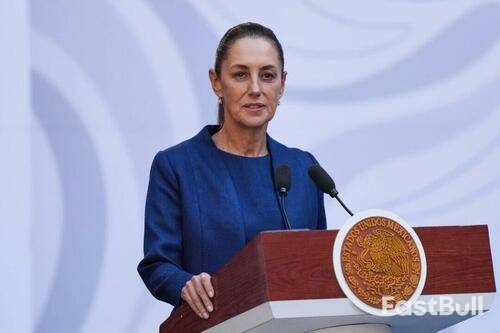
          Mexican President Claudia Sheinbaum discusses the outcome of her call with U.S. President Donald Trump.

          Rising Pressure and the Military Option

          The call comes amid increased pressure from the Trump administration on Mexico and other Latin American nations to intensify their efforts against drug trafficking. Following the capture of Venezuelan leader Nicolás Maduro by U.S. forces in a pre-dawn raid on January 3, Trump urged Mexico to "get its act together" in dealing with drug cartels.

          Trump has consistently offered to send U.S. forces to assist Mexico in these efforts. On January 8, he escalated his rhetoric by suggesting that future U.S. military strikes could target land-based cartel operations inside Mexico.

          Sheinbaum Rejects US Troops on Mexican Soil

          During a press conference on Monday, Sheinbaum confirmed that she and Trump discussed the possibility of a U.S. force deployment. She recounted that she once again declined the offer and that Trump was understanding of her position.

          "He didn't insist," Sheinbaum explained. "I told him, 'Well, no, I've already told you several times that that's not on the table,' but we continue to collaborate within the framework of our sovereignties."

          US Diplomatic Pressure Extends Across the Region

          The high-level conversation between the two presidents is part of a broader diplomatic push by the United States. On January 11, U.S. Secretary of State Marco Rubio held a separate call with Mexican Foreign Secretary Juan Ramón de la Fuente.

          State Department spokesman Tommy Pigott reported that their discussion focused on "the need for stronger cooperation to dismantle Mexico's violent narcoterrorist networks and stop the trafficking of fentanyl and weapons." Pigott added that Rubio stressed the need for "tangible results."

          Tensions with Colombia and Cuba

          The Trump administration, emboldened by the Maduro raid, is also applying pressure on other nations in the region, including Colombia and Cuba.

          • Colombia: Trump and Colombian President Gustavo Petro have recently exchanged criticisms, with Trump faulting Petro for insufficient cooperation on curbing cocaine production. However, Trump later reported a productive phone call with Petro and announced plans to host him at the White House soon.

          • Cuba: In a Truth Social post on Sunday, Trump declared that he had cut off Cuba from Venezuelan oil supplies. "There will be no more oil or money going to Cuba—zero! I strongly suggest they make a deal, before it is too late," he wrote.

          For decades, the United States has maintained limited engagement with Cuba's communist government. In response to Trump's comments, Cuban leader Miguel Díaz-Canel Bermúdez stated that U.S.-Cuba relations "must be based on International Law rather than on hostility, threats, and economic coercion."

          Risk Warnings and Disclaimers
          You understand and acknowledge that there is a high degree of risk involved in trading. Following any strategies or investment methods may lead to potential losses. The content on the site is provided by our contributors and analysts for information purposes only. You are solely responsible for determining whether any trading assets, securities, strategy, or any other product is suitable for investing based on your own investment objectives and financial situation.
          Add to Favorites
          Share
          FastBull
          Copyright © 2026 FastBull Ltd

          728 RM B 7/F GEE LOK IND BLDG NO 34 HUNG TO RD KWUN TONG KLN HONG KONG

          TelegramInstagramTwitterfacebooklinkedin
          App Store Google Play Google Play
          Products
          Charts

          Chats

          Q&A with Experts
          Screeners
          Economic Calendar
          Data
          Tools
          Membership
          Features
          Function
          Markets
          Copy Trading
          Latest Signals
          Contests
          News
          Analysis
          24/7
          Columns
          Education
          Company
          Careers
          About Us
          Contact Us
          Advertising
          Help Center
          Feedback
          User Agreement
          Privacy Policy
          Personal Information Protection Statement
          Business

          White Label

          Data API

          Web Plug-ins

          Poster Maker

          Affiliate Program

          Risk Disclosure

          The risk of loss in trading financial instruments such as stocks, FX, commodities, futures, bonds, ETFs and crypto can be substantial. You may sustain a total loss of the funds that you deposit with your broker. Therefore, you should carefully consider whether such trading is suitable for you in light of your circumstances and financial resources.

          No decision to invest should be made without thoroughly conducting due diligence by yourself or consulting with your financial advisors. Our web content might not suit you since we don't know your financial conditions and investment needs. Our financial information might have latency or contain inaccuracy, so you should be fully responsible for any of your trading and investment decisions. The company will not be responsible for your capital loss.

          Without getting permission from the website, you are not allowed to copy the website's graphics, texts, or trademarks. Intellectual property rights in the content or data incorporated into this website belong to its providers and exchange merchants.

          Not Logged In

          Log in to access more features

          FastBull Membership

          Not yet

          Purchase

          Become a signal provider
          Help Center
          Customer Service
          Dark Mode
          Price Up/Down Colors

          Log In

          Sign Up

          Position
          Layout
          Fullscreen
          Default to Chart
          The chart page opens by default when you visit fastbull.com