Markets
News
Analysis
User
24/7
Economic Calendar
Education
Data
- Names
- Latest
- Prev



Signal Accounts for Members
All Signal Accounts
All Contests


U.K. CPI MoM (Dec)A:--
F: --
P: --
U.K. Input PPI MoM (Not SA) (Dec)A:--
F: --
U.K. Core CPI MoM (Dec)A:--
F: --
P: --
U.K. Retail Prices Index MoM (Dec)A:--
F: --
P: --
U.K. Input PPI YoY (Not SA) (Dec)A:--
F: --
P: --
U.K. CPI YoY (Dec)A:--
F: --
P: --
U.K. Output PPI MoM (Not SA) (Dec)A:--
F: --
P: --
U.K. Output PPI YoY (Not SA) (Dec)A:--
F: --
P: --
U.K. Core Retail Prices Index YoY (Dec)A:--
F: --
P: --
U.K. Core CPI YoY (Dec)A:--
F: --
P: --
U.K. Retail Prices Index YoY (Dec)A:--
F: --
P: --
Indonesia 7-Day Reverse Repo RateA:--
F: --
P: --
Indonesia Loan Growth YoY (Dec)A:--
F: --
P: --
Indonesia Deposit Facility Rate (Jan)A:--
F: --
P: --
Indonesia Lending Facility Rate (Jan)A:--
F: --
P: --
South Africa Core CPI YoY (Dec)A:--
F: --
P: --
South Africa CPI YoY (Dec)A:--
F: --
P: --
IEA Oil Market Report
U.K. CBI Industrial Output Expectations (Jan)A:--
F: --
U.K. CBI Industrial Prices Expectations (Jan)A:--
F: --
P: --
South Africa Retail Sales YoY (Nov)A:--
F: --
P: --
U.K. CBI Industrial Trends - Orders (Jan)A:--
F: --
P: --
Mexico Retail Sales MoM (Nov)A:--
F: --
P: --
U.S. MBA Mortgage Application Activity Index WoWA:--
F: --
P: --
Canada Industrial Product Price Index YoY (Dec)A:--
F: --
Canada Industrial Product Price Index MoM (Dec)A:--
F: --
U.S. Weekly Redbook Index YoYA:--
F: --
P: --
U.S. Pending Home Sales Index YoY (Dec)A:--
F: --
P: --
U.S. Pending Home Sales Index MoM (SA) (Dec)A:--
F: --
P: --
U.S. Construction Spending MoM (Oct)A:--
F: --
U.S. Pending Home Sales Index (Dec)A:--
F: --
P: --
U.S. API Weekly Refined Oil Stocks--
F: --
P: --
U.S. API Weekly Gasoline Stocks--
F: --
P: --
U.S. API Weekly Cushing Crude Oil Stocks--
F: --
P: --
U.S. API Weekly Crude Oil Stocks--
F: --
P: --
South Korea GDP Prelim YoY (SA) (Q4)--
F: --
P: --
South Korea GDP Prelim QoQ (SA) (Q4)--
F: --
P: --
Japan Imports YoY (Dec)--
F: --
P: --
Japan Exports YoY (Dec)--
F: --
P: --
Japan Goods Trade Balance (SA) (Dec)--
F: --
P: --
Japan Trade Balance (Not SA) (Dec)--
F: --
Australia Employment (Dec)--
F: --
P: --
Australia Labor Force Participation Rate (SA) (Dec)--
F: --
P: --
Australia Unemployment Rate (SA) (Dec)--
F: --
P: --
Australia Full-time Employment (SA) (Dec)--
F: --
P: --
Turkey Consumer Confidence Index (Jan)--
F: --
P: --
Turkey Capacity Utilization (Jan)--
F: --
P: --
Turkey Late Liquidity Window Rate (LON) (Jan)--
F: --
P: --
Turkey Overnight Lending Rate (O/N) (Jan)--
F: --
P: --
Turkey 1-Week Repo Rate--
F: --
P: --
U.K. CBI Distributive Trades (Jan)--
F: --
P: --
U.K. CBI Retail Sales Expectations Index (Jan)--
F: --
P: --
U.S. Weekly Continued Jobless Claims (SA)--
F: --
P: --
U.S. Initial Jobless Claims 4-Week Avg. (SA)--
F: --
P: --
U.S. Real Personal Consumption Expenditures Final QoQ (Q3)--
F: --
P: --
Canada New Housing Price Index MoM (Dec)--
F: --
P: --
U.S. Weekly Initial Jobless Claims (SA)--
F: --
P: --
U.S. Real GDP Annualized QoQ Final (Q3)--
F: --
P: --


No matching data
Latest Views
Latest Views
Trending Topics
Top Columnists
Latest Update
White Label
Data API
Web Plug-ins
Affiliate Program
View All

No data
Wall Street challenges Trump's affordability fixes for high living costs, proposing alternative economic strategies.
Major Wall Street banks are in talks with the Trump administration to shape policies aimed at tackling the rising cost of living, a critical issue for voters heading into the midterm elections. While engaging with the White House, financial leaders are expressing skepticism about some of President Trump’s key proposals and suggesting alternative strategies, according to sources familiar with the discussions in Davos, Switzerland.
The central conflict revolves around the effectiveness of the administration's ideas. Economic challenges, particularly the high cost of essentials like housing and groceries, were a major factor in Trump's 2024 election win. Although inflation has cooled since its post-pandemic peak, persistent high prices threaten the Republican party's standing in the upcoming November elections.

President Trump has floated several proposals designed to provide financial relief to Americans. Among the most prominent are plans to cap credit card interest rates and to allow people to use 401(k) retirement funds for a down payment on a home.
However, these ideas have been met with resistance from the financial sector. The proposal to cap credit card rates, in particular, has caused concern, leading to a drop in major bank shares. Banks argue that such a move would be counterproductive, while investors have questioned whether tapping retirement accounts would solve the core issue in the housing market, which they identify as a lack of supply.
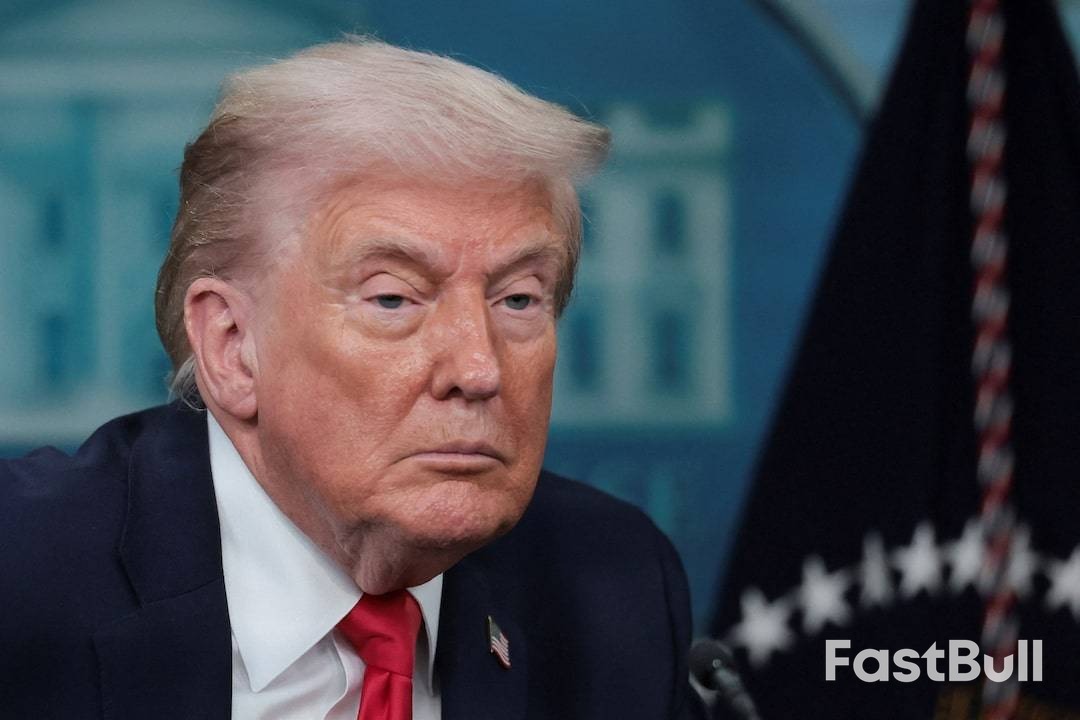
Banking executives are publicly and privately pushing back against the idea of interest rate caps. Speaking from Davos, Citigroup CEO Jane Fraser told CNBC that while "the President is right in focusing on affordability," she does not expect Congress to approve the caps. She added that such a policy "would not be good for the U.S. economy."
According to sources, banks argue that price caps would directly impact the availability and pricing of credit. One potential response, an executive noted, would be to substantially reduce the credit lines offered to customers to mitigate potential losses.
While the financial industry is resistant, U.S. Treasury Secretary Scott Bessent stated on Tuesday that it was "not unreasonable" to have a discussion about the practices of credit card companies, suggesting various options could be considered.
Instead of measures they see as disruptive, Wall Street is proposing a different set of solutions to the White House. One senior U.S. banking executive framed the industry's approach as collaborative, stating, "We're saying, 'What are you trying to achieve? Let's figure out ways to help you.'"
The alternative ideas from the banking sector include:
• Encouraging higher rates of retirement savings.
• Incentivizing the earlier transfer of wealth from parents and grandparents to their children.
• Modifying the 401(k) proposal to allow parents and grandparents, who typically have larger retirement balances, to tap their funds for their children's housing down payments.
On the housing front, banks acknowledge that increasing purchasing power without addressing supply could drive prices even higher. To boost supply, one source suggested allowing older Americans to sell their homes tax-free.
Despite the ongoing dialogue, there is a consensus that none of the proposed policies—from either the administration or the banks—are likely to have a meaningful impact on American household budgets before the November elections.
One source noted that fixing the housing market, for example, requires "patience that no one has." The Trump administration is reportedly listening to these alternative ideas, with "smart people in there working hard at this stuff." However, with policy details still unclear, Wall Street remains in a holding pattern, waiting for a clear direction before taking any action.


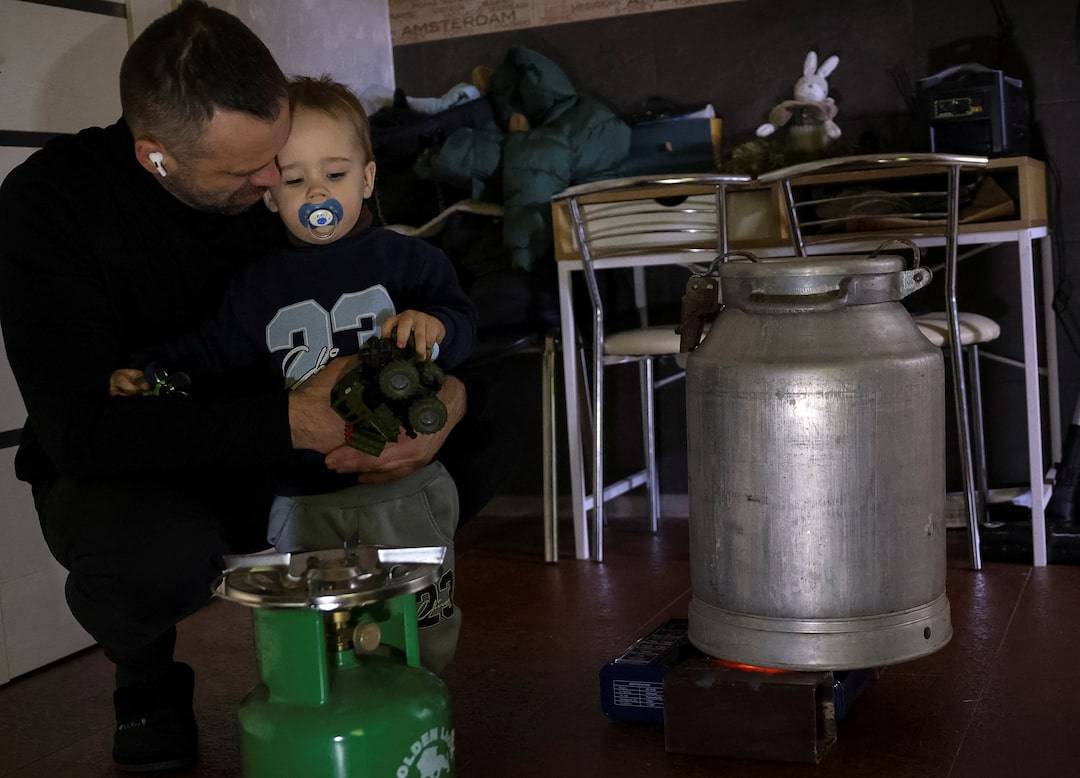
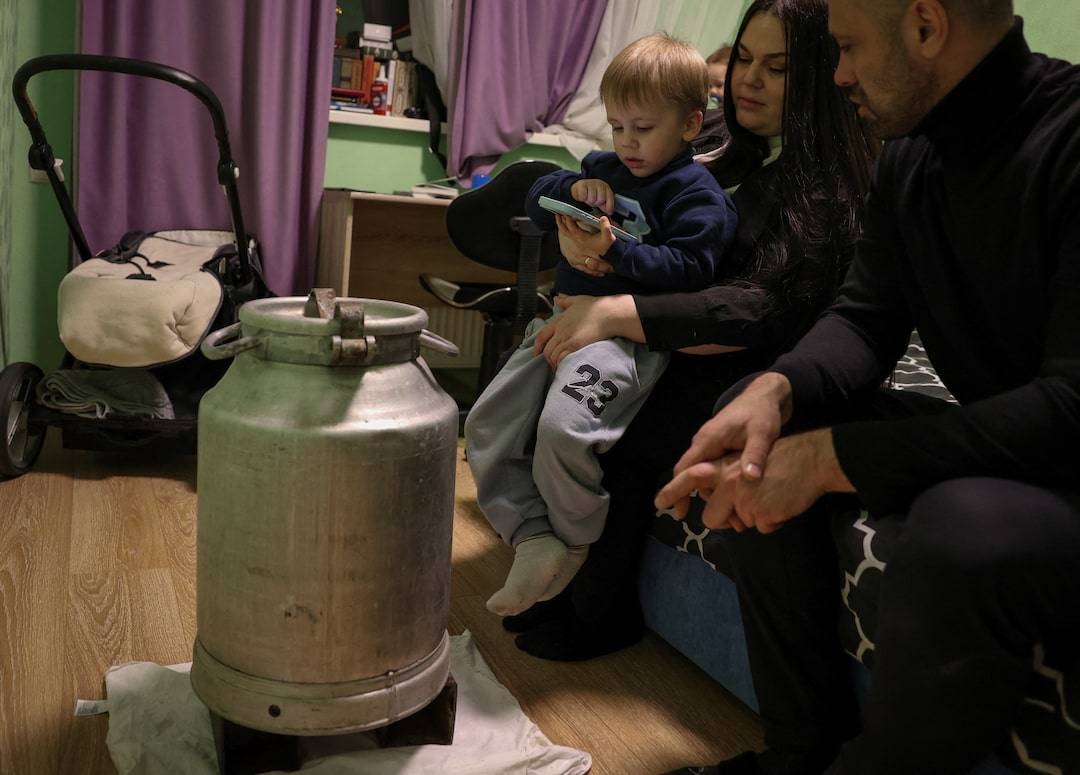
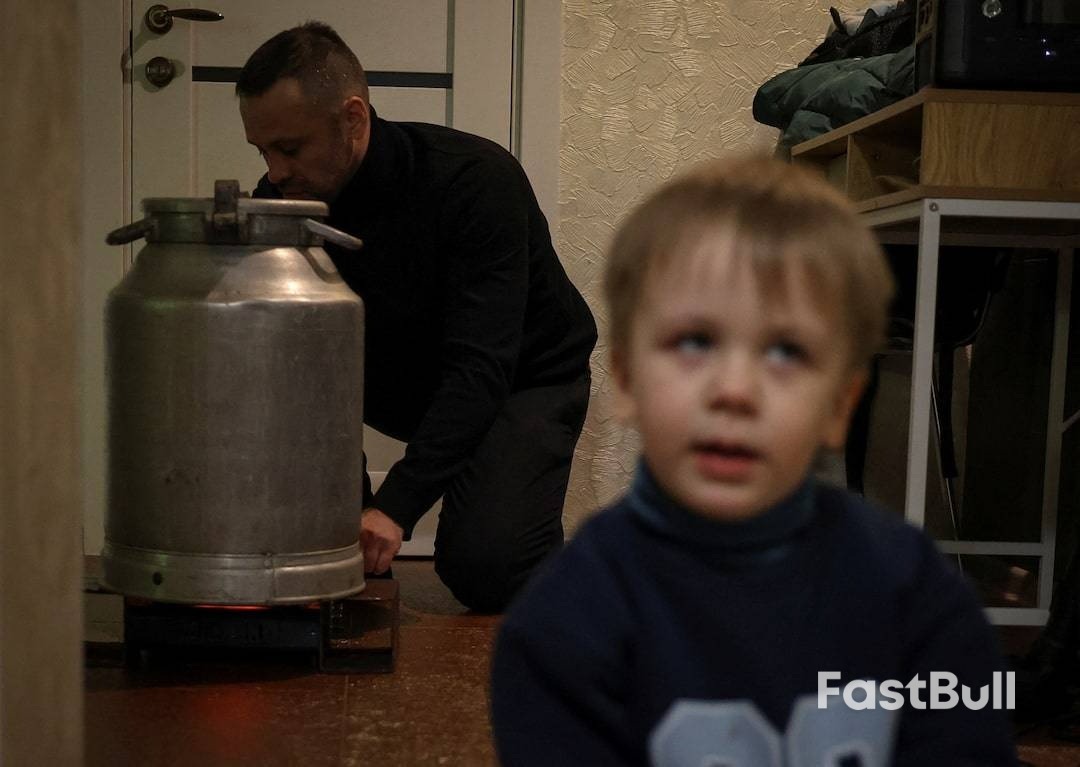
Collecting snow for water at home; sleeping in gloves, coats and hats; heating bricks on gas stoves for warmth; erecting tents indoors - Kyiv residents are doing everything they can to survive the coldest, darkest winter of the war.
"When there is no electricity, there is no heating: it means the apartment freezes," said Anton Rybikov, father of three-year-old David and two-year-old Matvii, speaking to Reuters in their home, where he and his wife Marina have stocked up on backup batteries and sleeping bags.
The 39-year-old military chaplain said one of his sons recently contracted pneumonia after temperatures in the apartment fell to 9 degrees Celsius (48 Fahrenheit) during a power blackout of more than 19 hours following Russian airstrikes.
"It's emotionally very difficult. There is constant worry," Rybikov added, as he prepared to heat water in a metal milk churn. "This winter is the hardest."
Russia has intensified its attacks on Ukraine's energy infrastructure in recent months, concentrating missile and drone strikes on the cities of Kyiv, Kharkiv and Dnipro.
British military intelligence estimated that Russia launched 55,000 unmanned aerial systems at Ukraine last year, around five times the number in 2024, according to one of its regular reports on the war posted on X.
Ukraine has called for more Western air defences to cope with the drone and missile barrages.
With temperatures plunging to minus 18 degrees Celsius across snow-covered Kyiv, the attacks mean hundreds of thousands of the capital's three million residents are struggling with lengthy interruptions to power and water supplies.
On Tuesday, after a major Russian strike overnight, President Volodymyr Zelenskiy said more than a million households in the city had no power.
Simple routines like showering and cooking are now a challenge. For the first time since the full-scale Russian invasion nearly four years ago, the government last week declared a state of emergency related to the energy crisis.
Russia says its attacks on Ukraine are designed to degrade its military and denies targeting civilians.
Kyiv mayor Vitali Klitschko told Reuters that the strikes on the capital were meant to "break resistance, break the Ukrainians' spirit, to do everything for people to become depressed and pack their bags and vacate the territory."
"Kyiv has always been and remains the target for the aggressor," he said in an interview in his office.
Across the city, thousands of people now gather in schools and at makeshift street "invincibility points" where generators allow them to warm up, charge their phones and connect to the internet.
At a food distribution point in Kyiv run by World Central Kitchen, 66-year-old pensioner Valentyna Kiriiakova queued for hot food along with her granddaughter, Yeva Teplova.
"We don't complain," said Kiriiakova, whose high-rise apartment had no power, leaving her unable to cook. "We understand that there is a war going on and we have to endure. We have to survive."
Russia's onslaught on Ukraine's energy system has led to power and water outages in Kyiv that typically last three to four times longer than previous winters.
Economy Minister Oleksii Sobolev said that since October, Russia had damaged 8.5 gigawatts of Ukraine's generation capacity — nearly half of typical power consumption — forcing record electricity imports.
Russia has also struck Ukrainian gas production facilities, said energy company Naftogaz. The central bank governor said late last year that Ukraine lost about a half of its gas output, forcing it to spend more on imports.
"Ukraine's energy system is not broken, but it is operating in a mode of constant degradation," said Olena Lapenko, general director for safety and resilience at energy think-tank Dixi Group.
Schools and universities have extended their winter holidays, and many companies have moved to remote work or reduced their operating hours.
Dozens of repair teams hurry across Kyiv from site-to-site to patch up the damage caused by Russian strikes.
"There is a lot of work. The grids cannot withstand such pressure all at once," said Hennadii Barulin, 55, a digger operator, as his team worked to restore power to residents.
"This is a real winter. It is very difficult to break through the ground, through the asphalt, through everything."
Sobolev said Ukraine's stocks of energy equipment had been depleted and that urgent financial support of about $1 billion was required to deal with the current emergency.
Ukraine's Western partners rushed in hundreds of generators, powerful batteries and industrial boilers to help cover some gaps, according to the foreign ministry.
Newly appointed Energy Minister Denys Shmyhal said Ukraine has made some progress installing small, independent generation capacity to reduce reliance on the heavily centralised, Soviet-era system. He said 762 megawatts were installed in 2025, compared with 225 megawatts in 2024.
"Given the critical state of the energy sector, such pace is clearly insufficient."
Shmyhal also said Kyiv lagged behind other Ukrainian cities in installing independent generation capacity - criticism the mayor rejected.
With freezing temperatures forecast for several more weeks and further Russian strikes expected, energy experts say the situation is unlikely to improve soon.
Rybikov said he would consider sending his sons out of Kyiv if the blackouts worsen.
"We need the warmth so that the children do not freeze. The rest we will get through," he said. "If there is a blackout, I will send the children away."
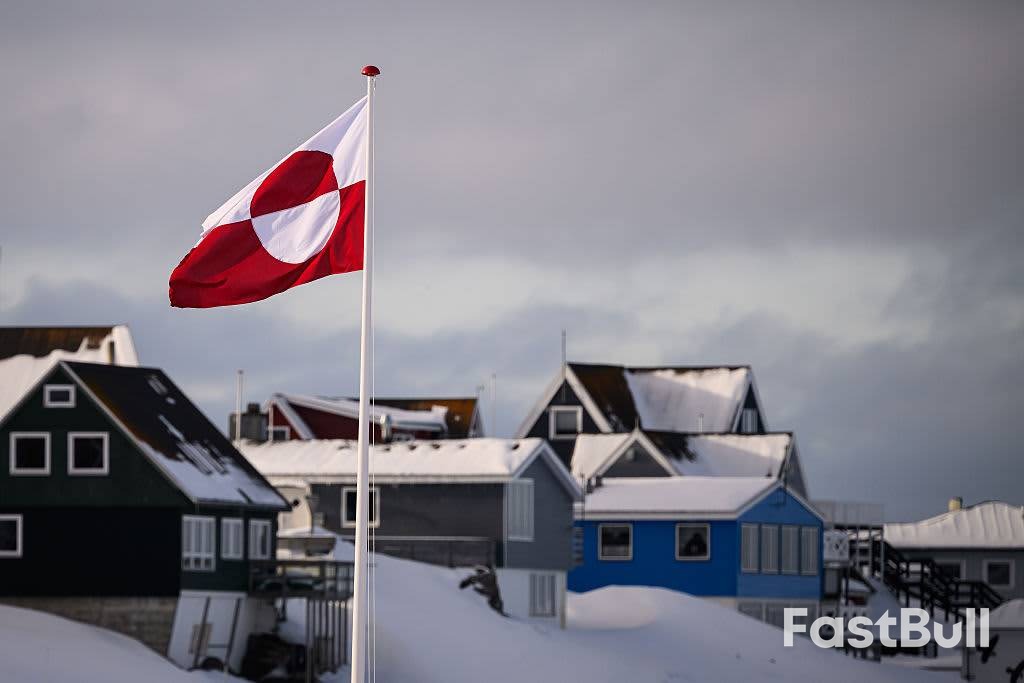
The geopolitical status of Greenland has exploded into a full-blown crisis in just two weeks, jeopardizing the U.S.-Europe alliance and raising the specter of military conflict. Here is a breakdown of how tensions over the Arctic territory reached a boiling point.

President Donald Trump's ambition to control Greenland is not new. In 2019, he first floated purchasing the territory, arguing it was "essential for U.S. national security," though he admitted the idea was "not number one on the burner." Denmark, which oversees Greenland's defense, dismissed the proposal as "absurd," prompting Trump to cancel a planned trip to Copenhagen.
The issue resurfaced in late 2024 as Trump prepared for his return to the White House. On his Truth Social platform, he declared that "the ownership and control of Greenland is an absolute necessity."
Greenland’s then Prime Minister, Mute Egede, offered a firm rebuttal: "We are not for sale and will never be for sale."
Speculation intensified after Donald Trump Jr. visited the island in early 2025. The situation escalated when President Trump later suggested he would not rule out using military force or economic coercion to acquire Greenland, drawing widespread condemnation.

On January 3, the U.S. launched a military operation to capture Venezuelan President Nicolás Maduro and his wife, Cilia Flores. The next day, Trump explicitly linked this assertive foreign policy to his Arctic ambitions.
"We do need Greenland, absolutely," he told The Atlantic, claiming it was "surrounded by Russian and Chinese ships." He later added, "We need Greenland from the standpoint of national security and Denmark is not going to be able to do it, I can tell you."
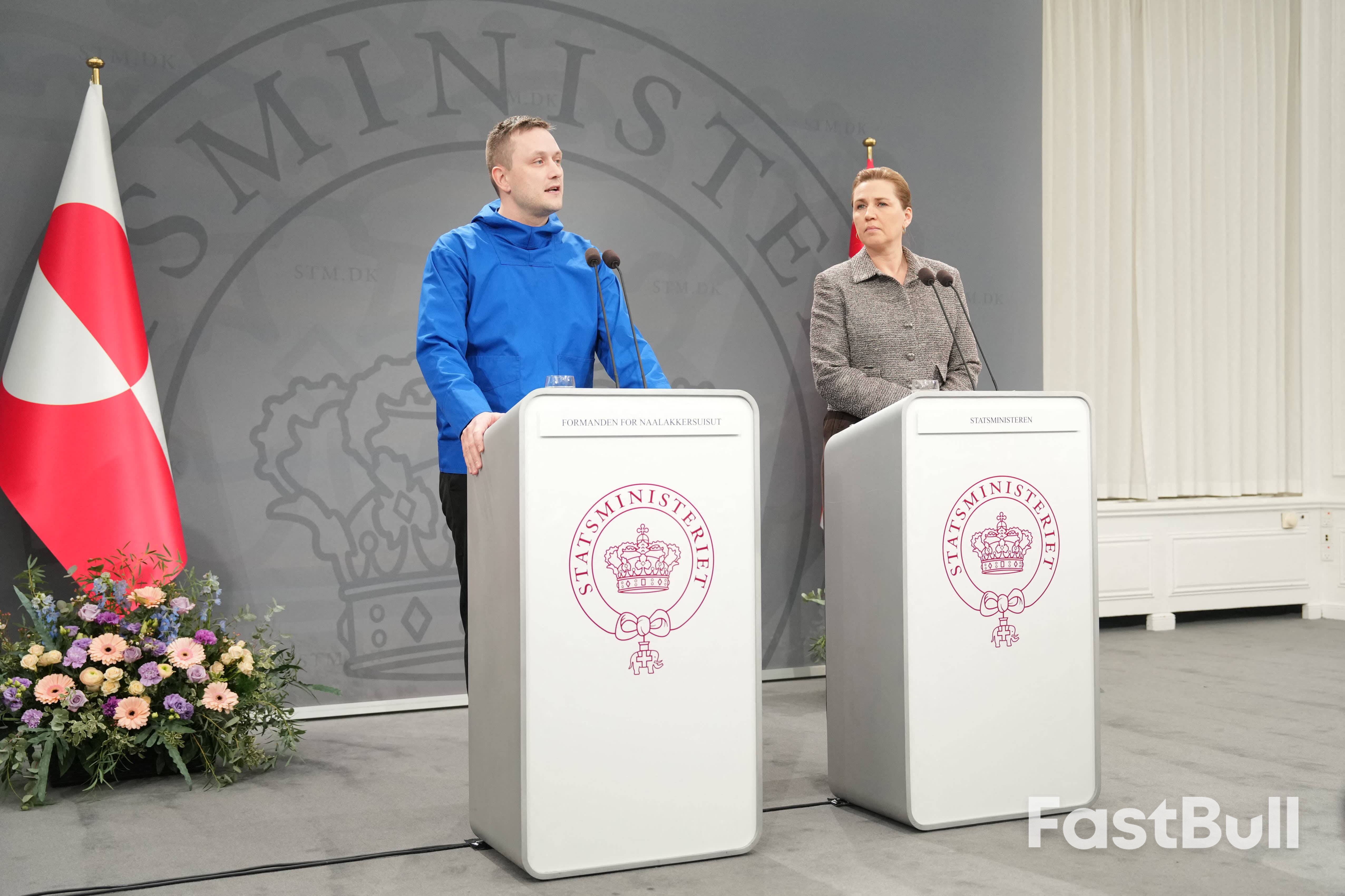
Danish Prime Minister Mette Frederiksen called on Trump "to stop the threats against a historically close ally." European leaders quickly formed a united front. In a joint statement on January 6, the leaders of Denmark, France, Germany, Britain, Italy, Spain, and Poland insisted that Arctic security must be a collective effort.
"It is for Denmark and Greenland, and them only, to decide on matters concerning Denmark and Greenland," the statement read.

High-stakes talks between U.S., Greenlandic, and Danish officials were scheduled for January 14. Just before the meeting, Trump escalated his rhetoric on Truth Social.
"The United States needs Greenland for the purpose of National Security," he wrote. "NATO becomes far more formidable and effective with Greenland in the hands of the UNITED STATES. Anything less than that is unacceptable."
The talks ended without a resolution. Shortly after, several NATO members deployed small military contingents to Greenland for a joint exercise at Denmark's invitation. Germany sent 13 personnel to the capital, Nuuk, joining troops from France, Sweden, and Norway in a clear signal of solidarity.

On Saturday, Trump resorted to economic pressure, threatening tariffs against eight European nations if they continued to oppose his plans for Greenland. He announced a 10% tariff on goods from Denmark, Finland, France, Germany, the Netherlands, Norway, Sweden, and the U.K., effective February 1, set to rise to 25% on June 1.
The reaction was swift and sharp. French President Emmanuel Macron labeled the threats "fundamentally unacceptable," while British Prime Minister Keir Starmer called them "completely wrong." By Monday, reports emerged that European leaders were considering retaliatory tariffs and other punitive measures, including the "Anti-Coercion Instrument" (ACI), which could block U.S. suppliers from EU public contracts.
For Greenland's 57,000 residents, the geopolitical standoff has been deeply unsettling. Thousands protested in Nuuk and Copenhagen over the weekend.
Naaja Nathanielsen, Greenland's Business Minister, told CNBC the island felt "bewildered" and "devastated."
"To all of a sudden find ourselves in the midst of a storm that's about acquiring us like a product or a property, it's really difficult for us," she said.
On Tuesday, Greenland's Prime Minister Jens Frederik Nielsen acknowledged the gravity of the situation, stating that while a military conflict was "not likely," it "can't be ruled out."
The crisis dominated discussions at the World Economic Forum in Davos, Switzerland. European leaders warned of the damage Trump's actions were causing to the trans-Atlantic alliance.
Without naming Trump, Macron warned of a shift to "a world without rules" and said Europe would not be intimidated by "bullies." Canadian Prime Minister Mark Carney noted the world was entering "a system of intensifying great power rivalry where the most powerful pursue their interests using economic integration as coercion."
President Trump, who insists there is "no going back" on Greenland, is scheduled to speak at Davos on Wednesday.

Remarks of Officials

Stocks

Middle East Situation

Daily News

Palestinian-Israeli conflict

Political

Russia-Ukraine Conflict

Economic
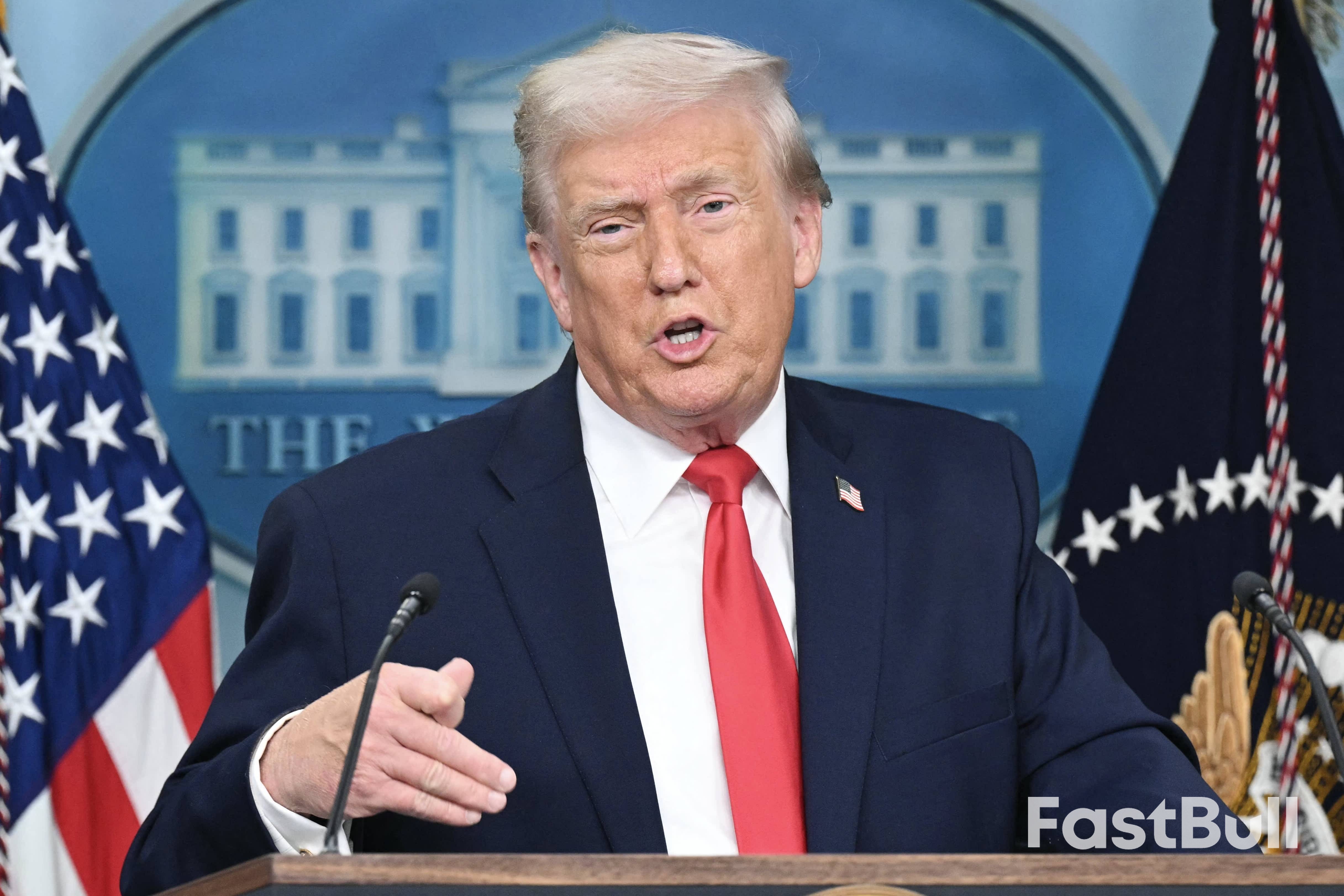
President Donald Trump is still scheduled to address the World Economic Forum in Davos at his planned time, despite a mechanical issue delaying his flight to Switzerland. The US president is expected to speak to global business and policy leaders at 2:30 p.m. local time.
A WEF spokesperson confirmed the schedule remains unchanged even after Trump's initial aircraft was forced to return to Joint Base Andrews near Washington. The delay, which lasted over two hours, required the president and his delegation to board a replacement plane.
The incident began Tuesday when Trump's first flight departed around 9:45 p.m. local time but returned shortly after 11 p.m. White House Press Secretary Karoline Leavitt stated that the crew discovered "a minor electrical issue" after takeoff and decided to turn back out of an abundance of caution.
After landing, Trump's delegation switched to a new aircraft and took off again for Switzerland just after midnight. Instead of the planned 747, the president is traveling on a smaller Boeing 757, a plane typically used by the vice president and other Cabinet members. Upon arriving at Zurich airport, he will proceed to the mountain resort of Davos for his address and a series of meetings with foreign leaders.
Trump's visit, which included a virtual address to the forum in 2025, occurs amid significant international friction sparked by his recent policy moves. The scheduled speech, intended to focus on domestic affordability issues, has been overshadowed by major geopolitical crises.
Key points of contention include:
• Greenland: Threats to make Greenland a part of the U.S. have caused tumult among allies.
• Gaza: An effort to create a "Board of Peace" for Gaza is viewed by some partners as an attempt to undermine the United Nations.
• NATO Tensions: Trump has threatened tariffs against eight NATO partners, including Denmark and the UK, over their opposition to his Greenland ambitions, infuriating European leaders and sparking talk of retaliation.
These moves have rattled financial markets, with U.S. stock futures attempting a recovery after the S&P 500 experienced its largest drop in three months. While senior U.S. officials have urged allies to remain calm until hearing from the president directly, harsh words aimed at France and the UK have already strained key relationships, setting the stage for a tense gathering.
The proposed "Board of Peace" initiative has also faced hurdles. Despite plans for a signing ceremony on Thursday, the effort has been troubled by questions over its composition and purpose. An invitation extended to Russian President Vladimir Putin, even as his country is at war with Ukraine, has drawn criticism, and several allied leaders have already declined to participate.
Beyond the international disputes, Trump aims to use the Davos stage to promote his economic agenda to a domestic audience ahead of the November congressional elections. The setting provides a sharp contrast between the global elites and the populist platform that propelled him to office.
Administration officials have indicated that Trump will roll out policies designed to address voter concerns about affordability. The expected proposals include:
• Banning institutional investors from purchasing single-family homes.
• Implementing a one-year cap on credit card interest rates at 10%.
• Directing Fannie Mae and Freddie Mac to buy $200 billion in mortgage bonds to lower lending rates.
On Tuesday, Trump signed an executive order outlining a process to limit institutional homebuying, though it stops short of imposing immediate restrictions on companies with large housing portfolios.
The flight delay highlighted a persistent frustration for Trump: the aging fleet of presidential aircraft. The government planes used to transport U.S. presidents and senior officials have encountered several complications in recent years.
The U.S. Air Force and Boeing Co. have faced technical challenges with the new generation of Air Force One planes, pushing their estimated delivery back to mid-2028. In an unusual move last year, the Defense Department accepted a luxury Boeing 747-8 jet from Qatar as a temporary Air Force One for Trump, a decision that raised ethics, security, and cost concerns related to retrofitting the aircraft for presidential use.
Japan's electricity demand is set to climb 5.3% over the next decade, a surge fueled primarily by the immense power needs of new data centers and semiconductor factories.
According to the latest forecast from the Organisation for Cross-regional Coordination of Transmission Operators, Japan (OCCTO), the nation's grid monitor, power consumption will reach 846.13 billion kilowatt-hours (kWh) in fiscal year 2035. This marks a notable increase from the estimated 803.37 billion kWh for fiscal year 2025.
This growth projection is slightly more conservative than the 5.8% increase forecasted a year ago. OCCTO noted that the adjustment reflects construction delays, design changes, and other logistical issues at data centers, which have pushed back their operational start dates and the timeline for reaching full power consumption.
The rise in electricity use is not uniform across the economy. A clear divergence is emerging between the industrial and residential sectors.
• Industrial Demand: Expected to jump by 18.3% over the ten-year period, driven by high-tech manufacturing and digital infrastructure.
• Household Consumption: Forecast to fall by 5.7%, a trend attributed to Japan's shrinking population and gains in energy efficiency.
These figures represent minor revisions from last year's outlook, which had predicted a 19.2% increase in industrial demand and a 5.4% decline in household use.
The core driver of Japan's rising energy needs is the tech industry's expansion. Electricity demand specifically from new data centers and semiconductor plants is expected to grow by 56.8 billion kWh by fiscal 2035.
This updated figure highlights the accelerating power requirements of the digital economy, surpassing last year's forecast, which projected a 51.4 billion kWh increase by fiscal 2034.
OCCTO compiles its 10-year electricity demand outlook annually, based on comprehensive surveys conducted with Japan's 10 major electric utility companies.

U.S. special envoy Steve Witkoff has confirmed that peace negotiations over the war in Ukraine have advanced to the critical stage of discussing "land deals," with a meeting scheduled this week with Russian President Vladimir Putin.
Speaking to CNBC at the World Economic Forum in Davos, Switzerland, Witkoff stated that significant progress has been made over the past six to eight weeks. He expressed optimism that a resolution to the nearly four-year conflict could be approaching.
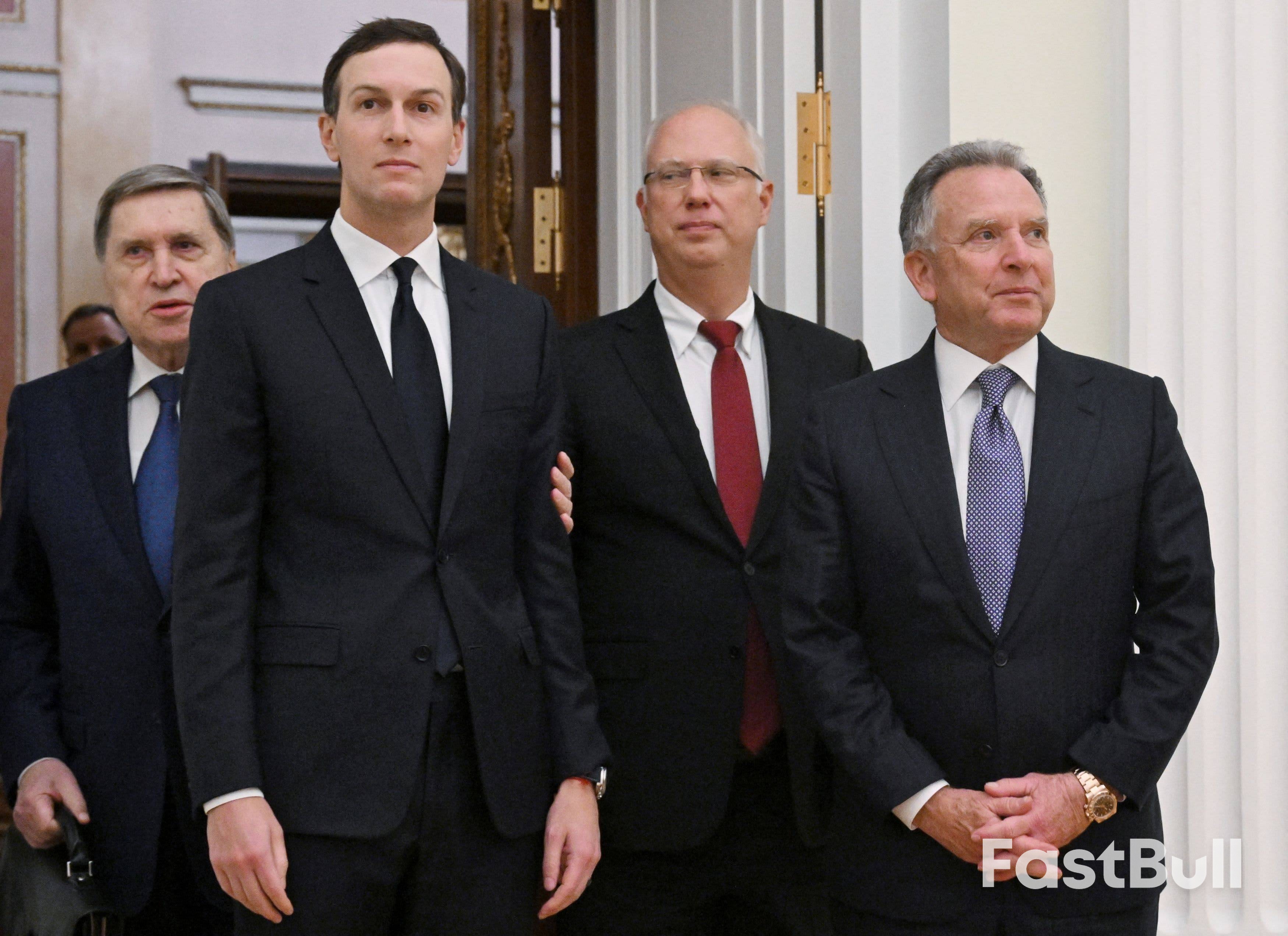
According to Witkoff, he and President Donald Trump's son-in-law, Jared Kushner, will meet with Ukrainian officials on Wednesday evening before holding talks with top Russian officials.
"And then we'll be seeing the Russians, Jared and I, sometime on Thursday evening," Witkoff said, confirming that President Putin would be present at the meeting. He noted that the Kremlin had initiated the request for the high-level discussions.
These talks are centered on a U.S.-led 20-point peace plan, which Witkoff says is bringing both sides closer to an agreement. "We're bringing everyone closer... hopefully we'll have something good to announce soon," he added.
The central focus of the negotiations is now on territorial arrangements, which Witkoff described as the most challenging part of any potential deal.
"[It's based on] our 20-point peace plan, and we're massaging it and harmonizing it, and I think we're down to land deals now — that's been the 800 lb elephant in the room," he explained. "I think we have some very, very good ideas around that, and hopefully we'll be able to make some progress there."
When asked directly if he believed Putin would agree to a deal, Witkoff's response was a confident "I do."
The current diplomatic push follows multiple failed attempts to secure a lasting ceasefire. The ongoing conflict has resulted in hundreds of thousands of military and civilian casualties. Analysts suggest that pressure from the United States and President Trump's impatience with the war have been key factors in bringing both Russia and Ukraine back to the negotiating table.
Historically, major obstacles to a peace agreement have included:
• Russia's demand that Ukraine cede its eastern Donbas region.
• Ukraine's insistence on receiving security guarantees from Western partners to prevent future invasions.
White Label
Data API
Web Plug-ins
Poster Maker
Affiliate Program
The risk of loss in trading financial instruments such as stocks, FX, commodities, futures, bonds, ETFs and crypto can be substantial. You may sustain a total loss of the funds that you deposit with your broker. Therefore, you should carefully consider whether such trading is suitable for you in light of your circumstances and financial resources.
No decision to invest should be made without thoroughly conducting due diligence by yourself or consulting with your financial advisors. Our web content might not suit you since we don't know your financial conditions and investment needs. Our financial information might have latency or contain inaccuracy, so you should be fully responsible for any of your trading and investment decisions. The company will not be responsible for your capital loss.
Without getting permission from the website, you are not allowed to copy the website's graphics, texts, or trademarks. Intellectual property rights in the content or data incorporated into this website belong to its providers and exchange merchants.
Not Logged In
Log in to access more features

FastBull Membership
Not yet
Purchase
Log In
Sign Up