• Trade
  • Markets
  • Copy
  • Contests
  • News
  • 24/7
  • Calendar
  • Q&A
  • Chats
Screeners
SYMBOL
LAST
ASK
BID
HIGH
LOW
NET CHG.
%CHG.
SPREAD
SPX
S&P 500 Index
6978.59
6978.59
6978.59
6988.81
6958.82
+28.36
+ 0.41%
--
DJI
Dow Jones Industrial Average
49003.40
49003.40
49003.40
49157.80
48862.52
-408.99
-0.83%
--
IXIC
NASDAQ Composite Index
23817.11
23817.11
23817.11
23865.26
23694.38
+215.76
+ 0.91%
--
USDX
US Dollar Index
95.820
95.900
95.820
96.020
95.770
+0.280
+ 0.29%
--
EURUSD
Euro / US Dollar
1.20053
1.20061
1.20053
1.20439
1.19746
-0.00339
-0.28%
--
GBPUSD
Pound Sterling / US Dollar
1.38117
1.38130
1.38117
1.38466
1.37885
-0.00352
-0.25%
--
XAUUSD
Gold / US Dollar
5261.47
5261.88
5261.47
5266.29
5157.13
+82.89
+ 1.60%
--
WTI
Light Sweet Crude Oil
62.653
62.683
62.653
62.842
62.192
+0.216
+ 0.35%
--

Community Accounts

Signal Accounts
--
Profit Accounts
--
Loss Accounts
--
View More

Become a signal provider

Sell trading signals to earn additional income

View More

Guide to Copy Trading

Get started with ease and confidence

View More

Signal Accounts for Members

All Signal Accounts

Best Return
  • Best Return
  • Best P/L
  • Best MDD
Past 1W
  • Past 1W
  • Past 1M
  • Past 1Y

All Contests

  • All
  • Trump Updates
  • Recommend
  • Stocks
  • Cryptocurrencies
  • Central Banks
  • Featured News
Top News Only
Share

Russia, India To Hold Joint Naval Drills Next Month, Tass Reports

Share

Ab Volvo Sees 2026 China Construction Equipment Market At 0% To +10% % (Earlier View -5% To +5%)

Share

Yield On 2-Year Japanese Government Bond Falls 3.5 Basis Points To 1.240%

Share

U.S. Natural Gas Futures Fell 3.00% On The Day, Currently Trading At $3.705 Per Million British Thermal Units

Share

Kazakhstan's Energy Minister: Kazakhstan Has Lost Roughly 3.8 Million Tons Of Oil Exports Due To Attacks On CPC

Share

Standard Chartered On Copper: "USD Softness And Sharp Moves Higher In Gold And Silver Have Supported Copper Prices"

Share

Standard Chartered On Copper: "We Forecast Average H1 Prices At $12950/T Compared With $11475/T In H2"

Share

Standard Chartered: "We Expect Base Metals Prices To Remain Elevated This Year, Particularly In H1 2026, Driven By Both Macro And Micro Factors"

Share

Yield On 5-Year Japanese Government Bond Falls 5.0 Basis Points To 1.660%

Share

Petronet LNG CEO Says Anything Around $6-7 Per Mmbtu LNG Prices Will Be A Comfortable Range To Improve Consumption In India

Share

TotalEnergies Gas And Power Executives: Security Of Supply Is Coming At Top Of Agenda Due To Geopolitical Challenges

Share

Exxonmobil LNG Executives: Bullish About Demand For LNG For The Coming Decade

Share

Spot Silver Rose More Than 3.00% On The Day, Currently Trading At $115.73 Per Ounce

Share

Spot Gold Continued Its Strong Upward Trend, Rising Above $5,250 Per Ounce, Up More Than $70 On The Day, Or Over 1%

Share

IMF On Sri Lanka: IMF Staff Concludes Visit To Sri Lanka

Share

ECB Governing Council Member Koch Said: If The Euro Continues To Appreciate, The ECB Will Need To Take Action

Share

Tanzania Deputy Energy Minister Says Hopes To Reverse Decline In Oil, Gas Output In Coming Years

Share

Kazakhstan's Energy Minister: Operations At Tengiz Oilfield Resumed Two Days Ago, Output Is Increasing

Share

New Zealand Dollar Falls 0.52% To $0.6014

Share

New York Silver Futures Surged 9.00% Intraday, Currently Trading At $115.50 Per Ounce

TIME
ACT
FCST
PREV
U.S. Dallas Fed New Orders Index (Jan)

A:--

F: --

P: --

U.S. 2-Year Note Auction Avg. Yield

A:--

F: --

P: --

U.K. BRC Shop Price Index YoY (Jan)

A:--

F: --

P: --

China, Mainland Industrial Profit YoY (YTD) (Dec)

A:--

F: --

P: --

Germany 2-Year Schatz Auction Avg. Yield

A:--

F: --

P: --

Mexico Trade Balance (Dec)

A:--

F: --

P: --

U.S. Weekly Redbook Index YoY

A:--

F: --

P: --

U.S. S&P/CS 20-City Home Price Index YoY (Not SA) (Nov)

A:--

F: --

P: --

U.S. S&P/CS 20-City Home Price Index MoM (SA) (Nov)

A:--

F: --

P: --
U.S. FHFA House Price Index MoM (Nov)

A:--

F: --

P: --

U.S. FHFA House Price Index (Nov)

A:--

F: --

P: --

U.S. FHFA House Price Index YoY (Nov)

A:--

F: --

P: --
U.S. S&P/CS 10-City Home Price Index YoY (Nov)

A:--

F: --

P: --

U.S. S&P/CS 10-City Home Price Index MoM (Not SA) (Nov)

A:--

F: --

P: --

U.S. S&P/CS 20-City Home Price Index (Not SA) (Nov)

A:--

F: --

P: --

U.S. S&P/CS 20-City Home Price Index MoM (Not SA) (Nov)

A:--

F: --

P: --

U.S. Richmond Fed Manufacturing Composite Index (Jan)

A:--

F: --

P: --

U.S. Conference Board Present Situation Index (Jan)

A:--

F: --

P: --

U.S. Conference Board Consumer Expectations Index (Jan)

A:--

F: --

P: --

U.S. Richmond Fed Manufacturing Shipments Index (Jan)

A:--

F: --

P: --

U.S. Richmond Fed Services Revenue Index (Jan)

A:--

F: --

P: --

U.S. Conference Board Consumer Confidence Index (Jan)

A:--

F: --

P: --
U.S. 5-Year Note Auction Avg. Yield

A:--

F: --

P: --

U.S. API Weekly Refined Oil Stocks

A:--

F: --

P: --

U.S. API Weekly Crude Oil Stocks

A:--

F: --

P: --

U.S. API Weekly Gasoline Stocks

A:--

F: --

P: --

U.S. API Weekly Cushing Crude Oil Stocks

A:--

F: --

P: --

Australia RBA Trimmed Mean CPI YoY (Q4)

A:--

F: --

P: --

Australia CPI YoY (Q4)

A:--

F: --

P: --

Australia CPI QoQ (Q4)

A:--

F: --

P: --

Germany GfK Consumer Confidence Index (SA) (Feb)

--

F: --

P: --

Germany 10-Year Bund Auction Avg. Yield

--

F: --

P: --

India Industrial Production Index YoY (Dec)

--

F: --

P: --

India Manufacturing Output MoM (Dec)

--

F: --

P: --

U.S. MBA Mortgage Application Activity Index WoW

--

F: --

P: --

Canada Overnight Target Rate

--

F: --

P: --

BOC Monetary Policy Report
U.S. EIA Weekly Crude Stocks Change

--

F: --

P: --

U.S. EIA Weekly Cushing, Oklahoma Crude Oil Stocks Change

--

F: --

P: --

U.S. EIA Weekly Crude Demand Projected by Production

--

F: --

P: --

U.S. EIA Weekly Crude Oil Imports Changes

--

F: --

P: --

U.S. EIA Weekly Heating Oil Stock Changes

--

F: --

P: --

U.S. EIA Weekly Gasoline Stocks Change

--

F: --

P: --

BOC Press Conference
Russia PPI MoM (Dec)

--

F: --

P: --

Russia PPI YoY (Dec)

--

F: --

P: --

U.S. Target Federal Funds Rate Lower Limit (Overnight Reverse Repo Rate)

--

F: --

P: --

U.S. Interest Rate On Reserve Balances

--

F: --

P: --

U.S. Federal Funds Rate Target

--

F: --

P: --

U.S. Target Federal Funds Rate Upper Limit (Excess Reserves Ratio)

--

F: --

P: --

FOMC Statement
FOMC Press Conference
Brazil Selic Interest Rate

--

F: --

P: --

Australia Import Price Index YoY (Q4)

--

F: --

P: --

Japan Household Consumer Confidence Index (Jan)

--

F: --

P: --

Turkey Economic Sentiment Indicator (Jan)

--

F: --

P: --

Euro Zone M3 Money Supply (SA) (Dec)

--

F: --

P: --

Euro Zone Private Sector Credit YoY (Dec)

--

F: --

P: --

Euro Zone M3 Money Supply YoY (Dec)

--

F: --

P: --

Euro Zone 3-Month M3 Money Supply YoY (Dec)

--

F: --

P: --

South Africa PPI YoY (Dec)

--

F: --

P: --

Q&A with Experts
    • All
    • Chatrooms
    • Groups
    • Friends
    EuroTrader flag
    Khawatir_
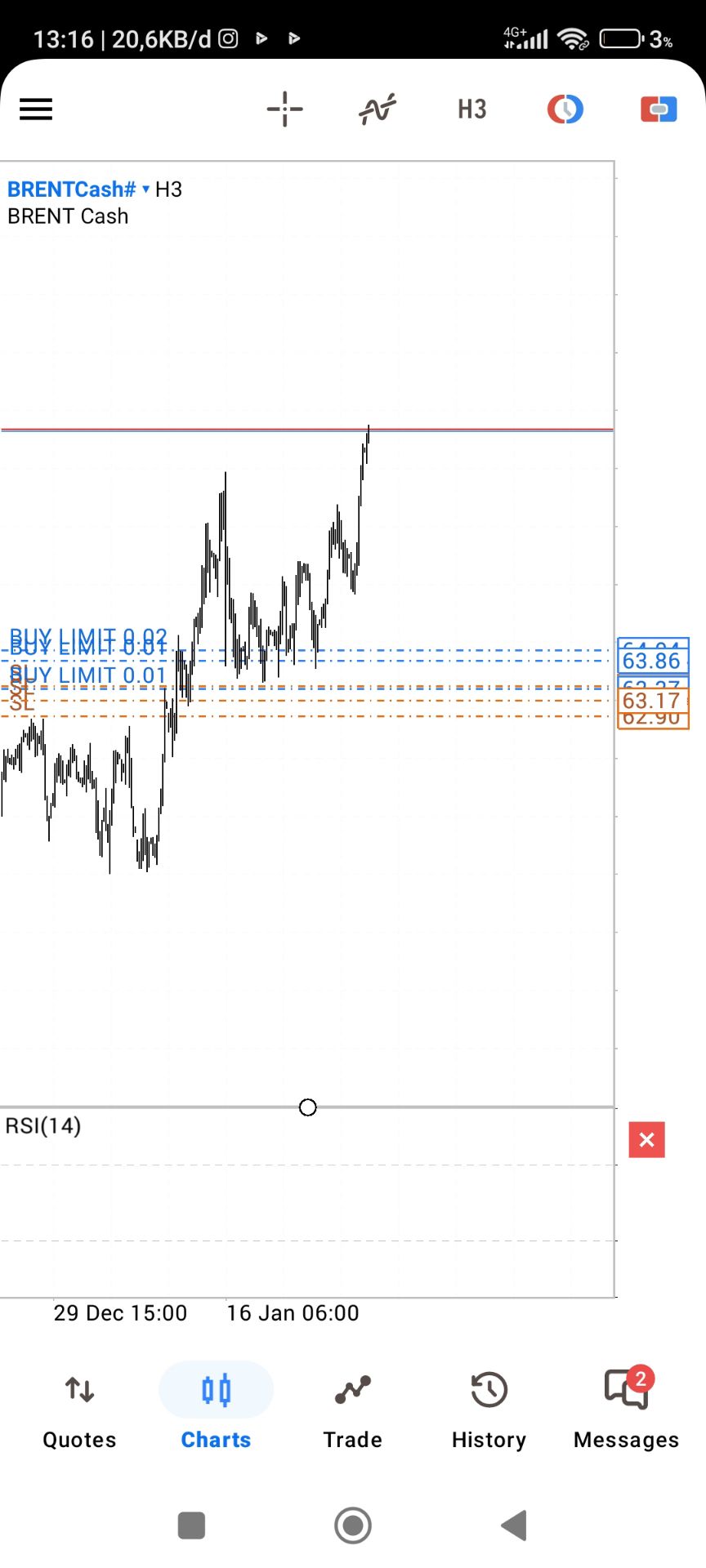
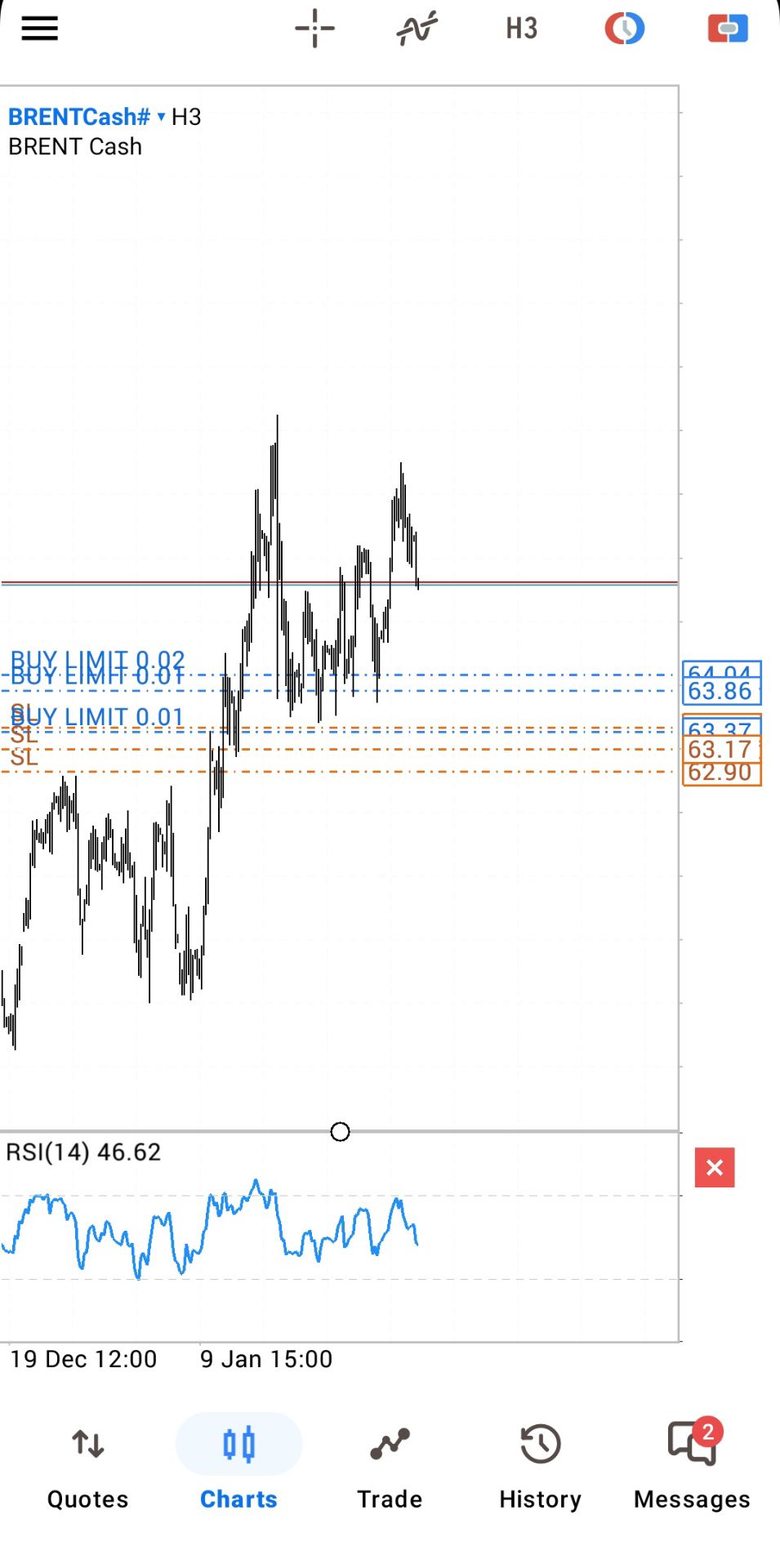
    @SlowBear ⛅oh yeah damn, BRENT left me he's gone away.
    @Khawatir_i was planning to buy yesterday but it left me on the road and zoomed off
    Khawatir_ flag
    SlowBear ⛅ flag
    Khawatir_
    @Khawatir_Well i am not sure it is a gone trade already - it can still come back to pick you in
    EuroTrader flag
    TIPU SULTAN
    Trading Universe Take off all the seller' clothes Gold is the sun that gives life and the seller price it down All hate seller
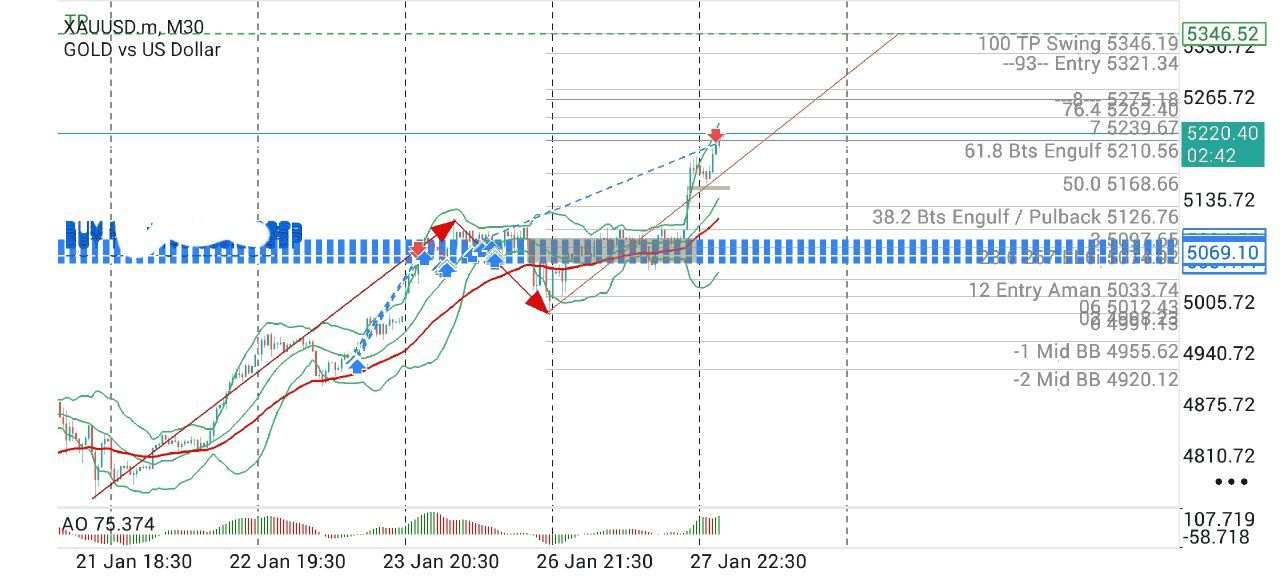
    @TIPU SULTANsellers really got burnt yesterday. it was a sad situation for gold sellers yesterday
    SlowBear ⛅ flag
    Khawatir_
    @SlowBear ⛅that's previous (yesterday) i'd send it
    @Khawatir_ I am see it now, and that must have been a pain, but i do not think all hope is lost yet -
    SlowBear ⛅ flag
    Khawatir_
    @Khawatir_ Looking at this now, i think it paint a different story, the previous high has been obliterated and that sigbal possublity of not retesting the last demand (low)
    SlowBear ⛅ flag
    Khawatir_
    and now
    @Khawatir_ The same drama is applicable to WTI - so alll i had to do was to hold unto the trade without even considering making any adjustment! Also i do not like using pending order like never - They just never works for me!
    Khawatir_ flag
    SlowBear ⛅
    @SlowBear ⛅there is definitely no hope, I will delete that buy order
    Khawatir_ flag
    EuroTrader
    @EuroTraderyes, we have the same fate
    SlowBear ⛅ flag
    Khawatir_
    @Khawatir_Yup i agree with the latest update - I do not see the hope either
    Khawatir_ flag
    @SlowBear ⛅At least, I still have Natural Gas.
    Khawatir_ flag
    Khawatir_
    @SlowBear ⛅At least, I still have Natural Gas.
    @EuroTrader
    SlowBear ⛅ flag
    SlowBear ⛅ flag
    Khawatir_
    @SlowBear ⛅At least, I still have Natural Gas.
    @Khawatir_You have that buy on NAT? i asked if you are holding that buy but not sure i got a response
    SlowBear ⛅ flag
    SlowBear ⛅
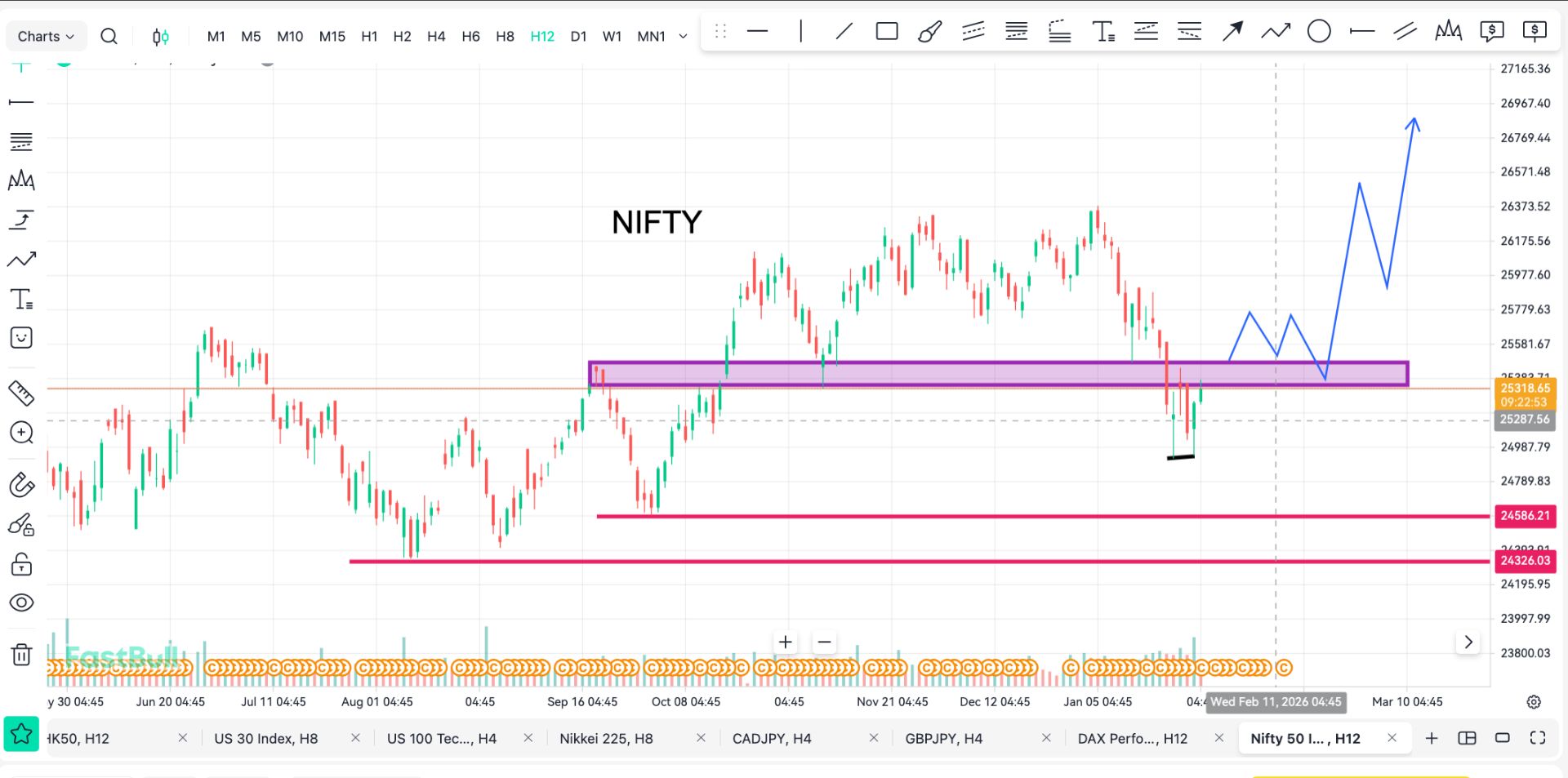
    You can look into Nifty though, its potential is solid, just need more confirmation (due to the lady deep-dip)
    SlowBear ⛅ flag
    rawa ronte flag
    rawa ronte flag
    rawa ronte
    HELP ME
    SlowBear ⛅ flag
    SlowBear ⛅
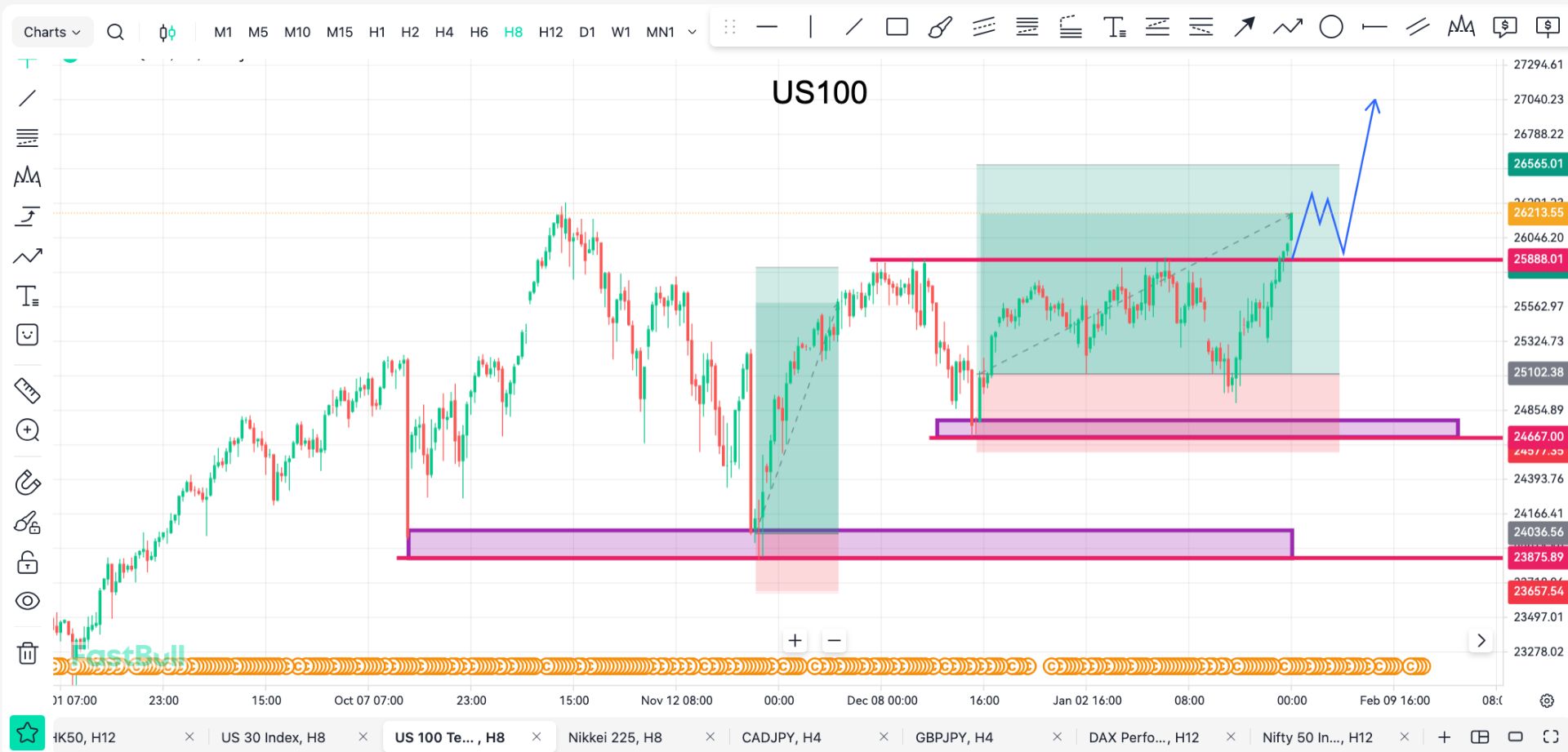
    @Khawatir_ US100 also made the last cross to the upside today i have been waiting for this for months - now i will be adding more buys!
    SlowBear ⛅ flag
    rawa ronte
    @rawa ronteNot sure i understand what is on this chary other than you are buying
    Type here...
    Add Symbol or Code

      No matching data

      All
      Trump Updates
      Recommend
      Stocks
      Cryptocurrencies
      Central Banks
      Featured News
      • All
      • Russia-Ukraine Conflict
      • Middle East Flashpoint
      • All
      • Russia-Ukraine Conflict
      • Middle East Flashpoint
      Search
      Products

      Charts Free Forever

      Chats Q&A with Experts
      Screeners Economic Calendar Data Tools
      Membership Features
      Data Warehouse Market Trends Institutional Data Policy Rates Macro

      Market Trends

      Market Sentiment Order Book Forex Correlations

      Top Indicators

      Charts Free Forever
      Markets

      News

      News Analysis 24/7 Columns Education
      From Institutions From Analysts
      Topics Columnists

      Latest Views

      Latest Views

      Trending Topics

      Top Columnists

      Latest Update

      Signals

      Copy Rankings Latest Signals Become a signal provider AI Rating
      Contests
      Brokers

      Overview Brokers Assessment Rankings Regulators News Claims
      Broker listing Forex Brokers Comparison Tool Live Spread Comparison Scam
      Q&A Complaint Scam Alert Videos Tips to Detect Scam
      More

      Business
      Events
      Careers About Us Advertising Help Center

      White Label

      Data API

      Web Plug-ins

      Affiliate Program

      Awards Institution Evaluation IB Seminar Salon Event Exhibition
      Vietnam Thailand Singapore Dubai
      Fans Party Investment Sharing Session
      FastBull Summit BrokersView Expo
      Recent Searches
        Top Searches
          Markets
          News
          Analysis
          User
          24/7
          Economic Calendar
          Education
          Data
          • Names
          • Latest
          • Prev

          View All

          No data

          Scan to Download

          Faster Charts, Chat Faster!

          Download App
          English
          • English
          • Español
          • العربية
          • Bahasa Indonesia
          • Bahasa Melayu
          • Tiếng Việt
          • ภาษาไทย
          • Français
          • Italiano
          • Türkçe
          • Русский язык
          • 简中
          • 繁中
          Open Account
          Search
          Products
          Charts Free Forever
          Markets
          News
          Signals

          Copy Rankings Latest Signals Become a signal provider AI Rating
          Contests
          Brokers

          Overview Brokers Assessment Rankings Regulators News Claims
          Broker listing Forex Brokers Comparison Tool Live Spread Comparison Scam
          Q&A Complaint Scam Alert Videos Tips to Detect Scam
          More

          Business
          Events
          Careers About Us Advertising Help Center

          White Label

          Data API

          Web Plug-ins

          Affiliate Program

          Awards Institution Evaluation IB Seminar Salon Event Exhibition
          Vietnam Thailand Singapore Dubai
          Fans Party Investment Sharing Session
          FastBull Summit BrokersView Expo

          US–South Korea Trade Frictions Intensify as Implementation Gaps and Tech Rules Collide

          Gerik

          Economic

          Summary:

          The United States is pressing South Korea to accelerate implementation of their trade agreement, warning that delays could trigger a tariff increase from 15% to 25%

          A Trade Deal Under Pressure From Delays

          Tensions between Washington and Seoul have escalated as the Trump administration signals impatience with South Korea’s progress in fulfilling commitments made under a trade pact announced in July last year. Under that agreement, US tariffs on South Korean goods were set at 15%, yet US officials now argue that Seoul has moved too slowly on key legislative and policy steps required to formalize investment and market-access promises. This perceived delay forms the core rationale behind President Donald Trump’s threat to raise tariffs to 25%, a move that, while not yet implemented, has already unsettled markets and exporters.
          The causal logic articulated by US officials centers on reciprocity. From Washington’s perspective, maintaining lower tariffs becomes increasingly difficult when the counterpart has not delivered parallel reforms. South Korean authorities, however, point to domestic political gridlock and economic concerns such as capital outflows and currency volatility as factors slowing the passage of enabling legislation, suggesting correlation rather than deliberate obstruction.

          Digital Services Regulations Add a Second Fault Line

          Alongside trade implementation issues, frustration over South Korea’s digital-services regulations has deepened bilateral unease. US officials have repeatedly raised concerns that new Korean laws may disproportionately affect American technology firms. Vice President JD Vance recently warned Seoul against actions that could penalize US companies, including Coupang Inc., which has faced heightened scrutiny following a major data breach disclosed in November that affected roughly two-thirds of South Korea’s population.
          Seoul has consistently rejected accusations of discrimination, emphasizing that its digital regulations are applied uniformly and are not designed to target US firms. Both sides stress that these regulatory disputes are formally separate from the tariff threat, yet their coexistence has amplified overall mistrust. In analytical terms, the relationship here is largely correlational: regulatory tensions intensify the broader climate of dissatisfaction but are not cited as the direct trigger for tariff escalation.

          Negotiations Resume Amid Political Uncertainty

          US Trade Representative Jamieson Greer confirmed ongoing talks with South Korean officials, with further discussions scheduled in Washington. Greer publicly highlighted unmet commitments in investment, agriculture, industry, and digital policy, framing them as obstacles to sustaining the existing tariff framework. At the same time, President Trump struck a more conciliatory tone, suggesting that the dispute could be resolved quickly through negotiation.
          This episode reflects a broader pattern in Trump’s second term, where tariff threats are frequently used as leverage to accelerate compliance, though not all such threats are ultimately enforced. Bloomberg data indicate that only about 27% of similar warnings since late 2024 have been fully executed, underscoring uncertainty about whether the proposed 25% tariff will materialize.

          Potential Economic Impact on Key Exporters

          Should higher tariffs be enacted, the economic consequences could be significant. Major South Korean exporters, including Hyundai Motor Co., which shipped 1.1 million vehicles to the US in 2024, would face increased costs and potential competitiveness pressures in the American market. This represents a clear causal risk: tariff increases would directly raise export costs and could disrupt supply chains built around preferential access.
          For now, the standoff illustrates how implementation delays, domestic legislative constraints, and regulatory disagreements can converge to strain even recently concluded trade agreements. Whether the threatened tariff hike becomes reality will depend on the speed and substance of South Korea’s policy response and Washington’s willingness to accept incremental progress rather than immediate compliance.

          Source: Bloomberg

          To stay updated on all economic events of today, please check out our Economic calendar
          Risk Warnings and Disclaimers
          You understand and acknowledge that there is a high degree of risk involved in trading. Following any strategies or investment methods may lead to potential losses. The content on the site is provided by our contributors and analysts for information purposes only. You are solely responsible for determining whether any trading assets, securities, strategy, or any other product is suitable for investing based on your own investment objectives and financial situation.
          Add to Favorites
          Share

          US-Taiwan Talks Target AI, Chips, and Supply Chains

          Thomas

          Remarks of Officials

          Daily News

          Economic

          Political

          Senior U.S. and Taiwanese officials have concluded a high-level dialogue focused on deepening cooperation in artificial intelligence, technology, and drone manufacturing. The meeting marks the sixth round of the U.S.-Taiwan Economic Prosperity Partnership Dialogue, a forum initiated during the first Trump administration.

          The U.S. State Department praised Taipei as a "vital partner," reaffirming America's role as Taiwan's most crucial international supporter despite the absence of formal diplomatic ties.

          Securing the Future of Tech

          The talks, led by U.S. Under Secretary for Economic Affairs Jacob Helberg and Taiwan's Economy Minister Kung Ming-hsin, underscored a mutual commitment to securing critical technology supply chains.

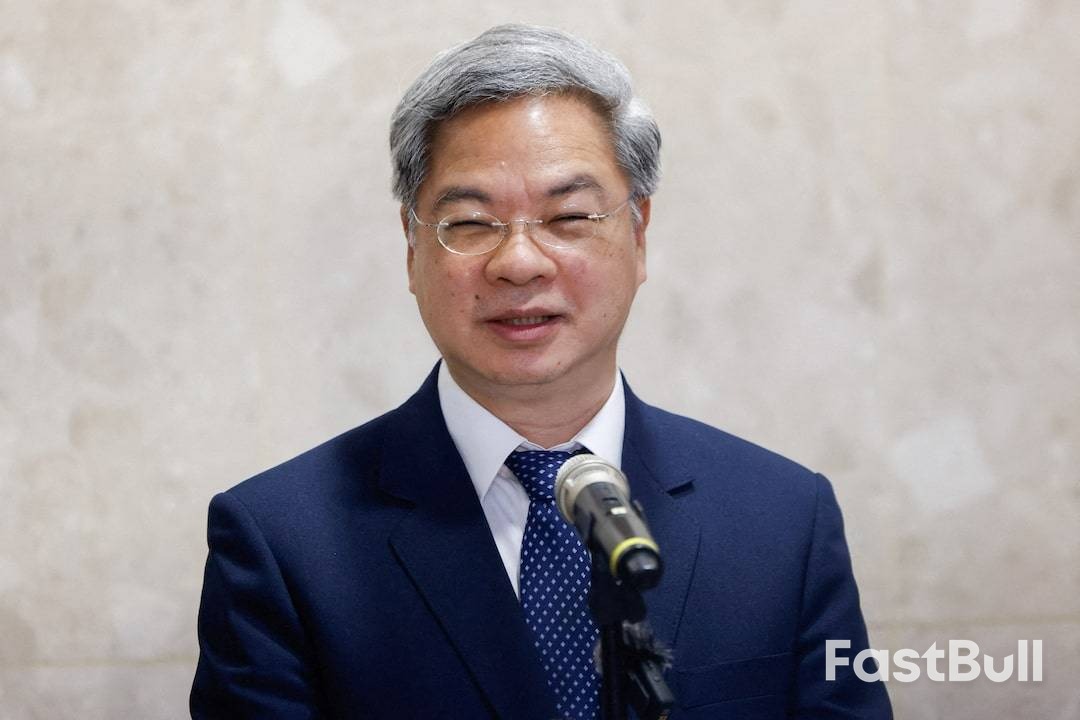
          Kung Ming-hsin, Taiwan's Minister of Economic Affairs, led the Taiwanese delegation in talks focused on technology and supply chain security.

          Both sides signed statements advancing the Pax Silica Declaration, a U.S.-led initiative designed to safeguard AI and semiconductor supply chains. The State Department noted that "Taiwan's advanced manufacturing sector plays a key role in fuelling the AI revolution."

          Discussions also covered key strategic areas, including:

          • Supply chain security as it relates to AI

          • Certification standards for drone components

          • Cooperation on securing critical minerals

          Expanding Economic and Security Cooperation

          The dialogue extended beyond technology to address broader economic challenges and security concerns. Officials focused on developing strategies to respond to economic coercion and identified opportunities for mutual cooperation in third countries.

          A significant point of discussion was the need to address tax-related barriers to increase investment. Taiwan, a global leader in advanced semiconductor production, has long advocated for an agreement to prevent double taxation, arguing it would stimulate bilateral investment.

          The talks also addressed the security of critical infrastructure, including undersea cables and the use of low-Earth-orbit satellites. Taiwan has previously accused China of involvement in damaging its undersea telecom and internet cables, a charge Beijing denies. In response, Taiwan is expanding its satellite capabilities to ensure backup communications.

          Geopolitical Context and Recent Deals

          These discussions follow a separate deal reached earlier this month between Taiwan and the U.S. to cut tariffs on Taiwanese exports and encourage Taiwanese investment in American semiconductor and technology sectors.

          Officials hold a press conference to brief the public on the outcomes of Taiwan-US tariff negotiations.

          According to Taiwan's economy ministry, both sides agreed that peace and stability across the Taiwan Strait are "crucial to global economic security and prosperity."

          China consistently objects to official interactions between Washington and Taipei, viewing Taiwan as an internal affair and a red line. Taiwan's government, however, rejects Beijing's sovereignty claims, maintaining that only the island's people can determine their future.

          To stay updated on all economic events of today, please check out our Economic calendar
          Risk Warnings and Disclaimers
          You understand and acknowledge that there is a high degree of risk involved in trading. Following any strategies or investment methods may lead to potential losses. The content on the site is provided by our contributors and analysts for information purposes only. You are solely responsible for determining whether any trading assets, securities, strategy, or any other product is suitable for investing based on your own investment objectives and financial situation.
          Add to Favorites
          Share

          Trump Signals Comfort With a Weaker Dollar, Deepening Market Concerns

          Gerik

          Economic

          Forex

          Presidential rhetoric shifts currency expectations

          The dollar extended its sharp selloff after Donald Trump told reporters in Iowa that he was unconcerned about the greenback’s recent slump, calling the situation “great” and arguing that U.S. business activity remains strong. These remarks arrived at a sensitive moment for currency markets, where investors were already reassessing assumptions of dollar stability amid policy volatility. Trump’s comments were widely interpreted as an implicit endorsement of a weaker currency, lowering the psychological barrier for traders to maintain or add to short-dollar positions.
          Following his remarks, the Bloomberg Dollar Spot Index fell as much as 1.2%, with the U.S. currency weakening against all major peers before stabilizing somewhat in Asian trading. Since Trump’s inauguration, the index has dropped close to 10%, marking one of the steepest post-inaugural declines in recent history.

          Policy unpredictability and investor confidence

          The dollar’s weakness cannot be explained solely by short-term market mechanics. Trump’s broader policy posture including repeated tariff threats, pressure on the Federal Reserve, large tax cuts that have widened the fiscal deficit, and confrontational diplomacy has unsettled overseas investors. While rising Treasury yields and expectations that the Federal Reserve will pause rate cuts would typically support the dollar, those traditional relationships have weakened as political risk has taken center stage.
          Treasury Secretary Scott Bessent has sought to separate the dollar’s exchange rate from its status as the world’s primary reserve currency. However, market participants appear increasingly focused on price action rather than institutional assurances, particularly as Trump has reiterated his preference for much lower interest rates, a stance that structurally undermines currency support through narrower yield differentials.

          The debasement trade gathers momentum

          As confidence in the dollar has eroded, capital has flowed into alternative stores of value. Gold has surged to record highs, becoming a central beneficiary of what investors now describe as the “debasement trade,” in which assets perceived as insulated from fiscal and political interference attract growing demand. At the same time, emerging-market funds have seen record inflows, reflecting a gradual diversification away from U.S.-centric portfolios.
          This shift is not purely causal but strongly correlational. While Trump’s rhetoric does not mechanically force the dollar lower, it amplifies existing vulnerabilities by reinforcing expectations that policy stability is no longer a priority. As a result, even modest negative shocks can generate outsized currency moves.

          Options markets and positioning signal further downside

          Derivative markets suggest that traders expect the dollar’s slide to continue. Premiums on short-dated options that profit from further dollar weakness have climbed to their highest levels since data collection began in 2011. Turnover in currency-related instruments has also surged, with clearing volumes at the Depository Trust & Clearing Corporation reaching their second-highest level on record earlier this week.
          Nomura strategist Dominic Bunning noted that while rate differentials still nominally favor the dollar against several peers, geopolitical and policy antagonism is now the dominant driver. This represents a structural change in market behavior rather than a temporary dislocation.

          A deliberate ambiguity with long-term risks

          Trump has long held conflicting views on the dollar, alternating between praising its strength as a negotiating tool and promoting weakness as a boost for manufacturing competitiveness. His latest remarks lean decisively toward the latter interpretation. While a softer currency may support exports in the short term, economists warn that prolonged or disorderly depreciation risks undermining financial stability and accelerating capital flight.
          For now, markets appear to be taking Trump at his word. With policy signals pointing toward tolerance of further declines, the dollar’s recent weakness looks less like an overshoot and more like a repricing of U.S. political risk in global currency markets.

          Source: Bloomberg

          To stay updated on all economic events of today, please check out our Economic calendar
          Risk Warnings and Disclaimers
          You understand and acknowledge that there is a high degree of risk involved in trading. Following any strategies or investment methods may lead to potential losses. The content on the site is provided by our contributors and analysts for information purposes only. You are solely responsible for determining whether any trading assets, securities, strategy, or any other product is suitable for investing based on your own investment objectives and financial situation.
          Add to Favorites
          Share

          Sri Lanka Holds Interest Rate at 7.75% Amid IMF Review

          Thomas

          Central Bank

          Remarks of Officials

          Economic

          Sri Lanka's central bank has decided to hold its key policy rate steady at 7.75%, a move widely anticipated by economists as the nation awaits a critical review of its US$2.9 billion IMF bailout program.

          This marks another pause from the Central Bank of Sri Lanka (CBSL), which has kept the rate unchanged since May. The decision reflects a period of relative stability as the country continues its recovery from the severe financial crisis of 2022, which was triggered by a critical shortage of US dollars.

          Economic Stability Supports Rate Decision

          The central bank's steady stance is underpinned by several positive economic indicators. Economists who unanimously predicted the hold pointed to a combination of stable inflation, healthy credit growth, and steady economic expansion as justification for maintaining the current policy.

          According to the monetary authority, the current interest rate level will help guide inflation toward its 5% target. As of the end of 2025, inflation stood at 2.1%. However, the central bank anticipates that core inflation will accelerate as demand in the economy strengthens.

          IMF Program Remains a Key Factor

          An International Monetary Fund (IMF) mission is currently in Colombo conducting a fact-finding visit to evaluate government policies. This assessment is a prerequisite for approving the sixth tranche of Sri Lanka's four-year debt bailout program.

          Meeting the targets set by the IMF is crucial for several reasons:

          • Credit Rating: It is essential for improving Sri Lanka's credit rating following its default.

          • Market Access: A positive review will help the nation re-enter international financial markets.

          • Future Borrowing: Regaining access is vital for borrowing and repaying debts scheduled to begin in 2028.

          Cyclone Impact Tests Economic Resilience

          The nation's tentative economic recovery recently faced a setback from Cyclone Ditwah. In late November, the cyclone killed approximately 650 people and affected nearly 10% of the country's 22 million citizens.

          The World Bank has estimated the damage to housing, roads, and other critical infrastructure at US$4.1 billion. Despite the slowdown in economic activity following the disaster, the central bank noted that early indicators suggest the economy is showing greater resilience.

          To stay updated on all economic events of today, please check out our Economic calendar
          Risk Warnings and Disclaimers
          You understand and acknowledge that there is a high degree of risk involved in trading. Following any strategies or investment methods may lead to potential losses. The content on the site is provided by our contributors and analysts for information purposes only. You are solely responsible for determining whether any trading assets, securities, strategy, or any other product is suitable for investing based on your own investment objectives and financial situation.
          Add to Favorites
          Share

          Bond Markets Front-Run a Dovish Turn as Rick Rieder Emerges as Fed Chair Favorite

          Gerik

          Economic

          Bond

          Market reaction and positioning

          Rates markets are moving first. Open interest and volumes in fed funds and SOFR futures have surged, particularly in structures that profit from faster and deeper rate cuts than current consensus. Spreads and option structures now imply expectations that policy rates could fall well below levels embedded in standard interest-rate swaps, signaling a growing conviction that the easing cycle may accelerate if leadership changes. The concentration of activity around mid-2026 tenors suggests traders are targeting the policy window immediately following a potential chair transition.
          Rieder, currently chief investment officer at BlackRock, is viewed as distinctly more dovish than other contenders. He has publicly supported larger, front-loaded cuts and criticized rigid forward guidance such as the dots plot. That philosophy resonates with markets seeking clarity and flexibility after years of elevated inflation volatility. Betting markets now place him ahead of former Fed governor Kevin Warsh, reflecting a reassessment of who could best stabilize markets without overtly politicizing the central bank.

          Implications for Fed policy

          A Rieder-led Fed would likely place greater weight on productivity trends, labor-market cooling and financial conditions, potentially justifying three cuts in 2026 rather than the roughly two currently priced. Importantly, analysts caution that dovish does not mean compliant. Rieder is seen as independent enough to preserve institutional credibility, even as his views align more closely with market expectations for easing.
          Hedging demand in long-dated Treasury options spiked during the recent selloff, with put premiums rising as 30-year yields approached multi-month highs. As yields stabilized, those premiums eased, suggesting that while downside protection is still valued, panic hedging has subsided. This pattern is consistent with investors bracing for policy shifts rather than systemic stress.
          The rush to price in a dovish Fed chair underscores a broader theme dominating early 2026: policy uncertainty is driving markets to anticipate outcomes before they are formally announced. For bonds, that means front-running easier monetary conditions. For risk assets, it raises the stakes around credibility and communication at the Federal Reserve, where leadership choices now have immediate and tradable consequences.
          In short, the rates market is signaling that personnel may soon become policy, and traders are not waiting for confirmation before placing their bets.

          Source: Bloomberg

          To stay updated on all economic events of today, please check out our Economic calendar
          Risk Warnings and Disclaimers
          You understand and acknowledge that there is a high degree of risk involved in trading. Following any strategies or investment methods may lead to potential losses. The content on the site is provided by our contributors and analysts for information purposes only. You are solely responsible for determining whether any trading assets, securities, strategy, or any other product is suitable for investing based on your own investment objectives and financial situation.
          Add to Favorites
          Share

          U.S. Military Drills in the Middle East Imminent, Iran Tightens Control Over Strait of Hormuz

          FastBull Featured

          Daily News

          [Quick Facts]

          1. French Government survives two no-confidence motions.
          2. Sources: Signing of Russia-Ukraine Peace Deal now precondition for Ukraine to receive U.S. security guarantees.
          3. U.S. reportedly briefed Israel on progress of preparations for action against Iran.
          4. U.S. to hold air force readiness exercise in the Middle East.
          5. Iranian officials say they have real-time monitoring of the Strait of Hormuz.
          6. U.S. Government faces new shutdown risk as Parties clash over immigration funding.
          7. U.S. Consumer Confidence falls to a 12-Year low amid pessimism about the economy and jobs.

          [News Details]

          French Government survives two no-confidence motions
          On January 27th, local time, the French government survived two no-confidence motions. The government led by Prime Minister François Bayrou will continue in office, and France's 2026 budget bill will enter a new round of deliberation. On January 23rd, the National Assembly had already rejected two prior no-confidence motions, allowing the revenue portion of the budget to pass smoothly. Next, the revenue and expenditure portions of the 2026 budget will be merged into a complete bill, submitted to the Senate for review, and then sent back to the National Assembly for final deliberation. The Senate is expected to review the bill on January 29th. French President Emmanuel Macron dissolved the National Assembly in June 2024. The newly elected assembly has a tri-polar configuration of left-wing, centrist, and far-right forces. The government lacks a stable parliamentary majority, and two previous governments have been voted down by the National Assembly.
          Sources: Signing of Russia-Ukraine Peace Deal now precondition for Ukraine to receive U.S. security guarantees
          On January 27th, local time, the United States has informed Ukraine that only after signing a peace agreement with Russia can Ukraine receive security guarantees from the U.S., said sources. It is reported that such guarantees are seen by Ukraine as a core condition for ending the Russia-Ukraine conflict. The U.S. recently mediated contacts between Russia and Ukraine in Abu Dhabi and believes relevant negotiations have made progress. Sources stressed that the U.S. has not imposed specific content on the peace deal nor required Ukraine to make territorial concessions, denying claims that Washington is trying to force Ukraine to "cede territory."
          U.S. reportedly briefed Israel on progress of preparations for action against Iran
          On January 27th, local time, CCTV reporters learned from sources that the U.S. recently briefed Israel on its preparations for possible military action against Iran. The U.S. side stated that related preparations are expected to be completed within two weeks and that opportunities for action may arise in the coming months. However, this does not mean action must wait until all preparations are finished. If U.S. President Trump issues an order, action could occur earlier, though this option is not currently considered imminent. U.S. and Israeli officials have yet to confirm the above information.
          U.S. to hold air force readiness exercise in the Middle East
          U.S. Central Command, responsible for American military operations in the Middle East, issued a statement on January 27th. It confirmed that its Ninth Air Force will conduct a multi-day Air Force readiness exercise to demonstrate rapid deployment, dispersed deployment, and sustained combat capabilities within the Central Command area of responsibility. The exercise aims to enhance the dispersal capabilities of equipment and personnel, strengthen regional partnerships, and prepare for flexible response operations in the region. During the exercise, U.S. forces will deploy teams to multiple contingency locations and validate rapid deployment, mission execution, and withdrawal procedures under small, efficient support arrangements. Central Command did not disclose specific dates or locations for the exercise.
          Iranian officials say they have real-time monitoring of the Strait of Hormuz
          A senior naval commander of Iran's Islamic Revolutionary Guard Corps, Mohammad Akbarzadeh, said that Iran controls the Strait of Hormuz. "We are receiving real-time intelligence from the air, the surface, and beneath the waters of the Strait of Hormuz, and we have full control over it." Whether ships flying different national flags can move through the strait is entirely controlled by Iran. Security of this strategic waterway depends on decisions made in Tehran.
          U.S. Government faces new shutdown risk as Parties clash over immigration funding
          Republican Senate Leader John Thune said on January 28th that both parties in Congress are engaged in urgent negotiations with the White House over government funding to avoid partial shutdowns of federal agencies after the January 30th funding deadline. The main dispute centers on Department of Homeland Security (DHS) funding. Because President Trump's hardline immigration measures in Minnesota triggered public backlash, Democrats demand either removing DHS from the overall appropriations bill or limiting its immigration enforcement powers. Otherwise, they will refuse to approve the department's budget. This move directly threatens funding continuity for multiple agencies. Thune revealed Republicans are asking Democrats for a clear list of immigration enforcement restrictions to assess whether such conditions can be accepted. The standoff highlights immigration policy as a key political bargaining chip affecting government operations. Failure to reach a compromise could lead to partial federal agency paralysis starting at the end of this month.
          U.S. Consumer Confidence falls to a 12-Year low amid pessimism about the economy and jobs
          U.S. consumer confidence fell in January to its lowest level in more than 10 years due to increasingly pessimistic views on the economy and labor market. Surveys also found widespread gloom across age and income groups, with fewer people expecting income growth in the coming months.
          The November U.S. consumer confidence index dropped to 84.5 from a revised 94.2 in the previous month, the lowest since May 2014 and below all forecasts from economists surveyed by Bloomberg. The expectations index, reflecting outlook for the next six months, fell in January to its lowest since April last year, while the present situation index dropped to nearly a five-year low.
          After a slight rebound in December, concerns about high prices and weak job growth caused confidence to slide again. Economists expect the labor market to remain largely stagnant this year, with limited job openings but no large-scale layoffs. The proportion of consumers who view "jobs as hard to get" rose to its highest since February 2021, while those who view "jobs as plentiful" declined. The gap between these two groups narrowed to its worst level in years.

          [Today's Focus]

          UTC+8 07:50 Bank of Japan December Meeting Minutes
          UTC+8 08:30 Australia December CPI
          UTC+8 22:45 Bank of Canada January Interest Rate Decision
          UTC+8 23:30 Bank of Canada Governor Macklem Holds Monetary Policy Press Conference
          UTC+8 (Next Day) 03:00 Federal Reserve January Interest Rate Decision
          UTC+8 (Next Day) 03:30 Fed Chair Powell Holds Monetary Policy Press Conference
          Risk Warnings and Disclaimers
          You understand and acknowledge that there is a high degree of risk involved in trading. Following any strategies or investment methods may lead to potential losses. The content on the site is provided by our contributors and analysts for information purposes only. You are solely responsible for determining whether any trading assets, securities, strategy, or any other product is suitable for investing based on your own investment objectives and financial situation.
          Add to Favorites
          Share

          Fed Pauses Rate Cuts: What It Means for BTC & ETH

          Liam Peterson

          Cryptocurrency

          Central Bank

          Remarks of Officials

          Political

          Economic

          Traders' Opinions

          The Federal Reserve is holding its benchmark interest rate steady, a move led by Chair Jerome Powell that directly challenges pressure from President Trump to implement cuts. This decision, announced at the FOMC meeting in Washington on January 28, prioritizes economic stability and has significant implications for risk assets, including cryptocurrencies like Bitcoin (BTC) and Ethereum (ETH).

          Fed Stands Firm Against Political Pressure

          In a clear assertion of its independence, the Federal Reserve has opted to maintain current interest rates despite calls from the White House for monetary easing. The decision underscores the central bank's focus on managing inflation and fostering stable economic growth over responding to short-term political demands.

          Jerome Powell's leadership is central to this policy, though the potential for dissent from figures like Governor Stephan Miran highlights the ongoing debate within the institution over the best path forward for the U.S. economy.

          How Stable Rates Impact Crypto Markets

          The Fed's decision to hold rates has a direct impact on the cryptocurrency market. Higher interest rates typically make holding non-yielding assets like BTC and ETH less attractive to investors, who can find safer returns elsewhere. This dynamic can place downward pressure on crypto valuations.

          As a result, economists and market analysts are closely monitoring how the sustained rate environment will continue to influence investor behavior and the broader crypto ecosystem.

          Economic Rationale: Echoes of Past Policy

          The current strategy is not without precedent. The Fed's decision to pause rate adjustments mirrors similar actions taken in 2023-2024, which successfully cooled inflation without tipping the economy into a recession. This historical context suggests the central bank is following a tested playbook aimed at achieving equilibrium.

          Furthermore, a high-debt environment limits the government's ability to use fiscal policy to stimulate the economy. As noted by KPMG's Benjamin Shoesmith, this fiscal constraint places more weight on the Fed's monetary policy decisions to maintain stability.

          Expert Outlook: A Cautious Path Forward

          Market experts largely see the Fed's stance as a prudent measure designed to ensure a gradual and controlled approach to future policy. Analysts like Gregory Daco and Seema Shah suggest this rate stability is crucial for long-term monetary health amid fluctuating inflation.

          Daco provides a specific forecast on the timeline for future adjustments, stating, "We anticipate 50 basis points of easing through 2026... first 2026 rate cut is unlikely... before June." This outlook indicates that investors should prepare for a prolonged period of steady rates before any significant easing begins.

          To stay updated on all economic events of today, please check out our Economic calendar
          Risk Warnings and Disclaimers
          You understand and acknowledge that there is a high degree of risk involved in trading. Following any strategies or investment methods may lead to potential losses. The content on the site is provided by our contributors and analysts for information purposes only. You are solely responsible for determining whether any trading assets, securities, strategy, or any other product is suitable for investing based on your own investment objectives and financial situation.
          Add to Favorites
          Share
          FastBull
          Copyright © 2026 FastBull Ltd

          728 RM B 7/F GEE LOK IND BLDG NO 34 HUNG TO RD KWUN TONG KLN HONG KONG

          TelegramInstagramTwitterfacebooklinkedin
          App Store Google Play Google Play
          Products
          Charts

          Chats

          Q&A with Experts
          Screeners
          Economic Calendar
          Data
          Tools
          Membership
          Features
          Function
          Markets
          Copy Trading
          Latest Signals
          Contests
          News
          Analysis
          24/7
          Columns
          Education
          Company
          Careers
          About Us
          Contact Us
          Advertising
          Help Center
          Feedback
          User Agreement
          Privacy Policy
          Personal Information Protection Statement
          Business

          White Label

          Data API

          Web Plug-ins

          Poster Maker

          Affiliate Program

          Risk Disclosure

          The risk of loss in trading financial instruments such as stocks, FX, commodities, futures, bonds, ETFs and crypto can be substantial. You may sustain a total loss of the funds that you deposit with your broker. Therefore, you should carefully consider whether such trading is suitable for you in light of your circumstances and financial resources.

          No decision to invest should be made without thoroughly conducting due diligence by yourself or consulting with your financial advisors. Our web content might not suit you since we don't know your financial conditions and investment needs. Our financial information might have latency or contain inaccuracy, so you should be fully responsible for any of your trading and investment decisions. The company will not be responsible for your capital loss.

          Without getting permission from the website, you are not allowed to copy the website's graphics, texts, or trademarks. Intellectual property rights in the content or data incorporated into this website belong to its providers and exchange merchants.

          Not Logged In

          Log in to access more features

          Connect Broker
          Become a signal provider
          Help Center
          Customer Service
          Dark Mode
          Price Up/Down Colors

          Log In

          Sign Up

          Position
          Layout
          Fullscreen
          Default to Chart
          The chart page opens by default when you visit fastbull.com