• Trade
  • Markets
  • Copy
  • Contests
  • News
  • 24/7
  • Calendar
  • Q&A
  • Chats
Screeners
SYMBOL
LAST
ASK
BID
HIGH
LOW
NET CHG.
%CHG.
SPREAD
SPX
S&P 500 Index
6915.62
6915.62
6915.62
6932.95
6895.49
+2.26
+ 0.03%
--
DJI
Dow Jones Industrial Average
49098.70
49098.70
49098.70
49265.46
48963.05
-285.30
-0.58%
--
IXIC
NASDAQ Composite Index
23501.23
23501.23
23501.23
23610.74
23374.26
+65.22
+ 0.28%
--
USDX
US Dollar Index
97.230
97.310
97.230
98.250
97.200
-0.820
-0.84%
--
EURUSD
Euro / US Dollar
1.18281
1.18301
1.18281
1.18334
1.17280
+0.00736
+ 0.63%
--
GBPUSD
Pound Sterling / US Dollar
1.36430
1.36467
1.36430
1.36452
1.34817
+0.01433
+ 1.06%
--
XAUUSD
Gold / US Dollar
4986.45
4986.45
4986.45
4990.01
4899.61
+50.62
+ 1.03%
--
WTI
Light Sweet Crude Oil
61.105
61.357
61.105
61.253
59.453
+1.510
+ 2.53%
--

Community Accounts

Signal Accounts
--
Profit Accounts
--
Loss Accounts
--
View More

Become a signal provider

Sell trading signals to earn additional income

View More

Guide to Copy Trading

Get started with ease and confidence

View More

Signal Accounts for Members

All Signal Accounts

Best Return
  • Best Return
  • Best P/L
  • Best MDD
Past 1W
  • Past 1W
  • Past 1M
  • Past 1Y

All Contests

  • All
  • Trump Updates
  • Recommend
  • Stocks
  • Cryptocurrencies
  • Central Banks
  • Featured News
Top News Only
Share

Dollar/Yen Dips, Down 0.47% At 155.00 Yen

Share

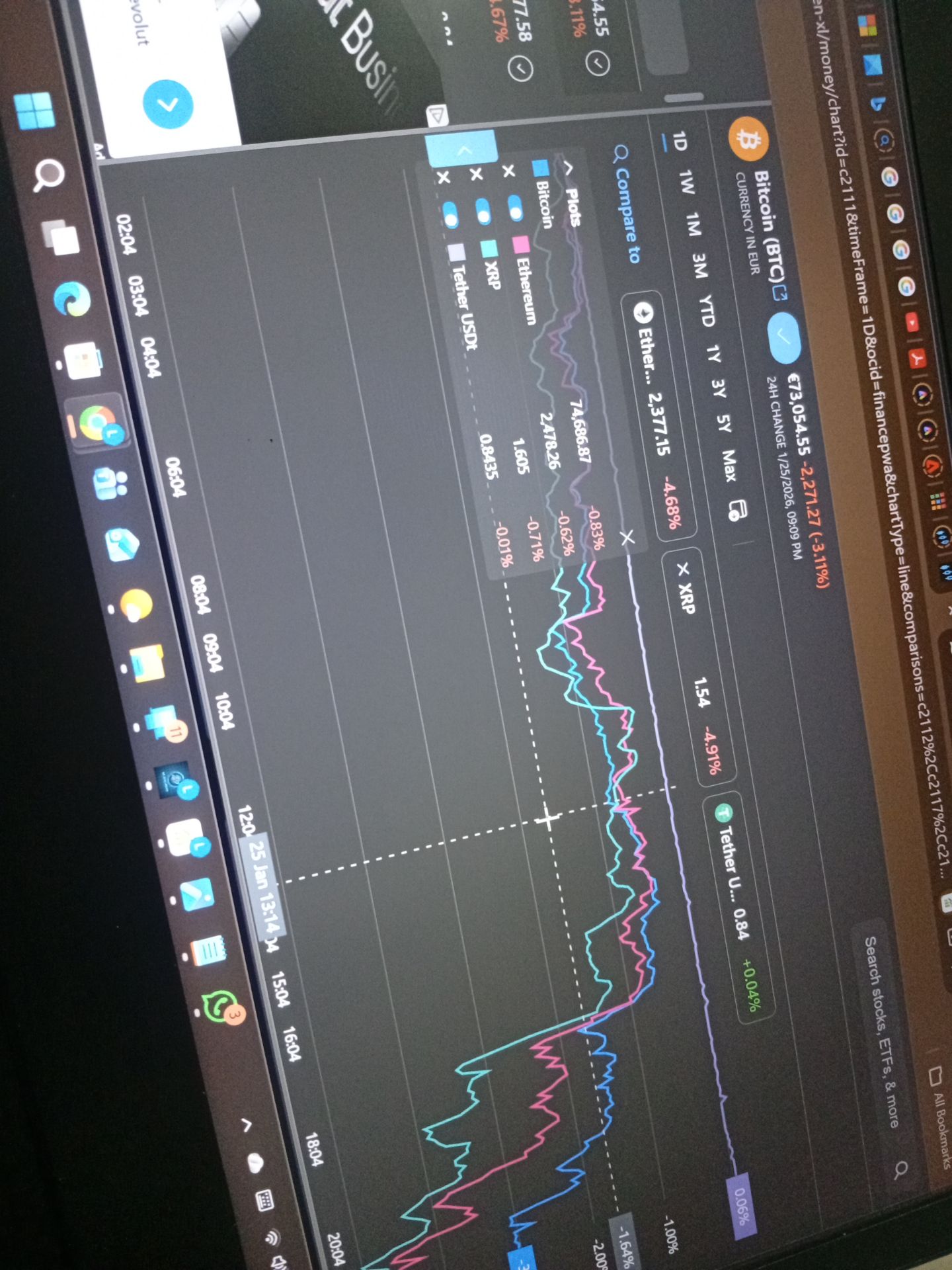
[Bitcoin Dips Below $88,000, 24-Hour Change -1.47%] January 26Th, According To Htx Market Data, Bitcoin Fell Below $88,000, With A 24-Hour Decrease Of 1.47%

Share

Ukraine President Zelenskiy: Documenт Of Safety Guarantees From USA Is 100% Ready

Share

Ukraine President Zelenskiy: Russia Is Avoiding Committing To A Lasting And Just Peace And Is Not Accepting A Ceasefire As A Prelude

Share

CEO: Volkswagen Ag May Pull Plans For US Audi Plant Absent Tariff Cuts

Share

Canada Has No Intention Of Making Free Trade Deal With China- Prime Minister Mark Carney

Share

Canada Respects Our Commitments Under Usma- Prime Minister Mark Carney

Share

Trump Envoy Witkoff: USA Talks With Israeli Prime Minister Netanyahu On Peace Board Were Constructive, Positive

Share

102918 Number Of Power Outage Reported In Louisiana As Of 8:09 Am Et - Poweroutage.US Website

Share

523067 Number Of Power Outage Reported In US As Of 7:22 Am Et - Poweroutage.US Website

Share

107295 Number Of Power Outage Reported In Mississippi As Of 6:34 Am Et - Poweroutage.US Website

Share

Oil Ministry - Iraq's Total Oil Exports For December At 107.651 Million Barrels

Share

Airbus CEO Says Company Faced Significant Collateral Damage From Trade Tensions In 2025

Share

Kremlin: Russian Military Will Attentively Monitor US Plans For Golden Dome - Including In Context Of Greenland

Share

100765 Number Of Power Outages Reported In Texas As Of 6 Am Et - Poweroutage.US Website

Share

Russia Will Never Discuss Anything With EU's Kallas, Will Just Wait For Her To Leave Her Post - Interfax Cites Kremlin

Share

Statistics Bureau - Israel's Industrial Production 6.3% Seasonally Adjusted In November Versus 1.5% In October

Share

Israel Raised 207 Billion Shekels In Debt In 2025

Share

Israel Public Debt To GDP Ratio 68.6% In 2025 Versus 67.7% In 2024

Share

Around 1700 Kyiv Apartment Blocks Still Without Heating After Russian Strike

TIME
ACT
FCST
PREV
U.K. Retail Sales MoM (SA) (Dec)

A:--

F: --

P: --

France Manufacturing PMI Prelim (Jan)

A:--

F: --

P: --

France Services PMI Prelim (Jan)

A:--

F: --

P: --

France Composite PMI Prelim (SA) (Jan)

A:--

F: --

P: --

Germany Manufacturing PMI Prelim (SA) (Jan)

A:--

F: --

P: --

Germany Services PMI Prelim (SA) (Jan)

A:--

F: --

P: --

Germany Composite PMI Prelim (SA) (Jan)

A:--

F: --

P: --

Euro Zone Composite PMI Prelim (SA) (Jan)

A:--

F: --

P: --

Euro Zone Manufacturing PMI Prelim (SA) (Jan)

A:--

F: --

P: --

Euro Zone Services PMI Prelim (SA) (Jan)

A:--

F: --

P: --

U.K. Composite PMI Prelim (Jan)

A:--

F: --

P: --

U.K. Manufacturing PMI Prelim (Jan)

A:--

F: --

P: --

U.K. Services PMI Prelim (Jan)

A:--

F: --

P: --

Mexico Economic Activity Index YoY (Nov)

A:--

F: --

P: --

Russia Trade Balance (Nov)

A:--

F: --

P: --

Canada Core Retail Sales MoM (SA) (Nov)

A:--

F: --

P: --

Canada Retail Sales MoM (SA) (Nov)

A:--

F: --

P: --
U.S. IHS Markit Manufacturing PMI Prelim (SA) (Jan)

A:--

F: --

P: --

U.S. IHS Markit Services PMI Prelim (SA) (Jan)

A:--

F: --

P: --

U.S. IHS Markit Composite PMI Prelim (SA) (Jan)

A:--

F: --

P: --

U.S. UMich Consumer Sentiment Index Final (Jan)

A:--

F: --

P: --

U.S. UMich Current Economic Conditions Index Final (Jan)

A:--

F: --

P: --

U.S. UMich Consumer Expectations Index Final (Jan)

A:--

F: --

P: --

U.S. Conference Board Leading Economic Index MoM (Nov)

A:--

F: --

P: --

U.S. Conference Board Coincident Economic Index MoM (Nov)

A:--

F: --

P: --

U.S. Conference Board Lagging Economic Index MoM (Nov)

A:--

F: --

P: --

U.S. UMich 1-Year-Ahead Inflation Expectations Final (Jan)

A:--

F: --

P: --

U.S. Conference Board Leading Economic Index (Nov)

A:--

F: --

P: --

U.S. Weekly Total Rig Count

A:--

F: --

P: --

U.S. Weekly Total Oil Rig Count

A:--

F: --

P: --

Germany Ifo Business Expectations Index (SA) (Jan)

--

F: --

P: --

Germany IFO Business Climate Index (SA) (Jan)

--

F: --

P: --

Germany Ifo Current Business Situation Index (SA) (Jan)

--

F: --

P: --

U.S. Dallas Fed PCE Price Index YoY (Nov)

--

F: --

P: --

Brazil Current Account (Dec)

--

F: --

P: --

Mexico Unemployment Rate (Not SA) (Dec)

A:--

F: --

P: --

Canada National Economic Confidence Index

--

F: --

P: --

U.S. Non-Defense Capital Durable Goods Orders MoM (Excl. Aircraft) (Nov)

--

F: --

P: --

U.S. Durable Goods Orders MoM (Excl. Defense) (SA) (Nov)

--

F: --

P: --

U.S. Durable Goods Orders MoM (Excl.Transport) (Nov)

--

F: --

P: --

U.S. Durable Goods Orders MoM (Nov)

--

F: --

P: --

U.S. Chicago Fed National Activity Index (Nov)

--

F: --

P: --

U.S. Dallas Fed New Orders Index (Jan)

--

F: --

P: --

U.S. Dallas Fed General Business Activity Index (Jan)

--

F: --

P: --

U.K. BRC Shop Price Index YoY (Jan)

--

F: --

P: --

China, Mainland Industrial Profit YoY (YTD) (Dec)

--

F: --

P: --

Mexico Trade Balance (Dec)

--

F: --

P: --

U.S. S&P/CS 20-City Home Price Index YoY (Not SA) (Nov)

--

F: --

P: --

U.S. S&P/CS 20-City Home Price Index MoM (SA) (Nov)

--

F: --

P: --

U.S. FHFA House Price Index MoM (Nov)

--

F: --

P: --

U.S. FHFA House Price Index (Nov)

--

F: --

P: --

U.S. Richmond Fed Manufacturing Composite Index (Jan)

--

F: --

P: --

U.S. Conference Board Present Situation Index (Jan)

--

F: --

P: --

U.S. Conference Board Consumer Expectations Index (Jan)

--

F: --

P: --

U.S. Richmond Fed Manufacturing Shipments Index (Jan)

--

F: --

P: --

U.S. Richmond Fed Services Revenue Index (Jan)

--

F: --

P: --

U.S. Conference Board Consumer Confidence Index (Jan)

--

F: --

P: --

Australia RBA Trimmed Mean CPI YoY (Q4)

--

F: --

P: --

Australia CPI YoY (Q4)

--

F: --

P: --

Australia CPI QoQ (Q4)

--

F: --

P: --

Q&A with Experts
    • All
    • Chatrooms
    • Groups
    • Friends
    ali flag
    be careful cut all positions or put good stoploss with target
    Form Forex lk flag
    https://mlk-trading-hub.base44.app
    Form Forex lk flag
    This message has been withdrawn
    FORMFOREXL flag
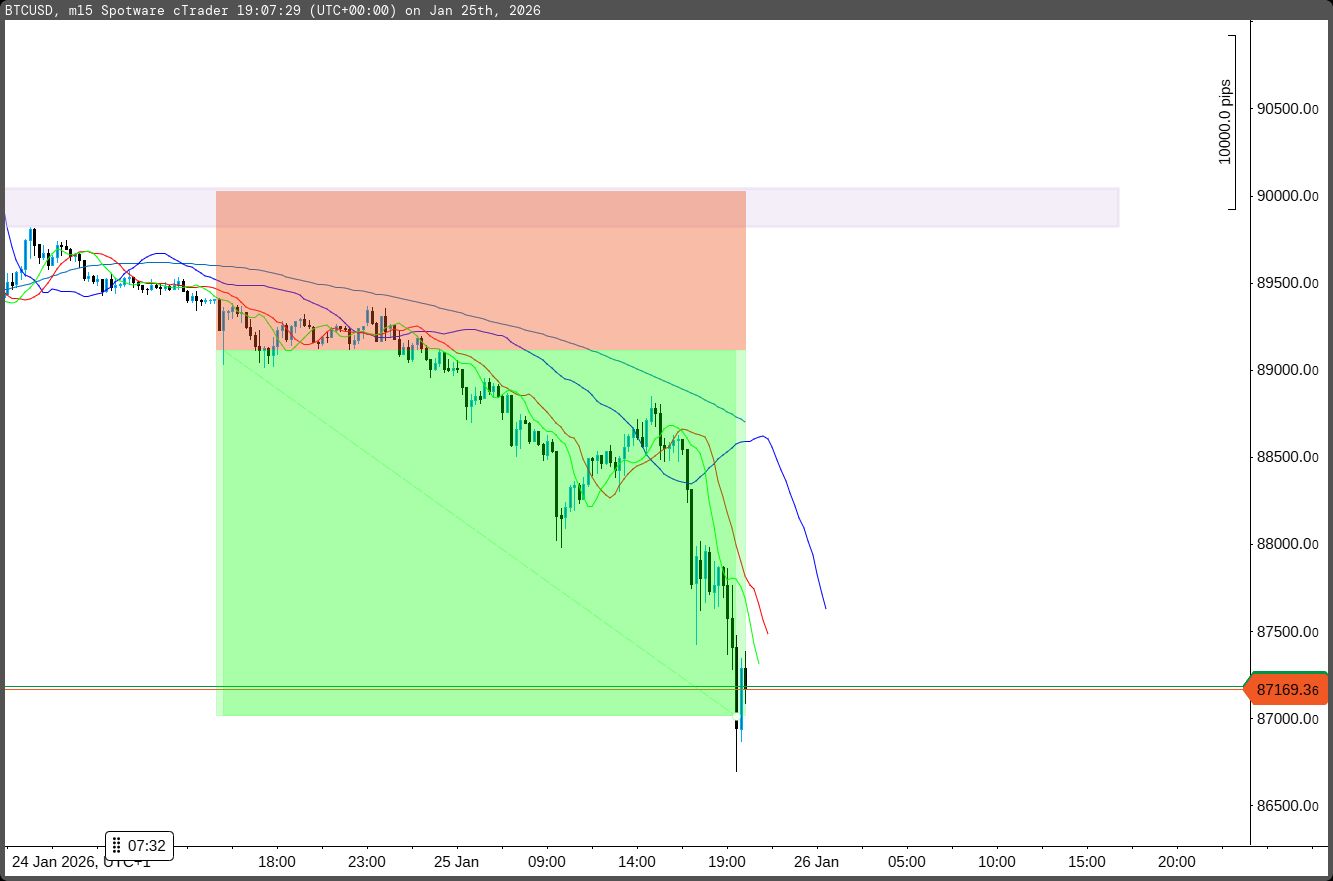
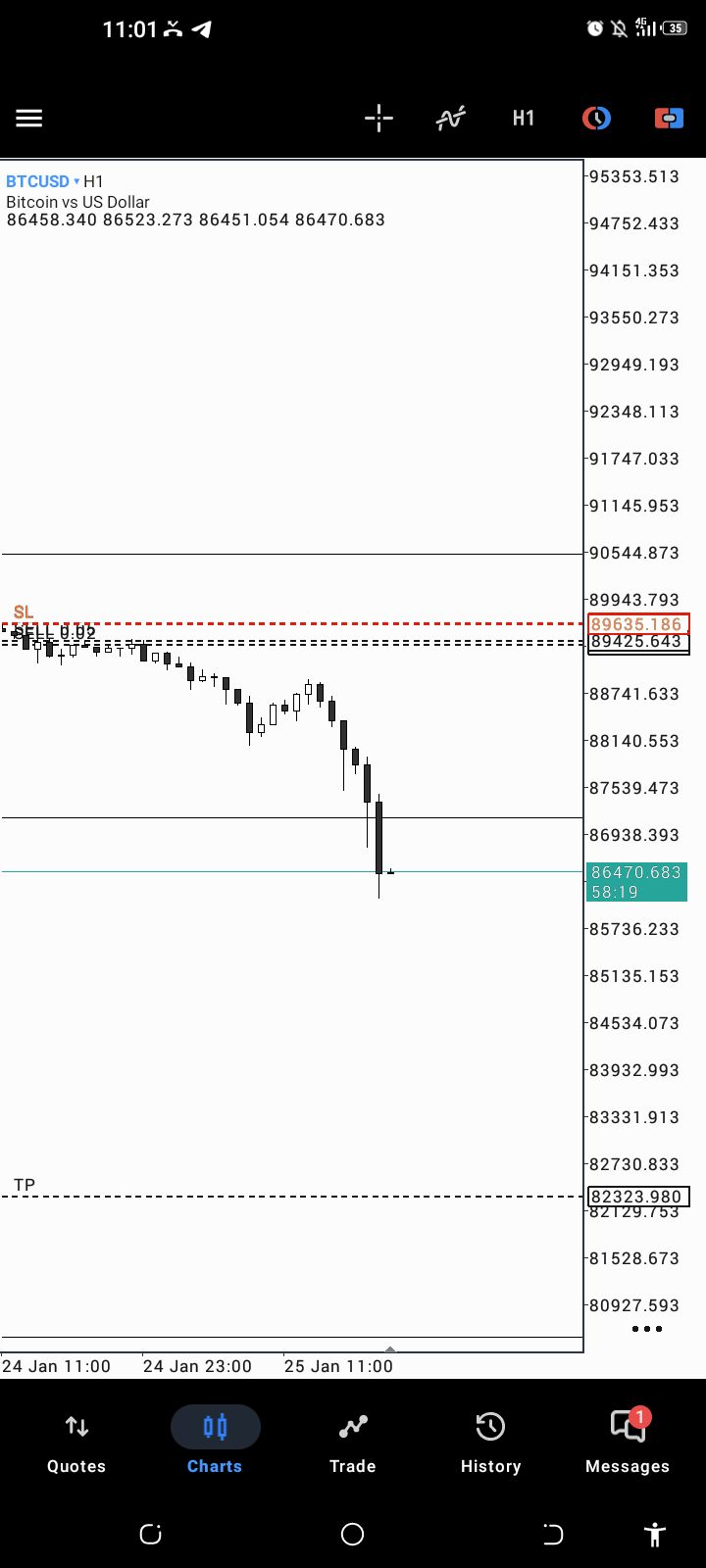
    That analysis was from (MLK TRADING HUB) on BTCUSD entry : 89000 stoploss: 90000 Tp 1: 88000 Tp2: 87000
    Sanjeev Ku flag
    Sanjeev Ku
    87951 to 86377. free fall
    Jon Jony flag
    BTc is beautiful
    Brandon Ki flag
    Jon Jony
    BTc is beautiful
    @Jon Jonyperhaps it's giving a chance to buy dips
    Jon Jony flag
    It's strange that BTC is dumped on Sundays before the market opens.
    Brandon Ki flag
    Jon Jony
    It's strange that BTC is dumped on Sundays before the market opens.
    @Jon Jonylikely to continue longing Gold to new ATH, but look this crazy crash on Sunday could be a warning
    Eurusdonly flag
    Eurusdonly flag
    Eurusdonly flag
    Eurusdonly
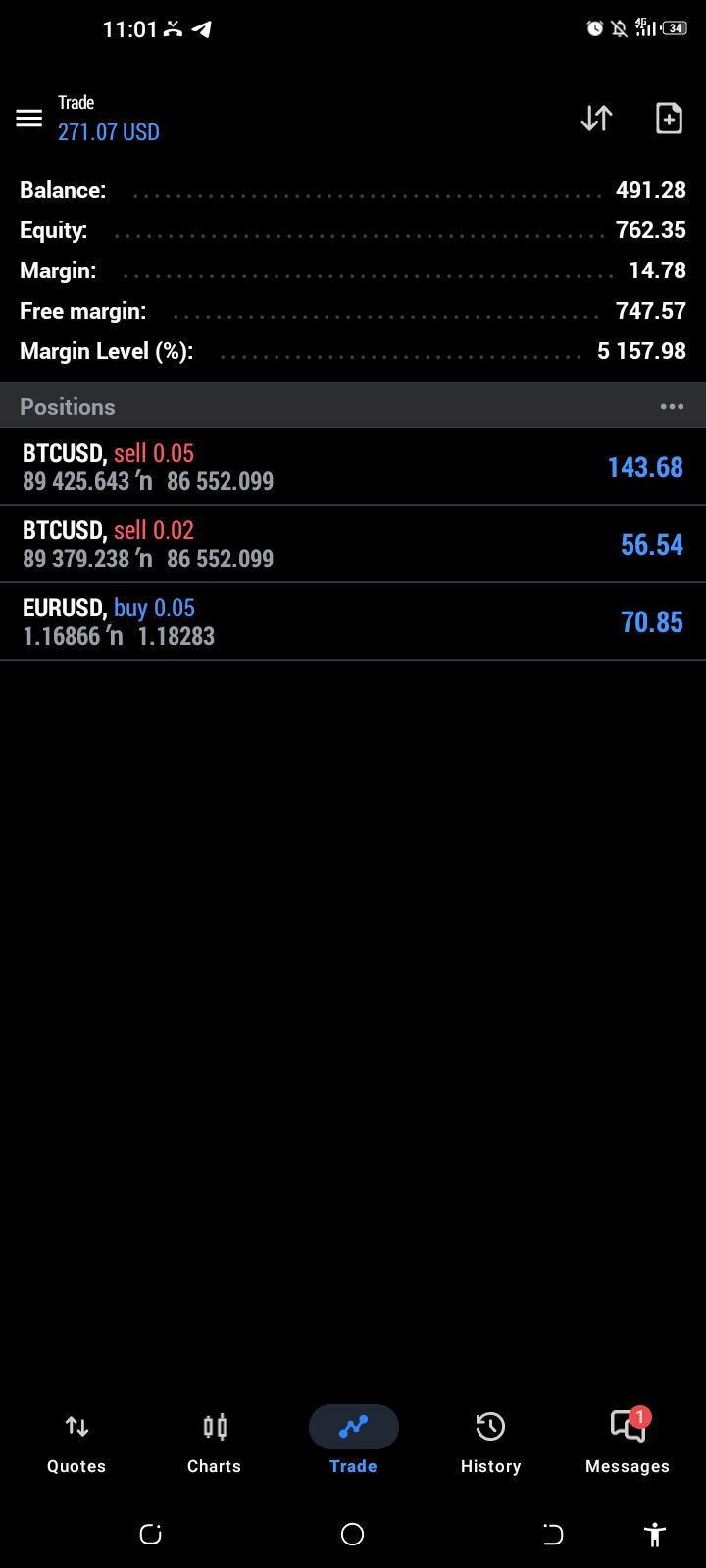
    i have been holding Shorts on Btcusd
    Eurusdonly flag
    Eurusdonly
    who got this ?
    Jon Jony flag
    Sundays and such obemas are sold, small ones are unlikely to make such discoveries next year if the whales don't buy it, then this will be a signal
    FORMFOREXL flag
    Brandon Ki flag
    Jon Jony
    Sundays and such obemas are sold, small ones are unlikely to make such discoveries next year if the whales don't buy it, then this will be a signal
    @Jon Jonysomething crazy is cooking
    Jon Jony flag
    How I love these moments like watching a movie
    Jon Jony flag
    What should we call this movie?
    Jon Jony flag
    Today's trading is very similar to the movie "The Big Short," but maybe I'm wrong.
    Type here...
    Add Symbol or Code

      No matching data

      All
      Trump Updates
      Recommend
      Stocks
      Cryptocurrencies
      Central Banks
      Featured News
      • All
      • Russia-Ukraine Conflict
      • Middle East Flashpoint
      • All
      • Russia-Ukraine Conflict
      • Middle East Flashpoint
      Search
      Products

      Charts Free Forever

      Chats Q&A with Experts
      Screeners Economic Calendar Data Tools
      Membership Features
      Data Warehouse Market Trends Institutional Data Policy Rates Macro

      Market Trends

      Market Sentiment Order Book Forex Correlations

      Top Indicators

      Charts Free Forever
      Markets

      News

      News Analysis 24/7 Columns Education
      From Institutions From Analysts
      Topics Columnists

      Latest Views

      Latest Views

      Trending Topics

      Top Columnists

      Latest Update

      Signals

      Copy Rankings Latest Signals Become a signal provider AI Rating
      Contests
      Brokers

      Overview Brokers Assessment Rankings Regulators News Claims
      Broker listing Forex Brokers Comparison Tool Live Spread Comparison Scam
      Q&A Complaint Scam Alert Videos Tips to Detect Scam
      More

      Business
      Events
      Careers About Us Advertising Help Center

      White Label

      Data API

      Web Plug-ins

      Affiliate Program

      Awards Institution Evaluation IB Seminar Salon Event Exhibition
      Vietnam Thailand Singapore Dubai
      Fans Party Investment Sharing Session
      FastBull Summit BrokersView Expo
      Recent Searches
        Top Searches
          Markets
          News
          Analysis
          User
          24/7
          Economic Calendar
          Education
          Data
          • Names
          • Latest
          • Prev

          View All

          No data

          Scan to Download

          Faster Charts, Chat Faster!

          Download App
          English
          • English
          • Español
          • العربية
          • Bahasa Indonesia
          • Bahasa Melayu
          • Tiếng Việt
          • ภาษาไทย
          • Français
          • Italiano
          • Türkçe
          • Русский язык
          • 简中
          • 繁中
          Open Account
          Search
          Products
          Charts Free Forever
          Markets
          News
          Signals

          Copy Rankings Latest Signals Become a signal provider AI Rating
          Contests
          Brokers

          Overview Brokers Assessment Rankings Regulators News Claims
          Broker listing Forex Brokers Comparison Tool Live Spread Comparison Scam
          Q&A Complaint Scam Alert Videos Tips to Detect Scam
          More

          Business
          Events
          Careers About Us Advertising Help Center

          White Label

          Data API

          Web Plug-ins

          Affiliate Program

          Awards Institution Evaluation IB Seminar Salon Event Exhibition
          Vietnam Thailand Singapore Dubai
          Fans Party Investment Sharing Session
          FastBull Summit BrokersView Expo

          Stablecoin Yields at Risk in New Senate Crypto Bill

          Kevin Du

          Remarks of Officials

          Cryptocurrency

          Political

          Summary:

          A new Senate crypto bill proposes banning passive stablecoin yields, aiming to balance industry and banking interests.

          U.S. senators are preparing to review a major piece of crypto legislation this week that could fundamentally change how stablecoin holders earn rewards. An amended draft of the Digital Asset Market Clarity Act proposes new rules that would directly impact interest and yield payments on these digital assets.

          The Proposed Ban on Passive Stablecoin Yields

          According to the draft released on Monday, the bill aims to restrict certain types of returns. The text states that "a digital asset service provider may not pay any form of interest or yield [...] solely in connection with the holding of a payment stablecoin." This language effectively targets and bars passive, deposit-like returns that users might earn simply for holding stablecoins in an account.
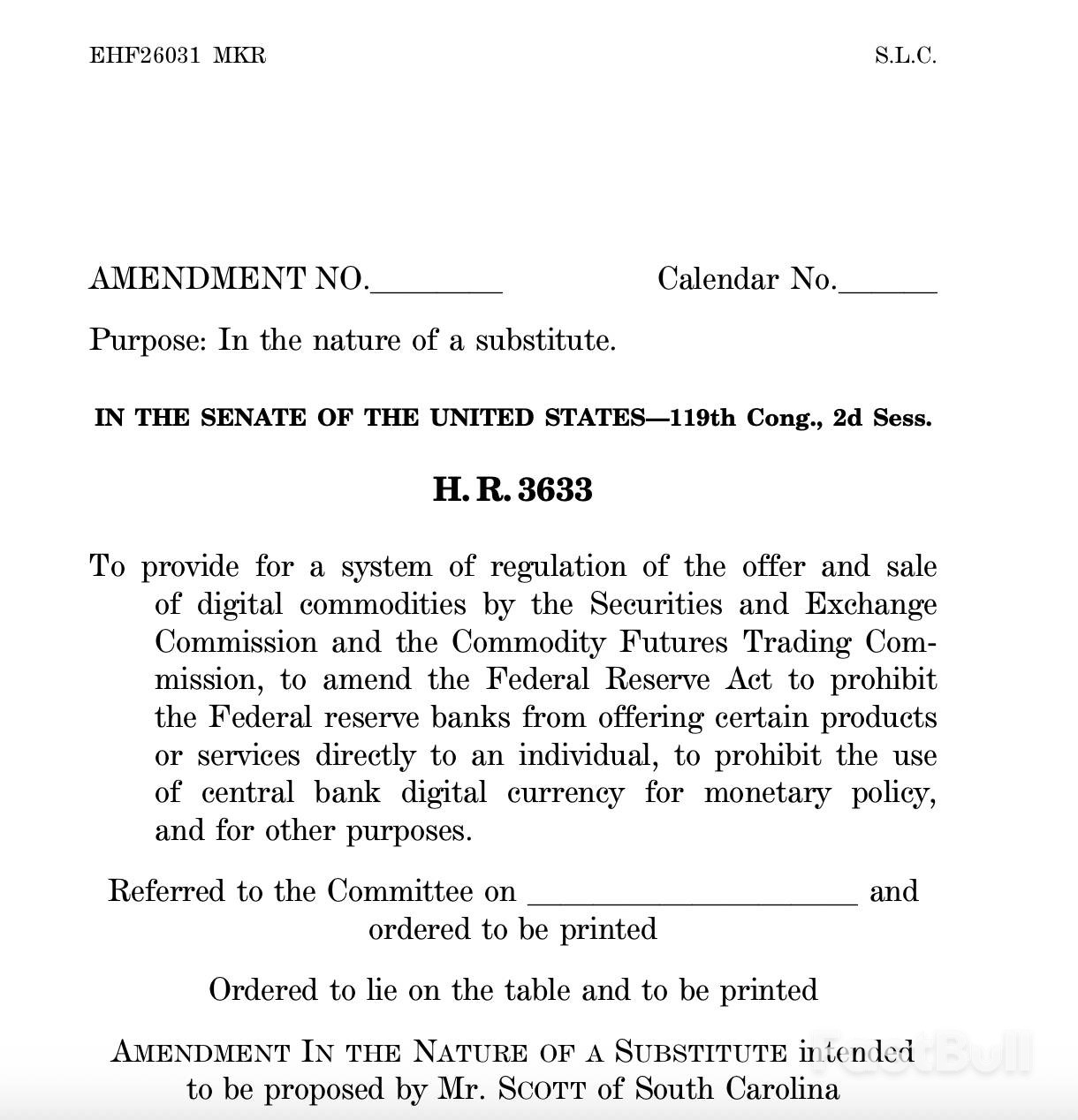
          Figure 1: The amended draft of the Digital Asset Market Clarity Act outlines new rules for stablecoin rewards and digital asset regulation.

          However, the proposal doesn't eliminate all forms of stablecoin rewards. The draft carves out exceptions for more structured and active participation in crypto ecosystems.

          What Types of Rewards Are Still Allowed?

          The bill clarifies that stablecoin rewards would not be prohibited under specific circumstances, including earnings derived from:

          • Providing liquidity or collateral

          • Governance activities

          • Validation or staking

          • Other forms of ecosystem participation

          This distinction signals that lawmakers may be responding to industry criticism calling for clearer rules, while also addressing concerns from traditional finance. Some banking groups have lobbied against stablecoin rewards in other legislation, such as the GENIUS Act signed into law in July.

          A Balancing Act: Crypto Industry vs. Banking Lobbies

          Nic Puckrin, co-founder of Coin Bureau, views the proposal as a compromise between crypto industry demands and pressure from banks.

          "The Senate's compromise on stablecoin yield in the proposed amendments to the crypto market structure bill is a clear sign that the powers that be are committed to ensuring stablecoins remain attractive to end users, while placating banks that have lobbied heavily against such rewards," Puckrin stated.

          He added that regardless of the outcome, the competitive dynamic is set. "Whichever way the chips fall, though, it's clear stablecoins will remain a competitor to bank deposits. Short of an outright ban on any form of rewards, there's little that can stop this, and this is a new reality banks will have to reckon with."

          The Bill's Uncertain Path Through Congress

          The legislative journey for the bill is complex. The Senate Banking Committee is scheduled to hold a markup on Thursday, a key step that could advance it for a full Senate vote. However, the Senate Agriculture Committee announced on Monday that it would not review its version of the bill until the end of January.

          This split timeline creates significant risk. "If the bill fails in either committee, then market structure is likely to be dead for this session," said Eli Cohen, Chief Legal Officer at Centrifuge. He noted that even a partisan approval could keep the bill alive, stating, "If the bills pass by Republican party line vote, there would still be time to get Democrats onboard before the unified bill goes to the floor for a full Senate vote."

          More Than Just Stablecoins: Other Political Hurdles

          The debate over stablecoin yields is not the only obstacle. Other political factors could derail the bill's progress.

          At least two Senate Democrats have reportedly pushed for the CLARITY Act to include safeguards preventing public officials, including presidents, from profiting from investments in digital asset firms.

          Furthermore, the upcoming U.S. midterm elections in November could divert legislative attention. The Washington Research Group at TD Cowen speculated that the bill is more likely to pass in 2027, as Democrats consider a potential shift in congressional control after the midterms.

          Despite these challenges, some remain optimistic. U.S. Securities and Exchange Commission (SEC) Chair Paul Atkins said Monday he expects Trump to sign the bill into law by the end of 2026. If passed, the legislation would establish a clear regulatory framework for the SEC and the Commodity Futures Trading Commission to oversee the digital asset market.

          Risk Warnings and Disclaimers
          You understand and acknowledge that there is a high degree of risk involved in trading. Following any strategies or investment methods may lead to potential losses. The content on the site is provided by our contributors and analysts for information purposes only. You are solely responsible for determining whether any trading assets, securities, strategy, or any other product is suitable for investing based on your own investment objectives and financial situation.
          Add to Favorites
          Share

          December CPI Report: Inflation Rises 0.3% on Food & Rent

          Oliver Scott

          Data Interpretation

          Political

          Economic

          Central Bank

          Energy

          U.S. consumer prices climbed 0.3% in December, pushed higher by increasing costs for food and rent. The data cements expectations that the Federal Reserve will hold interest rates steady this month, though a moderate rise in underlying inflation keeps future rate cuts on the table.

          The report from the Labor Department showed that some pricing distortions from a prior government shutdown have started to unwind. While economists are divided on whether inflation has peaked, the latest figures suggest that the pass-through effect of import tariffs on consumer prices may be slowing.

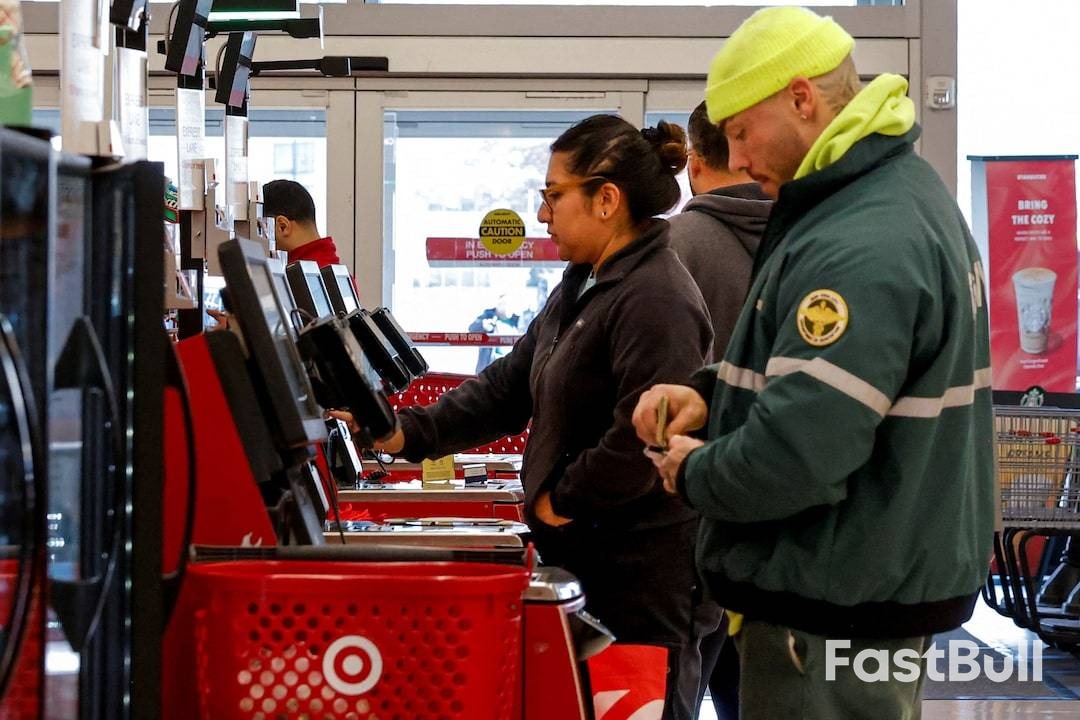
          Still, the rising cost of living remains a significant challenge. The increases in essential goods have eroded consumer confidence and become a key political issue for President Donald Trump, whose administration's policies, including import tariffs, have been partly blamed for the affordability crunch.

          Food & Rent Spikes Drive Consumer Pain

          The primary drivers of December's inflation were essentials that directly impact household budgets. The Consumer Price Index (CPI) was heavily influenced by a 0.4% increase in the cost of shelter, which includes rent.

          Food prices saw a notable surge of 0.7%, marking the largest single-month gain since October 2022. Key price changes include:

          • Beef: Rose 1.0%

          • Steaks: Soared 3.1% (up 17.8% year-over-year)

          • Coffee: Increased 1.9%

          • Eggs: Decreased 8.2%

          The cost of food at restaurants and other outlets also jumped 0.7%. Overall, food prices were up 3.1% compared to the previous year.

          Energy prices also rose 0.3%, with a 4.4% surge in natural gas costs offsetting a 0.5% dip in gasoline prices. Electricity prices eased slightly by 0.1% for the month but remained up 6.7% year-over-year, partly reflecting higher demand from data centers powering the AI investment boom.

          "Families may not closely track core inflation, but they see grocery prices and restaurant costs immediately," noted Sung Won Sohn, a finance and economics professor at Loyola Marymount University. "A renewed push in food prices is not merely a statistical detail, it can influence public perception, wage negotiations and ultimately economic behavior."

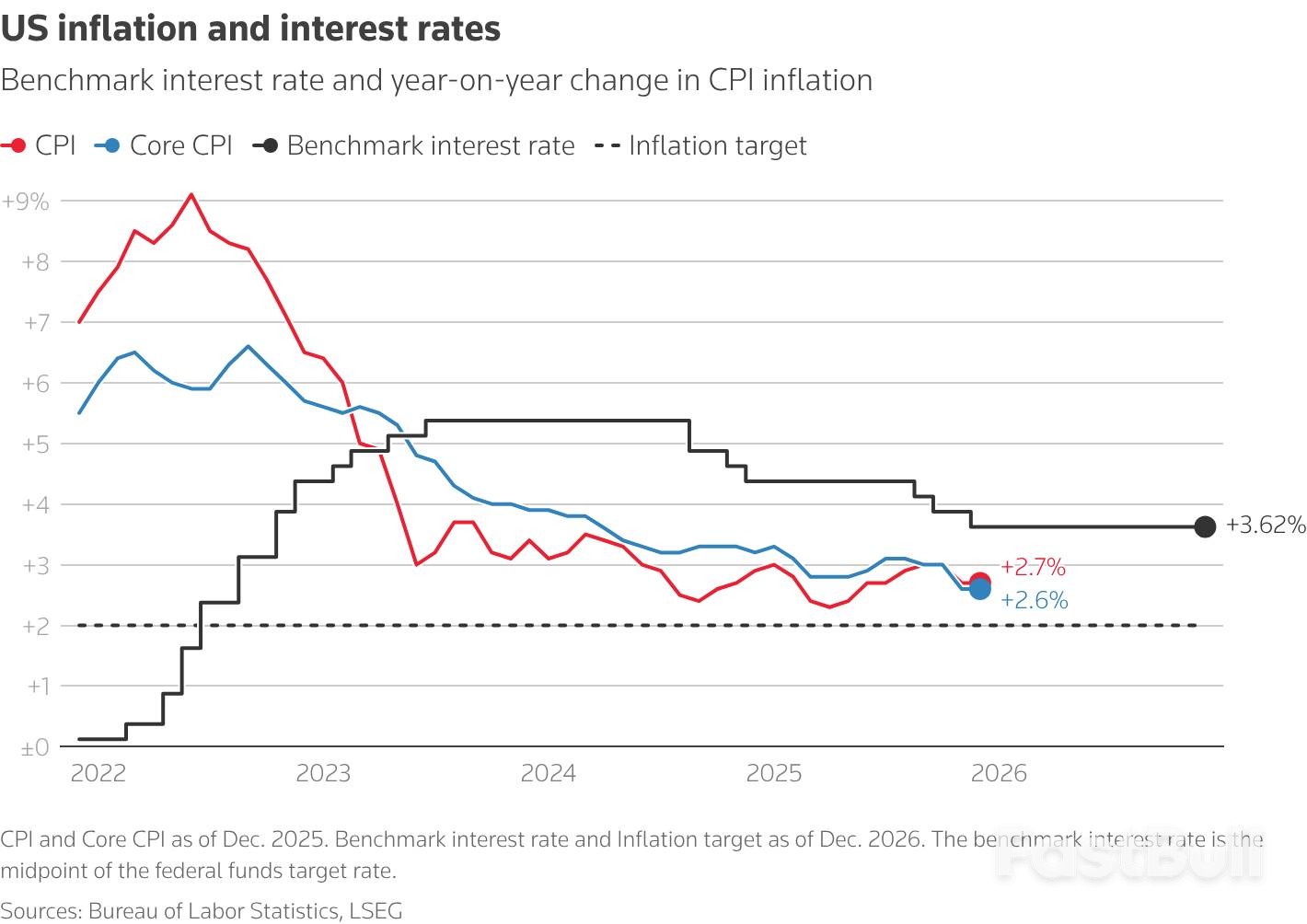
          For the full 12 months through December, the CPI advanced 2.7%, matching the gain seen in November and aligning with economists' expectations.

          Figure 1: U.S. inflation metrics show a distinct downward trend from 2022 peaks, projected to approach the Fed's 2% target by 2026, while the benchmark interest rate is expected to gradually decline after its 2023 high.

          Beneath the Surface: A Look at Core CPI

          When volatile food and energy components are excluded, the "core" CPI shows a more moderate picture, rising 0.2% in December. For the 12 months ending in December, core CPI increased 2.6%, the same pace as in November.

          However, a closer look at the core components reveals mixed signals:

          • Prices that rose: Owners' equivalent rent (+0.3%), hotel and motel rooms (+2.9%), airline fares (+5.2%), apparel (+0.6%), and healthcare (+0.4%).

          • Prices that fell: Used cars and trucks (-1.1%), household furnishings (-0.5%), and wireless telephone services (-3.3%).

          Economists believe that lingering distortions from a 43-day government shutdown, which prevented price collection in October, may have held down the annual CPI rate by at least a tenth of a percentage point.

          What the Fed Sees: Data Distortions and Rate Outlook

          The Federal Reserve is widely expected to keep its benchmark interest rate in the 3.50%-3.75% range at its January 27-28 meeting.

          Analysts anticipate that core inflation could accelerate in January as businesses implement price increases for the new year. "It is worth noting that the core CPI has jumped by 0.4% and more in each of the past four Januarys," said Stephen Stanley, chief U.S. economist at Santander U.S. Capital Markets. "I would imagine that Fed officials are well aware of this history and are reserving judgment on inflation until they have a few more months of inflation data in hand."

          Based on the latest CPI data, economists project that the core Personal Consumption Expenditures (PCE) price index—the Fed's preferred inflation gauge—rose 0.46% in December. This would bring the year-over-year core PCE rate to 2.9%, still above the central bank's 2% target.

          Political Headwinds Complicate Fed's Path

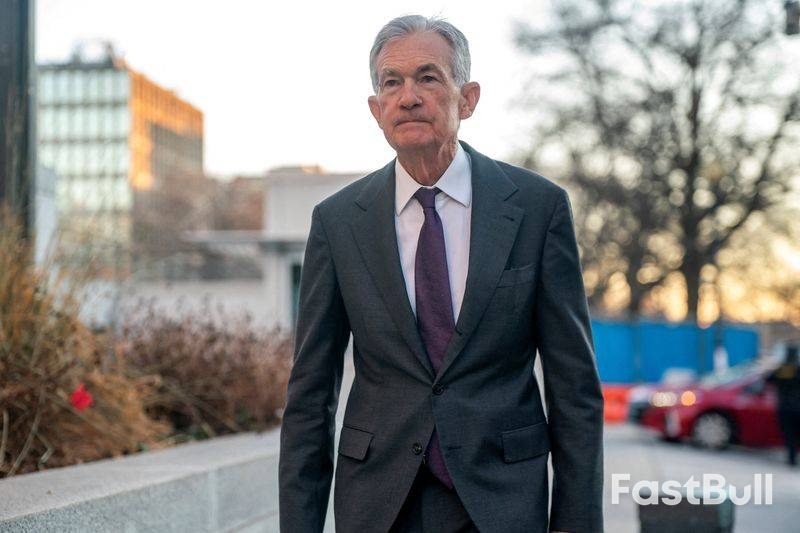
          Tensions between Federal Reserve Chair Jerome Powell and President Trump are adding another layer of complexity to the interest rate outlook. The Trump administration has initiated a criminal investigation into Powell, which the Fed chief has described as a "pretext" to influence monetary policy.

          This political pressure has led most economists to believe a rate cut is unlikely before Powell's term as chair ends in May.

          "Policymakers may lean more hawkish to signal institutional independence," said Gregory Daco, chief economist at EY-Parthenon. He also noted that the situation "raises the probability that Powell remains on the board after his term as chair ends in mid-May 2026," given his term as a governor runs through January 2028.

          To stay updated on all economic events of today, please check out our Economic calendar
          Risk Warnings and Disclaimers
          You understand and acknowledge that there is a high degree of risk involved in trading. Following any strategies or investment methods may lead to potential losses. The content on the site is provided by our contributors and analysts for information purposes only. You are solely responsible for determining whether any trading assets, securities, strategy, or any other product is suitable for investing based on your own investment objectives and financial situation.
          Add to Favorites
          Share

          Central Bank Independence: Why It's Under Fire Globally

          Kevin Morgan

          Remarks of Officials

          Economic

          Central Bank

          Political

          Political pressure on the world’s central banks is escalating, fueling concerns about their ability to manage economies without interference. The Trump administration’s move to open a criminal investigation into the Federal Reserve chair, Jerome Powell, has highlighted the vulnerability of the U.S. central bank, the primary policymaker for the world's largest economy.

          President Donald Trump had previously criticized Powell and the Fed for not cutting interest rates more aggressively. In response to such pressures, top central bankers issued a joint statement affirming that their independence is a "cornerstone of price, financial and economic stability."

          This clash is part of a larger, long-running debate. Here’s a breakdown of how central bank independence became a core principle of modern economics and why it’s being challenged today.

          The Fed's Journey to Independence

          The U.S. Federal Reserve was a pioneer in establishing its autonomy. In 1951, rising inflation after World War Two made it clear that monetary policy could not remain focused on keeping government borrowing costs low. This realization led to the Fed being granted operational independence.

          However, true freedom from political influence took another 25 years. The administration of President Richard Nixon is widely seen as having pressured the Fed to maintain low borrowing costs ahead of his 1972 re-election campaign. Many economists believe this interference, combined with a spike in oil prices, contributed to the runaway inflation that defined the latter half of the 1970s.

          A New Global Consensus on Monetary Policy

          The economic damage caused by high inflation in the 1970s and early 1980s forced governments worldwide to rethink their approach. A new consensus emerged: taking interest rate decisions away from politicians and giving that power to independent officials tasked with one primary goal—keeping inflation low.

          This model was adopted widely. According to the Bank of England, by the end of the 20th century, between 80% and 90% of the world's central banks had achieved operational independence.

          Does Independence Actually Curb Inflation?

          While factors like the rise of low-cost manufacturing from China helped contain global prices over the past three decades, research has consistently shown a link between a central bank's degree of independence and a country's inflation level and volatility. This connection has solidified its status as a fundamental principle of economic policymaking.

          For example, Andy Haldane, former chief economist at the Bank of England (BoE), noted in a 2020 speech that inflation uncertainty in Britain fell by about 75% in the two decades after the BoE became independent in 1997.

          Modern Crises and Renewed Political Pressure

          Widespread support for central bank independence began to erode during the 2007-09 global financial crisis. The crisis exposed regulatory failures by central banks and other oversight bodies.

          In response, central banks globally slashed interest rates to near zero and launched massive bond-buying programs, known as quantitative easing (QE), to stimulate their economies. These unprecedented actions drew sharp political criticism. Ben Bernanke, the Fed chair at the time, was accused by Republican presidential contender Rick Perry of printing money for political reasons and was even likened to a traitor.

          More recently, the Bank of England faced accusations from politicians that its QE program fueled inflation. This criticism intensified when inflation surged to 11% after Russia's full-scale invasion of Ukraine in early 2022 caused energy prices to soar.

          Shortly before her brief tenure as UK prime minister, Liz Truss announced she would review the BoE's official mandate. While she never had the chance to follow through, public trust in the central bank plummeted to historic lows, according to its own surveys.

          This trend extends beyond the U.S. and Britain. Governments in countries from Turkey to India have attempted to exert greater influence over their central banks. Similarly, Japan's prime minister has also historically favored a loose monetary policy, underscoring the persistent tension between political goals and independent economic management.

          To stay updated on all economic events of today, please check out our Economic calendar
          Risk Warnings and Disclaimers
          You understand and acknowledge that there is a high degree of risk involved in trading. Following any strategies or investment methods may lead to potential losses. The content on the site is provided by our contributors and analysts for information purposes only. You are solely responsible for determining whether any trading assets, securities, strategy, or any other product is suitable for investing based on your own investment objectives and financial situation.
          Add to Favorites
          Share

          Czech PM Babiš Seeks Mandate for Anti-Ukraine Stance

          James Riley

          Political

          Remarks of Officials

          Economic

          Russia-Ukraine Conflict

          Energy

          The Czech Republic's new government, led by populist Prime Minister Andrej Babiš, is facing a mandatory confidence vote in Parliament to approve an agenda that signals a significant shift away from supporting Ukraine and challenges key European Union policies.

          The Coalition's Parliamentary Test

          Debate began Tuesday in the 200-seat lower house, where the new coalition government holds a comfortable majority of 108 seats. Winning this vote is a required step for any new administration to formally take power.

          Babiš, who previously served as prime minister from 2017 to 2021, secured a decisive victory in the country's October election with his ANO (YES) movement. He has since formed a majority coalition with two smaller parties: the anti-migrant Freedom and Direct Democracy party and the right-wing Motorists for Themselves. Together, these parties, which share an admiration for former U.S. President Donald Trump, have formed a 16-member Cabinet.

          A 'Czech First' Agenda Takes the Stage

          The political comeback of Babiš and his new alliance is set to dramatically redefine the nation's foreign and domestic policies. In a speech to the lower house, Babiš underscored his administration's focus, stating, "I'd like to make it clear that the Czech Republic and Czech citizens will be first for our government."

          This marks a sharp departure from the previous pro-Western government. Babiš has already rejected providing financial aid to Ukraine and has refused to guarantee EU loans for the country as it defends against the Russian invasion. This positions him alongside other regional leaders like Viktor Orbán of Hungary and Robert Fico of Slovakia.

          Redefining Stances on Ukraine and the EU

          A Pivot on Ukraine Support

          While the government is ending direct financial support for Kyiv, it will not completely abandon all Ukraine-related initiatives. Babiš confirmed his administration would continue to administer a Czech-led program that successfully acquired approximately 1.8 million artillery shells for Ukraine from markets outside the EU last year. However, the Czech Republic's role will be limited to administration, with no financial contribution.

          Challenging European Union Policies

          The new coalition's junior partners are bringing their own Euroskeptic and nationalist platforms to the forefront.

          • Freedom and Direct Democracy: The party sees no future for the Czech Republic in either the EU or NATO and has called for the expulsion of most of the 380,000 Ukrainian refugees currently in the country.

          • Motorists for Themselves: This party, which now controls the environment and foreign ministries, has rejected the EU's Green Deal and is proposing a revival of the nation's coal industry.

          To stay updated on all economic events of today, please check out our Economic calendar
          Risk Warnings and Disclaimers
          You understand and acknowledge that there is a high degree of risk involved in trading. Following any strategies or investment methods may lead to potential losses. The content on the site is provided by our contributors and analysts for information purposes only. You are solely responsible for determining whether any trading assets, securities, strategy, or any other product is suitable for investing based on your own investment objectives and financial situation.
          Add to Favorites
          Share

          How long can Wall Street shrug off Trump's 'visible hand'?

          Adam

          Economic

          If record-high U.S. stock prices accurately reflect investors' assessment of the first year of Trump 2.0, then it's a glowing scorecard for the most interventionist government in decades.
          It's yet another example of the topsy-turvy economic world where the global norms and orthodoxies of the last 40 years are being questioned and sometimes discarded by the U.S. president - who is rapidly becoming the market activist-in-chief.
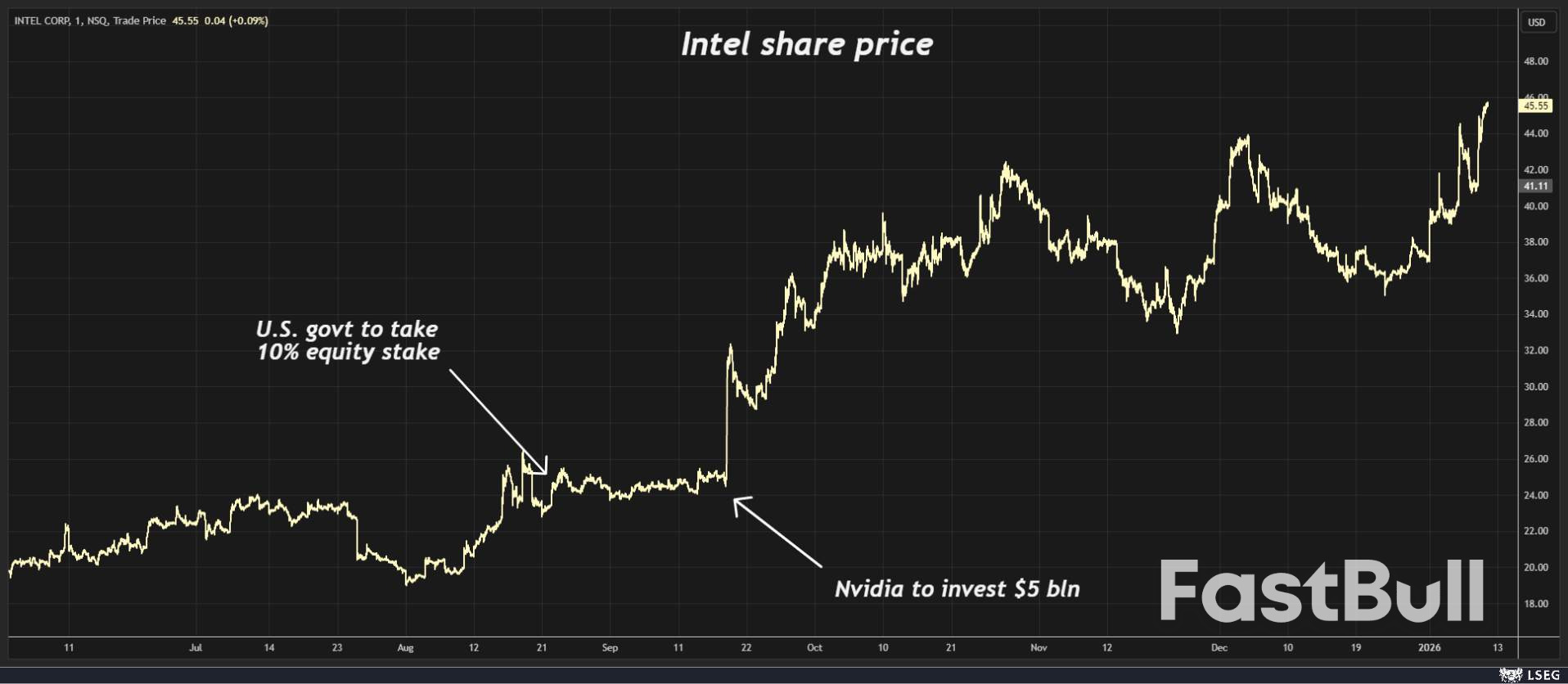
          Under Donald Trump's direction, the U.S. government has taken direct equity stakes in companies, called for the firing of CEOs, attempted to dictate CEO compensation, ensured the government cuts from Big Tech chip exports, and sought to fire Federal Reserve officials.
          On top of that, Trump has ordered the purchase of $200 billion of mortgage-backed securities, directed U.S. oil companies' activities in Venezuela, tried to ban defense firms from buying back shares unless they speed up production, and called for a one-year cap on all credit card interest rates as his Justice Department has threatened to indict Fed Chair Jerome Powell. And that's just in the past week.
          How long can Wall Street shrug off Trump's 'visible hand'?_1

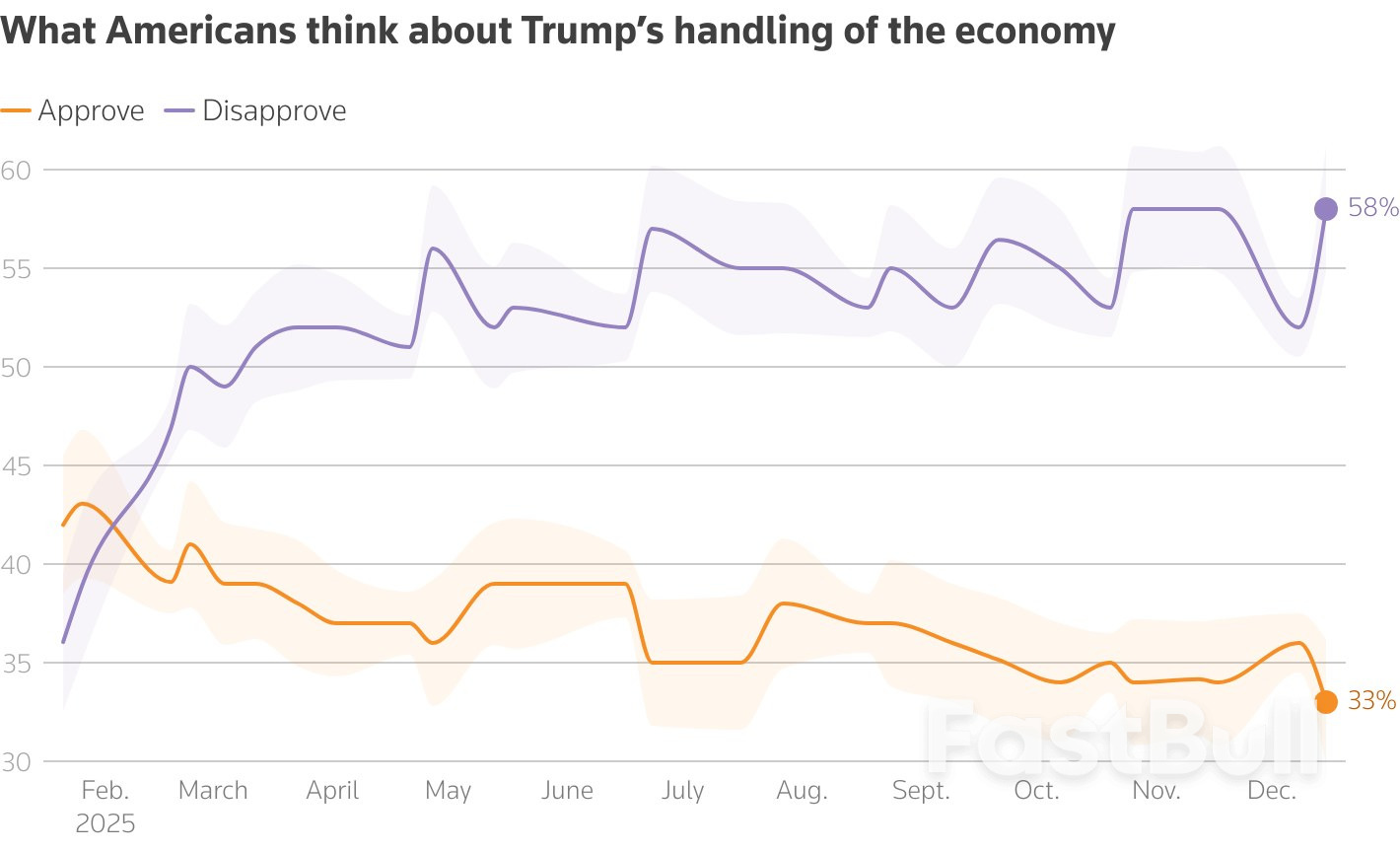
          Line chart showing approval of president's handling of the economy

          How long can Wall Street shrug off Trump's 'visible hand'?_2

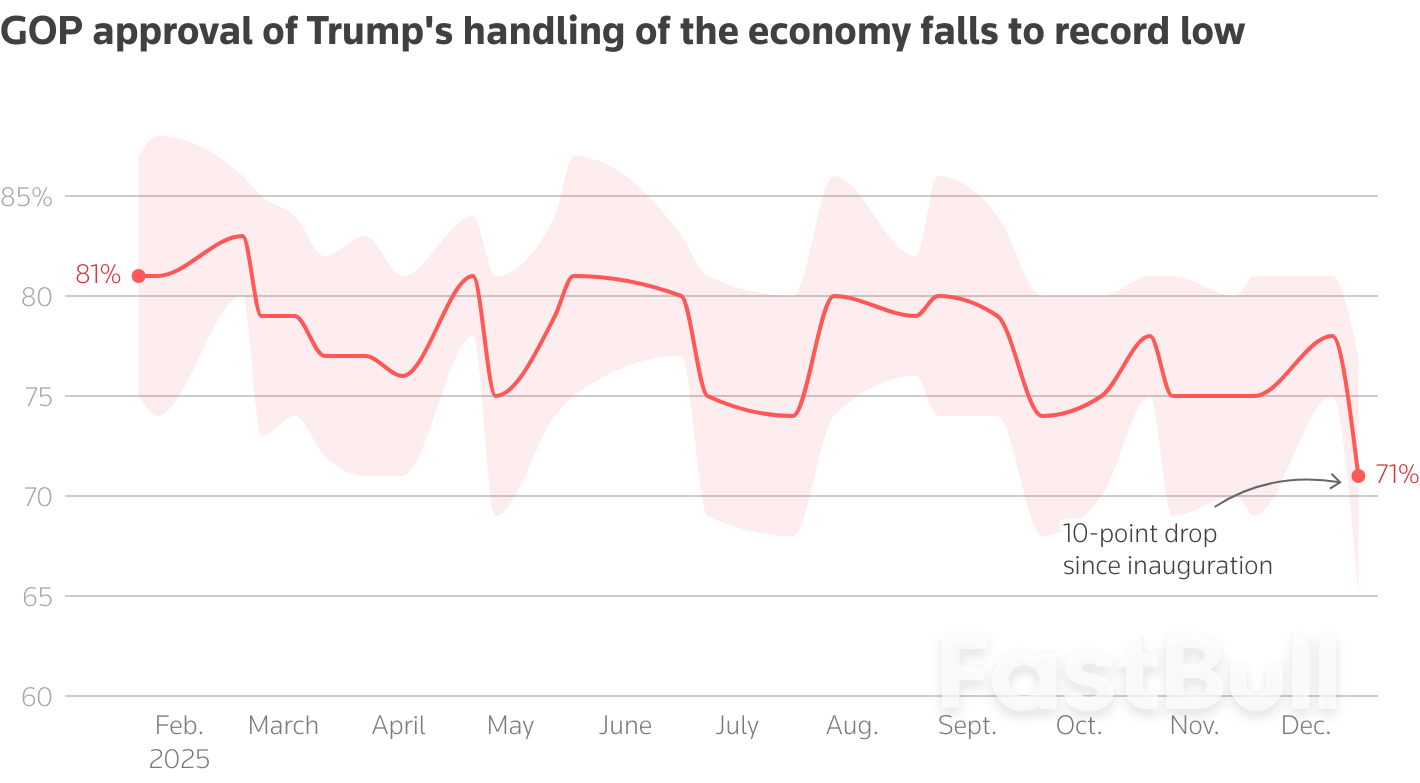
          Line chart showing republican approval of president's handling of the economy

          INEFFICIENT MARKET HYPOTHESIS?
          Consider an alternate reality in which Kamala Harris won the 2024 U.S. presidential election and was now approaching her first year in office, having pursued a similarly controversial clutch of unorthodox policies. Would markets be shrugging this off so easily?
          We will never know, but it's reasonable to assume that there would have been notable pushback from investors.
          In the real world, apart from the brief turmoil following Trump's "Liberation Day" tariff announcement in April, there has been virtually none.
          Indeed, last year was a record year for stocks and many other asset classes. Hedge funds - no friend of government meddling in the free market and private sector - saw assets under management soar above $5 trillion, as they recorded their best year since 2009, according to HFR.
          William Henagan, research fellow at the Council on Foreign Relations, agrees it's something of a "conundrum" that the Trump administration's highly interventionist approach to Wall Street and Main Street hasn't triggered more lasting damage to public markets.
          "Investors don't necessarily see the series of market interventions as substantively eroding the rule of law and property rights that underpin financial markets and the economic system," Henagan says.
          "Perhaps public markets are not all-seeing, all-knowing, or the most efficient."
          But if the rule of law, property rights, and constitutional protections are key to what has made the U.S. financial system the biggest and most dynamic in the world, then investors ignore the erosion of these foundations at their own risk.
          How long can Wall Street shrug off Trump's 'visible hand'?_3How long can Wall Street shrug off Trump's 'visible hand'?_4
          CASE FOR THE DEFENSE
          But the question of market confidence is often binary. Investors have confidence in market structure and the financial system until they don't.
          Of course, government intervention in a market economy is nothing new, nor is it a bad thing. Indeed, many sectors welcome it, and it can be necessary for reasons such as national security, energy security, or the provision of a social safety net.
          But a year into Trump's second term, the "visible hand" of the president is being felt by many parts of USA Inc, shoving aside the invisible hand of the free market posited by the eighteenth-century economist Adam Smith.
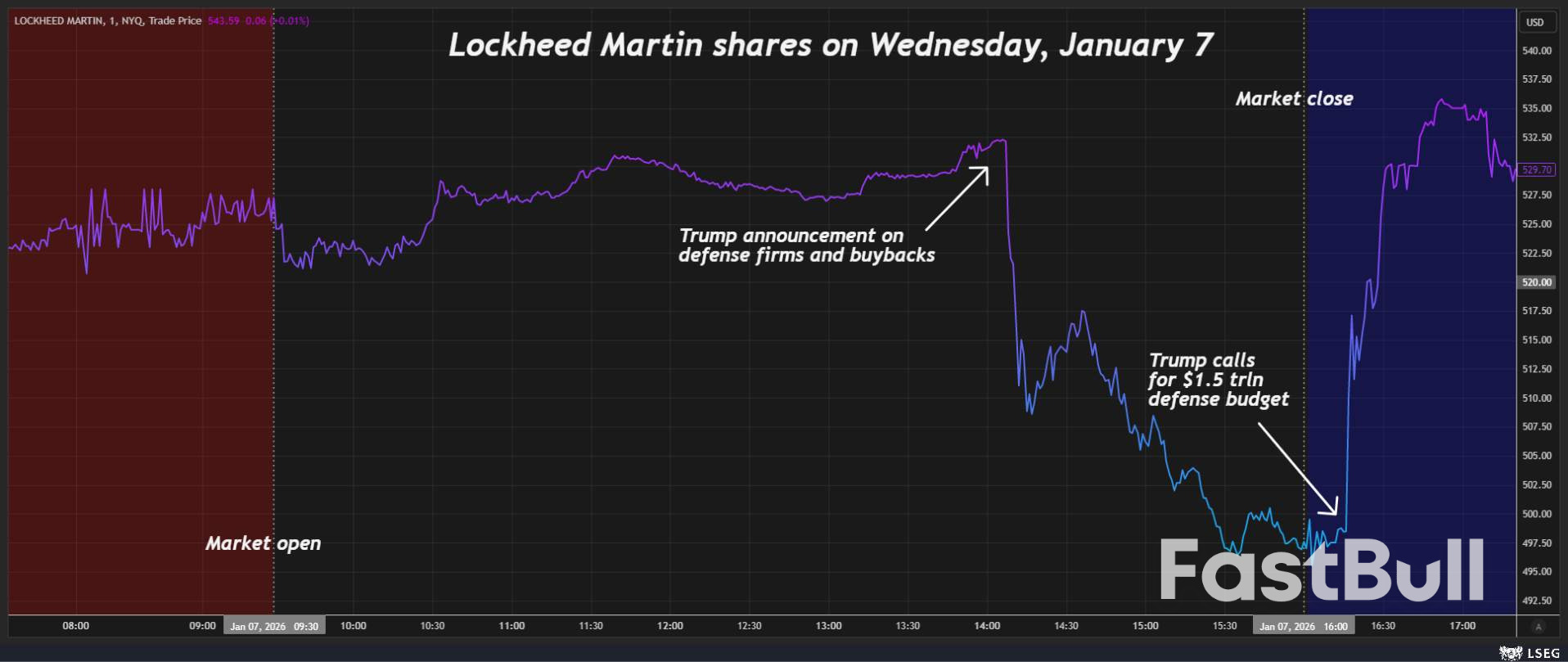
          Trump's capriciousness can still ignite volatility in certain stocks and sectors, of course. Defense giant Lockheed Martin's (LMT.N) shares slumped 7% late last Wednesday after Trump said he would block defense firms' dividend payments or buybacks, then rebounded 8% in after-hours trading when Trump called for a 50% increase in the defense budget to $1.5 trillion.
          But the broader market continues to rise on the back of short-term exuberance and momentum, seemingly unaffected by the most interventionist administration in decades. To be sure, Wall Street lagged its global peers last year by some margin. Perhaps this is a sign that Trump's visible hand is unnerving investors, but, for now, the warning signal is certainly not flashing red.
          Enjoying this column? Check out Reuters Open Interest (ROI), your essential source for global financial commentary. ROI delivers thought-provoking, data-driven analysis of everything from swap rates to soybeans. Markets are moving faster than ever. ROI can help you keep up. Follow ROI on LinkedIn and X

          Source: reuters

          To stay updated on all economic events of today, please check out our Economic calendar
          Risk Warnings and Disclaimers
          You understand and acknowledge that there is a high degree of risk involved in trading. Following any strategies or investment methods may lead to potential losses. The content on the site is provided by our contributors and analysts for information purposes only. You are solely responsible for determining whether any trading assets, securities, strategy, or any other product is suitable for investing based on your own investment objectives and financial situation.
          Add to Favorites
          Share

          Germany's Greenland Gambit Fails in Washington

          Isaac Bennett

          Remarks of Officials

          Russia-Ukraine Conflict

          Political

          An Alarming Trip with No Answers

          Senior German cabinet members returned from Washington this week both empty-handed and alarmed after a mission to uncover the true motives behind President Donald Trump's threats to take control of Greenland. The trip failed to provide clarity, instead highlighting the growing divide in transatlantic relations.

          A NATO Proposal to Test US Motives

          Hoping to understand the strategy behind the White House's focus on the self-ruling Danish territory, German Foreign Minister Johann Wadephul met with U.S. Secretary of State Marco Rubio on Monday. According to sources familiar with the discussion, Wadephul proposed a new NATO mission in the Arctic specifically to protect Greenland, a move designed to test whether American security concerns were the genuine driver of its policy.

          The plan did not succeed. "NATO is currently starting to work on concrete plans that will be discussed with our US partners," Wadephul stated at a press conference organized after the meeting. "We were still not able to do this today."

          Despite the lack of progress, Wadephul noted that the meeting lasted 90 minutes instead of the scheduled 30, a point he later highlighted as an achievement on social media. He also sought to downplay the immediate risk, telling reporters there is "no indication that this is being seriously considered" when asked about Trump's threats.

          Transatlantic Tensions on Full Display

          The failed diplomatic effort underscores Europe's limited influence on conflicts that directly impact the continent. This struggle was also evident as European leaders found it difficult to weigh in on a proposed Ukraine peace deal being negotiated directly between Washington and Moscow.

          German Finance Minister Lars Klingbeil, who was also in Washington for a Group of Seven meeting on rare earths, offered a more direct and pessimistic assessment than his colleague. He warned that the strategic rifts between the United States and Europe are growing wider.

          "We see that the differences are getting bigger," Klingbeil said on Monday. "It's bad for the world if Europe and the US drift apart."

          Risk Warnings and Disclaimers
          You understand and acknowledge that there is a high degree of risk involved in trading. Following any strategies or investment methods may lead to potential losses. The content on the site is provided by our contributors and analysts for information purposes only. You are solely responsible for determining whether any trading assets, securities, strategy, or any other product is suitable for investing based on your own investment objectives and financial situation.
          Add to Favorites
          Share

          Oil Prices Rise 3% After Trump Promises Iran Protesters Help Is On The Way

          Dark Current

          Commodity

          Economic

          Crude oil prices rose about 3% on Tuesday, after U.S. President Donald Trump cancelled all meetings with Iranian officials and promised protesters that help is on the way.

          U.S. crude oil rose $1.96, or 3.29%, to $61.46 per barrel by 11:42 a.m. ET. Global benchmark Brent was up $1.99, or 3.12%, to $65.86 per barrel.

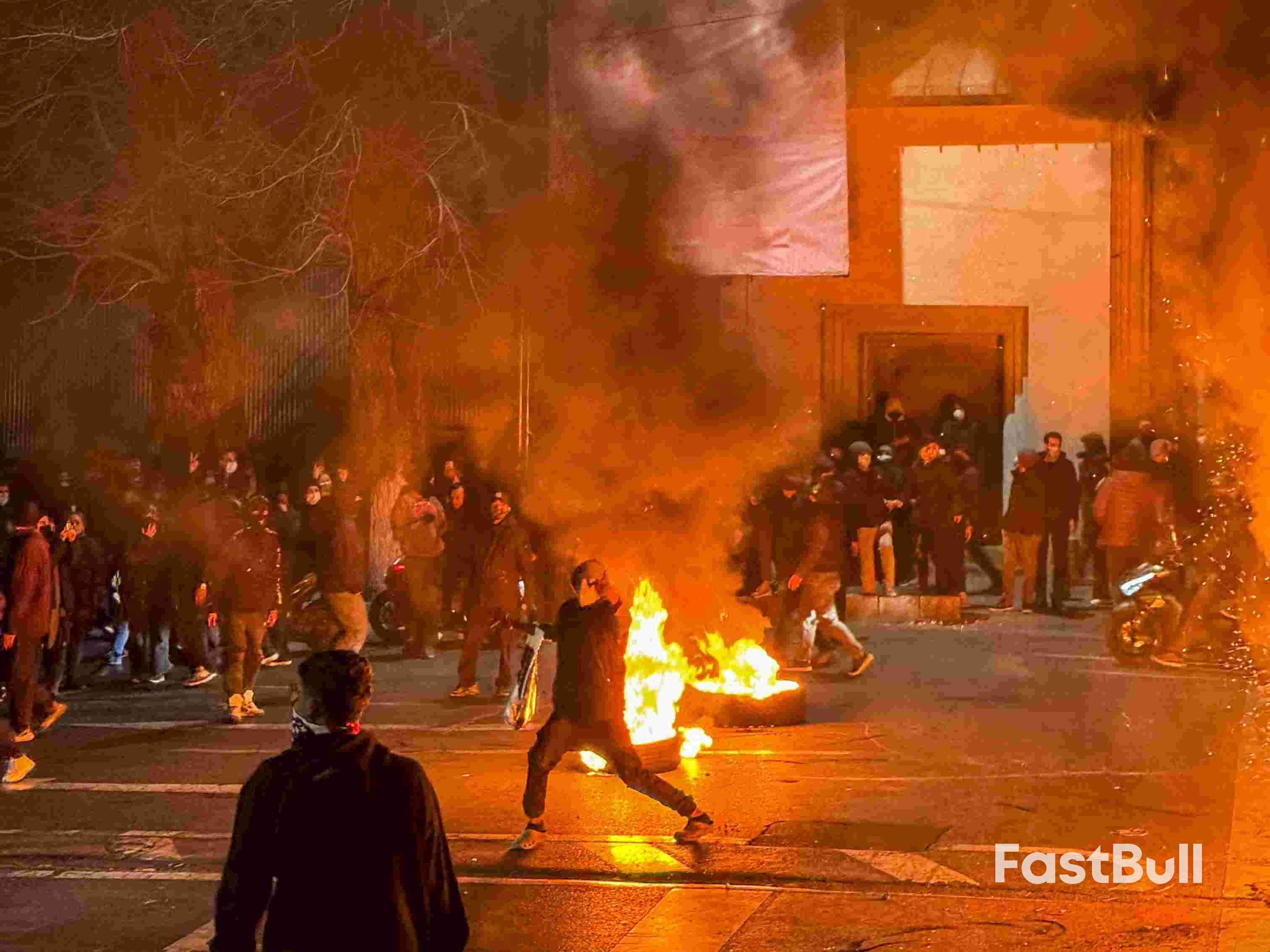
          The Islamic Republic's security forces have cracked down on large-scale demonstrations with hundreds of people reportedly dead. The government has cut off Internet access in Iran, making it difficult to verify how the situation is evolving on the ground.

          Trump has repeatedly threatened to intervene if the Islamic Republic kills protestors.

          "Iranian Patriots, KEEP PROTESTING - TAKE OVER YOUR INSTITUTIONS!!! Save the names of the killers and abusers," Trump said in a Truth Social post Tuesday.

          "They will pay a big price," the president said. "I have cancelled all meetings with Iranian Officials until the senseless killing of protesters STOPS. HELP IS ON ITS WAY. MIGA!!!"

          Iran is a member of OPEC and a major crude oil producer. The oil market is monitoring whether the unrest could lead to a disruption of oil supplies.

          Source: CNBC

          To stay updated on all economic events of today, please check out our Economic calendar
          Risk Warnings and Disclaimers
          You understand and acknowledge that there is a high degree of risk involved in trading. Following any strategies or investment methods may lead to potential losses. The content on the site is provided by our contributors and analysts for information purposes only. You are solely responsible for determining whether any trading assets, securities, strategy, or any other product is suitable for investing based on your own investment objectives and financial situation.
          Add to Favorites
          Share
          FastBull
          Copyright © 2026 FastBull Ltd

          728 RM B 7/F GEE LOK IND BLDG NO 34 HUNG TO RD KWUN TONG KLN HONG KONG

          TelegramInstagramTwitterfacebooklinkedin
          App Store Google Play Google Play
          Products
          Charts

          Chats

          Q&A with Experts
          Screeners
          Economic Calendar
          Data
          Tools
          Membership
          Features
          Function
          Markets
          Copy Trading
          Latest Signals
          Contests
          News
          Analysis
          24/7
          Columns
          Education
          Company
          Careers
          About Us
          Contact Us
          Advertising
          Help Center
          Feedback
          User Agreement
          Privacy Policy
          Personal Information Protection Statement
          Business

          White Label

          Data API

          Web Plug-ins

          Poster Maker

          Affiliate Program

          Risk Disclosure

          The risk of loss in trading financial instruments such as stocks, FX, commodities, futures, bonds, ETFs and crypto can be substantial. You may sustain a total loss of the funds that you deposit with your broker. Therefore, you should carefully consider whether such trading is suitable for you in light of your circumstances and financial resources.

          No decision to invest should be made without thoroughly conducting due diligence by yourself or consulting with your financial advisors. Our web content might not suit you since we don't know your financial conditions and investment needs. Our financial information might have latency or contain inaccuracy, so you should be fully responsible for any of your trading and investment decisions. The company will not be responsible for your capital loss.

          Without getting permission from the website, you are not allowed to copy the website's graphics, texts, or trademarks. Intellectual property rights in the content or data incorporated into this website belong to its providers and exchange merchants.

          Not Logged In

          Log in to access more features

          Connect Broker
          Become a signal provider
          Help Center
          Customer Service
          Dark Mode
          Price Up/Down Colors

          Log In

          Sign Up

          Position
          Layout
          Fullscreen
          Default to Chart
          The chart page opens by default when you visit fastbull.com