• Trade
  • Markets
  • Copy
  • Contests
  • News
  • 24/7
  • Calendar
  • Q&A
  • Chats
Trending
Screeners
SYMBOL
LAST
BID
ASK
HIGH
LOW
NET CHG.
%CHG.
SPREAD
SPX
S&P 500 Index
6824.24
6824.24
6824.24
6874.90
6804.97
+27.38
+ 0.40%
--
DJI
Dow Jones Industrial Average
48757.15
48757.15
48757.15
49020.59
48546.03
+268.57
+ 0.55%
--
IXIC
NASDAQ Composite Index
22987.27
22987.27
22987.27
23260.29
22927.88
+32.96
+ 0.14%
--
USDX
US Dollar Index
98.380
98.460
98.380
98.490
98.140
+0.050
+ 0.05%
--
EURUSD
Euro / US Dollar
1.17098
1.17106
1.17098
1.17428
1.16944
-0.00162
-0.14%
--
GBPUSD
Pound Sterling / US Dollar
1.34360
1.34372
1.34360
1.34588
1.34011
-0.00052
-0.04%
--
XAUUSD
Gold / US Dollar
4824.84
4825.18
4824.84
4888.31
4757.73
+61.68
+ 1.29%
--
WTI
Light Sweet Crude Oil
60.314
60.344
60.314
60.805
59.170
+0.850
+ 1.43%
--

Community Accounts

Signal Accounts
--
Profit Accounts
--
Loss Accounts
--
View More

Become a signal provider

Sell trading signals to earn additional income

View More

Guide to Copy Trading

Get started with ease and confidence

View More

Signal Accounts for Members

All Signal Accounts

Best Return
  • Best Return
  • Best P/L
  • Best MDD
Past 1W
  • Past 1W
  • Past 1M
  • Past 1Y

All Contests

  • All
  • Trump Updates
  • Recommend
  • Stocks
  • Cryptocurrencies
  • Central Banks
  • Featured News
Top News Only
Share

[German Bond Prices Fell For The Fifth Consecutive Day As Investor Attention Shifted From Greenland Geopolitical Tensions To Fiscal Concerns] On Wednesday (January 21), In Late European Trading, The Yield On German 10-year Government Bonds Rose 0.83 Basis Points, Marking Its Fifth Consecutive Day Of Gains And The Longest Winning Streak Since June, To 2.882%. The Yield Traded Between 2.835% And 2.886% During The Day. It Hit A Daily Low At 16:31 Beijing Time Before Rebounding And Steadily Rising Since 18:00. The Yield On 2-year German Bonds Rose 1.7 Basis Points To 2.086%, Trading Between 2.048% And 2.091% During The Day; The Yield On 30-year German Bonds Rose 3.4 Basis Points To 3.513%. The Spread Between 2-year And 10-year German Bond Yields Rose 0.7 Basis Points To +79.408 Basis Points

Share

Nasdaq Turns Negative, Last Down 0.06%

Share

U.S. Supreme Court Justice Kavanaugh: If Trump Is Able To Fire Federal Reserve Governor Cook Without Review, The Fed's Independence Could Completely Collapse

Share

White House National Economic Council Director Hassett: A Major Housing Policy Is About To Be Introduced

Share

White House National Economic Council Director Hassett: I'm Pleased To Have So Many Excellent Candidates For The Federal Reserve, And I Expect The Fed's Investigation To Proceed Rapidly

Share

White House National Economic Council Director Hassett: The Federal Reserve's Criticism Of Trump Is Inconsistent With Its Independence

Share

White House Economic Advisor Hassett: Federal Reserve Members Seem To Want To Have An Opinion On Everything

Share

London Robusta Coffee Futures Rise More Than 3% To $4065 Per Metric Ton

Share

The U.S. Supreme Court Appears Likely To Reject Trump's Request To Immediately Remove Federal Reserve Governor Cook From His Post

Share

International Copper Study Group: The Global Refined Copper Market Will Have A Surplus Of 94,000 Tonnes In November 2025

Share

Trump: That Will Not Be Necessary

Share

Trump: Military Is Not On The Table In Greenland

Share

US President Trump: Will Observe Whether Egypt And Ethiopia Can Reach An Agreement On The Nile River Dam

Share

[Bitcoin Briefly Dipped Below $89,000, With A 1.55% Hourly Drop.] January 22, According To Htx Market Data, Bitcoin Briefly Fell Below $89,000, Now Trading At $88,905, With A 1-Hour Decline Of 1.55%

Share

Denmark Rejected Trump's Request To Negotiate The Takeover Of Greenland

Share

US President Trump: We Have An Excellent Relationship With Egypt

Share

Europe's STOXX Index Up 0.03%, Euro Zone Blue Chips Index Down 0.06%

Share

France's CAC 40 Up 0.13%, Spain's IBEX Up 0.13%

Share

Europe's STOXX 600 Up 0.01%

Share

Germany's DAX 30 Index Closed Down 0.39% At 24,607.15 Points. France's Stock Index Closed Up 0.18%, Italy's Stock Index Closed Down 0.37% And Its Banking Index Fell 0.31%, And The UK Stock Index Closed Up 0.15%

TIME
ACT
FCST
PREV
U.K. CPI MoM (Dec)

A:--

F: --

P: --

U.K. Input PPI MoM (Not SA) (Dec)

A:--

F: --

P: --
U.K. Core CPI MoM (Dec)

A:--

F: --

P: --

U.K. Retail Prices Index MoM (Dec)

A:--

F: --

P: --

U.K. Input PPI YoY (Not SA) (Dec)

A:--

F: --

P: --

U.K. CPI YoY (Dec)

A:--

F: --

P: --

U.K. Output PPI MoM (Not SA) (Dec)

A:--

F: --

P: --

U.K. Output PPI YoY (Not SA) (Dec)

A:--

F: --

P: --

U.K. Core Retail Prices Index YoY (Dec)

A:--

F: --

P: --

U.K. Core CPI YoY (Dec)

A:--

F: --

P: --

U.K. Retail Prices Index YoY (Dec)

A:--

F: --

P: --

Indonesia 7-Day Reverse Repo Rate

A:--

F: --

P: --

Indonesia Loan Growth YoY (Dec)

A:--

F: --

P: --

Indonesia Deposit Facility Rate (Jan)

A:--

F: --

P: --

Indonesia Lending Facility Rate (Jan)

A:--

F: --

P: --

South Africa Core CPI YoY (Dec)

A:--

F: --

P: --

South Africa CPI YoY (Dec)

A:--

F: --

P: --

IEA Oil Market Report
U.K. CBI Industrial Output Expectations (Jan)

A:--

F: --

P: --
U.K. CBI Industrial Prices Expectations (Jan)

A:--

F: --

P: --

South Africa Retail Sales YoY (Nov)

A:--

F: --

P: --

U.K. CBI Industrial Trends - Orders (Jan)

A:--

F: --

P: --

Mexico Retail Sales MoM (Nov)

A:--

F: --

P: --

U.S. MBA Mortgage Application Activity Index WoW

A:--

F: --

P: --

Canada Industrial Product Price Index YoY (Dec)

A:--

F: --

P: --
Canada Industrial Product Price Index MoM (Dec)

A:--

F: --

P: --
U.S. Weekly Redbook Index YoY

A:--

F: --

P: --

U.S. Pending Home Sales Index YoY (Dec)

A:--

F: --

P: --

U.S. Pending Home Sales Index MoM (SA) (Dec)

A:--

F: --

P: --

U.S. Construction Spending MoM (Oct)

A:--

F: --

P: --
U.S. Pending Home Sales Index (Dec)

A:--

F: --

P: --

U.S. API Weekly Refined Oil Stocks

--

F: --

P: --

U.S. API Weekly Gasoline Stocks

--

F: --

P: --

U.S. API Weekly Cushing Crude Oil Stocks

--

F: --

P: --

U.S. API Weekly Crude Oil Stocks

--

F: --

P: --

South Korea GDP Prelim YoY (SA) (Q4)

--

F: --

P: --

South Korea GDP Prelim QoQ (SA) (Q4)

--

F: --

P: --

Japan Imports YoY (Dec)

--

F: --

P: --

Japan Exports YoY (Dec)

--

F: --

P: --

Japan Goods Trade Balance (SA) (Dec)

--

F: --

P: --

Japan Trade Balance (Not SA) (Dec)

--

F: --

P: --
Australia Employment (Dec)

--

F: --

P: --

Australia Labor Force Participation Rate (SA) (Dec)

--

F: --

P: --

Australia Unemployment Rate (SA) (Dec)

--

F: --

P: --

Australia Full-time Employment (SA) (Dec)

--

F: --

P: --

Turkey Consumer Confidence Index (Jan)

--

F: --

P: --

Turkey Capacity Utilization (Jan)

--

F: --

P: --

Turkey Late Liquidity Window Rate (LON) (Jan)

--

F: --

P: --

Turkey Overnight Lending Rate (O/N) (Jan)

--

F: --

P: --

Turkey 1-Week Repo Rate

--

F: --

P: --

U.K. CBI Distributive Trades (Jan)

--

F: --

P: --

U.K. CBI Retail Sales Expectations Index (Jan)

--

F: --

P: --

U.S. Weekly Continued Jobless Claims (SA)

--

F: --

P: --

U.S. Initial Jobless Claims 4-Week Avg. (SA)

--

F: --

P: --

U.S. Real Personal Consumption Expenditures Final QoQ (Q3)

--

F: --

P: --

Canada New Housing Price Index MoM (Dec)

--

F: --

P: --

U.S. Weekly Initial Jobless Claims (SA)

--

F: --

P: --

U.S. Real GDP Annualized QoQ Final (Q3)

--

F: --

P: --

Q&A with Experts
    • All
    • Chatrooms
    • Groups
    • Friends
    Jamolla flag
    john
    @johnTrue, but look at Pending Home Sales ugly. Growth cracks are showing.
    john flag
    Jamolla
    @JamollaYet price still respects 1.3400. Sellers haven’t shown real intent.
    Jamolla flag
    john
    @johnI’m leaning mild bullish as long as BoE doesn’t surprise dovish too hard.
    john flag
    Jamolla
    @JamollaI’m neutral above 1.3338, bearish below it. Simple.
    Jamolla flag
    So you’re basically waiting for the range to break?
    john flag
    Jamolla
    So you’re basically waiting for the range to break?
    @JamollaExactly. No edge inside the chop.
    Jamolla flag
    john
    @johnThat’s disciplined. Many traders force trades here.
    john flag
    this is another reason for gold to extend the pullback
    john flag
    suosuo flag
    its goin down bro
    john flag
    john
    fed independence is being protected here and this good for the market
    john flag
    suosuo
    its goin down bro
    @suosuo yeah and this healthy for the market
    suosuo flag
    Give those who went long with 10 lots a good slap on the backside.
    john flag
    suosuo
    its goin down bro
    @suosuo and this pullback is also likely to get quickly bought
    john flag
    Jamolla
    @JamollaChop eats accounts. Learned that the hard way.
    john flag
    suosuo
    Give those who went long with 10 lots a good slap on the backside.
    @suosuo I believe nobody did this and if they did the had risk under control or they had trailed the stop loss
    CRT flag
    Hi traders, I'm new in this group.
    Jamolla flag
    john
    @johnSame. Fundamentals give bias, but timing still sucks without structure.
    john flag
    CRT
    Hi traders, I'm new in this group.
    @CRTFeel free to ask questions, observe discussions, and take your time learning. Glad to have you here.
    Tradixy 🇪🇬 flag
    ✨ Trading Course – Strong Fundamentals for Mastering the Market ✨ If you're looking to understand market movements correctly and enter trades confidently and consciously 📊, this course is specifically designed to give you a solid foundation in the world of trading. 💡 Course Concepts: • Support and resistance levels explained clearly and practically • Professional use of the Fibonacci tool • Geometric patterns and understanding their price implications • The SK strategy step by step • How to set a safe stop-loss • How to intelligently determine take-profit levels • Understanding the Volume indicator and analyzing the strength of price movements 🎯 The course is suitable for beginners and intermediate traders 🎯 Simplified explanations with practical application 🎯 Goal: Minimize losses and maximize profit opportunities 💰 Course Price: Only $40. A small investment for knowledge that will impact your long-term results 🚀 To register or for more details, please contact us via private message ✅
    Type here...
    Add Symbol or Code

      No matching data

      All
      Trump Updates
      Recommend
      Stocks
      Cryptocurrencies
      Central Banks
      Featured News
      • All
      • Russia-Ukraine Conflict
      • Middle East Flashpoint
      • All
      • Russia-Ukraine Conflict
      • Middle East Flashpoint
      Search
      Products

      Charts Free Forever

      Chats Q&A with Experts
      Screeners Economic Calendar Data Tools
      Membership Features
      Data Warehouse Market Trends Institutional Data Policy Rates Macro

      Market Trends

      Market Sentiment Order Book Forex Correlations

      Top Indicators

      Charts Free Forever
      Markets

      News

      News Analysis 24/7 Columns Education
      From Institutions From Analysts
      Topics Columnists

      Latest Views

      Latest Views

      Trending Topics

      Top Columnists

      Latest Update

      Signals

      Copy Rankings Latest Signals Become a signal provider AI Rating
      Contests
      Brokers

      Overview Brokers Assessment Rankings Regulators News Claims
      Broker listing Forex Brokers Comparison Tool Live Spread Comparison Scam
      Q&A Complaint Scam Alert Videos Tips to Detect Scam
      More

      Business
      Events
      Careers About Us Advertising Help Center

      White Label

      Data API

      Web Plug-ins

      Affiliate Program

      Awards Institution Evaluation IB Seminar Salon Event Exhibition
      Vietnam Thailand Singapore Dubai
      Fans Party Investment Sharing Session
      FastBull Summit BrokersView Expo
      Recent Searches
        Top Searches
          Markets
          News
          Analysis
          User
          24/7
          Economic Calendar
          Education
          Data
          • Names
          • Latest
          • Prev

          View All

          No data

          Scan to Download

          Faster Charts, Chat Faster!

          Download App
          English
          • English
          • Español
          • العربية
          • Bahasa Indonesia
          • Bahasa Melayu
          • Tiếng Việt
          • ภาษาไทย
          • Français
          • Italiano
          • Türkçe
          • Русский язык
          • 简中
          • 繁中
          Open Account
          Search
          Products
          Charts Free Forever
          Markets
          News
          Signals

          Copy Rankings Latest Signals Become a signal provider AI Rating
          Contests
          Brokers

          Overview Brokers Assessment Rankings Regulators News Claims
          Broker listing Forex Brokers Comparison Tool Live Spread Comparison Scam
          Q&A Complaint Scam Alert Videos Tips to Detect Scam
          More

          Business
          Events
          Careers About Us Advertising Help Center

          White Label

          Data API

          Web Plug-ins

          Affiliate Program

          Awards Institution Evaluation IB Seminar Salon Event Exhibition
          Vietnam Thailand Singapore Dubai
          Fans Party Investment Sharing Session
          FastBull Summit BrokersView Expo

          SNB Head Backs Fed, Warns on Political Interference

          Isaac Bennett

          Central Bank

          Remarks of Officials

          China–U.S. Trade War

          Political

          Economic

          Forex

          Summary:

          Swiss National Bank defends central bank independence; a soaring franc challenges its asset strategy amid global turmoil.

          Swiss National Bank Chairman Martin Schlegel on Wednesday stressed that central bank independence is essential for controlling inflation, a statement made amid mounting political pressure on the U.S. Federal Reserve and its chair, Jerome Powell.

          The SNB joined other central banks last week in supporting Powell after the U.S. Justice Department, under President Donald Trump, threatened him with a criminal investigation. Powell has described the probe, which concerns renovations at two Fed buildings, as a pretext to pressure the central bank into cutting interest rates—a move Trump has repeatedly demanded.

          "Central bank independence is very important," Schlegel told Reuters during the World Economic Forum in Davos. "A central bank needs to be independent to fulfil its mandate, which is price stability."

          He highlighted the global significance of the Fed's autonomy, adding, "It's really important that the Fed is independent. Typically, when a central bank is not independent, inflation is higher."

          Global Turmoil Fuels Swiss Franc's Rally

          Schlegel noted that recent global political turbulence has driven up the value of the Swiss franc, which investors traditionally view as a safe-haven asset.

          The franc recorded its strongest annual performance since 2002 last year, gaining nearly 14.5% against the dollar as President Trump's global tariff offensive disrupted trade and unsettled investors. Renewed fears of a trade war with Europe have fueled further gains, with the franc climbing 1.4% this week after remaining stable for most of January.

          SNB Navigates a Strengthening Franc

          The franc's appreciation directly impacts the SNB's balance sheet, reducing the value of its dollar-denominated assets. U.S. dollar holdings constitute approximately 36% of the central bank's 765 billion Swiss francs ($966 billion) in foreign currency reserves.

          While Schlegel did not comment on whether the SNB would reduce its dollar holdings, he emphasized that the bank's strategy is built on diversification and liquidity.

          "What's important for us is diversification, with currencies, so U.S. dollars, euro, and so on, but also in other instruments, government bonds, corporate bonds, and also equities," he explained. "We are looking at our investment universe constantly, and we are able to make decisions if necessary."

          No Changes Planned for Gold or Inflation Outlook

          Despite a 36.3-billion-franc profit from its gold holdings last year, driven by investors seeking refuge from economic turmoil, Schlegel confirmed the SNB has no intention of altering its position.

          "We have no plan to buy or sell gold," he stated, referring to the bank's 1,040 metric tons of reserves.

          The SNB also remains unconcerned by recent low inflation figures. Switzerland's annual inflation rate was 0.1% in December, sitting at the bottom of the bank's 0%-2% target range. Schlegel said the SNB expects inflation to rise but is prepared for some months of negative inflation.

          "If we have some negative prints this year, for example, this is not a problem with the Swiss National Bank," he said, "because we look at the medium-term price stability."

          ($1 = 0.7917 Swiss francs)

          To stay updated on all economic events of today, please check out our Economic calendar
          Risk Warnings and Disclaimers
          You understand and acknowledge that there is a high degree of risk involved in trading. Following any strategies or investment methods may lead to potential losses. The content on the site is provided by our contributors and analysts for information purposes only. You are solely responsible for determining whether any trading assets, securities, strategy, or any other product is suitable for investing based on your own investment objectives and financial situation.
          Add to Favorites
          Share

          Fed Rate Cuts Unlikely Before May, New Poll Reveals

          Damon

          Central Bank

          Remarks of Officials

          Data Interpretation

          Political

          Economic

          Economists have hit the brakes on their rate cut predictions for the U.S. Federal Reserve. A new Reuters poll indicates a significant shift in expectations, with a majority now forecasting that the central bank will hold its key interest rate steady through the first quarter.

          Just a month ago, most experts anticipated at least one rate reduction by March. Now, the consensus suggests that any policy easing is unlikely until Fed Chair Jerome Powell's term concludes in May. This pivot is driven by a surprisingly resilient U.S. economy and escalating political pressures on the central bank's independence.

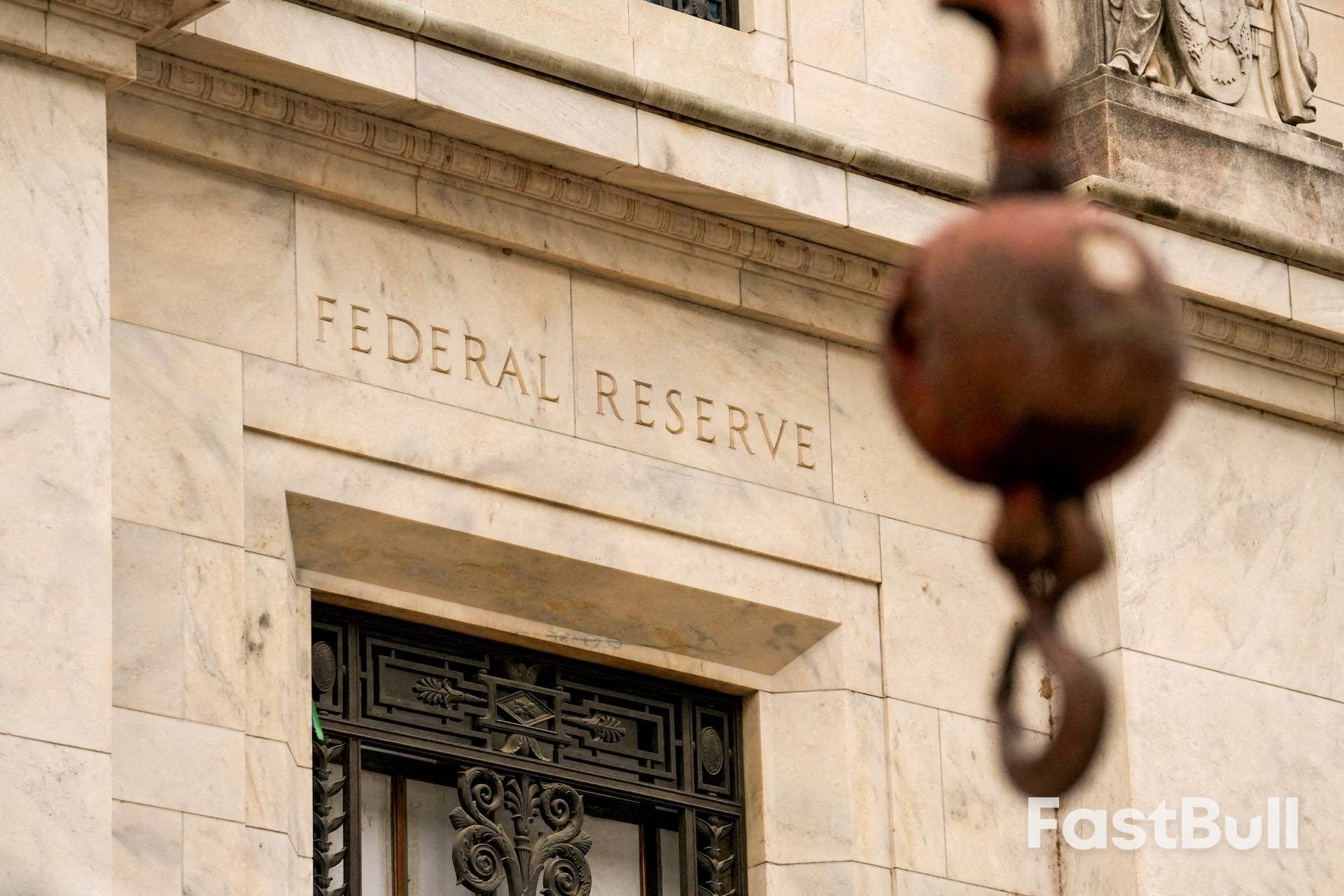
          The Federal Reserve building in Washington, D.C., where policy decisions are being shaped by both economic data and political pressures.

          Rate Cut Expectations Shift Dramatically

          The January 16-21 poll of 100 economists shows a unified front for the short term. Every respondent expects the Fed to keep rates in the 3.50%-3.75% range at its upcoming meeting on January 27-28.

          Furthermore, 58% of those surveyed foresee no change for the entire quarter. This marks a stark reversal from the previous month's poll, where a rate cut was the prevailing view.

          Looking beyond the first quarter, the outlook remains uncertain. However, a slight majority of 55 economists believe rate cuts could resume once Powell's tenure ends in May, highlighting the critical role of the Fed's future leadership in shaping monetary policy.

          Jeremy Schwartz, a senior U.S. economist at Nomura, noted the complexity of the situation. "The economic outlook on the surface suggests the Fed should remain on hold, maybe even consider putting hikes on the table sometime later this year or next year," he said. "In reality, though, we think the Fed will remain on hold for the remainder of Powell's term through May, but we suspect the new leadership will likely manage to get another 50 basis points of rate cuts later in the year."

          Political Pressure Clouds Fed's Independence

          The Fed's policy path is complicated by mounting political interference. President Donald Trump has consistently criticized Chair Powell for not cutting rates more aggressively.

          These tensions have intensified recently, with the Justice Department bringing criminal charges against Powell concerning renovations at the Fed's headquarters. Concurrently, an attempt by Trump to remove Fed Governor Lisa Cook is awaiting a Supreme Court hearing.

          This contentious environment is expected to impact the selection of the next Fed chair, a decision Treasury Secretary Scott Bessent suggested could come as early as next week.

          "There's going to be more pushback than ever on the selection of the next chair, all because of the criminal investigation," said Bernard Yaros, lead U.S. economist at Oxford Economics. "I don't expect Trump to be able to really fill the Fed with people who will cut interest rates."

          Strong Economy Underpins a Hawkish Stance

          Underlying the delayed rate-cut expectations is the sheer strength of the U.S. economy. After expanding at a robust 4.3% pace in the third quarter, growth is now projected to hit 2.3% this year, an upgrade from the 2.0% predicted last month. This forecast is well above the 1.8% level the Fed considers non-inflationary.

          Economists at Oxford Economics are even more bullish, forecasting 2.8% growth in 2026. "We are looking for a very strong U.S. GDP growth in 2026 due to further investments in AI, but even more because of the tax cuts under the fiscal bill," Yaros explained. He estimates the bill will add six-tenths of a percentage point to annual GDP growth this year alone.

          This sustained economic momentum reduces the urgency for the Fed to stimulate activity with lower interest rates.

          Persistent Inflation and a Steady Job Market

          A consequence of strong economic growth is that inflation is likely to remain elevated. According to the poll, the Personal Consumption Expenditures (PCE) index—the Fed's preferred inflation gauge—is expected to stay above the 2% target for the rest of this year and through 2028.

          Meanwhile, the labor market remains stable, with the unemployment rate projected to average 4.5% this year. With solid growth, a tight job market, and persistent inflation, the economic argument for holding interest rates steady appears compelling.

          To stay updated on all economic events of today, please check out our Economic calendar
          Risk Warnings and Disclaimers
          You understand and acknowledge that there is a high degree of risk involved in trading. Following any strategies or investment methods may lead to potential losses. The content on the site is provided by our contributors and analysts for information purposes only. You are solely responsible for determining whether any trading assets, securities, strategy, or any other product is suitable for investing based on your own investment objectives and financial situation.
          Add to Favorites
          Share

          Trump's Gaza Peace Plan Stalls Amid New Violence

          James Riley

          Remarks of Officials

          Middle East Situation

          Latest news on the Israeli-Palestinian conflict

          Palestinian-Israeli conflict

          Political

          A fragile U.S.-brokered ceasefire in Gaza is under severe pressure as fresh violence erupts, stalling a 20-point peace plan championed by President Donald Trump. Israeli fire has killed five Palestinians, including two boys, according to local health officials, highlighting the repeated violations that have plagued the truce since it began in October.

          The agreement, intended to de-escalate a two-year war that has devastated the region, is struggling to move beyond its initial phase.

          October Ceasefire Under Strain as Casualties Mount

          In central Gaza, Palestinian medics reported that Israeli tank shelling east of Deir Al-Balah resulted in the deaths of three people, one of whom was a 10-year-old boy. Two other Palestinians, a 13-year-old boy and a woman, were killed in separate shooting incidents in eastern Khan Younis, located in the southern part of the enclave.

          The conflict has created a severe humanitarian crisis, with civilians bearing the brunt of ongoing violence.

          Local residents stated these incidents occurred in areas controlled by Palestinians. While the ceasefire involved a partial Israeli military withdrawal, Israeli forces still hold approximately 53% of Gaza and have been gradually expanding their presence, leading to further displacement of Palestinian families.

          Earlier on Wednesday, the Israeli military announced its forces had killed a "terrorist" who posed an imminent threat after crossing into an area under their control.

          U.S.-Brokered Peace Deal Hits a Wall

          The October deal has not progressed past its first stage, which involved a cessation of major fighting, a partial Israeli pullback, and an exchange of Hamas-held hostages for Palestinian detainees and prisoners.

          Israeli forces maintain a significant military presence in parts of Gaza, a key issue in the stalled peace negotiations.

          Future phases of the plan remain stalled, with no timetable set for their implementation. These steps are supposed to include:

          • The disarmament of Hamas.

          • A further withdrawal of Israeli forces.

          • The installation of an internationally supported administration to oversee the reconstruction of Gaza.

          On Thursday, President Trump is scheduled to preside over a ceremony for the Board of Peace, a group he established with the stated aim of redeveloping the coastal territory.

          Disputes Over Hostages and Disarmament

          Progress is deadlocked over key disagreements. Israel insists it will only proceed to the second phase after Hamas returns the remains of the last Israeli hostage.

          In response, Hamas Gaza spokesperson Hazem Qassem said on Wednesday that the group has shared all available information about the body and that its search efforts were unsuccessful, blaming what he termed obstruction by the Israeli military.

          Since the ceasefire took effect, more than 460 Palestinians and three Israeli soldiers have been reported killed in clashes. The wider conflict began after a Hamas-led attack on October 7, 2023, which killed 1,200 people, according to Israeli data. Israel's subsequent air and ground assault has killed 71,000 Palestinians, according to Gaza's health authorities.

          Risk Warnings and Disclaimers
          You understand and acknowledge that there is a high degree of risk involved in trading. Following any strategies or investment methods may lead to potential losses. The content on the site is provided by our contributors and analysts for information purposes only. You are solely responsible for determining whether any trading assets, securities, strategy, or any other product is suitable for investing based on your own investment objectives and financial situation.
          Add to Favorites
          Share

          Trump Treasury Secretary Brands Denmark ‘Irrelevant’ as Greenland Row Deepens

          Warren Takunda

          Economic

          Donald Trump’s treasury secretary has dismissed Denmark as “irrelevant” in his administration’s latest attack on a traditional US ally, as world leaders in Davos prepare for the president’s arrival in the Swiss ski resort.
          Speaking on the sidelines of the World Economic Forum, Scott Bessent brushed aside claims that European investors, such as Denmark’s pension funds, might pull out of the market for US government debt in retaliation for Trump’s attempt to annex Greenland.
          “The size of Denmark’s investment in US Treasury bonds, like Denmark itself, is irrelevant,” Bessent declared. “It is less than $100m[£75m]. They’ve been selling treasuries for years. I’m not concerned at all.”
          He blamed the “fake news media led by the Financial Times” for amplifying a Deutsche Bank report that suggested Europe might be less willing to keep buying US government debt, amid the crisis over ownership of the Arctic island.
          Bessent told reporters that the CEO of the German bank had called to say it does not stand by the findings of the report.
          The US treasury secretary was speaking a day after the French president, Emmanuel Macron, told Davos he preferred “respect to bullies” and the “rule of law to brutality”, and the European Commission president, Ursula von der Leyen, promised an “unflinching response” over Trump’s threat of tariffs on eight European countries opposing his Greenland takeover.
          Bessent called Macron and von der Leyen’s statements “inflammatory” and suggested the French president should focus on domestic matters rather than push for a Nato mission in Greenland.
          “If this is all President Macron has to do when the French budget is in shambles, I would suggest he focuses on other things for the French people,” Bessent said.
          He was speaking as Trump flew towards Davos behind schedule, after a problem with Air Force One delayed the president by about three hours. Trump is due to address WEF on Wednesday afternoon but Bessent suggested the president was “likely to be three hours late”.
          Bessent urged leaders in Davos not to show “reflexive anger” and “bitterness” and instead wait for Trump and listen to his argument as to why the US should own Greenland. “I think they’re going to be persuaded,” he added.
          He saved his sharpest barbs for California’s governor, Gavin Newsom, who had told Davos on Tuesday that Bessent was “smug” and “out of touch”.
          Bessent hit back, dubbing Newsom “Patrick Bateman meets Sparkle Beach Ken”, and accusing him of “hobnobbing with the global elite” rather than tackling California’s homeless crisis.
          “Shame on him. He is too smug, too self-absorbed and too economically illiterate to know anything. Let me know if you need any further clarification,” Bessent said.

          Source: Theguardian

          To stay updated on all economic events of today, please check out our Economic calendar
          Risk Warnings and Disclaimers
          You understand and acknowledge that there is a high degree of risk involved in trading. Following any strategies or investment methods may lead to potential losses. The content on the site is provided by our contributors and analysts for information purposes only. You are solely responsible for determining whether any trading assets, securities, strategy, or any other product is suitable for investing based on your own investment objectives and financial situation.
          Add to Favorites
          Share

          EU Skips Big Tech Fees for Network Upgrades

          Grace Montgomery

          Political

          Economic

          Remarks of Officials

          The European Union has officially decided against forcing the world's largest tech companies to help pay for overhauling Europe's telecommunications infrastructure, ending a long-running and contentious debate.

          Brussels announced on Wednesday that instead of mandating "fair share" payments from tech giants like Netflix for their high bandwidth usage, it will pursue a voluntary system. The decision is a setback for European telecom providers, who have long argued that Big Tech should contribute financially to network maintenance and upgrades.

          Tech firms have consistently opposed these proposals, warning that such fees would ultimately force consumers to pay twice—first for their internet access and again through higher subscription costs for streaming and cloud services.

          A Voluntary Approach Over Mandated Fees

          The European Commission is now proposing a "voluntary cooperation mechanism" between connectivity providers and major content and cloud companies. This approach sidesteps direct regulation and aligns with a tariff agreement made last year between the EU and the United States, in which Brussels promised "not to adopt or maintain network usage fees."

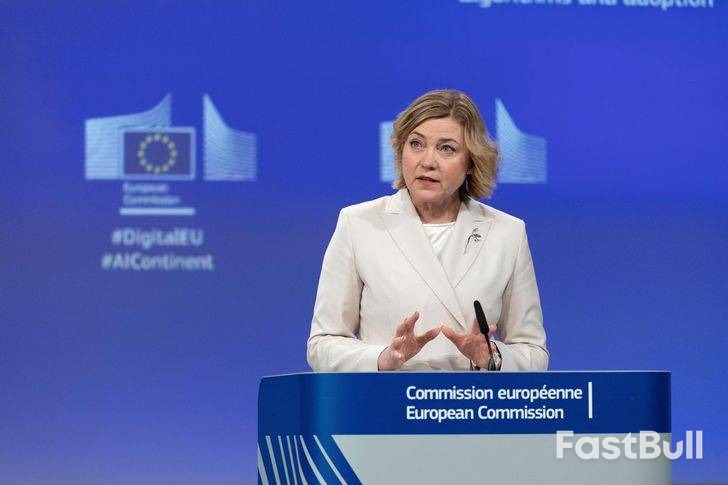
          "We shouldn't come with very strict rules from the commission," EU tech chief Henna Virkkunen told reporters in Strasbourg.

          Henna Virkkunen, European Commissioner for Tech-Sovereignty, outlines the EU's new digital strategy in Brussels.

          Tech and Telecoms React to EU Proposal

          Despite the EU's lighter touch, both the tech and telecom industries expressed disappointment with the new plan.

          Big Tech Remains Wary of "Ambiguous" Plan

          The tech sector voiced immediate concern over the proposal's wording, fearing it could still lead to new fees.

          "We are deeply concerned by the proposal's ambiguous language," stated Maria Teresa Stecher of the tech lobby group CCIA Europe. "The ecosystem is functioning well, yet this unnecessary mechanism has been introduced, clearly opening the door to network usage fees."

          Telecom Industry Laments Lack of Bold Action

          Meanwhile, telecom operators argued that the plan fails to address the core issue of funding future investments.

          Connect Europe, a group representing European connectivity providers, described the draft law as a "continuation of the status quo." The group added that, "apart from spectrum, [it is] lacking transformative proposals to foster much-needed investment."

          The Digital Networks Act: A Broader Revamp

          The announcement is part of the EU executive's wider "Digital Networks Act," a legislative package designed to modernize and strengthen Europe's fragmented telecom market. The EU estimates that over €200 billion ($234 billion) is required for this modernization.

          Key proposals within the act include:

          • Simplified Operations: Allowing companies to register in just one member state to provide services across the entire bloc.

          • Predictable Licensing: Granting telecoms longer radio spectrum licenses, currently set for at least 20 years, and making them renewable by default to increase predictability for operators.

          As part of the long-term vision, Brussels is also proposing a deadline of 2035 for member states to transition their infrastructure from older copper networks to faster fibre technology. The proposed legislation will now move to the European Parliament and member states for discussion before it can become law.

          To stay updated on all economic events of today, please check out our Economic calendar
          Risk Warnings and Disclaimers
          You understand and acknowledge that there is a high degree of risk involved in trading. Following any strategies or investment methods may lead to potential losses. The content on the site is provided by our contributors and analysts for information purposes only. You are solely responsible for determining whether any trading assets, securities, strategy, or any other product is suitable for investing based on your own investment objectives and financial situation.
          Add to Favorites
          Share

          Wall Street Pushes Back on Trump's Cost of Living Plan

          George Anderson

          Remarks of Officials

          Stocks

          Traders' Opinions

          Political

          Economic

          Major Wall Street banks are in talks with the Trump administration to shape policies aimed at tackling the rising cost of living, a critical issue for voters heading into the midterm elections. While engaging with the White House, financial leaders are expressing skepticism about some of President Trump’s key proposals and suggesting alternative strategies, according to sources familiar with the discussions in Davos, Switzerland.

          The central conflict revolves around the effectiveness of the administration's ideas. Economic challenges, particularly the high cost of essentials like housing and groceries, were a major factor in Trump's 2024 election win. Although inflation has cooled since its post-pandemic peak, persistent high prices threaten the Republican party's standing in the upcoming November elections.

          Wall Street Questions Trump's Affordability Fixes

          President Trump has floated several proposals designed to provide financial relief to Americans. Among the most prominent are plans to cap credit card interest rates and to allow people to use 401(k) retirement funds for a down payment on a home.

          However, these ideas have been met with resistance from the financial sector. The proposal to cap credit card rates, in particular, has caused concern, leading to a drop in major bank shares. Banks argue that such a move would be counterproductive, while investors have questioned whether tapping retirement accounts would solve the core issue in the housing market, which they identify as a lack of supply.

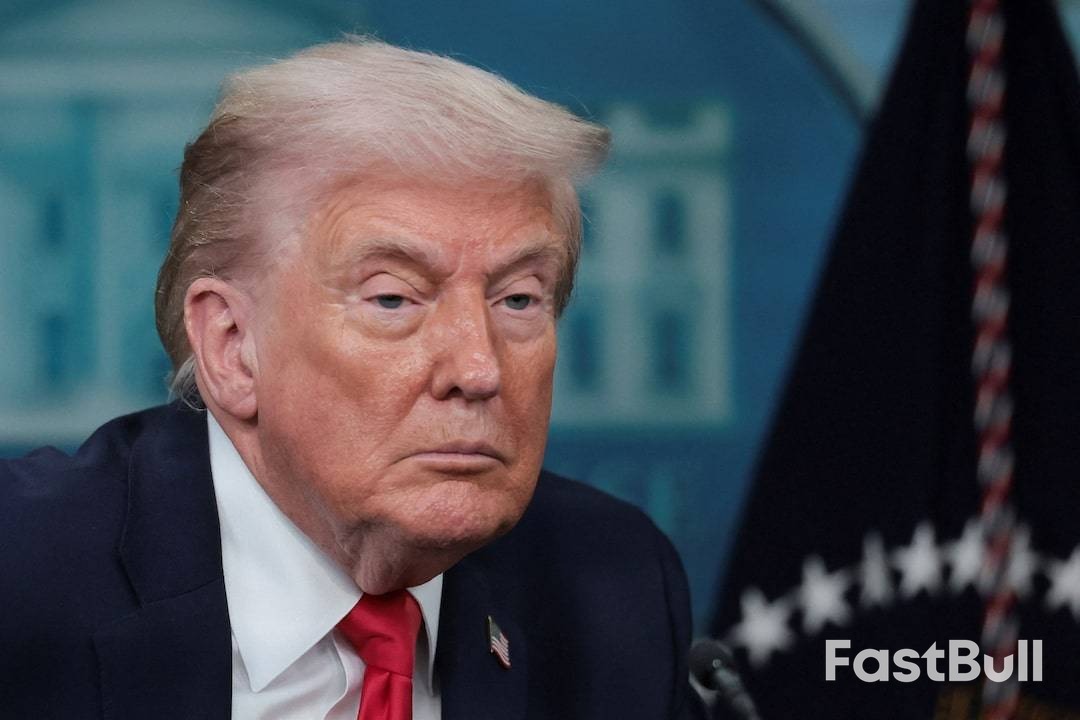
          Figure 1: President Donald Trump has made tackling the high cost of living a central theme of his policy agenda ahead of the midterm elections.

          The Debate Over Capping Credit Card Rates

          Banking executives are publicly and privately pushing back against the idea of interest rate caps. Speaking from Davos, Citigroup CEO Jane Fraser told CNBC that while "the President is right in focusing on affordability," she does not expect Congress to approve the caps. She added that such a policy "would not be good for the U.S. economy."

          According to sources, banks argue that price caps would directly impact the availability and pricing of credit. One potential response, an executive noted, would be to substantially reduce the credit lines offered to customers to mitigate potential losses.

          While the financial industry is resistant, U.S. Treasury Secretary Scott Bessent stated on Tuesday that it was "not unreasonable" to have a discussion about the practices of credit card companies, suggesting various options could be considered.

          Banks Pitch Alternative Solutions for Housing and Savings

          Instead of measures they see as disruptive, Wall Street is proposing a different set of solutions to the White House. One senior U.S. banking executive framed the industry's approach as collaborative, stating, "We're saying, 'What are you trying to achieve? Let's figure out ways to help you.'"

          The alternative ideas from the banking sector include:

          • Encouraging higher rates of retirement savings.

          • Incentivizing the earlier transfer of wealth from parents and grandparents to their children.

          • Modifying the 401(k) proposal to allow parents and grandparents, who typically have larger retirement balances, to tap their funds for their children's housing down payments.

          On the housing front, banks acknowledge that increasing purchasing power without addressing supply could drive prices even higher. To boost supply, one source suggested allowing older Americans to sell their homes tax-free.

          No Quick Fix Before Midterm Elections

          Despite the ongoing dialogue, there is a consensus that none of the proposed policies—from either the administration or the banks—are likely to have a meaningful impact on American household budgets before the November elections.

          One source noted that fixing the housing market, for example, requires "patience that no one has." The Trump administration is reportedly listening to these alternative ideas, with "smart people in there working hard at this stuff." However, with policy details still unclear, Wall Street remains in a holding pattern, waiting for a clear direction before taking any action.

          To stay updated on all economic events of today, please check out our Economic calendar
          Risk Warnings and Disclaimers
          You understand and acknowledge that there is a high degree of risk involved in trading. Following any strategies or investment methods may lead to potential losses. The content on the site is provided by our contributors and analysts for information purposes only. You are solely responsible for determining whether any trading assets, securities, strategy, or any other product is suitable for investing based on your own investment objectives and financial situation.
          Add to Favorites
          Share

          Ukraine Endures Its Bitterest Winter As Russia Targets Heating And Power

          Samantha Luan

          Political

          Economic

          · Kyiv faces severe power outages amid harsh winter
          · City mayor says Russian strikes aim to break Ukrainians' spirit
          · Attacks have become more frequent and concentrated
          · Western partners rush in generators, batteries to cover outages
          · Ukraine says the strikes show Moscow has no interest in peace

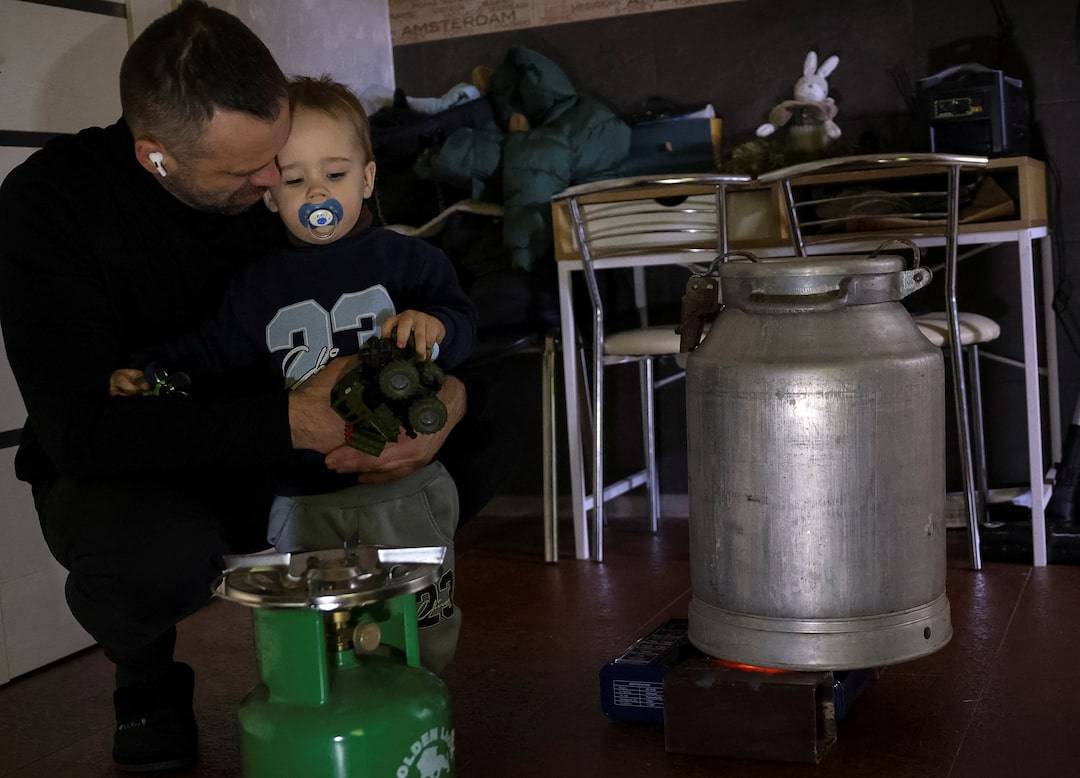
          Collecting snow for water at home; sleeping in gloves, coats and hats; heating bricks on gas stoves for warmth; erecting tents indoors - Kyiv residents are doing everything they can to survive the coldest, darkest winter of the war.

          "When there is no electricity, there is no heating: it means the apartment freezes," said Anton Rybikov, father of three-year-old David and two-year-old Matvii, speaking to Reuters in their home, where he and his wife Marina have stocked up on backup batteries and sleeping bags.

          The 39-year-old military chaplain said one of his sons recently contracted pneumonia after temperatures in the apartment fell to 9 degrees Celsius (48 Fahrenheit) during a power blackout of more than 19 hours following Russian airstrikes.

          "It's emotionally very difficult. There is constant worry," Rybikov added, as he prepared to heat water in a metal milk churn. "This winter is the hardest."

          Russia has intensified its attacks on Ukraine's energy infrastructure in recent months, concentrating missile and drone strikes on the cities of Kyiv, Kharkiv and Dnipro.

          British military intelligence estimated that Russia launched 55,000 unmanned aerial systems at Ukraine last year, around five times the number in 2024, according to one of its regular reports on the war posted on X.

          Ukraine has called for more Western air defences to cope with the drone and missile barrages.

          With temperatures plunging to minus 18 degrees Celsius across snow-covered Kyiv, the attacks mean hundreds of thousands of the capital's three million residents are struggling with lengthy interruptions to power and water supplies.

          On Tuesday, after a major Russian strike overnight, President Volodymyr Zelenskiy said more than a million households in the city had no power.

          Simple routines like showering and cooking are now a challenge. For the first time since the full-scale Russian invasion nearly four years ago, the government last week declared a state of emergency related to the energy crisis.

          STRIKES AIM TO 'BREAK UKRAINIANS' SPIRIT'

          Russia says its attacks on Ukraine are designed to degrade its military and denies targeting civilians.

          Kyiv mayor Vitali Klitschko told Reuters that the strikes on the capital were meant to "break resistance, break the Ukrainians' spirit, to do everything for people to become depressed and pack their bags and vacate the territory."

          "Kyiv has always been and remains the target for the aggressor," he said in an interview in his office.

          Across the city, thousands of people now gather in schools and at makeshift street "invincibility points" where generators allow them to warm up, charge their phones and connect to the internet.

          At a food distribution point in Kyiv run by World Central Kitchen, 66-year-old pensioner Valentyna Kiriiakova queued for hot food along with her granddaughter, Yeva Teplova.

          "We don't complain," said Kiriiakova, whose high-rise apartment had no power, leaving her unable to cook. "We understand that there is a war going on and we have to endure. We have to survive."

          Russia's onslaught on Ukraine's energy system has led to power and water outages in Kyiv that typically last three to four times longer than previous winters.

          Economy Minister Oleksii Sobolev said that since October, Russia had damaged 8.5 gigawatts of Ukraine's generation capacity — nearly half of typical power consumption — forcing record electricity imports.

          Russia has also struck Ukrainian gas production facilities, said energy company Naftogaz. The central bank governor said late last year that Ukraine lost about a half of its gas output, forcing it to spend more on imports.

          "Ukraine's energy system is not broken, but it is operating in a mode of constant degradation," said Olena Lapenko, general director for safety and resilience at energy think-tank Dixi Group.

          ENERGY EMERGENCY

          Schools and universities have extended their winter holidays, and many companies have moved to remote work or reduced their operating hours.

          Dozens of repair teams hurry across Kyiv from site-to-site to patch up the damage caused by Russian strikes.

          "There is a lot of work. The grids cannot withstand such pressure all at once," said Hennadii Barulin, 55, a digger operator, as his team worked to restore power to residents.

          "This is a real winter. It is very difficult to break through the ground, through the asphalt, through everything."

          Sobolev said Ukraine's stocks of energy equipment had been depleted and that urgent financial support of about $1 billion was required to deal with the current emergency.

          Ukraine's Western partners rushed in hundreds of generators, powerful batteries and industrial boilers to help cover some gaps, according to the foreign ministry.

          Newly appointed Energy Minister Denys Shmyhal said Ukraine has made some progress installing small, independent generation capacity to reduce reliance on the heavily centralised, Soviet-era system. He said 762 megawatts were installed in 2025, compared with 225 megawatts in 2024.

          "Given the critical state of the energy sector, such pace is clearly insufficient."

          Shmyhal also said Kyiv lagged behind other Ukrainian cities in installing independent generation capacity - criticism the mayor rejected.

          With freezing temperatures forecast for several more weeks and further Russian strikes expected, energy experts say the situation is unlikely to improve soon.

          Rybikov said he would consider sending his sons out of Kyiv if the blackouts worsen.

          "We need the warmth so that the children do not freeze. The rest we will get through," he said. "If there is a blackout, I will send the children away."

          Source: Reuters

          To stay updated on all economic events of today, please check out our Economic calendar
          Risk Warnings and Disclaimers
          You understand and acknowledge that there is a high degree of risk involved in trading. Following any strategies or investment methods may lead to potential losses. The content on the site is provided by our contributors and analysts for information purposes only. You are solely responsible for determining whether any trading assets, securities, strategy, or any other product is suitable for investing based on your own investment objectives and financial situation.
          Add to Favorites
          Share
          FastBull
          Copyright © 2026 FastBull Ltd

          728 RM B 7/F GEE LOK IND BLDG NO 34 HUNG TO RD KWUN TONG KLN HONG KONG

          TelegramInstagramTwitterfacebooklinkedin
          App Store Google Play Google Play
          Products
          Charts

          Chats

          Q&A with Experts
          Screeners
          Economic Calendar
          Data
          Tools
          Membership
          Features
          Function
          Markets
          Copy Trading
          Latest Signals
          Contests
          News
          Analysis
          24/7
          Columns
          Education
          Company
          Careers
          About Us
          Contact Us
          Advertising
          Help Center
          Feedback
          User Agreement
          Privacy Policy
          Personal Information Protection Statement
          Business

          White Label

          Data API

          Web Plug-ins

          Poster Maker

          Affiliate Program

          Risk Disclosure

          The risk of loss in trading financial instruments such as stocks, FX, commodities, futures, bonds, ETFs and crypto can be substantial. You may sustain a total loss of the funds that you deposit with your broker. Therefore, you should carefully consider whether such trading is suitable for you in light of your circumstances and financial resources.

          No decision to invest should be made without thoroughly conducting due diligence by yourself or consulting with your financial advisors. Our web content might not suit you since we don't know your financial conditions and investment needs. Our financial information might have latency or contain inaccuracy, so you should be fully responsible for any of your trading and investment decisions. The company will not be responsible for your capital loss.

          Without getting permission from the website, you are not allowed to copy the website's graphics, texts, or trademarks. Intellectual property rights in the content or data incorporated into this website belong to its providers and exchange merchants.

          Not Logged In

          Log in to access more features

          FastBull Membership

          Not yet

          Purchase

          Become a signal provider
          Help Center
          Customer Service
          Dark Mode
          Price Up/Down Colors

          Log In

          Sign Up

          Position
          Layout
          Fullscreen
          Default to Chart
          The chart page opens by default when you visit fastbull.com