• Trade
  • Markets
  • Copy
  • Contests
  • News
  • 24/7
  • Calendar
  • Q&A
  • Chats
Screeners
SYMBOL
LAST
ASK
BID
HIGH
LOW
NET CHG.
%CHG.
SPREAD
SPX
S&P 500 Index
6967.41
6967.41
6967.41
6968.59
6916.63
+28.38
+ 0.41%
--
DJI
Dow Jones Industrial Average
49168.74
49168.74
49168.74
49199.27
48673.58
+276.28
+ 0.57%
--
IXIC
NASDAQ Composite Index
23569.84
23569.84
23569.84
23572.60
23356.40
+108.03
+ 0.46%
--
USDX
US Dollar Index
97.320
97.400
97.320
97.390
96.840
+0.330
+ 0.34%
--
EURUSD
Euro / US Dollar
1.18129
1.18137
1.18129
1.18745
1.18049
-0.00362
-0.31%
--
GBPUSD
Pound Sterling / US Dollar
1.36545
1.36557
1.36545
1.37153
1.36305
-0.00290
-0.21%
--
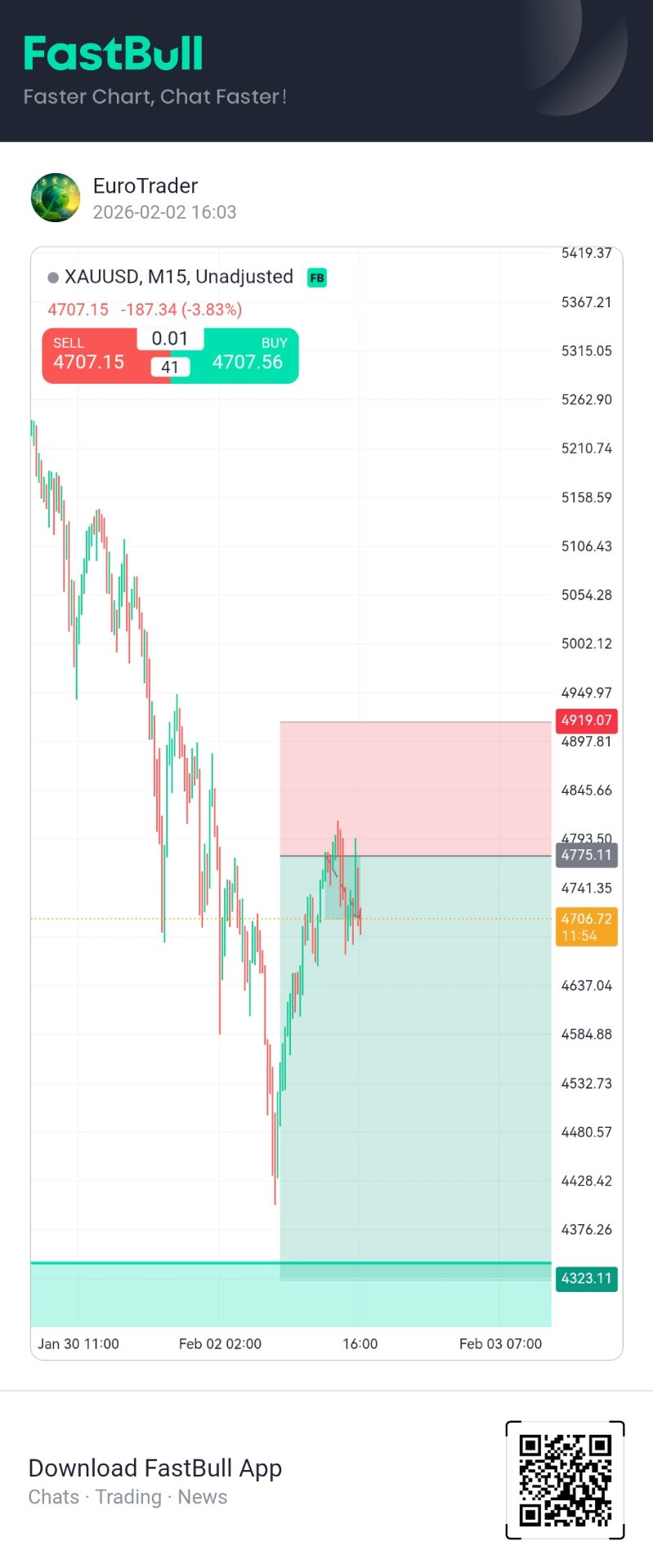
XAUUSD
Gold / US Dollar
4718.61
4719.02
4718.61
4884.47
4402.03
-175.88
-3.59%
--
WTI
Light Sweet Crude Oil
62.135
62.165
62.135
63.933
61.181
-3.292
-5.03%
--

Community Accounts

Signal Accounts
--
Profit Accounts
--
Loss Accounts
--
View More

Become a signal provider

Sell trading signals to earn additional income

View More

Guide to Copy Trading

Get started with ease and confidence

View More

Signal Accounts for Members

All Signal Accounts

Best Return
  • Best Return
  • Best P/L
  • Best MDD
Past 1W
  • Past 1W
  • Past 1M
  • Past 1Y

All Contests

  • All
  • Trump Updates
  • Recommend
  • Stocks
  • Cryptocurrencies
  • Central Banks
  • Featured News
Top News Only
Share

Ukraine Grain Exports As Of February 2

Share

[Economist: Fed Could Further Shrink Balance Sheet If It Uses Term Open Market Operations (Tomos)] Bill Nelson, Chief Economist And Head Of Research At The Bank Policy Institute (Bpi), Believes The Federal Reserve's Reluctance To Restart Term Open Market Operations (Tomos) Is Hindering Further Reduction In Its Balance Sheet, And This Resistance Is Based On Misunderstanding. Nelson Writes, "Without Term Open Market Operations, The Fed Simply Cannot Achieve Meaningful Balance Sheet Reduction. To Reduce Its Balance Sheet, The Fed Must Raise Money Market Rates To A Level Slightly Above The Interest Rate On Reserves (IOR) So That Banks Have An Incentive To Shift Funds From Reserves To Other Liquid Assets."

Share

U.S. Treasury Yields Rose Further As Data Showed That The U.S. ISM Manufacturing Sector Expanded At Its Fastest Pace Since February 2022 In January

Share

Sterling Down 0.22% At $1.3657

Share

Euro Down 0.32% At $1.1812

Share

USA Dollar Index Rises After Ism Data, Last Up 0.29% At 97.49

Share

Dollar/Yen Up 0.47% At 155.49 After Ism Data

Share

The US ISM Manufacturing New Orders Index For January Was 57.1, Compared To 47.7 In The Previous Month

Share

Ism USA Manufacturing Employment Index 48.1 In January Versus 44.8 In December

Share

Ism USA Manufacturing Prices Paid Index 59.0 In January (Consensus 59.0) Versus 58.5 In December

Share

Ism USA Manufacturing Activity Index 52.6 In January (Consensus 48.5) Versus 47.9 In December

Share

Gold Volatility Hits Highest Level Since 2008, Dwarfing Even Bitcoin's Rollercoaster Ride. Gold's Volatility Has Surpassed That Of Bitcoin, Highlighting The Metal's Dramatic Price Swings, Comparable To The Most Volatile Periods Of The Past Two Decades, Following A Rapid Price Surge. Bloomberg Data Shows That Gold's 30-day Volatility Has Climbed To Over 44%, The Highest Since The 2008 Financial Crisis. This Level Exceeds Bitcoin's Volatility Of Approximately 39%—the Original Cryptocurrency Often Referred To As "digital Gold."

Share

The Final Reading Of The S&P Global Manufacturing PMI Output Sub-index For January Rose To 55.2, A New High Since August, Marking The Eighth Consecutive Month Of Expansion. The Final Reading Of The Employment Sub-index Fell, Reaching A New Low Since October

Share

A White House Official Said U.S. Middle East Envoy Witkov Will Travel To Abu Dhabi On Wednesday And Thursday For Talks With Russia And Ukraine

Share

A White House Official Said U.S. Middle East Envoy Witkov Will Arrive In Israel On Tuesday And Meet With Israeli Prime Minister Netanyahu

Share

The Final Reading Of The S&P Global Manufacturing PMI For January In The United States Was 52.4, In Line With Expectations Of 52 And The Preliminary Reading Of 51.9

Share

Spokesman: US Treasury Has Not Pledged Funds To African Development Bank's Adf 2025 Financing Round

Share

S&P 500 Up 0.06%, Dow Up 0.23%, Nasdaq Flat

Share

The Nasdaq Golden Dragon China Index Fell 1% In Early Trading

Share

US President Donald Trump (Truthsocial): Trump Says He Welcomes China, India Investment In Venezuela Oil

TIME
ACT
FCST
PREV
China, Mainland NBS Non-manufacturing PMI (Jan)

A:--

F: --

P: --

South Korea Trade Balance Prelim (Jan)

A:--

F: --

P: --
Japan Manufacturing PMI Final (Jan)

A:--

F: --

P: --

South Korea IHS Markit Manufacturing PMI (SA) (Jan)

A:--

F: --

P: --

Indonesia IHS Markit Manufacturing PMI (Jan)

A:--

F: --

P: --

China, Mainland Caixin Manufacturing PMI (SA) (Jan)

A:--

F: --

P: --

Indonesia Trade Balance (Dec)

A:--

F: --

P: --

Indonesia Inflation Rate YoY (Jan)

A:--

F: --

P: --

Indonesia Core Inflation YoY (Jan)

A:--

F: --

P: --

India HSBC Manufacturing PMI Final (Jan)

A:--

F: --

P: --

Australia Commodity Price YoY (Jan)

A:--

F: --

P: --

Russia IHS Markit Manufacturing PMI (Jan)

A:--

F: --

P: --

Turkey Manufacturing PMI (Jan)

A:--

F: --

P: --

U.K. Nationwide House Price Index MoM (Jan)

A:--

F: --

P: --

U.K. Nationwide House Price Index YoY (Jan)

A:--

F: --

P: --

Germany Actual Retail Sales MoM (Dec)

A:--

F: --

P: --
Italy Manufacturing PMI (SA) (Jan)

A:--

F: --

P: --

South Africa Manufacturing PMI (Jan)

A:--

F: --

P: --

Euro Zone Manufacturing PMI Final (Jan)

A:--

F: --

P: --

U.K. Manufacturing PMI Final (Jan)

A:--

F: --

P: --

Turkey Trade Balance (Jan)

A:--

F: --

P: --

Brazil IHS Markit Manufacturing PMI (Jan)

A:--

F: --

P: --

Canada National Economic Confidence Index

A:--

F: --

P: --

Canada Manufacturing PMI (SA) (Jan)

A:--

F: --

P: --

U.S. IHS Markit Manufacturing PMI Final (Jan)

A:--

F: --

P: --

U.S. ISM Output Index (Jan)

A:--

F: --

P: --

U.S. ISM Inventories Index (Jan)

A:--

F: --

P: --

U.S. ISM Manufacturing Employment Index (Jan)

A:--

F: --

P: --

U.S. ISM Manufacturing New Orders Index (Jan)

A:--

F: --

P: --

U.S. ISM Manufacturing PMI (Jan)

A:--

F: --

P: --

South Korea CPI YoY (Jan)

--

F: --

P: --

Japan Monetary Base YoY (SA) (Jan)

--

F: --

P: --

Australia Building Approval Total YoY (Dec)

--

F: --

P: --

Australia Building Permits MoM (SA) (Dec)

--

F: --

P: --

Australia Building Permits YoY (SA) (Dec)

--

F: --

P: --

Australia Private Building Permits MoM (SA) (Dec)

--

F: --

P: --

Australia Overnight (Borrowing) Key Rate

--

F: --

P: --

RBA Rate Statement
Japan 10-Year Note Auction Yield

--

F: --

P: --

Saudi Arabia IHS Markit Composite PMI (Jan)

--

F: --

P: --

RBA Press Conference
Turkey PPI YoY (Jan)

--

F: --

P: --

Turkey CPI YoY (Jan)

--

F: --

P: --

Turkey CPI YoY (Excl. Energy, Food, Beverage, Tobacco & Gold) (Jan)

--

F: --

P: --

Turkey Trade Balance (Jan)

--

F: --

P: --

U.S. Weekly Redbook Index YoY

--

F: --

P: --

U.S. JOLTS Job Openings (SA) (Dec)

--

F: --

P: --

Mexico Manufacturing PMI (Jan)

--

F: --

P: --

U.S. API Weekly Refined Oil Stocks

--

F: --

P: --

U.S. API Weekly Gasoline Stocks

--

F: --

P: --

U.S. API Weekly Cushing Crude Oil Stocks

--

F: --

P: --

U.S. API Weekly Crude Oil Stocks

--

F: --

P: --

Japan IHS Markit Services PMI (Jan)

--

F: --

P: --

Japan IHS Markit Composite PMI (Jan)

--

F: --

P: --

China, Mainland Caixin Services PMI (Jan)

--

F: --

P: --

China, Mainland Caixin Composite PMI (Jan)

--

F: --

P: --

Q&A with Experts
    • All
    • Chatrooms
    • Groups
    • Friends
    EuroTrader flag
    EuroTrader
    @SMART FXAm already in good shorts .this is a hight risky shorts but the markets is full of risk
    SMART FX flag
    hsjskbdb
    @SMART FX He's cheating!
    Brother, that's why I'm saying, consult an expert.@hsjskbdb
    EuroTrader flag
    658364
    sell now. TP 2644
    @658364Is this for real or this is a joke .please tell me you are joking brother and you don't mean what you say
    SMART FX flag
    SMART FX
    8 signals completed.
    john flag
    ciu ciu
    @ciu ciuwe might see this if the slide extend
    SMART FX flag
    SMART FX
    4740 touched
    EuroTrader flag
    SMART FX
    @SMART FXHow were the signals? we're they all winners. The ones you shared with us here today?
    hsjskbdb flag
    It seems the accuracy rate is quite high.
    ciu ciu flag
    john
    @john the biger trend is still bullish
    SMART FX flag
    The market can go higher, so no one should trade sell side, the market will go up to 4750.
    SMART FX flag
    And it will also give fake breakouts in between, so be careful not to eat people's accounts.
    ciu ciu flag
    ciu ciu
    or bearish ?
    SMART FX flag
    EuroTrader
    @EuroTrader
    ciu ciu flag
    i think it depends on the timeframe
    SMART FX flag
    hsjskbdb
    It seems the accuracy rate is quite high.
    @hsjskbdb
    EuroTrader flag
    SMART FX
    @SMART FXHmm that's excellent. so are you trading prop firm account or you deal with personal accounts
    EuroTrader flag
    SMART FX
    @SMART FXToday .no trades yet after I got burnt on natural gas earlier today in the morning
    john flag
    ciu ciu
    @ciu ciuyeah and the move right now is more of correction
    SMART FX flag
    EuroTrader
    I am also trading on a personal account and handling client accounts.@EuroTrader
    Ikeh Sunday flag
    SlowBear ⛅
    @SlowBear ⛅it's hight time view. will stay till the end of the day and possibly the week
    Type here...
    Add Symbol or Code

      No matching data

      All
      Trump Updates
      Recommend
      Stocks
      Cryptocurrencies
      Central Banks
      Featured News
      • All
      • Russia-Ukraine Conflict
      • Middle East Flashpoint
      • All
      • Russia-Ukraine Conflict
      • Middle East Flashpoint
      Search
      Products

      Charts Free Forever

      Chats Q&A with Experts
      Screeners Economic Calendar Data Tools
      Membership Features
      Data Warehouse Market Trends Institutional Data Policy Rates Macro

      Market Trends

      Market Sentiment Order Book Forex Correlations

      Top Indicators

      Charts Free Forever
      Markets

      News

      News Analysis 24/7 Columns Education
      From Institutions From Analysts
      Topics Columnists

      Latest Views

      Latest Views

      Trending Topics

      Top Columnists

      Latest Update

      Signals

      Copy Rankings Latest Signals Become a signal provider AI Rating
      Contests
      Brokers

      Overview Brokers Assessment Rankings Regulators News Claims
      Broker listing Forex Brokers Comparison Tool Live Spread Comparison Scam
      Q&A Complaint Scam Alert Videos Tips to Detect Scam
      More

      Business
      Events
      Careers About Us Advertising Help Center

      White Label

      Data API

      Web Plug-ins

      Affiliate Program

      Awards Institution Evaluation IB Seminar Salon Event Exhibition
      Vietnam Thailand Singapore Dubai
      Fans Party Investment Sharing Session
      FastBull Summit BrokersView Expo
      Recent Searches
        Top Searches
          Markets
          News
          Analysis
          User
          24/7
          Economic Calendar
          Education
          Data
          • Names
          • Latest
          • Prev

          View All

          No data

          Scan to Download

          Faster Charts, Chat Faster!

          Download App
          English
          • English
          • Español
          • العربية
          • Bahasa Indonesia
          • Bahasa Melayu
          • Tiếng Việt
          • ภาษาไทย
          • Français
          • Italiano
          • Türkçe
          • Русский язык
          • 简中
          • 繁中
          Open Account
          Search
          Products
          Charts Free Forever
          Markets
          News
          Signals

          Copy Rankings Latest Signals Become a signal provider AI Rating
          Contests
          Brokers

          Overview Brokers Assessment Rankings Regulators News Claims
          Broker listing Forex Brokers Comparison Tool Live Spread Comparison Scam
          Q&A Complaint Scam Alert Videos Tips to Detect Scam
          More

          Business
          Events
          Careers About Us Advertising Help Center

          White Label

          Data API

          Web Plug-ins

          Affiliate Program

          Awards Institution Evaluation IB Seminar Salon Event Exhibition
          Vietnam Thailand Singapore Dubai
          Fans Party Investment Sharing Session
          FastBull Summit BrokersView Expo

          Iran and US Poised for New Round of Nuclear Talks

          Isaac Bennett

          Middle East Situation

          Remarks of Officials

          Political

          Summary:

          Iran considers US talks, signaling uranium flexibility for sanctions relief amid demanding preconditions and regional tensions.

          Iran is evaluating the terms for restarting negotiations with the United States, a foreign ministry official confirmed Monday. The statement comes as both sides signal a readiness to revive diplomatic efforts to resolve the long-standing nuclear dispute and ease fears of a new regional conflict.

          The potential for renewed talks unfolds against a backdrop of high tension. A recent U.S. Navy military buildup near Iran has heightened concerns, following a deadly crackdown on anti-government protests last month—the most severe domestic unrest in Iran since the 1979 revolution.

          U.S. President Donald Trump, who threatened but ultimately did not intervene in the protests, has since demanded nuclear concessions from Tehran and dispatched a naval flotilla to its coast. Last week, Trump stated that Iran was "seriously talking." Echoing this, Tehran's top security official, Ali Larijani, posted on X that arrangements for negotiations were underway.

          US Preconditions and Iran's Sticking Points

          Iranian sources reported last week that President Trump has laid out three core preconditions for resuming talks:

          • Zero enrichment of uranium in Iran.

          • Strict limits on Tehran's ballistic missile program.

          • An end to its support for regional proxies.

          Tehran has historically rejected all three demands as infringements on its sovereignty. However, two Iranian officials told Reuters that the country's clerical leadership views the ballistic missile program as a more significant obstacle to a deal than its uranium enrichment activities.

          Foreign Ministry spokesperson Esmaeil Baghaei noted that Tehran was considering "the various dimensions and aspects of the talks," adding that "time is of the essence for Iran as it wants lifting of unjust sanctions sooner."

          The Path to Renewed Diplomacy

          A potential meeting between U.S. Special Envoy Steve Witkoff and Iranian Foreign Minister Abbas Araghchi could take place in Turkey in the coming days, according to a senior Iranian official and a Western diplomat. A Turkish ruling party official confirmed to Reuters that both Tehran and Washington have agreed to focus this week's discussions on diplomacy, potentially averting U.S. military action.

          An Iranian official stated that "diplomacy is ongoing." He elaborated on Tehran's stance: "For talks to resume, Iran says there should not be preconditions and that it is ready to show flexibility on uranium enrichment, including handing over 400 kg of highly enriched uranium (HEU), accepting zero enrichment under a consortium arrangement as a solution."

          However, Tehran has its own condition for starting talks: the removal of U.S. military assets from its vicinity. "Now the ball is in Trump's court," the official added.

          Regional Pressures and Sanctions

          Tehran's regional influence has been diminished by Israeli attacks on its proxies—including Hamas in Gaza, Hezbollah in Lebanon, the Houthis in Yemen, and various militias in Iraq. The ousting of Syria's Bashar al-Assad, a close ally of Iran, has also weakened its position. Last year, the United States joined a 12-day Israeli bombing campaign by striking Iranian nuclear targets.

          Previous talks, which stalled in May 2023 after five rounds, left several critical issues unresolved. These included Iran's insistence on maintaining uranium enrichment on its own soil and its refusal to ship its entire stockpile of highly enriched uranium abroad.

          Since the U.S. strikes on three of its nuclear sites in June, Tehran claims its uranium enrichment has ceased. The U.N.'s nuclear watchdog has repeatedly asked Iran to clarify the status of its HEU stock since the attacks. Western nations remain concerned that Iran's enrichment activities could produce material for a nuclear warhead, though Iran maintains its program is solely for civilian energy and other peaceful uses.

          Iranian sources suggest Tehran could agree to ship its highly enriched uranium abroad and pause enrichment activities as part of a comprehensive deal that would also include the lifting of economic sanctions.

          Risk Warnings and Disclaimers
          You understand and acknowledge that there is a high degree of risk involved in trading. Following any strategies or investment methods may lead to potential losses. The content on the site is provided by our contributors and analysts for information purposes only. You are solely responsible for determining whether any trading assets, securities, strategy, or any other product is suitable for investing based on your own investment objectives and financial situation.
          Add to Favorites
          Share

          Bank of England to Hold Rates, But Is a March Cut Coming?

          Christopher Hayes

          Economic

          Remarks of Officials

          Central Bank

          Data Interpretation

          The Bank of England is widely expected to keep interest rates on hold this week, but the key question for markets is whether policymakers will signal an earlier-than-expected rate cut.

          Based on the Bank's surprisingly hawkish tone in December, such a signal seems unlikely for now. While officials did cut rates, they hinted that the "cadence of rate cuts" could slow down—a cautious message for a central bank that was already moving slowly.

          As interest rates approach a neutral level, the decision to cut further becomes more complex. With UK inflation at 3.4% in December, well above the target, hawks on the committee remain concerned that easing policy too soon could trigger a new wave of price pressures, mindful of the inflation spike in 2022.

          Mixed Signals Keep the BoE on Hold

          Since the last meeting, economic data has not provided a clear direction. A single round of data showed weak jobs numbers offset by stronger Purchasing Managers' Indices (PMIs). Inflation in December also came in slightly higher than anticipated.

          A crucial metric for the Bank, the 'Decision Maker Panel' survey, revealed that corporate wage growth expectations are holding steady at 3.7%. This survey was cited multiple times in the previous meeting's minutes as a key reason for the Bank's cautious approach.

          Given this backdrop, a 7-2 vote to keep rates unchanged is the most probable outcome. Known doves Alan Taylor and Swati Dhingra are almost certain to vote for a rate cut. Fellow dove Dave Ramsden might join them, although his comments after the December meeting suggested he was prepared to pause.

          The Case for Looser Policy Is Building

          Despite the current hesitation, there are compelling reasons to believe the Bank’s tightening cycle is over and rate cuts are approaching.

          • Weakening Labor Market: Hiring surveys continue to deteriorate, suggesting last year's 1% decline in private sector employment will extend into 2026.

          • Cooling Wage Growth: Private sector pay growth has already fallen from 6% at the start of 2025 to 3.6%. Forecasts indicate it will soon hit 3%, aligning with pre-COVID averages when the job market was strong but interest rates were much lower.

          • Falling Inflation: Headline inflation is projected to drop dramatically from 3.4% in December to 1.8% by April. This is largely driven by lower food and water inflation, with food prices already running nearly a full percentage point below the Bank’s November forecast.

          Core services inflation is also expected to moderate. While the most significant drops will appear in April's data, released in May, upcoming releases before the March meeting should provide early evidence of cooling prices, especially in key areas like restaurants and cafés.

          A March Surprise Remains on the Table

          In December, the Bank of England acknowledged that upside risks to inflation were diminishing. By the time policymakers meet in March, they will have two more rounds of data to confirm this trend.

          A rate cut next month remains a distinct possibility—certainly higher than the 20% probability currently priced in by markets.

          However, it is doubtful the Bank will explicitly open the door to a March cut this week. Officials are unlikely to alter their forward guidance, which emphasizes that decisions become more balanced as rates near neutral. In the subsequent press conference, Governor Andrew Bailey is not expected to talk up a March cut, despite his recent alignment with the doves. The Bank of England generally avoids commenting on market pricing unless it significantly deviates from its own thinking, which is not the case at present.

          This week's mantra will likely be to keep all options on the table and let the incoming data guide future decisions.

          To stay updated on all economic events of today, please check out our Economic calendar
          Risk Warnings and Disclaimers
          You understand and acknowledge that there is a high degree of risk involved in trading. Following any strategies or investment methods may lead to potential losses. The content on the site is provided by our contributors and analysts for information purposes only. You are solely responsible for determining whether any trading assets, securities, strategy, or any other product is suitable for investing based on your own investment objectives and financial situation.
          Add to Favorites
          Share

          Warsh vs. The Fed's $6.6T Balance Sheet: A Reality Check

          Oliver Scott

          Traders' Opinions

          Remarks of Officials

          Data Interpretation

          Economic

          Central Bank

          Bond

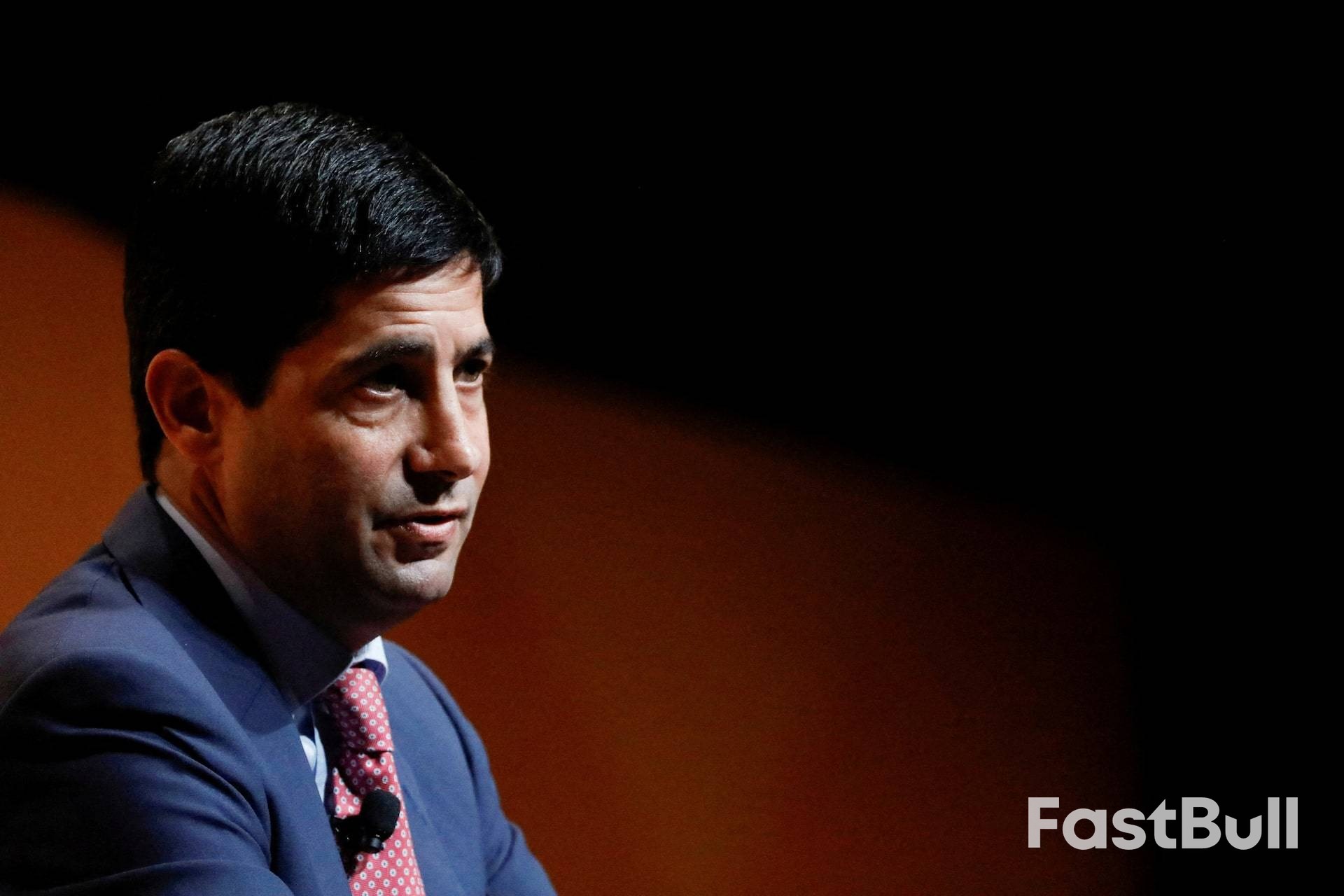
          Kevin Warsh, tapped to be the next Federal Reserve chair, has a bold vision: to dramatically shrink the central bank's massive balance sheet. But while the goal is clear, market experts warn that financial reality makes this a difficult, slow, and potentially impossible task.

          The core issue is that the modern financial system has grown accustomed to the high levels of liquidity provided by the Fed. Attempting a rapid wind-down could destabilize markets and undermine the very monetary policy goals a new chair would be tasked with achieving. This challenge is even greater for a leader who may also want to lower short-term borrowing costs, as shrinking the balance sheet inherently tightens financial conditions.

          The Push to Shrink the Fed's Footprint

          Warsh, who served as a Fed governor from 2006 to 2011, has been a vocal critic of the Fed's large-scale asset holdings. He argues they distort the economy and that the current balance sheet should be significantly reduced.

          In a November Wall Street Journal opinion piece, he stated, "the Fed's bloated balance sheet, designed to support the biggest firms in a bygone crisis era, can be reduced significantly." He proposed that the proceeds could be redeployed "in the form of lower interest rates to support households and small and medium-sized businesses."

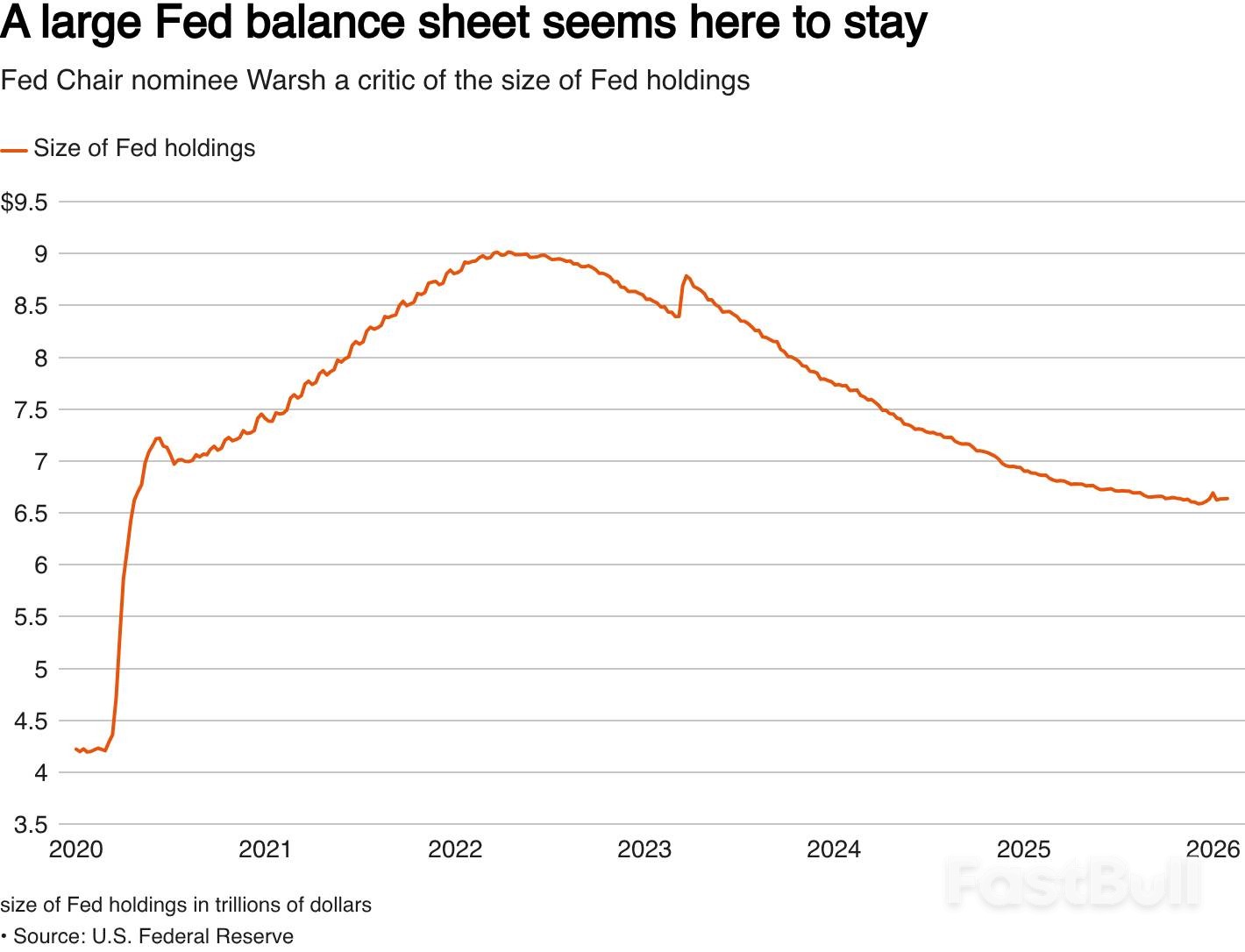
          This call for contraction came as the Fed was concluding a three-year effort to trim bond holdings acquired during the COVID-19 pandemic. These aggressive purchases, initially meant to stabilize markets, later evolved into a form of economic stimulus. The buying spree doubled the Fed's holdings to a $9 trillion peak in mid-2022 before a process known as quantitative tightening (QT) brought the total down to $6.6 trillion by late 2025.

          However, in December 2025, the central bank reversed course slightly, beginning technical purchases of Treasury bills to ensure the financial system had enough liquidity for the Fed to maintain control over its target interest rate.

          Figure 1: After peaking near $9 trillion in 2022, the Fed's balance sheet has declined through quantitative tightening but is projected to stabilize around $6.6 trillion, a level that critics like Warsh still consider too large.

          Why a Smaller Balance Sheet is Easier Said Than Done

          Using the balance sheet has become a standard and critical tool in the Fed's monetary policy arsenal, especially when short-term interest rates are near zero. The central bank has built an entire system to manage rates in this high-liquidity environment, making it incredibly difficult to unwind without causing market chaos.

          "He may want a smaller balance sheet and smaller Fed footprint in financial markets," said Joe Abate, a U.S. rates strategist at SMBC Capital Markets, Inc. "But, actually reducing the size of the balance sheet is a nonstarter… Banks want this level of reserves."

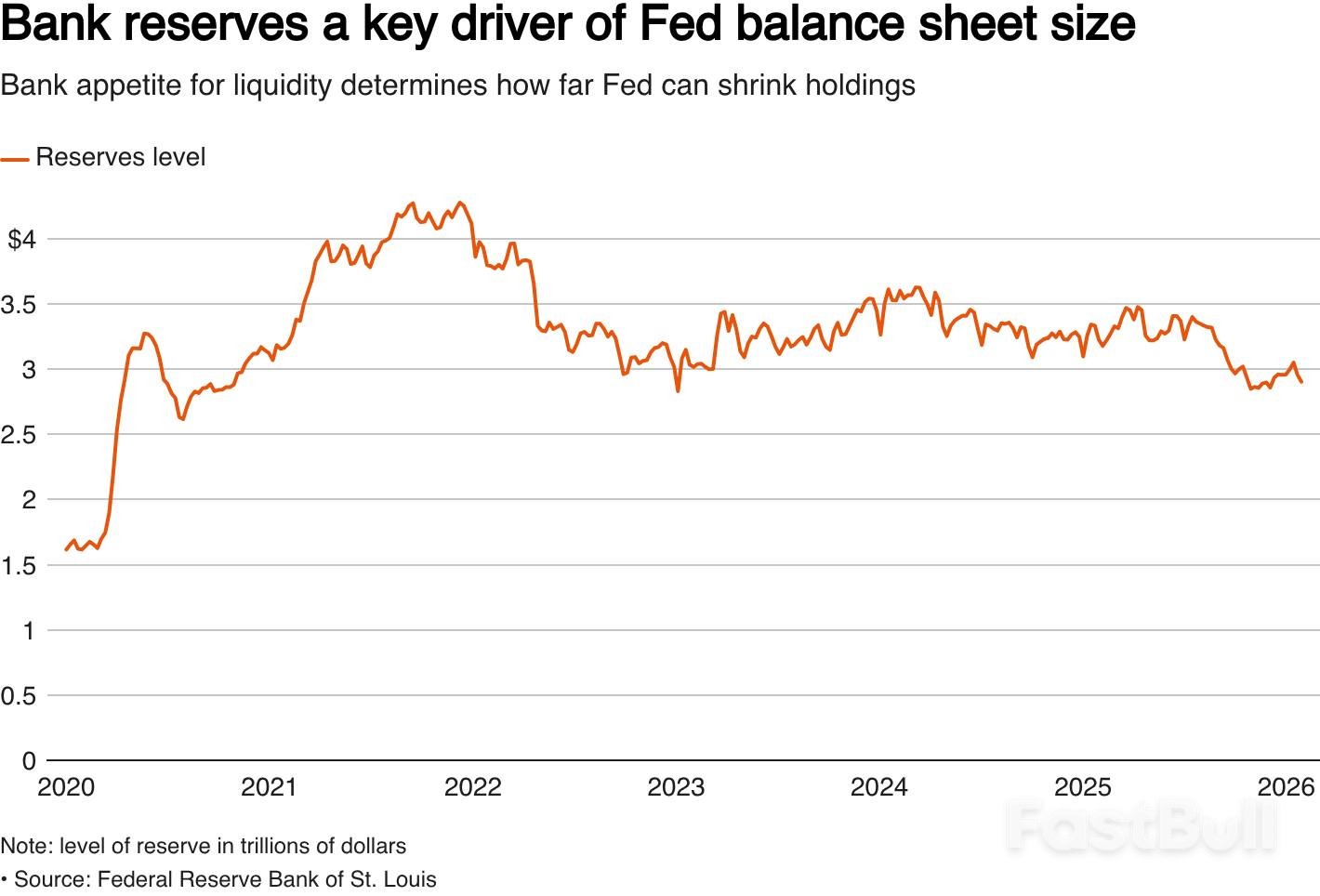
          Abate's point highlights the primary obstacle: when reserves in the banking system fall to around the $3 trillion mark, significant volatility tends to appear in money markets. This instability directly threatens the Fed's ability to control its benchmark interest rate, effectively creating a floor for how much the central bank can shrink its holdings.

          Beyond market mechanics, any major policy shift would require consensus from other Fed policymakers, who have generally supported using the balance sheet as a key policy lever.

          Figure 2: The demand for bank reserves, which have fluctuated largely between $3 trillion and $3.5 trillion since mid-2022, acts as a primary constraint on how much the Federal Reserve can shrink its balance sheet.

          A Pragmatic Path Forward?

          Given these constraints, how could Warsh achieve his goal? Analysts suggest a gradual approach is the only viable path. This could involve several coordinated actions:

          • Regulatory Easing: Loosening some regulations on how banks manage liquidity could reduce their appetite for holding vast reserves.

          • Enhancing Fed Facilities: Making tools like the Discount Window and standing repo operations more attractive could also lower banks' demand for reserves.

          • Strategic Reviews: David Beckworth of the Mercatus Center at George Mason University notes that Warsh could initiate a framework review to formally reconsider how the Fed uses its balance sheet.

          • Treasury Coordination: Beckworth also suggested potential coordination between the Fed and the Treasury, possibly through bond swaps.

          Ultimately, any changes would likely be slow and cautious. "The Fed's like a ship that slowly turns, that's probably a good thing, because you don't want to be so disruptive to the financial system," Beckworth said.

          Analysts at Evercore ISI share this view, expecting Warsh to be more pragmatic than his public statements suggest. "We think he will promise no abrupt changes to Fed balance sheet policy and a Fed-Treasury accord to provide a framework for closer cooperation," the firm wrote. They predict that such a move would effectively give Treasury Secretary Scott Bessent influence over QT plans, an outcome Warsh would likely accept.

          To stay updated on all economic events of today, please check out our Economic calendar
          Risk Warnings and Disclaimers
          You understand and acknowledge that there is a high degree of risk involved in trading. Following any strategies or investment methods may lead to potential losses. The content on the site is provided by our contributors and analysts for information purposes only. You are solely responsible for determining whether any trading assets, securities, strategy, or any other product is suitable for investing based on your own investment objectives and financial situation.
          Add to Favorites
          Share

          Pound to Euro Rate Week Ahead Forecast: Central Bank Heavy

          Warren Takunda

          Economic

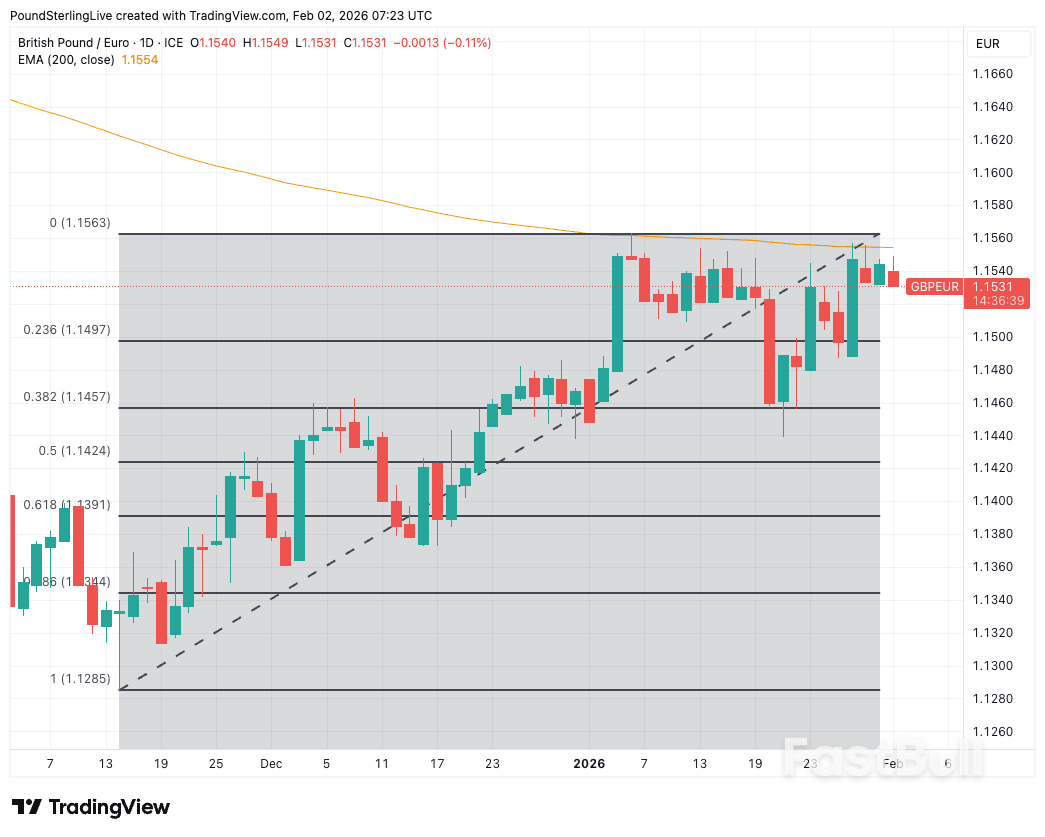
          The pound to euro exchange rate (GBP/EUR) trades at 1.1534 on Monday, a level it has been stuck at for three days now.
          The problem for those wanting a stronger pound is that gains are limited by resistance at the 200-day exponential moving average which lies just ahead at 1.1563.
          This is an almighty source of frustration for euro buyers: Last week saw two attempted rallies shutter here, confirming there's significant selling interest here.Pound to Euro Rate Week Ahead Forecast: Central Bank Heavy_1
          In fact, GBP/EUR has been unable to cross this technical rubicon on numerous attempts in 2026; in January we saw failure at this technical barrier result in a sideways trend that lasted for two weeks.
          That consolidation range was narrow: the highs were at 1.1540 and the lows at 1.1510 and by all accounts, our Week Ahead Forecast sees another spell of narrow consolidation evolving at the start of the new month.
          Losses can extend to the range low at 1.1510, with deeper pullbacks ranging towards the 23.6% fibonacci retracement line at 1.1490 and then the 38.2% fib line at 1.1457.
          So in all, GBP/EUR looks well supported, but with buyers increasingly frustrated with the pound's inability to rise.
          Nevertheless, the coming week offers some interest in the form of the Bank of England's February policy decision.
          Interest rates are expected to be left unchanged as inflation remains too high for a cut, with recent surveys confirming some reflationary trends are building.
          For sterling traders, what the Bank says about the possibility of another cut in the coming months will be of importance.
          To be sure, the labour market is weakening and inflation is tipped to fall to 2.0% by April, which implies the Bank has scope to cut and money markets show investors are lining up a cut by April.
          This week's decision will likely verify such pricing, making it a relatively uncontroversial decision for the pound.
          "We think the MPC is broadly comfortable with current market pricing, which implies only a very small chance of a March cut and around a 75% likelihood of an April reduction. Our baseline outlook is for two quarter‑point cuts this year, taking Bank Rate to 3.25%, with the first move expected in April," says Hann-Ju Ho, Senior Economist at Lloyds Bank.
          The same goes for the European Central Bank's policy update, also due this Thursday.
          There's very little expected of the ECB in 2026, with no move priced into forward-looking money market data, which should mean the euro gets through the event unscathed.
          "Policy makers will instead focus on how currency strength and other factors, such as energy prices, develop, as well as whether the recent rise in services inflation proves short‑lived. Markets currently expect rates to remain on hold for all of this year, with only a small probability of a cut priced in," says Ho.
          Recent euro strength against the dollar has caught the attention of ECB policy makers, who might judge that the stronger euro is deflationary.
          However, the euro-dollar has since pulled back and this should blunt any comments on the exchange rate made on the day, denying us the prospect of any excitement emerging from Frankfurt.

          Source: Poundsterlinglive

          To stay updated on all economic events of today, please check out our Economic calendar
          Risk Warnings and Disclaimers
          You understand and acknowledge that there is a high degree of risk involved in trading. Following any strategies or investment methods may lead to potential losses. The content on the site is provided by our contributors and analysts for information purposes only. You are solely responsible for determining whether any trading assets, securities, strategy, or any other product is suitable for investing based on your own investment objectives and financial situation.
          Add to Favorites
          Share

          European Midday Briefing: Shares Fall with Oil Price, Metals Sell Off

          Adam

          Stocks

          Economic

          MARKET WRAPS

          Stocks:
          European equities followed their Asian peers down as the selloff in precious metals showed tentative signs of stabilizing, but continued to rattle investors.
          Maybank said Trump's surprise nomination of Kevin Warsh to head up the Fed provided the trigger markets needed to unwind extreme positions, prompting market players to drop the dollar debasement narrative.
          The question for metals is what happens next.
          It could be fair to say the pullback had run too far, too fast, Pepperstone said, adding that something of a "dead cat bounce" might be on the cards, and in the longer run, the bull case was still solid.
          Reserve and retail demand were healthy, and those seeking a geopolitical hedge would still largely flock to precious metals rather than the dollar or Treasurys.
          It added that a key factor would be whether enough market froth has been removed--and enough speculative positions washed out--to put fundamentals back in the driver's seat.
          European energy stocks slid with the oil price , dropping nearly 5%.
          Trump has now said that Iran wants to make a deal and his clear shift in messaging eased some supply disruption concerns, ANZ said.
          Bitcoin inched higher but remained weak,
          continuing to trade below $80,000 after hitting a 10-month low.
          U.S. Markets:
          Markets were tumbling premarket trading as fears around the AI trade persisted ahead of a week of Big Tech earnings.
          Investors continued to be spooked by concerns that AI market excitement may have run ahead of fundamentals following Microsoft's disappointing earnings last week and sentiment around chip darling Nvidia souring.
          The week ahead brings a raft of Big Tech earnings that could compound or dispel that view with Amazon, Alphabet, Palantir, and Advanced Micro Devices all set to report.
          The continuing selloff in metals also appeared to be bleeding into stock futures.
          Forex:
          The euro could fall the European Central Bank stresses concerns about its appreciation following its meeting on Thursday.
          Rabobank said Lagarde might try to slow the euro's momentum a bit with verbal intervention, but it reckoned that the currency could appreciate quite a bit further before it would warrant another rate cut.
          The dollar rose in the wake of Warsh's nomination.
          Previous speeches from Warsh suggest he will favor reducing the Fed's balance sheet over coming years, Jefferies said.
          Warsh could also favor less accommodative policy if inflation is seen as getting entrenched, it said, but other elements of the U.S. diversification trade were still in play, due to Trump's policies, the threat of more tariffs, and other countries' desire to diversify their asset holdings.
          Maybank said the DXY index has found a firmer foothold , but price action suggested a more dramatic reversal was still unlikely, and expected resistance at 97.50 after Warsh's surprise nomination for the top job at the Fed prompted market players to drop the dollar debasement narrative.
          Monex Europe said that any comments from the Bank of England at Thursday's rate announcement about risks stemming from fiscal tightening in November's U.K. budget could weaken sterling .
          Bonds:
          Treasury yields declined, and Deutsche Bank said this week investors would be monitoring Treasury's quarterly refunding announcement.
          "In Wednesday's refunding statement, we expect Treasury to reaffirm its guidance of maintaining nominal coupon sizes 'for the next several quarters' while continuing to signal future increases."
          HSBC expects the Treasury to leave coupon auction sizes unchanged for the next quarter and through FY 2026.
          The European bond market has entered a phase fundamentally different from that over the past decade, marked by a steeper yield curve, Neuberger Berman said.
          Morgan Stanley was looking for another 3 basis points of OAT outperformance before recommending OAT shorts cross market.
          Separately it said that the 15-year maturity segment of the BTP curve was somewhat cheap.
          Barclays forecast gross government bond issuance in the eurozone of around 147 billion euros this month, a decline of 48 billion euros from January, but heavy nonetheless.
          It said separately that around half of the syndicated supply in January was in the 10-year tenor, but transactions this month could shift toward longer maturities.
          Energy:
          Oil plunged nearly 5% as a broader selloff sweeps commodities markets and negotiations between the U.S. and Iran eased supply concerns.
          Trump told reporters that he believed Iran was negotiating seriously with the U.S., tempering concerns about an imminent confrontation that could disrupt supplies in the oil-rich region.
          "This removed some risk premium out of the market, even as US military presence in the region continues to build," ANZ said.
          "Nevertheless, tension remains high."
          Separately, key members of OPEC+ agreed to keep oil output unchanged at their Sunday meeting.
          Gas
          Natural-gas prices retreated sharply as milder weather forecasts eased concerns over supply.
          Metals:
          Gold retreated below $5,000 after top commodity exchange CME Group raised margin requirements following the selloff in metals.
          The move raises the cost of holding positions, forcing traders to commit more capital.
          CME said higher margin requirements for precious-metal futures will take effect after Monday's close.
          Samco Securities said the larger uptrend for gold remained clearly intact.
          Importantly, prior breakout zones were holding, suggesting that strong hands were still willing to buy on dips, it said.
          Gold may spend the next few months in a range, which is common after rallies, allowing optimism to cool and positioning to reset.
          If a consolidation phase plays out, it would be healthy, setting the stage for the next move.
          Silver
          UBS is increasingly bullish about silver and lifted its silver price forecast rise by more than 40%,
          projecting an average price of $105 in 2026 and $85 in 2027.
          "Market deficits and declining inventories imply that the silver market is now increasingly vulnerable to periods of strong investment demand, which in turn could lead to bouts of liquidity tightness."
          William Blair said volatility was likely to persist in silver, adding that market balances point to a silver deficit this year.
          However, industrial demand--roughly 60% of total silver demand--was soft, and prices were still higher year to date.
          Copper
          Base metals retreated, with copper futures slipping back below $13,000.

          EMEA HEADLINES

          ECB and BOE on Hold as Dollar Weakens and Imports From China Surge
          Europe's leading central banks are set to leave their key interest rates unchanged Thursday, matching the Federal Reserve's latest decision as they consider the impact of a weaker U.S. dollar and an influx of cheap Chinese imports on the outlook for inflation.
          The European Central Bank hasn't changed borrowing costs since June, and investors don't expect to see much action in the months ahead. The annual rate of inflation in the eurozone ended the year very slightly below the central bank's 2% target, while economic growth in 2025 was stronger than expected.
          Intesa Plans to Cut 6,100 Jobs by 2029 in Savings Push
          Intesa Sanpaolo said it plans to cut 6,100 jobs by 2029 in a bid to rein in costs and boost profit, and to distribute to shareholders nearly half of its market value through dividends and buybacks.
          Italy's largest bank by assets said Monday that it plans around 12,400 employee exits, mostly in Italy, and 6,300 hires by 2029. The net reduction in headcount amounts to about 6.7% of a workforce of some 90,700 as of Sept. 30.
          Julius Baer Posts Expected Drop in Profit
          Julius Baer reported a sharp slide in profits for 2025 due to a series of previously flagged one-offs as the Swiss private bank presses ahead with its turnaround plans.
          The Zurich-based group, which had warned that credit losses and the sale of its Brazilian subsidiary would hit its bottom line, posted a 25% drop in earnings for the year. Net profit came in lower at 763.8 million Swiss francs ($988.1 million) but was ahead of analysts' views on lower-than-expected costs.
          French Firm to Sell Division That Helps ICE Track Immigrants
          PARIS-A French consulting and information-technology company has decided to sell a division that does business with ICE, after it emerged that the company has a contract with the agency to help track immigrants.
          Paris-based Capgemini said it would sell a division that provides consulting services to government agencies in the U.S. The move came days after Multinationals Observatory, a nonprofit, highlighted a number of contracts the company has with U.S. Immigration and Customs Enforcement, including one worth $365 million to identify and find immigrants in the U.S.
          Luxury Brands Need a Comeback in China. They Shouldn't Count on It.
          Chinese shoppers are returning to luxury stores, but with less appetite to spend and in greatly diminished numbers. That is disappointing for high-end brands desperate for fresh growth.
          After five years of weak sales, some luxury brands said their China business recently turned a corner. Richemont, which owns Cartier and Van Cleef & Arpels jewelry, said sales started to grow again in China in the third quarter of 2025. British luxury trench coat maker Burberry also noticed an improvement last fall, and said demand accelerated further in the final three months of the year.

          GLOBAL NEWS

          Yen Moves Causing More Worry at BOJ, Opinions Summary Shows
          TOKYO-The Bank of Japan has grown more cautious about the inflation risk posed by a weak yen, a summary of opinions showed Monday, after recent volatility put markets on alert for intervention.

          Source: morningstar

          To stay updated on all economic events of today, please check out our Economic calendar
          Risk Warnings and Disclaimers
          You understand and acknowledge that there is a high degree of risk involved in trading. Following any strategies or investment methods may lead to potential losses. The content on the site is provided by our contributors and analysts for information purposes only. You are solely responsible for determining whether any trading assets, securities, strategy, or any other product is suitable for investing based on your own investment objectives and financial situation.
          Add to Favorites
          Share

          Romania to Fortify Black Sea Defenses for 2027 Gas Boom

          Isaac Bennett

          Russia-Ukraine Conflict

          Energy

          Remarks of Officials

          Economic

          Commodity

          Political

          Romania is set to overhaul its Black Sea detection capabilities by 2027 to safeguard a landmark offshore gas project and other critical infrastructure, according to the president's economic adviser. The move comes as the nation prepares to become the European Union's largest natural gas producer.

          A NATO and EU member, Romania shares a 650-kilometer land border with Ukraine. Over the past two years, it has faced repeated airspace violations by Russian drones and the threat of naval mines drifting through key energy and trade corridors in the Black Sea.

          Protecting a Game-Changing Energy Project

          The strategic upgrade is timed to coincide with the launch of Neptun Deep, a major offshore gas project jointly developed by OMV Petrom and state-owned Romgaz. When the first gas flows in 2027, the project is expected to transform Romania into a net gas exporter.

          Radu Burnete, economic adviser to President Nicusor Dan, emphasized the urgency of the security investment. "What is certain is that Romania must invest in advanced detection capacities," he stated.

          The goal is to have a comprehensive monitoring system fully operational by the time Neptun Deep comes online. Key components of this system will include:

          • Advanced radars

          • Drones

          • Specialized sensors

          "The idea is we must be much more aware of what goes on offshore, and this is a priority," Burnete added. "It must be in place by 2027."

          EU Funding Fuels Military Modernization

          A significant portion of this military modernization will be financed through the EU's "SAFE" rearmament initiative. Under this program, Romania will gain access to 16.6 billion euros between 2026 and 2030.

          The funding comes with conditions, requiring that a portion of the procured defense equipment be manufactured domestically. Burnete noted that the government plans to leverage this to create export opportunities for Romanian-made military hardware.

          Revitalizing Domestic Defense and the Economy

          This injection of capital is expected to do more than just bolster national security. Burnete explained that the SAFE spending will help revitalize the country's state defense industry and provide a wider economic boost. The government is even exploring options to divert some manufacturing to the nation's struggling carmakers.

          He anticipates that this defense investment, combined with revenues from offshore gas and government efforts to reduce the budget deficit, will help accelerate Romania's economic growth starting in 2027.

          A Strategic Hub for Regional Security and Trade

          Romania's strategic location on the Black Sea and the Danube River, which connects it to both Ukraine and Western Europe, enhances its appeal to investors. This is further supported by state-led investments in motorway infrastructure.

          Looking ahead, Burnete sees the Danube and continued investment in the Black Sea port of Constanta as positioning Romania to become a critical logistics hub for the future reconstruction of Ukraine.

          "We will finance many of these interconnections with Moldova and Ukraine from SAFE," he said, highlighting the program's dual role in strengthening both national and regional stability.

          To stay updated on all economic events of today, please check out our Economic calendar
          Risk Warnings and Disclaimers
          You understand and acknowledge that there is a high degree of risk involved in trading. Following any strategies or investment methods may lead to potential losses. The content on the site is provided by our contributors and analysts for information purposes only. You are solely responsible for determining whether any trading assets, securities, strategy, or any other product is suitable for investing based on your own investment objectives and financial situation.
          Add to Favorites
          Share

          UK Manufacturing Hits 17-Month High on Order Surge

          Michael Ross

          Energy

          Remarks of Officials

          Data Interpretation

          Economic

          Daily News

          Political

          Britain's manufacturing sector kicked off 2026 with its strongest performance since August 2024, fueled by the biggest influx of new work in nearly four years. The S&P Global Purchasing Managers' Index (PMI) for the sector climbed to 51.8 in January, a noticeable increase from 50.6 in December and a clear sign of a potential recovery after a sluggish end to 2025.

          The final figure surpassed an earlier provisional estimate of 51.6, adding to the positive momentum.

          New Orders and Export Growth Fuel the Upturn

          The driving force behind the expansion was a sharp rise in demand. The new orders component of the PMI jumped to 53.2 from 50.2, reaching its highest level since February 2022.

          Critically, this was supported by the first growth in export orders in four years. British manufacturers reported stronger demand from key international markets, including Europe, the United States, China, and other emerging economies.

          Rob Dobson, a director at S&P Global Market Intelligence, noted the sector's positive start to the year. "UK manufacturing made a solid start to 2026, showing encouraging resilience in the face of rising geopolitical tensions," he said.

          Business Confidence Rebounds After Tax Policy Shifts

          The improved performance was matched by a significant lift in sentiment. "There was also a positive bounceback in business confidence, which rose to its highest level since before the 2024 Autumn budget," Dobson added.

          This rebound follows a period of friction between businesses and the government of Prime Minister Keir Starmer, which came to power in July 2024. Many firms were critical of significant employment tax hikes introduced by finance minister Rachel Reeves in her first budget in October 2024.

          While sentiment remained weak leading up to her second budget in November 2025, it has since improved. The latest round of tax increases is largely deferred and less heavily focused on businesses, helping to restore confidence. Starmer and Reeves have stated they believe the economy can grow faster than the modest 1.4% rate forecast by the Office for Budget Responsibility for 2026.

          Persistent Pressures: Costs Rise and Jobs Decline

          Despite the headline growth, the manufacturing PMI report revealed persistent underlying challenges. Employment in the sector continued to fall, although the pace of decline was the slowest since Reeves raised employment taxes in October 2024.

          At the same time, businesses faced mounting cost pressures. Input costs rose at the fastest rate since August 2025. According to S&P, manufacturers reported higher prices for a wide range of goods and services, including:

          • Chemicals and energy

          • Food products

          • Freight

          • Metals, packaging, and plastics

          Suppliers were also passing on higher labor costs, a knock-on effect of last year's increases in employment taxes and the minimum wage.

          To stay updated on all economic events of today, please check out our Economic calendar
          Risk Warnings and Disclaimers
          You understand and acknowledge that there is a high degree of risk involved in trading. Following any strategies or investment methods may lead to potential losses. The content on the site is provided by our contributors and analysts for information purposes only. You are solely responsible for determining whether any trading assets, securities, strategy, or any other product is suitable for investing based on your own investment objectives and financial situation.
          Add to Favorites
          Share
          FastBull
          Copyright © 2026 FastBull Ltd

          728 RM B 7/F GEE LOK IND BLDG NO 34 HUNG TO RD KWUN TONG KLN HONG KONG

          TelegramInstagramTwitterfacebooklinkedin
          App Store Google Play Google Play
          Products
          Charts

          Chats

          Q&A with Experts
          Screeners
          Economic Calendar
          Data
          Tools
          Membership
          Features
          Function
          Markets
          Copy Trading
          Latest Signals
          Contests
          News
          Analysis
          24/7
          Columns
          Education
          Company
          Careers
          About Us
          Contact Us
          Advertising
          Help Center
          Feedback
          User Agreement
          Privacy Policy
          Personal Information Protection Statement
          Business

          White Label

          Data API

          Web Plug-ins

          Poster Maker

          Affiliate Program

          Risk Disclosure

          The risk of loss in trading financial instruments such as stocks, FX, commodities, futures, bonds, ETFs and crypto can be substantial. You may sustain a total loss of the funds that you deposit with your broker. Therefore, you should carefully consider whether such trading is suitable for you in light of your circumstances and financial resources.

          No decision to invest should be made without thoroughly conducting due diligence by yourself or consulting with your financial advisors. Our web content might not suit you since we don't know your financial conditions and investment needs. Our financial information might have latency or contain inaccuracy, so you should be fully responsible for any of your trading and investment decisions. The company will not be responsible for your capital loss.

          Without getting permission from the website, you are not allowed to copy the website's graphics, texts, or trademarks. Intellectual property rights in the content or data incorporated into this website belong to its providers and exchange merchants.

          Not Logged In

          Log in to access more features

          Connect Broker
          Become a signal provider
          Help Center
          Customer Service
          Dark Mode
          Price Up/Down Colors

          Log In

          Sign Up

          Position
          Layout
          Fullscreen
          Default to Chart
          The chart page opens by default when you visit fastbull.com