


- USDCAD
- XAUUSD
- XAGUSD
- WTI
- USDX


Markets
Analysis
User
24/7
Economic Calendar
Education
Data
- Names
- Latest
- Prev











Escalating political pressure threatens central bank independence, a core principle for global economic stability.
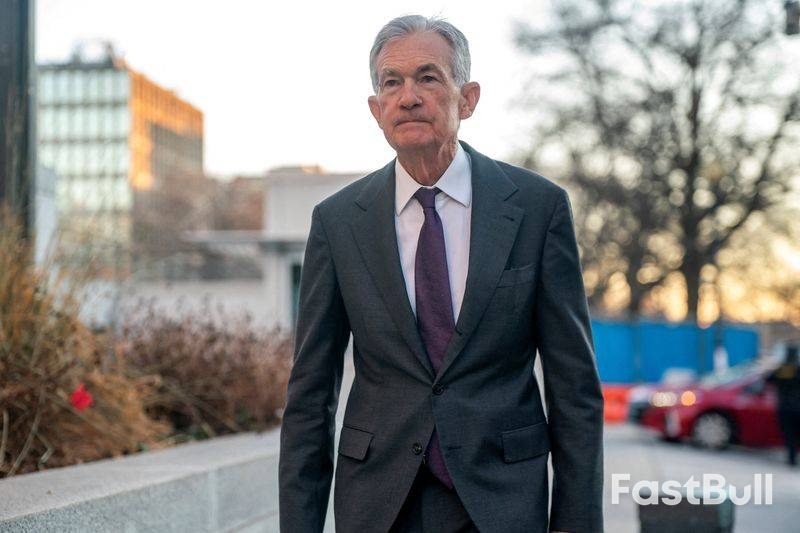
Political pressure on the world’s central banks is escalating, fueling concerns about their ability to manage economies without interference. The Trump administration’s move to open a criminal investigation into the Federal Reserve chair, Jerome Powell, has highlighted the vulnerability of the U.S. central bank, the primary policymaker for the world's largest economy.
President Donald Trump had previously criticized Powell and the Fed for not cutting interest rates more aggressively. In response to such pressures, top central bankers issued a joint statement affirming that their independence is a "cornerstone of price, financial and economic stability."
This clash is part of a larger, long-running debate. Here’s a breakdown of how central bank independence became a core principle of modern economics and why it’s being challenged today.
The U.S. Federal Reserve was a pioneer in establishing its autonomy. In 1951, rising inflation after World War Two made it clear that monetary policy could not remain focused on keeping government borrowing costs low. This realization led to the Fed being granted operational independence.
However, true freedom from political influence took another 25 years. The administration of President Richard Nixon is widely seen as having pressured the Fed to maintain low borrowing costs ahead of his 1972 re-election campaign. Many economists believe this interference, combined with a spike in oil prices, contributed to the runaway inflation that defined the latter half of the 1970s.
The economic damage caused by high inflation in the 1970s and early 1980s forced governments worldwide to rethink their approach. A new consensus emerged: taking interest rate decisions away from politicians and giving that power to independent officials tasked with one primary goal—keeping inflation low.
This model was adopted widely. According to the Bank of England, by the end of the 20th century, between 80% and 90% of the world's central banks had achieved operational independence.
While factors like the rise of low-cost manufacturing from China helped contain global prices over the past three decades, research has consistently shown a link between a central bank's degree of independence and a country's inflation level and volatility. This connection has solidified its status as a fundamental principle of economic policymaking.
For example, Andy Haldane, former chief economist at the Bank of England (BoE), noted in a 2020 speech that inflation uncertainty in Britain fell by about 75% in the two decades after the BoE became independent in 1997.
Widespread support for central bank independence began to erode during the 2007-09 global financial crisis. The crisis exposed regulatory failures by central banks and other oversight bodies.
In response, central banks globally slashed interest rates to near zero and launched massive bond-buying programs, known as quantitative easing (QE), to stimulate their economies. These unprecedented actions drew sharp political criticism. Ben Bernanke, the Fed chair at the time, was accused by Republican presidential contender Rick Perry of printing money for political reasons and was even likened to a traitor.
More recently, the Bank of England faced accusations from politicians that its QE program fueled inflation. This criticism intensified when inflation surged to 11% after Russia's full-scale invasion of Ukraine in early 2022 caused energy prices to soar.
Shortly before her brief tenure as UK prime minister, Liz Truss announced she would review the BoE's official mandate. While she never had the chance to follow through, public trust in the central bank plummeted to historic lows, according to its own surveys.
This trend extends beyond the U.S. and Britain. Governments in countries from Turkey to India have attempted to exert greater influence over their central banks. Similarly, Japan's prime minister has also historically favored a loose monetary policy, underscoring the persistent tension between political goals and independent economic management.

728 RM B 7/F GEE LOK IND BLDG NO 34 HUNG TO RD KWUN TONG KLN HONG KONG


The risk of loss in trading financial instruments such as stocks, FX, commodities, futures, bonds, ETFs and crypto can be substantial. You may sustain a total loss of the funds that you deposit with your broker. Therefore, you should carefully consider whether such trading is suitable for you in light of your circumstances and financial resources.
No decision to invest should be made without thoroughly conducting due diligence by yourself or consulting with your financial advisors. Our web content might not suit you since we don't know your financial conditions and investment needs. Our financial information might have latency or contain inaccuracy, so you should be fully responsible for any of your trading and investment decisions. The company will not be responsible for your capital loss.
Without getting permission from the website, you are not allowed to copy the website's graphics, texts, or trademarks. Intellectual property rights in the content or data incorporated into this website belong to its providers and exchange merchants.
Not Logged In
Log in to access more features


Log In
Sign Up


