• Trade
  • Markets
  • Copy
  • Contests
  • News
  • 24/7
  • Calendar
  • Q&A
  • Chats
Trending
Screeners
SYMBOL
LAST
BID
ASK
HIGH
LOW
NET CHG.
%CHG.
SPREAD
SPX
S&P 500 Index
6870.39
6870.39
6870.39
6895.79
6858.28
+13.27
+ 0.19%
--
DJI
Dow Jones Industrial Average
47954.98
47954.98
47954.98
48133.54
47871.51
+104.05
+ 0.22%
--
IXIC
NASDAQ Composite Index
23578.12
23578.12
23578.12
23680.03
23506.00
+72.99
+ 0.31%
--
USDX
US Dollar Index
98.800
98.880
98.800
98.960
98.730
-0.150
-0.15%
--
EURUSD
Euro / US Dollar
1.16630
1.16638
1.16630
1.16717
1.16341
+0.00204
+ 0.18%
--
GBPUSD
Pound Sterling / US Dollar
1.33317
1.33325
1.33317
1.33462
1.33151
+0.00005
0.00%
--
XAUUSD
Gold / US Dollar
4216.20
4216.63
4216.20
4218.85
4190.61
+18.29
+ 0.44%
--
WTI
Light Sweet Crude Oil
59.979
60.016
59.979
60.063
59.752
+0.170
+ 0.28%
--

Community Accounts

Signal Accounts
--
Profit Accounts
--
Loss Accounts
--
View More

Become a signal provider

Sell trading signals to earn additional income

View More

Guide to Copy Trading

Get started with ease and confidence

View More

Signal Accounts for Members

All Signal Accounts

Best Return
  • Best Return
  • Best P/L
  • Best MDD
Past 1W
  • Past 1W
  • Past 1M
  • Past 1Y

All Contests

  • All
  • Trump Updates
  • Recommend
  • Stocks
  • Cryptocurrencies
  • Central Banks
  • Featured News
Top News Only
Share

Finnish Oct Trade Balance 0.16 Billion Euros

Share

Stats Office - German Oct Industry Output +1.8 Percent Month-On-Month (Forecast +0.4 Percent)

Share

Ukraine's Top Negotiator Says Main Task Of Talks In USA Was To Get Full Information, All Drafts Of Peace Plan Proposals

Share

Angola November Inflation At 0.85% Month-On-Month

Share

Indonesia Finance Minister: Potential Revenues From Planned Gold And Coal Export Taxes At 23 Trillion Rupiah

Share

Angola November Inflation At 16.56% Year-On-Year

Share

United Arab Emirates Oct Bank Lending +15.65% Year-On-Year - Central Bank

Share

United Arab Emirates Oct M3 Money Supply +14.98% Year-On-Year - Central Bank

Share

Bayer Seen Up 1.8% In Pre-Mkt Indications After Jp Morgan Raises To Overweight From Neutral

Share

Most Active China Coking Coal Contract Falls 7.1% To 1082.5 Yuan/Metric Ton

Share

German Foreign Minister Says A Lot Of Work Is Still Needed To Persuade China To Issue General Export Licences For Rare Earths

Share

European Central Bank's Schnabel 'Rather Comfortable' On Investor Bets Next Move To Be Interest Rate Hike

Share

Agriculture Ministry: Uganda October Coffee Shipments Up 38% From Last Year

Share

Russia's Nornickel: Cobalt Production Capacity To Be At Up To 3000 Tons Per Year

Share

Russia's Nornickel: Fully Restarts Cobalt Production In Murmansk Region

Share

India's Nifty Realty Index Down 2.7%

Share

China Vice President, In Meeting With German Foreign Minister: China Willing To Enhance Communication With Germany - Xinhua

Share

Japan Finance Minister Katayama: Will Take Appropriate Action If Necessary

Share

Japan Finance Minister Katayama: Concerned About Forex Moves

Share

Japan Finance Minister Katayama: Recently Seeing One-Sided, Rapid Moves

TIME
ACT
FCST
PREV
U.S. Personal Income MoM (Sept)

A:--

F: --

P: --

U.S. PCE Price Index YoY (SA) (Sept)

A:--

F: --

P: --

U.S. PCE Price Index MoM (Sept)

A:--

F: --

P: --

U.S. Personal Outlays MoM (SA) (Sept)

A:--

F: --

P: --

U.S. Core PCE Price Index MoM (Sept)

A:--

F: --

P: --

U.S. Core PCE Price Index YoY (Sept)

A:--

F: --

P: --

U.S. UMich 5-Year-Ahead Inflation Expectations Prelim YoY (Dec)

A:--

F: --

P: --

U.S. Real Personal Consumption Expenditures MoM (Sept)

A:--

F: --

P: --

U.S. UMich Current Economic Conditions Index Prelim (Dec)

A:--

F: --

P: --

U.S. UMich 1-Year-Ahead Inflation Expectations Prelim (Dec)

A:--

F: --

P: --

U.S. UMich Consumer Expectations Index Prelim (Dec)

A:--

F: --

P: --

U.S. Weekly Total Rig Count

A:--

F: --

P: --

U.S. Weekly Total Oil Rig Count

A:--

F: --

P: --

U.S. Unit Labor Cost Prelim (SA) (Q3)

--

F: --

P: --

U.S. Consumer Credit (SA) (Oct)

A:--

F: --

P: --

China, Mainland Foreign Exchange Reserves (Nov)

A:--

F: --

P: --

Japan Wages MoM (Oct)

A:--

F: --

P: --

Japan Trade Balance (Oct)

A:--

F: --

P: --

Japan Nominal GDP Revised QoQ (Q3)

A:--

F: --

P: --

Japan Trade Balance (Customs Data) (SA) (Oct)

A:--

F: --

P: --

Japan GDP Annualized QoQ Revised (Q3)

A:--

F: --

P: --
China, Mainland Exports YoY (CNH) (Nov)

A:--

F: --

P: --

China, Mainland Trade Balance (USD) (Nov)

A:--

F: --

P: --

China, Mainland Imports YoY (CNH) (Nov)

A:--

F: --

P: --

China, Mainland Exports (Nov)

A:--

F: --

P: --

China, Mainland Imports (CNH) (Nov)

A:--

F: --

P: --

China, Mainland Trade Balance (CNH) (Nov)

A:--

F: --

P: --

China, Mainland Imports YoY (USD) (Nov)

A:--

F: --

P: --

China, Mainland Exports YoY (USD) (Nov)

A:--

F: --

P: --

Germany Industrial Output MoM (SA) (Oct)

A:--

F: --

P: --

Euro Zone Sentix Investor Confidence Index (Dec)

--

F: --

P: --

Canada Leading Index MoM (Nov)

--

F: --

P: --

Canada National Economic Confidence Index

--

F: --

P: --

U.S. Dallas Fed PCE Price Index YoY (Sept)

--

F: --

P: --

China, Mainland Trade Balance (USD) (Nov)

--

F: --

P: --

U.S. 3-Year Note Auction Yield

--

F: --

P: --

U.K. BRC Overall Retail Sales YoY (Nov)

--

F: --

P: --

U.K. BRC Like-For-Like Retail Sales YoY (Nov)

--

F: --

P: --

Australia Overnight (Borrowing) Key Rate

--

F: --

P: --

RBA Rate Statement
RBA Press Conference
Germany Exports MoM (SA) (Oct)

--

F: --

P: --

U.S. NFIB Small Business Optimism Index (SA) (Nov)

--

F: --

P: --

Mexico Core CPI YoY (Nov)

--

F: --

P: --

Mexico 12-Month Inflation (CPI) (Nov)

--

F: --

P: --

Mexico PPI YoY (Nov)

--

F: --

P: --

Mexico CPI YoY (Nov)

--

F: --

P: --

U.S. Weekly Redbook Index YoY

--

F: --

P: --

U.S. JOLTS Job Openings (SA) (Oct)

--

F: --

P: --

China, Mainland M2 Money Supply YoY (Nov)

--

F: --

P: --

China, Mainland M0 Money Supply YoY (Nov)

--

F: --

P: --

China, Mainland M1 Money Supply YoY (Nov)

--

F: --

P: --

U.S. EIA Short-Term Crude Production Forecast For The Next Year (Dec)

--

F: --

P: --

U.S. EIA Short-Term Crude Production Forecast For The Year (Dec)

--

F: --

P: --

U.S. EIA Natural Gas Production Forecast For The Next Year (Dec)

--

F: --

P: --

EIA Monthly Short-Term Energy Outlook
U.S. 10-Year Note Auction Avg. Yield

--

F: --

P: --

U.S. API Weekly Cushing Crude Oil Stocks

--

F: --

P: --

U.S. API Weekly Crude Oil Stocks

--

F: --

P: --

U.S. API Weekly Refined Oil Stocks

--

F: --

P: --

Q&A with Experts
    • All
    • Chatrooms
    • Groups
    • Friends
    Connecting
    .
    .
    .
    Type here...
    Add Symbol or Code

      No matching data

      All
      Trump Updates
      Recommend
      Stocks
      Cryptocurrencies
      Central Banks
      Featured News
      • All
      • Russia-Ukraine Conflict
      • Middle East Flashpoint
      • All
      • Russia-Ukraine Conflict
      • Middle East Flashpoint
      Search
      Products

      Charts Free Forever

      Chats Q&A with Experts
      Screeners Economic Calendar Data Tools
      Membership Features
      Data Warehouse Market Trends Institutional Data Policy Rates Macro

      Market Trends

      Market Sentiment Order Book Forex Correlations

      Top Indicators

      Charts Free Forever
      Markets

      News

      News Analysis 24/7 Columns Education
      From Institutions From Analysts
      Topics Columnists

      Latest Views

      Latest Views

      Trending Topics

      Top Columnists

      Latest Update

      Signals

      Copy Rankings Latest Signals Become a signal provider AI Rating
      Contests
      Brokers

      Overview Brokers Assessment Rankings Regulators News Claims
      Broker listing Forex Brokers Comparison Tool Live Spread Comparison Scam
      Q&A Complaint Scam Alert Videos Tips to Detect Scam
      More

      Business
      Events
      Careers About Us Advertising Help Center

      White Label

      Data API

      Web Plug-ins

      Affiliate Program

      Awards Institution Evaluation IB Seminar Salon Event Exhibition
      Vietnam Thailand Singapore Dubai
      Fans Party Investment Sharing Session
      FastBull Summit BrokersView Expo
      Recent Searches
        Top Searches
          Markets
          News
          Analysis
          User
          24/7
          Economic Calendar
          Education
          Data
          • Names
          • Latest
          • Prev

          View All

          No data

          Scan to Download

          Faster Charts, Chat Faster!

          Download App
          English
          • English
          • Español
          • العربية
          • Bahasa Indonesia
          • Bahasa Melayu
          • Tiếng Việt
          • ภาษาไทย
          • Français
          • Italiano
          • Türkçe
          • Русский язык
          • 简中
          • 繁中
          Open Account
          Search
          Products
          Charts Free Forever
          Markets
          News
          Signals

          Copy Rankings Latest Signals Become a signal provider AI Rating
          Contests
          Brokers

          Overview Brokers Assessment Rankings Regulators News Claims
          Broker listing Forex Brokers Comparison Tool Live Spread Comparison Scam
          Q&A Complaint Scam Alert Videos Tips to Detect Scam
          More

          Business
          Events
          Careers About Us Advertising Help Center

          White Label

          Data API

          Web Plug-ins

          Affiliate Program

          Awards Institution Evaluation IB Seminar Salon Event Exhibition
          Vietnam Thailand Singapore Dubai
          Fans Party Investment Sharing Session
          FastBull Summit BrokersView Expo

          Backtesting: Definition, Evaluation, Tools, Pros & Cons

          Glendon

          Economic

          Summary:

          Tired of missing winning trades? Discover Backtesting, the secret weapon of successful investors.
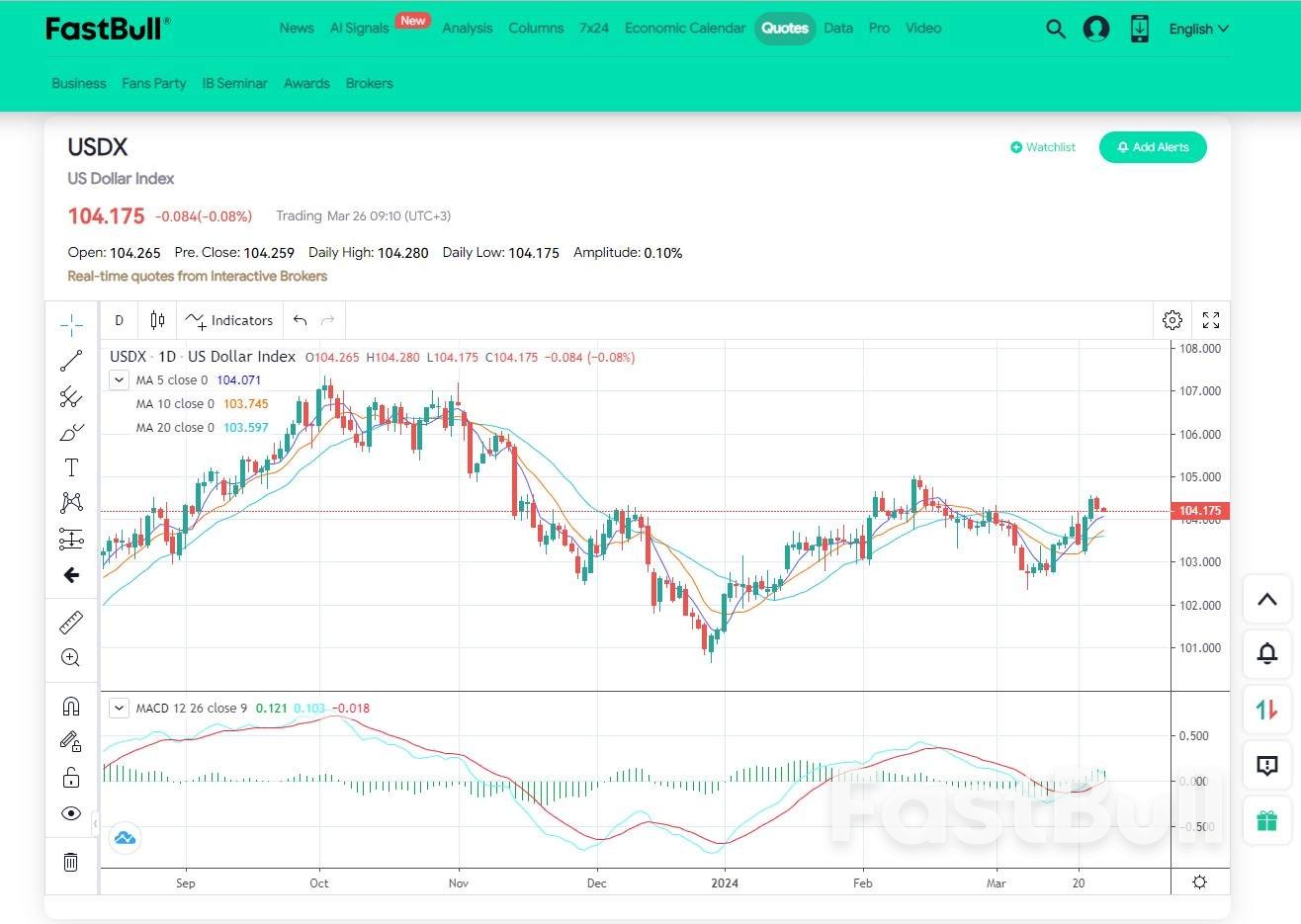
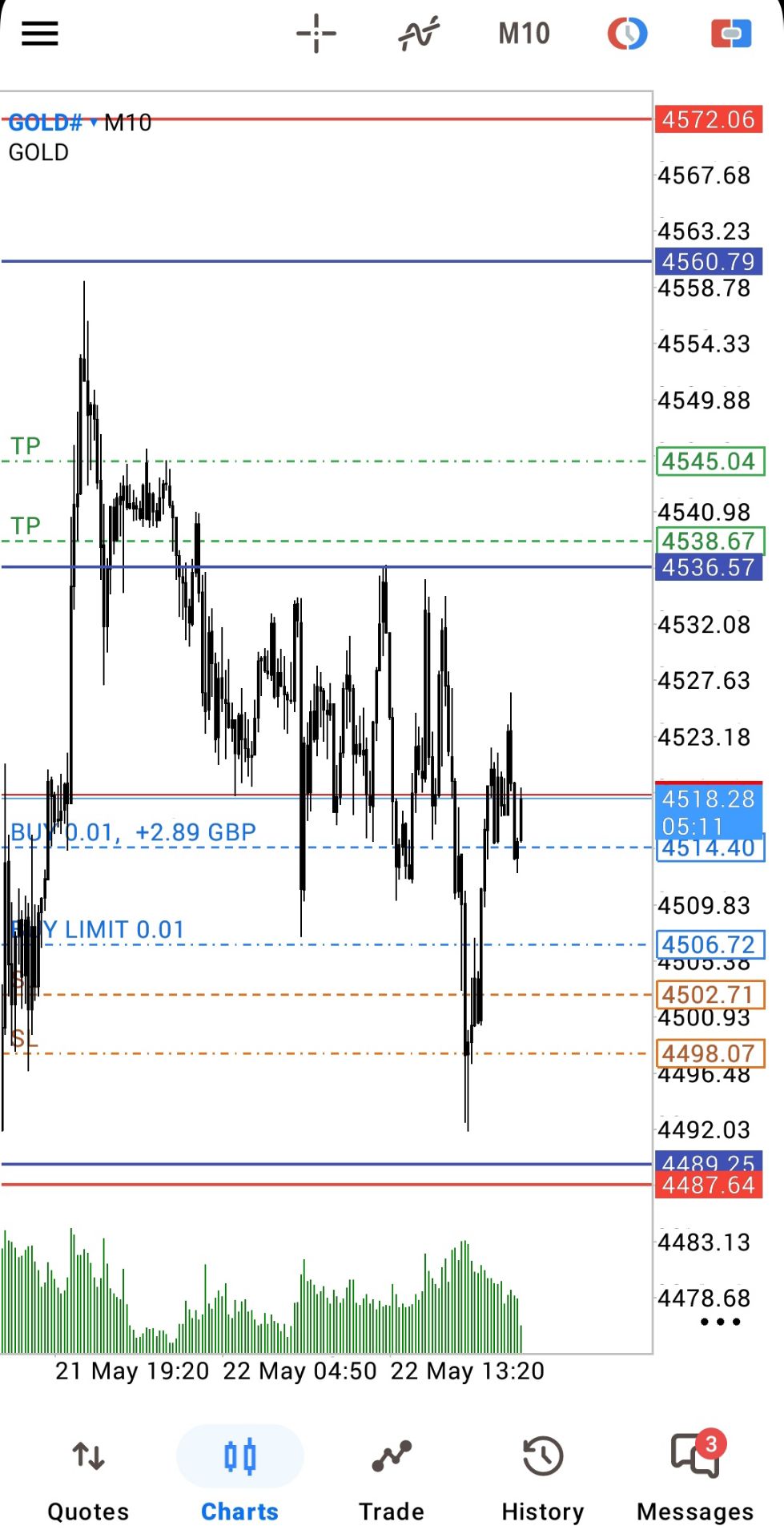
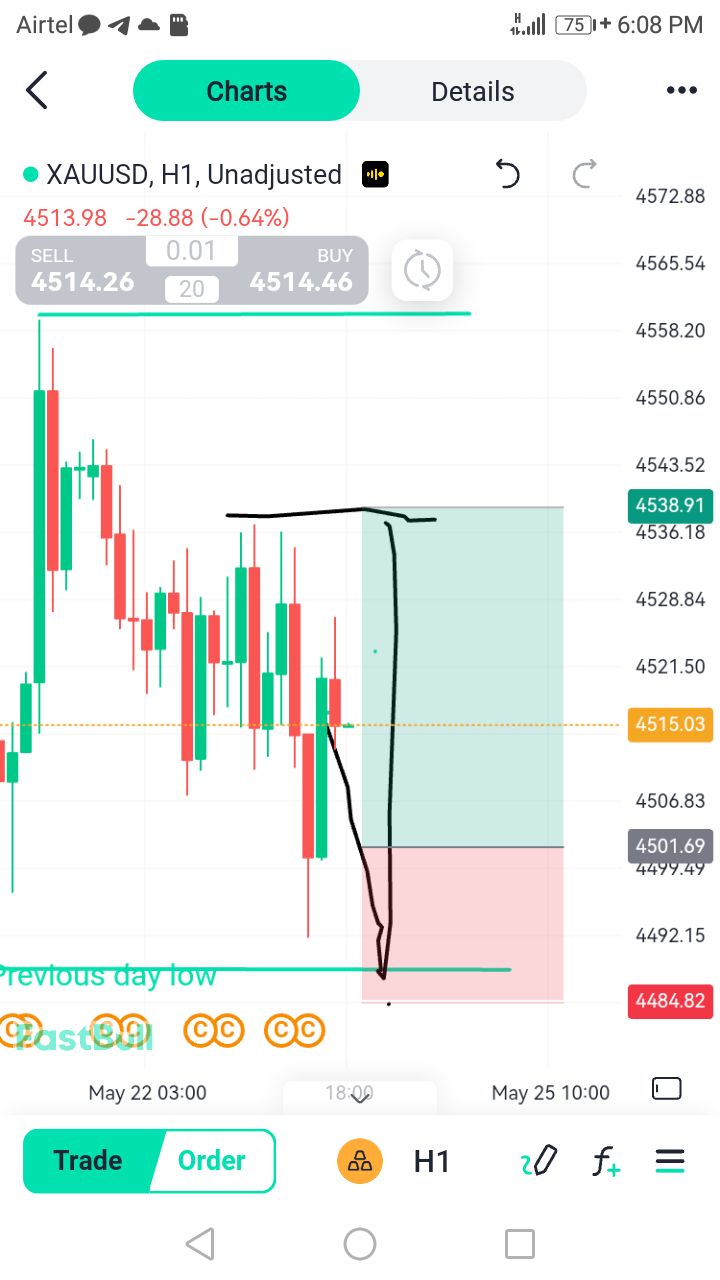
          Backtesting is a cornerstone of many financial endeavors, allowing analysts and traders to assess the potential of strategies before risking real capital. In essence, it's a process of testing a trading strategy or model on historical data to gauge how it would have performed in the past. By analyzing this simulated performance, investors can gain valuable insights and make informed decisions about their future trades.

          How Does Backtesting Work?

          The backtesting process involves several steps:
          Defining the Strategy: The first step is to clearly define the trading rules or model you want to test. This includes entry and exit points, position sizing, and any other relevant criteria.
          Gathering Historical Data: Next, you'll need historical price data for the assets you're interested in. This data should cover a sufficient timeframe to represent various market conditions.
          Simulating Trades: With your strategy and data in place, you can use backtesting software to simulate trades based on your defined rules. The software will analyze the historical data point by point, and execute trades according to your strategy.
          Evaluating Performance: Once the simulation is complete, the software will generate reports that detail the performance of your strategy. This includes metrics like profits, losses, win rates, and risk-adjusted returns.

          Advantages of Backtesting

          Backtesting offers several advantages to investors and traders:
          Reduced Risk: By testing strategies on historical data, you can identify potential flaws and optimize your approach before putting your money on the line.
          Improved Decision-Making: Backtesting results provide valuable data to help you evaluate the viability of a strategy and make informed investment decisions.
          Strategy Comparison: Backtesting allows you to compare different strategies side-by-side to see which one might perform best under varying market conditions.

          Disadvantages of Backtesting

          While backtesting is a powerful tool, it's important to be aware of its limitations:
          Past Performance Isn't a Guarantee: Just because a strategy worked well in the past doesn't guarantee future success. Markets are constantly evolving, and historical trends may not repeat themselves.
          Overfitting: If you tweak your strategy parameters too much based on backtesting results, it can lead to overfitting, where the strategy performs well on historical data but fails in live trading.
          Data Quality: The accuracy of your backtesting results depends heavily on the quality of the historical data you use. Ensure your data is reliable and covers a relevant timeframe.

          Evaluating Backtesting Results

          Don't blindly accept backtesting results at face value. Here are some factors to consider when evaluating them:
          The Length of the Backtesting Period: A longer timeframe provides a more robust test of your strategy's ability to adapt to different market conditions.
          Transaction Costs: Backtesting often doesn't factor in transaction costs like commissions and spreads, which can eat into profits in real-world trading.
          Walk-Forward Optimization: A more robust approach involves dividing your data into in-sample and out-of-sample periods. Develop your strategy on the in-sample data and then test it on the out-of-sample data to see how it performs on unseen information.

          Backtesting Tools

          There are various backtesting tools available, ranging from simple spreadsheets to sophisticated software programs. Some popular options include:
          Trading platforms: Many online brokers offer basic backtesting functionality within their platforms.Standalone software: Dedicated backtesting software provides a wider range of features and functionalities, often at a cost.Coding libraries: For advanced users, Python libraries like Zipline and Backtrader offer powerful backtesting capabilities.Combining Backtesting with the FastBull Candlestick
          The FastBull candlestick pattern is a technical indicator used by some traders to identify potentially bullish reversals. By incorporating the FastBull pattern recognition into your backtesting strategy, you can test how effectively it would have identified profitable entry points in the historical data. This can help you refine your strategy and assess its potential for future success. However, remember that backtesting with any single indicator has limitations, and it should be combined with other technical analysis methods and risk management practices.
          Backtesting: Definition, Evaluation, Tools, Pros & Cons_1
          By understanding the power and limitations of backtesting, investors can leverage it as a valuable tool to refine their strategies and make more informed investment decisions. Remember, backtesting is just one piece of the puzzle, and it should be combined with other forms of analysis and risk management practices.
          To stay updated on all economic events of today, please check out our Economic calendar
          Risk Warnings and Disclaimers
          You understand and acknowledge that there is a high degree of risk involved in trading. Following any strategies or investment methods may lead to potential losses. The content on the site is provided by our contributors and analysts for information purposes only. You are solely responsible for determining whether any trading assets, securities, strategy, or any other product is suitable for investing based on your own investment objectives and financial situation.
          Add to Favorites
          Share

          No Santa Rally for Markets as Central Banks Dampen Peak Rate Hopes

          Owen Li

          Stocks

          Forget a year-end rally in financial markets. The message from major central banks is loud and clear: the battle to tame inflation is far from over.
          Central banks in the United States, euro zone, Britain and Switzerland met on Wednesday and Thursday and all slowed the pace of aggressive rate moves.
          But their signalling was not what markets, which have rallied hard in recent weeks on the notion of peak inflation and peak interest rates, wanted to hear.
          European Central Bank President Christine Lagarde said to expect more 50-basis-point rate increases for a period of time and that the ECB was not "pivoting" yet.
          It hiked rates by 50 bps on Thursday after delivering two back-to-back 75 bps moves to tame double-digit inflation.
          Government bond markets took a beating. As prices slid, the yields on interest rate-sensitive two-year German bonds surged 24 bps, their biggest one-day jump since 2008.
          Italian borrowing costs were last up almost 30 bps at 4.13%, while European shares slid nearly 3% and stocks on Wall Street tumbled 2%.
          "The reaction in European bond markets has been brutal," said Antoine Lesne, head of EMEA strategy and research for State Street's SPDR ETF business.
          A slight drop in euro area inflation in November, to an annual rate of 10%, had sparked market speculation that the ECB might pivot away from its fight against soaring prices.
          "The market had been getting ahead of itself about the euro area in the past few weeks ... they're now repricing the fact that the ECB is going to have to remain hawkish," Lesne said.
          Ed Hutchings, head of rates at Aviva Investors, said he expected peripheral European bonds to "struggle" from here and European bonds in general to be somewhat less supported.

          No Santa Rally for Markets as Central Banks Dampen Peak Rate Hopes_1Too complacent?

          Federal Reserve chief Jerome Powell meanwhile warned on Wednesday that recent signs U.S. inflation may be slowing have not brought any confidence yet that the fight has been won.
          "Forget the Santa rally ... the Fed looks more like the Grinch this Christmas," said John Leiper, CIO of Titan Asset Management.
          On Thursday, the S&P 500 fell to its lowest level in a month. On Tuesday, the index had jumped as much as 2.76% to a three-month high as an unexpectedly small rise in consumer price inflation buoyed hopes that the Fed could soon dial back its rate hikes. The S&P has lost more than 16% this year.
          No Santa Rally for Markets as Central Banks Dampen Peak Rate Hopes_2Switzerland's central bank chief Thomas Jordan also weighed in after a 50-bps hike, saying it was too early to "sound the all-clear" on inflation.
          "It does feel like the major central banks, including the Fed, are having to fight a market narrative of relief that we've hit peak rates," said Hetal Mehta, senior European economist at Legal & General Investment Management.
          Recent data showing inflation in the United States and Europe easing slightly caused bond yields to come off multi-year highs and the S&P 500 to rally over 10% from a low in October.
          While U.S. 10-year Treasury yields are still set to end the year up 200 bps, they are down 32 bps in Q4, in what is set to be their biggest quarterly drop since early 2020. German benchmark Bund yields are also up 200 bps over 2022 but stand almost 50 bps lower than a multi-year high of 2.5% reached in October.
          Such sharp moves loosen the very financial conditions that central banks are trying to tighten in order to contain inflation.
          Speaking at Thursday's post-decision news conference, the ECB's Lagarde referenced financing conditions and said further tightening was needed.
          "A market rally would be an easing of financial conditions that jars with the idea that they (policymakers) need to get interest rates into restrictive territory," said Mehta.

          Source: STL News

          Risk Warnings and Disclaimers
          You understand and acknowledge that there is a high degree of risk involved in trading. Following any strategies or investment methods may lead to potential losses. The content on the site is provided by our contributors and analysts for information purposes only. You are solely responsible for determining whether any trading assets, securities, strategy, or any other product is suitable for investing based on your own investment objectives and financial situation.
          Comments
          Add to Favorites
          Share

          December 16th Financial News

          FastBull Featured

          Daily News

          [Quick Facts]

          1. U.S. retail sales recorded the biggest drop in nearly a year in November.
          2. The EU passed the ninth round of sanctions against Russia.
          3. ECB raises rates by 50 bps, but emphasizes that it will continue to tighten policy sharply.
          4. The Bank of England announced that it will raise interest rates by 50 bps.
          5. The Intercontinental Exchange ("ICE") may withdraw from the EU gas market due to gas price cap measures.

          [News Details]

          1. U.S. retail sales recorded the biggest drop in nearly a year in November.
          U.S. retail sales fell more than expected in November, likely caused by a surge in sales in October, as Americans took advantage of a big discount by businesses eager to clear excess inventory and start holiday shopping early.
          Sales at auto dealers fell 2.3% as motor vehicles remained in short supply. Revenue at gas stations fell 0.1 percent, reflecting lower gasoline prices. Online retail sales fell 0.9 percent, which was inconsistent with strong Black Friday sales reports. Furniture store sales declined by 2.6%.
          The near-universal weakness in sales across all sectors suggests that higher borrowing costs and the threat of an impending recession are hurting household spending. Savings, which help cushion consumers from inflation, are declining. the savings rate in October was 2.3%, the lowest since July 2005.
          It is difficult to know whether November's weakness represents a fundamental change in trend, or reflects some inevitable cooling after strong real spending growth in October, or both.
          2. The EU passed the ninth round of sanctions against Russia.
          On the evening of December 15, local time, the EU winter summit closed in the Belgian capital Brussels. European Council President Michel said at a press conference after the meeting that EU leaders approved the ninth round of sanctions against Russia on that day. According to the process, the program needs to be formalized through a "written procedure" on the 16th. In addition, at the summit, EU leaders formally approved the provision of 18 billion euros in economic aid to Ukraine in 2023. At the same time, Bosnia and Herzegovina was officially approved as an EU candidate country.
          3. ECB raises rates by 50 bps, but emphasizes that it will continue to tighten policy sharply.
          On Thursday, the European Central Bank raised interest rates by 50 bps to 2.5%. But stressed that it will still tighten policy sharply going forward, and laid out plans to pull money out of the financial system as part of efforts to fight runaway inflation. In line with the pace of action by the Bank of England and the Federal Reserve. The decision is in line with market expectations and marks a slowdown in the pace of tightening by the ECB after 75 bps of consecutive rate hikes at its first two meetings.
          In order to gain support from a majority of members to slow the pace of rate hikes, President Lagarde had to promise dissenting members that rates would be raised again, possibly as many as three times by 50 bps each.
          Money markets reacted immediately, digesting the fact that the deposit rate will top out at just above 3% by July next year, compared to 2.75% before the meeting
          The ECB will announce the detailed parameters of the APP cuts at its February meeting; will periodically reassess the pace of APP cuts; and by the end of 2023 will review its operational framework for guiding short-term interest rates, which will provide information on the end of the balance sheet normalization process.
          4. The Bank of England announced that it will raise interest rates by 50 bps.
          The Bank of England on Thursday raised interest rates by 50 bps to 3.5%, the highest since 2008. Despite the impending recession, the committee said it sees a risk of persistent inflationary pressures from prices and payrolls, while saying inflation may have peaked.
          The Bank of England statement did not repeat the rare wording from November that interest rates are unlikely to need to rise as high as the market expects.
          In this vote, member Mann supported a 75 bps rate hike, two members, Tenreyro and Dhingra, supported keeping rates unchanged, and six members supported a 50 bps rate hike.
          The level of disagreement across the committee was an eye-opener, and while it is normal to see disagreement among policymakers as a rate cycle comes to an end, this level of disagreement makes it more difficult to predict how high rates will rise.
          Following the resolution, the market expects rates to peak at 4.5% in June 2023, slightly lower than previously forecast.
          5. The Intercontinental Exchange ("ICE") may withdraw from the EU gas market due to gas price cap measures.
          The Intercontinental Exchange (ICE) warned that it could pull out of the natural gas trading market at the Dutch Title Transfer Facility (TTF) if the EU side goes ahead with controversial plans to cap gas prices. ICE said the rapid implementation of a gas cap would leave customers no time to adapt and market operators no time to test the resilience of the system and run risk management systems. Setting a price cap could force traders to immediately recalculate prices, risks and costs, putting more pressure on the market. It is therefore incumbent upon ICE as the market operator to consider all options, including whether an efficient market in the Netherlands is still viable.

          [Today's Focus]

          UTC+8 15:00 U.K. Retail Sales (SA) (Nov)
          UTC+8 16:15 France IHS Markit Manufacturing PMI (Dec)
          UTC+8 16:30 Germany Manufacturing PMI (Dec)
          UTC+8 17:00 ECB Governing Council member Holtzmann speaks
          UTC+8 17:00 Eurozone Dec Markit Manufacturing PMI
          UTC+8 17:30 UK Dec Markit Services PMI
          UTC+8 19:30 ECB Governing Council member Centeno speaks
          UTC+8 22:45 US Dec Markit Manufacturing PMI
          UTC+8 01:00 San Francisco Fed President Daly speaks on inflation and economic outlook
          Risk Warnings and Disclaimers
          You understand and acknowledge that there is a high degree of risk involved in trading. Following any strategies or investment methods may lead to potential losses. The content on the site is provided by our contributors and analysts for information purposes only. You are solely responsible for determining whether any trading assets, securities, strategy, or any other product is suitable for investing based on your own investment objectives and financial situation.
          Comments
          Add to Favorites
          Share

          Darkened Economic Outlook and Higher Rate Prospects Sink Wall Street

          Samantha Luan

          Stocks

          Both U.S. and EU markets tumbled on Thursday after a slew of central banks, including the Fed, ECB, BOE, and SNB's 50 bps rate hike, along with their hawkish guidance. The weaker-than-expected November U.S. and China economic data have also added to the pessimism about the global economic outlook, with China's retail sales sinking 5.9% year on year and the U.S. retail sales contracted by 0.6% from the prior month.
          Following the Federal Reserve Bank, the European Central Bank has also slowed its rate hike to 50 bps and brought its deposit rate to 2%, but it indicated to further raising rates to tackle the hefty inflation. While the bank lifted its outlook for inflation in 2023, it ruled out a plan to start unwinding its €5 trillion balance sheet from March 2023. The surprisingly hawkish iteration sent major EU indices down, with the Euro Stoxx 50 sinking 3.5%.
          While risk-off trades again prevailed in the broad markets, the U.S. dollar index strengthened the most in the last two months, sending commodity prices down, along with a slump in the equity markets, dashing hopes for a Christmas Rally.
          Nasdaq tumbled more than 3% as an expectation for higher rates slashed the valuation of growth stocks. All the 11 sectors in the S&P 500 finished lower, with Technology and Communication Services leading losses, both down nearly 4%. Energy was the only sector that fell less than 1% as it looks like the oil markets again picked on the upside pace amid the inflation-driven economic downturn.
          Tesla shares stabilised at the year-low level of just under 158 after a disclosure that CEO Elon Musk sold another $3.58 billion worth of Tesla shares, which is believed to relate to its Twitter financing situation. The total amount of Tesla shares that Elon has offloaded since last year reached $40 billion.
          Pound slumped 2% against the U.S. dollar after the BOE's 50 bps rate hike and expressed concerns about the economic outlook. Markets seem to expect the terminal rate of the BOE to be lower than previously projected as the yield on the UK 10-year gilt fell 7 bps to 3.23%, in contrast to a jump in all the EU members' government yields, where the Italian 10-year bond yield surged by 29 bps, to 4.14%.
          The Australian dollar sharply declined against the greenback due to a jump in the USD and a drop in base metal prices due to China's weak economic data. The RBA's dovish stance also pressed on its currency. AUD/USD dropped 2.4%, to just under 0.67 at AEST 8:20 am.
          Gold futures slashed $32 per ounce and pulled back below 1,800 and the 200-day MA again as the U.S. dollar jumped. The precious metal may be approaching its 100-day MA at 1,720 from a technical perspective.
          Asian equity markets are set to open lower amid the broad risk-off sentiment. ASX futures were down 1.16%, Nikkei 225 futures fell 1.25% and Hang Seng Index futures slipped 0.54%. Both the Chinese Yuan and Japanese Yen slumped against the USD, with USD/CNH and USD/JPY rebounding back to close to the key resistance of 7 and 137.85, respectively.

          Source: Reuters

          Risk Warnings and Disclaimers
          You understand and acknowledge that there is a high degree of risk involved in trading. Following any strategies or investment methods may lead to potential losses. The content on the site is provided by our contributors and analysts for information purposes only. You are solely responsible for determining whether any trading assets, securities, strategy, or any other product is suitable for investing based on your own investment objectives and financial situation.
          Comments
          Add to Favorites
          Share

          No Turning Back: Global Central Banks Vow to Stay the Course on Inflation

          Devin

          Central Bank

          Central banks in Europe on Thursday followed the Federal Reserve in slowing the pace of interest rate increases but also offered a similar stark message that financial conditions will continue to tighten even as economic performance deteriorates.
          Recent months have offered at least initial confidence that the developed world's shared outbreak of inflation, driven by shocks including the coronavirus pandemic and the war in Ukraine, had peaked and begun to ease.
          But it hasn't gone away, and policymakers in Frankfurt, London and Washington, responsible for overseeing a large chunk of the world's economy, now face the difficult task of determining just how much further to tighten monetary policy as recession takes hold in the United Kingdom and the euro zone and threatens the United States next year.
          It's a set of decisions that will shape the global economy in 2023, influencing exchange rates and terms of trade, and, as some international officials have warned, risking a deeper-than-needed correction if they get it wrong.
          "The euro area economy may contract in the current quarter and the next quarter, owing to the energy crisis, high uncertainty, weakening global economic activity and tighter financing conditions," the European Central Bank said in a policy statement on Thursday that marched ahead with a half-percentage-point increase in its key interest rates and argued those rates "still have to rise significantly at a steady pace" even amid the economic slowdown.
          No Turning Back: Global Central Banks Vow to Stay the Course on Inflation_1The statement pushed the euro higher against the dollar while U.S. equity markets sold off for a second day following what was construed as a hawkish tone from Fed Chair Jerome Powell in his news conference on Wednesday after a two-day policy meeting.
          The policy moves and the messages from the Fed, ECB and Bank of England continue running along the same track as officials steel themselves for what is among the toughest calls in monetary policy: tightening credit conditions into a recession.
          The United Kingdom is "expected to be in recession for a prolonged period," the Bank of England said in a statement on Thursday that raised the target policy rate from 3% to 3.5% and indicated more hikes were likely.
          "Further increases ... may be required for a sustainable return of inflation" to the central bank's 2% target, the BoE said, with officials promising to "respond forcefully" if inflation proves faster or more persistent than expected.

          'Stay the course'

          All three central banks did slow the pace of their rate hikes. The half-percentage-point increases in borrowing costs delivered this week are a step back from the 75-basis-point rises those policymakers approved as inflation escalated over the year, offering a more careful way to approach an eventual stopping point.
          But the Fed, ECB and BoE also took pains to tell the public and financial markets they were making no promises about where that stopping point might be - an effort to ensure expectations remain in check particularly among investors looking for signs of a central bank pause or even a pivot to rate cuts.
          That won't happen, central bankers said this week, until it is clear that inflation is on a sustained fall from a current level around 6% in the United States and above 10% in the United Kingdom and euro zone.
          "Ongoing increases will be appropriate in order to attain a stance of monetary policy that is sufficiently restrictive to return inflation to 2% over time," the Fed said in a policy statement on Wednesday that lifted its benchmark overnight interest rate to a range between 4.25% and 4.5%, and projected it would rise to at least a level between 5% and 5.25% by the end of next year.
          No Turning Back: Global Central Banks Vow to Stay the Course on Inflation_2Projections from individual Fed policymakers showed a likely bias even higher, with seven of 19 already seeing the need for an additional quarter or half a percentage point of rate hikes.
          "We will stay the course until the job is done," Powell told reporters after the policy meeting, which was the last of this year.
          The issue Powell and his colleagues in Frankfurt and London may increasingly face in 2023 is the rising cost that their interest rate hikes extract in terms of slow or negative growth and increased joblessness, a tradeoff that may get harder to justify if inflation falls quickly at first, as expected, but then becomes harder to nudge lower.
          The United States is not currently in a recession, but economists expect at least a mild one to develop next year. New projections from Fed officials on Wednesday came close to acknowledging that likelihood, with growth expected to slow to a tepid 0.5% in 2023, and the unemployment rate to rise nearly a full percentage point.
          If U.S. officials are aligned right now about where monetary policy is heading in 2023, new projections show a cavernous split by 2024 about the "appropriate" level of the federal funds rate, with one U.S. central bank official seeing it still above 5.5%, and one other as low as 3%.
          Between now and then the world may have to weather a global recession, absorb the continued impact of the war in Ukraine, the uncertainty associated with China's new COVID-19 policy, and any unanticipated shocks beyond those of tighter monetary policy itself.
          The baseline outlook is for a "relatively shallow global recession" beginning now and lasting through the middle of 2023, Adam Slater, lead economist at Oxford Economics, wrote in a note. But declines in financial and property markets, the very parts of the economy where the impact of monetary policy is most immediately felt, point to a "significant risk of a somewhat deeper recession ... perhaps exacerbated by constrained room for maneuver on the part of policymakers grappling with large fiscal deficits and high inflation."

          Source: Reuters

          Risk Warnings and Disclaimers
          You understand and acknowledge that there is a high degree of risk involved in trading. Following any strategies or investment methods may lead to potential losses. The content on the site is provided by our contributors and analysts for information purposes only. You are solely responsible for determining whether any trading assets, securities, strategy, or any other product is suitable for investing based on your own investment objectives and financial situation.
          Comments
          Add to Favorites
          Share

          ECB slows rate hike pace but ratchets up hawkishness

          Justin

          Central Bank

          Economic

          Ahead of today’s meeting, the question was whether the ECB would opt for a larger-sized rate hike with a dovish message or for a smaller-sized rate hike with a hawkish message. The answer is clear: a smaller hike with a very hawkish message. In particular, the following phrases were surprisingly hawkish: “interest rates will still have to rise significantly at a steady pace to reach levels that are sufficiently restrictive to ensure a timely return of inflation to the 2% medium-term target. Keeping interest rates at restrictive levels will over time reduce inflation by dampening demand and will also guard against the risk of a persistent upward shift”.
          As regards the reduction of the ECB’s bond holdings, the reinvestments of maturing bonds under the asset purchase programme (APP) portfolio will decline to €15 billion per month on average until the end of the second quarter of 2023 “and its subsequent pace will be determined over time”.
          The ECB also already published the results of its latest macroeconomic projections, expecting inflation to come down to 3.4% in 2024 and 2.3% in 2025. The 2024 number was revised upwards significantly. At the same time, the ECB expects only a short and shallow recession, forecasting eurozone growth to come in at 0.5% in 2023 and 1.9% in 2024. This is much more optimistic than our own growth forecast.
          All in all, the ECB’s crusade to not only fight inflation but to fight against any deterioration in its reputation and credibility continues. There is still very little the ECB can do to bring down actual inflation but it can contribute to re-anchoring inflation expectations. With today’s announcement, it is clear that the ECB wants to first fully exploit interest rates as the main instrument to fight inflation and that the balance sheet reduction will stay on the back burner. Needless to say that with the still relatively optimistic growth outlook, the risk increases that the ECB pushes the eurozone economy further into recession with every new rate hike.

          Source:Danske Bank

          To stay updated on all economic events of today, please check out our Economic calendar
          Risk Warnings and Disclaimers
          You understand and acknowledge that there is a high degree of risk involved in trading. Following any strategies or investment methods may lead to potential losses. The content on the site is provided by our contributors and analysts for information purposes only. You are solely responsible for determining whether any trading assets, securities, strategy, or any other product is suitable for investing based on your own investment objectives and financial situation.
          Comments
          Add to Favorites
          Share

          Dovish Bank of England follows Fed and slows rate hike pace

          Justin

          Central Bank

          Economic

          Fed caution has given the Bank of England cover to slow rate hikes too

          The Bank of England’s inaugural 75bp rate hike back in November came accompanied by a strong signal that it was likely to be a one-off move. Since then, the Federal Reserve’s decision to slow the pace of rate hikes in the US, and the associated appreciation in the trade-weighted pound, has given the Bank of England the cover it needs to do the same. In a move that will come as little surprise, the Bank hiked rates by half a percentage point to 3.5% on Thursday.
          But the new policy statement – that this time isn’t coupled with either a press conference or new forecasts – contains some interestingly dovish signals. While the Committee is clearly divided, and the meeting saw another three-way vote-split, only one policymaker voted for a more aggressive 75bp hike at Thursday’s meeting, while two voted for no change at all. While it’s hard to say what the consensus for this would have been, one or two more voters in the 75bp camp, and the doves opting for a 25bp hike over no change, would have seemed more likely.

          We expect Bank Rate to peak at 4% in the new year

          Admittedly the Monetary Policy Committee is no longer warning investors that they’re pricing too much tightening for coming months, though perhaps this isn’t hugely surprising. Market rates have fallen markedly since the political drama and LDI (Liability Driven Investing) pensions issues in October. Markets expect Bank Rate to peak at roughly 4.5% next summer, and while that’s probably still a tad on the high side, this mispricing is much less significant than it was.
          The Bank is nevertheless still warning that it could act ‘forcefully’ if required, though curiously the meeting minutes suggest that a 50bp rate hike meets this definition. Not only does that suggest there’s a high bar for returning to 75bp rate hike increments, but at a stretch you could also say it lays the groundwork for a further slowdown in the pace of hikes to 25bp increments from the new year.

          Our view: 50bp in February and done

          For now, our best guess is the Committee implements another 50bp hike in February before calling it a day. The hawks can continue to point to 6% wage growth and the fact that core services inflation is running higher than expected in November. But today’s meeting is a further demonstration of the delicate balancing act facing the BoE, between mitigating the risks of a tight jobs market on the one hand against mounting concerns about the housing market and the health of corporate borrowers on the other.
          We expect Bank Rate to peak at 4% in the new year, although we aren’t yet convinced a rate cut will be as quick to follow as in the US (where we expect cuts shortly after the summer).

          Source:ING

          To stay updated on all economic events of today, please check out our Economic calendar
          Risk Warnings and Disclaimers
          You understand and acknowledge that there is a high degree of risk involved in trading. Following any strategies or investment methods may lead to potential losses. The content on the site is provided by our contributors and analysts for information purposes only. You are solely responsible for determining whether any trading assets, securities, strategy, or any other product is suitable for investing based on your own investment objectives and financial situation.
          Comments
          Add to Favorites
          Share
          FastBull
          Copyright © 2025 FastBull Ltd

          728 RM B 7/F GEE LOK IND BLDG NO 34 HUNG TO RD KWUN TONG KLN HONG KONG

          TelegramInstagramTwitterfacebooklinkedin
          App Store Google Play Google Play
          Products
          Charts

          Chats

          Q&A with Experts
          Screeners
          Economic Calendar
          Data
          Tools
          Membership
          Features
          Function
          Markets
          Copy Trading
          Latest Signals
          Contests
          News
          Analysis
          24/7
          Columns
          Education
          Company
          Careers
          About Us
          Contact Us
          Advertising
          Help Center
          Feedback
          User Agreement
          Privacy Policy
          Business

          White Label

          Data API

          Web Plug-ins

          Poster Maker

          Affiliate Program

          Risk Disclosure

          The risk of loss in trading financial instruments such as stocks, FX, commodities, futures, bonds, ETFs and crypto can be substantial. You may sustain a total loss of the funds that you deposit with your broker. Therefore, you should carefully consider whether such trading is suitable for you in light of your circumstances and financial resources.

          No decision to invest should be made without thoroughly conducting due diligence by yourself or consulting with your financial advisors. Our web content might not suit you since we don't know your financial conditions and investment needs. Our financial information might have latency or contain inaccuracy, so you should be fully responsible for any of your trading and investment decisions. The company will not be responsible for your capital loss.

          Without getting permission from the website, you are not allowed to copy the website's graphics, texts, or trademarks. Intellectual property rights in the content or data incorporated into this website belong to its providers and exchange merchants.

          Not Logged In

          Log in to access more features

          FastBull Membership

          Not yet

          Purchase

          Become a signal provider
          Help Center
          Customer Service
          Dark Mode
          Price Up/Down Colors

          Log In

          Sign Up

          Position
          Layout
          Fullscreen
          Default to Chart
          The chart page opens by default when you visit fastbull.com