• Trade
  • Markets
  • Copy
  • Contests
  • News
  • 24/7
  • Calendar
  • Q&A
  • Chats
Trending
Screeners
SYMBOL
LAST
BID
ASK
HIGH
LOW
NET CHG.
%CHG.
SPREAD
SPX
S&P 500 Index
6827.42
6827.42
6827.42
6899.86
6801.80
-73.58
-1.07%
--
DJI
Dow Jones Industrial Average
48458.04
48458.04
48458.04
48886.86
48334.10
-245.98
-0.51%
--
IXIC
NASDAQ Composite Index
23195.16
23195.16
23195.16
23554.89
23094.51
-398.69
-1.69%
--
USDX
US Dollar Index
97.950
98.030
97.950
98.500
97.950
-0.370
-0.38%
--
EURUSD
Euro / US Dollar
1.17394
1.17409
1.17394
1.17496
1.17192
+0.00011
+ 0.01%
--
GBPUSD
Pound Sterling / US Dollar
1.33707
1.33732
1.33707
1.33997
1.33419
-0.00148
-0.11%
--
XAUUSD
Gold / US Dollar
4299.39
4299.39
4299.39
4353.41
4257.10
+20.10
+ 0.47%
--
WTI
Light Sweet Crude Oil
57.233
57.485
57.233
58.011
56.969
-0.408
-0.71%
--

Community Accounts

Signal Accounts
--
Profit Accounts
--
Loss Accounts
--
View More

Become a signal provider

Sell trading signals to earn additional income

View More

Guide to Copy Trading

Get started with ease and confidence

View More

Signal Accounts for Members

All Signal Accounts

Best Return
  • Best Return
  • Best P/L
  • Best MDD
Past 1W
  • Past 1W
  • Past 1M
  • Past 1Y

All Contests

  • All
  • Trump Updates
  • Recommend
  • Stocks
  • Cryptocurrencies
  • Central Banks
  • Featured News
Top News Only
Share

USA Embassy In Lithuania: Maria Kalesnikava Is Not Going To Vilnius

Share

USA Embassy In Lithuania: Other Prisoners Are Being Sent From Belarus To Ukraine

Share

Ukraine President Zelenskiy: Five Ukrainians Released By Belarus In US-Brokered Deal

Share

USA Vilnius Embassy: USA Stands Ready For "Additional Engagement With Belarus That Advances USA Interests"

Share

USA Vilnius Embassy: Belarus, USA, Other Citizens Among The Prisoners Released Into Lithuania

Share

USA Vilnius Embassy: USA Will Continue Diplomatic Efforts To Free The Remaining Political Prisoners In Belarus

Share

USA Vilnius Embassy: Belarus Releases 123 Prisoners Following Meeting Of President Trump's Envoy Coale And Belarus President Lukashenko

Share

USA Vilnius Embassy: Masatoshi Nakanishi, Aliaksandr Syrytsa Are Among The Prisoners Released By Belarus

Share

USA Vilnius Embassy: Maria Kalesnikava And Viktor Babaryka Are Among The Prisoners Released By Belarus

Share

USA Vilnius Embassy: Nobel Peace Prize Laureate Ales Bialiatski Is Among The Prisoners Released By Belarus

Share

Belarusian Presidential Administration Telegram Channel: Lukashenko Has Pardoned 123 Prisoners As Part Of Deal With US

Share

Two Local Syrian Officials: Joint US-Syrian Military Patrol In Central Syria Came Under Fire From Unknown Assailants

Share

Israeli Military Says It Targeted 'Key Hamas Terrorist' In Gaza City

Share

Rwanda's Actions In Eastern Drc Are A Clear Violation Of Washington Accords Signed By President Trump - Secretary Of State Rubio

Share

Israeli Military Issues Evacuation Warning In Southern Lebanon Village Ahead Of Strike - Spokesperson On X

Share

Belarusian State Media Cites US Envoy Coale As Saying He Discussed Ukraine And Venezuela With Lukashenko

Share

Belarusian State Media Cites US Envoy Coale As Saying That US Removes Sanctions On Belarusian Potassium

Share

Thai Prime Minister: No Ceasefire Agreement With Cambodia

Share

US, Ukraine To Discuss Ceasefire In Berlin Ahead Of European Summit

Share

Incoming Czech Prime Minister Babis: Czech Republic Will Not Take On Guarantees For Ukraine Financing, European Commission Must Find Alternatives

TIME
ACT
FCST
PREV
U.K. Trade Balance Non-EU (SA) (Oct)

A:--

F: --

P: --

U.K. Trade Balance (Oct)

A:--

F: --

P: --

U.K. Services Index MoM

A:--

F: --

P: --

U.K. Construction Output MoM (SA) (Oct)

A:--

F: --

P: --

U.K. Industrial Output YoY (Oct)

A:--

F: --

P: --

U.K. Trade Balance (SA) (Oct)

A:--

F: --

P: --

U.K. Trade Balance EU (SA) (Oct)

A:--

F: --

P: --

U.K. Manufacturing Output YoY (Oct)

A:--

F: --

P: --

U.K. GDP MoM (Oct)

A:--

F: --

P: --

U.K. GDP YoY (SA) (Oct)

A:--

F: --

P: --

U.K. Industrial Output MoM (Oct)

A:--

F: --

P: --

U.K. Construction Output YoY (Oct)

A:--

F: --

P: --

France HICP Final MoM (Nov)

A:--

F: --

P: --

China, Mainland Outstanding Loans Growth YoY (Nov)

A:--

F: --

P: --

China, Mainland M2 Money Supply YoY (Nov)

A:--

F: --

P: --

China, Mainland M0 Money Supply YoY (Nov)

A:--

F: --

P: --

China, Mainland M1 Money Supply YoY (Nov)

A:--

F: --

P: --

India CPI YoY (Nov)

A:--

F: --

P: --

India Deposit Gowth YoY

A:--

F: --

P: --

Brazil Services Growth YoY (Oct)

A:--

F: --

P: --

Mexico Industrial Output YoY (Oct)

A:--

F: --

P: --

Russia Trade Balance (Oct)

A:--

F: --

P: --

Philadelphia Fed President Henry Paulson delivers a speech
Canada Building Permits MoM (SA) (Oct)

A:--

F: --

P: --

Canada Wholesale Sales YoY (Oct)

A:--

F: --

P: --

Canada Wholesale Inventory MoM (Oct)

A:--

F: --

P: --

Canada Wholesale Inventory YoY (Oct)

A:--

F: --

P: --

Canada Wholesale Sales MoM (SA) (Oct)

A:--

F: --

P: --

Germany Current Account (Not SA) (Oct)

A:--

F: --

P: --

U.S. Weekly Total Rig Count

A:--

F: --

P: --

U.S. Weekly Total Oil Rig Count

A:--

F: --

P: --

Japan Tankan Large Non-Manufacturing Diffusion Index (Q4)

--

F: --

P: --

Japan Tankan Small Manufacturing Outlook Index (Q4)

--

F: --

P: --

Japan Tankan Large Non-Manufacturing Outlook Index (Q4)

--

F: --

P: --

Japan Tankan Large Manufacturing Outlook Index (Q4)

--

F: --

P: --

Japan Tankan Small Manufacturing Diffusion Index (Q4)

--

F: --

P: --

Japan Tankan Large Manufacturing Diffusion Index (Q4)

--

F: --

P: --

Japan Tankan Large-Enterprise Capital Expenditure YoY (Q4)

--

F: --

P: --

U.K. Rightmove House Price Index YoY (Dec)

--

F: --

P: --

China, Mainland Industrial Output YoY (YTD) (Nov)

--

F: --

P: --

China, Mainland Urban Area Unemployment Rate (Nov)

--

F: --

P: --

Saudi Arabia CPI YoY (Nov)

--

F: --

P: --

Euro Zone Industrial Output YoY (Oct)

--

F: --

P: --

Euro Zone Industrial Output MoM (Oct)

--

F: --

P: --

Canada Existing Home Sales MoM (Nov)

--

F: --

P: --

Euro Zone Total Reserve Assets (Nov)

--

F: --

P: --

U.K. Inflation Rate Expectations

--

F: --

P: --

Canada National Economic Confidence Index

--

F: --

P: --

Canada New Housing Starts (Nov)

--

F: --

P: --

U.S. NY Fed Manufacturing Employment Index (Dec)

--

F: --

P: --

U.S. NY Fed Manufacturing Index (Dec)

--

F: --

P: --

Canada Core CPI YoY (Nov)

--

F: --

P: --

Canada Manufacturing Unfilled Orders MoM (Oct)

--

F: --

P: --

Canada Manufacturing New Orders MoM (Oct)

--

F: --

P: --

Canada Core CPI MoM (Nov)

--

F: --

P: --

Canada Manufacturing Inventory MoM (Oct)

--

F: --

P: --

Canada CPI YoY (Nov)

--

F: --

P: --

Canada CPI MoM (Nov)

--

F: --

P: --

Canada CPI YoY (SA) (Nov)

--

F: --

P: --

Canada Core CPI MoM (SA) (Nov)

--

F: --

P: --

Q&A with Experts
    • All
    • Chatrooms
    • Groups
    • Friends
    Connecting
    .
    .
    .
    Type here...
    Add Symbol or Code

      No matching data

      All
      Trump Updates
      Recommend
      Stocks
      Cryptocurrencies
      Central Banks
      Featured News
      • All
      • Russia-Ukraine Conflict
      • Middle East Flashpoint
      • All
      • Russia-Ukraine Conflict
      • Middle East Flashpoint
      Search
      Products

      Charts Free Forever

      Chats Q&A with Experts
      Screeners Economic Calendar Data Tools
      Membership Features
      Data Warehouse Market Trends Institutional Data Policy Rates Macro

      Market Trends

      Market Sentiment Order Book Forex Correlations

      Top Indicators

      Charts Free Forever
      Markets

      News

      News Analysis 24/7 Columns Education
      From Institutions From Analysts
      Topics Columnists

      Latest Views

      Latest Views

      Trending Topics

      Top Columnists

      Latest Update

      Signals

      Copy Rankings Latest Signals Become a signal provider AI Rating
      Contests
      Brokers

      Overview Brokers Assessment Rankings Regulators News Claims
      Broker listing Forex Brokers Comparison Tool Live Spread Comparison Scam
      Q&A Complaint Scam Alert Videos Tips to Detect Scam
      More

      Business
      Events
      Careers About Us Advertising Help Center

      White Label

      Data API

      Web Plug-ins

      Affiliate Program

      Awards Institution Evaluation IB Seminar Salon Event Exhibition
      Vietnam Thailand Singapore Dubai
      Fans Party Investment Sharing Session
      FastBull Summit BrokersView Expo
      Recent Searches
        Top Searches
          Markets
          News
          Analysis
          User
          24/7
          Economic Calendar
          Education
          Data
          • Names
          • Latest
          • Prev

          View All

          No data

          Scan to Download

          Faster Charts, Chat Faster!

          Download App
          English
          • English
          • Español
          • العربية
          • Bahasa Indonesia
          • Bahasa Melayu
          • Tiếng Việt
          • ภาษาไทย
          • Français
          • Italiano
          • Türkçe
          • Русский язык
          • 简中
          • 繁中
          Open Account
          Search
          Products
          Charts Free Forever
          Markets
          News
          Signals

          Copy Rankings Latest Signals Become a signal provider AI Rating
          Contests
          Brokers

          Overview Brokers Assessment Rankings Regulators News Claims
          Broker listing Forex Brokers Comparison Tool Live Spread Comparison Scam
          Q&A Complaint Scam Alert Videos Tips to Detect Scam
          More

          Business
          Events
          Careers About Us Advertising Help Center

          White Label

          Data API

          Web Plug-ins

          Affiliate Program

          Awards Institution Evaluation IB Seminar Salon Event Exhibition
          Vietnam Thailand Singapore Dubai
          Fans Party Investment Sharing Session
          FastBull Summit BrokersView Expo

          Will RBNZ Pour Cold Water on Rate Cut Expectations?

          Thomas

          Economic

          Central Bank

          Summary:

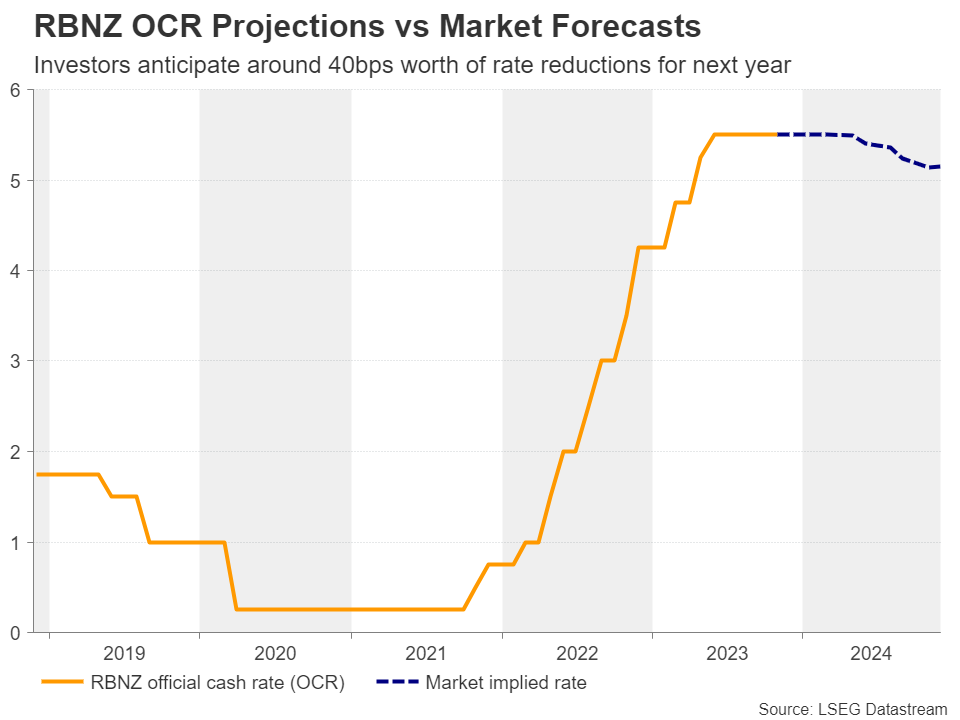
          Investors see no more hikes and expect 40bps worth of cuts for 2024

          • Since the last RBNZ meeting, data have been coming on the weak side
          • Investors see no more hikes and expect 40bps worth of cuts for 2024
          • But the RBNZ is unlikely to satisfy market bets
          • The meeting is scheduled for Wednesday, at 01:00 GMT

          Data points to softening economic activity

          At its latest gathering, the Reserve Bank of New Zealand (RBNZ) held its Official Cash Rate (OCR) steady at 5.5%, noting that interest rates are constraining economic activity and are reducing inflationary pressures as required. Officials also added that there is a near-term risk that activity and inflation do not slow as much as needed, and that’s why the policy rates should stay at restrictive levels for a sustained period of time.

          Since then, data have been pointing to further softening of economic activity, with retail sales shrinking 0.8% q/q in Q3 after dropping 1.0% in Q2, and the business PMI for October sliding to 42.5 from 45.3. What’s more, the unemployment rate increased further to 3.9% from 3.6% during Q3 and the CPI slowed to 5.6% y/y from 6.0%. All these numbers allowed investors to continue believing that this tightening crusade is over and to pencil in around 40bps worth of rate cuts for next year.
          But upside risks to inflation unlikely to result in a dovish RBNZ

          The Bank’s upcoming gathering is scheduled for Wednesday, with analysts agreeing with the market that officials are most likely to keep their hands off the hike button. Therefore, the attention is likely to fall on the Bank’s new macroeconomic projections and any clues on how they are planning to proceed with monetary policy in 2024.

          Given that inflation is still nearly double the upper bound of the RBNZ’s 1-3% target range, and that, although cooling, the RBNZ’s own expectations continue to suggest that inflation will stay above that bound in 12 months, officials are unlikely to affirm market expectations and revise lower their OCR projections.
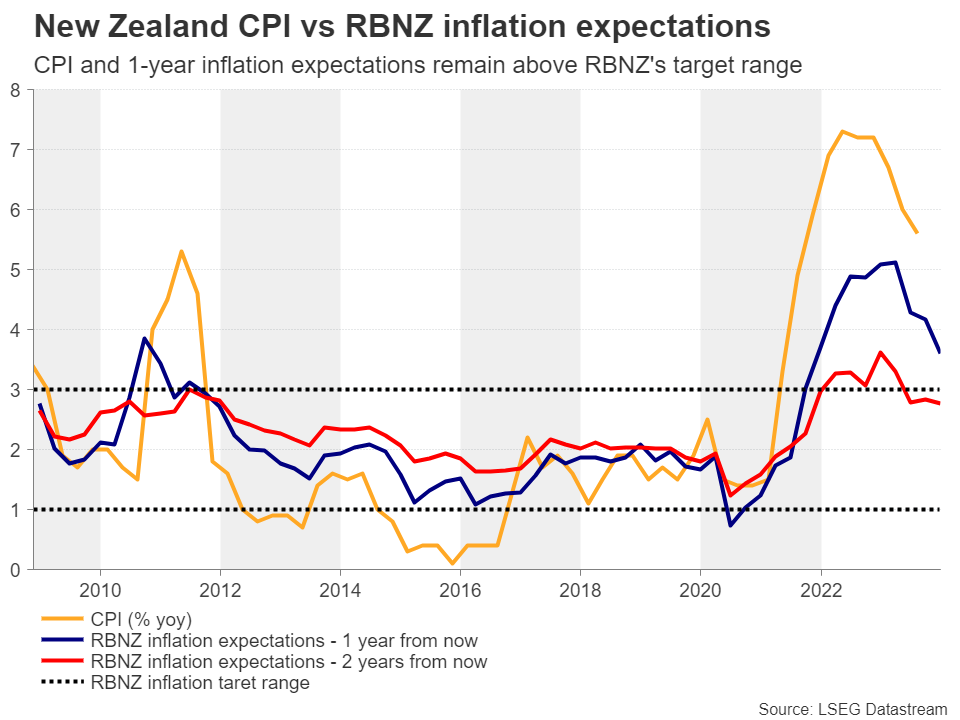
          What’s more, it will be interesting to see whether policymakers will incorporate into their forecasts the implications of a new government for the macroeconomic outlook. An official agreement has yet to be signed, but the new coalition is more likely to be led by the National Party, which promised less spending than the previous Labor-led government, but also tax cuts, which is an inflationary policy. It also called for a change in how the RBNZ conducts policy, arguing that the dual mandate should be dropped and suggesting the adoption of a stricter inflation targeting. This means that if the Bank switches to a 2% objective like other major central banks, policy may need to stay restrictive for longer than previously estimated to achieve that target. According to the RBNZ’s inflation projections, inflation would not be at 2% even in 2 years.

          Kiwi may have room to gain more

          Having all these variables in mind, even if officials lower their short-term inflation projections based on the latest data releases, the longer-term outlook is unlikely to be changed much, and they will most likely continue to suggest that interest rates will finish 2024 at the current 5.5% level. Compared to the market’s own implied path, this could be interpreted as a relatively hawkish hold and could prove positive for the New Zealand dollar, which has been outperforming its US counterpart lately on speculation that the Fed may need to cut interest rates by around 90bps next year.

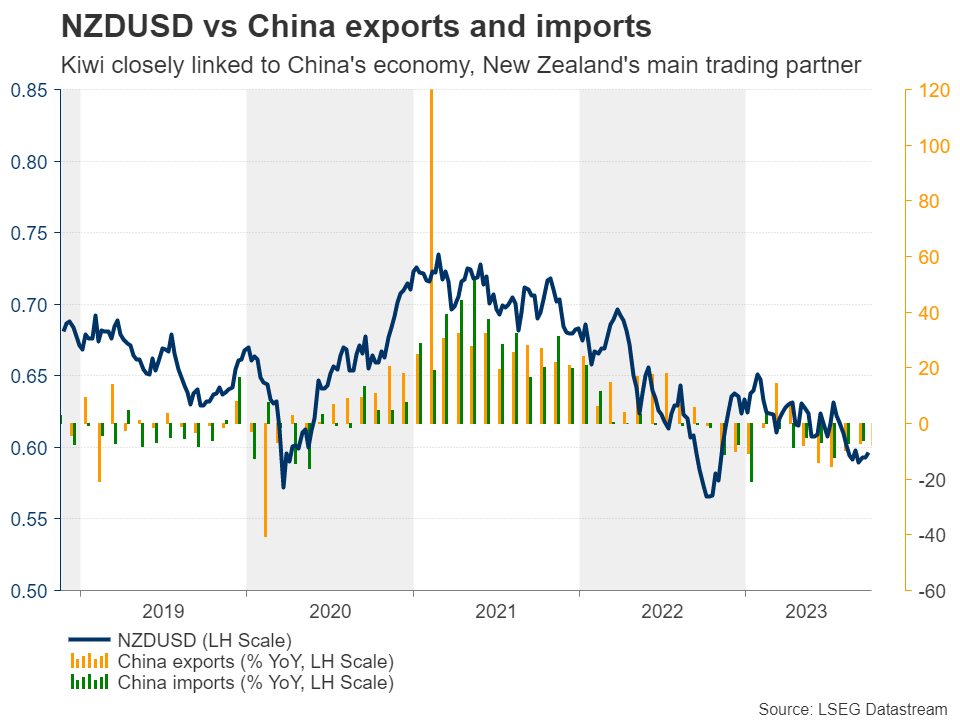
          Apart from monetary policy, the kiwi is also driven by the broader risk-appetite and developments surrounding the Chinese economy, New Zealand’s main trading partner. The market expectations regarding the Fed’s future course of action have triggered a wave of market euphoria, fueling the latest rally in stocks, and that’s why the risk-linked kiwi and aussie gained more than other currencies against the dollar. On top of that, despite the major problems facing the Chinese economy, the latest data releases are suggesting that the world’s second largest economy may be bottoming out, which is another plus for the kiwi and its neighboring aussie.
          From a technical standpoint, kiwi/dollar has been printing higher lows and higher highs since the October 26 bottom, while today, it poked its nose above the crossroads of the 200-day exponential moving average (EMA) and the 0.6060 key zone. If the week closes above that hurdle, then the bulls may decide to climb towards the 0.6130 barrier, marked by the high of August 4, the break of which could carry larger bullish implications.
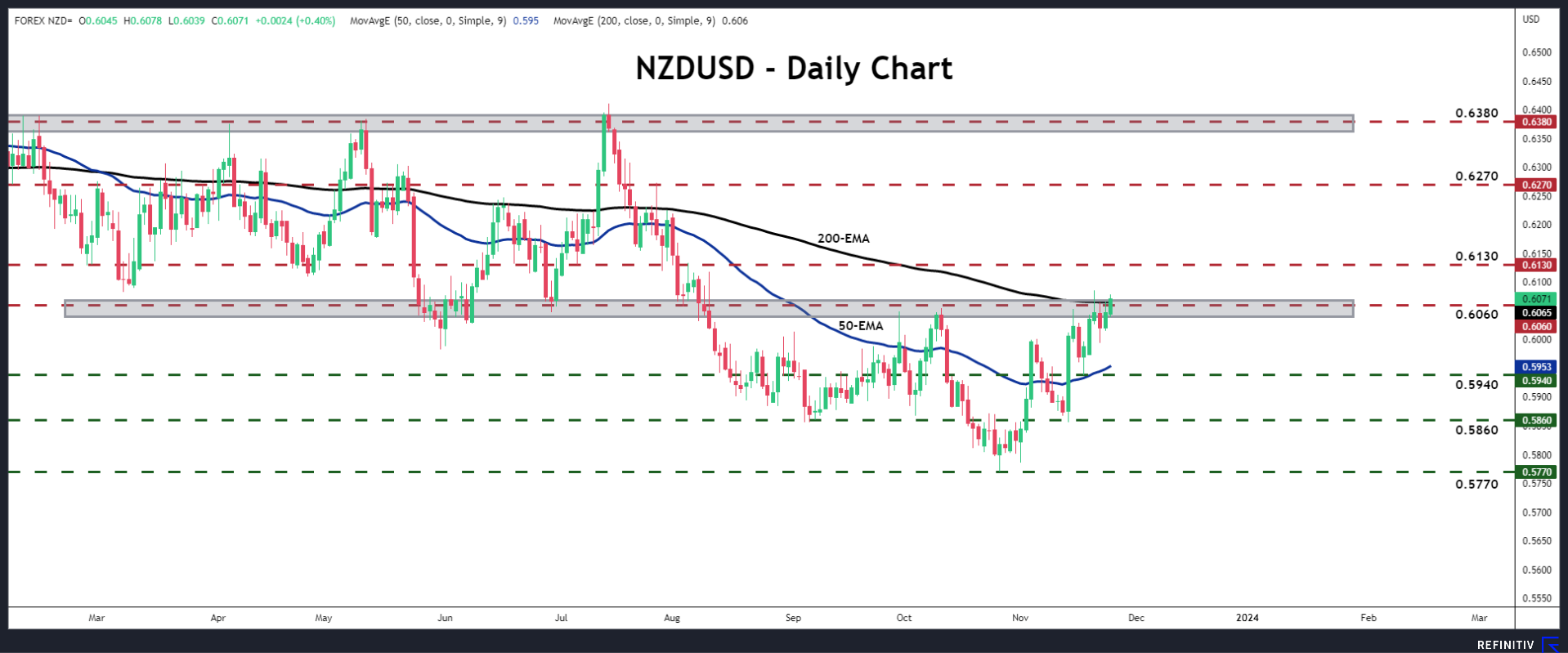
          For the outlook to darken again, kiwi/dollar may need to slide and close below the 0.5940 barrier, a move that could pave the way towards the next support zone, at around 0.5860.


          Article Source: ACTIONFOREX

          To stay updated on all economic events of today, please check out our Economic calendar
          Risk Warnings and Disclaimers
          You understand and acknowledge that there is a high degree of risk involved in trading. Following any strategies or investment methods may lead to potential losses. The content on the site is provided by our contributors and analysts for information purposes only. You are solely responsible for determining whether any trading assets, securities, strategy, or any other product is suitable for investing based on your own investment objectives and financial situation.
          Comments
          Add to Favorites
          Share

          Why Carbon Capture Is No Easy Solution to Climate Change

          Kevin Du

          Energy

          Technologies that capture carbon dioxide emissions to keep them from the atmosphere are central to the climate strategies of many world governments as they seek to follow through on international commitments to decarbonise by mid-century.
          They are also expensive, unproven at scale, and can be hard to sell to a nervous public.
          As nations gather for the 28th United Nations climate change conference in the United Arab Emirates at the end of November, the question of carbon capture's future role in a climate-friendly world will be in focus.
          Here are some details about the state of the industry now, and the obstacles in the way of widespread deployment.
          Forms of Carbon Capture
          The most common form of carbon capture technology involves capturing the gas from a point source like an industrial smokestack.
          From there, the carbon can either be moved directly to permanent underground storage or it can be used for another industrial purpose first, variations that are respectively called carbon capture and storage (CCS) and carbon capture, utilisation, and storage (CCUS).
          There are currently 42 operational commercial CCS and CCUS projects across the world with the capacity to store 49 million metric tonnes of carbon dioxide annually, according to the Global CCS Institute, which tracks the industry. That is about 0.13 per cent of the world's roughly 37 billion metric tonnes of annual energy and industry-related carbon dioxide emissions.
          About 30 of those projects, accounting for 78 per cent of all captured carbon from the group, use the carbon for enhanced oil recovery (EOR), in which carbon is injected into oil wells to free trapped oil. Drillers say EOR can make petroleum more climate-friendly, but environmentalists say the practice is counter-productive.
          The other 12 projects, which permanently store carbon in underground formations without using them to boost oil output, are in the US, Norway, Iceland, China, Canada, Qatar, and Australia, according to the Global CCS Institute.
          Another form of carbon capture is direct air capture (DAC), in which carbon emissions are captured from the air.
          About 130 DAC facilities are being planned around the world, according to the International Energy Agency (IEA), although just 27 have been commissioned and they capture about 10,000 metric tonnes of carbon dioxide annually.
          The US in August announced US$1.2 billion in grants for two DAC hubs in Texas and Louisiana that promise to capture 2 million metric tonnes of carbon per year, although a final investment decision on the projects has not been made.
          High Costs
          One stumbling block to the rapid deployment of carbon capture technology is cost.
          CCS costs range from US$15 to US$120 per metric tonne of captured carbon depending on the emissions source, and DAC projects are even more expensive, between US$600 and US$1,000 per metric ton, because of the amount of energy needed to capture carbon from the atmosphere, according to the IEA.
          Some CCS projects in countries like Norway and Canada have been paused for financial reasons.
          Countries including the US have rolled out public subsidies for carbon capture projects. The Inflation Reduction Act, passed in 2022, offers a US$50 tax credit per metric tonne of carbon captured for CCUS, US$85 per metric tonne captured for CCS, and US$180 per metric tonne captured through DAC.
          Although those are meaningful incentives, companies may still need to take on some added costs to move CCS and DAC projects ahead, said Benjamin Longstreth, global director of carbon capture at the Clean Air Task Force.
          Some CCS projects have also failed to prove the technology's readiness. A US$1 billion project to harness carbon dioxide emissions from a Texas coal plant, for example, had chronic mechanical problems and routinely missed its targets before it was shut down in 2020, according to a report submitted by the project's owners to the US Department of Energy.
          The Petra Nova project restarted in September.
          Location, Location, Location
          Where captured carbon can be stored is limited by geology, a reality that would become more pronounced if and when carbon capture is deployed at the kind of massive scale that would be needed to make a difference to the climate.
          The best storage sites for carbon are in portions of North America, East Africa, and the North Sea, according to the Global CCS Institute.
          That means getting captured carbon to storage sites could require extensive pipeline networks or even shipping fleets – posing potential new obstacles.
          In October, for example, a US$3 billion CCS pipeline project proposed by Navigator CO2 Ventures in the US Midwest – meant to move carbon from heartland ethanol plants to good storage sites – was cancelled amid concerns from residents about potential leaks and construction damage.
          Companies investing in carbon removal need to take seriously community concerns about new infrastructure projects, said Simone Stewart, industrial policy specialist at the National Wildlife Federation.
          "Not all technologies are going to be possible in all locations," Stewart said.

          Source: Reuters

          Risk Warnings and Disclaimers
          You understand and acknowledge that there is a high degree of risk involved in trading. Following any strategies or investment methods may lead to potential losses. The content on the site is provided by our contributors and analysts for information purposes only. You are solely responsible for determining whether any trading assets, securities, strategy, or any other product is suitable for investing based on your own investment objectives and financial situation.
          Comments
          Add to Favorites
          Share

          Dutch Election Result Brings Risk of More Eurosceptic Policies

          ING

          Economic

          Preliminary results from the Dutch parliamentary election are in. Although the results are not yet official, it is already clear that the populist conservative PVV of Geert Wilders has won with a large lead. Today, the speaker of the House of Representatives (Tweede Kamer) will consult the leaders of the political groups on the appointment of a 'scout' (verkenner) who is to investigate the feasibility of different coalitions. On 6 December, the new House of Representatives will convene for the first time. Shortly after that, a debate will take place on both the outcome of the elections and on a report to be provided by the 'scout'.
          For now, it seems likely that a coalition of the PVV, the liberal-conservative VVD, Pieter Omtzigt's NSC and the farmers' and citizens' BBB is the option that will be looked at first. Given some reluctance to cooperate with the PVV, such a coalition is far from certain, however. As this constellation is now often mentioned by political commentators, we will now look at the general possible direction of a select number of (economically and internationally relevant) policies based on the manifestos of these four parties.
          Domestic policies: high uncertainty about outcomes
          Of the four parties, only the VVD participated in an exercise by the CPB (Netherlands Bureau for Economic Policy Analysis) which looked at the goals in manifestos and analysed their fiscal and economic effects. So there is quite some uncertainty about what policies and effects can be expected for the economy if PVV, VVD, NSC and BBB were to govern together.
          Domestic fiscal policy more expansionary over time due to higher spending desires
          What is clear, however, is that these parties have a lot of goals, which could potentially lead to a lot of additional public spending, such as on health care. Simultaneously, parties want to boost household income, especially for those in poverty, which would require lower taxes and higher social security spending. This raises the fiscal deficit.
          All of these four parties want to be strict on fiscal deficits within the eurozone and VVD, NSC and BBB have all stated they want to adhere to European fiscal rules, implying a budget deficit below 3% of GDP. Yet, based on detailed calculations, only the VVD seems to be heading towards an actual budget deficit of just below 3% of GDP in 2028, if its manifesto were to be implemented. This means that the other parties would have to make some concessions, as the current government leaves behind a deficit of 3.6% in 2028. At this point in time, however, it is hard to pinpoint exactly which policy intentions the four parties would scale down in order to achieve this.
          Overall, we expect fiscal policy to be considerably expansionary over time, with the deficit increasing considerably compared to its current level. The impact on the economy would be stimulative, which would likely lead to more labour demand. Given the current strains in the labour market, we expect this to result in more demand for foreign workers.
          Restriction on migration
          The parties, however, agree on restricting immigration. In many cases, this applies to restricting the number of refugees and migrant workers, but there are also proposals for restricting the immigration of foreign students and family members. The PVV wants to restrict labour migration from within the EU.
          Disagreement on climate change policies, but not necessarily a complete overhaul
          VVD, NSC and BBB subscribe to international climate goals (the Paris Agreement and/or EU goals) and propose policies to mitigate climate change, yet they do not seem to be aiming for even higher goals than European legislation requires domestically. The PVV wants to cut spending on climate mitigation policies entirely and only leaves the door open for climate adaptation policies. NSC wants to adopt more cost-efficient policies, with lower subsidies and more pricing and norms. This, and the fact that it was not among the main priorities in PVV's election campaign, probably means that this four-party coalition is not likely to abolish all existing climate policies. European regulation will also still apply, so we expect that this possible coalition could be committed to achieving international climate goals, although with a view to reducing the cost.
          More defence spending, but possibly less favourable for Ukraine
          VVD, NSC and BBB are in favour of increasing defence spending to the NATO objective of 2% of GDP and continuing to support Ukraine. The PVV takes a more nationalist approach toward defence, by wanting to stop supporting Ukraine with money and weapons and by arguing in favour of using the army for border patrols in order to reduce the immigration of refugees. PVV, VVD and NSC are against an EU army. Yet, VVD, NSC and BBB are in support of European military cooperation.
          Less official development aid
          It is quite likely that this possible coalition wants to reduce spending on official development aid. The PVV wants to stop official development aid entirely, while the VVD is considering lowering spending. BBB wants to spend the same as the EU will have spent in 2023 (as a percent of GDP). NSC is not explicit about its desired degree of spending on ODA, but it stresses the need for impactful spending, a focus on a limited number of countries, sustainable growth and a connection with migration policy.
          More euroscepticism
          The government's stance is likely to become more sceptical towards the EU and European integration with a PVV, VVD, NSC and BBB coalition. That is one of the main takeaways from our analysis. The PVV seems to be most sceptical. It wants a binding referendum on an exit from the EU, and before then, to reduce financial transfers and return sovereignty to the Netherlands. The BBB would prefer to go back to a previous version of the EU that was more focused on a common European market (European Economic Community), is sceptical about fiscal transfers and has a preference for a northern version of the euro. However, NSC is in favour of cooperating on a European level on issues like the euro, migration, climate and Ukraine, but wants to prevent a transfer union and mutual debt, and also wants to use Dutch opt-outs from European legislation more often. The VVD is still in favour of legislation towards more harmonisation of the European single market, but is sceptical about more spending at the European level and argues for a return to more fiscal discipline of eurozone member states. So, quite some scepticism about Europe, but given the overall positive public opinion on Europe within the Netherlands and the stance of NSC and VVD, we rule out a significant move on the euro or Nexit.
          More opposition against changes to the Stability and Growth Pact brings uncertainty for Dutch stance in reform discussions
          NSC, BBB and VVD all seem to be in favour of a return to the 3% and 60% deficit norms of the Stability and Growth Pact. It is therefore very doubtful whether such a four-party coalition, with the most likely exception of VVD, would support the changes to the Stability and Growth pact that are currently on the table. The current caretaking government left more room for such reforms that would allow more country-specific flexibility.
          Smaller EU budget and EU enlargement less likely
          VVD, NSC and BBB propose a reduced or frozen EU budget, while it seems likely that PVV would also vote along these lines. The PVV is against the enlargement of the EU, while VVD, NSC and BBB do not seem to oppose the addition of new member states as long as they strictly comply with the Copenhagen conditions (with the exception of the NSC, which is ruling out Turkey).
          Conclusion: Policy uncertainty 'higher for longer'
          The formation of the coalition is likely to take a very long time, and national policy ambitions pushing up against the limits of the government budget will be a key hurdle. If the negotiations fail, there may be an effort to form a more centrist coalition of the progressive green left/social democrats Groenlinks-PvdA with VVD, NSC and centrist liberal democrats D66, which will also be difficult to reach agreement. If no coalition is formed, new elections are the only remaining option.
          Meanwhile, it is unclear which stance the caretaking Dutch government will take as it enters the Ecofin discussions on the Stability and Growth Pact on 8 December and the European Council on 14 and 15 December on matters like enlargement, Ukraine and the financial framework. We expect to find out in the next two weeks.
          To stay updated on all economic events of today, please check out our Economic calendar
          Risk Warnings and Disclaimers
          You understand and acknowledge that there is a high degree of risk involved in trading. Following any strategies or investment methods may lead to potential losses. The content on the site is provided by our contributors and analysts for information purposes only. You are solely responsible for determining whether any trading assets, securities, strategy, or any other product is suitable for investing based on your own investment objectives and financial situation.
          Comments
          Add to Favorites
          Share

          India's Good Year

          Devin

          Economic

          2023 has turned out to be India's year. The multipolar world order that India has sought for over seven decades may not be a reality yet, but India is certainly in a unique position today. During the Cold War, New Delhi's heft came primarily from its diplomatic clout through leadership of the nonaligned world. Today India is in a better place. It has economic and military potential besides diplomatic and soft power.
          A post-colonial country and founding member of the nonaligned movement, India is at the heart of the United States-led Indo-Pacific strategy that seeks to counter the aggressive rise of China. Notwithstanding its deep alignment with the U.S., India participates in non-Western groupings that include both Russia and China. Such ties demonstrate a desire by Indian leaders to ensure their country is not viewed as a camp follower of the West. India's strong emphasis on strategic autonomy and championing of the Global South – the former nonaligned world – is aimed as much at the Western world as it is a message to Russia and China.
          On a tear: Participation in a bevy of high-profile events
          For India, the world's most populous country and fastest-growing emerging economy, the last 12 months have cemented the country's position on the global high table. An August 2023 Global Attitudes Survey by Pew Research Center showed that 46 percent of citizens across 23 countries held a favorable view of India. This was especially true in the U.S. and among most of its allies in Asia and the West.
          India convened the Global South virtual summit with 125 countries in January 2023. New Delhi was invited to attend the G7 meeting in Japan and participated in the Quad summit held soon after. In July, India hosted the China-led Shanghai Cooperation Organisation (SCO) summit. In August, India was at the BRICS summit that welcomed six new members and, in September, India hosted the G20 summit, the first ever to be held in South Asia, with leaders of 43 countries attending.
          India was invited to the APEC (Asia-Pacific Economic Cooperation) summit in November and, in January 2024, India will host the Quadrilateral Security Dialogue (Quad) leaders' summit in New Delhi. India also aims to host the summit on the eve of India's Republic Day to showcase the country's global heft.
          America's grand strategy seeks to counter China's military buildup and economic penetration with the support of allies and partners across the globe. A key area of geopolitical contention for the U.S. and China is the Global South. China's appeal within the Global South lies with semi-authoritarian countries that seek economic investment.
          India's historical clout within the former nonaligned developing world makes it an option for countries that no longer view the U.S. as the sole superpower. New Delhi has, over the decades, cemented its global profile of a post-colonial country that avoided military coups and remained a democracy. Despite criticism for democratic backsliding and perceived intolerant Hindu nationalism under Prime Minister Narendra Modi, India is respected by many developing nations for educating its people while building its economy and military, all within the context of achieving a multi-religious, multi-ethnic and pluralistic society. Over the last few years, India has used its presence in multilateral groupings to build its credentials as a global power that has relations with Russia and countries in the Global South and yet maintains a close partnership with the West.
          India's priorities reveal a desire to burnish its historical claim to leadership of the world's have-nots. This was reflected in the expansion of both BRICS and the G20 to include countries primarily from the Global South and in the various aims of the G20 like climate financing, debt sustainability, digital public infrastructure and health. India has long viewed itself as a first responder for humanitarian assistance and disaster relief in the Indian Ocean and as a leading provider of developmental assistance. During Covid-19, India initiated "vaccine diplomacy" and during G20-related meetings, health remained a key priority area.
          In addition to its various multilateral engagements, India branched out its diplomacy in several regions. While there is a lot of global focus on the Quad – a grouping including Australia, Japan, India and the U.S. – its counterpart I2U2 (India, Israel, the United Arab Emirates and the U.S.) continues its work under the radar.
          The recently announced India-Middle East-Europe Economic Corridor (IMEC) is a syncing of India's strong partnership with the Middle East with global geopolitics. The U.S. seeks a Europe that is less dependent on Russian energy, a stable Middle East that has markets other than China and Russia, and an India that will have access to energy, investment and markets. IMEC is the solution to all these challenges without requiring an American security presence or massive investment.
          India's global ambitions are benefitting from geopolitical realities and America's grand strategy. While every U.S. president going back to Bill Clinton has championed a strong partnership with India, U.S. President Joe Biden's administration especially has placed a strategic bet on India. 2023 was full of strong signals: a state visit of Prime Minister Modi in June and Mr. Biden's September visit to India, with substantive deliverables, primarily in defense and technology.
          At a time when the U.S. seeks to deny high-end technology to its competitor, China, Washington appears willing to share the crown jewels of its civilian and military technology with a non-security ally, India. The U.S. would like to convince countries around the world that there is an alternative to China, and that is India. As the only other nation with more than a billion people, India is often characterized as China's biggest potential rival in Asia. India's democratic credentials, economic potential and soft power reflected in its developmental aid across Asia and Africa also make it an alternative to China. Additionally, there is an American desire to wean India away from collaboration with Russia in the defense sector. Finally, India is a key bridge to the Global South.
          Over the last few years, India has boosted its bilateral engagements not just with the U.S. and its security allies in Europe and Asia, but with countries in the Middle East, Africa and Southeast Asia.
          India and the UAE have signed a free-trade agreement and New Delhi is in talks with Israel for another such accord. India's economic and security ties with Egypt and Saudi Arabia have deepened.
          India has also enhanced defense sales, enhanced regional connectivity and bolstered high-level diplomatic engagements with Southeast Asia. The 2022 "State of Southeast Asia" survey ranked India third, after the U.S. and China, as the partner of choice. India's doctrine of strategic autonomy appeals to a region that, while wary of China's rising economic and military dominance, wants to avoid taking sides in the peer rivalry between the U.S. and China.
          Both the Middle East and Southeast Asia are critical to the American and European grand strategy – China has deepened its inroads into these regions and India's closer ties with these regions are welcomed.
          Moving forward
          In 2020, in his book titled "The India Way," India's External Affairs Minister Subrahmanyam Jaishankar argued that India's policy in the coming years would be "to engage America, manage China, cultivate Europe, reassure Russia, bring Japan into play, draw neighbors in, extend the neighborhood and expand traditional constituencies of support." To some extent, India's aggressive endeavors appear to have been successful. However, that is a function as much of global geopolitics as it is of India's summit diplomacy.
          Many want India to play a bigger role both regionally and globally. However, New Delhi has a short time frame in which to make the most of regional and global geopolitics to achieve its goals. For India to benefit from the chorus for closer ties by many countries, it needs to focus on building its economic power and military capability.
          The Indian state is paternalistic and protectionist in the economic realm and skeptical of free trade. If India wants to become a part of the global supply chain network, actions like banning export of rice or wheat, or import of laptops do not help. To boost foreign investment, predictable and consistent regulatory and tax policies are critical. To truly become the alternative to China as the "factory to the world," the manufacturing sector needs to grow and antiquated land, labor and capital markets need modernization.
          The Indian state has historically focused inward when it comes to security, and projection of power has been limited to the Indian subcontinent. To project power in the Indian Ocean and beyond, India would need to focus less on issues of identity politics and the past, and instead invest in its human capital, focus on economic reforms and modernize the military. With national elections due in 2024, and countries all over the world turning more populist, this appears unlikely in the short run.

          Source: GIS

          To stay updated on all economic events of today, please check out our Economic calendar
          Risk Warnings and Disclaimers
          You understand and acknowledge that there is a high degree of risk involved in trading. Following any strategies or investment methods may lead to potential losses. The content on the site is provided by our contributors and analysts for information purposes only. You are solely responsible for determining whether any trading assets, securities, strategy, or any other product is suitable for investing based on your own investment objectives and financial situation.
          Comments
          Add to Favorites
          Share

          Gaza's Economy Is in Ruins as Israel-Hamas War Sets Development Back Decades

          Thomas

          Palestinian-Israeli conflict

          War-battered Gaza's already fragile economy lies in ruins, much like its buildings, following more than a month of bombings by Israel after Hamas militants attacked the country in October.
          Even before the war, a majority of Gazans had limited access to affordable, nutritious provisions and were deemed food insecure, according to the United Nations World Food Programme, but the situation has now turned dire. About 80% of Gaza residents were reliant on some sort of international aid before the latest escalation.
          "Gaza's economy is 100% dependent on two sources of revenue: foreign aid and access to Israel's labor market. The latter is now gone, probably forever. The only thing remaining is foreign aid," Marko Papic, partner and chief strategist at Clocktower Group, told CNBC via email.
          Gaza's unemployment rate, which has traditionally been one of the world's highest at above 40%, now stands near 100%, with the enclave's economy effectively "ceasing activity" indefinitely, according to a report from the Ramallah, West Bank-based Palestine Economic Policy Research Institute.
          Over one month into the war, Gazans have lost at least 182,000 jobs, or 61% of the workforce, according to the International Labor Organization. Another U.N. agency, the United Nations Development Programme, has forecast that Gaza's development would be set back by 16 to 19 years in its assessment based on economic, health and educational indicators.
          On Oct. 7, Hamas militants launched a multi-pronged attack by land, sea and air and infiltrated Israel, killing approximately 1,200 people. In retaliation, Israel launched air strikes and a ground invasion into the Gaza Strip, which has so far killed more than 14,500 people in the enclave.
          Economy outlook worse than after 1967 war
          "Even though the Israelis had occupied Gaza starting 1967 well into the 80s, the economy was doing a bit better, but mostly it was doing well, based on having a number of educated people who went outside of Gaza," said Kevin Klowden, chief global strategist at Santa Monica, California-headquartered think tank Milken Institute.
          Gaza was under the control of Egypt from 1948 until mid-1967 before Israel seized it along with the West Bank following its victory in the Six-Day War against a coalition of Arab countries.
          "In the first 25 years of [Israeli] occupation, Gaza had both people working inside Israel [and] it had its own local economy ... it was an important part of the Palestinian economy," Raja Khalidi, director-general of the Palestine Economic Policy Research Institute told CNBC via telephone.
          Gazans were able to work in Israel, Egypt, the Gulf and other places 50 years back, and there was a strong professional class, university and airport at the time, but with the current conflict the enclave's economy now is dire, almost nonfunctional, Klowden also said.
          Israel had issued about 18,000 permits for Gazans to work and live in the country and its settlements in the West Bank, but they were revoked after the Oct. 7 attack.
          According to the United Nations, during the 1970s and 1980s, the Palestinian economy saw relatively strong capital inflows, largely due to remittances from Palestinian workers in Israel and the Gulf countries.
          Things changed after Hamas gained power in Gaza in 2006 when Israel relinquished its control of the enclave. Hamas has not held an election in Gaza since.
          Not only did the Palestinians lose out on working in Israel after Hamas took over Gaza, their trade with the Egyptians also dissipated as Egypt views Hamas as a threat, with investments into the Palestinian Authority-governed West Bank no longer flowing into Gaza, Klowden said.
          Since 2007, Gaza has been surrounded by concrete walls and barbed wire fences after Israel imposed an air, land and sea blockade on the Gaza Strip, saying the move was necessary to safeguard itself from Hamas' attacks. The U.N. classifies Israel as an occupier state over the Palestinian territories of the West Bank and Gaza.
          "When people ask me what does it take for Gaza to get back to where it was ... We want to go back to where it was 20 years ago, not where it was two months ago," said Khalidi.
          'Hard to see an economic future'
          The blockade and repeated wars with Israel since 2008 have hollowed out the enclave's economy, with its anemic economic growth falling far behind that of the West Bank over the last 15 years, according to the International Monetary Fund.
          "It's not been a situation where there's been economic hope. And for the last 15 years, essentially, that's been the situation," Klowden said. "You have a very young population that doesn't see hope out of that. It's very hard to see an economic future out of that."
          As many as 65% of the 2.3 million Palestinians living in the 140-square-mile sliver of land, between Israel and Egypt are under the age of 24.
          "Ultimately, some form of a deal to end the conflict will have to be put in place," said Clocktower Group's Papic.
          "But that deal is likely to have to see Gulf Arab monarchies and Saudi Arabia footing much of the bill for the viability of Gaza in the future."

          Source: NBC

          Risk Warnings and Disclaimers
          You understand and acknowledge that there is a high degree of risk involved in trading. Following any strategies or investment methods may lead to potential losses. The content on the site is provided by our contributors and analysts for information purposes only. You are solely responsible for determining whether any trading assets, securities, strategy, or any other product is suitable for investing based on your own investment objectives and financial situation.
          Comments
          Add to Favorites
          Share

          Latest News on the Israeli-Palestinian Conflict (November 25)

          Thomas

          Latest news on the Israeli-Palestinian conflict

          0:19
          A spokesman for Qatar's Foreign Ministry confirmed the release of 13 Israelis, including dual nationals, 10 Thais and Filipinos.
          0:20
          Meda CEO Eli Bin: 13 Israelis and 11 foreign passport holders are in good health and speaking normally.
          0:26
          After the truce came into effect, many Gazans who sought refuge in various places chose to return to their homes in northern Gaza. However, Israeli forces opened fire on displaced Palestinians who went to their homes in northern Gaza.
          One person was martyred and several others were injured in an attack by Israeli forces on civilians moving towards their homes in the north.
          Latest News on the Israeli-Palestinian Conflict (November 25)_1
          0:54
          An IDF spokesman said: Elite units of the IDF and an ISF unit are currently accompanying the abductees back to Israel after conducting an initial assessment of their medical conditions while on Israeli soil. Our troops stay with returnees until they reach their families in the hospital.
          1:12
          To show their boycott of McDonald's support for Israel, protesters in France filled McDonald's front yard with feces.
          Half a month ago, the Israeli branch of McDonald's provided meals to the Israel Defense Forces, which triggered a series of controversies and boycotts in France. Now the protests have intensified.
          1:34
          Israel has released a total of 39 Palestinian women and children arrested at the Ofer military checkpoint in the occupied West Bank.
          2:03
          Hundreds of Palestinians in the occupied West Bank town of Betuniya welcomed the first women and children released by Israel as part of a prisoner exchange deal between the Palestinian resistance movement and the Israel Defense Forces.
          Latest News on the Israeli-Palestinian Conflict (November 25)_2
          2:51
          IDF Spokesperson: At this time, the 22 Israeli and foreign citizens who returned tonight have arrived at the Hazerim base, from where they will soon fly to the hospital to be reunited with their families. Two Israeli civilians were taken to hospital.
          Returning civilians and foreigners are accompanied by IDF personnel and medical personnel. Air Force helicopters are waiting at Hazerim Air Base to transport returnees to hospitals.
          3:05
          Hundreds of thousands of people have rallied in Sanaa, Yemen, to support the Palestinian people amid Israel's genocide in Gaza.
          3:49
          Jonathan Pollard, the Israeli spy who stole military secrets from the United States, threatened the families of Israeli prisoners in Gaza: “Either you shut up, or we shut you up.
          4:23
          WHO chief says hospitals in southern Gaza are treating twice as many patients
          Tedros shared a video showing injured Palestinians arriving at the European Gaza Hospital in buses and ambulances after being transferred from Gaza City's Al Ahli Arab Hospital.
          "Patients suffered gunshot wounds, amputations and burns," the WHO chief said.
          He added: “To meet all health needs in Gaza, more support and, most importantly, a sustained ceasefire are needed.
          5:43
          The number of injured Palestinians has risen to 31, the Palestinian Red Crescent reported, as Israeli forces "cracked down" on a rally near a prison in the occupied West Bank.
          We reported earlier that Israeli forces fired tear gas in an attempt to disperse hundreds of people gathered near Ofer prison awaiting the release of Palestinian women and children.
          Wafa said at least three injuries were from "live ammunition, four from rubber bullets and 22 people suffocated from tear gas inhalation." It added that two other injuries were caused by "falls".
          5:56
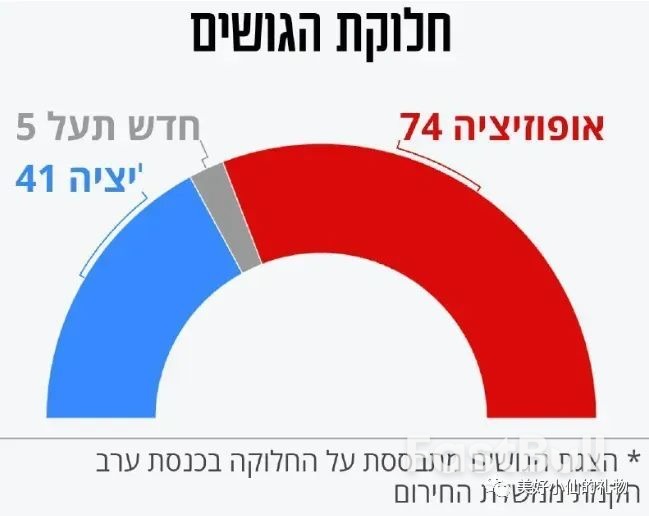
          Statistically, Netanyahu and Likud will suffer a crushing defeat in the next election.
          Latest News on the Israeli-Palestinian Conflict (November 25)_3
          7:03
          Speaking on the BBC program, Israeli Economy Minister Nir Barkat said "When the United States wanted to end the war and they dropped the atomic bombs on Hiroshima and Nagasaki, we didn't do that. We empathize with the Palestinian people."
          This comment even shocked the BBC host: "Lawyers from all over the world want to sue Israel for war crimes in The Hague..."
          Netizen comments: Is this the second minister to declare recently that Israel has the ability and reason to drop a nuclear bomb? Is the IAEA blind?
          8:16
          Canadian Muslim groups urge Ottawa to condemn Israeli leader's anti-Palestinian rhetoric
          The National Council of Canadian Muslims (NCCM) called out comments made by Netanyahu and other Israeli leaders as inappropriate, including Defense Minister Galante, who said last month that Israel was at war with "the human animal." NCCM said Canadian Prime Minister Justin Trudeau and "his government and all Canadian leaders must condemn this horrific language" which has "encouraged" thousands of people in Gaza since October 7 Deaths of Palestinian civilians.
          9:24
          Muhammad Abu Salmiya, the director of Gaza's largest hospital, was detained by Israeli forces yesterday along with five other health workers while he was moving patients to the south of the enclave.
          Two of the six people have been released, the WHO said in a statement. "We have no information on the health status of the remaining four medical staff, including the director of Shifa Hospital. WHO calls for full respect for their legal and human rights while in detention.
          10:05
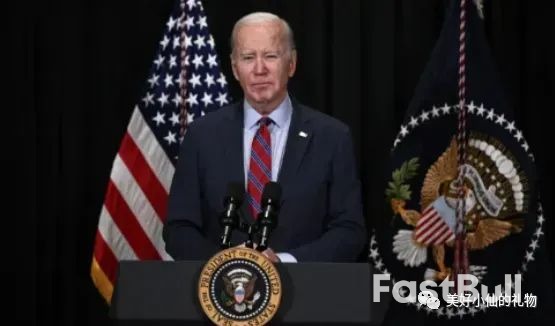
          US President Joe Biden has begun to address the media on the issue of hostage exchange in Gaza. Biden is confused about all the questions.
          Biden: "We don't know when the first American hostages will be released. We don't know their conditions. We don't know exactly which hostages are going to be released."
          Latest News on the Israeli-Palestinian Conflict (November 25)_4
          11:13
          IDF spokesman:
          The Israel Defense Forces shot down a surface-to-air missile launched from Lebanese territory at an IDF remotely piloted aircraft. The missile did not enter Israeli territory and no policy warning was issued.
          In response to the launches, Israeli Air Force fighter jets recently attacked infrastructure belonging to Hezbollah.
          13:57
          The Euro-Mediterranean Human Rights Monitor said in a statement today that Cindy McCain, executive director of the United Nations World Food Program, was fired after participating in a forum to raise funds for the Israeli army, in view of the deteriorating humanitarian situation in the Gaza Strip. , criticism of the World Food Program's actions is mounting.
          15:34
          Police bomb squads in Gaza are working very hard to use the four-day pause to clear unexploded Israeli bombs and missiles from residential areas.
          16:27
          The Palestinian government media office said the death toll of Palestinian journalists in Israel's offensive on Gaza has risen to 67.
          16:43
          BREAKING: An Israeli cargo ship was targeted in the Sea of Oman.
          An Israeli cargo ship was targeted in the Sea of Oman just hours before the ceasefire in Gaza, Al-Mayadeen's exclusive sources confirmed.
          17:10
          Israeli media confirmed: A partially Israeli-owned ship was attacked by a drone in the Arabian Sea.
          18:17
          The government media office said the Israelis had destroyed 60% of the buildings in Gaza.
          Many displaced Palestinians, like this woman, went to check on their homes during the moratorium, only to find them completely destroyed because the IOF was carpet-bombing entire neighborhoods.
          18:47
          Following a warning in northern Israel, the Israeli military said its air defenses successfully intercepted a suspected air target crossing Lebanese territory.
          There were space explosions and several interceptions.
          18:58
          A U.S. security official said: It was an Iranian drone that attacked an Israeli cargo ship in the Indian Ocean.
          19:13
          Al-Arabiya, Saudi Arabia: A Qatari delegation has arrived in Israel to discuss extending the ceasefire in exchange for the release of more hostages.
          19:19
          Qatari Deputy Ambassador Khaled al-Hardi will arrive in the Gaza Strip today via the Rafah crossing.
          20:26
          Hours before the Gaza truce came into effect, an Israeli-owned cargo ship was hit by an Iranian Shahed-136 drone.
          The cargo ship Simi, owned by Israeli billionaire Idan Ofer, was hit in the Arabian Sea near Oman.
          Billionaire Idan Ofer is the owner of several shipping, mining, chemicals and energy companies.
          20:40
          Iranian Defense Minister: I advise Americans and their accomplices to leave our region, otherwise they will pay a heavy price for supporting Zionist crimes.
          21:06
          The head of the Norwegian medical team in the Gaza Strip told Al Jazeera: The situation is extremely difficult and the Israeli occupation has launched a fierce attack on the medical system. 75% of hospitals in the Gaza Strip are out of service.
          21:35
          The Palestinian resistance movement expresses deep dissatisfaction with the manipulation of prisoner lists by the Israeli occupying forces.
          The agreement provides for the release of prisoners based on seniority, announced the prisoner and former director of the Bureau of Prisoners, Kadula Fares. However, Israel failed to comply with this provision yesterday. As of now, the exact location of the prisoners' release remains unknown, and a reception is expected to be held in Betounha.
          22:15
          CNN reports: Differences between Israel and Hamas over the nature of the list released today.
          Israel is trying to increase the number of people released to 14, insisting they meet the required categories.
          22:04
          Initial report from Egypt: A ceasefire is possible for another 2 days in exchange for more abductees.
          22:32
          Relatives of the released Israeli prisoners said they did not face any harsh treatment; they were treated humanely, Israel Walla website reported.
          23:18
          Houthi military spokesman Yahya Sario hinted at the attack on Israeli Zim Maritime ships.
          23:37
          After an hour and a half delay, the hostages were transferred from Hamas to the Red Cross.

          Article source: "The Gift of the Beautiful Fairy" WeChat public account

          Risk Warnings and Disclaimers
          You understand and acknowledge that there is a high degree of risk involved in trading. Following any strategies or investment methods may lead to potential losses. The content on the site is provided by our contributors and analysts for information purposes only. You are solely responsible for determining whether any trading assets, securities, strategy, or any other product is suitable for investing based on your own investment objectives and financial situation.
          Comments
          Add to Favorites
          Share

          Asia Week Ahead: A Hawkish Bank of Korea Pause Plus Key Releases in China and Japan

          ING

          Economic

          China PMIs to show recovering manufacturing activity
          After a surprise decline in manufacturing activity for China last month, we are expecting the official manufacturing PMI to bounce back to the expansion region at 50.1 and the non-manufacturing PMI to accelerate to 51.2. Last month's retail sales growth beat the consensus at 7.8% year-on-year, which might hint that the non-manufacturing sector is doing better than expected.
          The weak global economic outlook continues to weigh on China's export orders. This will probably keep the Caixin manufacturing PMI below 50 and indicates contracting manufacturing activities at 49.8. Activity data in the past few months has shown modest progress in China's recovery aside from anything property-related. It's therefore unlikely that the manufacturing PMI will stay in contractionary territory for long.
          Inflation out from Australia
          Hawkish comments from the Reserve Bank of Australia (RBA) Governor Michele Bullock yesterday stated that inflation is increasingly induced by strong domestic demand, hinting at the possibility of headline inflation remaining above target. The inflation number should be still above the RBA's target, but could edge lower in October to 5.0% YoY.
          Meanwhile, we're inclined to believe that retail sales are still going strong – but that they should decline by -1.0% month-on-month due to the end of the holiday season.
          India GDP could moderate but stay above RBI projections
          India's GDP is likely to moderate to 7.1% YoY, down from 7.8% in the first quarter. Nonetheless, this result should surpass the Reserve Bank of India's projections, as domestic economic activities remain robust and services and capital expenditure continue to drive growth.
          BoK to carry out another hawkish hold alongside activity and sentiment data
          The Bank of Korea is set to move forward with another hawkish pause, concerned about the recent reacceleration of inflation and faster-than-expected household debt growth. A key area to watch will be evidence of any minority views among board members on rate-cutting possibilities in the near future after data suggested sluggish consumption and investment.
          Elsewhere in Korea, we believe consumer sentiment should continue to deteriorate with higher borrowing costs and poor performance in asset markets (property, KOSPI, the KRW). On the other hand, business sentiment is set to improve on the back of a better outlook for IT and chip markets. We believe this upbeat assessment will be confirmed by a recovery of exports, which is expected to rise for a second month mainly due to recovery in chips and autos.
          For monthly activity data, October industrial production is expected to rise based on the previous month's strong export results. However, domestic demand-driven retail sales and investment are likely to decline.
          Upbeat data likely out from Japan
          We expect Japan's production and consumption numbers to improve in October. Despite high inflation, consumption should record a gain for last month, backed by tight labour market conditions.
          To stay updated on all economic events of today, please check out our Economic calendar
          Risk Warnings and Disclaimers
          You understand and acknowledge that there is a high degree of risk involved in trading. Following any strategies or investment methods may lead to potential losses. The content on the site is provided by our contributors and analysts for information purposes only. You are solely responsible for determining whether any trading assets, securities, strategy, or any other product is suitable for investing based on your own investment objectives and financial situation.
          Comments
          Add to Favorites
          Share
          FastBull
          Copyright © 2025 FastBull Ltd

          728 RM B 7/F GEE LOK IND BLDG NO 34 HUNG TO RD KWUN TONG KLN HONG KONG

          TelegramInstagramTwitterfacebooklinkedin
          App Store Google Play Google Play
          Products
          Charts

          Chats

          Q&A with Experts
          Screeners
          Economic Calendar
          Data
          Tools
          Membership
          Features
          Function
          Markets
          Copy Trading
          Latest Signals
          Contests
          News
          Analysis
          24/7
          Columns
          Education
          Company
          Careers
          About Us
          Contact Us
          Advertising
          Help Center
          Feedback
          User Agreement
          Privacy Policy
          Business

          White Label

          Data API

          Web Plug-ins

          Poster Maker

          Affiliate Program

          Risk Disclosure

          The risk of loss in trading financial instruments such as stocks, FX, commodities, futures, bonds, ETFs and crypto can be substantial. You may sustain a total loss of the funds that you deposit with your broker. Therefore, you should carefully consider whether such trading is suitable for you in light of your circumstances and financial resources.

          No decision to invest should be made without thoroughly conducting due diligence by yourself or consulting with your financial advisors. Our web content might not suit you since we don't know your financial conditions and investment needs. Our financial information might have latency or contain inaccuracy, so you should be fully responsible for any of your trading and investment decisions. The company will not be responsible for your capital loss.

          Without getting permission from the website, you are not allowed to copy the website's graphics, texts, or trademarks. Intellectual property rights in the content or data incorporated into this website belong to its providers and exchange merchants.

          Not Logged In

          Log in to access more features

          FastBull Membership

          Not yet

          Purchase

          Become a signal provider
          Help Center
          Customer Service
          Dark Mode
          Price Up/Down Colors

          Log In

          Sign Up

          Position
          Layout
          Fullscreen
          Default to Chart
          The chart page opens by default when you visit fastbull.com