• Trade
  • Markets
  • Copy
  • Contests
  • News
  • 24/7
  • Calendar
  • Q&A
  • Chats
Trending
Screeners
SYMBOL
LAST
BID
ASK
HIGH
LOW
NET CHG.
%CHG.
SPREAD
SPX
S&P 500 Index
6861.76
6861.76
6861.76
6878.28
6861.22
-8.64
-0.13%
--
DJI
Dow Jones Industrial Average
47836.76
47836.76
47836.76
47971.51
47771.72
-118.22
-0.25%
--
IXIC
NASDAQ Composite Index
23592.83
23592.83
23592.83
23698.93
23579.88
+14.71
+ 0.06%
--
USDX
US Dollar Index
99.040
99.120
99.040
99.060
98.730
+0.090
+ 0.09%
--
EURUSD
Euro / US Dollar
1.16338
1.16346
1.16338
1.16717
1.16311
-0.00088
-0.08%
--
GBPUSD
Pound Sterling / US Dollar
1.33173
1.33182
1.33173
1.33462
1.33136
-0.00139
-0.10%
--
XAUUSD
Gold / US Dollar
4181.26
4181.60
4181.26
4218.85
4177.03
-16.65
-0.40%
--
WTI
Light Sweet Crude Oil
59.000
59.030
59.000
60.084
58.892
-0.809
-1.35%
--

Community Accounts

Signal Accounts
--
Profit Accounts
--
Loss Accounts
--
View More

Become a signal provider

Sell trading signals to earn additional income

View More

Guide to Copy Trading

Get started with ease and confidence

View More

Signal Accounts for Members

All Signal Accounts

Best Return
  • Best Return
  • Best P/L
  • Best MDD
Past 1W
  • Past 1W
  • Past 1M
  • Past 1Y

All Contests

  • All
  • Trump Updates
  • Recommend
  • Stocks
  • Cryptocurrencies
  • Central Banks
  • Featured News
Top News Only
Share

The S&P 500 Opened 4.80 Points Higher, Or 0.07%, At 6875.20; The Dow Jones Industrial Average Opened 16.52 Points Higher, Or 0.03%, At 47971.51; And The Nasdaq Composite Opened 60.09 Points Higher, Or 0.25%, At 23638.22

Share

Reuters Poll - Swiss National Bank Policy Rate To Be 0.00% At End-2026, Said 21 Of 25 Economists, Four Said It Would Be Cut To -0.25%

Share

USGS - Magnitude 7.6 Earthquake Strikes Misawa, Japan

Share

Reuters Poll - Swiss National Bank To Hold Policy Rate At 0.00% On December 11, Said 38 Of 40 Economists, Two Said Cut To -0.25%

Share

Traders Believe There Is A 20% Chance That The European Central Bank Will Raise Interest Rates Before The End Of 2026

Share

Toronto Stock Index .GSPTSE Rises 11.99 Points, Or 0.04 Percent, To 31323.40 At Open

Share

Japan Meteorological Agency: A Tsunami With A Maximum Height Of Three Meters Is Expected Following The Earthquake In Japan

Share

Japan Meteorological Agency: A 7.2-magnitude Earthquake Struck Off The Coast Of Northern Japan, And A Tsunami Warning Has Been Issued

Share

Japan Finance Minister Katayama: G7 Expected To Hold Another Meeting By The End Of This Year

Share

The Japan Meteorological Agency Reported That An Earthquake Occurred In The Sea Near Aomori

Share

Japan Finance Minister Katayama: The G7 Finance Ministers' Meeting Discussed The Critical Mineral Supply Chain And Support For Ukraine

Share

Japan Finance Minister Katayama: Held Onlinemeeting With G7 Finance Ministers

Share

Fed Data - USA Effective Federal Funds Rate At 3.89 Percent On 05 December On $88 Billion In Trades Versus 3.89 Percent On $87 Billion On 04 December

Share

Chinese Foreign Minister Wang Yi: One-China Principle Is An Important Political Foundation For China-Germany Relations, And There Is No Room For Ambiguity

Share

Chinese Foreign Minister Wang Yi: Hopes Germany To Understand, Support China's Position Regarding Japan Prime Minister's Remark On Taiwan

Share

Chinese Foreign Minister Wang Yi: Hopes Germany Will View China More Objectively And Rationally, Adhere To The Positioning Of China-Germany Partnership

Share

China Foreign Ministry: China's Foreign Minister Wang Yi Meets German Counterpart

Share

Israeli Government Spokesperson: Netanyahu Will Meet Trump On December 29

Share

Stc Did Not Ask Internationally-Government To Leave Aden - Senior Stc Official To Reuters

Share

Members Of Internationally-Recognised Government, Opposed To Northern Houthis, Have Left Aden - Senior Stc Official To Reuters

TIME
ACT
FCST
PREV
France Trade Balance (SA) (Oct)

A:--

F: --

P: --
Euro Zone Employment YoY (SA) (Q3)

A:--

F: --

P: --
Canada Part-Time Employment (SA) (Nov)

A:--

F: --

P: --

Canada Unemployment Rate (SA) (Nov)

A:--

F: --

P: --

Canada Full-time Employment (SA) (Nov)

A:--

F: --

P: --

Canada Labor Force Participation Rate (SA) (Nov)

A:--

F: --

P: --

Canada Employment (SA) (Nov)

A:--

F: --

P: --

U.S. PCE Price Index MoM (Sept)

A:--

F: --

P: --

U.S. Personal Income MoM (Sept)

A:--

F: --

P: --

U.S. Core PCE Price Index MoM (Sept)

A:--

F: --

P: --

U.S. PCE Price Index YoY (SA) (Sept)

A:--

F: --

P: --

U.S. Core PCE Price Index YoY (Sept)

A:--

F: --

P: --

U.S. Personal Outlays MoM (SA) (Sept)

A:--

F: --

P: --
U.S. 5-10 Year-Ahead Inflation Expectations (Dec)

A:--

F: --

P: --

U.S. Real Personal Consumption Expenditures MoM (Sept)

A:--

F: --

P: --
U.S. Weekly Total Rig Count

A:--

F: --

P: --

U.S. Weekly Total Oil Rig Count

A:--

F: --

P: --

U.S. Consumer Credit (SA) (Oct)

A:--

F: --

P: --
China, Mainland Foreign Exchange Reserves (Nov)

A:--

F: --

P: --

Japan Trade Balance (Oct)

A:--

F: --

P: --

Japan Nominal GDP Revised QoQ (Q3)

A:--

F: --

P: --

China, Mainland Imports YoY (CNH) (Nov)

A:--

F: --

P: --

China, Mainland Exports (Nov)

A:--

F: --

P: --

China, Mainland Imports (CNH) (Nov)

A:--

F: --

P: --

China, Mainland Trade Balance (CNH) (Nov)

A:--

F: --

P: --

China, Mainland Exports YoY (USD) (Nov)

A:--

F: --

P: --

China, Mainland Imports YoY (USD) (Nov)

A:--

F: --

P: --

Germany Industrial Output MoM (SA) (Oct)

A:--

F: --

P: --
Euro Zone Sentix Investor Confidence Index (Dec)

A:--

F: --

P: --

Canada National Economic Confidence Index

A:--

F: --

P: --

U.K. BRC Like-For-Like Retail Sales YoY (Nov)

--

F: --

P: --

U.K. BRC Overall Retail Sales YoY (Nov)

--

F: --

P: --

Australia Overnight (Borrowing) Key Rate

--

F: --

P: --

RBA Rate Statement
RBA Press Conference
Germany Exports MoM (SA) (Oct)

--

F: --

P: --

U.S. NFIB Small Business Optimism Index (SA) (Nov)

--

F: --

P: --

Mexico 12-Month Inflation (CPI) (Nov)

--

F: --

P: --

Mexico Core CPI YoY (Nov)

--

F: --

P: --

Mexico PPI YoY (Nov)

--

F: --

P: --

U.S. Weekly Redbook Index YoY

--

F: --

P: --

U.S. JOLTS Job Openings (SA) (Oct)

--

F: --

P: --

China, Mainland M1 Money Supply YoY (Nov)

--

F: --

P: --

China, Mainland M0 Money Supply YoY (Nov)

--

F: --

P: --

China, Mainland M2 Money Supply YoY (Nov)

--

F: --

P: --

U.S. EIA Short-Term Crude Production Forecast For The Year (Dec)

--

F: --

P: --

U.S. EIA Natural Gas Production Forecast For The Next Year (Dec)

--

F: --

P: --

U.S. EIA Short-Term Crude Production Forecast For The Next Year (Dec)

--

F: --

P: --

EIA Monthly Short-Term Energy Outlook
U.S. API Weekly Gasoline Stocks

--

F: --

P: --

U.S. API Weekly Cushing Crude Oil Stocks

--

F: --

P: --

U.S. API Weekly Crude Oil Stocks

--

F: --

P: --

U.S. API Weekly Refined Oil Stocks

--

F: --

P: --

South Korea Unemployment Rate (SA) (Nov)

--

F: --

P: --

Japan Reuters Tankan Non-Manufacturers Index (Dec)

--

F: --

P: --

Japan Reuters Tankan Manufacturers Index (Dec)

--

F: --

P: --

Japan Domestic Enterprise Commodity Price Index MoM (Nov)

--

F: --

P: --

Japan Domestic Enterprise Commodity Price Index YoY (Nov)

--

F: --

P: --

China, Mainland PPI YoY (Nov)

--

F: --

P: --

China, Mainland CPI MoM (Nov)

--

F: --

P: --

Q&A with Experts
    • All
    • Chatrooms
    • Groups
    • Friends
    Connecting
    .
    .
    .
    Type here...
    Add Symbol or Code

      No matching data

      All
      Trump Updates
      Recommend
      Stocks
      Cryptocurrencies
      Central Banks
      Featured News
      • All
      • Russia-Ukraine Conflict
      • Middle East Flashpoint
      • All
      • Russia-Ukraine Conflict
      • Middle East Flashpoint
      Search
      Products

      Charts Free Forever

      Chats Q&A with Experts
      Screeners Economic Calendar Data Tools
      Membership Features
      Data Warehouse Market Trends Institutional Data Policy Rates Macro

      Market Trends

      Market Sentiment Order Book Forex Correlations

      Top Indicators

      Charts Free Forever
      Markets

      News

      News Analysis 24/7 Columns Education
      From Institutions From Analysts
      Topics Columnists

      Latest Views

      Latest Views

      Trending Topics

      Top Columnists

      Latest Update

      Signals

      Copy Rankings Latest Signals Become a signal provider AI Rating
      Contests
      Brokers

      Overview Brokers Assessment Rankings Regulators News Claims
      Broker listing Forex Brokers Comparison Tool Live Spread Comparison Scam
      Q&A Complaint Scam Alert Videos Tips to Detect Scam
      More

      Business
      Events
      Careers About Us Advertising Help Center

      White Label

      Data API

      Web Plug-ins

      Affiliate Program

      Awards Institution Evaluation IB Seminar Salon Event Exhibition
      Vietnam Thailand Singapore Dubai
      Fans Party Investment Sharing Session
      FastBull Summit BrokersView Expo
      Recent Searches
        Top Searches
          Markets
          News
          Analysis
          User
          24/7
          Economic Calendar
          Education
          Data
          • Names
          • Latest
          • Prev

          View All

          No data

          Scan to Download

          Faster Charts, Chat Faster!

          Download App
          English
          • English
          • Español
          • العربية
          • Bahasa Indonesia
          • Bahasa Melayu
          • Tiếng Việt
          • ภาษาไทย
          • Français
          • Italiano
          • Türkçe
          • Русский язык
          • 简中
          • 繁中
          Open Account
          Search
          Products
          Charts Free Forever
          Markets
          News
          Signals

          Copy Rankings Latest Signals Become a signal provider AI Rating
          Contests
          Brokers

          Overview Brokers Assessment Rankings Regulators News Claims
          Broker listing Forex Brokers Comparison Tool Live Spread Comparison Scam
          Q&A Complaint Scam Alert Videos Tips to Detect Scam
          More

          Business
          Events
          Careers About Us Advertising Help Center

          White Label

          Data API

          Web Plug-ins

          Affiliate Program

          Awards Institution Evaluation IB Seminar Salon Event Exhibition
          Vietnam Thailand Singapore Dubai
          Fans Party Investment Sharing Session
          FastBull Summit BrokersView Expo

          US Inflation Slows, but Higher Savings Mean a Resilient Consumer

          Justin

          Economic

          Central Bank

          Summary:

          The Fed's favoured measure of inflation undershot expectations and has boosted the case for the Fed not hiking rates in the current quarter. But huge upward revisions to houshold savings suggests the consumer can remain more resilient than we thought likely and supports the case for the Fed keeping monetary policy tighter for longer.
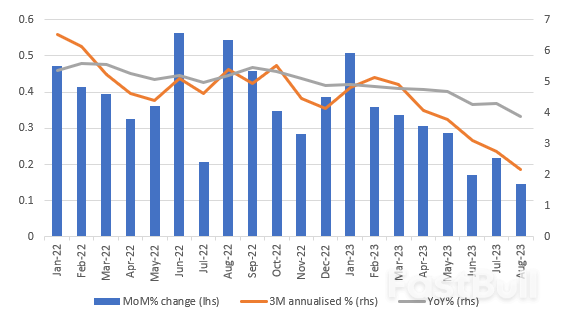
          The US personal income and spending report contains lots of numbers, but the August 0.1% month-on-month core PCE deflator print catches the eye. The consensus was 0.2% and we had been fearing a 0.3% outcome given what we saw from core CPI. There are quite a lot of revisions, but now we have three consecutive 0.2% or 0.1% MoM prints for what is the Fed's favoured measure of inflation. That should argue against the need for a fourth quarter rate hike, especially if we aren't going to get much data over the next month due to the strong likelihood of a government shutdown.
          The year-on-year rate remains elevated at 3.9%, but we are hopeful of ongoing declines over the next few months given we have 0.5% MoM and 0.4% MoM readings from September and October 2022 dropping out of the annual comparison. The three-month annualised rates are already getting close to the Fed's 2% target and assuming we see 0.2% MoM prints for the rest of the year we would have annual core inflation near to 3% YoY by year-end, which should calm some of the fears of the hawks on the Fed.

          US core personal consumer expenditure deflator (% change)

          US Inflation Slows, but Higher Savings Mean a Resilient Consumer_1

          Huge revisions to income and spending mean households have more residual savings than thought

          Meanwhile household incomes rose 0.4% MoM and spending increased 0.4%, but for GDP growth we are interested in the real, inflation-adjusted numbers. This had real spending increase 0.1% MoM after a 0.6% gain in July, meaning we are on track for real consumer spending growth of around 3.7% annualised in the third quarter, which would help to get GDP growth of around 3.5%.
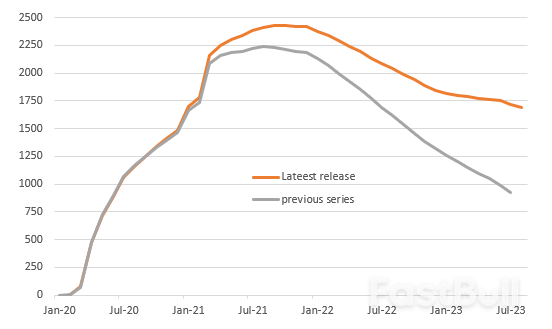
          There were significant revisions to the history though with incomes revised higher and consumer spending revised lower. This is important as it suggests that the household sector accrued more savings during the pandemic and have run down less than previously thought. These aren’t insignificant numbers either. We are talking upwards of $700bn of pandemic-era accrued savings being available to households over and above what we previously thought, which could keep consumer spending more resilient than we had been thinking.

          Stock of excess savings accrued since the pandemic ($bn)

          US Inflation Slows, but Higher Savings Mean a Resilient Consumer_2

          No fourth quarter hike, but interest rates could indeed be higher for longer

          The proviso is we don’t have a breakdown on who has these savings and the assumption has to be that many low-income households have already burnt through most of them. This was an assertion made within the Federal Reserve’s Beige book which stated that “some Districts highlighted reports suggesting consumers may have exhausted their savings and are relying more on borrowing to support spending”.
          The challenges being faced by the household sector are growing, be it from low real income growth, difficulty obtaining credit, rising gasoline prices eroding spending power, student loan repayments restarting and strike/government shutdowns hitting paychecks. But if there are residual savings out there then consumer spending could end up being more resilient, which would justify the market’s belief in Federal Reserve monetary policy staying tighter for longer.

          Source: ING

          To stay updated on all economic events of today, please check out our Economic calendar
          Risk Warnings and Disclaimers
          You understand and acknowledge that there is a high degree of risk involved in trading. Following any strategies or investment methods may lead to potential losses. The content on the site is provided by our contributors and analysts for information purposes only. You are solely responsible for determining whether any trading assets, securities, strategy, or any other product is suitable for investing based on your own investment objectives and financial situation.
          Comments
          Add to Favorites
          Share

          Has Britain Lost Its Climate Crown?

          Devin

          Economic

          Britain, which was quick to set ambitious climate goals, is now stumbling on the path to reach net zero emissions by 2050 and facing hurdles that could resonate with nations trying to balance their targets with politics and the cost of action.
          After setting world-leading CO2-cutting targets into law in 2019, Britain has struggled to get on track to make them happen. Electric vehicle charging points are being installed slower than targeted, and despite early success in rolling out offshore wind, the government’s latest renewable energy auction awarded zero contracts to wind developers.
          Analysts and politicians say that the British government’s move last week to delay targets for green vehicles and heating systems ahead of a looming election reflects a crunch point that other countries may face as they attempt to turn far-off climate goals into concrete measures - with costs for companies and consumers as soon as this decade.
          "The UK has been one of the real leaders in climate diplomacy and in their own emissions reductions," Ireland’s climate minister Eamon Ryan told Reuters. "As a friend and a neighbour, I’d have to say some of that has been put at risk."
          Britain, which hosted the United Nations annual climate conference COP26 in 2021, still leads the G7 when it comes to slashing output of climate-warming gases — reducing emissions by 49% between 1990 and 2022 with cutting down on coal the biggest driver.
          But according to the Climate Change Committee’s June 2023 progress report to parliament, to hit mid-way climate targets, Britain must quadruple its annual emissions reductions outside the electricity supply sector by 2030.
          The committee, an independent body set up under Britain's climate change law, had already said in 2022 that the country's strategy "will not deliver net zero".
          Prime Minister Rishi Sunak said last week he remained committed to the legally binding target of reaching net zero by 2050 but said Britain could afford to make slower progress in getting there because it was "so far ahead of every other country in the world".
          He said he was changing the policy because previous governments had moved too quickly to set net zero targets, without securing the support of the public.
          Delaying net zero transition investments could prove politically popular, analysts observed, if an election was on the horizon.
          But "this framing only works if you think climate policy is a burden", said Bob Ward, a climate policy researcher at the London School of Economics and Political Science, adding that avoiding short-term costs was likely to lead to a greater bill for taxpayers down the road.
          Rollback or reality?
          Sunak's own Conservatives defended his decision as advocating for consumers facing a cost-of-living crisis.
          "It's right we tweak as, at the moment, these green policies and targets hurt those worse off," one conservative lawmaker told Reuters.
          Global gas prices rocketed last year following Russia’s invasion of Ukraine. Although they have fallen in recent months, average British household energy bills are expected to remain high in part due to the country’s reliance on gas for home heating.
          Charging infrastructure lags behind what is needed for a growing fleet of electric vehicles and a target of some 600,000 heat pump installations by 2028 looks distant due to a lack of skilled engineers, with only 72,000 installed in 2022.
          Britain's move comes as climate change policies come under threat from politicians in other European nations – even as countries face mounting costs from intensifying wildfires, deadly heat and floods fuelled by climate change.
          With Poland, Slovakia, the Netherlands, and the European Union's Parliament all holding elections in the coming months, analysts said political pushback could intensify as countries consider policies that - unless coupled with more support to incentivise greener choices - would hit citizens' wallets.
          "Transport and buildings are going to be our major problem because that's where climate policy becomes visible to people in their daily life," said Simone Tagliapietra, senior fellow at Brussels-based think tank Bruegel.
          Governments not on track to deliver their green targets face a choice: either cut back on commitments, or strengthen policies and financing to deliver them. The U.S., with its Inflation Reduction Act, is offering nearly $400 billion in federal funding for clean energy and technologies.
          The German government said on Sunday it would put on hold plans to require more stringent building insulation standards to help the building industry - even after passing new energy-saving targets for 2030 last week.
          While Sunak’s move rattled investors and companies, some said the prime minister’s announcement was aligned with reality.
          "Delaying the ban on the sale of new petrol and diesel cars is disappointing, but reflects the reality that this is where most of the major car manufacturing nations are," said Britain's environmental audit committee chairman Philip Dunne.

          Source: Reuters

          To stay updated on all economic events of today, please check out our Economic calendar
          Risk Warnings and Disclaimers
          You understand and acknowledge that there is a high degree of risk involved in trading. Following any strategies or investment methods may lead to potential losses. The content on the site is provided by our contributors and analysts for information purposes only. You are solely responsible for determining whether any trading assets, securities, strategy, or any other product is suitable for investing based on your own investment objectives and financial situation.
          Comments
          Add to Favorites
          Share

          What CPI Means for Investors and Traders

          IG

          Economic

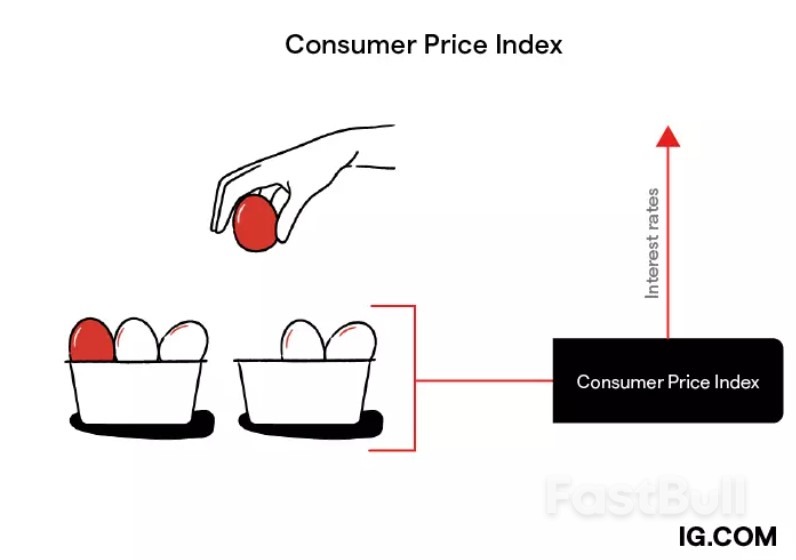
          Inflation is when the cost of living goes up over time. The Consumer Price Index, or CPI, measures inflation by tracking changes in the prices of common goods and services.
          When the CPI rises, it usually means inflation is happening. How prices come to rise can happen in a number of ways. Here are the main ones:
          • Demand-pull - When demand is higher than supply, prices go up.
          • Cost-push - When supply falls but demand stays the same, prices go up.
          • Expectations - When people expect inflation, they act in ways that cause it. For example, if a café chain expects the coffee price to rise, they could raise the price per cup of coffee to pre-empt the expected price increase. By doing that they raise the price of a cup of coffee even though there hasn't been any other inflationary factors at play.
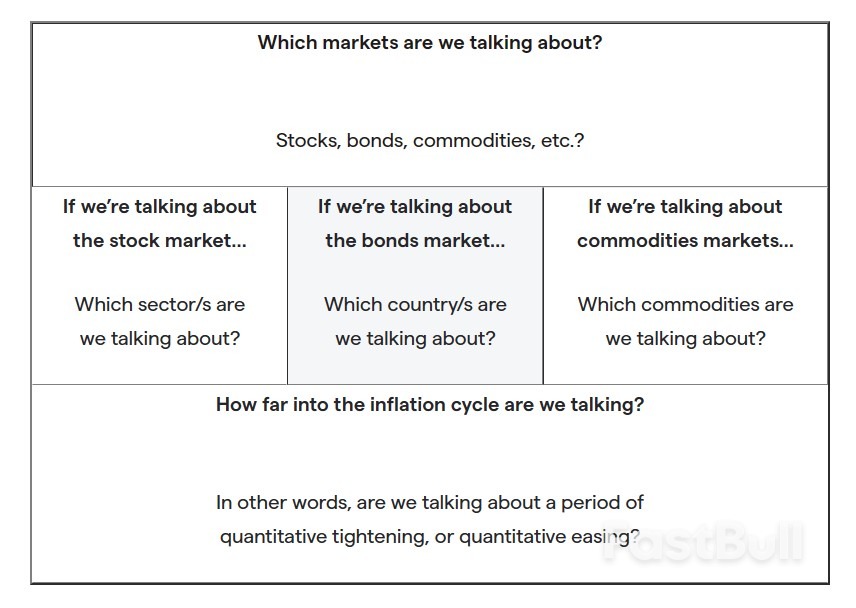
          As investors and traders it's important to understand how CPI affects markets. The table below suggests some questions to consider to help get to the answer:
          As you can see, there's no one-size-fits-all answer – each market has its unique context. Let's look at three historical examples to try to understand how inflation might impact markets.What CPI Means for Investors and Traders_1
          Stocks in the '70s
          In the early 1970s, prices for goods and services rose very quickly in the United States due to events like oil shortages and government spending. This made the dollar weaker, so people could buy less with their money. The cost of living went up
          To try to slow inflation down, the Federal Reserve raised interest rates a lot. With higher rates, it was more expensive for companies to borrow money. This hurt their profits and made investors worried, causing the stock market to crash badly - one of its worst declines since the Great Depression long before.
          Some people think the stock market goes up when inflation rises. But this shows that when prices rise too fast, eventually it damages markets. What climbs quickly can come down even faster. The 1970s showed that sudden, massive inflation can crush the markets.
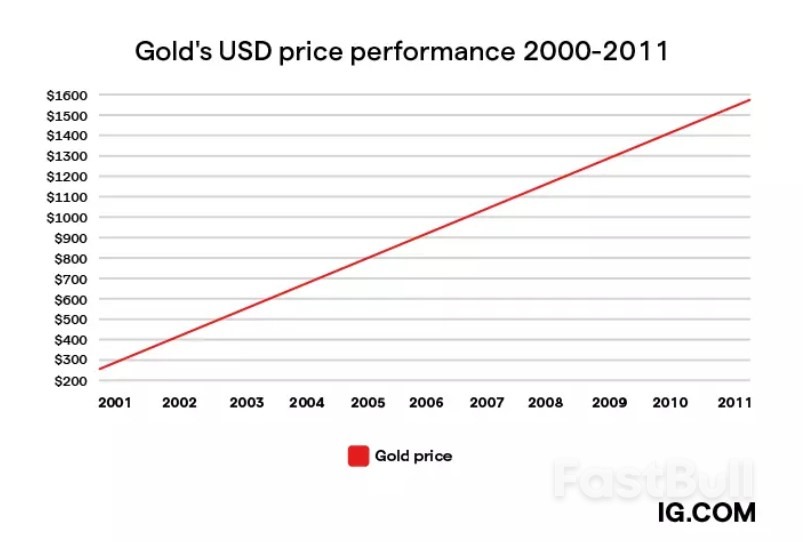
          What CPI Means for Investors and Traders_2Gold in the 2000s
          In the 2000s, rising inflation helped gold prices a lot. Investors saw gold as a hedge against inflation and dollar weakness. However, gold prices don't rise in isolation. The rise in gold prices in the 2000s didn't just happen because of inflation expectations. Other major factors were also at play. These included:
          • After 9/11, the war in Afghanistan, and the war in Iraq all drove investors toward gold as a safe haven.
          • Central banks like those in China and Russia boosted their gold reserves to diversify away from U.S. dollars.
          • New gold exchange-traded funds (ETFs) made it easier for mainstream investors to buy gold.
          While inflation concerns did play a role, gold's strong performance in the 2000s resulted from a combination of factors like geopolitics, central bank demand, and financial innovation. The financial markets are complex, with many interrelated forces driving prices up or down. It's important to keep the global context in mind while keeping an eye on CPI numbers.What CPI Means for Investors and Traders_3
          Bonds during Japan's "lost decades"
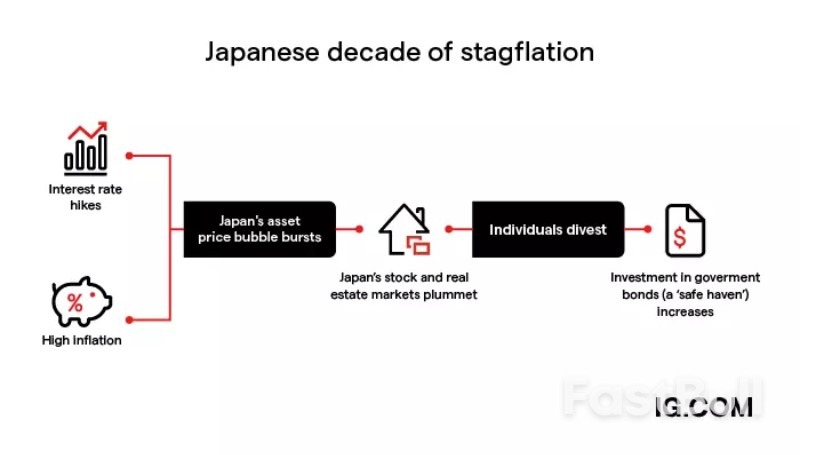
          In the 1980s, Japan experienced an economic boom that led to an unsustainable asset bubble. To control speculation and prevent a collapse, the Bank of Japan raised interest rates. Unfortunately, this caused the bubble to burst. Japan's stock and real estate markets crashed, kicking off a long period of stagnation and very low inflation.
          With stocks and real estate in decline, investors shifted to Japanese government bonds (JGBs) as a safe haven, driving up bond prices. Note that bond prices didn't directly rise because of low inflation. Rather, low inflation was a symptom of broader economic stagnation.
          Inflation and bond prices were correlated, but inflation did not directly cause the increase in bond prices. The low CPI figure reflected the weak economic conditions that led investors toward bonds in the first place. This example shows that CPI is intertwined with the overall economy. It is often a symptom, not a key driver, of economic shifts.
          What CPI Means for Investors and Traders_4How can investors and traders use this information?
          CPI can impact markets, but it doesn't drive markets on its own. If you would like to understand how the market behaves around CPI announcements, here are two things to keep an eye on:
          • If you think CPI will be higher than the market expected (known as a 'positive surprise'), keep an eye on the performance of value stocks. These are companies that are considered undervalued or "cheap" compared to their intrinsic value. These types of companies tend to outperform during inflationary periods.
          • If you think CPI will be lower than the market expected (known as a 'negative surprise'), keep an eye on the country's key commodity. Low CPI sometimes suggests lower commodity prices.
          Remember, one indicator doesn't provide enough information to make complex financial decisions. In addition to the CPI number, look at price charts, how much risk you can afford to take on, and fundamental indicators.
          To stay updated on all economic events of today, please check out our Economic calendar
          Risk Warnings and Disclaimers
          You understand and acknowledge that there is a high degree of risk involved in trading. Following any strategies or investment methods may lead to potential losses. The content on the site is provided by our contributors and analysts for information purposes only. You are solely responsible for determining whether any trading assets, securities, strategy, or any other product is suitable for investing based on your own investment objectives and financial situation.
          Comments
          Add to Favorites
          Share

          Will RBNZ Opt for a Hawkish Hold?

          Justin

          Central Bank

          Economic

          Forex

          Stellar economic performance revives hike bets

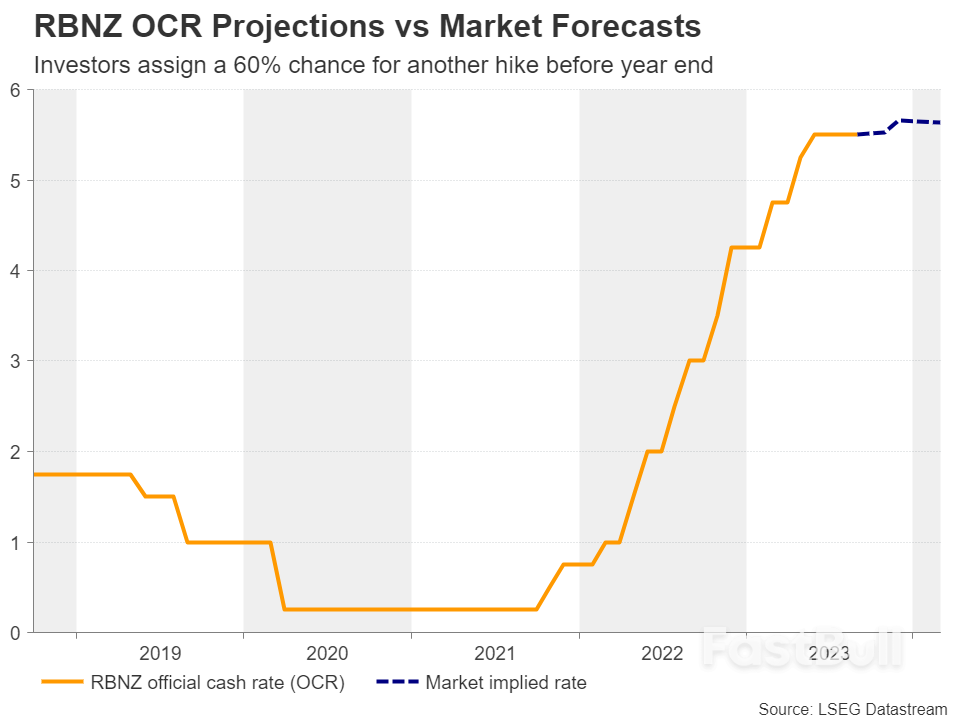
          Back in August, the Reserve Bank of New Zealand (RBNZ) decided to maintain the Official Cash Rate (OCR) at 5.5%, adding that the current level of interest rates is constraining spending and thereby inflation pressures, also expressing confidence that with rates staying at restrictive levels for some time, inflation will return to the 1-3% target range.
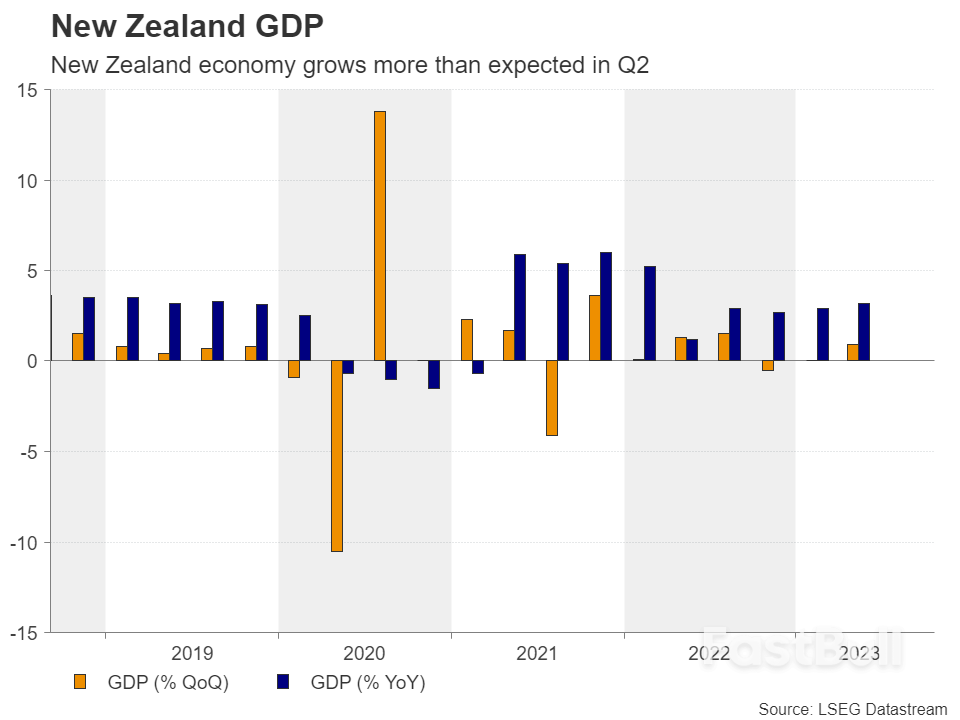
          Back then, they noted that the economy is evolving broadly as expected, with activity continuing to slow in parts of the economy that are more sensitive to interest rates. However, just last week, GDP data revealed that the economy grew by nearly double the anticipated pace in Q2, after stagnating in the first three months of the year. Although this appears to be a relief for the current government, which is under fire for how they’ve been handling the economy ahead of an election on October 14, it may worry the central bank which likely needs slower growth to achieve its inflation goal.
          Will RBNZ Opt for a Hawkish Hold?_1
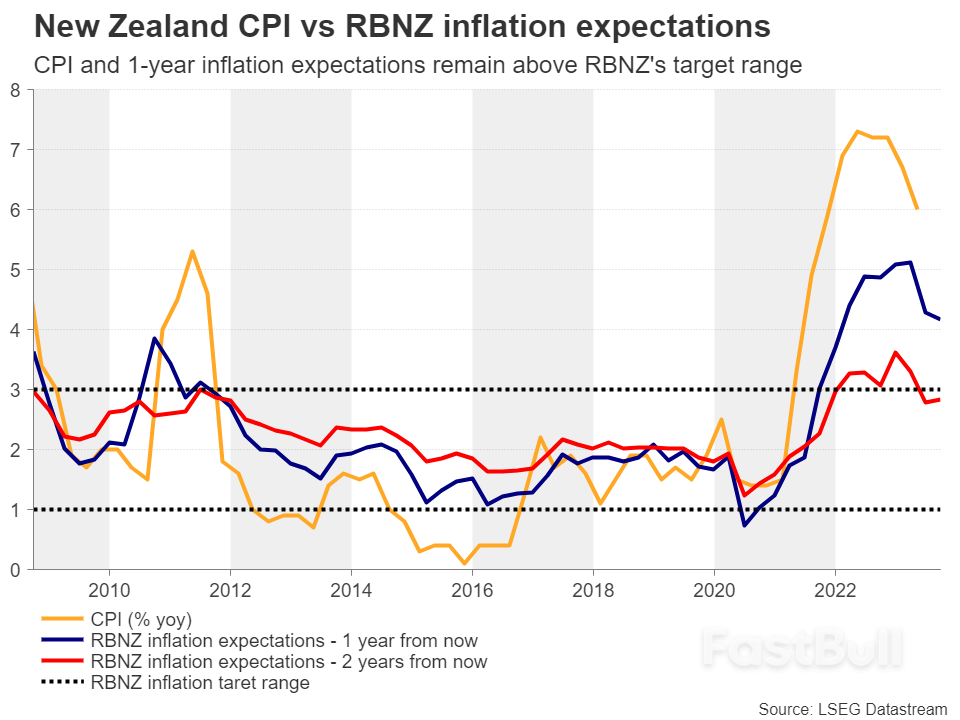
          With the Bank projecting that the economy would slip into recession in the second half of 2023 and the data offering no such sign, investors have begun pricing in around a 60% probability for another quarter-point hike by the end of the year as the stronger economic performance, combined with the latest rally in oil prices, adds upside risks to the nation’s 6% inflation rate. Yes, 1-year inflation expectations are much lower, but still above the Bank’s target, with only the 2-year projection lying slightly below the upper bound of the 1-3% target range.
          Will RBNZ Opt for a Hawkish Hold?_2

          Will officials adopt a more hawkish language?

          For Wednesday’s meeting, investors are 90% confident that policymakers will refrain from acting, and should this be the case, they may dig into the statement of hints on whether the Bank will open the door to another hike.
          Will RBNZ Opt for a Hawkish Hold?_3
          All that suggests that, even if the Bank stands pat, the meeting could be a live one. The kiwi may slide in the case of policymakers abstaining from commenting on the possibility of additional hikes, as those expecting more may be disappointed. The opposite may be true should they bring to the table the likelihood of more action.
          Given that this will be one of the shorter meetings that are not accompanied by updated economic projections, and that policymakeres may prefer to have the CPI numbers for Q3 in hand before examining whether higher rates are needed, the former outcome may be more likely. The November gathering appears to be a wiser choice for proceeding with any policy or language changes.

          Kiwi traders may get disappointed

          The kiwi has been in a recovery mode the last couple of days against the US dollar, but this was mainly due to the dollar pulling back, perhaps as traders are rebalancing their portfolios and liquidating some long-dollar positions on the last trading of the quarter.
          A potentially dovish RBNZ could keep that recovery in check and bring the kiwi back under pressure. That said, given that monetary policy is not the only variable in the equation of the risk-linked currency, traders may have more than the RBNZ decision to examine. The challenges facing China, the world’s second-largest economy and New Zealand’s main trading partner, as well as concerns about the economic performance of Europe and the UK, could constitute another element of anxiety, and thereby add extra weight on the currency.
          Will RBNZ Opt for a Hawkish Hold?_4

          Kiwi/dollar headed towards key resistance

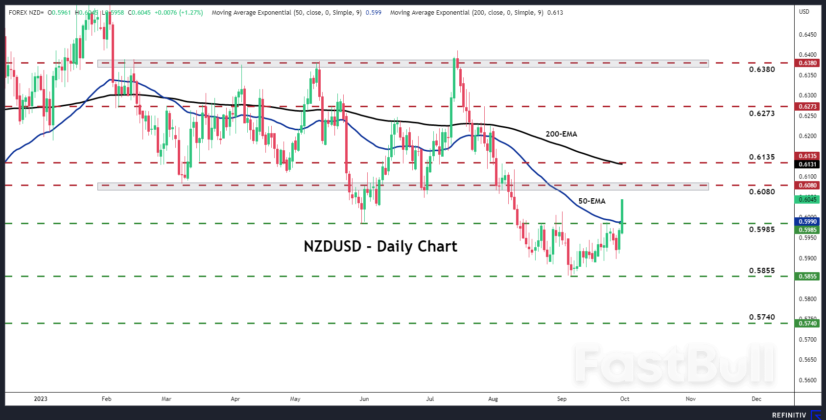
          Kiwi/dollar rallied above the 0.5985 zone today, confirming a temporary bottom at around 0.5855. However, the pair looks to be headed towards the very important zone of 0.6080, which acted as the lower end of the sideways range that contained most of the price action between February and August. The bulls may get rejected there if indeed the RBNZ appears dovish, with the potential subsequent decline aiming for another test at 0.5985. A break lower could encourage extensions towards the low of September 6, at 0.5855.
          On the upside, even if kiwi/dollar climbs above the 0.6080 barrier, the picture would not be painted positive. Such a move may only signal the pair’s return within the aforementioned range, and thereby turn the outlook to neutral.

          Source:XM

          To stay updated on all economic events of today, please check out our Economic calendar
          Risk Warnings and Disclaimers
          You understand and acknowledge that there is a high degree of risk involved in trading. Following any strategies or investment methods may lead to potential losses. The content on the site is provided by our contributors and analysts for information purposes only. You are solely responsible for determining whether any trading assets, securities, strategy, or any other product is suitable for investing based on your own investment objectives and financial situation.
          Comments
          Add to Favorites
          Share

          Bond Quake Sees Doubling Down On The Shadows

          Cohen

          Bond

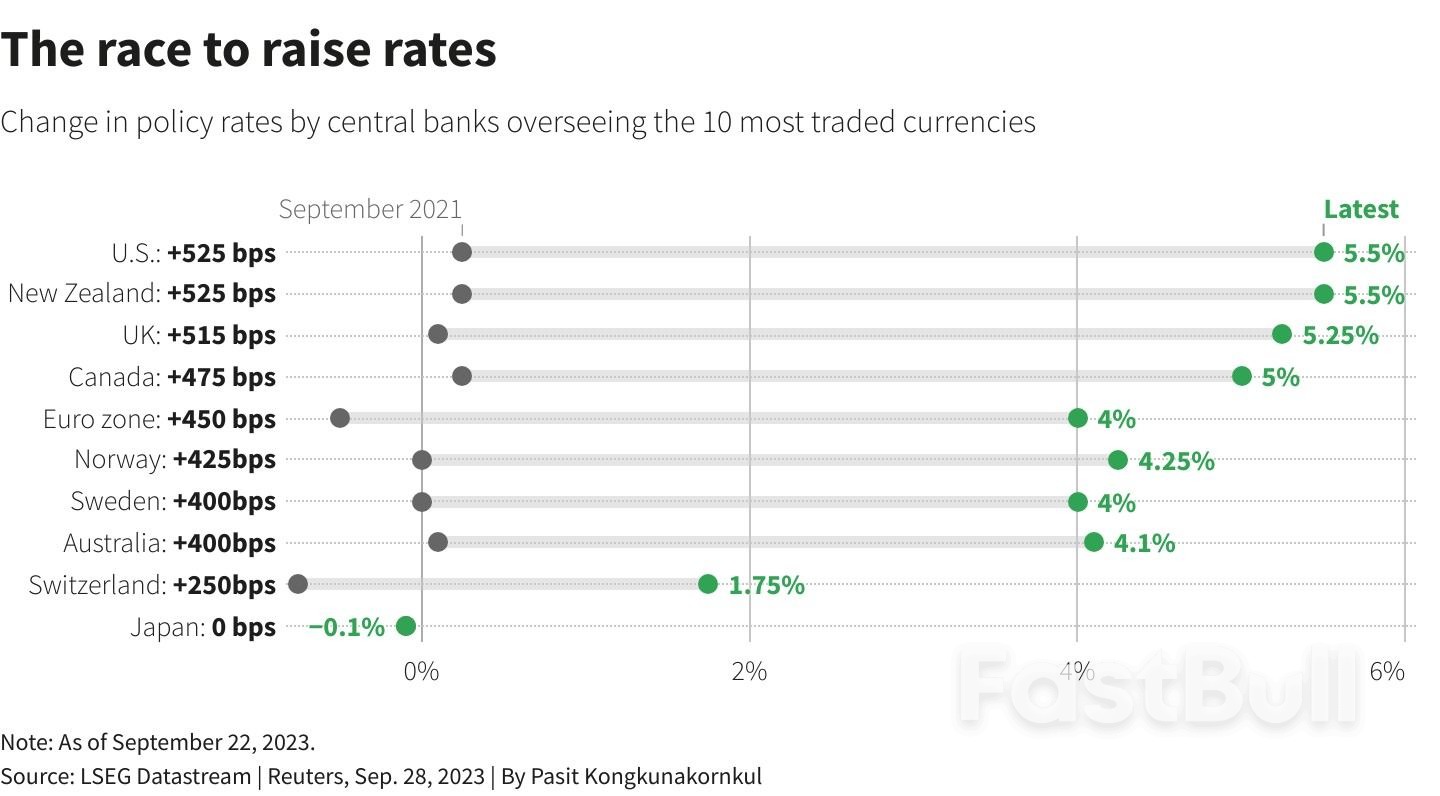
          The expanding shadows of private credit seem an odd place to lurk if central banks' 'higher-for-longer' mantra on interest rates suggests they keep things tight until something breaks.
          And yet many asset managers are doubling down on the growing direct lending universe - assuming the higher returns in a "soft-landing" scenario for the world economy compensate for default or restructuring risks that are more manageable than in publicly-traded high-risk junk bonds.
          Screening out a lot of noise and holding your nerve in an inherently illiquid space seems to be a tall order.
          Right now, the noise is deafening and nerve is in short supply in the seemingly safest part of the debt market as longer-term government bonds that set base borrowing costs get whacked anew on rising uncertainty about where inflation and policy rates settle in the coming years and as debt piles rise.
          Without much change in near-term assumptions about peaking Federal Reserve policy rates, investors are starting to reprice long-term bonds to cope with a potentially more resilient, higher-inflation economy where the unwinding of central banks' gigantic balance sheets of bonds also whips away market supports.
          Fed or European Central Bank policy rates may well be cresting now at last, but if they don't come down again soon due to persistently above-target inflation - they could well start rising again from current levels if another cyclical expansion were to emerge without a recession ever occurring in this cycle.
          Debt supply projections and central bank balance sheet 'normalization' add to the angst.
          The result has been benchmark U.S. 10-year yields have spiralled almost a full percentage point higher to 16-year highs near 4.7% over the past quarter - with real, inflation-adjusted yields up 80 basis points to some 2.34%.
          The deeply inverted 2-to-10-year yield curve gap that many has assumed was a harbinger of recession is narrowing sharply.
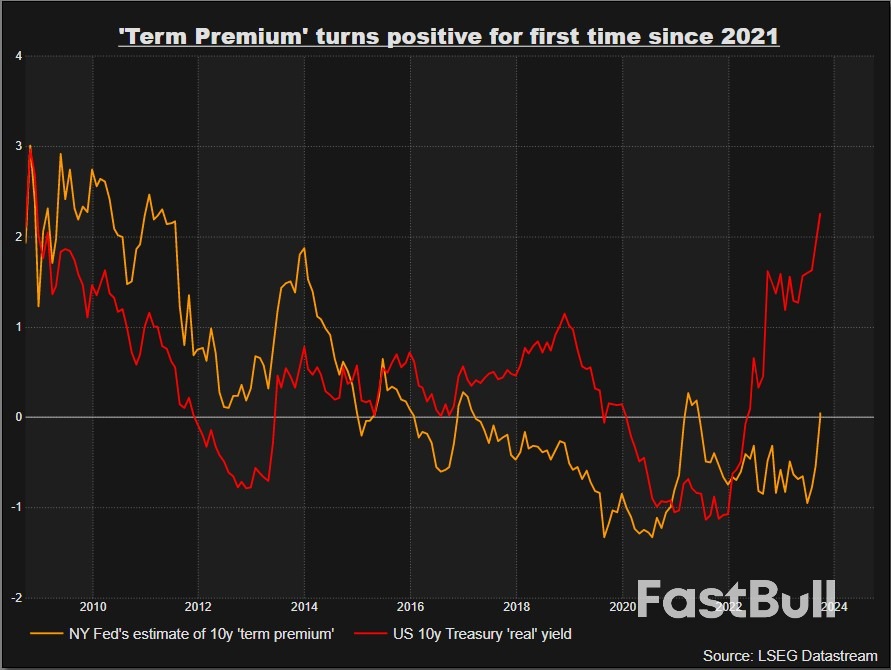
          But perhaps the best indication of long-term uncertainty and a lack of visibility is the return of a so-called term premium - an often fuzzy measure of the added compensation in yield that investors demand for holding long-term bonds to maturity against rolling shorter-term paper over the same period.
          Bond Quake Sees Doubling Down On The Shadows_1Bond analysts have differing models to measure this, but the New York Fed's estimate turned positive this week for the first time in more than two years - having been in negative territory for all but two brief occasions in the past eight years.
          Bond Quake Sees Doubling Down On The Shadows_2Shadow Play
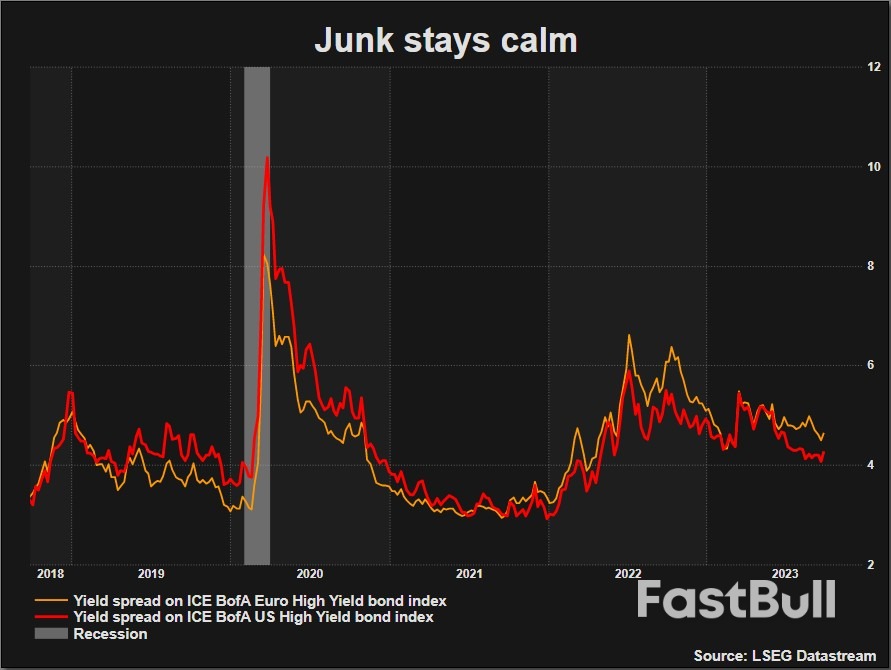
          And yet despite the government debt ructions and forecasts of gradually rising junk debt default rates close to 5% next year, the lack of an imminent recession has meant high-yield bond markets have remained relatively calm - with spreads over rising government yields still more than half a percentage point lower than the end of last year.
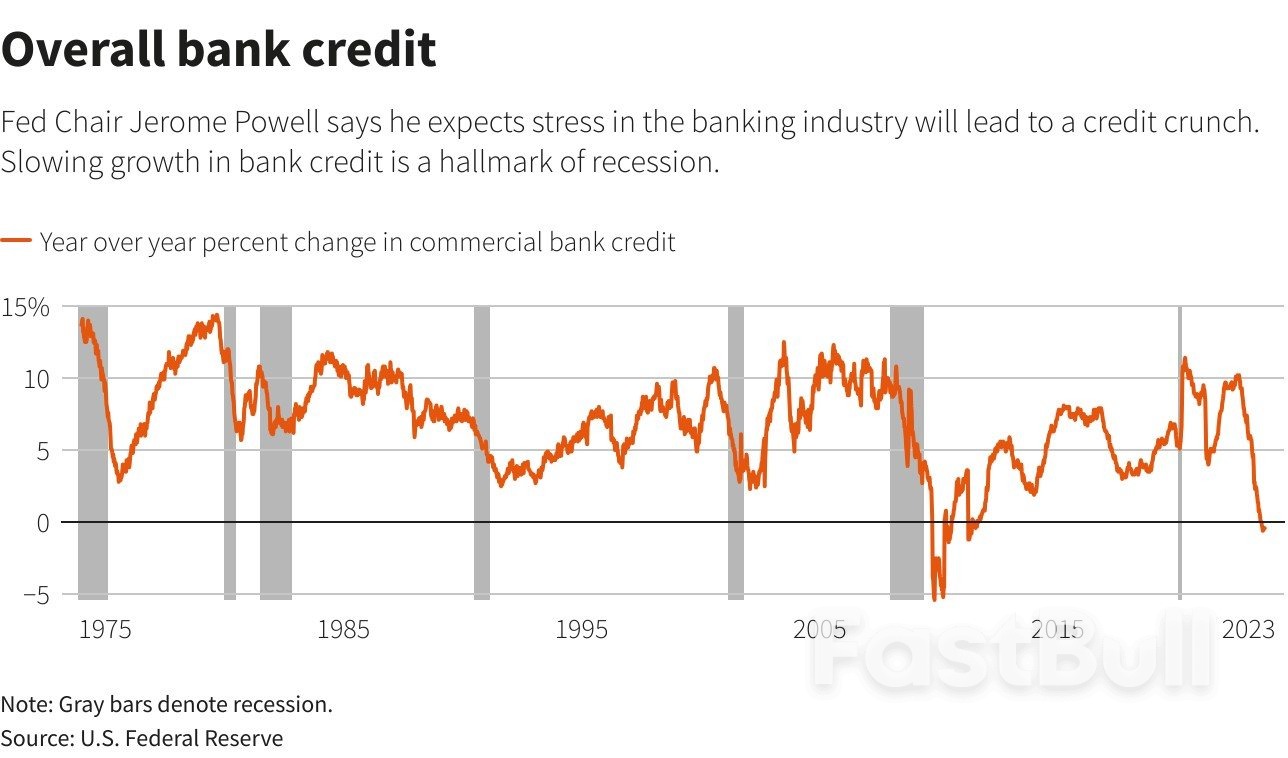
          The prospect of 'higher-for-longer' rates seems scary for fragile companies on floating-rate loans or who will be forced to refinance at much higher rates over that prolonged period - just as bank credit shrinks, lending standards tighten and bond markets gyrate.
          But at least public bond and leverage loan markets have visibility in pricing and offer some liquidity to get in or out.
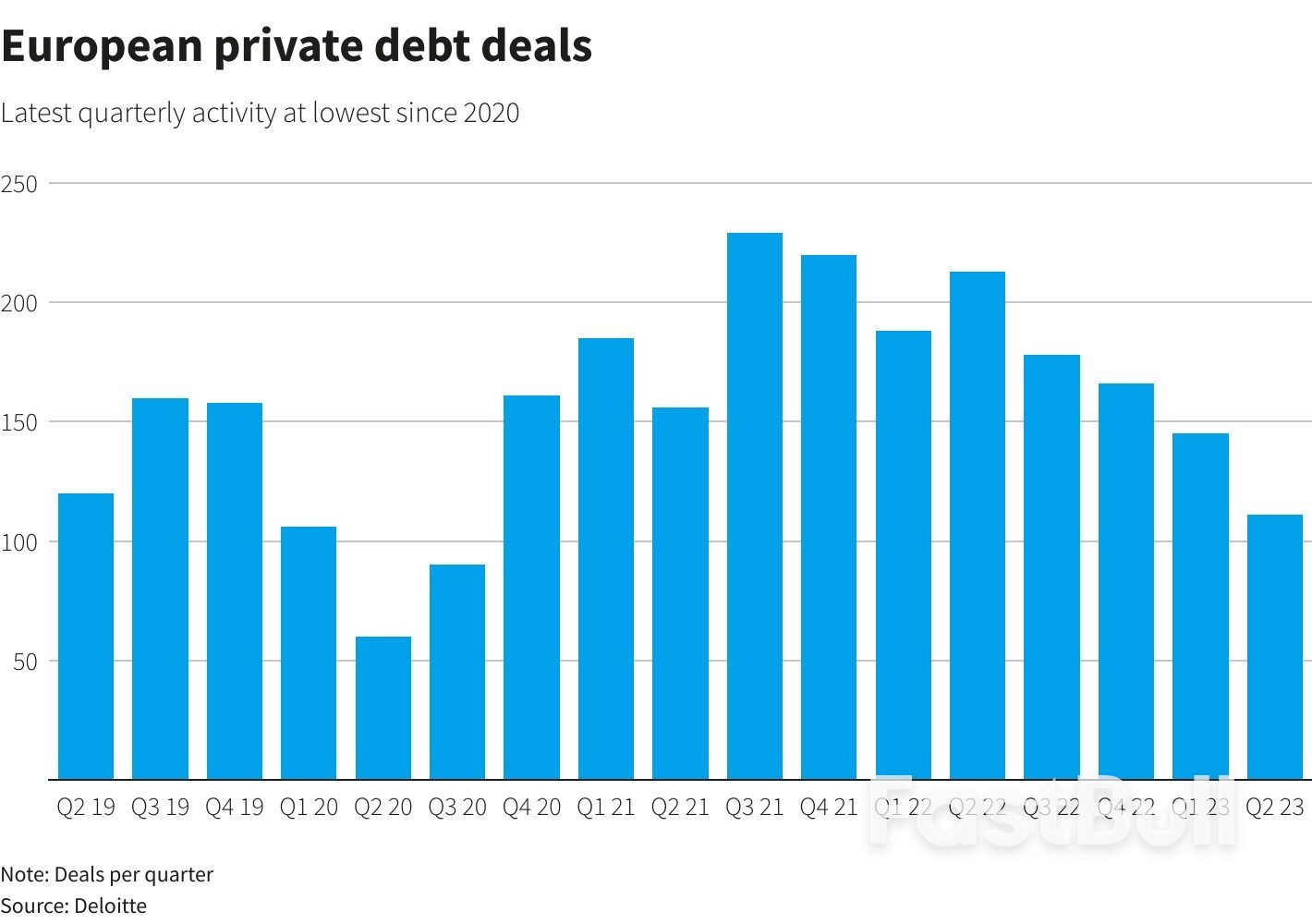
          Many have long-feared the more opaque performance in private credit - direct lending by asset managers that Moody's estimates has more than doubled in size since 2015 to some $1.5 trillion and which is now as big as the global junk bond market.
          With a lack of transparent data, especially in Europe, the sheer size of this debt pool hasn't really been tested in a major downturn or period of prolonged high interest rates. And regulators have fretted about system risks - even if investors are typically pension, insurance and sovereign wealth funds that can better deal with illiquidity over long periods.
          Unfazed, BlackRock credit strategists this week said the growing private credit world was well priced and structured to weather the storm - and the illiquidity premia worth it even if the more active name selection and widening dispersion of performance was now inevitable.
          That the numbers of borrowers in that space may grow further as banks scale back lending is no surprise.
          Bond Quake Sees Doubling Down On The Shadows_3But investment performance so far in this tightening cycle seems to stack up.
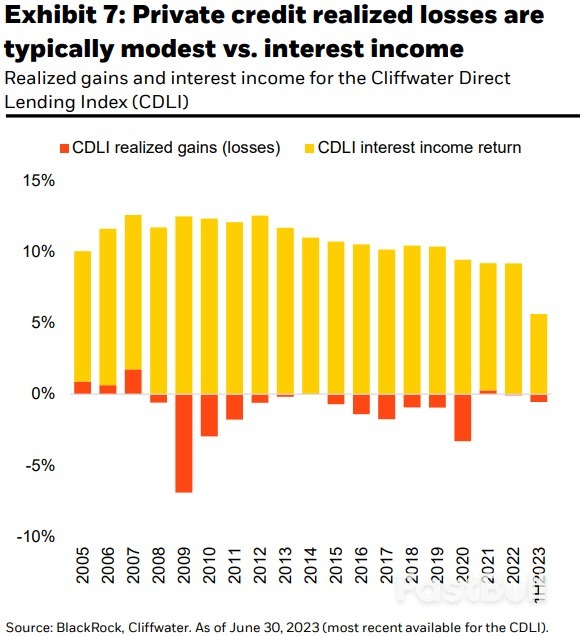
          Using a data set of 13,000 middle market loans totalling $284 billion embedded in the Cliffwater Direct Lending Index (CDLI), BlackRock showed realized loss rates from defaults or restructurings in the first half were 0.55% - compared to interest income of 5.63%.
          It also spotlighted data from the Lincoln International Senior Debt Index tracking 4,500 private borrowers that showed 425 loan terms were amended successfully in the first half of 2023 due largely to higher interest expenses. This meant loan covenant default rates actually fell during the second quarter.
          "This long-term relationship between lender and borrower can often result in a more efficient process for negotiating amendments versus what would otherwise occur in the syndicated public market," the BlackRock team reckoned, adding this was on top of a 170-basis-point yield pickup on the CDLI over comparable leveraged loan indexes.
          Bond Quake Sees Doubling Down On The Shadows_4Thierry Celestin, head of private assets at Lombard Odier, argues that, contrary to regulator concerns, the rise of private credit may actually lower systemic risks in a crisis by shifting the burden away from banks more vulnerable to short-term stress, dependent on deposits and subject to runs.
          "The illiquidity of private credit can be a barrier to some investors," he concluded, but the high returns, low volatility and diversification involved works for those "with the appropriate risk tolerance, appetite and long-term time frame".
          Shadowy or shining, the private credit world is set to face its first big test in a higher-for-longer world of unfolding bond market anxiety.Bond Quake Sees Doubling Down On The Shadows_5

          Source: Reuters

          Risk Warnings and Disclaimers
          You understand and acknowledge that there is a high degree of risk involved in trading. Following any strategies or investment methods may lead to potential losses. The content on the site is provided by our contributors and analysts for information purposes only. You are solely responsible for determining whether any trading assets, securities, strategy, or any other product is suitable for investing based on your own investment objectives and financial situation.
          Comments
          Add to Favorites
          Share

          What Could Break Under Higher-For-Longer Interest Rates?

          Damon

          Central Bank

          Economic

          As the final stretch of the year approaches, there's relief in markets that the sharpest global monetary tightening cycle in decades is finally nearing an end.
          Yet, the strain from interest rate hikes has just started to come through and with central banks signalling that rates will likely stay higher for longer, the notion of something "breaking" remains strong.
          Here's a look at some pressure points on the radar.
          What Could Break Under Higher-For-Longer Interest Rates?_11/ Property Pain
          Nowhere is the impact of higher rates being felt more acutely than in real estate, still reeling from COVID-19.
          A string of German developers have been tipped into insolvency, London's office market is in a "rental recession" as vacancies hit a 30-year high and U.S. banks revealed spiralling losses from property in first half figures and warned of more to come.
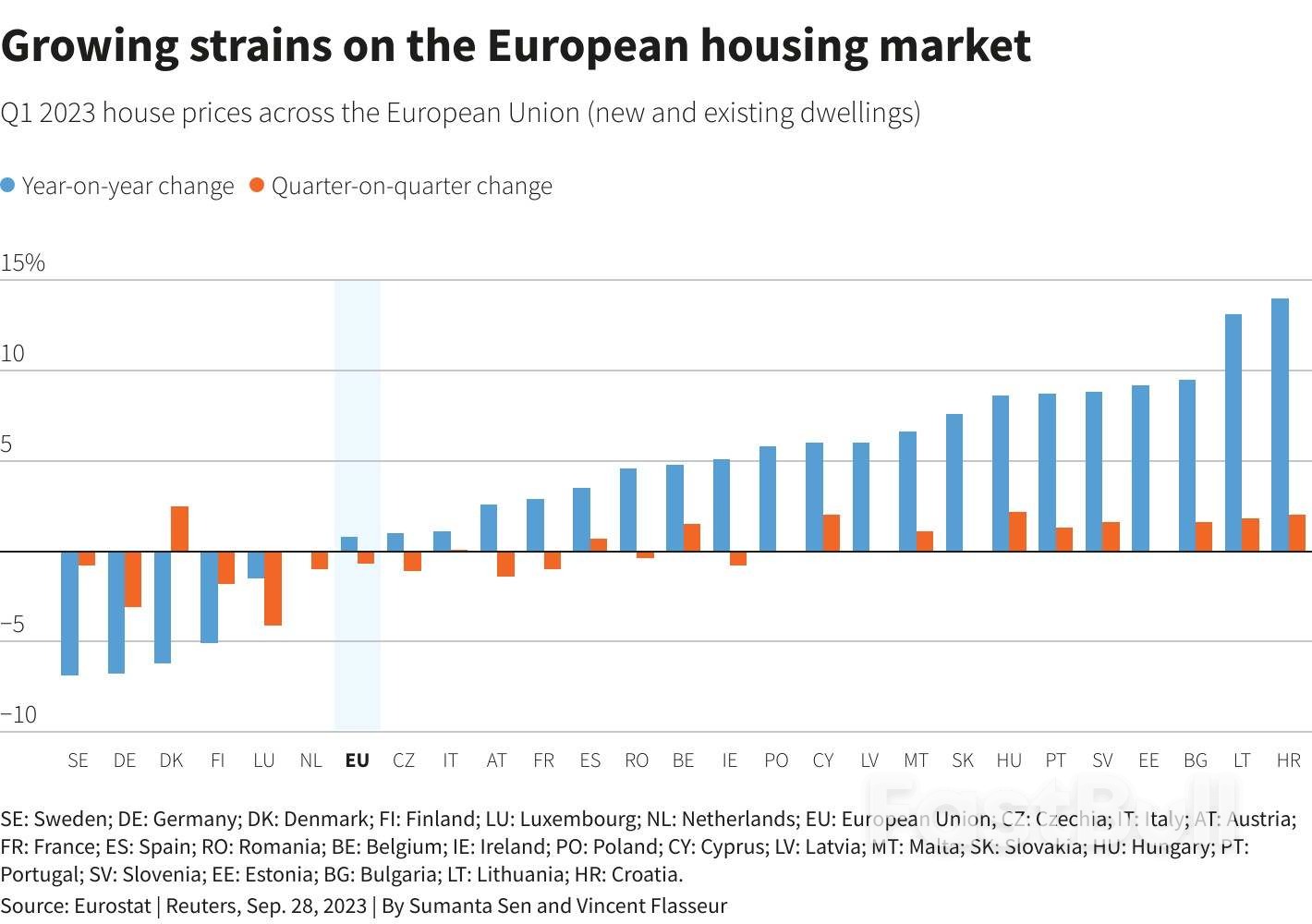
          Sweden is the hardest hit in Europe since much of its property debt is short-term, making it a harbinger for the region.
          Property group, which owns large tracts of property including hospitals and schools, is scrambling to repair its battered finances, marred by a heavy loss and dwindling cash.
          The crisis has also sucked in Sweden's biggest residential landlord, Heimstaden Bostad. The $30 billion investor with swathes of homes from Stockholm to Berlin is grappling with a multi-billion dollar funding crunch.What Could Break Under Higher-For-Longer Interest Rates?_2
          2/ Made In China
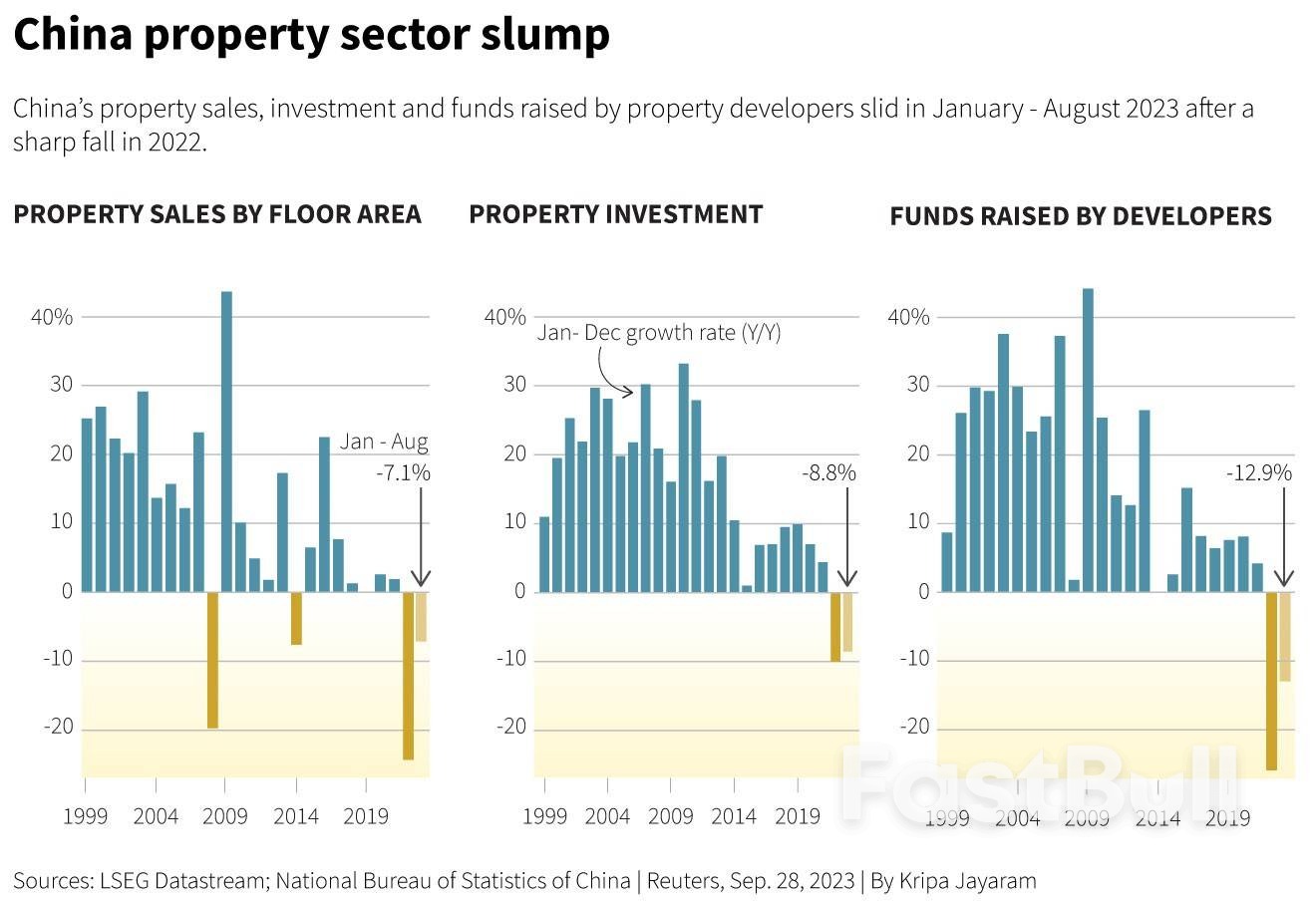
          Property is also at the heart of China's woes and one reason why the world's No.2 economy has shot up investors' worry list.
          China Evergrande Group, the world's most indebted developer with over $300 billion in total liabilities, is at the centre of an unprecedented property sector liquidity crisis. Country Garden, China's largest private developer, is battling to avoid a default.
          Since property accounts for roughly a quarter of the economy, concerns about the impact for China's already faltering growth and the ripple effects have risen.
          Chinese real estate was viewed as the most likely source of a global systemic credit event, according to BofA's September fund manager survey.What Could Break Under Higher-For-Longer Interest Rates?_3
          3/ Money Problems
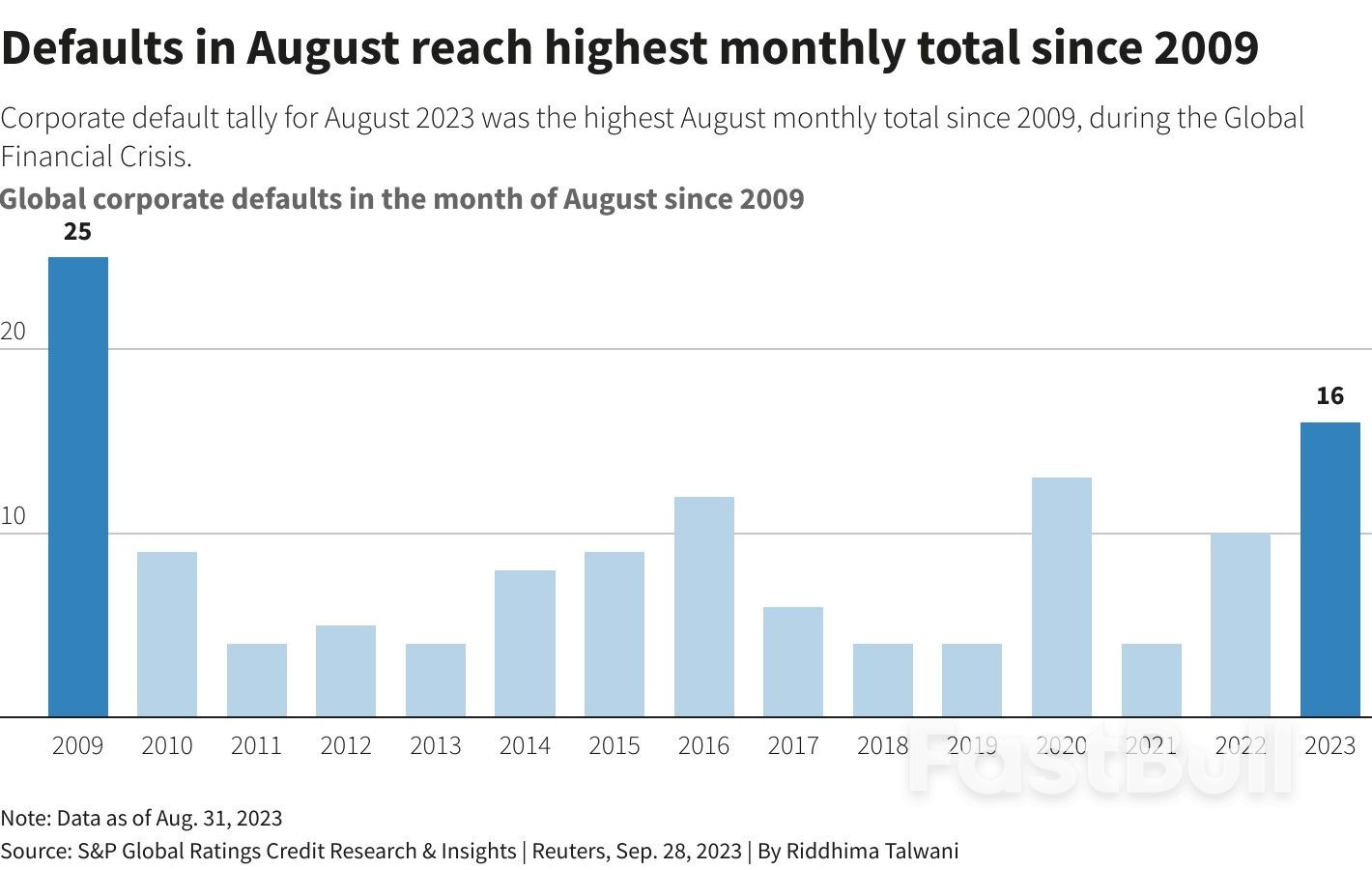
          Corporate debt defaults have started ramping up, even in typically quiet months.
          The number of new corporate defaults globally reached 16 in August, the highest August tally since 2009, according to S&P, the latest sign that corporate stress is building.
          "There is lots of talk in the market about corporate stress and hidden leverage, but it has not erupted yet. We still think defaults are coming," said Markus Allenspach, head of fixed income research at Julius Baer.
          "We have many zombie companies in the United States and Europe from the low interest rates era, and I cannot imagine how they can survive now with high interest rates."
          S&P forecast that defaults among junk-rated European companies will reach 3.75% by June 2024 from 3.4% in August.What Could Break Under Higher-For-Longer Interest Rates?_4
          4/ Banking On It
          Banking stress has gone down the worry list since the March crisis wreaked havoc.
          Big U.S. banks sailed through the Federal Reserve's annual health check in June. The European Central Bank has asked banks to provide weekly liquidity data so it can carry out more frequent checks on their ability to ward off potential shocks as rates rise.
          Guy Miller, chief market strategist at Zurich Insurance Group, said banks are in a better position in terms of their capital and liquidity compared with March.
          Still, big question marks remain over their future, not least from a global property rout.
          "There is still an inherent vulnerability to deposit flight as well as to commercial real estate and other credit exposures for smaller banks," said Miller.
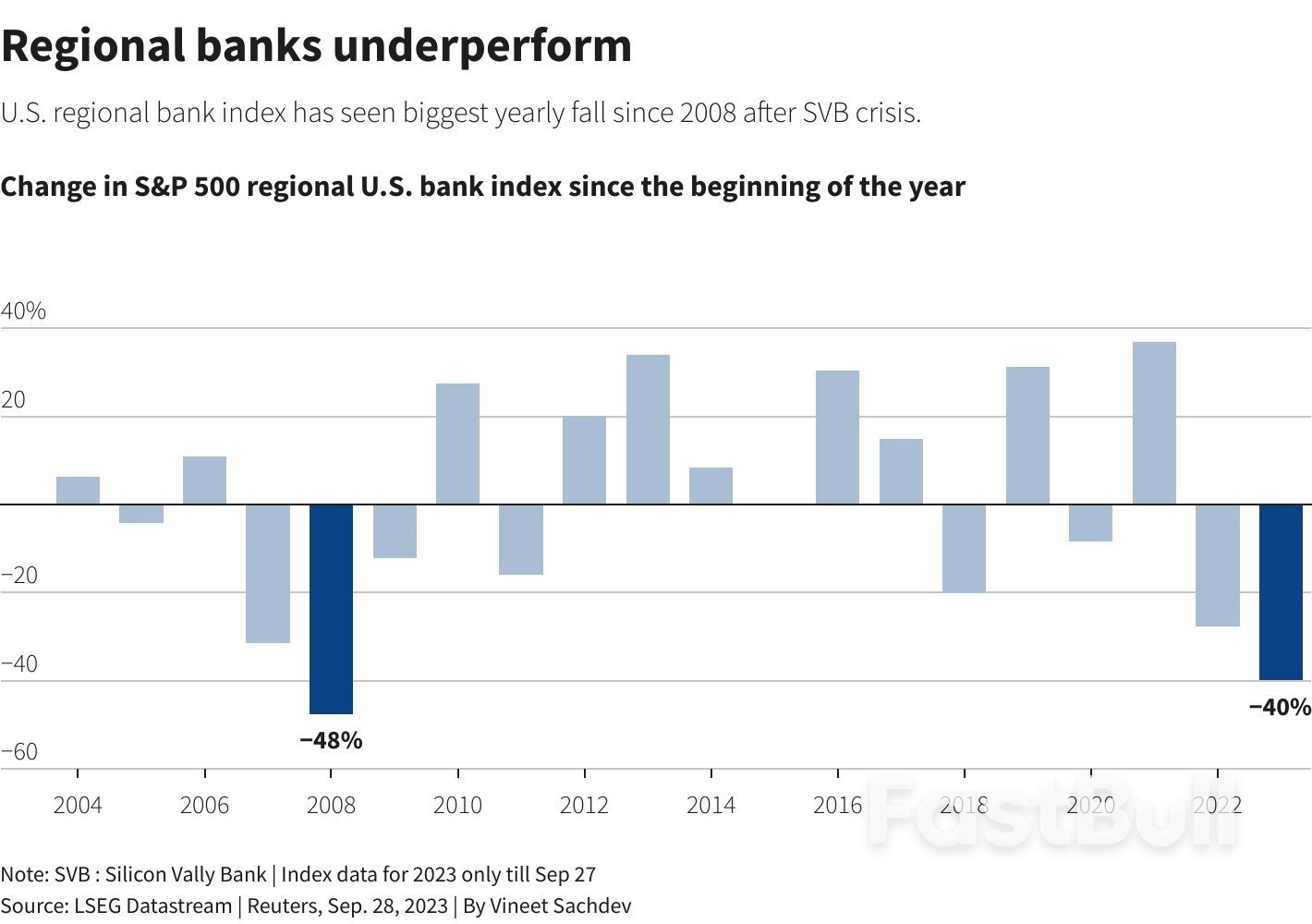
          The S&P 500 U.S. regional banks index is down almost 40% this year, set for its biggest annual drop since 2008.
          Miller noted that European banks are also vulnerable given their bigger size relative to the economy that leaves them more exposed to risks from various pockets.What Could Break Under Higher-For-Longer Interest Rates?_5
          5/ That Japan Factor
          The Bank of Japan has held steadfast to ultra-easy monetary policy but a tighter stance is on the cards. And the risks are rising of a sharp unwind from an era of Japanese cash pumping into everything from U.S. tech stocks to high-yielding emerging market currencies.
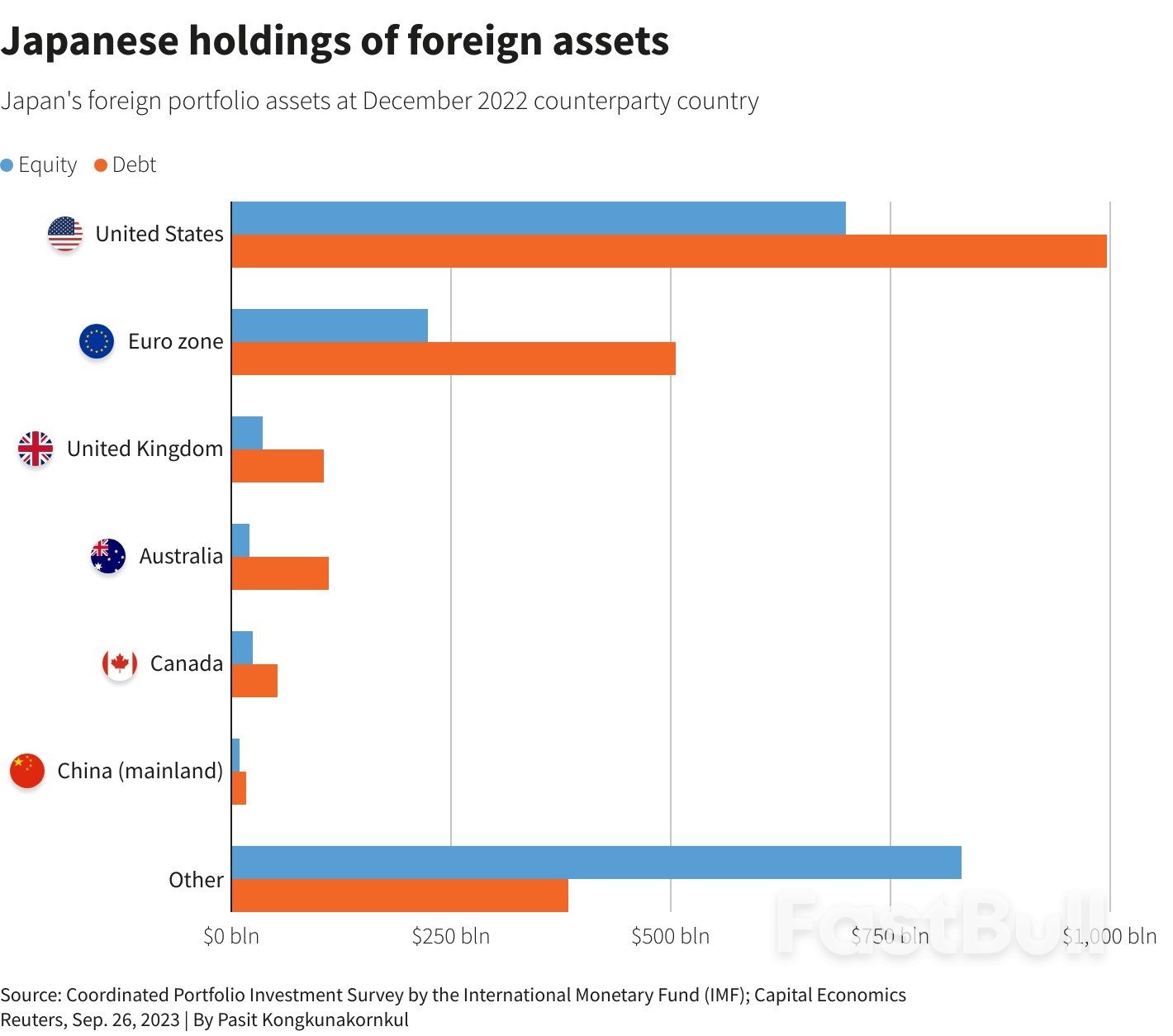
          Capital Economics expects the BOJ to hike its policy rate in January. It notes that Japanese investors, who have long sought better investment yields elsewhere, own around a trillion dollars of U.S. bonds. They are big holders of European and Australian debt.
          Japanese selling of Treasuries could further push up yields -- already at their highest since the global financial crisis. That could hurt equities, which tend to perform worse when investors expect higher returns from low-risk government bonds.
          Expect markets to show increased sensitivity to the BoJ in coming months.What Could Break Under Higher-For-Longer Interest Rates?_6

          Source: CNA

          To stay updated on all economic events of today, please check out our Economic calendar
          Risk Warnings and Disclaimers
          You understand and acknowledge that there is a high degree of risk involved in trading. Following any strategies or investment methods may lead to potential losses. The content on the site is provided by our contributors and analysts for information purposes only. You are solely responsible for determining whether any trading assets, securities, strategy, or any other product is suitable for investing based on your own investment objectives and financial situation.
          Comments
          Add to Favorites
          Share

          Yen Intervention A Hard Sell Even As 150/Dlr 'Red Line' Beckons

          Thomas

          Forex

          The yen's slide to the cusp of 150 per dollar has put investors on high alert for the risk of intervention. But, Japanese authorities could find propping up their currency both difficult to achieve and hard to justify.
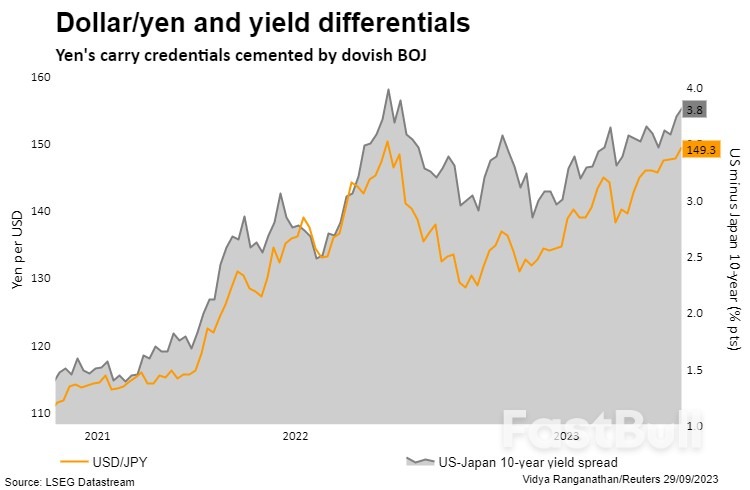
          At its core, the yen's 3% slide in September to its weakest in 11 months at 149.71 on Wednesday is a result of the Bank of Japan's hesitancy exiting an ultra-easy monetary policy while the U.S. Federal Reserve keeps its options open for further tightening.
          The dollar-yen pair traditionally tracks the gap between the countries' long-term yields, which has yawned to 380 basis points in the dollar's favour. U.S. Treasury yields jumped after Fed officials surprised markets last week by hinting at another rate rise this year.
          On the Japanese side, BOJ Governor Kazuo Ueda has quashed expectations for a hawkish shift during coming months by repeatedly emphasising a patient approach was needed to tightening the taps on its super loose policy.
          Intervention is both financially risky and politically charged. To make even a ripple in the $5 trillion currency market, the BOJ would need to draw down massive amounts of dollar reserves.
          Considering the major rich democracies commitment to letting markets determine exchange rates, Tokyo could get a grudging response from Washington when it tries explaining why it needed to pour so many dollars into the open market.
          "You've got the Fed and most other G-10 countries hiking rates, while the BOJ is emphatically saying they're not going to do anything, so if the currency weakens, it's like, Duh!" said Bart Wakabayashi, Tokyo branch manager at State Street Bank and Trust.
          "How can you have a conversation and justify a strong yen in these conditions? There's not a lot you can put on the table."
          Wakabayashi, like many other analysts and investors, considers the 150 yen per dollar level a red line for currency intervention, not least because of its significance as a symbol of climbing costs of living from imported food and fuel. Public opinion is particularly important now, amid speculation Prime Minister Fumio Kishida may call a snap election.
          Finance Minister Shunichi Suzuki said on Friday that the ministry doesn't have a "defence line."
          But he has repeated a warning several times this month that Tokyo is watching the currency market "with a sense of urgency," and "won't rule out any options" in responding to "excessive volatility".
          Masayuki Kichikawa, chief macro strategist at Sumitomo Mitsui DS Asset Management, says if Japan's Ministry of Finance, which manages the currency, does not defend the yen at 150, market participants will instantly try to force it lower to 155.
          "Politically and economically, it becomes problematic," he said. "The Japanese public is complaining about the rising cost of living, and although yen weakness is just one of several factors contributing to that, it's the most visible one."Yen Intervention A Hard Sell Even As 150/Dlr 'Red Line' Beckons_1
          Intervention Imminent
          The yen careened to a 32-year trough at 151.94 last October before being reined in by several bouts of heavy intervention, the first by Japanese authorities in a generation.
          But the turn in tide was helped at that time by a surprise cooling of U.S. inflation, which quelled bets for additional Fed tightening.
          Japanese authorities have been consistent in stressing that intervention doesn't target specific levels, and is instead designed to temper volatility and flush out speculators, particularly when moves are out of line with fundamentals.
          Currently, few of those conditions seem to be met.
          Measures of expected market volatility remain subdued. One-month volatility options sank to the lowest in a year and a half at the start of this week, after clearing last week's Fed and BOJ policy meetings.
          Yen speculative short positions are well back from highs reached in mid July, according to CFTC data.
          "There's nothing in terms of price action that reeks of disorderly conditions or speculative excess," said Ray Attrill, head of FX strategy at National Australia Bank. "Dollar-yen is arguably too low rather than too high here."
          Some analysts say fundamentals argue for the yen to already be on the weaker side of 150, and it has only been held back by the spectre of intervention and prospects of the BOJ moving away from negative interest rates.
          Against the euro and sterling, the yen has actually strengthened this month.
          Treasury Secretary Janet Yellen said last week that U.S. officials "generally understand the need to smooth out following undue volatility, but not to attempt to influence the level of exchange rates," when asked whether Washington would show understanding over yen intervention. "It depends very much on the details."
          Ultimately though, taking action is likely to be judged less costly than doing nothing.
          Aninda Mitra, head of Asia macro and investment strategy at BNY Mellon Investment Management said any intervention was "ultimately a political decision."
          "But from a purely economic and monetary standpoint, I doubt that it does much," Mitra added. "Rate differentials are still very much against the yen. If it's that futile, why even try it?"

          Source: ZAWYA

          Risk Warnings and Disclaimers
          You understand and acknowledge that there is a high degree of risk involved in trading. Following any strategies or investment methods may lead to potential losses. The content on the site is provided by our contributors and analysts for information purposes only. You are solely responsible for determining whether any trading assets, securities, strategy, or any other product is suitable for investing based on your own investment objectives and financial situation.
          Comments
          Add to Favorites
          Share
          FastBull
          Copyright © 2025 FastBull Ltd

          728 RM B 7/F GEE LOK IND BLDG NO 34 HUNG TO RD KWUN TONG KLN HONG KONG

          TelegramInstagramTwitterfacebooklinkedin
          App Store Google Play Google Play
          Products
          Charts

          Chats

          Q&A with Experts
          Screeners
          Economic Calendar
          Data
          Tools
          Membership
          Features
          Function
          Markets
          Copy Trading
          Latest Signals
          Contests
          News
          Analysis
          24/7
          Columns
          Education
          Company
          Careers
          About Us
          Contact Us
          Advertising
          Help Center
          Feedback
          User Agreement
          Privacy Policy
          Business

          White Label

          Data API

          Web Plug-ins

          Poster Maker

          Affiliate Program

          Risk Disclosure

          The risk of loss in trading financial instruments such as stocks, FX, commodities, futures, bonds, ETFs and crypto can be substantial. You may sustain a total loss of the funds that you deposit with your broker. Therefore, you should carefully consider whether such trading is suitable for you in light of your circumstances and financial resources.

          No decision to invest should be made without thoroughly conducting due diligence by yourself or consulting with your financial advisors. Our web content might not suit you since we don't know your financial conditions and investment needs. Our financial information might have latency or contain inaccuracy, so you should be fully responsible for any of your trading and investment decisions. The company will not be responsible for your capital loss.

          Without getting permission from the website, you are not allowed to copy the website's graphics, texts, or trademarks. Intellectual property rights in the content or data incorporated into this website belong to its providers and exchange merchants.

          Not Logged In

          Log in to access more features

          FastBull Membership

          Not yet

          Purchase

          Become a signal provider
          Help Center
          Customer Service
          Dark Mode
          Price Up/Down Colors

          Log In

          Sign Up

          Position
          Layout
          Fullscreen
          Default to Chart
          The chart page opens by default when you visit fastbull.com