• Trade
  • Markets
  • Copy
  • Contests
  • News
  • 24/7
  • Calendar
  • Q&A
  • Chats
Trending
Screeners
SYMBOL
LAST
BID
ASK
HIGH
LOW
NET CHG.
%CHG.
SPREAD
SPX
S&P 500 Index
6966.29
6966.29
6966.29
6978.37
6917.65
+44.83
+ 0.65%
--
DJI
Dow Jones Industrial Average
49504.06
49504.06
49504.06
49571.41
49197.06
+237.96
+ 0.48%
--
IXIC
NASDAQ Composite Index
23671.34
23671.34
23671.34
23721.15
23426.48
+191.33
+ 0.81%
--
USDX
US Dollar Index
98.540
98.620
98.540
98.960
98.510
-0.320
-0.32%
--
EURUSD
Euro / US Dollar
1.16783
1.16790
1.16783
1.16841
1.16214
+0.00474
+ 0.41%
--
GBPUSD
Pound Sterling / US Dollar
1.34417
1.34427
1.34417
1.34466
1.33903
+0.00487
+ 0.36%
--
XAUUSD
Gold / US Dollar
4581.73
4582.16
4581.73
4601.04
4512.81
+72.58
+ 1.61%
--
WTI
Light Sweet Crude Oil
58.905
58.935
58.905
59.584
58.493
+0.264
+ 0.45%
--

Community Accounts

Signal Accounts
--
Profit Accounts
--
Loss Accounts
--
View More

Become a signal provider

Sell trading signals to earn additional income

View More

Guide to Copy Trading

Get started with ease and confidence

View More

Signal Accounts for Members

All Signal Accounts

Best Return
  • Best Return
  • Best P/L
  • Best MDD
Past 1W
  • Past 1W
  • Past 1M
  • Past 1Y

All Contests

  • All
  • Trump Updates
  • Recommend
  • Stocks
  • Cryptocurrencies
  • Central Banks
  • Featured News
Top News Only
Share

Euro Rises Above 1.1683, Highest Since 7 January

Share

Hungary's November Industrial Output Fell By 5.4% Year-On-Year, More Than Expected

Share

India Trade Minister: Trade Deal With European Union In "Final" Stages

Share

Merz: We Want Closer Security Cooperation With India So India Is Less Reliant On Russia

Share

German Chancellor Merz: We Are Seeing Renaissance Of Protectionism And This Damages Germany And India

Share

Iran's Araqchi Says Internet Service Will Be Resumed In Coordination With Security Authorities

Share

Ministry: Ukraine's 2025 Grain Harvest At 58.8 Million Tons So Far

Share

Iran's Araqchi Says 'We Are Ready For War But Also For Dialogue'

Share

China Foreign Ministry, On Protests In Iran: China Hopes Iran Government, People Can Overcome Current Difficulty

Share

China Foreign Ministry, On USA-Greenland Issue: The Arctic Is Of Vital Interest To The International Community As A Whole

Share

China's Foreign Ministry: China Firmly Supports Cuba In Safeguarding Sovereignty, Security

Share

China's Foreign Ministry: However Situation Changes, China To Deepen Cooperation With Latam Countries Including With Venezuela

Share

China Foreign Ministry, On Canada Prime Minister's Visit: China Looks Forward To Enhance Communication, Deepen Mutual Trust

Share

Iran's Araqchi Says 'Situation Is Now Under Total Control'

Share

Iran's Araqchi Says 'Terrorists' Targeted Protesters And Security Forces

Share

Iran's Araqchi Said Since Trump Pointed At Intervention, Protests Turned Bloody To Give Excuse For Intervention

Share

Danish Dec CPI (Domestic Method) 1.9 Percent Year-On-Year

Share

Romania's January-November Foreign Trade Deficit Down To 29.770 Billion Euros

Share

Romania's Foreign Trade Deficit Falls To 29.770 Billion Euros In Jan-November - Stats Board

Share

Venezuela Frees Two More Italians, Says Italian Prime Minister

TIME
ACT
FCST
PREV
U.S. Average Hourly Wage MoM (SA) (Dec)

A:--

F: --

P: --
U.S. Average Weekly Working Hours (SA) (Dec)

A:--

F: --

P: --

U.S. New Housing Starts Annualized MoM (SA) (Oct)

A:--

F: --

P: --
U.S. Total Building Permits (SA) (Oct)

A:--

F: --

P: --

U.S. Building Permits MoM (SA) (Oct)

A:--

F: --

P: --

U.S. Annual New Housing Starts (SA) (Oct)

A:--

F: --

P: --
U.S. U6 Unemployment Rate (SA) (Dec)

A:--

F: --

P: --

U.S. Manufacturing Employment (SA) (Dec)

A:--

F: --

P: --
U.S. Labor Force Participation Rate (SA) (Dec)

A:--

F: --

P: --

U.S. Private Nonfarm Payrolls (SA) (Dec)

A:--

F: --

P: --
U.S. Unemployment Rate (SA) (Dec)

A:--

F: --

P: --
U.S. Nonfarm Payrolls (SA) (Dec)

A:--

F: --

P: --
U.S. Average Hourly Wage YoY (Dec)

A:--

F: --

P: --
Canada Full-time Employment (SA) (Dec)

A:--

F: --

P: --

Canada Part-Time Employment (SA) (Dec)

A:--

F: --

P: --

Canada Unemployment Rate (SA) (Dec)

A:--

F: --

P: --

Canada Labor Force Participation Rate (SA) (Dec)

A:--

F: --

P: --

U.S. Government Employment (Dec)

A:--

F: --

P: --

U.S. UMich Consumer Expectations Index Prelim (Jan)

A:--

F: --

P: --

U.S. UMich Consumer Sentiment Index Prelim (Jan)

A:--

F: --

P: --

U.S. UMich Current Economic Conditions Index Prelim (Jan)

A:--

F: --

P: --

U.S. UMich 1-Year-Ahead Inflation Expectations Prelim (Jan)

A:--

F: --

P: --

U.S. UMich 5-Year-Ahead Inflation Expectations Prelim YoY (Jan)

A:--

F: --

P: --

U.S. 5-10 Year-Ahead Inflation Expectations (Jan)

A:--

F: --

P: --

U.S. Weekly Total Oil Rig Count

A:--

F: --

P: --

U.S. Weekly Total Rig Count

A:--

F: --

P: --

China, Mainland M0 Money Supply YoY (Dec)

--

F: --

P: --

China, Mainland M1 Money Supply YoY (Dec)

--

F: --

P: --

China, Mainland M2 Money Supply YoY (Dec)

--

F: --

P: --

Indonesia Retail Sales YoY (Nov)

A:--

F: --

P: --

Euro Zone Sentix Investor Confidence Index (Jan)

--

F: --

P: --

India CPI YoY (Dec)

--

F: --

P: --

Germany Current Account (Not SA) (Nov)

--

F: --

P: --

Canada National Economic Confidence Index

--

F: --

P: --

U.S. Conference Board Employment Trends Index (SA) (Dec)

--

F: --

P: --

Russia CPI YoY (Dec)

--

F: --

P: --

Richmond Federal Reserve President Barkin delivered a speech.
U.S. 3-Year Note Auction Yield

--

F: --

P: --

U.S. 10-Year Note Auction Avg. Yield

--

F: --

P: --

New York Federal Reserve President Williams delivered a speech.
Japan Trade Balance (Customs Data) (SA) (Nov)

--

F: --

P: --

Japan Trade Balance (Nov)

--

F: --

P: --

U.K. BRC Overall Retail Sales YoY (Dec)

--

F: --

P: --

U.K. BRC Like-For-Like Retail Sales YoY (Dec)

--

F: --

P: --

Turkey Retail Sales YoY (Nov)

--

F: --

P: --

U.S. NFIB Small Business Optimism Index (SA) (Dec)

--

F: --

P: --

Brazil Services Growth YoY (Nov)

--

F: --

P: --

Canada Building Permits MoM (SA) (Nov)

--

F: --

P: --

U.S. CPI MoM (SA) (Dec)

--

F: --

P: --

U.S. CPI YoY (Not SA) (Dec)

--

F: --

P: --

U.S. Real Income MoM (SA) (Dec)

--

F: --

P: --

U.S. CPI MoM (Not SA) (Dec)

--

F: --

P: --

U.S. Core CPI (SA) (Dec)

--

F: --

P: --

U.S. Core CPI YoY (Not SA) (Dec)

--

F: --

P: --

U.S. Core CPI MoM (SA) (Dec)

--

F: --

P: --

U.S. Weekly Redbook Index YoY

--

F: --

P: --

U.S. New Home Sales Annualized MoM (Oct)

--

F: --

P: --

U.S. Annual Total New Home Sales (Oct)

--

F: --

P: --

U.S. Cleveland Fed CPI MoM (SA) (Dec)

--

F: --

P: --

China, Mainland Trade Balance (CNH) (Dec)

--

F: --

P: --

China, Mainland Imports YoY (USD) (Dec)

--

F: --

P: --

Q&A with Experts
    • All
    • Chatrooms
    • Groups
    • Friends
    "Size" recalled a message
    SlowBear ⛅ flag
    marsgents
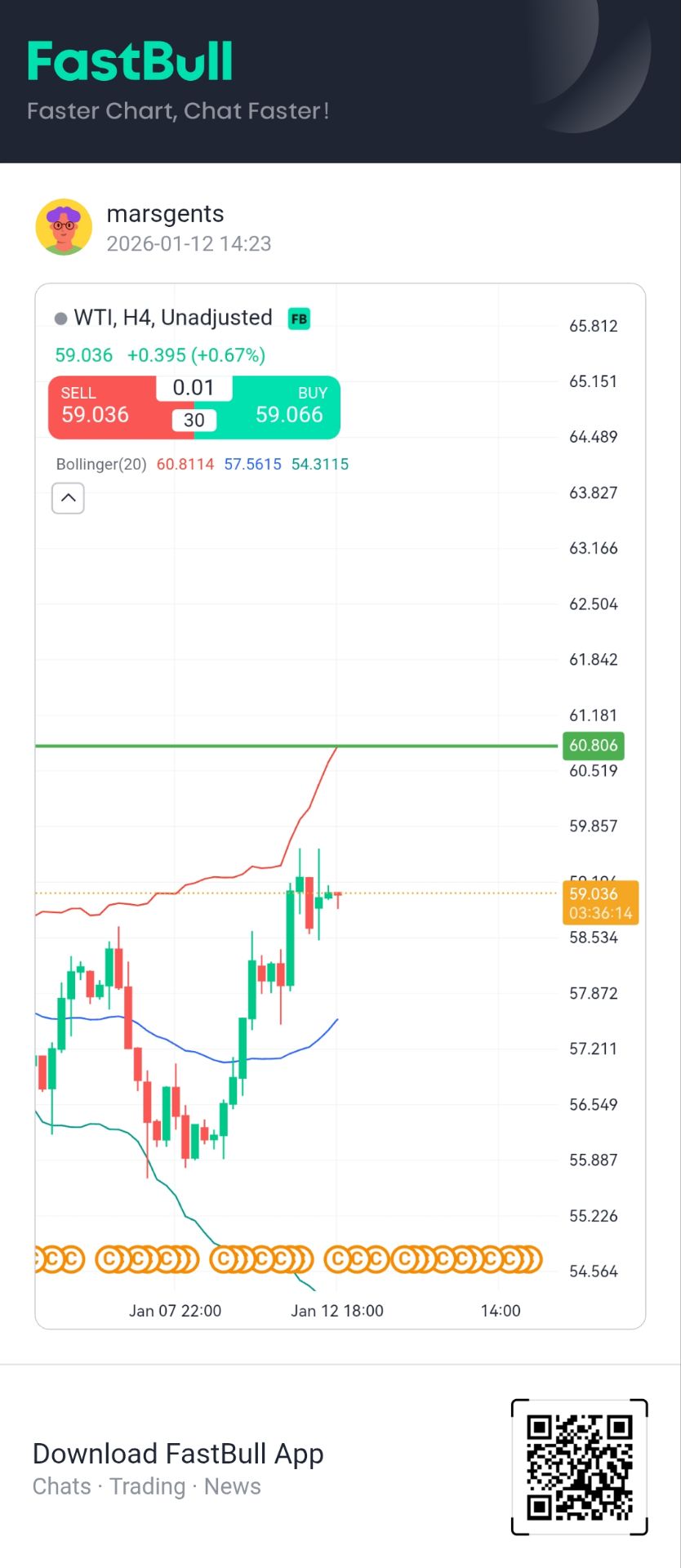
    @marsgentsthe middle band (moving average) needs to be retested then i will be buying
    marsgents flag
    SlowBear ⛅
    @SlowBear ⛅yes,but it can ignore retest😅
    Size flag
    C.E.O
    @C.E.ONice one, bro. Small lot, but well played.
    marsgents flag
    SlowBear ⛅
    @SlowBear ⛅yes,but it can ignore retest😅
    trish flag
    SlowBear ⛅
    @SlowBear ⛅ what’s your take on gold ?
    SlowBear ⛅ flag
    marsgents
    @marsgents Well yes it can and that leads to a bigger and briader picture - that means waiting longer
    Size flag
    Did you take profit at 4569 or let it run a bit further?@C.E.O
    SlowBear ⛅ flag
    marsgents
    @marsgentsIf it ignores retest the first time it will come back then i will take the seconf correction but not bore correction, no correction no entry!
    SlowBear ⛅ flag
    trish
    @trishGold for me is a buy boss, i already shared a buy i took woth you, been there for over 3hrs now
    trish flag
    SlowBear ⛅
    @SlowBear ⛅ wow . i missed that
    SlowBear ⛅ flag
    trish
    @trishIts cool i think it is coming back for another entry boss, look inot that
    marsgents flag
    SlowBear ⛅
    @SlowBear ⛅yes boss
    SlowBear ⛅ flag
    marsgents
    @marsgents Alright boss, if you later get an entry then keep me posted cos i will like to have a look at it!
    john flag
    trish
    @trishfind an opportunity to stay long gold because it's exactly what the market is doing
    john flag
    if this will be the case we should anticipate to see a strong dollar
    john flag
    mukesh jha flag
    mukesh jha flag
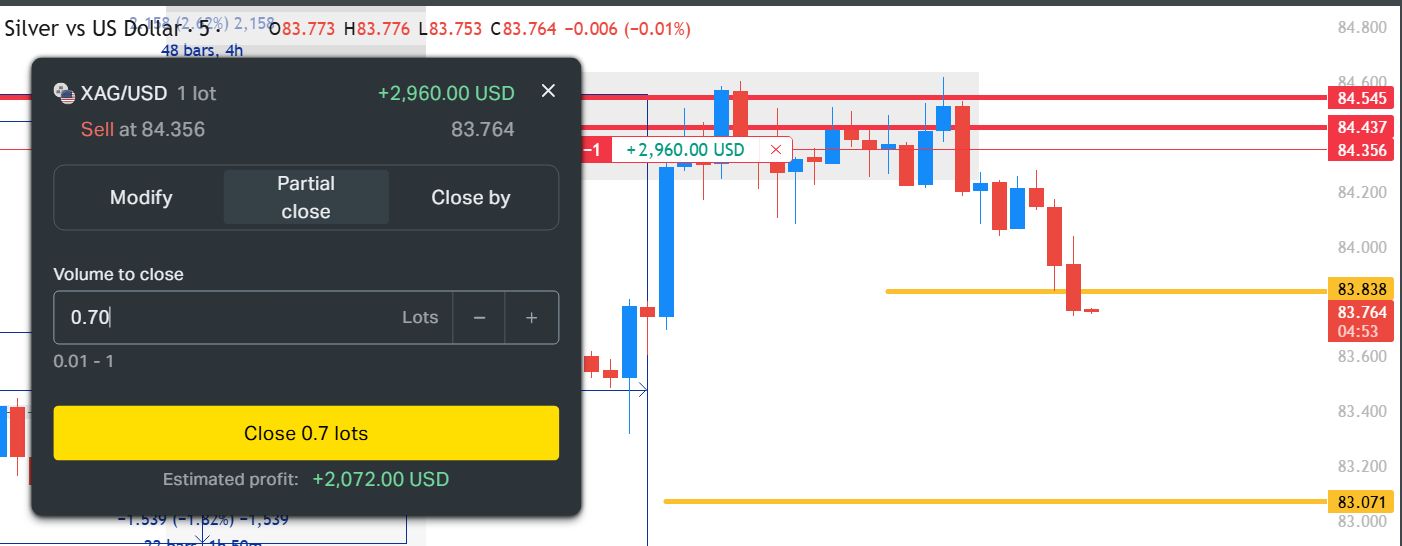
    PATIAL BOOK SILVER
    john flag
    marsgents
    @marsgentswhat are you trading at the moment bro ?
    Type here...
    Add Symbol or Code

      No matching data

      All
      Trump Updates
      Recommend
      Stocks
      Cryptocurrencies
      Central Banks
      Featured News
      • All
      • Russia-Ukraine Conflict
      • Middle East Flashpoint
      • All
      • Russia-Ukraine Conflict
      • Middle East Flashpoint
      Search
      Products

      Charts Free Forever

      Chats Q&A with Experts
      Screeners Economic Calendar Data Tools
      Membership Features
      Data Warehouse Market Trends Institutional Data Policy Rates Macro

      Market Trends

      Market Sentiment Order Book Forex Correlations

      Top Indicators

      Charts Free Forever
      Markets

      News

      News Analysis 24/7 Columns Education
      From Institutions From Analysts
      Topics Columnists

      Latest Views

      Latest Views

      Trending Topics

      Top Columnists

      Latest Update

      Signals

      Copy Rankings Latest Signals Become a signal provider AI Rating
      Contests
      Brokers

      Overview Brokers Assessment Rankings Regulators News Claims
      Broker listing Forex Brokers Comparison Tool Live Spread Comparison Scam
      Q&A Complaint Scam Alert Videos Tips to Detect Scam
      More

      Business
      Events
      Careers About Us Advertising Help Center

      White Label

      Data API

      Web Plug-ins

      Affiliate Program

      Awards Institution Evaluation IB Seminar Salon Event Exhibition
      Vietnam Thailand Singapore Dubai
      Fans Party Investment Sharing Session
      FastBull Summit BrokersView Expo
      Recent Searches
        Top Searches
          Markets
          News
          Analysis
          User
          24/7
          Economic Calendar
          Education
          Data
          • Names
          • Latest
          • Prev

          View All

          No data

          Scan to Download

          Faster Charts, Chat Faster!

          Download App
          English
          • English
          • Español
          • العربية
          • Bahasa Indonesia
          • Bahasa Melayu
          • Tiếng Việt
          • ภาษาไทย
          • Français
          • Italiano
          • Türkçe
          • Русский язык
          • 简中
          • 繁中
          Open Account
          Search
          Products
          Charts Free Forever
          Markets
          News
          Signals

          Copy Rankings Latest Signals Become a signal provider AI Rating
          Contests
          Brokers

          Overview Brokers Assessment Rankings Regulators News Claims
          Broker listing Forex Brokers Comparison Tool Live Spread Comparison Scam
          Q&A Complaint Scam Alert Videos Tips to Detect Scam
          More

          Business
          Events
          Careers About Us Advertising Help Center

          White Label

          Data API

          Web Plug-ins

          Affiliate Program

          Awards Institution Evaluation IB Seminar Salon Event Exhibition
          Vietnam Thailand Singapore Dubai
          Fans Party Investment Sharing Session
          FastBull Summit BrokersView Expo

          UK's Military Power: Big Promises, Empty Pockets?

          King Ten

          Remarks of Officials

          Russia-Ukraine Conflict

          Economic

          Political

          Summary:

          Britain's military ambitions clash with severe capacity and budget shortfalls, reflecting Europe's defense challenges.

          Even at the height of the British Empire, its military power had clear limits. When Prime Minister Lord Palmerston considered sending troops to defend Denmark from Prussia in 1864, Chancellor Bismarck of Prussia famously scoffed that he would just send the police to arrest them. While the Royal Navy dominated the seas, Britain’s volunteer army was consistently outmatched by the massive conscript forces of continental Europe before World War I.

          Today, the gap between the UK's military ambitions and its actual capabilities is even wider. The navy is a fraction of its former size, and the army has shrunk to just 71,000 soldiers—for comparison, the U.S. Marine Corps alone has between 180,000 and 190,000 personnel.

          A Bold Pledge for Ukraine Meets Harsh Reality

          Despite these constraints, Prime Minister Keir Starmer and French President Emmanuel Macron recently pledged to send a combined force of up to 15,000 troops to Ukraine should a ceasefire be reached in its four-year war with Russia, according to The London Times.

          This commitment followed an initial proposal from British military chiefs to send 10,000 UK troops as part of a larger 64,000-strong European coalition. That plan was quickly scaled back when it became clear that, accounting for rest and rotation, it would require committing a total of 30,000 troops—a number far beyond current capacity. The UK already finds it difficult to maintain its deployment of 900 soldiers in Estonia, a force that has already been halved.

          Russia's Resilient War Machine

          As Bismarck also noted, Russia is never as strong as it appears or as weak as it seems. Vladimir Putin has mobilized 710,000 men for his invasion of Ukraine, defying predictions that Western sanctions would trigger an economic collapse. While Russia's economy is only about a tenth the size of the rest of Europe's, its military spending in purchasing-parity terms this year will equal that of all European NATO members combined. The International Institute for Strategic Studies warns that Russia could pose a direct threat to Europe by 2027.

          The Franco-British initiative may boost Ukrainian morale, but it is unlikely to intimidate Putin without guaranteed U.S. air support—a major uncertainty, especially if Russia doesn't even agree to a ceasefire. The small number of proposed troops, combined with Germany's decision to only commit forces to Ukraine's western neighbors, exposes Europe's underlying military weakness.

          The £28 Billion Hole in Britain's Defense Budget

          UK defense spending has fallen from 4% of its gross domestic product at the end of the Cold War to just 2.3% today. Starmer has made ambitious promises to reverse this trend, targeting 2.6% by 2027 and 3.5% by 2035 to meet new NATO goals. However, these are essentially postdated checks.

          The fiscal reality is grim. It was revealed on Friday that Air Chief Marshal Richard Knighton, Chief of the Defence Staff, had warned the prime minister before Christmas of a £28 billion ($32.6 billion) shortfall in defense funding over the next four years. A planned £66 billion in tax increases by Chancellor of the Exchequer Rachel Reeves will not be enough to cover it. Meanwhile, the defense investment plan, originally due in December, has been postponed again until March.

          Domestic Politics Handcuff Foreign Policy

          Starmer's ability to project power abroad is severely constrained by his political weakness at home. His approval ratings have hit historic lows, dropping to minus 59 in the latest poll, and Labour lawmakers are openly discussing a leadership challenge. An attempt to appear authoritative by allowing cameras into a Cabinet meeting backfired when he was seen reading his lines from a script.

          The governing Labour party remains more focused on welfare than warfare. The Treasury's efforts to trim social spending have been blocked by backbench rebellions. Starmer is also retreating from tax rises opposed by powerful lobbies, including farmers, pub landlords, and small businesses, who have the support of his MPs. Last month, he ordered Rachel Reeves to reverse a decision on inheritance taxes for farmers.

          But who lobbies for the armed forces? While military leaders have been sounding the alarm for years, their protests against budget cuts have been largely ineffective. In an aging society with slow GDP growth, spending on pensions, health, and social care has far more powerful political advocates. This reflects a broader European trend: the continent accounts for less than 10% of the world's population but, by some estimates, more than half of its social spending.

          The Mars vs. Venus Divide Persists

          This dynamic echoes a transatlantic debate ignited over two decades ago by military analyst Robert Kagan's article, "Americans are from Mars and Europeans are from Venus." He argued that Europe champions a world governed by law, but its rejection of power politics "ultimately depends on America's willingness to use force around the world against those who still do believe in power politics."

          This created a rift in perspectives: Washington often sees Europeans as "annoying, irrelevant, naïve and ungrateful," while Europe views the U.S. as a "rogue colossus."

          A Few Nations Buck the Trend

          Not all of Europe is lagging. Richer Nordic countries, the Baltic states, and Germany are now meeting or exceeding NATO spending targets. Poland plans to spend 4.8% of its GDP on defense next year, and German Chancellor Friedrich Merz has pledged to make the Bundeswehr the "strongest conventional army in Europe" by 2029, a goal aided by Germany's smaller national debt.

          Germany and France are also introducing popular volunteer programs to train young people in the armed forces. In contrast, Britain's equivalent program is negligible.

          Ultimately, the responsibility falls to Prime Minister Starmer. While some Labour MPs demand gestures of defiance against leaders like Trump, they are not clamoring for the defense budgets that would give such gestures weight. It is the prime minister's job to make the case to his party and the nation why, sometimes, guns must come before butter.

          To stay updated on all economic events of today, please check out our Economic calendar
          Risk Warnings and Disclaimers
          You understand and acknowledge that there is a high degree of risk involved in trading. Following any strategies or investment methods may lead to potential losses. The content on the site is provided by our contributors and analysts for information purposes only. You are solely responsible for determining whether any trading assets, securities, strategy, or any other product is suitable for investing based on your own investment objectives and financial situation.
          Add to Favorites
          Share

          Reeves's New UK Debt Strategy: A Pivot to T-Bills

          Nathaniel Wright

          Remarks of Officials

          Bond

          Economic

          Central Bank

          In her first 18 months as UK Chancellor, Rachel Reeves has faced a persistent fiscal headache: the high cost of government borrowing. With annual interest payments reaching £110 billion ($150 billion), the stubbornly elevated yield on UK government bonds, or gilts, is severely restricting her policy options.

          This has prompted a turn toward creative, and arguably brazen, fiscal strategies. In her November budget, Reeves introduced unorthodox spending measures designed to lower inflation, including a fare freeze on the newly nationalized rail network and significant subsidies for household energy bills. The Bank of England noted these actions could shave half a percentage point off inflation this year, potentially paving the way for it to lower its official rate from 3.75%.

          However, a less visible but equally bold plan is now taking shape: a strategic shift in how the UK manages its national debt.

          A Strategic Pivot from Gilts to Treasury Bills

          The core of the new approach is to issue more short-term debt to deliberately force down the yields on longer-dated bonds. This technocratic maneuver aims to directly tackle the high borrowing costs that have plagued the UK Treasury.

          Last week, the Treasury's Debt Management Office (DMO) signaled its intent to issue more short-dated UK Treasury bills. These instruments function as government IOUs; they don't pay a regular coupon but are sold at a discount and redeemed at face value upon maturity.

          This move heralds a major change in the UK's debt composition. By increasing the supply of these "T-bills," the government can reduce its reliance on issuing traditional, longer-term gilts. An oversupply of these long-dated bonds has been a primary driver of their high yields, and this stealth operation is designed to reverse that pressure.

          Inside the UK's Short-Term Debt Push

          This shift toward shorter-term financing is already underway. The average maturity of UK bonds has been substantially shortened under Reeves, falling from over 14 years to less than 13 years. For new inflation-linked gilts, maturities have been cut by two-thirds.

          While finance ministries globally are exploring similar "longer to shorter" strategies, the move toward T-bills is a significant departure for the UK, drawing inspiration directly from the U.S. Treasury's playbook, where bills constitute a fifth of all government debt.

          The potential for expansion in the UK is vast. Currently, there is only £98 billion worth of one-, three-, and six-month UK Treasury bills in circulation, a fraction compared to the nearly £3 trillion in gilts. The financial appeal is clear: T-bills yield around 3.8%, roughly 80 basis points less than 10-year gilt yields, offering immediate cost savings for the Treasury. Their slightly higher yield compared to gilts of an equivalent maturity is due to a different tax treatment, as bills are subject to capital gains tax while gilts are not.

          Market Winners and Losers from the T-Bill Flood

          The DMO anticipates strong demand for a new flood of T-bills. Banks, pension funds, and investment firms will likely be eager buyers, seeking liquid, short-term assets. Additionally, these bills serve as high-quality collateral for derivatives traders and hedge funds in the overnight repo market—a development the Bank of England would welcome.

          However, the strategy creates potential losers. Big commercial banks will face stiff competition for depositor funds, as the 3.8% return on government-backed T-bills is higher than what most savings accounts currently offer.

          Conversely, retail savers stand to benefit. Michael Smith, head of debt capital markets at Winterflood Securities Ltd., noted that these measures will be welcomed by individual investors. This initiative aligns with Reeves's broader efforts to open up UK capital markets, with T-bills and corporate bonds seen as excellent candidates for Individual Savings Accounts (ISAs), which have been criticized for holding too much idle cash.

          Ultimately, the Chancellor's primary goal is to drive down long-term gilt yields by diversifying the government's funding sources. A welcome side effect, however, should be improved liquidity and greater access for individuals in the UK's capital markets.

          To stay updated on all economic events of today, please check out our Economic calendar
          Risk Warnings and Disclaimers
          You understand and acknowledge that there is a high degree of risk involved in trading. Following any strategies or investment methods may lead to potential losses. The content on the site is provided by our contributors and analysts for information purposes only. You are solely responsible for determining whether any trading assets, securities, strategy, or any other product is suitable for investing based on your own investment objectives and financial situation.
          Add to Favorites
          Share

          Indian Equities Poised for Rebound Despite Persistent Risks

          Gerik

          Economic

          Market Outlook After a Steep Weekly Decline

          Following a punishing week where both the Nifty 50 and the Sensex declined approximately 2.5%, Indian equities are positioned for a modest rebound. The upcoming session’s positive tone is underpinned by futures on Gift Nifty trading around 25,793 as of early Monday morning indicating a likely open above Friday’s close of 25,683.3 on the Nifty 50. This movement reflects improving sentiment tied to the global macroeconomic environment, particularly expectations of easing monetary policy in the United States.
          The sharp sell-off last week was largely driven by renewed concerns over U.S. tariff strategies, a trend that rekindled investor unease across global emerging markets. However, Asian markets, including India’s, are gaining traction again following a weaker-than-expected U.S. employment report. The data, which showed slower job creation in December, has not derailed the narrative of a potential Federal Reserve rate cut this year and is instead strengthening the case for policy easing, a scenario generally favorable for equities.

          Volatility and Short-Term Uncertainty Remain High

          Despite signs of recovery, market volatility remains elevated. As noted by Ponmudi R, CEO of Enrich Money, early trading sessions are expected to exhibit instability, and any upward moves could be brief without fundamental support. This caution is grounded in the lack of resolution on several fronts: a still-unfinished India-U.S. trade agreement, escalating geopolitical tensions, and legal uncertainty in the U.S. following a DOJ probe into Fed Chair Jerome Powell.
          These developments introduce both direct and indirect effects. While geopolitical instability and legal battles in the U.S. are not causally linked to Indian markets, their correlation is strong enough to drive investor risk aversion and limit appetite for emerging market exposure, especially in the absence of fresh domestic catalysts.

          Foreign Investment Pressure and Earnings Watch

          One of the most significant drags on the Indian market has been persistent foreign portfolio outflows. On Friday alone, overseas investors offloaded ₹37.69 billion (approximately $417.63 million) worth of Indian equities, contributing to a January total of $1.3 billion in net sales. This trend follows record outflows in 2025 and reflects both global risk reallocation and domestic valuation concerns.
          Investors are now shifting their attention to corporate earnings and key inflation data, both scheduled for release later on Monday. These indicators will offer critical insight into the health of the Indian economy and could help offset external headwinds if results beat expectations.

          Noteworthy Corporate Developments

          Several key companies will remain in focus during the trading session. Reliance Industries has reportedly paused its lithium-ion battery cell production plans in India due to difficulties securing essential Chinese technology. This development signals ongoing challenges in India’s ambition to localize and scale clean-energy manufacturing and may weigh on market perception of the EV ecosystem.
          On the positive side, Avenue Supermarts, which operates DMart, reported strong quarterly results, including a 13.2% growth in standalone revenue and a 17.6% increase in net profit. Similarly, Phoenix Mills disclosed a 20% increase in retail consumption for the December quarter, underscoring resilience in India’s urban consumer demand, even as parts of its retail portfolio undergo renovations.

          Cautious Optimism with Key Risks Ahead

          India’s stock markets appear set for a technical rebound, supported by improving global cues and a positive start in Asian indices. Yet, several layered risks foreign investor skepticism, geopolitical tension, lack of policy clarity on the India-U.S. front, and global legal turbulence could undermine sustained gains.
          While macroeconomic developments in the U.S. remain the dominant influence on short-term momentum, the trajectory of Indian equities this week will likely be shaped by domestic earnings and inflation data. The market’s reaction to these data points will determine whether the current upswing has enough fundamental support to evolve into a broader recovery or if it remains a short-lived rally in a turbulent macro landscape.

          Source: Reuters

          To stay updated on all economic events of today, please check out our Economic calendar
          Risk Warnings and Disclaimers
          You understand and acknowledge that there is a high degree of risk involved in trading. Following any strategies or investment methods may lead to potential losses. The content on the site is provided by our contributors and analysts for information purposes only. You are solely responsible for determining whether any trading assets, securities, strategy, or any other product is suitable for investing based on your own investment objectives and financial situation.
          Add to Favorites
          Share

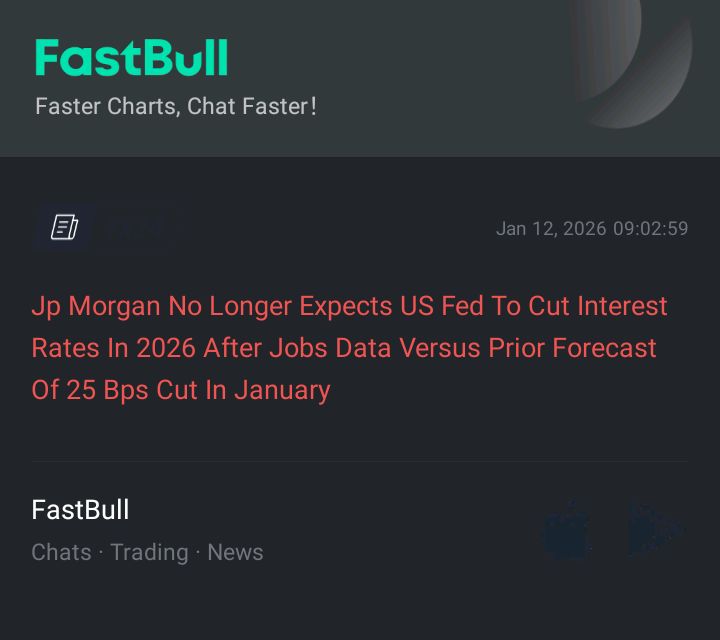
          Goldman Sachs: Fed Rate Cuts Now Expected in June & September

          Michael Ross

          Economic

          Traders' Opinions

          Daily News

          Remarks of Officials

          Central Bank

          Data Interpretation

          Goldman Sachs has significantly revised its forecast for the Federal Reserve's interest rate policy, now predicting the first rate cuts will occur in June and September 2024. This marks a notable delay from the bank's previous expectation of a cut in March.

          The updated analysis, reported by Walter Bloomberg, signals a major shift in Wall Street's outlook on the U.S. central bank's strategy for managing inflation. The investment bank now projects two consecutive quarter-percentage-point (25 basis points) reductions this year, suggesting a more measured approach to monetary easing.

          Why the Delay? Strong Data and Sticky Inflation

          The change in Goldman's forecast is rooted in a comprehensive analysis of recent economic data and communications from the Fed. Several key indicators suggest the economy is more resilient than previously thought, giving policymakers reason to maintain a restrictive stance for longer.

          • Strong Labor Market: January's employment report revealed unexpectedly robust job creation.

          • Resilient Consumer Spending: Data shows that consumer activity remains strong.

          • Persistent Inflation: While overall inflation is moderating, certain "sticky" categories, particularly in the services sector, remain above the Fed's target.

          The Federal Reserve currently holds its benchmark interest rate in the 5.25% to 5.50% range, the highest level in over two decades. The delayed timeline suggests the central bank will keep rates at this level for several more months to ensure inflation is sustainably returning to its 2% target.

          This cautious approach aligns with recent statements from Fed officials, including Chair Jerome Powell, who has consistently emphasized the need for greater confidence that inflation is on a firm downward path before cutting rates. Market futures pricing now largely reflects this sentiment, with June widely seen as the most probable starting point for easing.

          The Ripple Effect on Markets and the Economy

          A delayed timeline for rate cuts has significant implications across the economy and financial markets.

          For consumers, the extended period of high rates means borrowing costs for mortgages, auto loans, and credit cards will remain elevated for longer. Businesses may also postpone investment decisions, waiting for more favorable financing conditions.

          Financial markets have already been adjusting to this new reality. Bond yields have risen in recent weeks as expectations for near-term cuts faded. However, equity markets have shown resilience, as the strong economic data underpinning the delay is also a positive sign for corporate health. The extended period of higher rates could also strengthen the U.S. dollar, impacting international trade.

          The global economic context further supports a patient approach. Central banks in Europe, including the Bank of England and the European Central Bank, have voiced similar concerns about persistent inflation, reducing pressure on the Fed to act prematurely.

          Key Risks That Could Change the Fed's Plan

          While the mid-2024 timeline is now the base case, several factors could alter the Federal Reserve's path:

          • Accelerating Inflation: An unexpected rise in prices could force the Fed to delay cuts even further.

          • Weakening Labor Market: A significant increase in job losses might prompt the Fed to cut rates sooner to support the economy.

          • Financial Instability: Any new stress in the banking sector could trigger a faster policy response.

          • Global Shocks: Unforeseen international crises could force a complete reassessment of monetary policy.

          A Measured Approach to Monetary Policy

          The Federal Reserve has historically preferred gradual, measured policy shifts over abrupt changes. The tightening cycle from 2015 to 2018, for example, involved a series of slow, predictable rate hikes. Goldman Sachs' revised forecast suggests the central bank will adopt a similar strategy for easing, carefully managing the transition to lower rates.

          Ultimately, the Fed's main challenge in 2024 remains balancing the need to control inflation with its goal of supporting economic growth. The updated forecast from Goldman Sachs provides a clear framework for how Wall Street sees this balancing act playing out, with a patient Fed waiting until mid-year to begin its policy pivot.

          Frequently Asked Questions About the Fed's Next Move

          Why did Goldman change its forecast?

          Goldman Sachs adjusted its timeline based on economic data showing a strong labor market, resilient consumer spending, and persistent services inflation. This suggests the Fed will need more time to be confident that inflation is fully under control before it begins cutting rates.

          How many rate cuts does Goldman now predict for 2024?

          The bank now expects two 25-basis-point (0.25%) rate cuts in 2024, one in June and another in September. This is a more conservative outlook than earlier forecasts, which anticipated more aggressive easing.

          What economic data is behind the delay?

          The key indicators influencing the change were stronger-than-expected employment numbers, robust consumer spending data, and inflation measures that showed "stickiness" in the services sector. Cautious messaging from Fed officials also played a significant role.

          How does this delay impact consumers and businesses?

          Consumers will continue to face higher interest rates on loans for homes, cars, and credit cards. Businesses may delay major investments due to the higher cost of financing, which could modestly slow economic expansion.

          Is an earlier rate cut still possible?

          While not impossible, an earlier cut is now considered unlikely. For the Fed to cut rates in March, there would need to be a sudden and significant downturn in the economy or a rapid drop in inflation—neither of which is supported by the latest data.

          To stay updated on all economic events of today, please check out our Economic calendar
          Risk Warnings and Disclaimers
          You understand and acknowledge that there is a high degree of risk involved in trading. Following any strategies or investment methods may lead to potential losses. The content on the site is provided by our contributors and analysts for information purposes only. You are solely responsible for determining whether any trading assets, securities, strategy, or any other product is suitable for investing based on your own investment objectives and financial situation.
          Add to Favorites
          Share

          Goldman's 2026 US Forecast: Growth, AI, and Two Fed Cuts

          Oliver Scott

          Remarks of Officials

          Data Interpretation

          Economic

          Central Bank

          Economists at Goldman Sachs are projecting a healthy US economy in 2026, fueled by a combination of tax cuts, real wage gains, and rising household wealth. The bank’s outlook, detailed in a January 11 report, also anticipates moderating inflation throughout the year.

          Federal Reserve Poised for Two Rate Cuts

          Despite a generally positive forecast, Goldman points to uncertainty in the labor market as a key factor for monetary policy. The firm expects the Federal Reserve to deliver two 25-basis-point interest rate cuts in 2026, slated for June and September.

          Goldman's Bullish 2026 Projections

          Goldman's forecasts are notably more optimistic than the consensus. A mid-December Bloomberg survey of economists showed an expectation of 2% US growth in 2026, matching the 2025 forecast, with President Donald Trump's tax cuts seen as a key support for America's economic outperformance.

          By contrast, Goldman Sachs anticipates a stronger performance:

          • GDP Growth: 2.5% on a fourth-quarter-over-fourth-quarter basis, or 2.8% on a full-year basis.

          • Inflation: Core personal consumption expenditures (PCE) inflation is forecast to reach 2.1% year-on-year by December, with the core consumer price index (CPI) slowing to 2%.

          • Unemployment: The baseline forecast sees the unemployment rate stabilizing at 4.5%.

          AI and Productivity to Drive New Growth Cycle

          According to David Mericle, Goldman's chief US economist, the drivers of economic growth are set to change. "The composition of GDP growth will look different from last cycle in the years ahead," Mericle wrote. "More will come from productivity growth, which has rebounded and should receive a boost from artificial intelligence, and less will come from labor supply growth with immigration now much lower."

          However, this shift carries risks. The report notes the possibility of a period of "jobless growth" if companies increasingly leverage artificial intelligence to reduce labor costs.

          Consumer and Business Spending Outlook

          Goldman expects consumer spending to grow steadily, underpinned by the dual benefits of tax cuts and rising real wages.

          Meanwhile, business investment is forecast to be the strongest component of GDP in 2026. Mericle attributes this strength to easier financial conditions, reduced policy uncertainty, and various tax incentives.

          On trade, the bank assumes that cost-of-living issues will become a major theme in the upcoming mid-term elections, leading the White House to avoid any significant new tariff increases.

          To stay updated on all economic events of today, please check out our Economic calendar
          Risk Warnings and Disclaimers
          You understand and acknowledge that there is a high degree of risk involved in trading. Following any strategies or investment methods may lead to potential losses. The content on the site is provided by our contributors and analysts for information purposes only. You are solely responsible for determining whether any trading assets, securities, strategy, or any other product is suitable for investing based on your own investment objectives and financial situation.
          Add to Favorites
          Share

          Powell Pushes Back as Trump Administration Escalates DOJ Threats Over Fed Renovations

          Gerik

          Economic

          Political

          Escalating Tensions Between the Federal Reserve and White House

          Federal Reserve Chairman Jerome Powell confirmed that the U.S. Department of Justice has issued subpoenas to the central bank and raised the possibility of criminal indictment over his summer testimony concerning the Fed’s $2.5 billion building renovation. This legal maneuver, he said in a video statement released Sunday, is not about the renovation itself but about undermining the Fed’s capacity to conduct monetary policy independently.
          This confrontation marks a pivotal moment in the increasingly fraught relationship between Powell and President Donald Trump, who has repeatedly pressured the Fed to cut interest rates faster. The subpoena stems from Powell’s appearance before the Senate Banking Committee in June, where he defended the renovation project against Republican claims that it included lavish elements like rooftop terraces and VIP dining rooms. Powell dismissed many of those claims, saying they were either exaggerated or not included in the actual plan.

          Renovation Dispute Becomes a Flashpoint

          The building renovation has become more than a bureaucratic matter of infrastructure upgrades. It has evolved into a symbolic battleground for broader concerns over fiscal governance and political interference. While Powell insisted that details like white marble or custom elevators were inaccurate, the administration's Office of Management and Budget still questioned the project’s transparency and compliance. These developments suggest a deeper causal strategy of using procedural issues to exert control over the central bank.
          President Trump’s on-site visit to the renovation project in July, where he stood beside Powell and exaggerated the costs, indicates a shifting stance. Though Trump publicly claimed he wanted the renovation completed and avoided direct accusations, his administration’s actions signal otherwise. The dissonance between Trump's comments and the DOJ's aggressive posture reflects a potential strategy of plausible deniability while advancing pressure behind the scenes.

          Monetary Policy Under Political Threat

          In his video address, Powell positioned the DOJ's actions as part of a broader campaign to compromise the Fed's institutional independence. He directly linked the threat of indictment to an effort to reshape how monetary decisions are made, replacing data-driven analysis with political expediency. This suggests a causal not merely correlational relationship between the DOJ's probe and the administration’s frustration over current interest rate policies.
          The Federal Reserve has already walked back some policy areas under pressure from the Trump administration, including its earlier attempts to incorporate climate risk assessments into financial stability evaluations. However, Powell's recent tone signals a refusal to compromise further in the face of legal intimidation.

          Legal Fallout and Institutional Backlash

          The DOJ has not publicly commented on the specific case, citing confidentiality, though it confirmed that Attorney General Pam Bondi has prioritized investigations into taxpayer fund misuse. The subpoena of Powell has drawn criticism from lawmakers, including Republican Senator Thom Tillis, who called the move a threat to central bank independence and pledged to block any future nominations to the Fed until the matter is resolved.
          This level of political intrusion is historically rare. Trump has also moved to dismiss Fed Governor Lisa Cook, another unprecedented step. Cook is currently engaged in legal action to retain her post, and the Supreme Court is scheduled to hear her case later this month. The convergence of these events raises serious questions about whether the administration is systematically targeting institutional figures seen as resistant to political directives.

          White House Denials and Powell’s Counteroffensive

          Trump, when questioned by NBC News, denied any knowledge of the investigation and dismissed the notion that it was intended to influence monetary policy decisions. However, the pattern of DOJ activity under his administration frequently aimed at perceived political opponents makes that denial difficult to accept at face value.
          Powell’s public stance signals a rare moment of defiance from a Fed chair, who typically avoids confrontations with the executive branch. His video message underlines the seriousness with which he views the threats not as a personal matter, but as a constitutional and economic crisis in the making.

          Independence at a Crossroads

          The developments surrounding Powell’s subpoena illustrate an alarming erosion of boundaries between political authority and institutional oversight. Whether the DOJ's actions result in a formal indictment or not, the damage to the perception of the Fed’s independence may already be done. The conflict sets a precedent that monetary policy decisions could be increasingly shaped by political will rather than economic rationale.
          The stakes extend far beyond building renovations. At issue is whether the Federal Reserve can continue to operate as an autonomous entity or whether it will become another agency beholden to shifting political agendas. This moment may prove decisive in defining the future of U.S. monetary policy and the resilience of its democratic institutions.

          Source: Reuters

          To stay updated on all economic events of today, please check out our Economic calendar
          Risk Warnings and Disclaimers
          You understand and acknowledge that there is a high degree of risk involved in trading. Following any strategies or investment methods may lead to potential losses. The content on the site is provided by our contributors and analysts for information purposes only. You are solely responsible for determining whether any trading assets, securities, strategy, or any other product is suitable for investing based on your own investment objectives and financial situation.
          Add to Favorites
          Share

          Prabowo's Spending Plans Test Indonesia's Fiscal Limits

          Oliver Scott

          Data Interpretation

          Economic

          Analysts at Citigroup are warning that Indonesia's fiscal deficit is on track to surge past its legal limit this year, driven by major spending initiatives from the new government. The key drivers include a nationwide free meals program and extensive rebuilding efforts in flood-damaged provinces on Sumatra island.

          Citigroup Projects a Widening Budget Gap

          In a recent note, Citi revised its forecast for Indonesia's 2026 budget deficit to 3.5% of gross domestic product (GDP), a significant increase from its previous estimate of 2.7%. This projection assumes the government will amend the State Finance law before the second half of the year to lift the long-standing 3% fiscal deficit cap.

          This development follows a budget shortfall of 2.9% of GDP in 2025, which was the widest deficit in at least two decades, excluding the pandemic era. The strain on state finances is intensifying as soft economic growth and weaker commodity prices impact revenue, just as President Prabowo Subianto prepares to boost social spending.

          Citi also projects that Indonesia's debt-to-GDP ratio will climb from an estimated 39% in 2025 to approximately 42% by 2029. However, the bank notes that a breach of the fiscal cap could be avoided if the government opts for sharp spending cuts to maintain fiscal discipline.

          The Core Drivers of Indonesia's Rising Deficit

          The anticipated rise in government spending stems from several large-scale programs:

          • Free Meals Program: Citi expects this initiative to reach its full scale of 83 million beneficiaries by the second quarter, pushing its total cost to around 300 trillion rupiah ($18 billion).

          • Sumatra Flood Rebuilding: Reconstructing the flood-hit provinces may require an estimated 60 trillion rupiah over an unspecified period.

          • Regional Transfers: Payments to regional governments could also increase as Prabowo aims to advance difficult reforms this year.

          These costs could also deplete the government's contingency spending buffers—funds set aside to cover revenue shortfalls or emergency expenses.

          Bank of America Offers a Contrasting View

          While Citigroup anticipates a breach, Bank of America Corp. maintains that the budget deficit will likely be kept under the 3% GDP threshold this year. However, BofA economists expressed concern over Indonesia's lackluster revenue collection.

          In a note, they argued that the government's target to increase state revenue by 14% annually in 2026 appears ambitious given the current trend. Revenue collections actually shrank in the early months of 2025, and only a 16% jump in December revenue likely prevented the deficit from exceeding the legal limit last year.

          Still, BofA suggests the government has options. It could tap into its sizable contingency fund allocated for 2026 or simply rein in its spending plans to stay within the established fiscal boundaries.

          To stay updated on all economic events of today, please check out our Economic calendar
          Risk Warnings and Disclaimers
          You understand and acknowledge that there is a high degree of risk involved in trading. Following any strategies or investment methods may lead to potential losses. The content on the site is provided by our contributors and analysts for information purposes only. You are solely responsible for determining whether any trading assets, securities, strategy, or any other product is suitable for investing based on your own investment objectives and financial situation.
          Add to Favorites
          Share
          FastBull
          Copyright © 2026 FastBull Ltd

          728 RM B 7/F GEE LOK IND BLDG NO 34 HUNG TO RD KWUN TONG KLN HONG KONG

          TelegramInstagramTwitterfacebooklinkedin
          App Store Google Play Google Play
          Products
          Charts

          Chats

          Q&A with Experts
          Screeners
          Economic Calendar
          Data
          Tools
          Membership
          Features
          Function
          Markets
          Copy Trading
          Latest Signals
          Contests
          News
          Analysis
          24/7
          Columns
          Education
          Company
          Careers
          About Us
          Contact Us
          Advertising
          Help Center
          Feedback
          User Agreement
          Privacy Policy
          Personal Information Protection Statement
          Business

          White Label

          Data API

          Web Plug-ins

          Poster Maker

          Affiliate Program

          Risk Disclosure

          The risk of loss in trading financial instruments such as stocks, FX, commodities, futures, bonds, ETFs and crypto can be substantial. You may sustain a total loss of the funds that you deposit with your broker. Therefore, you should carefully consider whether such trading is suitable for you in light of your circumstances and financial resources.

          No decision to invest should be made without thoroughly conducting due diligence by yourself or consulting with your financial advisors. Our web content might not suit you since we don't know your financial conditions and investment needs. Our financial information might have latency or contain inaccuracy, so you should be fully responsible for any of your trading and investment decisions. The company will not be responsible for your capital loss.

          Without getting permission from the website, you are not allowed to copy the website's graphics, texts, or trademarks. Intellectual property rights in the content or data incorporated into this website belong to its providers and exchange merchants.

          Not Logged In

          Log in to access more features

          FastBull Membership

          Not yet

          Purchase

          Become a signal provider
          Help Center
          Customer Service
          Dark Mode
          Price Up/Down Colors

          Log In

          Sign Up

          Position
          Layout
          Fullscreen
          Default to Chart
          The chart page opens by default when you visit fastbull.com