• Trade
  • Markets
  • Copy
  • Contests
  • News
  • 24/7
  • Calendar
  • Q&A
  • Chats
Trending
Screeners
SYMBOL
LAST
BID
ASK
HIGH
LOW
NET CHG.
%CHG.
SPREAD
SPX
S&P 500 Index
6944.46
6944.46
6944.46
6979.35
6937.94
+17.86
+ 0.26%
--
DJI
Dow Jones Industrial Average
49442.43
49442.43
49442.43
49581.18
49224.30
+292.81
+ 0.60%
--
IXIC
NASDAQ Composite Index
23530.01
23530.01
23530.01
23721.11
23502.18
+58.27
+ 0.25%
--
USDX
US Dollar Index
99.120
99.200
99.120
99.250
98.820
+0.290
+ 0.29%
--
EURUSD
Euro / US Dollar
1.16078
1.16087
1.16078
1.16092
1.16019
-0.00014
-0.01%
--
GBPUSD
Pound Sterling / US Dollar
1.33783
1.33795
1.33783
1.33808
1.33718
-0.00024
-0.02%
--
XAUUSD
Gold / US Dollar
4607.56
4608.00
4607.56
4620.79
4607.07
-8.39
-0.18%
--
WTI
Light Sweet Crude Oil
59.003
59.033
59.003
59.146
58.947
-0.131
-0.22%
--

Community Accounts

Signal Accounts
--
Profit Accounts
--
Loss Accounts
--
View More

Become a signal provider

Sell trading signals to earn additional income

View More

Guide to Copy Trading

Get started with ease and confidence

View More

Signal Accounts for Members

All Signal Accounts

Best Return
  • Best Return
  • Best P/L
  • Best MDD
Past 1W
  • Past 1W
  • Past 1M
  • Past 1Y

All Contests

  • All
  • Trump Updates
  • Recommend
  • Stocks
  • Cryptocurrencies
  • Central Banks
  • Featured News
Top News Only
Share

US President Trump: The Gaza Peace Committee Has Been Formally Established. The List Of Committee Members Will Be Released Soon

Share

White House Official Says Commerce Department's Section 232 Tariffs On Semiconducgtors Announced On Wednesday Was A 'Phase One' Action, There Could Be Other Announcements Pending Ongoing Negotiations With Other Countries And Companies

Share

Brazil's Petrobras Produced 2.4 Million Barrels Of Oil Per Day In 2025

Share

Australia's S&P/ASX 200 Index Largely Flat At 8860.80 Points In Early Trade

Share

[Barclays Analysts: AI Mega-Enterprises Will Drive Up US Corporate Bond Supply In 2026] Barclays Analysts Predict That Total US Corporate Bond Issuance Will Reach $2.46 Trillion In 2026, An 11.8% Increase From $2.2 Trillion In 2025; Net Issuance For The Year Is Expected To Be $945 Billion, A 30.2% Increase From $726 Billion Last Year. The Bank Points Out That While Backlogged M&A Deals And Corporate Debt Refinancing Needs May Drive Overall Corporate Bond Issuance This Year, The Biggest Driver Will Be Financing Demand Related To Artificial Intelligence

Share

[Trump's Personal Investment Portfolio Adds $51 Million In Bonds, Coreweave Included] As Of Last December, US President Trump's Investments In Municipal And Corporate Bonds Included Some Corporate Bonds Influenced By His Administration's Policies. Newly Disclosed White House Documents Show That Trump's Bond Purchases Involved Companies Such As Coreweave, Netflix, General Motors, Boeing, And Occidental Petroleum, As Well As Municipal Bonds Issued By US Cities And Local School Districts. These Investments Are The Latest Example Of Trump's Continued Wealth Accumulation During His Presidency, Raising Questions About Potential Conflicts Of Interest

Share

US President Trump Will Instruct Key US Grid Operators To Conduct Emergency (wholesale Electricity Price) Auctions

Share

SPDR Gold Trust Reports Holdings Up 0.05%, Or 0.57 Tonnes, To 1074.80 Tonnes By Jan 15

Share

Machado Presented President Trump With Her Real Nobel Peace Prize Medallion During Her Visit To The White House-CBS, Citing White House Officials

Share

On Thursday (January 15), In Late New York Trading, S&P 500 Futures Rose 0.28%, Dow Jones Futures Rose 0.59%, NASDAQ 100 Futures Rose 0.30%, And Russell 2000 Futures Rose 0.88%

Share

Iran's Deputy UN Envoy: Any Act Of Aggression - Direct Or Indirect - Will Be Met With Decisive, Proportionate, Lawful Response

Share

Iran's Deputy UN Envoy: Iran Seeks Neither Escalation Nor Confrontation

Share

US Senate Democratic Leader Schumer, In Meeting With Trump Says 'ICE Raids Are Terrorizing Communities,' Urges President To Pull ICE Out Of USA Cities

Share

Japan And Italy Will Reach A Consensus On Cooperation In Space Development

Share

Stats NZ - New Zealand Food Price Inflation Index -0.3 Percent In Dec On Previous Month

Share

[New York Gold Futures Fell About 0.4%, Repeatedly Breaking Below $4,590] On Thursday (January 15), Spot Gold Fell 0.24% To $4,615.19 Per Ounce In Late New York Trading. It Had Briefly Risen Slightly In Early Asian Trading Before Repeatedly Testing The $4,580 Level. Comex Gold Futures Fell 0.37% To $4,618.40 Per Ounce, Having Repeatedly Fallen Below $4,590 During The Session

Share

US President Trump Praised The Record High US Stock Market Today

Share

The Federal Reserve's Discount Window Lending Balance Was $5.37 Billion In The Week Ending January 14, Compared With $7.23 Billion The Previous Week

Share

New Zealand December Month Seasonally Adjusted PMI 56.1 - Business NZ/Bank NZ Survey

Share

US President Trump Praised The Low International Oil And Gasoline Prices

TIME
ACT
FCST
PREV
Canada Existing Home Sales MoM (Dec)

A:--

F: --

P: --

Euro Zone Industrial Output MoM (Nov)

A:--

F: --

P: --
Euro Zone Trade Balance (SA) (Nov)

A:--

F: --

P: --
Euro Zone Trade Balance (Not SA) (Nov)

A:--

F: --

P: --
Euro Zone Industrial Output YoY (Nov)

A:--

F: --

P: --
South Africa Refinitiv/Ipsos Primary Consumer Sentiment Index (PCSI) (Jan)

A:--

F: --

P: --

U.K. Refinitiv/Ipsos Primary Consumer Sentiment Index (PCSI) (Jan)

A:--

F: --

P: --

Brazil Retail Sales MoM (Nov)

A:--

F: --

P: --

U.S. NY Fed Manufacturing Prices Received Index (Jan)

A:--

F: --

P: --

U.S. NY Fed Manufacturing New Orders Index (Jan)

A:--

F: --

P: --

U.S. NY Fed Manufacturing Employment Index (Jan)

A:--

F: --

P: --

U.S. Export Price Index YoY (Nov)

A:--

F: --

P: --

U.S. NY Fed Manufacturing Index (Jan)

A:--

F: --

P: --
U.S. Initial Jobless Claims 4-Week Avg. (SA)

A:--

F: --

P: --
U.S. Export Price Index MoM (Nov)

A:--

F: --

P: --

Canada Manufacturing Unfilled Orders MoM (Nov)

A:--

F: --

P: --

Canada Manufacturing New Orders MoM (Nov)

A:--

F: --

P: --

U.S. Philadelphia Fed Manufacturing Employment Index (Jan)

A:--

F: --

P: --

Canada Wholesale Inventory YoY (Nov)

A:--

F: --

P: --

Canada Manufacturing Inventory MoM (Nov)

A:--

F: --

P: --

Canada Wholesale Sales YoY (Nov)

A:--

F: --

P: --

Canada Wholesale Inventory MoM (Nov)

A:--

F: --

P: --

U.S. Import Price Index YoY (Nov)

A:--

F: --

P: --
U.S. Import Price Index MoM (Nov)

A:--

F: --

P: --

U.S. Weekly Continued Jobless Claims (SA)

A:--

F: --

P: --
Canada Wholesale Sales MoM (SA) (Nov)

A:--

F: --

P: --

U.S. Weekly Initial Jobless Claims (SA)

A:--

F: --

P: --
U.S. Philadelphia Fed Business Activity Index (SA) (Jan)

A:--

F: --

P: --

U.S. EIA Weekly Natural Gas Stocks Change

A:--

F: --

P: --

Richmond Federal Reserve President Barkin delivered a speech.
U.S. Weekly Treasuries Held by Foreign Central Banks

A:--

F: --

P: --

Germany CPI Final MoM (Dec)

--

F: --

P: --

Germany CPI Final YoY (Dec)

--

F: --

P: --

Germany HICP Final MoM (Dec)

--

F: --

P: --

Germany HICP Final YoY (Dec)

--

F: --

P: --

Brazil PPI MoM (Nov)

--

F: --

P: --

Canada New Housing Starts (Dec)

--

F: --

P: --

U.S. Capacity Utilization MoM (SA) (Dec)

--

F: --

P: --

U.S. Industrial Output YoY (Dec)

--

F: --

P: --

U.S. Manufacturing Capacity Utilization (Dec)

--

F: --

P: --

U.S. Manufacturing Output MoM (SA) (Dec)

--

F: --

P: --

U.S. Industrial Output MoM (SA) (Dec)

--

F: --

P: --

U.S. NAHB Housing Market Index (Jan)

--

F: --

P: --

Russia CPI YoY (Dec)

--

F: --

P: --

U.S. Weekly Total Rig Count

--

F: --

P: --

U.S. Weekly Total Oil Rig Count

--

F: --

P: --

Japan Core Machinery Orders YoY (Nov)

--

F: --

P: --

Japan Core Machinery Orders MoM (Nov)

--

F: --

P: --

U.K. Rightmove House Price Index YoY (Jan)

--

F: --

P: --

China, Mainland GDP YoY (YTD) (Q4)

--

F: --

P: --

China, Mainland Industrial Output YoY (YTD) (Dec)

--

F: --

P: --

Japan Industrial Output Final MoM (Nov)

--

F: --

P: --

Japan Industrial Output Final YoY (Nov)

--

F: --

P: --

Euro Zone Core HICP Final MoM (Dec)

--

F: --

P: --

Euro Zone HICP Final MoM (Dec)

--

F: --

P: --

Euro Zone HICP Final YoY (Dec)

--

F: --

P: --

Euro Zone HICP MoM (Excl. Food & Energy) (Dec)

--

F: --

P: --

Euro Zone Core CPI Final YoY (Dec)

--

F: --

P: --

Euro Zone Core HICP Final YoY (Dec)

--

F: --

P: --

Euro Zone CPI YoY (Excl. Tobacco) (Dec)

--

F: --

P: --

Euro Zone Core CPI Final MoM (Dec)

--

F: --

P: --

Q&A with Experts
    • All
    • Chatrooms
    • Groups
    • Friends
    EuroTrader flag
    EuroTrader flag
    EuroTrader
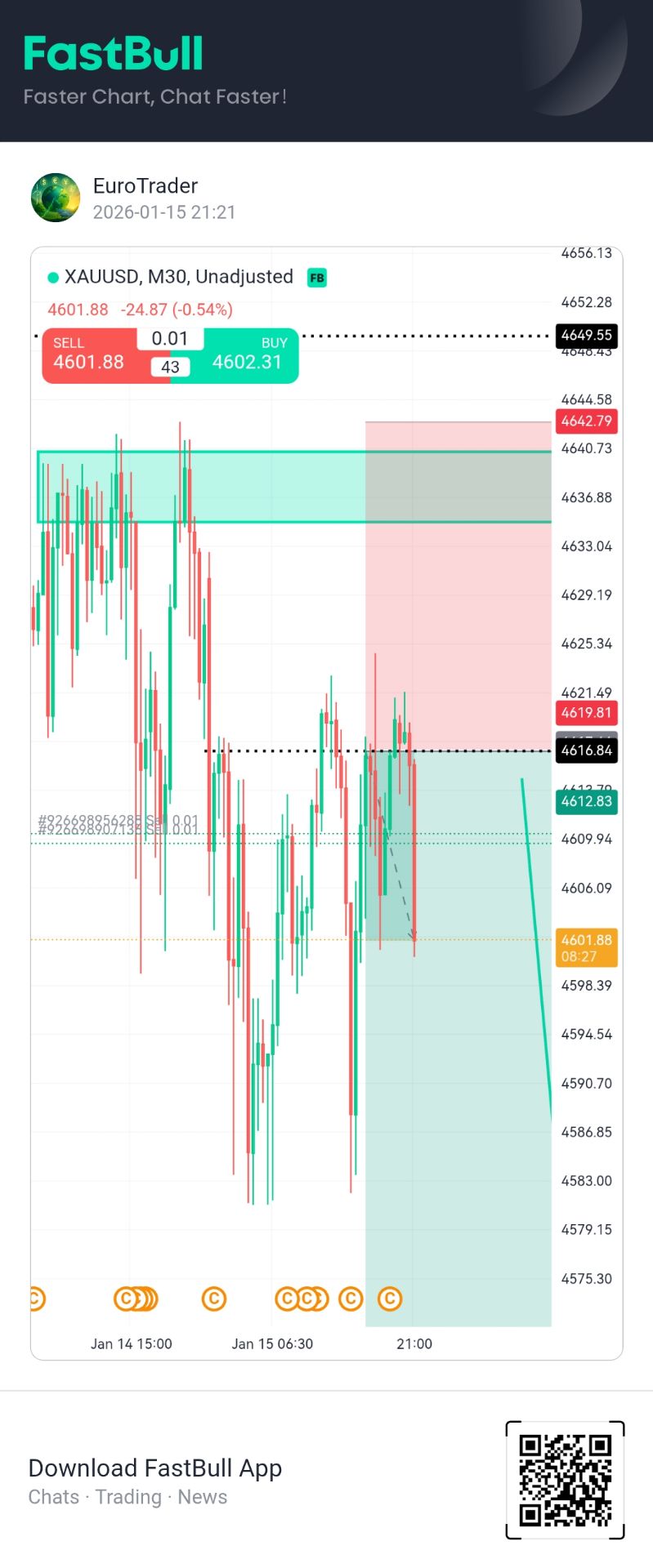
    @SABRdropping as nicely as anticipated. let's ride the shorts further to the downside
    LOMERI flag
    men with Bitcoin analysis where are you?
    EuroTrader flag
    LOMERI
    men with Bitcoin analysis where are you?
    @LOMERIAm here brother. If you are holding Bitcoin on spot markets please continue to hold
    favour flag
    EuroTrader flag
    favour
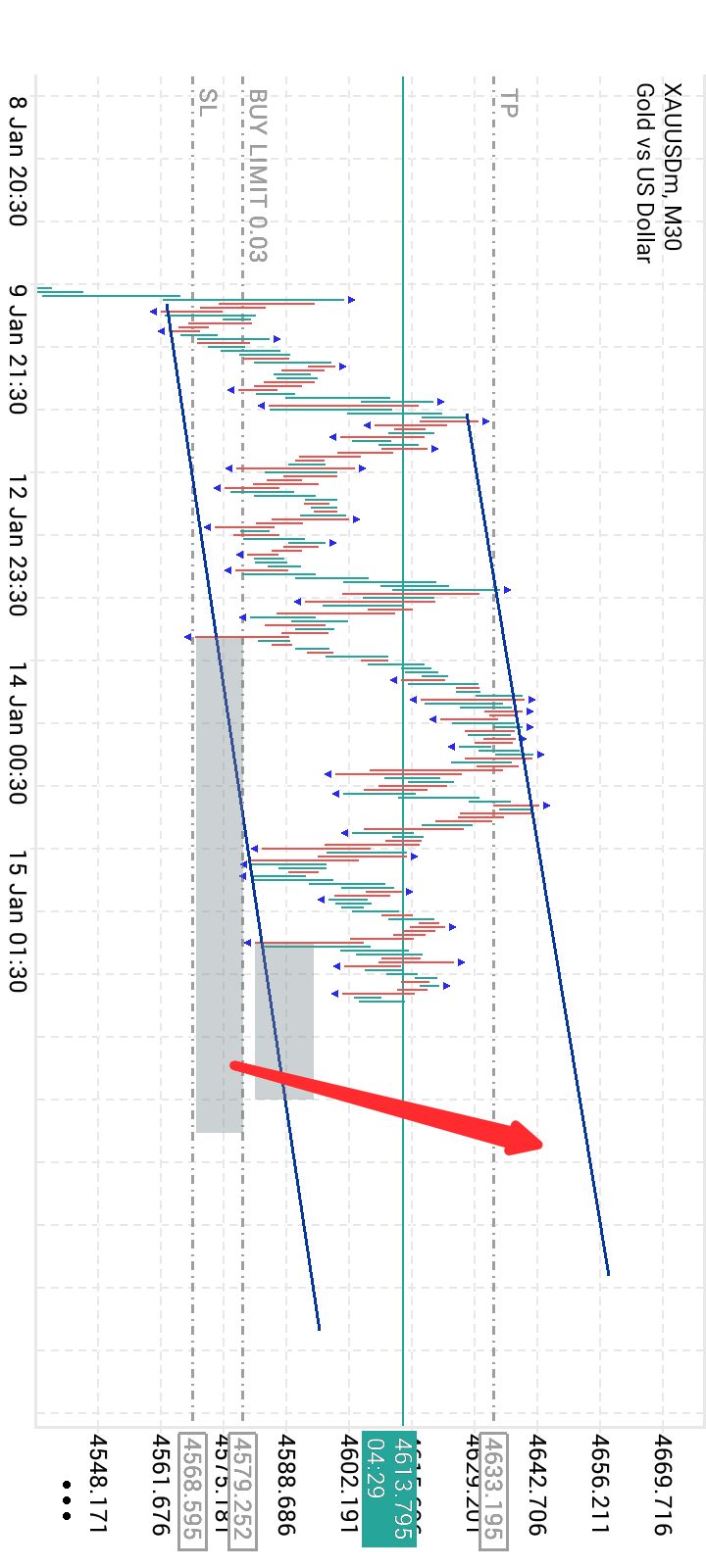
    @favourmost likely scenario for Gold. let's see how it all plays out in the short term
    Youness El flag
    john
    @john 4615
    Youness El flag
    Youness El
    bad wifi
    ThatfxSniper📈 flag
    Am I missing some information or what? Nothing's happening on XAUUSD.
    Youness El flag
    ThatfxSniper📈
    Am I missing some information or what? Nothing's happening on XAUUSD.
    what do u see about xauusd
    ThatfxSniper📈 flag
    Youness El
    @Youness ElNothing's happening. Is the market closed or something? Yet it's technically open.
    Youness El flag
    ThatfxSniper📈
    @ThatfxSniper📈yes
    ThatfxSniper📈 flag
    Youness El
    @Youness Elso what's going on
    3363350 flag
    hello jee
    Kg Papito flag
    I want to learn to trade, who can help me?
    ThatfxSniper📈 flag
    ?
    Youness El flag
    ThatfxSniper📈
    @ThatfxSniper📈now im waiting to sell
    dimas eyhh flag
    Kg Papito
    I want to learn to trade, who can help me?
    @Kg PapitoI can
    3363350 flag
    dimas eyhh
    @dimas eyhhscammer
    3363350 flag
    ThatfxSniper📈
    Am I missing some information or what? Nothing's happening on XAUUSD.
    @ThatfxSniper📈lol and u r trader ?
    Type here...
    Add Symbol or Code

      No matching data

      All
      Trump Updates
      Recommend
      Stocks
      Cryptocurrencies
      Central Banks
      Featured News
      • All
      • Russia-Ukraine Conflict
      • Middle East Flashpoint
      • All
      • Russia-Ukraine Conflict
      • Middle East Flashpoint
      Search
      Products

      Charts Free Forever

      Chats Q&A with Experts
      Screeners Economic Calendar Data Tools
      Membership Features
      Data Warehouse Market Trends Institutional Data Policy Rates Macro

      Market Trends

      Market Sentiment Order Book Forex Correlations

      Top Indicators

      Charts Free Forever
      Markets

      News

      News Analysis 24/7 Columns Education
      From Institutions From Analysts
      Topics Columnists

      Latest Views

      Latest Views

      Trending Topics

      Top Columnists

      Latest Update

      Signals

      Copy Rankings Latest Signals Become a signal provider AI Rating
      Contests
      Brokers

      Overview Brokers Assessment Rankings Regulators News Claims
      Broker listing Forex Brokers Comparison Tool Live Spread Comparison Scam
      Q&A Complaint Scam Alert Videos Tips to Detect Scam
      More

      Business
      Events
      Careers About Us Advertising Help Center

      White Label

      Data API

      Web Plug-ins

      Affiliate Program

      Awards Institution Evaluation IB Seminar Salon Event Exhibition
      Vietnam Thailand Singapore Dubai
      Fans Party Investment Sharing Session
      FastBull Summit BrokersView Expo
      Recent Searches
        Top Searches
          Markets
          News
          Analysis
          User
          24/7
          Economic Calendar
          Education
          Data
          • Names
          • Latest
          • Prev

          View All

          No data

          Scan to Download

          Faster Charts, Chat Faster!

          Download App
          English
          • English
          • Español
          • العربية
          • Bahasa Indonesia
          • Bahasa Melayu
          • Tiếng Việt
          • ภาษาไทย
          • Français
          • Italiano
          • Türkçe
          • Русский язык
          • 简中
          • 繁中
          Open Account
          Search
          Products
          Charts Free Forever
          Markets
          News
          Signals

          Copy Rankings Latest Signals Become a signal provider AI Rating
          Contests
          Brokers

          Overview Brokers Assessment Rankings Regulators News Claims
          Broker listing Forex Brokers Comparison Tool Live Spread Comparison Scam
          Q&A Complaint Scam Alert Videos Tips to Detect Scam
          More

          Business
          Events
          Careers About Us Advertising Help Center

          White Label

          Data API

          Web Plug-ins

          Affiliate Program

          Awards Institution Evaluation IB Seminar Salon Event Exhibition
          Vietnam Thailand Singapore Dubai
          Fans Party Investment Sharing Session
          FastBull Summit BrokersView Expo

          The Next Fed Chair: Trump's High-Stakes Economic Choice

          Kevin Morgan

          Remarks of Officials

          Economic

          Central Bank

          Political

          Summary:

          Trump's Fed Chair choice looms, set to reshape US monetary policy and global economic stability.

          President Donald Trump is set to select the next chair of the Federal Reserve within weeks, a decision that will profoundly shape U.S. monetary policy and the global economy. The White House confirmed the upcoming announcement, noting the president is considering several qualified individuals for one of the most powerful economic roles in the world.

          For investors, businesses, and policymakers, this choice is critical. The next Fed Chair will steer the central bank's strategy on interest rates, inflation, and financial stability at a complex moment for the U.S. economy, which is navigating strong job growth alongside persistent inflation concerns.

          Why the Fed Chair Pick Dominates Markets

          The Federal Reserve Chair leads the Federal Open Market Committee (FOMC), the body responsible for setting the federal funds rate. This benchmark rate directly influences the cost of everything from mortgages and car loans to business borrowing and the value of the U.S. dollar. The nominee's philosophy on inflation and employment will set the central bank's course for years to come.

          Financial markets are highly sensitive to signals about Fed leadership. The announcement of a decision timeline alone can trigger volatility in stocks and bonds as investors analyze potential nominees for clues on the future path of interest rates.

          • A hawkish candidate, who prioritizes fighting inflation with higher rates, could strengthen the dollar but create headwinds for the stock market.

          • A dovish candidate, who might favor lower rates to support growth, could boost equities but risk letting inflation run higher.

          Beyond Wall Street, the decision directly impacts Main Street. Small business owners seeking capital, families looking to buy a home, and consumers financing purchases all have a stake in the Fed's policy direction. The chair's approach to bank regulation also shapes credit availability across the economy.

          The Top Contenders for the Fed's Top Job

          While the White House has not released an official list, analysts have identified several leading candidates based on their experience and public statements.

          • Jerome Powell (Incumbent): Appointed by President Trump in 2018, Powell has overseen a period of initial rate hikes followed by aggressive stimulus during the pandemic. His current policy is focused on combating inflation through rapid rate increases. A reappointment would signal policy continuity.

          • Lael Brainard (Vice Chair): A Fed Governor since 2014, Brainard is known for emphasizing the importance of a strong labor market and robust financial stability. She is often perceived as leaning more dovish than some of her colleagues.

          • John Williams (NY Fed President): As the head of the New York Fed, Williams has a permanent vote on the FOMC. He is a respected economist known for a data-driven, technocratic approach to monetary policy.

          • Kevin Warsh (Former Fed Governor): A known critic of the Fed's post-2008 policies, Warsh could signal a significant policy shift. He is seen as a hawk who might advocate for a more rules-based monetary framework and a faster reduction of the Fed's balance sheet.

          • Glenn Hubbard (Former White House Economist): Hubbard served as Chair of the Council of Economic Advisers under President George W. Bush. An academic with market-oriented views, his appointment would also suggest a change in direction.

          A Choice with Global Consequences

          Due to the U.S. dollar's status as the world's primary reserve currency, the Federal Reserve effectively acts as the global central bank. Policy decisions made in Washington create ripple effects that are felt in financial markets from Europe to Asia.

          Emerging markets are particularly exposed to shifts in U.S. monetary policy. Higher U.S. interest rates can trigger capital outflows from these nations, leading to currency depreciation and increased costs for servicing dollar-denominated debt. International bodies like the IMF will be closely watching the nominee's stance on global economic cooperation and crisis management.

          How the Appointment Process Works

          The path to confirming a new Federal Reserve Chair is a multi-step, politically sensitive process:

          1. Nomination: The President selects and nominates a candidate.

          2. Committee Hearings: The Senate Banking Committee conducts confirmation hearings to vet the nominee.

          3. Full Senate Vote: The nominee must be approved by a simple majority vote in the full Senate.

          While past chairs like Jerome Powell and Janet Yellen secured bipartisan support, the current political climate could make for a contentious confirmation, especially in a narrowly divided Senate.

          Frequently Asked Questions About the Fed Chair

          Who is the current Federal Reserve Chair?

          Jerome Powell is the current Chair of the Board of Governors of the Federal Reserve System. He was first appointed by President Trump.

          What is the term length for a Fed Chair?

          The Chair of the Federal Reserve serves a four-year term and can be reappointed by the sitting president, subject to Senate confirmation.

          How does the Fed Chair control interest rates?

          The Chair leads the Federal Open Market Committee (FOMC), which votes to set the target for the federal funds rate. This rate serves as the benchmark for short-term borrowing costs throughout the entire U.S. financial system.

          Why is the Fed Chair's role considered non-partisan?

          The Federal Reserve is designed to be independent of short-term political pressure. The Chair is expected to make monetary policy decisions based on economic data and the Fed's dual mandate of achieving maximum employment and stable prices, ensuring credibility in financial markets.

          What happens if the Senate doesn't confirm a nominee?

          If a nominee fails to win Senate confirmation, the President must nominate another candidate. In the interim, the Fed's Vice Chair would typically lead the central bank to ensure operational continuity.

          To stay updated on all economic events of today, please check out our Economic calendar
          Risk Warnings and Disclaimers
          You understand and acknowledge that there is a high degree of risk involved in trading. Following any strategies or investment methods may lead to potential losses. The content on the site is provided by our contributors and analysts for information purposes only. You are solely responsible for determining whether any trading assets, securities, strategy, or any other product is suitable for investing based on your own investment objectives and financial situation.
          Add to Favorites
          Share

          Spain Launches €10.5B Fund to Fuel Post-EU Growth

          Isaac Bennett

          Remarks of Officials

          Economic

          Political

          Spain is launching a €10.5 billion ($12.2 billion) sovereign investment fund to sustain economic momentum as the European Union's post-pandemic recovery program concludes.

          Prime Minister Pedro Sanchez announced the initiative, designed to ensure Spain's growth trajectory continues after the EU's Next Generation funds expire in 2026.

          "We're going to create a major sovereign fund that will take over from the Next Generation funds and extend their momentum, making their legacy endure beyond 2026," Sanchez stated at an investor event in Madrid.

          The "Spain Grows Fund": Key Objectives

          The new fund will be backed by "European funds" and is engineered to attract significant private capital from both domestic and overseas investors. The government's goal is to leverage the initial state investment to generate a total of up to €120 billion.

          Key sectors targeted for investment include:

          • Energy

          • Infrastructure

          • Housing

          • Security

          This strategic focus aims to modernize critical areas of the Spanish economy while building on the foundation laid by previous EU support.

          A Shift from EU Lifeline to National Strategy

          Spain has been one of the primary beneficiaries of the EU's NextGeneration program, a massive effort to help member states recover from the economic impact of the COVID-19 pandemic.

          In exchange for implementing key legal reforms, Spain was allocated nearly €80 billion in grants and another €83 billion in loans. The government strategically declined a large portion of the loans, citing its strong access to capital markets.

          These funds have been a cornerstone of Sanchez's economic policy, acting as an alternative budget and helping Spain's economy expand at nearly twice the rate of the Eurozone average.

          The new fund marks a deliberate pivot. As Sanchez explained, "If the NextGen funds were an exercise in European sovereignty, the Spain Grows Fund will be an exercise in national sovereignty."

          To stay updated on all economic events of today, please check out our Economic calendar
          Risk Warnings and Disclaimers
          You understand and acknowledge that there is a high degree of risk involved in trading. Following any strategies or investment methods may lead to potential losses. The content on the site is provided by our contributors and analysts for information purposes only. You are solely responsible for determining whether any trading assets, securities, strategy, or any other product is suitable for investing based on your own investment objectives and financial situation.
          Add to Favorites
          Share

          Can Trump Control Global Oil? China Isn't Worried

          Isaac Bennett

          Political

          Commodity

          Economic

          Middle East Situation

          Energy

          At first glance, Donald Trump seems poised to achieve what was once unthinkable: creating a new oil cartel to rival OPEC. By asserting control over Venezuela and a potentially new government in Iran, the U.S. could theoretically influence 42% of global oil production, giving it a kill switch on China's energy-importing economy.

          But this theory overlooks a fundamental rule of the global energy market. While diplomatic pressure can change leaders, it rarely breaks the deep-rooted commercial ties between oil producers and their biggest customers. History shows that those who try to control these flows almost always fail, and China's strategic position makes it particularly resilient.

          The Illusion of a US-Led Oil Cartel

          The idea that the U.S. could choke off China's energy supply hinges on its influence in key producer nations. After the capture of former Venezuelan President Nicolás Maduro on January 3, and with hypothetical backing for regime change in Iran, Washington appears to hold powerful cards. Since China is the top importer for both Venezuela and Iran, Beijing looks uniquely vulnerable.

          However, this view is too simplistic. The underlying relationships that drive the oil trade are far more durable than political alliances. China's role in Venezuela's future is already central, and its relationship with Iran is even more deeply entrenched, making it unlikely to crumble under U.S. pressure.

          Why Iran Won't Ditch Its Partnership with China

          Even if a new government in Tehran sought better relations with the West, abandoning its strategic alignment with China is not a realistic option. The two nations are connected through a complex network of economic, diplomatic, and security interests.

          Key pillars of the China-Iran partnership include:

          • A 25-year strategic pact signed in 2021, outlining $400 billion in potential Chinese investments that provide a lifeline against international sanctions.

          • Military cooperation, including joint naval exercises with other nations like South Africa and the United Arab Emirates.

          • Shared geopolitical goals, with President Xi Jinping backing Iran's entry into the Shanghai Cooperation Organization (SCO) in 2023 and the expanded BRICS bloc to challenge U.S. dominance.

          Beijing's approach is pragmatic. While Chinese officials express concern over recent protests in Iran, their primary position is to support stability. This allows China to position itself as a rational global actor, contrasting with what it portrays as an unreliable and predatory U.S. foreign policy.

          History's Lesson: Oil Embargoes Rarely Succeed

          Fears of oil being used as a geopolitical weapon are common, but history shows that producers rarely cut off customers for political reasons. The 1973 Arab oil embargo is a famous example, but its stated goal—to end Western military support for Israel—ultimately failed, demonstrating the limits of such tactics.

          More recent examples reinforce this pattern:

          • The U.S. continued to import Iranian oil intermittently for eight years after the 1979 Islamic Revolution.

          • The European Union is not expected to phase out Russian gas imports completely until late next year, five years after the invasion of Ukraine.

          The case of Venezuela further proves the point. Instead of being locked out, China is already being courted as a principal customer for post-Maduro oil by commodity trading giants Trafigura Group and Vitol Group. The market finds a way.

          Why 2024 Isn't 1941 for China's Energy Security

          There was one instance when an oil embargo had a decisive geopolitical impact: in 1941, when the U.S. halted oil exports to Japan. At the time, America supplied roughly 90% of Japan's fuel, and the cutoff directly precipitated the attack on Pearl Harbor.

          Today, Trump has no such leverage over China. Russia is the only country that supplies more than 10% of China's crude oil, and most other major suppliers are middle powers unlikely to bow to U.S. demands.

          Furthermore, China is actively reducing its vulnerability. The rapid adoption of electric vehicles is projected to cut Chinese oil demand by 1.76 million barrels this year. This figure is roughly equivalent to the combined oil imports from Iran and Venezuela, effectively neutralizing the threat of a supply cutoff from those two nations.

          The Unstoppable Flow of Global Energy

          Oil is a fungible commodity that always finds its level, seeping through the narrowest cracks to connect sellers with buyers. The fundamental laws of trade and geopolitics have not been suspended. Anyone betting that a single leader can suddenly control the global flow of energy is likely to be disappointed.

          To stay updated on all economic events of today, please check out our Economic calendar
          Risk Warnings and Disclaimers
          You understand and acknowledge that there is a high degree of risk involved in trading. Following any strategies or investment methods may lead to potential losses. The content on the site is provided by our contributors and analysts for information purposes only. You are solely responsible for determining whether any trading assets, securities, strategy, or any other product is suitable for investing based on your own investment objectives and financial situation.
          Add to Favorites
          Share

          Could the US Seize Greenland? A Strategic Breakdown

          Isaac Bennett

          Remarks of Officials

          Political

          Recent rhetoric from President Donald Trump has renewed discussions about US control over Greenland, forcing a serious strategic question: if the US were to take military action, what would that actually look like? While a US invasion of Greenland would be a relatively simple military exercise, the political and diplomatic fallout would be catastrophic.

          Greenland's Strategic Importance in a New Arctic Era

          Greenland is the world's largest island—vast, sparsely populated, and strategically invaluable to the United States. Its location is critical, sitting astride the Greenland-Iceland-UK (GIUK) gap, a key chokepoint for transit routes in the Arctic and North Atlantic.

          This geography makes the island essential for early warning systems, missile defense, and broader Arctic operations. The US already operates space and missile warning assets from Thule Air Base in Greenland. As Arctic ice recedes, the island's value is increasing, and the Trump administration has grown concerned about denying Russia and China access to the region.

          Denmark's Limited Power to Defend the Island

          Denmark, which governs Greenland as a territory, maintains a minimal permanent military presence. The Danish forces on the island consist of small patrol units, Arctic command elements, and limited surveillance assets. There are no fighter jets, missile defenses, or heavy ground troops.

          Essentially, Denmark maintains its sovereignty through administration, not military force. Realistically, Copenhagen cannot defend Greenland from a major power. The island's defense relies on NATO, diplomacy, and the fragile assumption that allies will not act against one another.

          What a US Military Operation Would Look Like

          A US move to take control of Greenland would not be a traditional invasion with beach landings and large-scale combat. Instead, the operation would focus on rapidly securing key infrastructure like airfields, ports, and communication hubs. The primary military effort would be centered on access, control, and logistics. Given Greenland's sparse population, this would likely not require a large US military footprint.

          Resistance to an American takeover would be fierce, but it would be political, not military. The biggest challenges for the US military would be battling the harsh weather and managing the international fallout, not overcoming Danish forces.

          The Real Cost: Political Fallout and Alliance Collapse

          Following a hypothetical US seizure, Denmark's response options would be severely limited. Copenhagen would issue diplomatic protests, appeal to NATO, and pursue international legal action, but any military response would be symbolic at best. While Denmark could raise the issue at the UN, enforcement mechanisms are weak, and the US has consistently asserted its sovereignty over UN requests.

          Denmark's only real leverage is political—an appeal to the norms of alliance and diplomacy. Retaking the island by force is not an option.

          The ripple effects would devastate NATO cohesion and undermine trust in American leadership. While NATO has no formal mechanism to resolve disputes between members, a US action against Denmark would force allies to question the value and reliability of aligning with the United States, imposing significant strategic consequences.

          A Cost-Benefit Analysis: Why Seizure Makes No Sense

          So, would the US actually proceed with military action? It already enjoys strategic freedom in Greenland, with access and bases secured. A formal takeover offers marginal military gain at a gargantuan political cost. Overtly seizing the massive territory would almost certainly not be worth the diplomatic headache.

          The question the Trump administration must answer is not whether it can take Greenland by force, but whether it makes any strategic sense to do so.

          Risk Warnings and Disclaimers
          You understand and acknowledge that there is a high degree of risk involved in trading. Following any strategies or investment methods may lead to potential losses. The content on the site is provided by our contributors and analysts for information purposes only. You are solely responsible for determining whether any trading assets, securities, strategy, or any other product is suitable for investing based on your own investment objectives and financial situation.
          Add to Favorites
          Share

          Iran Protests Reveal a Broken US Foreign Policy

          King Ten

          Middle East Situation

          Political

          A Cycle of Unrest and Misunderstanding

          Iran is once again gripped by widespread protests. For the last month, citizens have filled the streets demanding fundamental change, triggered initially by soaring inflation but quickly escalating into calls for an end to the Islamic regime.

          As speculation mounts, the outcome remains uncertain. Popular uprisings are inherently unpredictable. Yet, to many observers, this wave of protest feels different from those in 2009, 2017, 2019, and 2022. Whether it truly is different or simply appears so because Western policymakers have misunderstood the Islamic Republic for decades is the critical question.

          With so much at stake, now is the perfect time to reexamine the flawed assumptions that have guided Washington's—and the West's—failed approach to Iran. Even if the current regime survives, the country will not be the same as it was before the protests began on December 28, 2025. This analysis aims to learn from past mistakes without assigning blame, providing a necessary update for a foreign policy community facing a changing Iran.

          The Faulty Blueprint: America's Core Beliefs About Iran

          For three decades, U.S. policy toward Iran was built on a set of core assumptions that recent events have proven to be fundamentally flawed. These beliefs shaped everything from diplomatic outreach to nuclear negotiations.

          The central pillar of this thinking was that the Iranian regime is ultimately pragmatic. Its revolutionary rhetoric was seen as a public front for a realistic and practical leadership. This led to several key conclusions:

          • Susceptibility to Incentives: It was believed that Iran's leaders could be influenced by American and Western diplomacy and financial offers.

          • Desire for Integration: The supreme leader and his advisors were thought to prioritize integration into the international community over repressing their population and dominating the region.

          • Dismissal of the Opposition: Supporting the Iranian opposition was framed as self-defeating and counter to U.S. interests, partly because the opposition was seen as too divided to be a viable alternative.

          These ideas formed the foundation for President Bill Clinton's "dual containment" strategy, the nuclear negotiations under President George W. Bush, the Obama administration's Joint Comprehensive Plan of Action (JCPOA), and even Vice President J.D. Vance's "America First" approach.

          How Washington Built Its Iran Echo Chamber

          These persistent misconceptions didn't appear out of thin air. They were cultivated and reinforced within Washington's foreign policy ecosystem, shaped by who holds power, who they listen to, and how they view the world.

          The Influence of Insiders

          Certain Iranian expatriates have consistently had the ear of senior U.S. officials, giving them a platform in the media and in government simulations. These war games often portray Tehran's decision-making as supremely pragmatic in ways that clash with real-world events. Nonetheless, this is the perspective frequently presented to military officers and intelligence analysts.

          While other Iranian expats hold far more critical views of the regime, they are rarely given a seat at the table. This selective access reinforces the dominant narrative that the supreme leader is open to accommodation with the United States.

          The Lingering Shadow of Iraq

          The 2003 invasion and subsequent occupation of Iraq left a deep scar on Washington. Haunted by the high costs of regime change in Iraq, the foreign policy community adopted the view that a similar outcome in Iran must be avoided at all costs.

          This aversion wasn't just a strategic preference; it evolved into a rationale for why regime change was unnecessary in the first place. This narrative conveniently relied on the same flawed assumptions: that the Iranian leadership was pragmatic and willing to strike a deal with Washington.

          The JCPOA and the Partisan Divide

          President Barack Obama was not the first U.S. leader to extend an olive branch to Tehran. President George H.W. Bush signaled a desire for better relations, and President Clinton sought reconciliation after Mohammad Khatami’s election in 1997. Even President George W. Bush, famous for his "axis of evil" speech, supported European diplomatic overtures and multilateral nuclear talks with Iran late in his presidency.

          Obama’s outreach, however, went further and culminated in the JCPOA. Despite official denials, the deal was widely seen by his administration as a pathway to a new relationship with the Islamic Republic. There was little evidence the Iranian leadership shared this goal, but the White House set the agenda.

          Support for the JCPOA became widespread within the foreign policy community, partly due to a social network effect in the Beltway. To remain in good standing, many analysts and former officials praised the deal, regardless of its shortcomings. Ben Rhodes, Obama's deputy national security advisor, claimed the Washington establishment was united against the JCPOA, but the reality was the opposite; while critics were vocal, a far larger contingent was in favor.

          This dynamic contributed to the political polarization of Middle East policy. Countries that opposed the deal—namely Saudi Arabia, the United Arab Emirates, Bahrain, and Israel—became identified with the Republican Party. Their security concerns, highlighted by Israeli Prime Minister Benjamin Netanyahu's 2015 address to Congress, were often dismissed by Democrats as bad-faith arguments rather than genuine strategic assessments. In retrospect, their skepticism about the nature of the Iranian regime appears to have been more accurate than Washington's.

          A Time for Clarity on Iran

          The debate over President Donald Trump's withdrawal from the JCPOA may never be resolved, but it is clear that America’s regional partners had a better grasp of the Iranian regime than many in Washington. It is long past time to reframe our understanding.

          A new approach must recognize the direct link between the clerical system's domestic repression and its aggressive foreign policy. These are not separate issues; they are core components of the Islamic Republic's identity. U.S. diplomacy and goodwill cannot change the fundamental nature of the regime.

          Once this is understood, it becomes obvious that the current negotiations offered by Iran's foreign minister are a ruse—a lifeline for a regime that has lost its credibility and legitimacy. Engaging in these talks not only harms U.S. interests but also undermines the Iranian protestors fighting for change.

          For decades, U.S. policy on Iran has failed because its assumptions have been detached from reality. The ongoing uprisings offer a golden opportunity to finally see the regime as it is, not as the United States wishes it to be.

          Risk Warnings and Disclaimers
          You understand and acknowledge that there is a high degree of risk involved in trading. Following any strategies or investment methods may lead to potential losses. The content on the site is provided by our contributors and analysts for information purposes only. You are solely responsible for determining whether any trading assets, securities, strategy, or any other product is suitable for investing based on your own investment objectives and financial situation.
          Add to Favorites
          Share

          Fed's Jeff Schmid: Hold Rates to Tame Stubborn Inflation

          Liam Peterson

          Remarks of Officials

          Economic

          Central Bank

          Federal Reserve Bank of Kansas City President Jeff Schmid argued that interest rates need to remain high enough to continue pressuring the economy and ensure inflation cools down completely.

          "With inflation pressures still evident, my preference would be to keep monetary policy modestly restrictive," Schmid stated in remarks prepared for a Thursday event in Kansas City.

          He also addressed the labor market, noting that while it has cooled, some of this slowdown is necessary to prevent inflation from worsening.

          A History of Dissent and the Current Rate Outlook

          Schmid's cautious stance is consistent with his past actions. He dissented against the Federal Reserve's final two interest rate cuts in October and December of 2025, warning at the time that strong economic growth could reignite inflation.

          Looking ahead, the Fed is widely expected to hold rates steady at its next meeting. Investors are not anticipating another cut until at least the middle of the year. The current benchmark federal funds rate sits in a range of 3.5%-3.75%, a level many Fed officials consider "neutral"—meaning it neither stimulates nor restricts economic activity.

          Labor Market Woes vs. Inflation Risks

          Schmid reiterated his belief that further rate cuts would be ineffective in boosting hiring, which was sluggish in 2025. He contends that the slowdown is driven by deep-seated structural issues rather than a cyclical downturn that the Fed could easily address.

          "I do not think further cuts in interest rates will do much to patch over any cracks in the labor market—stresses that more likely than not arise from structural changes in technology and immigration policy," Schmid explained.

          He warned that premature cuts could have dangerous long-term consequences. "I worry that cuts could have longer-lasting effects on inflation as our commitment to our 2% objective increasingly comes into question."

          In Defense of the Fed's Structure

          Schmid also commented on the Federal Reserve's independence and its unique federal structure, which includes officials in Washington and at 12 regional reserve banks across the country. The system has faced increased scrutiny from the Trump administration, with some calling for a reexamination of the reserve banks' role.

          Schmid framed this decentralized model as a key advantage.

          "The decentralized Fed also allows for differing views on the correct course of monetary policy," he said. "This is a strength of the system. Policy discussions are stronger when they incorporate a diversity of views."

          To stay updated on all economic events of today, please check out our Economic calendar
          Risk Warnings and Disclaimers
          You understand and acknowledge that there is a high degree of risk involved in trading. Following any strategies or investment methods may lead to potential losses. The content on the site is provided by our contributors and analysts for information purposes only. You are solely responsible for determining whether any trading assets, securities, strategy, or any other product is suitable for investing based on your own investment objectives and financial situation.
          Add to Favorites
          Share

          Fed's Mary Daly: Policy is Set for Any Economic Outcome

          Julia Daniels

          Data Interpretation

          Remarks of Officials

          Economic

          Central Bank

          Daily News

          San Francisco Federal Reserve President Mary Daly stated on Thursday that the central bank's monetary policy is currently positioned to adapt to any future economic developments.

          In a public post, Daly affirmed that the Fed’s policy is "in a good place to respond to however the economy evolves," providing a flexible foundation for navigating the path ahead.

          A Look Back at Recent Fed Actions

          Daly noted that the Federal Open Market Committee (FOMC) had previously cut its policy rate by 75 basis points last year. This move was a direct response to two key factors: a significant slowdown in the labor market and inflationary pressures that were milder than anticipated.

          Promising Data Tempered by Uncertainty

          Looking at the current landscape, Daly described incoming economic data as "promising." She pointed to several positive indicators:

          • Solid projections for economic growth

          • A stabilizing labor market

          • Inflation expected to improve through 2026

          Despite this optimistic outlook, she stressed that significant uncertainty remains. Daly highlighted that risks persist for both sides of the Fed's dual mandate—maintaining price stability and achieving full employment. This means the central bank must remain "deliberate" as it calibrates policy to meet both objectives.

          A Broader Approach to Future Decisions

          According to Daly, future policy decisions will require more than just a narrow focus on individual data releases. She emphasized the importance of gathering direct input from businesses, households, and communities to gain a comprehensive understanding of economic conditions.

          While models, data, and analysis are crucial, Daly argued that direct feedback provides invaluable insight into how people are planning for the future. By combining all available information, she concluded, the Fed can craft monetary policy that responds effectively to changes in the economic outlook and remains appropriate for the challenges ahead.

          To stay updated on all economic events of today, please check out our Economic calendar
          Risk Warnings and Disclaimers
          You understand and acknowledge that there is a high degree of risk involved in trading. Following any strategies or investment methods may lead to potential losses. The content on the site is provided by our contributors and analysts for information purposes only. You are solely responsible for determining whether any trading assets, securities, strategy, or any other product is suitable for investing based on your own investment objectives and financial situation.
          Add to Favorites
          Share
          FastBull
          Copyright © 2026 FastBull Ltd

          728 RM B 7/F GEE LOK IND BLDG NO 34 HUNG TO RD KWUN TONG KLN HONG KONG

          TelegramInstagramTwitterfacebooklinkedin
          App Store Google Play Google Play
          Products
          Charts

          Chats

          Q&A with Experts
          Screeners
          Economic Calendar
          Data
          Tools
          Membership
          Features
          Function
          Markets
          Copy Trading
          Latest Signals
          Contests
          News
          Analysis
          24/7
          Columns
          Education
          Company
          Careers
          About Us
          Contact Us
          Advertising
          Help Center
          Feedback
          User Agreement
          Privacy Policy
          Personal Information Protection Statement
          Business

          White Label

          Data API

          Web Plug-ins

          Poster Maker

          Affiliate Program

          Risk Disclosure

          The risk of loss in trading financial instruments such as stocks, FX, commodities, futures, bonds, ETFs and crypto can be substantial. You may sustain a total loss of the funds that you deposit with your broker. Therefore, you should carefully consider whether such trading is suitable for you in light of your circumstances and financial resources.

          No decision to invest should be made without thoroughly conducting due diligence by yourself or consulting with your financial advisors. Our web content might not suit you since we don't know your financial conditions and investment needs. Our financial information might have latency or contain inaccuracy, so you should be fully responsible for any of your trading and investment decisions. The company will not be responsible for your capital loss.

          Without getting permission from the website, you are not allowed to copy the website's graphics, texts, or trademarks. Intellectual property rights in the content or data incorporated into this website belong to its providers and exchange merchants.

          Not Logged In

          Log in to access more features

          FastBull Membership

          Not yet

          Purchase

          Become a signal provider
          Help Center
          Customer Service
          Dark Mode
          Price Up/Down Colors

          Log In

          Sign Up

          Position
          Layout
          Fullscreen
          Default to Chart
          The chart page opens by default when you visit fastbull.com