Markets
News
Analysis
User
24/7
Economic Calendar
Education
Data
- Names
- Latest
- Prev



Signal Accounts for Members
All Signal Accounts
All Contests


U.K. CPI MoM (Dec)A:--
F: --
P: --
U.K. Input PPI MoM (Not SA) (Dec)A:--
F: --
U.K. Core CPI MoM (Dec)A:--
F: --
P: --
U.K. Retail Prices Index MoM (Dec)A:--
F: --
P: --
U.K. Input PPI YoY (Not SA) (Dec)A:--
F: --
P: --
U.K. CPI YoY (Dec)A:--
F: --
P: --
U.K. Output PPI MoM (Not SA) (Dec)A:--
F: --
P: --
U.K. Output PPI YoY (Not SA) (Dec)A:--
F: --
P: --
U.K. Core Retail Prices Index YoY (Dec)A:--
F: --
P: --
U.K. Core CPI YoY (Dec)A:--
F: --
P: --
U.K. Retail Prices Index YoY (Dec)A:--
F: --
P: --
Indonesia 7-Day Reverse Repo RateA:--
F: --
P: --
Indonesia Loan Growth YoY (Dec)A:--
F: --
P: --
Indonesia Deposit Facility Rate (Jan)A:--
F: --
P: --
Indonesia Lending Facility Rate (Jan)A:--
F: --
P: --
South Africa Core CPI YoY (Dec)A:--
F: --
P: --
South Africa CPI YoY (Dec)A:--
F: --
P: --
IEA Oil Market Report
U.K. CBI Industrial Output Expectations (Jan)A:--
F: --
U.K. CBI Industrial Prices Expectations (Jan)A:--
F: --
P: --
South Africa Retail Sales YoY (Nov)A:--
F: --
P: --
U.K. CBI Industrial Trends - Orders (Jan)A:--
F: --
P: --
Mexico Retail Sales MoM (Nov)A:--
F: --
P: --
U.S. MBA Mortgage Application Activity Index WoWA:--
F: --
P: --
Canada Industrial Product Price Index YoY (Dec)A:--
F: --
Canada Industrial Product Price Index MoM (Dec)A:--
F: --
U.S. Weekly Redbook Index YoYA:--
F: --
P: --
U.S. Pending Home Sales Index YoY (Dec)A:--
F: --
P: --
U.S. Pending Home Sales Index MoM (SA) (Dec)A:--
F: --
P: --
U.S. Construction Spending MoM (Oct)A:--
F: --
U.S. Pending Home Sales Index (Dec)A:--
F: --
P: --
U.S. API Weekly Refined Oil Stocks--
F: --
P: --
U.S. API Weekly Gasoline Stocks--
F: --
P: --
U.S. API Weekly Cushing Crude Oil Stocks--
F: --
P: --
U.S. API Weekly Crude Oil Stocks--
F: --
P: --
South Korea GDP Prelim YoY (SA) (Q4)--
F: --
P: --
South Korea GDP Prelim QoQ (SA) (Q4)--
F: --
P: --
Japan Imports YoY (Dec)--
F: --
P: --
Japan Exports YoY (Dec)--
F: --
P: --
Japan Goods Trade Balance (SA) (Dec)--
F: --
P: --
Japan Trade Balance (Not SA) (Dec)--
F: --
Australia Employment (Dec)--
F: --
P: --
Australia Labor Force Participation Rate (SA) (Dec)--
F: --
P: --
Australia Unemployment Rate (SA) (Dec)--
F: --
P: --
Australia Full-time Employment (SA) (Dec)--
F: --
P: --
Turkey Consumer Confidence Index (Jan)--
F: --
P: --
Turkey Capacity Utilization (Jan)--
F: --
P: --
Turkey Late Liquidity Window Rate (LON) (Jan)--
F: --
P: --
Turkey Overnight Lending Rate (O/N) (Jan)--
F: --
P: --
Turkey 1-Week Repo Rate--
F: --
P: --
U.K. CBI Distributive Trades (Jan)--
F: --
P: --
U.K. CBI Retail Sales Expectations Index (Jan)--
F: --
P: --
U.S. Weekly Continued Jobless Claims (SA)--
F: --
P: --
U.S. Initial Jobless Claims 4-Week Avg. (SA)--
F: --
P: --
U.S. Real Personal Consumption Expenditures Final QoQ (Q3)--
F: --
P: --
Canada New Housing Price Index MoM (Dec)--
F: --
P: --
U.S. Weekly Initial Jobless Claims (SA)--
F: --
P: --
U.S. Real GDP Annualized QoQ Final (Q3)--
F: --
P: --


No matching data
Latest Views
Latest Views
Trending Topics
Top Columnists
Latest Update
White Label
Data API
Web Plug-ins
Affiliate Program
View All

No data
Treasury Sec. Bessent warns Fed Chair Powell against attending a Supreme Court hearing on Fed independence, citing politicization risks amidst Powell's criminal probe.
Treasury Secretary Scott Bessent has publicly cautioned Federal Reserve Chair Jerome Powell against attending an upcoming Supreme Court hearing, arguing the appearance would be a "mistake" that could damage the central bank's political neutrality.
Speaking in an interview with CNBC from the World Economic Forum in Davos, Switzerland, Bessent criticized Powell's reported plan to be present for oral arguments in a landmark case.
"I actually think that's a mistake," Bessent stated. "If you're trying not to politicize the Fed, for the Fed chair to be sitting there trying to put his thumb on the scale, that's a mistake."
The comments follow a CNBC report that Powell intended to attend the hearing, which centers on the president's authority over the Federal Reserve's board.
The Supreme Court is scheduled to hear a case challenging President Donald Trump's attempt to remove Lisa Cook from her position as a governor of the Federal Reserve.
In August, Trump announced he was firing Cook, citing allegations of mortgage fraud. Despite the announcement, Cook has remained in her post at the central bank. The case raises fundamental questions about the independence of the Fed from the executive branch.
President Trump has also threatened to fire Chairman Powell on multiple occasions, creating a tense backdrop for the legal proceedings.
Bessent's remarks were made just days after Powell issued a rare video statement on January 11, disclosing that he is under a criminal investigation.
In the statement, Powell suggested the investigation was based on false pretenses. "This new threat is not about my testimony last June or about the renovation of the Federal Reserve buildings," he said. "Those are pretexts."
Ukrainian President Volodymyr Zelenskiy has indicated he will likely cancel his trip to the World Economic Forum in Davos to manage the response to a wave of Russian air strikes that have crippled essential services in Kyiv. With temperatures in the capital well below freezing, Zelenskiy stated his priority is coordinating the emergency on the ground.
The president explained that his plans could change, but only under specific conditions. A trip to the conference in Switzerland would be reconsidered if negotiators produced a concrete agreement on Western-backed security guarantees or a plan to end the four-year war.
"So far the plan is on how to help people with energy," Zelenskiy told reporters in an online audio message. "I choose Ukraine and not the economic forum, but everything can change at any moment."
U.S. and Ukrainian negotiators had previously agreed to hold further talks in Davos, and Zelenskiy had planned to attend, potentially to sign agreements on security and economic revival. The president emphasized that any travel must be tied to tangible outcomes for his country.
"For me, it is important to end the war, and the plan for prosperity and security guarantees are important," he said. "The last mile remains to complete these documents—if they are ready and there will be a meeting and a trip, if there are energy packages, or additional air defense packages, I will definitely go."
He added that Ukraine would be represented in Davos only if the meetings "can provide greater protection for real people and real cities and villages." Otherwise, he said, Ukrainian officials should focus on concrete matters that help the state and its citizens.
The decision comes as Kyiv grapples with the aftermath of recent Russian missile and drone attacks. Kyiv's Mayor, Vitali Klitschko, reported via Telegram that the barrage left over 5,000 high-rise residential buildings without heat. The city's eastern districts also lost their water supply.
The attacks were not limited to the capital, with strikes reported in the central regions of Dnipro and Zaporizhzhia and the western Rivne region. In response, neighboring Poland temporarily halted operations at two of its eastern airports, Lublin and Rzeszow.
According to Zelenskiy, the nationwide assault involved a "significant number" of ballistic and cruise missiles, alongside 300 attack drones. He noted that a recent shipment of air-defense missiles had "helped significantly" in countering the attacks.
The relentless attacks are undermining any potential for dialogue between Kyiv and Moscow. Zelenskiy stated that the continued Russian aggression was "discrediting the diplomatic process," a message he directed at U.S. negotiators who have encouraged a peace deal.
Last week, Zelenskiy declared a state of emergency in Ukraine's energy sector. Repair crews are working continuously, but the frequency of attacks on Kyiv leaves little time to restore power, water, and heating. The dire situation prompted Mayor Klitschko to urge residents to leave the capital on January 9.
Ukraine’s largest private energy firm, DTEK, is still assessing the damage from the latest assault. "We went through three winters, and we will get through this winter. But every winter becomes more difficult for us," said DTEK's Chief Executive Officer, Maxim Timchenko, at a briefing in Davos.
Malaysia is bracing for a period of modestly higher inflation in 2026, with economists forecasting a manageable but firm uptick in consumer prices. This outlook follows the release of December's headline Consumer Price Index (CPI), which rose 1.6% year-on-year, slightly surpassing the market consensus of 1.4%.
According to the Department of Statistics Malaysia, the December increase was fueled by higher costs for personal care, education, and various household expenses. The full-year inflation for 2025 averaged 1.4%, a decrease from the 1.8% recorded in 2024.
Analysts anticipate this gentle upward trend will continue through 2026, driven by a combination of policy adjustments, strengthening demand, and costs being passed on to consumers.
Several factors are expected to contribute to rising inflation this year.
MBSB Research, which maintains its 2026 inflation forecast at 1.8%, points to government policy changes as a primary driver. These include the expansion of the Sales and Service Tax (SST) and the gradual pass-through of costs from micro, small, and medium enterprises (MSMEs). The firm also anticipates growing demand-pull inflation following earlier monetary policy easing.
Kenanga Research highlights other potential cost pressures, noting that firms not covered by targeted subsidy programs will face higher operating costs. Furthermore, the planned introduction of a multi-tier levy for migrant workers in 2026 could increase expenses in labor-intensive sectors.
Despite the upward pressures, several countervailing forces are expected to keep inflation from accelerating sharply.
• Stronger Currency: A firmer ringgit is anticipated to help control imported inflation.
• Global Commodity Prices: Falling global food prices and lower crude oil prices are expected to contain broader cost increases.
• Government Subsidies: Kenanga Research noted that ongoing programs like the Budi95 fuel subsidies should help cap price growth.
CIMB Treasury & Markets Research argued that the December CPI increase was partly due to "one-off" factors. A significant contributor was the normalization of prices in the information and communication (ICT) category after a full year of deflation, driven by a 13.9% year-on-year surge in subscription costs for streaming services.
CIMB expects inflation to remain stable in 2026, as the price trends for major CPI components were largely steady in 2025. The research house also predicts that pressure from insurance costs, a key inflation driver last year, will likely ease in the second half of 2026 as base effects wear off.
Reflecting a balanced view of economic dynamics, all three research houses—MBSB, CIMB, and Kenanga—project that Bank Negara Malaysia will maintain the Overnight Policy Rate (OPR) at its current level of 2.75% throughout 2026.
This consensus is based on the view that the central bank will aim to balance growth and inflation while preserving policy flexibility in the face of external uncertainties. Kenanga Research expects that even with the modest uptick, inflation will remain below its 30-year average of 2.3%.
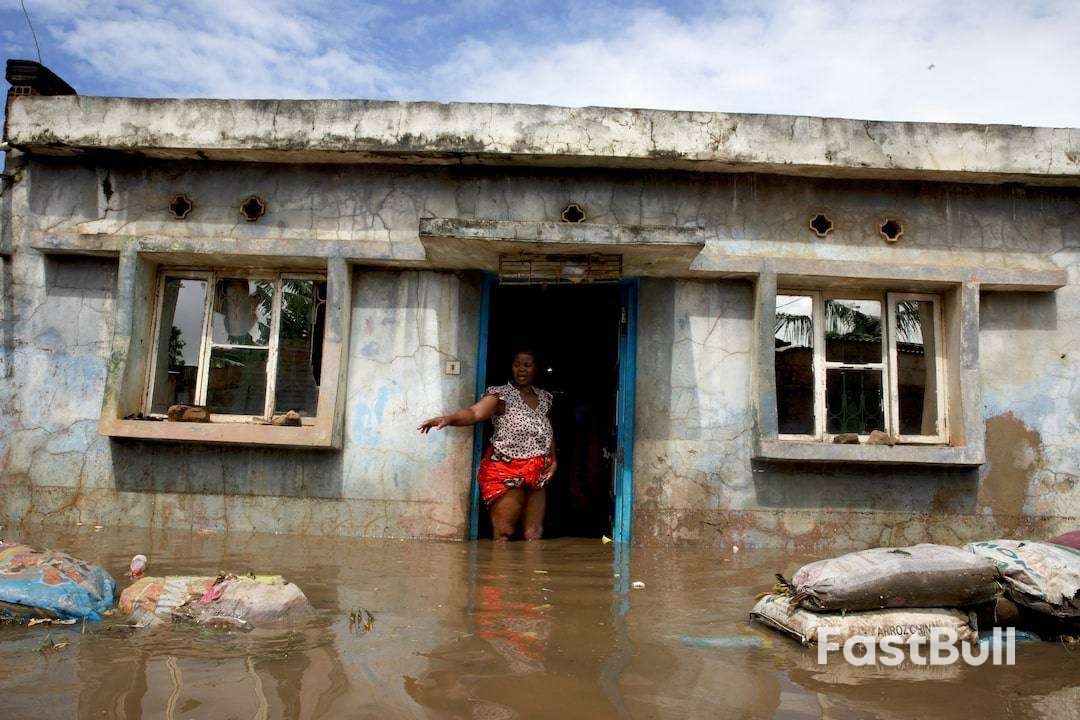
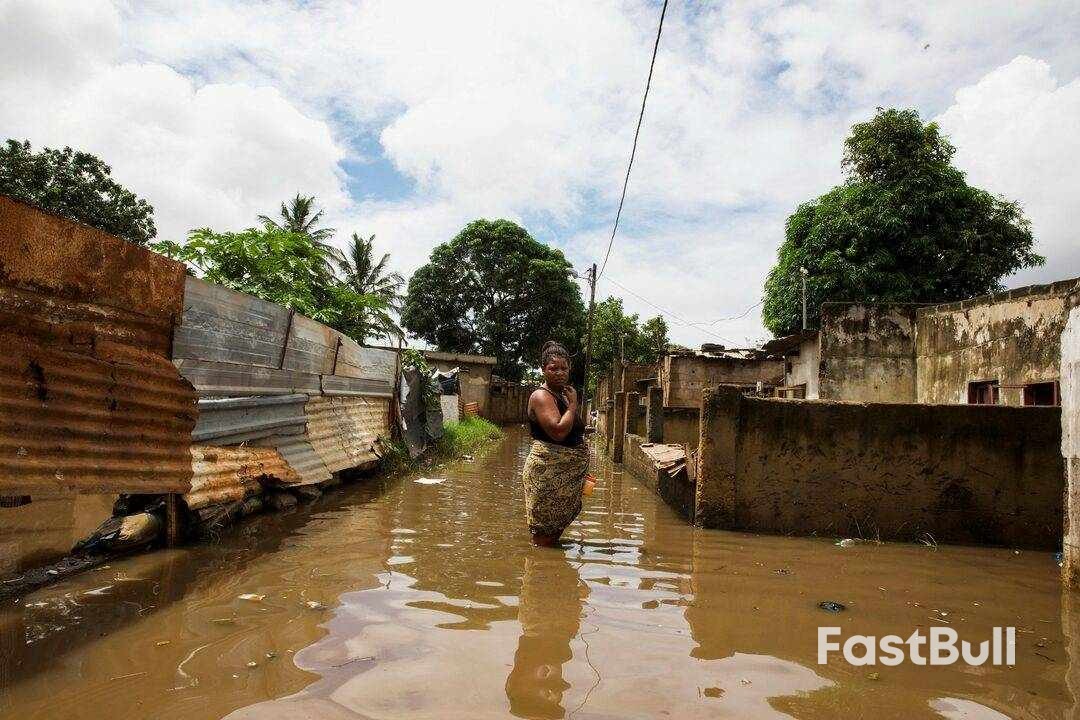
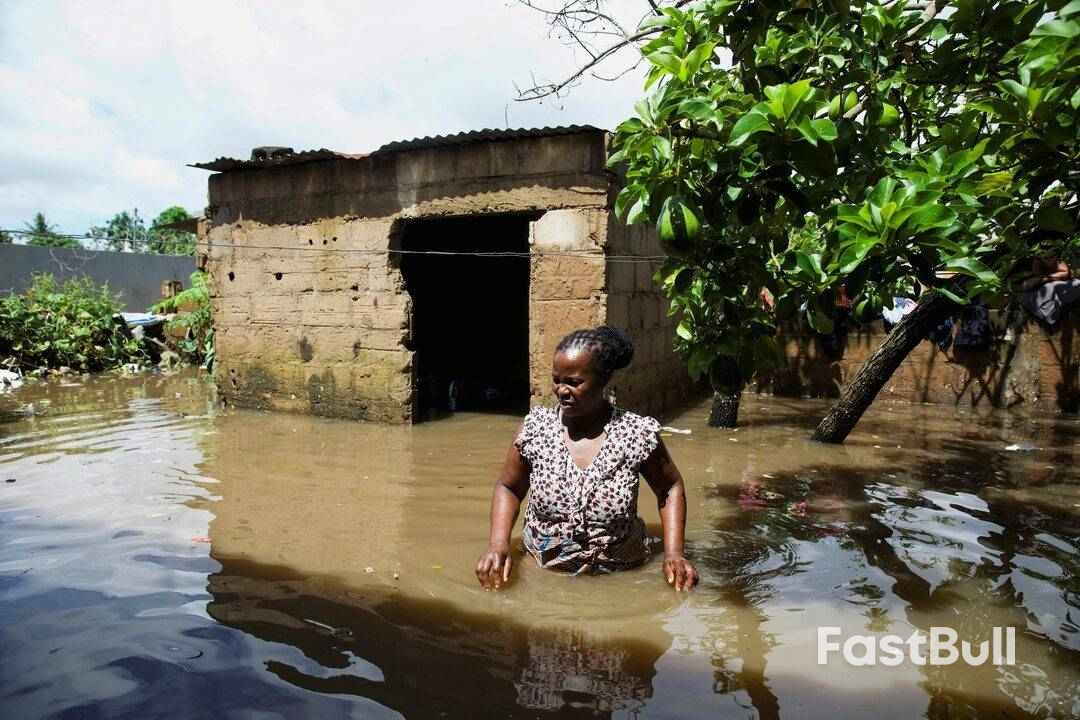
Severe floods from heavy rains have forced thousands to flee homes in Mozambique and left some stranded on roofs as surging waters swamp settlements, aid workers and witnesses said on Monday.
The floods have directly impacted more than 620,000 people, with over 72,000 houses flooded and widespread damage caused to roads, bridges and health centres, said the International Federation of Red Cross and Red Crescent Societies (IFRC), which is assisting with relief efforts.
"Rains are still expected to continue for the coming days, and the water dams are already at full capacity, so the situation could worsen, placing further people at risk," IFRC Program and Operations Manager Rachel Fowler told Reuters from the capital Maputo.
Red Cross volunteers have been using small fishing boats to reach survivors but access is becoming increasingly hard, Fowler added. Neighbouring South Africa has deployed an air force helicopter to help.
Hospital worker Celeste Maria told Reuters she and her family fled their home in Chokwe in the southern province of Gaza after authorities sent out flood warnings last week.
"Our home is now completely submerged ... We left behind neighbours who are now telling us they are sheltering on rooftops as the water continues to rise," the 25-year-old said by phone from a resettlement centre.
Aerial videos showed vast areas of land submerged in water, with only the tops of trees sticking out.


There were no immediate estimates of the number of people killed or injured in the latest flooding.
President Daniel Chapo cancelled his trip to the World Economic Forum in Davos and said on social media late on Sunday that "the absolute priority at this moment is to save lives".
The southern African country has been hit by frequent weather-related disasters that scientists say have been exacerbated by climate change.
Portuguese news agency Lusa quoted the National Director of Water Resources Management Agostinho Vilanculos comparing water levels last week to those in 2000 that killed some 700 people.
A spokesperson for Maputo Port, a commodities export hub, said operations were slower than usual but did not stop.
Petrochemical company Sasol (SOLJ.J) and logistics firm Grindrod (GNDJ.J), two major foreign businesses operating there, said their operations have not been affected at this stage.
Heavy rains have also affected parts of South Africa, including the northeast where the renowned Kruger National Park reopened on Monday after being closed for several days.
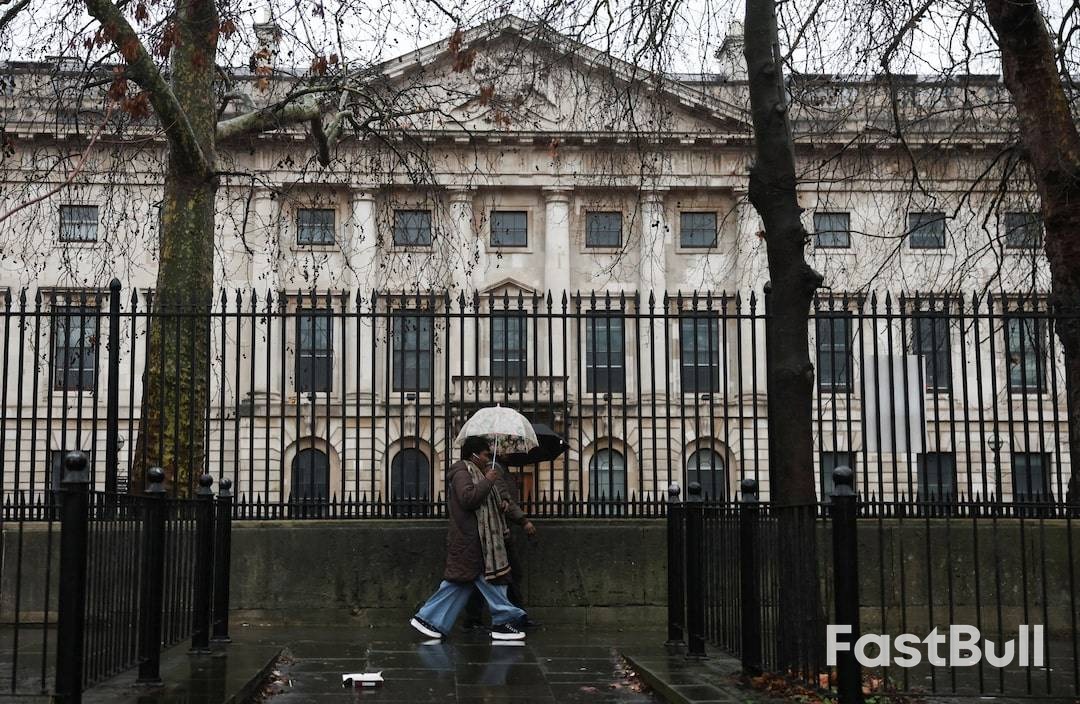
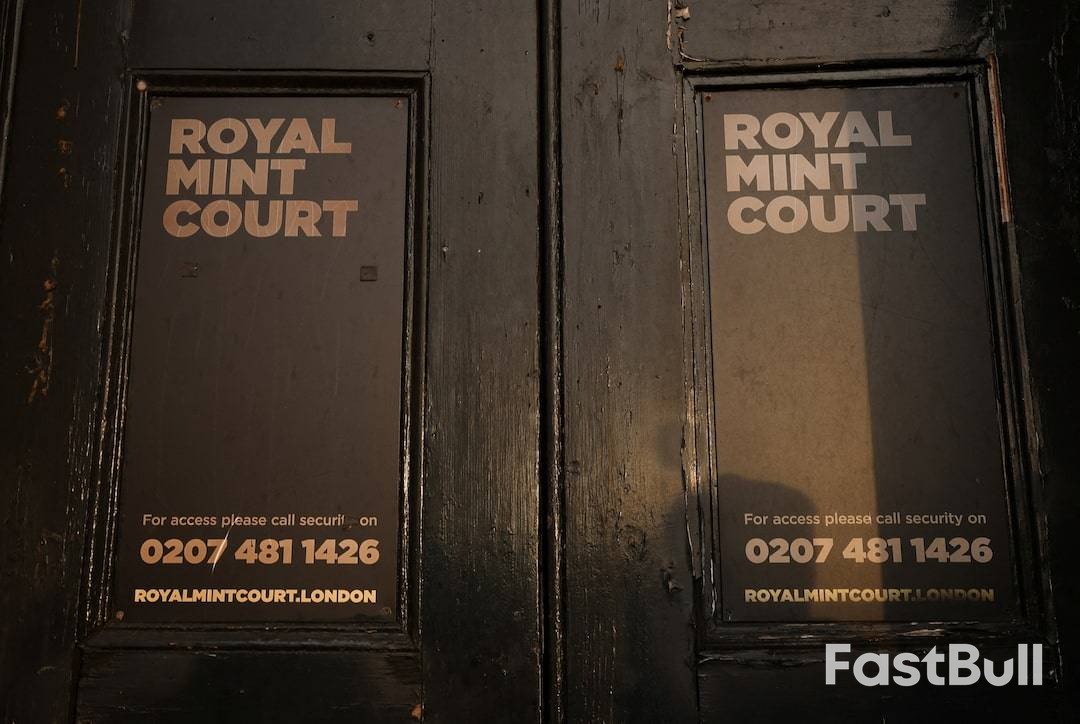
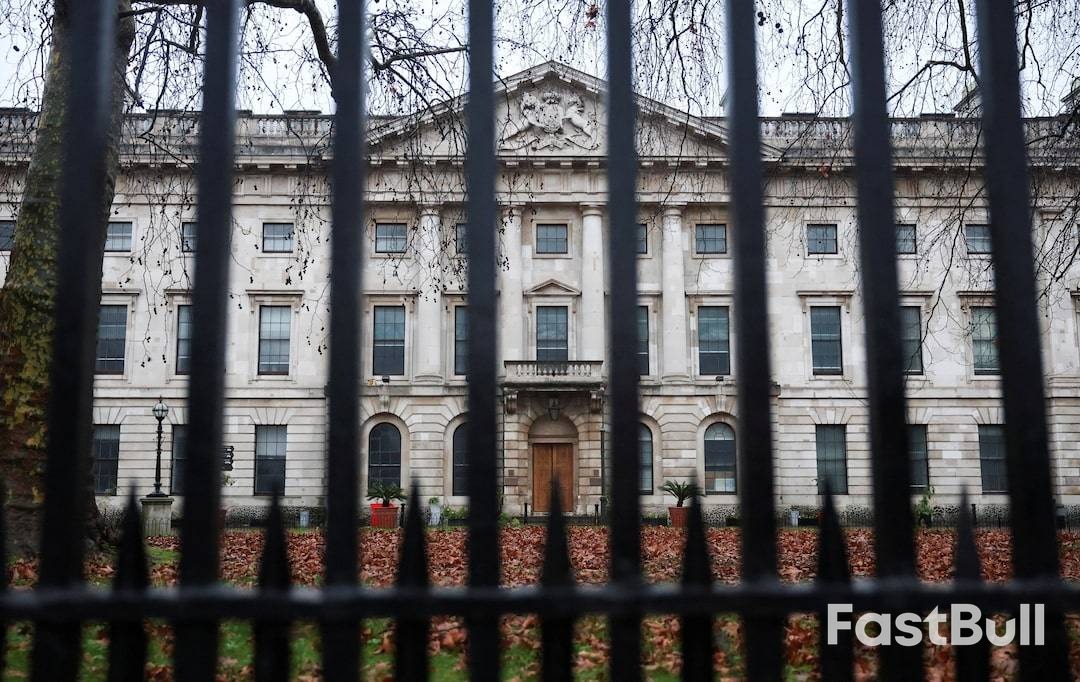
The British government has officially approved China's plan to construct its largest European embassy in London, ending a years-long stalemate over the controversial project. The decision aims to mend ties with Beijing but comes despite stark warnings from UK and US politicians that the facility could serve as a major hub for Chinese espionage.
The proposed embassy is set for the historic Royal Mint Court site near the Tower of London. For three years, the project was blocked by opposition from local residents, lawmakers, and pro-democracy activists from Hong Kong now living in Britain.

The timing of the approval is critical, coming just before Prime Minister Keir Starmer's expected visit to China this month—the first by a British leader since 2018. Some British and Chinese officials had indicated that the trip was conditional on the embassy project getting the green light.
"All material considerations were taken into account when making this decision," the government stated, adding, "The decision is now final unless it is successfully challenged in court."
China purchased the Royal Mint Court property in 2018, but its initial planning requests were rejected by the local council in 2022. The central government stepped in last year to take control of the decision-making process after Chinese President Xi Jinping reportedly asked Starmer to intervene.
The new embassy plan has been dogged by security concerns. Critics in both the UK and the US argue that China should not be allowed to build on a site so close to London's financial district. The primary fears include:
• Electronic Surveillance: The potential for Beijing to eavesdrop on sensitive financial data transmitted through fiber-optic cables running beneath the area.
• Increased Spy Presence: British security officials have warned that a significantly larger embassy would accommodate not only more diplomats but also a greater number of intelligence officers.

While the head of Britain's MI5 domestic spy agency suggested in October that any security risks could be managed, the agency has also highlighted the threat of Chinese attempts to recruit and cultivate influential figures within the British government. In November, MI5 issued a warning to lawmakers about Beijing’s efforts to interfere in UK politics.
The government's decision has drawn criticism, particularly after the recent collapse of a trial involving two British men accused of spying for China. Critics argue the government is prioritizing diplomatic relations over national security.
This approval is a key component of Prime Minister Starmer's effort to reset the UK's relationship with Beijing. It signals a shift in a foreign policy that has fluctuated dramatically over the past decade. After once aiming to be China's biggest supporter in Europe, Britain became one of its most vocal critics. Now, the pendulum is swinging back towards engagement.
Last month, Starmer emphasized that fostering closer business ties with China was in the UK's national interest.

The new embassy is set to be one of the largest diplomatic compounds in the world, with a planned footprint of approximately 55,000 square meters (600,000 square feet). This is nearly ten times the size of China's current embassy in central London and significantly larger than its embassy in the United States.
Before this week's decision, China had reportedly blocked Britain’s plans to expand its own embassy in Beijing. Chinese officials have maintained that when they purchased the Royal Mint Court site for £255 million ($343.54 million), they received assurances from the previous Conservative government that the embassy could be built.
Meanwhile, some local residents who oppose the project are now considering a judicial review to challenge the government's approval.
An escalating trade dispute between Europe and the United States is unlikely to have a major impact on the inflation outlook, according to European Central Bank Governing Council member Francois Villeroy de Galhau.
Speaking from the World Economic Forum in Davos, the Bank of France chief explained that tariffs implemented so far have not produced significant consequences for prices in the Eurozone. He told Bloomberg Television on Tuesday that any new levies would probably only have a "muted" influence.
Villeroy highlighted a key dynamic that could neutralize the inflationary pressure from new tariffs. While new duties could create a direct, limited increase in prices, this effect would likely be countered by another market force.
"There could be limited direct inflationary effect but there could be also an appreciation of the euro, which plays in the opposite direction," Villeroy said. A stronger euro would make imported goods cheaper, offsetting the price hikes from tariffs.
These comments arrive as transatlantic trade tensions are poised to re-emerge, fueled by Donald Trump's tariff threats over Greenland and European promises to retaliate.
The debate over risks to the 21-nation euro area economy continues, but ECB policymakers have kept interest rates on hold since June. The central bank has indicated little chance of a near-term policy change, judging the dangers to both inflation and growth to be broadly balanced.
This position is supported by an inflation rate running just short of the ECB's 2% target and an economy that has picked up its pace of expansion, even after weathering an initial trade storm in 2025.
Villeroy, who has previously adopted a more dovish stance than some of his colleagues, reiterated his call for the ECB to remain flexible in a globally uncertain environment.
"We are in a good place but I stress once more we should be agile and pragmatic," he stated. He emphasized that the risks pushing inflation down remain just as significant as those pushing it up, reinforcing a cautious outlook.
White Label
Data API
Web Plug-ins
Poster Maker
Affiliate Program
The risk of loss in trading financial instruments such as stocks, FX, commodities, futures, bonds, ETFs and crypto can be substantial. You may sustain a total loss of the funds that you deposit with your broker. Therefore, you should carefully consider whether such trading is suitable for you in light of your circumstances and financial resources.
No decision to invest should be made without thoroughly conducting due diligence by yourself or consulting with your financial advisors. Our web content might not suit you since we don't know your financial conditions and investment needs. Our financial information might have latency or contain inaccuracy, so you should be fully responsible for any of your trading and investment decisions. The company will not be responsible for your capital loss.
Without getting permission from the website, you are not allowed to copy the website's graphics, texts, or trademarks. Intellectual property rights in the content or data incorporated into this website belong to its providers and exchange merchants.
Not Logged In
Log in to access more features

FastBull Membership
Not yet
Purchase
Log In
Sign Up