• Trade
  • Markets
  • Copy
  • Contests
  • News
  • 24/7
  • Calendar
  • Q&A
  • Chats
Trending
Screeners
SYMBOL
LAST
BID
ASK
HIGH
LOW
NET CHG.
%CHG.
SPREAD
SPX
S&P 500 Index
6940.00
6940.00
6940.00
6967.31
6925.10
-4.47
-0.06%
--
DJI
Dow Jones Industrial Average
49359.32
49359.32
49359.32
49616.70
49246.24
-83.11
-0.17%
--
IXIC
NASDAQ Composite Index
23515.38
23515.38
23515.38
23664.26
23446.81
-14.63
-0.06%
--
USDX
US Dollar Index
99.150
99.230
99.150
99.250
98.920
+0.030
+ 0.03%
--
EURUSD
Euro / US Dollar
1.15978
1.15996
1.15978
1.16272
1.15843
-0.00114
-0.10%
--
GBPUSD
Pound Sterling / US Dollar
1.33765
1.33809
1.33765
1.34127
1.33660
-0.00042
-0.03%
--
XAUUSD
Gold / US Dollar
4596.43
4596.43
4596.43
4620.79
4536.73
-19.52
-0.42%
--
WTI
Light Sweet Crude Oil
59.195
59.224
59.195
60.010
58.781
+0.061
+ 0.10%
--

Community Accounts

Signal Accounts
--
Profit Accounts
--
Loss Accounts
--
View More

Become a signal provider

Sell trading signals to earn additional income

View More

Guide to Copy Trading

Get started with ease and confidence

View More

Signal Accounts for Members

All Signal Accounts

Best Return
  • Best Return
  • Best P/L
  • Best MDD
Past 1W
  • Past 1W
  • Past 1M
  • Past 1Y

All Contests

  • All
  • Trump Updates
  • Recommend
  • Stocks
  • Cryptocurrencies
  • Central Banks
  • Featured News
Top News Only
Share

China December Aluminium Imports Rise 7% Year-On-Year, Customs Data Shows

Share

[Bitcoin Falls Below $95,000, 24-Hour Change -0.49%] January 18Th, According To Htx Market Data, Bitcoin Dropped Below $95,000, With A 24-Hour Decrease Of 0.49%

Share

[Finnish President: US Should Resolve Differences Through Dialogue] Finnish President Stubb Stated On The 17th That The US's Imposition Of Tariffs On European Countries In Exchange For Greenland Will Damage Transatlantic Relations. He Urged The US To Resolve Differences Through Dialogue With Europe, Rather Than Unilateral Pressure. Stubb Posted On Social Media That The Best Way To Resolve Issues Is Through Dialogue, Not Pressure, And That Tariffs Will Damage Transatlantic Relations And Could Lead To A Dangerous Vicious Cycle

Share

Trump Wants Nations To Pay $1 Billion To Stay On His Peace Board

Share

EU's Kallas: We Cannot Let Our Dispute Distract US From The Our Core Task Of Helping To End Russia's War Against Ukraine

Share

EU's Kallas: Tariffs Risk Making Europe And The United States Poorer And Undermine Our Shared Prosperity

Share

EU's Kallas: If Greenland's Security Is At Risk, We Can Address This Inside NATO

Share

EU's Kallas: China And Russia Must Be Having A Field Day-. They Are The Ones Who Benefit From Divisions Among Allies

Share

MERCOSUR And The EU Formally Signed A Free Trade Agreement On July 17 In Asunción, The Capital Of Paraguay. This Marks A Decisive Step Towards Creating One Of The World's Largest Free Trade Areas. MERCOSUR And The EU Have A Market Of Over 700 Million People, And Their Combined GDP Accounts For Approximately 25% Of Global GDP. Under The Agreement, Both Sides Will Eliminate Tariffs On Over 90% Of Goods Traded Bilaterally And Establish Common Rules For Trade, Investment, And Regulatory Standards In Industrial And Agricultural Products. This Will Facilitate Access To Each Other's Markets For European Goods Such As Automobiles, Machinery, And Wine, As Well As MERCOSUR Goods Such As Meat, Sugar, Rice, Honey, And Soybeans

Share

[Greenland's Prime Minister, Dissatisfied With US Threats, Says: Our Future Is In Our Own Hands] On January 17, Greenland's Prime Minister Jens-Frederic Nilsson Participated In A Demonstration In Nuuk And Stated In His Speech, "Our Future Is In Our Own Hands." Several Political Figures, Including Former Prime Ministers Kim Kilsen And Mut Brup Egerd, Also Attended The Demonstration. Earlier That Day, The Demonstration In Nuuk, The Capital Of Greenland, Began As Planned. Greenlandic Police Stated That Sections Of The Road Leading To The US Consulate In Greenland Had Been Blocked, And Traffic Disruptions Were Expected In Many Parts Of Greenland. The Blockages Would Be Lifted After The Demonstrators Passed Through

Share

EU Diplomats: EU Ambassadors Summoned For Emergency Meeting In Brussels On Sunday On Greenland, New Trump Tariff Threats

Share

USA Central Command: USA Forces Kill Al-Qaeda Affiliate Leader Linked To ISIS Ambush On Americans In Syria

Share

UK Labour Party Leader Starmer: We Will Of Course Be Pursuing This Directly With The US Administration

Share

UK Labour Party Leader Starmer: Applying Tariffs On Allies For Pursuing Collective Security Of NATO Allies Is Completely Wrong

Share

EU Commission Chief Von Der Leyen: We Have Consistently Underlined Our Shared Transatlantic Interest In Peace And Security In The Arctic, Including Through NATO

Share

EU Commission Chief Von Der Leyen: Territorial Integrity And Sovereignty Are Fundamental Principles Of International Law

Share

Dutch Foreign Minister:Netherlands Is In Close Contact With The EU Commission And Partners On Our Response

Share

Dutch Foreign Minister: Netherlands Has Taken Note Of President Trump's Announcement On Tariffs

Share

German Auto Lobby Vda President Says Cost Of Trump's Threatened Additional Tariffs Would Be Enormous

Share

French President Macron: Tariffs Are Unacceptable And Have No Place In This Context

TIME
ACT
FCST
PREV
U.S. NY Fed Manufacturing New Orders Index (Jan)

A:--

F: --

P: --

U.S. NY Fed Manufacturing Employment Index (Jan)

A:--

F: --

P: --

U.S. Export Price Index YoY (Nov)

A:--

F: --

P: --

U.S. NY Fed Manufacturing Index (Jan)

A:--

F: --

P: --
U.S. Initial Jobless Claims 4-Week Avg. (SA)

A:--

F: --

P: --
U.S. Export Price Index MoM (Nov)

A:--

F: --

P: --

Canada Manufacturing Unfilled Orders MoM (Nov)

A:--

F: --

P: --

Canada Manufacturing New Orders MoM (Nov)

A:--

F: --

P: --

U.S. Philadelphia Fed Manufacturing Employment Index (Jan)

A:--

F: --

P: --

Canada Wholesale Sales YoY (Nov)

A:--

F: --

P: --

Canada Wholesale Inventory MoM (Nov)

A:--

F: --

P: --

U.S. Philadelphia Fed Business Activity Index (SA) (Jan)

A:--

F: --

P: --

U.S. EIA Weekly Natural Gas Stocks Change

A:--

F: --

P: --

Richmond Federal Reserve President Barkin delivered a speech.
U.S. Weekly Treasuries Held by Foreign Central Banks

A:--

F: --

P: --

Germany CPI Final MoM (Dec)

A:--

F: --

P: --

Germany CPI Final YoY (Dec)

A:--

F: --

P: --

Germany HICP Final MoM (Dec)

A:--

F: --

P: --

Germany HICP Final YoY (Dec)

A:--

F: --

P: --

Brazil PPI MoM (Nov)

A:--

F: --

P: --

Canada New Housing Starts (Dec)

A:--

F: --

P: --
U.S. Capacity Utilization MoM (SA) (Dec)

A:--

F: --

P: --
U.S. Industrial Output YoY (Dec)

A:--

F: --

P: --

U.S. Manufacturing Capacity Utilization (Dec)

A:--

F: --

P: --

U.S. Manufacturing Output MoM (SA) (Dec)

A:--

F: --

P: --
U.S. Industrial Output MoM (SA) (Dec)

A:--

F: --

P: --
U.S. NAHB Housing Market Index (Jan)

A:--

F: --

P: --

Russia CPI YoY (Dec)

A:--

F: --

P: --

U.S. Weekly Total Rig Count

A:--

F: --

P: --

U.S. Weekly Total Oil Rig Count

A:--

F: --

P: --

Japan Core Machinery Orders YoY (Nov)

--

F: --

P: --

Japan Core Machinery Orders MoM (Nov)

--

F: --

P: --

U.K. Rightmove House Price Index YoY (Jan)

--

F: --

P: --

China, Mainland GDP YoY (YTD) (Q4)

--

F: --

P: --

China, Mainland Industrial Output YoY (YTD) (Dec)

--

F: --

P: --

Japan Industrial Output Final MoM (Nov)

--

F: --

P: --

Japan Industrial Output Final YoY (Nov)

--

F: --

P: --

Euro Zone Core HICP Final MoM (Dec)

--

F: --

P: --

Euro Zone HICP Final MoM (Dec)

--

F: --

P: --

Euro Zone HICP Final YoY (Dec)

--

F: --

P: --

Euro Zone HICP MoM (Excl. Food & Energy) (Dec)

--

F: --

P: --

Euro Zone Core CPI Final YoY (Dec)

--

F: --

P: --

Euro Zone Core HICP Final YoY (Dec)

--

F: --

P: --

Euro Zone CPI YoY (Excl. Tobacco) (Dec)

--

F: --

P: --

Euro Zone Core CPI Final MoM (Dec)

--

F: --

P: --

Canada National Economic Confidence Index

--

F: --

P: --

Canada CPI MoM (SA) (Dec)

--

F: --

P: --

Canada Core CPI MoM (SA) (Dec)

--

F: --

P: --

Canada CPI YoY (SA) (Dec)

--

F: --

P: --

Canada Trimmed CPI YoY (SA) (Dec)

--

F: --

P: --

Canada CPI YoY (Dec)

--

F: --

P: --

Canada CPI MoM (Dec)

--

F: --

P: --

Canada Core CPI YoY (Dec)

--

F: --

P: --

Canada Core CPI MoM (Dec)

--

F: --

P: --

South Korea PPI MoM (Dec)

--

F: --

P: --

China, Mainland 1-Year Loan Prime Rate (LPR)

--

F: --

P: --

China, Mainland 5-Year Loan Prime Rate

--

F: --

P: --

Germany PPI YoY (Dec)

--

F: --

P: --

Germany PPI MoM (Dec)

--

F: --

P: --

U.K. 3-Month ILO Unemployment Rate (Nov)

--

F: --

P: --

Q&A with Experts
    • All
    • Chatrooms
    • Groups
    • Friends
    adam flag
    two..
    adam flag
    Please help
    Everthguti flag
    Maj Eb
    I want money
    @Maj Ebwe all want money 💰
    adam flag
    SlowBear ⛅
    @SlowBear ⛅where are you from?
    3213319 flag
    All my DEAR FRIEND ENJOY LIFE AND WIFE
    Everthguti flag
    Maj Eb
    I am looking for money to help my family; I am a poor man.
    We all seek that. It's just not as easy as one might think.
    Everthguti flag
    With dedication, knowledge, and investment, it can be achieved
    Hendri flag
    I am practicing gratitude, patience and sincerity with life 😊
    3339309 flag
    Hendri
    I am practicing gratitude, patience and sincerity with life 😊
    @Hendri😃😃
    ifan afian flag
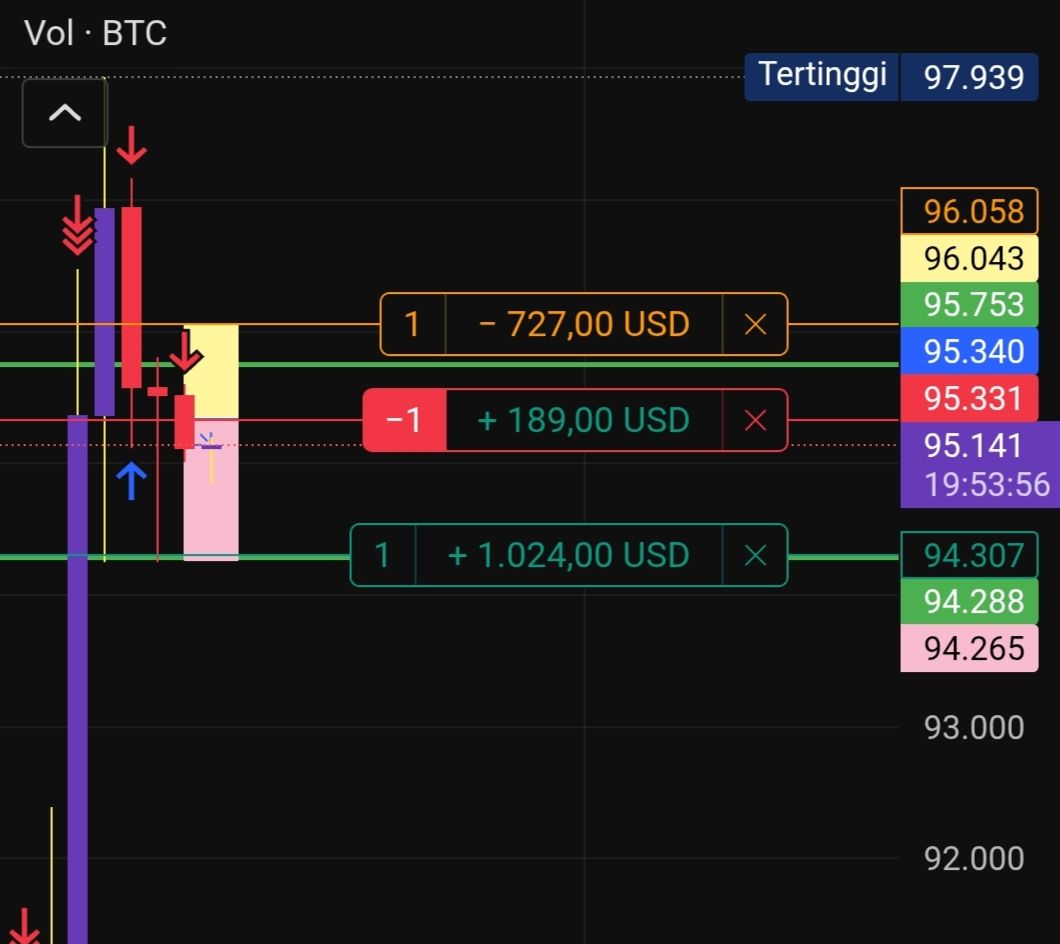
    How are you BTC? The buy limit is still the same as my spot.
    ifan afian flag
    patiently waiting at D1 🫣
    dimas eyhh flag
    adam
    Please help
    @adambang
    ERAGONEsp09 flag
    ifan afian
    How are you BTC? The buy limit is still the same as my spot.
    @ifan afianI'm still floating sell, my friend. Yes, it's easy to be targeted.
    ERAGONEsp09 flag
    M36Q8RKR1X flag
    M36Q8RKR1X flag
    👍
    M36Q8RKR1X flag
    EA available for rent. Ib.
    john flag
    ifan afian
    patiently waiting at D1 🫣
    @ifan afian the way it's holding up it might be heading back to 100k
    d1ego.eth flag
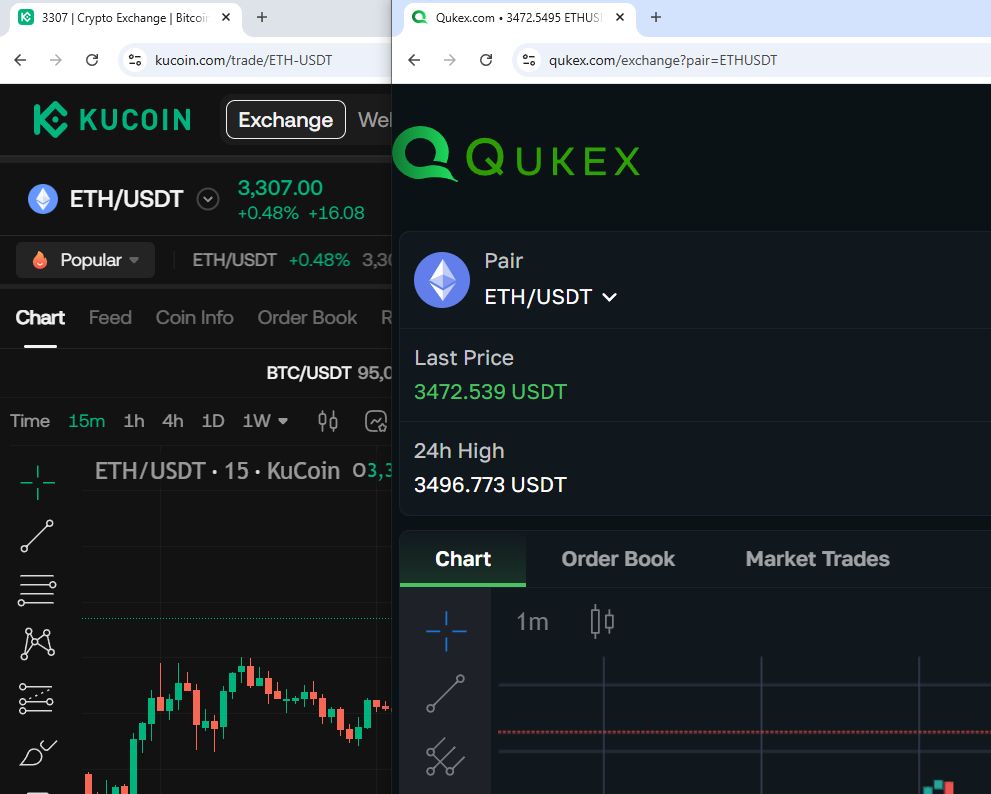
    Buy ETH with price 3,307 USDT on KuСoin Sell ETH with price 3,472 USDT on Quеkex Profit per trade - 4,61% / 165 USDT
    d1ego.eth flag
    Type here...
    Add Symbol or Code

      No matching data

      All
      Trump Updates
      Recommend
      Stocks
      Cryptocurrencies
      Central Banks
      Featured News
      • All
      • Russia-Ukraine Conflict
      • Middle East Flashpoint
      • All
      • Russia-Ukraine Conflict
      • Middle East Flashpoint
      Search
      Products

      Charts Free Forever

      Chats Q&A with Experts
      Screeners Economic Calendar Data Tools
      Membership Features
      Data Warehouse Market Trends Institutional Data Policy Rates Macro

      Market Trends

      Market Sentiment Order Book Forex Correlations

      Top Indicators

      Charts Free Forever
      Markets

      News

      News Analysis 24/7 Columns Education
      From Institutions From Analysts
      Topics Columnists

      Latest Views

      Latest Views

      Trending Topics

      Top Columnists

      Latest Update

      Signals

      Copy Rankings Latest Signals Become a signal provider AI Rating
      Contests
      Brokers

      Overview Brokers Assessment Rankings Regulators News Claims
      Broker listing Forex Brokers Comparison Tool Live Spread Comparison Scam
      Q&A Complaint Scam Alert Videos Tips to Detect Scam
      More

      Business
      Events
      Careers About Us Advertising Help Center

      White Label

      Data API

      Web Plug-ins

      Affiliate Program

      Awards Institution Evaluation IB Seminar Salon Event Exhibition
      Vietnam Thailand Singapore Dubai
      Fans Party Investment Sharing Session
      FastBull Summit BrokersView Expo
      Recent Searches
        Top Searches
          Markets
          News
          Analysis
          User
          24/7
          Economic Calendar
          Education
          Data
          • Names
          • Latest
          • Prev

          View All

          No data

          Scan to Download

          Faster Charts, Chat Faster!

          Download App
          English
          • English
          • Español
          • العربية
          • Bahasa Indonesia
          • Bahasa Melayu
          • Tiếng Việt
          • ภาษาไทย
          • Français
          • Italiano
          • Türkçe
          • Русский язык
          • 简中
          • 繁中
          Open Account
          Search
          Products
          Charts Free Forever
          Markets
          News
          Signals

          Copy Rankings Latest Signals Become a signal provider AI Rating
          Contests
          Brokers

          Overview Brokers Assessment Rankings Regulators News Claims
          Broker listing Forex Brokers Comparison Tool Live Spread Comparison Scam
          Q&A Complaint Scam Alert Videos Tips to Detect Scam
          More

          Business
          Events
          Careers About Us Advertising Help Center

          White Label

          Data API

          Web Plug-ins

          Affiliate Program

          Awards Institution Evaluation IB Seminar Salon Event Exhibition
          Vietnam Thailand Singapore Dubai
          Fans Party Investment Sharing Session
          FastBull Summit BrokersView Expo

          Crude Oil's Tug-of-War: Geopolitics vs. Fundamentals

          Dark Current

          Data Interpretation

          Commodity

          Political

          Economic

          Russia-Ukraine Conflict

          Traders' Opinions

          Middle East Situation

          Energy

          Summary:

          Oil prices are caught between ample supply and geopolitical threats, making their direction increasingly uncertain.

          Crude oil’s recent rally, fueled by fears of U.S. military action against Iran, has stalled. The brief surge sent both Brent and WTI crude to multi-month highs, directly challenging bearish market forecasts. This has left traders caught in a classic conflict between explosive geopolitical risks and a sobering supply-and-demand reality.

          The Bear Case: A Market Awash in Supply

          The fundamental outlook for oil remains overwhelmingly bearish. A broad consensus among analysts points to a market where supply significantly outpaces demand.

          Reinforcing this view, Goldman Sachs recently revised its 2026 price predictions downward. The bank now anticipates Brent crude will fall even further, projecting a market surplus of 2.3 million barrels per day in 2026. The firm stated that "rebalancing the market likely requires lower oil prices in 2026 to slow down non-OPEC supply growth and support solid demand growth," a forecast made even as tensions in Iran were pushing prices higher.

          Adding to the supply-side pressure, the United States has effectively taken control of Venezuela's oil industry and has begun selling its crude. A U.S. official confirmed the first batch was sold for $500 million, with more sales expected to follow. While oil executives have cautioned against expecting a rapid recovery in Venezuelan output, the new supply stream strengthens the case for lower prices.

          Meanwhile, the European Union is reportedly planning to tighten its price cap on Russian oil to $44.10 per barrel starting next month. The goal is to further crimp Russia's oil revenues by linking Western insurance coverage to the cap. Although previous caps have had limited impact on Russia's budget, the EU remains committed to the strategy.

          The Bull Case: Geopolitical Flashpoints Escalate

          While fundamentals point downward, geopolitical flare-ups are creating significant upside risk.

          The initial price spike was driven by signals from President Donald Trump that a military strike against Iran was possible. Prices began to retreat only when the U.S. president noted that the Iranian government was easing its crackdown on protesters, reducing the immediate likelihood of conflict. This quick reversal demonstrates the market's underlying sensitivity to the supply glut narrative.

          Supply disruption fears have also been stoked by drone strikes on three tankers in the Black Sea. According to a Reuters source, these attacks, which included strikes on the Caspian Pipeline Consortium by Ukrainian forces, caused Kazakhstan's oil output to drop by 35% in the first two weeks of January. In response, Kazakhstan has asked the United States and the EU to help secure the vital oil transport route.

          The US Shale Factor: Is the Growth Story Over?

          Despite the focus on global events, a major shift is occurring in the U.S. shale patch—a development the market seems to be ignoring.

          For years, rapid growth in U.S. oil production has been the primary driver of bearish sentiment. However, that growth is now disappearing. The U.S. Energy Information Administration (EIA), in its latest Short-Term Energy Outlook, forecasts that domestic oil production will flatten this year and even decline into 2027.

          Shale drillers have also signaled they are not comfortable with WTI prices closer to $50 than $60, suggesting a slowdown in activity. Yet, the market has so far overlooked the end of this significant growth driver, clinging to the belief that the world is already oversupplied.

          Deconstructing the "Glut": A Closer Look at the Data

          Data appears to support the oversupply argument. According to Kpler, there were approximately 1.3 billion barrels of crude on the water in December, the highest level since the 2020 pandemic lockdowns.

          However, a closer look complicates this picture. As noted by Reuters columnist Ron Bousso, a quarter of this floating storage comes from sanctioned producers: Russia, Iran, and Venezuela. Oil from these countries takes longer to find buyers, meaning the high volume of tankers at sea may not be an accurate indicator of a true physical glut.

          Furthermore, recently released data shows that China's oil imports hit an all-time high in both December and for the full year of 2025. This record demand from the world's largest importer directly challenges the narrative of a simple oversupply.

          With conflicting narratives and clashing agendas, the oil market has become an exceptionally confusing and unpredictable environment. Forecasting prices has always been difficult, but the current divergence between fundamentals and geopolitics makes it more unreliable than ever.

          To stay updated on all economic events of today, please check out our Economic calendar
          Risk Warnings and Disclaimers
          You understand and acknowledge that there is a high degree of risk involved in trading. Following any strategies or investment methods may lead to potential losses. The content on the site is provided by our contributors and analysts for information purposes only. You are solely responsible for determining whether any trading assets, securities, strategy, or any other product is suitable for investing based on your own investment objectives and financial situation.
          Add to Favorites
          Share

          Israel Rejects US-Led Gaza Governance Board

          James Riley

          Latest news on the Israeli-Palestinian conflict

          Remarks of Officials

          Middle East Situation

          Palestinian-Israeli conflict

          The Trump administration's plan for post-war Gaza has hit a significant snag, with Israel formally objecting to the composition of a newly announced "Board of Peace" intended to oversee the territory's transitional government. The move signals a major diplomatic rift over the second phase of a US-brokered peace initiative.

          On Friday, US President Donald Trump revealed the members of a high-profile body designed to manage the war-torn Palestinian territory following a ceasefire agreement that began in October.

          Trump Unveils Two-Tier Governance Structure

          The plan establishes a two-part governance framework. The top body is the seven-member "founding executive board," chaired by President Trump himself. Its members include:

          • US Secretary of State Marco Rubio

          • Trump's special envoy Steve Witkoff

          • Former British Prime Minister Tony Blair

          • Trump's son-in-law Jared Kushner

          • World Bank President Ajay Banga

          Subordinate to this is a "Gaza executive board," which a White House statement said "will help support effective governance and the delivery of best-in-class services."

          This second board includes Witkoff, Kushner, and Blair, alongside Turkish Foreign Minister Hakan Fidan and Qatari diplomat Ali Al-Thawadi. The inclusion of officials from Turkey and Qatar is notable, as both nations have been critical of Israel's military operations in Gaza since the attacks of October 7, 2023.

          Israel Cites Lack of Coordination

          Israel’s response was swift and negative. Prime Minister Benjamin Netanyahu's office declared that the board's composition "was not coordinated with Israel and runs contrary to its policy."

          The statement confirmed that Netanyahu has directed Foreign Minister Gideon Saar to communicate Israel's reservations directly to US Secretary of State Marco Rubio. However, the official communication did not specify the exact nature of the prime minister's objections.

          The Palestinian militant group Islamic Jihad also criticized the board's makeup. The group, considered a terrorist organization by the US and other countries, argued the body was formed "in accordance with Israeli criteria and to serve the interests of the occupation," signaling what it called "preexisting bad intentions."

          A Fragile Peace Plan Under Strain

          This new board is a central element of the second phase of the US peace plan. The first phase was a ceasefire that took effect on October 10. Since then, the agreement has been fragile, with both sides accusing each other of violations.

          Key points of contention remain. Israel has continued to restrict aid into the Gaza Strip while conducting attacks. Meanwhile, Hamas—designated a terrorist organization by the US, EU, Germany, and some Arab states—has refused to meet Israel's non-negotiable demand to disarm.

          Risk Warnings and Disclaimers
          You understand and acknowledge that there is a high degree of risk involved in trading. Following any strategies or investment methods may lead to potential losses. The content on the site is provided by our contributors and analysts for information purposes only. You are solely responsible for determining whether any trading assets, securities, strategy, or any other product is suitable for investing based on your own investment objectives and financial situation.
          Add to Favorites
          Share

          MWL Endorses Phase Two of Gaza Peace Plan

          Ukadike Micheal

          Political

          Latest news on the Israeli-Palestinian conflict

          Remarks of Officials

          Palestinian-Israeli conflict

          Middle East Situation

          The Muslim World League (MWL) has officially backed the launch of the second phase of a comprehensive peace plan for Gaza, signaling its support for a new framework that includes establishing a Peace Council and a National Committee for the Administration of Gaza.

          In a statement released on Saturday, the organization praised the international efforts aimed at ending the war and fostering long-term stability in the Palestinian territories.

          Key Endorsements and Demands

          The MWL specifically commended the commitments made by US President Donald Trump, citing his pledge to ensure the withdrawal of Israeli forces from Gaza and prevent the annexation of any part of the occupied West Bank.

          MWL Secretary-General Mohammed Al-Issa urged all parties to fully comply with the plan's requirements, calling for a "serious and firm response" to any violations. Al-Issa also highlighted two critical conditions for success:

          • Humanitarian Access: Ensuring sufficient and unimpeded humanitarian aid reaches Gaza.

          • PA's Return: Supporting the Palestinian National Authority's return to its administrative responsibilities in the territory.

          He stated these efforts are vital for ending the cycles of conflict and establishing a just and comprehensive peace consistent with international resolutions and the New York Declaration for a two-state solution.

          How the New Administration Will Work

          This second phase of the peace initiative builds on a prior ceasefire and introduces a new governance structure. A US-led board is set to oversee Gaza's post-war administration.

          Several key figures have been appointed to steer the process. Former British Prime Minister Tony Blair was given a key role, while a US officer has been tapped to lead a developing security force.

          The announcement came after a meeting in Cairo attended by Jared Kushner, President Trump's senior Middle East adviser, and a Palestinian committee of technocrats assigned to govern Gaza. A central goal of the plan is to drive economic development in the region, which has sustained extensive damage during more than two years of Israeli bombardment.

          Risk Warnings and Disclaimers
          You understand and acknowledge that there is a high degree of risk involved in trading. Following any strategies or investment methods may lead to potential losses. The content on the site is provided by our contributors and analysts for information purposes only. You are solely responsible for determining whether any trading assets, securities, strategy, or any other product is suitable for investing based on your own investment objectives and financial situation.
          Add to Favorites
          Share

          Cuba's Energy Crisis Deepens as US Cuts Off Oil Supply

          James Riley

          Commodity

          Political

          Remarks of Officials

          Economic

          Energy

          Daily News

          Cuba's long-simmering energy crisis is escalating as a U.S. intervention in Venezuela severs a critical fuel lifeline. With its primary oil supplier now cut off, Havana faces immense pressure to find a solution. While oil-rich neighbors like Mexico are providing short-term relief, Cuba must secure a long-term energy strategy to achieve stability and end years of economic strain.

          A Nation in the Dark: Cuba's Failing Power Grid

          For months, Cubans have endured near-daily blackouts and gas shortages. The crisis stems from chronic underinvestment in the nation's electrical transmission network, causing power plants to operate well below capacity and leaving supply unable to meet demand.

          The situation has forced residents to purchase charcoal stoves, rechargeable batteries, and fans—items many can barely afford. The grid's fragility was laid bare in March of last year when a nationwide collapse left most of the island's 10 million people without electricity. While major tourist hotels switched to generators, much of the population was left in the dark, fueling mass protests demanding government action.

          Venezuela's Oil Lifeline Is Severed

          Venezuela has been one of Cuba's most important energy partners. Despite its own declining output, Venezuela’s state-run PDVSA shipped an average of 26,500 barrels per day (bpd) to Cuba last year, covering approximately 50% of the island's oil deficit. In 2025, trade with Venezuela accounted for about 10% of Cuba's total.

          However, reports indicate that no oil tankers have departed from Venezuelan ports for Cuba since a U.S. intervention there earlier this month. The U.S. attack also resulted in the deaths of thirty-two members of Cuba's armed forces and intelligence services.

          Washington's Ultimatum and Havana's Defiance

          Following the intervention, President Donald Trump issued a stark warning, urging Cuba to negotiate with Washington to secure future oil supplies from Venezuela.

          "THERE WILL BE NO MORE OIL OR MONEY GOING TO CUBA – ZERO!" Trump posted on his Truth Social platform. "I strongly suggest they make a deal, BEFORE IT IS TOO LATE."

          He later added that Cuba had long received oil and money from Venezuela in exchange for providing "Security Services" to its leaders. "But not anymore!" he wrote, stating that Venezuela is now protected by the United States military.

          Cuban President Miguel Diaz-Canel countered on X, formerly Twitter: "Cuba is a free, independent and sovereign nation. No one tells us what to do." He noted that Cuba has been attacked by the U.S. for 66 years and is prepared to defend itself. Cuban Foreign Minister Bruno Rodriguez affirmed the country's right to import fuel from any willing supplier.

          Mexico Steps In as Cuba's New Top Oil Supplier

          With Venezuelan oil halted, Mexico has emerged as Cuba's leading supplier. According to a Financial Times report, Mexico surpassed Venezuela in 2025. Mexican President Claudia Sheinbaum stated that her country is not shipping significantly more oil to Cuba than in the past but acknowledged its new role. "Of course, with the current situation in Venezuela, Mexico has obviously become an important supplier," she said. "Before, it was Venezuela."

          In 2025, Mexico sent an estimated daily average of 12,284 bpd of crude to Cuba, making up 44% of the island's crude imports. Venezuela's exports for the same period were estimated at 9,528 bpd, or 34% of Cuba's imports.

          Geopolitical Pressure Shifts to Mexico

          Mexico's support for Cuba has not gone unnoticed by the Trump administration. With a review of the North American USMCA free trade agreement approaching, pressure is mounting on President Sheinbaum to cut back shipments.

          Florida Republican Congressman Carlos Giménez issued a direct threat. "Make no mistake: if the Sheinbaum government continues to give away free oil to the terrorist dictatorship in Havana, there will be serious consequences as we renegotiate the USMCA."

          As tensions rise, both Cuba and Mexico find themselves in a difficult position. President Trump is pushing Havana toward a deal to restore its energy supply, while Mexico faces economic repercussions for providing a crucial lifeline to its Caribbean neighbor.

          To stay updated on all economic events of today, please check out our Economic calendar
          Risk Warnings and Disclaimers
          You understand and acknowledge that there is a high degree of risk involved in trading. Following any strategies or investment methods may lead to potential losses. The content on the site is provided by our contributors and analysts for information purposes only. You are solely responsible for determining whether any trading assets, securities, strategy, or any other product is suitable for investing based on your own investment objectives and financial situation.
          Add to Favorites
          Share

          Trump Officials Push Deregulation to Cut Car Prices

          Isaac Bennett

          Remarks of Officials

          Economic

          Energy

          Political

          Top officials from the Trump administration are promoting their strategy to lower vehicle costs by rolling back emissions regulations, arguing that affordability is a primary concern for American buyers.

          Transportation Secretary Sean Duffy, EPA Administrator Lee Zeldin, and U.S. Trade Representative Jamieson Greer made the case during a tour of the Detroit Auto Show. Their visit was the final stop on a two-day trip through the Midwest that also included visits to a Ford truck factory and a Stellantis Jeep plant in Ohio.

          The administration has been systematically reversing electric vehicle policies established under former President Joe Biden.

          "These rules will bring car prices down and allow car companies to offer products that Americans want to buy," Duffy stated. "This is not a war on EVs at all... We shouldn't use government policy to encourage EV purchases all the while penalizing combustion engines."

          Tackling Inflation Ahead of Midterm Elections

          The policy push comes as President Donald Trump confronts economic challenges one year into his term and with midterm elections approaching in November. A key campaign promise was to quickly address rising prices for consumers.

          Recent data highlights the affordability challenge. According to research firm Cox Automotive, the average transaction price for a new car reached a record $50,326 in December, driven by strong sales of more expensive trucks and SUVs and a decline in available entry-level models.

          A Strategy of Rolling Back Green Mandates

          Last year, President Trump signed legislation that made several key changes to auto industry regulations:

          • It eliminated the $7,500 federal tax credit for electric vehicles.

          • It rescinded California's authority to set its own EV rules.

          • It canceled penalties for automakers that fail to meet fuel efficiency requirements.

          Zeldin argued that the government "should not be forcing, requiring, mandating that the market go in a direction other than what the American consumer is demanding."

          Despite these policy shifts and steep tariffs imposed by Trump on imported vehicles and parts, new U.S. vehicle sales increased by 2.4% in 2025, reaching 16.2 million units.

          Critics Warn of Higher Costs for Drivers

          Democrats and environmental advocates argue that the administration's policies, including auto tariffs and the removal of EV incentives, will ultimately hurt consumers.

          "The oil industry will rake in billions more from cash-strapped Americans who can't afford to spend more to fuel up their car or truck," said Kathy Harris, director of clean vehicles at the environmental group NRDC.

          However, Greer countered that car prices are already trending downward and claimed that tariffs are not being passed on to buyers. "Whatever effects those tariffs may have on various parts of the supply chain, they're not really getting down to the consumer," he said.

          The $930 Savings vs. The $185 Billion Fuel Bill

          The administration's own data illustrates the central trade-off of its policy. In December, the U.S. Department of Transportation (USDOT) proposed reversing Biden-era fuel efficiency standards that had pushed automakers toward EVs.

          The USDOT estimates its proposal would reduce the average upfront cost of a new vehicle by $930. However, the department also projects that the change would increase national fuel consumption by as much as 100 billion gallons through 2050, potentially costing Americans an additional $185 billion at the pump over that period.

          The EPA is also expected to finalize a rule in the coming weeks that will eliminate vehicle tailpipe emissions requirements.

          To stay updated on all economic events of today, please check out our Economic calendar
          Risk Warnings and Disclaimers
          You understand and acknowledge that there is a high degree of risk involved in trading. Following any strategies or investment methods may lead to potential losses. The content on the site is provided by our contributors and analysts for information purposes only. You are solely responsible for determining whether any trading assets, securities, strategy, or any other product is suitable for investing based on your own investment objectives and financial situation.
          Add to Favorites
          Share

          China and Russia's Global Nuclear Power Play

          Michael Ross

          Remarks of Officials

          Economic

          Energy

          Political

          China and Russia are cementing their control over the global nuclear power market, initiating 90% of all new atomic plant construction last year. Through state-led development, Beijing and Moscow are not only building out their domestic power grids but also expanding their international influence by exporting nuclear technology to emerging nations.

          Analysis of data from the World Nuclear Association and the International Atomic Energy Agency reveals a stark trend. Of the nine large-scale nuclear power plants that broke ground in the last year, seven are in China, one is in Russia, and just one is in South Korea.

          A New Nuclear Duopoly

          Over the past decade, China and Russia have systematically cornered the nuclear construction industry. Since 2016, more than 90% of the 63 nuclear power plants started worldwide were of Chinese or Russian design. The only exceptions were five projects in South Korea and the United Kingdom.

          This two-nation dominance signals a major shift in the global energy and geopolitical landscape, with long-term implications for technology standards and international alliances.

          China's Push for Domestic Supremacy

          China is aggressively scaling its domestic nuclear capacity, with 27 reactors currently under construction, according to its Ministry of Ecology and Environment. A government-affiliated industry group projects that China's nuclear generation capacity will hit 110 gigawatts by 2030, a move that would see it overtake the United States as the world's top nuclear power producer.

          The Chinese government is accelerating this expansion, having approved plans for 10 new reactors across five locations in April of last year. Nuclear power is forecast to supply 10% of the nation's energy mix by 2040, a significant jump from just under 5% in 2024.

          With approximately 60 operational reactors and a generating capacity of around 64 gigawatts, China's nuclear fleet is already on par with that of France, the world's second-largest producer. The country's technological self-sufficiency is also growing, with many new reactors being the Hualong One type—a design China claims as its own. Six are already online in China, with two more operating in Pakistan.

          Innovating with Small Modular Reactors

          Beyond large-scale plants, China is developing small modular reactors (SMRs), which require less initial investment. State-owned China National Nuclear Corporation successfully conducted a cooling test in October for its Linglong One SMR in Hainan province. This 125-megawatt reactor is scheduled to become operational this year.

          Russia's Export-Focused Strategy

          While building at home, Russia is primarily focused on exporting its nuclear technology to emerging economies. Over the last ten years, state-owned nuclear giant Rosatom has begun constructing 19 Russian-designed plants overseas in countries like Turkey, Bangladesh, and Egypt.

          These projects are highly strategic, locking in relationships that can last for nearly a century—spanning design, construction, fuel supply, maintenance, and eventual decommissioning.

          However, Moscow's ambitions face headwinds. Economic sanctions imposed following the invasion of Ukraine have caused delays and financial difficulties for projects abroad. A high-profile plant in Turkey, for example, has missed its original 2023 start date due to funding issues.

          Like China, Russia is also pursuing SMR technology. President Vladimir Putin stated at a conference in November that small reactors would "move into mass production," emphasizing Russia's independent technological capabilities.

          The US Scrambles to Catch Up

          The United States has been largely dormant in the sector, having built no new commercial nuclear plants since 2013. The Trump administration, however, has signaled a renewed push. In May, President Donald Trump signed an executive order aiming to begin construction on 10 large reactors by 2030, with manufacturers like Westinghouse Electric under consideration.

          "Thanks to President Trump, America's nuclear renaissance is here," Energy Secretary Chris Wright posted on social media this month.

          AI Boom Fuels Demand for Nuclear Energy

          A key driver for this renewed US interest is the recent surge in electricity demand, largely fueled by the artificial intelligence boom. Data centers require a constant, 24/7 power supply that cannot be met by intermittent renewable sources alone.

          The US is also heavily invested in SMR development. In early December, the Trump administration announced $400 million in funding for the Tennessee Valley Authority (TVA) and other organizations to advance this technology.

          TVA, a government-affiliated utility, plans to adopt an SMR developed by a joint venture between GE Vernova and Hitachi, targeting operation as early as 2032. The utility is also exploring a partnership with US-based NuScale Power to potentially deploy around 70 SMR units with a total capacity of 6 gigawatts. NuScale, which has received investment from Japanese firms like IHI, may use Japanese-made parts in its reactors.

          A Second Nuclear Renaissance

          The global energy landscape is pointing toward a "second nuclear renaissance." The first wave in the 2000s and 2010s, driven by decarbonization goals, was largely halted by the 2011 Fukushima Daiichi nuclear accident, which eroded public confidence in nuclear safety.

          Today, the combination of geopolitical competition and the massive energy demands of artificial intelligence is once again making a compelling case for nuclear power, setting the stage for a new era of atomic energy development.

          To stay updated on all economic events of today, please check out our Economic calendar
          Risk Warnings and Disclaimers
          You understand and acknowledge that there is a high degree of risk involved in trading. Following any strategies or investment methods may lead to potential losses. The content on the site is provided by our contributors and analysts for information purposes only. You are solely responsible for determining whether any trading assets, securities, strategy, or any other product is suitable for investing based on your own investment objectives and financial situation.
          Add to Favorites
          Share

          US Bitcoin Reserve Hits Legal Snags Amid Crypto Backlash

          Patrick Turner

          Remarks of Officials

          Cryptocurrency

          Economic

          Political

          The United States is facing "obscure" legal hurdles in its plan to establish a strategic Bitcoin reserve, according to Patrick Witt, director of the White House Crypto Council. The initiative, designed to create a national stockpile of digital assets, is currently navigating a complex regulatory landscape.

          Speaking on the Crypto in America podcast, Witt confirmed that multiple government agencies, including the Department of Justice (DOJ) and the Office of Legal Counsel (OLC), are actively discussing the legal framework for the reserve.

          "It seems straightforward, but then you get into some obscure legal provisions, and why this agency can't do it, but actually, this other agency could," Witt explained. "We're continuing to push on that. It is certainly still on the priority list right now."

          The Executive Order and Its Limits

          The push for a national crypto reserve gained momentum in March 2025 when President Donald Trump signed an executive order to create a Strategic Bitcoin Reserve and a broader "Digital Asset Stockpile" that includes various altcoins.

          President Donald Trump signs the March 2025 executive order establishing a Strategic Bitcoin Reserve and Digital Asset Stockpile.

          While the move was seen as a landmark moment, its practical limitations quickly drew criticism. The order stipulated that the U.S. government would not sell its existing Bitcoin holdings. Crucially, it only allows the reserve to grow through BTC seized in asset forfeiture cases, prohibiting the government from purchasing Bitcoin or other digital assets on the open market.

          Widespread Criticism from the Bitcoin Community

          The restrictions outlined in the executive order led many in the Bitcoin community to feel that the Trump administration had underdelivered on its promises. The inability to actively acquire BTC was seen as a major flaw.

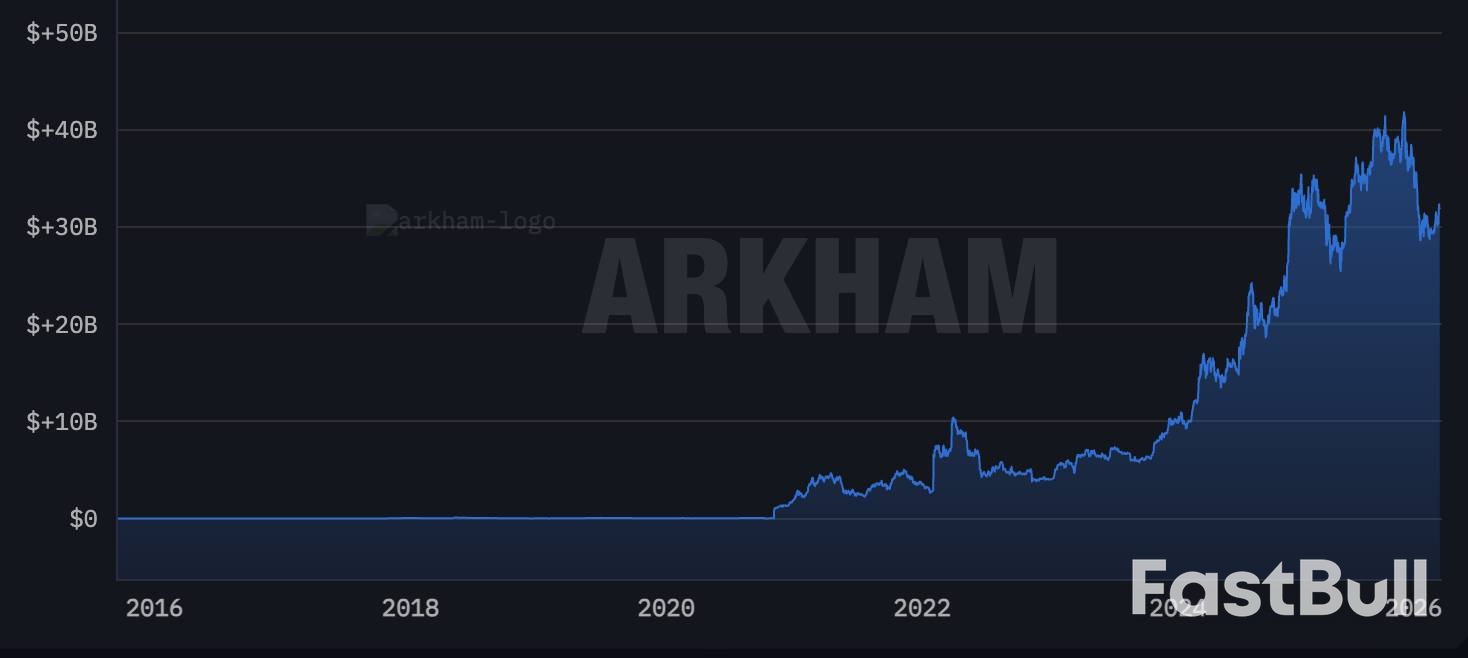
          This chart from Arkham Intelligence shows the U.S. government's total crypto holdings, valued in U.S. dollars, which saw significant growth beginning in late 2023.

          Bitcoin maximalist Justin Bechler dismissed the effort, stating, "The belief that the federal government will one day build a Strategic Bitcoin Reserve requires a complete detachment from reality."

          He added, "There is no movement toward a Bitcoin reserve. There is no intention to acquire a fixed-supply asset in good faith. There are only empty speeches, vague references and opportunistic pandering from Washington politicians."

          In a March 2025 post, crypto analyst Michael Bentley criticized the proposed Digital Asset Stockpile, calling it an "awful policy" that resembles a retail trader's portfolio from 2017.

          Further backlash followed in July 2025 when the Trump administration released a long-awaited report on digital asset policy that failed to provide any new details about the strategic BTC reserve.

          Exploring New Avenues for Acquiring BTC

          Despite the setbacks and criticism, discussions about growing the reserve continue. In August 2025, U.S. Treasury Secretary Scott Bessent renewed hope by suggesting the government could acquire BTC through "budget-neutral strategies" that would not increase the annual budget deficit.

          This proposal opened the door to the possibility of the U.S. government actively buying Bitcoin on the open market. Potential strategies include converting portions of other reserve assets into BTC or using gains from revaluing the nation's precious metals holdings to fund Bitcoin acquisitions.

          To stay updated on all economic events of today, please check out our Economic calendar
          Risk Warnings and Disclaimers
          You understand and acknowledge that there is a high degree of risk involved in trading. Following any strategies or investment methods may lead to potential losses. The content on the site is provided by our contributors and analysts for information purposes only. You are solely responsible for determining whether any trading assets, securities, strategy, or any other product is suitable for investing based on your own investment objectives and financial situation.
          Add to Favorites
          Share
          FastBull
          Copyright © 2026 FastBull Ltd

          728 RM B 7/F GEE LOK IND BLDG NO 34 HUNG TO RD KWUN TONG KLN HONG KONG

          TelegramInstagramTwitterfacebooklinkedin
          App Store Google Play Google Play
          Products
          Charts

          Chats

          Q&A with Experts
          Screeners
          Economic Calendar
          Data
          Tools
          Membership
          Features
          Function
          Markets
          Copy Trading
          Latest Signals
          Contests
          News
          Analysis
          24/7
          Columns
          Education
          Company
          Careers
          About Us
          Contact Us
          Advertising
          Help Center
          Feedback
          User Agreement
          Privacy Policy
          Personal Information Protection Statement
          Business

          White Label

          Data API

          Web Plug-ins

          Poster Maker

          Affiliate Program

          Risk Disclosure

          The risk of loss in trading financial instruments such as stocks, FX, commodities, futures, bonds, ETFs and crypto can be substantial. You may sustain a total loss of the funds that you deposit with your broker. Therefore, you should carefully consider whether such trading is suitable for you in light of your circumstances and financial resources.

          No decision to invest should be made without thoroughly conducting due diligence by yourself or consulting with your financial advisors. Our web content might not suit you since we don't know your financial conditions and investment needs. Our financial information might have latency or contain inaccuracy, so you should be fully responsible for any of your trading and investment decisions. The company will not be responsible for your capital loss.

          Without getting permission from the website, you are not allowed to copy the website's graphics, texts, or trademarks. Intellectual property rights in the content or data incorporated into this website belong to its providers and exchange merchants.

          Not Logged In

          Log in to access more features

          FastBull Membership

          Not yet

          Purchase

          Become a signal provider
          Help Center
          Customer Service
          Dark Mode
          Price Up/Down Colors

          Log In

          Sign Up

          Position
          Layout
          Fullscreen
          Default to Chart
          The chart page opens by default when you visit fastbull.com