• Trade
  • Markets
  • Copy
  • Contests
  • News
  • 24/7
  • Calendar
  • Q&A
  • Chats
Trending
Screeners
SYMBOL
LAST
BID
ASK
HIGH
LOW
NET CHG.
%CHG.
SPREAD
SPX
S&P 500 Index
6875.61
6875.61
6875.61
6910.40
6804.97
+78.75
+ 1.16%
--
DJI
Dow Jones Industrial Average
49077.22
49077.22
49077.22
49295.03
48546.03
+588.64
+ 1.21%
--
IXIC
NASDAQ Composite Index
23224.81
23224.81
23224.81
23383.24
22927.88
+270.50
+ 1.18%
--
USDX
US Dollar Index
98.550
98.630
98.550
98.640
98.140
+0.220
+ 0.22%
--
EURUSD
Euro / US Dollar
1.16756
1.16764
1.16756
1.16855
1.16701
-0.00108
-0.09%
--
GBPUSD
Pound Sterling / US Dollar
1.34195
1.34207
1.34195
1.34322
1.34170
-0.00087
-0.06%
--
XAUUSD
Gold / US Dollar
4784.04
4784.49
4784.04
4833.82
4777.40
-48.01
-0.99%
--
WTI
Light Sweet Crude Oil
60.441
60.476
60.441
60.579
60.357
-0.184
-0.30%
--

Community Accounts

Signal Accounts
--
Profit Accounts
--
Loss Accounts
--
View More

Become a signal provider

Sell trading signals to earn additional income

View More

Guide to Copy Trading

Get started with ease and confidence

View More

Signal Accounts for Members

All Signal Accounts

Best Return
  • Best Return
  • Best P/L
  • Best MDD
Past 1W
  • Past 1W
  • Past 1M
  • Past 1Y

All Contests

  • All
  • Trump Updates
  • Recommend
  • Stocks
  • Cryptocurrencies
  • Central Banks
  • Featured News
Top News Only
Share

[Market Update] Spot Gold Fell 1.00% Intraday, Currently Trading At $4780.56 Per Ounce. Spot Silver Plunged $2 Intraday, Currently Trading At $91.07 Per Ounce, A Drop Of 2.15%

Share

[Venezuela's Acting President: Unafraid To Face Differences With The US] On The 21st Local Time, Venezuelan Acting President Rodriguez Stated That She Was "unafraid" Of Facing Differences With The United States And Reiterated That She Was Engaged In A Dialogue Process With The Trump Administration. Speaking At A Meeting With Governors And Mayors That Day, Rodriguez Said, "We Are Engaging In Dialogue And Cooperation With The United States, And We Are Not Afraid To Resolve Differences And Difficulties Through Diplomatic Channels, Regardless Of Their Sensitivity."

Share

MOF - Japan Dec Preliminary Crude Oil Import Volume -1.5% Year-On-Year

Share

MOF - Japan Dec Thermal Coal Imports -14.7% Year-On-Year At 9.345 Million Tonnes

Share

MOF - Japan Dec LNG Imports +2.8% Year-On-Year At 6.538 Million Tonnes

Share

MOF - Japan Dec Exports To Asia +10.2% Year On Year

Share

MOF - Japan Dec Exports To EU +2.6% Year On Year

Share

MOF - Japan Dec Exports To China +5.6% Year On Year

Share

MOF - Japan Dec Exports To USA -11.1% Year On Year

Share

Japan Dec Trade Balance +105.7 Billion Yen - MOF (Poll: +356.6 Billion Yen)

Share

Japan Dec Imports +5.3% Year On Year - MOF (Poll: +3.6%)

Share

Japan Dec Exports +5.1% Year On Year - MOF (Poll: +6.1%)

Share

Nikkei Futures Trade At 53455 Versus Cash Close 52,774

Share

NATO Secretary General Rutte When Asked If Greenland Will Remain With Denmark: That Issue Did Not Come Up In My Conversation With Trump

Share

Australia's S&P/ASX 200 Index Up 0.8% At 8850.30 Points In Early Trade

Share

S&P 500 Eminis Rise 0.2% In Early Trade, Nasdaq Futures Up 0.3%

Share

South Korea Q4 2025 GDP -0.3% Quarter-On-Quarter, Misses Forecast

Share

South Korea Q4 2025 GDP +1.5% Year-On-Year (Reuters Poll +1.9%) - Central Bank Estimate

Share

[Mexico Announces Further Tightening Of Entry Requirements For US Military Aircraft] On January 21, Mexican President Jacques Sinbaum Announced That The Country Will Adjust Entry Requirements For US Military Aircraft, Further Restricting Their Entry Into Mexican Territory. Recently, A US C-130 Hercules Transport Plane Landed At Toluca Airport In Mexico, Sparking Controversy. Sinbaum Emphasized That The Entry Of The US Military Aircraft Had Been Approved In Advance By The Mexican National Security Council And Was For Transporting Mexican Personnel To The United States For Training, And Did Not Violate Any Laws. Sinbaum Pointed Out That The National Security Council Has Adjusted Its Policy; Henceforth, Mexican Personnel Participating In Overseas Training Programs Will Be Transported By Mexican Aircraft, And US Military Aircraft Will No Longer Be Allowed To Enter The Country Unless Under "special Logistical Conditions."

Share

SPDR Gold Trust Reports Holdings Down 0.37%, Or 4.00 Tonnes, To 1077.66 Tonnes By Jan 21

TIME
ACT
FCST
PREV
U.K. Core CPI MoM (Dec)

A:--

F: --

P: --

Indonesia 7-Day Reverse Repo Rate

A:--

F: --

P: --

Indonesia Loan Growth YoY (Dec)

A:--

F: --

P: --

Indonesia Deposit Facility Rate (Jan)

A:--

F: --

P: --

Indonesia Lending Facility Rate (Jan)

A:--

F: --

P: --

South Africa Core CPI YoY (Dec)

A:--

F: --

P: --

South Africa CPI YoY (Dec)

A:--

F: --

P: --

IEA Oil Market Report
U.K. CBI Industrial Output Expectations (Jan)

A:--

F: --

P: --
U.K. CBI Industrial Prices Expectations (Jan)

A:--

F: --

P: --

South Africa Retail Sales YoY (Nov)

A:--

F: --

P: --

U.K. CBI Industrial Trends - Orders (Jan)

A:--

F: --

P: --

Mexico Retail Sales MoM (Nov)

A:--

F: --

P: --

U.S. MBA Mortgage Application Activity Index WoW

A:--

F: --

P: --

Canada Industrial Product Price Index YoY (Dec)

A:--

F: --

P: --
Canada Industrial Product Price Index MoM (Dec)

A:--

F: --

P: --
U.S. Weekly Redbook Index YoY

A:--

F: --

P: --

U.S. Pending Home Sales Index YoY (Dec)

A:--

F: --

P: --

U.S. Pending Home Sales Index MoM (SA) (Dec)

A:--

F: --

P: --

U.S. Construction Spending MoM (Oct)

A:--

F: --

P: --
U.S. Pending Home Sales Index (Dec)

A:--

F: --

P: --

U.S. API Weekly Refined Oil Stocks

A:--

F: --

P: --

U.S. API Weekly Gasoline Stocks

A:--

F: --

P: --

U.S. API Weekly Cushing Crude Oil Stocks

--

F: --

P: --

U.S. API Weekly Crude Oil Stocks

A:--

F: --

P: --

South Korea GDP Prelim YoY (SA) (Q4)

A:--

F: --

P: --

South Korea GDP Prelim QoQ (SA) (Q4)

A:--

F: --

P: --

Japan Imports YoY (Dec)

A:--

F: --

P: --

Japan Exports YoY (Dec)

A:--

F: --

P: --

Japan Goods Trade Balance (SA) (Dec)

A:--

F: --

P: --

Japan Trade Balance (Not SA) (Dec)

A:--

F: --

P: --
Australia Employment (Dec)

--

F: --

P: --

Australia Labor Force Participation Rate (SA) (Dec)

--

F: --

P: --

Australia Unemployment Rate (SA) (Dec)

--

F: --

P: --

Australia Full-time Employment (SA) (Dec)

--

F: --

P: --

Turkey Consumer Confidence Index (Jan)

--

F: --

P: --

Turkey Capacity Utilization (Jan)

--

F: --

P: --

Turkey Late Liquidity Window Rate (LON) (Jan)

--

F: --

P: --

Turkey Overnight Lending Rate (O/N) (Jan)

--

F: --

P: --

Turkey 1-Week Repo Rate

--

F: --

P: --

U.K. CBI Distributive Trades (Jan)

--

F: --

P: --

U.K. CBI Retail Sales Expectations Index (Jan)

--

F: --

P: --

U.S. Weekly Continued Jobless Claims (SA)

--

F: --

P: --

U.S. Initial Jobless Claims 4-Week Avg. (SA)

--

F: --

P: --

U.S. Real Personal Consumption Expenditures Final QoQ (Q3)

--

F: --

P: --

Canada New Housing Price Index MoM (Dec)

--

F: --

P: --

U.S. Weekly Initial Jobless Claims (SA)

--

F: --

P: --

U.S. Real GDP Annualized QoQ Final (Q3)

--

F: --

P: --

U.S. PCE Price Index Final QoQ (AR) (Q3)

--

F: --

P: --

U.S. PCE Price Index MoM (Nov)

--

F: --

P: --

U.S. PCE Price Index YoY (SA) (Nov)

--

F: --

P: --

U.S. Real Personal Consumption Expenditures MoM (Nov)

--

F: --

P: --

U.S. Personal Income MoM (Nov)

--

F: --

P: --

U.S. Core PCE Price Index MoM (Nov)

--

F: --

P: --

U.S. Personal Outlays MoM (SA) (Nov)

--

F: --

P: --

U.S. Dallas Fed PCE Price Index YoY (Nov)

--

F: --

P: --

U.S. Core PCE Price Index YoY (Nov)

--

F: --

P: --

U.S. EIA Weekly Natural Gas Stocks Change

--

F: --

P: --

Q&A with Experts
    • All
    • Chatrooms
    • Groups
    • Friends
    marsgents flag
    SlowBear ⛅
    @SlowBear ⛅i did ride long from 4805 to 4845 tho
    3427935 flag
    what time for market to open..???
    3008994 flag
    at 6 o'clock
    SlowBear ⛅ flag
    marsgents
    @marsgents Its cool sleepig is fine but missing out is not fun
    SlowBear ⛅ flag
    marsgents
    @marsgentsI think possibly, but i will like to see hoe it al plays out eventualy
    FlexyG flag
    alot of accounts got closed today 😓
    SlowBear ⛅ flag
    3427935
    when will the market open..?
    @3427935The market alredy opened bro, start cooking
    SlowBear ⛅ flag
    FlexyG
    alot of accounts got closed today 😓
    @FlexyGYes that is what you get when you sleep on a buy at the very top
    SlowBear ⛅ flag
    FlexyG
    alot of accounts got closed today 😓
    @FlexyGHow did you know the account that gets closed out?
    SlowBear ⛅ flag
    marsgents
    @marsgents400pips that is not bad at all bro, well done indeed
    SlowBear ⛅ flag
    I am going to bed guys. - see you later! Byee and trade safe!
    3405122 flag
    can I buy gold now
    oscar flag
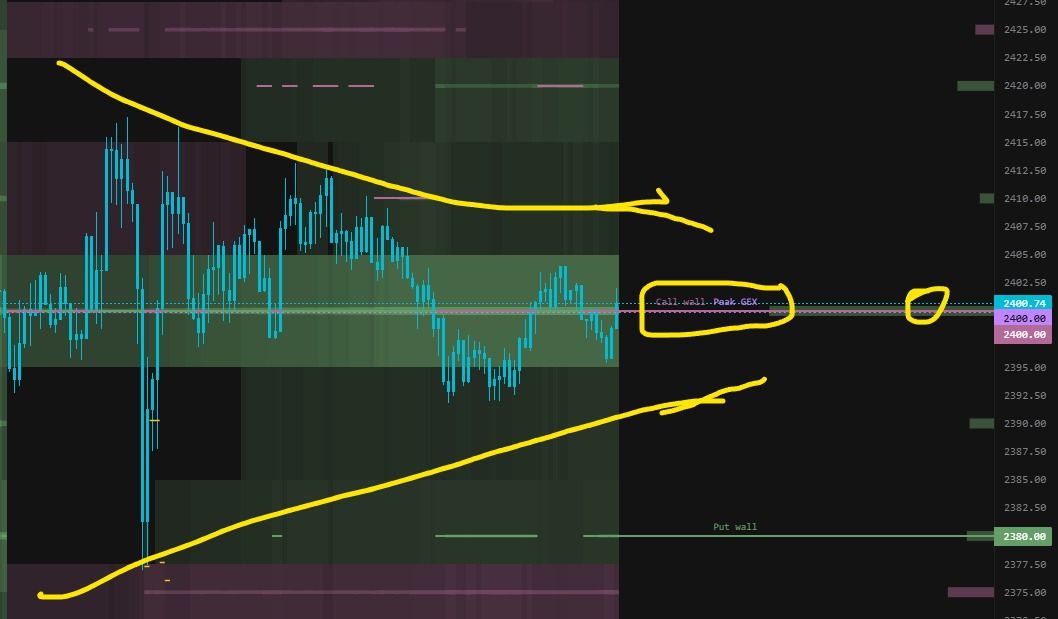
    Could you please explain how to use Bookmap? Thank you.
    NEWBIE flag
    Wait for 4755 I think
    oscar flag
    Richard🇿🇦
    @EurusdonlyHello, do you know how to use a book?
    One Lucky Chen flag
    Good morning 🌞
    SURYAVANSHI flag
    One Lucky Chen
    Good morning 🌞
    h@One Lucky Chengn
    ThatfxSniper📈 flag
    FlexyG
    alot of accounts got closed today 😓
    @FlexyGdamn
    ThatfxSniper📈 flag
    Are you guys already asleep?
    NEWBIE flag
    FVG in action
    Type here...
    Add Symbol or Code

      No matching data

      All
      Trump Updates
      Recommend
      Stocks
      Cryptocurrencies
      Central Banks
      Featured News
      • All
      • Russia-Ukraine Conflict
      • Middle East Flashpoint
      • All
      • Russia-Ukraine Conflict
      • Middle East Flashpoint
      Search
      Products

      Charts Free Forever

      Chats Q&A with Experts
      Screeners Economic Calendar Data Tools
      Membership Features
      Data Warehouse Market Trends Institutional Data Policy Rates Macro

      Market Trends

      Market Sentiment Order Book Forex Correlations

      Top Indicators

      Charts Free Forever
      Markets

      News

      News Analysis 24/7 Columns Education
      From Institutions From Analysts
      Topics Columnists

      Latest Views

      Latest Views

      Trending Topics

      Top Columnists

      Latest Update

      Signals

      Copy Rankings Latest Signals Become a signal provider AI Rating
      Contests
      Brokers

      Overview Brokers Assessment Rankings Regulators News Claims
      Broker listing Forex Brokers Comparison Tool Live Spread Comparison Scam
      Q&A Complaint Scam Alert Videos Tips to Detect Scam
      More

      Business
      Events
      Careers About Us Advertising Help Center

      White Label

      Data API

      Web Plug-ins

      Affiliate Program

      Awards Institution Evaluation IB Seminar Salon Event Exhibition
      Vietnam Thailand Singapore Dubai
      Fans Party Investment Sharing Session
      FastBull Summit BrokersView Expo
      Recent Searches
        Top Searches
          Markets
          News
          Analysis
          User
          24/7
          Economic Calendar
          Education
          Data
          • Names
          • Latest
          • Prev

          View All

          No data

          Scan to Download

          Faster Charts, Chat Faster!

          Download App
          English
          • English
          • Español
          • العربية
          • Bahasa Indonesia
          • Bahasa Melayu
          • Tiếng Việt
          • ภาษาไทย
          • Français
          • Italiano
          • Türkçe
          • Русский язык
          • 简中
          • 繁中
          Open Account
          Search
          Products
          Charts Free Forever
          Markets
          News
          Signals

          Copy Rankings Latest Signals Become a signal provider AI Rating
          Contests
          Brokers

          Overview Brokers Assessment Rankings Regulators News Claims
          Broker listing Forex Brokers Comparison Tool Live Spread Comparison Scam
          Q&A Complaint Scam Alert Videos Tips to Detect Scam
          More

          Business
          Events
          Careers About Us Advertising Help Center

          White Label

          Data API

          Web Plug-ins

          Affiliate Program

          Awards Institution Evaluation IB Seminar Salon Event Exhibition
          Vietnam Thailand Singapore Dubai
          Fans Party Investment Sharing Session
          FastBull Summit BrokersView Expo

          Central Banks Start Buying Crypto: What's Next?

          Patrick Turner

          Data Interpretation

          Remarks of Officials

          Economic

          Central Bank

          Cryptocurrency

          Daily News

          Summary:

          The Czech National Bank spearheads a cautious global trend: central banks are adding Bitcoin to national reserves, signaling a new financial era.

          In a landmark move for digital finance, central banks are beginning to add cryptocurrency to their balance sheets. The Czech National Bank (CNB) became the first to take the leap in late 2025, signaling a potential shift in how nations manage their reserves in an evolving global economy.

          Czech Republic Makes First Central Bank Bitcoin Buy

          In mid-November 2025, the Czech National Bank made history with a direct, albeit experimental, $1 million investment in cryptocurrency. This purchase marks a critical step in the adoption of digital assets by official state institutions.

          According to a press release, the CNB’s new test portfolio isn't limited to just one asset. It includes:

          • Bitcoin

          • A U.S. dollar stablecoin

          • A tokenized deposit on a blockchain

          This strategic diversification reflects a cautious but forward-looking approach. The CNB's decision comes as major corporations and hedge funds increasingly integrate Bitcoin into their own portfolios, prompting the central bank to prepare for a rapidly changing financial landscape.

          Why Central Banks Are Eyeing Digital Assets

          The move toward digital assets isn't happening in a vacuum. A growing U.S. national deficit has raised concerns among central bankers globally. While the U.S. dollar remains the world's primary reserve currency, its perceived instability is driving many countries to diversify their holdings.

          Historically, this meant stockpiling precious metals like gold and silver. Now, with the increasing legitimization of cryptocurrency, digital assets like Bitcoin are being considered as a new type of safeguard against financial uncertainty.

          Global Central Bank Stances: A Mixed Picture

          While the Czech Republic was first, other nations are exploring similar paths, though reactions vary widely across the globe.

          Countries Exploring Crypto Adoption

          Several countries have shown interest in adding Bitcoin to their reserves. The central banks of Brazil and Taiwan have reportedly discussed the idea, though no final decisions have been made. In the Philippines, new legislation has been proposed that would direct its central bank to strategically purchase a fixed amount of Bitcoin over the next five years.

          The European Central Bank's Hesitation

          The European Central Bank (ECB) has expressed opposition to buying volatile assets like Bitcoin. However, it isn't ignoring the underlying technology. The ECB is controversially developing its own Central Bank Digital Currency (CBDC), demonstrating a clear belief in the potential of blockchain.

          A Divided United States

          In the U.S., the situation is complex. The Trump Administration has been a major force in legitimizing cryptocurrencies, with the White House initiating plans for a Strategic U.S. Bitcoin Reserve and Digital Asset Stockpile.

          Despite this, the U.S. Federal Reserve under Chairman Jerome Powell has remained opposed to adding Bitcoin to its balance sheet. This could change after Powell's term ends in May 2026. Given the administration's pro-crypto stance, his replacement is likely to be more aligned with its position on digital assets.

          The Case for Bitcoin as a Reserve Asset

          The push for central banks to adopt Bitcoin is backed by growing institutional analysis. A September 2025 report from Deutsche Bank projected a future where gold and Bitcoin could coexist as fundamental reserve assets by 2030.

          The report highlights several key properties that make both assets attractive:

          • Scarcity: Limited supply provides a store of value.

          • High Liquidity: Both can be traded easily.

          • Low Correlation: Their prices have a limited connection to traditional assets.

          The report also noted that "de-dollarization" presents a strong use case for Bitcoin, as a weakening dollar has historically fueled investment in alternative assets.

          As of January 2026, data from Coingecko shows that 35 countries already hold Bitcoin in their treasuries. This growing adoption, combined with clearer regulations, is making governments more comfortable with the asset's economic potential. Furthermore, Bitcoin's annualized price volatility has decreased from approximately 80% in 2020 to 50% by late 2025. If this trend continues, more central banks may find the risk acceptable, paving the way for wider adoption.

          To stay updated on all economic events of today, please check out our Economic calendar
          Risk Warnings and Disclaimers
          You understand and acknowledge that there is a high degree of risk involved in trading. Following any strategies or investment methods may lead to potential losses. The content on the site is provided by our contributors and analysts for information purposes only. You are solely responsible for determining whether any trading assets, securities, strategy, or any other product is suitable for investing based on your own investment objectives and financial situation.
          Add to Favorites
          Share

          Chart Alert: USD/JPY breaking 158.80 key resistance as US CPI looms with intervention risk

          Adam

          Forex

          Key takeaways

          Yen weakness intensifies despite softer USD: USD/JPY has broken above the 158.80 key resistance and is trading near 158.9, marking a 1.5-year high as the yen continues to underperform even amid a broader US dollar pullback; verbal intervention has so far failed to halt the move.
          Politics overtaking rates as the main driver: The traditional link between USD/JPY and US–Japan yield differentials has weakened since April 2025, with yen selling increasingly driven by the “Takaichi Trade” and snap-election risks that could reinforce pro-stimulus policies and constrain the BoJ’s tightening path.
          Intervention risk rising as CPI looms: USD/JPY has entered the historical intervention-risk zone near 159.45 ahead of US CPI, with short-term momentum still bullish above 158.10, but a failure to hold this support could trigger a corrective pullback.
          The Japanese yen has stood out as the FX market outlier over the past three trading sessions, remaining persistently weak despite a broader softening in the US dollar against other major currencies (see Fig. 1).

          Intraday K-shaped performance in FX market

          Chart Alert: USD/JPY breaking 158.80 key resistance as US CPI looms with intervention risk_1Fig. 1: 1-day rolling performance of the US dollar against major currencies as of 13 Jan 2026

          The yen has continued to fall on Tuesday, 13 January 2025, as the USD/JPY breached the 158.00 psychological level on Monday. In today’s Asia session, the Japanese currency extended its losses to hit a one-and-a-half-year low against the US dollar. The USD/JPY is now trading at an intraday level of 158.86 at the time of writing.
          Verbal interventions from key authorities have so far failed to stem the ongoing yen weakness. During the late Monday US session, Japanese Finance Minister Katayama commented that she and US Treasury Secretary Bessent shared a “common concern” about the one-way weakening of the yen.

          USD/JPY movements are moving away from rate differentials, with politics as the main driver

          Chart Alert: USD/JPY breaking 158.80 key resistance as US CPI looms with intervention risk_22-year & 10-year US Treasury/JGB yield spreads major trends with USD/JPY as of 13 Jan 2026

          In the past five years, there has been a strong direct correlation between the movement of the USD/JPY and the US-Japan sovereign bond yield (rate) differentials.
          However, this relationship has started to break down. Since April 2025, the narrowing of the 10-year and 2-year US Treasury/JGB yield spread has failed to spark a downward drift of the USD/JPY (see Fig. 2).
          The primary reason that may explained the recent yen weakness is likely related to the “Takaichi Trade” narrative. On Sunday, local Japanese media reported that Japanese Prime Minister Takaichi had the intention to dissolve the parliament's lower house and called for a snap election soon, either on February 8 or February 15.
          A snap election would likely aim to capitalize on high approval ratings of about 70% for Takaichi and could strengthen the Liberal Democratic Party’s grip on power in the more powerful lower house in Japan’s parliament. Hence, if successful as it is intended, Takaichi can have a firmer mandate to pursue pro-stimulus policies that may hinder the Bank of Japan (BoJ)’s current gradual interest rate hike policy.

          USD/JPY is trading inside the intervention-risk zone ahead of today’s US CPI

          Chart Alert: USD/JPY breaking 158.80 key resistance as US CPI looms with intervention risk_3Fig. 3: USD/JPY medium-term & major trends as of 13 Jan 2026

          The BoJ, under the instruction of the Ministry of Finance, last intervened in the FX market to sell down the US dollar on 12 July 2024 when the USD/JPY hit an intraday high of 159.45.
          The USD/JPY is now trading close to the 159.45 level, which is breaking above the upper limit of a key medium-term pivotal resistance of 158.80 (see Fig. 3).
          Let’s now highlight what the key levels to watch on the USD/JPY are based on a technical analysis perspective, as we wait for the release of the US CPI data for December later today, which can be a short-term key driver to spark two-way movement on the USD/JPY

          Short-term momentum supports further USD/JPY strength

          Chart Alert: USD/JPY breaking 158.80 key resistance as US CPI looms with intervention risk_4Fig. 4: USD/JPY minor trend as of 13 Jan 2026

          The USD/JPY has staged a bullish breakout with an hourly close above the 158.80 key medium-term resistance, without any bearish divergence condition seen on its hourly RSI momentum indicator at its overbought region (see Fig. 4).
          Watch the 158.10 key short-term pivotal support on the USD/JPY to maintain the intraday bullish momentum for the next intermediate resistances to come in at 159.45/159.75 and 160.24/160.35 (also a Fibonacci extension).
          On the flipside, a break and an hourly close below 158.10 invalidates the bullish bias to open up scope for a minor corrective decline to expose the next intermediate supports at 157.50, 157.28/157.00, and even 156.30 (close to the 20-day moving average)

          Source: marketpulse

          Risk Warnings and Disclaimers
          You understand and acknowledge that there is a high degree of risk involved in trading. Following any strategies or investment methods may lead to potential losses. The content on the site is provided by our contributors and analysts for information purposes only. You are solely responsible for determining whether any trading assets, securities, strategy, or any other product is suitable for investing based on your own investment objectives and financial situation.
          Add to Favorites
          Share

          Yen's Sharp Drop Triggers Election and Intervention Fears

          Isaac Bennett

          Data Interpretation

          Bond

          Political

          Forex

          Remarks of Officials

          Economic

          Central Bank

          Technical Analysis

          Traders' Opinions

          Stocks

          Daily News

          The "Takaichi Trade": Why Election News Is Sinking the Yen

          The Bank of Japan (BoJ) started 2025 with a hawkish stance, raising interest rates to their highest level in three decades and signaling more hikes could follow. However, this failed to lift the Japanese yen, as traders sought more specific timing for the next policy move.

          The yen's situation worsened dramatically after Kyodo News reported that Prime Minister Sanae Takaichi is considering a snap election in February. The news sent the currency into a steep decline, reaching lows not seen since July 2024.

          With a 70% approval rating, Takaichi may be positioning for a decisive victory to push through her spending plans, which would further increase Japan's already large government debt. This prospect has triggered what analysts are calling the "Takaichi trade": a falling yen accompanied by soaring stock prices and Japanese Government Bond (JGB) yields. This trend could intensify if the ruling Liberal Democratic Party appears likely to secure a single-party majority.

          Figure 1: The "Takaichi trade" in action, showing the correlated rise of USD/JPY, the Nikkei 225, and 10-year JGB yields from late 2025 into early 2026.

          Compounding the pressure on the yen is the market expectation that the BoJ will be reluctant to tighten monetary policy ahead of an election. This suggests the next interest rate hike may not come until after the spring wage negotiations, and only if they result in substantial salary increases.

          Intervention Warnings Return as USD/JPY Nears 160

          As the USD/JPY exchange rate pushes back toward the psychological 160.00 level, talk of government intervention is resurfacing. Finance Minister Satsuki Katayama expressed concern over the "one-way weakening of the yen" during a meeting with US Treasury Secretary Scott Bessent, who shared her concerns and called for the BoJ to raise interest rates.

          This follows Katayama's warning in December, when USD/JPY crossed 157.00, that Japan has a "free hand" to act. Her recent meeting with Bessent may have been to secure tacit approval from the U.S., making direct intervention near the 160.00 zone a more credible threat.

          Despite these warnings, the yen has continued its slide, raising questions about the potential effectiveness of intervention. In 2024, Japanese authorities intervened four times to support the currency.

          • April 2024: Two interventions provided only temporary relief before the yen resumed its decline.

          • July 2024: Two more interventions had a more lasting impact, driving USD/JPY from around 162.00 to below 140.00 by September. This success was attributed to the intervention being followed by a BoJ rate hike.

          Figure 2: A historical view of USD/JPY shows four major intervention episodes in 2024, which temporarily reversed the yen's decline, contrasting with no interventions in 2025.

          Will a Snap Election Delay the Next BoJ Rate Hike?

          Given Takaichi's agenda of increased spending, any currency intervention on its own may have a limited and short-lived effect. A lasting reversal for the yen likely requires a supporting rate hike from the BoJ, especially since a weaker currency could fuel inflation through higher export costs and ultimately harm economic growth.

          However, financial markets are not convinced a rate hike is imminent. According to Japan's Overnight Index Swaps (OIS) market, a 25-basis-point hike is not fully priced in until September. If the BoJ holds off on tightening policy, intervention alone may not be enough to stop the yen's decline.

          Figure 3: Market expectations (blue line) project a much faster pace of BoJ rate hikes in 2026 than the central bank's actual policy path (orange line) has delivered so far.

          Without a policy shift, yields on Japanese debt will likely continue to rise as fewer investors are willing to finance the nation's growing debt. While Japanese equities have rallied on the prospect of fiscal stimulus, this may not last. Eventually, concerns about inflation and an economic slowdown could lead investors to sell off Japanese assets in a "Sell Japan" event.

          Ultimately, unless the Ministry of Finance intervenes and the Bank of Japan follows with a rate hike, the yen is likely to extend its downtrend, with USD/JPY potentially trading above 160.00 soon.

          Technical Outlook: USD/JPY Eyes Further Gains

          From a technical perspective, the USD/JPY pair is currently challenging the 158.90 resistance level, which marks the peak from January 10, 2025. A decisive close above this level could open the door to a test of the 160.00 mark.

          The broader uptrend, defined by the trendline drawn from the September 17 low, remains firmly in place. If the pair breaks above 160.00, the next major target would be the July 3, 2024 high of around 162.00. For the bullish trend to be questioned, bears would need to force a decisive break below the 154.55 support zone.

          Figure 4: The daily chart for USD/JPY shows a clear uptrend, with the price currently testing key resistance levels after a period of consolidation.

          To stay updated on all economic events of today, please check out our Economic calendar
          Risk Warnings and Disclaimers
          You understand and acknowledge that there is a high degree of risk involved in trading. Following any strategies or investment methods may lead to potential losses. The content on the site is provided by our contributors and analysts for information purposes only. You are solely responsible for determining whether any trading assets, securities, strategy, or any other product is suitable for investing based on your own investment objectives and financial situation.
          Add to Favorites
          Share

          Fed Under Fire: Powell Gains Global Support in Trump Clash

          Kevin Morgan

          Remarks of Officials

          Economic

          Central Bank

          Political

          Top figures from global central banks and Wall Street have rallied in support of Federal Reserve Chair Jerome Powell after the Trump administration threatened him with a criminal indictment. Powell characterized the move as a form of intimidation, sparking a defense from financial leaders who underscored the critical importance of the Fed's independence.

          The wave of support highlights the relationships Powell has cultivated and the central bank's vital role in global financial markets. It follows pushback from Republican lawmakers, including members of the Senate Banking Committee, who could block the nomination of a successor to Powell when his term ends in May.

          Renovation Probe Sparks Indictment Threat

          The controversy escalated after Powell revealed on Sunday that the U.S. Justice Department had issued subpoenas concerning his testimony to Congress about the $2.5 billion renovation of the Federal Reserve's Washington headquarters. Powell stated that the investigation was a pretext designed to pressure the central bank into cutting interest rates, a long-standing demand from President Trump.

          The Federal Reserve's headquarters in Washington, the subject of a controversial renovation probe.

          Global Central Banks Issue Joint Defense

          In a rare joint statement, the heads of 11 of the world's most influential central banks expressed their backing for the Fed chief. "We stand in full solidarity with the Federal Reserve System and its Chair Jerome H. Powell," the statement declared.

          Signatories included leaders from the European Central Bank, the Bank of England, and the Bank of Canada, along with the central banks of Sweden, Denmark, Switzerland, Australia, South Korea, Brazil, and France. Officials from the Bank for International Settlements also signed on.

          The group affirmed that Powell has acted with integrity and emphasized that central bank independence is a cornerstone of economic stability. "The independence of central banks is a cornerstone of price, financial and economic stability in the interest of the citizens that we serve," they wrote.

          Global central bank governors have increasingly coordinated to support financial stability.

          Wall Street Warns of "Reverse Consequences"

          Leading Wall Street executives also voiced their concerns, warning that political pressure on the Fed could backfire.

          JPMorgan CEO Jamie Dimon told reporters the probe "is probably not a great idea," predicting it could have "the reverse consequences of raising inflation expectations and probably increase rates over time."

          BNY CEO Robin Vince echoed this sentiment. "Independent central banks with the ability to independently set monetary policy in the long-term interests of the nation is a pretty well-established thing," he said. Vince cautioned against actions that could shake confidence in the Fed's independence, which might ultimately push interest rates higher.

          Political Pressure vs. Fed Independence

          Independence from government has long been a foundational principle of modern central banking. However, President Trump has repeatedly broken with this tradition, publicly demanding lower interest rates and pressuring policymakers.

          On Tuesday, Trump once again called on Powell to lower interest rates "meaningfully," following a government report that showed consumer prices rose 2.7% in December from the previous year.

          Central bankers and analysts fear that political influence over the Fed could erode trust in its commitment to its inflation target, potentially leading to higher inflation and volatility in global financial markets. There are also concerns that a politicized Fed might be reluctant to provide the crucial dollar backstop that helps calm international markets during periods of stress. Such a scenario would likely rattle U.S. markets and export instability worldwide, making it harder for other central banks to maintain price stability.

          Despite the political drama, traders are still largely betting that persistent inflation will keep the Fed on hold until at least June.

          To stay updated on all economic events of today, please check out our Economic calendar
          Risk Warnings and Disclaimers
          You understand and acknowledge that there is a high degree of risk involved in trading. Following any strategies or investment methods may lead to potential losses. The content on the site is provided by our contributors and analysts for information purposes only. You are solely responsible for determining whether any trading assets, securities, strategy, or any other product is suitable for investing based on your own investment objectives and financial situation.
          Add to Favorites
          Share

          Bigger Tax Refunds in 2026: What to Expect and Why It Matters

          Henry Thompson

          Remarks of Officials

          Data Interpretation

          Economic

          Political

          As tax season approaches, many filers could see larger refunds this year due to significant 2025 tax changes. This potential windfall isn't just good news for individual households; experts say it could have a noticeable impact on the broader economy.

          The IRS will begin processing individual returns on January 26. The expected increase in refunds stems from President Donald Trump's "big beautiful bill," which introduced several tax-cutting provisions for 2025. Because the IRS did not update tax withholding tables to reflect these changes, many workers' paychecks remained the same throughout the year. The result is that the benefits of the tax cuts will largely be realized when filing returns in 2026.

          President Trump projected that 2026 would be the "largest tax refund season of all time," and many tax experts and analysts agree that bigger refunds are likely. However, the final amount owed or refunded will depend on an individual's specific financial situation and how much tax they paid during the year.

          Key 2025 Tax Changes Driving Larger Refunds

          The legislation signed by Trump reduced individual income taxes by an estimated $144 billion in 2025, according to the Tax Foundation. Several key provisions are behind this change:

          • A larger standard deduction

          • A more generous maximum child tax credit

          • A higher limit for the state and local tax (SALT) deduction

          • A new $6,000 tax break for seniors

          • New deductions for auto loan interest, tip income, and overtime pay

          Heather Berger, a U.S. economist at Morgan Stanley, stated on a January 2 podcast that these changes are expected to "increase refunds by 15% to 20% on average." For context, the average refund for individual filers was $3,052 as of October 17, 2025, with the IRS issuing about 102 million refunds by that date.

          The Potential Impact on Consumer Spending

          Experts are closely watching to see what Americans will do with this extra cash, as it could temporarily boost consumer spending.

          "Our expectation is it would be a positive for consumption," National Economic Council Director Kevin Hassett told CNBC on January 9.

          However, spending behavior often depends on income levels. A note from Piper Sandler on October 31 indicated that households earning between $30,000 and $60,000 typically spend about 30% of their refunds on discretionary purchases. In contrast, households earning $100,000 or more spend only about 15%.

          Furthermore, a National Retail Federation survey of roughly 8,600 adults in 2025 found that 82% of taxpayers expecting a refund planned to use the money for paying off debt or for savings. Morgan Stanley's Heather Berger also noted that other economic factors, such as inflation from tariffs or higher health insurance premiums under the Affordable Care Act, could influence spending habits.

          Could Bigger Refunds Fuel Inflation?

          While increased spending can stimulate the economy, some analysts worry that a surge in consumer demand could also create inflationary pressure.

          Jonathan Parker, an economist at the Massachusetts Institute of Technology who has researched consumer spending during stimulus cycles, said bigger refunds "could easily be inflationary." He told CNBC that the stimulus checks issued during the Covid-19 pandemic were "certainly correlated" with higher inflation and were a "contributing factor" to the subsequent price boom. The consumer price index peaked at a 9.1% year-over-year increase in June 2022, the fastest rate since 1981.

          Former Treasury Secretary Janet Yellen acknowledged in January 2025 that stimulus spending may have contributed "a little bit" to inflation but also pointed to "huge supply chain problems" as a major cause.

          When asked about the potential inflationary effects of larger refunds in 2026, Kevin Hassett expressed little concern. "We're not really worried about the inflationary effects of that because we [have] got so much supply coming online again," he said.

          To stay updated on all economic events of today, please check out our Economic calendar
          Risk Warnings and Disclaimers
          You understand and acknowledge that there is a high degree of risk involved in trading. Following any strategies or investment methods may lead to potential losses. The content on the site is provided by our contributors and analysts for information purposes only. You are solely responsible for determining whether any trading assets, securities, strategy, or any other product is suitable for investing based on your own investment objectives and financial situation.
          Add to Favorites
          Share

          US Inflation Held Firm in December Amid Pressure on Trump Over Cost of Living

          Warren Takunda

          Economic

          US inflation held firm last month as Donald Trump faces mounting pressure over the cost of living for millions of Americans.
          The closely-watched consumer price index rose 2.7% in the year to December, in line with the previous month, according to official data published on Tuesday morning, ahead of a speech by the US president on the economy.US Inflation Held Firm in December Amid Pressure on Trump Over Cost of Living_1
          The latest reading was slightly ahead of the 2.6% anticipated by economists last month, and remains significantly above the Federal Reserve’s target for 2% inflation.
          On a month-to-month basis, CPI increased 0.3% in December. The so-called “core” index, which strips out volatile food and energy prices, rose 0.2%.
          The Trump administration has claimed prices are falling, and blamed lingering inflation on the Biden administration, which left office almost a year ago. Inflation hit a 40-year high in the US in June 2022 at 9.1%, as economies across the globe grappled with rapid price growth due to distortions caused by the Covid pandemic.
          Polls have shown consumers are shifting affordability blame onto the Trump administration. Twice as many Americans believe their financial security is getting worse rather than better, according to a Harris Poll conducted for the Guardian last month, and they are increasingly blaming the White House.
          The president is due to deliver a speech on the economy in Detroit later on Tuesday. He has announced a series of eye-catching measures in recent days, including a cap on credit card interest rates and a ban on large institutional investors buying single-family homes, in a bid to address affordability concerns.
          The latest inflation data was released amid an extraordinary battle for control of the US Federal Reserve, which is tasked with steering the economy. Although the central bank cut interest rates three times last year, it defied Trump’s push for deeper cuts – prompting intense criticism from the president.
          Jerome Powell, chair of the Federal Reserve, revealed on Sunday that the Department of Justice had served the Fed with grand jury subpoenas on Friday, threatening a criminal indictment, escalating fears about the Trump administration’s threats to the independence of the central bank.

          Source: Theguardian

          To stay updated on all economic events of today, please check out our Economic calendar
          Risk Warnings and Disclaimers
          You understand and acknowledge that there is a high degree of risk involved in trading. Following any strategies or investment methods may lead to potential losses. The content on the site is provided by our contributors and analysts for information purposes only. You are solely responsible for determining whether any trading assets, securities, strategy, or any other product is suitable for investing based on your own investment objectives and financial situation.
          Add to Favorites
          Share

          Nasdaq Technical Analysis: The compression points to big moves once we get a breakout

          Adam

          Economic

          FUNDAMENTAL OVERVIEW
          The Nasdaq continues to consolidate inside a rising wedge as traders await new catalysts and a breakout on either side. The market maintains a bullish bias amid strengthening US economy and the Fed’s dovish reaction function.
          Yesterday, we got a brief drop following the news of the US Department of Justice subpoenaing the Federal Reserve. The market saw the move as another attack against Fed independence amid Trump’s calls to lower interest rates faster.
          A potential loss of Fed independence increases the risk of uncontrolled inflation in the future and eventually stagflation. The probability of the loss of Fed independence though remains very low as the consequences would be too big not only for the US but the global economy as a whole. So, for now it’s just noise, but the market will keep an eye on that risk.
          Today, we have the US CPI report, and it could be a major market-moving release. A hot report will likely trigger some hawkish repricing in interest rate expectations and weigh on the market. On the other hand, soft data should keep the rate cuts on the table and support the upside with no more data risk.
          NASDAQ TECHNICAL ANALYSIS – DAILY TIMEFRAME

          Nasdaq Technical Analysis: The compression points to big moves once we get a breakout_1Nasdaq - daily

          On the daily chart, we can see that the Nasdaq has been compressing into a rising wedge. These types of patterns can resolve into a downside breakout taking the price to the base of the wedge or an upside breakout leading to a strong rally after the consolidation. In this case, a downside breakout could take us to the 24,900, while an upside breakout should lead to new all-time highs.
          NASDAQ TECHNICAL ANALYSIS – 4 HOUR TIMEFRAME

          Nasdaq Technical Analysis: The compression points to big moves once we get a breakout_2Nasdaq - 4 hour

          On the 4 hour chart, we can see more clearly the choppy price action inside the wedge as traders await a breakout. The sellers will likely continue to step in around the top trendline to keep targeting the bottom trendline and eventually a breakout. The buyers, on the other hand, will want to see the price breaking higher to increase the bullish bets into new all-time highs.
          NASDAQ TECHNICAL ANALYSIS – 1 HOUR TIMEFRAME

          Nasdaq Technical Analysis: The compression points to big moves once we get a breakout_3Nasdaq - 1 hour

          On the 1 hour chart, there’s not much we can add here as the sellers will continue to target the bottom trendline, while the buyers will look for an upside breakout or a pullback into the bottom trendline to position for new highs with a better risk to reward setup. The red lines define the average daily range for today.
          UPCOMING CATALYSTS
          Today we have the US CPI report. Tomorrow, we get the November US Retail Sales and US PPI reports, so it’s going to be old data. We also have a potential US Supreme Court decision on Trump’s tariffs tomorrow. On Thursday, we get the latest US Jobless Claims figures.

          Source: investinglive

          To stay updated on all economic events of today, please check out our Economic calendar
          Risk Warnings and Disclaimers
          You understand and acknowledge that there is a high degree of risk involved in trading. Following any strategies or investment methods may lead to potential losses. The content on the site is provided by our contributors and analysts for information purposes only. You are solely responsible for determining whether any trading assets, securities, strategy, or any other product is suitable for investing based on your own investment objectives and financial situation.
          Add to Favorites
          Share
          FastBull
          Copyright © 2026 FastBull Ltd

          728 RM B 7/F GEE LOK IND BLDG NO 34 HUNG TO RD KWUN TONG KLN HONG KONG

          TelegramInstagramTwitterfacebooklinkedin
          App Store Google Play Google Play
          Products
          Charts

          Chats

          Q&A with Experts
          Screeners
          Economic Calendar
          Data
          Tools
          Membership
          Features
          Function
          Markets
          Copy Trading
          Latest Signals
          Contests
          News
          Analysis
          24/7
          Columns
          Education
          Company
          Careers
          About Us
          Contact Us
          Advertising
          Help Center
          Feedback
          User Agreement
          Privacy Policy
          Personal Information Protection Statement
          Business

          White Label

          Data API

          Web Plug-ins

          Poster Maker

          Affiliate Program

          Risk Disclosure

          The risk of loss in trading financial instruments such as stocks, FX, commodities, futures, bonds, ETFs and crypto can be substantial. You may sustain a total loss of the funds that you deposit with your broker. Therefore, you should carefully consider whether such trading is suitable for you in light of your circumstances and financial resources.

          No decision to invest should be made without thoroughly conducting due diligence by yourself or consulting with your financial advisors. Our web content might not suit you since we don't know your financial conditions and investment needs. Our financial information might have latency or contain inaccuracy, so you should be fully responsible for any of your trading and investment decisions. The company will not be responsible for your capital loss.

          Without getting permission from the website, you are not allowed to copy the website's graphics, texts, or trademarks. Intellectual property rights in the content or data incorporated into this website belong to its providers and exchange merchants.

          Not Logged In

          Log in to access more features

          FastBull Membership

          Not yet

          Purchase

          Become a signal provider
          Help Center
          Customer Service
          Dark Mode
          Price Up/Down Colors

          Log In

          Sign Up

          Position
          Layout
          Fullscreen
          Default to Chart
          The chart page opens by default when you visit fastbull.com