Markets
News
Analysis
User
24/7
Economic Calendar
Education
Data
- Names
- Latest
- Prev




Signal Accounts for Members
All Signal Accounts
All Contests


[Zelensky Says Security Service Planning New Actions Against Russia] Ukrainian President Volodymyr Zelenskyy Stated On January 28 That The Security Service Of Ukraine (SBU) Is Continuously Planning New Actions Against Russia That Would Alter The Course Of The Russia-Ukraine Conflict. On The Same Day, Zelenskyy Received A Briefing From The SBU On Operational Plans, Including Frontline Combat, Particularly The Operations Of The SBU's Alpha Group Special Forces, And Actions Taken By The SBU Within Russian Territory In Response To Russian Attacks
Kathy Jones, Chief Fixed-income Strategist At Charles Schwab: The Fed's Policy Statement Is Expected To Make A Judgment On U.S. Inflation
USA Natural Gas Inventories Seen Down 232 Billion Cubic Feet Last Week In Thursday's EIA Report, Reuters Poll Shows
Torsten Slok, Chief Economist At Apollo: The Fed Is Expected To Say They Are Staying On The Sidelines
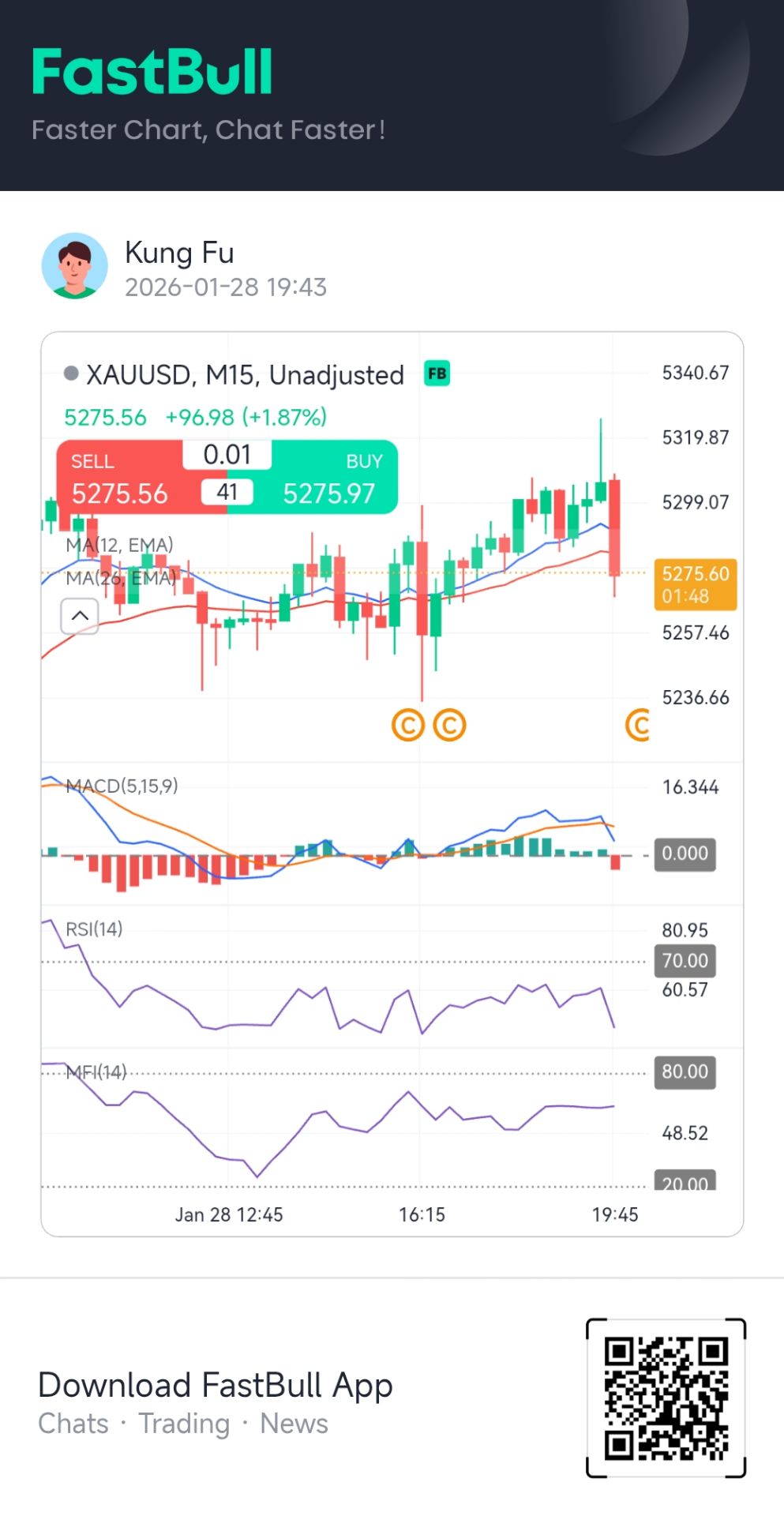
[Market Update] Spot Gold Fell More Than $20 In The Short Term, Currently Trading At $5280.94 Per Ounce
U.S. Senate Majority Leader John Thune: Democrats Must Work With President Trump’s White House To Address The Budget Issues (related To The Department Of Homeland Security/Dhs)
[Market Update] Ahead Of The Fed's Decision, Spot Gold Rose Above $5,320 Per Ounce, Hitting A New High, Up 2.71% On The Day
New York Fed Accepts $1.103 Billion Of $1.103 Billion Submitted To Reverse Repo Facility On Jan 28
Petrobras Says Sales Potential Up To 60 Million Barrels, With A Total Value That May Exceed $ 3.1 Billion
Canada, South Korea Sign Memorandum Of Understanding Intending To Bring South Korean Auto Manufacturing And Investment To Canada -The Globe And Mail, Citing Document
European Central Bank Executive Board Member Schnabel: European Central Bank Rates In A Good Place And Expected To Remain At Current Levels For Extended Period
USTR: Talks On Stronger Rules Of Origin For Key Industrial Goods, Enhanced Collaboration On Critical Minerals, And Increased External Trade Policy Alignment
LME Copper Rose $80 To $13,086 Per Tonne. LME Aluminum Rose $50 To $3,257 Per Tonne. LME Zinc Rose $13 To $3,364 Per Tonne. LME Lead Fell $3 To $2,017 Per Tonne. LME Nickel Rose $101 To $18,270 Per Tonne. LME Tin Rose $1,075 To $55,953 Per Tonne. LME Cobalt Was Unchanged At $56,290 Per Tonne
Iran's Araqchi: Tehran Has Always Welcomed A Fair Nuclear Deal Which Ensures Iran's Rights And Guarantees No Nuclear Weapons
Rubio: There Might Be A USA Presence In The Ukraine Talks In Abu Dhabi This Weekend But It Won't Be Witkoff And Kushner

U.S. Richmond Fed Manufacturing Composite Index (Jan)A:--
F: --
P: --
U.S. Conference Board Present Situation Index (Jan)A:--
F: --
P: --
U.S. Conference Board Consumer Expectations Index (Jan)A:--
F: --
P: --
U.S. Richmond Fed Manufacturing Shipments Index (Jan)A:--
F: --
P: --
U.S. Richmond Fed Services Revenue Index (Jan)A:--
F: --
P: --
U.S. Conference Board Consumer Confidence Index (Jan)A:--
F: --
U.S. 5-Year Note Auction Avg. YieldA:--
F: --
P: --
U.S. API Weekly Refined Oil StocksA:--
F: --
P: --
U.S. API Weekly Crude Oil StocksA:--
F: --
P: --
U.S. API Weekly Gasoline StocksA:--
F: --
P: --
U.S. API Weekly Cushing Crude Oil StocksA:--
F: --
P: --
Australia RBA Trimmed Mean CPI YoY (Q4)A:--
F: --
P: --
Australia CPI YoY (Q4)A:--
F: --
P: --
Australia CPI QoQ (Q4)A:--
F: --
P: --
Germany GfK Consumer Confidence Index (SA) (Feb)A:--
F: --
P: --
Germany 10-Year Bund Auction Avg. YieldA:--
F: --
P: --
India Industrial Production Index YoY (Dec)A:--
F: --
P: --
India Manufacturing Output MoM (Dec)A:--
F: --
P: --
U.S. MBA Mortgage Application Activity Index WoWA:--
F: --
P: --
Canada Overnight Target RateA:--
F: --
P: --
BOC Monetary Policy Report
U.S. EIA Weekly Crude Stocks ChangeA:--
F: --
P: --
U.S. EIA Weekly Cushing, Oklahoma Crude Oil Stocks ChangeA:--
F: --
P: --
U.S. EIA Weekly Crude Demand Projected by ProductionA:--
F: --
P: --
U.S. EIA Weekly Crude Oil Imports ChangesA:--
F: --
P: --
U.S. EIA Weekly Heating Oil Stock ChangesA:--
F: --
P: --
U.S. EIA Weekly Gasoline Stocks ChangeA:--
F: --
P: --
BOC Press Conference
Russia PPI MoM (Dec)A:--
F: --
P: --
Russia PPI YoY (Dec)A:--
F: --
P: --
U.S. Target Federal Funds Rate Lower Limit (Overnight Reverse Repo Rate)--
F: --
P: --
U.S. Interest Rate On Reserve Balances--
F: --
P: --
U.S. Federal Funds Rate Target--
F: --
P: --
U.S. Target Federal Funds Rate Upper Limit (Excess Reserves Ratio)--
F: --
P: --
FOMC Statement
FOMC Press Conference
Brazil Selic Interest Rate--
F: --
P: --
Australia Import Price Index YoY (Q4)--
F: --
P: --
Japan Household Consumer Confidence Index (Jan)--
F: --
P: --
Turkey Economic Sentiment Indicator (Jan)--
F: --
P: --
Euro Zone M3 Money Supply (SA) (Dec)--
F: --
P: --
Euro Zone Private Sector Credit YoY (Dec)--
F: --
P: --
Euro Zone M3 Money Supply YoY (Dec)--
F: --
P: --
Euro Zone 3-Month M3 Money Supply YoY (Dec)--
F: --
P: --
South Africa PPI YoY (Dec)--
F: --
P: --
Euro Zone Consumer Confidence Index Final (Jan)--
F: --
P: --
Euro Zone Selling Price Expectations (Jan)--
F: --
P: --
Euro Zone Industrial Climate Index (Jan)--
F: --
P: --
Euro Zone Services Sentiment Index (Jan)--
F: --
P: --
Euro Zone Economic Sentiment Indicator (Jan)--
F: --
P: --
Euro Zone Consumer Inflation Expectations (Jan)--
F: --
P: --
Italy 5-Year BTP Bond Auction Avg. Yield--
F: --
P: --
Italy 10-Year BTP Bond Auction Avg. Yield--
F: --
P: --
France Unemployment Class-A (Dec)--
F: --
P: --
South Africa Repo Rate (Jan)--
F: --
P: --
U.S. Nonfarm Unit Labor Cost Final (Q3)--
F: --
P: --
U.S. Initial Jobless Claims 4-Week Avg. (SA)--
F: --
P: --
U.S. Weekly Continued Jobless Claims (SA)--
F: --
P: --
U.S. Trade Balance (Nov)--
F: --
P: --
U.S. Weekly Initial Jobless Claims (SA)--
F: --
P: --
Canada Trade Balance (SA) (Nov)--
F: --
P: --


No matching data
Latest Views
Latest Views
Trending Topics
Top Columnists
Latest Update
White Label
Data API
Web Plug-ins
Affiliate Program
View All

No data
Bitcoin and Ethereum rose modestly ahead of the Fed decision, but traders warn Powell’s tone on unemployment could trigger a “narrative whipsaw,” shifting crypto sentiment from easing optimism to medium-term bearish risk.
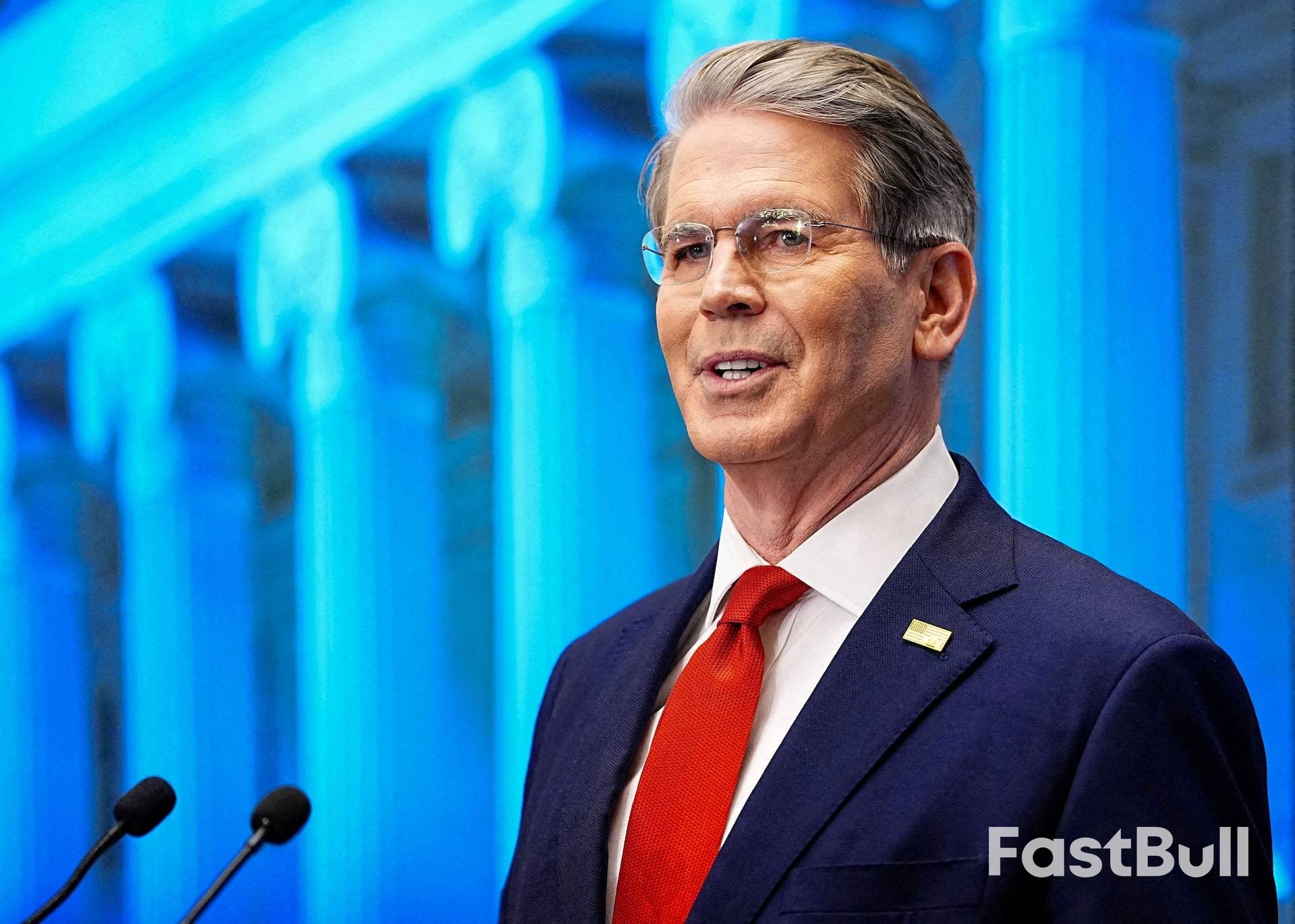
U.S. Treasury Secretary Scott Bessent has sharply criticized the European Union’s new trade agreement with India, accusing Brussels of prioritizing commerce over the interests of the Ukrainian people.
In a statement to CNBC, Bessent expressed his disappointment, arguing that Europe’s actions undermine sanctions against Russia. He pointed out that the EU has been purchasing refined products from India that are made with sanctioned Russian oil.
According to Bessent, Europe was unwilling to match Washington’s higher tariffs on Indian goods precisely because it was negotiating this separate trade pact.
The U.S. Treasury Secretary directly linked the EU's trade ambitions to its reluctance to join American economic pressure on India. Last year, Washington imposed 25% tariffs on India to discourage its purchases of Russian oil. Bessent noted that the EU declined to participate.
"The Europeans were unwilling to join us, and it turns out, because they wanted to do this trade deal," he stated. "So every time you hear a European talk about the importance of the Ukrainian people, remember that they put trade ahead of the Ukrainian people."
These comments follow Bessent’s signal last week that the U.S. might remove its 25% additional tariffs after observing a sharp reduction in India's imports of Russian oil.
On Tuesday, the European Union finalized a long-awaited trade deal with India. The agreement is designed to significantly increase two-way trade and reduce the bloc's economic reliance on the United States amid rising global trade friction.
The EU projects the deal will achieve the following:
• Double EU exports to India by the year 2032.
• Eliminate or reduce tariffs on 96.6% of traded goods by value.
• Generate savings of €4 billion ($4.8 billion) in duties for European firms.
When asked if such deals, which exclude the United States, pose a threat, Bessent remarked, "They should do what's best for themselves, but I will tell you, I find the Europeans very disappointing."
Bessent's critical remarks come at a time of heightened transatlantic tensions. President Donald Trump recently unsettled European leaders by threatening to raise tariffs on certain European countries over their opposition to his interest in pursuing Greenland, although the threat was later withdrawn.
U.S. officials also remain frustrated with the EU's failure to implement tariff reductions promised in a framework trade agreement reached with Washington in July.
This pattern of applying pressure was further highlighted this week when Trump increased duties on imports from South Korea from 15% to 25%. The administration cited the slow pace of the South Korean parliament in implementing a trade agreement reached with the U.S. last year.
Bessent defended the move against South Korea, calling it "helpful to get things moved along" and emphasizing the need for their parliament to ratify the deal. On Tuesday, Trump said he expects the U.S. and South Korea to find a solution, as South Korean officials were scheduled to arrive in Washington for talks.
The Trump administration on Wednesday officially rolled out its "Trump Accounts" program, a new initiative providing government-funded investment accounts for babies born in the United States. According to top officials, more than 500,000 families have already registered for the program.

The White House is establishing these investment accounts as a key strategy to address household affordability concerns ahead of the November midterm elections. The program was created last year as part of the "One Big Beautiful Bill," the Republican party's signature tax and spending legislation.
The initiative targets children born over a specific three-year period, with the U.S. Treasury providing the initial seed money. The goal is to tackle the lack of savings accounts held by many American families.
Key features of the program include:
• Initial Government Deposit: The U.S. Treasury will deposit $1,000 into an investment account for every child born between 2025 and 2028.
• Eligibility: An estimated 25 million families are expected to be eligible for the program.
The government is actively encouraging families to supplement the initial deposit with their own contributions. The program has also attracted significant private investment, including a $6.25 billion contribution from entrepreneur Michael Dell and his wife, Susan.
Potential Growth to $1.1 Million
At a rollout event in Washington, White House press secretary Karoline Leavitt highlighted the long-term potential of the accounts. She stated that if a family contributes the maximum allowed amount of $5,000 each year, the account could grow to nearly $1.1 million by the time the child turns 28.
The Trump administration is framing the accounts as a bipartisan achievement. "It's not about red or blue politics," said Cheryl Hines, an actress and the wife of Health Secretary Robert Kennedy, at the launch event.
Despite the official rollout, public knowledge of the program remains limited. A poll conducted by Exclusive Public First and reported by Politico found that:
• 57% of Americans had never heard of a Trump Account.
• 25% had heard of the program but could not explain how it works.
• Only 14% were familiar with the accounts and could describe them.
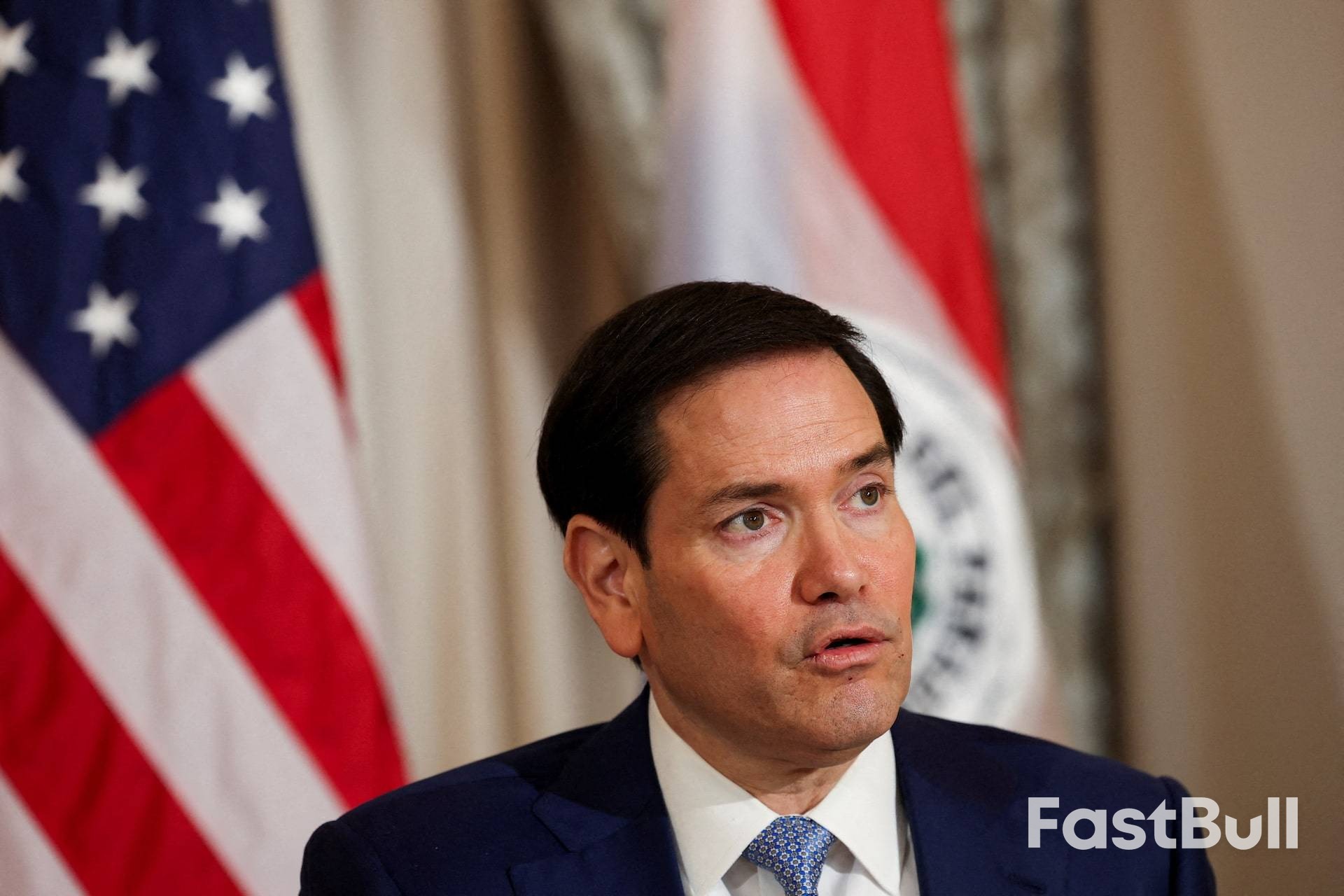
Secretary of State Marco Rubio faced intense questioning from the Senate on Wednesday, making his first public appearance before lawmakers since the dramatic U.S. raid that captured Venezuelan President Nicolas Maduro earlier this month.
Addressing a packed hearing room, Rubio argued that Venezuela's new leadership is already pivoting toward a closer relationship with the United States. The Trump administration is currently working with Delcy Rodriguez, a former Maduro ally who assumed the role of interim president following his arrest. However, the White House has made it clear that further military action remains an option if her government fails to meet U.S. demands.

Rubio, himself a former Florida senator, described communications with the new Venezuelan leaders as "very respectful and productive." He expressed confidence that the U.S. could quickly re-establish a diplomatic presence in the country, framing the new dynamic as a historic opportunity.
"For the first time in 20 years, we are having serious conversations about eroding and eliminating the Iranian presence, the Chinese influence, the Russian presence as well," Rubio stated. "In fact, I will tell you that there are many elements there in Venezuela that welcome a return to establishing relations with the United States on multiple fronts."
Later on Wednesday, Rubio was scheduled to meet with Venezuelan opposition leader Maria Corina Machado, sparking questions about whether the Trump administration might seek to install her as Maduro's permanent replacement.
Rubio laid out the administration's case for removing Maduro, arguing that Venezuela had become a strategic threat to the United States. He presented a stark picture of the situation prior to the raid, citing several key factors:
• Hostile Foreign Influence: The country had become a base of operations for U.S. adversaries, including China, Russia, and Iran.
• Regional Instability: Maduro's alleged cooperation with drug traffickers was destabilizing the region and directly impacting the U.S.
"It was an untenable situation and it had to be addressed," Rubio declared. He added that the U.S. has established a short-term mechanism to sell Venezuelan oil, with the ultimate goal of fostering a "friendly, stable, prosperous Venezuela" that holds free and fair elections.
Despite Rubio's assurances, the administration's actions have triggered significant pushback on Capitol Hill. Lawmakers from both parties have voiced frustration over a pattern of poor communication regarding major foreign policy decisions, including the Maduro raid and cuts to foreign aid programs.
Committee Chairman Jim Risch, a Republican, noted the "confusion over how it will be done" but praised Rubio for explaining the administration's plans. However, the underlying tension was palpable, especially following a recent, high-stakes legislative battle.
The War Powers Showdown
Just two weeks ago, Senate Republicans narrowly defeated a resolution that would have required President Trump to seek congressional authorization before taking further military action in Venezuela. The vote was so close that Vice President JD Vance had to be called in to break a tie.
The resolution initially seemed poised to pass after five Republicans sided with Democrats to advance it—a rare rebuke of President Trump. In response, Trump publicly attacked the five defectors, while he and Rubio launched an intense lobbying effort to flip their votes.
They successfully persuaded two senators, Josh Hawley of Missouri and Todd Young of Indiana, to change their positions by promising that Rubio would testify before the committee and insisting no U.S. troops were in Venezuela.
A Breach of Trust
The close vote reflects a growing anxiety in Congress over presidential war powers and a desire to reclaim constitutional authority over military deployments.
Members of Congress, including some of Trump's fellow Republicans, accused Rubio of misleading them. They claimed he had insisted the administration was not planning a leadership change in Venezuela just days before the raid. Adding to the frustration were reports that oil company executives were briefed on the operation before lawmakers were.
Democratic Senator Chris Coons of Delaware voiced a common fear, warning of the risk of being drawn into another protracted conflict. "You and I both know a long and painful history of wars that began and seemed to be resolved and then opened up into excruciating, expensive years-long conflict," he said.
These concerns are amplified by other recent statements from President Trump, who said this month that the U.S. will run Venezuela for years, told Iranian protestors that "help is on the way," and threatened military action to take Greenland.
Mexico's state-owned oil firm, Pemex, has canceled a planned oil shipment to Cuba in a move widely seen as a response to pressure from the United States. The decision follows President Donald Trump's declaration that "zero" oil should reach the island and recent reports that Washington is pursuing regime change in Havana.
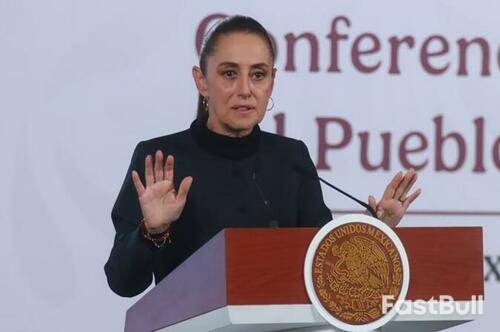
During a press conference on Tuesday, Mexican President Claudia Sheinbaum addressed reports about the canceled Pemex shipment, which was scheduled for January. Without explicitly denying the cancellation, she framed the action as a "sovereign decision" made by the state oil company at a time it "deemed necessary."

The policy shift comes after Reuters reported last week that the Mexican government was reviewing its oil sales to Cuba, fearing potential U.S. reprisals. Washington has maintained a full trade embargo against Cuba for decades and intensified its stance by blockading Venezuelan oil shipments to the island late last year. That blockade was imposed shortly after U.S. forces captured Venezuelan President Nicolas Maduro on drug charges.
The disruption of Venezuelan supply elevated Mexico to the position of Cuba's main petroleum provider, accounting for around 44% of its crude imports. However, President Trump’s recent insistence that "zero" money or oil should be sent to the island forced Mexico to reevaluate its trade policy.
When asked about a potential mediating role between the U.S. and Cuba, Sheinbaum stated that Mexico would only act if requested by both nations, though she affirmed her country's commitment to promoting dialogue.
Mexico’s diplomatic efforts may face significant headwinds. According to The Wall Street Journal, Washington is actively planning for regime change in Cuba before the end of the year.
The report suggests that U.S. officials are seeking "Cuban government insiders who can help cut a deal to push out the Communist regime." The strategy allegedly uses the capture of Venezuela's Maduro as a "blueprint" for toppling the Cuban state.
White Label
Data API
Web Plug-ins
Poster Maker
Affiliate Program
The risk of loss in trading financial instruments such as stocks, FX, commodities, futures, bonds, ETFs and crypto can be substantial. You may sustain a total loss of the funds that you deposit with your broker. Therefore, you should carefully consider whether such trading is suitable for you in light of your circumstances and financial resources.
No decision to invest should be made without thoroughly conducting due diligence by yourself or consulting with your financial advisors. Our web content might not suit you since we don't know your financial conditions and investment needs. Our financial information might have latency or contain inaccuracy, so you should be fully responsible for any of your trading and investment decisions. The company will not be responsible for your capital loss.
Without getting permission from the website, you are not allowed to copy the website's graphics, texts, or trademarks. Intellectual property rights in the content or data incorporated into this website belong to its providers and exchange merchants.
Not Logged In
Log in to access more features
Log In
Sign Up