• Trade
  • Markets
  • Copy
  • Contests
  • News
  • 24/7
  • Calendar
  • Q&A
  • Chats
Screeners
SYMBOL
LAST
ASK
BID
HIGH
LOW
NET CHG.
%CHG.
SPREAD
SPX
S&P 500 Index
6978.02
6978.02
6978.02
7002.25
6964.04
-0.58
-0.01%
--
DJI
Dow Jones Industrial Average
49015.59
49015.59
49015.59
49150.34
48901.49
+12.19
+ 0.02%
--
IXIC
NASDAQ Composite Index
23857.44
23857.44
23857.44
23988.27
23775.49
+40.33
+ 0.17%
--
USDX
US Dollar Index
96.040
96.120
96.040
96.160
95.990
-0.090
-0.09%
--
EURUSD
Euro / US Dollar
1.19680
1.19687
1.19680
1.19848
1.19515
+0.00148
+ 0.12%
--
GBPUSD
Pound Sterling / US Dollar
1.38078
1.38090
1.38078
1.38345
1.37898
+0.00048
+ 0.03%
--
XAUUSD
Gold / US Dollar
5540.21
5540.66
5540.21
5597.94
5419.36
+124.01
+ 2.29%
--
WTI
Light Sweet Crude Oil
63.638
63.673
63.638
63.675
63.106
+0.297
+ 0.47%
--

Community Accounts

Signal Accounts
--
Profit Accounts
--
Loss Accounts
--
View More

Become a signal provider

Sell trading signals to earn additional income

View More

Guide to Copy Trading

Get started with ease and confidence

View More

Signal Accounts for Members

All Signal Accounts

Best Return
  • Best Return
  • Best P/L
  • Best MDD
Past 1W
  • Past 1W
  • Past 1M
  • Past 1Y

All Contests

  • All
  • Trump Updates
  • Recommend
  • Stocks
  • Cryptocurrencies
  • Central Banks
  • Featured News
Top News Only
Share

Japan's Deputy Chief Cabinet Secretary: We Will Not Comment On The Federal Reserve's Interest Rate Decision And Its Impact At This Time

Share

[US Treasury Secretary Threatens Carney: Don't Provoke Disputes Ahead Of USMCA Review] According To The Associated Press, US Treasury Secretary Bessant Threatened Canadian Prime Minister Carney On The 28th, Saying That His Recent Public Comments On US Trade Policy Could Backfire During The Upcoming Review Of The USMCA Trade Agreement, Which Aims To Protect Canada From The Significant Impact Of The Trump Administration's Tariff Policies

Share

CCTV News: Chinese President Xi Jinping Will Meet With British Prime Minister Keir Starmer, Who Is On An Official Visit To China, At The Great Hall Of The People In Beijing

Share

Philippines Economic Planning Secretary: We See 2026 As Our Rally Point, Accelerating Efforts To Restore Public Trust

Share

Malaysian Ringgit Slips 0.3% To 3.9280 Per USA Dollar

Share

Reuters Poll - Reserve Bank Of India To Keep Repo Rate Unchanged At 5.25% On February 6, Say 59 Of 70 Economists

Share

China Expects 9.50 Billion Passenger Trips To Be Made During 40-Day Spring Festival Holiday Travel Period - State Planning Official

Share

Indonesian Rupiah Weakens Marginally In Early Trade To 16740 Per USA Dollar

Share

Philippines Q4 GDP Growth At +3.0 From Year-Ago

Share

Jeffrey Gundlach: Fed Expected To Keep Rates Unchanged For Remainder Of Jerome Powell's Term

Share

The Main Shanghai Gold Futures Contract Surged 8.00% Intraday, Currently Trading At 1250.52 Yuan/gram

Share

Spot Palladium Falls Over 3% To $1990.25/Oz

Share

Lg: North American Electric Vehicle Demand Is Unlikely To Recover In The Short Term

Share

Yield On 5-Year Japanese Government Bond Rises 1.5 Basis Points To 1.680%

Share

The Main Lithium Carbonate Futures Contract Continued To Fall, Dropping More Than 6% Intraday, And Is Currently Trading At 160,020 Yuan/ton

Share

China's Central Bank Sets Yuan Mid-Point At 6.9771 / Dlr Versus Last Close 6.9475

Share

Sk Hynix: To Monitor Discussions Between US And South Korea Governments Regarding Tariffs

Share

Yield On 10-Year Japanese Government Bond Rises 1.5 Basis Points To 2.250%

Share

Dollar Falls 0.5% Against Swiss Franc To 0.7647

Share

Japan's Dec Crude Imports Down By 1.5 Percent

TIME
ACT
FCST
PREV
U.S. API Weekly Refined Oil Stocks

A:--

F: --

P: --

U.S. API Weekly Crude Oil Stocks

A:--

F: --

P: --

U.S. API Weekly Gasoline Stocks

A:--

F: --

P: --

U.S. API Weekly Cushing Crude Oil Stocks

A:--

F: --

P: --

Australia RBA Trimmed Mean CPI YoY (Q4)

A:--

F: --

P: --

Australia CPI YoY (Q4)

A:--

F: --

P: --

Australia CPI QoQ (Q4)

A:--

F: --

P: --

Germany GfK Consumer Confidence Index (SA) (Feb)

A:--

F: --

P: --

Germany 10-Year Bund Auction Avg. Yield

A:--

F: --

P: --

India Industrial Production Index YoY (Dec)

A:--

F: --

P: --

India Manufacturing Output MoM (Dec)

A:--

F: --

P: --

U.S. MBA Mortgage Application Activity Index WoW

A:--

F: --

P: --

Canada Overnight Target Rate

A:--

F: --

P: --

BOC Monetary Policy Report
U.S. EIA Weekly Crude Stocks Change

A:--

F: --

P: --

U.S. EIA Weekly Cushing, Oklahoma Crude Oil Stocks Change

A:--

F: --

P: --

U.S. EIA Weekly Crude Demand Projected by Production

A:--

F: --

P: --

U.S. EIA Weekly Crude Oil Imports Changes

A:--

F: --

P: --

U.S. EIA Weekly Heating Oil Stock Changes

A:--

F: --

P: --

U.S. EIA Weekly Gasoline Stocks Change

A:--

F: --

P: --

BOC Press Conference
Russia PPI MoM (Dec)

A:--

F: --

P: --

Russia PPI YoY (Dec)

A:--

F: --

P: --

U.S. Interest Rate On Reserve Balances

A:--

F: --

P: --

U.S. Target Federal Funds Rate Lower Limit (Overnight Reverse Repo Rate)

A:--

F: --

P: --

U.S. Federal Funds Rate Target

A:--

F: --

P: --

U.S. Target Federal Funds Rate Upper Limit (Excess Reserves Ratio)

A:--

F: --

P: --

FOMC Statement
FOMC Press Conference
Brazil Selic Interest Rate

A:--

F: --

P: --

Australia Import Price Index YoY (Q4)

A:--

F: --

P: --

Japan Household Consumer Confidence Index (Jan)

--

F: --

P: --

Turkey Economic Sentiment Indicator (Jan)

--

F: --

P: --

Euro Zone M3 Money Supply (SA) (Dec)

--

F: --

P: --

Euro Zone Private Sector Credit YoY (Dec)

--

F: --

P: --

Euro Zone M3 Money Supply YoY (Dec)

--

F: --

P: --

Euro Zone 3-Month M3 Money Supply YoY (Dec)

--

F: --

P: --

South Africa PPI YoY (Dec)

--

F: --

P: --

Euro Zone Consumer Confidence Index Final (Jan)

--

F: --

P: --

Euro Zone Selling Price Expectations (Jan)

--

F: --

P: --

Euro Zone Industrial Climate Index (Jan)

--

F: --

P: --

Euro Zone Services Sentiment Index (Jan)

--

F: --

P: --

Euro Zone Economic Sentiment Indicator (Jan)

--

F: --

P: --

Euro Zone Consumer Inflation Expectations (Jan)

--

F: --

P: --

Italy 5-Year BTP Bond Auction Avg. Yield

--

F: --

P: --

Italy 10-Year BTP Bond Auction Avg. Yield

--

F: --

P: --

France Unemployment Class-A (Dec)

--

F: --

P: --

South Africa Repo Rate (Jan)

--

F: --

P: --

Canada Average Weekly Earnings YoY (Nov)

--

F: --

P: --

U.S. Nonfarm Unit Labor Cost Final (Q3)

--

F: --

P: --

U.S. Initial Jobless Claims 4-Week Avg. (SA)

--

F: --

P: --

U.S. Weekly Continued Jobless Claims (SA)

--

F: --

P: --

U.S. Trade Balance (Nov)

--

F: --

P: --

U.S. Weekly Initial Jobless Claims (SA)

--

F: --

P: --

Canada Trade Balance (SA) (Nov)

--

F: --

P: --

U.S. Exports (Nov)

--

F: --

P: --

Canada Imports (SA) (Nov)

--

F: --

P: --

Canada Exports (SA) (Nov)

--

F: --

P: --

U.S. Unit Labor Cost Revised MoM (SA) (Q3)

--

F: --

P: --
U.S. Factory Orders MoM (Nov)

--

F: --

P: --

U.S. Wholesale Sales MoM (SA) (Nov)

--

F: --

P: --

Q&A with Experts
    • All
    • Chatrooms
    • Groups
    • Friends
    Khawatir_ flag
    GAP at 4000 3xxx will also be able to reach there. Is it possible?
    rawa ronte flag
    Khawatir_
    @Khawatir_market trickery gap
    marsgents flag
    rawa ronte
    @rawa ronteyeah pal, just kidding
    Khawatir_ flag
    🤣 crazy person.
    marsgents flag
    Khawatir_
    🤣 crazy person.
    @Khawatir_Who? Me?
    Khawatir_ flag
    Khawatir_ flag
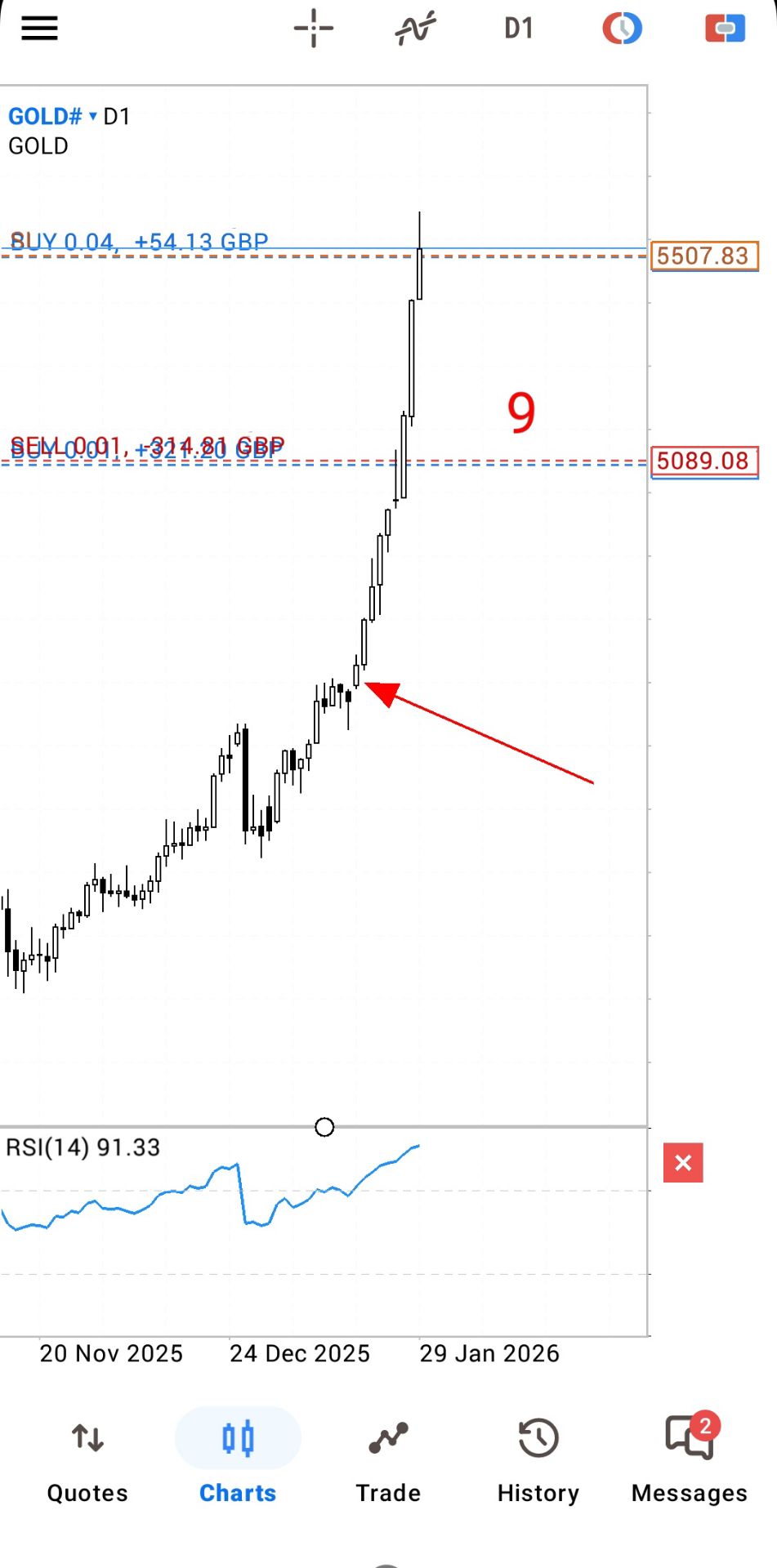
    That's crazy, man. That kind of movement is really rare!
    Khawatir_ flag
    marsgents
    @marsgentsmarket pack
    Khawatir_ flag
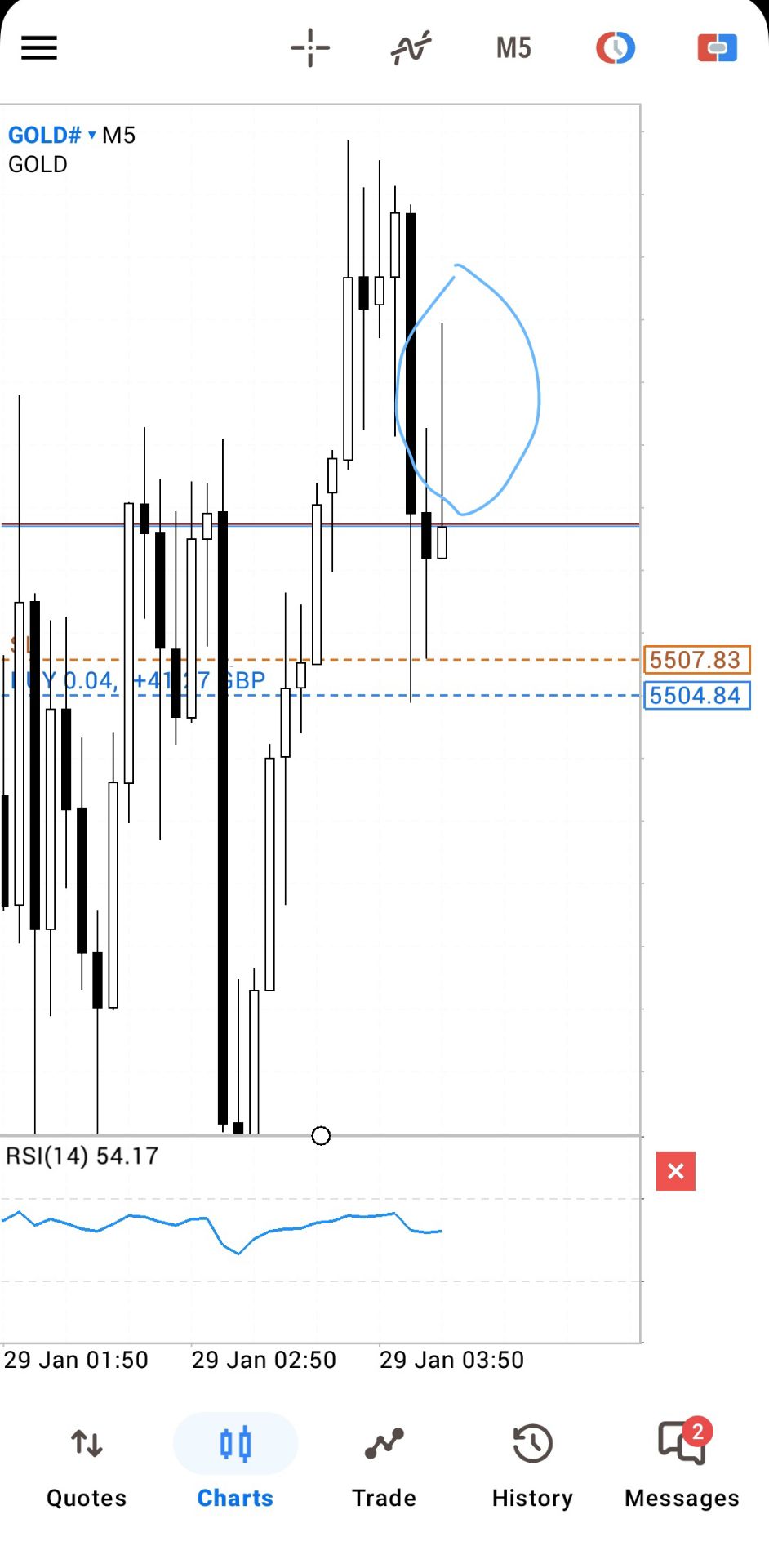
    withdrawal on m5 🤦🏻‍♂️🤦🏻‍♂️
    ANDY flag
    I give up
    Khawatir_ flag
    ANDY
    I give up
    @ANDY🤣 why coy, why?
    Khawatir_ flag
    @marsgentsIs Slipi Tomang flooded?
    marsgents flag
    Khawatir_
    @marsgentsIs Slipi Tomang flooded?
    @Khawatir_Some are flooded, some aren't, I'm safe
    marsgents flag
    Khawatir_
    withdrawal on m5 🤦🏻‍♂️🤦🏻‍♂️
    @Khawatir_hahaha, it's serious, but I'm at 5535, hit and drop🤣
    Khawatir_ flag
    marsgents
    @marsgentslet's try to count how many white candles there are in a day
    marsgents flag
    Khawatir_
    @Khawatir_1m?
    Khawatir_ flag
    Khawatir_ flag
    there are 9 🤣🤣🤣🤣
    Khawatir_ flag
    ☝☝
    Khawatir_ flag
    Starting on the 20th, those participating in the contest can open 7 layers at once. The remaining 3 can be traded, so the minimum requirement for the contest is 100 transactions. 🤣🤣 He is the winner.
    Type here...
    Add Symbol or Code

      No matching data

      All
      Trump Updates
      Recommend
      Stocks
      Cryptocurrencies
      Central Banks
      Featured News
      • All
      • Russia-Ukraine Conflict
      • Middle East Flashpoint
      • All
      • Russia-Ukraine Conflict
      • Middle East Flashpoint

      Search
      Products

      Charts Free Forever

      Chats Q&A with Experts
      Screeners Economic Calendar Data Tools
      Membership Features
      Data Warehouse Market Trends Institutional Data Policy Rates Macro

      Market Trends

      Market Sentiment Order Book Forex Correlations

      Top Indicators

      Charts Free Forever
      Markets

      News

      News Analysis 24/7 Columns Education
      From Institutions From Analysts
      Topics Columnists

      Latest Views

      Latest Views

      Trending Topics

      Top Columnists

      Latest Update

      Signals

      Copy Rankings Latest Signals Become a signal provider AI Rating
      Contests
      Brokers

      Overview Brokers Assessment Rankings Regulators News Claims
      Broker listing Forex Brokers Comparison Tool Live Spread Comparison Scam
      Q&A Complaint Scam Alert Videos Tips to Detect Scam
      More

      Business
      Events
      Careers About Us Advertising Help Center

      White Label

      Data API

      Web Plug-ins

      Affiliate Program

      Awards Institution Evaluation IB Seminar Salon Event Exhibition
      Vietnam Thailand Singapore Dubai
      Fans Party Investment Sharing Session
      FastBull Summit BrokersView Expo
      Recent Searches
        Top Searches
          Markets
          News
          Analysis
          User
          24/7
          Economic Calendar
          Education
          Data
          • Names
          • Latest
          • Prev

          View All

          No data

          Scan to Download

          Faster Charts, Chat Faster!

          Download App
          English
          • English
          • Español
          • العربية
          • Bahasa Indonesia
          • Bahasa Melayu
          • Tiếng Việt
          • ภาษาไทย
          • Français
          • Italiano
          • Türkçe
          • Русский язык
          • 简中
          • 繁中
          Open Account
          Search
          Products
          Charts Free Forever
          Markets
          News
          Signals

          Copy Rankings Latest Signals Become a signal provider AI Rating
          Contests
          Brokers

          Overview Brokers Assessment Rankings Regulators News Claims
          Broker listing Forex Brokers Comparison Tool Live Spread Comparison Scam
          Q&A Complaint Scam Alert Videos Tips to Detect Scam
          More

          Business
          Events
          Careers About Us Advertising Help Center

          White Label

          Data API

          Web Plug-ins

          Affiliate Program

          Awards Institution Evaluation IB Seminar Salon Event Exhibition
          Vietnam Thailand Singapore Dubai
          Fans Party Investment Sharing Session
          FastBull Summit BrokersView Expo

          Into the Great Wide Open, Pump Prices are Free Fallin

          AAA

          Economic

          Energy

          Summary:

          The national average for a gallon of gas kept up its torrid pace of decline, sinking six cents since last week to $3.24.

          The national average for a gallon of gas kept up its torrid pace of decline, sinking six cents since last week to $3.24. The primary culprits behind the dip are low demand and falling oil costs. Meanwhile, the national average cost for public EV charging finally moved after a static few months, ticking a penny higher.
          “There are an ever-increasing number of states east of the Rockies that have some retail gas locations selling regular for under $3 a gallon, so drivers will have more in their wallets with autumn approaching,” said Andrew Gross, AAA spokesperson. “Should the national average fall below $3, it will be the first time since May 2021.”
          With an estimated 1.2 million AAA members living in households with one or more electric vehicles, AAA tracks the average kilowatt-per-hour cost for all levels of public charging by state. Today’s national average for a kilowatt of electricity at a public charging station is 35 cents.
          According to new data from the Energy Information Administration (EIA), gas demand fell last week from 8.93 million b/d to 8.47. Meanwhile, total domestic gasoline stocks rose 219.2 to 221.6 million barrels, and gasoline production decreased last week, averaging 9.4 million barrels per day. Tumbling gasoline demand and oil costs will likely keep pump prices sliding.
          Today’s national average for a gallon of gas is $3.24, 20 cents less than a month ago and 59 cents less than a year ago.
          To stay updated on all economic events of today, please check out our Economic calendar
          Risk Warnings and Disclaimers
          You understand and acknowledge that there is a high degree of risk involved in trading. Following any strategies or investment methods may lead to potential losses. The content on the site is provided by our contributors and analysts for information purposes only. You are solely responsible for determining whether any trading assets, securities, strategy, or any other product is suitable for investing based on your own investment objectives and financial situation.
          Add to Favorites
          Share

          Copper Supercycle Interrupted

          TD Securities

          Commodity

          Energy

          China Weakness, U.S. Recession Fears and Bank of Japan Unexpected Tightening Knocks Copper Off Highs

          The outsized interest from speculative money managers such as specialist hedge funds, which was supported by copper’s long-term bullish narrative from the energy transition and projected deficit conditions for 2024, prompted the rally earlier this year. Prices rallied to a high of US$11,105/t in May and kept it trading in the US$10,000/t territory in July. Until quite recently, copper outperformed U.S. equities, the bond market, gold and other industrial metals.
          This rally was despite the fact there was very little evidence of strong demand or tightness on the ground in China. Even with projections about an undersupply of the metal in the future, there seems to be more than enough of it available right now, in large part because China is copper’s biggest buyer. Data from bourses around the world, including the London Metals Exchange, Shanghai, and CME, show that aggregate inventories of the metal have been rising to their highest levels since May 2024.
          However, Copper's outperformance has come to an end recently. Time spreads have collapsed since May, and the front end of the curve is quite depressed. With China not delivering the expected stimulus, which the market hoped would get it out of its housing and broader economic funk, fears are growing that along with a likely slowdown in the U.S., these developments will prompt a decline in copper demand growth.
          Along with an unexpected hike in the Bank of Japan policy rate, these factors prompted investors to reduce their yen-carry exposure, which reduced leverage and thus sapped enthusiasm to hold long positions in the red metal and drove prices lower. This drop in prices precipitated a negative knock-on effect from technical traders and systematic trend following funds (CTAs).
          Copper Supercycle Interrupted_1
          With economic weakness becoming a defining feature of the world's two largest economies, concerns are rising that demand (construction, industrial) will slow and that the copper market will not be tight next year. Indeed, we are projecting a modest surplus, which typically means that any price recovery will be much more muted than many in the market were projecting just a few weeks ago.
          In addition to China’s economy sputtering, the U.S. is leaning into protectionism, imposing tariffs against Beijing on everything from electric vehicles to batteries and semiconductors to solar modules. The European Union announced tariffs on Chinese battery-only electric vehicles in July, with Canada also in a well-defined protectionist mode. At the same time, mine supply is set to peak in 2026 as output is expected to grow 4.6% and 4.8% in 2025 and 2026 respectively — much faster than demand, which is projected to increase on average at just over 3% over the next two years.
          While we don’t anticipate a sustained correction, given a pending Fed easing and some cyclical demand improvements, we do project a relatively anaemic recovery from the current lows over the next 12 months. Prices will likely have a hard time breaking the US$10,000/t mark for a sustained period next year, delaying the oft-cited pending copper supercycle. But there is a risk of a serious rout should the U.S. fall into recession. Copper has historically dropped 10-60% peak-to-trough during a contraction.

          Copper Supercycle Interrupted Not Eliminated

          After mine supply peaks in 2026 and from then on, supply will be required from new projects to satisfy the demand that will be underpinned by the Energy Transition. Notwithstanding a period of above-average mine output growth over the near-term, copper still faces a structural deficit in the refined metal market. With stocks in days of consumption trending below the long-term average of 65 days through to 2033, this tightness should serve as significant price support according to Woodmac.
          The challenge will be the industry's ability to construct new mines on schedule to match demand growth. With a poor economy over the next 12 months, we are likely to see a loss of appetite for new investment in mining capacity, suggesting that proposed projects are delayed or do not find investors. If demand grows and supply does not, prices may well shoot higher.
          At the same time, poor ore quality, difficult geographies, skilled labor scarcities and high capital equipment costs all suggest that copper prices may need to be significantly higher to incentivize new mine construction.
          In addition, miners are faced with resource nationalism that may take the form of much higher taxes or other royalties to governments, geopolitical disturbances such as war, or permitting issues (e.g., Panama's recent closure of a major copper mine). This suggests that these risks should add a premium to long- term copper prices in the more distant future, as they will limit primary growth and escalate costs.
          There are risks that demand growth does not materialize as expected due to politics, a lack of social acceptance, high cost and infrastructure challenges. Overall, we do think that the risks point to higher prices for copper in the longer-term, but not before a period of weakness in the next year or so, as elevated inventories and weaker economic growth weigh on prices.
          Risk Warnings and Disclaimers
          You understand and acknowledge that there is a high degree of risk involved in trading. Following any strategies or investment methods may lead to potential losses. The content on the site is provided by our contributors and analysts for information purposes only. You are solely responsible for determining whether any trading assets, securities, strategy, or any other product is suitable for investing based on your own investment objectives and financial situation.
          Add to Favorites
          Share

          U.S. August PPI: Hits a New Low Since February, Supporting Rate Cut Expectations

          United States Department of Labor

          Economic

          Data Interpretation

          On September 12, ET, the BLS released the August PPI report:
          The U.S. PPI rose 1.7% year-on-year in August, compared to the expected 1.8% and the previous 2.1% (revised).
          The U.S. PPI rose 0.2% month-on-month in August, compared to the expected 0.1% and the previous 0% (revised).
          The growth in PPI was driven by the services sector. In August, the services inflation rose 0.4%, following a decline of 0.3% in July, mainly driven by a 4.8% rise in the index for guestroom rental. The indexes for machinery and vehicle wholesaling, automotive fuels and lubricants retailing, professional and commercial equipment wholesaling, and furniture retailing also moved higher. Conversely, prices for airline passenger services fell 0.8%. The indexes for food and alcohol retailing also decreased.
          Prices for final demand goods were unchanged in August, as a decline of 0.9% in energy prices limited the overall growth. Non-electronic cigarette prices rose 2.3%. Prices for chicken eggs, gasoline, diesel fuel, and drugs and pharmaceuticals also moved up. Conversely, the index for jet fuel decreased 10.5%.
          The PPI data rebounded from July's revised figures, suggesting the ease of inflationary pressure, which supported the rate cut expectations in September. After the data release, U.S. stock index futures and U.S. bond yields changed little and investors kept betting that the Fed would cut interest rates by 25 basis points at next week's meeting.

          August PPI Report

          To stay updated on all economic events of today, please check out our Economic calendar
          Risk Warnings and Disclaimers
          You understand and acknowledge that there is a high degree of risk involved in trading. Following any strategies or investment methods may lead to potential losses. The content on the site is provided by our contributors and analysts for information purposes only. You are solely responsible for determining whether any trading assets, securities, strategy, or any other product is suitable for investing based on your own investment objectives and financial situation.
          Add to Favorites
          Share

          Libya Sees Slow Recovery in Crude Oil Exports

          Samantha Luan

          Energy

          Commodity

          Libya’s crude oil exports are projected to fall by at least 300,000 barrels per day (bpd) in September, despite a modest recovery in production. Analysts at FGE have reported that Libya’s crude production has risen by around 200,000 bpd since the beginning of the month, now standing between 650,000 and 700,000 bpd. However, exports from western Libya are expected to remain minimal due to force majeure at the country’s two major oil fields: El Sharara, which produces 270,000 bpd, and the 70,000 bpd El Feel field.

          FGE sees total Libyan crude production in the month of September between 750,000 bpd and 800,000 bpd.

          Libyan ports have seen an uptick in crude loadings, with exports expected to increase to 370,000 bpd this week and 490,000 bpd next week. Still, the overall outlook for the OPEC member’s near-term exports is uncertain. August exports were sustained at over 1 million bpd, in part thanks to stored crude. With much of this stored oil now depleted, FGE expects Libya’s September exports to decline sharply. Total shipments in September will average below 700,000 bpd, the forecast shows—300,000 fewer barrels per day than the previous month, assuming the force majeure stays in place.

          This is a combination of rising exports in east Libya and declining western port exports due to force majeure at the Sharara and El Feel oilfields, which feel the Zawia port and the Mellitah terminal, respectively.

          A nationwide shutdown of oil fields was triggered on August 26 by Libya’s eastern regime following the dismissal of the Central Bank head, Sadiq al-Kabir, by the western government. While an agreement was reached on September 3 to appoint a new central bank head within 30 days, tensions remain high, and many observers are concerned that the deal may not hold. The leader of the eastern House of Representatives has stated that the oil blockade will continue until al-Kabir is reinstated.

          This uncertainty leaves Libya’s oil sector in a precarious position, with analysts wary that the ongoing political standoff could prevent a full recovery in crude exports for the foreseeable future.

          Source: OILPRICE

          Risk Warnings and Disclaimers
          You understand and acknowledge that there is a high degree of risk involved in trading. Following any strategies or investment methods may lead to potential losses. The content on the site is provided by our contributors and analysts for information purposes only. You are solely responsible for determining whether any trading assets, securities, strategy, or any other product is suitable for investing based on your own investment objectives and financial situation.
          Add to Favorites
          Share

          ECB's Lagarde: Monetary Policy Will Remain Restrictive for as Long as Necessary

          ECB

          Remarks of Officials

          Central Bank

          After the ECB's September policy meeting, President Lagarde held a press conference and answered reporters' questions. The highlights are as follows:
          Q1: Why choose to cut rates by 25 basis points instead of 50 basis points?
          A: The 25 basis point cut in interest rates was a unanimous decision that we took on the basis of the data. We believe that given the inflation outlook, underlying inflation, and the gradual disinflationary process indicated by the monetary policy transmission, it is appropriate to moderate the degree of monetary policy constraints by cutting the deposit facility rate by 25 basis points.
          Q2: With the October meeting not long away, will more data then change your mind?
          A: There are only five weeks until the October meeting, which is a relatively short period compared to other intervals we have had in the past. We will rely on data and make decisions on a meeting-by-meeting basis. No pre-commitments will be given to any particular rate path.
          Q3: You reiterate the need for interest rates to remain sufficiently restrictive over time. So how many more rate cuts can be made to reach the so-called neutral rate?
          A: Based on the baseline in our forecast, inflation will reach its target level in the second half of 2025. We will watch how that baseline changes over time as the data come in to determine how long we must continue to cut rates and at what point we are considered to have implemented sufficient restrictions. There's no way to determine in advance where the neutral rate will be.
          Q4: Given the structural problems, how much of a boost can a rate cut give to the eurozone economy?
          A: Due to the lag in monetary policy, although we believe GDP has peaked. However, it is observed that the impact of previous rate hikes will continue. Moreover, the decisions we make now will have the same lag. The passage of time does not satisfy the satisfaction of seeing the results of our decisions instantly. This is the reality of how monetary policy and the economy work.
          Q5: Are you concerned about the risk of below-target inflation?
          A: We have to be mindful of this risk, which is why we have set the 2% target as an intermediate goal in a sustainable way.
          Q6: The latest figures show that services inflation is rising again. How much concern does this give you? What do you see as the risks going forward, given that you have slightly raised your core inflation forecast?
          A: While all other inflation is on a downtrend, services inflation is growing and we are closely watching the relationship between wages, profits and productivity. Wages are now growing more moderately, profits are absorbing more wages, and productivity is increasing slightly due to cyclicality, which will result in services inflation being lower than its current level. As a result, we expect services inflation to fall in 2025.
          Q7: The forecast for the inflation outlook is unchanged, but the growth outlook has been adjusted due to weakening domestic demand, which is a major factor in inflation. How can this be explained?
          A: Our forecast figure for HICP, or headline inflation, is unchanged. However, core inflation has been revised by 0.1 percentage points. The reason is that energy prices have significantly impacted downward and have benefited the headline inflation. Food prices rose slightly, but only marginally. There are some trade-offs and offsets between these two factors and other prices (especially services). We have lowered our growth outlook mainly because net income has started to rise, inflation has fallen sharply, and we had expected consumption to pick up, but it hasn't. We will look at this carefully when we release our next growth and GDP figures.

          Press Conference

          Risk Warnings and Disclaimers
          You understand and acknowledge that there is a high degree of risk involved in trading. Following any strategies or investment methods may lead to potential losses. The content on the site is provided by our contributors and analysts for information purposes only. You are solely responsible for determining whether any trading assets, securities, strategy, or any other product is suitable for investing based on your own investment objectives and financial situation.
          Add to Favorites
          Share

          ECB Resumes Path of Interest Rate Cuts and Stresses Its Data Dependence

          Owen Li

          Central Bank

          As expected, on 12 September, the ECB cut its policy rate, the deposit rate, by 25 basis points to 3.50%. Moreover, from 18 September, the ECB's new operational policy framework will take effect. Specifically, this means, among other things, that from then on the spread between the refinancing rate (MRO) and the deposit rate (DFR) will be 15 basis points. Between the marginal lending rate (MLF) and the refinancing rate, the spread remains 25 basis points. Specifically, following today's interest rate decision, the MRO rate will be lowered to 3.65%, and the MLF rate to 3.90% starting 18 September.

          The ECB also confirmed the implementation of quantitative policy decisions already taken. Thus, the ECB is shrinking its PEPP portfolio by an average of EUR 7.5 billion per month by not reinvesting all assets at maturity. As of 2025, these partial reinvestments will also be completely discontinued. The ECB also continues to evaluate the impact of banks' repayments of outstanding TLTROs on its monetary policy stance. After all, these repayments remove (excess) liquidity from the financial system.

          The resumption of the rate easing cycle by the ECB in September was widely expected by financial markets and was also part of KBC Economics' interest rate scenario. The ECB's decision is consistent with recent macroeconomic indicators for the eurozone, in particular the drop in headline inflation to 2.2% in August. While that decline was driven largely by the temporary effect of a negative year-over-year change in energy prices, the overall disinflationary trend towards the ECB's 2% target remains broadly intact.

          ECB September projection with few surprises

          In their new September macroeconomic projections, ECB economists, as in the June projections, expect inflation to reach the 2% target in the second half of 2025. Annual average inflation expected by ECB economists remained unchanged at 2.5%, 2.2% and 1.9% in 2024, 2025 and 2026, respectively. Behind this is a slightly higher path for underlying core inflation (excluding food and energy) compared to June's projections. Nevertheless, even the annual average core inflation rate will fall to 2% in 2026, according to ECB economists. The slightly higher path for core inflation is offset by a more moderate price path of the energy and food components, according to the ECB economists, leading to an unchanged inflation path on balance as mentioned. In addition, ECB economists revised the GDP growth path slightly downward, in the context of recent weaker activity indicators, especially related to domestic demand.

          ECB remains data-dependent and does not pre-commit

          Against that backdrop, the ECB remained vague about the further timing and magnitude of the next steps in its easing cycle. It underlines that its further decisions remain fully data-dependent and are (re)considered from meeting to meeting.

          That pragmatic data-dependence remains a sensible strategy against the backdrop of still stubborn core inflation (mainly driven by the services component), which reached 2.8% year-on-year in August. However, as also expected by the ECB, core inflation is likely to cool further in the relatively short term. Three factors are likely to play a role in this. The current wage agreements to a large extent reflect a one-off catch-up in real wages relative to the inflation surge of the recent past. Consequently, they are unlikely to be repeated to the same extent in 2025. In addition, declining corporate profit margins play a role of buffer that absorbs part of the higher labour costs. That part is then no longer passed on to final consumer prices. Finally, labour productivity, which is currently quite low in the euro area due to ‘labour hoarding’ during the crisis period, will increase again for cyclical reasons during the expected recovery. Together with the expected moderation of wage increases from 2025 onwards, this is likely to bring the expected development of unit labour costs back in line with the inflation target of 2%.

          Keeping an eye on the Fed

          The ECB's self-proclaimed data dependence is also largely related to the fact that ECB policy is not independent of the Fed. Indeed, if the ECB were to ease substantially less that the Fed, it would likely lead to a further appreciation of the euro against the dollar. The ECB will want to avoid that negative impact on European growth (via net exports) as well as the additional disinflationary effect. Ultimately, this means that ECB policy will be partly indirectly dependent on US economic data, especially the US labour market, since they help determine Fed policy. The task for the ECB is further complicated by the fact that, as now in September, the ECB has to make its next two interest rate decisions just before the Fed's policy meetings. Hence the ECB's emphasis on its data dependence.

          Outlook

          Against the background of the continuation of the disinflationary trend, weaker activity indicators, the upcoming start of the easing cycle by the Fed and the strengthened exchange rate of the euro against the dollar, we expect the ECB to cut its interest rates one more time in December 2024. Whether that will be by 25 basis points (our base case, i.e. to 3.25% by the end of 2024) or by 50 basis points will depend crucially on how sharply the Fed implements its easing cycle starting next week.

          In the first half of 2025, the ECB will cut its deposit rate further, which will bottom out in this interest rate cycle. Again, the ECB reaction will depend heavily on the Fed's interest rate path. The more severe the Fed's easing cycle, the more likely it is that the ECB deposit rate in this cycle will also show a substantial undershooting relative to the fundamental neutral rate.

          Financial markets are currently unsure whether the remaining ECB rate cut in 2024 will be 25 basis points (to 3.25%) or 50 basis points (to 3%). The implicitly priced in financial market probabilities are about 50%-50%, with the balance shifting slightly to 25 basis points during ECB President Lagarde's press conference. That move was also consistent with a net slight increase in the German 10-year yield by a few basis points.

          Source: KBCBANK

          Risk Warnings and Disclaimers
          You understand and acknowledge that there is a high degree of risk involved in trading. Following any strategies or investment methods may lead to potential losses. The content on the site is provided by our contributors and analysts for information purposes only. You are solely responsible for determining whether any trading assets, securities, strategy, or any other product is suitable for investing based on your own investment objectives and financial situation.
          Add to Favorites
          Share

          September 13th Financial News

          FastBull Featured

          Daily News

          Central Bank

          Economic

          [Quick Facts]

          1. Goldman sees a faster pace of ECB rate cuts on weaker growth.
          2. Timiraos says Fed starting with a 25bp cut offers path of least resistance.
          3. ECB lowers three key rates as expected.
          4. U.S. weekly initial jobless claims rise moderately.
          5. U.S. August PPI rises 1.7% YoY, the lowest since February.
          6. Lagarde: Monetary policy to stay restrictive for as long as necessary.

          [News Details]

          Goldman sees a faster pace of ECB rate cuts on weaker growth
          Gurpreet Garewal, macro strategist on the Fixed Income team in Goldman Sachs Asset Management, stated in a report that a faster easing cycle towards a lower terminal rate could occur in the euro area earlier than current market pricing suggests.
          Garewal noted that over the summer, tourism, sporting events like the 2024 UEFA European Football Championship and the Olympics, and concerts drove services sector activity and inflation, but these factors have cooled off at present. Slower wage growth may ease inflation in the services sector. Combined with increasing downside risks to economic growth, this could prompt ECB officials to accelerate rate cuts in 2025 rather than following a quarterly pace of rate reductions in 2024.
          Timiraos says Fed starting with a 25bp cut offers path of least resistance
          Nick Timiraos, chief economics correspondent for The Wall Street Journal (WSJ), believes starting with a 25 basis point rate cut offers the path of least resistance, as it can avoid market panic triggered by a more substantial cut and the challenges of justifying such a move before the presidential election.
          More important than the size of the first-rate cut is the Fed's quarterly economic forecast, which will be released next week and is highly anticipated for its projections on the extent of rate cuts this year. Timiraos cited former Fed adviser Jon Faust, saying that the size of future cuts in the coming months is more significant than whether the first cut is 25 or 50 basis points. If the Fed projects a 100-basis-point cut this year, starting with 25 basis points could create awkwardness, as there are only three meetings left this year. If larger cuts are expected later, why not start sooner?
          ECB lowers three key rates as expected
          On Thursday, the European Central Bank (ECB) announced a 25 basis point cut to the deposit facility rate, bringing it to 3.5%. The interest rates on the main refinancing operations and the marginal lending facility were lowered by 60 basis points to 3.65% and 3.90% respectively. Lower inflation and economic growth allowed for some easing of its tightening policy, the ECB said. However, it did not explicitly indicate another rate cut in October, noting that inflation in the region remains high. Additionally, the ECB lowered its economic growth forecast for the next three years while keeping the headline inflation outlook unchanged. Core inflation expectations were slightly raised due to persistently high inflation in the services sector.
          U.S. weekly initial jobless claims rise moderately
          The U.S. Department of Labor reported on Thursday that initial jobless claims for the week ending September 7 increased by 2,000 to 230,000. This suggests low layoffs despite a slower labor market. It should be noted, however, that the data for the week ending September 7 includes the Labor Day holiday, and during public holidays, data tends to be volatile. Additionally, continuing jobless claims for the week ending August 31 rose slightly by 5,000 to 1.85 million.
          U.S. August PPI rises 1.7% YoY, the lowest since February
          Data released by the U.S. Department of Labor on Thursday showed that the U.S. producer price index (PPI) increased by 1.7% year-on-year in August, in line with expectations and marking the lowest level since February. On a month-on-month basis, PPI rose by 0.2%, slightly higher than the expected 0.1%, driven by a rebound in services costs. Services costs rose by 0.4%, with rent of shelter being a major driver. Meanwhile, due to a significant drop in energy costs, goods prices remained unchanged. Overall, inflationary pressures remained moderate. After the data release, investors maintained their bets on the Federal Reserve cutting interest rates by 25 basis points at next week's meeting.
          Lagarde: Monetary policy to stay restrictive for as long as necessary
          During a press conference on Thursday, European Central Bank President Christine Lagarde stated that inflation is expected to pick up in the second half of the year, and wages are still rising at a high rate. Further modest easing of the tight monetary policy would be appropriate. The labor market remains strong, but surveys indicate a further slowdown. The Eurozone economy is facing downside risks, but the policy will remain sufficiently restrictive as long as needed. Lagarde said decisions would be made on a meeting-by-meeting basis, and no pre-commitment would be made to a particular rate path.

          [Today's Focus]

          22:00 U.S. UMich Consumer Sentiment Index Prelim (Sept)
          To stay updated on all economic events of today, please check out our Economic calendar
          Risk Warnings and Disclaimers
          You understand and acknowledge that there is a high degree of risk involved in trading. Following any strategies or investment methods may lead to potential losses. The content on the site is provided by our contributors and analysts for information purposes only. You are solely responsible for determining whether any trading assets, securities, strategy, or any other product is suitable for investing based on your own investment objectives and financial situation.
          Add to Favorites
          Share
          FastBull
          Copyright © 2026 FastBull Ltd

          728 RM B 7/F GEE LOK IND BLDG NO 34 HUNG TO RD KWUN TONG KLN HONG KONG

          TelegramInstagramTwitterfacebooklinkedin
          App Store Google Play Google Play
          Products
          Charts

          Chats

          Q&A with Experts
          Screeners
          Economic Calendar
          Data
          Tools
          Membership
          Features
          Function
          Markets
          Copy Trading
          Latest Signals
          Contests
          News
          Analysis
          24/7
          Columns
          Education
          Company
          Careers
          About Us
          Contact Us
          Advertising
          Help Center
          Feedback
          User Agreement
          Privacy Policy
          Personal Information Protection Statement
          Business

          White Label

          Data API

          Web Plug-ins

          Poster Maker

          Affiliate Program

          Risk Disclosure

          The risk of loss in trading financial instruments such as stocks, FX, commodities, futures, bonds, ETFs and crypto can be substantial. You may sustain a total loss of the funds that you deposit with your broker. Therefore, you should carefully consider whether such trading is suitable for you in light of your circumstances and financial resources.

          No decision to invest should be made without thoroughly conducting due diligence by yourself or consulting with your financial advisors. Our web content might not suit you since we don't know your financial conditions and investment needs. Our financial information might have latency or contain inaccuracy, so you should be fully responsible for any of your trading and investment decisions. The company will not be responsible for your capital loss.

          Without getting permission from the website, you are not allowed to copy the website's graphics, texts, or trademarks. Intellectual property rights in the content or data incorporated into this website belong to its providers and exchange merchants.

          Not Logged In

          Log in to access more features

          Connect Broker
          Become a signal provider
          Help Center
          Customer Service
          Dark Mode
          Price Up/Down Colors

          Log In

          Sign Up

          Position
          Layout
          Fullscreen
          Default to Chart
          The chart page opens by default when you visit fastbull.com