• Trade
  • Markets
  • Copy
  • Contests
  • News
  • 24/7
  • Calendar
  • Q&A
  • Chats
Trending
Screeners
SYMBOL
LAST
BID
ASK
HIGH
LOW
NET CHG.
%CHG.
SPREAD
SPX
S&P 500 Index
6827.42
6827.42
6827.42
6899.86
6801.80
-73.58
-1.07%
--
DJI
Dow Jones Industrial Average
48458.04
48458.04
48458.04
48886.86
48334.10
-245.98
-0.51%
--
IXIC
NASDAQ Composite Index
23195.16
23195.16
23195.16
23554.89
23094.51
-398.69
-1.69%
--
USDX
US Dollar Index
97.950
98.030
97.950
98.500
97.950
-0.370
-0.38%
--
EURUSD
Euro / US Dollar
1.17394
1.17409
1.17394
1.17496
1.17192
+0.00011
+ 0.01%
--
GBPUSD
Pound Sterling / US Dollar
1.33707
1.33732
1.33707
1.33997
1.33419
-0.00148
-0.11%
--
XAUUSD
Gold / US Dollar
4299.39
4299.39
4299.39
4353.41
4257.10
+20.10
+ 0.47%
--
WTI
Light Sweet Crude Oil
57.233
57.485
57.233
58.011
56.969
-0.408
-0.71%
--

Community Accounts

Signal Accounts
--
Profit Accounts
--
Loss Accounts
--
View More

Become a signal provider

Sell trading signals to earn additional income

View More

Guide to Copy Trading

Get started with ease and confidence

View More

Signal Accounts for Members

All Signal Accounts

Best Return
  • Best Return
  • Best P/L
  • Best MDD
Past 1W
  • Past 1W
  • Past 1M
  • Past 1Y

All Contests

  • All
  • Trump Updates
  • Recommend
  • Stocks
  • Cryptocurrencies
  • Central Banks
  • Featured News
Top News Only
Share

Ukraine Says It Received 114 Prisoners From Belarus

Share

USA Embassy In Lithuania: Maria Kalesnikava Is Not Going To Vilnius

Share

USA Embassy In Lithuania: Other Prisoners Are Being Sent From Belarus To Ukraine

Share

Ukraine President Zelenskiy: Five Ukrainians Released By Belarus In US-Brokered Deal

Share

USA Vilnius Embassy: USA Stands Ready For "Additional Engagement With Belarus That Advances USA Interests"

Share

USA Vilnius Embassy: Belarus, USA, Other Citizens Among The Prisoners Released Into Lithuania

Share

USA Vilnius Embassy: USA Will Continue Diplomatic Efforts To Free The Remaining Political Prisoners In Belarus

Share

USA Vilnius Embassy: Belarus Releases 123 Prisoners Following Meeting Of President Trump's Envoy Coale And Belarus President Lukashenko

Share

USA Vilnius Embassy: Masatoshi Nakanishi, Aliaksandr Syrytsa Are Among The Prisoners Released By Belarus

Share

USA Vilnius Embassy: Maria Kalesnikava And Viktor Babaryka Are Among The Prisoners Released By Belarus

Share

USA Vilnius Embassy: Nobel Peace Prize Laureate Ales Bialiatski Is Among The Prisoners Released By Belarus

Share

Belarusian Presidential Administration Telegram Channel: Lukashenko Has Pardoned 123 Prisoners As Part Of Deal With US

Share

Two Local Syrian Officials: Joint US-Syrian Military Patrol In Central Syria Came Under Fire From Unknown Assailants

Share

Israeli Military Says It Targeted 'Key Hamas Terrorist' In Gaza City

Share

Rwanda's Actions In Eastern Drc Are A Clear Violation Of Washington Accords Signed By President Trump - Secretary Of State Rubio

Share

Israeli Military Issues Evacuation Warning In Southern Lebanon Village Ahead Of Strike - Spokesperson On X

Share

Belarusian State Media Cites US Envoy Coale As Saying He Discussed Ukraine And Venezuela With Lukashenko

Share

Belarusian State Media Cites US Envoy Coale As Saying That US Removes Sanctions On Belarusian Potassium

Share

Thai Prime Minister: No Ceasefire Agreement With Cambodia

Share

US, Ukraine To Discuss Ceasefire In Berlin Ahead Of European Summit

TIME
ACT
FCST
PREV
U.K. Trade Balance Non-EU (SA) (Oct)

A:--

F: --

P: --

U.K. Trade Balance (Oct)

A:--

F: --

P: --

U.K. Services Index MoM

A:--

F: --

P: --

U.K. Construction Output MoM (SA) (Oct)

A:--

F: --

P: --

U.K. Industrial Output YoY (Oct)

A:--

F: --

P: --

U.K. Trade Balance (SA) (Oct)

A:--

F: --

P: --

U.K. Trade Balance EU (SA) (Oct)

A:--

F: --

P: --

U.K. Manufacturing Output YoY (Oct)

A:--

F: --

P: --

U.K. GDP MoM (Oct)

A:--

F: --

P: --

U.K. GDP YoY (SA) (Oct)

A:--

F: --

P: --

U.K. Industrial Output MoM (Oct)

A:--

F: --

P: --

U.K. Construction Output YoY (Oct)

A:--

F: --

P: --

France HICP Final MoM (Nov)

A:--

F: --

P: --

China, Mainland Outstanding Loans Growth YoY (Nov)

A:--

F: --

P: --

China, Mainland M2 Money Supply YoY (Nov)

A:--

F: --

P: --

China, Mainland M0 Money Supply YoY (Nov)

A:--

F: --

P: --

China, Mainland M1 Money Supply YoY (Nov)

A:--

F: --

P: --

India CPI YoY (Nov)

A:--

F: --

P: --

India Deposit Gowth YoY

A:--

F: --

P: --

Brazil Services Growth YoY (Oct)

A:--

F: --

P: --

Mexico Industrial Output YoY (Oct)

A:--

F: --

P: --

Russia Trade Balance (Oct)

A:--

F: --

P: --

Philadelphia Fed President Henry Paulson delivers a speech
Canada Building Permits MoM (SA) (Oct)

A:--

F: --

P: --

Canada Wholesale Sales YoY (Oct)

A:--

F: --

P: --

Canada Wholesale Inventory MoM (Oct)

A:--

F: --

P: --

Canada Wholesale Inventory YoY (Oct)

A:--

F: --

P: --

Canada Wholesale Sales MoM (SA) (Oct)

A:--

F: --

P: --

Germany Current Account (Not SA) (Oct)

A:--

F: --

P: --

U.S. Weekly Total Rig Count

A:--

F: --

P: --

U.S. Weekly Total Oil Rig Count

A:--

F: --

P: --

Japan Tankan Large Non-Manufacturing Diffusion Index (Q4)

--

F: --

P: --

Japan Tankan Small Manufacturing Outlook Index (Q4)

--

F: --

P: --

Japan Tankan Large Non-Manufacturing Outlook Index (Q4)

--

F: --

P: --

Japan Tankan Large Manufacturing Outlook Index (Q4)

--

F: --

P: --

Japan Tankan Small Manufacturing Diffusion Index (Q4)

--

F: --

P: --

Japan Tankan Large Manufacturing Diffusion Index (Q4)

--

F: --

P: --

Japan Tankan Large-Enterprise Capital Expenditure YoY (Q4)

--

F: --

P: --

U.K. Rightmove House Price Index YoY (Dec)

--

F: --

P: --

China, Mainland Industrial Output YoY (YTD) (Nov)

--

F: --

P: --

China, Mainland Urban Area Unemployment Rate (Nov)

--

F: --

P: --

Saudi Arabia CPI YoY (Nov)

--

F: --

P: --

Euro Zone Industrial Output YoY (Oct)

--

F: --

P: --

Euro Zone Industrial Output MoM (Oct)

--

F: --

P: --

Canada Existing Home Sales MoM (Nov)

--

F: --

P: --

Euro Zone Total Reserve Assets (Nov)

--

F: --

P: --

U.K. Inflation Rate Expectations

--

F: --

P: --

Canada National Economic Confidence Index

--

F: --

P: --

Canada New Housing Starts (Nov)

--

F: --

P: --

U.S. NY Fed Manufacturing Employment Index (Dec)

--

F: --

P: --

U.S. NY Fed Manufacturing Index (Dec)

--

F: --

P: --

Canada Core CPI YoY (Nov)

--

F: --

P: --

Canada Manufacturing Unfilled Orders MoM (Oct)

--

F: --

P: --

Canada Manufacturing New Orders MoM (Oct)

--

F: --

P: --

Canada Core CPI MoM (Nov)

--

F: --

P: --

Canada Manufacturing Inventory MoM (Oct)

--

F: --

P: --

Canada CPI YoY (Nov)

--

F: --

P: --

Canada CPI MoM (Nov)

--

F: --

P: --

Canada CPI YoY (SA) (Nov)

--

F: --

P: --

Canada Core CPI MoM (SA) (Nov)

--

F: --

P: --

Q&A with Experts
    • All
    • Chatrooms
    • Groups
    • Friends
    Connecting
    .
    .
    .
    Type here...
    Add Symbol or Code

      No matching data

      All
      Trump Updates
      Recommend
      Stocks
      Cryptocurrencies
      Central Banks
      Featured News
      • All
      • Russia-Ukraine Conflict
      • Middle East Flashpoint
      • All
      • Russia-Ukraine Conflict
      • Middle East Flashpoint
      Search
      Products

      Charts Free Forever

      Chats Q&A with Experts
      Screeners Economic Calendar Data Tools
      Membership Features
      Data Warehouse Market Trends Institutional Data Policy Rates Macro

      Market Trends

      Market Sentiment Order Book Forex Correlations

      Top Indicators

      Charts Free Forever
      Markets

      News

      News Analysis 24/7 Columns Education
      From Institutions From Analysts
      Topics Columnists

      Latest Views

      Latest Views

      Trending Topics

      Top Columnists

      Latest Update

      Signals

      Copy Rankings Latest Signals Become a signal provider AI Rating
      Contests
      Brokers

      Overview Brokers Assessment Rankings Regulators News Claims
      Broker listing Forex Brokers Comparison Tool Live Spread Comparison Scam
      Q&A Complaint Scam Alert Videos Tips to Detect Scam
      More

      Business
      Events
      Careers About Us Advertising Help Center

      White Label

      Data API

      Web Plug-ins

      Affiliate Program

      Awards Institution Evaluation IB Seminar Salon Event Exhibition
      Vietnam Thailand Singapore Dubai
      Fans Party Investment Sharing Session
      FastBull Summit BrokersView Expo
      Recent Searches
        Top Searches
          Markets
          News
          Analysis
          User
          24/7
          Economic Calendar
          Education
          Data
          • Names
          • Latest
          • Prev

          View All

          No data

          Scan to Download

          Faster Charts, Chat Faster!

          Download App
          English
          • English
          • Español
          • العربية
          • Bahasa Indonesia
          • Bahasa Melayu
          • Tiếng Việt
          • ภาษาไทย
          • Français
          • Italiano
          • Türkçe
          • Русский язык
          • 简中
          • 繁中
          Open Account
          Search
          Products
          Charts Free Forever
          Markets
          News
          Signals

          Copy Rankings Latest Signals Become a signal provider AI Rating
          Contests
          Brokers

          Overview Brokers Assessment Rankings Regulators News Claims
          Broker listing Forex Brokers Comparison Tool Live Spread Comparison Scam
          Q&A Complaint Scam Alert Videos Tips to Detect Scam
          More

          Business
          Events
          Careers About Us Advertising Help Center

          White Label

          Data API

          Web Plug-ins

          Affiliate Program

          Awards Institution Evaluation IB Seminar Salon Event Exhibition
          Vietnam Thailand Singapore Dubai
          Fans Party Investment Sharing Session
          FastBull Summit BrokersView Expo

          March 17th Financial News

          FastBull Featured

          Daily News

          Summary:

          ECB raises rates by 50 bps; U.S. mortgage rates fall for the first time in six weeks to 6.6%; Summers: Lagarde gets A+, and Powell should follow up next week...

          【Quick Facts】

          1. ECB raised the interest rate by 50 bps.
          2. Summers: Lagarde got A+, and Powell should follow up next week.
          3. U.S. mortgage rates fell for the first time in six weeks down to 6.6%.
          4. Switzerland's largest party, the People's Party, opposed the state guarantee for Credit Suisse.
          5. The market expects the BoE to keep interest rates unchanged next week with a 50% probability.

          【News Details】

          1. ECB raised the interest rate by 50 bps.
          The European Central Bank held a monetary policy meeting on March 16, local time, and decided to raise all three key interest rates in the eurozone by 50 basis points. Since the 22nd of this month, the main refinancing rate, marginal lending rate, and deposit mechanism rate were raised to 3.50%, 3.75%, and 3.00% respectively.
          Meanwhile, the ECB updated its quarterly economic forecasts: inflation is expected to be 5.3% in 2023 (6.3% in December forecast), 2.9% in 2024 (3.4% in December forecast), and 2.1% in 2025 (2.3% in December forecast).
          The economy is expected to grow at 1% in 2023 (0.5% in the December forecast), 1.6% in 2024 (1.9% in the December forecast), and 1.6% in 2025 (1.8% in the December forecast).
          The uncertain market situation at the subsequent conference led to no signals from the ECB on the future, and showed that the ECB is finally in true data-dependent mode. The ECB will continue to raise interest rates at its next meeting, possibly leaning towards a 25 bps hike. Euro short-term interest rate forward swap contracts are pricing the ECB to reach peak interest rates of around 3% in August. The peak level of interest rates is unchanged from before the monetary policy decision was announced, but the time to reach peak rates has been advanced by three months. In addition, the market is pricing the ECB to cut rates by 15 bps by March of next year.
          2. Summers: Lagarde got A+, and Powell should follow up next week.
          Former U.S. Treasury Secretary Summers applauded the European Central Bank (ECB) President Lagarde for raising rates by 50 bps on Thursday and said the Fed should follow up with its own modest action next week. Summers said Lagarde got an A+ for not only continuing to raise rates in the face of recent financial market turmoil, but also for drawing the line between monetary policy and financial stability concerns, making it clear that the ECB has different solutions for each. He "very strongly" that the Fed should raise rates by 25 bps next week. Summers believes that, given the inflation problem, the recent impact of the banking sector is not enough to justify the Fed to suspend interest rate hikes, suspending interest rate hikes may not only push up inflation expectations, but also scare consumers and businesses, making them believe that the economic situation is worse than they thought, thus increasing the possibility of a recession.
          3. U.S. mortgage rates fell for the first time in six weeks down to 6.6%.
          Freddie Mac said Thursday that the average rate on a 30-year fixed-rate loan in the United States fell to 6.6 percent from 6.73 percent last week, the first decline in six weeks. As investors responded to the impact of the Silicon Valley bank collapse, the yield on the 10-year U.S. Treasury note fell, and borrowing costs followed the trend. The drop in interest rates provided a window for homebuyers scrambling to get ahead of the curve during the market's typically busiest and most competitive selling season. But nervousness around banking turmoil and the Fed's next move, high home prices and a scarcity of listings in many areas could dampen transaction volume.
          4. Switzerland's largest party, the People's Party, opposed the state guarantee for Credit Suisse.
          The Swiss People's Party, the largest party in the Swiss parliament, has said it is opposed to any form of a state guarantee on issues surrounding Credit Suisse. The government should not provide a guarantee for Credit Suisse," said Thomas Matter, a member of the party's leadership team. The Swiss central bank, which is responsible for providing liquidity to Credit Suisse, has already taken action and there is no need for the Federal Council to take further steps. If the Federal Council were to provide a government guarantee for Credit Suisse, it would discredit the "too big to fail" regulatory regime introduced after the financial crisis." The Federal Council is made up of seven members from different political parties, usually making decisions by consensus and rotating the federal presidency for a one-year term.
          5. The market expects the BoE to keep interest rates unchanged next week with a 50% probability.
          The market has shifted its interest rate expectations for the BoE to a final rate hike of 25 bps, but there is significant uncertainty about the exact timing of the hike. Heightened concerns about instability in the banking sector have led the market to price in a 50% chance that the BoE will not raise rates in March. The collapse of Silicon Valley Bank, and the recent pain from Credit Suisse, have led to widespread fears that something is about to break due to tighter monetary policy.

          【Focus of the Day】

          UTC+8 18:00 Eurozone HICP (Feb)
          UTC+8 21:15 U.S. Monthly Industrial Output Rate (Feb)
          UTC+8 22:00 U.S. University of Michigan Preliminary Consumer Confidence (Mar)
          UTC+8 22:00 University of Michigan 1-Year Inflation Rate Preliminary Estimate
          UTC+8 22:00 University of Michigan 5-10 Year Inflation Rate Preliminary Estimate
          Risk Warnings and Disclaimers
          You understand and acknowledge that there is a high degree of risk involved in trading. Following any strategies or investment methods may lead to potential losses. The content on the site is provided by our contributors and analysts for information purposes only. You are solely responsible for determining whether any trading assets, securities, strategy, or any other product is suitable for investing based on your own investment objectives and financial situation.
          Comments
          Add to Favorites
          Share

          This is What a Relief Rally Looks Like

          Samantha Luan
          Market sentiment can be pretty gloomy in a financial crisis. So when national authorities offer, approve or backstop gargantuan funding and rescue packages worth hundreds of billions of dollars, investors are entitled to get a little bit excited.
          Thursday's remarkable risk-on rally reflects exactly that and barring any unforeseen events - a dangerous assumption in such febrile times, perhaps - Asia should round off a tumultuous week on a high note on Friday.
          Up to 11 U.S. banks, including giants JP Morgan Chase, Morgan Stanley and Citigroup, will deposit up to $30 billion into stricken First Republic Bank, sources familiar with the matter told Reuters.
          The package is backed by U.S. regulators, and media reports said JP Morgan boss Jamie Dimon met with Treasury Secretary Janet Yellen on Thursday to discuss it.
          This followed news late on Wednesday that Switzerland's central bank will offer the even more stricken Credit Suisse up to $54 billion in loans to shore up liquidity.
          Not only did the Credit Suisse lifeline help calm markets, it gave cover for the European Central Bank (ECB) to deliver an inflation-fighting 50 basis point rate hike on Thursday.
          Raising rates during a banking crisis may come back to haunt the ECB - it wouldn't be the first time - but then again, its new strategy of data dependency could also give it cover to reverse course in the coming months if it has to.
          What started as another grim-looking session on Thursday - safe-havens like the yen and Treasuries were riding high in early trade - culminated in a solid risk rally across the board.
          This is What a Relief Rally Looks Like_1The yen slumped from its one-month high, the two-year U.S. Treasury yield ended the day 20 bps higher, U.S. regional banks had their biggest rise in four months, up 3.26%, and the Nasdaq jumped 2.5% for its best day in six weeks.
          Welcome relief for investors all round. But if previous banking crises have taught us anything, it is that they are never resolved in a matter of days, no matter how bold authorities' action may be.
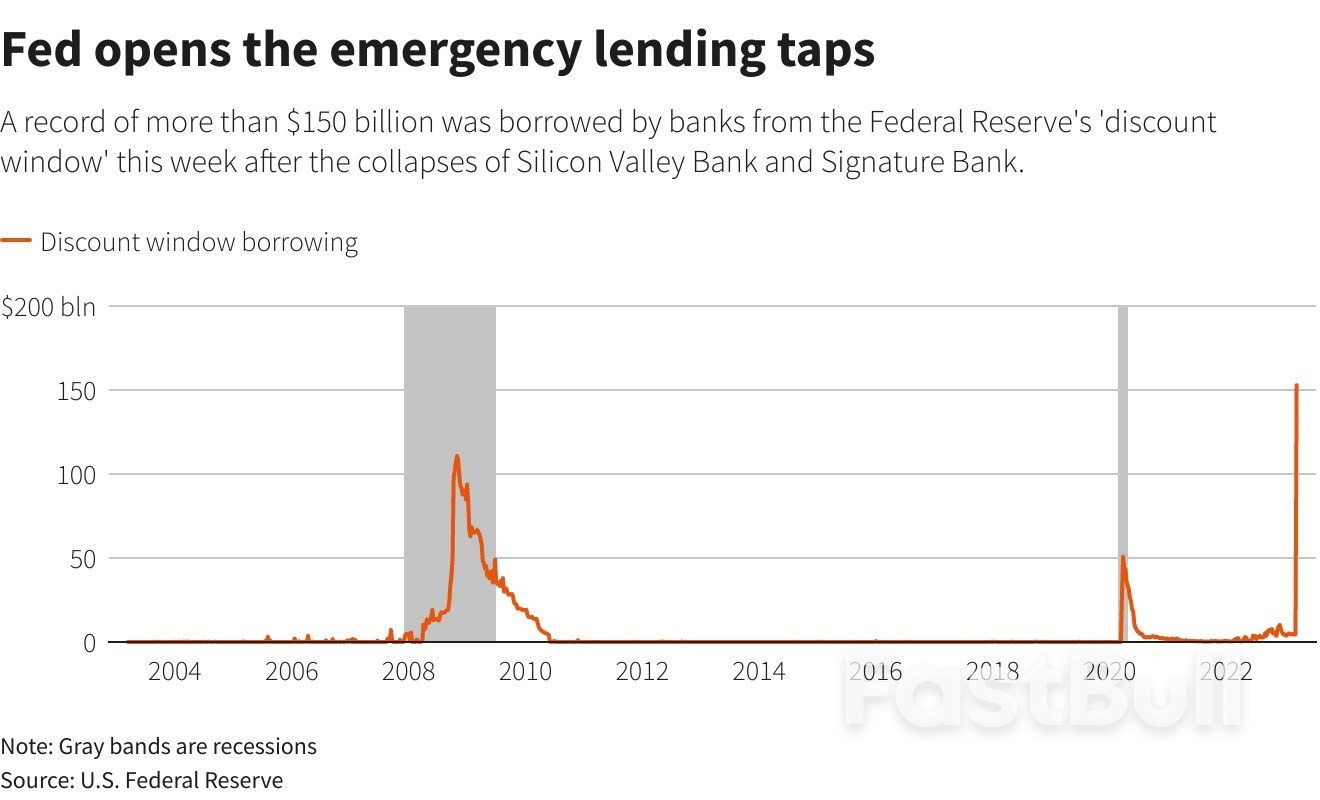
          Underlying the scale of fear that has permeated markets since the collapse of Silicon Valley Bank at the weekend, Fed data on Thursday showed that, as of Wednesday, banks took a record $152.9 billion from the Fed's discount window this week.
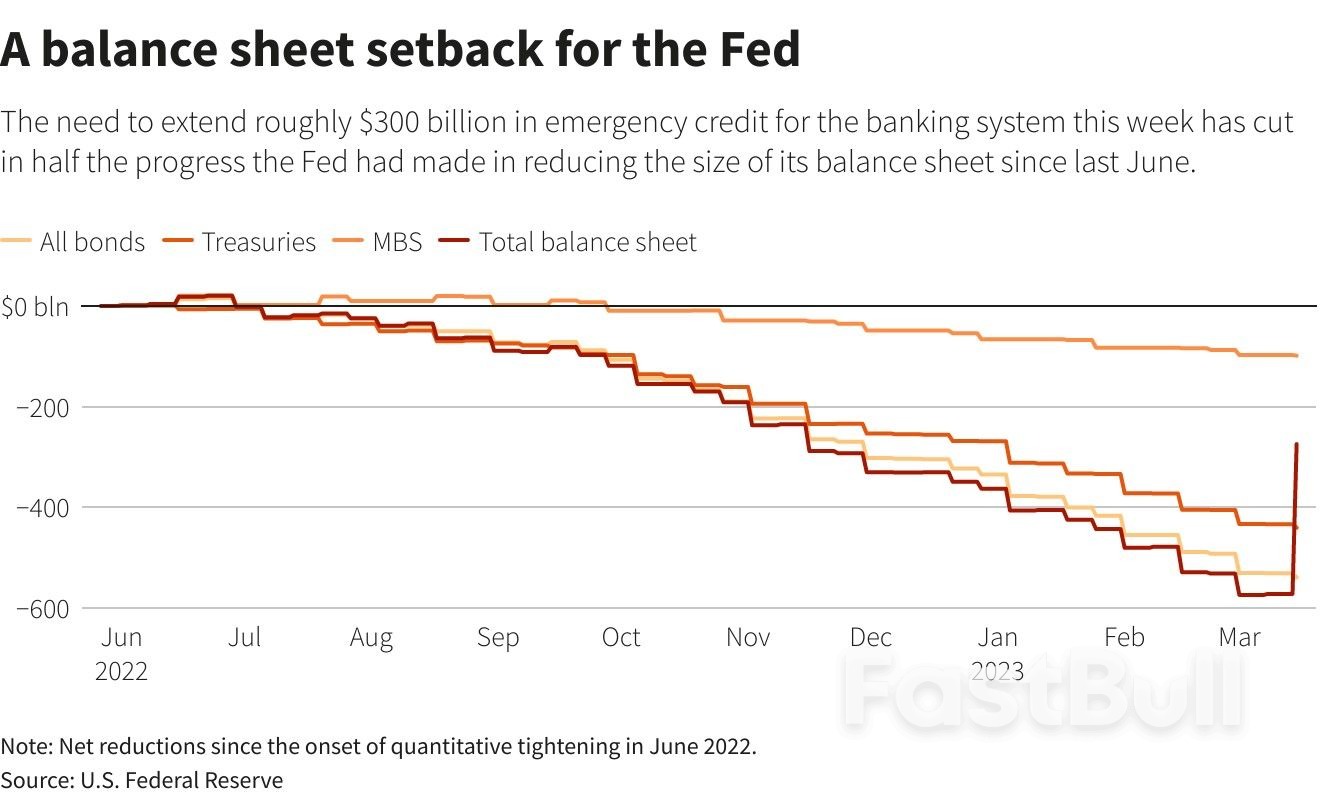
          Together with its other emergency funding measures, the Fed's balance sheet grew by $300 billion this week.
          Markets could be in yo-yo mode in the weeks ahead. But Friday, in Asia at least, looks like being an up day.
          Here are three key developments that could provide more direction to markets on Friday:
          - Japan tertiary activity index (January)
          - Malaysia trade (February)
          - Euro zone inflation (February)

          Source: Yahoo

          Risk Warnings and Disclaimers
          You understand and acknowledge that there is a high degree of risk involved in trading. Following any strategies or investment methods may lead to potential losses. The content on the site is provided by our contributors and analysts for information purposes only. You are solely responsible for determining whether any trading assets, securities, strategy, or any other product is suitable for investing based on your own investment objectives and financial situation.
          Comments
          Add to Favorites
          Share

          Banks Sought Record Fed Liquidity in Wake of SVB Collapse

          Alex
          Banks sought record amounts of emergency liquidity from the Federal Reserve over recent days in the wake of the failure of Silicon Valley Bank and Signature Bank, which in turn helped undo months of central bank efforts to shrink the size of its balance sheet, Fed data showed on Thursday.
          Banks took an all-time high $152.9 billion from the Fed's traditional lender-of-last resort facility known as the discount window as of Wednesday, while also taking $11.9 billion in loans from the Fed's newly created Bank Term Lending Program. The discount window jump crashed through the prior record of $112 billion in the fall of 2008, during the most acute phase of the financial crisis.
          Including more than $140 billion in other funding provided to the new bridge banks for Silicon Valley Bank and Signature Bank established by the Federal Deposit Insurance Corp, the central bank's total balance sheet mushroomed by roughly $300 billion in the last week. That reverses a substantial portion of the balance sheet reduction accomplished since last summer.
          While the borrowing amounts were large, some analysts were nevertheless heartened by what they saw and said there was now less reason to fear events of recent days are rising to a level where they could crash the entire economy.
          "The numbers, as we see them right here, are more consistent with the idea that this is just an idiosyncratic issue at a handful of banks," said Thomas Simons, money market economist with investment bank Jefferies. The government's support efforts appear likely to work and the size of the numbers reported by the Fed Thursday suggest "it's not like a huge system-wide problem," he said.

          Banks Sought Record Fed Liquidity in Wake of SVB Collapse_1New Tools

          The Fed's bank lending facility was launched on Sunday amid highly unsettled markets, rattled by the failure of regional financial firm Silicon Valley Bank on Friday and then Signature over the weekend.
          The facility allows a range of banks and other eligible firms to borrow against Treasuries, mortgage back securities and other eligible collateral at face value, breaking from other Fed lending efforts that put penalties on the lending. Firms can do this for up to a year at a borrowing cost of the one-year overnight index swap rate plus 10 basis points.
          The bank lending facility is backstopped by $25 billion from the Treasury Department's Exchange Stabilization Fund.
          Record discount window borrowing was somewhat unexpected as many analysts had thought banks would instead gravitate to the new lending facility. But there was also a question of timing, as firms may have first gone to the discount window as it was there when the troubles broke. Over time, that money could move from the discount window and over to the new facility, some speculated.
          That said, some saw the discount window borrowing surge as a positive by itself. The facility has long been shunned by eligible banks for fear that using it would signal to others in the market they were in trouble. The Fed has tried to dispel this stigma, to uncertain effect.
          Steven Kelly, senior research associate at the Yale Program on Financial Stability, said that Thursday's numbers suggest to him that the extraordinary action of standing up a new facility may not have even needed to happen.
          Given the numbers released by the Fed, "what this tells me is how easily this could have been done through the discount window," with the existing Fed toolkit, he said.

          Banks Sought Record Fed Liquidity in Wake of SVB Collapse_2Balance Sheet Upswing

          The surge in emergency lending caused the Fed's balance sheet to stop shrinking and grow notably larger. After peaking at just shy of $9 trillion last summer before the Fed began taking action to reduce its holdings of Treasury and mortgage-backed bonds, overall holdings had fallen to $8.39 trillion on March 8, before moving up to nearly $8.7 trillion on Wednesday, which is the highest since November.
          The renewed rise of the balance sheet at a time when the Fed is still likely to press forward with rate rises puts two key pillars of monetary policy in some level of conflict.
          "That's a feature, not a bug," said Derek Tang of forecasting firm LH Meyer. The Fed will be able to stay the course on inflation-fighting rate rises and a bigger balance sheet will allow it to also stay the current course on shedding bonds and avoid stopping altogether the balance sheet run down, he said.

          Source: Reuters

          Risk Warnings and Disclaimers
          You understand and acknowledge that there is a high degree of risk involved in trading. Following any strategies or investment methods may lead to potential losses. The content on the site is provided by our contributors and analysts for information purposes only. You are solely responsible for determining whether any trading assets, securities, strategy, or any other product is suitable for investing based on your own investment objectives and financial situation.
          Comments
          Add to Favorites
          Share

          UK Budget Patches a Hole but Borrowing Outlook Much Tougher

          Justin

          Central Bank

          Economic

          With strains on the public purse and the need still to keep down the UK’s risk premium after September 2022’s reckless mini-budget, Chancellor of the Exchequer Jeremy Hunt had limited room for largesse in his 15 March budget.
          With a technical gross domestic product recession no longer expected, the Treasury’s coffers were around £30bn fuller than expected in Hunt’s 17 November statement, adjusted for definitional changes to student loans. But with financial markets watching, he was right to use no more than two-thirds of it in targeted measures, with the rest put towards short-term fiscal repair.
          By preserving previously announced tax rises such as freezing personal tax thresholds, selected spending cuts and a higher corporation tax rate, Hunt is providing further calm after his predecessor, Kwasi Kwarteng, threatened £60bn of unfunded fiscal expansion. To do otherwise would have risked another leap in market interest rate expectations that last November had been the largest inter-forecast jump the Bank of England had seen.
          The benefit of prudence, aided by better growth and tax revenue projections than anticipated in November, is to massage down over the forecast period to 2027-28 public sector government debt ratios still close to post-war highs. But they remain excessive and more work is needed to avoid debt becoming troublesome.

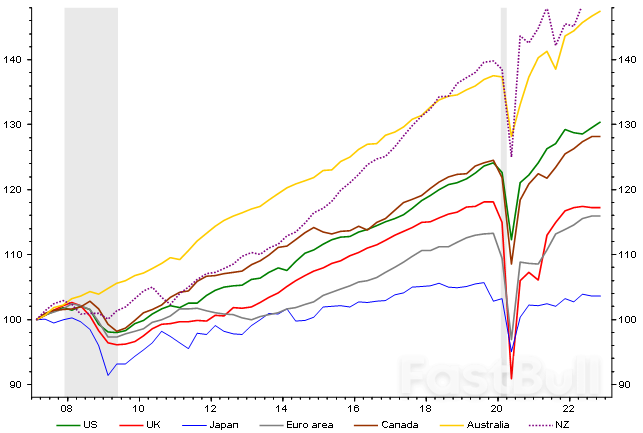
          Figure 1. The UK could remain the relative growth laggard

          Real GDP level re-based (Q1 2007 = 100). Grey denotes US (NBER) recession
          UK Budget Patches a Hole but Borrowing Outlook Much Tougher_1
          Hunt did use the windfall selectively to assist demand and ‘break down the barriers’ that prevent people (over 7m adults of working age) from working. These include confirmation of the energy support package’s extension to July after which wholesale gas prices are expected to fall (factored into the BoE’s November forecast), full capital allowances as an offset to the corporation tax rise, promotion of investment zones, increased pension allowances and free childcare for working parents (hoped to attract 60,000 into employment).
          But the absence of other measures offers little to lift the UK from the verge of recession. Forecast upgrades based mostly on the relatively mild northern hemisphere winter mean the Office of Budget Responsibility now discounts a GDP recession, with activity falling in Q1 2023 and picking up slightly into 2024. This runs contrary to the more-than-one-year recession the BoE is projecting, and suggests a peak-to-trough GDP fall of about a quarter of the 2.1% expected in Hunt’s autumn statement.
          Consumer price index inflation is expected to fall on base effect, lower world energy prices and Hunt’s announcement of pub alcohol and fuel duty freezes: from 10.1% yoy in January 2023 to as low as 2.9% in Q4 2023. This will please Prime Minister Rishi Sunak who has staked his reputation on ‘halving inflation’ by year end. Yet the fall in real household disposable incomes as a result of a higher tax burden (reaching a post-war high in 2027-28) and stagnant growth will be the sharpest two-year fall (a cumulative 5.7%) since 1956 when records began.
          These could keep the UK as the growth laggard within major economies. On the current path, returning its real GDP to the pre-Covid-19 peak (Figure 1) is unlikely to happen until mid-2024. So quid pro quo to the Conservative government of putting debt reduction ahead of short-term largesse is handing extra political capital to its opposition.
          Keir Starmer, leader of the opposition Labour party, was quick to label Hunt’s budget as a ‘doom loop of lower growth, higher taxes’. And Pat McFadden, shadow chief secretary to the Treasury, gave the reminder that ‘the IMF has forecast us to have among the weakest growth of major industrial countries over the next two years.’

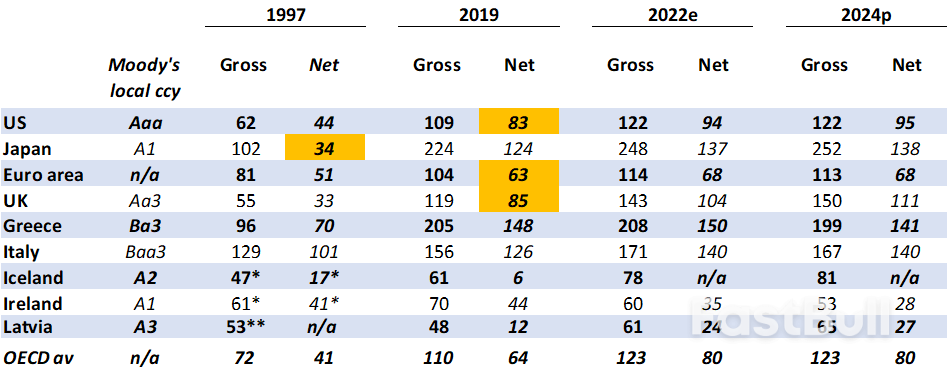
          Figure 2. Legacy of slow growth after the 2008 financial crisis is debt build-up

          UK Budget Patches a Hole but Borrowing Outlook Much Tougher_2
          Government gross and net liabilities as a % of GDP, e = estimates, p= projections (*1998 data; **2000 data)
          Even with the mix of targeted help and fiscal prudence announced on 15 March, UK fiscal borrowing stays high over the medium term. Hunt may have patched up the hole left by Kwarteng – and even shown improvement on his own autumn statement – but the finances have deteriorated noticeably since Sunak’s (chancellor from 2020-22) budget in March 2022. As the OBR admits: ‘The outlook for borrowing has improved materially since November, but remains more challenging than a year ago.’
          Compared to March 2022, the OBR now expects the ratio of public sector net borrowing to GDP up to 2026-27 (at an average 3.3% of GDP) to be a cumulative 7.8 percentage points higher (an annual average of 2pp). This is only partly because of its lower (an average 0.8pp less per annum) nominal GDP projections.
          Without growth, this could prove troublesome. Net government debt is now expected to peak at 103% in 2023-24, both significantly higher and later than the 96% peak in 2022-23 hoped for in March 2022. As a guide, the OBR expects net debt adjusted for BoE holdings to be 92% in 2023-24. While lower, this ratio is not expected to peak out, at 95%, until 2026-27 as continuation of the Bank’s active quantitative tightening (asset sales) reduces the difference between the two measures.
          Either way, today’s debt ratios are around three times Japan’s (34%) when it entered a lost growth decade in the mid-1990s (Figure 2, which uses OECD estimates for consistency). Japan’s debt is held predominantly (97%) by domestic investors less sensitive to yield and foreign currency ratings. Yet, with around 40% of UK market-held debt held internationally, absorbing it may hinge more on yield, currency and ratings considerations than in Japan.
          The hard work on UK debt reduction may await whoever’s in power after the next general election, probably in 2024. Hunt was doubtless reluctant to tighten the fiscal screw faster given the prospect of further monetary tightening, however slight, and the spectre of recession. This is just as well if Sunak expects economic recovery before then.

          Source:Neil Williams

          To stay updated on all economic events of today, please check out our Economic calendar
          Risk Warnings and Disclaimers
          You understand and acknowledge that there is a high degree of risk involved in trading. Following any strategies or investment methods may lead to potential losses. The content on the site is provided by our contributors and analysts for information purposes only. You are solely responsible for determining whether any trading assets, securities, strategy, or any other product is suitable for investing based on your own investment objectives and financial situation.
          Comments
          Add to Favorites
          Share

          ECB Hikes Rates by 50bp

          Justin

          Central Bank

          Economic

          With the latest financial market developments, there were doubts about whether the ECB would continue its hiking cycle today. But it has. With the latest inflation projections forecasting both core and headline inflation close to 2% in 2025, the ECB could easily present some dovishness during the Q&A session, hinting at a slowdown in the pace and size of further rate hikes.
          Since the financial crisis in 2007 and 2008, financial markets have gotten used to the idea that central banks will always play the lender of last resort. In a European context, be it a financial crisis, a euro crisis or a pandemic, the ECB has always been there to help. “Whatever it takes”, if needed. However, the big difference between the last 15 years and now is that there is a severe inflation problem. The ECB cannot simply return to its role of firefighter as it has to fight inflation. The fact that balancing between financial stability and price stability can be quite a conflict of interest for the ECB has already been clear since European bank supervision, in the wake of the euro crisis, was moved to the ECB.
          What markets and central bankers are currently experiencing is actually what undergraduate students learn at college in their first year of studying economics: monetary policy has an impact on the economy. It shouldn’t be a surprise to anyone that the most aggressive monetary policy tightening since the start of the eurozone in 1999 has and will have adverse effects. The last few days have been a good reminder to the ECB that the next steps in fighting inflation will be much harder than the steps taken so far. The first phase of exiting the so-called unconventional measures (negative interest rates and bond purchases) went relatively smoothly, but now that interest rates are in restrictive territory, every additional rate hike increases the risk of breaking something. As a result, we expect the ECB to turn more dovish today and in the coming weeks, probably hinting at a slowdown in the pace and size of any further rate hikes.

          Source:ING

          To stay updated on all economic events of today, please check out our Economic calendar
          Risk Warnings and Disclaimers
          You understand and acknowledge that there is a high degree of risk involved in trading. Following any strategies or investment methods may lead to potential losses. The content on the site is provided by our contributors and analysts for information purposes only. You are solely responsible for determining whether any trading assets, securities, strategy, or any other product is suitable for investing based on your own investment objectives and financial situation.
          Comments
          Add to Favorites
          Share

          European Central Bank Hikes Rates despite Market Mayhem, Pledges Support If

          Justin

          Central Bank

          Economic

          The European Central Bank on Thursday announced a further rate hike of 50 basis points, signaling it is ready to supply liquidity to banks if needed, amid recent turmoil in the banking sector.
          The ECB had signaled for several weeks that it would be raising rates again at its March meeting, as inflation across the 20-member region remains sharply above the targeted level. In February, preliminary data showed headline inflation of 8.5%, well above the central bank's target of 2%.
          Some market players questioned whether President Christine Lagarde would still go ahead with the move, given recent shocks in the banking sector. Credit Suisse
          shares tumbled by as much as 30% in Wednesday intraday trade, and the whole banking sector ended the Wednesday session down by about 7%.
          "Inflation is projected to remain too high for too long. Therefore, the Governing Council today decided to increase the three key ECB interest rates by 50 basis points," the ECB said in a statement.
          This latest move brings the bank's main rate to 3%. It was in negative territory before July last year.
          "The Governing Council is monitoring current market tensions closely and stands ready to respond as necessary to preserve price stability and financial stability in the euro area. The euro area banking sector is resilient, with strong capital and liquidity positions," the central bank said in the same statement.
          Initial pressures on the banking sector emerged last week, when U.S. authorities deemed Silicon Valley Bank insolvent. The event threw international subsidiaries of the bank into collapse and raised concerns about whether central banks are increasing rates at too aggressive of a pace. Goldman Sachs quickly adjusted its rate expectations for the Federal Reserve, due to meet next week — the bank now anticipates a 25 basis point increase, after previously forecasting a 50 basis point hike.
          European officials were keen to stress that the situation in Europe is different from the one in the United States. Overall, there is less deposit concentration — SVB was an important lender to the tech and healthcare sectors — deposit flows seem stable, and European banks are well capitalized since the regulatory transformation that followed the global financial crisis.
          Equity action on Thursday showed some relief across the banking sector, after Credit Suisse said it will borrow up to $54 billion from the Swiss National Bank.

          'I was around in 2008'

          President Lagarde was keen to stress that the recent market turmoil is different from what happened during the global financial crisis of 2008.
          "Given the reforms that have taken place, and I was around in 2008, so I have a clear recollection of what happened and what we had to do, we did reform the framework, we did agree on Basel III [a regulatory framework], we did increase the capital ratios...the banking sector is currently in a much, much stronger position," Lagarde said during a press conference.
          "Added to which, if it was needed, we do have the tools, we do have the facilities that are available, and we also have a toolbox that also has other instruments that we always stand ready to activate, if and when needed," she added, reiterating that the central bank is ready to step in, if required.

          Determined to bring down inflation

          The ECB on Thursday also revised its inflation expectations. It now sees headline inflation averaging 5.3% this year, followed by 2.9% in 2024. In December, the bank had projected a 6.3% inflation figure for 2023 and a 3.4% rate in 2024.
          President Lagarde said that the ECB remains committed to bringing down inflation.
          "We are determined to return inflation back to 2% in the medium-term, that should not be doubted, the determination is intact," she said.
          An open question remains: how quickly will the ECB proceed with further rate hikes? Until the recent market instability, expectations pointed to another 25 basis point increase in May, followed by the same move in June.
          Lagarde did not provide an indication about future decisions.
          "We know that we have a lot more ground to cover, but it is a big caveat, if our base line were to persist," she said, highlighting that "the pace we will take will be entirely data dependent."

          Source:CNBC

          To stay updated on all economic events of today, please check out our Economic calendar
          Risk Warnings and Disclaimers
          You understand and acknowledge that there is a high degree of risk involved in trading. Following any strategies or investment methods may lead to potential losses. The content on the site is provided by our contributors and analysts for information purposes only. You are solely responsible for determining whether any trading assets, securities, strategy, or any other product is suitable for investing based on your own investment objectives and financial situation.
          Comments
          Add to Favorites
          Share

          Market Turmoil Tests ECB Rate Hike Appetite

          Cohen

          Central Bank

          European Central Bank governors will meet Thursday, with fears over a widening banking crisis testing their resolve to raise interest rates again by a hefty half percentage point.
          Investors say the ECB should reconsider its plans following the collapse of Silicon Valley Bank and Signature, the sector's biggest failures since the 2008 financial crisis.
          Fears of contagion have spread to Europe, with stock markets tumbling and Credit Suisse shares hitting a record low on Wednesday, while other lenders also saw dramatic drops.
          "The sell-off may have implications for the ECB's policy decision," said Capital Economics analyst Andrew Kenningham.
          The banking crisis poses a conundrum for central bankers seeking to tame inflation while preventing an exacerbation of the market turmoil.
          SVB's demise was precipitated by the US Federal Reserve's own rate-hike campaign, which brought down the value of bonds with lower returns that the California bank held, causing it to lose $1.8 billion.
          "It seems investors have been rattled by worries that the ECB may still opt for a big rate increase, despite the problems hard and fast monetary policy tightening has had on bond prices," said Susannah Streeter, head of money and markets at wealth management firm Hargreaves Lansdown.
          "The worry is that banks sitting on large unrealised losses in their bond portfolios might not have sufficient buffers if there is a fast withdrawal of deposits," she said.
          But Kenningham said the ECB will likely press on with its pre-announced plan to raise the deposit rate from 2.5 to 3.0 percent.
          Others, however, have revised their expectations for Thursday, with ING analysts noting that "what was seen as a solid 50 basis points hike from the ECB has today been cut to a 35 basis points hike".
          'Persistent inflationary pressures'
          Ahead of the market upheaval, ECB president Christine Lagarde had said the bank's 26-member governing council will "very, very likely" raise interest rates by another 50 basis points.
          It would be the sixth successive increase for the 20-nation currency club, leaving the ECB's three main rates 3.5 percentage points higher since July.
          While the monetary hawks will still argue that there is no threat of contagion from SVB for the eurozone, it is clear that the bank's failure would bolster doves' case that interest rate hikes are not as painless as they are made out to be, said Axa chief economist Gilles Moec.
          Frederik Ducrozet of Pictet Wealth Management noted that central banks are now "likely to be more cautious as they monitor the tightening in credit conditions".
          "However, one major difference with previous banking crisis episodes is a more resilient macro backdrop including persistent inflationary pressures," he said.
          The ECB has hiked rates at a historically fast pace to cool consumer prices after energy and food costs shot up in the wake of Russia's war in Ukraine.
          Declining energy prices in recent months have helped slow inflation to 8.5 percent in February.
          But excluding volatile energy and food costs, core inflation hit a fresh record high of 5.6 percent, bolstering the argument for further interest rate rises.
          'Heated discussion'
          The ECB is set to release a new set of economic forecasts on Thursday that will help guide its decisions.
          Back in December, the bank expected inflation to soften to 3.4 percent in 2024 and 2.3 percent in 2025.
          The ECB does not expect a recession in 2023, and any upward revisions to economic growth forecasts would make it easier for policymakers to back more monetary tightening.
          ING bank economist Carsten Brzeski predicted a "heated discussion" between dovish policymakers wanting to slow down rate hikes and hawks pushing to stay the course as inflation remains well above the ECB's two-percent goal.
          What is clear is that all eyes will also be on hints about future rate meetings.
          "The March hike will be less important than what is signalled for May and beyond," Deutsche Bank economists said.

          Source: Reuters

          Risk Warnings and Disclaimers
          You understand and acknowledge that there is a high degree of risk involved in trading. Following any strategies or investment methods may lead to potential losses. The content on the site is provided by our contributors and analysts for information purposes only. You are solely responsible for determining whether any trading assets, securities, strategy, or any other product is suitable for investing based on your own investment objectives and financial situation.
          Comments
          Add to Favorites
          Share
          FastBull
          Copyright © 2025 FastBull Ltd

          728 RM B 7/F GEE LOK IND BLDG NO 34 HUNG TO RD KWUN TONG KLN HONG KONG

          TelegramInstagramTwitterfacebooklinkedin
          App Store Google Play Google Play
          Products
          Charts

          Chats

          Q&A with Experts
          Screeners
          Economic Calendar
          Data
          Tools
          Membership
          Features
          Function
          Markets
          Copy Trading
          Latest Signals
          Contests
          News
          Analysis
          24/7
          Columns
          Education
          Company
          Careers
          About Us
          Contact Us
          Advertising
          Help Center
          Feedback
          User Agreement
          Privacy Policy
          Business

          White Label

          Data API

          Web Plug-ins

          Poster Maker

          Affiliate Program

          Risk Disclosure

          The risk of loss in trading financial instruments such as stocks, FX, commodities, futures, bonds, ETFs and crypto can be substantial. You may sustain a total loss of the funds that you deposit with your broker. Therefore, you should carefully consider whether such trading is suitable for you in light of your circumstances and financial resources.

          No decision to invest should be made without thoroughly conducting due diligence by yourself or consulting with your financial advisors. Our web content might not suit you since we don't know your financial conditions and investment needs. Our financial information might have latency or contain inaccuracy, so you should be fully responsible for any of your trading and investment decisions. The company will not be responsible for your capital loss.

          Without getting permission from the website, you are not allowed to copy the website's graphics, texts, or trademarks. Intellectual property rights in the content or data incorporated into this website belong to its providers and exchange merchants.

          Not Logged In

          Log in to access more features

          FastBull Membership

          Not yet

          Purchase

          Become a signal provider
          Help Center
          Customer Service
          Dark Mode
          Price Up/Down Colors

          Log In

          Sign Up

          Position
          Layout
          Fullscreen
          Default to Chart
          The chart page opens by default when you visit fastbull.com