• Trade
  • Markets
  • Copy
  • Contests
  • News
  • 24/7
  • Calendar
  • Q&A
  • Chats
Trending
Screeners
SYMBOL
LAST
BID
ASK
HIGH
LOW
NET CHG.
%CHG.
SPREAD
SPX
S&P 500 Index
6834.49
6834.49
6834.49
6840.03
6792.61
+59.73
+ 0.88%
--
DJI
Dow Jones Industrial Average
48134.88
48134.88
48134.88
48289.63
48034.19
+183.04
+ 0.38%
--
IXIC
NASDAQ Composite Index
23307.63
23307.63
23307.63
23307.91
23106.19
+301.28
+ 1.31%
--
USDX
US Dollar Index
98.200
98.280
98.200
98.350
98.200
-0.130
-0.13%
--
EURUSD
Euro / US Dollar
1.17213
1.17220
1.17213
1.17218
1.17058
+0.00145
+ 0.12%
--
GBPUSD
Pound Sterling / US Dollar
1.34003
1.34013
1.34003
1.34014
1.33679
+0.00274
+ 0.20%
--
XAUUSD
Gold / US Dollar
4399.85
4400.24
4399.85
4403.60
4337.85
+61.32
+ 1.41%
--
WTI
Light Sweet Crude Oil
56.926
56.963
56.926
57.035
56.610
+0.533
+ 0.95%
--

Community Accounts

Signal Accounts
--
Profit Accounts
--
Loss Accounts
--
View More

Become a signal provider

Sell trading signals to earn additional income

View More

Guide to Copy Trading

Get started with ease and confidence

View More

Signal Accounts for Members

All Signal Accounts

Best Return
  • Best Return
  • Best P/L
  • Best MDD
Past 1W
  • Past 1W
  • Past 1M
  • Past 1Y

All Contests

  • All
  • Trump Updates
  • Recommend
  • Stocks
  • Cryptocurrencies
  • Central Banks
  • Featured News
Top News Only
Share

Japan November Crude Steel Output Down 1.2 % From October At 6.77 Million Tonnes

Share

Japan November Crude Steel Output Down 1.6 % Year-On-Year

Share

South Korea Petrochemical Firms On Course To Cut Up To 3.7 Million Tons Of Output Under Restructuring Plan

Share

Indonesian Rupiah Slips To 16777 Per USA Dollar, Lowest Since September 26

Share

Spot Gold Has Broken Through $4,400 Per Ounce For The First Time, And Has Risen Nearly 68% So Far This Year

Share

Malaysia Foreign Minister: ASEAN Must Take All Necessary Measures To Maintain Regional Peace

Share

Malaysia Foreign Minister: Hopes Special ASEAN Foreign Ministers Meeting Will Renew Efforts For A Return To Stability

Share

Malaysia Foreign Minister: Urges Thailand, Cambodia To Undertake Full And Effective Implementation Of Ceasefire Agreements, Peace Accord

Share

Indonesia Nov Money Supply (M2) Growth At +8.3%Year-On-Year - Central Bank

Share

Malaysia's November CPI Rises 1.4% On-Year, Below Forecast

Share

Malaysia's November CPI +1.4% On Year Versus Analysts' Estimate Of +1.5%

Share

Thai Central Bank Chief: Will Prevent Deflation

Share

India's Nifty 50 Index Up 0.62%

Share

Malaysia's November Inflation Rises Slower-Than-Expected 1.4% On Year

Share

Thai Nov Car Exports -12.22% Year-On-Year (Versus-1.51% In Oct)

Share

Thai Central Bank Chief: Inflation Target Range To Remain At 1% To 3% Next Year

Share

Thai Baht Appreciates To 31.2950 Per USA Dollar For The First Time Since Mid-June 2021

Share

India's Nifty Bank Futures Up 0.33% In Pre-Open Trade

Share

India's Nifty 50 Index Up 0.3% In Pre-Open Trade

Share

Spot Silver Rises 3% To $69.13/Oz

TIME
ACT
FCST
PREV
BOJ Press Conference
Turkey Consumer Confidence Index (Dec)

A:--

F: --

P: --

U.K. Retail Sales YoY (SA) (Nov)

A:--

F: --

P: --
U.K. Core Retail Sales YoY (SA) (Nov)

A:--

F: --

P: --
Germany PPI YoY (Nov)

A:--

F: --

P: --

Germany PPI MoM (Nov)

A:--

F: --

P: --

Germany GfK Consumer Confidence Index (SA) (Jan)

A:--

F: --

P: --
U.K. Retail Sales MoM (SA) (Nov)

A:--

F: --

P: --

France PPI MoM (Nov)

A:--

F: --

P: --

Euro Zone Current Account (Not SA) (Oct)

A:--

F: --

P: --

Euro Zone Current Account (SA) (Oct)

A:--

F: --

P: --

Russia Key Rate

A:--

F: --

P: --

U.K. CBI Distributive Trades (Dec)

A:--

F: --

P: --

U.K. CBI Retail Sales Expectations Index (Dec)

A:--

F: --

P: --

Brazil Current Account (Nov)

A:--

F: --

P: --

Canada Retail Sales MoM (SA) (Oct)

A:--

F: --

P: --
Canada New Housing Price Index MoM (Nov)

A:--

F: --

P: --

Canada Core Retail Sales MoM (SA) (Oct)

A:--

F: --

P: --
U.S. Existing Home Sales Annualized MoM (Nov)

A:--

F: --

P: --
U.S. UMich Consumer Sentiment Index Final (Dec)

A:--

F: --

P: --

U.S. Conference Board Employment Trends Index (SA) (Nov)

A:--

F: --

P: --
Euro Zone Consumer Confidence Index Prelim (Dec)

A:--

F: --

P: --

U.S. UMich 1-Year-Ahead Inflation Expectations Final (Dec)

A:--

F: --

P: --

U.S. UMich Consumer Expectations Index Final (Dec)

A:--

F: --

P: --

U.S. UMich Current Economic Conditions Index Final (Dec)

A:--

F: --

P: --

U.S. Existing Home Sales Annualized Total (Nov)

A:--

F: --

P: --
U.S. Weekly Total Rig Count

A:--

F: --

P: --

U.S. Weekly Total Oil Rig Count

A:--

F: --

P: --

China, Mainland 5-Year Loan Prime Rate

A:--

F: --

P: --

China, Mainland 1-Year Loan Prime Rate (LPR)

A:--

F: --

P: --

U.K. Current Account (Q3)

--

F: --

P: --

U.K. GDP Final YoY (Q3)

--

F: --

P: --

U.K. GDP Final QoQ (Q3)

--

F: --

P: --

Italy PPI YoY (Nov)

--

F: --

P: --

Mexico Economic Activity Index YoY (Oct)

--

F: --

P: --

Canada National Economic Confidence Index

--

F: --

P: --

Canada Industrial Product Price Index YoY (Nov)

--

F: --

P: --

U.S. Chicago Fed National Activity Index (Nov)

--

F: --

P: --

Canada Industrial Product Price Index MoM (Nov)

--

F: --

P: --

U.S. Dallas Fed PCE Price Index YoY (Oct)

--

F: --

P: --

RBA Monetary Policy Meeting Minutes
Euro Zone Total Reserve Assets (Nov)

--

F: --

P: --

Mexico Trade Balance (Nov)

--

F: --

P: --

Canada GDP YoY (Oct)

--

F: --

P: --

Canada GDP MoM (SA) (Oct)

--

F: --

P: --

U.S. Core PCE Price Index Prelim YoY (Q3)

--

F: --

P: --

U.S. PCE Price Index Prelim YoY (Q3)

--

F: --

P: --

U.S. Annualized Real GDP Prelim (Q3)

--

F: --

P: --

U.S. Non-Defense Capital Durable Goods Orders MoM (Excl. Aircraft) (Oct)

--

F: --

P: --

U.S. PCE Price Index Prelim QoQ (SA) (Q3)

--

F: --

P: --

U.S. Core PCE Price Index Annualized QoQ Prelim (SA) (Q3)

--

F: --

P: --

U.S. GDP Deflator Prelim QoQ (SA) (Q3)

--

F: --

P: --

U.S. Durable Goods Orders MoM (Excl. Defense) (SA) (Oct)

--

F: --

P: --

U.S. Durable Goods Orders MoM (Excl.Transport) (Oct)

--

F: --

P: --

U.S. Real Personal Consumption Expenditures Prelim QoQ (Q3)

--

F: --

P: --

U.S. Real GDP Annualized QoQ Prelim (SA) (Q3)

--

F: --

P: --

U.S. Durable Goods Orders MoM (Oct)

--

F: --

P: --

U.S. Weekly Redbook Index YoY

--

F: --

P: --

U.S. Industrial Output YoY (Nov)

--

F: --

P: --

U.S. Industrial Output MoM (SA) (Nov)

--

F: --

P: --

U.S. Capacity Utilization MoM (SA) (Nov)

--

F: --

P: --

Q&A with Experts
    • All
    • Chatrooms
    • Groups
    • Friends
    Connecting
    .
    .
    .
    Type here...
    Add Symbol or Code

      No matching data

      All
      Trump Updates
      Recommend
      Stocks
      Cryptocurrencies
      Central Banks
      Featured News
      • All
      • Russia-Ukraine Conflict
      • Middle East Flashpoint
      • All
      • Russia-Ukraine Conflict
      • Middle East Flashpoint
      Search
      Products

      Charts Free Forever

      Chats Q&A with Experts
      Screeners Economic Calendar Data Tools
      Membership Features
      Data Warehouse Market Trends Institutional Data Policy Rates Macro

      Market Trends

      Market Sentiment Order Book Forex Correlations

      Top Indicators

      Charts Free Forever
      Markets

      News

      News Analysis 24/7 Columns Education
      From Institutions From Analysts
      Topics Columnists

      Latest Views

      Latest Views

      Trending Topics

      Top Columnists

      Latest Update

      Signals

      Copy Rankings Latest Signals Become a signal provider AI Rating
      Contests
      Brokers

      Overview Brokers Assessment Rankings Regulators News Claims
      Broker listing Forex Brokers Comparison Tool Live Spread Comparison Scam
      Q&A Complaint Scam Alert Videos Tips to Detect Scam
      More

      Business
      Events
      Careers About Us Advertising Help Center

      White Label

      Data API

      Web Plug-ins

      Affiliate Program

      Awards Institution Evaluation IB Seminar Salon Event Exhibition
      Vietnam Thailand Singapore Dubai
      Fans Party Investment Sharing Session
      FastBull Summit BrokersView Expo
      Recent Searches
        Top Searches
          Markets
          News
          Analysis
          User
          24/7
          Economic Calendar
          Education
          Data
          • Names
          • Latest
          • Prev

          View All

          No data

          Scan to Download

          Faster Charts, Chat Faster!

          Download App
          English
          • English
          • Español
          • العربية
          • Bahasa Indonesia
          • Bahasa Melayu
          • Tiếng Việt
          • ภาษาไทย
          • Français
          • Italiano
          • Türkçe
          • Русский язык
          • 简中
          • 繁中
          Open Account
          Search
          Products
          Charts Free Forever
          Markets
          News
          Signals

          Copy Rankings Latest Signals Become a signal provider AI Rating
          Contests
          Brokers

          Overview Brokers Assessment Rankings Regulators News Claims
          Broker listing Forex Brokers Comparison Tool Live Spread Comparison Scam
          Q&A Complaint Scam Alert Videos Tips to Detect Scam
          More

          Business
          Events
          Careers About Us Advertising Help Center

          White Label

          Data API

          Web Plug-ins

          Affiliate Program

          Awards Institution Evaluation IB Seminar Salon Event Exhibition
          Vietnam Thailand Singapore Dubai
          Fans Party Investment Sharing Session
          FastBull Summit BrokersView Expo

          US Pursuit Of Third Oil Tanker Intensifies Venezuela Blockade

          Samantha Luan

          Commodity

          Political

          Summary:

          The US has pursued a third oil tanker off the coast of Venezuela, intensifying a blockade that the Trump administration hopes will cut off a vital economic lifeline for the country and isolate the government of President Nicolás Maduro.

          The US has pursued a third oil tanker off the coast of Venezuela, intensifying a blockade that the Trump administration hopes will cut off a vital economic lifeline for the country and isolate the government of President Nicolás Maduro.

          The US Coast Guard chased the US-sanctioned Bella 1 on Sunday as it was en route to Venezuela. It boarded Centuries, a ship owned by a Hong Kong-based entity, on Saturday — the first non-sanctioned vessel to be targeted. Another very large crude carrier, the Skipper, was intercepted on Dec. 10.

          The moves on three separate vessels represent the most concerted attempt to date to sever the financial links sustaining a government that Washington says is led by a drug-trafficking cartel, and one that it has also recently designated as a foreign terrorist organization. Maduro has so far withstood the onslaught, but the blockade is beginning to limit hard currency and to hurt an already battered economy.

          State-owned Petróleos de Venezuela SA, known as PDVSA, ships most of its cargoes to China, usually through intermediaries using so-called dark-fleet tankers, older vessels with obscure ownership that ferry sanctioned oil from Venezuela as well as Iran and Russia. Imports of feedstock from Russia are also vital to dilute Caracas' thick crude.

          "Washington calculates that Maduro depends far more on oil exports than the US or China depends on his barrels," said Bob McNally, president of Rapidan Energy Group. "With global balances loosening and prices falling, the US judges it has growing leverage and is likely to intensify pressure on the Maduro regime."

          Washington's campaign has caught the attention of oil traders, but Venezuela's exports have dwindled over the years and now account for less than 1% of global demand. The market is also well supplied, and China has multiple alternative options. Oil prices advanced only marginally in early trade in Asia on Monday, with Brent crude climbing toward $61 a barrel.

          Maduro has called the Trump administration's recent moves — deadly strikes on boats allegedly carrying drugs, the authorization of the Central Intelligence Agency to conduct covert operations and Trump's order to block tankers — a bid to take Venezuela's oil and install a puppet government.

          "This escalation and stronger enforcement point towards a decline in the volume of exports," said Francisco Monaldi, an energy expert at Rice University in Houston. "These days are going to be critical."

          The Trump administration's military deployment in the Caribbean is the largest in the region in decades. The weekend's maritime offensives are aimed at signaling that all tankers in the waters around Venezuela are at risk of interdiction and seizure, according to a person familiar with this month's operations, who asked not to be identified discussing deliberations that have not been made public.

          US Defense Secretary Pete Hegseth said the blockade of sanctioned oil tankers would remain in "full force," according to a post on X on Dec. 20.

          The US Treasury imposed oil sanctions on Venezuela in January 2019, during Donald Trump's first presidential term. Later, the Biden administration adopted a carrot-and-stick approach to try to reverse Venezuela's democratic backsliding, granting a waiver to Chevron Corp. in 2022 that allowed it to resume oil operations.

          This year, US officials reissued its license after it expired, but sought to guarantee that the Houston-based firm pays no royalties or taxes in cash to the Venezuelan government. Chevron has said its "operations in Venezuela continue without disruption and in full compliance with laws and regulations applicable to its business, as well as the sanctions frameworks provided for by the U.S. government."

          Venezuela's oil industry has seen a dramatic decline in recent years, but Maduro's administration has weathered sanctions and the exodus of up to eight million Venezuelans.

          The country's oil production reached the government's 1.2 million barrels per day target, Venezuelan Vice President and Oil Minister Delcy Rodriguez said on Saturday. Production fell to around 400,000 barrels per day after the 2019 sanctions, but rebounded in later years, said Clayton Seigle, a senior fellow at the Center for Strategic and International Studies in Washington.

          Both ships intercepted over the weekend had Panamanian flags, though people familiar with the matter said a Chinese company holds title to the oil that was aboard the first ship, the Centuries supertanker. A White House spokesperson said the tanker was flying a false flag and carrying sanctioned oil.

          "What they're hoping for is a campaign of maximum pressure that will eventually make the regime collapse, without the need of putting boots on the ground," said Dany Bahar, a senior fellow at the Center for Global Development in Washington. "They're trying to create a credible threat that will make this structure of power collapse, or high-level military turn around and decide to stand up to Maduro, and say, 'You have to leave.'"

          A right-wing shift in recent elections in Latin America is deepening Venezuela's diplomatic isolation. Argentina, Bolivia, Ecuador and others signed a statement over the weekend demanding Venezuela respect democratic processes.

          Some leaders in the region have still been critical of the campaign. Mexican President Claudia Sheinbaum has said she opposes foreign intervention into sovereign nations, when asked about her stance on opposition leader Maria Corina Machado, the recipient of this year's Nobel Peace Prize. Brazil's President Luiz Inacio Lula da Silva said at Saturday's Mercosur summit in his country that armed conflict in Venezuela would set "a dangerous precedent for the world."

          Maduro's embattled government will have to reduce production quickly if it cannot export its oil as storage facilities are unable to hold much more crude.

          Source: Bloomberg Europe

          Risk Warnings and Disclaimers
          You understand and acknowledge that there is a high degree of risk involved in trading. Following any strategies or investment methods may lead to potential losses. The content on the site is provided by our contributors and analysts for information purposes only. You are solely responsible for determining whether any trading assets, securities, strategy, or any other product is suitable for investing based on your own investment objectives and financial situation.
          Add to Favorites
          Share

          Malaysia’s Najib Loses Bid To Serve Jail Sentence At Home

          Samantha Luan

          Political

          Former Malaysian Prime Minister Najib Razak lost a court bid on Monday to serve the rest of his prison term under house arrest, dealing a fresh setback to the once-powerful leader jailed over the 1MDB scandal.

          Kuala Lumpur High Court Judge Alice Loke Yee Ching said a royal order allowing Najib to be placed under house arrest was not valid, and that the king cannot decide independently of the Pardons Board. Najib's lawyer, Muhammad Shafee Abdullah, said he would appeal the decision.

          Najib had asked the court to compel the government to execute the royal order issued by former King Sultan Abdullah Ahmad Shah. But Prime Minister Anwar Ibrahim had said the house arrest order was not raised at a Pardons Board meeting, adding that any final decision must come from such a meeting.

          The court decision complicates Najib's prospects of returning to public life and political relevance. His prison term runs until 2028, and he can only seek public office five years after his release. The former king had already halved Najib's prison sentence last year to six years, and reduced his fines.

          Still, Najib retains significant influence in the United Malays National Organisation party, or UMNO, which has actively campaigned for his release. Anwar relies on UMNO's support to remain in power.

          Najib faces another crucial decision in Malaysian courts later this week. The High Court will rule on his final 1MDB-linked trial on Friday, and a fresh guilty verdict could set back the 72-year-old's bid for freedom by years.

          Najib has been in jail since 2022 for crimes related to 1MDB, a state investment fund that he set up during his time as prime minister. 1MDB became the center of a multi-billion-dollar scandal that spawned probes across continents. Najib has denied siphoning money from the fund.

          Source: Bloomberg Europe

          Risk Warnings and Disclaimers
          You understand and acknowledge that there is a high degree of risk involved in trading. Following any strategies or investment methods may lead to potential losses. The content on the site is provided by our contributors and analysts for information purposes only. You are solely responsible for determining whether any trading assets, securities, strategy, or any other product is suitable for investing based on your own investment objectives and financial situation.
          Add to Favorites
          Share

          Gas Ascends, Oil Struggles, and Efficiency Becomes a Strategic Imperative

          Gerik

          Economic

          Commodity

          Low Oil Prices Force Shale to Slow Down While Gas Surges Ahead

          Contrary to expectations from early 2025, the U.S. shale oil sector encountered a sharp slowdown in activity due to persistently weak oil prices. WTI crude hovered below $60 per barrel for much of the year, prompting rig counts to fall from 415 in January to 386 by Thanksgiving. In contrast, natural gas particularly Henry Hub remained elevated, with front-month contracts surpassing $5/MMBtu, driving bullish sentiment around U.S. gas.
          This divergence marks a fundamental shift in the energy narrative. While short-term confidence in oil falters, long-term optimism in gas, especially liquefied natural gas (LNG), is reaching levels unseen in recent memory. The removal of licensing restrictions for LNG projects under the Trump administration’s second term has opened up significant new demand up to 7.6 billion cubic feet per day setting the stage for a doubling of U.S. LNG export capacity by 2030.

          LNG Boom Faces Cost and Timing Uncertainty

          Though the LNG outlook appears promising, the surge of simultaneous project development is straining resources. Nine projects are currently under construction along the Gulf Coast, facing rising costs and labor constraints. Liquefaction plant construction now averages $1,100–$1,200 per ton about 20% higher than projects approved during 2022–2023.
          Increased EPC (engineering, procurement, construction) contract protections have shifted financial risk to developers, tightening margins. Global price spreads have narrowed as well: the TTF-Henry Hub differential dropped to just $4/MMBtu in early December 2025 the lowest since early 2021. When new facilities like Golden Pass LNG begin operations in 2026, this compression will intensify, limiting arbitrage profits.

          Gas Demand Rises with Data Center Growth and AI Expansion

          Beyond LNG, natural gas is gaining a new role in supporting power-hungry AI infrastructure. Data centers, which are now being built alongside dedicated gas-fired power plants, represent a structurally growing demand vertical. While renewable energy remains vital, the firm baseload and high uptime of gas turbines make them indispensable in large-scale AI computing environments.
          Rystad Energy and other analysts will continue monitoring the size and timing of data center developments globally, as their growth trajectory could dramatically shift gas demand forecasts in the coming years.

          Oil Output Stays Resilient For Now

          Despite price headwinds, U.S. oil production defied predictions of stagnation and posted record output in 2025. Most publicly listed E&P firms are maintaining output thanks to tight cost control and disciplined capital management. Analysts estimate that the "corporate breakeven" for these firms sits around $60/bbl WTI a level that covers shareholder returns, interest payments, G&A, and drilling new wells with positive NPV10 economics.
          True production declines are unlikely unless prices drop closer to $50/bbl, which would trigger meaningful capex cuts. Even then, operators are hesitant to reduce output due to the cascading impacts: rising per-barrel costs, underutilization of midstream assets, and accelerated decline of PDP reserves the backbone of cash flow and company valuation.

          Operators Prioritize Volume Stability Over Dividend Payouts

          In response, many shale producers are likely to temporarily reduce shareholder return ratios to preserve output volumes. This mirrors behavior seen in the post-2022 period, when firms demonstrated capital discipline by dialing down payouts to build M&A capacity and strengthen asset portfolios. In 2026, such cost reallocation combined with post-merger G&A savings may enable producers to keep breakevens in check, even if WTI lingers around $55/bbl.
          Even with mature techniques, significant upside remains in improving drilling and completion (D&C) efficiency. Super-long laterals are still underutilized across much of the Lower 48, and industry adoption of best practices is uneven. Simul-frac technology continues to gain ground, and some operators are now exploring trimul-frac and even quattro-frac methods executing three or four hydraulic fracturing stages simultaneously to boost scale and efficiency.
          A key constraint is the water logistics required to sustain these high-intensity operations. However, increasing acreage consolidation among top-tier operators is enabling the development of clustered pad designs that can support continuous high-volume pumping across longer horizontal sections.
          Additionally, ExxonMobil’s recent experimentation with petcoke-blended proppants has reignited industry interest in lightweight proppant formulations, particularly as Tier 1 acreage becomes scarce. Such innovations may extend economic recovery rates and improve well productivity across maturing basins.

          A New Era of Global Expansion for U.S. Shale?

          Finally, 2025 may mark the start of a new outward-facing phase for American shale producers. After more than a decade of domestic focus, companies are reentering the global upstream landscape. Continental Resources’ acquisitions in Argentina’s Vaca Muerta and joint ventures in Turkey, along with EOG’s exploratory interests in the UAE and Bahrain, suggest a pivot toward international diversification.
          While not driven solely by short-term concerns about domestic Tier 1 inventory, these moves reflect growing recognition that medium-term growth options within the Lower 48 may be narrowing. For mature producers, international plays offer both resource renewal and portfolio resilience.

          Transition and Tension Define the U.S. Shale Landscape

          2025 has been a year of paradox for the U.S. shale sector. While oil economics remained fragile, gas ascended as a strategic fuel driven by LNG expansion, AI infrastructure, and rising domestic power needs. Firms navigated a challenging price environment by doubling down on efficiency and scale, while positioning for longer-term diversification.
          Heading into 2026, the industry’s trajectory will hinge on its ability to manage cost inflation, deliver on LNG timelines, and adapt to the dual demands of capital discipline and energy security. For now, shale’s resilience continues but the path ahead demands greater innovation, global reach, and operational precision than ever before.
          To stay updated on all economic events of today, please check out our Economic calendar
          Risk Warnings and Disclaimers
          You understand and acknowledge that there is a high degree of risk involved in trading. Following any strategies or investment methods may lead to potential losses. The content on the site is provided by our contributors and analysts for information purposes only. You are solely responsible for determining whether any trading assets, securities, strategy, or any other product is suitable for investing based on your own investment objectives and financial situation.
          Add to Favorites
          Share

          How To Trade Gold In 2026: A Higher Price Anchor Under Structural Support

          Pepperstone

          Commodity

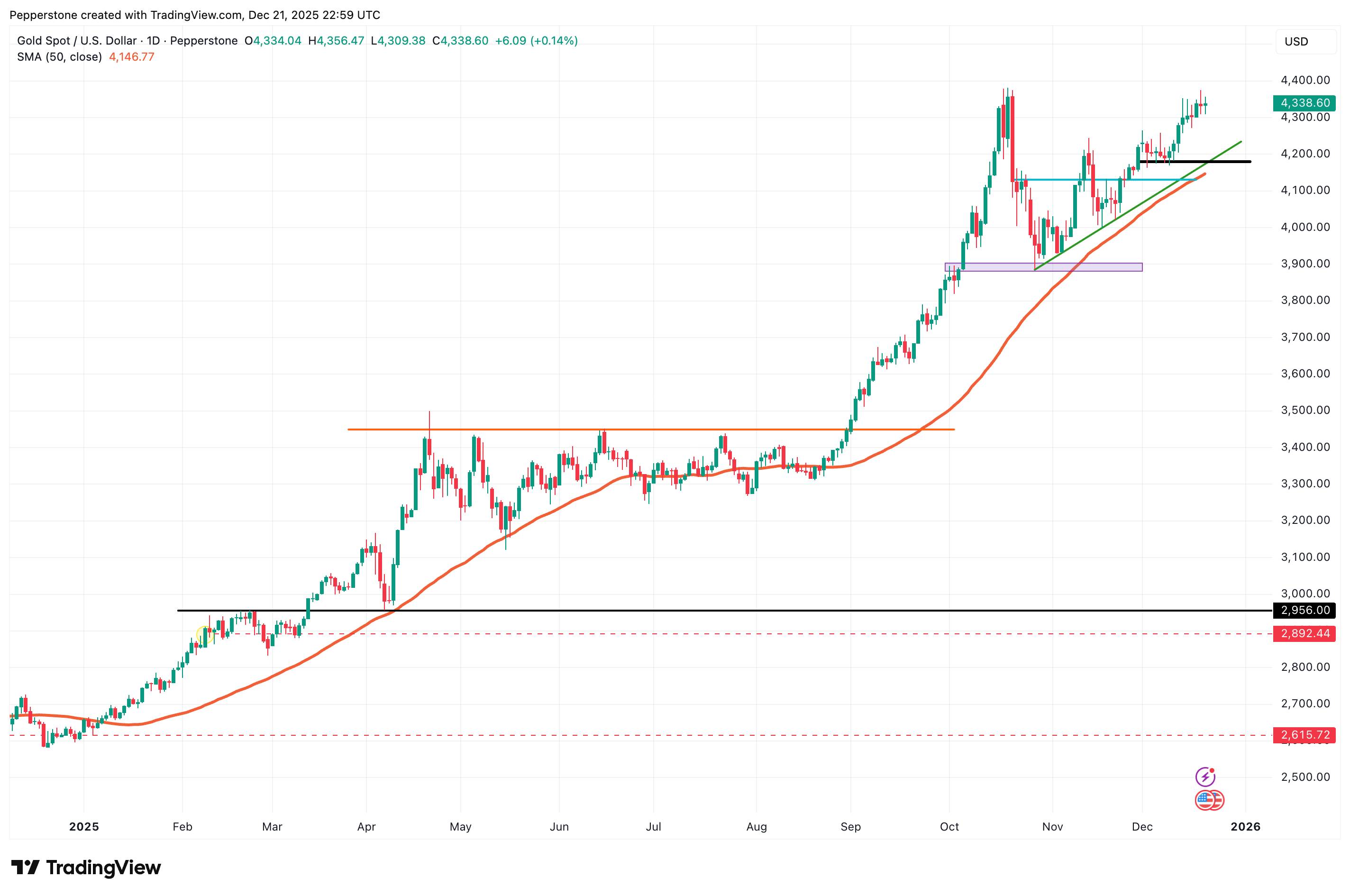
          Looking back at 2025, gold delivered one of the most striking performances across global markets. Prices repeatedly pushed to new highs, breaking historical records more than 50 times, with peak gains reaching as much as 67%.

          In historical terms, this marked the strongest annual performance since 1979. In relative terms, gold significantly outperformed major equity benchmarks such as the S&P 500 and the Nasdaq.

          What stood out even more was the breakdown of traditional correlations. Under conventional trading logic, gold typically moves inversely to interest rates or risk assets. Yet over the past year, gold and U.S. equities rose side by side—an unusual and telling development. This signals a fundamental shift in how the market is pricing gold.

          As the year draws to a close, traders are asking two key questions: can the bullish momentum of 2025 extend into 2026? And what forces may continue to support gold—or cap its upside—from here?

          What Drove Gold Higher in 2025?

          Gold's rally in 2025 was not the result of a single catalyst, but rather the convergence of several powerful forces.

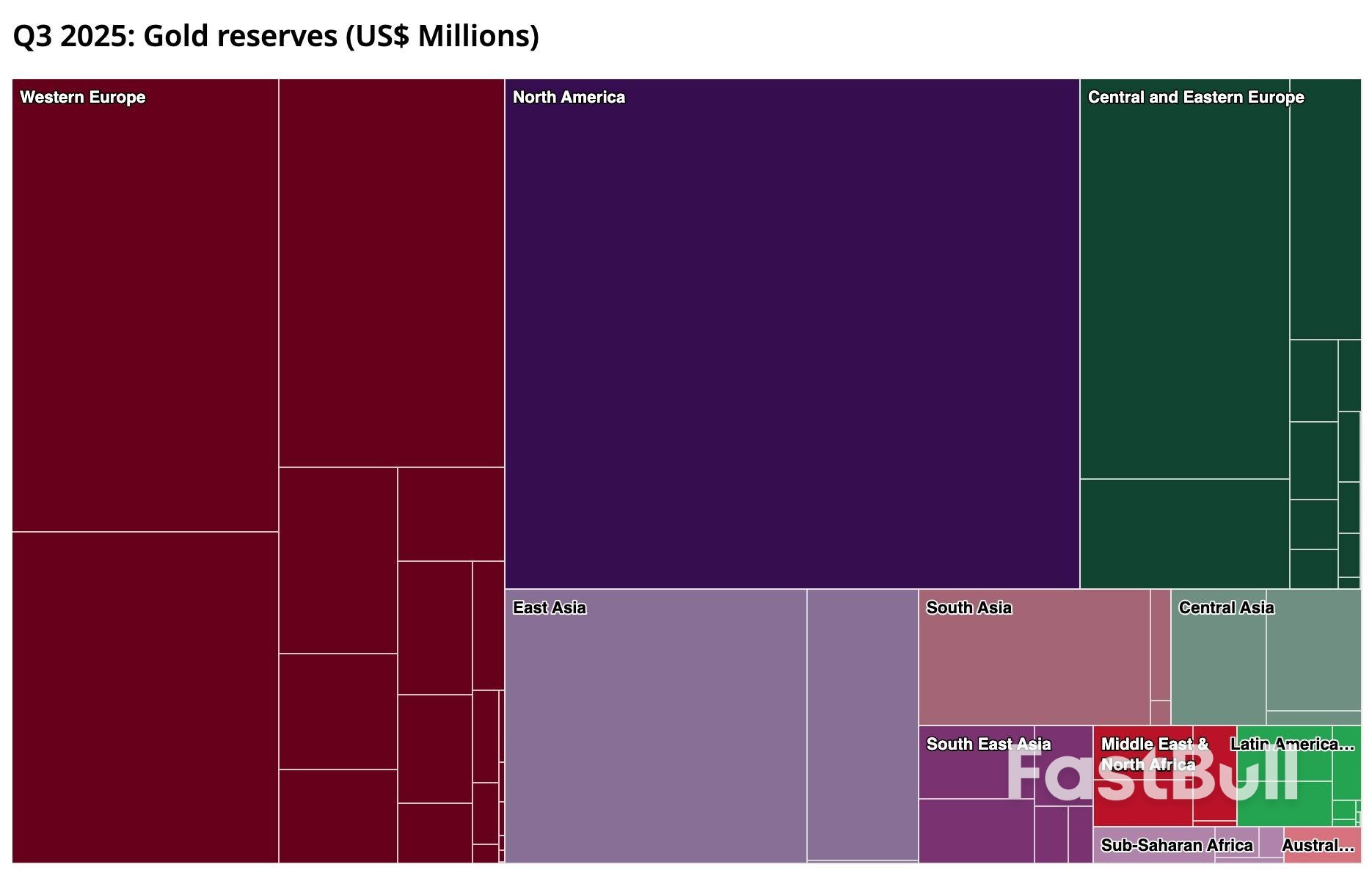
          Central bank buying formed the backbone of gold's resilience at elevated levels. Global central banks have remained net buyers for multiple consecutive years. In the first three quarters of 2025 alone, net purchases reached 634 tonnes, with full-year demand expected to exceed 1,200 tonnes. The People's Bank of China, in particular, added gold for 13 straight months, lifting gold's share in its FX reserves to a record high.

          At a deeper level, this reflects a structural shift in the global monetary system. Concerns over U.S. fiscal sustainability and the erosion of dollar credibility have accelerated reserve diversification. Gold—sanction-proof and strategically neutral—has emerged as a preferred anchor asset. This demand is both cycle-insensitive and price-insensitive, effectively lifting gold's long-term valuation floor.

          At the same time, expectations of lower rates and a weaker USD reduced the opportunity cost of holding gold. Throughout 2025, markets increasingly priced in the Fed's next rate cut, pushing yields lower and weighing on the dollar—both supportive for a non-yielding asset priced in USD. Improved global liquidity conditions associated with easing cycles added another tailwind.

          Geopolitical and macro uncertainty also played a critical role. Persistent tensions across Ukraine, the Middle East, and parts of Southeast Asia continued to disrupt financial systems, trade routes, and supply chains.

          Meanwhile, global growth slowed and recession concerns around the U.S. economy resurfaced intermittently. Add to that policy uncertainty—ranging from volatile tariff rhetoric under Trump to perceived threats to Fed independence—and markets grew more sensitive to systemic risk. In such an environment, gold's appeal as a hedge remained strong.

          Finally, price momentum itself reinforced the trend. Global gold ETFs saw cumulative inflows of around USD 77 billion in 2025, highlighting the importance of sentiment and structural shifts in driving demand. Asia—particularly China and India—stood out, with retail and institutional demand for both physical gold and ETFs surging. Rising prices attracted incremental capital, which in turn pushed prices higher, creating a self-reinforcing loop.

          Taken together, central bank buying, safe-haven demand from geopolitical and economic uncertainty, and strong ETF inflows provided gold with demand largely independent of interest rates or equity market performance. Also, falling yields and a weaker dollar lowered holding costs.

          Capital flowed simultaneously into equities and gold under a dual logic of return-seeking and risk hedging—producing the rare phenomenon of synchronized gains.

          Can Gold Stay Strong in 2026?

          Looking ahead to 2026, I think gold still has upside potential—but a repeat of 2025's extreme gains looks unlikely. Whether the U.S. economy slips into recession, or whether the narrative of U.S. exceptionalism regains traction, will be key in defining gold's upside range. Beyond that, data releases and event risk are likely to shape short-term trading rhythms rather than the broader trend.

          From a strategic perspective, it matters less to pinpoint an exact price level than to understand gold's role across different macro scenarios. Central bank buying, physical demand, and geopolitical hedging remain medium- to long-term anchors, while Fed policy and real rates continue to drive cyclical swings. Broadly, three scenarios stand out:

          · Base case:If global growth slows modestly and the Fed continues its easing cycle, real rates are likely to drift lower while the dollar weakens. This reduces the opportunity cost of holding gold and supports further gains. In this environment, gold behaves more like a "defensive growth" asset—delivering steady positive returns rather than explosive rallies.
          · Bull case:If the global economy falls into a "vicious cycle"—with recession signals intensifying, trade tensions escalating, and geopolitical risks surging—tail risks could materialize. Safe-haven demand may be released all at once, driving sharp short-term spikes in gold prices. While this scenario has a low probability, its impact would be significant. In such a case, markets may actively speculate on Fed and Trump-led rescue measures, with simultaneous fiscal and monetary easing further amplifying gold's upside.
          · Bear case:If U.S. economic resilience surprises to the upside, the exceptionalism narrative returns, fiscal stimulus ramps up ahead of midterm elections, and signs of re-inflation emerge, the Fed may be forced to keep rates higher for longer. Gold could then face corrective pressure. However, such pullbacks would likely resemble valuation adjustments rather than a breakdown in market structure. Equity market volatility also poses an additional risk—forced deleveraging could prompt traders to liquidate even safe-haven assets to raise cash, temporarily weighing on gold.

          It is also worth noting that the buyer base is expanding. Beyond central banks, institutions, retail traders, and physical demand, new entrants—such as stablecoin issuers like Tether and certain corporate treasury departments—are beginning to allocate to gold. This broader capital base adds resilience to demand. Even in the face of corrections, gold's strategic role in global portfolios appears firmly entrenched.

          Trading Gold in 2026: Balancing Discipline and Flexibility

          Heading into 2026, gold remains supported by multiple structural tailwinds: persistent central bank buying, a dollar and rate environment broadly favorable to gold, and elevated geopolitical and macro uncertainty. In other words, the path of least resistance still points higher.

          For traders, the key is to recognize gold's evolving role and adapt positioning to different macro regimes. In a mild slowdown or downturn, buying on dips remains a core strategy. In the event of extreme risk-off shocks, selectively adding exposure may help capture short-term upside.

          Conversely, if growth surprises to the upside or the dollar strengthens materially, reducing exposure or hedging becomes essential to manage downside risk. Short-term XAUUSD volatility, cross-currency opportunities driven by global policy divergence, and shifts in ETF flows all offer valuable trading signals.

          Opportunities along the gold supply chain also deserve attention. Rising gold prices directly improve profitability across mining and related industries, creating additional trading and investment angles. Price transmission along the value chain not only offers speculative opportunities, but also provides useful insight into broader gold market dynamics.

          Overall, the gold market in 2026 calls for a combination of clear-headed macro analysis and tactical flexibility—capturing short-term opportunities while respecting gold's enduring value as a medium- to long-term strategic allocation.

          Source: Pepperstone

          Risk Warnings and Disclaimers
          You understand and acknowledge that there is a high degree of risk involved in trading. Following any strategies or investment methods may lead to potential losses. The content on the site is provided by our contributors and analysts for information purposes only. You are solely responsible for determining whether any trading assets, securities, strategy, or any other product is suitable for investing based on your own investment objectives and financial situation.
          Add to Favorites
          Share

          New York Fed's Williams Signals No Urgency For Rate Cuts

          Liam Peterson

          John C. Williams, New York Federal Reserve President, affirms no urgency for further interest rate cuts after three reductions in 2025, impacting crypto market expectations for January 2026.

          Traders speculate on steady rates, with 73-77% betting against a rate cut, influencing Bitcoin and Ethereum prices amid broader market declines.

          John C. Williams, President of the New York Federal Reserve, emphasized no urgency for further rate cuts, having already reduced rates three times in 2025. This decision appears to hold significant implications for the global financial landscape, as seen by a recent news article.

          The statement by Williams, a key member of the Federal Open Market Committee, was primarily relayed through market pricing tools like CME FedWatch, indicating restrained action on further monetary policy adjustments.

          The crypto markets reacted with increased bets against a rate cut in January 2026, reflected in CME FedWatch's 73-77% likelihood of steady rates. This scenario has substantial short-term effects on market sentiment. Bitcoin (BTC), for instance, saw notable volatility. You can stay updated on such events by following CoinGap Media on Twitter.

          This move signals a potential pause in monetary stimulus, likely affecting liquidity-sensitive assets, including cryptocurrencies. Ethereum (ETH) and other assets may experience similar speculative adjustments. For instance, Phemex offers platforms to trade these assets effectively.

          The policy direction contrasts with some Federal Reserve presidents calling for action. The polymarket data showed traders weighing limited rate changes across 2026, reflecting broader economic expectations.

          Analysts suggest that high inflation remains a primary concern despite a forecasted 2.5% by 2026. Historically, a hawkish Fed stance has suppressed crypto valuations but prompted rallies with easier policy sentiments.

          John C. Williams, President, New York Federal Reserve, "Inflation remains 'dangerously high' despite progress to 2.5% projection by 2026, with policy 'well placed'; November CPI distorted by technical factors."

          Source: CryptoSlate

          Risk Warnings and Disclaimers
          You understand and acknowledge that there is a high degree of risk involved in trading. Following any strategies or investment methods may lead to potential losses. The content on the site is provided by our contributors and analysts for information purposes only. You are solely responsible for determining whether any trading assets, securities, strategy, or any other product is suitable for investing based on your own investment objectives and financial situation.
          Add to Favorites
          Share

          Equities: Stay Invested, Stay Diversified

          Justin

          Stocks

          Looking back over the past year and ahead to 2026, it feels especially relevant to re-emphasize the importance of staying invested and diversified.

          Since this will be our last CIO Weekly Perspectives for this year, it seems appropriate to look back and remind ourselves of a few tried and true investment philosophies: invest with a long-term horizon and stay diversified.

          This year has certainly been an interesting one (though most all years are in some way). From fears of a recession and a violent sell-off induced by the 'liberation day' tariffs, growth has since proved remarkably resilient while risk assets, led by equities, have recovered impressively, hitting fresh highs despite frequent bouts of market volatility.

          As we look to 2026, there is an array of macro-risks and concerns around the sustainability of the equity market rally, particularly the AI-related stocks. But we remain constructive, if not optimistic, in our outlook on growth and risk markets, bolstered by an expectation for economic reacceleration driven by monetary and fiscal stimulus.

          This view forms the basis of our recent Solving for 2026 outlook, which explores five important and powerful themes to navigate markets by next year.

          Central to our view is that amid the periods of market stress that we anticipate seeing in 2026—broadly related to macro and policy flux and the AI investment enthusiasm—a longer-term and diversified mindset is paramount to successfully navigating through the choppiness and capturing the upside.

          Indeed, while we expect risk assets to have the inevitable ups and downs next year, what's most important when seeking to generate long-term portfolio returns is staying invested and staying diversified.

          Playing the Long Game

          History, both recent and distant, tells us that staying in markets during turbulent and uncertain times can often pay handsomely; for instance, since the U.S. administration announced its initial tariffs on April 2, the S&P 500 and Nasdaq 100 indexes have delivered returns of over 35% and 48%, respectively. If one simply stayed fully invested since the beginning of the year, withstanding the ups and downs, those indices are up 15% and 19%, respectively.

          Such gains may feel exceptional in the context of the severity of the sell-off in April. But they're not—far from it. Looking back, returns over longer periods of time after severe sell-offs have been even more impressive. The S&P 500 and Nasdaq 100, for instance, have to-date delivered total returns of over 160% and 277%, respectively since the peak of the Covid pandemic in March (23rd) 2020. The S&P 500 is up a remarkable 900% since the nadir of the global financial crisis in March (9th) 2009.

          While these are only a handful of examples, they help demonstrate that compounding from staying invested is incredibly powerful over the long term. Trying to time the market, by comparison, is extremely difficult, often leading investors to miss out on outsized returns.

          We appreciate that the market volatility we saw this year and anticipate seeing again in some shape or form next year, is stress-inducing. But it should be seen in the longer-term context, which makes it not so extraordinary. For example, the MSCI World Index shows equities have suffered 10%-plus falls in more years than not over the past half century, with more severe 20% declines having happened roughly every four years.

          Stay Active and Diversified

          Staying invested is not blind optimism; it is disciplined realism. Markets will deliver periods of anxiety in 2026 likely relating to policy cross-currents, AI exuberance and geopolitical noise, but history's lesson is clear: durable wealth accrues to investors who keep a long-term lens and rebalance thoughtfully.

          In practice, this means rather than chasing the latest winners or fleeing the laggards, a well-balanced portfolio helps cushion against whipsawing markets and sector rotations—whether growth to value, large cap to mid-cap, U.S. to international, cyclicals to defensives—without forfeiting participation. This diversification complements patience; it keeps compounding intact while the market's pendulum swings, turning rotation into opportunity rather than disruption. It can also mitigate the effect of a narrow "bubble" bursting, which is often inevitable when an individual sector valuation becomes too stretched.

          As monetary and fiscal supports feed through and nominal growth accelerates, the greater risk may be underparticipation, not overexposure. For 2026, broaden diversification where it makes sense, particularly across regions and styles, and be ready to pick off mispriced opportunities when the pendulum swings too far.

          Source: Neuberger Berman

          Risk Warnings and Disclaimers
          You understand and acknowledge that there is a high degree of risk involved in trading. Following any strategies or investment methods may lead to potential losses. The content on the site is provided by our contributors and analysts for information purposes only. You are solely responsible for determining whether any trading assets, securities, strategy, or any other product is suitable for investing based on your own investment objectives and financial situation.
          Add to Favorites
          Share

          Uk Economy Entering 2026 Amid Sharp Private Sector Downturn, Says Cbi

          Winkelmann

          Political

          Economic

          Business leaders have warned that Britain is entering 2026 amid a sharp economic downturn in the private sector, after companies "put the brakes on" investment and hiring before the autumn budget.

          In a gloomy snapshot after months of tax speculation, the Confederation of British Industry (CBI) said private sector output was on track to fall in the fourth quarter of 2025.

          Suggesting the budget did little to brighten bosses' moods, the lobby group's latest growth indicator showed falling activity was reported across all sectors of the economy in the three months to December.

          Separate figures from the jobs website Adzuna showed the number of UK job vacancies shrank in November for a fifth month running. Reporting a 6.4% month-on-month slide in new openings, the jobs website said 2025 had been "one of the toughest years for jobseekers since the pandemic".

          The chancellor's tax and spending statement on 26 November does not appear to have kickstarted business optimism. According to the CBI, private firms are predicting economic activity will fall further in the next three months, continuing a run of negative forecasts that began in late 2024.

          Alpesh Paleja, deputy chief economist at the CBI, said: "Uncertainty ahead of November's budget put the brakes on key spending decisions and big projects, choking up pipelines of work. The latest growth indicator suggests that the alleviation of this uncertainty hasn't materially boosted activity.

          "Our latest surveys round off a disappointing year for private sector growth. They mark a continuation of the headwinds that have plagued businesses over the past 12 months: tepid demand conditions with households cautious around spending, and strong cost pressures squeezing margins."

          Compiled from a survey of more than 900 companies between 24 November – the week of Rachel Reeves's budget – and 11 December, the CBI's snapshot revealed a broad-based downturn across the private sector.

          The reading on its monthly growth indicator fell to -30%, from -27% in November. The weighted balance score is the difference between the percentage of firms who expect activity to rise over the next three months and respondents anticipating a decline.

          The Bank of England warned last week that Britain's economy was on track to record zero growth in the final three months of 2025, after output unexpectedly shrank in October, with consumers holding back on spending before the budget.

          Businesses are calling on the Labour government to work with industry to increase its support for companies grappling with high energy costs, while also working to simplify the tax system as part of ministers' mission to boost economic growth.

          Andrew Hunter, the co-founder of Adzuna, said the budget had added to end-of-year uncertainty for employers.

          He said: "2025 has been one of the toughest environments for jobseekers across almost every corner of the market, particularly among people entering the market for the first time. One glimmer of light is that wage growth continues to counteract the vacancy slump."

          Adzuna data shows the number of UK job vacancies slid by 15% in November compared with the same month a year earlier, at a time when many employers would usually take on extra staff for Christmas.

          Official figures released this month show the UK unemployment rate hit a four-year high of 5.1% in the three months to October.

          Graduate jobs have seen one of the sharpest falls over the past 12 months, marking an annual slide in vacancies of almost 45%, Adzuna said. Recent reports have shown young people are being hit hard by the rise in unemployment.

          The decision by companies to cut the size of their workforce by using artificial intelligence is seen as one of the reasons for the fall in vacancies in entry-level roles, three years on since the launch of ChatGPT.

          However, wage growth continues to outpace inflation, Adzuna found. The average advertised salary rose by 7.7.% annually to reach £42,687 in November, with public-sector wages growing almost twice as fast as those in the private sector. Salaries in the IT sector have risen by 12.7% over the past year, making it the best-paid sector.

          Source: GUARDIAN

          To stay updated on all economic events of today, please check out our Economic calendar
          Risk Warnings and Disclaimers
          You understand and acknowledge that there is a high degree of risk involved in trading. Following any strategies or investment methods may lead to potential losses. The content on the site is provided by our contributors and analysts for information purposes only. You are solely responsible for determining whether any trading assets, securities, strategy, or any other product is suitable for investing based on your own investment objectives and financial situation.
          Add to Favorites
          Share
          FastBull
          Copyright © 2025 FastBull Ltd

          728 RM B 7/F GEE LOK IND BLDG NO 34 HUNG TO RD KWUN TONG KLN HONG KONG

          TelegramInstagramTwitterfacebooklinkedin
          App Store Google Play Google Play
          Products
          Charts

          Chats

          Q&A with Experts
          Screeners
          Economic Calendar
          Data
          Tools
          Membership
          Features
          Function
          Markets
          Copy Trading
          Latest Signals
          Contests
          News
          Analysis
          24/7
          Columns
          Education
          Company
          Careers
          About Us
          Contact Us
          Advertising
          Help Center
          Feedback
          User Agreement
          Privacy Policy
          Personal Information Protection Statement
          Business

          White Label

          Data API

          Web Plug-ins

          Poster Maker

          Affiliate Program

          Risk Disclosure

          The risk of loss in trading financial instruments such as stocks, FX, commodities, futures, bonds, ETFs and crypto can be substantial. You may sustain a total loss of the funds that you deposit with your broker. Therefore, you should carefully consider whether such trading is suitable for you in light of your circumstances and financial resources.

          No decision to invest should be made without thoroughly conducting due diligence by yourself or consulting with your financial advisors. Our web content might not suit you since we don't know your financial conditions and investment needs. Our financial information might have latency or contain inaccuracy, so you should be fully responsible for any of your trading and investment decisions. The company will not be responsible for your capital loss.

          Without getting permission from the website, you are not allowed to copy the website's graphics, texts, or trademarks. Intellectual property rights in the content or data incorporated into this website belong to its providers and exchange merchants.

          Not Logged In

          Log in to access more features

          FastBull Membership

          Not yet

          Purchase

          Become a signal provider
          Help Center
          Customer Service
          Dark Mode
          Price Up/Down Colors

          Log In

          Sign Up

          Position
          Layout
          Fullscreen
          Default to Chart
          The chart page opens by default when you visit fastbull.com