Markets
News
Analysis
User
24/7
Economic Calendar
Education
Data
- Names
- Latest
- Prev



Signal Accounts for Members
All Signal Accounts
All Contests


U.K. 10-Year Note Auction YieldA:--
F: --
P: --
Canada Leading Index MoM (Dec)A:--
F: --
U.S. MBA Mortgage Application Activity Index WoWA:--
F: --
P: --
U.S. PPI YoY (Excl. Food, Energy & Trade) (Oct)A:--
F: --
U.S. PPI MoM Final (Excl. Food, Energy and Trade) (SA) (Oct)A:--
F: --
U.S. Core PPI YoY (Nov)A:--
F: --
U.S. PPI MoM (SA) (Nov)A:--
F: --
U.S. PPI YoY (Nov)A:--
F: --
U.S. Current Account (Q3)A:--
F: --
U.S. Retail Sales YoY (Nov)A:--
F: --
P: --
U.S. Retail Sales (Nov)A:--
F: --
P: --
U.S. Core Retail Sales MoM (Nov)A:--
F: --
U.S. Retail Sales MoM (Excl. Automobile) (SA) (Nov)A:--
F: --
U.S. Core Retail Sales (Nov)A:--
F: --
P: --
U.S. Retail Sales MoM (Excl. Gas Stations & Vehicle Dealers) (SA) (Nov)A:--
F: --
U.S. Retail Sales MoM (Nov)A:--
F: --
U.S. Core PPI MoM (SA) (Nov)A:--
F: --
Philadelphia Fed President Henry Paulson delivers a speech
U.S. Commercial Inventory MoM (Oct)A:--
F: --
U.S. Existing Home Sales Annualized Total (Dec)A:--
F: --
U.S. Existing Home Sales Annualized MoM (Dec)A:--
F: --
U.S. EIA Weekly Cushing, Oklahoma Crude Oil Stocks ChangeA:--
F: --
P: --
U.S. EIA Weekly Crude Stocks ChangeA:--
F: --
P: --
U.S. EIA Weekly Gasoline Stocks ChangeA:--
F: --
P: --
U.S. EIA Weekly Crude Demand Projected by ProductionA:--
F: --
P: --
U.S. EIA Weekly Crude Oil Imports ChangesA:--
F: --
P: --
U.S. EIA Weekly Heating Oil Stock ChangesA:--
F: --
P: --
U.S. Refinitiv/Ipsos Primary Consumer Sentiment Index (PCSI) (Jan)A:--
F: --
P: --
China, Mainland M2 Money Supply YoY (Dec)--
F: --
P: --
China, Mainland M0 Money Supply YoY (Dec)--
F: --
P: --
China, Mainland M1 Money Supply YoY (Dec)--
F: --
P: --
Japan Domestic Enterprise Commodity Price Index YoY (Dec)--
F: --
P: --
Japan Domestic Enterprise Commodity Price Index MoM (Dec)--
F: --
P: --
Japan PPI MoM (Dec)--
F: --
P: --
Australia Consumer Inflation Expectations (Jan)--
F: --
P: --
U.K. 3-Month RICS House Price Balance (Dec)--
F: --
P: --
South Korea Benchmark Interest Rate--
F: --
P: --
Saudi Arabia CPI YoY (Dec)--
F: --
P: --
U.K. Services Index MoM (SA) (Nov)--
F: --
P: --
U.K. Services Index YoY (Nov)--
F: --
P: --
U.K. Manufacturing Output MoM (Nov)--
F: --
P: --
U.K. Trade Balance (Nov)--
F: --
P: --
U.K. Monthly GDP 3M/3M Change (Nov)--
F: --
P: --
U.K. GDP MoM (Nov)--
F: --
P: --
U.K. Industrial Output MoM (Nov)--
F: --
P: --
U.K. Trade Balance Non-EU (SA) (Nov)--
F: --
P: --
U.K. Trade Balance (SA) (Nov)--
F: --
P: --
U.K. Manufacturing Output YoY (Nov)--
F: --
P: --
U.K. Construction Output MoM (SA) (Nov)--
F: --
P: --
U.K. Industrial Output YoY (Nov)--
F: --
P: --
U.K. Services Index MoM--
F: --
P: --
U.K. Construction Output YoY (Nov)--
F: --
P: --
U.K. GDP YoY (SA) (Nov)--
F: --
P: --
U.K. Trade Balance EU (SA) (Nov)--
F: --
P: --
France HICP Final MoM (Dec)--
F: --
P: --
Germany Annual GDP Growth--
F: --
Italy Industrial Output YoY (SA) (Nov)--
F: --
P: --
Canada Existing Home Sales MoM (Dec)--
F: --
P: --


No matching data
Latest Views
Latest Views
Trending Topics
Top Columnists
Latest Update
White Label
Data API
Web Plug-ins
Affiliate Program
View All

No data
Fed's Miran argues deregulation cools inflation, warranting rate cuts despite colleagues' skepticism.
A top Federal Reserve official argued Wednesday that the Trump administration's push for deregulation will cool inflation, providing a fresh reason for the central bank to cut interest rates.
Speaking at an economic forum in Greece, Fed Governor Stephen Miran explained that these regulatory changes could have a significant macroeconomic impact. He projected that initiatives started in 2025, combined with future plans, could eliminate as much as 30% of business regulations by 2030. This, he estimated, could lower annual inflation by half a percentage point.
Miran framed the policy as a major boost to the economy's supply side. "The substantial deregulation that has occurred in 2025 will continue over at least the next three years and be a large positive shock to productivity that will put downward pressure on prices," he said.
He concluded that this dynamic ultimately justifies a shift in central bank policy. "On net, this supports a more accommodative stance of monetary policy," Miran stated.
Miran warned that if the Fed fails to account for these productivity gains, financial conditions could become unnecessarily tight. He argued that when supply and productivity improve, the central bank must respond accordingly to avoid negative outcomes.
"If the Federal Reserve fails to reduce policy rates in response to deregulation, there will be adverse consequences," he cautioned, adding that inaction could needlessly result in "deflation and economic contraction." In his view, policy has already been "tighter than it should have been."
Miran has consistently advocated for more aggressive rate cuts than many of his colleagues at the Federal Reserve, including other appointees from the Trump administration.
While some other Fed policymakers have recently acknowledged potential improvements in productivity, they remain cautious. They suggest it is too early to adjust monetary policy based on supply-side shifts whose durability and impact on inflation are still uncertain.
The Federal Reserve last lowered its policy rate by 0.25 percentage points, bringing it to the current range of 3.50%-3.75%. However, the central bank is widely expected to hold rates steady at its upcoming meeting on January 27-28.
The UK has doubled down on its commitment to offshore wind, securing a massive 8.2 gigawatts of capacity in its latest subsidy auction. The result surpasses analyst expectations and puts the government’s ambitious 2030 clean-power goals back on track, but it comes at a higher cost that will ultimately be paid by consumers.
This outcome creates a difficult balancing act for Prime Minister Keir Starmer, who has pledged to cut household bills. The auction’s success is a major step toward phasing out fossil fuels in power generation, but it forces the government to navigate the tension between long-term energy security and short-term economic pressures.
Energy Secretary Ed Miliband framed the result as a historic win, stating, "With these results, Britain is taking back control of our energy sovereignty." He highlighted that it represents the single largest procurement of offshore wind in British and European history.
To meet its 2030 target, the UK now needs to secure roughly 7 more gigawatts of capacity in its next auction, which is seen as the last realistic opportunity for projects to be built in time.
The price secured in this round was £65.45 ($88) per megawatt-hour based on 2012 prices, a standard industry benchmark. In today's terms, that translates to £91.20 per megawatt-hour, reflecting inflation. While this is higher than the price in last year's auction, an analysis from Aurora Energy Research suggests it will still deliver a "net benefit to bills over the next decade."
The government also significantly increased its spending to achieve this result. The budget for fixed-bottom offshore wind was originally £900 million but was expanded to nearly £1.8 billion. This was done under new rules allowing officials to select additional projects if they are considered good value for consumers.
German energy giant RWE AG was the auction's biggest winner, with its projects accounting for all but one of the contracts awarded. Following the auction, RWE announced a deal with KKR & Co to develop, construct, and operate two of its winning projects, Norfolk Vanguard East and Norfolk Vanguard West.
The successful auction propelled RWE's shares up by as much as 3.5%, reaching their highest level in almost 15 years.
However, a potential obstacle remains. Another one of RWE’s winning projects, Dogger Bank South, has not yet received planning permission. This uncertainty raises questions about whether it can be completed in time to contribute to the 2030 goal.
For years, the cost of building offshore wind farms steadily declined as technology matured and turbines grew more powerful. That trend has recently reversed. Several factors are now pushing prices higher for new projects:
• Supply-chain disruptions
• Rising raw-material costs
• Higher financing expenses
This new cost environment has made developers more cautious across Europe, and governments have struggled to attract sufficient bids for offshore wind developments over the past year.
The UK continues to face some of the highest electricity prices in Europe, putting pressure on households and threatening the nation's ability to attract energy-intensive sectors like data centers. It also slows the adoption of technologies like electric vehicles and heat pumps.
The government maintains that investing in renewables to move away from a gas-dependent system will lower electricity costs in the long run. However, the high upfront expense of building massive wind farms is passed on to consumers in the short term.
At the same time, the UK's leadership on climate policy has become increasingly politicized. This reflects a broader trend, influenced by figures like former US President Donald Trump, whose administration rolled back support for renewable projects. This shift has impacted the US operations of several European developers. During a visit to Scotland last year, Trump restated his opposition to wind farms, particularly those near his golf courses, and called for further expansion of the oil sector.
Including more nascent floating offshore wind projects, the total capacity procured in the auction reached 8.4 gigawatts. James Alexander, CEO of the UK Sustainable Investment and Finance Association, called the results "a significant step forward in delivering the UK's evolution to clean energy."
With power demand set to rise, the UK's energy system faces a dual challenge. It must rapidly scale up wind and solar generation while also upgrading its grid infrastructure to transport that power from where it is generated to where it is needed. This auction's success underscores both the potential and the high cost of that transition.
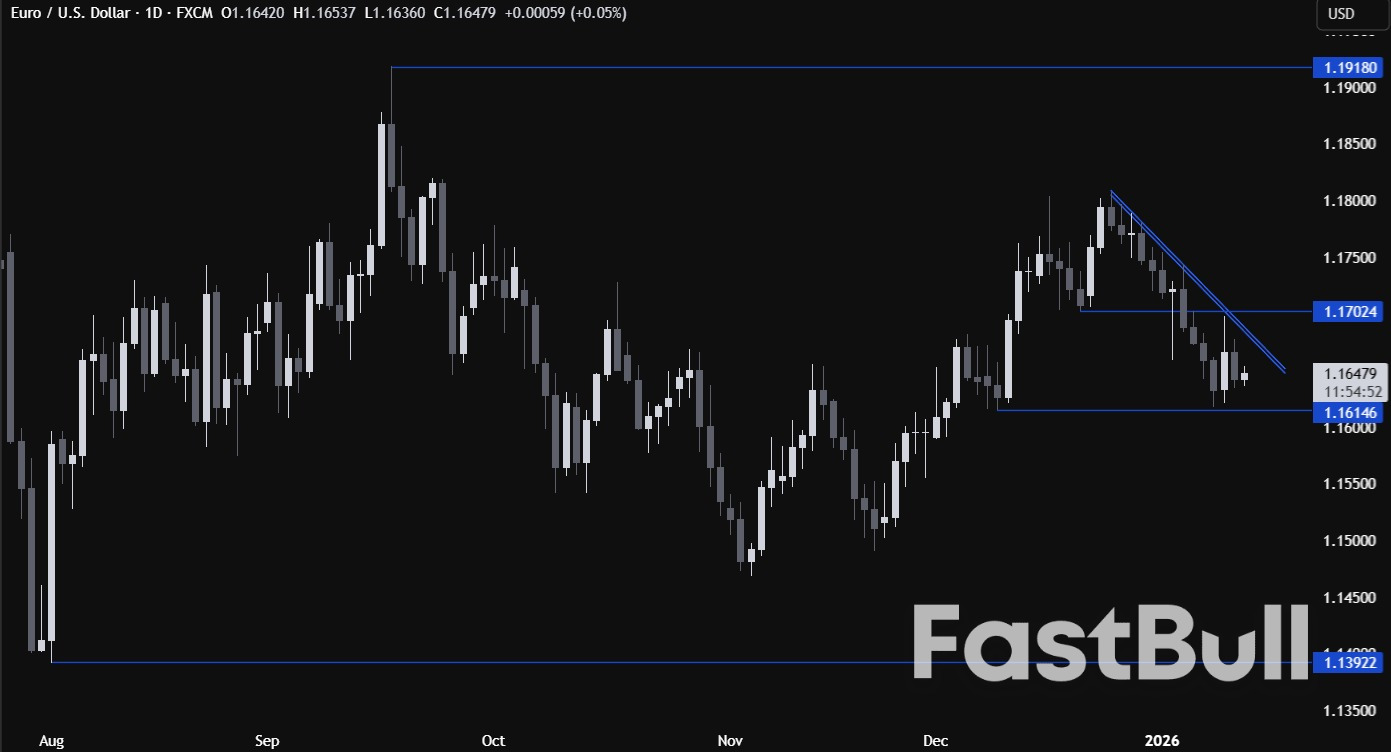
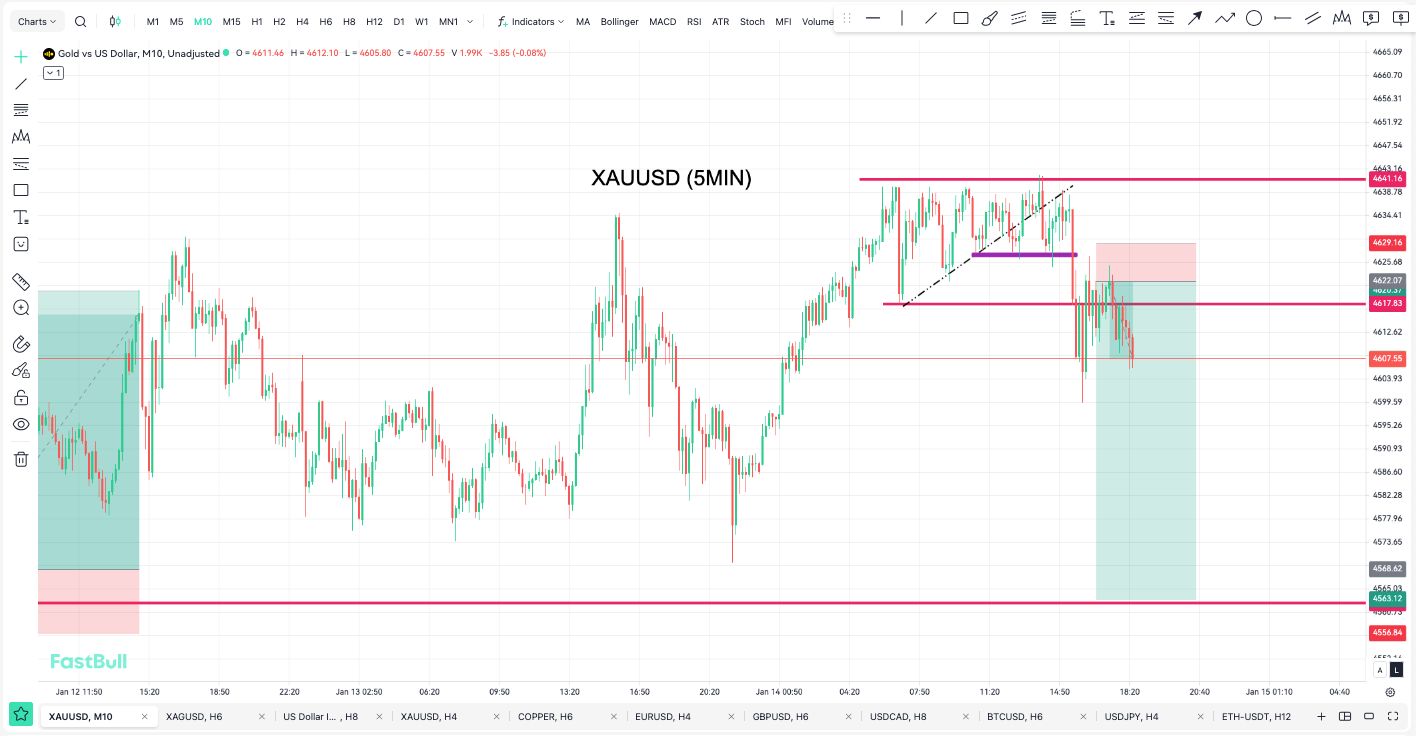
EURUSD - daily
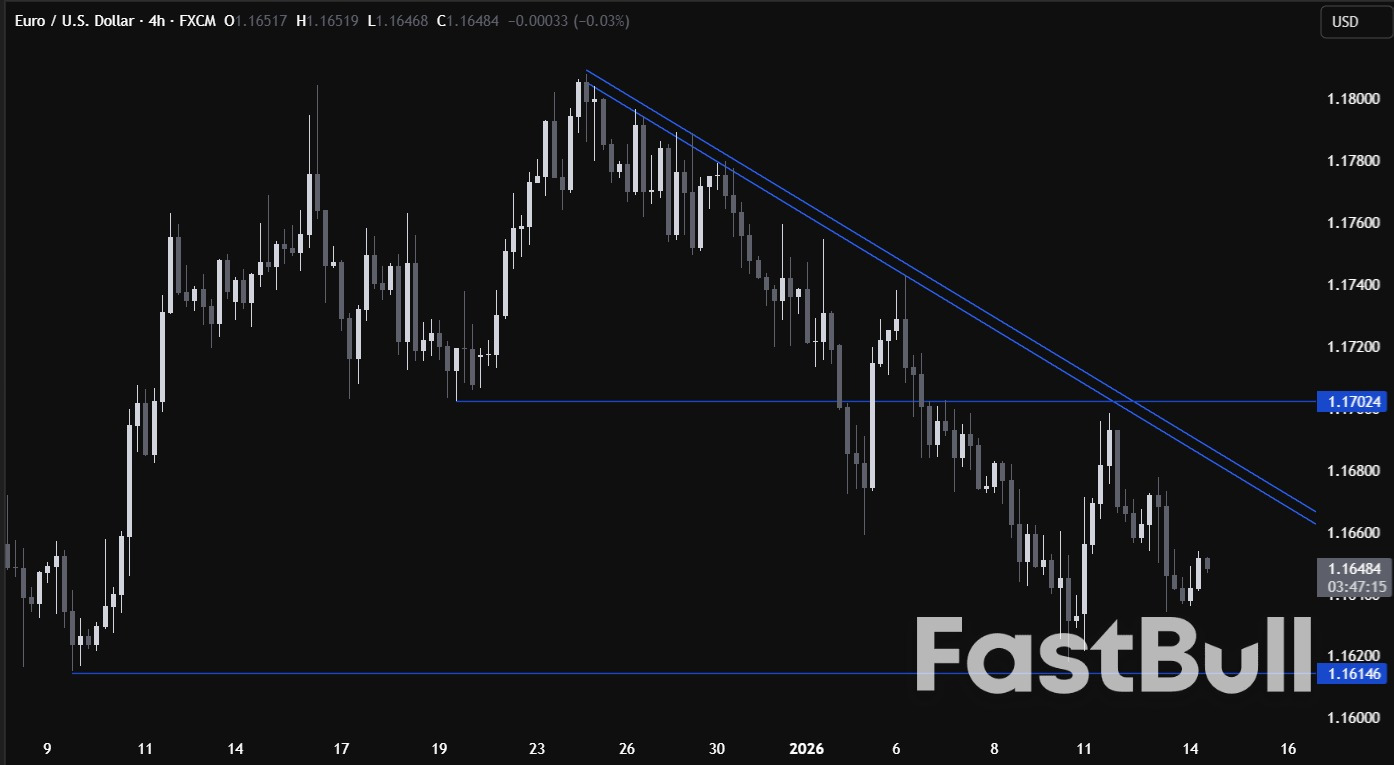
EURUSD - 4 hour
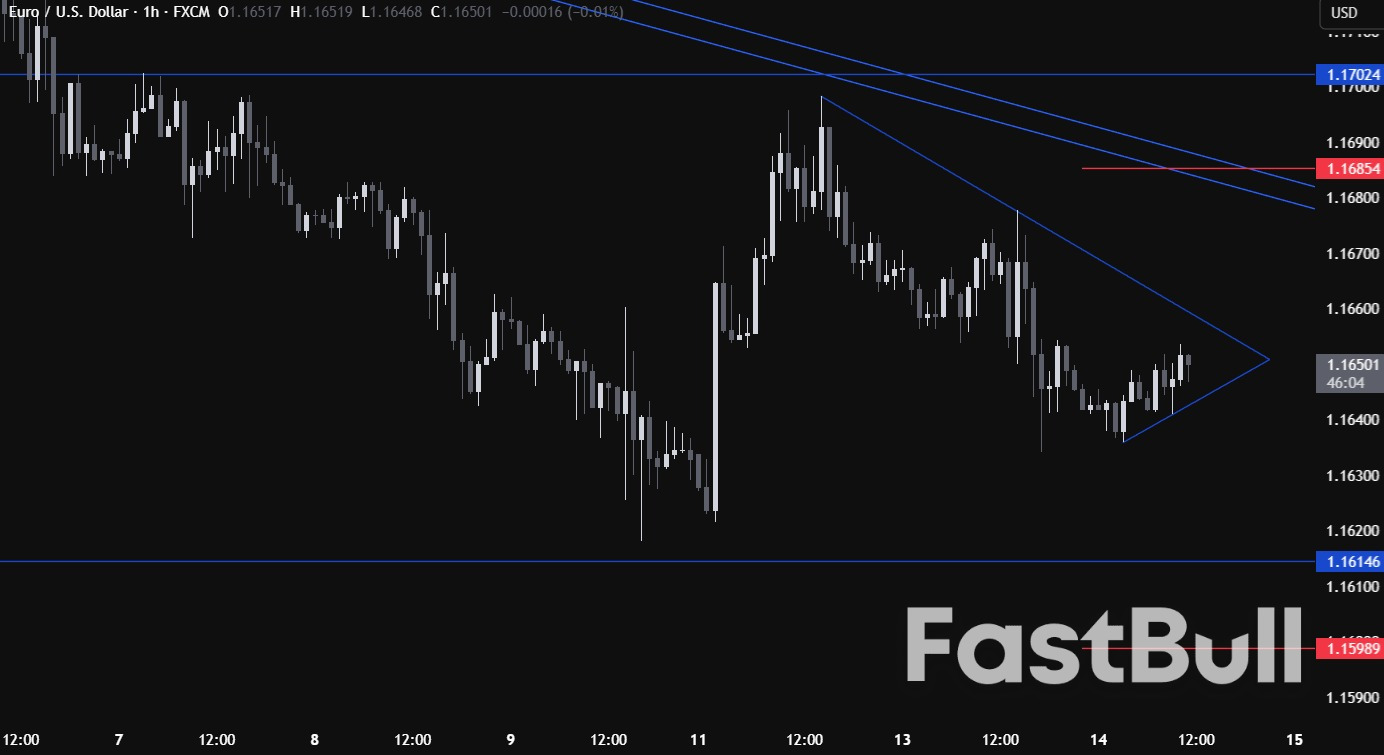
EURUSD - 1 hour
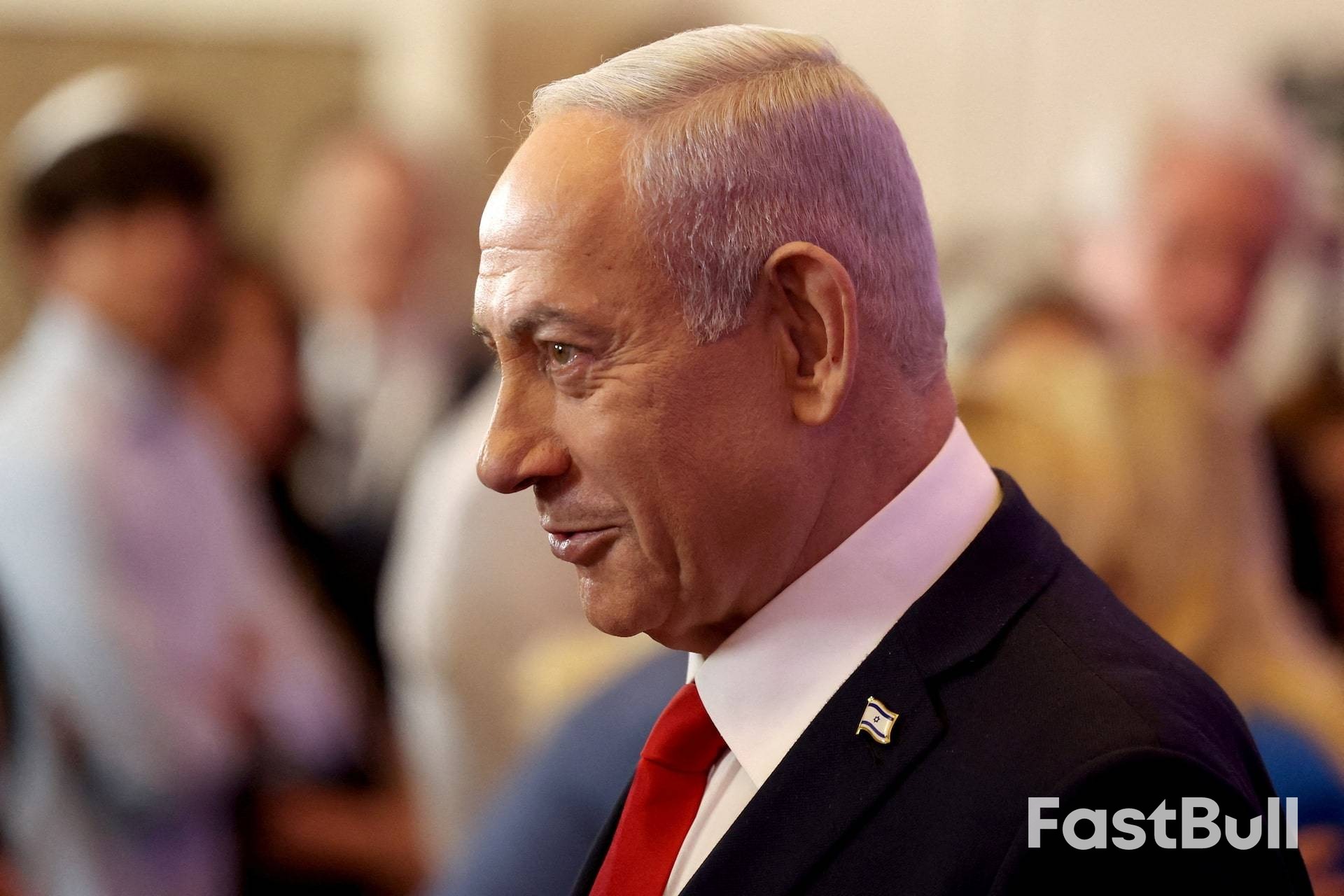
Israeli Prime Minister Benjamin Netanyahu is heading into an election year facing the most significant political challenge of his career. For the first time since the devastating Hamas attack in 2023, voters will deliver their verdict on his leadership. With polls consistently showing him on track to lose an election slated for October, analysts suggest that the escalating crisis in Iran may be his last, best chance to salvage a legacy built on national security.
As Israel's longest-serving prime minister, Netanyahu is navigating a perfect storm of political and personal crises. He is currently on trial for corruption, his right-wing coalition is fracturing over a contentious military draft law, and he bears the political weight of the security failures that led to the October 7 attack—the deadliest single day in Israel's history.
Amid domestic turmoil, events in Iran have emerged as a potential focal point for Netanyahu's administration. With U.S. President Donald Trump threatening strikes against Tehran, the Israeli government is closely monitoring the situation. According to one Israeli official, Netanyahu's security cabinet was briefed on the possibility of the Iranian government collapsing and the prospect of American intervention. Another official noted the assessment is that Trump has already decided to act, though the timing and scale remain uncertain.
For Netanyahu, who has long positioned himself as the guardian of Israel's security, a regime change in Iran could be a legacy-defining achievement. Udi Sommer, a political scientist at Tel Aviv University, noted that ensuring the current Iranian regime is gone could be Netanyahu's top priority. "For somebody who thinks of himself as the person who is going to be remembered in history as the one who secured the country, then you might want another one just to make sure that this is really set in stone," he said.
While warning Iran of "horrible consequences" if it strikes Israel, Netanyahu has expressed support for protestors in the country. "Israel supports their struggle for freedom and strongly condemns the mass killings of innocent civilians," he stated. "We all hope that the Persian nation will soon be liberated from the yoke of tyranny."
The surprise attack by Hamas on October 7, which killed 1,200 people, dealt a severe blow to Netanyahu’s reputation as a security hawk. The subsequent war in Gaza resulted in tens of thousands of Palestinian deaths and devastated the enclave.
Netanyahu has so far rejected personal responsibility for the security lapses. Instead, he has pointed to Israel's military gains against Iran's proxies, including Hamas in Gaza and Hezbollah in Lebanon, as well as the ousting of their ally Bashar al-Assad in Syria.
However, public mistrust is growing. The prime minister's push to establish a government-empowered inquiry into the attack has drawn criticism from the families of victims and the public, who overwhelmingly support an independent investigation.
On the home front, Netanyahu's governing coalition is showing signs of strain, primarily over a new military conscription law. His ultra-Orthodox coalition partners are demanding exemptions for their community from Israel's mandatory military service.
Crafting a law that satisfies these demands is likely to alienate mainstream Israelis, especially after the Gaza war produced the highest Israeli military death toll in decades. Without the support of the ultra-Orthodox parties, which already quit the government once last year over this issue, Netanyahu’s coalition could collapse, triggering an early election.
The government faces a critical deadline to pass the state budget by the end of March. If it fails to secure enough votes in the 120-member parliament, a snap election will automatically be held about 90 days later. With his coalition weakened, many Israeli political commentators believe an early election in June is a strong possibility. "We're working under the assumption that the elections will be before October," confirmed one official familiar with the matter.
Adding to the political pressure is a web of legal challenges that continue to loom over the prime minister.
• Corruption Trial: Netanyahu's trial on charges of fraud, bribery, and breach of trust is ongoing. He denies all charges and in November appealed to President Isaac Herzog for a pardon, a request publicly backed by U.S. President Donald Trump.
• Submarine Probe: He is also dealing with a state investigation into suspected wrongdoing related to government purchases of submarines and missile boats from Germany, though he denies any involvement.
• Aide Investigations: Scrutiny has intensified over his aides' alleged security leaks and dealings with Qatar during the war. While Netanyahu has not been named as a suspect, these probes have cast a shadow over his wartime conduct.
These legal issues, combined with a renewed push for a contentious judicial overhaul, have fueled ongoing protests against his government, further complicating his path to re-election.
Minneapolis Federal Reserve President Neel Kashkari is pushing back on the idea of imminent interest rate cuts, citing a resilient labor market and inflation that remains above the central bank's target.
In a recent interview with the New York Times, Kashkari revealed he did not support the rate reduction last month and sees no compelling reason for another cut in the near future. "I don't see any impetus to cut in January," he stated, adding that it was "way too soon" for such a move.
Kashkari, who holds a vote on the Fed's rate-setting panel this year, expressed significant worry over persistent inflation. He noted that inflation has run above the Fed's 2% target for years and could remain there for another two or three years, a prospect he called "very concerning."
This view is supported by a recent government report showing consumer prices rose 2.7% last month from a year earlier.
While Kashkari is against a rate cut now, he indicated he could support one later this year if economic conditions change. A primary trigger would be a jump in the unemployment rate, which was 4.4% in December. A policy pivot would become more likely if a weakening labor market coincided with easing inflation.
The Federal Reserve is widely expected to leave its policy rate in the current 3.50%-3.75% range when it meets in two weeks. This follows 75 basis points of cuts in 2025, which included a quarter-percentage-point reduction approved by a 9-3 vote at its December meeting.
Kashkari also touched on the political climate, saying he was comforted by lawmakers from both parties who have expressed support for an independent Fed and for Chair Jerome Powell.
His comments follow a move by the Trump administration to subpoena Powell over remarks he made to Congress. Powell described the subpoena as an attempt to intimidate the central bank into cutting interest rates.

U.S. retail sales increased more than expected in November as motor vehicle purchases rebounded and households increased spending elsewhere, pointing to solid economic growth in the fourth quarter.
Retail sales rose 0.6% after a downwardly revised 0.1% drop in October, the Commerce Department's Census Bureau on Wednesday. Economists polled by Reuters had forecast retail sales, which are mostly goods and are not adjusted for inflation, advancing 0.4% after being unchanged as previously reported. The Census Bureau is catching up on data releases after delays caused by the 43-day government shutdown.
Spending is largely driven by higher-income households, with lower-income consumers struggling to cope with the rise in the cost of living. The government reported on Tuesday that food prices increased by the most in over three years in December, even as overall inflation was moderate.
Bank of America Securities said its Consumer Prism showed "the gap between higher- and lower-income spending growth was substantial and persistent through the fourth quarter." It noted that the divergence between the two income cohorts started in late 2024 and widened over the course of last year, adding that the "K-shape" in spending "is more evident in discretionary than non-discretionary spending."
President Donald Trump, whose aggressive trade policy has been blamed by economists for higher prices, has made a flurry of proposals to lower the cost of living, including buying $200 billion in mortgage bonds and a 10% cap on credit card interest rates for a year. Banks and financial institutions warned the proposal would limit access to credit.
Economists and policymakers argued that lack of supply was making housing unaffordable.
Retail sales excluding automobiles, gasoline, building materials and food services increased 0.4% in November after a downwardly revised 0.6% gain in October. These so-called core retail sales correspond most closely with the consumer spending component of gross domestic product. They were previously reported to have shot up 0.8% in October.
Consumer spending increased at a brisk pace in the third quarter, driving much of the economy's 4.3% annualized growth pace during that period. The Atlanta Federal Reserve is currently forecasting GDP increased at a 5.1% rate in the fourth quarter.
White Label
Data API
Web Plug-ins
Poster Maker
Affiliate Program
The risk of loss in trading financial instruments such as stocks, FX, commodities, futures, bonds, ETFs and crypto can be substantial. You may sustain a total loss of the funds that you deposit with your broker. Therefore, you should carefully consider whether such trading is suitable for you in light of your circumstances and financial resources.
No decision to invest should be made without thoroughly conducting due diligence by yourself or consulting with your financial advisors. Our web content might not suit you since we don't know your financial conditions and investment needs. Our financial information might have latency or contain inaccuracy, so you should be fully responsible for any of your trading and investment decisions. The company will not be responsible for your capital loss.
Without getting permission from the website, you are not allowed to copy the website's graphics, texts, or trademarks. Intellectual property rights in the content or data incorporated into this website belong to its providers and exchange merchants.
Not Logged In
Log in to access more features

FastBull Membership
Not yet
Purchase
Log In
Sign Up