• Trade
  • Markets
  • Copy
  • Contests
  • News
  • 24/7
  • Calendar
  • Q&A
  • Chats
Trending
Screeners
SYMBOL
LAST
BID
ASK
HIGH
LOW
NET CHG.
%CHG.
SPREAD
SPX
S&P 500 Index
6963.90
6963.90
6963.90
6985.84
6945.70
-13.37
-0.19%
--
DJI
Dow Jones Industrial Average
49287.53
49287.53
49287.53
49589.40
49208.61
-302.66
-0.61%
--
IXIC
NASDAQ Composite Index
23718.93
23718.93
23718.93
23813.30
23607.59
-14.96
-0.06%
--
USDX
US Dollar Index
98.900
98.980
98.900
98.960
98.560
+0.270
+ 0.27%
--
EURUSD
Euro / US Dollar
1.16423
1.16430
1.16423
1.16768
1.16340
-0.00236
-0.20%
--
GBPUSD
Pound Sterling / US Dollar
1.34333
1.34342
1.34333
1.34941
1.34248
-0.00277
-0.21%
--
XAUUSD
Gold / US Dollar
4604.63
4605.06
4604.63
4634.55
4573.45
+7.46
+ 0.16%
--
WTI
Light Sweet Crude Oil
61.124
61.154
61.124
61.204
59.287
+1.468
+ 2.46%
--

Community Accounts

Signal Accounts
--
Profit Accounts
--
Loss Accounts
--
View More

Become a signal provider

Sell trading signals to earn additional income

View More

Guide to Copy Trading

Get started with ease and confidence

View More

Signal Accounts for Members

All Signal Accounts

Best Return
  • Best Return
  • Best P/L
  • Best MDD
Past 1W
  • Past 1W
  • Past 1M
  • Past 1Y

All Contests

  • All
  • Trump Updates
  • Recommend
  • Stocks
  • Cryptocurrencies
  • Central Banks
  • Featured News
Top News Only
Share

USA Labor Department Will Release Import And Export Price Data For January And Q4 Preliminary Productivity On March 5

Share

The U.S. Department Of Labor Will Release January's PPI Data On February 27

Share

WTI Crude Oil Futures Rose $2.00 On The Day, Currently Trading At $61.46 Per Barrel, A Gain Of 3.36%

Share

Greenland Mineral Resources Minister: Message To Trump Is To Respect The Wishes Of Greenland And To Collaborate

Share

Greenland Mineral Resources Minister: People In Greenland Have Clearly Stated That They Don't Want Independence Tomorrow

Share

Greenland Mineral Resources Minister: I Think We Can Accommodate Both USA Interests And Greenland's Interests

Share

Greenland Mineral Resources Minister: If One NATO Country Attacked Another NATO Member, We Would All Be Under Attack

Share

Greenland Mineral Resources Minister: We Will Work Towards Peaceful Solution With The United States, No Point In Using Weapons Against Each Other

Share

Greenland Mineral Resources Minister: There Is National Security Interest In Greenland And Interest In Our Materials, We Should Be Willing To Discuss Both

Share

Greenland Mineral Resources Minister: We Feel Betrayed By America, This Is Not Something We Sought Or Think We Deserve

Share

Greenland's Minister Of Mineral Resources: We Hope That During Our Meeting With The United States On Wednesday, We Can Get A Clearer Explanation Of The US Position On Greenland

Share

Greenland Mineral Resources Minister: We Have No Intention Of Becoming American, But Want To Work With America

Share

Colombia Is Seeking To Raise Funds Through The International Bond Market For The First Time Since April, Seeking To Issue Three-year, Five-year, And Seven-year Sovereign Bonds. Preliminary Yield Discussions Have Yielded Approximately 6%, 6.75%, And 7.1%, Respectively

Share

Canadian Trade Minister: Canada, United Arab Emirates Talks On Comprehensive Economic Accord To Start Next Month

Share

S&P 500 Energy Sector Hits More Than 13-Month High, Last Up 2%

Share

[JPMorgan CEO Says "You Have To Trust Me" Regarding Increased Spending] JPMorgan Chase CEO Jamie Dimon Stated That The Bank Will Continue To Invest The Necessary Funds To Avoid Falling Behind Competitors Such As Stripe, Sofi Technologies Inc., And Charles Schwab. "We'll Analyze What They're Doing, How They're Doing It, And How We Can Stay Ahead," Dimon Said On A Conference Call With Analysts After The Company Released Its Fourth-quarter Results. "We'll Definitely Stay Ahead, God Help US. We Won't Be Asking 10 Years From Now, 'How Did JPMorgan Fall Behind?', Just Because We Met A Certain Spending Target."

Share

Canada Trade Minister: There Are Many Areas We Can Collaborate With China, Such As Battery Storage And Energy, Which Will Explore In Visit To Beijing This Week

Share

Exxon Mobil Shares Hit All-Time High, Last Up 2.1%, Tracking Higher Oil Prices

Share

Canada Trade Minister: We Will Formally Launch Negotiations For A Free Trade Agreement With India Next Month

Share

Canada Trade Minister: We Are Looking To Add More Capacity At Existing Ports Like Montreal To Boost Non US Exports

TIME
ACT
FCST
PREV
Japan Trade Balance (Customs Data) (SA) (Nov)

A:--

F: --

P: --

U.K. BRC Overall Retail Sales YoY (Dec)

A:--

F: --

P: --

U.K. BRC Like-For-Like Retail Sales YoY (Dec)

A:--

F: --

P: --

Turkey Retail Sales YoY (Nov)

A:--

F: --

P: --

U.S. NFIB Small Business Optimism Index (SA) (Dec)

A:--

F: --

P: --

Brazil Services Growth YoY (Nov)

A:--

F: --

P: --

Canada Building Permits MoM (SA) (Nov)

A:--

F: --

P: --
U.S. CPI MoM (SA) (Dec)

A:--

F: --

P: --

U.S. CPI YoY (Not SA) (Dec)

A:--

F: --

P: --

U.S. Real Income MoM (SA) (Dec)

A:--

F: --

P: --

U.S. CPI MoM (Not SA) (Dec)

A:--

F: --

P: --

U.S. Core CPI (SA) (Dec)

A:--

F: --

P: --

U.S. Core CPI YoY (Not SA) (Dec)

A:--

F: --

P: --

U.S. Core CPI MoM (SA) (Dec)

A:--

F: --

P: --

U.S. Weekly Redbook Index YoY

A:--

F: --

P: --

U.S. Building Permits Revised YoY (SA) (Oct)

A:--

F: --

P: --

U.S. Building Permits Revised MoM (SA) (Oct)

A:--

F: --

P: --

U.S. New Home Sales Annualized MoM (Oct)

A:--

F: --

P: --
U.S. Annual Total New Home Sales (Oct)

A:--

F: --

P: --
U.S. Cleveland Fed CPI MoM (SA) (Dec)

A:--

F: --

P: --

U.S. Cleveland Fed CPI MoM (Dec)

A:--

F: --

P: --

China, Mainland Exports (Dec)

--

F: --

P: --

China, Mainland Imports YoY (CNH) (Dec)

--

F: --

P: --

China, Mainland Imports (CNH) (Dec)

--

F: --

P: --

China, Mainland Trade Balance (CNH) (Dec)

--

F: --

P: --

China, Mainland Imports YoY (USD) (Dec)

--

F: --

P: --

China, Mainland Exports YoY (USD) (Dec)

--

F: --

P: --

China, Mainland M0 Money Supply YoY (Dec)

--

F: --

P: --

China, Mainland M1 Money Supply YoY (Dec)

--

F: --

P: --

China, Mainland M2 Money Supply YoY (Dec)

--

F: --

P: --

U.S. EIA Natural Gas Production Forecast For The Next Year (Jan)

--

F: --

P: --

U.S. EIA Short-Term Crude Production Forecast For The Next Year (Jan)

--

F: --

P: --

U.S. EIA Short-Term Crude Production Forecast For The Year (Jan)

--

F: --

P: --

EIA Monthly Short-Term Energy Outlook
U.S. 30-Year Bond Auction Avg. Yield

--

F: --

P: --

U.S. Budget Balance (Dec)

--

F: --

P: --

Argentina 12-Month CPI (Dec)

--

F: --

P: --

Argentina National CPI YoY (Dec)

--

F: --

P: --

Argentina CPI MoM (Dec)

--

F: --

P: --

Richmond Federal Reserve President Barkin delivered a speech.
U.S. API Weekly Cushing Crude Oil Stocks

--

F: --

P: --

U.S. API Weekly Crude Oil Stocks

--

F: --

P: --

U.S. API Weekly Refined Oil Stocks

--

F: --

P: --

U.S. API Weekly Gasoline Stocks

--

F: --

P: --

South Korea Unemployment Rate (SA) (Dec)

--

F: --

P: --

Japan Reuters Tankan Non-Manufacturers Index (Jan)

--

F: --

P: --

Japan Reuters Tankan Manufacturers Index (Jan)

--

F: --

P: --

China, Mainland Trade Balance (USD) (Dec)

--

F: --

P: --

China, Mainland Exports YoY (CNH) (Dec)

--

F: --

P: --

China, Mainland Outstanding Loans Growth YoY (Dec)

--

F: --

P: --

U.K. 10-Year Note Auction Yield

--

F: --

P: --

Canada Leading Index MoM (Dec)

--

F: --

P: --

U.S. MBA Mortgage Application Activity Index WoW

--

F: --

P: --

U.S. Core PPI YoY (Nov)

--

F: --

P: --

U.S. PPI MoM (SA) (Nov)

--

F: --

P: --

U.S. PPI YoY (Nov)

--

F: --

P: --

U.S. Current Account (Q3)

--

F: --

P: --

U.S. PPI MoM Final (Excl. Food, Energy and Trade) (SA) (Nov)

--

F: --

P: --

U.S. PPI YoY (Excl. Food, Energy & Trade) (Nov)

--

F: --

P: --

U.S. Core Retail Sales (Nov)

--

F: --

P: --

U.S. Retail Sales MoM (Nov)

--

F: --

P: --

Q&A with Experts
    • All
    • Chatrooms
    • Groups
    • Friends
    Size flag
    N4DLJ681JK
    I missed out on my EURUSD sell setup due to classes and it's going just fine as I predicted 🤦‍♂️😭😭😭😭
    @N4DLJ681JKOuch 😅 That’s frustrating.
    marsgents flag
    Size
    Could be a good idea to wait for some consolidation or a retest of support before adding more longs, just to manage risk.@marsgents
    @Sizei dont add more long mate😁
    3351288 flag
    Gold big correction and pump again to 4800
    Size flag
    Missing setups happens the important thing is sticking to your plan and not chasing.@N4DLJ681JK
    marsgents flag
    3351288
    Gold big correction and pump again to 4800
    @Visitor33512884k correction😁
    Size flag
    There will always be another opportunity if you stay disciplined.@N4DLJ681JK
    Size flag
    marsgents
    Smart move mate. No need to force it.@marsgents
    Size flag
    Holding what you already have and managing risk is better than chasing more.@marsgents
    marsgents flag
    Size
    @Sizei add short tho,hedge on 4630
    Size flag
    3351288
    Gold big correction and pump again to 4800
    @Visitor3351288Could happen. Gold often shakes out with a big correction before pumping again.
    Size flag
    marsgents
    @marsgentsHedging at 4630 makes sense. playing out nicely then.
    marsgents flag
    Size
    @Sizeyes,thank god😁
    DHS-II KTR flag
    Size flag
    marsgents
    Just make sure your stops are in place to manage risk on both sides@marsgents
    marsgents flag
    Size
    @Sizeok mate
    Ikeh Sunday flag
    do not hold the bag
    Ikeh Sunday flag
    its time for that on daily trade
    Mr Jimmy flag
    Mr Jimmy
    tp only one 4600
    my target hit 🎯
    marsgents flag
    Size
    @Sizewhat level to add long mate?
    otniel328 flag
    The best shopping area is 4577
    Type here...
    Add Symbol or Code

      No matching data

      All
      Trump Updates
      Recommend
      Stocks
      Cryptocurrencies
      Central Banks
      Featured News
      • All
      • Russia-Ukraine Conflict
      • Middle East Flashpoint
      • All
      • Russia-Ukraine Conflict
      • Middle East Flashpoint
      Search
      Products

      Charts Free Forever

      Chats Q&A with Experts
      Screeners Economic Calendar Data Tools
      Membership Features
      Data Warehouse Market Trends Institutional Data Policy Rates Macro

      Market Trends

      Market Sentiment Order Book Forex Correlations

      Top Indicators

      Charts Free Forever
      Markets

      News

      News Analysis 24/7 Columns Education
      From Institutions From Analysts
      Topics Columnists

      Latest Views

      Latest Views

      Trending Topics

      Top Columnists

      Latest Update

      Signals

      Copy Rankings Latest Signals Become a signal provider AI Rating
      Contests
      Brokers

      Overview Brokers Assessment Rankings Regulators News Claims
      Broker listing Forex Brokers Comparison Tool Live Spread Comparison Scam
      Q&A Complaint Scam Alert Videos Tips to Detect Scam
      More

      Business
      Events
      Careers About Us Advertising Help Center

      White Label

      Data API

      Web Plug-ins

      Affiliate Program

      Awards Institution Evaluation IB Seminar Salon Event Exhibition
      Vietnam Thailand Singapore Dubai
      Fans Party Investment Sharing Session
      FastBull Summit BrokersView Expo
      Recent Searches
        Top Searches
          Markets
          News
          Analysis
          User
          24/7
          Economic Calendar
          Education
          Data
          • Names
          • Latest
          • Prev

          View All

          No data

          Scan to Download

          Faster Charts, Chat Faster!

          Download App
          English
          • English
          • Español
          • العربية
          • Bahasa Indonesia
          • Bahasa Melayu
          • Tiếng Việt
          • ภาษาไทย
          • Français
          • Italiano
          • Türkçe
          • Русский язык
          • 简中
          • 繁中
          Open Account
          Search
          Products
          Charts Free Forever
          Markets
          News
          Signals

          Copy Rankings Latest Signals Become a signal provider AI Rating
          Contests
          Brokers

          Overview Brokers Assessment Rankings Regulators News Claims
          Broker listing Forex Brokers Comparison Tool Live Spread Comparison Scam
          Q&A Complaint Scam Alert Videos Tips to Detect Scam
          More

          Business
          Events
          Careers About Us Advertising Help Center

          White Label

          Data API

          Web Plug-ins

          Affiliate Program

          Awards Institution Evaluation IB Seminar Salon Event Exhibition
          Vietnam Thailand Singapore Dubai
          Fans Party Investment Sharing Session
          FastBull Summit BrokersView Expo

          DOJ Probe Into Powell Adds New Risk to Fed Policy

          Henry Thompson

          Remarks of Officials

          Political

          Central Bank

          Economic

          Bond

          Summary:

          A DOJ investigation into Fed Chair Powell's testimony introduces monetary policy risks, Bank of America warns, despite market calm.

          A Department of Justice criminal investigation into Federal Reserve Chair Jerome Powell's testimony is creating new risks for U.S. monetary policy, according to an analysis by Bank of America. While the development introduces a fresh layer of uncertainty, markets have so far absorbed the news without significant volatility.

          Markets Remain Calm Despite Investigation

          Bank of America economist Aditya Bhave noted that markets have "essentially looked through the news." The 30-year Treasury yield, a key indicator of market sentiment on long-term Fed policy, rose by only about 2 basis points. Bhave pointed out that such a move is minimal compared to what might typically express "concerns about Fed independence."

          This muted reaction stands in stark contrast to market behavior last summer. When then-President Trump hinted he might remove Powell from his post, the 30-year yield saw a much sharper response. According to BofA, the yield jumped 8 basis points on July 11 and another 11 basis points during intraday trading on July 16 before pulling back.

          Shifting Odds on Powell's Future at the Fed

          Powell’s own firm response to recent speculation may have altered investor expectations about his tenure. BofA analysts believe his actions have increased the perceived probability that he will remain on the Fed Board as a Governor even after his term as chair concludes in May.

          Citing data from Polymarket, the bank highlighted that the probability of Powell leaving the board by the end of the year has dropped from 83% to 57%.

          New Headwinds for Monetary Policy

          Despite the market's calm, Bhave warned that the investigation could have significant policy implications. The situation "might also galvanize the hawks on the FOMC," making it more challenging for a future, more dovish Fed chair to justify rate cuts based purely on economic data.

          Looking ahead, Bank of America suggested that a separate event has become even more critical for the Fed's future. The Supreme Court's hearing on Governor Lisa Cook's case, scheduled for January 21, is now viewed as "more important for the policy trajectory than the identity of the next Fed Chair." A ruling against Cook, the bank concluded, would "significantly raise the probability" that Powell could also face removal.

          To stay updated on all economic events of today, please check out our Economic calendar
          Risk Warnings and Disclaimers
          You understand and acknowledge that there is a high degree of risk involved in trading. Following any strategies or investment methods may lead to potential losses. The content on the site is provided by our contributors and analysts for information purposes only. You are solely responsible for determining whether any trading assets, securities, strategy, or any other product is suitable for investing based on your own investment objectives and financial situation.
          Add to Favorites
          Share

          Global Central Banks Split as Economic Paths Diverge

          Oliver Scott

          Central Bank

          Data Interpretation

          Economic

          Political

          The era of synchronized monetary policy is ending. After years of moving in lockstep to combat post-pandemic inflation, the world's major central banks are now entering a period of significant divergence, creating a complex and uncertain outlook for the global economy.

          According to forecasts from Bloomberg Economics, the next year will see a wide spectrum of interest rate policies across advanced economies as central bankers navigate mixed economic signals and rising political volatility, particularly from the United States.

          The Federal Reserve: A Lone Path to Easing?

          All eyes are on the U.S. Federal Reserve, which faces a unique set of challenges. Policymakers must interpret conflicting economic data while contending with the potential for a new chair appointed by a president openly demanding rate cuts and applying legal pressure on the institution.

          Bloomberg Economics projects the Fed will ease more aggressively than the market consensus, which currently anticipates just two cuts in 2026. This view is based on the expectation that a weakening labor market will soften the Fed's hawkish stance.

          Jamie Rush, director of global economics at Bloomberg Economics, notes that this U.S. policy shift won't be mirrored elsewhere. "The world's most important central bank is likely to cut by more than markets expect," he said. "Deep U.S. rate cuts won't be replicated by other major central banks."

          A Fragmented Global Policy Landscape

          Stripping out the U.S., the combined interest rate gauge for advanced economies is expected to end the year with little change, highlighting the growing split in policy trajectories. The forecast for key central banks reveals a fractured approach:

          • Bank of England (BOE): Expected to cut rates far less than the Fed.

          • European Central Bank (ECB): Believed to be finished with its rate-cutting cycle.

          • Bank of Japan (BOJ): Moving in the opposite direction, toward tightening.

          • Potential Hikes: Canada, Japan, and Switzerland may see rate increases.

          • Holding Steady: The euro zone is projected to keep borrowing costs stable.

          • Further Cuts: Australia and New Zealand are likely to lower rates.

          Meanwhile, central banks in emerging markets from Brazil to Nigeria are expected to implement significant rate reductions. Geopolitics, trade disputes, and political developments in the U.S. remain key variables that could easily disrupt these forecasts.

          Is the US Productivity Surge a Statistical Mirage?

          While monetary policy is a key focus, a debate is also brewing over the strength of the U.S. economy itself. Official data showed U.S. productivity growth accelerating to annualized rates of 4.1% and 4.9% in the second and third quarters of last year, sparking talk of an AI-driven boom.

          However, Neil Dutta, head of economic research at Renaissance Macro, urges caution. He argues that productivity is a "residual" figure derived from GDP growth and total hours worked. Since GDP appeared to jump in mid-2025 while payroll growth slowed and work hours stagnated, productivity automatically surged in the data. Dutta suspects the GDP figure may be overstated.

          He points to two reasons for his skepticism. First, genuine productivity booms are typically accompanied by strong growth in real, inflation-adjusted incomes, which is not currently happening. Second, major technological investments usually take time to translate into productivity gains, suggesting it may be too early to see an AI-driven surge.

          Dutta's conclusion is that observers "are conflating a short-run data disconnect with a longer-run productivity story."

          To stay updated on all economic events of today, please check out our Economic calendar
          Risk Warnings and Disclaimers
          You understand and acknowledge that there is a high degree of risk involved in trading. Following any strategies or investment methods may lead to potential losses. The content on the site is provided by our contributors and analysts for information purposes only. You are solely responsible for determining whether any trading assets, securities, strategy, or any other product is suitable for investing based on your own investment objectives and financial situation.
          Add to Favorites
          Share

          Oil Prices Spike as Iran Protests Escalate Supply Fears

          Dark Current

          Remarks of Officials

          Political

          Middle East Situation

          Energy

          Commodity

          Crude oil prices are climbing as widespread civil unrest in Iran fuels market fears of a major disruption to global energy supplies. The instability has pushed both major benchmarks to multi-week highs.

          By 06:50 ET (11:50 GMT), Brent futures had gained 1.9%, trading at $65.08 a barrel and nearing a two-month peak. U.S. West Texas Intermediate (WTI) crude saw a more significant jump, rising 2.4% to $60.74, its highest level since December 8.

          Protests Deepen Across Iran

          The primary driver behind the market's bullish sentiment is the escalating wave of anti-government demonstrations across Iran, one of OPEC's largest oil producers.

          According to a note from BCA Research dated January 12, the current protests have already surpassed the 2019-20 demonstrations in scale and are approaching the size of the 2022-23 unrest. The firm expects the situation to worsen for two main reasons:

          • Loss of Credibility: The Iranian regime has lost significant credibility with the public over the past decade.

          • Leadership Succession: Opposition forces sense a rare opportunity to gain influence during the impending leadership transition from Supreme Leader Ali Khamenei.

          Geopolitical Tensions Flare

          As the protests expand across different social classes and geographic regions, both Iran and the United States have started exchanging military threats, raising the stakes.

          While Iran's typical response to mass protests is violent repression, the U.S. recently warned the country against using force and stated it would "rescue" any protesters harmed by the regime. In turn, Iran threatened to target U.S. bases and regional shipping lanes if it faced action from the U.S. or Israel.

          BCA Warns of 40% Risk of Oil Supply Shock

          This mounting instability, which poses a risk to the Iranian regime's survival, has direct implications for the global oil market.

          BCA Research now estimates that the probability of a "massive global oil supply shock" has returned to around 40%, a level it had assigned to the risk last year. The analysis highlights how closely traders are watching the domestic situation in Iran for signs of a potential supply interruption.

          Risk Warnings and Disclaimers
          You understand and acknowledge that there is a high degree of risk involved in trading. Following any strategies or investment methods may lead to potential losses. The content on the site is provided by our contributors and analysts for information purposes only. You are solely responsible for determining whether any trading assets, securities, strategy, or any other product is suitable for investing based on your own investment objectives and financial situation.
          Add to Favorites
          Share

          EU-Mercosur Deal Signals Limits of Trump's Influence

          James Riley

          Remarks of Officials

          China–U.S. Trade War

          Economic

          Political

          After a quarter-century of talks, the European Union and South America's Mercosur bloc have finalized a landmark trade agreement. The deal substantially boosts economic ties between the EU and Mercosur's members—Brazil, Argentina, Paraguay, and Uruguay—but its significance extends far beyond commerce. According to officials and analysts, the pact may reveal the limits of the Trump administration's pressure tactics in a region where U.S. influence has waned as China's has grown.

          French farmers protest the EU-Mercosur trade agreement in Paris, highlighting the domestic challenges facing the landmark deal.

          Did Trump's Foreign Policy Accelerate the Pact?

          While South American governments are unlikely to abandon strengthening ties with China or Europe, some analysts believe President Donald Trump's efforts to flex American power may have inadvertently pushed the long-delayed EU-Mercosur agreement across the finish line.

          "If credit for this deal goes to anyone, it is to the international context," said Ignacio Bartesaghi, a foreign policy adviser to multiple Uruguayan governments. "It goes to Trump's tariff war, the conflict in Ukraine, to what happened in Venezuela recently."

          The Trump administration has recently employed several high-pressure strategies in the region. These include a commando raid to seize Venezuelan President Nicolas Maduro and threats to cut financial support to Honduras if a specific candidate did not win the presidential election. The administration also conditioned billions in loans to Argentina on a conservative victory in the country's midterms and used steep tariffs to pressure Brazil regarding the prosecution of former President Jair Bolsonaro, a Trump ally.

          Though voters sided with Trump's preferred candidates in Honduras and Argentina, Bolsonaro was later convicted, and the U.S. eventually dropped most of the new tariffs on Brazilian goods.

          The White House maintains its approach has been successful. "The return of America's pre-eminence in the Western Hemisphere, led by President Trump, is undisputed," said spokeswoman Anna Kelly. "All of the President's foreign policy actions have restored American strength after four years of weakness under Joe Biden."

          Latin America Recommits to Multilateralism

          Despite Washington's focus on unilateral action, few countries in Latin America appear to share the sentiment. Trump has openly criticized multilateralism, withdrawn the U.S. from several global pacts, and told The New York Times he did not need "international law."

          In contrast, leaders in the region are championing rule-based international order. Even Argentine President Javier Milei, one of Trump's closest regional allies, celebrated the EU deal as a victory for "clear rules and freedom," despite also praising the U.S.-backed capture of Maduro.

          A Brazilian official close to the presidency described the agreement as a "breath of fresh air" during what they called "the most shameful and negatively critical week for multilateralism in decades." The deal's finalization comes after Venezuela, a former full member, was suspended from Mercosur in 2016 for failing to meet trade and human rights standards.

          A New Wave of Global Trade Deals

          The EU-Mercosur agreement could be just the beginning. Welber Barral, a former Brazilian trade secretary, suggested it may encourage Mercosur to conclude other trade pacts with partners like Canada and the United Arab Emirates.

          "Countries are seeking to create regional rules that can be obeyed, so they won't depend on the World Trade Organization, which is being discredited by Trump," Barral said.

          This trend is not isolated to South America. Other nations hit with steep tariffs by the Trump administration are also forging new alliances. Indonesia secured a trade accord with the European Union, while Japan, South Korea, and China have pledged to increase regional trade.

          Margaret Myers, director of the Asia & Latin America Program at the Inter-American Dialogue, said the deal between Europe and South America shows that many countries are committed to reinforcing global norms.

          "At a time when the U.S. is breaking from the status quo, parts of Latin America appear to be upholding it," she said. "It's a wake-up call for the U.S."

          To stay updated on all economic events of today, please check out our Economic calendar
          Risk Warnings and Disclaimers
          You understand and acknowledge that there is a high degree of risk involved in trading. Following any strategies or investment methods may lead to potential losses. The content on the site is provided by our contributors and analysts for information purposes only. You are solely responsible for determining whether any trading assets, securities, strategy, or any other product is suitable for investing based on your own investment objectives and financial situation.
          Add to Favorites
          Share

          Why Japan's Weak Yen Is a Bullish Signal, Not a Crisis

          Michael Ross

          Central Bank

          Data Interpretation

          Forex

          Bond

          A plunging yen combined with surging government bond yields has many market watchers on edge. But according to the Carlyle Group Inc., these trends are positive indicators that Japan is finally breaking free from decades of deflation.

          In a recent outlook, Jason Thomas, Carlyle's head of global research and investment strategy, argued that observers are misinterpreting key market signals. The firm's analysis suggests that Japan's current economic state is one of normalization, not crisis.

          The Case for Optimism

          Carlyle's central argument is that the combination of rising interest rates and a weaker currency is a feature, not a bug, of Japan's economic recovery. Thomas and his team highlight that a more competitive yen directly boosts the profits of domestic businesses.

          "There's nothing alarming about the normalization of interest rates in an economy that's finally exited convalescence from its deflationary slump," Thomas stated. "Don't misread market signals."

          This perspective pushes back against the growing concern over the yen's sustained weakness, which recently hit a yearly low of around 158 per dollar. At the same time, yields on Japan's benchmark 10-year government bond have climbed 100 basis points over the past year to approximately 2.10%, the highest they have been since the late 1990s.

          The Bank of Japan's Deliberate Pace

          Under the leadership of Governor Kazuo Ueda, the Bank of Japan (BOJ) has charted a course of steady monetary tightening, a stark contrast to the policies of other major central banks in 2025. The BOJ increased borrowing costs twice last year, and traders are pricing in about 50 basis points of additional hikes by the end of 2026, according to Bloomberg data.

          Despite this methodical approach, Japan's 10-year bond yields remain significantly lower than those of its major peers, especially the United States. This wide differential in real interest rates continues to put downward pressure on the yen.

          Critics have called the BOJ's pace "glacial," but Thomas defends the central bank's caution. "After 20 years of deflation, some charity is warranted," he said in an interview, noting the "understandable degree of caution."

          Debunking the Public Debt Narrative

          Concerns about Japan's public finances have also intensified, particularly after the October election of Prime Minister Sanae Takaichi. Her government is preparing a record initial budget of ¥122.3 trillion (approximately $775 billion) for the fiscal year starting in April.

          While Japan's public debt is often cited as the highest among major economies, Thomas and his team argue that simple country-by-country comparisons are misleading. Carlyle points to a 2025 study from the Federal Reserve Bank of St. Louis, which presents a different picture.

          The study shows that when Japan's government investment portfolios—specifically the Fiscal Investment and Loan Program—are included in the calculation, the country's net liabilities are closer to 80% of its gross domestic product. This figure is substantially lower than that of the US.

          "For my entire career, people have fretted about Japan," Thomas concluded. "Many people who have been wrong about Japan for a long time now see a new opening."

          Risk Warnings and Disclaimers
          You understand and acknowledge that there is a high degree of risk involved in trading. Following any strategies or investment methods may lead to potential losses. The content on the site is provided by our contributors and analysts for information purposes only. You are solely responsible for determining whether any trading assets, securities, strategy, or any other product is suitable for investing based on your own investment objectives and financial situation.
          Add to Favorites
          Share

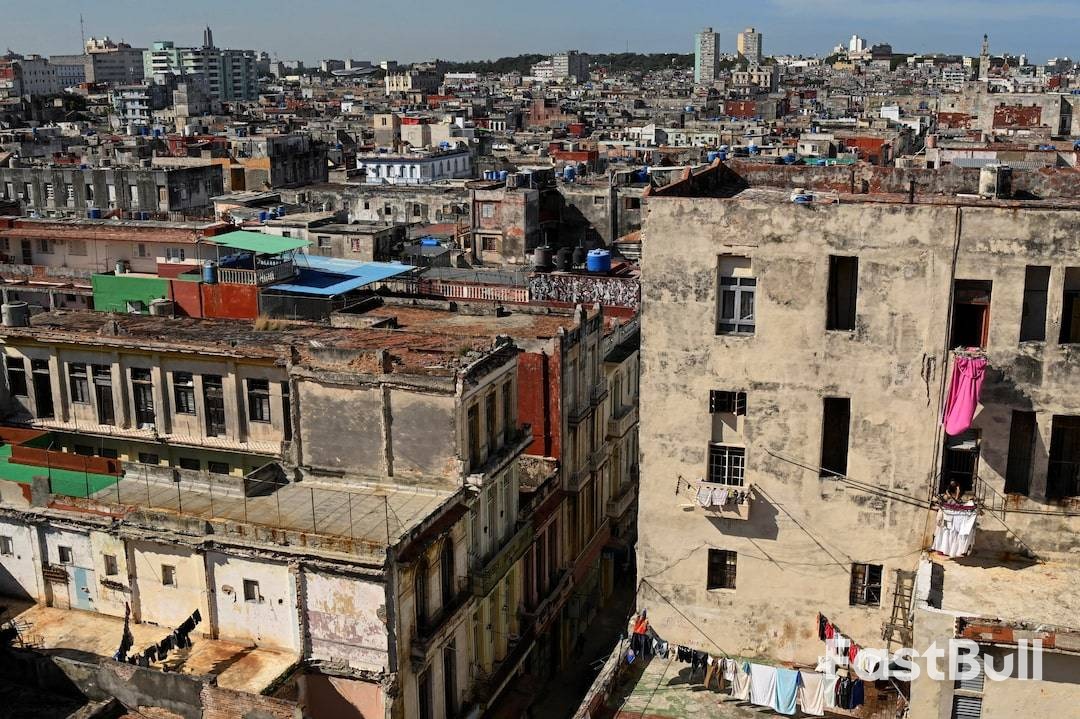
          Cuba's Oil Crisis Looms as Venezuelan Shipments Dry Up

          Edward Lawson

          Energy

          Remarks of Officials

          Economic

          Political

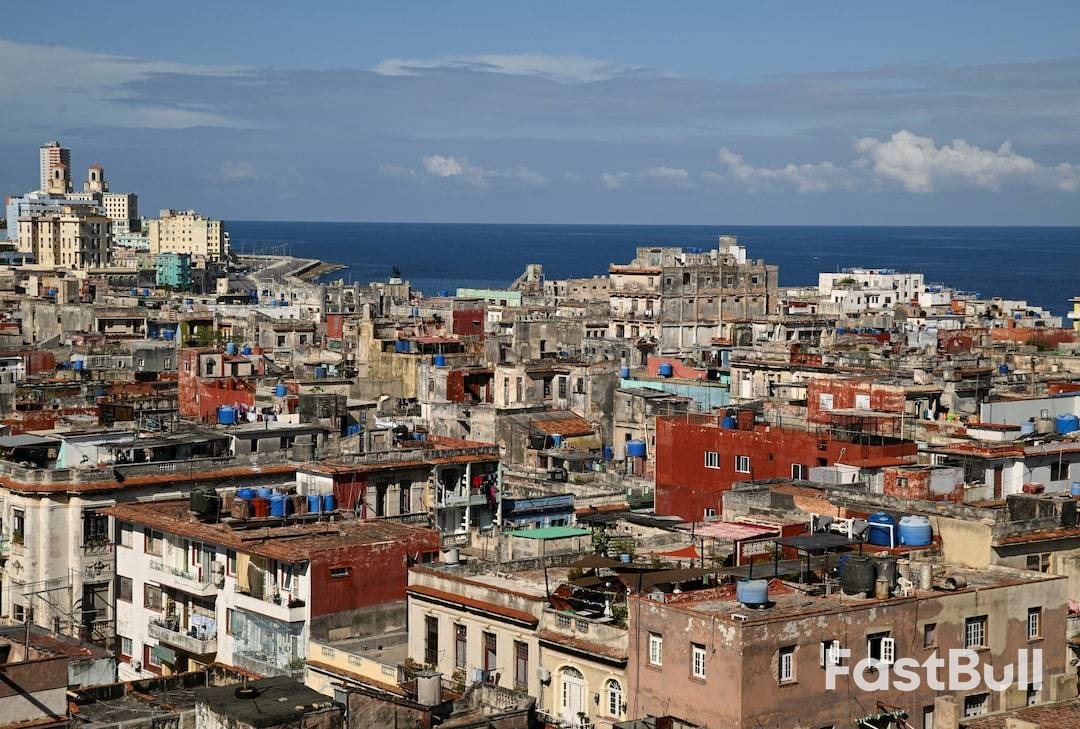
          Cubans are bracing for severe shortages and widespread blackouts as a critical lifeline of Venezuelan oil has been cut off, a direct result of U.S. policy under President Donald Trump. The island nation is now confronting a siege-like scenario, compounding an already fragile economy.

          Shipping data and internal documents from Venezuelan state oil company PDVSA confirm that no crude oil or fuel has been sent to Cuba for approximately a month. This halt in shipments began even before the U.S. capture of Venezuelan leader Nicolas Maduro in early January, as an American blockade tightened its grip on the trade route.

          The last oil delivery intended for refining in Cuba departed from PDVSA's Jose port in mid-December. The tanker, carrying around 600,000 barrels of Venezuelan crude, sailed with its transponder turned off to avoid detection.

          A "Catastrophic" Outlook for Cuba's Energy Supply

          The sudden stop in Venezuelan oil deliveries represents a massive shock to Cuba's energy system. In 2025, Venezuela was the island's primary supplier, providing 26,500 barrels per day (bpd), which accounted for roughly one-third of the nation's daily consumption. Mexico was a distant second, supplying around 5,000 bpd.

          Energy experts are sounding the alarm about the potential consequences. "I just don't see any light at the end of the tunnel for Cuba to survive the next few months facing zero deliveries of oil from Venezuela," said Jorge Pinon, an energy researcher at the University of Texas at Austin. "The situation is going to be catastrophic."

          President Trump has openly stated his goal of using the U.S. intervention in Venezuela to destabilize Cuba. He recently intensified his rhetoric, urging the island nation on Sunday to negotiate a deal "before it is too late."

          Caught Between US Pressure and Government Defiance

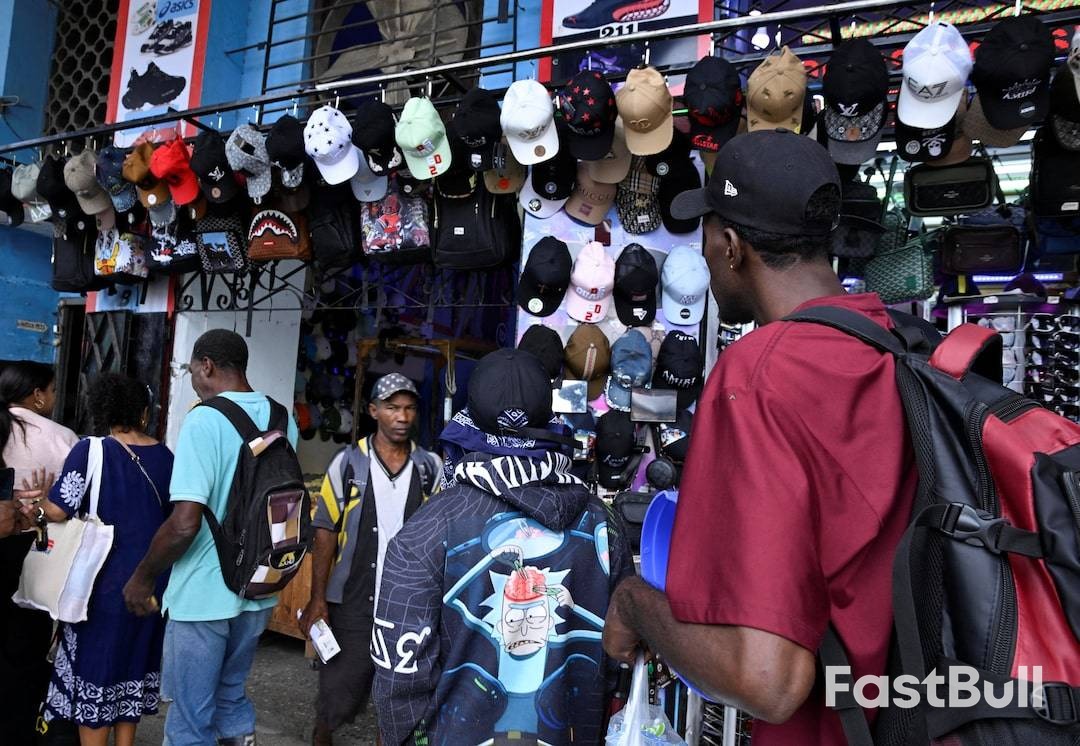
          The critical question now is how long Cuban President Miguel Diaz-Canel's government can withstand the pressure of dwindling fuel imports. For the island's residents, who already struggle to find food, medicine, and fuel, the uncertainty is palpable.

          "It's very stressful because we don't know what decision the Cuban government will make or what actions the United States government will take," commented Victor Romero, a 75-year-old retired state worker from Havana.

          President Diaz-Canel has responded with defiance. "Nobody tells us what to do," he declared on Sunday following Trump's threats. "Cuba is...prepared to defend the homeland until the last drop of blood."

          Daily Life Under Strain: From Charcoal Stoves to Horse Carts

          Outside the capital, much of rural Cuba already operates with minimal modern infrastructure. Horse-drawn carriages and bicycles are common modes of transportation, internet access is unreliable, and electricity is often off for more hours than it is on.

          Deyanira Gonzalez, a 57-year-old housewife living in the countryside near Havana, says she already cooks with charcoal due to inconsistent electricity and the high cost or unavailability of liquefied gas. "What will happen now? If Donald Trump doesn't let fuel into Cuba we'll be in the dark with our kids suffering," she said.

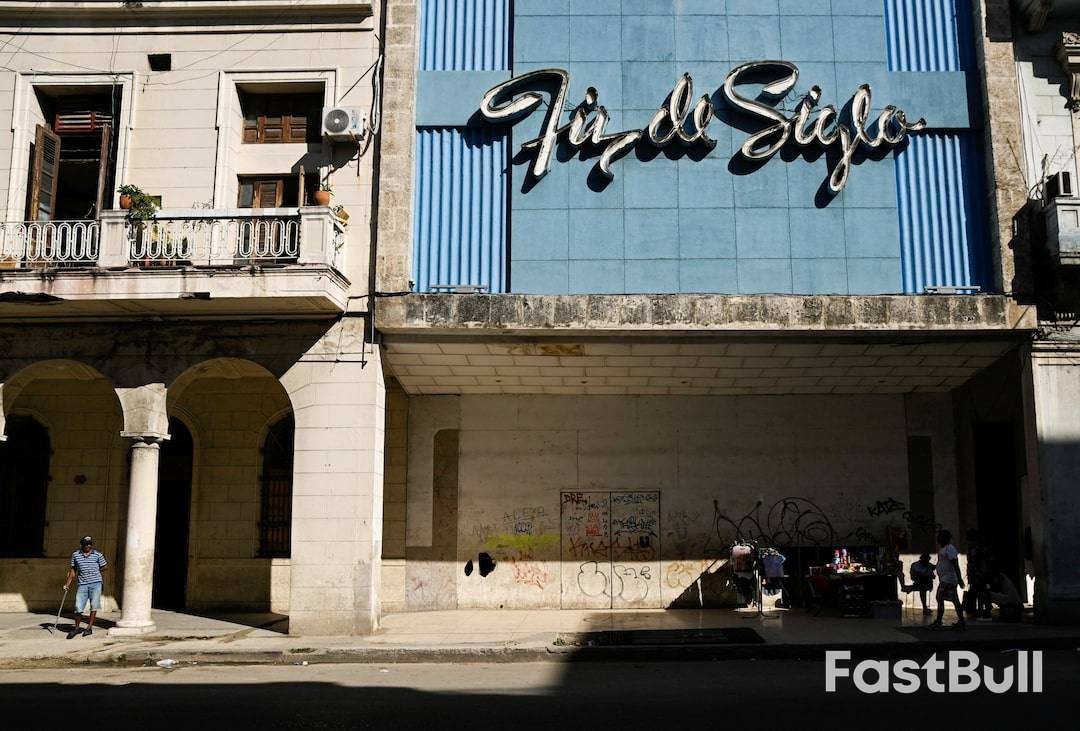
          So far, the capital city of Havana has been partially insulated from the immediate impact of the fuel cutoff. Many residents report that blackouts have eased slightly in early January as power demand fell from its December peak. Gasoline and diesel remain available at service stations, though they are rationed in the local peso currency.

          Few Allies and Limited Options for Fuel Imports

          It remains unclear how much oil Cuba has in its strategic reserves. Furthermore, the island's traditional political allies appear unwilling to risk angering the United States by providing significant aid.

          "We have not seen any support whatsoever from Cuba's political allies, who are also exporters of oil, like Angola, Algeria, Brazil," noted energy expert Pinon. "No one is coming to Cuba's aid, with the exception of maybe Mexico, in limited amount, and also Russia, in limited amount."

          A tanker from Mexico, the Ocean Mariner, did arrive in Havana on Friday with approximately 85,000 barrels of fuel from the state-owned Pemex terminal. However, this shipment is a small fraction of what Venezuela once supplied and is insufficient to power the island of 10 million people.

          This reality leaves many Cubans in a state of anxiety. "It's the uncertainty of not knowing what's going to happen," said Ivet Rodriguez, a 39-year-old entrepreneur in Havana. "I try not to even think about it."

          To stay updated on all economic events of today, please check out our Economic calendar
          Risk Warnings and Disclaimers
          You understand and acknowledge that there is a high degree of risk involved in trading. Following any strategies or investment methods may lead to potential losses. The content on the site is provided by our contributors and analysts for information purposes only. You are solely responsible for determining whether any trading assets, securities, strategy, or any other product is suitable for investing based on your own investment objectives and financial situation.
          Add to Favorites
          Share

          Central Banks Unite to Defend Fed's Powell

          Kevin Morgan

          Remarks of Officials

          Political

          Central Bank

          Daily News

          Economic

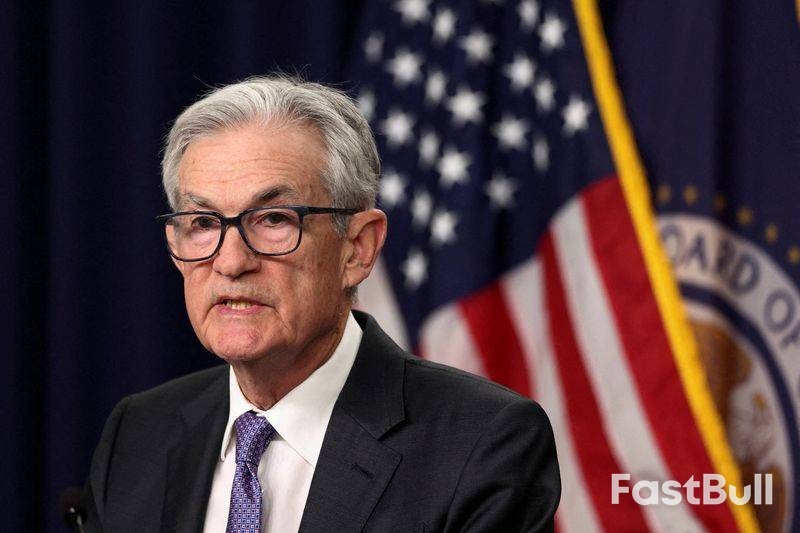
          Central banks across the globe are preparing a coordinated statement to publicly support U.S. Federal Reserve Chair Jerome Powell, according to two sources familiar with the matter. The move comes in response to the Trump administration threatening Powell with a criminal indictment.

          The joint declaration, expected on Tuesday, will feature signatures from international central bankers. Its core message is a firm endorsement of Powell and a defense of the critical principle of central bank independence.

          Federal Reserve Chair Jerome Powell is at the center of a dispute that has triggered a global response from monetary policymakers.

          A Coordinated International Response

          While the statement has been revised extensively over the past day and is still being finalized, it aims to present a united front. One source indicated that it remains unclear how many central banks will sign the initial release, but others will be welcome to join later.

          The U.S. administration's probe is officially centered on the renovation of the Federal Reserve's headquarters. However, Powell has reportedly described this investigation as a "pretext" designed to exert presidential influence over interest rate decisions. This action has already drawn sharp criticism from the financial world and from prominent members of the Republican Party.

          Fears of Political Influence and Global Risk

          The international support for Powell is rooted in a fundamental economic concern: that political interference could shatter trust in the Federal Reserve's commitment to its inflation target. Such a loss of confidence could trigger higher inflation and significant volatility in global financial markets.

          Because the United States is the world's dominant economy, any resulting inflation would likely spread through international financial channels. This "exported inflation" would complicate the efforts of other central banks to maintain price stability in their own countries, creating a ripple effect across the global economy.

          To stay updated on all economic events of today, please check out our Economic calendar
          Risk Warnings and Disclaimers
          You understand and acknowledge that there is a high degree of risk involved in trading. Following any strategies or investment methods may lead to potential losses. The content on the site is provided by our contributors and analysts for information purposes only. You are solely responsible for determining whether any trading assets, securities, strategy, or any other product is suitable for investing based on your own investment objectives and financial situation.
          Add to Favorites
          Share
          FastBull
          Copyright © 2026 FastBull Ltd

          728 RM B 7/F GEE LOK IND BLDG NO 34 HUNG TO RD KWUN TONG KLN HONG KONG

          TelegramInstagramTwitterfacebooklinkedin
          App Store Google Play Google Play
          Products
          Charts

          Chats

          Q&A with Experts
          Screeners
          Economic Calendar
          Data
          Tools
          Membership
          Features
          Function
          Markets
          Copy Trading
          Latest Signals
          Contests
          News
          Analysis
          24/7
          Columns
          Education
          Company
          Careers
          About Us
          Contact Us
          Advertising
          Help Center
          Feedback
          User Agreement
          Privacy Policy
          Personal Information Protection Statement
          Business

          White Label

          Data API

          Web Plug-ins

          Poster Maker

          Affiliate Program

          Risk Disclosure

          The risk of loss in trading financial instruments such as stocks, FX, commodities, futures, bonds, ETFs and crypto can be substantial. You may sustain a total loss of the funds that you deposit with your broker. Therefore, you should carefully consider whether such trading is suitable for you in light of your circumstances and financial resources.

          No decision to invest should be made without thoroughly conducting due diligence by yourself or consulting with your financial advisors. Our web content might not suit you since we don't know your financial conditions and investment needs. Our financial information might have latency or contain inaccuracy, so you should be fully responsible for any of your trading and investment decisions. The company will not be responsible for your capital loss.

          Without getting permission from the website, you are not allowed to copy the website's graphics, texts, or trademarks. Intellectual property rights in the content or data incorporated into this website belong to its providers and exchange merchants.

          Not Logged In

          Log in to access more features

          FastBull Membership

          Not yet

          Purchase

          Become a signal provider
          Help Center
          Customer Service
          Dark Mode
          Price Up/Down Colors

          Log In

          Sign Up

          Position
          Layout
          Fullscreen
          Default to Chart
          The chart page opens by default when you visit fastbull.com