• Trade
  • Markets
  • Copy
  • Contests
  • News
  • 24/7
  • Calendar
  • Q&A
  • Chats
Trending
Screeners
SYMBOL
LAST
BID
ASK
HIGH
LOW
NET CHG.
%CHG.
SPREAD
SPX
S&P 500 Index
6857.13
6857.13
6857.13
6865.94
6827.13
+7.41
+ 0.11%
--
DJI
Dow Jones Industrial Average
47850.93
47850.93
47850.93
48049.72
47692.96
-31.96
-0.07%
--
IXIC
NASDAQ Composite Index
23505.13
23505.13
23505.13
23528.53
23372.33
+51.04
+ 0.22%
--
USDX
US Dollar Index
98.930
99.010
98.930
98.980
98.740
-0.050
-0.05%
--
EURUSD
Euro / US Dollar
1.16495
1.16504
1.16495
1.16715
1.16408
+0.00050
+ 0.04%
--
GBPUSD
Pound Sterling / US Dollar
1.33366
1.33373
1.33366
1.33622
1.33165
+0.00095
+ 0.07%
--
XAUUSD
Gold / US Dollar
4224.40
4224.81
4224.40
4230.62
4194.54
+17.23
+ 0.41%
--
WTI
Light Sweet Crude Oil
59.359
59.389
59.359
59.543
59.187
-0.024
-0.04%
--

Community Accounts

Signal Accounts
--
Profit Accounts
--
Loss Accounts
--
View More

Become a signal provider

Sell trading signals to earn additional income

View More

Guide to Copy Trading

Get started with ease and confidence

View More

Signal Accounts for Members

All Signal Accounts

Best Return
  • Best Return
  • Best P/L
  • Best MDD
Past 1W
  • Past 1W
  • Past 1M
  • Past 1Y

All Contests

  • All
  • Trump Updates
  • Recommend
  • Stocks
  • Cryptocurrencies
  • Central Banks
  • Featured News
Top News Only
Share

Japan Economy Minister Kiuchi: Hope Bank Of Japan Guides Appropriate Monetary Policy To Stably Achieve 2% Inflation Target, Working Closely With Government In Line With Principles Stipulated In Government-Bank Of Japan Joint Agreement

Share

Japan Economy Minister Kiuchi: Specific Monetary Policy Means Up To Bank Of Japan To Decide, Government Won't Comment

Share

Japan Economy Minister Kiuchi: Government Will Watch Market Moves With High Sense Of Urgency

Share

Japan Economy Minister Kiuchi: Important For Stock, Forex, Bond Markets To Move Stably Reflecting Fundamentals

Share

Norway Government: Will Order 2 More German-Made Submarines, Taking Total To 6 Submarines, Increasing Planned Spending By Nok 46 Billion

Share

Norway Government: Plans To Buy Long-Range Artillery Weapons For Nok 19 Billion, With Strike Distance Of Up To 500 Km

Share

Japan Economy Minister Kiuchi: Inflationary Impact Of Stimulus Package Likely Limited

Share

BP : BofA Global Research Cuts To Underperform From Neutral, Cuts Price Objective To 375P From 440P

Share

Shell : BofA Global Research Cuts To Neutral From Buy, Cuts Price Objective To 3100P From 3200P

Share

Russia Plans To Supply 5-5.5 Million Tons Of Fertilizers To India In 2025

Share

Euro Zone Q3 Employment Revised To 0.6% Year-On-Year

Share

Rheinmetall Ag : BofA Global Research Cuts Price Objective To EUR 2215 From EUR 2540

Share

China's Commerce Minister: Will Eliminate Restrictive Measures

Share

Russia - India Statement Says Defence Partnership Is Responding To India's Aspirations For Self-Reliance

Share

Russia - India Statement Says Defence Ties Being Reoriented Towards Joint R&D And Production Of Advanced Defence Platforms

Share

Russia And India Express Interest In Deepening Cooperation In Exploration, Processing And Refining Technologies For Critical Minerals And Rare Earth Elements

Share

Eurostat - Euro Zone Q3 Employment +0.6% Year-On-Year (Reuters Poll +0.5%)

Share

Eurostat - Euro Zone Q3 Employment +0.2% Quarter-On-Quarter (Reuters Poll +0.1%)

Share

Indian Rupee At 89.98 Per USA Dollar As Of 3:30 P.M. Ist, Nearly Unchanged Form 89.9750 Previous Close

Share

Russian President Putin: Modi Statement Says Russia-India Ties Are 'Resilient To External Pressure'

TIME
ACT
FCST
PREV
U.S. Challenger Job Cuts MoM (Nov)

A:--

F: --

P: --

U.S. Initial Jobless Claims 4-Week Avg. (SA)

A:--

F: --

P: --

U.S. Weekly Initial Jobless Claims (SA)

A:--

F: --

P: --

U.S. Weekly Continued Jobless Claims (SA)

A:--

F: --

P: --

Canada Ivey PMI (SA) (Nov)

A:--

F: --

P: --

Canada Ivey PMI (Not SA) (Nov)

A:--

F: --

P: --

U.S. Non-Defense Capital Durable Goods Orders Revised MoM (Excl. Aircraft) (SA) (Sept)

A:--

F: --

P: --
U.S. Factory Orders MoM (Excl. Transport) (Sept)

A:--

F: --

P: --

U.S. Factory Orders MoM (Sept)

A:--

F: --

P: --

U.S. Factory Orders MoM (Excl. Defense) (Sept)

A:--

F: --

P: --

U.S. EIA Weekly Natural Gas Stocks Change

A:--

F: --

P: --

Saudi Arabia Crude Oil Production

A:--

F: --

P: --

U.S. Weekly Treasuries Held by Foreign Central Banks

A:--

F: --

P: --

Japan Foreign Exchange Reserves (Nov)

A:--

F: --

P: --

India Repo Rate

A:--

F: --

P: --

India Benchmark Interest Rate

A:--

F: --

P: --

India Reverse Repo Rate

A:--

F: --

P: --

India Cash Reserve Ratio

A:--

F: --

P: --

Japan Leading Indicators Prelim (Oct)

A:--

F: --

P: --

U.K. Halifax House Price Index YoY (SA) (Nov)

A:--

F: --

P: --

U.K. Halifax House Price Index MoM (SA) (Nov)

A:--

F: --

P: --

France Current Account (Not SA) (Oct)

A:--

F: --

P: --

France Trade Balance (SA) (Oct)

A:--

F: --

P: --

France Industrial Output MoM (SA) (Oct)

A:--

F: --

P: --

Italy Retail Sales MoM (SA) (Oct)

A:--

F: --

P: --

Euro Zone Employment YoY (SA) (Q3)

A:--

F: --

P: --

Euro Zone GDP Final YoY (Q3)

A:--

F: --

P: --

Euro Zone GDP Final QoQ (Q3)

A:--

F: --

P: --

Euro Zone Employment Final QoQ (SA) (Q3)

A:--

F: --

P: --

Euro Zone Employment Final (SA) (Q3)

A:--

F: --

P: --
Brazil PPI MoM (Oct)

--

F: --

P: --

Mexico Consumer Confidence Index (Nov)

--

F: --

P: --

Canada Unemployment Rate (SA) (Nov)

--

F: --

P: --

Canada Labor Force Participation Rate (SA) (Nov)

--

F: --

P: --

Canada Employment (SA) (Nov)

--

F: --

P: --

Canada Part-Time Employment (SA) (Nov)

--

F: --

P: --

Canada Full-time Employment (SA) (Nov)

--

F: --

P: --

U.S. Personal Income MoM (Sept)

--

F: --

P: --

U.S. Dallas Fed PCE Price Index YoY (Sept)

--

F: --

P: --

U.S. PCE Price Index YoY (SA) (Sept)

--

F: --

P: --

U.S. PCE Price Index MoM (Sept)

--

F: --

P: --

U.S. Personal Outlays MoM (SA) (Sept)

--

F: --

P: --

U.S. Core PCE Price Index MoM (Sept)

--

F: --

P: --

U.S. UMich 5-Year-Ahead Inflation Expectations Prelim YoY (Dec)

--

F: --

P: --

U.S. Core PCE Price Index YoY (Sept)

--

F: --

P: --

U.S. Real Personal Consumption Expenditures MoM (Sept)

--

F: --

P: --

U.S. 5-10 Year-Ahead Inflation Expectations (Dec)

--

F: --

P: --

U.S. UMich Current Economic Conditions Index Prelim (Dec)

--

F: --

P: --

U.S. UMich Consumer Sentiment Index Prelim (Dec)

--

F: --

P: --

U.S. UMich 1-Year-Ahead Inflation Expectations Prelim (Dec)

--

F: --

P: --

U.S. UMich Consumer Expectations Index Prelim (Dec)

--

F: --

P: --

U.S. Weekly Total Rig Count

--

F: --

P: --

U.S. Weekly Total Oil Rig Count

--

F: --

P: --

U.S. Consumer Credit (SA) (Oct)

--

F: --

P: --

China, Mainland Foreign Exchange Reserves (Nov)

--

F: --

P: --

China, Mainland Exports YoY (USD) (Nov)

--

F: --

P: --

Q&A with Experts
    • All
    • Chatrooms
    • Groups
    • Friends
    Connecting
    .
    .
    .
    Type here...
    Add Symbol or Code

      No matching data

      All
      Trump Updates
      Recommend
      Stocks
      Cryptocurrencies
      Central Banks
      Featured News
      • All
      • Russia-Ukraine Conflict
      • Middle East Flashpoint
      • All
      • Russia-Ukraine Conflict
      • Middle East Flashpoint
      Search
      Products

      Charts Free Forever

      Chats Q&A with Experts
      Screeners Economic Calendar Data Tools
      Membership Features
      Data Warehouse Market Trends Institutional Data Policy Rates Macro

      Market Trends

      Market Sentiment Order Book Forex Correlations

      Top Indicators

      Charts Free Forever
      Markets

      News

      News Analysis 24/7 Columns Education
      From Institutions From Analysts
      Topics Columnists

      Latest Views

      Latest Views

      Trending Topics

      Top Columnists

      Latest Update

      Signals

      Copy Rankings Latest Signals Become a signal provider AI Rating
      Contests
      Brokers

      Overview Brokers Assessment Rankings Regulators News Claims
      Broker listing Forex Brokers Comparison Tool Live Spread Comparison Scam
      Q&A Complaint Scam Alert Videos Tips to Detect Scam
      More

      Business
      Events
      Careers About Us Advertising Help Center

      White Label

      Data API

      Web Plug-ins

      Affiliate Program

      Awards Institution Evaluation IB Seminar Salon Event Exhibition
      Vietnam Thailand Singapore Dubai
      Fans Party Investment Sharing Session
      FastBull Summit BrokersView Expo
      Recent Searches
        Top Searches
          Markets
          News
          Analysis
          User
          24/7
          Economic Calendar
          Education
          Data
          • Names
          • Latest
          • Prev

          View All

          No data

          Scan to Download

          Faster Charts, Chat Faster!

          Download App
          English
          • English
          • Español
          • العربية
          • Bahasa Indonesia
          • Bahasa Melayu
          • Tiếng Việt
          • ภาษาไทย
          • Français
          • Italiano
          • Türkçe
          • Русский язык
          • 简中
          • 繁中
          Open Account
          Search
          Products
          Charts Free Forever
          Markets
          News
          Signals

          Copy Rankings Latest Signals Become a signal provider AI Rating
          Contests
          Brokers

          Overview Brokers Assessment Rankings Regulators News Claims
          Broker listing Forex Brokers Comparison Tool Live Spread Comparison Scam
          Q&A Complaint Scam Alert Videos Tips to Detect Scam
          More

          Business
          Events
          Careers About Us Advertising Help Center

          White Label

          Data API

          Web Plug-ins

          Affiliate Program

          Awards Institution Evaluation IB Seminar Salon Event Exhibition
          Vietnam Thailand Singapore Dubai
          Fans Party Investment Sharing Session
          FastBull Summit BrokersView Expo

          Can You Transfer Bitcoin to Picnic Wallet Account? Safe, Easy Steps & Fees Explained

          Ukadike Micheal

          Cryptocurrency

          Summary:

          Wondering can you transfer Bitcoin to Picnic wallet account? Discover how to send BTC safely, check fees, and ensure secure transactions using this wallet.

          Can You Transfer Bitcoin to a Picnic Wallet Account? Everything You Need to Know

          If you're wondering can you transfer Bitcoin to Picnic wallet account, this guide will walk you through the essentials. From understanding Picnic’s wallet features to exploring supported networks, fees, and transaction times, we cover everything you need to know to make your Bitcoin transfer secure and efficient.

          What Is the Picnic Wallet?

          Picnic Wallet is a digital wallet platform designed for managing, storing, and transferring cryptocurrencies with ease. It enables users to create a wallet in minutes, receive or send Bitcoin and other assets, and monitor transactions through an intuitive interface. Unlike some custodial wallets, Picnic gives users greater control over their digital assets, resembling a self custody crypto wallet in design and accessibility.
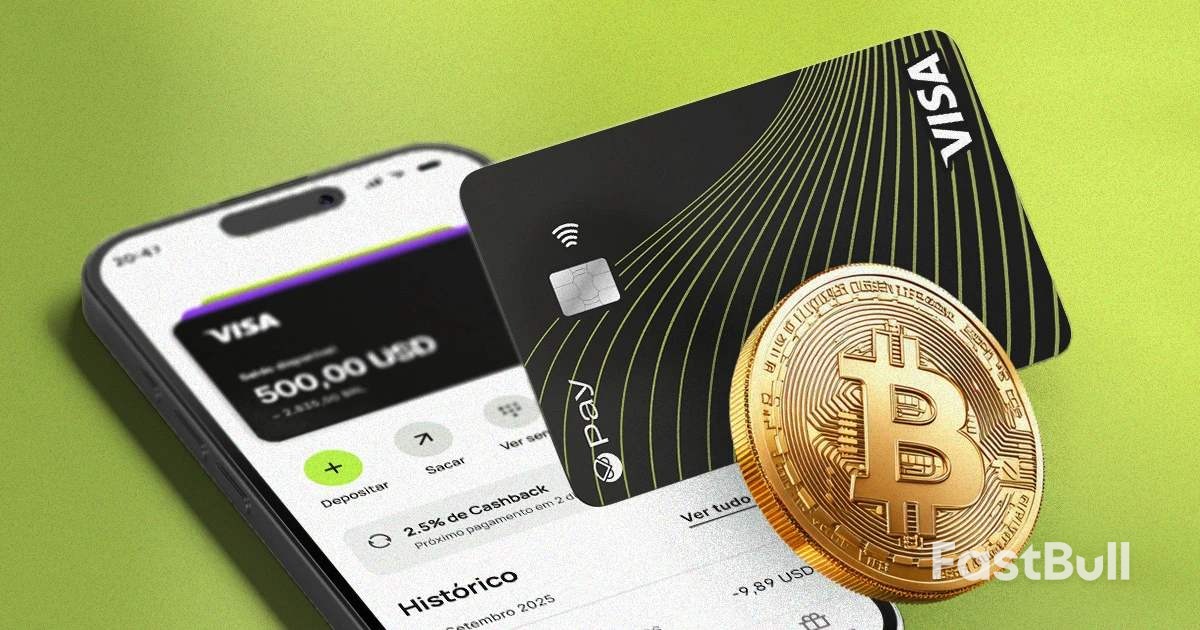
          Can You Transfer Bitcoin to Picnic Wallet Account? Safe, Easy Steps & Fees Explained_1

          The wallet supports on-chain and Lightning Network transactions, offering users flexible options for how to transfer bitcoins to wallet addresses. Its modern interface allows both beginners and experienced traders to handle their funds conveniently while maintaining security. For those transitioning to self-custody wallets, Picnic presents a simplified alternative without overwhelming technical requirements.

          Main Features of Picnic Wallet

          • Easy account setup through email registration.
          • Support for Bitcoin transfers via on-chain and Lightning networks.
          • Option to hold multiple assets under one account.
          • Integrated transaction tracking and real-time notifications.
          • Security measures like seed phrase backup and encryption.

          Picnic’s hybrid approach—combining convenience with self-control—makes it appealing for users seeking to move their assets safely. Whether you are learning how to transfer crypto to wallet platforms or exploring decentralized solutions, Picnic Wallet bridges accessibility and ownership.

          Can You Transfer Bitcoin to the Picnic Wallet Account?

          Yes, you can transfer Bitcoin to the Picnic Wallet account, but understanding how the process works is essential before sending funds. Picnic supports both on-chain and Lightning transactions, giving flexibility depending on your preferred method. When learning how do i move crypto from exchange to wallet setups like Picnic, it’s vital to double-check address formats and network types to avoid transaction errors.

          Supported Transfer Methods

          Transfer TypeDescriptionAverage SpeedUse Case
          On-Chain TransferStandard Bitcoin network transfer confirmed through blockchain miners.10–60 minutesFor larger transactions or long-term storage.
          Lightning NetworkOff-chain, instant transactions for small or frequent payments.SecondsFor daily use or quick peer-to-peer transfers.

          Important Considerations Before Sending

          • Always verify the Picnic Wallet address before confirming a transaction.
          • Ensure your sending platform supports the same network type (on-chain or Lightning).
          • Review network fees and transaction limits prior to initiating transfers.
          • Backup your wallet’s seed phrase for recovery in case of device loss.

          Knowing how to move crypto to wallet services like Picnic ensures a smooth process and helps avoid mistakes that could result in lost funds. For users transitioning to self-custody wallets, Picnic offers an accessible, secure bridge between exchange-based holdings and independent asset control.

          How to Transfer Bitcoin to Picnic Wallet (Step-by-Step)

          Transferring Bitcoin to your Picnic Wallet is a straightforward process, but it requires attention to detail to ensure your funds arrive safely. The steps below outline how to transfer bitcoins to wallet accounts like Picnic, suitable for both beginners and users transitioning to self-custody wallets.

          Step 1: Log In and Access Your Picnic Wallet

          Open the Picnic Wallet app or website and sign in to your account. Navigate to the “Receive” section to generate your Bitcoin receiving address. This is the address you will use when sending funds from an exchange or another wallet.

          Step 2: Copy the Bitcoin Address

          Once your address appears, copy it carefully. Each wallet generates unique Bitcoin addresses, so confirm the entire string before proceeding. Copy-paste errors are common when learning how to move crypto to wallet platforms, so always double-check.

          Step 3: Go to Your Exchange or External Wallet

          On your exchange, locate the withdrawal or send option. If you’re exploring how do i move crypto from exchange to wallet applications, this step is key. Paste your Picnic Wallet address, choose the network type (on-chain or Lightning), and enter the amount you wish to send.

          Step 4: Confirm the Transaction

          Review transaction details carefully, including fees and network selection. Once verified, confirm and initiate the transfer. Depending on the network type, your Bitcoin may take anywhere from seconds (Lightning) to about an hour (on-chain) to appear in your Picnic Wallet.

          Step 5: Verify Receipt in Picnic Wallet

          After the network confirms your transaction, your Bitcoin balance will update in Picnic Wallet. You can check the transaction history for confirmation. This process is typical when learning how to transfer crypto to wallet services across different ecosystems.

          The overall process is simple, but maintaining precision ensures safety. For users interested in self custody crypto wallet management, Picnic provides a balanced entry point between accessibility and control.

          Picnic Wallet Security, Fees, and Transaction Time

          Before moving Bitcoin to any wallet, understanding security and cost factors is crucial. Picnic Wallet incorporates industry-standard encryption and seed phrase recovery, aligning with practices used by established self custody crypto wallet systems. These measures ensure your funds remain protected even if your device is lost or compromised.

          Security Overview

          • Encrypted wallet access and two-factor authentication options.
          • Seed phrase recovery for restoring assets in case of emergency.
          • Support for both on-chain and Lightning Network transactions.
          • User-controlled private keys, reinforcing autonomy in asset management.

          For investors transitioning to self-custody wallets, Picnic’s design provides familiar functionality while minimizing technical complexity. The platform’s structure blends convenience with a degree of independence, which appeals to users exploring how to transfer bitcoins to wallet systems securely.

          Fees and Network Costs

          Transaction TypeNetwork Fee RangeTypical Confirmation TimeRecommended For
          On-Chain Transfer$1 – $5 (varies with network congestion)10 – 60 minutesLarger or long-term transactions.
          Lightning NetworkUsually under $0.01Instant to a few secondsSmall, frequent payments or testing transfers.

          Best Practices for Secure and Efficient Transfers

          • Confirm that your exchange supports the chosen transfer network.
          • Always double-check wallet addresses before sending funds.
          • Consider starting with a small test transaction to verify connectivity.
          • Keep your recovery phrase secure and offline for maximum safety.

          Understanding how to move crypto to wallet applications like Picnic can help avoid common pitfalls such as sending funds over the wrong network. Whether you’re learning how to transfer bitcoins to wallet setups or refining your crypto security habits, a balanced approach between cost, speed, and safety will deliver the best results.

          FAQs about Can You Transfer Bitcoin to Picnic Wallet Account

          1. How do I transfer my Bitcoin to another wallet?

          You can transfer Bitcoin by copying your target wallet’s address, pasting it into your sending wallet, entering the amount, and confirming. Make sure the network type matches and double-check the address before submitting.

          2. Is Picnic crypto safe?

          Yes, Picnic uses encryption, seed phrase recovery, and user-controlled keys to secure assets. However, users should still back up recovery phrases and verify addresses before every transaction.

          3. Can I transfer money from my Bitcoin wallet to my bank account?

          Not directly. You first need to sell Bitcoin through an exchange or platform that supports withdrawals to a bank account. Picnic currently focuses on crypto transfers, not fiat conversions.

          Conclusion

          In summary, if you’re asking can you transfer Bitcoin to Picnic wallet account, the answer is yes. Picnic supports both on-chain and Lightning transfers, providing flexibility and security. By understanding its fees, safety measures, and proper transfer steps, users can move their Bitcoin confidently and manage assets effectively.

          Risk Warnings and Disclaimers
          You understand and acknowledge that there is a high degree of risk involved in trading. Following any strategies or investment methods may lead to potential losses. The content on the site is provided by our contributors and analysts for information purposes only. You are solely responsible for determining whether any trading assets, securities, strategy, or any other product is suitable for investing based on your own investment objectives and financial situation.
          Add to Favorites
          Share

          The Growing Interdependence Between Wall Street and the U.S. Economy

          Gerik

          Economic

          The Wealth Effect and Consumer Spending: A Tighter Feedback Loop

          The traditional distinction between Wall Street and Main Street is eroding as financial markets exert a stronger influence on household consumption. This phenomenon is explained through the wealth effect, which refers to the tendency for people to spend more as their asset values rise. Recent research by Oxford Economics reveals that the wealth effect has grown significantly stronger over the past 15 years. In 2010, a $1 increase in stock wealth translated into less than $0.02 in consumer spending. Today, that number has more than doubled to $0.05. A similar, albeit slightly smaller, increase is observed with housing wealth, rising from $0.03 to $0.04.
          This increase is partly explained by behavioral shifts: when individuals perceive themselves as wealthier, they are more comfortable spending rather than saving. They may also convert appreciated assets into cash, either by selling stocks or tapping into home equity, to support consumption. As a result, fluctuations in asset prices now have a more immediate and measurable impact on economic activity.

          Demographic and Technological Reinforcement of the Wealth Channel

          The wealth effect is expected to grow even stronger in the years ahead, largely due to demographic and technological developments. Retirees, who hold more net assets than younger cohorts and rely heavily on investment income, are set to form a larger share of the population. This shift means consumption will increasingly be tied to asset performance, especially for those who no longer earn labor income.
          Moreover, the speed at which consumer sentiment reacts to financial news has accelerated with the rise of digital media. Information about stock market changes spreads instantly, affecting household confidence and spending behavior in real time. This immediacy intensifies the wealth effect and contributes to higher sensitivity between equity valuations and consumer decisions.

          Artificial Intelligence and the Market’s Consumption Boost

          Recent equity market gains especially in the technology sector have provided a tangible boost to household wealth. Oxford Economics estimates that stock gains from AI-related companies alone have contributed nearly $250 billion to annual consumption, accounting for over 20% of the cumulative increase in spending. JPMorgan presents a comparable estimate, linking $5 trillion in added household wealth from 30 AI-focused stocks to a $180 billion increase in annualized spending.
          While these figures currently represent a small share of overall consumption, the influence could expand if AI-driven gains spread to a wider range of stocks or real estate. The concentration of stock ownership has also broadened: more than 54% of Americans earning between $30,000 and $79,999 are retail investors, according to a survey from the BlackRock Foundation and Commonwealth, with over half of them entering the market within the past five years. This democratization of investing amplifies the reach of stock performance into middle-class spending patterns.

          Rising Inequality and the K-Shaped Economy

          Despite the broader ownership base, the impact of market changes remains disproportionately tilted toward wealthier households. Moody’s reports that the top 10% of earners were responsible for half of U.S. consumer spending in Q2 2025, the highest share on record. This reinforces a consumption model increasingly dependent on discretionary spending from high-income individuals, which in turn depends on sustained performance in risk assets like equities and real estate.
          This dual dependence means that any significant decline in asset prices could rapidly suppress consumption, particularly among affluent households. Conversely, as long as asset values remain buoyant, so too does consumer activity at the upper end of the income spectrum.

          The Feedback Between Fiscal and Monetary Tools and Asset Prices

          The increased connection between the equity market and consumption places greater pressure on U.S. policymakers to stabilize or support stock prices. According to Pepperstone strategist Michael Brown, both fiscal and monetary authorities now have stronger incentives to implement pro-market policies. The concern is that a severe market downturn would not only erode household wealth but also contract consumer spending, potentially triggering a broader economic slowdown.
          As a result, there is a growing perception that a protective mechanism similar to the so-called “Fed put” exists to cushion market declines. This expectation can foster moral hazard, where investors assume that significant losses will be mitigated by stimulus measures or interest rate adjustments. With continued fiscal support and a willingness to ease monetary policy, this evolving market-economy dynamic appears increasingly reinforced by institutional behavior.
          The line separating financial markets from the broader economy is fading. Rising asset prices now play a crucial role in driving consumption, while a growing cohort of investors across income levels magnifies the ripple effect of market moves. As the U.S. economy becomes more sensitive to fluctuations in equity values, policymakers face growing pressure to manage market volatility not just as a financial concern, but as a macroeconomic imperative. The deeper this interdependence becomes, the more difficult it will be to treat Wall Street and Main Street as separate spheres.

          Source: The Fortune

          To stay updated on all economic events of today, please check out our Economic calendar
          Risk Warnings and Disclaimers
          You understand and acknowledge that there is a high degree of risk involved in trading. Following any strategies or investment methods may lead to potential losses. The content on the site is provided by our contributors and analysts for information purposes only. You are solely responsible for determining whether any trading assets, securities, strategy, or any other product is suitable for investing based on your own investment objectives and financial situation.
          Add to Favorites
          Share

          Soybeans Extend Rally As US Says China Halts Retaliatory Tariffs

          Justin

          Forex

          Commodity

          Economic

          Soybeans extended gains after the US said China agreed to halt retaliatory tariffs following a key summit last week, and reiterated the Asian nation will ramp up purchases this year.

          China will suspend all levies announced since March 4 on soybeans and other US agricultural products including corn, wheat, sorghum and chicken, according to a fact sheet released by the White House on Saturday. Beijing is yet to confirm the halt, and didn't directly address a question on the duties last week.

          The White House added that China agreed to purchase at least 12 million tons of US soybeans by the end of the year, and at least 25 million tons annually over next three years. Agriculture Secretary Brooke Rollins first flagged the volumes last week after the summit ended without those details.

          The US statement is the most detailed account yet of the trade deal following a meeting between President Donald Trump and his Chinese counterpart Xi Jinping in South Korea. The pact has fueled optimism that agricultural trade between the two giants, particularly soybeans, could return to normal levels.

          China had shunned US soybeans as tensions between the two nations soured, taking more from South American producers. Just days before the meeting, China bought its first US cargoes, following up with further purchases after the summit. The trade was worth more than $12 billion last year.

          However, even with the removal of the retaliatory tariffs, US cargoes will still incur duties of 13%, making them uncompetitive with Brazil, traders said.

          Source: Bloomberg Europe

          To stay updated on all economic events of today, please check out our Economic calendar
          Risk Warnings and Disclaimers
          You understand and acknowledge that there is a high degree of risk involved in trading. Following any strategies or investment methods may lead to potential losses. The content on the site is provided by our contributors and analysts for information purposes only. You are solely responsible for determining whether any trading assets, securities, strategy, or any other product is suitable for investing based on your own investment objectives and financial situation.
          Add to Favorites
          Share

          Malaysia Manufacturing PMI Falls To 49.5 In October, Lowest In Four Months

          Samantha Luan

          Forex

          Economic

          Malaysia's manufacturing sector conditions softened at the start of the final quarter of 2025, with the S&P Global Malaysia Manufacturing Purchasing Managers' Index (PMI) falling to 49.5 in October from 49.8 in September.

          The latest reading, which came in marginally below the neutral 50.0 threshold, marked a four-month low for the index, indicating further moderation in business conditions.

          New orders declined for the first time in three months, though only fractionally, as firms reported weak market activity and subdued client confidence. New export orders fell at the steepest rate since April, with manufacturers citing muted sales particularly to Asia-Pacific and Africa regions.

          Production levels were scaled back at a more pronounced rate in October as companies responded to lower order volumes. The reduction rate was mild but represented the steepest decline in five months.

          Employment decreased marginally, marking the fourth consecutive month of workforce reduction. Despite this, manufacturers were able to reduce backlogs of work at the sharpest pace since February due to moderated demand.

          On the price front, input cost inflation strengthened slightly from September but remained modest overall. Firms chose to lower their selling prices for the first time in six months in an attempt to stimulate sales.

          Supply chain pressures continued as supplier delivery times lengthened for the second consecutive month, with companies reporting shipping delays and material shortages.

          Despite the challenging conditions, business confidence improved significantly, reaching its highest level since April 2023. Manufacturers expressed optimism that new orders would expand in the coming year, leading to higher output.

          According to S&P Global, the latest PMI reading suggests that both GDP and official manufacturing production increased solidly on an annual basis at the start of the final quarter of the year, based on historical relationships between PMI data and official output figures.

          Source: Investing

          To stay updated on all economic events of today, please check out our Economic calendar
          Risk Warnings and Disclaimers
          You understand and acknowledge that there is a high degree of risk involved in trading. Following any strategies or investment methods may lead to potential losses. The content on the site is provided by our contributors and analysts for information purposes only. You are solely responsible for determining whether any trading assets, securities, strategy, or any other product is suitable for investing based on your own investment objectives and financial situation.
          Add to Favorites
          Share

          Denmark Is Finally Giving Up On EU Chat Control After Privacy Backlash

          Winkelmann

          Forex

          Economic

          Denmark, which holds the European Council presidency, has reportedly withdrawn the proposal that would have forced platforms like Telegram, WhatsApp and Signal to allow authorities to screen messages before they're encrypted and sent.

          The proposed legislation, known as the Chat Control law, was first introduced in May 2022 as a method to combat the spread of illicit and illegal content through messaging services.

          A revived version of it came up this year, with critics arguing again that it would undermine encrypted messaging and people's right to privacy.

          The withdrawn proposal means it will remain voluntary.

          Minister of Justice Peter Hummelgaard stated that the proposal will now "not be part of the EU presidency's new compromise proposal, and that it will continue to be voluntary," for tech giants to screen encrypted messages, according to a report by Danish daily newspaper Politiken on Oct. 30.

          Current framework expires in April

          The current voluntary framework expires in April 2026, and Politiken reported that Hummelgaard stated that if the years-long political stalemate over Chat Control were not resolved, it would leave the EU without any legal tools to combat bad actors using messaging services.

          The backtrack on chat control was reportedly to ensure a new framework could be implemented before the deadline.

          Tech giants and privacy advocates celebrate

          X's Global Government Affairs team said on Saturday that Denmark's withdrawal is a "major defeat for mass surveillance advocates," and the platform will "continue to monitor the progress of these negotiations and oppose any efforts to implement government mass surveillance of users."

          Source: X Global Government Affairs

          Patrick Hansen, the director of EU Strategy and Policy at stablecoin issuer Circle, also applauded the news and stated it was a "Major win for digital freedoms in the EU."

          The Electronic Frontier Foundation (EFF), a civil liberty nonprofit, shared a similar stance and speculated public pressure "pushed the EU Council to withdraw its dangerous plan to scan encrypted messages."

          Lawmakers need to give up on mass surveillance

          Thorin Klosowski, a security and privacy activist with the EFF, said in a blog post on Friday that lawmakers should stop attempting to bypass encryption under the guise of public safety.

          He argues that the focus should be on "developing real solutions that don't violate the human rights of people around the world."

          "As long as lawmakers continue to misunderstand the way encryption technology works, there is no way forward with message-scanning proposals, not in the EU or anywhere else," he said.

          "This sort of surveillance is not just an overreach; it's an attack on fundamental human rights. The coming EU presidencies should abandon these attempts and work on finding a solution that protects people's privacy and security."

          Ireland will assume the EU Council's presidency in July 2026, taking the reins from Denmark after a year in the role.

          Source: COINTELEGRAPH

          To stay updated on all economic events of today, please check out our Economic calendar
          Risk Warnings and Disclaimers
          You understand and acknowledge that there is a high degree of risk involved in trading. Following any strategies or investment methods may lead to potential losses. The content on the site is provided by our contributors and analysts for information purposes only. You are solely responsible for determining whether any trading assets, securities, strategy, or any other product is suitable for investing based on your own investment objectives and financial situation.
          Add to Favorites
          Share

          Thailand Manufacturing Sector Expansion Accelerates To 29-month High

          James Whitman

          Economic

          Thailand's manufacturing sector expansion accelerated in October, reaching its fastest pace since May 2023, according to the latest S&P Global Thailand Manufacturing PMI data.

          The headline PMI rose to 56.6 in October from 54.6 in September, marking the sixth consecutive month above the 50.0 neutral mark. This indicates a significant improvement in manufacturing conditions.

          New orders increased at the steepest rate in two-and-a-half years, driven by successful business development and rising client interest. While external demand continued to decline, the fall in new export orders was only marginal and less severe than in September.

          Production growth accelerated for the seventh consecutive month in response to rising new work. Thai manufacturers increased their workforce capacity for the second straight month to manage growing workloads.

          Despite these efforts, backlogs accumulated at a survey record pace, and finished goods inventories declined for the fifth consecutive month as companies fulfilled orders.

          Purchasing activity expanded in October, though stocks of purchases continued to decline due to high utilization of input products and shipment delays as lead times lengthened.

          On the pricing front, average input costs stabilized after three consecutive months of decline, leading manufacturers to keep their selling prices unchanged at the start of the fourth quarter.

          Business confidence improved to its highest level in two-and-a-half years, supported by hopes for business expansion plans and better economic conditions to drive sales in the coming year.

          Jingyi Pan, Economics Associate Director at S&P Global Market Intelligence, noted that manufacturing output rose at the quickest pace in nearly two-and-a-half years, primarily driven by robust domestic demand.

          Pan added that forward-looking indicators present a positive outlook for near-term output growth, suggesting the Thai manufacturing sector remains on track for continued growth in the coming months.

          Source: Investing

          To stay updated on all economic events of today, please check out our Economic calendar
          Risk Warnings and Disclaimers
          You understand and acknowledge that there is a high degree of risk involved in trading. Following any strategies or investment methods may lead to potential losses. The content on the site is provided by our contributors and analysts for information purposes only. You are solely responsible for determining whether any trading assets, securities, strategy, or any other product is suitable for investing based on your own investment objectives and financial situation.
          Add to Favorites
          Share

          Asian Equities Extend Gains on Tech Momentum as Wall Street Closes Another Positive Month

          Gerik

          Economic

          Stocks

          Tech-Led Rally Lifts Asian Markets After Wall Street’s Bullish Streak

          Asian equities opened the week on a positive note, with South Korea leading regional gains and investor sentiment buoyed by a strong finish in U.S. markets. Momentum from Wall Street’s continued climb, particularly fueled by Amazon’s better-than-expected earnings, spilled over into Asia despite mixed economic data from China and ongoing geopolitical uncertainty.
          The South Korean Kospi surged 2.6% to close at 4,212.20, with Samsung Electronics rallying 3.4% as investors rotated back into heavyweight tech names. This followed Friday’s 9.6% jump in Amazon’s shares, driven by a surprisingly large profit that lifted the S&P 500 to 6,840.20 just shy of its record high earlier in the week.
          Meanwhile, Japan’s markets remained shut for a public holiday, removing one of the region’s largest contributors from the day’s activity. Futures for the Dow and S&P 500 indicated mild optimism, up 0.2% and 0.3% respectively, reflecting cautious confidence ahead of more earnings releases and economic data.

          China’s Factory Activity Slows, Damping Momentum

          Investor enthusiasm was more muted in China, where manufacturing data showed signs of slowing. The private RatingDog PMI slipped to 50.6 in October from 51.2 in September, while the official figure dropped to 49.0 remaining below the expansion threshold. These figures suggest moderating industrial growth, which weighed slightly on Shanghai equities, although the Composite Index still managed to rise 0.1% to 3,958.21. The Hang Seng in Hong Kong added 0.4%, supported by selective tech buying.
          The Chinese data points highlight a likely correlation rather than a causation between recent policy uncertainty and weakening factory momentum. Slower activity could be driven by external demand shifts and cautious domestic consumption amid tax changes and ongoing reforms.

          Geopolitical Backdrop: Taiwan and U.S.-China Relations

          Markets largely shrugged off comments by U.S. President Donald Trump regarding Taiwan. While Trump suggested that Chinese President Xi Jinping had pledged to avoid action on the self-governed island during Trump’s tenure, this did not result in immediate market reactions. Investors remained focused on trade policy and earnings, though Taiwan’s market edged up slightly by 0.1%.
          The limited reaction indicates that geopolitical risk, while present, did not materially impact short-term investor positioning at the start of the week. Traders appear to be taking a wait-and-see approach regarding the durability of any U.S.-China trade truce.

          Wall Street Ends a Strong Month with Amazon’s Lead

          Back in the U.S., major indices closed October on a high. The S&P 500 posted its sixth consecutive monthly gain the longest streak since 2021. Amazon’s surge, thanks to a market capitalization exceeding $2.4 trillion, accounted for a significant portion of the day’s index movement. Without it, the S&P would have posted a minor loss.
          Apple also reported a positive earnings surprise, though the stock slipped 0.4% as investors digested revenue composition details. CEO Tim Cook highlighted strong iPhone and services performance. Despite this, broader concerns remain around inflated valuations and whether recent tech earnings can support sustained price increases.
          Recent jitters over aggressive AI-related capital expenditures from Meta and Microsoft underscore those concerns. Investors remain wary of valuation bubbles forming, even as large-cap tech names continue to dominate index performance.

          Commodities and Currency Markets Remain Steady

          Oil prices inched higher, with U.S. benchmark crude trading at $61.21 per barrel and Brent crude rising to $65.03. These gains were modest but reflected underlying optimism in energy demand projections. Meanwhile, the dollar strengthened against the yen to 154.06, while the euro edged lower to $1.1532, reflecting a mild shift in risk sentiment and expectations around central bank policy divergence.
          Asian markets entered November with renewed optimism, boosted by robust U.S. tech earnings and a continuation of Wall Street’s bullish trend. South Korea’s outsized performance illustrates the region’s sensitivity to global tech movements, while slower manufacturing figures in China and geopolitical undercurrents surrounding Taiwan serve as reminders of lingering fragilities. Investors are navigating a market environment that rewards strong fundamentals but remains susceptible to valuation concerns and policy shifts, both domestic and international.

          Source: AP

          To stay updated on all economic events of today, please check out our Economic calendar
          Risk Warnings and Disclaimers
          You understand and acknowledge that there is a high degree of risk involved in trading. Following any strategies or investment methods may lead to potential losses. The content on the site is provided by our contributors and analysts for information purposes only. You are solely responsible for determining whether any trading assets, securities, strategy, or any other product is suitable for investing based on your own investment objectives and financial situation.
          Add to Favorites
          Share
          FastBull
          Copyright © 2025 FastBull Ltd

          728 RM B 7/F GEE LOK IND BLDG NO 34 HUNG TO RD KWUN TONG KLN HONG KONG

          TelegramInstagramTwitterfacebooklinkedin
          App Store Google Play Google Play
          Products
          Charts

          Chats

          Q&A with Experts
          Screeners
          Economic Calendar
          Data
          Tools
          Membership
          Features
          Function
          Markets
          Copy Trading
          Latest Signals
          Contests
          News
          Analysis
          24/7
          Columns
          Education
          Company
          Careers
          About Us
          Contact Us
          Advertising
          Help Center
          Feedback
          User Agreement
          Privacy Policy
          Business

          White Label

          Data API

          Web Plug-ins

          Poster Maker

          Affiliate Program

          Risk Disclosure

          The risk of loss in trading financial instruments such as stocks, FX, commodities, futures, bonds, ETFs and crypto can be substantial. You may sustain a total loss of the funds that you deposit with your broker. Therefore, you should carefully consider whether such trading is suitable for you in light of your circumstances and financial resources.

          No decision to invest should be made without thoroughly conducting due diligence by yourself or consulting with your financial advisors. Our web content might not suit you since we don't know your financial conditions and investment needs. Our financial information might have latency or contain inaccuracy, so you should be fully responsible for any of your trading and investment decisions. The company will not be responsible for your capital loss.

          Without getting permission from the website, you are not allowed to copy the website's graphics, texts, or trademarks. Intellectual property rights in the content or data incorporated into this website belong to its providers and exchange merchants.

          Not Logged In

          Log in to access more features

          FastBull Membership

          Not yet

          Purchase

          Become a signal provider
          Help Center
          Customer Service
          Dark Mode
          Price Up/Down Colors

          Log In

          Sign Up

          Position
          Layout
          Fullscreen
          Default to Chart
          The chart page opens by default when you visit fastbull.com