Markets
News
Analysis
User
24/7
Economic Calendar
Education
Data
- Names
- Latest
- Prev


Signal Accounts for Members
All Signal Accounts
All Contests


Euro Zone IHS Markit Construction PMI (Nov)A:--
F: --
P: --
Italy IHS Markit Construction PMI (Nov)A:--
F: --
P: --
U.K. Markit/CIPS Construction PMI (Nov)A:--
F: --
P: --
France 10-Year OAT Auction Avg. YieldA:--
F: --
P: --
Euro Zone Retail Sales MoM (Oct)A:--
F: --
P: --
Euro Zone Retail Sales YoY (Oct)A:--
F: --
P: --
Brazil GDP YoY (Q3)A:--
F: --
P: --
U.S. Challenger Job Cuts (Nov)A:--
F: --
P: --
U.S. Challenger Job Cuts MoM (Nov)A:--
F: --
P: --
U.S. Challenger Job Cuts YoY (Nov)A:--
F: --
P: --
U.S. Initial Jobless Claims 4-Week Avg. (SA)A:--
F: --
P: --
U.S. Weekly Initial Jobless Claims (SA)A:--
F: --
P: --
U.S. Weekly Continued Jobless Claims (SA)A:--
F: --
P: --
Canada Ivey PMI (SA) (Nov)A:--
F: --
P: --
Canada Ivey PMI (Not SA) (Nov)A:--
F: --
P: --
U.S. Non-Defense Capital Durable Goods Orders Revised MoM (Excl. Aircraft) (SA) (Sept)A:--
F: --
U.S. Factory Orders MoM (Excl. Transport) (Sept)A:--
F: --
P: --
U.S. Factory Orders MoM (Sept)A:--
F: --
P: --
U.S. Factory Orders MoM (Excl. Defense) (Sept)A:--
F: --
P: --
U.S. EIA Weekly Natural Gas Stocks ChangeA:--
F: --
P: --
Saudi Arabia Crude Oil ProductionA:--
F: --
P: --
U.S. Weekly Treasuries Held by Foreign Central BanksA:--
F: --
P: --
Japan Foreign Exchange Reserves (Nov)A:--
F: --
P: --
India Repo RateA:--
F: --
P: --
India Benchmark Interest RateA:--
F: --
P: --
India Reverse Repo RateA:--
F: --
P: --
India Cash Reserve RatioA:--
F: --
P: --
Japan Leading Indicators Prelim (Oct)A:--
F: --
P: --
U.K. Halifax House Price Index YoY (SA) (Nov)A:--
F: --
P: --
U.K. Halifax House Price Index MoM (SA) (Nov)A:--
F: --
P: --
France Current Account (Not SA) (Oct)--
F: --
P: --
France Trade Balance (SA) (Oct)--
F: --
P: --
France Industrial Output MoM (SA) (Oct)--
F: --
P: --
Italy Retail Sales MoM (SA) (Oct)--
F: --
P: --
Euro Zone Employment YoY (SA) (Q3)--
F: --
P: --
Euro Zone GDP Final YoY (Q3)--
F: --
P: --
Euro Zone GDP Final QoQ (Q3)--
F: --
P: --
Euro Zone Employment Final QoQ (SA) (Q3)--
F: --
P: --
Euro Zone Employment Final (SA) (Q3)--
F: --
Brazil PPI MoM (Oct)--
F: --
P: --
Mexico Consumer Confidence Index (Nov)--
F: --
P: --
Canada Unemployment Rate (SA) (Nov)--
F: --
P: --
Canada Labor Force Participation Rate (SA) (Nov)--
F: --
P: --
Canada Employment (SA) (Nov)--
F: --
P: --
Canada Part-Time Employment (SA) (Nov)--
F: --
P: --
Canada Full-time Employment (SA) (Nov)--
F: --
P: --
U.S. Personal Income MoM (Sept)--
F: --
P: --
U.S. Dallas Fed PCE Price Index YoY (Sept)--
F: --
P: --
U.S. PCE Price Index YoY (SA) (Sept)--
F: --
P: --
U.S. PCE Price Index MoM (Sept)--
F: --
P: --
U.S. Personal Outlays MoM (SA) (Sept)--
F: --
P: --
U.S. Core PCE Price Index MoM (Sept)--
F: --
P: --
U.S. UMich 5-Year-Ahead Inflation Expectations Prelim YoY (Dec)--
F: --
P: --
U.S. Core PCE Price Index YoY (Sept)--
F: --
P: --
U.S. Real Personal Consumption Expenditures MoM (Sept)--
F: --
P: --
U.S. 5-10 Year-Ahead Inflation Expectations (Dec)--
F: --
P: --
U.S. UMich Current Economic Conditions Index Prelim (Dec)--
F: --
P: --
U.S. UMich Consumer Sentiment Index Prelim (Dec)--
F: --
P: --
U.S. UMich 1-Year-Ahead Inflation Expectations Prelim (Dec)--
F: --
P: --
U.S. UMich Consumer Expectations Index Prelim (Dec)--
F: --
P: --


No matching data
Latest Views
Latest Views
Trending Topics
Top Columnists
Latest Update
White Label
Data API
Web Plug-ins
Affiliate Program
View All

No data
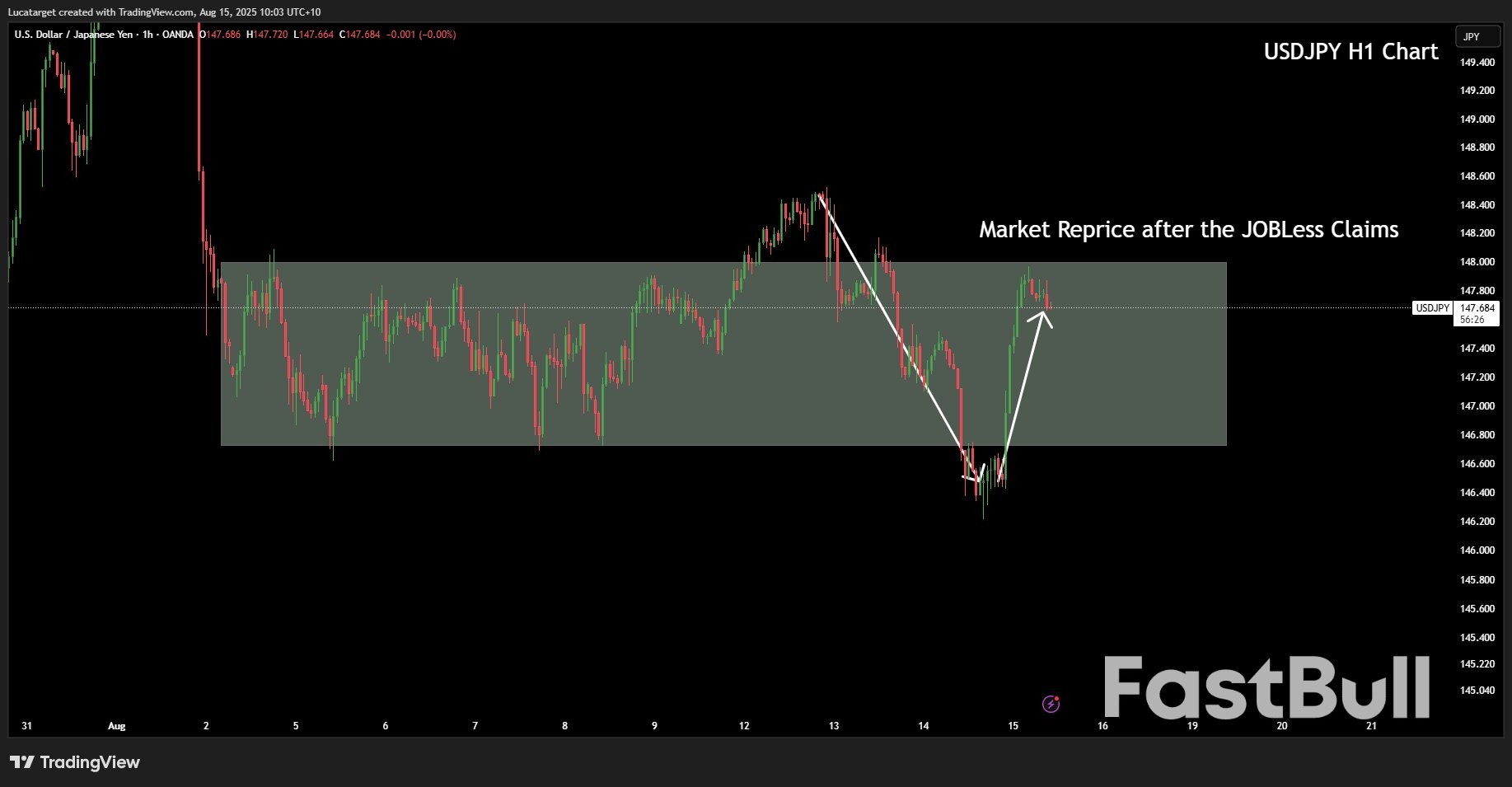
The yen led in Asia, with USD/JPY slipping back toward the mid-146s and rigth after coming back to 147s after the Jobless Claims release from USA, as traders leaned into the idea that BoJ normalization is not done.
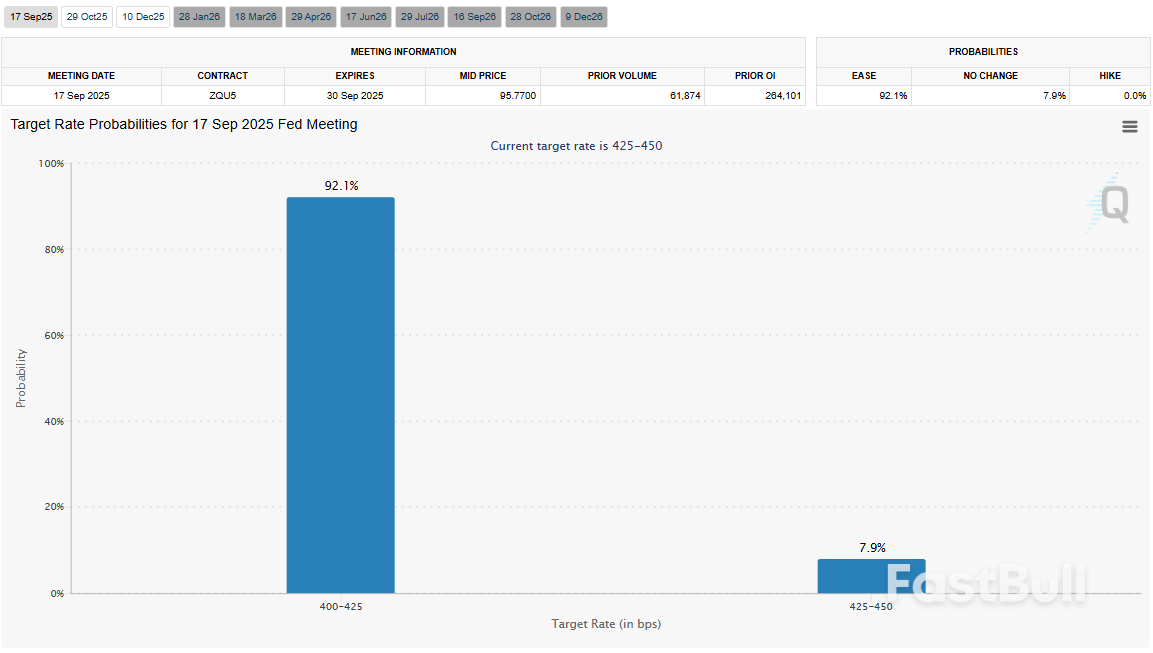
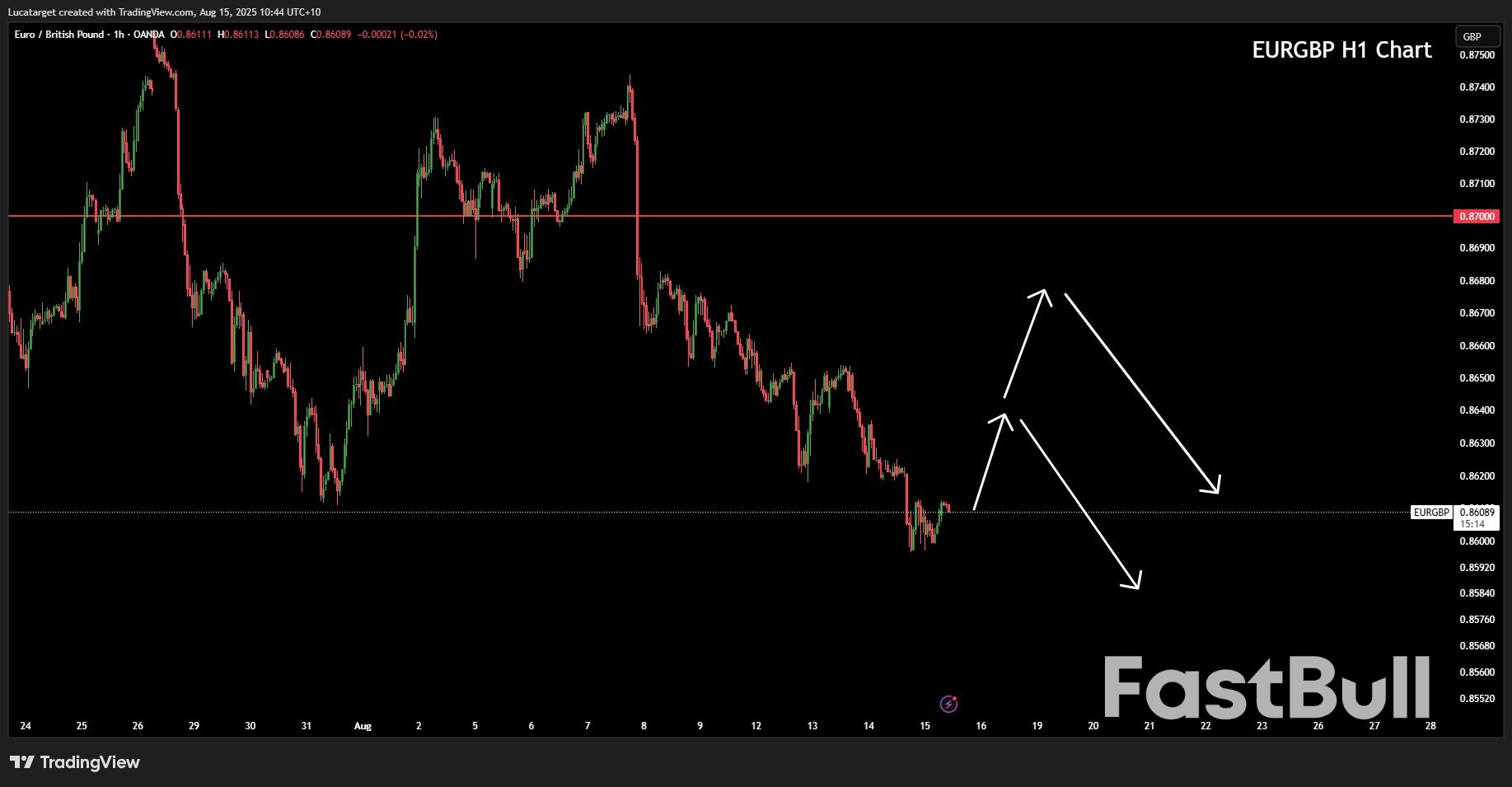
The financial world recently experienced a significant jolt. The U.S. Bureau of Labor Statistics revealed an alarming PPI rise for July, far exceeding initial forecasts. This unexpected surge immediately raised eyebrows and amplified concerns about escalating US inflation.
The Producer Price Index (PPI) tracks changes in selling prices received by domestic producers. Think of it as a key indicator of wholesale inflation. This July, the PPI climbed a surprising 0.9% month-over-month. This figure dramatically surpassed the modest 0.2% forecast, catching many off guard and defying prior market expectations.
Even more concerning, the Core PPI, which excludes volatile food and energy prices, also mirrored this 0.9% increase. This was well above its 0.2% prediction, indicating broad-based price pressures across various sectors. Historically, a significant Producer Price Index increase often foreshadows future consumer price hikes, impacting the Consumer Price Index (CPI) with a delay.
Several factors likely contributed to this unexpected jump. Global supply chain disruptions continue to play a role, making it more expensive for producers to source raw materials and components. This persistent challenge directly contributes to the PPI rise.
Robust consumer demand in certain sectors might also empower businesses to pass on higher costs. Furthermore, the persistent tightness in the labor market could lead to increased wage costs. Producers then incorporate these costs into their pricing, further fueling the inflationary trend.
Such robust economic data can significantly influence market sentiment. Investors often view higher PPI figures as a precursor to more aggressive monetary policy from the Federal Reserve. This diverges sharply from previous market expectations for a potential pause in rate hikes.
Concerns about persistent US inflation could lead to expectations of higher interest rates. These rates can impact asset valuations across the board, including traditional equities and cryptocurrencies. A strong PPI suggests the Fed’s battle against inflation is far from over, potentially leading to continued volatility.
Traders and analysts closely watch these numbers. They use this critical economic data to gauge broader economic health and anticipate central bank actions. The Producer Price Index directly feeds into their models for future market movements.
The July PPI rise adds another layer of complexity to the economic outlook. Policymakers will scrutinize this data carefully as they consider future interest rate decisions. This unexpected development challenges earlier market expectations of a smoother path towards disinflation.
For consumers, this could translate to higher prices for goods and services in the coming months. Producers will eventually pass on their increased costs, impacting household budgets. For investors, understanding the implications of this economic data is crucial.
Diversifying portfolios and considering inflation-hedging assets might become more appealing strategies. The market’s swift reaction to this surprising news highlights its sensitivity to any signs of persistent inflationary trends. Be prepared for continued vigilance from economic observers.
Conclusion: The unexpected 0.9% PPI rise in July serves as a stark reminder that inflationary pressures remain a significant challenge for the U.S. economy. This key piece of economic data signals potential future price increases for consumers and will undoubtedly factor into the Federal Reserve’s next steps. Staying informed about these economic indicators is vital for anyone navigating the complex financial landscape.

There is only one thing that bonds can do on a surprise 3.7% year-on-year producer price inflation reading, and that is ratchet back up in yield. The initial reaction was not huge, just low single-digit rises across the curve. It seems the market was thinking, its 'just PPI'. A CPI reading like this would garner a much bigger market reaction – especially the July 0.9% month-on-month reading on headline PPI. That said, price action in the hours following the release turned much heavier, and in the end the aggregate reaction was quite considerable, with the 10yr yield up by almost 10bp, and the 2yr yield also well up but not quite as much, leaving the 2/10yr curve steeper. The fact that jobless claims held in at the 225k area also helped push yields up.
Friday will be an interesting test, as our chief international economist James Knightley notes. Headline import prices are currently negative YoY, but this is because of lower energy prices. The core rate is a better metric of whether foreign companies are changing their prices and so far since the tariff announcement import prices levels rose 0.3% MoM in April and were 0% in both May and June. Import prices are expected to rise again in July. The Fed will be paying close attention to this, because if import prices don't start falling soon then that will signal US corporates are fully paying the tariff and then they have the choice of either passing it onto consumers, thus boosting inflation, or absorbing it in profit margins.
In the end, the US 10yr yield is back up in the 4.3% area, and the 2yr is at just below 3.75%; a 55bp 2/10yr curve. At some point, in the coming months, we envisage a 100bp curve. Something like 3.5% on the 2yr to 4.5% on the 10yr could work, with residual upward pressure above 4.5% probable should the inflation jitters really take hold. It can be argued convincingly that these one-off price rises are just that, and hence there is no 'inflation'. But that still needs to be proven, and until then, back end vulnerability remains an issue, despite the rate-cutting theme dominating on the front end.
The very long end of the euro swap curve is seeing increased volatility these days and we believe more is still to come. Volatility measures of EUR rates are mostly following a gradual path lower, but the implied volatility of the 30Y over the coming three months is an outlier and has started picking up again this month.The recent moves higher in 30Y rates are not just a story about fiscal concerns. The upcoming Dutch pension transition may have played an important role. If increased government issuance would be the key driver, we would expect Bund yields to underperform swaps. We are seeing this behaviour in the US where the fiscal deficit is worrying investors, but in the euro space the 30Y swap spread has remained fairly constant the past months. We therefore see the anticipated Dutch pension funds’ rotation away from longer-dated swaps as a potential driver behind recent moves.
As many large Dutch pension funds prepare for a transition on 1 January 2026, we may see more steepening of the 10s30s swap curve. The 10s30s is already at new records since 2021 but finding the catalysts that push in the opposite direction are difficult to identify. Looking over a longer horizon, a flattening of the 10s30s is usually triggered by the start of a hiking cycle. With the inflation outlook more focused on downside risks, we struggle to see a scenario with a hiking narrative in the near term.
US economic data continues to influence the current market environment, and Friday's releases indicate this trend is likely to persist. Following a higher PPI reading, markets will monitor the release of import prices. Other key data include retail sales, industrial production, and the University of Michigan consumer sentiment survey.For retail sales, the control group is projected to have increased by 0.4% in July. Consumer sentiment is expected to remain stable or possibly rise slightly. One-year consumer inflation expectations are anticipated to decline marginally to 4.4%, which is still high.Given sensitivity around investor demand for US Treasuries, markets will also pay attention to the June TIC data.
Japan's economy expanded 0.3% in the second quarter of 2025, compared to the first three months of the year, as the country grappled with the volatile tariff policy out of the United States.This was compared to the revised 0.1% growth seen in the first quarter, and was higher than the 0.1% increase expected by economists polled by Reuters.
On a year-over-year basis, Japan's GDP expanded 1.2% in the second quarter, falling short of the first quarter's 1.8% growth.The GDP reading comes as Japan struggled to cope with an uncertain trade environment in the second quarter, with the country only reaching a trade deal with the U.S. on July 23.The deal sees Japan face a 15% blanket tariff on all exports to the U.S., including automobiles.Throughout the second quarter, Japan was spared the 24% tariff that was announced on "Liberation Day," but had to face 25% duties on its key automobile sector.Auto exports to the U.S. are a cornerstone of Japan's economy, making up 28.3% of all shipments in 2024, according to customs data.
Trade data from April to June revealed that exports to the U.S. had plunged year over year for all three months, with June seeing an 11.4% drop in shipments compared to the same period a year ago.Marcel Thieliant, head of Asia-Pacific at Capital Economics, noted that the 11.4% decline in exports to the U.S. was the largest since the start of the Covid-19 pandemic in 2020.After its July 31 meeting, the Bank of Japan upgraded its forecast for the country's economy to grow 0.6% in its 2025 fiscal year, running from April 2025 to March 2026.However, the central bank also cautioned that trade and other policies globally would lead to a slowdown in overseas economies, as well as a decline in domestic corporate profits.
The world of cryptocurrencies is constantly evolving, and with its growth comes a greater need for robust regulatory frameworks. A groundbreaking proposal from the Bank for International Settlements (BIS) could reshape how we view digital asset security. Researchers at the BIS have put forward an innovative idea: a BIS AML compliance score system for crypto tokens. This system aims to enhance anti-money laundering efforts while respecting the core principles of decentralized finance.
Imagine a world where every crypto token carries a reputation score, not unlike a credit rating. That is precisely what the BIS researchers are envisioning. Their proposal suggests assigning anti-money laundering (AML) compliance scores to crypto tokens. These scores would be based on the token’s transaction history.DL News reported that this system would allow exchanges to block conversions to fiat currency for assets falling below a specific threshold. The primary goal is to target tokens linked to illicit activity. Moreover, the system seeks to preserve the permissionless nature of blockchains. Crucially, it aims to do this without requiring the collection of user data.
This approach marks a significant shift. Instead of focusing on individual users, it evaluates the inherent risk associated with the token itself. This method could streamline compliance for institutions dealing with a wide array of digital assets. It also introduces a new layer of scrutiny for all digital transactions. This could lead to more reliable crypto compliance scores across the ecosystem.
The introduction of crypto compliance scores could have far-reaching implications for the digital asset market. On one hand, it promises to clean up the space, making it less attractive for money launderers and criminals. This could foster greater trust among traditional financial institutions and regulators, potentially accelerating mainstream adoption of cryptocurrencies.
Benefits could include:
However, challenges are also apparent. Determining accurate scores while avoiding false positives will be critical. Furthermore, the impact on privacy-focused tokens or decentralized finance (DeFi) protocols remains a key discussion point. The system’s effectiveness hinges on its ability to differentiate legitimate transactions from suspicious ones. It must do so without stifling innovation or penalizing innocent users. This delicate balance is vital for the success of any new anti-money laundering framework.
One of the most compelling aspects of the BIS proposal is its stated commitment to privacy. The system aims to combat anti-money laundering without requiring the collection of user-specific data. This is a crucial distinction from traditional financial surveillance methods. Instead, it focuses on the inherent characteristics and historical movements of the tokens themselves.
The researchers propose a method that analyzes the “taint” or risk associated with a token’s past transactions. This could involve tracing funds linked to known illicit addresses or activities. By assigning a token scoring system based on these on-chain patterns, the system attempts to flag problematic assets. It avoids directly identifying the individuals holding or transacting with them. This approach seeks to maintain the pseudo-anonymous nature of blockchain transactions. It offers a potential path forward for effective regulation that respects user privacy. This is a significant step towards balancing security with individual liberties in the digital age.
The BIS proposal is a clear signal that global financial bodies are actively exploring sophisticated methods for blockchain regulation. This token scoring system represents a proactive step towards creating a more secure and compliant crypto environment. It acknowledges the unique challenges and opportunities presented by decentralized technologies. The implementation of such a system would require significant collaboration among exchanges, regulators, and blockchain analytics firms.
Key considerations for the future:
This initiative could set a precedent for future regulatory approaches. It moves beyond traditional “know your customer” (KYC) requirements to a “know your token” paradigm. This shift could make the crypto space safer and more accessible for broader adoption. It highlights the growing maturity of the industry and the increasing focus on responsible innovation.
The BIS’s proposed token scoring system has the potential to revolutionize how we approach compliance in the crypto world. It offers a pragmatic solution to a complex problem: how to prevent illicit financial flows without stifling the very innovation that makes blockchain technology so powerful. By focusing on the token’s history rather than individual users, it seeks to strike a delicate balance.
This initiative could lead to a cleaner, more trusted crypto ecosystem. It would pave the way for greater institutional participation and broader acceptance of digital assets. While challenges remain, the conversation around such intelligent regulatory tools is a positive development. It underscores a commitment to both security and the permissionless spirit of blockchain. The future of crypto regulation looks set to be more nuanced and technologically driven.
Frequently Asked Questions (FAQs)
Q1: What is the core idea behind the BIS’s proposed system?A1: The Bank for International Settlements (BIS) proposes assigning anti-money laundering (AML) compliance scores to crypto tokens based on their transaction history. This aims to identify and restrict tokens linked to illicit activities.
Q2: How would the AML compliance score be determined?A2: The score would be determined by analyzing a token’s transaction history, looking for links to known illicit activities or addresses. Tokens with a higher risk profile would receive lower scores.
Q3: What is the main goal of this token scoring system?A3: The primary goal is to combat money laundering and illicit finance within the cryptocurrency ecosystem. It also aims to achieve this while preserving the permissionless nature of blockchains and avoiding user data collection.
Q4: Will this system require collecting user data?A4: No, a key aspect of the BIS proposal is that the system would evaluate tokens based on their on-chain transaction history, not by collecting personal user data. This maintains a degree of privacy for users.
Q5: How might this impact cryptocurrency exchanges?A5: Exchanges would play a crucial role, potentially blocking the conversion of low-scoring tokens to fiat currency. This would require them to integrate the scoring system and adapt their compliance procedures.
Q6: What are the potential challenges of implementing such a system?A6: Challenges include accurately determining scores without false positives, ensuring global consensus and consistent application, and adapting to the evolving nature of blockchain technology and new privacy solutions.
After stating the U.S. government won’t buy bitcoin, the Treasury chief now clarifies plans to expand the Strategic Bitcoin Reserve using budget-neutral strategies that avoid new spending.
US Eyes Budget-Neutral Bitcoin Acquisition to Expand Strategic Reserve, Treasury Secretary Reveals
U.S. Treasury Secretary Scott Bessent took to social media platform X on Aug. 14 to clarify the U.S. government’s Strategic Bitcoin Reserve plan after earlier stating that the government would not be purchasing bitcoin and would instead rely on confiscated digital assets.
“Bitcoin that has been finally forfeited to the federal government will be the foundation of the Strategic Bitcoin Reserve that President Trump established in his March Executive Order,” Bessent stated in his post. The Treasury Secretary added:
In addition, Treasury is committed to exploring budget-neutral pathways to acquire more bitcoin to expand the reserve, and to execute on the President’s promise to make the United States the ‘bitcoin superpower of the world.’
The clarification followed his appearance on Fox Business earlier the same day, when he said: “We’ve also started… a bitcoin strategic reserve. We’re not going to be buying that but we are going to use confiscated assets and continue to build that up. We’re going to stop selling that.” Bessent emphasized that the strategic reserve would be built from seized BTC holdings, which the government will stop selling.
This was not the first mention of Bessent’s reference to budget neutrality. President Donald Trump’s March 6 executive order, Establishment of the Strategic Bitcoin Reserve and United States Digital Asset Stockpile, states: “The Secretary of the Treasury and the Secretary of Commerce shall develop strategies for acquiring additional government BTC provided that such strategies are budget neutral and do not impose incremental costs on United States taxpayers.”
The shift in Bessent’s tone prompted swift reactions from cryptocurrency supporters. One accused the Trump administration of backtracking to influence market sentiment, citing Bessent’s earlier remark that the U.S. government would not be buying more BTC, followed by a tweet saying they would continue to explore budget-neutral ways. He opined: “Someone in the administration or a major donor clearly whispered in his ear after that interview to soften the market blow.” Another pushed for a more direct approach: “Confiscation is not the way. Just buy some bitcoin/hard money with dollars you can print. It’s cleaner.”
Many people believe that the U.S. government will buy BTC at some point in the future. One user noted: “They also didn’t rule out budget neutral buys in the future. That could mean selling some gold, using Fed surpluses, or swapping out other assets to stack BTC without ‘new spending.'” Samson Mow also believes that purchasing will take place. “There will be buying. There are a number of ‘budget neutral’ ways to acquire bitcoin such as issuing bitcoin bonds or selling gold. Give it some time,” he previously detailed. Proponents argue that using seized assets avoids new spending while still positioning the U.S. as a contender in global bitcoin policy.
Key points:
Japan's economy expanded an annualised 1.0% in the April-June quarter, government data showed on Friday, beating forecasts, though analysts expect the full hit to growth from U.S. tariffs will not be seen until future releases.
Resilient exports and capital expenditure underpinned the growth in the second quarter, likely supporting the case for the Bank of Japan to resume hiking interest rates and normalise monetary policy.
But economists warn that global economic uncertainties fuelled by U.S. tariffs could weigh on the world's fourth-largest economy in the coming months.
The increase in GDP compared with median market expectations for a 0.4% gain in a Reuters poll and followed a revised 0.6% rise in the previous quarter.
The reading translates into a quarterly rise of 0.3%, better than the median estimate of a 0.1% uptick.
Private consumption, which accounts for more than half of economic output, rose 0.2%, compared with a market estimate of a 0.1% increase. It grew at the same pace as the previous quarter.
Consumption and wage trends are key factors the BOJ is watching to gauge economic strength and determine the timing of its next interest rate action.
Capital spending, a key driver of domestic demand, rose 1.3% in the second quarter, versus a rise of 0.5% in the Reuters poll.
Net external demand, or exports minus imports, contributed 0.3 of a point to growth, versus an 0.8 point negative contribution in the January-March period.
The government last week cut its inflation-adjusted growth forecast for this fiscal year to 0.7% from the initially projected 1.2%, predicting U.S. tariffs would slow capital expenditure while persistent inflation weighs on consumption.
Exports have so far avoided a major hit from U.S. tariffs as Japanese automakers, the country's biggest exporters, have mostly absorbed additional tariff costs by cutting prices in a bid to keep domestic plants running.
However, economists expect exports will suffer in the coming months as they start passing on costs to U.S. customers.
White Label
Data API
Web Plug-ins
Poster Maker
Affiliate Program
The risk of loss in trading financial instruments such as stocks, FX, commodities, futures, bonds, ETFs and crypto can be substantial. You may sustain a total loss of the funds that you deposit with your broker. Therefore, you should carefully consider whether such trading is suitable for you in light of your circumstances and financial resources.
No decision to invest should be made without thoroughly conducting due diligence by yourself or consulting with your financial advisors. Our web content might not suit you since we don't know your financial conditions and investment needs. Our financial information might have latency or contain inaccuracy, so you should be fully responsible for any of your trading and investment decisions. The company will not be responsible for your capital loss.
Without getting permission from the website, you are not allowed to copy the website's graphics, texts, or trademarks. Intellectual property rights in the content or data incorporated into this website belong to its providers and exchange merchants.
Not Logged In
Log in to access more features

FastBull Membership
Not yet
Purchase
Log In
Sign Up