• Trade
  • Markets
  • Copy
  • Contests
  • News
  • 24/7
  • Calendar
  • Q&A
  • Chats
Trending
Screeners
SYMBOL
LAST
BID
ASK
HIGH
LOW
NET CHG.
%CHG.
SPREAD
SPX
S&P 500 Index
6870.39
6870.39
6870.39
6895.79
6858.28
+13.27
+ 0.19%
--
DJI
Dow Jones Industrial Average
47954.98
47954.98
47954.98
48133.54
47871.51
+104.05
+ 0.22%
--
IXIC
NASDAQ Composite Index
23578.12
23578.12
23578.12
23680.03
23506.00
+72.99
+ 0.31%
--
USDX
US Dollar Index
98.830
98.910
98.830
98.960
98.810
-0.120
-0.12%
--
EURUSD
Euro / US Dollar
1.16524
1.16532
1.16524
1.16539
1.16341
+0.00098
+ 0.08%
--
GBPUSD
Pound Sterling / US Dollar
1.33377
1.33386
1.33377
1.33399
1.33151
+0.00065
+ 0.05%
--
XAUUSD
Gold / US Dollar
4198.96
4199.41
4198.96
4211.68
4190.61
+1.05
+ 0.03%
--
WTI
Light Sweet Crude Oil
59.831
59.868
59.831
60.063
59.752
+0.022
+ 0.04%
--

Community Accounts

Signal Accounts
--
Profit Accounts
--
Loss Accounts
--
View More

Become a signal provider

Sell trading signals to earn additional income

View More

Guide to Copy Trading

Get started with ease and confidence

View More

Signal Accounts for Members

All Signal Accounts

Best Return
  • Best Return
  • Best P/L
  • Best MDD
Past 1W
  • Past 1W
  • Past 1M
  • Past 1Y

All Contests

  • All
  • Trump Updates
  • Recommend
  • Stocks
  • Cryptocurrencies
  • Central Banks
  • Featured News
Top News Only
Share

China's CSI Ai Index Up More Than 3%

Share

Australia Treasurer Chalmers: Mid-Year Teview Will Not Be A Mini-Budget, Will Include Savings

Share

Australia Treasurer Chalmers: Will Not Extend Electrictiy Rebates

Share

Most Active China Coke Contract Falls 6.1% To 1532 Yuan/Metric Ton

Share

Most Active China Coking Coal Contract Falls As Much As 6.6% To 1088.5 Yuan/Metric Ton

Share

China's Yuan Opens Trade At 7.0683 Per Dollar Versus Last Close At 7.0720

Share

Most Active China Coke Contract Falls 4.8%

Share

Most Active China Coking Coal Contract Falls More Than 5%

Share

China's Central Bank Sets Yuan Mid-Point At 7.0764 / Dlr Versus Last Close 7.0720

Share

Japan Chief Cabinet Secretary Kihara: Have Seen No Change In China's Export Of Rare Earths To Japan

Share

[Market Update] Spot Silver Fell Below $58/ounce, Down 0.47% On The Day

Share

Japan Chief Cabinet Secretary Kihara: Will Continue To Work Closely With USA With Heightening Regional Tension In Mind

Share

Japan Chief Cabinet Secretary Kihara: Japan Will Decide On Its Own What Is Appropriate For Its Defence Spending

Share

Japan Chief Cabinet Secretary Kihara: Ratio Of Defence Spending Versus GDP Is Not The Important Issue

Share

Taiwan Overnight Interbank Rate Opens At 0.805 Percent (Versus 0.805 Percent At Previous Session Open)

Share

USGS - Magnitude 5.8 Earthquake Strikes Yakutat, Alaska Region

Share

Japan Chief Cabinet Secretary Kihara: Very Important To Get Understanding Of Other Countries, Including USA, Over Japan's Stance

Share

[JPMorgan CEO Jamie Dimon Says Europe Has Big Problems And Internal Divisions Will Be A Major Challenge] JPMorgan Chase CEO Jamie Dimon Stated That European Bureaucracy Is Inefficient And Warned That A Weak European Continent Poses A Significant Economic Risk To The United States. Europe Has Big Problems. They've Done A Very Good Job With Social Security. But They've Also Driven Away Businesses, Investment, And Innovation. This Situation Is Gradually Improving. He Praised Some European Leaders, Saying They Are Aware Of These Problems, But He Also Cautioned That Politics Is "really Difficult."

Share

Thai Army Spokesman Says Military Launched Air Strikes In Disputed Border Area With Cambodia

Share

Bank Of Japan - Japan Nov Outstanding Bank Loans +4.2% Year-On-Year

TIME
ACT
FCST
PREV
Canada Labor Force Participation Rate (SA) (Nov)

A:--

F: --

P: --

U.S. Personal Income MoM (Sept)

A:--

F: --

P: --

U.S. PCE Price Index YoY (SA) (Sept)

A:--

F: --

P: --

U.S. PCE Price Index MoM (Sept)

A:--

F: --

P: --

U.S. Personal Outlays MoM (SA) (Sept)

A:--

F: --

P: --

U.S. Core PCE Price Index MoM (Sept)

A:--

F: --

P: --

U.S. Core PCE Price Index YoY (Sept)

A:--

F: --

P: --

U.S. UMich 5-Year-Ahead Inflation Expectations Prelim YoY (Dec)

A:--

F: --

P: --

U.S. Real Personal Consumption Expenditures MoM (Sept)

A:--

F: --

P: --

U.S. 5-10 Year-Ahead Inflation Expectations (Dec)

A:--

F: --

P: --

U.S. UMich Current Economic Conditions Index Prelim (Dec)

A:--

F: --

P: --

U.S. UMich Consumer Sentiment Index Prelim (Dec)

A:--

F: --

P: --

U.S. UMich 1-Year-Ahead Inflation Expectations Prelim (Dec)

A:--

F: --

P: --

U.S. UMich Consumer Expectations Index Prelim (Dec)

A:--

F: --

P: --

U.S. Weekly Total Rig Count

A:--

F: --

P: --

U.S. Weekly Total Oil Rig Count

A:--

F: --

P: --

U.S. Unit Labor Cost Prelim (SA) (Q3)

--

F: --

P: --

U.S. Consumer Credit (SA) (Oct)

A:--

F: --

P: --

China, Mainland Foreign Exchange Reserves (Nov)

A:--

F: --

P: --

China, Mainland Exports YoY (USD) (Nov)

--

F: --

P: --

China, Mainland Imports YoY (CNH) (Nov)

--

F: --

P: --

China, Mainland Imports YoY (USD) (Nov)

--

F: --

P: --

China, Mainland Imports (CNH) (Nov)

--

F: --

P: --

China, Mainland Trade Balance (CNH) (Nov)

--

F: --

P: --

China, Mainland Exports (Nov)

--

F: --

P: --

Japan Wages MoM (Oct)

A:--

F: --

P: --

Japan Trade Balance (Oct)

A:--

F: --

P: --

Japan Nominal GDP Revised QoQ (Q3)

A:--

F: --

P: --

Japan Trade Balance (Customs Data) (SA) (Oct)

A:--

F: --

P: --

Japan GDP Annualized QoQ Revised (Q3)

A:--

F: --

P: --
China, Mainland Exports YoY (CNH) (Nov)

--

F: --

P: --

China, Mainland Trade Balance (USD) (Nov)

--

F: --

P: --

Germany Industrial Output MoM (SA) (Oct)

--

F: --

P: --

Euro Zone Sentix Investor Confidence Index (Dec)

--

F: --

P: --

Canada Leading Index MoM (Nov)

--

F: --

P: --

Canada National Economic Confidence Index

--

F: --

P: --

U.S. Dallas Fed PCE Price Index YoY (Sept)

--

F: --

P: --

China, Mainland Trade Balance (USD) (Nov)

--

F: --

P: --

U.S. 3-Year Note Auction Yield

--

F: --

P: --

U.K. BRC Overall Retail Sales YoY (Nov)

--

F: --

P: --

U.K. BRC Like-For-Like Retail Sales YoY (Nov)

--

F: --

P: --

Australia Overnight (Borrowing) Key Rate

--

F: --

P: --

RBA Rate Statement
RBA Press Conference
Germany Exports MoM (SA) (Oct)

--

F: --

P: --

U.S. NFIB Small Business Optimism Index (SA) (Nov)

--

F: --

P: --

Mexico Core CPI YoY (Nov)

--

F: --

P: --

Mexico 12-Month Inflation (CPI) (Nov)

--

F: --

P: --

Mexico PPI YoY (Nov)

--

F: --

P: --

Mexico CPI YoY (Nov)

--

F: --

P: --

U.S. Weekly Redbook Index YoY

--

F: --

P: --

U.S. JOLTS Job Openings (SA) (Oct)

--

F: --

P: --

China, Mainland M2 Money Supply YoY (Nov)

--

F: --

P: --

China, Mainland M0 Money Supply YoY (Nov)

--

F: --

P: --

China, Mainland M1 Money Supply YoY (Nov)

--

F: --

P: --

U.S. EIA Short-Term Crude Production Forecast For The Next Year (Dec)

--

F: --

P: --

U.S. EIA Short-Term Crude Production Forecast For The Year (Dec)

--

F: --

P: --

U.S. EIA Natural Gas Production Forecast For The Next Year (Dec)

--

F: --

P: --

EIA Monthly Short-Term Energy Outlook
U.S. 10-Year Note Auction Avg. Yield

--

F: --

P: --

U.S. API Weekly Cushing Crude Oil Stocks

--

F: --

P: --

Q&A with Experts
    • All
    • Chatrooms
    • Groups
    • Friends
    Connecting
    .
    .
    .
    Type here...
    Add Symbol or Code

      No matching data

      All
      Trump Updates
      Recommend
      Stocks
      Cryptocurrencies
      Central Banks
      Featured News
      • All
      • Russia-Ukraine Conflict
      • Middle East Flashpoint
      • All
      • Russia-Ukraine Conflict
      • Middle East Flashpoint

      Search
      Products

      Charts Free Forever

      Chats Q&A with Experts
      Screeners Economic Calendar Data Tools
      Membership Features
      Data Warehouse Market Trends Institutional Data Policy Rates Macro

      Market Trends

      Market Sentiment Order Book Forex Correlations

      Top Indicators

      Charts Free Forever
      Markets

      News

      News Analysis 24/7 Columns Education
      From Institutions From Analysts
      Topics Columnists

      Latest Views

      Latest Views

      Trending Topics

      Top Columnists

      Latest Update

      Signals

      Copy Rankings Latest Signals Become a signal provider AI Rating
      Contests
      Brokers

      Overview Brokers Assessment Rankings Regulators News Claims
      Broker listing Forex Brokers Comparison Tool Live Spread Comparison Scam
      Q&A Complaint Scam Alert Videos Tips to Detect Scam
      More

      Business
      Events
      Careers About Us Advertising Help Center

      White Label

      Data API

      Web Plug-ins

      Affiliate Program

      Awards Institution Evaluation IB Seminar Salon Event Exhibition
      Vietnam Thailand Singapore Dubai
      Fans Party Investment Sharing Session
      FastBull Summit BrokersView Expo
      Recent Searches
        Top Searches
          Markets
          News
          Analysis
          User
          24/7
          Economic Calendar
          Education
          Data
          • Names
          • Latest
          • Prev

          View All

          No data

          Scan to Download

          Faster Charts, Chat Faster!

          Download App
          English
          • English
          • Español
          • العربية
          • Bahasa Indonesia
          • Bahasa Melayu
          • Tiếng Việt
          • ภาษาไทย
          • Français
          • Italiano
          • Türkçe
          • Русский язык
          • 简中
          • 繁中
          Open Account
          Search
          Products
          Charts Free Forever
          Markets
          News
          Signals

          Copy Rankings Latest Signals Become a signal provider AI Rating
          Contests
          Brokers

          Overview Brokers Assessment Rankings Regulators News Claims
          Broker listing Forex Brokers Comparison Tool Live Spread Comparison Scam
          Q&A Complaint Scam Alert Videos Tips to Detect Scam
          More

          Business
          Events
          Careers About Us Advertising Help Center

          White Label

          Data API

          Web Plug-ins

          Affiliate Program

          Awards Institution Evaluation IB Seminar Salon Event Exhibition
          Vietnam Thailand Singapore Dubai
          Fans Party Investment Sharing Session
          FastBull Summit BrokersView Expo

          Understanding Liquidity Sweeps: Definition, Mechanism, and Trading Applications

          FXOpen

          Cryptocurrency

          Forex

          Stocks

          Summary:

          A liquidity sweep in trading is a phenomenon within the Smart Money Concept (SMC) framework that occurs when significant market players execute large-volume trades to trigger the activation of a cluster of pending buy or sell orders at certain price levels, enabling them to enter a large position with minimal slippage. This action typically results in rapid price movements and targets what are known as liquidity zones.
          Understanding Liquidity in Trading

          In trading, liquidity refers to the ability to buy or sell assets quickly without causing significant price changes. This concept is essential as it determines the ease with which transactions can be completed. High liquidity means that there are sufficient buyers and sellers at any given time, which results in tighter spreads between the bid and ask prices and more efficient trading.
          Liquidity is often visualised as the market's bloodstream, vital for its smooth and efficient operation. Financial assets rely on this seamless flow to ensure that trades can be executed rapidly and at particular prices. Various participants, including retail investors, institutions, and market makers, contribute to this ecosystem by providing the necessary volume of trades.Liquidity is also dynamic and influenced by factors such as notable news and economic events, which can all affect how quickly assets can be bought or sold. For traders, understanding liquidity is crucial because it affects trading strategies, particularly in terms of entry and exit points in the markets.

          Understanding Liquidity Zones

          Understanding Liquidity Sweeps: Definition, Mechanism, and Trading Applications_1
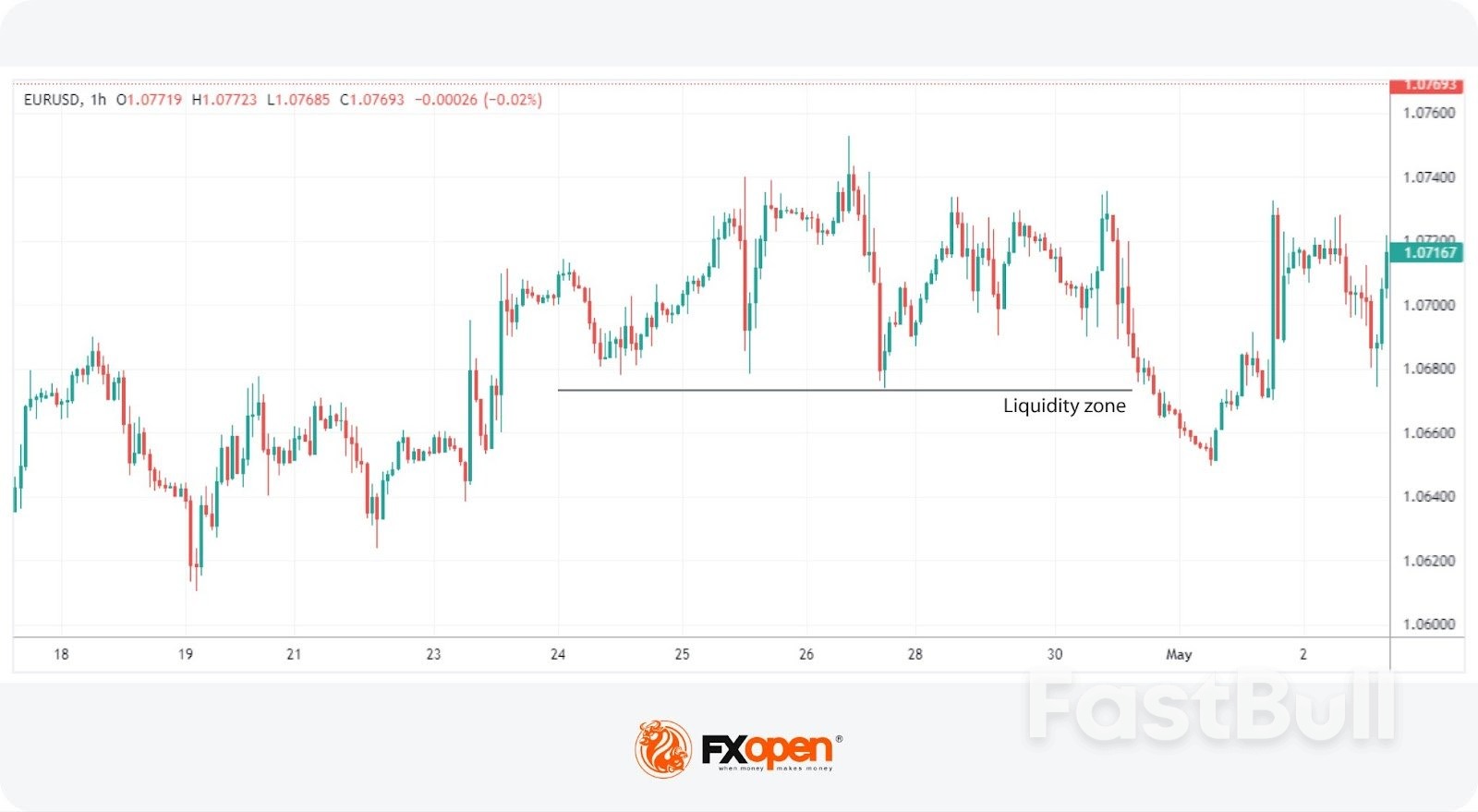
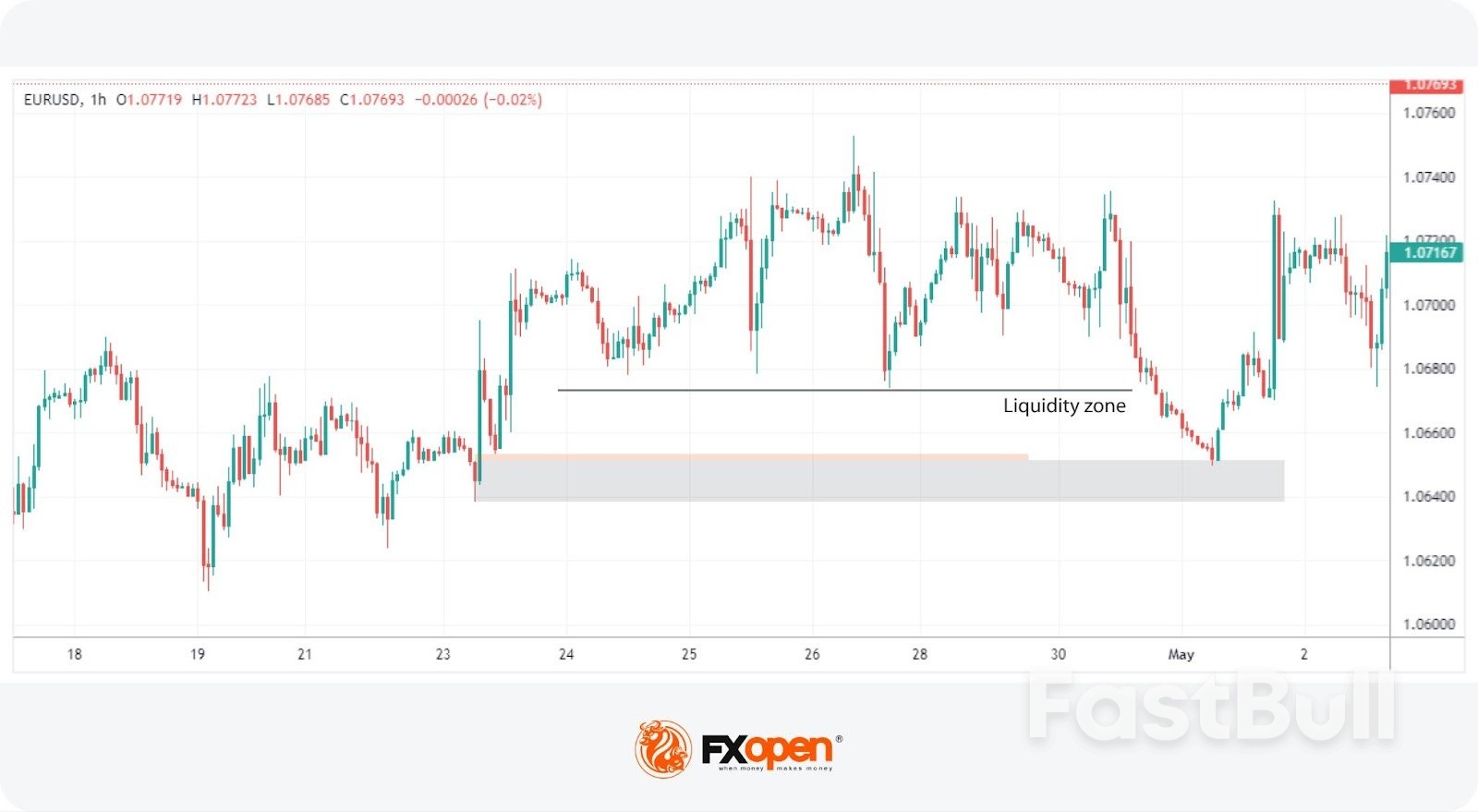
          Liquidity zones are specific areas on a trading chart where there is a high concentration of orders, including stop losses and pending orders. These zones are pivotal because they represent the levels at which substantial buying or selling interest is anticipated once activated. When the price reaches these zones, the accumulated orders are executed, which can cause sudden and sharp price movements.

          How Liquidity Sweeps Function

          The process begins when market participants, especially institutional traders or large-scale speculators, identify these zones. By pushing the market to these levels, they trigger other orders clustered in the zone. The activation of these orders adds to the initial momentum, often causing the price to move even more sharply in the intended direction. This strategy can be utilised to enter a position favourably or to exit one by pushing the price to a level where a reversal is likely.

          Liquidity Sweep vs Liquidity Grab

          Within the liquidity sweep process, it's crucial to distinguish between a sweep and a grab:
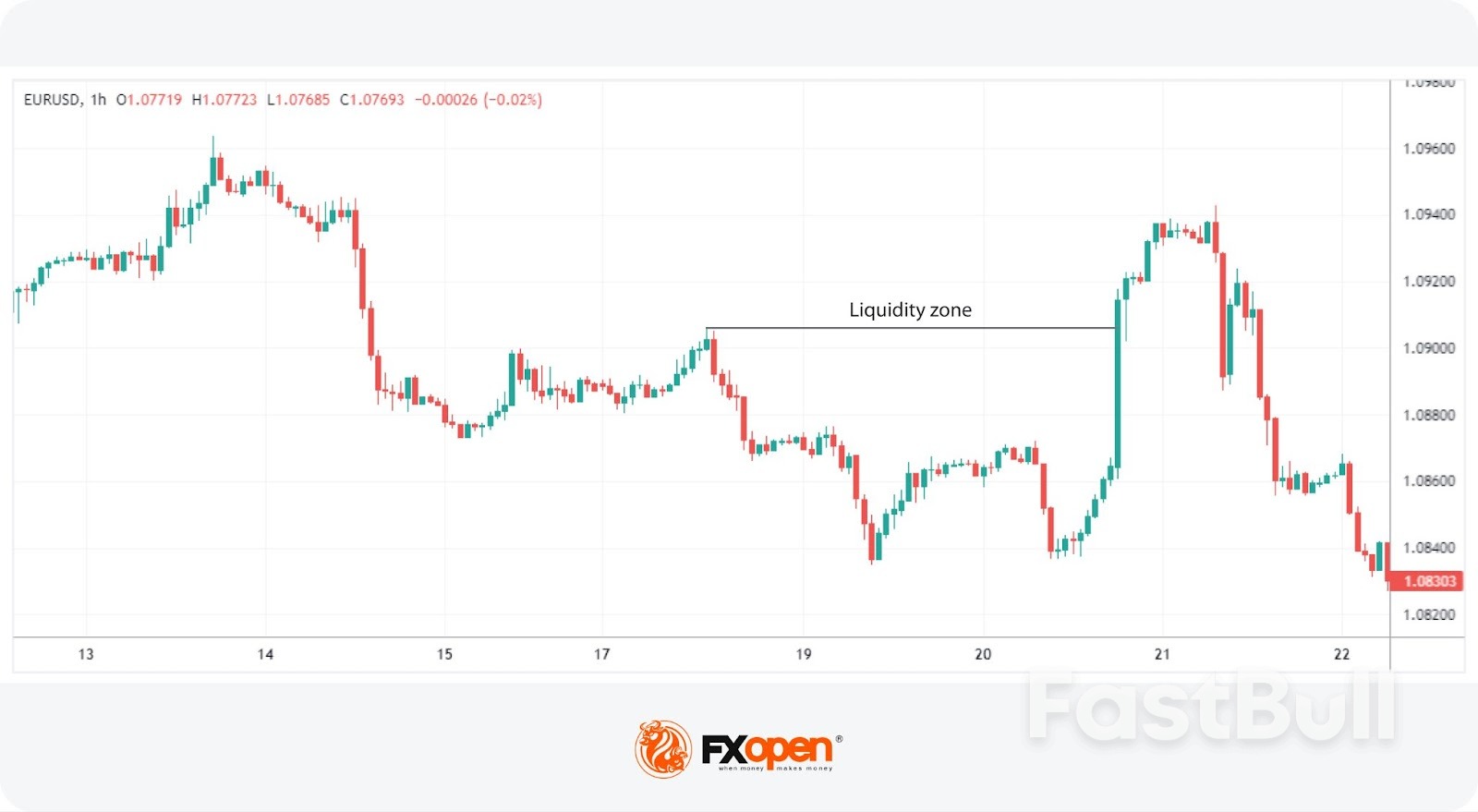
          Liquidity Sweep: This is typically a broader movement where the price action moves through a liquidity zone, activating a large volume of orders and thereby affecting a significant range of prices.
          Liquidity Grab:Often a more targeted and shorter-duration manoeuvre, this involves the price quickly hitting a specific level to trigger orders before reversing direction. This is typically used to 'grab' liquidity by activating stops or pending positions before the price continues to move in the same direction.
          Understanding Liquidity Sweeps: Definition, Mechanism, and Trading Applications_2
          In short, a grab may just move slightly beyond a peak or low before reversing, while a sweep can see a sustained movement beyond these points prior to a reversal. There is a subtle difference, but the outcome—a reversal—is usually the same.

          Spotting a Liquidity Sweep in the Market

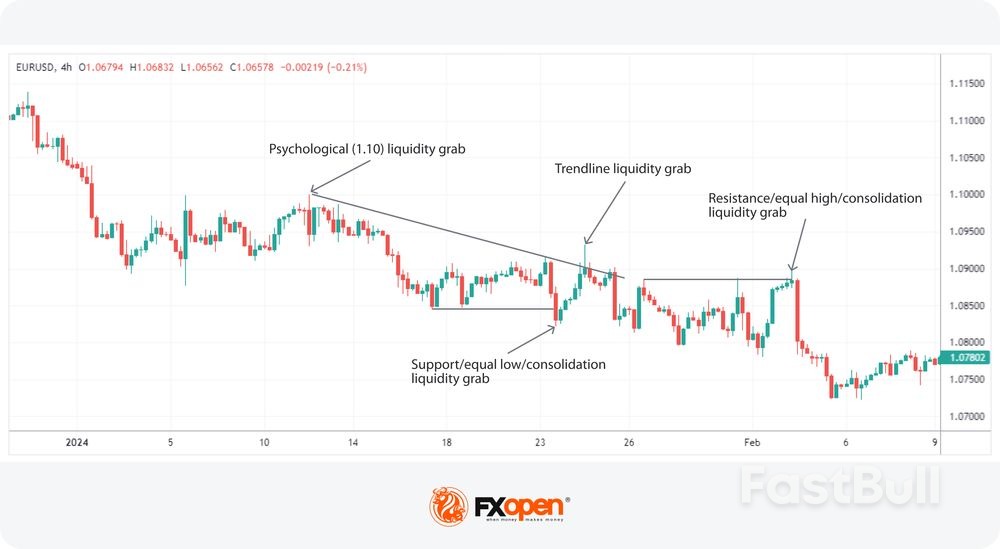
          Identifying a sweep involves recognising where liquidity builds up and monitoring how the price interacts with these zones. It typically accumulates at key levels where traders have placed significant numbers of stop-loss orders or pending buy and sell positions.
          These areas include:
          Swing Highs and Swing Lows: These are peaks and troughs in the market where traders expect resistance or support, leading to the accumulation of orders.
          Support and Resistance Levels: Historical areas that have repeatedly influenced price movements are watched closely for potential liquidity buildup.
          Fibonacci Levels: Common tools in technical analysis; these levels often see a concentration of orders due to their popularity among traders.
          The strategy for spotting a sweep involves observing when the price approaches and breaks through these levels. Traders look for a decisive move that extends beyond the identified zones and watch how the asset behaves as it enters adjacent points of interest, such as order blocks. The key is to monitor for a subsequent reversal or deceleration in price movement, which can signal that the sweep has occurred and the market is absorbing the liquidity.This approach helps traders discern whether a significant movement is likely a result of a sweep, allowing them to make more informed decisions about entering or exiting positions based on the anticipated reversal or continuation of the price movement.

          How to Use Liquidity Sweeps in Trading

          Traders often leverage liquidity sweeps in forex as strategic indicators within a broader Smart Money Concept framework, particularly in conjunction with order blocks and fair value gaps. Understanding how these elements interact provides traders with a robust method for anticipating and reacting to potential price movements.

          Understanding Order Blocks and Fair Value Gaps

          Understanding Liquidity Sweeps: Definition, Mechanism, and Trading Applications_3
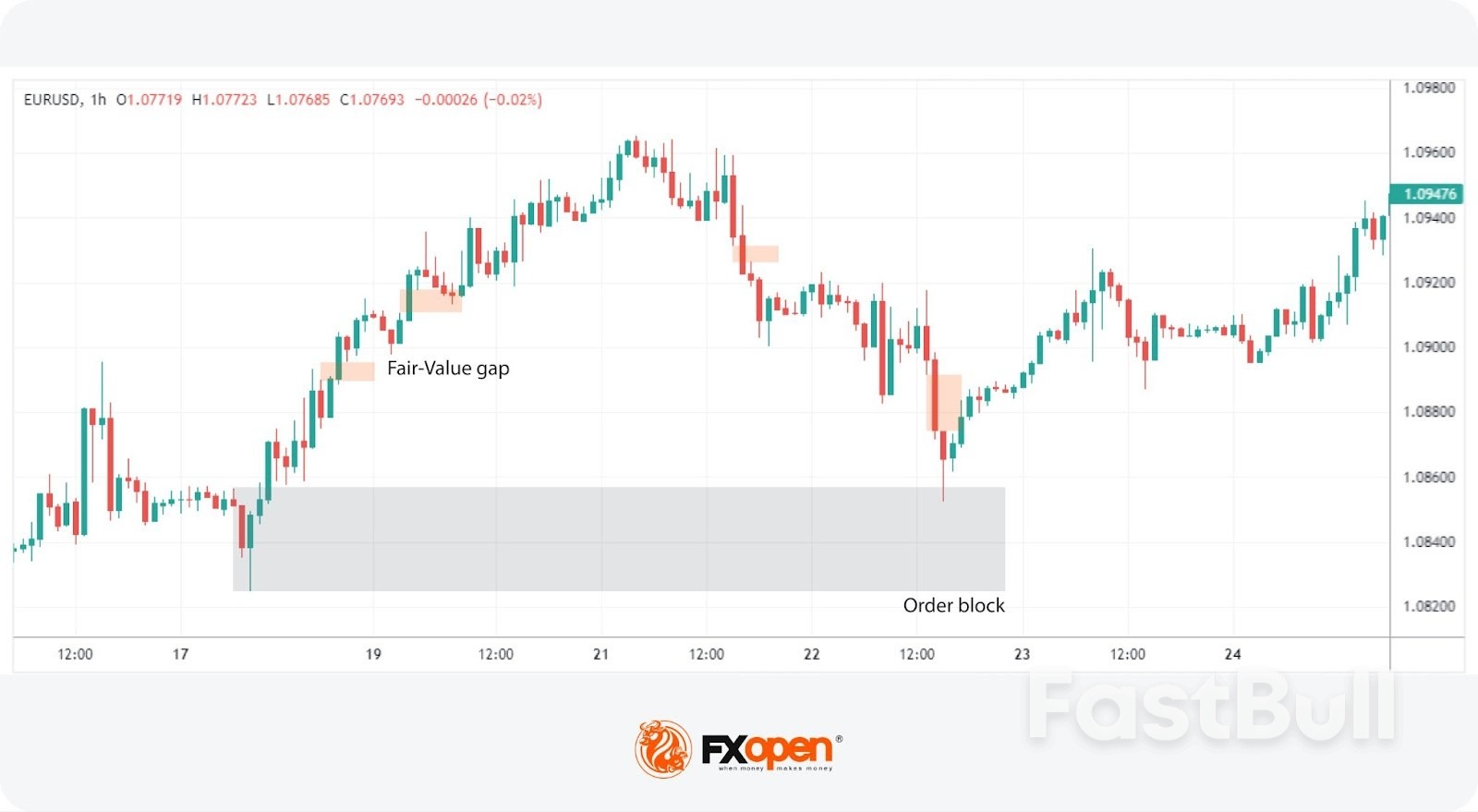
          Order blocks are essentially levels or areas where historical buying or selling was significant enough to impact an asset’s direction. These blocks can act as future points of interest where the price might react due to leftover or renewed interest from market participants.
          Fair value gaps are areas on a chart that were quickly overlooked in previous movements. These gaps often attract price back to them, as the market seeks to 'fill' these areas by finding the fair value that was previously skipped.

          Practical Application in Trading Strategies

          Learn how liquidity sweeps can be applied to trading strategies.

          Identifying the Trend Direction

          Understanding Liquidity Sweeps: Definition, Mechanism, and Trading Applications_4
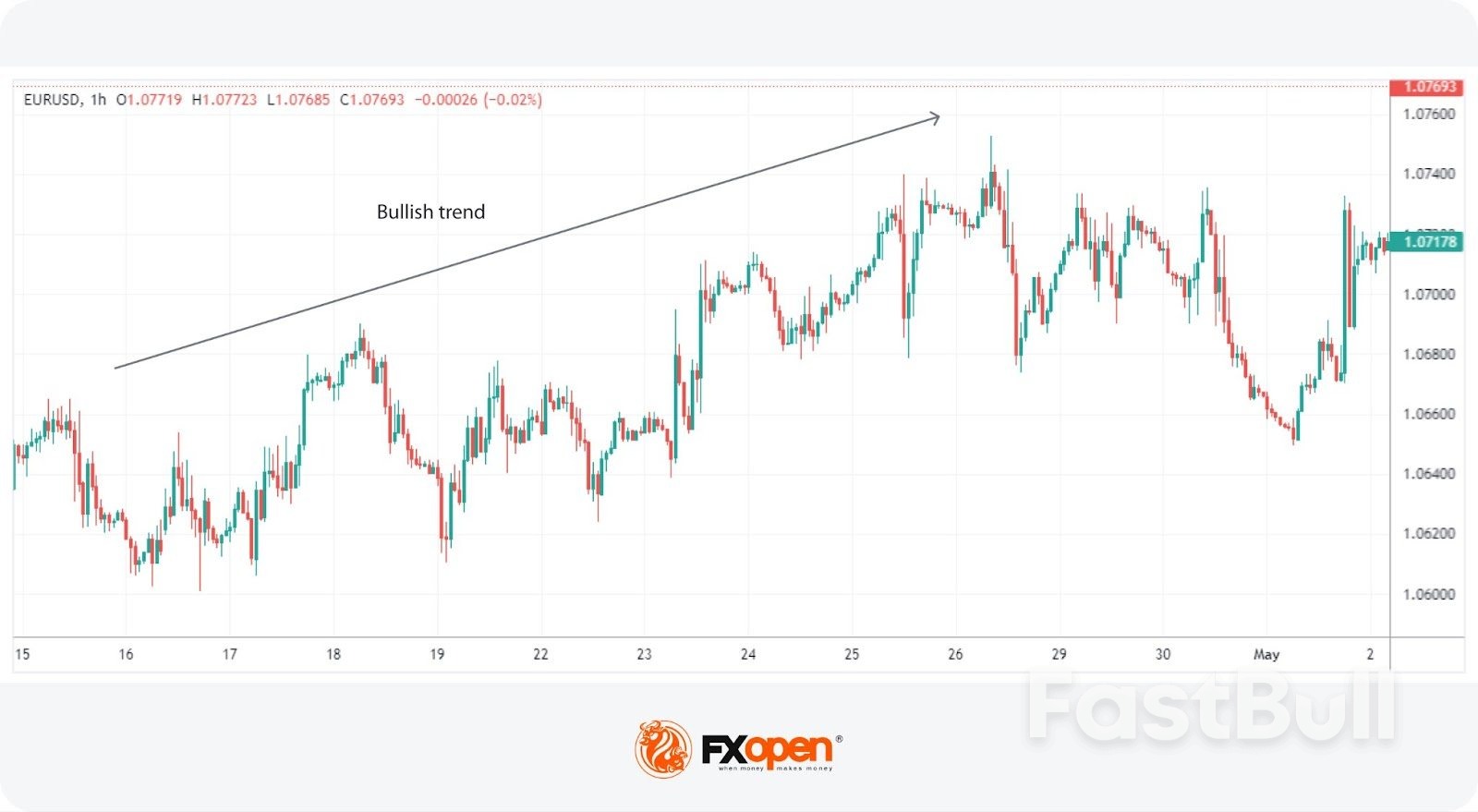
          The application of liquidity sweeps starts with understanding the current trend, which can be discerned through the market structure—the series of highs and lows that dictate the direction of the market movement.

          Locating Liquidity Zones

          Understanding Liquidity Sweeps: Definition, Mechanism, and Trading Applications_5
          Within the identified trend, traders pinpoint liquidity zones, which could be significant recent swing highs or lows or areas marked by repeated equal highs/lows or strong support/resistance levels.

          Observing Order Blocks and Fair Value Gaps

          Understanding Liquidity Sweeps: Definition, Mechanism, and Trading Applications_6
          After identifying a liquidity zone, traders then look for an order block beyond this zone. The presence of a fair value gap near the block enhances the likelihood of the block being reached, as these gaps are frequently filled.

          Trade Execution

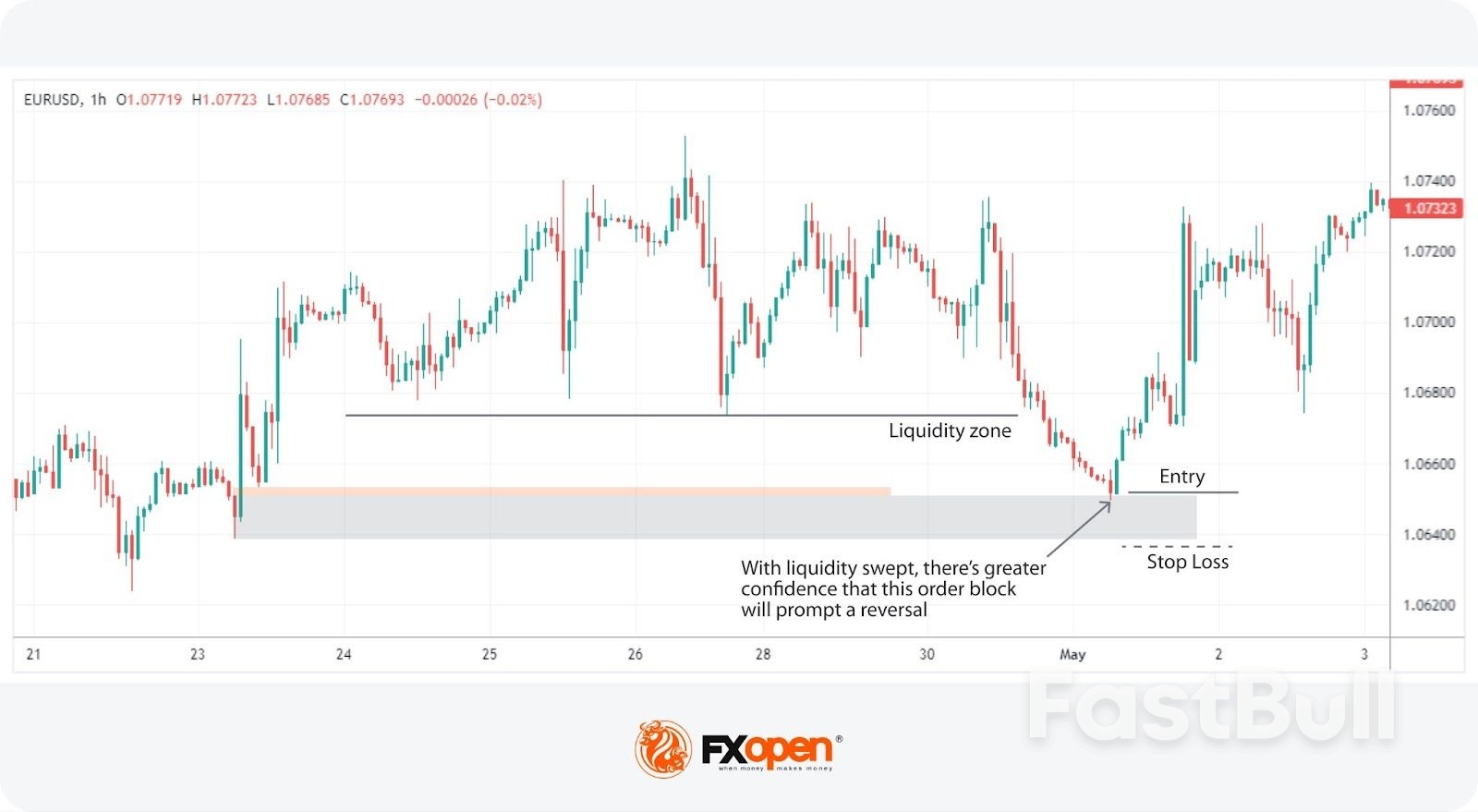
          When the price moves into the order block, effectively sweeping liquidity, traders may place limit orders at the block with a stop loss just beyond it. This action is often based on the expectation that the order block will trigger a reversal.

          Utilising Liquidity Sweeps for Entry Confidence

          Understanding Liquidity Sweeps: Definition, Mechanism, and Trading Applications_7
          The occurrence of a sweep into an order block not only triggers the potential reversal but also provides traders with greater confidence in their position. This confidence stems from the understanding that the market's momentum needed to reach and react at the block has been supported by the liquidity sweep.By combining these elements—trend analysis, liquidity zone identification, and strategic use of order blocks and fair-value gaps—traders can create a cohesive strategy that utilises sweeps to enhance decision-making and potentially improve trading results.

          Source:FXOpen

          Risk Warnings and Disclaimers
          You understand and acknowledge that there is a high degree of risk involved in trading. Following any strategies or investment methods may lead to potential losses. The content on the site is provided by our contributors and analysts for information purposes only. You are solely responsible for determining whether any trading assets, securities, strategy, or any other product is suitable for investing based on your own investment objectives and financial situation.
          Add to Favorites
          Share

          JOLTs Job Openings Drop To 7.437 Million, Missing Analyst Estimates

          Kevin Morgan

          On July 29, 2025, the U.S. released JOLTs Job Openings report for June. The report indicated that JOLTs Job Openings decreased from 7.712 million in May to 7.437 million in June, compared to analyst forecast of 7.55 million.

          Traders also had a chance to take a look at CB Consumer Confidence report for July. The report indicated that CB Consumer Confidence increased from 95.2 (revised from 93.0) in June to 97.2 in July, compared to analyst forecast of 95.8.

          The Present Situation Index declined from 133 in June to 131.5 in July, while the Expectations Index increased from 69.9 to 74.4.

          The Conference Board commented: “In July, pessimism about the future receded somewhat, leading to a slight improvement in overall confidence.”

          U.S. Dollar Index climbed above the 99.00 level as traders focused on the reports. From a big picture point of view, the American currency continues to move higher as traders focus on recent trade deals.

          Gold settled near the $3315 level after the release of the economic reports. U.S. dollar’s rally continues to put pressure on gold markets.

          SP500 pulled back towards the 6400 level as traders reacted to the weaker-than-expected JOLTs Job Openings report.

          Source: FX Empire

          Risk Warnings and Disclaimers
          You understand and acknowledge that there is a high degree of risk involved in trading. Following any strategies or investment methods may lead to potential losses. The content on the site is provided by our contributors and analysts for information purposes only. You are solely responsible for determining whether any trading assets, securities, strategy, or any other product is suitable for investing based on your own investment objectives and financial situation.
          Add to Favorites
          Share

          Gold Holds Steady Ahead Of Fed Policy Statement

          Winkelmann

          Commodity

          Forex

          Political

          Gold prices steadied on Wednesday as investors held back on making big bets ahead of the Federal Reserve's policy statement later in the day for cues into future rate cuts, while focus remained on U.S. trade talks ahead of the August 1 deadline.

          FUNDAMENTALS

          Spot goldwas steady at $3,329.19 per ounce as of 0020 GMT. U.S. gold futuresrose 0.1% to $3,327.70.

          U.S. and Chinese officials agreed to seek an extension of their 90-day tariff truce on Tuesday, following two days of talks in Stockholm.However, U.S. officials said it was up to President Donald Trump to decide whether to extend a trade truce that expires on August 12 or potentially let tariffs shoot back up to triple-digit figures.Meanwhile, the U.S. dollar indexheld steady after hitting a more than one-month high on Tuesday, making greenback-priced bullion more expensive.

          Investors turned their focus to the Fed's policy to gauge its future rate cut path, following the central bank's two-day meeting, during which it is widely expected to keep rates steady, despite Trump's constant call to lower them.The U.S. trade deficit in goods narrowed to its lowest in nearly two years in June as imports fell sharply, cementing economists' expectations that trade likely accounted for much of an anticipated rebound in economic growth in the second quarter.The International Monetary Fund slightly raised its global growth forecasts for 2025 and 2026 on Tuesday, citing stronger-than-expected buys ahead of a jump in U.S. tariffs on August 1 and a drop in the effective tariff rate to 17.3% from 24.4%.

          Meanwhile, on Tuesday, Trump threatened tariffs and other measures on Russia "10 days from today" if Moscow showed no progress toward ending its more than three-year-long war in Ukraine.Spot silverheld steady at $38.20 per ounce, platinumfell 0.4% to $1,389.20 and palladiumremain unchanged at $1,258.75.

          DATA/EVENTS (GMT)

          0530

          France GDP preliminary QQ Q2

          0800

          Germany GDP flash QQ SA, YY NSA Q2

          0900

          EU GDP flash preliminary QQ, YY Q2

          0900

          EU consumer confidence final July

          1230

          U.S. GDP advance Q2

          Source: TradingView

          Risk Warnings and Disclaimers
          You understand and acknowledge that there is a high degree of risk involved in trading. Following any strategies or investment methods may lead to potential losses. The content on the site is provided by our contributors and analysts for information purposes only. You are solely responsible for determining whether any trading assets, securities, strategy, or any other product is suitable for investing based on your own investment objectives and financial situation.
          Add to Favorites
          Share

          Fed To Avoid Clear Signal On Rate-Cut Timing

          Diana Wallace

          Investors parsing Jerome Powell’s remarks Wednesday for any hint that the Federal Reserve is moving closer to an interest-rate cut might be left wanting.

          Policymakers are largely expected to hold interest rates steady for a fifth consecutive meeting at the conclusion of their July 29-30 gathering. Dissents from one or more officials could send the message that some members of the rate-setting Federal Open Market Committee prefer to reduce borrowing costs sooner rather than later.

          But with an onslaught of economic data due before their next meeting in September, the Fed chair may opt to leave his options open until there’s more clarity about the direction of the economy and the right path for policy.

          “There is no doubt that the FOMC will leave interest rates unchanged,” Bill Nelson, chief economist for the Bank Policy Institute, said Tuesday in a note. “The question is whether they will convey a greater openness to cutting rates at their September meeting,” Nelson, formerly a top economist at the central bank, said.

          President Donald Trump has not ceased his calls for rate cuts. And Powell will surely field questions about the central bank’s $2.5 billion building renovation, which has become a target for Republicans attacking the Fed.

          The Fed’s rate decision will be released at 2 p.m. in Washington on Wednesday, and Powell will hold a post-meeting press conference 30 minutes later.

          After this week, the Fed will hold only three more policy meetings this year. In June, Fed officials signaled their intention to deliver two quarter-point rate cuts in 2025, based on their median projection. That makes a reduction in September seem likely, said Veronica Clark, an economist at Citigroup.

          “The average official is still in this wait-and-see mode, but September is very reasonable,” said Clark.

          But it’s still an open question how much Powell will move expectations in that direction, said BPI’s Nelson. Investors are already putting the probability of a rate cut in September at more than 60%, according to pricing in federal funds futures contracts. Fed officials might not want those odds to move higher before they’ve had a chance to review the economic data coming before the meeting, Nelson said.

          Policymakers will see two more jobs reports, including the July report due on Friday, before they gather on September 16-17. They’ll also get additional data on inflation, spending and housing.

          “If the committee wants to keep its options open, it will have to be studiously neutral and continue to emphasize data-dependence,” Nelson said.

          If the Fed chooses to maintain its characterization of the labor market as “solid” in its post-meeting statement, it could elicit dissenting votes from officials who are worried that the US employment landscape is looking more fragile.

          Fed Governor Christopher Waller laid out his argument for a July rate cut in a detailed speech earlier this month, expressing concern about a labor market “on the edge” that could deteriorate rapidly if the Fed doesn’t offer more support. Another governor, Fed Vice Chair for Supervision Michelle Bowman, has also expressed a readiness to lower rates as soon as this meeting.

          If both Waller and Bowman dissent, it would be the first time since 1993 that two governors voted against a policy decision. While notable, some Fed watchers say it’s normal to have disagreement among officials when policy is nearing a turning point.

          Powell is likely to face questions about his reading of the latest inflation data. The Fed chief and other officials have expressed cautiousness about lowering rates until they better understand the impact of tariffs on prices. Trump’s Aug. 1 deadline for trade deals could provide some additional clarity on where the average tariff rate will settle, and by extension, the economic outlook.

          Waller has said he expects tariffs to lead to a one-time price bump, while other officials are worried the hit to inflation could prove more persistent.

          Prices of some goods have risen, but many economists are puzzled as to why the effects haven’t been more pronounced. The impact may be delayed by businesses front-loading imports of inventories, absorbing the blow through lower profit margins and, at least for now, sharing some of the burden of tariffs with others across the supply chain, said Gregory Daco, chief economist for EY-Parthenon.

          There’s no shortage of additional topics that could come up in the press conference, including the Fed’s renovation project, and the tour given to Trump and other Republicans last week. Powell may be peppered with questions about whether political pressure is affecting officials’ ability to make policy decisions.

          Powell may also be asked to respond to a proposal from Treasury Secretary Scott Bessent that the central bank conduct a review of non-monetary policy functions to address what he called “mission creep.”

          “An internal review would be a good start,” Bessent said in a Bloomberg TV interview on July 23. “And if the internal review didn’t look like it was serious, then maybe there could be an external review.”

          Source: Bloomberg Europe

          Risk Warnings and Disclaimers
          You understand and acknowledge that there is a high degree of risk involved in trading. Following any strategies or investment methods may lead to potential losses. The content on the site is provided by our contributors and analysts for information purposes only. You are solely responsible for determining whether any trading assets, securities, strategy, or any other product is suitable for investing based on your own investment objectives and financial situation.
          Add to Favorites
          Share

          SEC Approves In-Kind Bitcoin, Ethereum ETF Redemptions

          Samantha Luan

          Commodity

          Cryptocurrency

          Economic

          Key Takeaways:

          ● SEC approves in-kind redemptions for Bitcoin and Ethereum ETFs.
          ● Measure lowers costs and improves efficiency for investors.
          ● Potential expansion to include more altcoin ETFs in future.

          The U.S. SEC has approved in-kind redemptions for Bitcoin and Ethereum ETFs, allowing investors to redeem shares directly for BTC and ETH, aligning crypto ETFs with traditional commodities.This decision enhances efficiency and reduces costs for investors and issuers, potentially leading to future ETF expansions and increased market participation in the crypto sector.

          SEC's approval of in-kind redemptions for Bitcoin and Ethereum ETFs marks a significant shift. Previously, crypto ETFs required cash redemptions, necessitating asset liquidation. In-kind options align these ETFs with longstanding commodity models like gold, streamlining processes and costs. The key players include SEC Chairman Paul S. Atkins and Director Jamie Selway. Both emphasize how the rule enhances operational flexibility and efficiency. This decision is anticipated to set a precedent for potential altcoin ETF models.

          The immediate market impact includes reduced fees and better liquidity for Bitcoin and Ethereum ETFs. Such changes make these products more appealing to both institutional and retail investors. Analysts predict that market dynamics will shift favorably due to this. From a financial standpoint, the move enables direct settlements, increasing transactional efficiency. Bloomberg analysts foresee this approval paving the way for broader adoption of in-kind redemption models in cryptocurrency ETFs.

          “It’s a new day at the SEC, and a key priority of my chairmanship is developing a fit-for-purpose regulatory framework for crypto asset markets. Investors will benefit from these approvals, as they will make these products less costly and more efficient.” — Paul S. Atkins, Chairman, SECWhile the impact on other cryptocurrencies isn't immediate, future trends indicate in-kind redemptions may expand to altcoins. Industry analysts suggest this can stimulate greater ETF market participation. The historical precedence of commodity ETPs indicates a potential parallel path for crypto ETFs.

          Source: CryptoSlate

          To stay updated on all economic events of today, please check out our Economic calendar
          Risk Warnings and Disclaimers
          You understand and acknowledge that there is a high degree of risk involved in trading. Following any strategies or investment methods may lead to potential losses. The content on the site is provided by our contributors and analysts for information purposes only. You are solely responsible for determining whether any trading assets, securities, strategy, or any other product is suitable for investing based on your own investment objectives and financial situation.
          Add to Favorites
          Share

          Trump’s Trade Deals Come With Few Details To Flesh Out Big Numbers

          Alice Winters

          President Donald Trump’s flurry of trade deal announcements are so far proving light on detail — with key aspects still under negotiation, partners giving mixed signals about what they signed up for, and big numbers shrinking under scrutiny.

          Trump touted landmark agreements with Japan and the European Union in the past week, adding to pacts with a handful of smaller economies. An extension of the US-China tariff truce is also in the works. The administration is taking a victory lap, claiming vindication for Trump’s bargaining style as he prepares a raft of import-tax hikes before an Aug. 1 deadline.

          “I think the trade deals are working out very well — hopefully for everybody, but for the United States they’re very, very good,” the president said Tuesday while flying home to Washington from Scotland.

          Yet while the scale of America’s tariff wall is becoming clearer, other details remain fuzzy in the extreme – especially investment promised by counterparties, which on paper exceeds $1 trillion for the EU and Japan deals alone.

          For Trump, these capital pledges are evidence that his protectionist agenda is on course to do what he promised it would: revive American manufacturing and create jobs. If actual investment falls short of the big numbers, tariffs could end up boosting revenue for the government – and costs for US consumers and companies – while failing to achieve those loftier goals.

          Trump’s deal with Japan includes a $550 billion fund that the US called a “foreign investment commitment,” and the president said amounts to “a sort of signing bonus.”

          But Japanese officials said only 1% or 2% of the total – a maximum $11 billion — would be investment, with the rest essentially made up of loans. And they said the 90%-10% profit split in America’s favor highlighted by Trump’s team only applies to that smaller investment portion.

          At minimum, the two countries are describing the accord differently, raising the potential for future snags.

          “It’s not that $550 billion in cash will be sent to the US,” Japan’s top trade negotiator Ryosei Akazawa said. But Commerce Secretary Howard Lutnick put it this way, speaking last week to Fox News: “This is literally the Japanese government giving Donald Trump $550 billion.”

          Lutnick said Trump would increase tariffs again if Japan reneged on the fund. As for the EU deal, he acknowledged on Tuesday that there’s “plenty of horse-trading left to do.”

          The EU pledged $600 billion in new investments. European officials say the target is just an aggregate of promises by companies, and the bloc can’t commit to a binding target. Neither side has spelled out the contents.

          “Basically they’re going to build the factories,” Lutnick told Fox News Monday. “All the car companies committed they’re going to build the factories. The pharmaceutical companies have gone out and said they’re going to build these factories.”

          The EU also promised energy purchases from the US worth $750 billion over the next three years — roughly triple the current pace. That target could strain the capacity of American exporters as well as European importers, some analysts say.

          Aside from the tariff rates, much of the recent deals consist of “vague promises with large numbers attached that don’t have any mechanisms for follow-through,” said Alex Jacquez, who served on the Biden administration’s National Economic Council. “Nobody seems to believe that these checks as written are actually going to cash.”

          There’s more clarity around the tariff numbers, though they’re still in flux too.

          Trump will raise duties on most imports from Japan and the EU to 15% from the current 10%. Those partners will get a partial waiver on certain industry-specific US tariffs that carry higher rates worldwide – like for automobiles – but not on others like steel and aluminum, where talks on an exemption involving quotas continue.

          The revised auto tariffs on Japan and the EU are not yet finalized but are expected to take effect on Aug. 1, according to a White House official.

          Trump says there are more of these sectoral tariffs to come, and some of his recent deals may cause confusion by preempting yet-to-be-announced numbers.

          For instance, he pledged 15% tariffs for the EU on semiconductors and pharmaceuticals — two sectors where rates haven’t been finalized. A senior US official also said that Trump agreed to grant Japan whatever the lowest rate is for those two categories, but that commitment isn’t in the public US fact sheet.

          A White House official said that the lower 15% rates for pharmaceuticals and chips would only kick-in once higher levies Trump has threatened under Section 232 of the Trade Expansion Act take effect.

          Other already-announced deals have raised questions too – like the one with Vietnam earlier this month, which appears to have surprised officials in Hanoi with a tariff of 20%, higher than they were said to have agreed to.

          US and Chinese negotiators, after two days of talks in Sweden this week, said they’re on track to extend the tariff truce between the two countries. A wildcard there is Trump’s threat to impose new charges on countries that buy energy from Russia.

          China is the biggest buyer of Russian oil — followed by India, which is still embroiled in talks with the US.

          The fate of the two biggest US trade partners also seems to be headed down to the wire. Trump has downplayed the chance of a deal with Canada, though Canadian Prime Minister Mark Carney shrugged that off. Both Canada and Mexico face tariff hikes this week, but they won’t apply across the board. Goods compliant with the USMCA trade pact are poised to maintain their current exemption, a major relief for both countries.

          Some critics say the administration’s deal-by-deal approach to tariff rates risks ending up as a patchwork that lacks coherence. US auto companies, for example, objected to the Japan agreement, saying imported cars that don’t have any US content are set to be taxed less than North American-built models that do.

          For all the unresolved questions, the administration is casting Aug. 1 as something of a milestone in setting rates after months of threats. It’s just not likely to be the final word in Trump’s rolling dealmaking.

          Several more pacts are very close, and tariff rates will either be agreed or imposed by Aug. 1, Kevin Hassett – head of the White House National Economic Council – said on Tuesday. But even after that, “people can continue to negotiate,” he said. “The president is always willing to negotiate.”

          Source: Bloomberg Europe

          Risk Warnings and Disclaimers
          You understand and acknowledge that there is a high degree of risk involved in trading. Following any strategies or investment methods may lead to potential losses. The content on the site is provided by our contributors and analysts for information purposes only. You are solely responsible for determining whether any trading assets, securities, strategy, or any other product is suitable for investing based on your own investment objectives and financial situation.
          Add to Favorites
          Share

          UK To Recognize Palestine State Unless Israel Stops Gaza War

          Frederick Miles

          Starmer said the two-state solution was 'under pressure like never before'

          The United Kingdom will recognize Palestinian statehood in September unless Israel takes significant steps to end the "appalling situation" in Gaza and meets other conditions, British Prime Minister Keir Starmer said Tuesday.

          "Our goal remains a safe and secure Israel alongside a viable and sovereign Palestinian state," Starmer said, according to a Downing Street statement.

          He said that the UK government has always intended to recognize a Palestinian state "as a contribution to a proper peace process at the moment of maximum impact for the two-state solution," which he said is "now under threat."

          "As part of this process towards peace, I can confirm that the UK will recognize the state of Palestine by the United Nations General Assembly in September, unless the Israeli government takes substantive steps to end the appalling situation in Gaza," Starmer said.

          What else did Starmer say?

          The UK leader also called on Israel to "agree to a ceasefire and commit to a long-term, sustainable peace, reviving the prospect of a two-state solution."

          This includes, Starmer continued, "allowing the UN to restart the supply of aid, and making clear there will be no annexations in the West Bank."

          He also reiterated his government's stance on Hamas, the Iran-backed Palestinian militant group that governs the Gaza Strip.

          "Our message to the terrorists of Hamas is unchanged and unequivocal. They must immediately release all the hostages, sign up to a ceasefire, disarm and accept that they will play no part in the government of Gaza," Starmer said.

          Amid heightened fears of mass starvation in the enclave, Starmer called for more aid to reach Palestinians in Gaza.

          "We need to see at least 500 trucks entering Gaza every day. But ultimately, the only way to bring this humanitarian crisis to an end is through a long-term settlement," Starmer said at 10 Downing Street.

          The British leader said his government supports mediation efforts by the US, Egypt and Qatar to secure "a vital ceasefire."

          "That ceasefire must be sustainable and it must lead to a wider peace plan, which we are developing with our international partners," he added.

          The UK, like the US, EU and Israel, has designated Hamas a terrorist organization, which would likely complicate any potential efforts to recognize a Palestinian state if the group were involved in governing.

          Israel says UK stance 'rewards' Hamas

          Starmer's announcement comes after French President Macron said his country would formally recognize Palestinian statehood in September.

          International pressure on Israel to end its military campaign and allow the unrestricted entry of humanitarian aid into the besieged territory has been mounting in recent weeks as aid groups and the UN have warned of a famine in the Gaza Strip.

          Israel has either downplayed or outright rejected claims of mass starvation in Gaza.

          Israeli Prime Minister Benjamin Netanyahu said Starmer's announcement "rewards Hamas' monstrous terrorism and punishes its victims."

          "A jihadist state on Israel's border TODAY will threaten Britain TOMORROW," Netanyahu warned in a post on X.

          Israel's Foreign Ministry also rejected the UK's announcement, saying London's shifting position, "following the French move and internal political pressures, constitutes a reward for Hamas and harms efforts to achieve a ceasefire in Gaza and a framework for the release of hostages."

          Source: DW

          Risk Warnings and Disclaimers
          You understand and acknowledge that there is a high degree of risk involved in trading. Following any strategies or investment methods may lead to potential losses. The content on the site is provided by our contributors and analysts for information purposes only. You are solely responsible for determining whether any trading assets, securities, strategy, or any other product is suitable for investing based on your own investment objectives and financial situation.
          Add to Favorites
          Share
          FastBull
          Copyright © 2025 FastBull Ltd

          728 RM B 7/F GEE LOK IND BLDG NO 34 HUNG TO RD KWUN TONG KLN HONG KONG

          TelegramInstagramTwitterfacebooklinkedin
          App Store Google Play Google Play
          Products
          Charts

          Chats

          Q&A with Experts
          Screeners
          Economic Calendar
          Data
          Tools
          Membership
          Features
          Function
          Markets
          Copy Trading
          Latest Signals
          Contests
          News
          Analysis
          24/7
          Columns
          Education
          Company
          Careers
          About Us
          Contact Us
          Advertising
          Help Center
          Feedback
          User Agreement
          Privacy Policy
          Business

          White Label

          Data API

          Web Plug-ins

          Poster Maker

          Affiliate Program

          Risk Disclosure

          The risk of loss in trading financial instruments such as stocks, FX, commodities, futures, bonds, ETFs and crypto can be substantial. You may sustain a total loss of the funds that you deposit with your broker. Therefore, you should carefully consider whether such trading is suitable for you in light of your circumstances and financial resources.

          No decision to invest should be made without thoroughly conducting due diligence by yourself or consulting with your financial advisors. Our web content might not suit you since we don't know your financial conditions and investment needs. Our financial information might have latency or contain inaccuracy, so you should be fully responsible for any of your trading and investment decisions. The company will not be responsible for your capital loss.

          Without getting permission from the website, you are not allowed to copy the website's graphics, texts, or trademarks. Intellectual property rights in the content or data incorporated into this website belong to its providers and exchange merchants.

          Not Logged In

          Log in to access more features

          FastBull Membership

          Not yet

          Purchase

          Become a signal provider
          Help Center
          Customer Service
          Dark Mode
          Price Up/Down Colors

          Log In

          Sign Up

          Position
          Layout
          Fullscreen
          Default to Chart
          The chart page opens by default when you visit fastbull.com