• Trade
  • Markets
  • Copy
  • Contests
  • News
  • 24/7
  • Calendar
  • Q&A
  • Chats
Screeners
SYMBOL
LAST
ASK
BID
HIGH
LOW
NET CHG.
%CHG.
SPREAD
SPX
S&P 500 Index
6978.59
6978.59
6978.59
6988.81
6958.82
+28.36
+ 0.41%
--
DJI
Dow Jones Industrial Average
49003.40
49003.40
49003.40
49157.80
48862.52
-408.99
-0.83%
--
IXIC
NASDAQ Composite Index
23817.11
23817.11
23817.11
23865.26
23694.38
+215.76
+ 0.91%
--
USDX
US Dollar Index
95.970
96.050
95.970
96.080
95.660
+0.430
+ 0.45%
--
EURUSD
Euro / US Dollar
1.19756
1.19763
1.19756
1.20439
1.19616
-0.00636
-0.53%
--
GBPUSD
Pound Sterling / US Dollar
1.37796
1.37807
1.37796
1.38466
1.37674
-0.00673
-0.49%
--
XAUUSD
Gold / US Dollar
5262.28
5262.62
5262.28
5311.48
5157.13
+83.70
+ 1.62%
--
WTI
Light Sweet Crude Oil
62.554
62.584
62.554
62.989
61.932
+0.117
+ 0.19%
--

Community Accounts

Signal Accounts
--
Profit Accounts
--
Loss Accounts
--
View More

Become a signal provider

Sell trading signals to earn additional income

View More

Guide to Copy Trading

Get started with ease and confidence

View More

Signal Accounts for Members

All Signal Accounts

Best Return
  • Best Return
  • Best P/L
  • Best MDD
Past 1W
  • Past 1W
  • Past 1M
  • Past 1Y

All Contests

  • All
  • Trump Updates
  • Recommend
  • Stocks
  • Cryptocurrencies
  • Central Banks
  • Featured News
Top News Only
Share

[Report Shows Nearly 60% Of Surveyed US Companies Plan To Increase Investment In China] The China Council For The Promotion Of International Trade (CCPIT) Released The "2026 China Business Environment Survey Report" On The 28th, Compiled By The American Chamber Of Commerce In China. The Report Shows That Nearly 60% Of Surveyed US Companies Plan To Increase Their Investment In China. According To The Recently Released Report, Over Half Of The Surveyed US Companies Operating In China Expect To Achieve Profitability Or Significant Profitability By 2025, And Over 70% Of The Surveyed Companies Are Not Currently Considering Transferring Production Or Procurement Outside Of China. Wang Wenshuai, Spokesperson For The CCPIT, Stated At A Regular Press Conference Held That Day That This Reflects, From One Perspective, That China Will Undoubtedly Remain A Fertile Ground For Foreign Investment And Business Development For A Long Time To Come

Share

Paris-Denmark Prime Minister­:­ I Think There Are Som Lessons Learned For Europe In The Last Weeks

Share

French President Macron: We Are Ready To Act Together At Any Time

Share

Deutsche Bank: We Are Cooperating Fully With Prosecutor's Office. We Cannot Comment Further On This Matter

Share

French President Macron: France Backs Reinforcement Of Defence Position In Arctic Region

Share

US President Trump: The Next Attack On Iran Will Be Worse Than The Attack On Its Nuclear Facilities

Share

French President Macron: France Reiterates Support To Greenland

Share

Trump: Hopefully Iran Comes To The Table

Share

Trump: Next Attack On Iran Will Be Far Worse

Share

Trump: Larger Fleet Than That Sent To Venezuela

Share

Trump: A Massive Armada Is Heading To Iran. It Is Moving Quickly

Share

TotalEnergies Executive: LNG Buyers Prioritising Supply Security Over Price

Share

Bank Of America Will Match The USA Government's $1000 Pilot Contribution For All Eligible USA Teammates To Trump Accounts

Share

The US MBA Mortgage Application Activity Index Fell 8.5% Week-over-week For The Week Ending January 23, Compared To 14.1% Previously

Share

US Mortgage Refinance Index Falls 15.7 Percent To 1332.2 In Jan 23 Week

Share

US Average 30-Year Mortgage Rate Rises 8 Bps To 6.24 Percent In Jan 23 Week

Share

US Mortgage Purchase Index Falls 0.4 Percent To 193.3 In Jan 23 Week

Share

US Mortgage Market Index -8.5 Percent To 363.3 In Week Ended Jan 23

Share

Israel Shekel Hits 30-Year High Versus Dollar At Rate Of 3.085

Share

Indian Oil Executives: Expects To Export 4-5 Million Ton Per Year Of Diesel From 2027

TIME
ACT
FCST
PREV
Mexico Trade Balance (Dec)

A:--

F: --

P: --

U.S. Weekly Redbook Index YoY

A:--

F: --

P: --

U.S. S&P/CS 20-City Home Price Index YoY (Not SA) (Nov)

A:--

F: --

P: --

U.S. S&P/CS 20-City Home Price Index MoM (SA) (Nov)

A:--

F: --

P: --
U.S. FHFA House Price Index MoM (Nov)

A:--

F: --

P: --

U.S. FHFA House Price Index (Nov)

A:--

F: --

P: --

U.S. FHFA House Price Index YoY (Nov)

A:--

F: --

P: --
U.S. S&P/CS 10-City Home Price Index YoY (Nov)

A:--

F: --

P: --

U.S. S&P/CS 10-City Home Price Index MoM (Not SA) (Nov)

A:--

F: --

P: --

U.S. S&P/CS 20-City Home Price Index (Not SA) (Nov)

A:--

F: --

P: --

U.S. S&P/CS 20-City Home Price Index MoM (Not SA) (Nov)

A:--

F: --

P: --

U.S. Richmond Fed Manufacturing Composite Index (Jan)

A:--

F: --

P: --

U.S. Conference Board Present Situation Index (Jan)

A:--

F: --

P: --

U.S. Conference Board Consumer Expectations Index (Jan)

A:--

F: --

P: --

U.S. Richmond Fed Manufacturing Shipments Index (Jan)

A:--

F: --

P: --

U.S. Richmond Fed Services Revenue Index (Jan)

A:--

F: --

P: --

U.S. Conference Board Consumer Confidence Index (Jan)

A:--

F: --

P: --
U.S. 5-Year Note Auction Avg. Yield

A:--

F: --

P: --

U.S. API Weekly Refined Oil Stocks

A:--

F: --

P: --

U.S. API Weekly Crude Oil Stocks

A:--

F: --

P: --

U.S. API Weekly Gasoline Stocks

A:--

F: --

P: --

U.S. API Weekly Cushing Crude Oil Stocks

A:--

F: --

P: --

Australia RBA Trimmed Mean CPI YoY (Q4)

A:--

F: --

P: --

Australia CPI YoY (Q4)

A:--

F: --

P: --

Australia CPI QoQ (Q4)

A:--

F: --

P: --

Germany GfK Consumer Confidence Index (SA) (Feb)

A:--

F: --

P: --

Germany 10-Year Bund Auction Avg. Yield

A:--

F: --

P: --

India Industrial Production Index YoY (Dec)

A:--

F: --

P: --

India Manufacturing Output MoM (Dec)

A:--

F: --

P: --

U.S. MBA Mortgage Application Activity Index WoW

A:--

F: --

P: --

Canada Overnight Target Rate

--

F: --

P: --

BOC Monetary Policy Report
U.S. EIA Weekly Crude Stocks Change

--

F: --

P: --

U.S. EIA Weekly Cushing, Oklahoma Crude Oil Stocks Change

--

F: --

P: --

U.S. EIA Weekly Crude Demand Projected by Production

--

F: --

P: --

U.S. EIA Weekly Crude Oil Imports Changes

--

F: --

P: --

U.S. EIA Weekly Heating Oil Stock Changes

--

F: --

P: --

U.S. EIA Weekly Gasoline Stocks Change

--

F: --

P: --

BOC Press Conference
Russia PPI MoM (Dec)

--

F: --

P: --

Russia PPI YoY (Dec)

--

F: --

P: --

U.S. Target Federal Funds Rate Lower Limit (Overnight Reverse Repo Rate)

--

F: --

P: --

U.S. Interest Rate On Reserve Balances

--

F: --

P: --

U.S. Federal Funds Rate Target

--

F: --

P: --

U.S. Target Federal Funds Rate Upper Limit (Excess Reserves Ratio)

--

F: --

P: --

FOMC Statement
FOMC Press Conference
Brazil Selic Interest Rate

--

F: --

P: --

Australia Import Price Index YoY (Q4)

--

F: --

P: --

Japan Household Consumer Confidence Index (Jan)

--

F: --

P: --

Turkey Economic Sentiment Indicator (Jan)

--

F: --

P: --

Euro Zone M3 Money Supply (SA) (Dec)

--

F: --

P: --

Euro Zone Private Sector Credit YoY (Dec)

--

F: --

P: --

Euro Zone M3 Money Supply YoY (Dec)

--

F: --

P: --

Euro Zone 3-Month M3 Money Supply YoY (Dec)

--

F: --

P: --

South Africa PPI YoY (Dec)

--

F: --

P: --

Euro Zone Consumer Confidence Index Final (Jan)

--

F: --

P: --
Euro Zone Selling Price Expectations (Jan)

--

F: --

P: --

Euro Zone Industrial Climate Index (Jan)

--

F: --

P: --

Euro Zone Services Sentiment Index (Jan)

--

F: --

P: --

Q&A with Experts
    • All
    • Chatrooms
    • Groups
    • Friends
    3469449 flag
    i am just here for market check
    SlowBear ⛅ flag
    3469449
    @SlowBear ⛅alright
    @3469449 That is very cool bro,
    SlowBear ⛅ flag
    3469449
    i am just here for market check
    @3469449 That is cool, so you are mostly into the crypto market right?
    EuroTrader flag
    3469449
    i am just here for market check
    @Visitor3469449Okey it's all good to actually do market survey to explore other markets
    miki maka flag
    SlowBear ⛅ flag
    miki maka
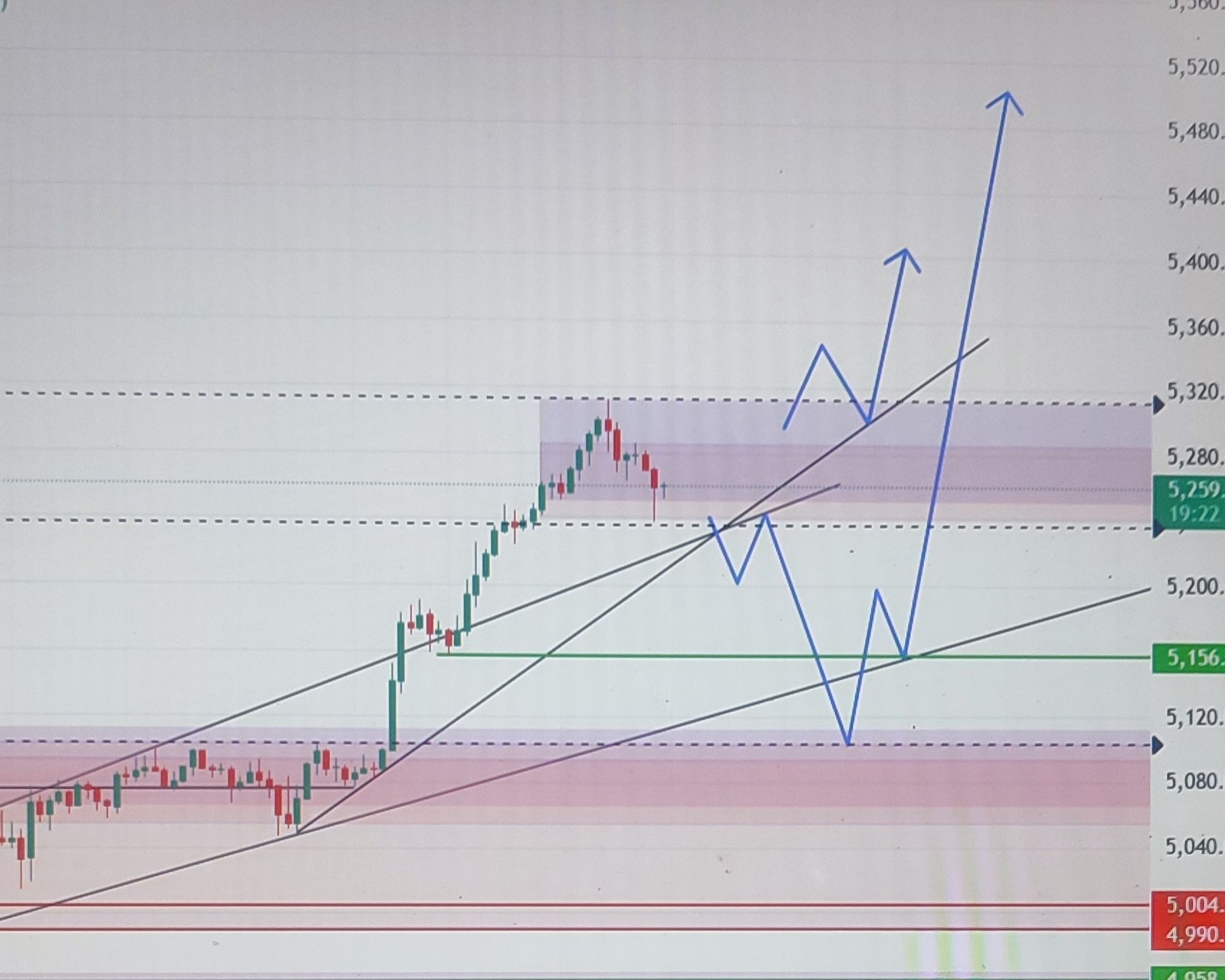
    @miki makai agree bro the first correction is alomost done and from there we might see the next rally towards 5350
    SlowBear ⛅ flag
    miki maka
    @miki makathe scond corrective wave is much suitable for post FOMC and that is more suited for my swing plan - Thanks for sharing
    miki maka flag
    SlowBear ⛅
    @SlowBear ⛅ok my brother
    SlowBear ⛅ flag
    miki maka
    @miki makaAre you in any position on gold as of now? or you are waiting for one of the setups you just shared to play out?
    miki maka flag
    SlowBear ⛅
    @SlowBear ⛅I close 5300 i wait another set up
    EuroTrader flag
    miki maka
    @miki makaI love your chart Markup my friend. Do you have limit orders at that price level?
    SlowBear ⛅ flag
    miki maka
    @miki makaWow 5300 close that is awesome - i could not bring myself to closing 5300 to be honest but i will addd somemore and maybe close the earliers at a better level and leave the newst to run
    SlowBear ⛅ flag
    miki maka
    @miki makaI must say again, those setup are mind blowing, well done!
    miki maka flag
    SlowBear ⛅
    @SlowBear ⛅thank you bro
    SlowBear ⛅ flag
    miki maka
    @miki maka You are very welcome, when you get an entry keep me posted bro! So nice!
    SlowBear ⛅ flag
    miki maka
    @miki maka I still had to check again like this is impressive - talk about perfect setup - it covers all major bullish scenarios! Trading is simple when you know what you are doing - And this speaks volume!
    EuroTrader flag
    EuroTrader flag
    EuroTrader
    @miki makaThis would be the money printer for the day? Pay attention to how the euro trades in the coming New York session
    EuroTrader flag
    3469753 flag
    how i van buy or sell
    Type here...
    Add Symbol or Code

      No matching data

      All
      Trump Updates
      Recommend
      Stocks
      Cryptocurrencies
      Central Banks
      Featured News
      • All
      • Russia-Ukraine Conflict
      • Middle East Flashpoint
      • All
      • Russia-Ukraine Conflict
      • Middle East Flashpoint
      Search
      Products

      Charts Free Forever

      Chats Q&A with Experts
      Screeners Economic Calendar Data Tools
      Membership Features
      Data Warehouse Market Trends Institutional Data Policy Rates Macro

      Market Trends

      Market Sentiment Order Book Forex Correlations

      Top Indicators

      Charts Free Forever
      Markets

      News

      News Analysis 24/7 Columns Education
      From Institutions From Analysts
      Topics Columnists

      Latest Views

      Latest Views

      Trending Topics

      Top Columnists

      Latest Update

      Signals

      Copy Rankings Latest Signals Become a signal provider AI Rating
      Contests
      Brokers

      Overview Brokers Assessment Rankings Regulators News Claims
      Broker listing Forex Brokers Comparison Tool Live Spread Comparison Scam
      Q&A Complaint Scam Alert Videos Tips to Detect Scam
      More

      Business
      Events
      Careers About Us Advertising Help Center

      White Label

      Data API

      Web Plug-ins

      Affiliate Program

      Awards Institution Evaluation IB Seminar Salon Event Exhibition
      Vietnam Thailand Singapore Dubai
      Fans Party Investment Sharing Session
      FastBull Summit BrokersView Expo
      Recent Searches
        Top Searches
          Markets
          News
          Analysis
          User
          24/7
          Economic Calendar
          Education
          Data
          • Names
          • Latest
          • Prev

          View All

          No data

          Scan to Download

          Faster Charts, Chat Faster!

          Download App
          English
          • English
          • Español
          • العربية
          • Bahasa Indonesia
          • Bahasa Melayu
          • Tiếng Việt
          • ภาษาไทย
          • Français
          • Italiano
          • Türkçe
          • Русский язык
          • 简中
          • 繁中
          Open Account
          Search
          Products
          Charts Free Forever
          Markets
          News
          Signals

          Copy Rankings Latest Signals Become a signal provider AI Rating
          Contests
          Brokers

          Overview Brokers Assessment Rankings Regulators News Claims
          Broker listing Forex Brokers Comparison Tool Live Spread Comparison Scam
          Q&A Complaint Scam Alert Videos Tips to Detect Scam
          More

          Business
          Events
          Careers About Us Advertising Help Center

          White Label

          Data API

          Web Plug-ins

          Affiliate Program

          Awards Institution Evaluation IB Seminar Salon Event Exhibition
          Vietnam Thailand Singapore Dubai
          Fans Party Investment Sharing Session
          FastBull Summit BrokersView Expo

          Why The Euro’s Move Above $1.20 Matters For Markets And Policymakers

          Gerik

          Economic

          Forex

          Summary:

          The euro’s rise above $1.20 marks a key psychological and historical milestone, reflecting broad U.S. dollar weakness and renewed confidence in Europe, while raising concerns about exports, earnings, and the European Central Bank’s inflation outlook....

          A Symbolic And Historical Threshold

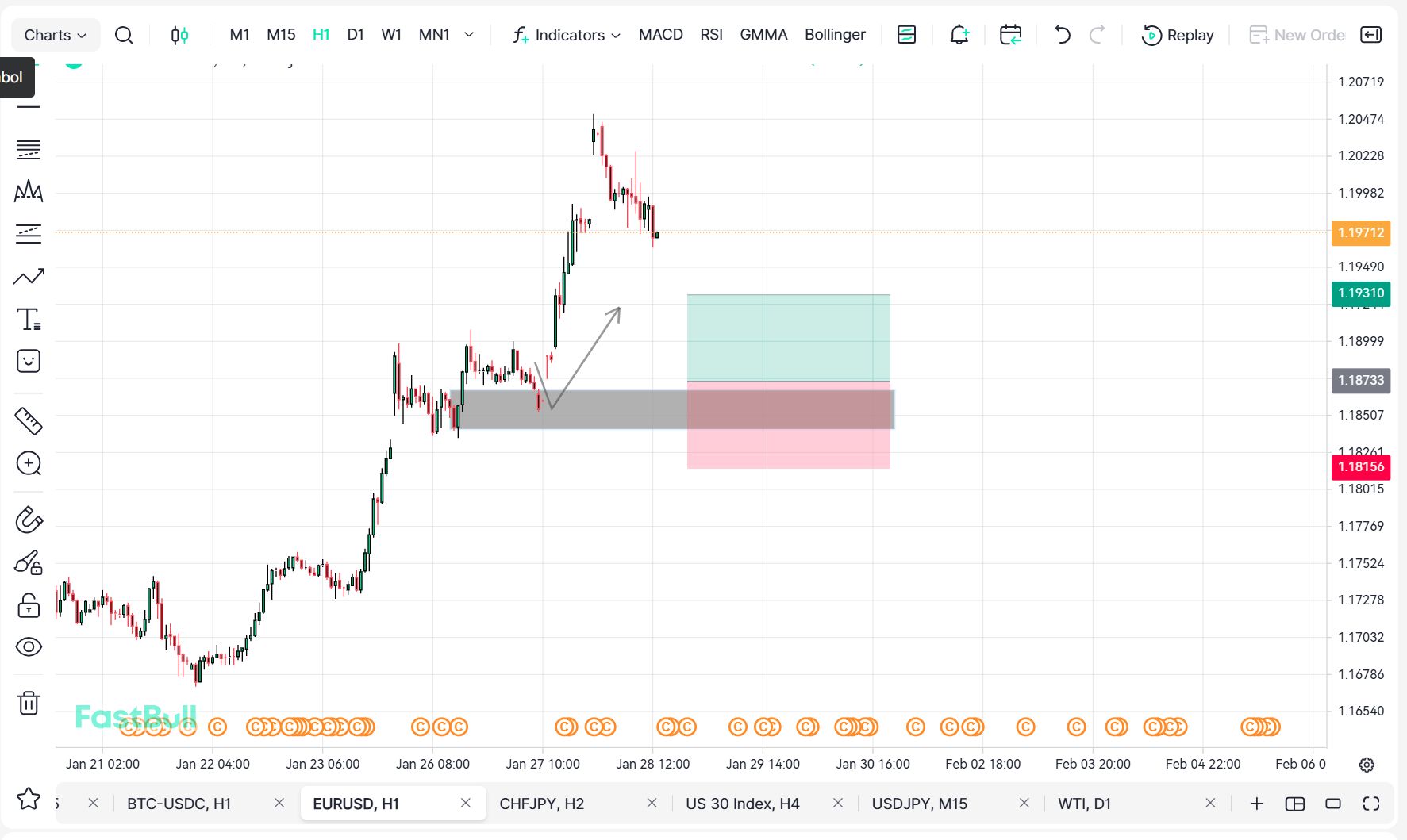
          The euro’s move past $1.20 against the U.S. dollar represents more than a routine currency fluctuation. Round numbers carry disproportionate weight in financial markets, and $1.20 has long been viewed as a benchmark that signals strength. The single currency surged roughly 13 percent last year, its strongest annual performance against the dollar since 2017, and is already up 2.1 percent so far in January.
          This level also carries institutional significance. Last year, European Central Bank Vice President Luis de Guindos highlighted $1.20 as a potential pain threshold, where currency strength could begin to weigh meaningfully on the economy. Although the euro approached this level in September before retreating as the dollar rebounded, its renewed break higher suggests that the broader trend has regained momentum.
          Historically, the move is notable but not extreme. Since the euro’s launch in 1999, its long-term average sits slightly below $1.20, while its all-time peak near $1.60 in 2008 remains far above current levels. This context suggests strength without yet implying historical excess.

          Dollar Weakness As The Primary Driver

          The euro’s appreciation has been driven less by sudden euro-area outperformance and more by a sustained deterioration in sentiment toward the dollar. U.S. President Donald Trump’s confrontational stance on trade, disputes with allies, comments about Greenland, and repeated criticism of the Federal Reserve have undermined confidence in U.S. policy stability.
          Speculation about potential joint U.S.-Japanese intervention to support the yen has also weighed on the dollar more broadly, lifting major counterparts including the euro. Trump’s assertion this week that the dollar’s value was “great” was interpreted by markets as a lack of concern about depreciation, reinforcing selling pressure rather than arresting it.
          At the same time, European fiscal stimulus, led by Germany, alongside efforts to strengthen regional security and long-term growth, has improved relative sentiment toward the euro. These factors have correlated with the currency’s rise, even if they are not the sole causal drivers.

          Corporate Earnings And Export Competitiveness At Risk

          A stronger euro inevitably raises questions about the impact on European corporates. Currency appreciation makes exports more expensive abroad, particularly in the U.S., which accounts for nearly half of overseas revenues for companies in the STOXX 600, according to estimates from Goldman Sachs. Overall, about 60 percent of STOXX 600 revenues are generated outside Europe, amplifying sensitivity to exchange rate moves.
          So far, equity markets have largely looked past this risk, focusing instead on improving growth prospects. Yet European earnings are expected to have contracted last year, and Barclays estimates that roughly half of last year’s earnings-per-share downgrades can be attributed to the euro’s appreciation. This suggests that currency effects are already filtering through financial results, even if markets have not fully priced them in.

          How Concerned Is The ECB

          The European Central Bank typically focuses on the pace and magnitude of currency moves rather than any single exchange rate level. Still, the euro’s recent acceleration is likely to attract attention. The currency jumped about 2 percent last week, its largest weekly gain since April, when Trump’s sweeping tariffs triggered global market turmoil.
          Compared with last spring’s sharp surge, the euro’s appreciation since last summer has been more gradual, which may temper immediate concern. However, further gains could put downward pressure on import prices at a time when the ECB already expects inflation to undershoot its 2 percent target this year and next. In that context, sustained euro strength complicates the path toward achieving price stability.

          Reserve Currency Ambitions Remain Distant

          Despite the euro’s strong performance, it remains far from challenging the dollar’s dominance as the world’s primary reserve currency. The dollar still accounts for just under 60 percent of global foreign exchange reserves, compared with roughly 20 percent for the euro. Deep U.S. capital markets and the dollar’s central role in global trade continue to anchor its status.
          ECB President Christine Lagarde has argued that erratic U.S. economic policy could eventually give the euro a greater international role. Yet she has also stressed that this would require Europe to complete long-delayed reforms to its financial architecture, a process that remains slow and politically complex.
          The euro’s break above $1.20 captures a moment when currency markets are reassessing relative stability, policy credibility, and growth prospects on both sides of the Atlantic. While the move reflects improving confidence in Europe, it is equally a signal of eroding faith in U.S. policy coherence. Whether the euro can sustain levels above this milestone will depend not only on European fundamentals, but also on how long dollar weakness persists and how policymakers respond to the economic consequences of a stronger single currency.

          Source: Reuters

          To stay updated on all economic events of today, please check out our Economic calendar
          Risk Warnings and Disclaimers
          You understand and acknowledge that there is a high degree of risk involved in trading. Following any strategies or investment methods may lead to potential losses. The content on the site is provided by our contributors and analysts for information purposes only. You are solely responsible for determining whether any trading assets, securities, strategy, or any other product is suitable for investing based on your own investment objectives and financial situation.
          Add to Favorites
          Share

          Kia Says US Tariffs Cost $2.3 Billion Last Year As Profit Drops

          Samantha Luan

          Stocks

          Economic

          Kia Corp. said US tariffs cost it 3.3 trillion won ($2.3 billion) last year and the South Korean automaker will roll out incentives to boost sales as competition intensifies.

          Tariffs totaled about 1 trillion won in the fourth quarter alone, Kia said Wednesday, driving a 32% slump in operating profit from a year earlier to 1.8 trillion won. That missed analyst estimates for 1.9 trillion won and came despite the company reporting its highest-ever fourth-quarter revenue on strong demand for electric and hybrid cars.

          While South Korea and the US reached a deal to lower import duties to 15% from 25% from Nov. 1, Kia didn't reap the full benefit because it had already paid the higher rate on inventory sitting in the US, Chief Financial Officer Kim Seung Jun said during a conference call. Shares closed 2.5% lower.

          Despite mounting pressure, Kia's global sales started to turn around after bottoming out in the third quarter, and the company will be able to recover its free cash flow to pre-tariff levels early this year, Kim said.

          The global automotive sector has been whipsawed by US President Donald Trump's unpredictable trade policies, including tariffs on imports of vehicles and parts. General Motors Co. has warned the duties will likely cost the company $3 billion to $4 billion this year, while European automakers were roiled last week by Trump's threat to hike tariffs again in a standoff over Greenland.

          South Korea's car manufacturers were also surprised this week after the US President said he'd increase tariffs to 25% again due to what he said was the failure of the country's legislature to codify the trade deal the two nations reached last year.

          Industry watchers are set to get a further gauge of the sector's sentiment on Thursday when Kia's bigger affiliate, Hyundai Motor Co., releases earnings. It's previously said tariffs had caused a 1.8 trillion won hit in the third quarter.

          Beyond tariffs, Kia is also facing an uncertain demand outlook as the EV transition slows in key markets like the US and competition heats up with Chinese rivals that can offer more affordable cars in places like Europe.

          The company increased incentive spending in Europe 10% last year and plans a similar level this year to hit its target of 11% sales growth in the region, according to Kim. Kia's share of that market fell to 3.8% last year from 4.1%.

          "There's a significant price gap with Chinese products, and in light of growing competition in Europe, we believe our growth strategy won't be effective without a coping mechanism," he said.

          In the US, the new Telluride hybrid sports utility vehicle and Seltos compact SUV is expected to spur 5% sales growth, Kim said.

          Source: Bloomberg Europe

          To stay updated on all economic events of today, please check out our Economic calendar
          Risk Warnings and Disclaimers
          You understand and acknowledge that there is a high degree of risk involved in trading. Following any strategies or investment methods may lead to potential losses. The content on the site is provided by our contributors and analysts for information purposes only. You are solely responsible for determining whether any trading assets, securities, strategy, or any other product is suitable for investing based on your own investment objectives and financial situation.
          Add to Favorites
          Share

          LVMH Suffers Sluggish Sales Of High-end Fashion And Handbags

          Justin

          Stocks

          Economic

          Sales at LVMH's key fashion unit fell over the holiday season as Louis Vuitton's owner continued to suffer from sluggish demand, setting back hopes of a wider luxury rebound.

          Organic sales at the fashion and leather goods division declined 3% in the fourth quarter, LVMH Moët Hennessy Louis Vuitton SE said in a statement on Tuesday. Analysts had expected a slightly smaller drop.

          LVMH shares slumped as much as 6.2% in early trading on Wednesday in Paris, the most since April on an intraday basis. They were down about 21% over the past 12 months through Tuesday's close.

          Luxury companies have struggled to bounce back from a slump that followed a post-pandemic boom, with cost-of-living pressures and geopolitical uncertainty weighing on spending. Brands have also suffered from a consumer backlash after steep price increases.

          Chief executive officer Bernard Arnault told investors 2026 is unlikely to be straightforward, and that LVMH would limit spending this year as a result.

          "The journey back to growth for the sector, and LVMH as its proxy, will remain bumpy in the coming quarters, highly dependent on the external backdrop," JPMorgan analyst Chiara Battistini said in a note.

          Some companies have been more resilient, such as Cartier owner Richemont. In uncertain times, consumers see gold necklaces, bracelets and the like as better stores of value than trendy handbags.

          Though LVMH has a smaller presence in watches and jewellery, that business performed better than expected in the latest quarter, helping the company eke out a slight gain in overall sales despite weakness in fashion and leather goods. Bulgari performed particularly strongly during the fourth quarter, LVMH said.

          That was an outlier for LVMH, which otherwise did not enjoy a festive rebound, AIR Capital analyst Pierre-Olivier Essig told Bloomberg. The cautious management tone likely indicates a year of transition, he said.

          LVMH paid €1 billion (US$1.2 billion or RM4.7 billion) to increase its stake in Loro Piana — the brand known for its cashmere sweaters — to 94% from 85% in the second half of last year, according to an LVMH representative.

          Organic sales rose 1% in the fourth quarter in both the US and the region that includes China, ahead of analyst estimates. Drops of 2% in Europe and 5% in Japan were bigger than expected.

          Full-year profit from recurring operations was €17.8 billion, LVMH said, a drop of 9.3% from a year earlier but better than analysts expected.

          LVMH's wines and spirits division saw its third year of falling sales. It's weighed down in particular by a collapse in demand for Hennessy Cognac.

          Arnault, the billionaire founder of LVMH, said his family's stake in the luxury conglomerate would surpass 50% in 2026.

          Source: Theedgemarkets

          To stay updated on all economic events of today, please check out our Economic calendar
          Risk Warnings and Disclaimers
          You understand and acknowledge that there is a high degree of risk involved in trading. Following any strategies or investment methods may lead to potential losses. The content on the site is provided by our contributors and analysts for information purposes only. You are solely responsible for determining whether any trading assets, securities, strategy, or any other product is suitable for investing based on your own investment objectives and financial situation.
          Add to Favorites
          Share

          India Reports Two Nipah Virus Infections As Thai, Malaysia Step Up Screening

          Winkelmann

          Political

          Economic

          India Reports Two Nipah Virus Infections As Thai, Malaysia Step Up Screening_1

          A bat is caught in a net set up by lab assistants at a field laboratory as they research the Nipah virus in the Shuvarampur area of Faridpur, Bangladesh, September 14, 2021. REUTERS/Mohammad Ponir Hossain/File Photo

          India is monitoring Nipah virus infections, with two reported from its eastern state of West Bengal since December, the health ministry said, as some Southeast Asia nations step up scrutiny of air travellers.

          Tuesday's confirmation came a day after Thailand said it had tightened airport screening measures, with neighbouring Malaysia following suit.

          "Speculative and incorrect figures regarding Nipah virus cases are being circulated," the Indian ministry warned in a statement that put the tally of infections at two.

          Authorities have identified and traced 196 contacts linked to both cases, it added, with none showing symptoms and all testing negative for the virus.

          Thailand has assigned designated parking bays for aircraft arriving from areas with Nipah outbreaks, its health ministry said, while passengers must make health declarations before clearing immigration.

          Malaysia's health ministry said it was beefing up preparedness via health screening at international ports of entry, especially for arrivals from countries at risk.

          "The ministry remains vigilant against the risk of cross-border transmission following sporadic infections in several other countries," it added in a statement on Wednesday.

          The World Health Organization (WHO), which estimates Nipah's fatality rate at 40% to 75%, ranks it as a priority pathogen for its potential to trigger an epidemic. There is no vaccine to prevent infection and no treatment to cure it.

          Source: Reuters

          To stay updated on all economic events of today, please check out our Economic calendar
          Risk Warnings and Disclaimers
          You understand and acknowledge that there is a high degree of risk involved in trading. Following any strategies or investment methods may lead to potential losses. The content on the site is provided by our contributors and analysts for information purposes only. You are solely responsible for determining whether any trading assets, securities, strategy, or any other product is suitable for investing based on your own investment objectives and financial situation.
          Add to Favorites
          Share

          Big Tech Earnings Put The AI Rally On Trial As Alphabet Pulls Ahead

          Gerik

          Economic

          Earnings Season Becomes A Referendum On AI Spending

          This week’s earnings from major technology firms arrive at a sensitive moment for markets, as investors question whether unprecedented investment in artificial intelligence can translate into durable revenue growth. Microsoft and Meta are set to report first, followed next week by Alphabet and Amazon, placing the spotlight on how effectively AI spending is converting into financial performance.
          Collectively, these companies are expected to raise AI investment by about 30 percent this year, pushing total spending beyond 500 billion dollars. This scale of capital outlay is unprecedented and has sharpened investor focus on execution, monetization, and competitive positioning rather than long-term promises alone.

          Alphabet’s Momentum Reshapes The AI Race

          Among the group, Alphabet has taken a clear lead. Its shares surged around 29 percent in the final three months of 2025, driven by strong reception of the Gemini 3 model and a strategic agreement to power Apple’s revamped Siri. This combination of proprietary technology and entrenched distribution channels has strengthened Alphabet’s position at a time when rivals are still defending earlier advantages.
          According to David Wagner of Aptus Capital Advisors, Alphabet’s edge lies in ecosystems that are difficult to disrupt, particularly Google Search and its integration with Apple devices. This advantage reflects a causal relationship between platform control and AI monetization potential, rather than a purely cyclical surge in sentiment.
          Alphabet is expected to report a 15.5 percent increase in revenue to 111.37 billion dollars, supported by rapid AI integration into search and stable advertising conditions. Google Cloud revenue growth is forecast to accelerate to 35 percent from 33.5 percent in the previous quarter, reinforcing confidence that AI adoption is translating into tangible demand.

          Microsoft And Meta Face Rising Pressure

          In contrast, Microsoft and Meta Platforms enter earnings season under pressure. Both stocks fell more than 6 percent in the last three months of 2025, reflecting doubts about whether their heavy AI investments are delivering sufficient returns.
          Microsoft’s early lead through its stake in OpenAI is increasingly questioned, as competition intensifies in cloud services and AI infrastructure. Analysts at Morgan Stanley describe sentiment toward Microsoft as a “wall of worry,” driven by slower expected growth in Azure and rising competition for enterprise AI workloads. Azure revenue is forecast to grow 38.8 percent, down from 40 percent in the prior quarter, while overall revenue growth is expected to slow to 15.3 percent, the weakest pace in three quarters.
          Operational challenges compound this pressure. Microsoft has flagged AI capacity constraints likely to persist until at least June, while higher memory chip prices have weighed on the personal computing segment that includes Windows and Xbox. These factors suggest a correlation between infrastructure bottlenecks and near-term growth limits, even as long-term AI demand remains strong.
          Meta, meanwhile, is expected to post a 20.6 percent rise in revenue to 58.35 billion dollars, supported by AI-driven improvements in advertising targeting and recommendations. However, aggressive hiring of top AI talent is projected to push profit growth to a near three-year low, highlighting the trade-off between innovation investment and short-term margins.

          Amazon’s Steady But Slower Expansion

          Amazon is expected to deliver a 12.5 percent revenue increase, slightly slower than the previous quarter. While Amazon Web Services remains a critical AI growth engine, overall expansion is being tempered by weaker growth in the North America retail segment.
          Amazon’s November agreement with OpenAI helped reposition the company as a serious AI contender rather than a laggard, contributing to a modest 5.1 percent share price gain late last year. Even so, its earnings will be closely examined for evidence that AI-driven cloud demand can offset slowing retail momentum.

          Bubble Fears And The Question Of Real Returns

          Despite strong revenue expectations in parts of the sector, concerns about an AI investment bubble persist. A PwC survey of more than 4,400 CEOs found that over half had yet to realize revenue or cost benefits from AI investments, reinforcing skepticism about near-term payoffs.
          Microsoft CEO Satya Nadella acknowledged this tension at Davos, noting that for AI not to resemble a bubble, benefits must spread more evenly across the economy. This observation underscores the distinction between widespread experimentation and broad-based productivity gains, which remain uneven.

          What This Earnings Season Signals

          As earnings unfold, markets are likely to reward companies that can demonstrate clear monetization pathways rather than simply scale of investment. Alphabet’s recent performance suggests that proprietary ecosystems and disciplined deployment offer a stronger foundation for AI-led growth. For Microsoft, Meta, and Amazon, the challenge lies in proving that massive capital commitments are not just strategic necessities but also drivers of sustainable earnings.
          In that sense, this earnings season is less about short-term surprises and more about validating whether the AI rally is built on durable fundamentals or on expectations that have run ahead of reality.

          Source: Bloomberg

          To stay updated on all economic events of today, please check out our Economic calendar
          Risk Warnings and Disclaimers
          You understand and acknowledge that there is a high degree of risk involved in trading. Following any strategies or investment methods may lead to potential losses. The content on the site is provided by our contributors and analysts for information purposes only. You are solely responsible for determining whether any trading assets, securities, strategy, or any other product is suitable for investing based on your own investment objectives and financial situation.
          Add to Favorites
          Share

          Russian Air Attack Kills Two In Kyiv Region, Ukraine Says

          Samantha Luan

          Political

          Economic

          Russia-Ukraine Conflict

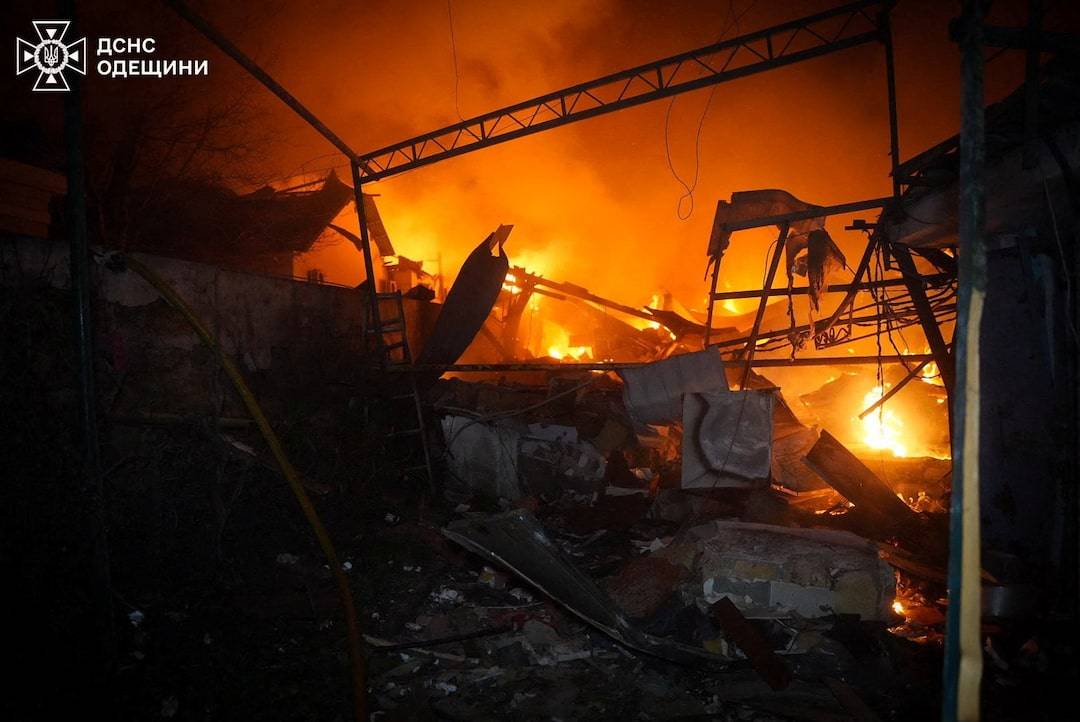
          Russia pounded Ukraine with drones and a missile overnight, killing two people in the Kyiv region, while the southern city of Odesa came under attack for the second night in a row, officials said on Wednesday.

          A man and a woman were killed in the Kyiv region, and four more including two children sought medical attention, Governor Mykola Kalashnyk said on the Telegram messaging app.

          Ukraine's air force said Russia launched an Iskander-M ballistic missile and 146 drones overnight - 103 of them neutralised by air defences.

          In Ukraine's capital Kyiv, a 17-storey residential building was hit, causing minor damage to the roof and damaging windows on the upper floors, the emergency services said.

          In Odesa, which announced a day of mourning after a drone strike killed three people overnight on Tuesday, three people were hurt, the head of the city's military administration, Serhiy Lysak, said.

          Port infrastructure in the surrounding region, which houses Ukraine's Black Sea ports, was also damaged, the regional governor said.

          In the central Ukrainian city of Kryvyi Rih, two people were injured in an overnight missile attack, military administration head Oleksandr Vilkul said.

          The attack also "significantly" damaged an infrastructure facility, and close to 700 buildings were without heating, he added.

          At dawn, Russia also attacked the southeastern city of Zaporizhzhia, Governor Ivan Fedorov reported on Telegram.

          Four people were hurt in the attack, which also damaged at least 12 residential buildings, partially knocking out electricity to some of them, he said.

          The city, which lies close to the frontline, has been bombed regularly by Russia since its 2022 invasion of Ukraine.

          Source: Reuters

          To stay updated on all economic events of today, please check out our Economic calendar
          Risk Warnings and Disclaimers
          You understand and acknowledge that there is a high degree of risk involved in trading. Following any strategies or investment methods may lead to potential losses. The content on the site is provided by our contributors and analysts for information purposes only. You are solely responsible for determining whether any trading assets, securities, strategy, or any other product is suitable for investing based on your own investment objectives and financial situation.
          Add to Favorites
          Share

          First-class Goods In Second-tier Cities As Luxury Goes Local In China

          Justin

          Stocks

          Economic

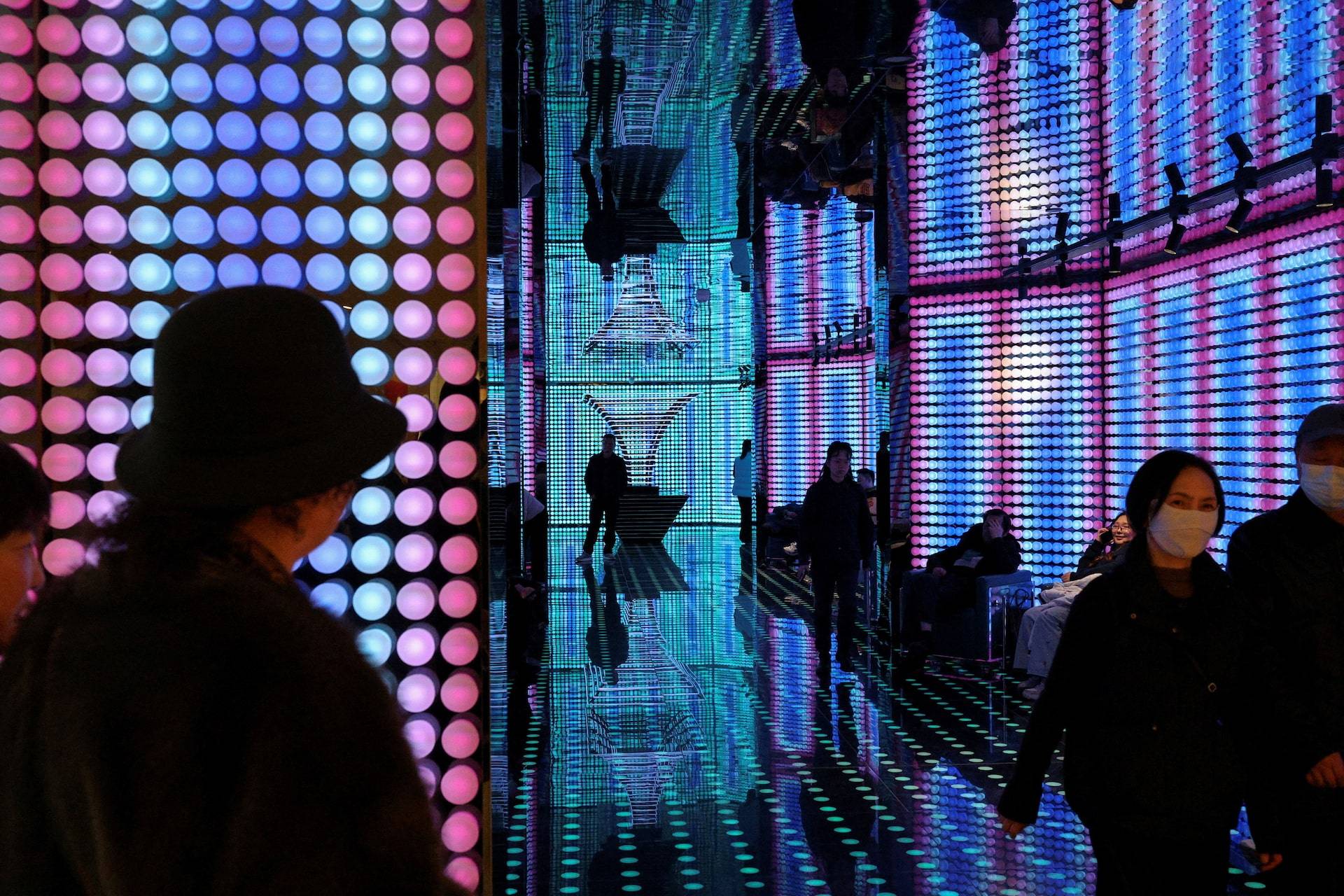
          People walk in Deji Plaza shopping mall in Nanjing, Jiangsu Province, China, December 12, 2025. REUTERS/Go Nakamura/File Photo

          · Luxury spending in second-tier cities exceeding first-tier
          · Middle-class looks to spend on luxury, save on living costs
          · Gen Z shoppers increasingly powerful force in luxury sector

          China's so-called second-tier cities are fast becoming the first stop for luxury goods vendors as middle-class consumers seek high living standards in lower-cost locales, taking with them their penchant for pricey parkers and expensive extras.

          With luxury spending in places like Nanjing, Changsha and two dozen other middling cities exceeding that of a handful of economic powerhouses such as Beijing and Shanghai, bling brands like Burberry (BRBY.L) and Louis Vuitton owner LVMH (LVMH.PA) are following the money and booking sales that point to a recovery in China's battered luxury sector.

          "The fact that you have all these second-tier cities now in the top 10 (luxury sales) ranking - it's crazy if you think about it," said Zino Helmlinger, head of China retail at CBRE.

          China accounts for roughly a quarter of luxury spending but sales have been sluggish since the end of a post-pandemic boom while weak economic growth and fallout from a property sector crisis continue to trickle down to the shopper on the street.

          However, Burberry last week said China's Generation Z helped revenue beat analyst expectations while LVMH on Tuesday flagged a recovery in China with forecast-beating fourth-quarter sales.

          Notably, in August, when Louis Vuitton launched beauty line "La Beauté Louis Vuitton" in China, it made its eye shadow, lip balm and 1,200 yuan ($172) lipstick first available not in a first-tier city but at Nanjing Deji Plaza.

          Months earlier, data showed Nanjing Deji Plaza had, for the first time, leapfrogged long-time luxury mall leader Beijing SKP to become China's top-performing high-end shopping centre.

          The mall, in the Jiangsu provincial capital of 9.5 million people, booked sales of more than 24.5 billion yuan in 2024 compared to Beijing SKP's 22.2 billion yuan, state media said. Moreover, it likely stayed at the top in 2025, analysts said.

          The mall has an art museum, modern food hall and 500 square metre (5,382 square feet) restrooms with themes such as calligraphy, classical music and cyberpunk.

          So elaborate are the restrooms that they have gone viral on social media, and brands including Self-Portrait and Estee Lauder's (EL.N) MAC Cosmetics have had pop-up shops in them.

          "There are many delicious types of food and the selection of shops is excellent," 24-year-old Zhou Shiyong said of Nanjing Deji Plaza. "Only Deji has this kind of assortment; other shopping malls don't have it, which is why we come to Deji."

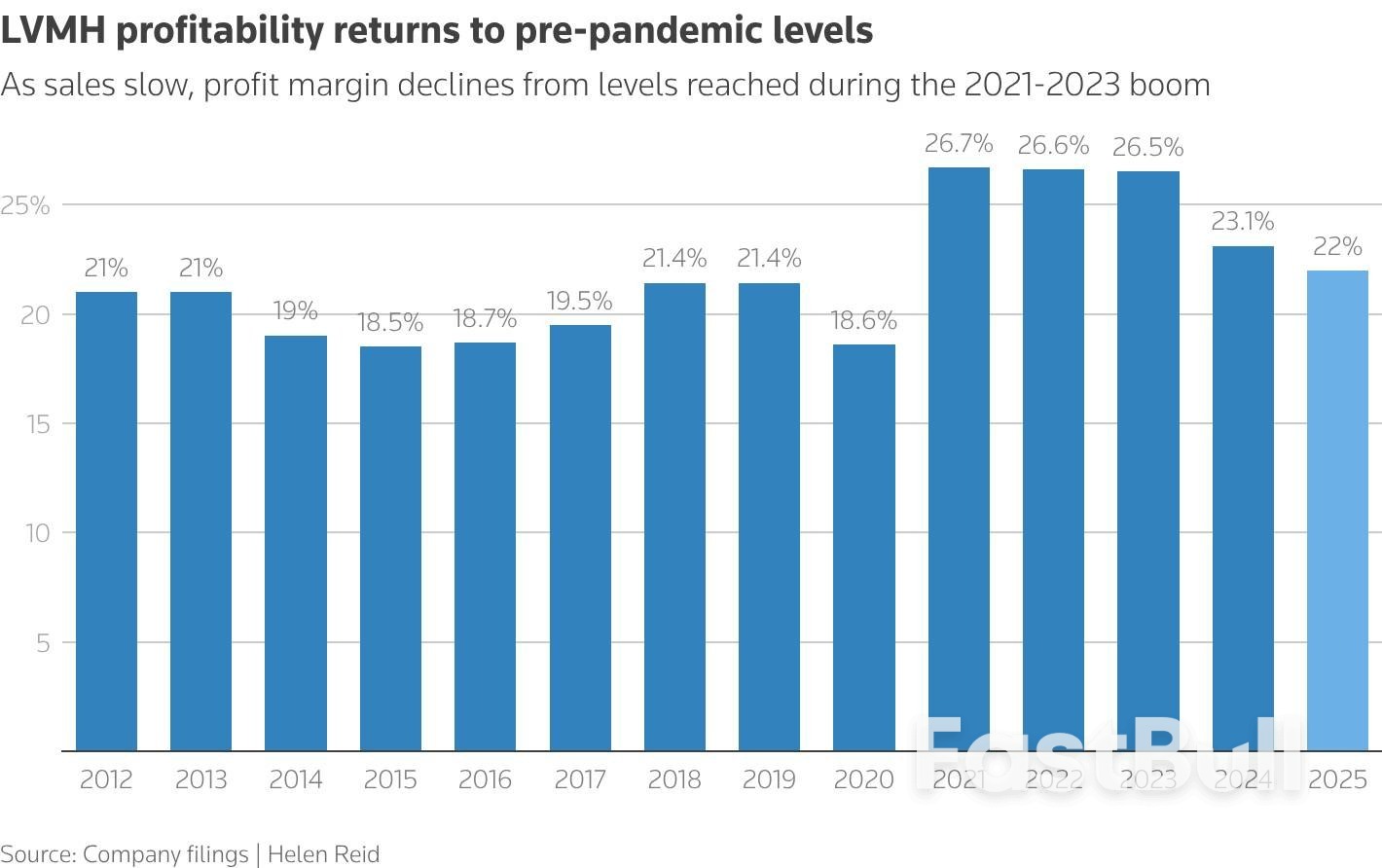
          Chart showing LVMH operating profit margin annually from 2012 to the estimate for 2025

          DEJI 'DOMINATES COMMERCIAL EFFICIENCY'

          Second-tier cities such as Nanjing are becoming increasingly important to luxury brands as a growing contingent of middle-class people shun more economically developed first-tier cities such as Beijing and Shanghai to benefit from lower living costs.

          Latest research from insights firm MDRi showed luxury shoppers in second-tier cities spent an average of 253,800 yuan in 2024, up 22% from the previous year and surpassing first-tier consumers, whose spending fell 4% to 250,200 yuan.

          Top brands are chasing these consumers as they move further afield from previous growth markets and, in the case of Burberry, trying out new methods of marketing such as setting up a branded ice rink and a pop-up shop on a ski slope.

          "Recent earnings suggest a modest recovery, and part of that is due to more active investment - flagship experiences in first-tier cities, and more targeted, performance-led strategies in the top malls in lower-tier cities," said James Macdonald, head of Savills research for China.

          Deji, owned by real estate conglomerate Deji Group, is the Nanjing region's only mall to house every major luxury brand. It also offers more accessible labels aimed at Gen Z shoppers - an increasingly powerful force in the luxury sector as brands seek to tap shifting tastes among fickle younger consumers.

          "Deji has the highest luxury sales density in China. They have an ultra-strong VIP ecosystem, deep brand partnerships, frequent store upgrades and they basically dominate commercial efficiency," said CBRE's Helmlinger.

          "Brands would rather wait for a location there than go to another project just a few kilometres away."

          MALLS IN SECOND-TIER CITIES CLIMB LUXURY RANKS

          Malls in other second-tier cities - such as Changsha IFS, Wuhan Wushang and Hangzhou In77 - are also rising in luxury sales ranking, Helmlinger said.

          Their ascendancy is partly economic. McKinsey research released last year showed that, in China, consumers in the biggest cities were most likely to cut discretionary spending.

          Consumer confidence was stronger among young and middle-income shoppers in second-tier cities, where living costs are lower and local job security firmer, the research showed.

          Many second-tier cities have also seen their middle-class population boosted by a net inflow of people from top-tier centres, Savills' Macdonald said.

          Demographic and economic shifts aside, Helmlinger said top malls in second-tier cities have significantly improved their offerings, giving nearby consumers access to brands without having to travel to Shanghai or Beijing.

          "It really shows China is going through a wide change in consumer behaviour, and in where money is localised and spent," said Helmlinger. "In the coming few years we're going to see many more second-tier cities rising, because that's where the money is."

          ($1 = 6.9554 Chinese yuan renminbi)

          Source: Reuters

          To stay updated on all economic events of today, please check out our Economic calendar
          Risk Warnings and Disclaimers
          You understand and acknowledge that there is a high degree of risk involved in trading. Following any strategies or investment methods may lead to potential losses. The content on the site is provided by our contributors and analysts for information purposes only. You are solely responsible for determining whether any trading assets, securities, strategy, or any other product is suitable for investing based on your own investment objectives and financial situation.
          Add to Favorites
          Share
          FastBull
          Copyright © 2026 FastBull Ltd

          728 RM B 7/F GEE LOK IND BLDG NO 34 HUNG TO RD KWUN TONG KLN HONG KONG

          TelegramInstagramTwitterfacebooklinkedin
          App Store Google Play Google Play
          Products
          Charts

          Chats

          Q&A with Experts
          Screeners
          Economic Calendar
          Data
          Tools
          Membership
          Features
          Function
          Markets
          Copy Trading
          Latest Signals
          Contests
          News
          Analysis
          24/7
          Columns
          Education
          Company
          Careers
          About Us
          Contact Us
          Advertising
          Help Center
          Feedback
          User Agreement
          Privacy Policy
          Personal Information Protection Statement
          Business

          White Label

          Data API

          Web Plug-ins

          Poster Maker

          Affiliate Program

          Risk Disclosure

          The risk of loss in trading financial instruments such as stocks, FX, commodities, futures, bonds, ETFs and crypto can be substantial. You may sustain a total loss of the funds that you deposit with your broker. Therefore, you should carefully consider whether such trading is suitable for you in light of your circumstances and financial resources.

          No decision to invest should be made without thoroughly conducting due diligence by yourself or consulting with your financial advisors. Our web content might not suit you since we don't know your financial conditions and investment needs. Our financial information might have latency or contain inaccuracy, so you should be fully responsible for any of your trading and investment decisions. The company will not be responsible for your capital loss.

          Without getting permission from the website, you are not allowed to copy the website's graphics, texts, or trademarks. Intellectual property rights in the content or data incorporated into this website belong to its providers and exchange merchants.

          Not Logged In

          Log in to access more features

          Connect Broker
          Become a signal provider
          Help Center
          Customer Service
          Dark Mode
          Price Up/Down Colors

          Log In

          Sign Up

          Position
          Layout
          Fullscreen
          Default to Chart
          The chart page opens by default when you visit fastbull.com