


- GBPUSD
- XAUUSD
- XAGUSD
- WTI
- USDX


 Dulunya mengandalkan profile saja saya tidak tahu arah sebenarnya kemana, Begitu seseorang mengajarkanku tentang Real Positioning uang besar sebenarnya yaitu "Gamma" saya merasa sangat terbantu tanpa harus pusing mencari kemana mereka bergerak.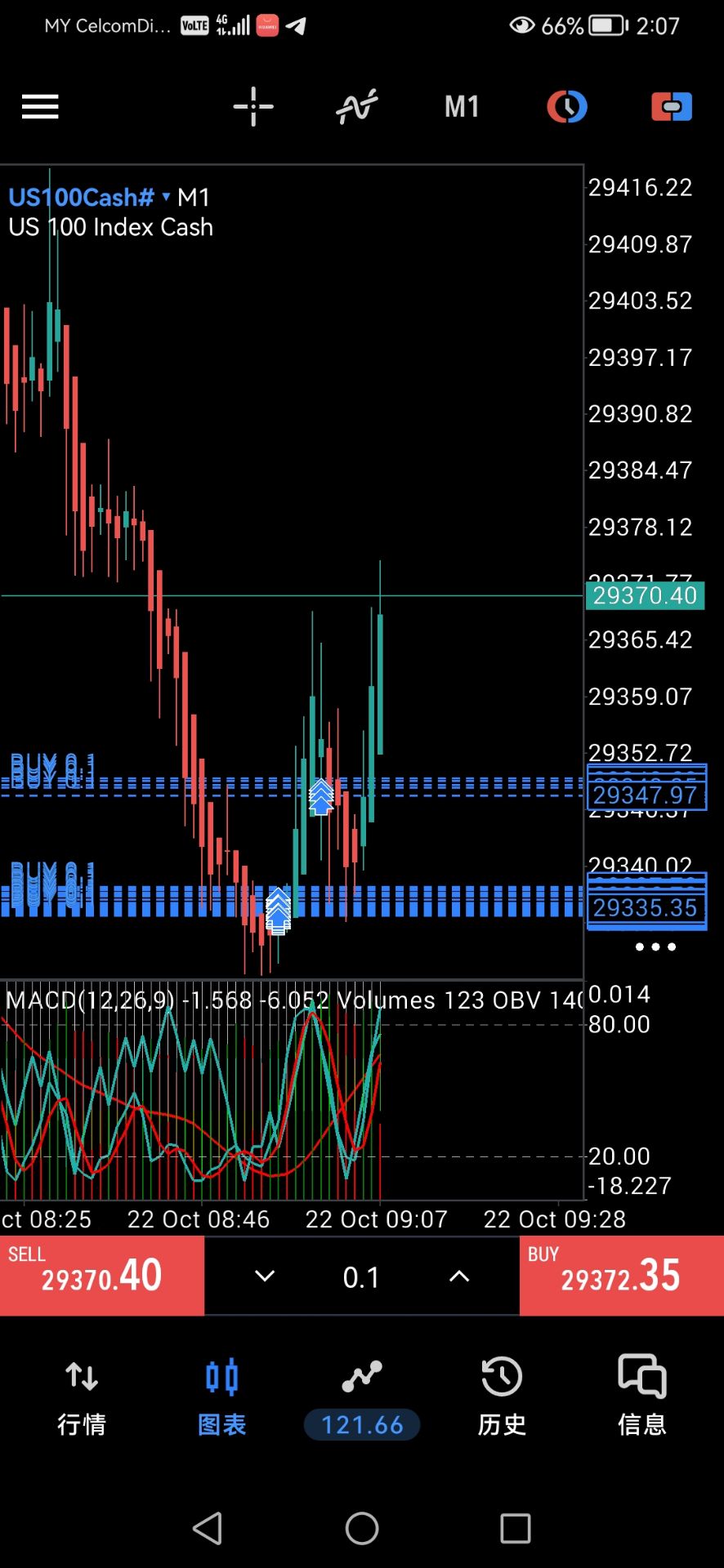

Markets
Analysis
User
24/7
Economic Calendar
Education
Data
- Names
- Latest
- Prev









Washington's mixed signals on Myanmar suggest a troubling shift toward re-engaging the brutal military junta.
Myanmar's military regime is staging fraudulent, tightly controlled elections across the country, even as its airstrikes continue to terrorize the population. The largest opposition party, the National League for Democracy (NLD), has been banned from participating. Yet, troubling signs suggest that some world governments, including the United States, may be preparing to re-engage with the junta.
This is a critical moment. For the Trump administration to overhaul its Myanmar policy now would be a strategic error, rewarding a military that controls less than half the nation's territory and granting it the political legitimacy it desperately craves.
Since the military coup in 2021 that ousted the democratically elected government of Aung San Suu Kyi, U.S. policy has centered on diplomatic isolation and targeted economic sanctions, often coordinated with allies like the UK, EU, and Canada. Now, that approach appears to be under review.
The first major signal of a shift came last November when U.S. Secretary of Homeland Security Kristi Noem announced the termination of Temporary Protected Status (TPS) for thousands of Burmese refugees in the U.S. Her justification was starkly disconnected from reality.
Noem declared that the "situation in Burma has improved enough that it is safe for Burmese citizens to return home," citing supposed progress in governance, stability, and national reconciliation. Human rights advocates found their requests for meetings with DHS officials turned down, with the department stating that current policy was "under review." In response, the Asian American Legal Defense and Education Fund (AALDEF) and the International Refugee Assistance Project (IRAP) have filed a lawsuit challenging the TPS revocation.
Further fueling concerns, the U.S. recently remained silent on International Human Rights Day, failing to join allies like Canada, Norway, and the United Kingdom in a joint statement calling for an end to violence against civilians in Myanmar. The administration has also refrained from commenting on the junta's multi-phase election process, citing a policy directive from Secretary of State Marco Rubio to avoid criticizing foreign elections, with notable exceptions for Latin America and Europe.
The administration's actions have left Myanmar observers questioning whether these are isolated decisions or part of a coherent strategy to court the country's generals.
Last summer, proposals were reportedly floated for U.S. investment in Myanmar’s rare-earth mining sector. While these plans went nowhere—China dominates the industry, sourcing 57% of its rare-earth imports from Myanmar—they raised concerns that the administration is open to engaging the junta when an opportunity arises.
The confusion deepened in July when President Trump sent a letter to junta leader Min Aung Hlaing, addressing him as "His Excellency," to announce a 40% tariff on Myanmar's exports. This tariff is among the highest the U.S. imposes globally. Instead of protesting, Min Aung Hlaing responded with an enthusiastic letter of his own, thanking Trump and requesting sanctions relief.
Just two weeks later, the U.S. Treasury Department quietly lifted sanctions on several businesses and individuals close to the military regime. While analysts familiar with the move described it as "technical, not political," the junta immediately celebrated it as a major diplomatic victory, using it in propaganda to portray the democratic resistance as a losing cause.
In one area, the U.S. has acted decisively. In late 2025, the Justice Department created a new Scam Center Strike Force, and Congress passed legislation to dismantle the massive cyberscam industry flourishing in Myanmar and its border regions. These scam centers cost Americans over $10 billion in 2024 alone, demonstrating that Washington can act forcefully when it perceives a direct threat.
However, the Myanmar military is not a reliable partner in this fight. Despite staging symbolic crackdowns on notorious sites like KK Park, the junta cannot be trusted as long as its own corrupt officers and high-level officials benefit from the illicit industry.
The Trump administration's National Security Strategy explicitly states its willingness to work with authoritarian countries if it serves U.S. interests. But in Myanmar, there is no clear upside.
• Economic Interests: It is virtually impossible for Washington to break Beijing's dominance over Myanmar's rare-earth supply chain.
• Shared Goals: The U.S. has no conceivable shared interests with the Tatmadaw, as Myanmar's military is known.
While neighboring countries like China, India, and Thailand maintain working relations with the junta for their own strategic reasons—from border stability and infrastructure security to counter-insurgency operations—their logic does not apply to the United States.
Arguments that Washington is losing influence to Beijing and must therefore engage the junta are short-sighted. A better strategy would be to support Myanmar's democratic resistance. When military rule eventually collapses, the U.S. will have retained the goodwill of the people, who remain deeply distrustful of China.
A peaceful, democratic Myanmar is a far more sustainable partner for the U.S. than a corrupt and unstable military regime. Instead of pivoting toward the generals in Naypyidaw, Washington should focus on the long game.
This means increasing support for Myanmar’s opposition and civil society leaders, who are the architects of the country's future democracy. It also requires expanding coordination with like-minded allies such as Australia, Canada, the EU, and the UK, who share U.S. concerns about regional and global security.
The junta's sham election will not solve Myanmar’s deep political divisions; it will only exacerbate them. Washington should ignore the political theater and instead lay the groundwork for a future where a democratic Myanmar can become a meaningful American partner in the Indo-Pacific.

728 RM B 7/F GEE LOK IND BLDG NO 34 HUNG TO RD KWUN TONG KLN HONG KONG





The risk of loss in trading financial instruments such as stocks, FX, commodities, futures, bonds, ETFs and crypto can be substantial. You may sustain a total loss of the funds that you deposit with your broker. Therefore, you should carefully consider whether such trading is suitable for you in light of your circumstances and financial resources.
No decision to invest should be made without thoroughly conducting due diligence by yourself or consulting with your financial advisors. Our web content might not suit you since we don't know your financial conditions and investment needs. Our financial information might have latency or contain inaccuracy, so you should be fully responsible for any of your trading and investment decisions. The company will not be responsible for your capital loss.
Without getting permission from the website, you are not allowed to copy the website's graphics, texts, or trademarks. Intellectual property rights in the content or data incorporated into this website belong to its providers and exchange merchants.
Not Logged In
Log in to access more features


Log In
Sign Up


