• Trade
  • Markets
  • Copy
  • Contests
  • News
  • 24/7
  • Calendar
  • Q&A
  • Chats
Trending
Screeners
SYMBOL
LAST
BID
ASK
HIGH
LOW
NET CHG.
%CHG.
SPREAD
SPX
S&P 500 Index
6827.42
6827.42
6827.42
6899.86
6801.80
-73.58
-1.07%
--
DJI
Dow Jones Industrial Average
48458.04
48458.04
48458.04
48886.86
48334.10
-245.98
-0.51%
--
IXIC
NASDAQ Composite Index
23195.16
23195.16
23195.16
23554.89
23094.51
-398.69
-1.69%
--
USDX
US Dollar Index
97.950
98.030
97.950
98.500
97.950
-0.370
-0.38%
--
EURUSD
Euro / US Dollar
1.17394
1.17409
1.17394
1.17496
1.17192
+0.00011
+ 0.01%
--
GBPUSD
Pound Sterling / US Dollar
1.33707
1.33732
1.33707
1.33997
1.33419
-0.00148
-0.11%
--
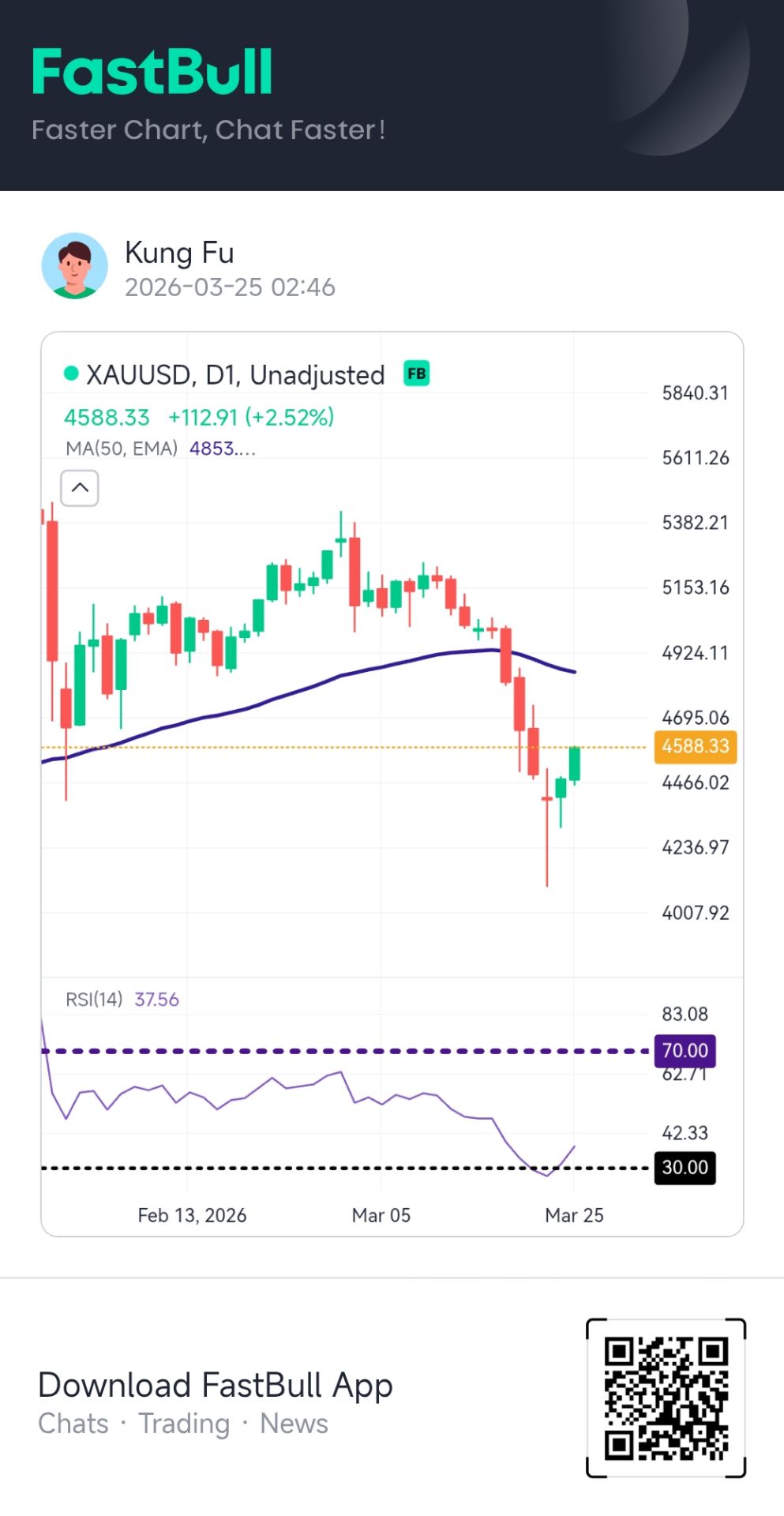
XAUUSD
Gold / US Dollar
4299.39
4299.39
4299.39
4353.41
4257.10
+20.10
+ 0.47%
--
WTI
Light Sweet Crude Oil
57.233
57.485
57.233
58.011
56.969
-0.408
-0.71%
--

Community Accounts

Signal Accounts
--
Profit Accounts
--
Loss Accounts
--
View More

Become a signal provider

Sell trading signals to earn additional income

View More

Guide to Copy Trading

Get started with ease and confidence

View More

Signal Accounts for Members

All Signal Accounts

Best Return
  • Best Return
  • Best P/L
  • Best MDD
Past 1W
  • Past 1W
  • Past 1M
  • Past 1Y

All Contests

  • All
  • Trump Updates
  • Recommend
  • Stocks
  • Cryptocurrencies
  • Central Banks
  • Featured News
Top News Only
Share

Trump Isn't Certain His Economic Policies Will Translate To Midterm Wins

Share

The United States And Mexico Have Reached An Agreement On How To Resolve The Water Dispute In The Rio Grande Basin (which Borders Texas). Starting December 15, Mexico Will Supply The U.S. With An Additional 20.2 Acre-feet (a Unit Of Volume For Irrigation). The Agreement Seeks To “strengthen Water Management In The Rio Grande Basin” Within The Framework Of The 1944 Water Treaty

Share

U.S. Transportation Secretary Duffy: The Engine Of United Airlines Flight 803 That Malfunctioned Caught Fire

Share

Ukraine President Zelenskiy: He Will Meet US, European Representatives About Peace

Share

UK Prime Minister Office: Prime Minister Starmer Spoke To The President Of The European Commission Ursula Von Der Leyen This Evening - Downing Street Spokesperson

Share

Trump: We Will Retaliate Against ISIS

Share

Trump Says We Mourn The Loss Of Three Great Patriots In Syria In An Ambush

Share

Syrian Interior Ministry Spokesperson Confirms Attacker Was Member Of Security Forces With Extremist Ideology

Share

Syrian Interior Ministry Says Attacker Did Not Have Leadership Role In Security Forces, Did Not Say If He Was Junior Member

Share

Man Who Attacked Syrian, US Military Was Member Of Syrian Security Forces -Three Local Syrian Officials

Share

US Envoy Coale Says Belarus President Lukashenko Agreed To Do All He Can To Stop Weather Balloons Flying Into Lithuania

Share

Ukraine Says Russian Drone Attack Hit Civilian Turkish Vessel

Share

Islamic State Attacker In Syria Was Lone Gunman, Who Was Killed -USA Central Command

Share

US Envoy John Coale Says Around 1000 Remaining Political Prisoners In Belarus Could Be Released In Coming Months

Share

US Defense Secretary Hegseth: Attacker Was Killed By Partner Forces

Share

Pentagon Says Two USA Army Soldiers And One Civilian USA Interpreter Were Killed, And Three Were Wounded In Syria

Share

Israel Says It Kills Senior Hamas Commander Raed Saed In Gaza

Share

Ukraine's Navy Says Russian Drone Attack Hit Civilian Turkish Vessel Carrying Sunflower Oil To Egypt On Saturday

Share

Israeli Military Says It Put Planned Strike On South Lebanon Site On Hold After Lebanese Army Requested Access

Share

Norwegian Nobel Committee: Calls On The Belarusian Authorities To Release All Political Prisoners

TIME
ACT
FCST
PREV
U.K. Trade Balance (Oct)

A:--

F: --

P: --

U.K. Services Index MoM

A:--

F: --

P: --

U.K. Construction Output MoM (SA) (Oct)

A:--

F: --

P: --

U.K. Industrial Output YoY (Oct)

A:--

F: --

P: --

U.K. Trade Balance (SA) (Oct)

A:--

F: --

P: --

U.K. Trade Balance EU (SA) (Oct)

A:--

F: --

P: --

U.K. Manufacturing Output YoY (Oct)

A:--

F: --

P: --

U.K. GDP MoM (Oct)

A:--

F: --

P: --

U.K. GDP YoY (SA) (Oct)

A:--

F: --

P: --

U.K. Industrial Output MoM (Oct)

A:--

F: --

P: --

U.K. Construction Output YoY (Oct)

A:--

F: --

P: --

France HICP Final MoM (Nov)

A:--

F: --

P: --

China, Mainland Outstanding Loans Growth YoY (Nov)

A:--

F: --

P: --

China, Mainland M2 Money Supply YoY (Nov)

A:--

F: --

P: --

China, Mainland M0 Money Supply YoY (Nov)

A:--

F: --

P: --

China, Mainland M1 Money Supply YoY (Nov)

A:--

F: --

P: --

India CPI YoY (Nov)

A:--

F: --

P: --

India Deposit Gowth YoY

A:--

F: --

P: --

Brazil Services Growth YoY (Oct)

A:--

F: --

P: --

Mexico Industrial Output YoY (Oct)

A:--

F: --

P: --

Russia Trade Balance (Oct)

A:--

F: --

P: --

Philadelphia Fed President Henry Paulson delivers a speech
Canada Building Permits MoM (SA) (Oct)

A:--

F: --

P: --

Canada Wholesale Sales YoY (Oct)

A:--

F: --

P: --

Canada Wholesale Inventory MoM (Oct)

A:--

F: --

P: --

Canada Wholesale Inventory YoY (Oct)

A:--

F: --

P: --

Canada Wholesale Sales MoM (SA) (Oct)

A:--

F: --

P: --

Germany Current Account (Not SA) (Oct)

A:--

F: --

P: --

U.S. Weekly Total Rig Count

A:--

F: --

P: --

U.S. Weekly Total Oil Rig Count

A:--

F: --

P: --

Japan Tankan Large Non-Manufacturing Diffusion Index (Q4)

--

F: --

P: --

Japan Tankan Small Manufacturing Outlook Index (Q4)

--

F: --

P: --

Japan Tankan Large Non-Manufacturing Outlook Index (Q4)

--

F: --

P: --

Japan Tankan Large Manufacturing Outlook Index (Q4)

--

F: --

P: --

Japan Tankan Small Manufacturing Diffusion Index (Q4)

--

F: --

P: --

Japan Tankan Large Manufacturing Diffusion Index (Q4)

--

F: --

P: --

Japan Tankan Large-Enterprise Capital Expenditure YoY (Q4)

--

F: --

P: --

U.K. Rightmove House Price Index YoY (Dec)

--

F: --

P: --

China, Mainland Industrial Output YoY (YTD) (Nov)

--

F: --

P: --

China, Mainland Urban Area Unemployment Rate (Nov)

--

F: --

P: --

Saudi Arabia CPI YoY (Nov)

--

F: --

P: --

Euro Zone Industrial Output YoY (Oct)

--

F: --

P: --

Euro Zone Industrial Output MoM (Oct)

--

F: --

P: --

Canada Existing Home Sales MoM (Nov)

--

F: --

P: --

Euro Zone Total Reserve Assets (Nov)

--

F: --

P: --

U.K. Inflation Rate Expectations

--

F: --

P: --

Canada National Economic Confidence Index

--

F: --

P: --

Canada New Housing Starts (Nov)

--

F: --

P: --

U.S. NY Fed Manufacturing Employment Index (Dec)

--

F: --

P: --

U.S. NY Fed Manufacturing Index (Dec)

--

F: --

P: --

Canada Core CPI YoY (Nov)

--

F: --

P: --

Canada Manufacturing Unfilled Orders MoM (Oct)

--

F: --

P: --

Canada Manufacturing New Orders MoM (Oct)

--

F: --

P: --

Canada Core CPI MoM (Nov)

--

F: --

P: --

Canada Manufacturing Inventory MoM (Oct)

--

F: --

P: --

Canada CPI YoY (Nov)

--

F: --

P: --

Canada CPI MoM (Nov)

--

F: --

P: --

Canada CPI YoY (SA) (Nov)

--

F: --

P: --

Canada Core CPI MoM (SA) (Nov)

--

F: --

P: --

Canada CPI MoM (SA) (Nov)

--

F: --

P: --

Q&A with Experts
    • All
    • Chatrooms
    • Groups
    • Friends
    Connecting
    .
    .
    .
    Type here...
    Add Symbol or Code

      No matching data

      All
      Trump Updates
      Recommend
      Stocks
      Cryptocurrencies
      Central Banks
      Featured News
      • All
      • Russia-Ukraine Conflict
      • Middle East Flashpoint
      • All
      • Russia-Ukraine Conflict
      • Middle East Flashpoint
      Search
      Products

      Charts Free Forever

      Chats Q&A with Experts
      Screeners Economic Calendar Data Tools
      Membership Features
      Data Warehouse Market Trends Institutional Data Policy Rates Macro

      Market Trends

      Market Sentiment Order Book Forex Correlations

      Top Indicators

      Charts Free Forever
      Markets

      News

      News Analysis 24/7 Columns Education
      From Institutions From Analysts
      Topics Columnists

      Latest Views

      Latest Views

      Trending Topics

      Top Columnists

      Latest Update

      Signals

      Copy Rankings Latest Signals Become a signal provider AI Rating
      Contests
      Brokers

      Overview Brokers Assessment Rankings Regulators News Claims
      Broker listing Forex Brokers Comparison Tool Live Spread Comparison Scam
      Q&A Complaint Scam Alert Videos Tips to Detect Scam
      More

      Business
      Events
      Careers About Us Advertising Help Center

      White Label

      Data API

      Web Plug-ins

      Affiliate Program

      Awards Institution Evaluation IB Seminar Salon Event Exhibition
      Vietnam Thailand Singapore Dubai
      Fans Party Investment Sharing Session
      FastBull Summit BrokersView Expo
      Recent Searches
        Top Searches
          Markets
          News
          Analysis
          User
          24/7
          Economic Calendar
          Education
          Data
          • Names
          • Latest
          • Prev

          View All

          No data

          Scan to Download

          Faster Charts, Chat Faster!

          Download App
          English
          • English
          • Español
          • العربية
          • Bahasa Indonesia
          • Bahasa Melayu
          • Tiếng Việt
          • ภาษาไทย
          • Français
          • Italiano
          • Türkçe
          • Русский язык
          • 简中
          • 繁中
          Open Account
          Search
          Products
          Charts Free Forever
          Markets
          News
          Signals

          Copy Rankings Latest Signals Become a signal provider AI Rating
          Contests
          Brokers

          Overview Brokers Assessment Rankings Regulators News Claims
          Broker listing Forex Brokers Comparison Tool Live Spread Comparison Scam
          Q&A Complaint Scam Alert Videos Tips to Detect Scam
          More

          Business
          Events
          Careers About Us Advertising Help Center

          White Label

          Data API

          Web Plug-ins

          Affiliate Program

          Awards Institution Evaluation IB Seminar Salon Event Exhibition
          Vietnam Thailand Singapore Dubai
          Fans Party Investment Sharing Session
          FastBull Summit BrokersView Expo

          Understanding the CPI vs. PCE Indexes: Demystifying Inflation

          Glendon

          Economic

          Summary:

          CPI and PCE are two measures of inflation. CPI focuses on urban consumer purchases, while PCE is broader and includes rural areas and employer-paid healthcare.

          MeasurementInflation is a constant companion in the economic landscape. It impacts everything from grocery bills to wages, and understanding how it's measured is crucial for informed financial decisions. In the United States, two primary inflation metrics take center stage: the Consumer Price Index (CPI) and the Personal Consumption Expenditures Price Index (PCE). While both measure inflation, they have distinct characteristics and can yield slightly different results.
          This article delves into the intricacies of the CPI and PCE indexes, exploring their methodologies, limitations, and implications for understanding inflation.

          Decoding the CPI: A Household-Centric Lens

          The Consumer Price Index (CPI) is a widely recognized inflation gauge. It reflects the change in the average price of a basket of goods and services purchased by urban consumers over time. The Bureau of Labor Statistics (BLS) meticulously calculates the CPI by:
          Identifying a basket of goods and services: This basket represents the typical purchases of urban households, encompassing essentials like food and housing, as well as discretionary items like entertainment. The weights assigned to each category reflect their relative importance in household spending.
          Tracking price changes: The BLS monitors the prices of these goods and services across a vast network of retail outlets throughout the country.
          Calculating the average price change: By comparing current prices to a baseline period (usually the previous year), the BLS calculates the overall change in the basket's price.
          The CPI serves as a benchmark for various economic adjustments, including wage negotiations, cost-of-living adjustments (COLA) for Social Security recipients, and even tax brackets.

          Limitations of the CPI

          Urban Focus: The CPI only considers urban consumer spending, neglecting the price changes experienced by rural populations.
          Substitution Effect: The CPI doesn't fully account for consumer substitution behavior. If the price of one item rises, consumers might switch to a cheaper alternative. The CPI might overestimate inflation if this substitution effect isn't adequately captured.
          Fixed Basket: The basket of goods and services is updated periodically, but there might be a lag in reflecting changing consumer preferences.
          Unveiling the PCE: A Broader PerspectiveThe Personal Consumption Expenditures Price Index (PCE) offers a complementary perspective on inflation. It measures the change in the prices of goods and services consumed by all households in the U.S., including both urban and rural residents.
          Additionally, the PCE considers:
          Consumption funded by others: Unlike the CPI, the PCE incorporates the cost of goods and services purchased on behalf of consumers, such as employer-provided health insurance and government programs like Medicare.Durable goods: The PCE treatment of durable goods (items lasting more than three years) differs slightly from the CPI. The CPI reflects the full purchase price of a durable good, while the PCE considers the "consumption value" used over time.

          The Federal Reserve's Preference

          The Federal Reserve, the central bank of the U.S., closely monitors both CPI and PCE but often places greater emphasis on the PCE for its monetary policy decisions. The PCE is viewed as a more comprehensive measure of inflation, encompassing a broader range of consumer spending and potentially capturing substitution effects more effectively.
          Understanding the Discrepancies: CPI vs. PCEWhile both indexes measure inflation, they can sometimes yield slightly different results. Here's a breakdown of the potential discrepancies:
          Scope: The broader scope of the PCE, including rural spending and healthcare expenditures paid by others, can lead to a slightly lower inflation reading compared to the CPI, which focuses solely on urban out-of-pocket spending.
          Basket Update Schedule: The CPI updates its basket of goods and services every two years, while the PCE updates it quarterly. This difference can affect how quickly each index reflects changes in consumer preferences.
          The Takeaway: A Multifaceted View of InflationUnderstanding the nuances of both the CPI and PCE indexes empowers individuals to gain a more comprehensive understanding of inflation. While the CPI provides a widely recognized benchmark, the PCE offers a broader and potentially more accurate picture of inflationary trends. By considering both metrics, you can make informed decisions about your finances and navigate the economic landscape with greater confidence.
          To stay updated on all economic events of today, please check out our Economic calendar
          Risk Warnings and Disclaimers
          You understand and acknowledge that there is a high degree of risk involved in trading. Following any strategies or investment methods may lead to potential losses. The content on the site is provided by our contributors and analysts for information purposes only. You are solely responsible for determining whether any trading assets, securities, strategy, or any other product is suitable for investing based on your own investment objectives and financial situation.
          Add to Favorites
          Share

          Do Stock Markets Reflect Underlying GDP Growth?

          Thomas

          Economic

          Stocks

          During the 1997/98 Asian financial crisis, US Federal Reserve chairman Alan Greenspan famously said that Asia got into trouble because it was mainly a bank-dominated financial system that lacked a "spare tyre". In American parlance, the spare tyre is the stock market, with the US stock market being the largest and deepest in the world, accounting for 47% of global market capitalisation (according to the World Federation of Exchanges).
          American companies rely on the stock market and profits to fund their growth and less on the banking system. Which was why American companies and the US economy recovered faster after the 2008 global financial crisis than the bank-dominated European, Japanese and Chinese corporate sectors.
          Here are some interesting facts. The Chinese economy grew three times faster in gross domestic product (GDP) terms (averaging 6% a year) than the American economy between 2012 and 2023 (averaging 2% a year), but its stock markets — the Shenzhen and Shanghai stock exchanges — grew 3.5% and 2.7% a year, with market cap growing 34% to 47%, respectively, over this period. The Nasdaq’s market cap grew 4.6 times, with the index growing 17% a year on average over this period.
          By comparison, Hong Kong’s Hang Seng Index declined 1.2% on average over this period and the FTSE100 London also lagged at 2.7% growth a year. Japan has lagged in GDP growth, but the Nikkei 225 averaged 13.2% per annum over the last decade or so.
          In essence, the US stock market added US$10 trillion to investor wealth in 2023, even though real estate prices, especially commercial real estate valuation, was flat. According to the latest Fed Flow of Funds accounts for end-2023, the foreign sector added US$2.7 trillion to their holdings of US equities at market value last year, which means that foreigners added in terms of new flows as well as share price gains.
          The question we must ask therefore is whether growth is ultimately driven by the state (government), corporate, finance or household sectors? In the US, the state is a net absorber of resources, since the federal government’s net savings for 2023 was negative US$1.9 trillion, meaning it was a net dis-saver and borrower from the rest of the economy, including foreigners. The household sector is a net saver and also consumer that drives domestic growth.
          The latest (December 2023) Flow of Funds data showed that the US corporate sector, plus Wall Street, is truly acting as the hedge fund of the world — it borrows through the US government’s large issuance of sovereign debt that commands a cost of roughly 3% to 4% per year for 10-year bonds. The returns on investments abroad by the corporate sector and households would be at least double to triple that. The US earned a net income from the rest of the world of around US$160 billion to US$180 billion per year between 2021 and 2023.
          Unlike bank-dominated systems, US corporations run on a low debt-to-equity ratio of between 19% and 27%. Bank-dominated corporates in Asia typically run debt-to-equity ratios of 50% or above. Having shifted production outside the US, American corporations are concentrating on asset-light strategies where the return on equity (ROE) is higher. Non-financial assets account for just under 40% of total assets, of which intellectual property rights have risen by US$521 billion between 2021 and 2023 to US$3.55 trillion, or 7.2% of total corporate assets at end-2023. In other words, US corporations focus on research and development in software, rather than just production of hardware.
          The bottom line is that if US corporations continue to drive profits and the monetisation of their technology (especially artificial intelligence, or AI) whereas the rest of the world stays in the old economy (agriculture, manufacturing), the rest of the world will still be investing in the US stock market, and pay annual software charges to the Magnificent Seven, which will concentrate on top AI software, chips, data centres and smart equipment. Sounds like a Microsoft model of new tech development?
          As military historian Yuval Noah Harari says, the ultimate aim of AI is the mental colonisation of the users. If the rest of the world believes and is willing to pay for American ideas and concepts, the American business model will be the top dog for years to come.
          What are the implications for economies like Malaysia?
          Bursa Malaysia’s Composite Index was 1,530.73 at end-2011, not much different from the current level of 1,550. During this period, the Malaysian economy grew twice as fast as the US economy (4% to 5% versus 2% per annum) and yet our stock market has been flat. As explained above, the US stock market is purely private led, whereas the Malaysian stock exchange is dominated by government-linked companies. These account for 36% and 54% of Bursa Malaysia’s market cap and the Kuala Lumpur Composite Index respectively.
          Therefore, we need to ask — is the current corporate strategy for the country as a whole sustainable? If Malaysian listed corporations continue to lag in profitability (ROE) and with the ringgit depreciating against the US dollar, is the economy dragged down by the performance of the corporate sector, and why? After all, a depreciating ringgit actually gives Malaysian corporate exporters higher revenues in ringgit terms.
          The answer is clearly very complex, but using the US model as a benchmark, we need to rethink whether we should concentrate on knowledge-based growth, rather than commodity (oil and gas, and palm oil) earnings. Technology is well accepted as the way forward, especially how we can use AI to improve total factor productivity (TFP).
          Will the state or the corporate sector lead this AI/TFP revolution or transformation? Other emerging markets are clearly thinking through these issues, with India, Singapore, South Korea and Taiwan taking the lead. In short, if the corporate sector does not take the lead in AI and ESG (environmental, social and governance) transformation, expect the stock market to underperform even GDP growth.

          Source: The Edge Malaysia

          To stay updated on all economic events of today, please check out our Economic calendar
          Risk Warnings and Disclaimers
          You understand and acknowledge that there is a high degree of risk involved in trading. Following any strategies or investment methods may lead to potential losses. The content on the site is provided by our contributors and analysts for information purposes only. You are solely responsible for determining whether any trading assets, securities, strategy, or any other product is suitable for investing based on your own investment objectives and financial situation.
          Add to Favorites
          Share

          Indonesia's Growth Momentum Hinges on Export Recovery

          ING

          Economic

          Recent growth pace has returned to pre-Covid norm

          Indonesia's economy grew by 5.05% in 2023, with growth returning to the pre-Covid norm of roughly 5% of expansion. Household consumption remained a key support for overall economic activity, delivering a healthy 4.5% year-on-year gain, while government spending also managed to contribute to the rise in economic activity. Meanwhile, capital formation was a modest surprise as it managed to expand despite elevated borrowing costs. On the other hand, net exports delivered a less potent push with global demand for the country's exports waning.
          We predict that growth will remain positive this year, slightly above average at 5.2% YoY. The recent intensification of global headwinds, however, could pare this estimate closer to the pre-Covid average of roughly 5% YoY should threats prove persistent.

          Flare up in inflation to derail growth?

          Household spending has been a major contributor to growth, and we could see a modest boost coming from election-related spending for the first quarter 2024. We've noted a brief improvement in Bank Indonesia's (BI) retail sales survey for February, which was up 3.6% YoY, coinciding with the national election and subdued core inflation.
          The recent pickup in price pressures could, however, be a potential headwind for the economy, with both headline and core inflation inching up to start 2024. BI has flagged a potential flare up for inflation due to faster food and energy inflation. Unfortunately, the reacceleration in inflation is happening at a time when the central bank lowered its official inflation target band to 1.5-3.5% (from 2-4% in 2023).Indonesia's Growth Momentum Hinges on Export Recovery_1

          Retail sales have been largely flat even ahead of inflation rebound

          Retail sales have been in expansion, but have been largely flat even during a period of subdued inflation. One exception was spending on communications, which dipped in late 2023 before recovering sharply at the start of the year possibly due to the availability of lower-priced handsets and service plans.
          In the coming months, the El Nino weather phenomenon will likely ensure food costs are elevated while the recent increase in crude oil prices could also fan price pressures. Should inflation continue to accelerate in the coming months, we may see retail sales and overall household spending weighed down by higher prices as consumers adjust to faster inflation.Indonesia's Growth Momentum Hinges on Export Recovery_2

          Export struggles have been pronounced

          Once a source of stability and growth, Indonesia's export sector has struggled due to softer global demand and lower global prices for top export commodities. Furthermore, the strong performance of the economy's export sector powered a record wide trade surplus in 2022, which provided support for the IDR with the currency displaying resilience during those periods due to the strong dollar inflows.
          More recently, exports have struggled. Almost all subsectors have contracted, with both the fuel and lubricants and animal and vegetable oils subsectors falling the most. The stark drop in the international price for both coal and palm oil, coupled with a decline in global demand, resulted in the almost eight-month decline.
          Should demand for Indonesia's commodity exports improve while global prices remain elevated, we could see a decent recovery for the export sector in 2024. Meanwhile, the recent rise in global prices for both coal and palm oil could boost export receipts further if prices remain on an uptrend. Indonesia's Growth Momentum Hinges on Export Recovery_3

          Industrial production feels heat from softer export numbers

          As mentioned previously, the fate of Indonesia's export sector has a direct link to other sectors in the economy, such as the industrial sector. Strong exports recorded between 2021 and 2022 translated to a similar rise in industrial production during the same period. Because of the struggles of the export sector last year, we've seen a similar decline in industrial production as manufacturing slowed considerably once demand for Indonesia's exports dried up.
          For 2024, we can say that any potential recovery for industrial output will be tied to a similar improvement in prospects for the country's export sector. Indonesia's Growth Momentum Hinges on Export Recovery_4

          External outlook no longer as resilient

          Indonesia's current account balance has managed to eke out months of surplus by virtue of a sustained run of trade surpluses. However, with the trade surplus now much more modest – averaging $3bn a month in 2023 and down to $867m as of February – the support it provided previously has diminished somewhat. Indonesia's current account surplus has waned from $15.3bn in the first quarter of 2023 down to a deficit of $1.6bn by the end of 2023, according to Bank Indonesia.
          With the outlook for the export sector positive but not overly optimistic, we can expect the trade surpluses and the current account in deficit, which should mean limited support for the IDR – if any at all. We therefore expect the currency to come under pressure for most of the year, with the IDR likely to lag any potential rally by regional peers. Indonesia's Growth Momentum Hinges on Export Recovery_5

          Bank Indonesia rate cuts in 2H?

          BI Governor Perry Warjiyo has remained balanced in his assessment of the current monetary policy stance. Inflation has, for the most part, remained contained. However, risks remain tilted to the upside and the lower target could force BI to remain prudent for now.
          On top of the inflation threat, the loss of support coming from the current account surplus will also likely convince BI to maintain interest rate differentials to help ensure IDR stability and offset the sharp narrowing of the trade surplus.
          We therefore believe that any BI easing may only take place in the second half of the year, with the central bank opting for a more shallow reduction of up to 50bp worth of rate cuts. The main determinant for the timing of BI cuts, however, remains tied to IDR stability. We only see the central bank easing when pressure on the IDR is minimal.

          Fiscal consolidation ahead of schedule

          Indonesia's fiscal metrics continued to improve, with the deficit-to-GDP ratio falling sharply to 1.7% last December 2023, lower than the target of 2.3% for the year. Indonesia had previously planned to bring the deficit-GDP ratio back below 3% by 2024, but robust economic performance helped restore revenue streams. Meanwhile, pressure on fiscal support to the population has receded, resulting in the improved fiscal position. Indonesia's Growth Momentum Hinges on Export Recovery_6

          Enter Prabowo, eye on fiscal sustainability

          Defence Minister Prabowo Subianto was recently proclaimed the official winner of the 2024 election, and he will have the task of proving that he was indeed a continuity candidate. One of Prabowo's campaign promises was to provide free lunch to students and teachers, fuelling concerns over the fiscal sustainability of such a programme.
          Prabowo attempted to alleviate these concerns, vowing to maintain fiscal discipline during a televised speech after his election win was apparent. Economic Minister Airlangga Hartarto indicated the incoming president would strive to maintain pre-set targets for both public debt (60% of GDP) and the budget deficit ceiling (3% of GDP). This year, the deficit to GDP ratio will likely hit 2.8% of GDP, with next year's projection expected to settle between 2.5-2.8% of GDP.
          An early test for incoming President Prabowo's governance would be his ability to fulfill his campaign promises (such as the free lunch programme) while still ensuring fiscal sustainability. Maintaining fiscal discipline will be key to safeguarding investor sentiment as improved fiscal metrics remain a key factor in supporting the positive outlook for the economy.

          Overall 2024 outlook

          The baseline growth outlook for Indonesia is positive overall, with household spending expected to remain healthy as inflation stays within target despite a projected acceleration in the first half of the year.
          Subdued inflation should be supportive of consumption, while capital formation could remain robust as bank lending sustains double digit growth as of February 2024. For the rest of the year, we will be keeping our eye on two key factors that could determine whether economic growth can hit our projected 5.2% YoY rate.
          The first is the performance of the export sector given its substantial link to other sectors in the economy, such as the industrial sector. A renewed pickup in exports should be positive for Indonesia's industrial sector while also providing added stability for the IDR.
          Secondly, we will be keeping a close watch on fiscal sustainability in particular once Prabowo begins his term. The current healthy state of the fiscal balances has been a key driver of positive sentiment towards Indonesia, and a quick deterioration could spark concerns about the fiscal sustainability of the economy.
          In terms of financial markets, we expect Bank Indonesia to extend its pause well into the year, with potential rate cuts only coming about in the second half of the year. BI will prefer to maintain interest rate differentials to compensate for the now smaller trade surpluses. This means that borrowing costs and local bond yields could stay elevated in the near term, while the IDR remains on the backfoot until the projected rebound in exports can push the trade surplus back to more substantial levels.
          To stay updated on all economic events of today, please check out our Economic calendar
          Risk Warnings and Disclaimers
          You understand and acknowledge that there is a high degree of risk involved in trading. Following any strategies or investment methods may lead to potential losses. The content on the site is provided by our contributors and analysts for information purposes only. You are solely responsible for determining whether any trading assets, securities, strategy, or any other product is suitable for investing based on your own investment objectives and financial situation.
          Add to Favorites
          Share

          China Yuan's Global FX Reserve Footprint Smallest in 3 Years

          Thomas

          Economic

          Forex

          Far from cementing itself as a world reserve currency, China's yuan has gone into reverse and its share of global foreign exchange reserves has fallen to the lowest level in three years.
          The gradual but steady decline since early 2022 reflects the international community's unease about investing in China, which was crystallized in huge foreign capital outflows from Chinese equity and bond markets last year.
          While China's economy finally seems to be emerging from its post-lockdown funk in the wake of COVID-19, there are plenty of reasons reserve managers may still need convincing to start re-loading up on the renminbi, or yuan.
          China is a global economic and financial superpower, and the yuan's role in cross-border trade and transactions is rising. But there are questions over its economic might, unease over its capital controls, and concern over its geopolitical alliances and militarism.
          The yuan's allure as a global reserve currency is fading.
          China Yuan's Global FX Reserve Footprint Smallest in 3 Years_1The International Monetary Fund's latest composition of foreign exchange reserves (Cofer) data show that of the world's $11.45 trillion in FX reserves where the currency breakdown is known, 2.29% was in renminbi at the end of last year.
          That is the lowest share since the fourth quarter of 2020, and down substantially from the 2.83% peak in the first quarter of 2022.
          Central banks and reserve managers around the world have reduced their yuan allocation in each of the last seven quarters. In nearly two years, the yuan share of their FX reserves has shrunk by a fifth.
          Michael Cahill, an FX strategist at Goldman Sachs in London, notes that Chinese government bonds no longer offer reserve managers the yield premium over developed world bonds that they did when the IMF first included the yuan in its Cofer data in 2016.
          And it's no coincidence that the Chinese currency's FX reserve footprint began to shrink in the first quarter of 2022, when Beijing's ally Russia invaded Ukraine.
          "It is also certainly possible that geopolitics have played a role. Academic literature has found that reserve management is in part dictated by geopolitical alignment, and that certainly seems consistent with what we have seen," Cahill says.China Yuan's Global FX Reserve Footprint Smallest in 3 Years_2

          Clear Trend

          Of the 10 countries that regularly report a geographic breakdown of their reserve holdings, none have increased their yuan holdings since the first quarter of 2022.
          While these detailed reports represent only a small fraction of global reserves, Cahill reckons their stance on the yuan signals a "notable shift" in FX reserve management.
          Visibility around Russia's FX reserves dimmed after the invasion of Ukraine. But at the end of 2021 Russia was the largest holder of yuan reserves, with around a third of all internationally held yuan-denominated reserves, according to analysts at ING.
          They also reckon Moscow may have reduced that stash after the invasion as it had to sell reserves to finance its ballooning budget deficit.
          On the other hand, some smaller countries outside of the 149 nations included in the IMF's Cofer data set may well have increased the yuan-denominated share of their FX reserves in the last couple of years.
          China Yuan's Global FX Reserve Footprint Smallest in 3 Years_3In short, it is hard to measure FX reserves flows with real certainty but as ING points out, the general picture is clear - the renminbi is only one of two currencies, along with the euro, whose share of global FX reserves fell over the 2022-23 two-year period.
          This is an unequivocal reversal from the yuan's early days as a global reserve currency. The IMF's Cofer data show its first share of reported FX reserves at the end of 2016 was 1.08%, which nearly tripled to a peak of 2.83% in early 2022.
          In nominal terms, yuan-denominated FX reserves started at $90.8 billion and reached a high of $337.3 billion in late 2021. They ended last year at $261.7 billion.
          The yuan's share of reserves is falling in exchange rate-adjusted terms too, according to Goldman Sachs. They also hit a three-year low at the end of last year, although the decline has been more gradual and the previous peak was not as high.
          Reserve managers tend to be conservative, and changes in currency allocations tend to be gradual. That's because managers tend to lean against exchange rate moves in order to keep their make up of their reserves stable - that is, they buy more of a currency when it is weakening.
          But according to analysts at JP Morgan, the yuan has been the "clearest exception" to this rule recently. Diversification away from the yuan has continued despite the currency's 10% slide against the dollar in the 2022-23 period.China Yuan's Global FX Reserve Footprint Smallest in 3 Years_4

          Source: MarketScreener

          To stay updated on all economic events of today, please check out our Economic calendar
          Risk Warnings and Disclaimers
          You understand and acknowledge that there is a high degree of risk involved in trading. Following any strategies or investment methods may lead to potential losses. The content on the site is provided by our contributors and analysts for information purposes only. You are solely responsible for determining whether any trading assets, securities, strategy, or any other product is suitable for investing based on your own investment objectives and financial situation.
          Add to Favorites
          Share

          An Investor's Guide to Albemarle Stock (ALB)

          Glendon

          Economic

          Albemarle Corporation (NYSE: ALB) is a global leader in the lithium space, a critical component for electric vehicle batteries and a key player in the clean energy transition. This review dives deep into Albemarle's stock, analyzing its strengths, weaknesses, opportunities, and threats (SWOT analysis) to help you make informed investment decisions.

          Strengths

          Market Leader: Albemarle boasts the world's largest lithium brine reserves, concentrated salty solutions rich in lithium, in South America's "Lithium Triangle." This strong resource base positions them for long-term production and market leadership.
          Diversified Operations: Beyond brine, Albemarle operates lithium mines and processing facilities globally. This diversification mitigates risks associated with reliance on a single source or geopolitical instability.
          Strong Financials: Albemarle has a proven track record of revenue and earnings growth, fueled by surging lithium demand. They boast a healthy balance sheet with low debt, allowing for strategic investments and shareholder rewards.
          Focus on Innovation: Recognizing the evolving lithium market, Albemarle invests heavily in research and development (R&D). They're exploring new extraction technologies, battery recycling methods, and next-generation lithium products to maintain a competitive edge.
          Sustainability Efforts: Albemarle is making strides towards sustainable lithium production, minimizing environmental impact and addressing concerns about water usage and brine disposal.Weaknesses:
          Commodity Price Dependence: Albemarle's profitability hinges on lithium prices, which can be volatile. A downturn in the electric vehicle market or increased lithium production could lead to price drops and impact their bottom line.
          Geographical Concentration: While diversified, a significant portion of Albemarle's lithium brine operations are concentrated in South America. Political instability or environmental regulations in these regions could disrupt production.
          Competition: The lithium space is attracting new players, and established rivals are expanding production. This intensifies competition for resources, potentially squeezing profit margins in the long run.

          Opportunities

          Soaring Lithium Demand: The electric vehicle revolution and the growing demand for energy storage solutions are driving a surge in lithium demand. This presents a significant growth opportunity for Albemarle in the coming years.
          Geographic Expansion: Albemarle is actively exploring new lithium resources and production facilities globally. Expanding their geographic footprint reduces reliance on any single region and unlocks new markets.
          Battery Technology Advancements: As battery technology evolves, demand for high-performance lithium products might increase. Albemarle's focus on R&D positions them to capitalize on these advancements and cater to the evolving needs of the battery market.
          Vertical Integration: Albemarle is exploring opportunities to integrate further into the lithium value chain, potentially acquiring mining companies or battery manufacturers. This could solidify their position as a one-stop shop for lithium solutions.

          Threats

          Substitute Technologies: Despite lithium's dominance, advancements in battery technology could lead to the development of substitutes that lessen reliance on lithium. This could pose a long-term threat to Albemarle's market share.
          Environmental Regulations: Stringent environmental regulations on lithium production could increase operating costs and limit Albemarle's ability to expand production or could potentially force them to adopt more expensive extraction methods.
          Trade Disruptions: Trade wars or political tensions could disrupt global lithium supply chains, impacting Albemarle's ability to source raw materials or export finished products.

          Investment Thesis

          Albemarle presents a compelling opportunity for investors seeking exposure to the clean energy transition. Their strong market position, diversified operations, and focus on innovation position them to capitalize on the surging demand for lithium. However, investors should be aware of the inherent risks associated with commodity price dependence and potential disruptions in the lithium market.
          Overall, Albemarle stock is a high-risk, high-reward proposition. For investors with a long-term investment horizon and a tolerance for volatility, Albemarle offers the potential for significant growth. However, thorough research and a comprehensive understanding of the lithium market and its associated risks are crucial before investing in Albemarle stock.

          Additional Considerations

          Valuation: Albemarle stock currently trades at a premium valuation compared to its historical averages. This reflects investor optimism about the future of lithium.
          Dividend History: Albemarle does not currently pay a dividend, preferring to reinvest profits back into the business for growth.
          Analyst Ratings: Analyst ratings on Albemarle stock are generally positive, with many analysts citing the company's strong market position and growth potential.
          To stay updated on all economic events of today, please check out our Economic calendar
          Risk Warnings and Disclaimers
          You understand and acknowledge that there is a high degree of risk involved in trading. Following any strategies or investment methods may lead to potential losses. The content on the site is provided by our contributors and analysts for information purposes only. You are solely responsible for determining whether any trading assets, securities, strategy, or any other product is suitable for investing based on your own investment objectives and financial situation.
          Add to Favorites
          Share

          If Fed Hikes Spurred Rent Inflation, Markets Should Relax

          Alex

          Economic

          Central Bank

          The idea that the Federal Reserve's steep interest rate rises actually made U.S. inflation stickier has more merit than it first sounds - not least among U.S. central bank researchers themselves.
          The oft-lampooned notion that interest rate rises actually spur inflation usually receives short shrift - and stems mostly from times when mortgage interest payments were directly included in catch-all household inflation baskets.
          As the suggestion floated again this week - with JPMorgan Asset Management strategist Jack Manley telling Bloomberg that Fed rate hikes were partly responsible for elevated inflation - social media wags were quick to compare it to the discredited theories of Turkish leader Tayyip Erdogan.
          But with U.S. markets running scared of yet another hot consumer price inflation report for March, and with rents and shelter costs key aggravators of that miss once again, elements of the counter-intuitive rates-and-inflation idea may deserve some scrutiny - and calm investors down a bit too.
          What's more, differences between how inflation benchmarks account for housing and shelter in the U.S. and Europe may also go some way to explaining why markets feel the European Central Bank can go ahead and cut rates this June even if they think the Fed may now hesitate.
          If Fed Hikes Spurred Rent Inflation, Markets Should Relax_1As pointed out by Eurizon SLJ's Stephen Jen and Joana Freire this week, the link is rooted in two papers from Fed researchers in recent years.
          The first was a discussion paper by economists Daniel Dias and Joao Duarte that was published by the Fed's Board of Governors in 2019, less than a year before the onset of the COVID-19 pandemic.
          The study concluded that "housing rents increase in response to contractionary monetary policy shocks" and that "after a contractionary monetary policy shock, rental vacancies and the homeownership rate decline."
          Put another way, the research showed that rental costs tend to surge as rising mortgage costs force those put off from buying houses to rent instead - while also reducing the number of potential homes to rent.
          And reinforcing the peculiarity of the response of rent, the paper showed all other main components of the consumer price index (CPI) either decline in response to tighter monetary policy or are not responsive.

          If Fed Hikes Spurred Rent Inflation, Markets Should Relax_2Gimme Shelter

          A second paper last year by San Francisco Fed researchers Zheng Liu and Mollie Pepper pointed out that housing expenditures represent about 15% of the personal consumption expenditures (PCE) price index, a quarter of the services component of PCE and about 40% of "core" consumer expenditures that exclude food and energy. The PCE is the U.S. central bank's favored inflation measure.
          As rent and housing-related costs account for some 34% of the CPI index, the "hot" March reading was down largely to another 0.4% monthly rise in "owners' equivalent rent" - an imputed measure of the amount homeowners would pay to rent or would earn from renting their property.
          The San Francisco Fed paper noted the continued surge in rental prices even following the steep rate hikes in 2022 and 2023, but it said there was evidence that tighter monetary policy tamped down rent prices eventually - with the stickiness due in part to long-term rental contracts.
          It argued that a one-percentage-point increase in the Fed's policy rate would reduce rental inflation by 3.2 points - and headline PCE rates by half a percentage point.
          But only after two and half years. So don't hold your breath.If Fed Hikes Spurred Rent Inflation, Markets Should Relax_3
          That would suggest the full effects on rent from the Fed's initial rate rises in 2022 won't be felt until the end of this year - even though presumably it kicks in sharply from there given that the Fed's policy rate is now 5.25 percentage points higher than it was in March of 2022.If Fed Hikes Spurred Rent Inflation, Markets Should Relax_4

          Shelter From the Storm

          "Rents and rental inflation should eventually fall, as high interest rates crimp households' purchasing power," Eurizon SLJ's Jen and Freire wrote.
          "Rather perversely, early Fed rate cuts could run the process in reverse and help depress rent and, in turn, inflation," they added. "The general trend in U.S. inflation is definitely down - and in our view all non-shelter components of inflation are either falling fast or are already outright negative."
          Supermarket food prices were unchanged last month and vehicle prices fell, for example.
          If Fed Hikes Spurred Rent Inflation, Markets Should Relax_5And even though he said a Fed rate cut was not imminent, New York Fed President John Williams on Thursday stressed core services inflation excluding housing was falling faster than expected.
          He also batted away suggestions this month from colleagues, such as Fed Governor Michelle Bowman, that the central bank's policy rate may even need to go higher still.
          And on the basis of the slightly perverse link between rates and rent inflation, another hike at this stage sounds very unwise.
          After this week's CPI scare chased borrowing rates higher across the maturity spectrum - and pushed traders to take all but one quarter-percentage-point cut off the table - perhaps the biggest market risk from here is the Fed is actually more relaxed than many fear.If Fed Hikes Spurred Rent Inflation, Markets Should Relax_6

          Source: Reuters

          To stay updated on all economic events of today, please check out our Economic calendar
          Risk Warnings and Disclaimers
          You understand and acknowledge that there is a high degree of risk involved in trading. Following any strategies or investment methods may lead to potential losses. The content on the site is provided by our contributors and analysts for information purposes only. You are solely responsible for determining whether any trading assets, securities, strategy, or any other product is suitable for investing based on your own investment objectives and financial situation.
          Add to Favorites
          Share

          10 Surprising Stock Picks for 2024

          Glendon

          Economic

          Predicting the stock market's future winners is no easy feat. However, by analyzing industry trends, company fundamentals, and under-the-radar potential, we can uncover some surprising stocks poised for a breakout year in 2024. Here are 10 such stocks that might surprise you with their growth potential:
          Green Giant (NYSE: GGN): While "Big Food" giants might seem like a tired bet, Green Giant, known for its canned and frozen vegetables, is undergoing a quiet revolution. They're emphasizing organic and plant-based options, aligning perfectly with the growing consumer demand for healthier and sustainable food choices. Additionally, their focus on convenience and affordability positions them well in an inflationary environment.
          HP Inc. (NYSE: HPQ): Yes, the computer hardware company. HP has been quietly transforming itself, moving beyond just PCs and printers. They're making significant strides in the high-growth cloud computing and gaming peripherals market. Their focus on business solutions and ongoing hardware innovation could propel them forward in 2024.
          Etsy (NASDAQ: ETSY): The online marketplace for handmade and vintage goods might seem like a niche player. However, Etsy has been expanding its reach, attracting younger demographics and growing its international presence. With the increasing popularity of personalized and unique items, Etsy stands to benefit from the growing consumer desire to move away from mass-produced goods.
          Church & Dwight Co. (NYSE: CHD): The maker of Arm & Hammer baking soda and Trojan condoms might not be on your typical growth stock radar. However, CHD boasts a consistent record of revenue and earnings growth. Their strong brand recognition, portfolio of essential household products, and focus on organic options position them for continued stability and potential upside in 2024.
          Dollar General (NYSE: DG): Discount retailers might seem pedestrian, but Dollar General has been a champion of affordability during inflationary times. Their convenient locations, focus on essential goods, and everyday low prices resonate with budget-conscious consumers. Dollar General's strong track record and potential for continued store expansion make it a surprising contender in 2024.
          MPLX LP (NYSE: MPLX): This pipeline company might seem like a dry investment, but MPLX plays a vital role in the energy sector, transporting oil and gas across the United States. With ongoing energy market volatility and a potential focus on domestic production, MPLX could benefit from increased pipeline utilization and rising energy prices.
          Sociedad Quimica y Minera de Chile S.A. (NYSE: SQM): This Chilean company, the world's largest producer of lithium, might seem like an obscure choice. However, lithium is a critical component of electric vehicle batteries, and demand is expected to soar in the coming years. SQM is well-positioned to capitalize on this long-term trend, making it a potential hidden gem in 2024.
          Zoom Video Communications (NASDAQ: ZM): While the video conferencing giant might seem like a post-pandemic play, Zoom is actively developing new features and expanding into the telehealth and hybrid work communication space. As businesses adapt to a more distributed workforce, Zoom's solutions could remain relevant, offering surprising growth potential in 2024.
          The Home Depot (NYSE: HD): The home improvement giant might seem like a mature company. However, Home Depot is benefiting from the ongoing housing market trends and the do-it-yourself (DIY) movement. As people spend more time at home and invest in renovations, Home Depot is well-positioned to capture a larger share of the home improvement spending in 2024.
          Moderna (NASDAQ: MRNA): While Moderna might seem like a one-trick pony with its success in the COVID-19 vaccine market, they are actively developing mRNA vaccines for other diseases like influenza and HIV. Additionally, their investments in personalized medicine hold promise for the future. Moderna's focus on innovation could lead to surprising breakthroughs and stock price growth in 2024.
          To stay updated on all economic events of today, please check out our Economic calendar
          Risk Warnings and Disclaimers
          You understand and acknowledge that there is a high degree of risk involved in trading. Following any strategies or investment methods may lead to potential losses. The content on the site is provided by our contributors and analysts for information purposes only. You are solely responsible for determining whether any trading assets, securities, strategy, or any other product is suitable for investing based on your own investment objectives and financial situation.
          Add to Favorites
          Share
          FastBull
          Copyright © 2025 FastBull Ltd

          728 RM B 7/F GEE LOK IND BLDG NO 34 HUNG TO RD KWUN TONG KLN HONG KONG

          TelegramInstagramTwitterfacebooklinkedin
          App Store Google Play Google Play
          Products
          Charts

          Chats

          Q&A with Experts
          Screeners
          Economic Calendar
          Data
          Tools
          Membership
          Features
          Function
          Markets
          Copy Trading
          Latest Signals
          Contests
          News
          Analysis
          24/7
          Columns
          Education
          Company
          Careers
          About Us
          Contact Us
          Advertising
          Help Center
          Feedback
          User Agreement
          Privacy Policy
          Business

          White Label

          Data API

          Web Plug-ins

          Poster Maker

          Affiliate Program

          Risk Disclosure

          The risk of loss in trading financial instruments such as stocks, FX, commodities, futures, bonds, ETFs and crypto can be substantial. You may sustain a total loss of the funds that you deposit with your broker. Therefore, you should carefully consider whether such trading is suitable for you in light of your circumstances and financial resources.

          No decision to invest should be made without thoroughly conducting due diligence by yourself or consulting with your financial advisors. Our web content might not suit you since we don't know your financial conditions and investment needs. Our financial information might have latency or contain inaccuracy, so you should be fully responsible for any of your trading and investment decisions. The company will not be responsible for your capital loss.

          Without getting permission from the website, you are not allowed to copy the website's graphics, texts, or trademarks. Intellectual property rights in the content or data incorporated into this website belong to its providers and exchange merchants.

          Not Logged In

          Log in to access more features

          FastBull Membership

          Not yet

          Purchase

          Become a signal provider
          Help Center
          Customer Service
          Dark Mode
          Price Up/Down Colors

          Log In

          Sign Up

          Position
          Layout
          Fullscreen
          Default to Chart
          The chart page opens by default when you visit fastbull.com