• Trade
  • Markets
  • Copy
  • Contests
  • News
  • 24/7
  • Calendar
  • Q&A
  • Chats
Trending
Screeners
SYMBOL
LAST
BID
ASK
HIGH
LOW
NET CHG.
%CHG.
SPREAD
SPX
S&P 500 Index
6926.59
6926.59
6926.59
6941.31
6885.75
-37.15
-0.53%
--
DJI
Dow Jones Industrial Average
49149.62
49149.62
49149.62
49195.10
48851.98
-42.36
-0.09%
--
IXIC
NASDAQ Composite Index
23471.74
23471.74
23471.74
23590.19
23306.66
-238.12
-1.00%
--
USDX
US Dollar Index
98.820
98.900
98.820
98.820
98.820
-0.100
-0.10%
--
EURUSD
Euro / US Dollar
1.16410
1.16419
1.16410
1.16468
1.16388
-0.00038
-0.03%
--
GBPUSD
Pound Sterling / US Dollar
1.34345
1.34357
1.34345
1.34452
1.34305
-0.00116
-0.09%
--
XAUUSD
Gold / US Dollar
4616.67
4617.12
4616.67
4632.53
4602.72
-10.08
-0.22%
--
WTI
Light Sweet Crude Oil
60.744
60.779
60.744
60.981
60.348
-0.242
-0.40%
--

Community Accounts

Signal Accounts
--
Profit Accounts
--
Loss Accounts
--
View More

Become a signal provider

Sell trading signals to earn additional income

View More

Guide to Copy Trading

Get started with ease and confidence

View More

Signal Accounts for Members

All Signal Accounts

Best Return
  • Best Return
  • Best P/L
  • Best MDD
Past 1W
  • Past 1W
  • Past 1M
  • Past 1Y

All Contests

  • All
  • Trump Updates
  • Recommend
  • Stocks
  • Cryptocurrencies
  • Central Banks
  • Featured News
Top News Only
Share

Japan's Nikkei Share Average Down 1.0% At 53794.09

Share

Marubeni - Japan Aluminium Stocks At Key Ports 316800 Mt At End-December Versus 312100 Mt At End-November

Share

Yield On 10-Year Japanese Government Bond Falls 2.5 Basis Points To 2.155%

Share

UK December Rics House Price Balance -14 Versus November Revised -14 (Reuters Poll:16)

Share

[A US Carrier Strike Group Is Being Deployed To The Middle East And Central Asia] According To CCTV News, On January 14th Local Time, An Informed Source Stated That The United States Is Deploying A Carrier Strike Group To The US Central Command's Area Of ​​responsibility, A Process That Is Expected To Take Approximately One Week. The US Central Command's Area Of ​​responsibility Includes The Middle East And Central Asia

Share

USA Embassy In Qatar: USA Mission To Qatar Continues To Monitor The Situation

Share

Japan Dec Wholesale Prices Rise 2.4 Percent Year-On-Year

Share

Japan Dec Domestic Cgpi +2.4 Percent Year-On-Year -Bank Of Japan (Reuters Poll: +2.4 Percent)

Share

Japan's Nikkei Average Futures Down 0.6% In Early Trade

Share

[US House Passes Two Bills To Fund Treasury And State Department] According To CCTV News, On January 14th Local Time, The US House Of Representatives Passed A Spending Plan Comprising Two Bills With A Vote Of 341 To 79, Providing Funding For Most Departments Of The Federal Government. This Is Reportedly The Latest Effort By Both Parties To Avoid A Government Shutdown At The End Of The Month. The Bill Merges Funding For The State Department And Certain National Security Programs With Funding For The Treasury Department, IRS, And Other Financial Services Programs, And Has Now Been Submitted To The Senate. The Senate Is Expected To Review The Bill Next Week

Share

Spot Palladium Fell More Than 2.00% On The Day, Currently Trading At $1790.02 Per Ounce

Share

USA Senate Votes 51 To 50 Against Effort To Block Trump From Further Venezuela Military Action Without Congress' Authorization, Vp Vance Breaks Tie

Share

WTI Crude Oil Fell More Than 2.00% Intraday, Currently Trading At $60.55 Per Barrel

Share

Iranian Foreign Minister: We Are Not Prepared To Give Up Our Right To The Peaceful Use Of Nuclear Energy

Share

French President Macron: At The Request Of Denmark, I Have Decided That France Will Participate In The Joint Military Exercises Organized By Denmark In Greenland

Share

Trump Says No Critical Minerals Tariffs For Now, Will Seek Overseas Supplies

Share

The UK Foreign Office Now Advises Against All Travel To Israel Except For Essential Travel

Share

Spot Silver Reverses Course, Last Down 1.1% To $91.68

Share

Australia's S&P/ASX 200 Index Up 0.5% At 8859.90 Points In Early Trade

Share

USA Officials: Will Be Making Gaza-Related Announcements At Davos Forum

TIME
ACT
FCST
PREV
U.S. PPI MoM (SA) (Nov)

A:--

F: --

P: --
U.S. PPI YoY (Nov)

A:--

F: --

P: --
U.S. Current Account (Q3)

A:--

F: --

P: --
U.S. Retail Sales YoY (Nov)

A:--

F: --

P: --

U.S. Retail Sales (Nov)

A:--

F: --

P: --

U.S. Core Retail Sales MoM (Nov)

A:--

F: --

P: --
U.S. Retail Sales MoM (Excl. Automobile) (SA) (Nov)

A:--

F: --

P: --
U.S. Core Retail Sales (Nov)

A:--

F: --

P: --

U.S. Retail Sales MoM (Excl. Gas Stations & Vehicle Dealers) (SA) (Nov)

A:--

F: --

P: --
U.S. Retail Sales MoM (Nov)

A:--

F: --

P: --
U.S. Core PPI MoM (SA) (Nov)

A:--

F: --

P: --
Philadelphia Fed President Henry Paulson delivers a speech
U.S. Commercial Inventory MoM (Oct)

A:--

F: --

P: --
U.S. Existing Home Sales Annualized Total (Dec)

A:--

F: --

P: --
U.S. Existing Home Sales Annualized MoM (Dec)

A:--

F: --

P: --
U.S. EIA Weekly Cushing, Oklahoma Crude Oil Stocks Change

A:--

F: --

P: --

U.S. EIA Weekly Crude Stocks Change

A:--

F: --

P: --

U.S. EIA Weekly Gasoline Stocks Change

A:--

F: --

P: --

U.S. EIA Weekly Crude Demand Projected by Production

A:--

F: --

P: --

U.S. EIA Weekly Crude Oil Imports Changes

A:--

F: --

P: --

U.S. EIA Weekly Heating Oil Stock Changes

A:--

F: --

P: --

U.S. Refinitiv/Ipsos Primary Consumer Sentiment Index (PCSI) (Jan)

A:--

F: --

P: --

China, Mainland M2 Money Supply YoY (Dec)

--

F: --

P: --

China, Mainland M0 Money Supply YoY (Dec)

--

F: --

P: --

China, Mainland M1 Money Supply YoY (Dec)

--

F: --

P: --

Japan Domestic Enterprise Commodity Price Index YoY (Dec)

A:--

F: --

P: --

Japan PPI MoM (Dec)

A:--

F: --

P: --

Japan Domestic Enterprise Commodity Price Index MoM (Dec)

A:--

F: --

P: --

Australia Consumer Inflation Expectations (Jan)

A:--

F: --

P: --

U.K. 3-Month RICS House Price Balance (Dec)

A:--

F: --

P: --
South Korea Benchmark Interest Rate

--

F: --

P: --

Saudi Arabia CPI YoY (Dec)

--

F: --

P: --

U.K. Services Index MoM (SA) (Nov)

--

F: --

P: --

U.K. Services Index YoY (Nov)

--

F: --

P: --

U.K. Manufacturing Output MoM (Nov)

--

F: --

P: --

U.K. Trade Balance (Nov)

--

F: --

P: --

U.K. Monthly GDP 3M/3M Change (Nov)

--

F: --

P: --

U.K. GDP MoM (Nov)

--

F: --

P: --

U.K. Industrial Output MoM (Nov)

--

F: --

P: --

U.K. Trade Balance Non-EU (SA) (Nov)

--

F: --

P: --

U.K. Trade Balance (SA) (Nov)

--

F: --

P: --

U.K. Manufacturing Output YoY (Nov)

--

F: --

P: --

U.K. Construction Output MoM (SA) (Nov)

--

F: --

P: --

U.K. Industrial Output YoY (Nov)

--

F: --

P: --

U.K. Services Index MoM

--

F: --

P: --

U.K. Construction Output YoY (Nov)

--

F: --

P: --

U.K. GDP YoY (SA) (Nov)

--

F: --

P: --

U.K. Trade Balance EU (SA) (Nov)

--

F: --

P: --

France HICP Final MoM (Dec)

--

F: --

P: --

Germany Annual GDP Growth

--

F: --

P: --
Italy Industrial Output YoY (SA) (Nov)

--

F: --

P: --

Canada Existing Home Sales MoM (Dec)

--

F: --

P: --

Euro Zone Industrial Output MoM (Nov)

--

F: --

P: --

Euro Zone Trade Balance (SA) (Nov)

--

F: --

P: --

Euro Zone Trade Balance (Not SA) (Nov)

--

F: --

P: --

Euro Zone Industrial Output YoY (Nov)

--

F: --

P: --

South Africa Refinitiv/Ipsos Primary Consumer Sentiment Index (PCSI) (Jan)

--

F: --

P: --

U.K. Refinitiv/Ipsos Primary Consumer Sentiment Index (PCSI) (Jan)

--

F: --

P: --

China, Mainland Outstanding Loans Growth YoY (Dec)

--

F: --

P: --

Brazil Retail Sales MoM (Nov)

--

F: --

P: --

Q&A with Experts
    • All
    • Chatrooms
    • Groups
    • Friends
    3297761 flag
    What is happening now? Unreasonable gold
    Kumar Prashant flag
    3297761
    What is happening now? Unreasonable gold
    I am not understanding @Visitor3297761
    Smart Trader flag
    mohamed mohani
    @mohamed mohani bro 1st learn than earn .....
    mohamed mohani flag
    mohamed mohani
    I've been learning for months, but I've been working hard. They don't have time for analysis, that's why I decided to use signals, either group or AI, to make a capital investment, respecting the workload.
    dimas eyhh flag
    anyone want to share some money with me i really need it
    NOUR AMIN FX flag
    Diz 3andi inst hadi smiya cont nouraminfx gadi chrah lik chi haja bagi khoya mrahba bik
    "DEN5P41OXM" recalled a message
    "DEN5P41OXM" recalled a message
    3365268 flag
    where can i find the order book
    dimas eyhh flag
    Hey, who am I?
    Lonewolve flag
    @SizeI hope you are still awake
    EuroTrader flag
    3297761
    What is happening now? Unreasonable gold
    @Visitor3297761Its really unreasonable and out of touch with reality at the moment my guy
    EuroTrader flag
    Lonewolve
    @SizeI hope you are still awake
    @LonewolveWe still active at the moment. Looks like I'll be active for Asian trading. How about you mate
    3366076 flag
    hi
    mohamed mohani flag
    NOUR AMIN FX
    Diz 3andi inst hadi smiya cont nouraminfx gadi chrah lik chi haja bagi khoya mrahba bik
    [100]salam khoya mal9itch mnin nsift lik fi insta
    ZeusX flag
    Yes, we're all on our feet, hopefully silver will break a nice record in the upward direction :)
    ZeusX flag
    I now want to see it between $100 and $125.
    This message has been withdrawn
    Rahman flag
    Will the price of gold still go up?
    3337841 flag
    Still
    Type here...
    Add Symbol or Code

      No matching data

      All
      Trump Updates
      Recommend
      Stocks
      Cryptocurrencies
      Central Banks
      Featured News
      • All
      • Russia-Ukraine Conflict
      • Middle East Flashpoint
      • All
      • Russia-Ukraine Conflict
      • Middle East Flashpoint
      Search
      Products

      Charts Free Forever

      Chats Q&A with Experts
      Screeners Economic Calendar Data Tools
      Membership Features
      Data Warehouse Market Trends Institutional Data Policy Rates Macro

      Market Trends

      Market Sentiment Order Book Forex Correlations

      Top Indicators

      Charts Free Forever
      Markets

      News

      News Analysis 24/7 Columns Education
      From Institutions From Analysts
      Topics Columnists

      Latest Views

      Latest Views

      Trending Topics

      Top Columnists

      Latest Update

      Signals

      Copy Rankings Latest Signals Become a signal provider AI Rating
      Contests
      Brokers

      Overview Brokers Assessment Rankings Regulators News Claims
      Broker listing Forex Brokers Comparison Tool Live Spread Comparison Scam
      Q&A Complaint Scam Alert Videos Tips to Detect Scam
      More

      Business
      Events
      Careers About Us Advertising Help Center

      White Label

      Data API

      Web Plug-ins

      Affiliate Program

      Awards Institution Evaluation IB Seminar Salon Event Exhibition
      Vietnam Thailand Singapore Dubai
      Fans Party Investment Sharing Session
      FastBull Summit BrokersView Expo
      Recent Searches
        Top Searches
          Markets
          News
          Analysis
          User
          24/7
          Economic Calendar
          Education
          Data
          • Names
          • Latest
          • Prev

          View All

          No data

          Scan to Download

          Faster Charts, Chat Faster!

          Download App
          English
          • English
          • Español
          • العربية
          • Bahasa Indonesia
          • Bahasa Melayu
          • Tiếng Việt
          • ภาษาไทย
          • Français
          • Italiano
          • Türkçe
          • Русский язык
          • 简中
          • 繁中
          Open Account
          Search
          Products
          Charts Free Forever
          Markets
          News
          Signals

          Copy Rankings Latest Signals Become a signal provider AI Rating
          Contests
          Brokers

          Overview Brokers Assessment Rankings Regulators News Claims
          Broker listing Forex Brokers Comparison Tool Live Spread Comparison Scam
          Q&A Complaint Scam Alert Videos Tips to Detect Scam
          More

          Business
          Events
          Careers About Us Advertising Help Center

          White Label

          Data API

          Web Plug-ins

          Affiliate Program

          Awards Institution Evaluation IB Seminar Salon Event Exhibition
          Vietnam Thailand Singapore Dubai
          Fans Party Investment Sharing Session
          FastBull Summit BrokersView Expo

          Trump vs. Big Banks: The Fight Over Credit Card Rates

          George Anderson

          Remarks of Officials

          Economic

          Daily News

          Political

          Summary:

          Major US banks defy Trump's demand for credit card rate caps, warning of economic harm as a confrontation nears Davos.

          Major U.S. banks are refusing to comply with President Donald Trump's call to slash credit card interest rates, setting the stage for a high-stakes confrontation ahead of the president's appearance at the World Economic Forum in Davos.

          Executives from JPMorgan Chase and Citigroup have made it clear they will not implement a 10% interest rate cap demanded by Trump. Instead, they warned this week that such a policy would force them to close customer accounts.

          Banks Warn of Account Closures and Economic Harm

          The industry's response has been firm. Citigroup CFO Mark Mason told reporters on Wednesday that the bank could not support a government-mandated interest rate cap.
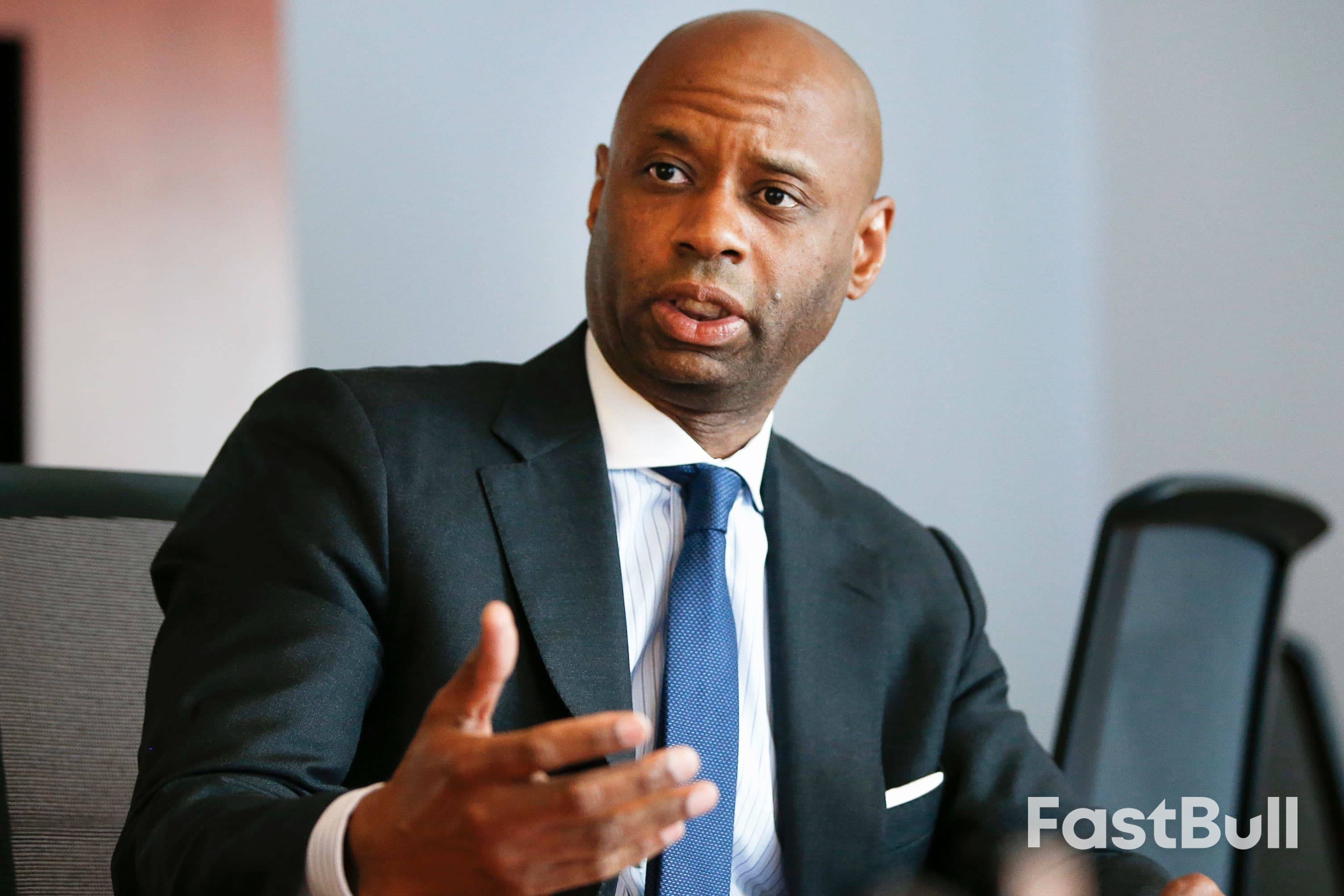
          Citigroup CFO Mark Mason stated that an interest rate cap is not something the bank could support.

          "It would restrict access to credit to those who need it the most and frankly would have a deleterious impact on the economy," Mason said.

          JPMorgan CFO Jeremy Barnum echoed this sentiment a day earlier, suggesting the industry was prepared for a legal fight. When asked about a potential response, Barnum stated that "everything's on the table."

          Trump's Push for Lower Rates Lacks Formal Policy

          President Trump initiated his campaign against the banks with a social media post, accusing them of overcharging credit card customers. He has since reinforced his position in media interviews and endorsed separate legislation aimed at reducing merchant swipe fees, framing the issue around affordability for voters ahead of this year's midterm elections.

          Despite the president’s Jan. 20 deadline, bankers and lobbyists told CNBC that the Trump administration has not provided any formal or written guidance on the policy. This lack of official action has led some industry insiders to believe the administration may not be serious about pursuing the rate cap.

          Currently, there is no U.S. law that caps credit card interest rates. A bill introduced last year that would impose a 10% cap for five years has stalled in Congress. "We are legally compliant right now," noted one source with knowledge of a major card issuer's operations.

          What's Next: A Political Deal or a Legal Battle?

          Analysts are watching the situation closely. Tobin Marcus and his team at Wolfe Research suggested in a note that the outcome could resemble Trump's previous dealings with the pharmaceutical industry, where he secured concessions without imposing crippling financial damage.

          "We continue to view the drugmakers as the case study in how this kind of dealmaking-under-threat could go," Marcus wrote. "In that case, Trump had enough leverage to secure some new pricing commitments, but not enough to extract truly painful commitments."

          This suggests the banks might be forced to offer concessions rather than face a direct legislative cap.

          All Eyes on Davos and Senate Meetings

          The financial sector is monitoring two key events for clarity on how the credit card battle will play out.

          First are the Senate meetings this month, where Trump's proposed rate cap or interchange fee limits could be attached to other bills under consideration. However, this path is uncertain, as several Republicans, including House Speaker Mike Johnson, have already voiced opposition to price controls on credit cards.

          The second critical date is next Wednesday, the day after Trump's deadline. The president is scheduled to address global corporate and political leaders at the World Economic Forum in Davos. U.S. Treasury Secretary Scott Bessent and JPMorgan CEO Jamie Dimon are also slated to attend. This follows last year's conference, where Trump publicly accused Dimon and Bank of America CEO Brian Moynihan of discriminating against conservatives in providing bank accounts.

          To stay updated on all economic events of today, please check out our Economic calendar
          Risk Warnings and Disclaimers
          You understand and acknowledge that there is a high degree of risk involved in trading. Following any strategies or investment methods may lead to potential losses. The content on the site is provided by our contributors and analysts for information purposes only. You are solely responsible for determining whether any trading assets, securities, strategy, or any other product is suitable for investing based on your own investment objectives and financial situation.
          Add to Favorites
          Share

          Fed's Kashkari Upbeat on 2026, Expects Inflation to Moderate

          Manuel

          Central Bank

          Economic

          Federal Reserve Bank of Minneapolis President Neel Kashkari said Wednesday he is optimistic about the economic outlook and expects inflation to wane, but it is unclear ​by how much.
          “My outlook for the U.S. economy is one of pretty good growth going forward,” ‌the official said in a virtual event. “I think inflation is heading down…The question is, is it going to be two and a half ‌percent by the end of the year, something short of that, or something above that? I don't know.”
          Kashkari, who will have a vote on the rate-setting Federal Open Market Committee this year, did not offer any clear views on what he expects out of interest rate policy this year after last year's easing cycle that left the central bank's ⁠interest rate target range at between ‌3.5% and 3.75%. Fed officials have penciled in a quarter percentage point cut at some point this year but thus far they've given no signal when that might happen ‍as they look to see how much inflation eases, amid a tender job market.
          Kashkari spoke as the Fed has come under deeper attack by the Trump administration, with the legal moves being viewed by the Fed as punishment for the central bank ​not taking orders from President Donald Trump. The White House is set to name a successor to Fed ‌Chair Jerome Powell soon, ahead of the end of his term in May, and there is considerable anxiousness as to who will get the job and how independent they would be from the political process.
          "Whoever he or she is will have to make their best arguments to the rest of the committee on what monetary policy is appropriate to achieve the dual mandate that we are all charged by Congress to try to achieve. That ⁠person gets one vote, and, you know, the best argument wins," ​hinting that other Fed officials could outvote the chair if they ​saw fit.
          Kashkari said in a New York Times interview published earlier Wednesday that the Trump administration's attacks on the Fed were "really about monetary policy."
          The official said in his appearance that "we are ‍really going to have to ⁠watch both sides of our dual mandate" this year, and noted that while it's critical to get inflation back to target, "if we get too aggressive with interest rates, that could hurt the labor market," which ⁠is also an undesirable outcome.
          Kashkari also said that he has yet to see a broad rise in financial distress although he noted ‌many are pressured, and that could also be coming from inflation that's still too far above ‌target.

          Source: Reuters

          To stay updated on all economic events of today, please check out our Economic calendar
          Risk Warnings and Disclaimers
          You understand and acknowledge that there is a high degree of risk involved in trading. Following any strategies or investment methods may lead to potential losses. The content on the site is provided by our contributors and analysts for information purposes only. You are solely responsible for determining whether any trading assets, securities, strategy, or any other product is suitable for investing based on your own investment objectives and financial situation.
          Add to Favorites
          Share

          Trump's Greenland Push Hits Diplomatic Wall in DC

          Isaac Bennett

          Remarks of Officials

          Political

          Geopolitical tensions between Washington and Copenhagen are set to continue after a high-stakes White House meeting on Wednesday failed to soften President Donald Trump's ambition to acquire Greenland. Despite cordial discussions, the U.S. position remains unchanged, while Denmark and Greenland continue to firmly reject any transfer of sovereignty.

          A meeting between Danish Foreign Minister Lars Lokke Rasmussen, Greenlandic Foreign Minister Vivian Motzfeldt, U.S. Vice President JD Vance, and Secretary of State Marco Rubio concluded without a breakthrough. While the parties agreed to form a working group to address U.S. concerns about the Arctic territory, the core dispute over ownership remains firmly deadlocked.

          White House Talks Fail to Break Deadlock

          Speaking to reporters after the two-hour meeting, Rasmussen confirmed that American officials had not altered their stance. "We didn't manage to change the American position," he stated, adding, "It's clear that the president has this wish of conquering over Greenland."

          Both Rasmussen and Motzfeldt described the U.S. demand as an unacceptable breach of sovereignty. Though they called the meeting respectful and acknowledged shared U.S. concerns over Arctic security, they were unified in rejecting the idea of the island becoming American territory.

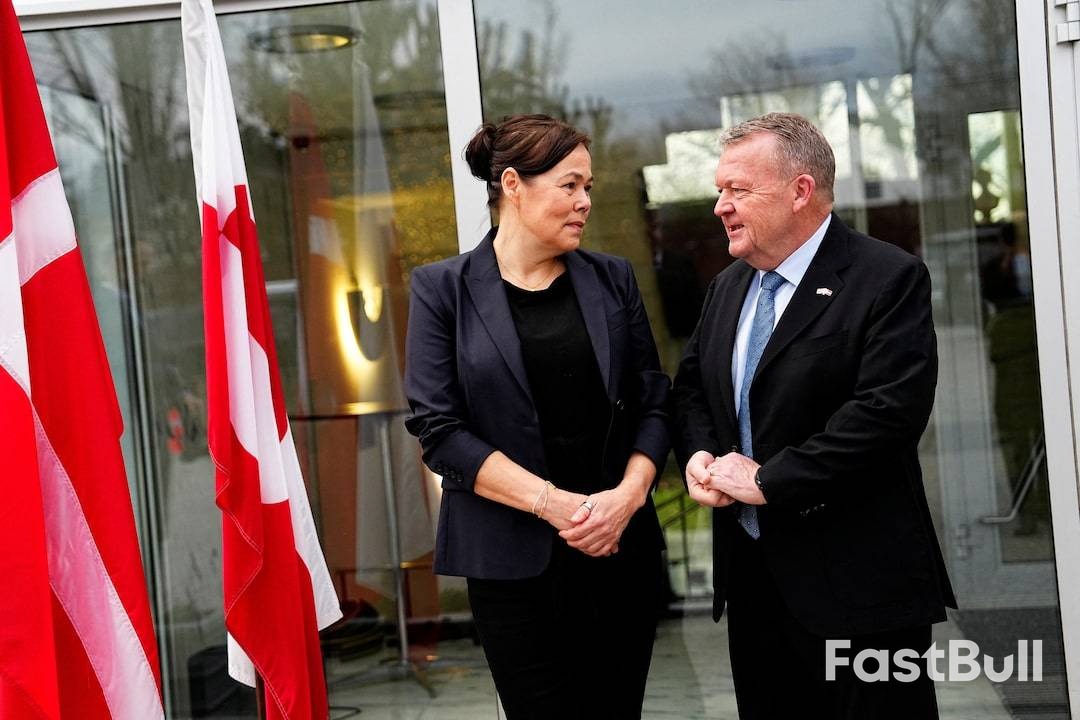
          Figure 1: Danish Foreign Minister Lars Lokke Rasmussen and Greenlandic Foreign Minister Vivian Motzfeldt met with U.S. officials in Washington, where discussions failed to resolve the diplomatic stalemate.

          The meeting was seen by analysts as a critical opportunity to de-escalate the crisis. Noa Redington, a former political adviser, told Reuters it was "the most important meeting in modern Greenland's history," noting concerns that the Danish and Greenlandic ministers might face a public humiliation similar to that of Ukrainian President Volodymyr Zelenskiy in a 2025 White House meeting.

          Trump Doubles Down on Security Claims

          President Trump has framed the acquisition of the mineral-rich and strategically located island as a matter of national security. He argues that U.S. control is essential to prevent rivals like Russia or China from establishing a foothold in the Arctic.

          Before Wednesday's meeting, Trump took to social media to reiterate his position, claiming NATO would become more formidable with Greenland under U.S. control. "Anything less than that is unacceptable," he wrote. In a post referencing Russia and China, he added: "NATO: Tell Denmark to get them out of here, NOW! Two dogsleds won't do it! Only the USA can!!!"

          Denmark and Greenland Stand Firm: 'Not For Sale'

          In response to U.S. pressure, Denmark and Greenland have consistently maintained that the island is not for sale and that threats of force are reckless among allies.

          In a proactive move, the two governments announced they have begun to increase their military presence in the Arctic in cooperation with NATO. According to the Danish defence ministry, this will involve a series of military exercises throughout 2026 aimed at bolstering regional defense.

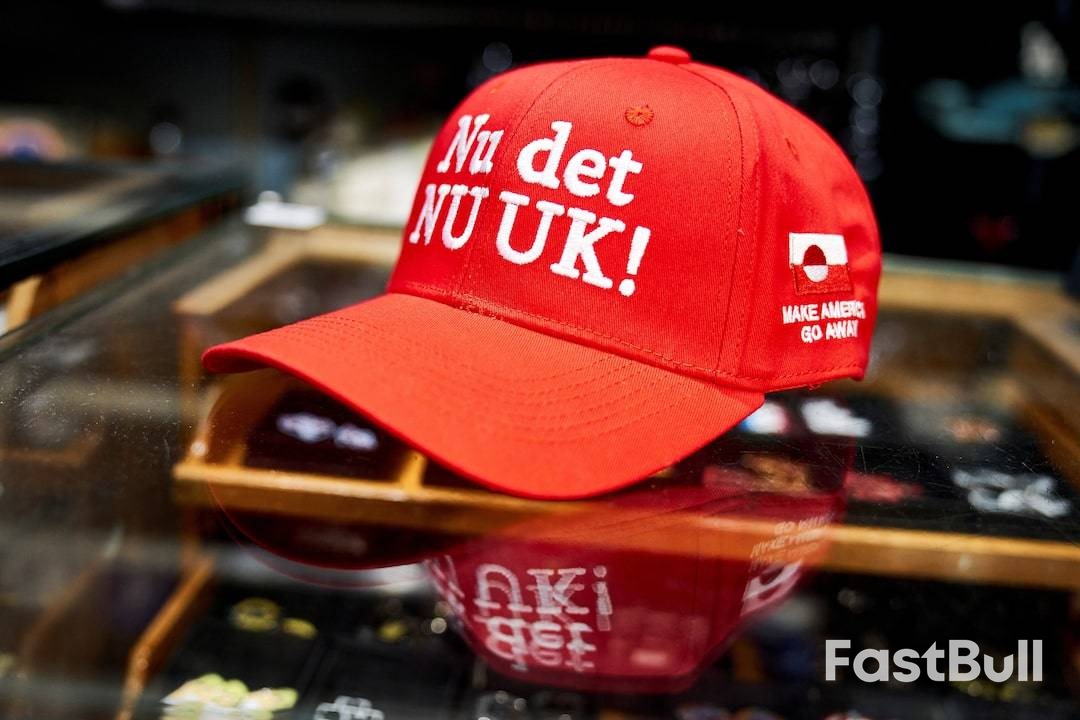
          Figure 2: Merchandise reflecting local sentiment in Greenland underscores the public opposition to U.S. acquisition efforts.

          Greenland Prioritizes Unity With Denmark

          The diplomatic crisis appears to be reshaping political discourse within Greenland. Local leaders are now publicly emphasizing unity with Denmark over their long-term goal of independence.

          "It's not the time to gamble with our right to self-determination, when another country is talking about taking us over," Greenlandic Prime Minister Jens-Frederik Nielsen told the newspaper Sermitsiaq. "Here and now we are part of the kingdom, and we stand with the kingdom."

          Foreign Minister Motzfeldt echoed this sentiment in a statement, saying, "We choose the Greenland we know today – as part of the Kingdom of Denmark."

          European Allies and US Public Opinion Weigh In

          European leaders have rallied behind Denmark. European Commission President Ursula von der Leyen stated that Greenlanders could "count on us," while French President Emmanuel Macron warned of "unprecedented" consequences if the sovereignty of an ally were affected. France is scheduled to open a consulate in Greenland's capital, Nuuk, on February 6.

          Meanwhile, a recent Reuters/Ipsos poll suggests that Trump's ambition lacks broad support at home. The poll, which concluded Tuesday, found that only 17% of Americans approve of the effort to acquire Greenland, while 47% disapprove. Substantial majorities of both Democrats and Republicans opposed using military force for annexation.

          Risk Warnings and Disclaimers
          You understand and acknowledge that there is a high degree of risk involved in trading. Following any strategies or investment methods may lead to potential losses. The content on the site is provided by our contributors and analysts for information purposes only. You are solely responsible for determining whether any trading assets, securities, strategy, or any other product is suitable for investing based on your own investment objectives and financial situation.
          Add to Favorites
          Share

          EU-Mercosur Deal: A Strategic Alliance in a Shifting World

          King Ten

          Commodity

          Economic

          China–U.S. Trade War

          Political

          The European Union has officially approved a landmark trade agreement with Mercosur, the South American economic bloc. This deal establishes one of the world's largest free-trade zones, encompassing a population of over 700 million people. Culminating after 25 years of intermittent negotiations, the timing of the agreement highlights its profound geopolitical significance far beyond simple commerce.

          Set to be signed in Paraguay on January 17, the pact emerges as a direct response to a changing global landscape. As Washington adopts a more aggressive stance under its "Donroe Doctrine" and China expands its economic reach, this deal signals a strategic alignment between Europe and South America. Both regions are actively seeking greater economic autonomy and partnership in an era defined by US protectionism and great-power competition.

          A 25-Year Journey to Agreement

          Negotiations between the EU and Mercosur first began in 1999 but faced numerous setbacks. Talks stalled during the 2000s and early 2010s due to political shifts in South America. Momentum returned with the election of more market-oriented leaders in Argentina and Brazil, leading to an agreement in principle in 2019. However, ratification was once again blocked, this time by protectionist interests within Europe.

          The deal appeared dead during the term of former Brazilian President Jair Bolsonaro, whose policies drew sharp criticism across Europe. In 2023, the EU introduced stricter environmental provisions to address concerns that the pact could accelerate deforestation in the Amazon. This nearly derailed the talks, as Mercosur leaders viewed the move as European overreach before a compromise was eventually reached.

          Meanwhile, China’s economic presence in South America grew dramatically. The EU’s share of Brazilian exports fell from 28% in 2000 to just 16% by 2019. During the same period, China became Brazil's top trading partner, now purchasing around 30% of its exports. This shifting dynamic created a new sense of urgency for Europe to secure its position in the region.

          Geopolitical Drivers Behind the Deal

          Several factors converged to finally push the agreement over the line. US President Donald Trump's trade wars and neo-imperialist rhetoric spurred Europe and South America to reduce their dependence on an unpredictable United States. Washington's turn towards nationalism transformed the concept of "strategic autonomy" from a political buzzword into an economic necessity.

          Without a deal, Europe risked becoming increasingly marginalized in South America. For Mercosur nations, a lack of deep ties with Europe limited their options amid the escalating rivalry between Washington and Beijing.

          • Europe's Strategy: The EU diversified its trade partnerships, accelerating talks not only with Mercosur but also with other key economies like Japan.

          • Mercosur's Hedge: The South American bloc came to see an EU pact as a crucial hedge against being caught between the competing pressures of the US and China. This was especially true after Luiz Inácio Lula da Silva returned to the Brazilian presidency in 2023.

          A majority of EU governments now back the deal. Even a previously skeptical Italy came on board after securing safeguards for its agricultural market, providing the necessary support for approval in the European Council. Only France and Poland remain vocally opposed.

          A New Pillar for South American Strategy

          For Mercosur members—Argentina, Brazil, Paraguay, and Uruguay—the EU agreement is less about immediate export gains and more about securing geopolitical leverage. Exports from both blocs to Asia are significantly higher, and Mercosur accounts for only about 2% of the EU's total exports.

          The true value lies in creating a third strategic pillar to balance relations with the United States and China. This allows South American governments to avoid a binary choice between American pressure and Chinese influence.

          The agreement also strengthens the Mercosur bloc itself. In recent years, South American integration had stagnated, with members pursuing different ideological paths and unilateral trade deals, such as Uruguay's talks with China. By locking the bloc into a formal pact with the EU, the deal restores a sense of shared purpose and cohesion while reinforcing Brazil's credentials as a regional leader.

          Europe's Access to Critical Resources

          For the European Union, the agreement is a strategic move to secure access to rare earths and other critical minerals. Brazil alone holds over 20% of the world's reserves of these materials, which are essential for advanced manufacturing, clean energy technology, and military hardware. Argentina and Bolivia also possess significant lithium reserves.

          As global powers work to reduce their supply chain dependence on China, formalizing access to South American resources has become a key strategic and commercial objective for Europe.

          Countering the Deglobalization Narrative

          The EU-Mercosur pact serves as a powerful symbolic rebuttal to the idea that globalization is in irreversible decline. In recent years, waves of populism and protectionism, from Brexit to Trump's tariffs, fueled fears of global economic decoupling.

          This agreement offers a counterpoint, demonstrating that cooperation between the global north and south remains possible. It proves that even in a fractured world, nations can still choose partnership over confrontation.

          Final Hurdles Remain

          Despite the fanfare, the deal is not yet finalized. It still requires ratification in the European Parliament and the national parliaments of Mercosur member states. Powerful agricultural lobbies, particularly in France, remain fiercely opposed due to fears of competition from South American beef and other farm products.

          While further protests from French farmers are expected, it seems increasingly unlikely that they can derail the deal's final approval. If fully implemented, the EU-Mercosur agreement will be the largest trade deal either bloc has ever signed, marking a significant diplomatic achievement born from the pressures of global instability.

          To stay updated on all economic events of today, please check out our Economic calendar
          Risk Warnings and Disclaimers
          You understand and acknowledge that there is a high degree of risk involved in trading. Following any strategies or investment methods may lead to potential losses. The content on the site is provided by our contributors and analysts for information purposes only. You are solely responsible for determining whether any trading assets, securities, strategy, or any other product is suitable for investing based on your own investment objectives and financial situation.
          Add to Favorites
          Share

          Fed's Beige Book Signals Steady Economy, Rate Pause Likely

          Henry Thompson

          Data Interpretation

          Political

          Remarks of Officials

          Economic

          Central Bank

          Daily News

          The U.S. economy is experiencing modest growth and stable hiring, according to the Federal Reserve's latest Beige Book report. The findings suggest policymakers are unlikely to shift their current interest rate stance ahead of their meeting in two weeks.

          The report, a snapshot of economic conditions across the Fed's 12 regional districts, painted a picture of mild optimism. Most districts expect "slight to modest growth" in the coming months. This assessment marks a modest upgrade from the previous report.

          Key Economic Indicators

          The Beige Book, which gathers insights from business contacts nationwide, provides a qualitative look at the economy's health. The latest edition highlighted several key trends:

          • Economic Activity: Eight of the twelve Fed banks reported an increase in economic activity.

          • Employment: Hiring was largely unchanged in eight districts.

          • Inflation: Prices grew at a "moderate rate" across most of the country, with two districts reporting only "slight" price growth.

          Fed Policy and Market Outlook

          These findings align with the Federal Reserve's recent signals. After cutting interest rates three times last year to support the labor market, policymakers indicated in December that they would pause to assess inflation. The current policy rate stands in a range of 3.50% to 3.75%.

          Financial markets widely anticipate that the central bank will keep rates unchanged at its upcoming meeting on January 27-28.

          Recent government data presents a complex backdrop for the Fed. The unemployment rate has edged down to 4.4%, while consumer prices in December rose 2.7% from the previous year. This inflation reading remains above the Fed's official 2% target.

          Internal Divisions and Future Rate Path

          While the central bank has signaled a pause, futures markets suggest policymakers may wait until June to consider another rate cut. This timeline extends beyond the end of Fed Chair Jerome Powell's current term. President Donald Trump has expressed his desire for a new Fed chief who favors significantly lower borrowing costs.

          The Fed's own policymakers remain divided on the best course of action. The decision to cut rates in December passed with a 9-3 vote. The majority cited the need to support a weakening labor market, while the dissenters viewed inflation as the more pressing risk. Several non-voting Fed bank presidents have since indicated they also supported holding rates steady.

          To stay updated on all economic events of today, please check out our Economic calendar
          Risk Warnings and Disclaimers
          You understand and acknowledge that there is a high degree of risk involved in trading. Following any strategies or investment methods may lead to potential losses. The content on the site is provided by our contributors and analysts for information purposes only. You are solely responsible for determining whether any trading assets, securities, strategy, or any other product is suitable for investing based on your own investment objectives and financial situation.
          Add to Favorites
          Share

          Trump's Nvidia-China Chip Deal Sparks Security Fears

          Isaac Bennett

          Remarks of Officials

          China–U.S. Trade War

          Political

          The Trump administration is facing sharp criticism after formally approving the sale of Nvidia's powerful H200 artificial intelligence chips to China. The decision, which establishes new rules for the exports, has alarmed lawmakers and former officials who argue it compromises America's technological edge and could empower Beijing's military.

          This move reverses the direction of the previous Biden administration, which had barred sales of high-end semiconductors to China over national security fears. Now, despite deep concerns among China hawks in Washington, a pathway for shipping the H200 chips has been cleared.

          Critics Warn of Bolstering China's Military AI

          The policy shift has been met with immediate backlash. Matt Pottinger, who served as a senior White House Asia advisor during Trump's first term, testified at a congressional hearing that the administration is on the "wrong track" with its AI strategy.

          He warned that selling H200s to China "will supercharge Beijing's military modernization," improving its capabilities in areas from nuclear weapons and cyber warfare to autonomous drones and intelligence operations. "Congress needs to put guardrails in place so that this mistake can't be repeated," Pottinger added.

          Other Republican lawmakers shared these concerns. Michael McCaul stated, "You cannot sell military-grade AI technology to China." He emphasized that while intellectual property theft is already a problem, the U.S. shouldn't be actively selling advanced technology to a rival.

          The Administration's Rationale: Stifling Local Rivals

          The Trump administration, guided by White House AI czar David Sacks, defends the policy as a strategic move. The official argument is that supplying China with advanced U.S. chips discourages Chinese companies, like the heavily sanctioned Huawei, from accelerating their own efforts to match top-tier chip designs from Nvidia and AMD.

          However, Pottinger dismissed this line of reasoning as a "fantasy."

          A Closer Look at the New Export Guardrails

          The new regulations come with several conditions intended to mitigate security risks. Before any chips can be exported to China, they must adhere to the following rules:

          • Third-Party Vetting: The chips must be reviewed by a testing lab to confirm their technical AI capabilities.

          • Supply Cap: China cannot receive more than 50% of the total volume of chips sold to American customers.

          • Domestic Priority: Nvidia must certify that there is a sufficient supply of H200s in the U.S. before shipping any to China.

          • End-User Checks: Chinese customers are required to demonstrate "sufficient security procedures" and are prohibited from using the chips for military purposes.

          These guardrails have received a mixed reception. Republican Congressman Brian Mast, who chairs the House Foreign Affairs Committee, praised the "know your customer" provisions as "significant."

          In contrast, Jon Finer, a former deputy U.S. national security advisor under President Joe Biden, expressed skepticism. He pointed out that the rules would create a substantial new workload for the Commerce Department and would depend on Chinese buyers being truthful about their own clients.

          Bipartisan Pushback Intensifies

          Criticism of the policy has come from both sides of the aisle. Democratic Congressman Gabe Amo offered a particularly sharp critique, saying, "It's truly like Trump is handing our opponents our coordinates in the middle of a battle." He questioned the logic of abandoning a clear technological advantage.

          The White House, the U.S. Commerce Department, Nvidia, and the Chinese embassy in Washington did not immediately respond to requests for comment on the matter.

          Risk Warnings and Disclaimers
          You understand and acknowledge that there is a high degree of risk involved in trading. Following any strategies or investment methods may lead to potential losses. The content on the site is provided by our contributors and analysts for information purposes only. You are solely responsible for determining whether any trading assets, securities, strategy, or any other product is suitable for investing based on your own investment objectives and financial situation.
          Add to Favorites
          Share

          UAE Joins US-Led 'Pax Silica' AI & Chip Supply Chain Alliance

          Isaac Bennett

          Remarks of Officials

          Economic

          Political

          The United Arab Emirates has officially joined Pax Silica, a U.S.-led initiative designed to secure critical supply chains for artificial intelligence and semiconductors, signaling a major reinforcement of economic ties with the United States.

          This program is a core element of the Trump administration's economic strategy, which aims to reduce dependency on rival nations while fostering deeper cooperation among allied partners.

          The Pax Silica Framework

          The UAE joins an exclusive group of nations participating in the initiative. Other members include:

          • Australia

          • Britain

          • Israel

          • Japan

          • Qatar

          • Singapore

          • South Korea

          U.S. Undersecretary of State for Economic Affairs, Jacob Helberg, explained the program's comprehensive focus to Reuters. "Ultimately we want to focus on the arteries of the supply chain, primarily logistics, the muscle of the supply chain, via industrial capacity, and the fuel of the supply chain, primarily capital and energy," he said.

          UAE's Strategic Importance

          Helberg emphasized the UAE's unique position within this framework. "We view the UAE as a comprehensive partner that can make meaningful and important contributions in all three of those areas," he added.

          Acting on behalf of President Donald Trump and Secretary of State Marco Rubio, Helberg formally invited the UAE to a ministerial-level meeting on critical minerals in Washington next month. He noted that the summit would feature a "large group" of countries.

          This partnership aligns perfectly with the UAE's national ambitions. The country has been investing billions to establish itself as a global AI hub and is actively leveraging its strong relationship with Washington to gain access to premier U.S. technology, including the world's most advanced chips. This collaboration is further evidenced by a multibillion-dollar deal to construct one of the world's largest data center hubs in Abu Dhabi using U.S. technology.

          Navigating Geopolitical Complexities

          When questioned about potential friction from President Trump's threat to impose a 25% tariff on countries trading with Iran—a group that includes the UAE—Helberg expressed confidence. He stated he was "very confident in the strength and depth of America's relationship with the UAE."

          Interestingly, while Qatar is part of Pax Silica, regional powerhouse Saudi Arabia is not, despite its own ambitions to become an AI leader. Helberg confirmed that he held initial discussions with Riyadh on Tuesday, but also noted that the U.S. and Saudi Arabia have already negotiated a "very substantial bilateral AI deal" separate from the Pax Silica initiative.

          To stay updated on all economic events of today, please check out our Economic calendar
          Risk Warnings and Disclaimers
          You understand and acknowledge that there is a high degree of risk involved in trading. Following any strategies or investment methods may lead to potential losses. The content on the site is provided by our contributors and analysts for information purposes only. You are solely responsible for determining whether any trading assets, securities, strategy, or any other product is suitable for investing based on your own investment objectives and financial situation.
          Add to Favorites
          Share
          FastBull
          Copyright © 2026 FastBull Ltd

          728 RM B 7/F GEE LOK IND BLDG NO 34 HUNG TO RD KWUN TONG KLN HONG KONG

          TelegramInstagramTwitterfacebooklinkedin
          App Store Google Play Google Play
          Products
          Charts

          Chats

          Q&A with Experts
          Screeners
          Economic Calendar
          Data
          Tools
          Membership
          Features
          Function
          Markets
          Copy Trading
          Latest Signals
          Contests
          News
          Analysis
          24/7
          Columns
          Education
          Company
          Careers
          About Us
          Contact Us
          Advertising
          Help Center
          Feedback
          User Agreement
          Privacy Policy
          Personal Information Protection Statement
          Business

          White Label

          Data API

          Web Plug-ins

          Poster Maker

          Affiliate Program

          Risk Disclosure

          The risk of loss in trading financial instruments such as stocks, FX, commodities, futures, bonds, ETFs and crypto can be substantial. You may sustain a total loss of the funds that you deposit with your broker. Therefore, you should carefully consider whether such trading is suitable for you in light of your circumstances and financial resources.

          No decision to invest should be made without thoroughly conducting due diligence by yourself or consulting with your financial advisors. Our web content might not suit you since we don't know your financial conditions and investment needs. Our financial information might have latency or contain inaccuracy, so you should be fully responsible for any of your trading and investment decisions. The company will not be responsible for your capital loss.

          Without getting permission from the website, you are not allowed to copy the website's graphics, texts, or trademarks. Intellectual property rights in the content or data incorporated into this website belong to its providers and exchange merchants.

          Not Logged In

          Log in to access more features

          FastBull Membership

          Not yet

          Purchase

          Become a signal provider
          Help Center
          Customer Service
          Dark Mode
          Price Up/Down Colors

          Log In

          Sign Up

          Position
          Layout
          Fullscreen
          Default to Chart
          The chart page opens by default when you visit fastbull.com