• Trade
  • Markets
  • Copy
  • Contests
  • News
  • 24/7
  • Calendar
  • Q&A
  • Chats
Trending
Screeners
SYMBOL
LAST
BID
ASK
HIGH
LOW
NET CHG.
%CHG.
SPREAD
SPX
S&P 500 Index
6966.29
6966.29
6966.29
6978.37
6917.65
+44.83
+ 0.65%
--
DJI
Dow Jones Industrial Average
49504.06
49504.06
49504.06
49571.41
49197.06
+237.96
+ 0.48%
--
IXIC
NASDAQ Composite Index
23671.34
23671.34
23671.34
23721.15
23426.48
+191.33
+ 0.81%
--
USDX
US Dollar Index
98.940
99.020
98.940
98.940
98.880
+0.080
+ 0.08%
--
EURUSD
Euro / US Dollar
1.16250
1.16260
1.16250
1.16333
1.16250
-0.00059
-0.05%
--
GBPUSD
Pound Sterling / US Dollar
1.33927
1.33940
1.33927
1.34011
1.33922
-0.00003
0.00%
--
XAUUSD
Gold / US Dollar
4534.78
4535.22
4534.78
4536.42
4512.81
+25.63
+ 0.57%
--
WTI
Light Sweet Crude Oil
59.476
59.506
59.476
59.491
58.851
+0.835
+ 1.42%
--

Community Accounts

Signal Accounts
--
Profit Accounts
--
Loss Accounts
--
View More

Become a signal provider

Sell trading signals to earn additional income

View More

Guide to Copy Trading

Get started with ease and confidence

View More

Signal Accounts for Members

All Signal Accounts

Best Return
  • Best Return
  • Best P/L
  • Best MDD
Past 1W
  • Past 1W
  • Past 1M
  • Past 1Y

All Contests

  • All
  • Trump Updates
  • Recommend
  • Stocks
  • Cryptocurrencies
  • Central Banks
  • Featured News
Top News Only
Share

Nikkei Futures Trade At 53775 Versus Cash Close Of 51,939

Share

Australia's S&P/ASX 200 Index Up 0.2% At 8737.10 Points In Early Trade

Share

[Cuban President: Those Who Treat Everything As A Business Have No Right To Point The Fingers At Cuba] In Response To Threatening Remarks From The United States, Cuban President Miguel Díaz-Canel Stated On The 11th That Cuba Is A Free, Independent, And Sovereign Nation, And That "those Who Treat Everything As A Business, Even Trading Human Lives, Have No Right To Point The Fingers At Cuba." Díaz-Canel Said On Social Media That Cuba Does Not Accept Orders From Anyone, And That The Cuban People Have Chosen Their Own Political Path, Which Has Angered Some People Who Are Attacking Cuba

Share

[After Trump's Criticism, RTX Decides "No Response" Is The Best Strategy] Following His Announcement That Defense Contractors Should Be Prohibited From Paying Dividends Or Conducting Stock Buybacks, US President Trump Targeted RTX (formerly Raytheon Technologies). Trump Stated That RTX Was "the Slowest To Respond To The Department Of War's Needs" While Being "the Most Aggressive" In Terms Of Shareholder Spending. Bloomberg, Citing Sources Familiar With The Matter, Reported That Under The Leadership Of CEO Chris Calio, RTX Executives Ultimately Chose Not To Publicly Comment On The Related Statements Or The Accompanying Executive Orders. They Stated That A Public Response Might Attract More Attention. The Sources Also Indicated That RTX's Low-key Approach May Benefit From The Fact That It Is Currently Unclear Whether The Government Can Legally Limit Executive Compensation Or Force Companies To Spend In Specific Ways

Share

[Iranian Government Takes Multiple Measures To Address Situation, Strengthening Security And Supply] According To CCTV, On January 11, Iranian President Pezechzian Stated That The Iranian Government Is Focusing On The Demands Of The People And Ensuring The Stability Of Various Supplies. On The Afternoon Of The 11th, A CCTV Reporter Observed In Tehran, The Iranian Capital, That The Iranian Government Has Taken Multiple Measures To Address The Situation And Strengthen Security And Supply

Share

[Cuban Foreign Minister Demands US Cease Illegal Detention Of Maduro] Cuban Foreign Minister Rodriguez Stated On Social Media That Venezuelan President Nicolás Maduro And His Wife Have Been Illegally Detained By The US For Eight Days. Cuba Urges The US Government To Immediately Cease This Illegal Detention, Respect Maduro's Immunity, End This "judicial And Media Farce," And Genuinely Guarantee The Couple's Safety And Health. He Called On The International Community To Support This Legitimate Demand To Uphold The Authority Of International Law And Protect The Maduro Couple's Right To Life And Other Fundamental Rights

Share

U.S. Energy Secretary Wright: (The Seized) Venezuelan Oil Can Be Used To Replenish The U.S. Strategic Petroleum Reserve

Share

Belgian Minister: NATO Should Launch Operation To Boost Security In Arctic

Share

Some US Senators Skeptical About Military Options For Iran

Share

UK Government - UK To Develop New Deep Strike Ballistic Missile For Ukraine

Share

Iran Summons British Ambassador Following Protester Removing Iranian Flag From Embassy Building In London, State Media

Share

Iran Declares Three Days National Mourning "In Honor Of Martyrs Killed In Resistance Against The United States And The Zionist Regime"

Share

UK Says NATO Talks On Deterring Russia In The Arctic 'Business As Usual'

Share

German Foreign Minister Wadephul: If There Are Concerns Over The Security Situation In Northern Atlantic, We Have To Discuss These Issues In The Framework Of NATO

Share

Onus Now On Russia To Show It Wants Peace In Ukraine, Says EU Commission Chief Von Der Leyen

Share

Trump Briefing On Iran Options Planned For Tuesday, Wsj Reports

Share

Egypt's Core Inflation Decreases To 11.8% Year-On-Year In Dec From 12.5% In Nov -Central Bank

Share

[Trump Reportedly Considering Multiple Intervention Options In Iran] On January 11, It Was Learned That US Officials Stated That President Trump Is Considering Several Options For Intervening In Iran, Including Announcing The Deployment Of An Aircraft Carrier Strike Group To The Middle East, Launching Cyberattacks, And Information Warfare

Share

[Michael Saylor Reiterates Bitcoin Tracker Update, Hinting At More Btc Purchase] January 11, Strategy Founder Michael Saylor Once Again Released Bitcoin Tracker Related Information.According To Previous Patterns, Strategy Always Discloses Its Bitcoin Purchase Information On The Second Day After Such News Is Released

Share

Cuba Foreign Minister Accuses US Of Behaving In A 'Criminal' Manner, Threatening Global Peace

TIME
ACT
FCST
PREV
U.S. Average Hourly Wage MoM (SA) (Dec)

A:--

F: --

P: --
U.S. Average Weekly Working Hours (SA) (Dec)

A:--

F: --

P: --

U.S. New Housing Starts Annualized MoM (SA) (Oct)

A:--

F: --

P: --
U.S. Total Building Permits (SA) (Oct)

A:--

F: --

P: --

U.S. Building Permits MoM (SA) (Oct)

A:--

F: --

P: --

U.S. Annual New Housing Starts (SA) (Oct)

A:--

F: --

P: --
U.S. U6 Unemployment Rate (SA) (Dec)

A:--

F: --

P: --

U.S. Manufacturing Employment (SA) (Dec)

A:--

F: --

P: --
U.S. Labor Force Participation Rate (SA) (Dec)

A:--

F: --

P: --

U.S. Private Nonfarm Payrolls (SA) (Dec)

A:--

F: --

P: --
U.S. Unemployment Rate (SA) (Dec)

A:--

F: --

P: --
U.S. Nonfarm Payrolls (SA) (Dec)

A:--

F: --

P: --
U.S. Average Hourly Wage YoY (Dec)

A:--

F: --

P: --
Canada Unemployment Rate (SA) (Dec)

A:--

F: --

P: --

Canada Labor Force Participation Rate (SA) (Dec)

A:--

F: --

P: --

U.S. Government Employment (Dec)

A:--

F: --

P: --

U.S. UMich Consumer Expectations Index Prelim (Jan)

A:--

F: --

P: --

U.S. UMich Consumer Sentiment Index Prelim (Jan)

A:--

F: --

P: --

U.S. UMich Current Economic Conditions Index Prelim (Jan)

A:--

F: --

P: --

U.S. UMich 1-Year-Ahead Inflation Expectations Prelim (Jan)

A:--

F: --

P: --

U.S. UMich 5-Year-Ahead Inflation Expectations Prelim YoY (Jan)

A:--

F: --

P: --

U.S. 5-10 Year-Ahead Inflation Expectations (Jan)

A:--

F: --

P: --

China, Mainland M1 Money Supply YoY (Dec)

--

F: --

P: --

China, Mainland M0 Money Supply YoY (Dec)

--

F: --

P: --

China, Mainland M2 Money Supply YoY (Dec)

--

F: --

P: --

U.S. Weekly Total Oil Rig Count

A:--

F: --

P: --

U.S. Weekly Total Rig Count

A:--

F: --

P: --

China, Mainland M0 Money Supply YoY (Dec)

--

F: --

P: --

China, Mainland M1 Money Supply YoY (Dec)

--

F: --

P: --

China, Mainland M2 Money Supply YoY (Dec)

--

F: --

P: --

Indonesia Retail Sales YoY (Nov)

--

F: --

P: --

Euro Zone Sentix Investor Confidence Index (Jan)

--

F: --

P: --

India CPI YoY (Dec)

--

F: --

P: --

Germany Current Account (Not SA) (Nov)

--

F: --

P: --

Canada National Economic Confidence Index

--

F: --

P: --

U.S. Conference Board Employment Trends Index (SA) (Dec)

--

F: --

P: --

Russia CPI YoY (Dec)

--

F: --

P: --

FOMC Member Barkin Speaks
U.S. 3-Year Note Auction Yield

--

F: --

P: --

U.S. 10-Year Note Auction Avg. Yield

--

F: --

P: --

Japan Trade Balance (Customs Data) (SA) (Nov)

--

F: --

P: --

Japan Trade Balance (Nov)

--

F: --

P: --

U.K. BRC Overall Retail Sales YoY (Dec)

--

F: --

P: --

U.K. BRC Like-For-Like Retail Sales YoY (Dec)

--

F: --

P: --

Turkey Retail Sales YoY (Nov)

--

F: --

P: --

U.S. NFIB Small Business Optimism Index (SA) (Dec)

--

F: --

P: --

Brazil Services Growth YoY (Nov)

--

F: --

P: --

Canada Building Permits MoM (SA) (Nov)

--

F: --

P: --

U.S. CPI MoM (SA) (Dec)

--

F: --

P: --

U.S. CPI YoY (Not SA) (Dec)

--

F: --

P: --

U.S. Real Income MoM (SA) (Dec)

--

F: --

P: --

U.S. CPI MoM (Not SA) (Dec)

--

F: --

P: --

U.S. Core CPI (SA) (Dec)

--

F: --

P: --

U.S. Core CPI YoY (Not SA) (Dec)

--

F: --

P: --

U.S. Core CPI MoM (SA) (Dec)

--

F: --

P: --

U.S. Weekly Redbook Index YoY

--

F: --

P: --

U.S. New Home Sales Annualized MoM (Oct)

--

F: --

P: --

U.S. Annual Total New Home Sales (Oct)

--

F: --

P: --

U.S. Cleveland Fed CPI MoM (SA) (Dec)

--

F: --

P: --

China, Mainland Trade Balance (CNH) (Dec)

--

F: --

P: --

China, Mainland Exports YoY (USD) (Dec)

--

F: --

P: --

Q&A with Experts
    • All
    • Chatrooms
    • Groups
    • Friends
    小羊 flag
    What's wrong, friend?
    3329786 flag
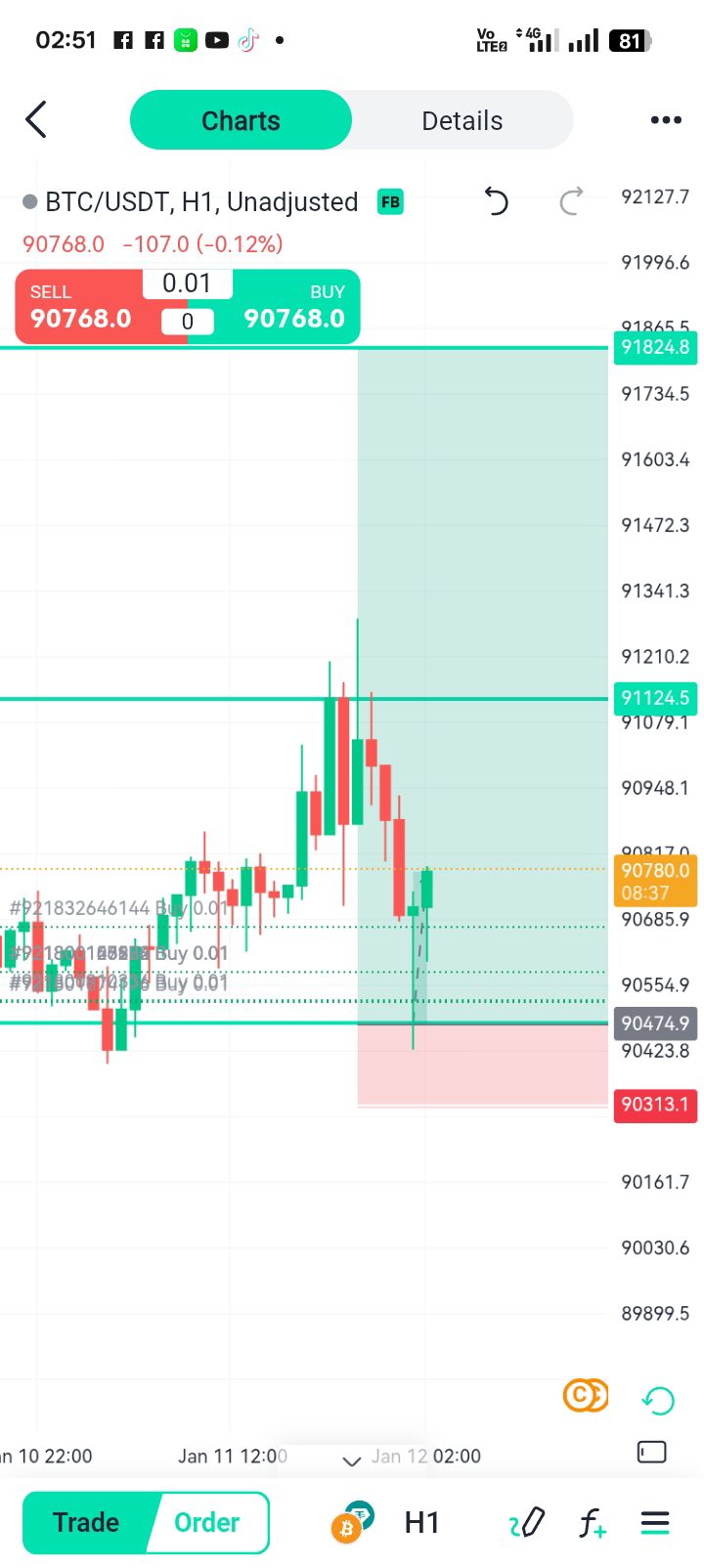
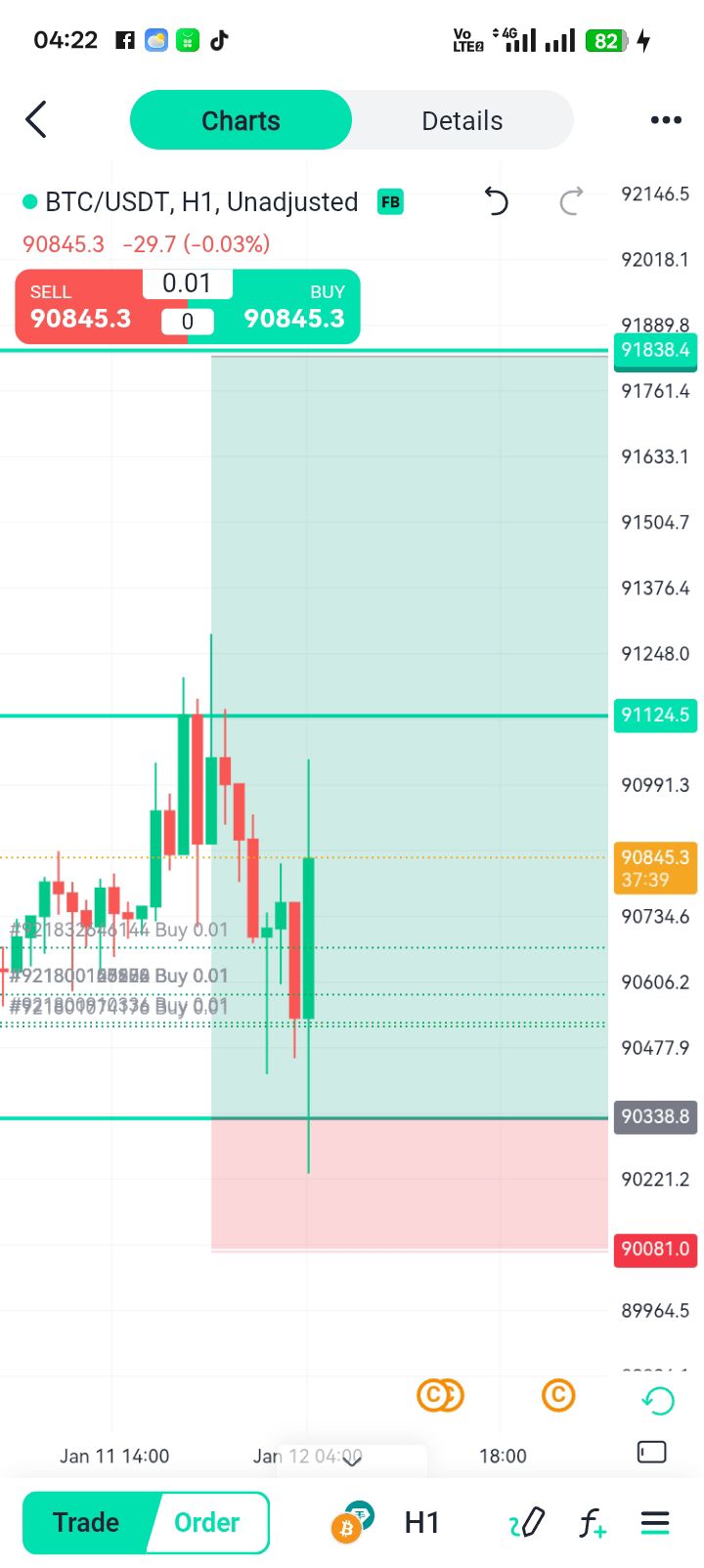
    btcusd going bullish
    小羊 flag
    @游客3329786 What position did you see, my friend?
    小羊 flag
    I also expect it to open higher.
    3329786 flag
    小羊
    I also expect it to open higher.
    @小羊yes, its rejecting the overall support
    小羊 flag
    But it's unclear how high his price can go.
    DHS-II KTR flag
    小羊 flag
    Brothers, I want to ask you some questions.
    小羊 flag
    Are the quantitative trading robots on the market fake automated trading systems?
    Tijjani Dankumbo flag
    小羊
    Are the quantitative trading robots on the market fake automated trading systems?
    @小羊hello everyone
    joseph sha flag
    when does gold open at what time exactly
    Ditrokid flag
    joseph sha
    when does gold open at what time exactly
    @joseph shaI'm surprised too
    3330809 flag
    within 29 min
    Ditrokid flag
    we buy?
    Lenny Muki flag
    小羊 flag
    Just surged
    ifan afian flag
    3331024 flag
    黃金衝阿
    Ditrokid flag
    gold on fire
    DHS-II KTR flag
    Type here...
    Add Symbol or Code

      No matching data

      All
      Trump Updates
      Recommend
      Stocks
      Cryptocurrencies
      Central Banks
      Featured News
      • All
      • Russia-Ukraine Conflict
      • Middle East Flashpoint
      • All
      • Russia-Ukraine Conflict
      • Middle East Flashpoint
      Search
      Products

      Charts Free Forever

      Chats Q&A with Experts
      Screeners Economic Calendar Data Tools
      Membership Features
      Data Warehouse Market Trends Institutional Data Policy Rates Macro

      Market Trends

      Market Sentiment Order Book Forex Correlations

      Top Indicators

      Charts Free Forever
      Markets

      News

      News Analysis 24/7 Columns Education
      From Institutions From Analysts
      Topics Columnists

      Latest Views

      Latest Views

      Trending Topics

      Top Columnists

      Latest Update

      Signals

      Copy Rankings Latest Signals Become a signal provider AI Rating
      Contests
      Brokers

      Overview Brokers Assessment Rankings Regulators News Claims
      Broker listing Forex Brokers Comparison Tool Live Spread Comparison Scam
      Q&A Complaint Scam Alert Videos Tips to Detect Scam
      More

      Business
      Events
      Careers About Us Advertising Help Center

      White Label

      Data API

      Web Plug-ins

      Affiliate Program

      Awards Institution Evaluation IB Seminar Salon Event Exhibition
      Vietnam Thailand Singapore Dubai
      Fans Party Investment Sharing Session
      FastBull Summit BrokersView Expo
      Recent Searches
        Top Searches
          Markets
          News
          Analysis
          User
          24/7
          Economic Calendar
          Education
          Data
          • Names
          • Latest
          • Prev

          View All

          No data

          Scan to Download

          Faster Charts, Chat Faster!

          Download App
          English
          • English
          • Español
          • العربية
          • Bahasa Indonesia
          • Bahasa Melayu
          • Tiếng Việt
          • ภาษาไทย
          • Français
          • Italiano
          • Türkçe
          • Русский язык
          • 简中
          • 繁中
          Open Account
          Search
          Products
          Charts Free Forever
          Markets
          News
          Signals

          Copy Rankings Latest Signals Become a signal provider AI Rating
          Contests
          Brokers

          Overview Brokers Assessment Rankings Regulators News Claims
          Broker listing Forex Brokers Comparison Tool Live Spread Comparison Scam
          Q&A Complaint Scam Alert Videos Tips to Detect Scam
          More

          Business
          Events
          Careers About Us Advertising Help Center

          White Label

          Data API

          Web Plug-ins

          Affiliate Program

          Awards Institution Evaluation IB Seminar Salon Event Exhibition
          Vietnam Thailand Singapore Dubai
          Fans Party Investment Sharing Session
          FastBull Summit BrokersView Expo

          Trump Targets Cuba After Ousting Venezuela's Maduro

          Isaac Bennett

          Remarks of Officials

          Political

          Summary:

          US-Cuba tensions escalate. Trump threatens to isolate Havana, projecting its fall after Maduro's capture.

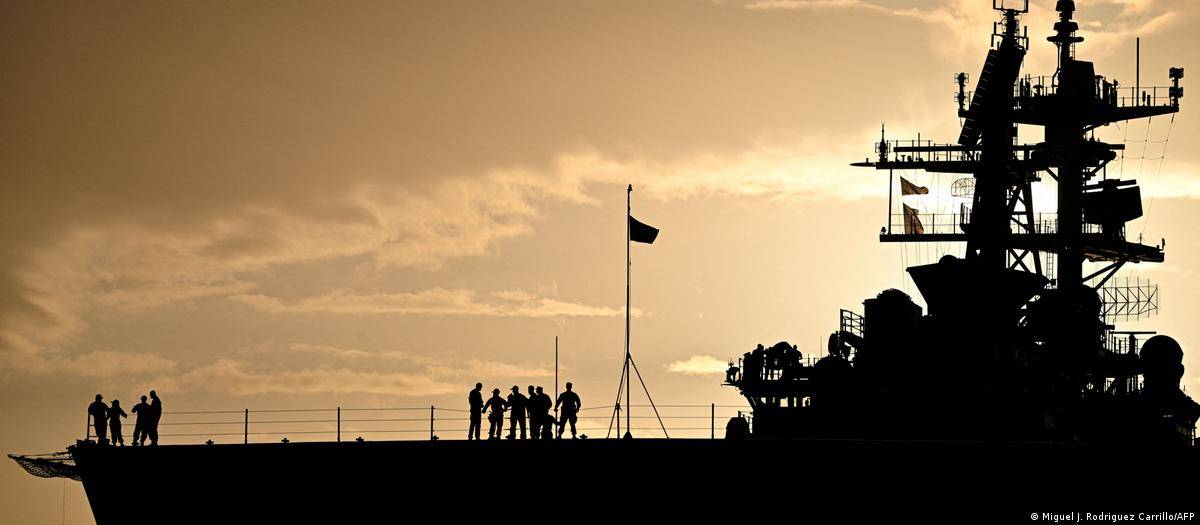
          Tensions between the United States and Cuba are escalating, with Cuban Foreign Minister Bruno Rodriguez accusing the U.S. of "criminal behavior" in the Western Hemisphere. The sharp rebuke comes as the U.S. repositions warships off the Cuban coast following the successful military capture of Venezuelan ex-president Nicolas Maduro.
          The diplomatic clash ignited after President Donald Trump claimed Venezuela had been paying Cuba for security services, a charge Havana vehemently denies. With Maduro now renditioned to New York to face drug trafficking charges, the Trump administration has shifted its focus to Cuba, long seen as a disruptive force in the region by U.S. policymakers.

          Trump Issues Ultimatum to Havana

          President Trump has intensified his rhetoric, threatening to completely isolate the island nation. In a social media post written in all caps, Trump declared: "THERE WILL BE NO MORE OIL OR MONEY GOING TO CUBA — ZERO!" He followed up with a warning, stating, "I strongly suggest they make a deal, BEFORE IT IS TOO LATE."

          The President did not specify what "deal" he was seeking or what consequences Cuba would face for non-compliance. He framed the U.S. intervention in Venezuela as a protective measure, stating, "Venezuela now has the United States of America, the most powerful military in the World (by far!), to protect them, and protect them we will."

          Trump has also predicted that Cuba is "ready to fall." In a notable exchange, he responded affirmatively to suggestions that Secretary of State Marco Rubio—a Florida native of Cuban descent—would soon become the president of Cuba. "Sounds good to me," Trump wrote. Rubio also serves as acting national security advisor and has been tasked by Trump with overseeing operations in Venezuela and other global hotspots.
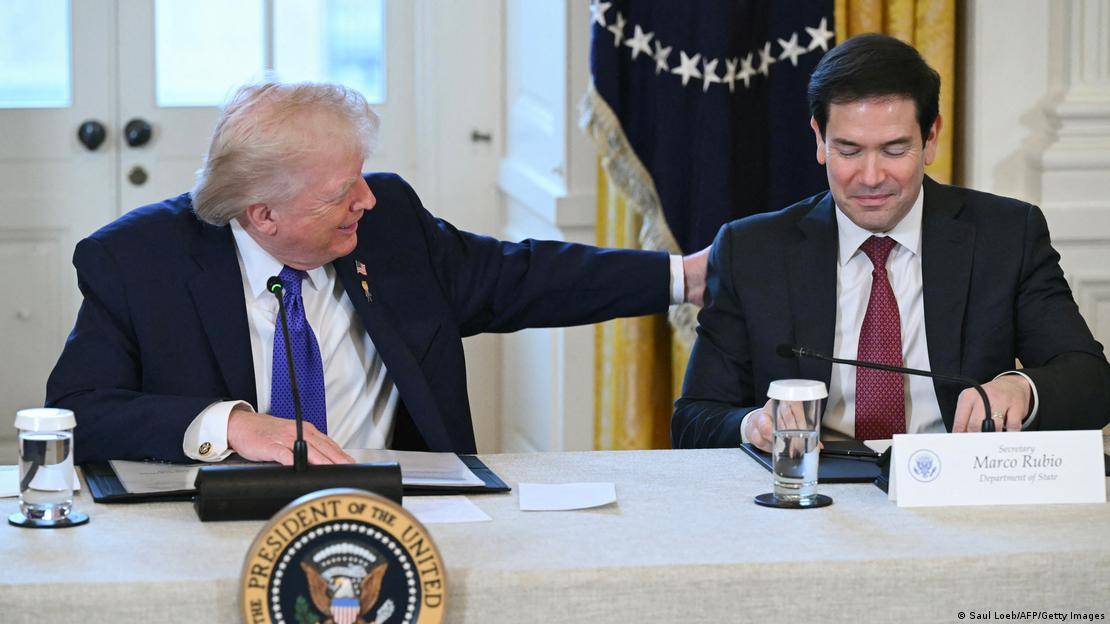
          Figure 1: President Donald Trump with Secretary of State Marco Rubio, whom Trump has jokingly suggested could become the president of Cuba amid rising regional tensions.

          Cuba's Response: Defiance and Sovereignty

          Cuban Foreign Minister Bruno Rodriguez fired back on X, rejecting Trump's claims and defending his country's policies. "Cuba has never received monetary or material compensation for the security services it has provided to any country," his post read.

          Rodriguez underscored Cuba's right to source its energy independently, stating Havana is entitled to import fuel "without interference or subordination to the unilateral coercive measures of the United States." This assertion addresses Trump's direct threat to cut off Cuba's oil supply, a critical resource for the island nation.

          The Alliance Under Pressure

          The relationship between Cuba and Venezuela has been a cornerstone of regional politics for decades, with former leaders Fidel Castro and Hugo Chavez viewing each other as allies against U.S. influence. This partnership became economically vital for Cuba, which grew increasingly dependent on Venezuelan oil after 2000 in the face of a longstanding U.S. trade embargo.

          The recent U.S. military operation in Caracas has had a direct human cost for Cuba. The government in Havana reported this week that 32 of its military personnel were killed during the U.S. attack. They were present in the Venezuelan capital under a security agreement between the two nations.

          President Trump believes Maduro's removal will precipitate the collapse of Cuba's Communist government. Predicting a dire economic future for the island, he stated confidently, "It's going down. It's going down for the count."

          Risk Warnings and Disclaimers
          You understand and acknowledge that there is a high degree of risk involved in trading. Following any strategies or investment methods may lead to potential losses. The content on the site is provided by our contributors and analysts for information purposes only. You are solely responsible for determining whether any trading assets, securities, strategy, or any other product is suitable for investing based on your own investment objectives and financial situation.
          Add to Favorites
          Share

          Iran Crisis: Death Toll Soars as Tehran Warns US

          King Ten

          Middle East Situation

          Remarks of Officials

          Daily News

          Political

          Crackdown Intensifies as Unrest Sweeps Nation

          Protests across Iran have led to more than 500 deaths, according to a new report from the U.S.-based rights group HRANA. The escalating crisis has prompted Tehran to issue a stark warning to the United States, threatening to target American military bases if President Donald Trump intervenes.

          The demonstrations, which began on December 28 over rising prices, have evolved into the most significant challenge to Iran's clerical leadership since 2022. HRANA, which compiles data from activists, reports a death toll including 490 protesters and 48 security personnel. The group also estimates that over 10,600 people have been arrested in just two weeks. Iranian authorities have not released an official casualty count, and Reuters could not independently verify these numbers.

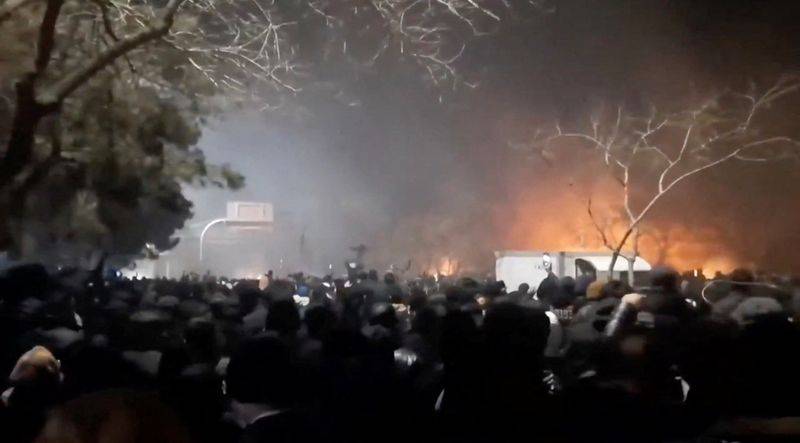
          Information from within the country remains limited due to an internet blackout imposed by the government. However, social media footage from Tehran on Saturday showed massive crowds marching and chanting. Another video, verified by Reuters, captured a chaotic scene in the northeastern city of Mashhad, with smoke from street fires filling the night sky amid sounds of explosions.

          Figure 1: Social media footage from Mashhad shows streets filled with smoke and fire as protests against the government intensify.

          In a counter-narrative, Iranian state television on Sunday aired footage of dozens of body bags at the Tehran coroner's office, attributing the deaths to "armed terrorists."

          Tehran's Warning: US Bases and Israel are 'Legitimate Targets'

          The Iranian government has responded with force and rhetoric, accusing the United States and Israel of orchestrating the unrest. As President Trump considers his options, which reportedly include military strikes and cyber warfare, Tehran is drawing clear red lines.

          Mohammad Baqer Qalibaf, Iran's Parliament Speaker and a former Revolutionary Guards commander, warned Washington against any "miscalculation."

          "Let us be clear: in the case of an attack on Iran, the occupied territories (Israel) as well as all U.S. bases and ships will be our legitimate target," Qalibaf stated.

          The Wall Street Journal reported on Sunday that President Trump was scheduled to receive a briefing on potential actions against Iran, ranging from expanded sanctions to direct military intervention.

          This geopolitical tension has placed regional actors on high alert. Israeli sources confirmed their security apparatus was preparing for the possibility of U.S. action. An Israeli military official described the protests as an internal Iranian matter but affirmed that Israel's military was monitoring the situation and was ready to respond "with power if need be."

          Iran Blames 'Rioters and Terrorists' for Violence

          Iranian President Masoud Pezeshkian claimed in a television interview that the U.S. and Israel were masterminding the destabilization. He alleged that Iran's enemies had brought in "terrorists" to attack banks, mosques, and public property.

          "Families, I ask you: do not allow your young children to join rioters and terrorists who behead people and kill others," Pezeshkian said. He added that his government was prepared to listen to the public's economic concerns.

          To bolster the official narrative, state TV has broadcast funeral processions for security personnel killed during the protests in cities like Gachsaran and Yasuj. According to state media, 30 security members will be buried in Isfahan, with another six reported killed by "rioters" in Kermanshah.

          Alan Eyre, a former U.S. diplomat and Iran expert, told Reuters he believes it is unlikely the protests will topple the government. "I think it more likely that it puts these protests down eventually, but emerges from the process far weaker," he said, noting the cohesion of Iran's elite and the lack of an organized opposition.

          US and Opposition Leaders React to Protests

          President Trump has been vocal in his support for the protesters. "Iran is looking at FREEDOM, perhaps like never before. The USA stands ready to help!!!" he posted on social media Saturday.

          High-level discussions are ongoing. An Israeli source confirmed that Prime Minister Benjamin Netanyahu and U.S. Secretary of State Marco Rubio discussed potential U.S. intervention in a phone call on Saturday.

          Prominent opposition figures have also weighed in. Reza Pahlavi, the exiled son of Iran's last shah, praised the protesters' "indescribable bravery" and urged them, "Do not abandon the streets."

          Maryam Rajavi, president-elect of the Paris-based National Council of Resistance of Iran, wrote on X that the Iranian people had "asserted control of public spaces and reshaped Iran's political landscape."

          Speaking at a cabinet meeting, Netanyahu said Israel was closely monitoring events. "We all hope that the Persian nation will soon be freed from the yoke of tyranny," he said.

          Risk Warnings and Disclaimers
          You understand and acknowledge that there is a high degree of risk involved in trading. Following any strategies or investment methods may lead to potential losses. The content on the site is provided by our contributors and analysts for information purposes only. You are solely responsible for determining whether any trading assets, securities, strategy, or any other product is suitable for investing based on your own investment objectives and financial situation.
          Add to Favorites
          Share

          Trump Declares National Emergency to Protect Venezuelan Oil Revenue

          Gerik

          Political

          National Emergency Declaration to Shield Oil Funds

          U.S. President Donald Trump signed an executive order on January 10, 2026, declaring a national emergency to protect Venezuelan oil revenue held in accounts at the U.S. Department of the Treasury. The order blocks any judicial actions such as seizures, liens, or asset forfeitures against these funds, which the administration says should be preserved for diplomatic or governmental purposes rather than falling into the hands of private creditors or foreign adversaries.
          According to the White House, allowing such revenue to be tapped by courts or contractors could undermine U.S. efforts to promote stability and otherwise advance policy objectives in Venezuela and the surrounding region. The executive order cites the National Emergencies Act and the International Emergency Economic Powers Act as legal authority for the action, framing the potential loss of these funds as a threat to U.S. national security and foreign policy interests.

          Strategic Context and Enforcement

          The measure comes amid heightened U.S. involvement in Venezuela following the recent capture of President Nicolás Maduro and broader actions to control Venezuelan oil export flows. Under the order, the revenue from the sale of Venezuelan crude and related products deemed sovereign property is to be held in U.S. custody and is not subject to private claims. The directive also blocks unauthorized transfers or dealings in these funds, superseding previous related executive orders.
          Simultaneously, the U.S. government has signaled plans to continue marketing Venezuelan oil and manage future sales, including discussions with major U.S. oil companies on potential investment and involvement in Venezuela’s oil industry. However, industry leaders like ExxonMobil have expressed caution about investing without significant reforms due to the country’s longstanding instability and legal uncertainties.

          International and Domestic Implications

          The declaration has broader implications for international law and creditor rights. It effectively places Venezuelan oil revenues beyond reach of ongoing claims by companies like ExxonMobil and ConocoPhillips, which have long-standing arbitration and compensation cases against Venezuela dating back to past nationalizations. At the same time, by asserting control over these oil funds, the United States aims to leverage Venezuelan resources in support of its regional policy objectives, raising concerns among international observers about the balance between sovereign asset protection and geopolitical influence.
          In sum, Trump’s national emergency order represents a significant move to cement U.S. control over Venezuelan oil revenues amid ongoing geopolitical tensions in the Western Hemisphere, blending economic strategy with broader foreign policy priorities.
          Risk Warnings and Disclaimers
          You understand and acknowledge that there is a high degree of risk involved in trading. Following any strategies or investment methods may lead to potential losses. The content on the site is provided by our contributors and analysts for information purposes only. You are solely responsible for determining whether any trading assets, securities, strategy, or any other product is suitable for investing based on your own investment objectives and financial situation.
          Add to Favorites
          Share

          NATO's Arctic Plan: Europe's Answer to US Greenland Bid

          Ukadike Micheal

          Remarks of Officials

          Political

          European powers, led by the UK and Germany, are developing plans to increase their military presence in Greenland. The move is a direct response to US President Donald Trump’s stated interest in acquiring the self-governing Danish territory and aims to show that Europe is serious about Arctic security.

          Germany is preparing to propose a joint NATO mission to protect the region. Separately, UK Prime Minister Keir Starmer has been urging allies to step up their security footprint in the High North, discussing the matter with leaders like French President Emmanuel Macron and German Chancellor Friedrich Merz.

          A Direct Response to US Pressure

          The recent US raid to capture Venezuela’s leader and the Trump administration's increasingly assertive rhetoric on Greenland have forced European leaders to act quickly. Their strategy is to demonstrate that Europe and NATO already have the region’s security under control, thereby weakening Trump's justification for a potential takeover, according to sources familiar with the discussions.

          The diplomatic push comes as German Foreign Minister Johann Wadephul prepares to meet with US Secretary of State Marco Rubio this week, where Greenland and NATO's potential role will be on the agenda.

          "Because security in the Arctic is becoming increasingly important, I also want to discuss on my trip how we can best bear this responsibility in NATO — in view of old and new rivalries in the region by Russia and China — together," Wadephul said in a statement. "We want to discuss this together in NATO."

          President Trump’s long-standing interest in Greenland has sharpened following the Venezuela raid, sparking concern among allies about his readiness to use military force to achieve foreign policy goals. Speaking to reporters on Friday, Trump said of Greenland, "I would like to make a deal, you know, the easy way. But if we don't do it the easy way, we're going to do it the hard way."

          Germany's "Arctic Sentry" Proposal

          Germany’s plan involves establishing a new NATO mission named "Arctic Sentry." The initiative would be modeled after the alliance's "Baltic Sentry" mission, which was launched a year ago to protect critical infrastructure in the Baltic Sea.

          This proposal underscores a broader European effort to take a more active role in regional defense, particularly in areas of strategic importance like the Arctic.

          UK Spearheads Diplomatic Push

          Prime Minister Starmer’s approach is to persuade President Trump of Europe's strategic value to the United States on a range of issues, from countering Russia to enhancing American security. This contrasts with the more openly critical stance of countries like France, which recently warned of threats from American coercion.

          Downing Street confirmed that Starmer spoke with Trump last week, where they "discussed Euro-Atlantic security and agreed on the need to deter an increasingly aggressive Russia in the High North." In his conversations with Macron and Merz, Starmer reiterated that "the NATO alliance needed to step up in the region."

          Denmark and Greenland Seek a Diplomatic Path

          Meanwhile, Denmark is hoping to de-escalate the situation through direct diplomacy. The foreign ministers of Denmark and Greenland, Lars Lokke Rasmussen and Vivian Motzfeldt, are traveling to Washington this week. Their objective is to counter what Copenhagen describes as persistent factual errors and exaggerated security claims that are fueling the debate in the US.

          While Trump has not ruled out using military force, Secretary of State Rubio told lawmakers on Tuesday that the administration's primary goal is to purchase Greenland, not to stage a military intervention that could strain the NATO alliance.

          "The legitimate interests of all NATO allies, but also those of the inhabitants of the region, must be at the heart of our considerations," Wadephul stated. "Of course, this also applies to Greenland and its people."

          Risk Warnings and Disclaimers
          You understand and acknowledge that there is a high degree of risk involved in trading. Following any strategies or investment methods may lead to potential losses. The content on the site is provided by our contributors and analysts for information purposes only. You are solely responsible for determining whether any trading assets, securities, strategy, or any other product is suitable for investing based on your own investment objectives and financial situation.
          Add to Favorites
          Share

          EU and Mercosur Set to Sign Historic Free Trade Agreement on January 17 in Paraguay

          Gerik

          Economic

          A Trade Deal Decades in the Making

          On January 9, Paraguay’s Foreign Minister Pablo Quirno officially announced that the long-awaited Free Trade Agreement (FTA) between the European Union (EU) and Mercosur will be signed on January 17 in Paraguay. This development follows the European Council’s formal approval of the agreement, marking the culmination of nearly three decades of negotiations since talks began in 1999.
          Despite resistance from several EU member states including France and Hungary the agreement received the necessary majority endorsement from the bloc’s 27 members. The deal now awaits formal signing by European Commission President Ursula von der Leyen and European Council President António Costa, alongside Mercosur leaders.

          Strategic Significance for Global Trade

          Brazilian President Luiz Inácio Lula da Silva hailed the EU’s approval as a “historic day for multilateralism,” characterizing the FTA as a victory for dialogue, cooperation, and global integration. He emphasized that the agreement reaffirms the importance of international trade as a catalyst for economic growth and mutual prosperity.
          Argentina also welcomed the development enthusiastically. Foreign Minister Pablo Quirno described the upcoming signing as a historic milestone for Mercosur and a breakthrough after 26 years of diplomatic effort. The government expects significant export gains, particularly in agriculture.

          Preferential Access to One of the World’s Largest Markets

          Under the terms of the agreement, the EU will eliminate tariffs on 92% of goods exported from Mercosur countries Argentina, Brazil, Paraguay, and Uruguay. An additional 7.5% of exports will receive partial tariff preferences, meaning that 99% of Mercosur’s agricultural exports to the EU will benefit from improved market access.
          This trade pact opens the doors to the EU’s massive internal market, encompassing over 450 million consumers and accounting for roughly 15% of global GDP. In return, Mercosur economies collectively valued at around $2.9 trillion are expected to gain a competitive edge in exporting agricultural products, industrial goods, and raw materials to the European market.

          Balancing Integration and Protectionism

          The EU, while advocating free trade, has also moved to appease domestic opposition by approving supplementary protection mechanisms for its agri-food sector. These include safeguard measures to mitigate the competitive impact of South American imports on European farmers particularly in countries like France, where resistance has been most vocal.
          Despite these internal tensions, the bloc has committed to advancing the agreement as a strategic counterweight to rising global protectionism and unilateral trade actions. The EU-Mercosur FTA is expected to become the world’s largest free trade area by population, serving over 700 million consumers.

          Regional Commitments and Next Steps

          Uruguay’s Foreign Minister Mario Lubetkin confirmed the country’s intent to be among the first to ratify and provisionally implement the agreement. President Yamandú Orsi is expected to attend the signing ceremony, which will take place under Paraguay’s rotating Mercosur presidency.
          While formal ratification processes still lie ahead, the anticipated signing is a symbolic and political breakthrough, signaling a renewed push for South-South and intercontinental trade ties. As both blocs seek economic resilience in a volatile global environment, the EU-Mercosur agreement represents a pivotal turn toward deeper, rules-based cooperation across hemispheres.
          To stay updated on all economic events of today, please check out our Economic calendar
          Risk Warnings and Disclaimers
          You understand and acknowledge that there is a high degree of risk involved in trading. Following any strategies or investment methods may lead to potential losses. The content on the site is provided by our contributors and analysts for information purposes only. You are solely responsible for determining whether any trading assets, securities, strategy, or any other product is suitable for investing based on your own investment objectives and financial situation.
          Add to Favorites
          Share

          China Tightens Rare Earth Exports to Japan Amid Rising Geopolitical Tensions

          Gerik

          Commodity

          Economic

          China Expands Export Controls on Dual-Use Goods to Japan

          In a significant escalation of trade friction, China has imposed tighter export controls on rare earth materials and related technologies bound for Japan. The move, confirmed by China's Ministry of Commerce earlier this week, extends to all dual-use items products with both civilian and military applications that may be perceived as bolstering Japan’s defense capabilities. The Chinese government explicitly stated that the new restrictions aim to curb any potential enhancement of Japan’s military strength, even while assuring that average consumers would not be impacted.
          This restriction affects not only traditional military-linked goods but also rare earth elements critical to civilian technologies such as electric vehicles, smartphones, wind turbines, and industrial machinery. While some export applications are still being accepted, approval timelines have lengthened, and many requests are being outright denied, according to multiple sources cited by Nikkei.

          Geopolitical Context: Taiwan Tensions Spark Backlash

          This strategic shift follows a sharp rise in diplomatic tensions between the two nations, triggered by Japanese Prime Minister Sanae Takaichi’s statement in November suggesting that a Chinese invasion of Taiwan could constitute a direct threat to Japan’s national survival. Beijing condemned the remark as provocative and warned of consequences. The rare earth restrictions appear to be a targeted response, weaponizing economic interdependence to exert pressure on Tokyo.
          According to The Wall Street Journal, two major Chinese exporters have already suspended shipments of heavy rare earth elements such as dysprosium and rare-earth magnets to Japanese firms. These elements are vital to Japan’s advanced manufacturing sectors, particularly in producing electric motors and precision electronics.

          Licensing Delays and Selective Approvals Tighten the Squeeze

          Japanese companies are now experiencing significant uncertainty. While in some cases export applications are still being approved, they face extended review periods and stricter end-user scrutiny. Only select firms typically those refining rare earths in Japan for re-export to the United States, or those with long-established compliance records are seeing limited approvals.
          Chinese regulators have intensified their control over the final destination and use of rare earths. A Japanese government official acknowledged that under the new regime, “screening will likely become stricter, and the number of approved licenses may decline.” This aligns with a broader Chinese strategy to consolidate control over high-value supply chains and discourage strategic alignment between U.S. allies.

          Japan Faces Strategic Supply Challenges

          Japan, long dependent on China for its rare earth imports, faces the renewed threat of strategic resource insecurity. The country has attempted to diversify its rare earth sourcing since China’s 2010 embargo, investing in supply chains across Southeast Asia, Australia, and Africa. However, China remains the dominant global producer, particularly for heavy rare earths used in defense and high-tech industries.
          The current restrictions jeopardize Japan’s industrial resilience just as global competition for energy-transition minerals intensifies. Sectors such as EV manufacturing, robotics, and aerospace are particularly vulnerable to rare earth supply disruptions.
          China’s latest move illustrates the increasing use of economic tools to enforce geopolitical boundaries in the Asia-Pacific. By targeting dual-use exports and rare earths, Beijing is sending a message that political positions on Taiwan and military posture will have material economic consequences. For Japan, the episode reinforces the urgency of reducing resource dependencies, enhancing stockpiles, and strengthening strategic partnerships with alternative suppliers. As geopolitical rivalry deepens, the line between trade policy and national security continues to blur.
          To stay updated on all economic events of today, please check out our Economic calendar
          Risk Warnings and Disclaimers
          You understand and acknowledge that there is a high degree of risk involved in trading. Following any strategies or investment methods may lead to potential losses. The content on the site is provided by our contributors and analysts for information purposes only. You are solely responsible for determining whether any trading assets, securities, strategy, or any other product is suitable for investing based on your own investment objectives and financial situation.
          Add to Favorites
          Share

          Venezuela’s Floating Oil Horde and Asia’s Shifting Supply Picture Amid U.S. Pressure

          Gerik

          Political

          Commodity

          Massive Build‑Up of Venezuelan Oil at Sea Signals Market Disruption

          Recent weeks have seen a dramatic surge in the volume of Venezuelan crude oil held in floating storage as export routes are disrupted by intensified U.S. pressure and naval enforcement actions. Data indicates that more than 29 million barrels of Venezuela’s oil are now stranded aboard tankers, rising sharply from around 20 million earlier in the week. These stranded barrels have accumulated because vessels are unable to complete deliveries amid heightened risk of interception under U.S. sanctions and blockades as Washington seeks to exert control over Venezuelan oil exports. Bloomberg reported that this oil build‑up represents the highest level of crude floating offshore in several years, reflecting the severity of the export bottleneck.
          The situation stems from a broader U.S. operation in late 2025 and early 2026 in which multiple Venezuelan‑linked tankers have been seized or pursued by U.S. forces enforcing a naval embargo targeting sanctioned shipments. Reuters noted that the U.S. Coast Guard and military have boarded and seized several vessels, including those previously carrying Venezuelan crude, as part of a blockade designed to choke off unauthorized oil exports.

          China’s Role as a Key Buyer in Flux

          China has been one of Venezuela’s largest oil customers in recent years, at times importing hundreds of thousands of barrels per day of Venezuelan crude. However, Chinese refiners and independent importers are scaling back purchases in response to the escalating geopolitical environment and fears that existing shipments may be the last they receive for some time. Bloomberg has noted that while Chinese buyers have historically relied on Venezuelan barrels, significant volumes of sanctioned crude stored at sea will provide only short‑term cushioning as direct flows have essentially halted at the start of 2026.
          Beijing has publicly criticized U.S. actions, describing Washington’s demand that Venezuela hand over oil stocks as bullying and a violation of sovereignty. Chinese officials emphasize that Venezuela’s resources belong to its people and must be managed according to international law, highlighting growing diplomatic tensions over energy supply access.

          Asian Refiners Seek Alternative Crude Sources

          With the Venezuelan supply channel increasingly uncertain, many Asian refiners, particularly in China, are planning to shift toward other heavy crude sources. Reuters reported that Chinese independent refiners, known as teapots, are expected to replace lost Venezuelan volumes with discounted Iranian and Russian crude, which remains available despite sanctions on some flows. This diversification reflects both cost considerations and strategic supply security as Asia adjusts to reduced Venezuelan shipments.
          Other Asian buyers, including those in Southeast Asia, are also exploring new suppliers to mitigate the risk posed by Venezuelan export instability. Reports suggest that countries with larger proven reserves and closer logistical links, such as Brunei, are gaining interest among Chinese importers looking to stabilize their crude intake as Venezuela’s exports remain mired in political and legal turmoil.

          Geopolitical Implications for Oil Markets

          The current impasse over Venezuelan crude underscores how geopolitics can rapidly reshape energy trade patterns. U.S. strategic actions aimed at undermining the Maduro government and asserting American influence in the Western Hemisphere have inadvertently contributed to a floating surplus of barrels while prompting Asia’s refiners to reconfigure supply chains. The accumulation of oil offshore raises questions about storage costs, oil price volatility, and the readiness of consumers in Asia to absorb shifts in crude quality and origin.
          In the near term, Asia faces a more fragmented oil supply environment as traditional Venezuelan exports are challenged by enforcement operations and geopolitical backlash. Refiners will likely increase reliance on alternative crude streams, while the diplomatic friction between the U.S. and China over access to Venezuelan oil remains an undercurrent in broader energy and security relations.
          Risk Warnings and Disclaimers
          You understand and acknowledge that there is a high degree of risk involved in trading. Following any strategies or investment methods may lead to potential losses. The content on the site is provided by our contributors and analysts for information purposes only. You are solely responsible for determining whether any trading assets, securities, strategy, or any other product is suitable for investing based on your own investment objectives and financial situation.
          Add to Favorites
          Share
          FastBull
          Copyright © 2026 FastBull Ltd

          728 RM B 7/F GEE LOK IND BLDG NO 34 HUNG TO RD KWUN TONG KLN HONG KONG

          TelegramInstagramTwitterfacebooklinkedin
          App Store Google Play Google Play
          Products
          Charts

          Chats

          Q&A with Experts
          Screeners
          Economic Calendar
          Data
          Tools
          Membership
          Features
          Function
          Markets
          Copy Trading
          Latest Signals
          Contests
          News
          Analysis
          24/7
          Columns
          Education
          Company
          Careers
          About Us
          Contact Us
          Advertising
          Help Center
          Feedback
          User Agreement
          Privacy Policy
          Personal Information Protection Statement
          Business

          White Label

          Data API

          Web Plug-ins

          Poster Maker

          Affiliate Program

          Risk Disclosure

          The risk of loss in trading financial instruments such as stocks, FX, commodities, futures, bonds, ETFs and crypto can be substantial. You may sustain a total loss of the funds that you deposit with your broker. Therefore, you should carefully consider whether such trading is suitable for you in light of your circumstances and financial resources.

          No decision to invest should be made without thoroughly conducting due diligence by yourself or consulting with your financial advisors. Our web content might not suit you since we don't know your financial conditions and investment needs. Our financial information might have latency or contain inaccuracy, so you should be fully responsible for any of your trading and investment decisions. The company will not be responsible for your capital loss.

          Without getting permission from the website, you are not allowed to copy the website's graphics, texts, or trademarks. Intellectual property rights in the content or data incorporated into this website belong to its providers and exchange merchants.

          Not Logged In

          Log in to access more features

          FastBull Membership

          Not yet

          Purchase

          Become a signal provider
          Help Center
          Customer Service
          Dark Mode
          Price Up/Down Colors

          Log In

          Sign Up

          Position
          Layout
          Fullscreen
          Default to Chart
          The chart page opens by default when you visit fastbull.com