Markets
News
Analysis
User
24/7
Economic Calendar
Education
Data
- Names
- Latest
- Prev


Signal Accounts for Members
All Signal Accounts
All Contests


Italy Retail Sales MoM (SA) (Oct)A:--
F: --
P: --
Euro Zone Employment YoY (SA) (Q3)A:--
F: --
P: --
Euro Zone GDP Final YoY (Q3)A:--
F: --
P: --
Euro Zone GDP Final QoQ (Q3)A:--
F: --
P: --
Euro Zone Employment Final QoQ (SA) (Q3)A:--
F: --
P: --
Euro Zone Employment Final (SA) (Q3)A:--
F: --
Brazil PPI MoM (Oct)A:--
F: --
P: --
Mexico Consumer Confidence Index (Nov)A:--
F: --
P: --
Canada Unemployment Rate (SA) (Nov)A:--
F: --
P: --
Canada Labor Force Participation Rate (SA) (Nov)A:--
F: --
P: --
Canada Employment (SA) (Nov)A:--
F: --
P: --
Canada Part-Time Employment (SA) (Nov)A:--
F: --
P: --
Canada Full-time Employment (SA) (Nov)A:--
F: --
P: --
U.S. Personal Income MoM (Sept)A:--
F: --
P: --
U.S. PCE Price Index YoY (SA) (Sept)A:--
F: --
P: --
U.S. PCE Price Index MoM (Sept)A:--
F: --
P: --
U.S. Personal Outlays MoM (SA) (Sept)A:--
F: --
P: --
U.S. Core PCE Price Index MoM (Sept)A:--
F: --
P: --
U.S. Core PCE Price Index YoY (Sept)A:--
F: --
P: --
U.S. UMich 5-Year-Ahead Inflation Expectations Prelim YoY (Dec)A:--
F: --
P: --
U.S. Real Personal Consumption Expenditures MoM (Sept)A:--
F: --
P: --
U.S. 5-10 Year-Ahead Inflation Expectations (Dec)A:--
F: --
P: --
U.S. UMich Current Economic Conditions Index Prelim (Dec)A:--
F: --
P: --
U.S. UMich Consumer Sentiment Index Prelim (Dec)A:--
F: --
P: --
U.S. UMich 1-Year-Ahead Inflation Expectations Prelim (Dec)A:--
F: --
P: --
U.S. UMich Consumer Expectations Index Prelim (Dec)A:--
F: --
P: --
U.S. Weekly Total Rig CountA:--
F: --
P: --
U.S. Weekly Total Oil Rig CountA:--
F: --
P: --
U.S. Unit Labor Cost Prelim (SA) (Q3)--
F: --
P: --
U.S. Consumer Credit (SA) (Oct)A:--
F: --
P: --
China, Mainland Foreign Exchange Reserves (Nov)--
F: --
P: --
China, Mainland Exports YoY (USD) (Nov)--
F: --
P: --
China, Mainland Imports YoY (CNH) (Nov)--
F: --
P: --
China, Mainland Imports YoY (USD) (Nov)--
F: --
P: --
China, Mainland Imports (CNH) (Nov)--
F: --
P: --
China, Mainland Trade Balance (CNH) (Nov)--
F: --
P: --
China, Mainland Exports (Nov)--
F: --
P: --
Japan Wages MoM (Oct)--
F: --
P: --
Japan Trade Balance (Oct)--
F: --
P: --
Japan Nominal GDP Revised QoQ (Q3)--
F: --
P: --
Japan Trade Balance (Customs Data) (SA) (Oct)--
F: --
P: --
Japan GDP Annualized QoQ Revised (Q3)--
F: --
China, Mainland Exports YoY (CNH) (Nov)--
F: --
P: --
China, Mainland Trade Balance (USD) (Nov)--
F: --
P: --
Germany Industrial Output MoM (SA) (Oct)--
F: --
P: --
Euro Zone Sentix Investor Confidence Index (Dec)--
F: --
P: --
Canada Leading Index MoM (Nov)--
F: --
P: --
Canada National Economic Confidence Index--
F: --
P: --
U.S. Dallas Fed PCE Price Index YoY (Sept)--
F: --
P: --
U.S. 3-Year Note Auction Yield--
F: --
P: --
U.K. BRC Overall Retail Sales YoY (Nov)--
F: --
P: --
U.K. BRC Like-For-Like Retail Sales YoY (Nov)--
F: --
P: --
Australia Overnight (Borrowing) Key Rate--
F: --
P: --
RBA Rate Statement
RBA Press Conference
Germany Exports MoM (SA) (Oct)--
F: --
P: --
U.S. NFIB Small Business Optimism Index (SA) (Nov)--
F: --
P: --
Mexico Core CPI YoY (Nov)--
F: --
P: --
Mexico 12-Month Inflation (CPI) (Nov)--
F: --
P: --
Mexico PPI YoY (Nov)--
F: --
P: --


No matching data
Latest Views
Latest Views
Trending Topics
Top Columnists
Latest Update
White Label
Data API
Web Plug-ins
Affiliate Program
View All

No data
At first glance the decision by OPEC+ to leave oil output levels unchanged for the first quarter of next year could be viewed as confirmation the exporter group is concerned about a looming crude supply glut.
It was widely expected that the eight members of OPEC+ undertaking voluntary oil output cuts would stick to their plan of leaving production levels unchanged for the first three months of next year.
It was also no surprise that the group reiterated their commitment to market stability amid a "steady global economic outlook and current healthy oil market fundamentals as reflected in low inventories."
The language used in the brief statement after the meeting on Sunday was familiar, but so are the issues around OPEC+'s view that the oil market is in a good place.
The market consensus is that the global oil market is facing a series of issues, some of which are pulling prices in different directions.
An example of this is the conundrum of how to view the ongoing conflict in Ukraine and the moves to reach a peace agreement, which in theory will allow for a full return to the market of Russian crude and refined products.
There is the reality that Western sanctions are starting to tighten parts of the global crude and product markets.
Much of the expected glut of crude is from sanctioned exporters Russia, Iran and Venezuela.
It's also likely that much of this oil is currently being stored on vessels at sea, with data from commodity analysts Kpler showing a surge in what is termed oil on water to just under 250 million barrels, up some 215 million barrels since September.
This means that while the crude oil may be physically present, it's not necessarily available to be purchased and refined.
There is some hope that China's release of additional crude import quotas last week will allow for some Iranian and Russian cargoes to go to the world's biggest oil importer.
But even if this does happen, it does little to relieve tight product markets unless Chinese refiners also substantially increase their exports of refined fuels, and buyers are prepared to take these products amid concerns they may have been produced from sanctioned crude.
There are expectations among product traders in Asia that China will lift fuel exports in December as many of the refiners have unused product quotas, but it still remains to be seen how many additional shipments of fuels such as diesel and gasoline will be offered to the market.
Another question is whether there will be enough extra fuel exported from China and also from other North Asian refiners, such as Japan and South Korea, to meaningfully lower the profit margins on diesel and gasoline, which reached two-year highs in November.
The market is also having to balance the reality of tightness of unsanctioned oil and products with the hope that this will be alleviated by some sort of peace deal in Ukraine.
There are encouraging words coming from the ongoing series of meetings involving the United States, Ukraine and Russia, but even if some sort of agreement is reached it is likely to take a while before Russian energy exports are able to be freely traded.
There is also the question as to whether previous buyers of Russian crude and products, especially those in Europe, would be willing to go back to buying from Moscow.
Amid all the uncertainty surrounding the outlook for the crude oil market, the only sensible course of action for OPEC+ was to sit tight.
The group still has some 3.24 million barrels per day (bpd) of production cuts in place even after raising output quotas by some 2.9 million bpd since April.
The market consensus is that OPEC+ won't need to increase output in 2026 and may even need to cut back if it wants to keep the price of global benchmark Brent crudearound the $63.20 a barrel it ended at on November 28.
But much will depend on the interplay between sanctioned crude and products and unsanctioned oil, a factor currently complicating the true state of global supply, demand and inventories.
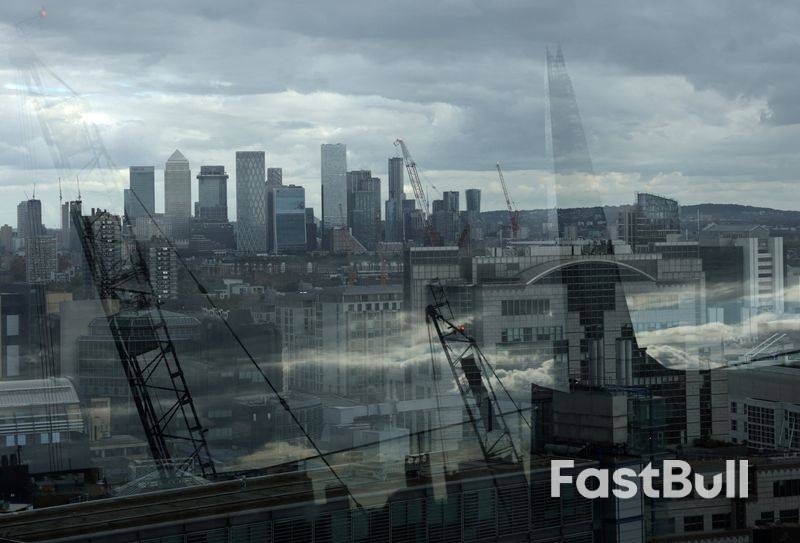
Optimism in Britain's services sector declined at the fastest pace in three years in the three months to November, hurt by ongoing cost pressures that have eroded profits, the Confederation of British Industry said on Monday.
Finance minister Rachel Reeves' annual budget on November 26 - which set out 26 billion pounds ($34 billion)in tax rises - was unlikely to spark a rebound in morale, the CBI said.
"Last week's Budget will add further costs to businesses, while also hampering business investment and profitability, notably with the addition of national insurance contributions to salary sacrifice pension contributions and failure to address punitive business energy costs," CBI official Charlotte Dendy said.

Separate figures from the Institute of Directors, also released on Monday, showed business sentiment had edged up only marginally after the budget and was still near record-low levels.
* CBI services optimism falls to -50 in the three months toNovember from -29 in August, lowest in three years
* CBI services volume falls to -38 in three months toNovember from -30 in August * CBI survey based on 398 firms surveyed between October 28and November 13
* IoD survey shows post-budget sentiment at -72 versus -73in November before budget
* IoD survey conducted from November 14-26, two thirds ofrespondents employ fewer than 50 people
($1 = 0.7551 pounds)
Airbus fleets were returning towards normal operations on Monday after the European planemaker pushed through abrupt software changes faster than originally expected, as it wrestled with safety headlines long focused on rival Boeing.
Dozens of airlines from Asia to the United States said they had carried out a snap software retrofit ordered by Airbus, and mandated by global regulators, after a vulnerability to solar flares emerged in a recent mid-air incident on a JetBlue A320.
But some require a longer process and Colombia's Avianca continued to halt bookings for dates until December 8.
Sources familiar with the matter said the unprecedented decision to recall about half the A320-family fleet, or 6,000 jets, was taken shortly after the possible but unproven link to a drop in altitude on the JetBlue jet emerged late last week.
Following talks with regulators, Airbus issued its 8-page alert to hundreds of operators on Friday, effectively ordering a temporary grounding by ordering the repair before next flight.
"The thing hit us about 9 p.m. (Jeddah time) and I was back in here about 9:30. I was actually quite surprised how quickly we got through it: there are always complexities," said Steven Greenway, CEO of Saudi budget carrier Flyadeal.
The instruction was seen as the broadest emergency recall in the company's history and raised immediate concerns of travel disruption particularly during the busy U.S. Thanksgiving weekend.
The sweeping warning exposed the fact that Airbus does not have full real-time awareness of which software version is used given reporting lags, industry sources said.
At first airlines struggled to gauge the impact since the blanket alert lacked affected jets' serial numbers. A Finnair passenger said a flight was delayed on the tarmac for checks.
Over 24 hours, engineers zeroed in on individual jets.
Several airlines revised down estimates of the number of jets impacted and time needed for the work, which Airbus initially pegged at three hours per plane.
"It has come down a lot," an industry source said on Sunday, referring to the overall number of aircraft affected.
Airbus had no comment beyond Friday's statement.
The fix involved reverting to an earlier version of software that handles the nose angle. It involves uploading the previous version via a cable from a device called a data loader, which is carried into the cockpit to prevent cyberattacks.
At least one major airline faced delays because it lacked enough data loaders to handle dozens of jets in such a short time, according to an executive speaking privately.
Question marks remain over a subset of generally older A320-family jets that will need a new computer rather than a mere software reset. The number of those involved has been reduced below initial estimates of 1,000, industry sources said.
Industry executives said the weekend furore highlighted changes in the industry's playbook since the Boeing 737 MAX crisis, in which the U.S. planemaker was heavily criticised over its handling of fatal crashes blamed on a software design error.
It is the first time Airbus has had to deal with global safety attention on such a scale since that crisis. CEO Guillaume Faury publicly apologised in a deliberate shift of tone for an industry beset by lawsuits and conservative public relations. Boeing has also declared itself more open.

"Is Airbus acting with the Boeing MAX crisis in mind? Absolutely — every company in the aviation sector is," said Ronn Torossian, chairman of New York-based 5W Public Relations.
"Boeing paid the reputational price for hesitation and opacity. Airbus clearly wants to show...a willingness to say, 'We could have done better.' That resonates with regulators, customers, and the flying public."
Oil rose after OPEC+ confirmed it will stick with plans to pause production hikes during the first quarter, while traders weighed the fallout from President Donald Trump's rhetoric around Venezuela.
Brent traded near $63 a barrel and West Texas Intermediate was around $59. The producer-group led by Saudi Arabia reiterated the three-month halt — first announced at the start of last month — after meetings on Sunday. OPEC+ again said that the move reflected weaker seasonal market conditions.
Oil posted a fourth consecutive monthly drop in November as expectations for a swelling surplus weighed on the outlook, with the International Energy Agency forecasting a record glut in 2026. Still, geopolitical tensions across the Middle East and other regions have often buoyed prices this year.
"While the outlook for the market is bearish with expectations of a large surplus, lingering supply risks mean that it is taking longer for these bearish fundamentals to be fully reflected in prices," said Warren Patterson, Singapore-based head of commodities strategy at ING Groep NV.
On Saturday, Trump escalated pressure on Venezuela by warning that airlines should consider the airspace above and around the country to be closed, before downplaying those comments on Sunday. However, US forces have been massing in the region, keeping the market on edge.
Meanwhile, US and Ukrainian negotiators said they had productive discussions about a framework for a peace deal, but there was no final breakthrough as Trump continues to push for a truce with Russia. A potential ceasefire could lead to easing sanctions on Moscow and higher crude flows from the nation.
"For now, geopolitics and OPEC+ discipline look more like forces trying to stop oil from breaking down than catalysts for" sustained price gains, said Charu Chanana, chief investment strategist at Saxo Markets in Singapore. It's about "headline risk and preventing a deeper sell-off," she added.
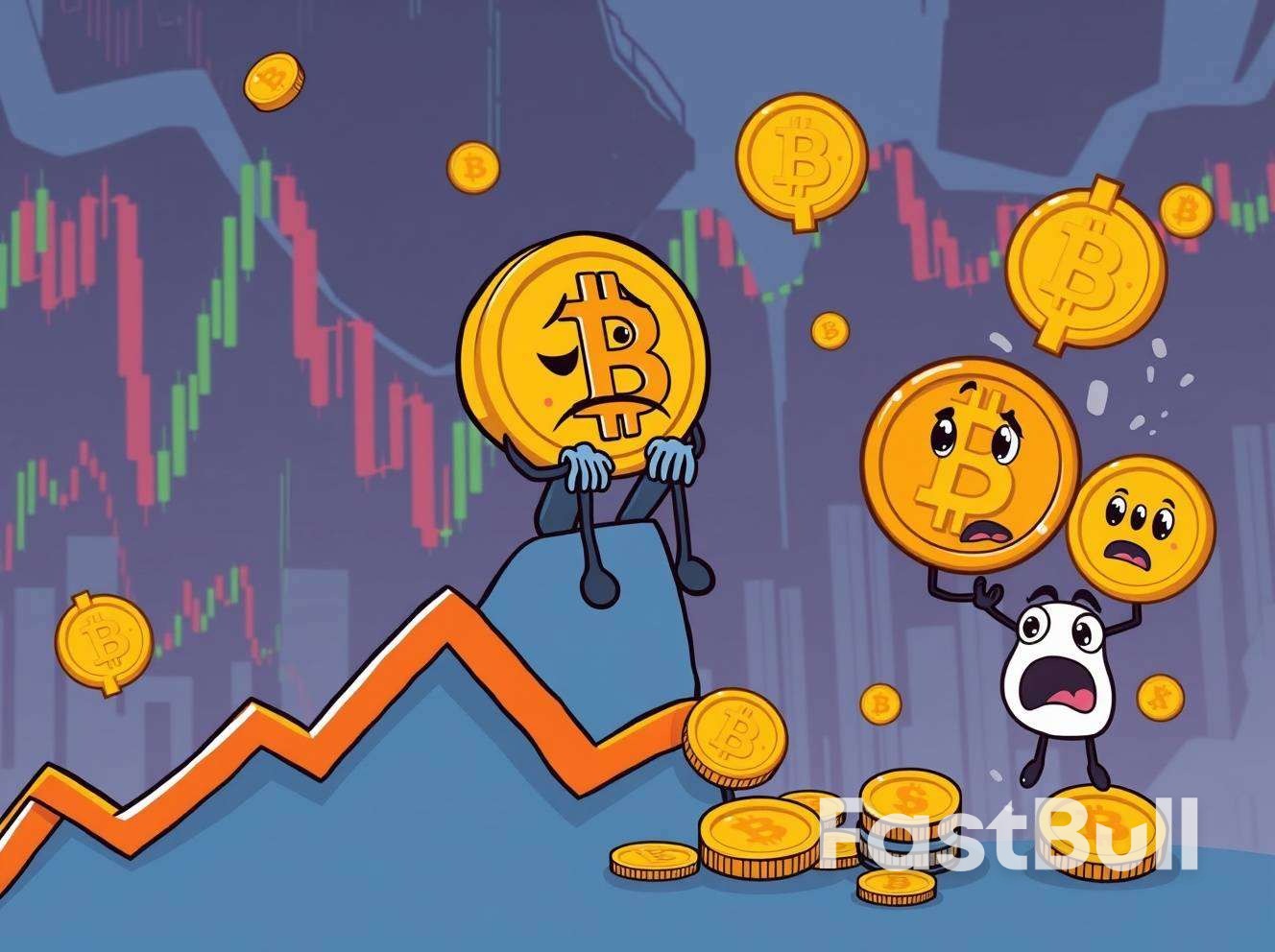
Bitcoin Price Plummets: BTC Drops Below $89,000 in Market ShakeupBitcoin investors experienced a sudden jolt today as the cryptocurrency market witnessed a significant downturn. The Bitcoin price has fallen below the crucial $89,000 mark, sending ripples across the digital asset landscape. According to real-time market data from Binance USDT, BTC is currently trading at $88,977.74, marking a concerning drop for holders and traders alike.
Market analysts point to several factors influencing the current Bitcoin price movement. The cryptocurrency market often experiences volatility due to various economic indicators and global events. However, this particular drop below $89,000 suggests deeper market sentiment shifts that warrant closer examination.
Several key elements typically affect Bitcoin price fluctuations:
The current Bitcoin price drop represents more than just numbers on a chart. Falling below $89,000 indicates potential resistance levels being tested and could signal further market adjustments. Historically, such movements often precede either consolidation periods or more substantial trend reversals.
Market participants should note that cryptocurrency investments carry inherent volatility. The Bitcoin price has demonstrated resilience in past cycles, but current conditions require careful monitoring. Understanding these patterns helps investors make informed decisions rather than emotional reactions.
As the Bitcoin price navigates this downturn, several indicators deserve attention. Trading volume, market depth, and key support levels will provide clues about potential recovery or continued pressure. The $88,000 level now becomes particularly important for short-term direction.
Consider these actionable insights:
The Bitcoin price movement serves as a reminder that cryptocurrency markets remain dynamic and unpredictable. However, experienced investors understand that volatility presents both challenges and opportunities. The key lies in maintaining perspective and following sound investment principles.
Remember that the Bitcoin price has weathered numerous corrections throughout its history. While current conditions may seem concerning, they also represent normal market behavior for this asset class. Staying informed and avoiding panic-driven decisions remains crucial.
Why did Bitcoin drop below $89,000?
The Bitcoin price decline likely results from combined factors including market sentiment shifts, profit-taking, and broader economic conditions affecting cryptocurrency valuations.
Is this a good time to buy Bitcoin?
Market downturns can present buying opportunities, but always conduct personal research and consider your risk tolerance before making investment decisions.
How low could Bitcoin price go?
While predictions vary, technical analysis suggests watching the $88,000 support level for indications of further direction.
Should I sell my Bitcoin holdings?
Investment decisions should align with your financial goals and risk management strategy rather than short-term price movements.
How long might this downturn last?
Cryptocurrency market corrections can last from hours to weeks, depending on underlying factors and market conditions.
What indicators should I monitor?
Key metrics include trading volume, market sentiment, regulatory news, and technical support/resistance levels.
South Korea's factory activity contracted for a second straight month in November, as demand remained subdued, a private-sector survey showed on Monday, though a finalised trade deal with the United States brought some clarity for manufacturers.
The Purchasing Managers Index (PMI) for manufacturers in Asia's fourth-largest economy, released by S&P Global, stood at 49.4 in November, unchanged from October and below the 50-mark separating expansion from contraction.
"Both production volumes and new orders fell for the second consecutive month, with anecdotal evidence indicating that weakness in the domestic economy was compounded by the impact of tariffs and price fluctuations," said Usamah Bhatti, economist at S&P Global Market Intelligence.
New orders fell on domestic weakness and the effects of U.S. tariffs, although the pace of decline eased compared with October.
The drop in new export orders was marginal, as soft demand in the U.S. and Japan was offset by stronger orders from other Asian countries, such as India, Vietnam and Indonesia.
In November, South Korea finalised a trade deal with the U.S. to reduce tariffs, alleviating uncertainties after months of negotiations over an investment package that was included in a preliminary agreement in late July.
The Bank of Korea held interest rates steady for a fourth straight meeting last week, signalling an end to its monetary easing cycle amid worries over a weakened won.

Amid currency weakness, Monday's survey highlighted quickening input price inflation in November, which accelerated to a nine-month high. However, firms refrained from passing on these higher costs to consumers, with output prices falling for the first time in a year due to weak demand.
Manufacturers' optimism for the year ahead dimmed, reflecting persistent concerns over the timing of the country's economic recovery, price volatility and intensifying competition.
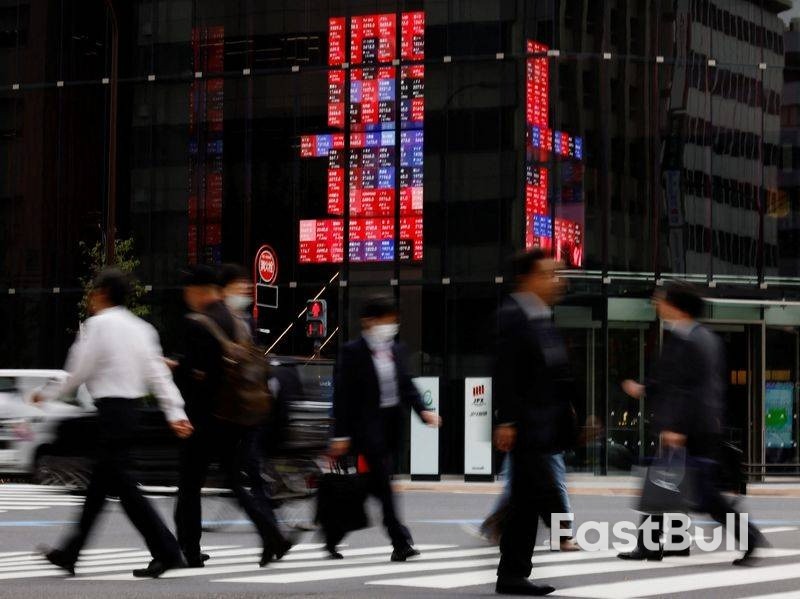
Japanese corporate spending on factories and equipment rose 2.9% in July-September versus the same period a year prior, Ministry of Finance data showed on Monday, signalling the world's fourth-largest economy was weathering the impact of U.S. tariffs.
The data, which will be used to calculate revised third-quarter gross domestic product figures due on December 8, is likely to support the case for an interest in the central bank's policy interest rate.
Preliminary data last month showed the economy shrank an annualised 1.8% in July-September, as a drop in exports in the face of U.S. tariffs resulted in the first contraction in six quarters.
Capital spending in July-September compared with a 7.6% gain in the previous three-month period. It fell 1.4% on a seasonally adjusted quarterly basis.
The data also showed corporate sales rose 0.5% on year and recurring profit increased 19.7%.
Capital expenditure has been mostly robust in recent years due to strong appetite for investment in information technology to offset a chronic labour crunch in the fast-aging population.
The strength in capital expenditure, a key gauge of domestic demand-led economic growth, is likely to underpin the economy when persistent inflation pressures private consumption and exports continue to battle U.S. tariffs, analysts said.

The government is also focused on stimulating investment through targeted public spending in sectors key to economic security. Last month it finalised a stimulus package of 21.3 trillion yen ($136 billion), the largest since the COVID-19 pandemic.
($1 = 155.8500 yen)
White Label
Data API
Web Plug-ins
Poster Maker
Affiliate Program
The risk of loss in trading financial instruments such as stocks, FX, commodities, futures, bonds, ETFs and crypto can be substantial. You may sustain a total loss of the funds that you deposit with your broker. Therefore, you should carefully consider whether such trading is suitable for you in light of your circumstances and financial resources.
No decision to invest should be made without thoroughly conducting due diligence by yourself or consulting with your financial advisors. Our web content might not suit you since we don't know your financial conditions and investment needs. Our financial information might have latency or contain inaccuracy, so you should be fully responsible for any of your trading and investment decisions. The company will not be responsible for your capital loss.
Without getting permission from the website, you are not allowed to copy the website's graphics, texts, or trademarks. Intellectual property rights in the content or data incorporated into this website belong to its providers and exchange merchants.
Not Logged In
Log in to access more features

FastBull Membership
Not yet
Purchase
Log In
Sign Up