Markets
News
Analysis
User
24/7
Economic Calendar
Education
Data
- Names
- Latest
- Prev


Signal Accounts for Members
All Signal Accounts
All Contests


Italy Retail Sales MoM (SA) (Oct)A:--
F: --
P: --
Euro Zone Employment YoY (SA) (Q3)A:--
F: --
P: --
Euro Zone GDP Final YoY (Q3)A:--
F: --
P: --
Euro Zone GDP Final QoQ (Q3)A:--
F: --
P: --
Euro Zone Employment Final QoQ (SA) (Q3)A:--
F: --
P: --
Euro Zone Employment Final (SA) (Q3)A:--
F: --
Brazil PPI MoM (Oct)A:--
F: --
P: --
Mexico Consumer Confidence Index (Nov)A:--
F: --
P: --
Canada Unemployment Rate (SA) (Nov)A:--
F: --
P: --
Canada Labor Force Participation Rate (SA) (Nov)A:--
F: --
P: --
Canada Employment (SA) (Nov)A:--
F: --
P: --
Canada Part-Time Employment (SA) (Nov)A:--
F: --
P: --
Canada Full-time Employment (SA) (Nov)A:--
F: --
P: --
U.S. Personal Income MoM (Sept)A:--
F: --
P: --
U.S. PCE Price Index YoY (SA) (Sept)A:--
F: --
P: --
U.S. PCE Price Index MoM (Sept)A:--
F: --
P: --
U.S. Personal Outlays MoM (SA) (Sept)A:--
F: --
P: --
U.S. Core PCE Price Index MoM (Sept)A:--
F: --
P: --
U.S. Core PCE Price Index YoY (Sept)A:--
F: --
P: --
U.S. UMich 5-Year-Ahead Inflation Expectations Prelim YoY (Dec)A:--
F: --
P: --
U.S. Real Personal Consumption Expenditures MoM (Sept)A:--
F: --
P: --
U.S. 5-10 Year-Ahead Inflation Expectations (Dec)A:--
F: --
P: --
U.S. UMich Current Economic Conditions Index Prelim (Dec)A:--
F: --
P: --
U.S. UMich Consumer Sentiment Index Prelim (Dec)A:--
F: --
P: --
U.S. UMich 1-Year-Ahead Inflation Expectations Prelim (Dec)A:--
F: --
P: --
U.S. UMich Consumer Expectations Index Prelim (Dec)A:--
F: --
P: --
U.S. Weekly Total Rig CountA:--
F: --
P: --
U.S. Weekly Total Oil Rig CountA:--
F: --
P: --
U.S. Unit Labor Cost Prelim (SA) (Q3)--
F: --
P: --
U.S. Consumer Credit (SA) (Oct)A:--
F: --
P: --
China, Mainland Foreign Exchange Reserves (Nov)--
F: --
P: --
China, Mainland Exports YoY (USD) (Nov)--
F: --
P: --
China, Mainland Imports YoY (CNH) (Nov)--
F: --
P: --
China, Mainland Imports YoY (USD) (Nov)--
F: --
P: --
China, Mainland Imports (CNH) (Nov)--
F: --
P: --
China, Mainland Trade Balance (CNH) (Nov)--
F: --
P: --
China, Mainland Exports (Nov)--
F: --
P: --
Japan Wages MoM (Oct)--
F: --
P: --
Japan Trade Balance (Oct)--
F: --
P: --
Japan Nominal GDP Revised QoQ (Q3)--
F: --
P: --
Japan Trade Balance (Customs Data) (SA) (Oct)--
F: --
P: --
Japan GDP Annualized QoQ Revised (Q3)--
F: --
China, Mainland Exports YoY (CNH) (Nov)--
F: --
P: --
China, Mainland Trade Balance (USD) (Nov)--
F: --
P: --
Germany Industrial Output MoM (SA) (Oct)--
F: --
P: --
Euro Zone Sentix Investor Confidence Index (Dec)--
F: --
P: --
Canada Leading Index MoM (Nov)--
F: --
P: --
Canada National Economic Confidence Index--
F: --
P: --
U.S. Dallas Fed PCE Price Index YoY (Sept)--
F: --
P: --
U.S. 3-Year Note Auction Yield--
F: --
P: --
U.K. BRC Overall Retail Sales YoY (Nov)--
F: --
P: --
U.K. BRC Like-For-Like Retail Sales YoY (Nov)--
F: --
P: --
Australia Overnight (Borrowing) Key Rate--
F: --
P: --
RBA Rate Statement
RBA Press Conference
Germany Exports MoM (SA) (Oct)--
F: --
P: --
U.S. NFIB Small Business Optimism Index (SA) (Nov)--
F: --
P: --
Mexico Core CPI YoY (Nov)--
F: --
P: --
Mexico 12-Month Inflation (CPI) (Nov)--
F: --
P: --
Mexico PPI YoY (Nov)--
F: --
P: --


No matching data
Latest Views
Latest Views
Trending Topics
Top Columnists
Latest Update
White Label
Data API
Web Plug-ins
Affiliate Program
View All

No data
Oil rose after OPEC+ confirmed it will stick with plans to pause production hikes during the first quarter, while traders weighed the fallout from President Donald Trump's rhetoric around Venezuela.
Brent traded near $63 a barrel and West Texas Intermediate was around $59. The producer-group led by Saudi Arabia reiterated the three-month halt — first announced at the start of last month — after meetings on Sunday. OPEC+ again said that the move reflected weaker seasonal market conditions.
Oil posted a fourth consecutive monthly drop in November as expectations for a swelling surplus weighed on the outlook, with the International Energy Agency forecasting a record glut in 2026. Still, geopolitical tensions across the Middle East and other regions have often buoyed prices this year.
"While the outlook for the market is bearish with expectations of a large surplus, lingering supply risks mean that it is taking longer for these bearish fundamentals to be fully reflected in prices," said Warren Patterson, Singapore-based head of commodities strategy at ING Groep NV.
On Saturday, Trump escalated pressure on Venezuela by warning that airlines should consider the airspace above and around the country to be closed, before downplaying those comments on Sunday. However, US forces have been massing in the region, keeping the market on edge.
Meanwhile, US and Ukrainian negotiators said they had productive discussions about a framework for a peace deal, but there was no final breakthrough as Trump continues to push for a truce with Russia. A potential ceasefire could lead to easing sanctions on Moscow and higher crude flows from the nation.
"For now, geopolitics and OPEC+ discipline look more like forces trying to stop oil from breaking down than catalysts for" sustained price gains, said Charu Chanana, chief investment strategist at Saxo Markets in Singapore. It's about "headline risk and preventing a deeper sell-off," she added.
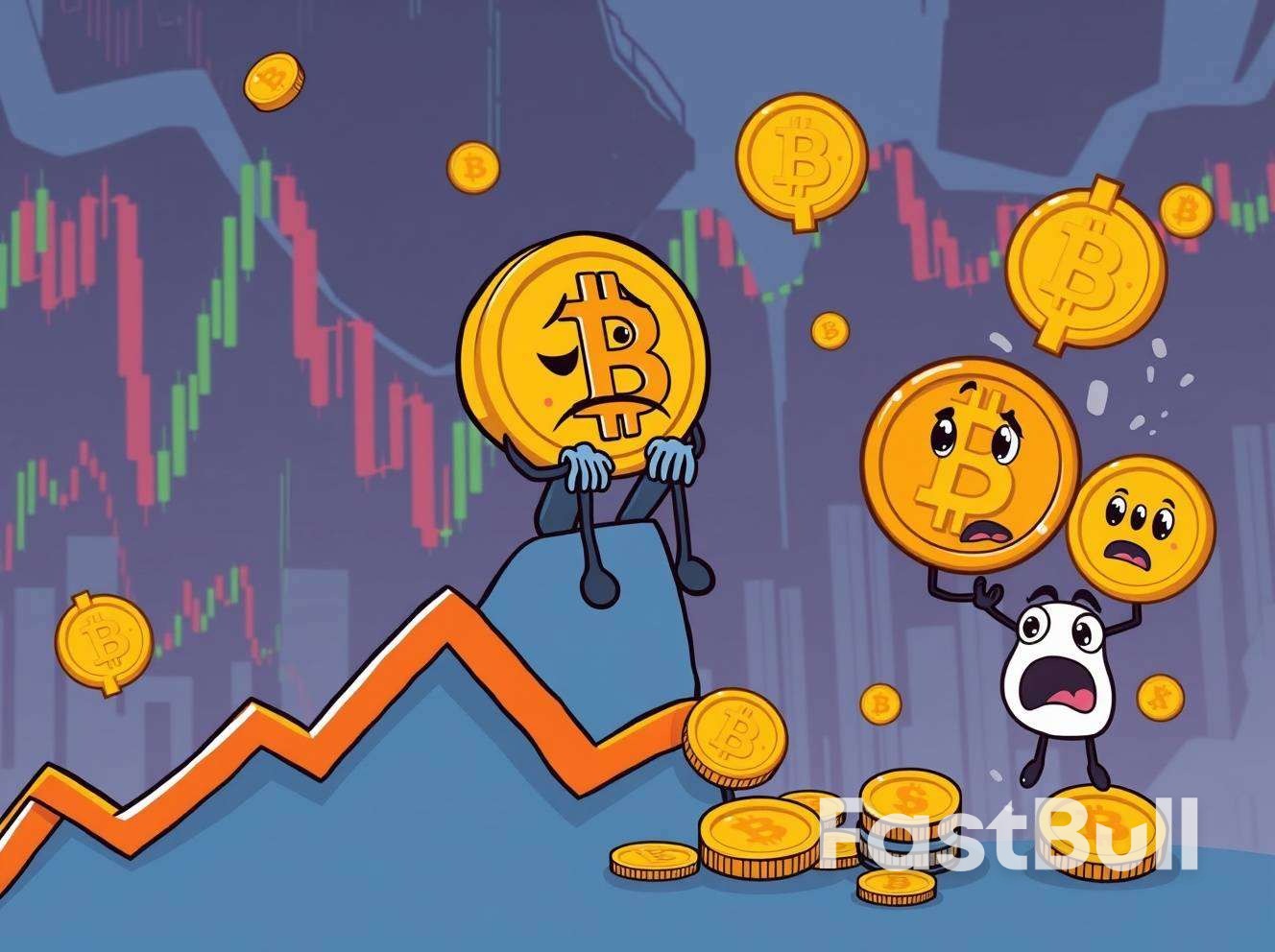
Bitcoin Price Plummets: BTC Drops Below $89,000 in Market ShakeupBitcoin investors experienced a sudden jolt today as the cryptocurrency market witnessed a significant downturn. The Bitcoin price has fallen below the crucial $89,000 mark, sending ripples across the digital asset landscape. According to real-time market data from Binance USDT, BTC is currently trading at $88,977.74, marking a concerning drop for holders and traders alike.
Market analysts point to several factors influencing the current Bitcoin price movement. The cryptocurrency market often experiences volatility due to various economic indicators and global events. However, this particular drop below $89,000 suggests deeper market sentiment shifts that warrant closer examination.
Several key elements typically affect Bitcoin price fluctuations:
The current Bitcoin price drop represents more than just numbers on a chart. Falling below $89,000 indicates potential resistance levels being tested and could signal further market adjustments. Historically, such movements often precede either consolidation periods or more substantial trend reversals.
Market participants should note that cryptocurrency investments carry inherent volatility. The Bitcoin price has demonstrated resilience in past cycles, but current conditions require careful monitoring. Understanding these patterns helps investors make informed decisions rather than emotional reactions.
As the Bitcoin price navigates this downturn, several indicators deserve attention. Trading volume, market depth, and key support levels will provide clues about potential recovery or continued pressure. The $88,000 level now becomes particularly important for short-term direction.
Consider these actionable insights:
The Bitcoin price movement serves as a reminder that cryptocurrency markets remain dynamic and unpredictable. However, experienced investors understand that volatility presents both challenges and opportunities. The key lies in maintaining perspective and following sound investment principles.
Remember that the Bitcoin price has weathered numerous corrections throughout its history. While current conditions may seem concerning, they also represent normal market behavior for this asset class. Staying informed and avoiding panic-driven decisions remains crucial.
Why did Bitcoin drop below $89,000?
The Bitcoin price decline likely results from combined factors including market sentiment shifts, profit-taking, and broader economic conditions affecting cryptocurrency valuations.
Is this a good time to buy Bitcoin?
Market downturns can present buying opportunities, but always conduct personal research and consider your risk tolerance before making investment decisions.
How low could Bitcoin price go?
While predictions vary, technical analysis suggests watching the $88,000 support level for indications of further direction.
Should I sell my Bitcoin holdings?
Investment decisions should align with your financial goals and risk management strategy rather than short-term price movements.
How long might this downturn last?
Cryptocurrency market corrections can last from hours to weeks, depending on underlying factors and market conditions.
What indicators should I monitor?
Key metrics include trading volume, market sentiment, regulatory news, and technical support/resistance levels.
South Korea's factory activity contracted for a second straight month in November, as demand remained subdued, a private-sector survey showed on Monday, though a finalised trade deal with the United States brought some clarity for manufacturers.
The Purchasing Managers Index (PMI) for manufacturers in Asia's fourth-largest economy, released by S&P Global, stood at 49.4 in November, unchanged from October and below the 50-mark separating expansion from contraction.
"Both production volumes and new orders fell for the second consecutive month, with anecdotal evidence indicating that weakness in the domestic economy was compounded by the impact of tariffs and price fluctuations," said Usamah Bhatti, economist at S&P Global Market Intelligence.
New orders fell on domestic weakness and the effects of U.S. tariffs, although the pace of decline eased compared with October.
The drop in new export orders was marginal, as soft demand in the U.S. and Japan was offset by stronger orders from other Asian countries, such as India, Vietnam and Indonesia.
In November, South Korea finalised a trade deal with the U.S. to reduce tariffs, alleviating uncertainties after months of negotiations over an investment package that was included in a preliminary agreement in late July.
The Bank of Korea held interest rates steady for a fourth straight meeting last week, signalling an end to its monetary easing cycle amid worries over a weakened won.

Amid currency weakness, Monday's survey highlighted quickening input price inflation in November, which accelerated to a nine-month high. However, firms refrained from passing on these higher costs to consumers, with output prices falling for the first time in a year due to weak demand.
Manufacturers' optimism for the year ahead dimmed, reflecting persistent concerns over the timing of the country's economic recovery, price volatility and intensifying competition.
Japanese corporate spending on factories and equipment rose 2.9% in July-September versus the same period a year prior, Ministry of Finance data showed on Monday, signalling the world's fourth-largest economy was weathering the impact of U.S. tariffs.
The data, which will be used to calculate revised third-quarter gross domestic product figures due on December 8, is likely to support the case for an interest in the central bank's policy interest rate.
Preliminary data last month showed the economy shrank an annualised 1.8% in July-September, as a drop in exports in the face of U.S. tariffs resulted in the first contraction in six quarters.
Capital spending in July-September compared with a 7.6% gain in the previous three-month period. It fell 1.4% on a seasonally adjusted quarterly basis.
The data also showed corporate sales rose 0.5% on year and recurring profit increased 19.7%.
Capital expenditure has been mostly robust in recent years due to strong appetite for investment in information technology to offset a chronic labour crunch in the fast-aging population.
The strength in capital expenditure, a key gauge of domestic demand-led economic growth, is likely to underpin the economy when persistent inflation pressures private consumption and exports continue to battle U.S. tariffs, analysts said.

The government is also focused on stimulating investment through targeted public spending in sectors key to economic security. Last month it finalised a stimulus package of 21.3 trillion yen ($136 billion), the largest since the COVID-19 pandemic.
($1 = 155.8500 yen)
President Donald Trump said Sunday that people shouldn't read much into a social media post where he said Venezuelan airspace should be considered closed.
His post from Saturday morning, addressed to airlines and "Drug Dealers," added to jitters in the region about possible US strikes on Venezuelan territory.
"Don't read anything into it," he told reporters Sunday aboard Air Force One. He added, "We consider Venezuela to be not a very friendly country."
The US is enacting a widening campaign in the Caribbean, one that began with fatal strikes on boats in international waters and continued when the US deployed additional Navy ships, including an aircraft carrier, to the region, adding to speculation it may be about to strike Venezuela.
Trump confirmed he held a phone call recently with President Nicolas Maduro but declined to describe how it went. "I wouldn't say it went well or badly," he said.
He also downplayed concerns from Republican lawmakers about a potentially illegal fatal strike on a damaged boat in the Caribbean.
The Defense Department is facing mounting questions after a Washington Post report that Defense Secretary Pete Hegseth ordered a fatal strike on boats and demanded specifically that those strikes kill everyone on board. That led to a second strike on the damaged hull of a boat on Sept. 2 to kill two people wounded in the first strike, the Post reported.
"I'm going to find out about it, but Pete said he did not order the death of those two men," Trump said. Asked whether a second strike would be legal, he replied, "No, I wouldn't have wanted that, not a second strike. The first strike was very lethal."
Analysts say the naval strikes were already being carried out under dubious or shaky legal authority, and the strikes have been raising concerns among US allies. The administration argues the boats are legitimate targets because they are allegedly ferrying drugs.
Trump said he wasn't concerned about legal challenges "because you can see the boats. You can see the drugs in the boats, and each boat is responsible for killing 25,000 Americans. So I think they do an amazing job."
The report of a follow-up strike to kill wounded people drew rare pushback from Republican lawmakers. Ohio Representative Mike Turner told CBS on Sunday that such a strike would, if confirmed, amount to an "illegal act" while Nebraska's Don Bacon told ABC it would be a "clear violation of the law of war."
Senator Roger Wicker, who serves as chairman of the Senate Armed Services Committee, has said the panel will investigate the strikes in the aftermath of the report.
The US Federal Aviation Administration warned airlines on Nov. 22 to "exercise caution" in Venezuela, prompting some to begin canceling flights.
The Trump administration recently designated Venezuela's Cartel de los Soles as a foreign terrorist organization — which the US says is a legal basis for certain operations, but which Venezuela argues is a pretense for strikes.
British Prime Minister Keir Starmer will set out on Monday his economic vision for the rest of the Labour government's parliamentary term in a speech that builds on last week's budget, his office said.
He will present the "broader mission" of his government's drive to boost economic growth, Downing Street said, following finance minister Rachel Reeves' budget last week, which raised 26 billion pounds ($34.41 billion) of taxes.
Starmer's centre-left Labour Party trails behind the right-wing Reform UK in opinion polls. The next national election is due to be held by mid-2029 at the latest.
Despite winning a historic landslide election last year, Starmer is under pressure from his own lawmakers to regain the initiative after a tough first year in charge, marked by U-turns over key policies and continued angst over the public finances.
Starmer will talk about removing "unnecessary regulation", his office said.
"Rooting out excessive costs in every corner of the economy is an essential step to lower the cost of living for good, as well as promoting more dynamic markets for business," Starmer will say, according to excerpts of his speech published by Downing Street.
His speech will also focus on helping more people into work - by raising access to apprenticeships and training, and removing barriers to employment for people who have been "written off" because of neurodivergence, disability or mental health problems.
($1 = 0.7555 pounds)
White Label
Data API
Web Plug-ins
Poster Maker
Affiliate Program
The risk of loss in trading financial instruments such as stocks, FX, commodities, futures, bonds, ETFs and crypto can be substantial. You may sustain a total loss of the funds that you deposit with your broker. Therefore, you should carefully consider whether such trading is suitable for you in light of your circumstances and financial resources.
No decision to invest should be made without thoroughly conducting due diligence by yourself or consulting with your financial advisors. Our web content might not suit you since we don't know your financial conditions and investment needs. Our financial information might have latency or contain inaccuracy, so you should be fully responsible for any of your trading and investment decisions. The company will not be responsible for your capital loss.
Without getting permission from the website, you are not allowed to copy the website's graphics, texts, or trademarks. Intellectual property rights in the content or data incorporated into this website belong to its providers and exchange merchants.
Not Logged In
Log in to access more features

FastBull Membership
Not yet
Purchase
Log In
Sign Up