Markets
News
Analysis
User
24/7
Economic Calendar
Education
Data
- Names
- Latest
- Prev



Signal Accounts for Members
All Signal Accounts
All Contests


U.S. PPI MoM (SA) (Nov)A:--
F: --
U.S. PPI YoY (Nov)A:--
F: --
U.S. Current Account (Q3)A:--
F: --
U.S. Retail Sales YoY (Nov)A:--
F: --
P: --
U.S. Retail Sales (Nov)A:--
F: --
P: --
U.S. Core Retail Sales MoM (Nov)A:--
F: --
U.S. Retail Sales MoM (Excl. Automobile) (SA) (Nov)A:--
F: --
U.S. Core Retail Sales (Nov)A:--
F: --
P: --
U.S. Retail Sales MoM (Excl. Gas Stations & Vehicle Dealers) (SA) (Nov)A:--
F: --
U.S. Retail Sales MoM (Nov)A:--
F: --
U.S. Core PPI MoM (SA) (Nov)A:--
F: --
Philadelphia Fed President Henry Paulson delivers a speech
U.S. Commercial Inventory MoM (Oct)A:--
F: --
U.S. Existing Home Sales Annualized Total (Dec)A:--
F: --
U.S. Existing Home Sales Annualized MoM (Dec)A:--
F: --
U.S. EIA Weekly Cushing, Oklahoma Crude Oil Stocks ChangeA:--
F: --
P: --
U.S. EIA Weekly Crude Stocks ChangeA:--
F: --
P: --
U.S. EIA Weekly Gasoline Stocks ChangeA:--
F: --
P: --
U.S. EIA Weekly Crude Demand Projected by ProductionA:--
F: --
P: --
U.S. EIA Weekly Crude Oil Imports ChangesA:--
F: --
P: --
U.S. EIA Weekly Heating Oil Stock ChangesA:--
F: --
P: --
U.S. Refinitiv/Ipsos Primary Consumer Sentiment Index (PCSI) (Jan)A:--
F: --
P: --
China, Mainland M2 Money Supply YoY (Dec)--
F: --
P: --
China, Mainland M0 Money Supply YoY (Dec)--
F: --
P: --
China, Mainland M1 Money Supply YoY (Dec)--
F: --
P: --
Japan Domestic Enterprise Commodity Price Index YoY (Dec)A:--
F: --
P: --
Japan PPI MoM (Dec)A:--
F: --
P: --
Japan Domestic Enterprise Commodity Price Index MoM (Dec)A:--
F: --
P: --
Australia Consumer Inflation Expectations (Jan)A:--
F: --
P: --
U.K. 3-Month RICS House Price Balance (Dec)A:--
F: --
South Korea Benchmark Interest Rate--
F: --
P: --
Saudi Arabia CPI YoY (Dec)--
F: --
P: --
U.K. Services Index MoM (SA) (Nov)--
F: --
P: --
U.K. Services Index YoY (Nov)--
F: --
P: --
U.K. Manufacturing Output MoM (Nov)--
F: --
P: --
U.K. Trade Balance (Nov)--
F: --
P: --
U.K. Monthly GDP 3M/3M Change (Nov)--
F: --
P: --
U.K. GDP MoM (Nov)--
F: --
P: --
U.K. Industrial Output MoM (Nov)--
F: --
P: --
U.K. Trade Balance Non-EU (SA) (Nov)--
F: --
P: --
U.K. Trade Balance (SA) (Nov)--
F: --
P: --
U.K. Manufacturing Output YoY (Nov)--
F: --
P: --
U.K. Construction Output MoM (SA) (Nov)--
F: --
P: --
U.K. Industrial Output YoY (Nov)--
F: --
P: --
U.K. Services Index MoM--
F: --
P: --
U.K. Construction Output YoY (Nov)--
F: --
P: --
U.K. GDP YoY (SA) (Nov)--
F: --
P: --
U.K. Trade Balance EU (SA) (Nov)--
F: --
P: --
France HICP Final MoM (Dec)--
F: --
P: --
Germany Annual GDP Growth--
F: --
Italy Industrial Output YoY (SA) (Nov)--
F: --
P: --
Canada Existing Home Sales MoM (Dec)--
F: --
P: --
Euro Zone Industrial Output MoM (Nov)--
F: --
P: --
Euro Zone Trade Balance (SA) (Nov)--
F: --
P: --
Euro Zone Trade Balance (Not SA) (Nov)--
F: --
P: --
Euro Zone Industrial Output YoY (Nov)--
F: --
P: --
South Africa Refinitiv/Ipsos Primary Consumer Sentiment Index (PCSI) (Jan)--
F: --
P: --
U.K. Refinitiv/Ipsos Primary Consumer Sentiment Index (PCSI) (Jan)--
F: --
P: --
China, Mainland Outstanding Loans Growth YoY (Dec)--
F: --
P: --
Brazil Retail Sales MoM (Nov)--
F: --
P: --


No matching data
Latest Views
Latest Views
Trending Topics
Top Columnists
Latest Update
White Label
Data API
Web Plug-ins
Affiliate Program
View All

No data
US Arctic demands for Greenland failed to bridge divides, prompting European military deployments.
A high-stakes meeting between the United States, Denmark, and Greenland over the future of the Arctic island has ended with a "fundamental disagreement," prompting several European nations to dispatch military personnel to the region.
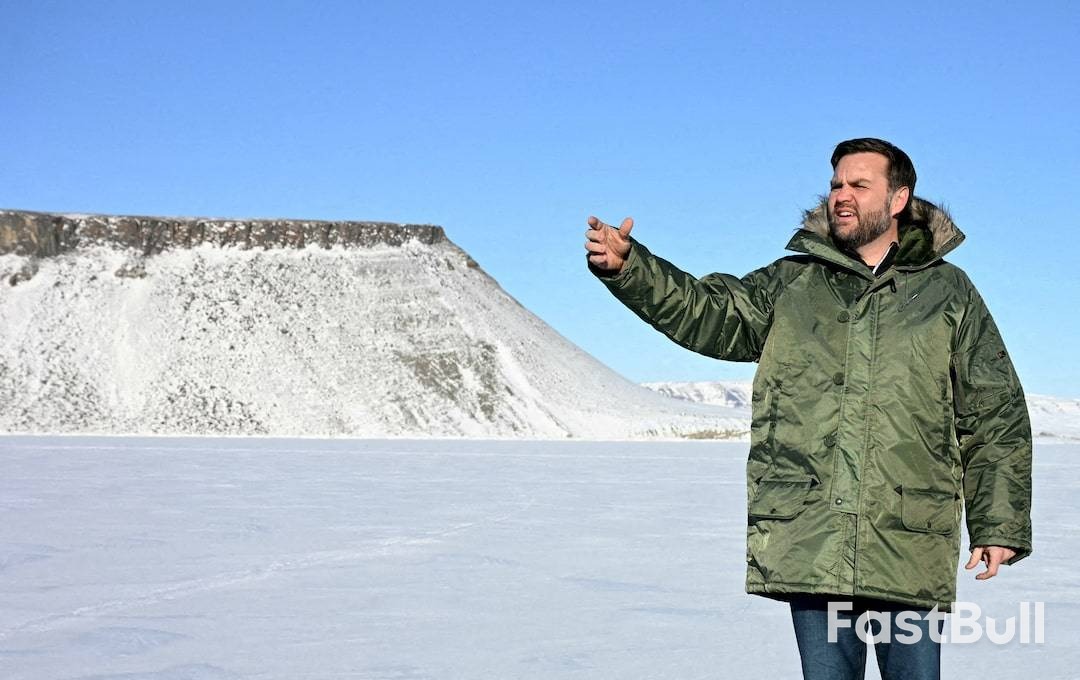
Foreign ministers from Denmark and Greenland met with US Vice President JD Vance and Secretary of State Marco Rubio in Washington. While both sides agreed to form a working group to discuss the path forward, the US has not backed down from its demands for control over the territory.
The talks, described in Danish media as one of the most significant diplomatic moments for the Kingdom of Denmark since World War II, were an attempt to de-escalate the situation. Denmark and Greenland sought to persuade the US administration that a takeover of the semi-autonomous Arctic island was unnecessary.
However, Danish Foreign Minister Lars Lokke Rasmussen confirmed the core conflict remains unresolved. "Ideas that would not respect territorial integrity of the Kingdom of Denmark and the right of self-determination of the Greenland people are of course totally unacceptable," he told reporters. "We therefore still have a fundamental disagreement. We will, however, continue to talk."
When asked for comment, the Vice President's office referred to President Donald Trump's social media posts reiterating his demand for US control over Greenland for national security purposes. The White House redirected all questions back to the Vice President's office.
In a sign of growing urgency, European allies are now stepping in. Germany is sending an "exploration mission" of 13 military personnel to Greenland's capital, Nuuk, from January 15 to 17. According to Germany's Defense Ministry, the goal is to "explore the framework conditions for possible military contributions to support Denmark in ensuring security in the region, for example, for maritime surveillance capabilities."
Sweden, Norway, and the UK have also announced plans to send military personnel. This follows reports that Germany intended to propose a joint NATO mission to monitor and protect security interests in the Arctic, highlighting a swift European response to the US threats.
In parallel, Denmark announced it would strengthen its own military presence in the far North with permanent military drills involving NATO allies.
The Danish government argues that a US takeover of Greenland would be futile. A comprehensive defense agreement signed in 1951 already grants the United States the right to use the territory for its defense needs. Danish officials attempted to use this long-standing pact to convince the US administration, but the argument failed to gain traction.
Looking ahead, Rasmussen expressed a cautious hope for a diplomatic solution. "We agreed that it makes sense to try to sit down on a high level to explore whether there's possibilities to accommodate the concerns of the president while we at the same time respect the red lines of the Kingdom of Denmark," he said. "Whether that's doable—yeah, I hope and I would like to express that it could take down the temperature."
President Donald Trump has indicated he may hold off on a military response to Iran's crackdown on protesters, stating he received assurances that the killing of demonstrators has ceased.
"We've been told that the killing in Iran is stopping—it's stopped," Trump told reporters from the Oval Office on Wednesday. "And there's no plan for executions or an execution."
However, the president cautioned that he would be "very upset" if this information turned out to be false and the violent repression were to resume.
The statement follows a period of heightened rhetoric where Trump actively encouraged Iranians to continue protesting against the government led by Supreme Leader Ayatollah Ali Khamenei. In a social media post, he declared that "help is on the way" for the demonstrators.
According to a White House official, the president has been briefed on several military options, including strikes on nonmilitary sites within Iran. While Trump was in Michigan for an economic speech, Vice President JD Vance led a National Security Council meeting on Tuesday to discuss the situation in Iran.
Alongside potential military action, the Trump administration is tightening its economic grip. On Monday, the president announced the US would impose a 25% tariff on any nation that continues to do business with Iran.
Further isolating Tehran, Trump said on Tuesday that he had "canceled all meetings with the Iranian officials until the senseless killing of protesters stops."
The Middle East remains on high alert for a potential US intervention. These concerns have been amplified by recent US actions elsewhere, such as the special forces raid in Caracas that led to the capture of Venezuelan President Nicolas Maduro, who now faces federal charges in the United States.
Iran has issued warnings to both the US and Israel, which conducted coordinated strikes on Iranian nuclear facilities last year, cautioning them against any interference amidst the mass unrest. Tehran and Washington have lacked formal diplomatic relations for decades.
Adding to the tension, officials reported to Bloomberg on Wednesday that the US has redeployed some military personnel in Qatar and other American bases across the region.
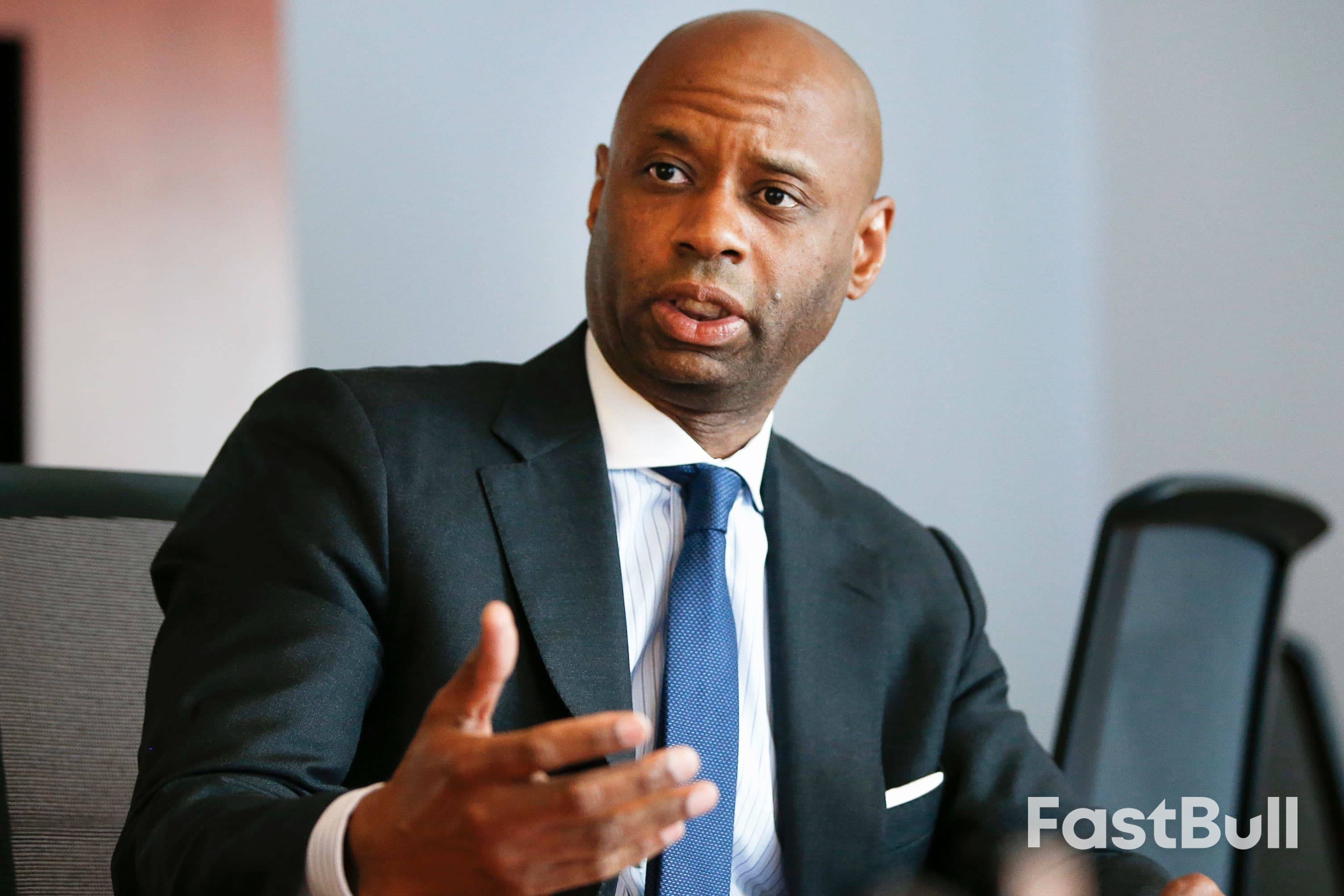
Major U.S. banks are refusing to comply with President Donald Trump's call to slash credit card interest rates, setting the stage for a high-stakes confrontation ahead of the president's appearance at the World Economic Forum in Davos.
Executives from JPMorgan Chase and Citigroup have made it clear they will not implement a 10% interest rate cap demanded by Trump. Instead, they warned this week that such a policy would force them to close customer accounts.
The industry's response has been firm. Citigroup CFO Mark Mason told reporters on Wednesday that the bank could not support a government-mandated interest rate cap.

"It would restrict access to credit to those who need it the most and frankly would have a deleterious impact on the economy," Mason said.
JPMorgan CFO Jeremy Barnum echoed this sentiment a day earlier, suggesting the industry was prepared for a legal fight. When asked about a potential response, Barnum stated that "everything's on the table."
President Trump initiated his campaign against the banks with a social media post, accusing them of overcharging credit card customers. He has since reinforced his position in media interviews and endorsed separate legislation aimed at reducing merchant swipe fees, framing the issue around affordability for voters ahead of this year's midterm elections.
Despite the president’s Jan. 20 deadline, bankers and lobbyists told CNBC that the Trump administration has not provided any formal or written guidance on the policy. This lack of official action has led some industry insiders to believe the administration may not be serious about pursuing the rate cap.
Currently, there is no U.S. law that caps credit card interest rates. A bill introduced last year that would impose a 10% cap for five years has stalled in Congress. "We are legally compliant right now," noted one source with knowledge of a major card issuer's operations.
Analysts are watching the situation closely. Tobin Marcus and his team at Wolfe Research suggested in a note that the outcome could resemble Trump's previous dealings with the pharmaceutical industry, where he secured concessions without imposing crippling financial damage.
"We continue to view the drugmakers as the case study in how this kind of dealmaking-under-threat could go," Marcus wrote. "In that case, Trump had enough leverage to secure some new pricing commitments, but not enough to extract truly painful commitments."
This suggests the banks might be forced to offer concessions rather than face a direct legislative cap.
The financial sector is monitoring two key events for clarity on how the credit card battle will play out.
First are the Senate meetings this month, where Trump's proposed rate cap or interchange fee limits could be attached to other bills under consideration. However, this path is uncertain, as several Republicans, including House Speaker Mike Johnson, have already voiced opposition to price controls on credit cards.
The second critical date is next Wednesday, the day after Trump's deadline. The president is scheduled to address global corporate and political leaders at the World Economic Forum in Davos. U.S. Treasury Secretary Scott Bessent and JPMorgan CEO Jamie Dimon are also slated to attend. This follows last year's conference, where Trump publicly accused Dimon and Bank of America CEO Brian Moynihan of discriminating against conservatives in providing bank accounts.
Geopolitical tensions between Washington and Copenhagen are set to continue after a high-stakes White House meeting on Wednesday failed to soften President Donald Trump's ambition to acquire Greenland. Despite cordial discussions, the U.S. position remains unchanged, while Denmark and Greenland continue to firmly reject any transfer of sovereignty.
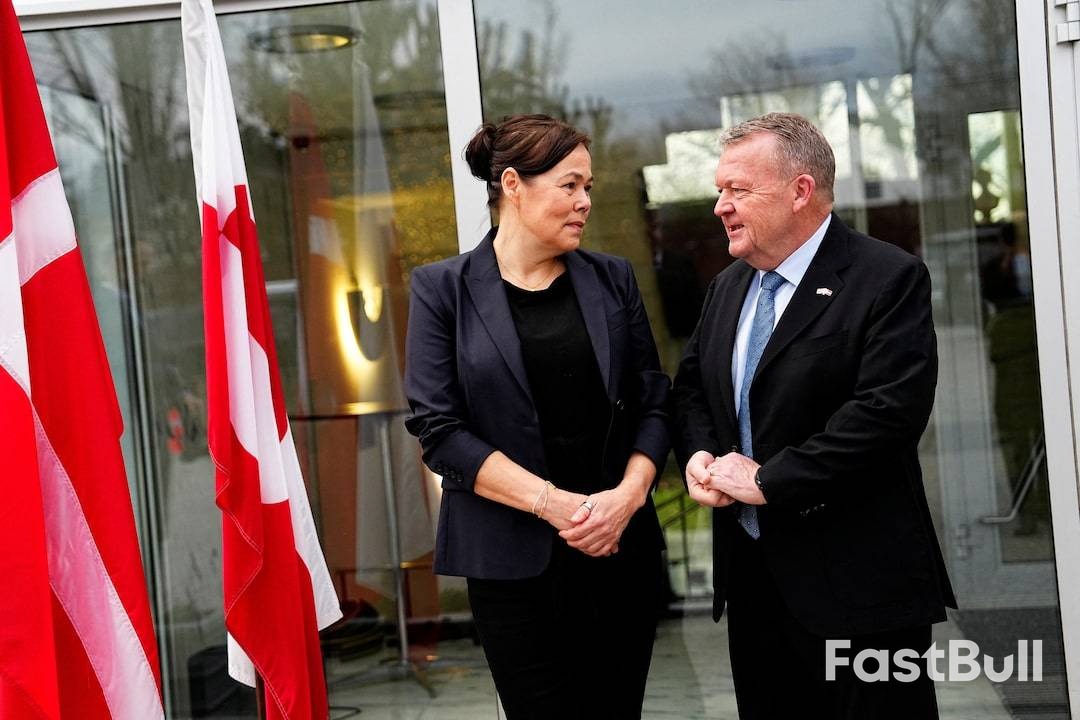
A meeting between Danish Foreign Minister Lars Lokke Rasmussen, Greenlandic Foreign Minister Vivian Motzfeldt, U.S. Vice President JD Vance, and Secretary of State Marco Rubio concluded without a breakthrough. While the parties agreed to form a working group to address U.S. concerns about the Arctic territory, the core dispute over ownership remains firmly deadlocked.

Speaking to reporters after the two-hour meeting, Rasmussen confirmed that American officials had not altered their stance. "We didn't manage to change the American position," he stated, adding, "It's clear that the president has this wish of conquering over Greenland."
Both Rasmussen and Motzfeldt described the U.S. demand as an unacceptable breach of sovereignty. Though they called the meeting respectful and acknowledged shared U.S. concerns over Arctic security, they were unified in rejecting the idea of the island becoming American territory.

The meeting was seen by analysts as a critical opportunity to de-escalate the crisis. Noa Redington, a former political adviser, told Reuters it was "the most important meeting in modern Greenland's history," noting concerns that the Danish and Greenlandic ministers might face a public humiliation similar to that of Ukrainian President Volodymyr Zelenskiy in a 2025 White House meeting.
President Trump has framed the acquisition of the mineral-rich and strategically located island as a matter of national security. He argues that U.S. control is essential to prevent rivals like Russia or China from establishing a foothold in the Arctic.
Before Wednesday's meeting, Trump took to social media to reiterate his position, claiming NATO would become more formidable with Greenland under U.S. control. "Anything less than that is unacceptable," he wrote. In a post referencing Russia and China, he added: "NATO: Tell Denmark to get them out of here, NOW! Two dogsleds won't do it! Only the USA can!!!"
In response to U.S. pressure, Denmark and Greenland have consistently maintained that the island is not for sale and that threats of force are reckless among allies.
In a proactive move, the two governments announced they have begun to increase their military presence in the Arctic in cooperation with NATO. According to the Danish defence ministry, this will involve a series of military exercises throughout 2026 aimed at bolstering regional defense.

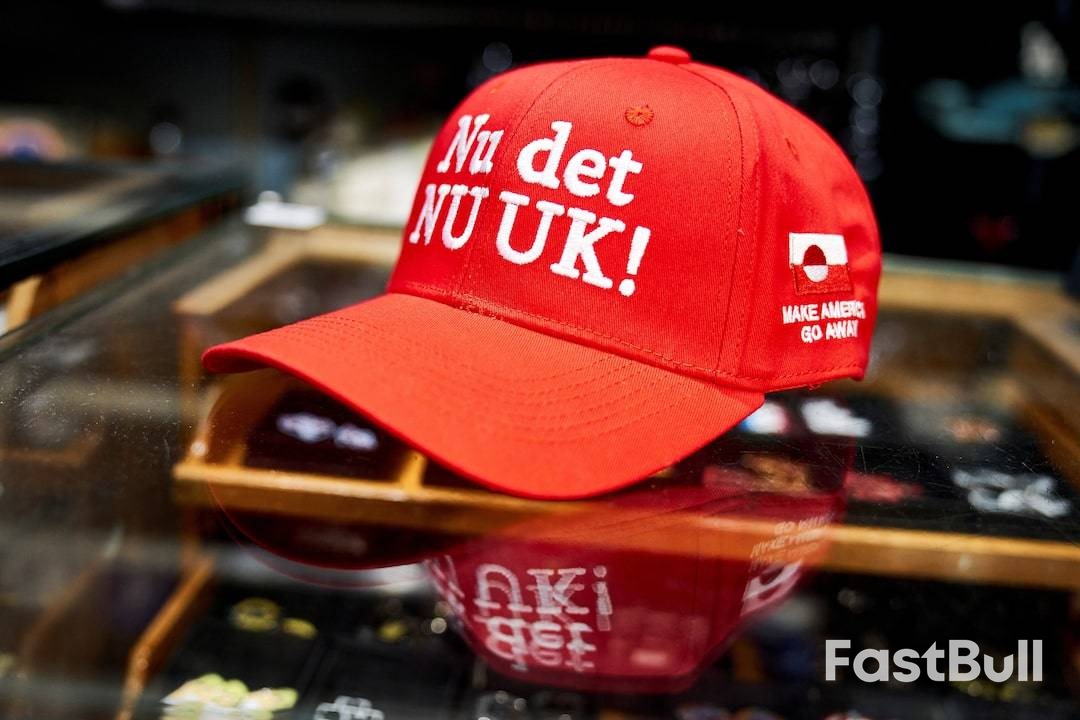
The diplomatic crisis appears to be reshaping political discourse within Greenland. Local leaders are now publicly emphasizing unity with Denmark over their long-term goal of independence.
"It's not the time to gamble with our right to self-determination, when another country is talking about taking us over," Greenlandic Prime Minister Jens-Frederik Nielsen told the newspaper Sermitsiaq. "Here and now we are part of the kingdom, and we stand with the kingdom."
Foreign Minister Motzfeldt echoed this sentiment in a statement, saying, "We choose the Greenland we know today – as part of the Kingdom of Denmark."
European leaders have rallied behind Denmark. European Commission President Ursula von der Leyen stated that Greenlanders could "count on us," while French President Emmanuel Macron warned of "unprecedented" consequences if the sovereignty of an ally were affected. France is scheduled to open a consulate in Greenland's capital, Nuuk, on February 6.
Meanwhile, a recent Reuters/Ipsos poll suggests that Trump's ambition lacks broad support at home. The poll, which concluded Tuesday, found that only 17% of Americans approve of the effort to acquire Greenland, while 47% disapprove. Substantial majorities of both Democrats and Republicans opposed using military force for annexation.
The European Union has officially approved a landmark trade agreement with Mercosur, the South American economic bloc. This deal establishes one of the world's largest free-trade zones, encompassing a population of over 700 million people. Culminating after 25 years of intermittent negotiations, the timing of the agreement highlights its profound geopolitical significance far beyond simple commerce.
Set to be signed in Paraguay on January 17, the pact emerges as a direct response to a changing global landscape. As Washington adopts a more aggressive stance under its "Donroe Doctrine" and China expands its economic reach, this deal signals a strategic alignment between Europe and South America. Both regions are actively seeking greater economic autonomy and partnership in an era defined by US protectionism and great-power competition.
Negotiations between the EU and Mercosur first began in 1999 but faced numerous setbacks. Talks stalled during the 2000s and early 2010s due to political shifts in South America. Momentum returned with the election of more market-oriented leaders in Argentina and Brazil, leading to an agreement in principle in 2019. However, ratification was once again blocked, this time by protectionist interests within Europe.
The deal appeared dead during the term of former Brazilian President Jair Bolsonaro, whose policies drew sharp criticism across Europe. In 2023, the EU introduced stricter environmental provisions to address concerns that the pact could accelerate deforestation in the Amazon. This nearly derailed the talks, as Mercosur leaders viewed the move as European overreach before a compromise was eventually reached.
Meanwhile, China’s economic presence in South America grew dramatically. The EU’s share of Brazilian exports fell from 28% in 2000 to just 16% by 2019. During the same period, China became Brazil's top trading partner, now purchasing around 30% of its exports. This shifting dynamic created a new sense of urgency for Europe to secure its position in the region.
Several factors converged to finally push the agreement over the line. US President Donald Trump's trade wars and neo-imperialist rhetoric spurred Europe and South America to reduce their dependence on an unpredictable United States. Washington's turn towards nationalism transformed the concept of "strategic autonomy" from a political buzzword into an economic necessity.
Without a deal, Europe risked becoming increasingly marginalized in South America. For Mercosur nations, a lack of deep ties with Europe limited their options amid the escalating rivalry between Washington and Beijing.
• Europe's Strategy: The EU diversified its trade partnerships, accelerating talks not only with Mercosur but also with other key economies like Japan.
• Mercosur's Hedge: The South American bloc came to see an EU pact as a crucial hedge against being caught between the competing pressures of the US and China. This was especially true after Luiz Inácio Lula da Silva returned to the Brazilian presidency in 2023.
A majority of EU governments now back the deal. Even a previously skeptical Italy came on board after securing safeguards for its agricultural market, providing the necessary support for approval in the European Council. Only France and Poland remain vocally opposed.
For Mercosur members—Argentina, Brazil, Paraguay, and Uruguay—the EU agreement is less about immediate export gains and more about securing geopolitical leverage. Exports from both blocs to Asia are significantly higher, and Mercosur accounts for only about 2% of the EU's total exports.
The true value lies in creating a third strategic pillar to balance relations with the United States and China. This allows South American governments to avoid a binary choice between American pressure and Chinese influence.
The agreement also strengthens the Mercosur bloc itself. In recent years, South American integration had stagnated, with members pursuing different ideological paths and unilateral trade deals, such as Uruguay's talks with China. By locking the bloc into a formal pact with the EU, the deal restores a sense of shared purpose and cohesion while reinforcing Brazil's credentials as a regional leader.
For the European Union, the agreement is a strategic move to secure access to rare earths and other critical minerals. Brazil alone holds over 20% of the world's reserves of these materials, which are essential for advanced manufacturing, clean energy technology, and military hardware. Argentina and Bolivia also possess significant lithium reserves.
As global powers work to reduce their supply chain dependence on China, formalizing access to South American resources has become a key strategic and commercial objective for Europe.
The EU-Mercosur pact serves as a powerful symbolic rebuttal to the idea that globalization is in irreversible decline. In recent years, waves of populism and protectionism, from Brexit to Trump's tariffs, fueled fears of global economic decoupling.
This agreement offers a counterpoint, demonstrating that cooperation between the global north and south remains possible. It proves that even in a fractured world, nations can still choose partnership over confrontation.
Final Hurdles Remain
Despite the fanfare, the deal is not yet finalized. It still requires ratification in the European Parliament and the national parliaments of Mercosur member states. Powerful agricultural lobbies, particularly in France, remain fiercely opposed due to fears of competition from South American beef and other farm products.
While further protests from French farmers are expected, it seems increasingly unlikely that they can derail the deal's final approval. If fully implemented, the EU-Mercosur agreement will be the largest trade deal either bloc has ever signed, marking a significant diplomatic achievement born from the pressures of global instability.
The U.S. economy is experiencing modest growth and stable hiring, according to the Federal Reserve's latest Beige Book report. The findings suggest policymakers are unlikely to shift their current interest rate stance ahead of their meeting in two weeks.
The report, a snapshot of economic conditions across the Fed's 12 regional districts, painted a picture of mild optimism. Most districts expect "slight to modest growth" in the coming months. This assessment marks a modest upgrade from the previous report.
The Beige Book, which gathers insights from business contacts nationwide, provides a qualitative look at the economy's health. The latest edition highlighted several key trends:
• Economic Activity: Eight of the twelve Fed banks reported an increase in economic activity.
• Employment: Hiring was largely unchanged in eight districts.
• Inflation: Prices grew at a "moderate rate" across most of the country, with two districts reporting only "slight" price growth.
These findings align with the Federal Reserve's recent signals. After cutting interest rates three times last year to support the labor market, policymakers indicated in December that they would pause to assess inflation. The current policy rate stands in a range of 3.50% to 3.75%.
Financial markets widely anticipate that the central bank will keep rates unchanged at its upcoming meeting on January 27-28.
Recent government data presents a complex backdrop for the Fed. The unemployment rate has edged down to 4.4%, while consumer prices in December rose 2.7% from the previous year. This inflation reading remains above the Fed's official 2% target.
While the central bank has signaled a pause, futures markets suggest policymakers may wait until June to consider another rate cut. This timeline extends beyond the end of Fed Chair Jerome Powell's current term. President Donald Trump has expressed his desire for a new Fed chief who favors significantly lower borrowing costs.
The Fed's own policymakers remain divided on the best course of action. The decision to cut rates in December passed with a 9-3 vote. The majority cited the need to support a weakening labor market, while the dissenters viewed inflation as the more pressing risk. Several non-voting Fed bank presidents have since indicated they also supported holding rates steady.
White Label
Data API
Web Plug-ins
Poster Maker
Affiliate Program
The risk of loss in trading financial instruments such as stocks, FX, commodities, futures, bonds, ETFs and crypto can be substantial. You may sustain a total loss of the funds that you deposit with your broker. Therefore, you should carefully consider whether such trading is suitable for you in light of your circumstances and financial resources.
No decision to invest should be made without thoroughly conducting due diligence by yourself or consulting with your financial advisors. Our web content might not suit you since we don't know your financial conditions and investment needs. Our financial information might have latency or contain inaccuracy, so you should be fully responsible for any of your trading and investment decisions. The company will not be responsible for your capital loss.
Without getting permission from the website, you are not allowed to copy the website's graphics, texts, or trademarks. Intellectual property rights in the content or data incorporated into this website belong to its providers and exchange merchants.
Not Logged In
Log in to access more features

FastBull Membership
Not yet
Purchase
Log In
Sign Up