• Trade
  • Markets
  • Copy
  • Contests
  • News
  • 24/7
  • Calendar
  • Q&A
  • Chats
Trending
Screeners
SYMBOL
LAST
BID
ASK
HIGH
LOW
NET CHG.
%CHG.
SPREAD
SPX
S&P 500 Index
6827.42
6827.42
6827.42
6899.86
6801.80
-73.58
-1.07%
--
DJI
Dow Jones Industrial Average
48458.04
48458.04
48458.04
48886.86
48334.10
-245.98
-0.51%
--
IXIC
NASDAQ Composite Index
23195.16
23195.16
23195.16
23554.89
23094.51
-398.69
-1.69%
--
USDX
US Dollar Index
97.950
98.030
97.950
98.500
97.950
-0.370
-0.38%
--
EURUSD
Euro / US Dollar
1.17394
1.17409
1.17394
1.17496
1.17192
+0.00011
+ 0.01%
--
GBPUSD
Pound Sterling / US Dollar
1.33707
1.33732
1.33707
1.33997
1.33419
-0.00148
-0.11%
--
XAUUSD
Gold / US Dollar
4299.39
4299.39
4299.39
4353.41
4257.10
+20.10
+ 0.47%
--
WTI
Light Sweet Crude Oil
57.233
57.485
57.233
58.011
56.969
-0.408
-0.71%
--

Community Accounts

Signal Accounts
--
Profit Accounts
--
Loss Accounts
--
View More

Become a signal provider

Sell trading signals to earn additional income

View More

Guide to Copy Trading

Get started with ease and confidence

View More

Signal Accounts for Members

All Signal Accounts

Best Return
  • Best Return
  • Best P/L
  • Best MDD
Past 1W
  • Past 1W
  • Past 1M
  • Past 1Y

All Contests

  • All
  • Trump Updates
  • Recommend
  • Stocks
  • Cryptocurrencies
  • Central Banks
  • Featured News
Top News Only
Share

USA Embassy In Lithuania: Maria Kalesnikava Is Not Going To Vilnius

Share

USA Embassy In Lithuania: Other Prisoners Are Being Sent From Belarus To Ukraine

Share

Ukraine President Zelenskiy: Five Ukrainians Released By Belarus In US-Brokered Deal

Share

USA Vilnius Embassy: USA Stands Ready For "Additional Engagement With Belarus That Advances USA Interests"

Share

USA Vilnius Embassy: Belarus, USA, Other Citizens Among The Prisoners Released Into Lithuania

Share

USA Vilnius Embassy: USA Will Continue Diplomatic Efforts To Free The Remaining Political Prisoners In Belarus

Share

USA Vilnius Embassy: Belarus Releases 123 Prisoners Following Meeting Of President Trump's Envoy Coale And Belarus President Lukashenko

Share

USA Vilnius Embassy: Masatoshi Nakanishi, Aliaksandr Syrytsa Are Among The Prisoners Released By Belarus

Share

USA Vilnius Embassy: Maria Kalesnikava And Viktor Babaryka Are Among The Prisoners Released By Belarus

Share

USA Vilnius Embassy: Nobel Peace Prize Laureate Ales Bialiatski Is Among The Prisoners Released By Belarus

Share

Belarusian Presidential Administration Telegram Channel: Lukashenko Has Pardoned 123 Prisoners As Part Of Deal With US

Share

Two Local Syrian Officials: Joint US-Syrian Military Patrol In Central Syria Came Under Fire From Unknown Assailants

Share

Israeli Military Says It Targeted 'Key Hamas Terrorist' In Gaza City

Share

Rwanda's Actions In Eastern Drc Are A Clear Violation Of Washington Accords Signed By President Trump - Secretary Of State Rubio

Share

Israeli Military Issues Evacuation Warning In Southern Lebanon Village Ahead Of Strike - Spokesperson On X

Share

Belarusian State Media Cites US Envoy Coale As Saying He Discussed Ukraine And Venezuela With Lukashenko

Share

Belarusian State Media Cites US Envoy Coale As Saying That US Removes Sanctions On Belarusian Potassium

Share

Thai Prime Minister: No Ceasefire Agreement With Cambodia

Share

US, Ukraine To Discuss Ceasefire In Berlin Ahead Of European Summit

Share

Incoming Czech Prime Minister Babis: Czech Republic Will Not Take On Guarantees For Ukraine Financing, European Commission Must Find Alternatives

TIME
ACT
FCST
PREV
U.K. Trade Balance Non-EU (SA) (Oct)

A:--

F: --

P: --

U.K. Trade Balance (Oct)

A:--

F: --

P: --

U.K. Services Index MoM

A:--

F: --

P: --

U.K. Construction Output MoM (SA) (Oct)

A:--

F: --

P: --

U.K. Industrial Output YoY (Oct)

A:--

F: --

P: --

U.K. Trade Balance (SA) (Oct)

A:--

F: --

P: --

U.K. Trade Balance EU (SA) (Oct)

A:--

F: --

P: --

U.K. Manufacturing Output YoY (Oct)

A:--

F: --

P: --

U.K. GDP MoM (Oct)

A:--

F: --

P: --

U.K. GDP YoY (SA) (Oct)

A:--

F: --

P: --

U.K. Industrial Output MoM (Oct)

A:--

F: --

P: --

U.K. Construction Output YoY (Oct)

A:--

F: --

P: --

France HICP Final MoM (Nov)

A:--

F: --

P: --

China, Mainland Outstanding Loans Growth YoY (Nov)

A:--

F: --

P: --

China, Mainland M2 Money Supply YoY (Nov)

A:--

F: --

P: --

China, Mainland M0 Money Supply YoY (Nov)

A:--

F: --

P: --

China, Mainland M1 Money Supply YoY (Nov)

A:--

F: --

P: --

India CPI YoY (Nov)

A:--

F: --

P: --

India Deposit Gowth YoY

A:--

F: --

P: --

Brazil Services Growth YoY (Oct)

A:--

F: --

P: --

Mexico Industrial Output YoY (Oct)

A:--

F: --

P: --

Russia Trade Balance (Oct)

A:--

F: --

P: --

Philadelphia Fed President Henry Paulson delivers a speech
Canada Building Permits MoM (SA) (Oct)

A:--

F: --

P: --

Canada Wholesale Sales YoY (Oct)

A:--

F: --

P: --

Canada Wholesale Inventory MoM (Oct)

A:--

F: --

P: --

Canada Wholesale Inventory YoY (Oct)

A:--

F: --

P: --

Canada Wholesale Sales MoM (SA) (Oct)

A:--

F: --

P: --

Germany Current Account (Not SA) (Oct)

A:--

F: --

P: --

U.S. Weekly Total Rig Count

A:--

F: --

P: --

U.S. Weekly Total Oil Rig Count

A:--

F: --

P: --

Japan Tankan Large Non-Manufacturing Diffusion Index (Q4)

--

F: --

P: --

Japan Tankan Small Manufacturing Outlook Index (Q4)

--

F: --

P: --

Japan Tankan Large Non-Manufacturing Outlook Index (Q4)

--

F: --

P: --

Japan Tankan Large Manufacturing Outlook Index (Q4)

--

F: --

P: --

Japan Tankan Small Manufacturing Diffusion Index (Q4)

--

F: --

P: --

Japan Tankan Large Manufacturing Diffusion Index (Q4)

--

F: --

P: --

Japan Tankan Large-Enterprise Capital Expenditure YoY (Q4)

--

F: --

P: --

U.K. Rightmove House Price Index YoY (Dec)

--

F: --

P: --

China, Mainland Industrial Output YoY (YTD) (Nov)

--

F: --

P: --

China, Mainland Urban Area Unemployment Rate (Nov)

--

F: --

P: --

Saudi Arabia CPI YoY (Nov)

--

F: --

P: --

Euro Zone Industrial Output YoY (Oct)

--

F: --

P: --

Euro Zone Industrial Output MoM (Oct)

--

F: --

P: --

Canada Existing Home Sales MoM (Nov)

--

F: --

P: --

Euro Zone Total Reserve Assets (Nov)

--

F: --

P: --

U.K. Inflation Rate Expectations

--

F: --

P: --

Canada National Economic Confidence Index

--

F: --

P: --

Canada New Housing Starts (Nov)

--

F: --

P: --

U.S. NY Fed Manufacturing Employment Index (Dec)

--

F: --

P: --

U.S. NY Fed Manufacturing Index (Dec)

--

F: --

P: --

Canada Core CPI YoY (Nov)

--

F: --

P: --

Canada Manufacturing Unfilled Orders MoM (Oct)

--

F: --

P: --

Canada Manufacturing New Orders MoM (Oct)

--

F: --

P: --

Canada Core CPI MoM (Nov)

--

F: --

P: --

Canada Manufacturing Inventory MoM (Oct)

--

F: --

P: --

Canada CPI YoY (Nov)

--

F: --

P: --

Canada CPI MoM (Nov)

--

F: --

P: --

Canada CPI YoY (SA) (Nov)

--

F: --

P: --

Canada Core CPI MoM (SA) (Nov)

--

F: --

P: --

Q&A with Experts
    • All
    • Chatrooms
    • Groups
    • Friends
    Connecting
    .
    .
    .
    Type here...
    Add Symbol or Code

      No matching data

      All
      Trump Updates
      Recommend
      Stocks
      Cryptocurrencies
      Central Banks
      Featured News
      • All
      • Russia-Ukraine Conflict
      • Middle East Flashpoint
      • All
      • Russia-Ukraine Conflict
      • Middle East Flashpoint
      Search
      Products

      Charts Free Forever

      Chats Q&A with Experts
      Screeners Economic Calendar Data Tools
      Membership Features
      Data Warehouse Market Trends Institutional Data Policy Rates Macro

      Market Trends

      Market Sentiment Order Book Forex Correlations

      Top Indicators

      Charts Free Forever
      Markets

      News

      News Analysis 24/7 Columns Education
      From Institutions From Analysts
      Topics Columnists

      Latest Views

      Latest Views

      Trending Topics

      Top Columnists

      Latest Update

      Signals

      Copy Rankings Latest Signals Become a signal provider AI Rating
      Contests
      Brokers

      Overview Brokers Assessment Rankings Regulators News Claims
      Broker listing Forex Brokers Comparison Tool Live Spread Comparison Scam
      Q&A Complaint Scam Alert Videos Tips to Detect Scam
      More

      Business
      Events
      Careers About Us Advertising Help Center

      White Label

      Data API

      Web Plug-ins

      Affiliate Program

      Awards Institution Evaluation IB Seminar Salon Event Exhibition
      Vietnam Thailand Singapore Dubai
      Fans Party Investment Sharing Session
      FastBull Summit BrokersView Expo
      Recent Searches
        Top Searches
          Markets
          News
          Analysis
          User
          24/7
          Economic Calendar
          Education
          Data
          • Names
          • Latest
          • Prev

          View All

          No data

          Scan to Download

          Faster Charts, Chat Faster!

          Download App
          English
          • English
          • Español
          • العربية
          • Bahasa Indonesia
          • Bahasa Melayu
          • Tiếng Việt
          • ภาษาไทย
          • Français
          • Italiano
          • Türkçe
          • Русский язык
          • 简中
          • 繁中
          Open Account
          Search
          Products
          Charts Free Forever
          Markets
          News
          Signals

          Copy Rankings Latest Signals Become a signal provider AI Rating
          Contests
          Brokers

          Overview Brokers Assessment Rankings Regulators News Claims
          Broker listing Forex Brokers Comparison Tool Live Spread Comparison Scam
          Q&A Complaint Scam Alert Videos Tips to Detect Scam
          More

          Business
          Events
          Careers About Us Advertising Help Center

          White Label

          Data API

          Web Plug-ins

          Affiliate Program

          Awards Institution Evaluation IB Seminar Salon Event Exhibition
          Vietnam Thailand Singapore Dubai
          Fans Party Investment Sharing Session
          FastBull Summit BrokersView Expo

          Global Wheat Crisis: War, Weather, And Pandemic's Toll On Food Security

          Alex

          Commodity

          Summary:

          Wheat prices have been on a tumultuous journey due to global crises, affecting food security worldwide. The conflict between Russia and Ukraine, COVID-19, and extreme weather have sent shockwaves through global food prices, leaving countries like Nigeria in a precarious situation. Recent stabilization efforts and an examination of the global wheat dynamics reveal a delicate balance in the agricultural community.

          Global Wheat Crisis: War, Weather, And Pandemic's Toll On Food Security_1As dawn breaks over the golden fields stretching from Oklahoma to Texas, the amber waves of wheat tell a story far beyond their tranquil appearance. This narrative, unfolding amidst the chaos of the Russia-Ukraine conflict, a global pandemic, and extreme weather events, speaks of a commodity essential to our survival: wheat. The repercussions of these crises have sent shockwaves through global food prices, leading to a precarious situation that threatens food security worldwide, particularly in regions like Nigeria, where the stakes are even higher.

          The Tumultuous Journey of Wheat Prices

          In the wake of COVID-19, wheat prices saw an unprecedented surge, climbing from a modest $4 to a staggering $8, as nations grappled with the pandemic's immediate impacts. The situation intensified with Russia's invasion of Ukraine, propelling prices to soar over $13, reflecting the critical role these two nations play in the global wheat supply. However, recent developments hint at a stabilization, with the 2024 wheat harvest forward contract price in Oklahoma and Texas currently pegged at $5.50. This figure, while below the tumultuous highs, remains significantly above pre-pandemic levels, illustrating the lingering effects of the past years' events on wheat markets.

          Global Wheat Dynamics: A Delicate Balance

          The conflict between Russia and Ukraine has not only disrupted supply chains but also altered the landscape of global wheat production and exports. Russia has managed to increase its wheat production and exports, while Ukraine struggles with the loss of croplands and shortages of crucial inputs. Despite these challenges, global and U.S. wheat stocks-to-use ratios have remained stable, a testament to the resilience of agricultural systems. Yet, this balance is precarious. The aggressive export strategies adopted by Russia and Ukraine are impacting global prices, contributing to the current state of flux in wheat markets. Coupled with spikes in production input costs, including a notable rise in fertilizer and diesel prices, the agricultural community faces a daunting task.

          Implications for Food Security: A Closer Look at Nigeria

          The volatility of global wheat prices has far-reaching implications, particularly for countries like Nigeria, where the ripple effects exacerbate existing challenges. Rising inflation, the removal of fuel subsidies, and an increase in agricultural input prices post-COVID and post-conflict have compounded food insecurity. Nigeria, reliant on wheat imports, stands at the frontline of this crisis, grappling with the dual challenge of ensuring affordability and availability of food for its population. The scenario unfolding in Nigeria is a microcosm of the broader trends affecting agricultural communities worldwide, highlighting the interconnectedness of global food systems and the vulnerability of nations to disruptions in commodity markets.
          In conclusion, the journey of wheat prices from the fields of Oklahoma and Texas to the global market encapsulates a complex narrative of resilience, uncertainty, and the relentless pursuit of stability in an ever-changing world. The Russia-Ukraine conflict, compounded by the effects of COVID-19 and extreme weather events, has reshaped the global food landscape, underscoring the importance of sustainable agricultural practices and robust food security policies. As the world navigates these turbulent waters, the lessons learned will undoubtedly shape the future of food production and distribution for generations to come.

          Source:BNN

          Risk Warnings and Disclaimers
          You understand and acknowledge that there is a high degree of risk involved in trading. Following any strategies or investment methods may lead to potential losses. The content on the site is provided by our contributors and analysts for information purposes only. You are solely responsible for determining whether any trading assets, securities, strategy, or any other product is suitable for investing based on your own investment objectives and financial situation.
          Comments
          Add to Favorites
          Share

          European Central Bank Reports Deceleration in Wage Growth Across Euro Zone in Q4

          Ukadike Micheal

          Economic

          Forex

          Negotiated pay in the euro zone increased by 4.5% at the close of 2023, as reported by the European Central Bank (ECB), alleviating concerns of sustained inflation due to rising salaries. Despite remaining elevated, the fourth-quarter pay growth decelerated from the euro-area record of 4.7% in the previous quarter, as revealed by the ECB's negotiated wage indicator.
          This quarterly gauge, analyzing non-harmonized country data, holds particular significance for policymakers in Frankfurt, who are closely monitoring labor costs to determine the opportune time for interest rate cuts. The modest slowing in wage growth at the end of 2023 provides reassurance that the feared wage-price spiral may not unfold in the euro zone, according to Carsten Brzeski, the global head of macro at ING. However, decisions on rate cuts are expected to hinge on the first-quarter wage growth data for 2024, set to be released in May.
          ECB President Christine Lagarde emphasized the significance of salaries as a driving force in inflation dynamics, cautioning against premature policy decisions without assurance of a return to the 2% inflation target. While a forward-looking ECB tracker continues to signal strong wage pressures, agreements in the last quarter of 2023 suggest some leveling off.
          In December, the ECB projected a gradual decline in nominal wage growth over time, expecting it to decrease from 5.3% in 2023 to 3.3% in 2026, measured in terms of compensation per employee. The forecast anticipates limited pay increases as firms pass higher costs to consumers at a slower pace. However, differing perspectives exist, with some officials, like Austria's Robert Holzmann, suggesting that companies may not absorb rising wage bills.
          ECB Executive Board member Isabel Schnabel highlighted weak productivity as a factor exacerbating the effects of strong nominal wage growth on unit labor costs for firms. This raises concerns about firms passing higher pay costs to consumers, potentially delaying the return of inflation to the 2% target.
          For the entirety of 2023, the ECB reported a negotiated wage increase of 4.5%, marking a significant uptick from 2.9% in 2022 and 1.4% in 2021.
          From a technical viewpoint, the deceleration in negotiated wage growth may offer a delicate balance for policymakers, allowing for cautious optimism regarding inflationary pressures. However, the nuanced dynamics of wage growth, coupled with differing views on the extent to which firms can absorb increased labor costs, create complexities for the ECB's monetary policy decisions. As the market awaits further wage data in the coming quarters, the trajectory of negotiated pay will continue to play a pivotal role in shaping the central bank's approach to interest rates and overall economic stability.
          The nuanced picture of negotiated pay growth in the euro zone presents both reassurance and complexities for policymakers, offering insight into the delicate balance between inflation concerns and the need for economic stimulus. The coming quarters will undoubtedly be critical in determining the trajectory of wage dynamics and their implications for the broader economic landscape.

          Source: Bloomberg

          To stay updated on all economic events of today, please check out our Economic calendar
          Risk Warnings and Disclaimers
          You understand and acknowledge that there is a high degree of risk involved in trading. Following any strategies or investment methods may lead to potential losses. The content on the site is provided by our contributors and analysts for information purposes only. You are solely responsible for determining whether any trading assets, securities, strategy, or any other product is suitable for investing based on your own investment objectives and financial situation.
          Comments
          Add to Favorites
          Share

          China Cuts LPR Rate, RBA Sounds Hawkish – Focus On US Retailer Earnings

          Samantha Luan

          Economic

          The Chinese returned from their Lunar New Year holiday having traveled and spent more this year than before the pandemic. The early trading hours were cheery, but enthusiasm left its place to doom and gloom quickly as the Chinese equities found it hard to extend gains on the back of looming Chinese problems, like deflation, aging population, a deepening property crisis and lost investors’ confidence. As such, yesterday’s 1% advance in CSI 300 couldn’t gain momentum today, even though China cut its 5-year LPR rate – which is the reference rate for mortgages – by most on record to prop up demand for its tumbling property market and hoping to stop the downturn. In vain, the equity markets didn’t react much. Nasdaq’s China real estate index continues its race to the bottom.
          Equities in Europe however extended gains to a fresh ytd high, and the Stoxx 600 index continues to trade at a spitting distance from an ATH even though France lowered its growth forecast for 2024 to 1% and Germany announced a 0.3% contraction lately. The energy crisis and higher rates are eating into the old continent and the European Central Bank (ECB) is not sure it would start cutting the rates soon enough, given that inflation risks remain tilted to the upside. Rising shipping costs, upside pressure in oil prices and the softening Federal Reserve (Fed) cut expectations threaten the price stability and some European policymakers think that it’s safer to wait for more evidence that inflation is easing sustainably than acting prematurely and looking foolish.
          This is certainly what keeps the US dollar appetite contained, and the other currencies somehow supported: the fear that a delay in Fed rate cut would translate into a stronger dollar, a stronger dollar would send a fresh wave of high inflation across the globe and the latter would delay other central banks’ rate cut plans as well. But the latter reasoning will be just enough to contain the buying pressure in the dollar, and not to reverse the greenback’s positive trend. The dollar index saw support near its 100-DMA yesterday and the EURUSD failed to clear its own 100-DMA to the upside. The diverging fortunes between the US – where growth remains strong – and the euro area – where growth is nowhere to be found – justifies an earlier ECB cut compared to the Fed, but the ECB will cut only and if only inflation remains on a falling path.
          Anyway, back to the European stocks, the Stoxx 600 performed surprisingly well this year despite the sputtering euro area economies and no guarantee that the ECB will start cutting rates before summer. Some think that the European valuations are just below their long-term average which makes them much cheaper and somehow appetizing. But AI makes the American stocks shine brighter than the European diamonds. Nvidia, for example, is worth more than the entire German DAX index today and the AI premium is justified by massive, concrete AI investments and the tech companies’ high ROI. Therefore, even if the European stock valuations are more reasonable than the tech-heavy US peers, the upside potential that the US tech giants offer is incomparable to the European counterparts.
          Across the Channel, the energy and finance-heavy British FTSE 100 refused to return to last year’s negative trend and rallied 3% since last week, Cable remains under pressure as the Bank of England (BoE) doves stand up against Bailey’s cautious stance regarding premature cuts. The Bank’s former economist said that ‘it’s one thing to have missed inflation on the way up, it’s quite another to then have crushed the economy on the way down’. Premature easing, however, is not a risk that the central bankers are willing to take. The latest Reserve Bank of Australia (RBA) meeting minutes revealed that the policymakers considered to hold rates steady or a case for a 25 bp hike (scary!). And the latest FOMC minutes due Wednesday will give more clarity on if and how the Fed members reacted to last year’s skyrocketing rate cut expectations. From what they publicly say, they think that the expectations went well ahead of themselves. There will hardly be a rate cut announced from a major central bank before June.
          Today, Walmart and Home Depot earnings will serve as amuse-bouche before Nvidia’s much-expected results due after the bell tomorrow.
          In energy, nat gas futures took another dive yesterday while American crude cleared the 100 and 200-DMA offers last week and is testing a major Fibonacci resistance to the upside. Trend and momentum indicators remain supportive of a further rise toward the $80pb level as tensions in the Middle East, the Chinese stimulus, and OPEC’s efforts to restrict supply are supportive factors for the bulls. On the opposite camp, the rising supply from countries outside OPEC, China’s inability to boost growth and slowing demand growth for fossil fuel are arguments that will make the bulls’ life harder above the $80pb mark.

          Source:Action Forex

          To stay updated on all economic events of today, please check out our Economic calendar
          Risk Warnings and Disclaimers
          You understand and acknowledge that there is a high degree of risk involved in trading. Following any strategies or investment methods may lead to potential losses. The content on the site is provided by our contributors and analysts for information purposes only. You are solely responsible for determining whether any trading assets, securities, strategy, or any other product is suitable for investing based on your own investment objectives and financial situation.
          Comments
          Add to Favorites
          Share

          The Fed Is Set To Cut Rates This Year. Here Are The Asian Currencies That Stand To Benefit

          Alex

          Forex

          The U.S. Federal Reserve is expected to cut interest rates later this year and, while that may not be good news for the dollar, some Asian currencies stand to benefit.
          Higher interest rates boost a country’s currency, attracting foreign investment and increasing demand for the country’s currency. A weak U.S. dollar is generally positive for emerging markets, which is often the case when the Fed cuts interest rates outside of an economic crisis.
          The Fed shifted to a more dovish stance in December, with markets now pricing in rate cuts by summer. The CME FedWatch tool suggested the first 25-basis-point rate cut in 2024 could happen as early as June.
          The Fed’s January meeting concluded with the central bank holding its benchmark borrowing rate in a range between 5.25% and 5.5%.
          Experts told CNBC currencies such as the Chinese yuan, the Korean won and the Indian rupee stand to benefit from the Fed loosening monetary policy.

          Yuan can’t go any lower

          China has weathered a slew of disappointing headlines that have beaten down investor confidence. But hopes that authorities would not allow the trade-reliant nation’s currency to weaken below a certain level have limited yuan pessimism.
          China has tried to stabilize the yuan against the dollar in the past and is expected to continue doing so, according to Arun Bharath, chief investment officer at Bel Air Investment Advisors.
          “While the exchange rate has weakened to a 7 handle on the USD/CNY rate, reflecting a weaker economic situation in China, further weakening is unlikely as policymakers start to be more aggressive in fiscal stimulus, credit growth, and propping up property values,” Bharath said.
          He noted that the Chinese currency’s exchange rate will likely hover in “a narrow band around the current exchange rate of 7.10.”
          Unlike other major currencies like the Japanese yen or U.S. dollar which have free floating exchange rates, China keeps strict control of the onshore yuan. The currency is pegged with a so-called daily midpoint fix to the greenback based on the yuan’s previous closing level and quotations taken from inter-bank dealers.
          Last year, the onshore yuan hit a 16-year low against the dollar at 7.2981.
          If the Fed starts cutting rates by summer, that would likely narrow the yield differentials between the world’s two largest economies and alleviate some pressure off the Chinese yuan. Yield differentials is a way to compare bonds through the differences between how much they yield.
          The People’s Bank of China is a main player in managing the currency, which Simon Harvey​​​​, head of FX analysis at Monex, said can be done through its daily fixing, liquidity measures, regulatory channels, and instructing state banks to intervene.
          That last method is the most opaque as the total value of dollars in China’s FX reserves is unknown.

          Rupee riding high

          The Indian rupee could benefit from carry trades this year, a strategy where traders borrow low-yielding currencies such as the U.S. dollar in order to buy high-yielding assets like bonds.
          “A lot of carry trade against other currencies like the yen or the euro but once interest rates fall in the U.S., we will see the interest rate differential widen to allow carry trade to happen. So those are also positive for the Indian currency,” said Anindya Banerjee, vice president of currency and derivatives research at Kotak Securities.
          The rupee could also strengthen amid hopes the Reserve Bank of India may loosen monetary policy more slowly than other central banks.
          Banerjee noted that the RBI’s rate cut pace will be “far slower” than the Fed and “will always significantly lag the Fed because India did not have the same inflation problem which Europe or America had.”
          “The reason is simple, because fiscal policy is firing on all cylinders, the economy’s doing very well and they don’t want any overheating at this point in time,” Banerjee said.
          The rupee has strengthened to as much as 82.82 against the dollar in the last three months. The currency dipped 0.6% in 2023, a much smaller weakening against the dollar compared to the prior year’s 11% decline.

          Pressure off Korea’s won

          South Korea’s won has been under pressure for three years, but improving economic prospects and looser Fed policy will help ease that strain in 2024.
          “As a low yielding and highly cyclical currency, we think the Korean won stands to be one of the major beneficiaries of the Fed’s easing cycle in the second half of the year as lower U.S. rates will not only reduce pressure on KRW through the rates channel but will also lead to an uptick in the global growth outlook,” Monex’s Harvey said.
          But Harvey said the won’s gains will also be determined by the extent of the Fed’s cuts. He predicted the currency could gain anywhere between 5% and 10% if the easing cycle is deep, while as little as 3% if the cycle proves to be shallow.
          South Korea’s economic prospects are also expected to improve this year. The International Monetary Fund predicted 2.3% growth in 2024 and 2025, higher than last year’s growth of 1.4%.

          Source:CNBC


          Risk Warnings and Disclaimers
          You understand and acknowledge that there is a high degree of risk involved in trading. Following any strategies or investment methods may lead to potential losses. The content on the site is provided by our contributors and analysts for information purposes only. You are solely responsible for determining whether any trading assets, securities, strategy, or any other product is suitable for investing based on your own investment objectives and financial situation.
          Comments
          Add to Favorites
          Share

          European Stock Market Dips Amid Concerns Over China

          Ukadike Micheal

          Economic

          Stocks

          European stocks and Wall Street futures experienced an early decline on Tuesday as China's central bank's efforts to rejuvenate the struggling property market fell short of inspiring confidence in the world's second-largest economy. The Stoxx Europe 600 index, encompassing constituents heavily exposed to China, dipped by 0.3% at the opening bell, with France's Cac 40 down 0.1%, London's FTSE 100 dropping 0.2%, and Germany's Dax sliding 0.4%.
          The downturn extended to Wall Street, with contracts tracking the S&P 500 and Nasdaq Composite down 0.4% and 0.5%, respectively, anticipating a subdued New York trading session.
          The market sentiment reflects concerns over China's economic stability as the central bank's interventions failed to instill confidence among traders. The Stoxx Europe 600, a broad indicator of European stock performance, particularly felt the impact due to its diverse constituents with significant exposure to the Chinese market.
          As investors assessed the implications of China's struggling property market and the central bank's response, European indices like the Cac 40, FTSE 100, and Dax registered declines, reflecting the interconnectedness of global markets.
          The early decline in Wall Street futures, particularly for the S&P 500 and Nasdaq Composite, signals a cautious start to the U.S. trading session. The negative sentiment emanating from China's economic challenges extends beyond regional boundaries, affecting international markets.
          From a technical perspective, the downward movement in these indices suggests increased market volatility and uncertainty, as traders react to the ongoing economic struggles in China. Investors are closely monitoring how global markets navigate these challenges, especially as China plays a crucial role in the world economy.
          While the initial focus is on the impact of China's economic woes, broader geopolitical and economic factors contribute to the nuanced dynamics in the European and U.S. markets. As the day progresses, traders and investors will keenly observe developments in both Asia and the United States, recognizing the ripple effects of interconnected global financial markets.
          The early slip in European stocks and Wall Street futures underscores the fragility of investor confidence amid concerns about China's economic health. The market's reaction highlights the intricate web of global interdependencies, with events in one region influencing sentiments and behaviors across the world. As markets evolve throughout the day, the narrative of economic resilience or vulnerability will become clearer, offering valuable insights into the current state of the global financial landscape.

          Source: Financial Times

          To stay updated on all economic events of today, please check out our Economic calendar
          Risk Warnings and Disclaimers
          You understand and acknowledge that there is a high degree of risk involved in trading. Following any strategies or investment methods may lead to potential losses. The content on the site is provided by our contributors and analysts for information purposes only. You are solely responsible for determining whether any trading assets, securities, strategy, or any other product is suitable for investing based on your own investment objectives and financial situation.
          Comments
          Add to Favorites
          Share

          How To Help Boost The UK Economy With A Boom In High-productivity Businesse

          Goldman Sachs

          Economic

          A survey of UK small business owners who participated in the Goldman Sachs 10,000 Small Businesses (10KSB) program helps to lay out their views and asks on government policies, such as upskilling the workforce, which could improve worker efficiency and unlock £106 billion in private sector revenue and 88,000 new jobs. The survey is at the heart of Generation Growth: The Small Business Manifesto, which was produced by Goldman Sachs 10,000 Small Businesses in partnership with the Aston Centre for Growth; Saïd Business School, University of Oxford; and Seven Hills Communications.
          The survey of more than 550 alumni of the 10KSB program finds that these companies are, overall, optimistic about doing business in the UK and have embraced advanced technology like generative artificial intelligence surprisingly quickly.
          But these business owners also see areas where government support is greatly needed to help them be more efficient. The UK’s growth in productivity, which is critical for boosting wages and prosperity, has long lagged behind its peers. Since 2007, the increase in average annual productivity in the UK has languished at just 0.2%, compared to an average of 3.6% in the three decades following World War II.
          Britain’s SMEs can help reverse that trend. Right now, only about 36,000 of them qualify as “Productivity Heroes” — SMEs that are established (more than three years old) and are growing revenues faster than they are expanding their workforces, according to the report. During an average 12-month period, this group of businesses increased revenues by 196% and headcount by 29%.
          The country has had bursts of new, high-productivity companies in the past, such as the years just before the financial crisis or in the decades following World War II. Matching that performance again could have a profound impact on the UK economy, potentially increasing the number of “Productivity Heroes” by 22,000, helping to generate an additional £106 billion in revenues and 88,000 jobs.
          “Small businesses are the engines of UK growth and have the power to transform communities,” Charlotte Keenan, head of the Office of Corporate Engagement’s international responsibilities, writes in the manifesto. She points out that small businesses make up 99% of all private sector enterprises in the UK, 61% of employees, and 53% of sales turnover.
          Many alumni of 10KSB UK, an education and business support program, are already “Productivity Heroes” or are close to being one. That makes this community a rich resource of ideas to improve productivity — 71% of 10KSB UK alumni are increasing their sales turnover, and 73% are increasing their headcount.

          What can be done to improve productivity in the UK?

          The 10KSB UK respondents in the survey, overall, have a positive outlook: Some 68% say the UK is a good place to run a small business. 90% or more expect to grow revenue and headcount in the next three years.
          Even so, more than half (55%) also say they are unable to find the talent they need, and only 12% believe the education system is equipping young people for the future of work. A large majority – 89% – believe enterprise skills should be embedded within the core secondary school curriculum. Surprisingly, only 5% say they would prioritize coding, natural sciences, and engineering skills; 19% say they are looking for talent with basic IT skills (like proficiency in Microsoft Office) and accounting and presentation skills.
          Small business owners also want to see the government work more closely with small businesses to support international recruitment and explore the potential for mutually beneficial visa waivers. They also believe small businesses should be a voice at the table when policymakers are developing any potential changes to employee rights.

          Improving SMEs’ access to financing

          The second priority of survey respondents for the next government is on improving small businesses’ access to financing. 58% say they would consider taking their companies public, and 44% of those say the UK is an attractive market for an IPO.
          But more than a third of those interviewed (37%) say they were unable to access the capital they need to grow their businesses. Small business owners’ recommendations include:
          Increasing the range of government-backed and government-supported financing options specifically targeted at small businesses, such as specialized loan schemes and encouraging UK pensions to back SMEsIncluding a commitment to entrepreneurship as an area for spending in any implementation of a UK sovereign wealth fundBuilding a national campaign to increase SME leaders’ awareness of the existing financing options that they need to grow, especially for women and ethnic minority business owners who are currently underserved

          Other ways the government can support SMEs in the UK

          Many respondents (41%) say late payments from other companies have had an impact on their growth, and a majority (89%) say they would support tougher legislation for big businesses on late payments. When it comes to taxes, more than 90% support a discount on businesses rates for meaningful property improvement, and many support the idea of differential business rates depending on business sector (78%) and productivity potential (72%).
          When it comes to climate change, small business owners ask the government to view small businesses as key partners to help the UK meet its net-zero objectives. They say the government should investigate new ways of helping SMEs withstand changes in the energy market. And three quarters of respondents think the next government should establish and invest in a new publicly owned power generation company.
          In terms of AI, many firms are already familiar with this technology. 80% are either already specifically using generative AI tools such as Chat GPT or plan to start doing so in the next 12 months. Their policy recommendations include support to take advantage of the opportunity AI represents through education and financial incentives, and clear guidance on AI specifically aimed at small businesses.
          The survey results and findings of the report underscore that small businesses in the UK are seeking a voice in the government, and these business owners say they would benefit from long-term, stable policies that they can count on (such as a five-year National Small Business Plan). Leaders of these firms desire a clear strategy for upgrading and expanding the UK’s digital capacity as well as improved physical infrastructure. They say SMEs should be at the heart of any new trade deals.
          Having the right policies in place to enhance productivity wouldn’t just help smaller companies, but could boost the entire UK economy. “Too often their voices have been overlooked in the corridors of policy making, yet it is these SMEs who have an indispensable role to play in shaping the narrative and sparking UK productivity into life,” Keenan writes.
          To stay updated on all economic events of today, please check out our Economic calendar
          Risk Warnings and Disclaimers
          You understand and acknowledge that there is a high degree of risk involved in trading. Following any strategies or investment methods may lead to potential losses. The content on the site is provided by our contributors and analysts for information purposes only. You are solely responsible for determining whether any trading assets, securities, strategy, or any other product is suitable for investing based on your own investment objectives and financial situation.
          Comments
          Add to Favorites
          Share

          How Germany's Economic Woes May Propel Pound to New Heights

          Warren Takunda

          Economic

          Traders' Opinions

          The Pound Sterling is poised to strengthen against the Euro in the coming months, largely propelled by the persistent economic challenges facing Germany and the contrasting positive signals from the UK economy. Recent data indicates that Germany, as Europe's economic powerhouse, is grappling with a downturn that began in the fourth quarter of the previous year and is expected to extend into the first quarter of the current year, officially marking a recession. Factors contributing to Germany's economic woes include the loss of affordable Russian energy, subdued demand from China, elevated interest rates, and tighter labor markets.
          The German Bundesbank, in its monthly economic assessment, highlighted the likelihood of "stress factors" persisting into the first quarter, potentially resulting in a slight decline in economic output. The International Monetary Fund (IMF) identified Germany as the worst-performing major economy in 2024, emphasizing the need for structural reforms at a time when the country's budget is under strain.
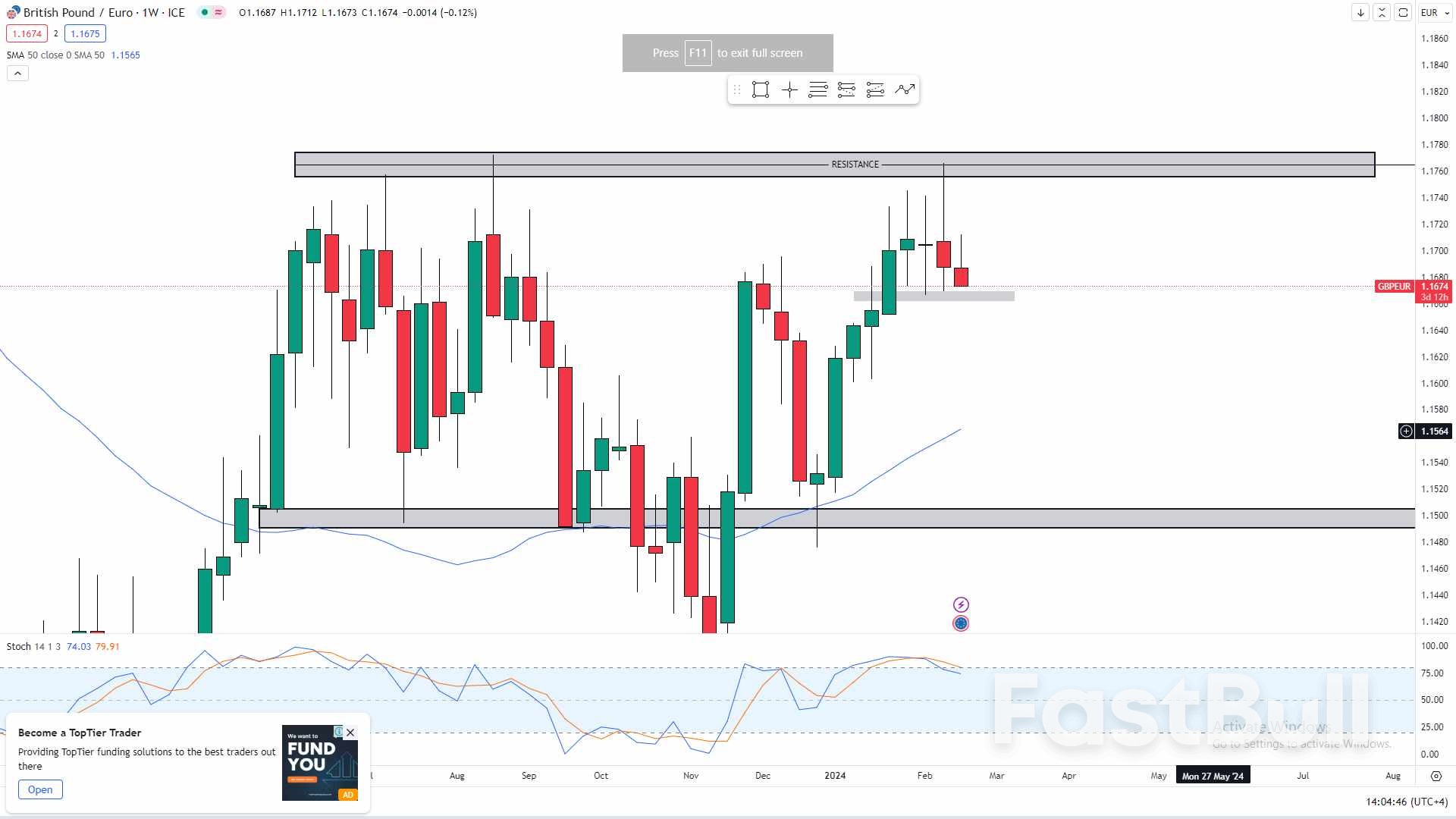
          How Germany's Economic Woes May Propel Pound to New Heights_1
          This economic malaise in Germany stands in stark contrast to the situation in the UK. Recent data signals a rebound in the UK economy, with January witnessing a surge in retail sales by 3.2% month-on-month. Additionally, various indicators such as PMI surveys, business confidence, and consumer confidence all point to a robust start to the year. The housing market is also showing signs of improvement, with house prices stabilizing after a decline in the third quarter of the previous year.
          Analysts project that the divergence in economic performance between Germany and the UK will likely contribute to the Pound to Euro exchange rate reaching new highs. The ongoing challenges in the German economy may prompt the European Central Bank to accelerate rate cuts into 2025, potentially weighing on Euro exchange rates. Rabobank specifically notes that Germany's economic struggles could lead to further weakness in the Euro against the Pound Sterling, with the EUR/GBP pair potentially breaking below its current range and targeting 0.84 on a 6 to 12-month view.
          How Germany's Economic Woes May Propel Pound to New Heights_2
          Despite the positive outlook for the Pound, it faces resistance around the 1.1765 level against the Euro. However, if the Pound-Euro exchange rate maintains levels around 1.17 in the coming days and weeks, it could embolden traders and pave the way for a move towards fresh highs. In essence, the combination of Germany's economic challenges and the UK's signs of recovery sets the stage for a potential shift in the Pound to Euro exchange rate dynamics in the latter part of the year.
          To stay updated on all economic events of today, please check out our Economic calendar
          Risk Warnings and Disclaimers
          You understand and acknowledge that there is a high degree of risk involved in trading. Following any strategies or investment methods may lead to potential losses. The content on the site is provided by our contributors and analysts for information purposes only. You are solely responsible for determining whether any trading assets, securities, strategy, or any other product is suitable for investing based on your own investment objectives and financial situation.
          Comments
          Add to Favorites
          Share
          FastBull
          Copyright © 2025 FastBull Ltd

          728 RM B 7/F GEE LOK IND BLDG NO 34 HUNG TO RD KWUN TONG KLN HONG KONG

          TelegramInstagramTwitterfacebooklinkedin
          App Store Google Play Google Play
          Products
          Charts

          Chats

          Q&A with Experts
          Screeners
          Economic Calendar
          Data
          Tools
          Membership
          Features
          Function
          Markets
          Copy Trading
          Latest Signals
          Contests
          News
          Analysis
          24/7
          Columns
          Education
          Company
          Careers
          About Us
          Contact Us
          Advertising
          Help Center
          Feedback
          User Agreement
          Privacy Policy
          Business

          White Label

          Data API

          Web Plug-ins

          Poster Maker

          Affiliate Program

          Risk Disclosure

          The risk of loss in trading financial instruments such as stocks, FX, commodities, futures, bonds, ETFs and crypto can be substantial. You may sustain a total loss of the funds that you deposit with your broker. Therefore, you should carefully consider whether such trading is suitable for you in light of your circumstances and financial resources.

          No decision to invest should be made without thoroughly conducting due diligence by yourself or consulting with your financial advisors. Our web content might not suit you since we don't know your financial conditions and investment needs. Our financial information might have latency or contain inaccuracy, so you should be fully responsible for any of your trading and investment decisions. The company will not be responsible for your capital loss.

          Without getting permission from the website, you are not allowed to copy the website's graphics, texts, or trademarks. Intellectual property rights in the content or data incorporated into this website belong to its providers and exchange merchants.

          Not Logged In

          Log in to access more features

          FastBull Membership

          Not yet

          Purchase

          Become a signal provider
          Help Center
          Customer Service
          Dark Mode
          Price Up/Down Colors

          Log In

          Sign Up

          Position
          Layout
          Fullscreen
          Default to Chart
          The chart page opens by default when you visit fastbull.com