• Trade
  • Markets
  • Copy
  • Contests
  • News
  • 24/7
  • Calendar
  • Q&A
  • Chats
Trending
Screeners
SYMBOL
LAST
BID
ASK
HIGH
LOW
NET CHG.
%CHG.
SPREAD
SPX
S&P 500 Index
6827.42
6827.42
6827.42
6899.86
6801.80
-73.58
-1.07%
--
DJI
Dow Jones Industrial Average
48458.04
48458.04
48458.04
48886.86
48334.10
-245.98
-0.51%
--
IXIC
NASDAQ Composite Index
23195.16
23195.16
23195.16
23554.89
23094.51
-398.69
-1.69%
--
USDX
US Dollar Index
97.920
98.000
97.920
98.070
97.810
-0.030
-0.03%
--
EURUSD
Euro / US Dollar
1.17452
1.17459
1.17452
1.17596
1.17262
+0.00058
+ 0.05%
--
GBPUSD
Pound Sterling / US Dollar
1.33853
1.33861
1.33853
1.33961
1.33546
+0.00146
+ 0.11%
--
XAUUSD
Gold / US Dollar
4332.97
4333.40
4332.97
4350.16
4294.68
+33.58
+ 0.78%
--
WTI
Light Sweet Crude Oil
56.918
56.948
56.918
57.601
56.789
-0.315
-0.55%
--

Community Accounts

Signal Accounts
--
Profit Accounts
--
Loss Accounts
--
View More

Become a signal provider

Sell trading signals to earn additional income

View More

Guide to Copy Trading

Get started with ease and confidence

View More

Signal Accounts for Members

All Signal Accounts

Best Return
  • Best Return
  • Best P/L
  • Best MDD
Past 1W
  • Past 1W
  • Past 1M
  • Past 1Y

All Contests

  • All
  • Trump Updates
  • Recommend
  • Stocks
  • Cryptocurrencies
  • Central Banks
  • Featured News
Top News Only
Share

Bank Of America Expects A Deficit In Aluminium Next Year And Sees Prices Pushing Above $3000/T

Share

Fed Data - USA Effective Federal Funds Rate At 3.64 Percent On 12 December On $102 Billion In Trades Versus 3.64 Percent On $99 Billion On 11 December

Share

Brazil's Petrobras Says No Impact Seen On Oil, Petroleum Products Output As Workers Start Planned Strike

Share

Statement: US Travel Group Warns New Proposed Trump Administration Requirements For Foreign Tourists To Provide Social Media Histories Could Mean Millions Of People Opting Not To Visit

Share

Blackrock: Kerry White Will Become Head Of Citi Investment Management At Citi Wealth

Share

Blackrock: Rob Jasminski, Head Of Citi Investment Management, Has Joined With Team

Share

Blackrock: Effective Dec 15, Citi Investment Management Employees Will Join Blackrock

Share

Blackrock: Formally Launch Citi Portfolio Solutions Powered By Blackrock

Share

According To Data From The Federal Reserve Bank Of New York, The Secured Overnight Funding Rate (Sofr) Was 3.67% On The Previous Trading Day (December 15), Compared To 3.66% The Day Before

Share

Peru Energy And Mines Ministry: Copper Production Up 4.8% Year-On-Year In October To 248192 Metric Tons

Share

Security Source: Ukrainian Drones Hits Russian Oil Infrastructure In Caspian Sea For Third Time

Share

Spot Palladium Extends Gains, Last Up 5% To $1562.7/Oz

Share

Mexico's Economy Ministry Announces Start Of Anti-Dumping Investigation And Anti-Subsidy Investigations Into USA Pork Imports

Share

Canada Nov CPI Common +2.8%, CPI Median +2.8%, CPI Trim +2.8% On Year

Share

NY Fed's Empire State Prices Paid Index +37.6 In December Versus+49.0 In November

Share

Canada Nov Consumer Prices +0.1% On Month, +2.2% On Year

Share

Canada Nov CPI Core -0.1% On Month, +2.9% On Year

Share

Canada Nov Core CPI, Seasonally Adjusted +0.2% On Month, Oct +0.3% (Unrevised)

Share

UK Health Minister Streeting On Doctors' Strike: Vote To Go Ahead Reveals The Bma's Shocking Disregard For Patient Safety

Share

Venezuelan State Oil Company Pdvsa Says Was Subject To Cyber Attack But Operations Unaffected

TIME
ACT
FCST
PREV
Japan Tankan Small Manufacturing Outlook Index (Q4)

A:--

F: --

P: --

Japan Tankan Large Non-Manufacturing Outlook Index (Q4)

A:--

F: --

P: --

Japan Tankan Large Manufacturing Outlook Index (Q4)

A:--

F: --

P: --

Japan Tankan Small Manufacturing Diffusion Index (Q4)

A:--

F: --

P: --

Japan Tankan Large Manufacturing Diffusion Index (Q4)

A:--

F: --

P: --

Japan Tankan Large-Enterprise Capital Expenditure YoY (Q4)

A:--

F: --

P: --

U.K. Rightmove House Price Index YoY (Dec)

A:--

F: --

P: --

China, Mainland Industrial Output YoY (YTD) (Nov)

A:--

F: --

P: --

China, Mainland Urban Area Unemployment Rate (Nov)

A:--

F: --

P: --

Saudi Arabia CPI YoY (Nov)

A:--

F: --

P: --

Euro Zone Industrial Output YoY (Oct)

A:--

F: --

P: --

Euro Zone Industrial Output MoM (Oct)

A:--

F: --

P: --

Canada Existing Home Sales MoM (Nov)

A:--

F: --

P: --

Canada National Economic Confidence Index

A:--

F: --

P: --

Canada New Housing Starts (Nov)

A:--

F: --

P: --
U.S. NY Fed Manufacturing Employment Index (Dec)

A:--

F: --

P: --

U.S. NY Fed Manufacturing Index (Dec)

A:--

F: --

P: --

Canada Core CPI YoY (Nov)

A:--

F: --

P: --

Canada Manufacturing Unfilled Orders MoM (Oct)

A:--

F: --

P: --

U.S. NY Fed Manufacturing Prices Received Index (Dec)

A:--

F: --

P: --

U.S. NY Fed Manufacturing New Orders Index (Dec)

A:--

F: --

P: --

Canada Manufacturing New Orders MoM (Oct)

A:--

F: --

P: --

Canada Core CPI MoM (Nov)

A:--

F: --

P: --

Canada Trimmed CPI YoY (SA) (Nov)

A:--

F: --

P: --

Canada Manufacturing Inventory MoM (Oct)

A:--

F: --

P: --

Canada CPI YoY (Nov)

A:--

F: --

P: --

Canada CPI MoM (Nov)

A:--

F: --

P: --

Canada CPI YoY (SA) (Nov)

A:--

F: --

P: --

Canada Core CPI MoM (SA) (Nov)

A:--

F: --

P: --

Canada CPI MoM (SA) (Nov)

A:--

F: --

P: --

Federal Reserve Board Governor Milan delivered a speech
U.S. NAHB Housing Market Index (Dec)

--

F: --

P: --

Australia Composite PMI Prelim (Dec)

--

F: --

P: --

Australia Services PMI Prelim (Dec)

--

F: --

P: --

Australia Manufacturing PMI Prelim (Dec)

--

F: --

P: --

Japan Manufacturing PMI Prelim (SA) (Dec)

--

F: --

P: --

U.K. 3-Month ILO Employment Change (Oct)

--

F: --

P: --

U.K. Unemployment Claimant Count (Nov)

--

F: --

P: --

U.K. Unemployment Rate (Nov)

--

F: --

P: --

U.K. 3-Month ILO Unemployment Rate (Oct)

--

F: --

P: --

U.K. Average Weekly Earnings (3-Month Average, Including Bonuses) YoY (Oct)

--

F: --

P: --

U.K. Average Weekly Earnings (3-Month Average, Excluding Bonuses) YoY (Oct)

--

F: --

P: --

France Services PMI Prelim (Dec)

--

F: --

P: --

France Composite PMI Prelim (SA) (Dec)

--

F: --

P: --

France Manufacturing PMI Prelim (Dec)

--

F: --

P: --

Germany Services PMI Prelim (SA) (Dec)

--

F: --

P: --

Germany Manufacturing PMI Prelim (SA) (Dec)

--

F: --

P: --

Germany Composite PMI Prelim (SA) (Dec)

--

F: --

P: --

Euro Zone Composite PMI Prelim (SA) (Dec)

--

F: --

P: --

Euro Zone Services PMI Prelim (SA) (Dec)

--

F: --

P: --

Euro Zone Manufacturing PMI Prelim (SA) (Dec)

--

F: --

P: --

U.K. Services PMI Prelim (Dec)

--

F: --

P: --

U.K. Manufacturing PMI Prelim (Dec)

--

F: --

P: --

U.K. Composite PMI Prelim (Dec)

--

F: --

P: --

Euro Zone ZEW Economic Sentiment Index (Dec)

--

F: --

P: --

Germany ZEW Current Conditions Index (Dec)

--

F: --

P: --

Germany ZEW Economic Sentiment Index (Dec)

--

F: --

P: --

Euro Zone Trade Balance (Not SA) (Oct)

--

F: --

P: --

Euro Zone ZEW Current Conditions Index (Dec)

--

F: --

P: --

Euro Zone Trade Balance (SA) (Oct)

--

F: --

P: --

U.S. Retail Sales MoM (Excl. Automobile) (SA) (Oct)

--

F: --

P: --

Q&A with Experts
    • All
    • Chatrooms
    • Groups
    • Friends
    Connecting
    .
    .
    .
    Type here...
    Add Symbol or Code

      No matching data

      All
      Trump Updates
      Recommend
      Stocks
      Cryptocurrencies
      Central Banks
      Featured News
      • All
      • Russia-Ukraine Conflict
      • Middle East Flashpoint
      • All
      • Russia-Ukraine Conflict
      • Middle East Flashpoint
      Search
      Products

      Charts Free Forever

      Chats Q&A with Experts
      Screeners Economic Calendar Data Tools
      Membership Features
      Data Warehouse Market Trends Institutional Data Policy Rates Macro

      Market Trends

      Market Sentiment Order Book Forex Correlations

      Top Indicators

      Charts Free Forever
      Markets

      News

      News Analysis 24/7 Columns Education
      From Institutions From Analysts
      Topics Columnists

      Latest Views

      Latest Views

      Trending Topics

      Top Columnists

      Latest Update

      Signals

      Copy Rankings Latest Signals Become a signal provider AI Rating
      Contests
      Brokers

      Overview Brokers Assessment Rankings Regulators News Claims
      Broker listing Forex Brokers Comparison Tool Live Spread Comparison Scam
      Q&A Complaint Scam Alert Videos Tips to Detect Scam
      More

      Business
      Events
      Careers About Us Advertising Help Center

      White Label

      Data API

      Web Plug-ins

      Affiliate Program

      Awards Institution Evaluation IB Seminar Salon Event Exhibition
      Vietnam Thailand Singapore Dubai
      Fans Party Investment Sharing Session
      FastBull Summit BrokersView Expo
      Recent Searches
        Top Searches
          Markets
          News
          Analysis
          User
          24/7
          Economic Calendar
          Education
          Data
          • Names
          • Latest
          • Prev

          View All

          No data

          Scan to Download

          Faster Charts, Chat Faster!

          Download App
          English
          • English
          • Español
          • العربية
          • Bahasa Indonesia
          • Bahasa Melayu
          • Tiếng Việt
          • ภาษาไทย
          • Français
          • Italiano
          • Türkçe
          • Русский язык
          • 简中
          • 繁中
          Open Account
          Search
          Products
          Charts Free Forever
          Markets
          News
          Signals

          Copy Rankings Latest Signals Become a signal provider AI Rating
          Contests
          Brokers

          Overview Brokers Assessment Rankings Regulators News Claims
          Broker listing Forex Brokers Comparison Tool Live Spread Comparison Scam
          Q&A Complaint Scam Alert Videos Tips to Detect Scam
          More

          Business
          Events
          Careers About Us Advertising Help Center

          White Label

          Data API

          Web Plug-ins

          Affiliate Program

          Awards Institution Evaluation IB Seminar Salon Event Exhibition
          Vietnam Thailand Singapore Dubai
          Fans Party Investment Sharing Session
          FastBull Summit BrokersView Expo

          Shigeru Ishiba's Resignation Shocks Japanese Politics; OPEC+ Sticks to Production Increase, Testing Oil Market Balance

          FastBull Featured

          Daily News

          Summary:

          Shigeru Ishiba announces resignation! Major oil-producing countries to continue increasing output in October......

          [Quick Facts]

          1. US could be forced to refund 'about half' of tariffs if SCOTUS rules against Trump, U.S. Treasury Secretary Bessent says.
          2. Major oil-producing countries to continue increasing output in October.
          3. Iraq urges OPEC Members to reconsider their oil export quotas.
          4. Trump's approval rating stays at 43%, the lowest on inflation handling.
          5. Shigeru Ishiba announces resignation!
          6. Disappointing nonfarm payrolls data sparks recession fears.

          [News Details]

          US could be forced to refund ‘about half’ of tariffs if SCOTUS rules against Trump, U.S. Treasury Secretary Bessent says
          On the 7th, local time, U.S. Treasury Secretary Scott Bessent stated in a media interview that if the U.S. Supreme Court upholds a ruling declaring the U.S. government's tariff measures illegal, the U.S. Treasury would be compelled to refund approximately half of the tariffs already collected, and that outcome would be catastrophic. On August 29th, the U.S. Court of Appeals for the Federal Circuit ruled to allow the current tariff policy to remain in place until October 14th, giving the Trump administration time to appeal to the Supreme Court.
          Major oil-producing countries to continue increasing output in October
          The Organization of the Petroleum Exporting Countries (OPEC) said in a statement on the 7th that eight major oil-producing countries from both OPEC and non-OPEC nations have decided to increase daily production by 137,000 barrels in October. Representatives from Saudi Arabia, Russia, Iraq, the United Arab Emirates, Kuwait, Kazakhstan, Algeria, and Oman held an online meeting that day to discuss the international oil market situation and outlook. The statement said that given the current stable global economic outlook, robust market fundamentals, and low oil inventories, the eight countries decided to adjust output. To maintain oil market stability, the group will flexibly adjust the pace of production increases based on market conditions. These countries increased output by 547,000 barrels per day in September.
          Iraq urges OPEC Members to reconsider their oil export quotas
          Iraqi Prime Minister Mohammed Shia al-Sudani called on OPEC to reconsider its country's oil export quotas, saying they do not reflect its reserve size. Speaking at an event in Baghdad, Sudani said Iraq's proven reserves stand at 150 billion barrels, and its export quota is not commensurate with its reserve size or production capacity. For a war-torn country, the export quota is insufficient to generate adequate revenue. OPEC+ member countries are scheduled to hold a video conference on Sunday to discuss production policy.
          Trump's approval rating stays at 43%, the lowest on inflation handling
          On September 7th, a poll conducted jointly by NBC News' Decision Desk and the survey platform SurveyMonkey showed that U.S. President Donald Trump has an overall approval rating of 43%, with 57% of respondents disapproving of his performance in office. Inflation and the cost of living are the economic issues of greatest concern to the public, with only 39% approving of how he handles inflation. Additionally, despite efforts by government officials to restrict vaccinations, there remains strong bipartisan support for vaccines in American society, with an overall approval rate of 78%. The survey also found that 58% of Americans prefer experienced insiders in politics over outsiders or reformers. The poll was conducted from August 13th to September 1st and covered 30,196 adults.
          Shigeru Ishiba announces resignation!
          Shigeru Ishiba, Japanese Prime Minister and ruling Liberal Democratic Party (LDP) President, announced his resignation as LDP president at a press conference at the Prime Minister's Office on the 7th. This means Ishiba will also step down as Prime Minister of Japan. During the press conference, Ishiba stated that, as LDP president, he takes responsibility for the party's defeat in the July Upper House election.
          In the Upper House election held during July, the ruling coalition lost its majority. This marks the first time since the LDP's founding in 1955 that it has failed to secure a majority in both chambers of the Diet. Following the LDP's setback in the Upper House, Ishiba expressed his intention to remain as prime minister, citing ongoing trade negotiations with the United States. However, calls within the LDP for Ishiba to resign and for an early LDP presidential election were growing steadily.
          Ishiba's resignation is expected to intensify political infighting in Japan, with the position of LDP president now becoming a "hot potato." It remains uncertain who will succeed him as LDP president and prime minister.
          Disappointing nonfarm payrolls data sparks recession fears
          U.S. nonfarm payrolls increased by just 22,000 in August, significantly below the market expectation of 75,000 and the previous figure of 73,000. The unemployment rate rose to 4.3%, the highest level since the end of 2021. The June figure was revised down sharply from 14,000 to -13,000 (a decrease of 27,000), while the July number was revised up by 6,000 to 79,000.
          Following the shocking report in July, these latest figures are likely to heighten concerns about the sustainability of the job market. In recent months, job growth has slowed considerably, job openings have declined, and wage growth has decelerated — all of which are putting pressure on broader economic activity. Traders continue to bet that the Federal Reserve will cut interest rates at its September meeting. Meanwhile, policymakers will also see the latest CPI report before their meeting.

          [Today's Focus]

          Pending The French Government Holds a Confidence Vote on the Budget
          Risk Warnings and Disclaimers
          You understand and acknowledge that there is a high degree of risk involved in trading. Following any strategies or investment methods may lead to potential losses. The content on the site is provided by our contributors and analysts for information purposes only. You are solely responsible for determining whether any trading assets, securities, strategy, or any other product is suitable for investing based on your own investment objectives and financial situation.
          Add to Favorites
          Share

          Yen Slides, Nikkei Gains, and Japan’s Long Bonds Face Pressure Amid Leadership Vacuum

          Gerik

          Economic

          Yen Weakens as Political Uncertainty Rattles Currency Markets

          The Japanese yen fell 0.7% against the dollar in early Monday trading, continuing its recent trend as one of the weakest Group of 10 currencies. The market response highlights a clear causal relationship between Prime Minister Shigeru Ishiba’s resignation and investor repositioning.
          The uncertainty surrounding the next administration’s approach to fiscal and monetary policy has introduced fresh downside risk to the yen, with analysts predicting further depreciation toward the 149.10–149.20 level. This reflects a shift in expectations that a more dovish successor could postpone the Bank of Japan’s next rate hike.

          Nikkei Rallies on Weaker Yen and Stimulus Hopes

          While the yen stumbled, Japanese equities moved higher, with the Nikkei 225 gaining 1.8% and the broader Topix index up 1.1%. The equity rally reflects investors’ tentative optimism that a leadership change could bring about more aggressive fiscal stimulus. Historically, Japanese stocks have benefited from yen weakness, which boosts the profitability of export-heavy sectors.
          However, analysts such as Jumpei Tanaka of Pictet Asset Management note that this upside is conditional on the emergence of a clear, pro-growth leadership, cautioning that equity gains may be temporary until the successor’s agenda becomes defined.

          Japanese Long Bonds Under Renewed Pressure

          The more fragile corner of Japan’s financial markets lies in the long-maturity segment of its sovereign debt. Ultra-long Japanese government bonds (JGBs) are already contending with rising yields, and the loss of Ishiba who maintained a relatively disciplined fiscal approach has exacerbated fears of looser fiscal control.
          Strategists like Katsutoshi Inadome of Sumitomo Mitsui Trust Asset Management argue that few likely successors possess stronger fiscal discipline, suggesting that the pressure on long-term bond yields is likely to intensify. This scenario indicates a causal link between political transition and deteriorating investor confidence in Japan’s long-term fiscal stability.

          Swaps Pricing Signals Policy Delay

          Swaps markets have further signaled that a Bank of Japan rate hike is increasingly unlikely in the near term. There is virtually no expectation of a policy move in the upcoming meeting, and only a 44% probability of a hike by December.
          Traders now view April 2026 as a more realistic timeline. Analysts like Nick Twidale from ATFX Global Markets believe the current political backdrop may take a rate hike "off the table" entirely this year. This signals a correlation between political uncertainty and diminished tightening prospects, reinforcing downward pressure on the yen and supporting equities at least temporarily.

          Multiple Candidates and Diverging Policy Outlooks

          The outcome of the succession process will be pivotal. LDP veteran Sanae Takaichi, considered a front-runner, favors stimulus and is dovish on interest rate hikes. Her appointment would likely accelerate yen weakness and raise further concerns about long-end JGBs.
          In contrast, Agriculture Minister Shinjiro Koizumi is seen as neutral, while Chief Cabinet Secretary Yoshimasa Hayashi is viewed as a fiscal hawk. Finance Minister Katsunobu Kato and former minister Takayuki Kobayashi are also in the mix. According to Credit Agricole’s Ken Matsumoto, market pricing is currently leaning toward a Takaichi-led administration, suggesting the market is bracing for further easing, both fiscal and monetary.

          Global Implications of Rising Japanese Yields

          Beyond domestic effects, Japan’s bond market volatility is attracting global attention. The steepening yield curve, especially in the five- to 30-year segment, is becoming a focal point for traders, as highlighted by Bloomberg’s Mark Cranfield. Higher Japanese yields could spill over into US and European debt markets, especially at a time when global investors are already demanding more return to finance rising government spending in major economies. Thus, the correlation between Japan’s bond market and global yield dynamics is tightening.
          Japan’s financial markets are being reshaped by a sudden shift in political leadership. While equities rallied and the yen fell in anticipation of more expansionary policy, the real stress is emerging in long-term government bonds, where rising yields reflect deepening fiscal anxieties. The eventual selection of Ishiba’s successor will determine whether this volatility is transitory or marks the beginning of a longer-term recalibration of Japan’s monetary and fiscal trajectory. Until then, markets are likely to remain volatile, with risk premiums across yen, equities, and bonds sensitive to each new signal out of Tokyo.

          Source: Bloomberg

          To stay updated on all economic events of today, please check out our Economic calendar
          Risk Warnings and Disclaimers
          You understand and acknowledge that there is a high degree of risk involved in trading. Following any strategies or investment methods may lead to potential losses. The content on the site is provided by our contributors and analysts for information purposes only. You are solely responsible for determining whether any trading assets, securities, strategy, or any other product is suitable for investing based on your own investment objectives and financial situation.
          Add to Favorites
          Share

          Here’s Who May Replace Japan’s Ishiba As Prime Minister

          Samantha Luan

          Forex

          Political

          Economic

          Japan’s ruling party must decide on its future direction with a new leader following Prime Minister Shigeru Ishiba’s resignation to take responsibility for July’s dismal election result.The Liberal Democratic Party is looking to freshen up its leadership after losing control of both houses of parliament in two humiliating national elections under Ishiba’s watch. Those dismal results showed that voters were frustrated with the LDP’s inflation countermeasures, perceived corruption within the party and the influx of foreigners visiting and working in Japan.

          The new leader will need to quickly bring together a party that is increasingly divided on whether to appeal to a younger generation concerned about the growing tax burden it faces to support an aging population or to attract the right-wing voters that have deserted the LDP for the small opposition party Sanseito.Whoever succeeds Ishiba as the new leader, and most likely as prime minister, will face a challenging political landscape given the loss of the parliamentary majorities. To proceed with policy, he or she will need to secure sufficient support from the opposition. Most opposition parties have made demands for tax cuts that would put more pressure on Japan’s heavy debt load, possibly generating heightened concern among investors.

          Here’s a look at the potential contenders to replace Ishiba.

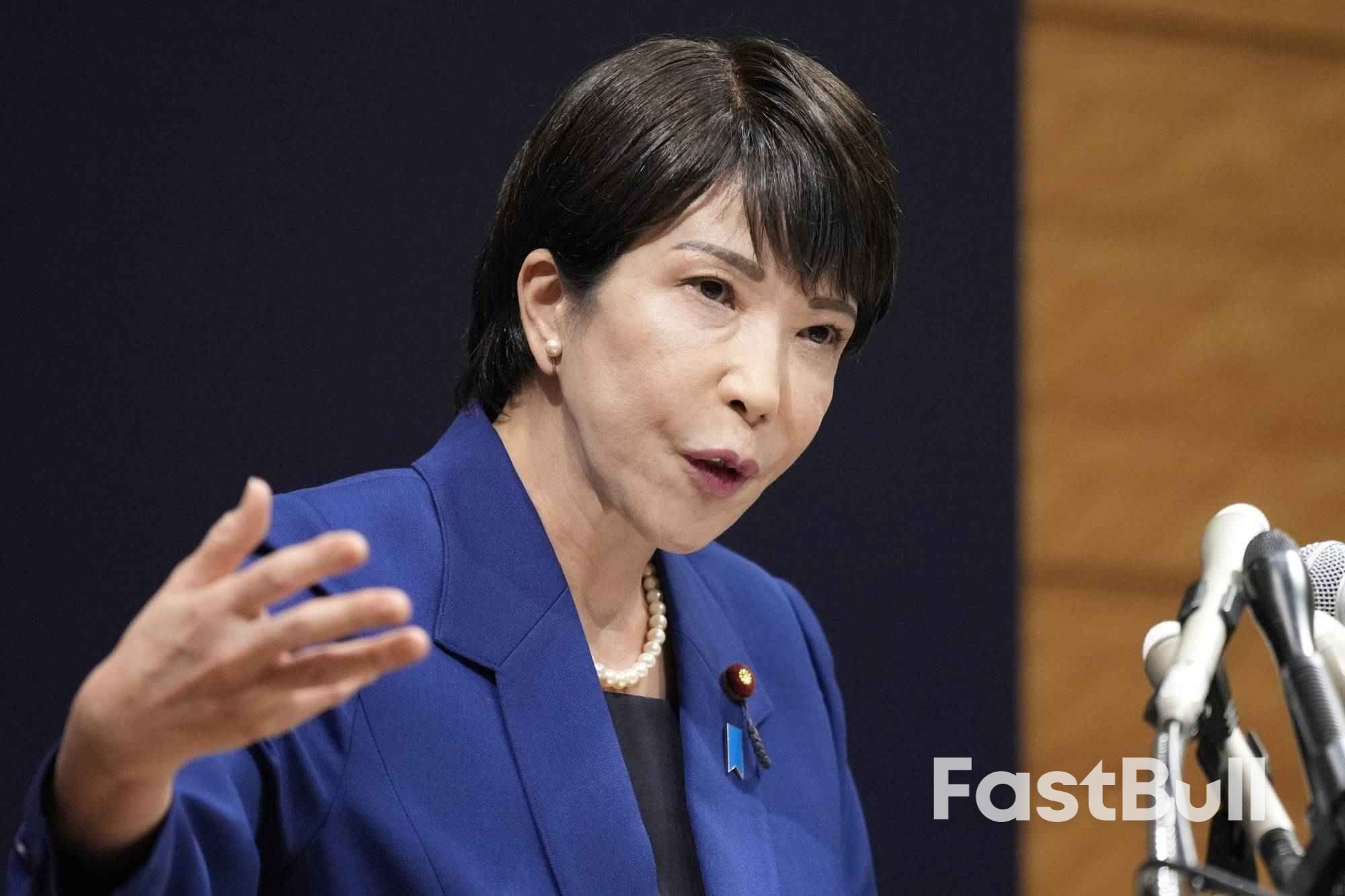
          Sanae Takaichi

          Here’s Who May Replace Japan’s Ishiba As Prime Minister_1

          Photographer: Toru Hanai/Bloomberg

          Hard-line conservative Takaichi tops the list in many recent opinion polls asking voters who should be the next LDP leader. Takaichi, who cites former UK Prime Minister Margaret Thatcher as a key inspiration, narrowly lost to Ishiba in a runoff in the LDP’s leadership race last year. If elected, she would become Japan’s first female prime minister. Like Thatcher, her leadership would likely swing the country toward conservatism on a political level. But on economic policy, a Takaichi-led LDP would likely move toward continued monetary easing and looser fiscal spending, a move that may unsettle investors with concerns about Japan’s fiscal status. Still, right-wingers in the LDP have been thinned out in the last two elections as voters opted for Sanseito. For some, Takaichi might also give the impression of the party reversing back toward the policies of former Prime Minister Shinzo Abe rather than moving forward with something new.

          Hard-line conservative Takaichi tops the list in many recent opinion polls asking voters who should be the next LDP leader. Takaichi, who cites former UK Prime Minister Margaret Thatcher as a key inspiration, narrowly lost to Ishiba in a runoff in the LDP’s leadership race last year. If elected, she would become Japan’s first female prime minister. Like Thatcher, her leadership would likely swing the country toward conservatism on a political level. But on economic policy, a Takaichi-led LDP would likely move toward continued monetary easing and looser fiscal spending, a move that may unsettle investors with concerns about Japan’s fiscal status. Still, right-wingers in the LDP have been thinned out in the last two elections as voters opted for Sanseito. For some, Takaichi might also give the impression of the party reversing back toward the policies of former Prime Minister Shinzo Abe rather than moving forward with something new.
          Shinjiro Koizumi
          Here’s Who May Replace Japan’s Ishiba As Prime Minister_2
          The son of one of Japan’s most famous reformist premiers, Koizumi has been the face of the LDP’s policies to bring down the price of rice — a high-profile effort with huge cultural and political ramifications. As farm minister, Koizumi released emergency stockpiles of rice to wholesalers and succeeded in bringing down costs, winning approval among some of the populace, while alienating rice farmers. Those moves weren’t sufficient to change the fortunes of the LDP in the July election, but they did offer support for the view that not only can he talk about reform, he can also deliver it. Koizumi was one of the final three candidates to run in the LDP leadership election last year, although he ultimately lost out to Ishiba. His early lead in that leadership race lost momentum partly for his comments hinting at the need to flesh out rough guidelines for redundancy packages. At 44, Koizumi would represent a new generation that might tap into traditional LDP supporters and swing voters who see the older guard of the party as out of touch. Still, his more liberal tendencies will likely turn off right-wingers within the party.
          Yoshimasa Hayashi
          Here’s Who May Replace Japan’s Ishiba As Prime Minister_3

          Currently serving as chief cabinet secretary and one of Ishiba’s closest aides, Hayashi would be a continuity candidate for the LDP and would likely cause less turbulence in markets. He’s often seen as closer to China than other party heavyweights, but has rejected the criticism he’s pro-China, saying he’s someone who prioritizes dialogue. The ruling party has frequently relied on Hayashi for damage control in the past. When previous administrations needed a replacement for short-lived ministers, Hayashi came in and calmed the waters, a record that he highlighted during his run in the LDP’s leadership race last year. Hayashi studied at Harvard University and spent most of the Kishida administration as foreign minister.
          Takayuki Kobayashi
          Here’s Who May Replace Japan’s Ishiba As Prime Minister_4

          Young and conservative, Kobayashi was a longshot to assume leadership last year, but used that moment to plant himself in the minds of LDP members and voters. A former economic security minister, Kobayashi has recently been reaching out to Taiwan, and speaking about the importance of building supply chains that don’t rely on China. Kobayashi began his career in the Finance Ministry, and is a Harvard Kennedy School graduate. For the right-wing of the party he would provide a younger alternative to Takaichi that would feel less like Abenomics 2.0.
          Katsunobu Kato
          Here’s Who May Replace Japan’s Ishiba As Prime Minister_5

          Finance Minister Kato didn’t get much support in the September LDP leadership race, but the fact he has good relationships with both conservatives and reformists within the party can boost his appeal as a leader who can bring lawmakers together. A former Finance Ministry official, Kato has played key roles under the last three premiers. He served as the government’s top spokesperson and helped guide Japan through the Covid-19 pandemic as health minister. In his role as finance minister, Kato has held talks with US Treasury Secretary Scott Bessent and managed to separate out discussions on currencies from the main trade talks.
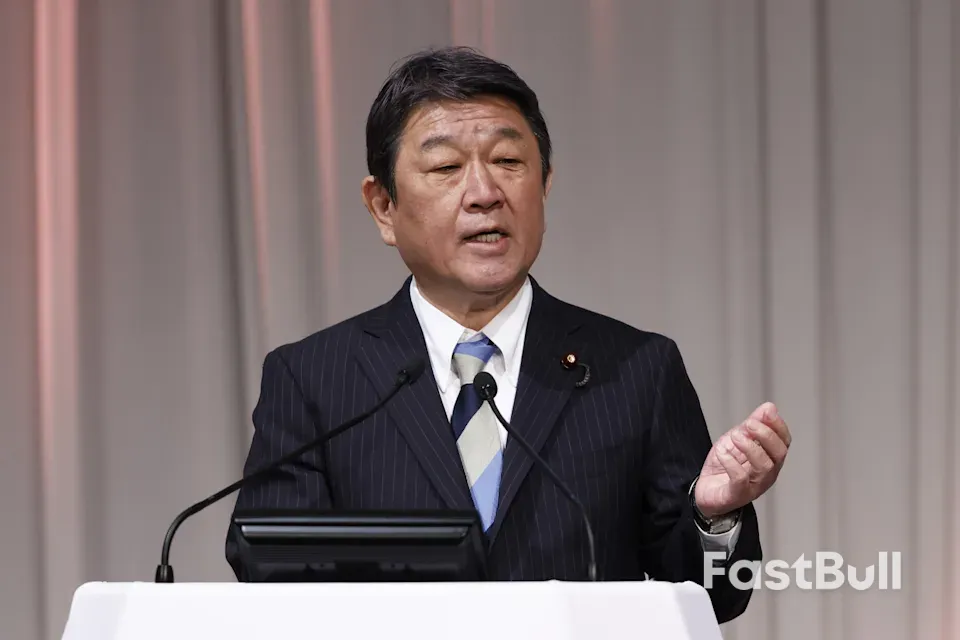
          Toshimitsu Motegi
          Here’s Who May Replace Japan’s Ishiba As Prime Minister_6

          Motegi portrays himself as a tough negotiator who can effectively handle relations with the US based on his previous experience of dealing with Donald Trump during the US president’s first stint. He intends to stand in the race and rebuild the LDP, according to NHK. The 69-year-old is a heavyweight within the LDP and headed his own faction, before it was dissolved last year after a party-wide funding scandal came to light. He has a wealth of experience to draw upon having served as foreign minister, trade minister, and secretary-general of the LDP, but he lacks the broader public appeal that other contenders have. In the past he has called for the Bank of Japan to more clearly show its intention to normalize monetary policy to support the yen, as a weak currency might drive up prices. He supports the view that economic growth will increase tax revenue and has previously advocated returning some of Japan’s increased tax receipts to the people via temporary tax cuts. A graduate of Harvard’s Kennedy School, he had stints at trading house Marubeni, the Yomiuri newspaper, and McKinsey & Company before becoming a lawmaker in 1993.
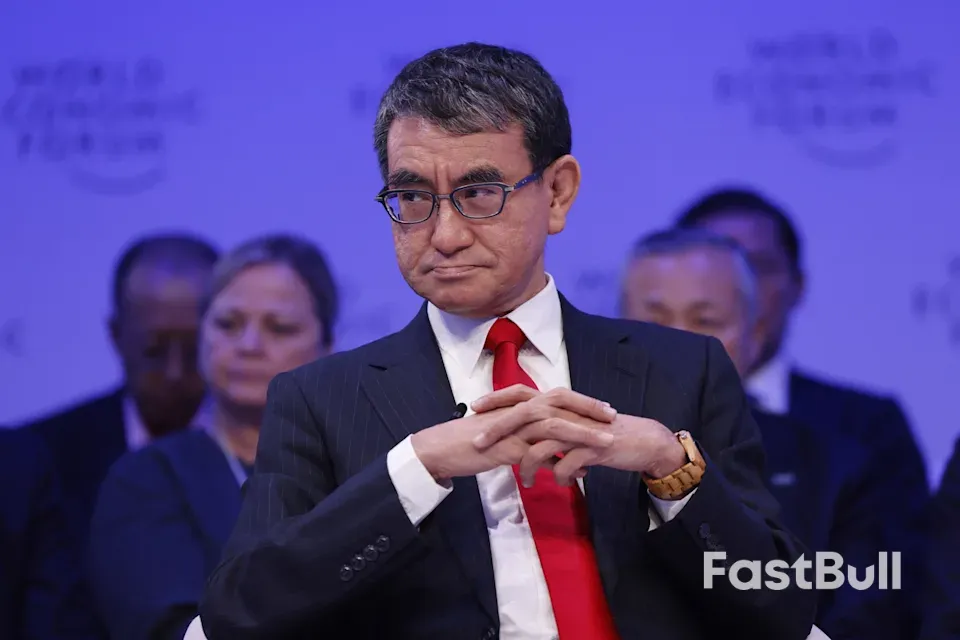
          Kono Taro
          Here’s Who May Replace Japan’s Ishiba As Prime Minister_7

          A former foreign and defense minister with a combative style, Kono has thrown his name in for multiple leadership races but has been unsuccessful so far. He’s also known as a former digital minister who called for ending the use of name stamps within a wider digitalization campaign. Kono has been outspoken on monetary policy in the past, urging the BOJ to tighten policy as recently as last month while noting the level of inflation Japan has had in recent years. He asks that his name be transcribed in Japanese style, with his family name first.

          Source: Yahoo Finance

          To stay updated on all economic events of today, please check out our Economic calendar
          Risk Warnings and Disclaimers
          You understand and acknowledge that there is a high degree of risk involved in trading. Following any strategies or investment methods may lead to potential losses. The content on the site is provided by our contributors and analysts for information purposes only. You are solely responsible for determining whether any trading assets, securities, strategy, or any other product is suitable for investing based on your own investment objectives and financial situation.
          Add to Favorites
          Share

          Global Markets Rally on Fed Rate Cut Expectations, Yen Falls on Japan’s Political Shake-Up

          Gerik

          Economic

          Global Stocks Rise as US Labor Data Cements Dovish Pivot

          Investor sentiment turned broadly positive across global equity markets following a disappointing US nonfarm payroll report for August. The data revealed a significant shortfall in job creation and an increase in the unemployment rate, which has now reached a near four-year high.
          This triggered a reassessment of monetary policy expectations, with traders fully pricing in a 25-basis-point cut by the Federal Reserve in September and assigning an 8% probability to a more aggressive 50-basis-point move. Futures on the S&P 500 and Nasdaq both rose by 0.25% in early Asian trading, a sign that markets are responding optimistically to the likelihood of easier monetary conditions. The causal relationship between soft labor market data and heightened expectations of monetary easing is clear and immediate, influencing both equity and bond markets.

          Yen Weakens Sharply as Ishiba Exit Fuels Policy Uncertainty

          In contrast, Japan's financial landscape absorbed a destabilizing political development. The resignation of Prime Minister Shigeru Ishiba on Sunday introduced a leadership vacuum that unsettled investors, particularly due to uncertainty over who will shape fiscal and monetary policy going forward. The yen weakened by 0.6% to 148.39 per dollar, reflecting rising risk premia attached to Japanese assets.
          Concerns center on whether the next leader, potentially LDP veteran Sanae Takaichi a known critic of Bank of Japan rate hikes could pivot toward looser fiscal and monetary policies. This has created a downward pressure on the yen and upward pressure on long-term Japanese government bond yields, which were already hovering near record highs due to recent market anxieties over fiscal sustainability. The relationship between political instability and asset volatility here is both correlative and anticipatory, as investors brace for possible shifts in the Bank of Japan’s stance.

          Equity Gains in Japan Reflect Hope for Pro-Growth Policy

          Despite the yen’s fall, Japan’s Nikkei index climbed 1% in early trading. This upward move reflects a speculative bet that the new government may adopt more growth-oriented measures, including fiscal stimulus or delayed monetary tightening. As Capital.com analyst Kyle Rodda noted, the equity rally hinges on the emergence of clear leadership, with investors tentatively optimistic that dovish policy shifts could support corporate earnings and market momentum. However, the short-term market response remains sensitive to signals from the ruling LDP regarding leadership succession and economic strategy.
          Gold Nears Record as Yields Drop and Uncertainty LingersGold prices continued to hover near all-time highs, reaching $3,588 per ounce, supported by falling US Treasury yields and broader market unease. The metal has risen 37% year-to-date, on top of a 27% gain in 2024, as investors hedge against both inflation risks and geopolitical instability.
          Five-month lows in Treasury yields have further improved gold’s appeal as a non-yielding safe haven. The inverse relationship between bond yields and gold prices reinforces the metal’s role as a store of value in times of policy transition and macroeconomic weakness.

          Currency Markets Reflect Diverging Policy Paths and Political Risks

          The dollar was slightly weaker after Friday’s fall, while the euro and sterling lost momentum after earlier gains. The euro dipped to $1.1708 and sterling to $1.3489, as investors also turned their attention to France, where Prime Minister Francois Bayrou faces a confidence vote likely to deepen the country’s political crisis.
          The divergence in performance across currencies reflects a mix of relative rate expectations and political stability, with the yen’s decline being more politically driven and the euro’s weakness tied to regional instability.
          Markets are digesting a confluence of economic and political catalysts. On the one hand, disappointing US labor market data has created a strong foundation for near-term monetary easing, lifting equities and precious metals while depressing bond yields. On the other hand, Japan’s surprise political transition has triggered immediate pressure on the yen and heightened volatility in its sovereign debt market. The interplay between these factors underscores a broader environment of fragility, in which investor behavior is increasingly shaped by both domestic policy signals and global leadership uncertainty. As attention turns to upcoming US inflation data and Japanese leadership decisions, financial markets remain highly reactive to shifts in policy credibility and macroeconomic signals.

          Source: Reuters

          To stay updated on all economic events of today, please check out our Economic calendar
          Risk Warnings and Disclaimers
          You understand and acknowledge that there is a high degree of risk involved in trading. Following any strategies or investment methods may lead to potential losses. The content on the site is provided by our contributors and analysts for information purposes only. You are solely responsible for determining whether any trading assets, securities, strategy, or any other product is suitable for investing based on your own investment objectives and financial situation.
          Add to Favorites
          Share

          Japan’s Q2 GDP Revised Sharply Upward, But Political Instability Clouds Outlook

          Gerik

          Economic

          Brisk Household Spending Lifts Q2 Expansion

          Japan’s revised gross domestic product (GDP) data for the April–June 2025 quarter showed the economy expanding at an annualized 2.2%, more than double the preliminary estimate of 1.0%. On a quarterly basis, GDP rose 0.5%, outperforming the initial figure of 0.3%. This revision was primarily driven by improved household consumption, which accounts for over half of the Japanese economy.
          Consumer spending rose by 0.4%, compared to 0.2% in the preliminary reading, indicating a stronger-than-anticipated recovery in domestic demand. This reveals a causal relationship between rising consumption and the upward GDP revision, reaffirming the critical role of households in sustaining growth momentum.

          Domestic Demand Shows Recovery, Though Investment Revised Lower

          Revised figures also show domestic demand contributing 0.2 percentage points to GDP growth, a reversal from the 0.1-point drag previously estimated. This adjustment suggests a more resilient internal economy than initially assessed. However, capital expenditure, often viewed as a proxy for business confidence and future productivity, was revised downward to 0.6% from the earlier 1.3% estimate.
          This implies that while consumer activity has accelerated, businesses may remain hesitant to commit to long-term investments, possibly reflecting caution amid policy uncertainty and international trade risks. The discrepancy between private consumption and business investment highlights a divergence in sentiment between households and corporations.

          External Sector Contribution Remains Stable

          External demand maintained its 0.3 percentage point contribution to overall growth, unchanged from the preliminary data. This consistency suggests that trade remained a steady pillar during the quarter, though the evolving landscape of international tariffs and bilateral agreements could change this dynamic going forward.
          With the formalization of the July trade deal between Tokyo and Washington reducing tariffs on Japanese automobile exports some relief has been introduced for Japan’s export-driven industries. However, the real test will be in the subsequent quarter’s performance as new trade terms are fully implemented.

          Political Transition Casts Shadow Over Policy Trajectory

          The improved Q2 figures arrive at a time of growing political uncertainty following Prime Minister Shigeru Ishiba’s resignation. This leadership vacuum introduces potential delays in economic policymaking and could affect investor and corporate confidence. The choice of successor will be critical in determining whether current fiscal and structural policies continue, or if Japan pivots toward more populist or expansionary approaches.
          The timing is delicate, as policy clarity is essential for translating economic momentum into sustained growth. Hence, the political context acts as a correlated factor to economic volatility rather than a direct driver in this specific GDP revision.

          Tariff Effects and Q3 Projections

          Attention is now shifting to the July–September quarter, with particular focus on the downstream effects of US tariffs and the effectiveness of recent trade deals in protecting Japanese exporters. While Q2 reflected a robust internal consumption base, the external environment remains fragile. The durability of the current growth trend will depend on how domestic policy evolves in response to both external pressure and internal political realignment.
          Japan’s substantial upward revision in second-quarter GD P offers a temporary boost in confidence, primarily fueled by stronger-than-expected consumer activity and a rebound in domestic demand. However, the fragile nature of capital investment and the shadow cast by political instability pose risks to sustained recovery. The upcoming Q3 results, shaped by geopolitical developments and trade dynamics, will determine whether this growth trajectory can be maintained or proves short-lived.

          Source: Reuters

          To stay updated on all economic events of today, please check out our Economic calendar
          Risk Warnings and Disclaimers
          You understand and acknowledge that there is a high degree of risk involved in trading. Following any strategies or investment methods may lead to potential losses. The content on the site is provided by our contributors and analysts for information purposes only. You are solely responsible for determining whether any trading assets, securities, strategy, or any other product is suitable for investing based on your own investment objectives and financial situation.
          Add to Favorites
          Share

          Yen Weakens Sharply as Ishiba Resigns, Markets Brace for Political Uncertainty and Looser Policy Outlook

          Gerik

          Economic

          Forex

          Currency Markets React to Sudden Leadership Vacuum

          The yen declined significantly in early Asian trading following Prime Minister Shigeru Ishiba’s abrupt resignation on Sunday. The move introduced heightened political uncertainty at a time when Japan’s economy is already grappling with inflation management, structural stagnation, and weak investor confidence.
          The currency fell 0.7% against the US dollar to 148.43 and recorded losses exceeding 0.5% against both the euro and the pound, trading at 173.77 and 200.15 respectively. These reactions reveal a causal relationship between the political upheaval and immediate risk repricing in currency markets, particularly as traders speculate about the next leader's policy stance.

          Potential Successor Takaichi Suggests Shift Toward Dovish Policies

          Attention has turned to potential replacements, including LDP veteran Sanae Takaichi, who has voiced criticism of the Bank of Japan’s recent rate hikes and appears supportive of more accommodative fiscal and monetary strategies. If she ascends to leadership, investors anticipate a rollback in tightening efforts and a return to ultra-loose policies.
          While the Bank of Japan was unlikely to raise rates in September regardless, as noted by SMBC strategist Hirofumi Suzuki, future monetary decisions will increasingly depend on the direction set by the new prime minister. This creates a scenario of heightened uncertainty, which, even without confirmed policy reversals, correlates with the observed selloff in the yen and Japanese government bonds (JGBs).

          Bond Market Signals Escalating Uncertainty

          Yields on 30-year JGBs surged to a record high last week, revealing how investor anxiety extends beyond the currency market. The move reflects elevated term premiums, with markets demanding higher compensation for long-term risk in an environment of uncertain fiscal governance.
          The Liberal Democratic Party’s current lack of a clear majority compounds these concerns, suggesting that decision-making will remain fragmented and unpredictable for the near future. Saxo Bank’s Charu Chanana notes that volatility will persist across yen, bonds, and equities until a firm successor emerges with a transparent agenda.

          US Labor Market Weakness Fuels Dollar Volatility

          While the yen tumbled, the US dollar saw mixed performance. The greenback had suffered a sharp drop on Friday after a disappointing nonfarm payrolls report indicated job growth slowed substantially in August, pushing the unemployment rate to a nearly four-year high of 4.3%.
          This directly impacted expectations around the Federal Reserve’s next move. Traders now see an 8% probability of a 50-basis-point cut in September, up from 0% just a week ago. This shift indicates a clear cause-and-effect dynamic between weakening labor data and policy expectations.
          Compounding volatility in global markets is the growing tension around central bank independence in the US. Treasury Secretary Scott Bessent has publicly questioned the Fed’s rate-setting authority, echoing President Trump’s repeated criticism of Chair Jerome Powell.
          Trump is currently evaluating candidates to replace Powell, a decision that could further alter the Fed’s policy direction. According to Barclays economists, this uncertain environment now warrants three 25-basis-point cuts through the end of the year, with the next in September followed by October and December.

          Other Currency Movements Reflect Global Fragility

          The broader currency landscape remains sensitive to overlapping political developments. The British pound and euro both saw minor declines on Monday after posting gains on Friday. Traders are also monitoring a confidence vote in France involving Prime Minister Francois Bayrou, which may deepen political instability in the eurozone’s second-largest economy. The Australian and New Zealand dollars both edged lower as global risk sentiment remains fragile.
          The Japanese yen’s steep decline underscores the fragile intersection of political transition and economic uncertainty. Ishiba’s resignation not only disrupts Japan’s fiscal outlook but also introduces speculation around the reversal of the Bank of Japan’s tightening path. Meanwhile, global currency markets remain tightly linked to shifting Fed expectations and the erosion of central bank independence. Until leadership in both Japan and the US becomes clearer, investors are likely to face continued volatility, cautious positioning, and shifting bets on policy direction.

          Source: Reuters

          To stay updated on all economic events of today, please check out our Economic calendar
          Risk Warnings and Disclaimers
          You understand and acknowledge that there is a high degree of risk involved in trading. Following any strategies or investment methods may lead to potential losses. The content on the site is provided by our contributors and analysts for information purposes only. You are solely responsible for determining whether any trading assets, securities, strategy, or any other product is suitable for investing based on your own investment objectives and financial situation.
          Add to Favorites
          Share

          Gold Hovers Near Record Levels Amid Rising Bets on Fed Policy Shift

          Gerik

          Economic

          Commodity

          Employment Data Weakens, Rate Cut Expectations Surge

          The latest US labor market data has triggered a decisive shift in investor sentiment. With the unemployment rate climbing to its highest level since 2021 and hiring momentum clearly slowing, traders are increasingly betting on imminent monetary easing. Specifically, swap markets now price in nearly three interest rate cuts by year-end.
          This sharp repricing reflects a causal relationship between the weak job report and policy expectations: as economic slack grows, the Federal Reserve is seen as having less justification to maintain elevated rates. Lower interest rates enhance the attractiveness of gold by reducing the opportunity cost of holding non-yielding assets, explaining the metal’s surge to just $10 below its record high of approximately $3,600 an ounce in early Monday trading in Asia.

          Geopolitical Uncertainty and Institutional Fractures Strengthen Gold's Safe-Haven Role

          Beyond macroeconomic fundamentals, geopolitical tensions and institutional fragility are reinforcing demand for gold. Notably, former President Donald Trump’s renewed criticism of the Federal Reserve has raised alarm over the central bank’s autonomy. His declared intention to secure a “majority” influence over the Fed and replace Governor Lisa Cook with a dovish figure has catalyzed fears of politically driven monetary policy.
          Goldman Sachs has warned that a compromised Fed could prompt significant capital reallocation from Treasuries into gold, potentially pushing bullion prices toward $5,000 an ounce. This scenario highlights a correlation, not merely causation: while institutional instability does not mechanically lead to gold rallies, investor behavior tends to mirror perceptions of systemic risk.
          Policy Moves Reinforce Precious Metals' Appeal
          Further boosting gold’s standing, the Trump administration recently formalized an exemption of gold bars from country-based tariffs. This decision removed a regulatory overhang that had previously created confusion in the precious metals market after a US Customs ruling appeared to make gold subject to import taxes. While the tariff exemption does not directly raise demand, it eliminates friction in cross-border bullion flows, preserving gold’s liquidity and appeal for large institutional investors.
          Meanwhile, the People’s Bank of China (PBOC) continues its systematic diversification strategy, marking a tenth consecutive month of gold accumulation in August. The PBOC’s purchases signal a deliberate effort to reduce dependency on US dollar reserves, aligning with broader dedollarization trends in emerging markets. This development underscores a deeper structural shift rather than a reactive trading move, with long-term implications for global demand dynamics. The Chinese central bank’s actions exhibit a strong correlation with the broader theme of de-risking from US financial assets, which indirectly elevates gold’s strategic importance.

          Technical Positioning and Market Momentum

          Spot gold rose 0.2% to $3,592.91 per ounce as of 6:52 a.m. in Singapore. Although the Bloomberg Dollar Spot Index also edged higher by 0.1%, gold’s resilience in the face of a stronger dollar suggests that haven demand is currently a more dominant price driver than currency effects. Silver and platinum saw marginal declines, while palladium remained stable, reinforcing gold’s unique position as the asset of choice during episodes of macro-policy uncertainty.
          The near-record price of gold reflects a convergence of short-term monetary dynamics and long-term structural realignments. Weak US employment data has materially shifted expectations toward looser Fed policy, directly boosting gold prices. Simultaneously, geopolitical uncertainty, fears of compromised central bank independence, and China’s continued diversification strategy have all intensified the metal’s appeal as a hedge. These intertwined causal and correlational factors suggest that, barring any abrupt policy reversal, gold remains on firm footing to potentially challenge or exceed its historical highs in the months ahead.

          Source: Bloomberg

          To stay updated on all economic events of today, please check out our Economic calendar
          Risk Warnings and Disclaimers
          You understand and acknowledge that there is a high degree of risk involved in trading. Following any strategies or investment methods may lead to potential losses. The content on the site is provided by our contributors and analysts for information purposes only. You are solely responsible for determining whether any trading assets, securities, strategy, or any other product is suitable for investing based on your own investment objectives and financial situation.
          Add to Favorites
          Share
          FastBull
          Copyright © 2025 FastBull Ltd

          728 RM B 7/F GEE LOK IND BLDG NO 34 HUNG TO RD KWUN TONG KLN HONG KONG

          TelegramInstagramTwitterfacebooklinkedin
          App Store Google Play Google Play
          Products
          Charts

          Chats

          Q&A with Experts
          Screeners
          Economic Calendar
          Data
          Tools
          Membership
          Features
          Function
          Markets
          Copy Trading
          Latest Signals
          Contests
          News
          Analysis
          24/7
          Columns
          Education
          Company
          Careers
          About Us
          Contact Us
          Advertising
          Help Center
          Feedback
          User Agreement
          Privacy Policy
          Business

          White Label

          Data API

          Web Plug-ins

          Poster Maker

          Affiliate Program

          Risk Disclosure

          The risk of loss in trading financial instruments such as stocks, FX, commodities, futures, bonds, ETFs and crypto can be substantial. You may sustain a total loss of the funds that you deposit with your broker. Therefore, you should carefully consider whether such trading is suitable for you in light of your circumstances and financial resources.

          No decision to invest should be made without thoroughly conducting due diligence by yourself or consulting with your financial advisors. Our web content might not suit you since we don't know your financial conditions and investment needs. Our financial information might have latency or contain inaccuracy, so you should be fully responsible for any of your trading and investment decisions. The company will not be responsible for your capital loss.

          Without getting permission from the website, you are not allowed to copy the website's graphics, texts, or trademarks. Intellectual property rights in the content or data incorporated into this website belong to its providers and exchange merchants.

          Not Logged In

          Log in to access more features

          FastBull Membership

          Not yet

          Purchase

          Become a signal provider
          Help Center
          Customer Service
          Dark Mode
          Price Up/Down Colors

          Log In

          Sign Up
          Position
          Layout
          Fullscreen
          Default to Chart
          The chart page opens by default when you visit fastbull.com