• Trade
  • Markets
  • Copy
  • Contests
  • 24/7
  • Calendar
  • Q&A
  • Chats
Screeners
SYMBOL
LAST
BID
ASK
HIGH
LOW
NET CHG.
%CHG.
SPREAD
SOURCE
SPX
S&P 500 Index
7441.63
7441.63
7441.63
7441.66
7389.48
+8.67
+ 0.12%
--
--
DJI
Dow Jones Industrial Average
50148.26
50148.26
50148.26
50148.92
49697.47
+138.92
+ 0.28%
--
--
IXIC
NASDAQ Composite Index
26302.47
26302.47
26302.47
26302.59
26039.37
+32.12
+ 0.12%
--
--
USDX
US Dollar Index
99.110
99.110
99.190
99.430
98.970
-0.440
-0.44%
--
--
EURUSD
Euro / US Dollar
1.16174
1.16174
1.16181
1.16354
1.15761
-0.00075
-0.06%
--
--
GBPUSD
Pound Sterling / US Dollar
1.34352
1.34352
1.34360
1.34545
1.33915
+0.00018
+ 0.01%
--
--
XAUUSD
Gold / US Dollar
4542.63
4542.63
4543.06
4570.85
4488.57
-1.37
-0.03%
--
--
WTI
Light Sweet Crude Oil
96.818
96.818
96.848
101.643
96.386
-1.387
-1.41%
--
--

Community Accounts

Signal Accounts
--
Profit Accounts
--
Loss Accounts
--
View More

Become a signal provider

Sell trading signals to earn additional income

View More

Guide to Copy Trading

Get started with ease and confidence

View More

Signal Accounts for Members

All Signal Accounts

Best Return
  • Best Return
  • Best P/L
  • Best MDD
Past 1W
  • Past 1W
  • Past 1M
  • Past 1Y

All Contests

  • All
  • Recommend
  • Stocks
  • Cryptocurrencies
  • Central Banks
  • Trump Updates
  • Featured News
Top News Only
Share

Both WTI And Brent Crude Oil Prices Fell By More Than $1 In The Short Term, Currently Trading At $101.8 Per Barrel And $101.7 Per Barrel Respectively

Share

According To The Islamic Republic News Agency (ILNA), The United States And Iran Have Reached A Draft Agreement Brokered By Pakistan, Which Is Expected To Be Announced In The Coming Hours

Share

The U.S. Treasury Department Has Imposed Sanctions On Nine Individuals In Lebanon For Obstructing The Peace Process And Hindering Hezbollah's Disarmament

Share

The U.S. Treasury Auctioned $19 Billion In 10-year Treasury Inflation-Protected Securities (TIPS), With A Winning Bid Rate Of 2.169% And A Bid-to-cover Ratio Of 2.52

Share

U.S. Ambassador To Denmark: Trump Has Ruled Out The Use Of Force Against Greenland

Share

Federal Reserve Bank Of California President Barkin: The Fed Was "basically In Place" To Achieve Its Inflation Target Before Tariffs And Rising Oil Prices

Share

Federal Reserve Bank Of Barkin: I Don’t Believe The Net Impact Of Artificial Intelligence On Employment Will Be Negative, But The Transition Period Could Be Difficult

Share

Federal Reserve Bank Of Barkin: Even If The Strait Of Hormuz Reopens, Gas Prices May Take Months To Fall

Share

Russian And Belarusian Forces Conduct Nuclear Forces Exercise

Share

The Iranian Foreign Ministry Stated That The Iranian Foreign Minister And The Austrian Foreign Minister Held A Telephone Conversation On Thursday Afternoon To Discuss The Latest Diplomatic Developments And Issues Related To Bilateral Relations, And Exchanged Views

Share

Federal Reserve Bank Of Barkin: The Persistence Of Inflationary Shocks May Challenge The Textbook Approach Of “ignoring” Them

Share

Federal Reserve's Barkin: The U.S. May Be "somewhat Immune" To Oil Price Shocks

Share

Federal Reserve Bank Of Barkin: Whether The Fed Needs To Raise Interest Rates Depends On How Businesses And Consumers Respond To The Changing Economic Situation

Share

Federal Reserve Bank Of Barkin: Consumers Are “not Satisfied” But Continue To Spend; Businesses Have So Far Managed Productivity Gains Through Natural Attrition Rather Than Layoffs

Share

Federal Reserve Bank Of Barkin: Past Policies Have Effectively Addressed Supply Shocks, But The Future May Face A More Challenging Environment And More Frequent Shocks

Share

Federal Reserve's Barkin: Current Policy Is In A Good Position To Cope With Continued Shocks. As Of Now, Long-term Inflation Expectations Appear To Remain Within Manageable Limits

Share

US President Trump: We Will Have To Return $149 Billion In Tariffs

Share

US President Trump: The Conflict With Iran Will End Soon

Share

US President Trump: We Will Receive Enriched Uranium From Iran

Share

US President Trump: Iran Cannot Retain Enriched Uranium. If We Acquire That Enriched Uranium, We Will Likely Destroy It. We Don't Want It

TIME
ACT
FCST
PREV
IMPACT
Japan Core Machinery Orders YoY (Mar)

A:--

F: --

P: --

USDJPY
  • USDJPY
  • XAUUSD
  • XAGUSD
  • WTI
  • USDX
Japan Core Machinery Orders MoM (Mar)

A:--

F: --

P: --

USDJPY
  • USDJPY
  • XAUUSD
  • XAGUSD
  • WTI
  • USDX
Australia Consumer Inflation Expectations (May)

A:--

F: --

P: --

AUDUSD
  • AUDUSD
  • XAUUSD
  • XAGUSD
  • WTI
  • USDX
Australia Labor Force Participation Rate (SA) (Apr)

A:--

F: --

P: --

AUDUSD
  • AUDUSD
  • XAUUSD
  • XAGUSD
  • WTI
  • USDX
Australia Full-time Employment (SA) (Apr)

A:--

F: --

P: --
AUDUSD
  • AUDUSD
  • XAUUSD
  • XAGUSD
  • WTI
  • USDX
Australia Unemployment Rate (SA) (Apr)

A:--

F: --

P: --

AUDUSD
  • AUDUSD
  • XAUUSD
  • XAGUSD
  • WTI
  • USDX
Australia Employment (Apr)

A:--

F: --

P: --
AUDUSD
  • AUDUSD
  • XAUUSD
  • XAGUSD
  • WTI
  • USDX
Euro Zone Current Account (Not SA) (Mar)

A:--

F: --

P: --

EURUSD
  • EURUSD
  • XAUUSD
  • XAGUSD
  • WTI
  • USDX
Euro Zone Current Account (SA) (Mar)

A:--

F: --

P: --

EURUSD
  • EURUSD
  • XAUUSD
  • XAGUSD
  • WTI
  • USDX
U.K. 10-Year Note Auction Yield

A:--

F: --

P: --

GBPUSD
  • GBPUSD
  • XAUUSD
  • XAGUSD
  • WTI
  • USDX
Euro Zone Construction Output YoY (Mar)

A:--

F: --

P: --

EURUSD
  • EURUSD
  • XAUUSD
  • XAGUSD
  • WTI
  • USDX
Euro Zone Labor Cost YoY (Q1)

A:--

F: --

P: --

EURUSD
  • EURUSD
  • XAUUSD
  • XAGUSD
  • WTI
  • USDX
Euro Zone Construction Output MoM (SA) (Mar)

A:--

F: --

P: --
EURUSD
  • EURUSD
  • XAUUSD
  • XAGUSD
  • WTI
  • USDX
U.K. CBI Industrial Trends - Orders (May)

A:--

F: --

P: --

GBPUSD
  • GBPUSD
  • XAUUSD
  • XAGUSD
  • WTI
  • USDX
U.K. CBI Industrial Prices Expectations (May)

A:--

F: --

P: --

GBPUSD
  • GBPUSD
  • XAUUSD
  • XAGUSD
  • WTI
  • USDX
Mexico Retail Sales MoM (Mar)

A:--

F: --

P: --

XAUUSD
  • XAUUSD
  • XAGUSD
  • WTI
  • USDX
U.S. Philadelphia Fed Manufacturing Employment Index (May)

A:--

F: --

P: --

USDX
  • USDX
  • XAUUSD
  • XAGUSD
  • WTI
U.S. Building Permits MoM (SA) (Apr)

A:--

F: --

P: --
USDX
  • USDX
  • XAUUSD
  • XAGUSD
  • WTI
U.S. New Housing Starts Annualized MoM (SA) (Apr)

A:--

F: --

P: --
USDX
  • USDX
  • XAUUSD
  • XAGUSD
  • WTI
U.S. Total Building Permits (SA) (Apr)

A:--

F: --

P: --

USDX
  • USDX
  • XAUUSD
  • XAGUSD
  • WTI
U.S. Annual New Housing Starts (SA) (Apr)

A:--

F: --

P: --
USDX
  • USDX
  • XAUUSD
  • XAGUSD
  • WTI
U.S. Weekly Continued Jobless Claims (SA)

A:--

F: --

P: --
XAUUSD
  • XAUUSD
  • XAGUSD
  • WTI
  • USDX
U.S. Weekly Initial Jobless Claims (SA)

A:--

F: --

P: --
XAUUSD
  • XAUUSD
  • XAGUSD
  • WTI
  • USDX
U.S. Initial Jobless Claims 4-Week Avg. (SA)

A:--

F: --

P: --
XAUUSD
  • XAUUSD
  • XAGUSD
  • WTI
  • USDX
U.S. Philadelphia Fed Business Activity Index (SA) (May)

A:--

F: --

P: --

USDX
  • USDX
  • XAUUSD
  • XAGUSD
  • WTI
U.S. EIA Weekly Natural Gas Stocks Change

A:--

F: --

P: --

WTI
  • WTI
  • XAUUSD
  • XAGUSD
  • USDX
U.S. Kansas Fed Manufacturing Production Index (May)

A:--

F: --

P: --

USDX
  • USDX
  • XAUUSD
  • XAGUSD
  • WTI
U.S. Kansas Fed Manufacturing Composite Index (May)

A:--

F: --

P: --

USDX
  • USDX
  • XAUUSD
  • XAGUSD
  • WTI
BOE Gov Bailey Speaks
Richmond Federal Reserve President Barkin delivered a speech.
U.S. 10-Year TIPS Auction Avg. Yield

A:--

F: --

P: --

XAUUSD
  • XAUUSD
  • XAGUSD
  • WTI
  • USDX
U.S. Weekly Treasuries Held by Foreign Central Banks

--

F: --

P: --

U.K. GfK Consumer Confidence Index (May)

--

F: --

P: --

Japan CPI MoM (Apr)

--

F: --

P: --

Japan National CPI MoM (Apr)

--

F: --

P: --

Japan National CPI YoY (Apr)

--

F: --

P: --

Japan National Core CPI YoY (Apr)

--

F: --

P: --

Japan National CPI MoM (Not SA) (Apr)

--

F: --

P: --

ECB Chief Economist Lane Speaks
U.K. Retail Sales MoM (SA) (Apr)

--

F: --

P: --

U.K. Retail Sales YoY (SA) (Apr)

--

F: --

P: --

Germany GfK Consumer Confidence Index (SA) (Jun)

--

F: --

P: --

U.K. Core Retail Sales YoY (SA) (Apr)

--

F: --

P: --

ECB Chief Economist Lane Speaks
Turkey Capacity Utilization (May)

--

F: --

P: --

Turkey Trade Balance (Apr)

--

F: --

P: --

Germany Ifo Current Business Situation Index (SA) (May)

--

F: --

P: --

Germany Ifo Business Expectations Index (SA) (May)

--

F: --

P: --

Germany IFO Business Climate Index (SA) (May)

--

F: --

P: --

India Deposit Gowth YoY

--

F: --

P: --

Mexico Economic Activity Index YoY (Mar)

--

F: --

P: --

Canada Industrial Product Price Index YoY (Apr)

--

F: --

P: --

Canada Retail Sales MoM (SA) (Mar)

--

F: --

P: --

Canada Industrial Product Price Index MoM (Apr)

--

F: --

P: --

Canada Core Retail Sales MoM (SA) (Mar)

--

F: --

P: --

U.S. Conference Board Leading Economic Index MoM (Apr)

--

F: --

P: --

U.S. Conference Board Leading Economic Index (Apr)

--

F: --

P: --

U.S. Conference Board Coincident Economic Index MoM (Apr)

--

F: --

P: --

U.S. Conference Board Lagging Economic Index MoM (Apr)

--

F: --

P: --

U.S. Weekly Total Rig Count

--

F: --

P: --

U.S. Weekly Total Oil Rig Count

--

F: --

P: --

Q&A with Experts
    • All
    • Chatrooms
    • Groups
    • Friends
    Nawhdir Øt flag
    like always, my TP is Toying@EuroTrader
    Nawhdir Øt flag
    Nawhdir Øt flag
    @EuroTraderhe go back again 🤦🏻‍♂️
    Nawhdir Øt flag
    padahal tinggal seujung kuku
    David Njug flag
    What is the best action to take ?
    David Njug flag
    Nawhdir Øt flag
    Nawhdir Øt flag
    @EuroTrader✔️
    "EuroTrader" recalled a message
    Nawhdir Øt flag
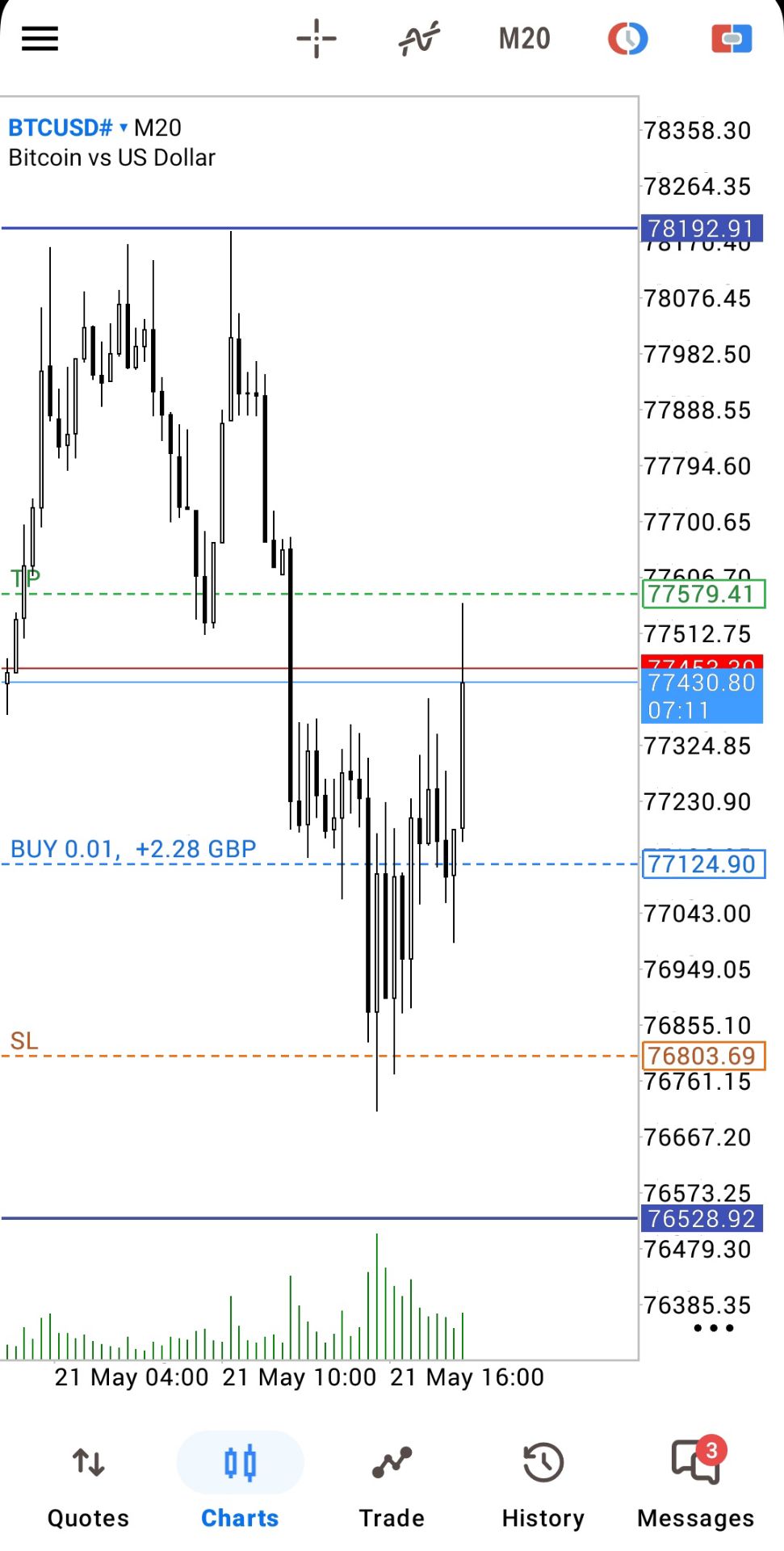
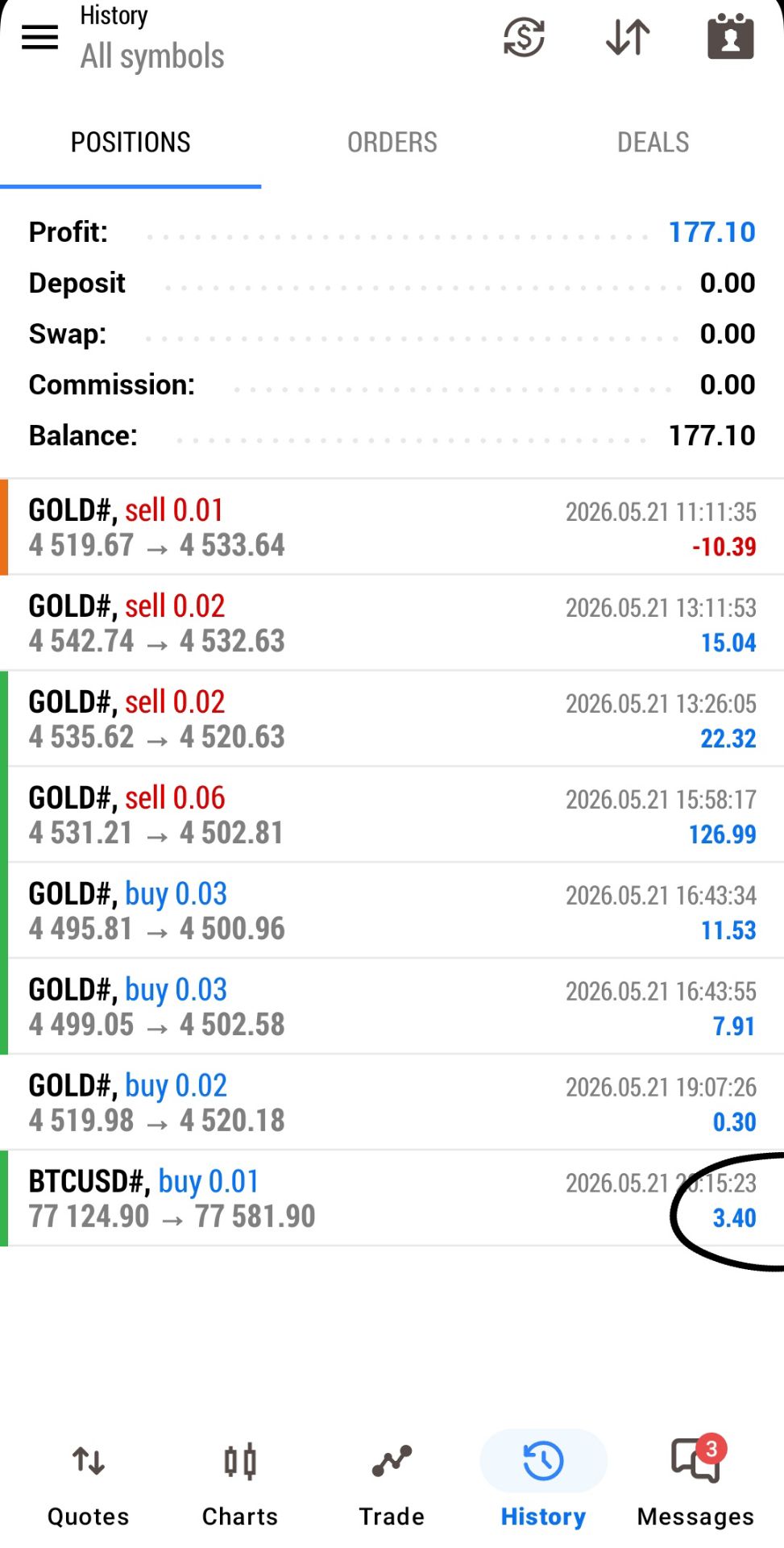
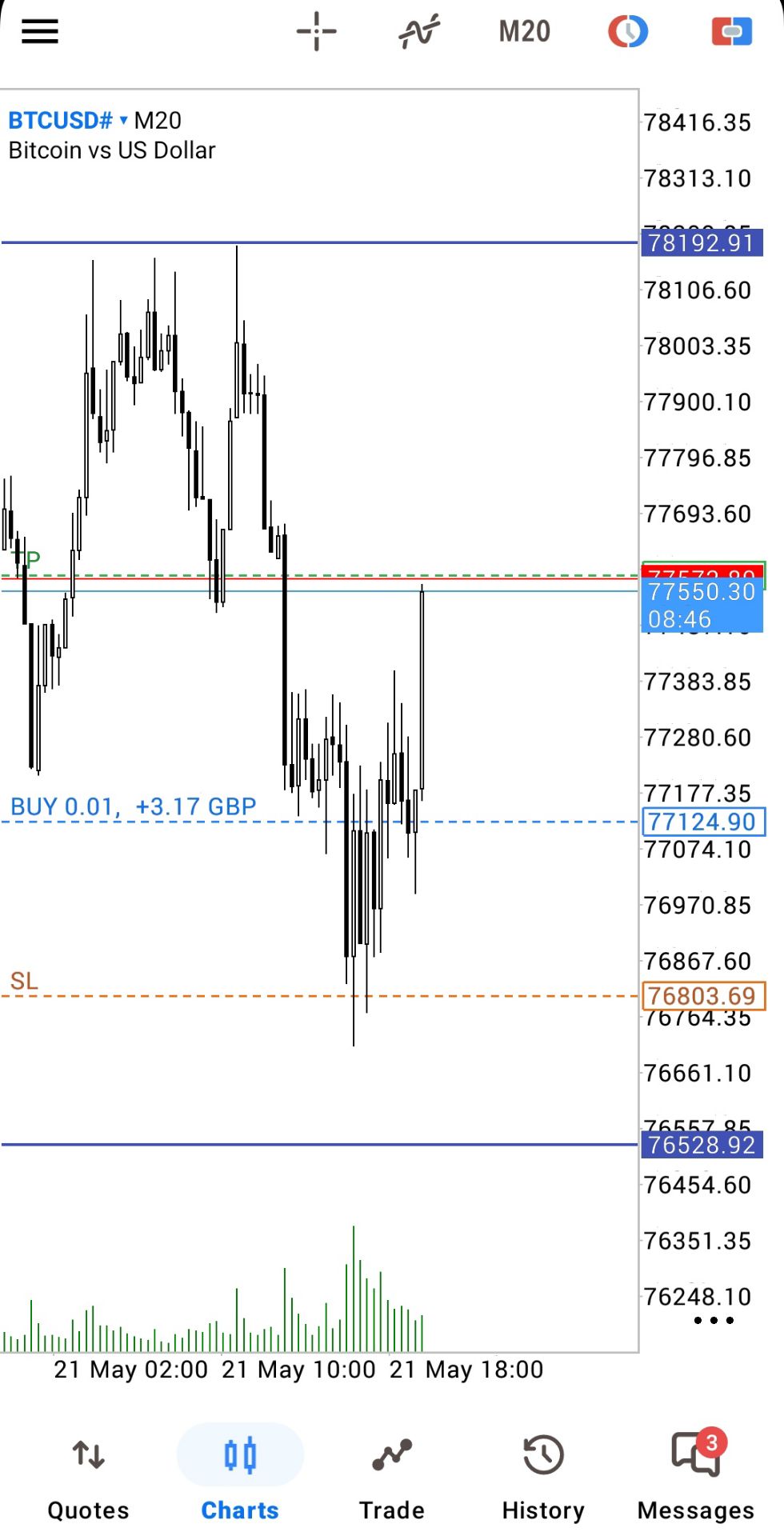
    BTCUSD 0 - 1 Nawhdir.
    EuroTrader flag
    Nawhdir Øt
    @Nawhdir Øtyaaaaayyyy, price has hit take profit, thats really amazing to see mate, nice one
    EuroTrader flag
    Nawhdir Øt
    @Nawhdir Øt@Nawhdir Øtprice is toying with everybody not just you mate but it would hit tp
    Nawhdir Øt flag
    EuroTrader
    @Nawhdir Øtyaaaaayyyy, price has hit take profit, thats really amazing to see mate, nice one
    @EuroTraderyou should join me 🤦🏻‍♂️ but now late
    john flag
    this is what making gold to spike at the moment
    john flag
    Nawhdir Øt flag
    1 : 1,10 not bad huh ? @EuroTrader
    Nawhdir Øt flag
    EuroTrader flag
    Nawhdir Øt
    @EuroTraderyou should join me 🤦🏻‍♂️ but now late
    @Nawhdir Øtprice has left me so i cant really join you at the moment, the target should be 78,300 hort term
    EuroTrader flag
    Nawhdir Øt
    1 : 1,10 not bad huh ? @EuroTrader
    @Nawhdir Øtthis is very excellent, evcen a 1{1 is not bad either, it all depends on your win rate and trade expectancy
    john flag
    David Njug
    I think you need to have a SL because we just got some headline which is screaming buy gold
    Type here...
    Add Symbol or Code

      No matching data

      All
      Recommend
      Stocks
      Cryptocurrencies
      Central Banks
      Trump Updates
      Featured News
      • All
      • Russia-Ukraine Conflict
      • Middle East Flashpoint
      • All
      • Russia-Ukraine Conflict
      • Middle East Flashpoint
      Search
      Products

      Charts Free Forever

      Chats Q&A with Experts
      Screeners Economic Calendar Data Tools
      Membership Features
      Data Warehouse Market Trends Institutional Data Policy Rates Macro

      Market Trends

      Market Sentiment Order Book Forex Correlations

      Top Indicators

      Charts Free Forever
      Markets

      News

      24/7 Analysis Education

      Latest Views

      Latest Update

      Signals

      Copy Rankings Latest Signals Become a signal provider AI Rating
      Contests
      Brokers

      Overview Brokers Assessment Rankings Regulators News Claims
      Broker listing Forex Brokers Comparison Tool Live Spread Comparison Scam
      Q&A Complaint Scam Alert Videos Tips to Detect Scam
      More

      Business
      Events
      Careers About Us Advertising Help Center

      White Label

      Broker API

      Data API

      Web Plug-ins

      Affiliate Program

      Awards Institution Evaluation IB Seminar Salon Event Exhibition
      Vietnam Thailand Singapore Dubai
      Fans Party Investment Sharing Session
      FastBull Summit BrokersView Expo
      Recent Searches
        Top Searches
          Markets
          Analysis
          User
          24/7
          Economic Calendar
          Education
          Data
          • Names
          • Latest
          • Prev

          View All

          No data

          Scan to Download

          Faster Charts, Chat Faster!

          Download App
          English
          • English
          • Español
          • العربية
          • Bahasa Indonesia
          • Bahasa Melayu
          • Tiếng Việt
          • ภาษาไทย
          • Français
          • Italiano
          • Türkçe
          • Русский язык
          • 简中
          • 繁中
          Open Account
          Search
          Products
          Charts Free Forever
          Markets
          News
          Signals

          Copy Rankings Latest Signals Become a signal provider AI Rating
          Contests
          Brokers

          Overview Brokers Assessment Rankings Regulators News Claims
          Broker listing Forex Brokers Comparison Tool Live Spread Comparison Scam
          Q&A Complaint Scam Alert Videos Tips to Detect Scam
          More

          Business
          Events
          Careers About Us Advertising Help Center

          White Label

          Broker API

          Data API

          Web Plug-ins

          Affiliate Program

          Awards Institution Evaluation IB Seminar Salon Event Exhibition
          Vietnam Thailand Singapore Dubai
          Fans Party Investment Sharing Session
          FastBull Summit BrokersView Expo

          HMRC Trade Tariff Guide: How to Find Customs Codes & Duty Rates

          zhan chen
          Summary:

          Navigate global trade with precision. Master the HMRC trade tariff to ensure accurate classification, optimize costs, and shield against costly audit risks.

          Navigating international trade requires absolute precision when classifying goods and calculating border taxes. The HMRC Trade Tariff serves as the essential digital infrastructure for this process, allowing importers and exporters to determine exact customs codes, duty rates, and regulatory compliance requirements. This guide explores how to effectively search the database, apply the correct commodity codes, and manage complex rules around origin and trade controls to ensure smooth, cost-effective cross-border operations.
          HMRC Trade Tariff Guide: How to Find Customs Codes & Duty Rates

          What Is the HMRC Trade Tariff and What Can You Look Up With It?

          The HMRC Trade Tariff is the UK government’s official digital database for classifying goods and determining the taxes, duties, and regulations that apply to cross-border trade. Functioning as the search interface for the UK Global Tariff (UKGT), the database translates physical goods into the standardized numerical codes required for legal customs declarations. Traders use the HMRC Trade Tariff tool to calculate landed costs and confirm regulatory compliance before goods reach the border.

          When executing an HMRC Trade Tariff lookup, the system returns six specific data points for any given product:

          • Commodity Codes (HS Codes): The system provides the 8-digit codes required for export declarations and the more granular 10-digit HMRC customs tariff codes mandatory for imports. Highly regulated goods or products subject to anti-dumping measures may return codes up to 14 digits long.
          • Duty Rates and Preferences: The database lists the standard third-country duty rate applied to an HMRC import tariff, alongside any preferential rates available through UK Free Trade Agreements (FTAs) or the Developing Countries Trading Scheme (DCTS).
          • VAT Classification: Identifies the exact Value Added Tax rate—standard (20%), reduced (5%), or zero-rated (0%)—applied to the specific good upon entering the UK market.
          • Trade Restrictions and Measures: Highlights mandatory border requirements tied to the commodity code, including import quotas, export licenses, phytosanitary certificates for agricultural products, and specific safety regulations.
          • Supplementary Units: Indicates when customs declarations require a secondary measurement beyond standard monetary value and gross mass, such as liters for liquids, square meters for textiles, or pure item counts.
          • Official Currency Conversion: Provides the mandated HMRC Trade Tariff exchange rates, which dictate the specific monthly conversion metrics traders must use when calculating the GBP customs value of invoices issued in foreign currencies.

          For high-volume traders, freight forwarders, and software developers, the core data is also accessible via the HMRC Trade Tariff API. This allows businesses to integrate live classification data, restrictions, and fluctuating duty rates directly into proprietary ERP systems or customs brokerage software without manually querying the website.

          How to Find the Right Commodity Code for Your Goods

          Identifying the correct classification requires matching your product to the UK Global Tariff schedule to determine duty rates, VAT, and required import licenses. The process relies on either the GOV.UK search function or manual navigation of the Harmonized System (HS) nomenclature.

          How Does the Search Tool Actually Work?

          The HMRC Trade Tariff tool operates on a keyword and synonym-matching database mapped to the UK goods classification index, rather than relying on natural language processing. When you enter a query, the system scans for exact text matches within heading descriptions, subheading text, and a predefined list of commercial synonyms.

          To extract accurate results from the tool, structure your queries based on these search parameters:

          • Noun-first queries: Enter the specific item (e.g., "bicycles") rather than broad categories or adjectives.
          • Material composition: If the exact product name fails to generate a hit, search by the material the good is constructed from (e.g., "plastic tubes" or "stainless steel sheets").
          • Chemical Abstracts Service (CAS) numbers: For chemical imports, bypass text search entirely and input the unique CAS registry number to locate the exact HMRC customs tariff classification immediately.

          The search bar frequently returns multiple potential matches across different chapters. Once a list generates, users must manually review the Chapter and Section notes provided at the top of the results page, as these legally define what is included or excluded from a specific category.

          What If Your Goods Don't Return a Clear Match?

          When direct searches fail or yield contradictory classifications, importers must systematically escalate their classification method using legal rules or official HMRC mechanisms.

          1. Apply the General Rules of Interpretation (GIRs): Six hierarchical rules govern the classification of complex goods. If a product consists of multiple materials (such as a desk made of both steel and wood), GIR 3(b) dictates classification based on the material that gives the product its "essential character."
          2. Consult the A-Z Index: The HMRC Trade Tariff service maintains a separate alphabetical index that maps common commercial and colloquial terms to specific HS headings, bypassing the limitations of the primary search algorithm.
          3. Check for existing rulings: Search the Advance Tariff Rulings (ATaR) database for similar products to see how customs authorities have previously classified identical items.
          4. Apply for an ATaR: For persistent ambiguity, submit a formal application to HMRC for a legally binding classification. These rulings remain valid for three years across the UK, providing total certainty on duty rates. Processing typically requires 30 to 120 days.

          How to Use the Commodity Code Hierarchy to Narrow Down Results

          The HMRC import tariff framework uses a structured, drill-down classification system based on the World Customs Organization’s Harmonized System. Products are categorized from broad industries down to highly specific, 10-digit material variations.

          To manually classify a product, start at the Section level and read the legal notes to rule out exclusions, moving sequentially down to the final code.

          Classification LevelDigitsExample (Coffee)Purpose and Scope
          SectionNone (Roman Numeral)Section IIGroups broad industries (e.g., Vegetable products). Contains legal notes overriding lower levels.
          ChapterFirst 2 digits09Narrows to specific product types (e.g., Coffee, tea, maté and spices).
          HeadingFirst 4 digits0901Defines the core product (e.g., Coffee, whether or not roasted or decaffeinated).
          SubheadingFirst 6 digits0901 11Globally standardized level detailing specific states (e.g., Coffee, not roasted, not decaffeinated).
          Export Code8 digits total0901 11 00UK export classification required for outbound customs declarations.
          Import Code10 digits total0901 11 00 10Complete UK import classification specifying exact duty rates, quotas, and VAT conditions.

          The first six digits are globally standardized across all countries utilizing the HS system. The seventh through tenth digits are specific to the UK HMRC Trade Tariff, detailing national tax rates, anti-dumping duties, and specific licensing requirements for goods entering the country.

          How to Read Duty Rates and Import/Export Controls Once You Have a Code

          Entering a 10-digit import code or 8-digit export code into the HMRC Trade Tariff tool generates a specific measure page detailing the exact taxation, required documentation, and physical border controls tied to that product. This data dictates the total landed cost and determines whether a shipment clears customs or faces seizure.

          What Do the Different Duty Rate Measures Mean?

          The tool lists applicable taxes under the "Import" tab, categorizing charges into distinct measure types that stack. Total import liability is calculated sequentially: Customs Duty is calculated on the shipment's customs value, Excise (if applicable) is added, and VAT is applied to the combined total plus freight costs.

          • Third-country duty: The default UK Global Tariff (UKGT) rate applied to imports from nations lacking a preferential trade agreement. This is expressed either as an ad valorem percentage (e.g., 4.00% of the customs value) or a specific rate (e.g., £0.35 per kg).
          • Value Added Tax (VAT): The domestic consumption tax applied to the goods. Depending on the HMRC import tariff codes, this will display as standard (20%), reduced (5%), or zero-rated (0%).
          • Excise duty: A domestic levy on specific categories such as alcohol, tobacco, and hydrocarbon oils. Excise measures are explicitly listed and charged in addition to the standard customs duty.
          • Supplementary units: A non-financial reporting metric. For certain codes, the tool mandates declaring a physical measurement—such as volume (liters), weight (kilograms), or piece count (p/st)—on the customs declaration alongside the monetary value.

          How Do Tariff Suspensions, Preferences, and Quotas Affect What You Pay?

          The baseline third-country duty is rarely the final rate paid if specific trade mechanisms apply. The HMRC UK Trade Tariff flags these alternatives under the duty section, allowing importers to claim legal relief using the correct procedure codes.

          MechanismTriggering ConditionImpact on DutyCustoms Requirement
          Tariff PreferenceGoods originating from a country with a UK Free Trade Agreement (FTA) or the Developing Countries Trading Scheme (DCTS).Reduces or entirely eliminates the third-country duty.Requires valid proof of origin (e.g., EUR1 certificate or specific statement on origin).
          Tariff SuspensionAutonomous Tariff Suspensions applied to raw materials or components (often chemicals or microelectronics) not produced domestically.Temporarily suspends duty to 0% for all imports, regardless of the country of origin.Requires inputting the correct procedure code; no proof of origin is necessary.
          Tariff-Rate Quota (TRQ)Government-imposed limits on specific agricultural or industrial imports to protect domestic suppliers.Applies a lower or zero duty rate only up to a strict volume limit. Once the limit is breached, imports default to the third-country rate.Importers must claim the specific 6-digit quota order number on the import entry before the quota fills.

          Where to Spot Licensing Requirements, Prohibitions, and Other Controls

          Beyond taxation, the HMRC online Trade Tariff details the legal barriers to entry under the "Import controls" and "Trade remedies" sections of the commodity page. Missing these non-financial conditions results in immediate border delays, demurrage charges, or seizure.

          • Trade Remedies: This section identifies anti-dumping or countervailing duties applied to specific countries (e.g., subsidized steel from China). These punitive rates stack on top of standard duties. If a product falls outside the exact scope of the remedy, the tool lists the specific document codes required to claim an exemption.
          • Import Prohibitions & Restrictions: Flags outright embargoes (such as specific sanctions) or licensing triggers. Clicking the "Conditions" link next to these measures reveals the exact document codes—such as Y-codes (waivers) or C-codes (certificates)—needed on the customs declaration to bypass the restriction.
          • Phytosanitary & Veterinary Controls: For agricultural goods, the tool dictates requirements overseen by DEFRA, such as the necessity of an Export Health Certificate or mandatory pre-notification via the IPAFFS system.
          • CITES & Dual-Use Goods: Specifies if a product requires Department for Business and Trade (DBT) licensing. This typically applies to items containing endangered species components or goods with both commercial and potential military applications.

          How Country of Origin Changes the Duty Rate You're Charged

          The economic nationality of a product dictates whether it faces the UK Global Tariff standard rate—the Most Favoured Nation (MFN) rate—or qualifies for a reduced or zero-duty preferential rate. Identifying origin is not simply checking the port of departure; it requires proving where the product was wholly obtained or where it underwent its last substantial, economically justified processing.

          The HMRC Trade Tariff tool calculates duty by routing commodity codes through two distinct origin frameworks:

          • Non-Preferential Origin: Applies the baseline UK Global Tariff. Customs authorities also use non-preferential origin to enforce trade remedies, such as anti-dumping duties on specific Chinese steel imports, and to monitor import quotas.
          • Preferential Origin: Applies a lower duty rate based on a bilateral free trade agreement (FTA) or a unilateral preference scheme.

          Claiming preferential origin lowers landed costs but directly increases compliance risk. To claim a lower tariff, the goods must meet product-specific rules (PSRs) tied to their exact HMRC customs tariff codes. Misclassifying goods or failing to prove origin frequently triggers HMRC post-clearance demands for back-duty and non-compliance penalties.

          Which Trade Agreements Does the UK Currently Apply Through the Tariff?

          The UK operates over 70 bilateral and multilateral trade agreements, alongside unilateral schemes for developing nations, all coded directly into the HMRC Trade Tariff API and lookup tools. If a product’s commodity code is covered by one of these agreements, the lookup tool will display the applicable preferential rate alongside the standard MFN rate.

          Current operational tariff frameworks include:

          • The UK-EU Trade and Cooperation Agreement (TCA): Eliminates tariffs and quotas on originating goods moving between the UK and the EU. This requires strict adherence to product-specific rules, often regarding maximum non-originating materials (MaxNOM) or requiring a change in tariff heading (CTH) during manufacture.
          • Bilateral Free Trade Agreements (FTAs): The UK maintains independent FTAs that replace previous EU agreements, alongside newly negotiated deals. Notable active agreements include the UK-Japan Comprehensive Economic Partnership Agreement (CEPA) and zero-tariff frameworks with Australia and New Zealand.
          • Multilateral Pacts (CPTPP): The UK’s membership in the Comprehensive and Progressive Agreement for Trans-Pacific Partnership allows for diagonal cumulation across member states. This means an importer can count components from multiple CPTPP countries (e.g., Japan, Canada, Australia) toward the final origin threshold required to claim zero duty.
          • The Developing Countries Trading Scheme (DCTS): Implemented in 2023 to replace the UK Generalized Scheme of Preferences (GSP). The DCTS unilaterally removes or reduces tariffs on imports from 65 low and lower-middle-income countries. It operates across three tiers—Comprehensive, Enhanced, and Standard preferences—each offering different tariff reductions based on the economic vulnerability of the exporting nation.

          How Do You Prove Origin to Claim a Preferential Rate?

          Importers must hold valid, verifiable documentary evidence proving the goods meet the specific rule of origin before entering the preference claim on the Customs Declaration Service (CDS).

          HMRC accepts several methods of proof, depending on the specific trade agreement governing the import:

          • Statement on Origin: A prescribed legal declaration added by the exporter to a commercial invoice or packing list. For imports under the UK-EU TCA, EU exporters must include their Registered Exporter (REX) number on the statement if the consignment value exceeds €6,000. Without the REX number, the preferential claim is invalid.
          • Importer's Knowledge: A mechanism allowing the importer to claim preference based on their own evidence of the manufacturing process and cost breakdown. While this bypasses the need for an exporter's declaration, it shifts the entire legal burden of proof onto the importer. It requires intimate, documented visibility into the supplier's bill of materials and factory costs.
          • Movement Certificates (EUR1): A physical or digital certificate stamped by the exporting country's customs authority. While largely phased out for UK-EU trade, EUR1 certificates remain a mandatory requirement to claim preference under several legacy FTAs, particularly with certain African and Middle Eastern nations.
          • Advance Origin Rulings (AOR): For highly complex supply chains, importers can apply to HMRC for a legally binding decision on their goods' origin. An AOR is valid for three years and protects the importer from subsequent origin disputes, provided the manufacturing process remains identical to the application.

          HMRC routinely audits origin claims up to three years post-importation. If an importer is audited and cannot produce a valid supplier declaration, costed bill of materials, or relevant EUR1, HMRC immediately retracts the preferential rate. The importer is then liable for the full MFN duty rate applied retroactively, plus compounding interest.

          What to Do When the Trade Tariff Doesn't Give You a Definitive Answer

          When the HMRC Trade Tariff tool returns ambiguous results or multiple potential commodity codes, importers must escalate through a formal classification hierarchy rather than guessing. Incorrect classification leads to border seizures, supply chain delays, and retrospective duty bills that can legally stretch back three years.

          If your goods sit in a grey area—such as composite products, smart devices, or novel chemical compounds—follow this four-step resolution path to secure the correct import code.

          1. Apply the General Rules of Interpretation (GIRs) Before escalating to tax authorities, test your product against the six General Rules of Interpretation governing the Harmonized System. The most common tie-breaker for ambiguous products is GIR 3, which dictates how to handle goods that seem to fit under two or more headings.

          • GIR 3(a) – Specificity: A heading providing a specific description always overrides a general one (e.g., classifying an item specifically as "tufted carpets" rather than "textile floor coverings").
          • GIR 3(b) – Essential Character: For retail sets or composite goods made of different materials, classify the product by the component that gives the item its essential character.
          • GIR 3(c) – Numerical Order: If goods cannot be classified by specificity or essential character, you must use the heading that occurs last in numerical order among the equally valid options.

          2. Request Non-Binding Advice via HMRC’s Email Service If the GIRs do not resolve the conflict, you can email HMRC’s Tariff Classification Service with a detailed breakdown of the product's materials, function, and packaging.

          • Timeline: Responses are typically issued within 3 to 5 working days.
          • The trade-off: This advice is strictly non-binding. While it acts as evidence of due diligence if a Border Force officer challenges your shipment, it does not offer absolute legal protection against future HMRC duty reassessments.

          3. Apply for an Advance Tariff Ruling (ATaR) For high-value or high-volume imports where duty rate certainty is critical for pricing models, apply for an Advance Tariff Ruling. An ATaR is a written, legally binding decision from HMRC confirming the precise commodity code for your goods.

          • Validity: Valid for three years across Great Britain. (Note: Importing into Northern Ireland requires a separate Advance Tariff Decision aligned with EU customs rules).
          • Protection: An ATaR binds both the importer and HMRC. If customs policies change, your historical imports processed under the ruling are protected from retrospective duty demands.
          • Timeline: HMRC is legally required to issue the ruling within 120 days, though most are processed within 30 to 60 days. Applying requires an eGovernment Gateway account and often necessitates submitting physical samples or exhaustive technical documentation.

          4. Engage a Customs Broker or Trade Consultant If you lack the internal technical expertise to argue a classification under the GIRs or file an ATaR, contract a specialized customs broker.

          • The liability distinction: A broker will navigate the HMRC customs tariff codes faster than internal teams, but they do not absorb the legal risk. By law, the Importer of Record retains full liability. If the broker selects the wrong 10-digit import tariff code, HMRC will pursue your business—not the broker—for the unpaid taxes and penalties. Always require your broker to provide written justification citing the specific GIR or chapter note used to classify your goods.

          FAQs about HMRC Trade Tariff

          How often are UK trade tariff commodity codes updated?

          The World Customs Organization updates the foundational Harmonized System (HS) commodity codes every five years. However, HM Revenue and Customs (HMRC) updates the UK Integrated Online Tariff much more frequently, often on a daily or weekly basis. These regular updates are issued to reflect changes in quotas, enforce new sanctions, and maintain dynamic alignment with the European Union.

          What happens if I use an incorrect HMRC trade tariff code?

          Using an incorrect commodity code can result in customs delays, the seizure of your goods, or the miscalculation of duties and VAT. If you underpay your duties, HMRC can conduct audits to reclaim the unpaid amounts going back up to three years. Additionally, businesses can face formal civil penalties of up to £2,500 per significant contravention.

          How do I apply for a legally binding tariff classification ruling?

          You must apply for a legally binding decision from HMRC before your import or export customs procedures have been completed. If you are importing into or exporting from Great Britain, you can apply online for an Advance Tariff Ruling using your Government Gateway account. If your trade involves Northern Ireland or an EU member state, you must apply for a Binding Tariff Information (BTI) decision instead.

          Conclusion

          Accurate classification through the HMRC Trade Tariff tool forms the foundation of compliant and cost-effective international trade. Mastering its search functionality, commodity code hierarchy, and preferential origin rules ensures businesses can accurately forecast landed costs and avoid severe border delays. By systematically escalating complex product classifications through official channels, importers gain long-term legal protection and secure their supply chains against retrospective tax penalties.

          Risk Warnings and Disclaimers
          You understand and acknowledge that there is a high degree of risk involved in trading. Following any strategies or investment methods may lead to potential losses. The content on the site is provided by our contributors and analysts for information purposes only. You are solely responsible for determining whether any trading assets, securities, strategy, or any other product is suitable for investing based on your own investment objectives and financial situation.
          Add to Favorites
          Share
          FastBull
          Copyright © 2026 FastBull Ltd

          728 RM B 7/F GEE LOK IND BLDG NO 34 HUNG TO RD KWUN TONG KLN HONG KONG

          TelegramInstagramTwitterfacebooklinkedin
          App Store Google Play Google Play
          Products
          Charts

          Chats

          Q&A with Experts
          Screeners
          Economic Calendar
          Data
          Tools
          Membership
          Features
          Function
          Markets
          Copy Trading
          Latest Signals
          Contests
          24/7
          Analysis
          Education
          Company
          Careers
          About Us
          Contact Us
          Advertising
          Help Center
          Feedback
          User Agreement
          Privacy Policy
          Personal Information Protection Statement
          Business

          White Label

          Broker API

          Data API

          Web Plug-ins

          Poster Maker

          Affiliate Program

          Risk Disclosure

          The risk of loss in trading financial instruments such as stocks, FX, commodities, futures, bonds, ETFs and crypto can be substantial. You may sustain a total loss of the funds that you deposit with your broker. Therefore, you should carefully consider whether such trading is suitable for you in light of your circumstances and financial resources.

          No decision to invest should be made without thoroughly conducting due diligence by yourself or consulting with your financial advisors. Our web content might not suit you since we don't know your financial conditions and investment needs. Our financial information might have latency or contain inaccuracy, so you should be fully responsible for any of your trading and investment decisions. The company will not be responsible for your capital loss.

          Without getting permission from the website, you are not allowed to copy the website's graphics, texts, or trademarks. Intellectual property rights in the content or data incorporated into this website belong to its providers and exchange merchants.

          Not Logged In

          Log in to access more features

          Connect Broker
          Become a signal provider
          Help Center
          Customer Service
          Dark Mode
          Price Up/Down Colors

          Log In

          Sign Up

          Position
          Layout
          Fullscreen
          Default to Chart
          The chart page opens by default when you visit fastbull.com