- XAUUSD
- XAGUSD
- WTI
- USDX
Markets
Analysis
User
24/7
Economic Calendar
Education
Data
- Names
- Latest
- Prev


Signal Accounts for Members
All Signal Accounts
All Contests


The U.S. National Hurricane Center (NHC) Reports That Storm Cristina Is Moving Slowly Near The Northwestern Coast Of Nicaragua; Heavy Rainfall Is Expected In Parts Of Central America In The Coming Days
Market News: According To The Ministry Of Emergency Situations, Three Explosions Occurred On A Main Gas Pipeline In Dagestan, Russia
According To The Financial Times, British Prime Minister Keir Starmer Plans To Require Cabinet Members To Resign If They Support Andy Burnham Or Other Rivals In The Labour Leadership Race; This Move Could Throw His Government Into Chaos
The Federal Reserve Accepted A Total Of $577 Million From Five Counterparties In Its Fixed-rate Reverse Repurchase Operations
The US Dollar Index (DXY) Turned Positive After US President Trump Accused Iran Of Shooting Down A Helicopter, Currently Up 0.01% At 100.01. The Euro's Gains Against The Dollar (EUR/USD) Have Receded, Currently Up 0.03% At 1.1537
Both WTI And Brent Crude Oil Prices Rose By $3 In The Short Term After Trump Claimed That Iran Shot Down A US Apache Helicopter And That The US Would Respond
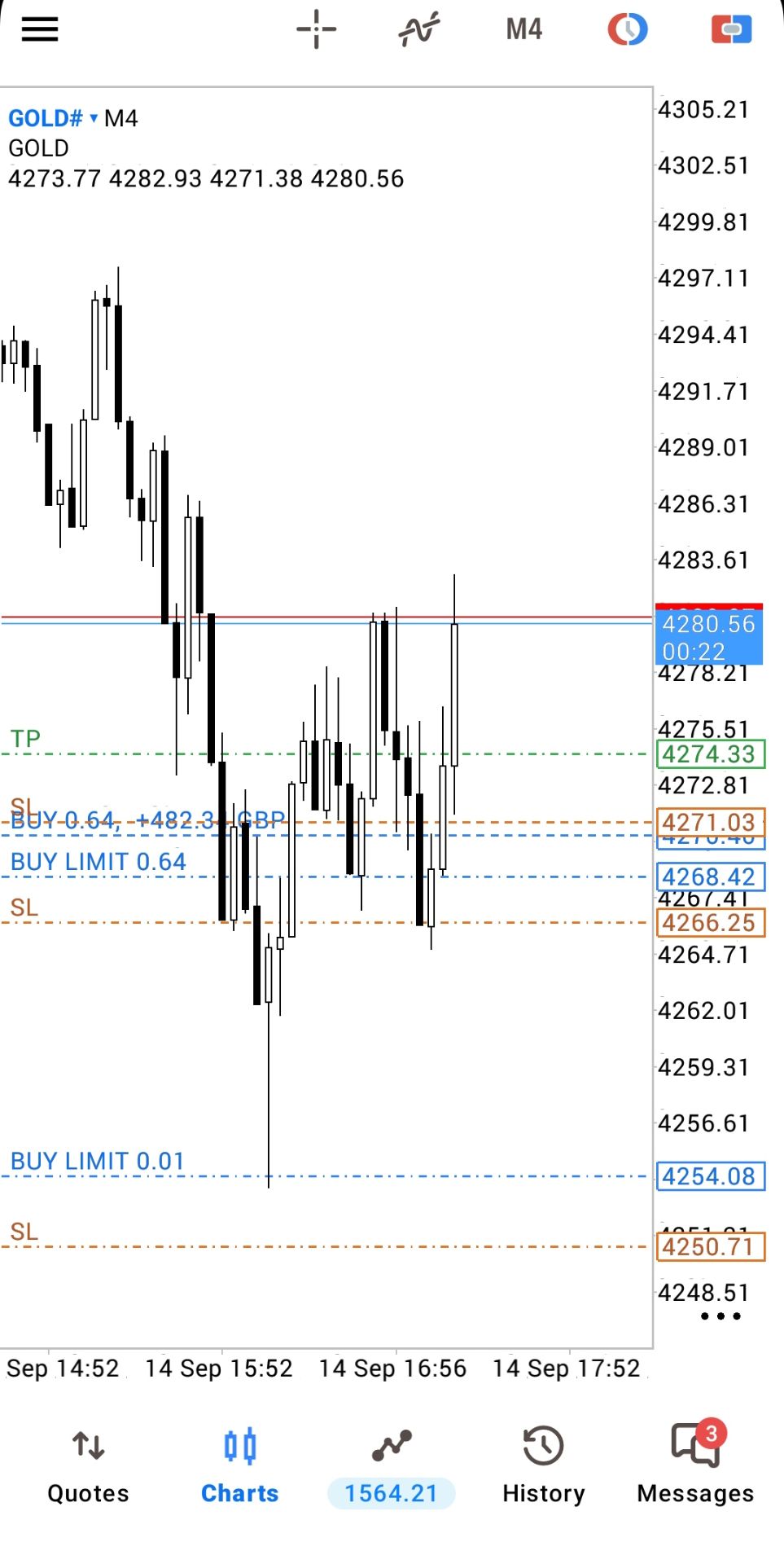
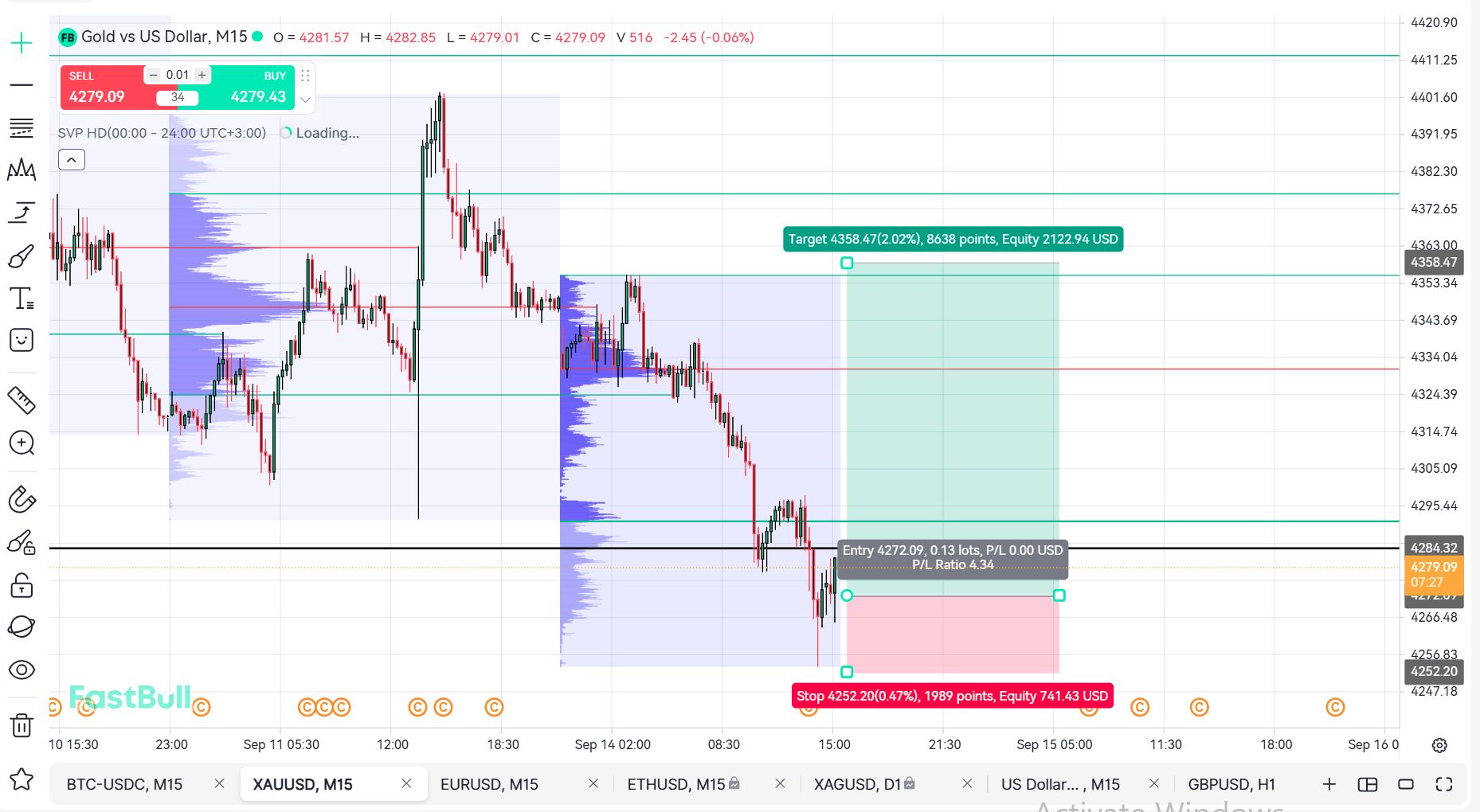
Spot Silver Fell 5% Intraday, Currently Trading At $64.71 Per Ounce. New York Gold Futures Fell 2% Intraday, Currently Trading At $4276.10 Per Ounce. Spot Gold Fell Below $4250 Per Ounce, Down Nearly 2% Intraday
Qatar Energy Stated That The Merlin-1X Exploration Well Yielded "exciting Underground Exploration Results," Demonstrating Good Reservoir Quality, Light Crude Oil, And Minimal Associated Natural Gas
The U.S. Energy Information Administration (EIA) Now Projects A Decline In Global Oil Demand In 2026, Reversing Its Previous Forecast Of Slight Growth
The U.S. Energy Information Administration (EIA) Now Expects OECD Oil Inventories To Fall To Their Lowest Level Since 2003
The U.S. Energy Information Administration (EIA) Stated That Disruptions In The Strait Of Hormuz Forced Middle Eastern Producers To Cut Output By More Than 11 Million Barrels Per Day From Pre-war Levels In May
Spot Silver Fell Below $65/oz, Down 4.63% On The Day. New York Silver Futures Plunged 5% On The Day, Currently Trading At $65.16/oz. Spot Gold Is Currently Trading At $4255.35/oz, Down 1.7% On The Day
The U.S. Energy Information Administration (EIA) Predicts That Oil Production Disruptions In Parts Of The Middle East Will Continue Until The End Of 2027, Exceeding The Scope Of The Short-Term Energy Outlook
The U.S. Energy Information Administration (EIA) Now Assumes That Oil Shipments Through The Strait Of Hormuz Will Resume In The Third Quarter Of 2026. Traffic Through The Strait Of Hormuz Is Not Expected To Return To Pre-war Levels Before Early 2027
The U.S. Energy Information Administration (EIA) Projects That U.S. Oil Production Will Average 13.83 Million Barrels Per Day In June, Up From 13.71 Million Barrels Per Day In May; July Production Is Projected To Average 13.82 Million Barrels Per Day
The U.S. Energy Information Administration Projects Global Oil Demand At 102.9 Million Barrels Per Day In 2026, Down From Its Previous Forecast Of 104.2 Million Barrels Per Day; And Projects Demand At 105.3 Million Barrels Per Day In 2027
[Bitcoin Falls Below $61,000] June 10th, According To HTX Market Data, Bitcoin Fell Below $61,000, Now Trading At $60,958, A 24-hour Decrease Of 4.61%
The U.S. Energy Information Administration Projects U.S. Oil Production At 13.72 Million Barrels Per Day In 2026, Up From Its Previous Forecast Of 13.65 Million Barrels Per Day; And Projects Production At 14.15 Million Barrels Per Day In 2027

China, Mainland Exports (May)A:--
F: --
P: --
China, Mainland Imports (CNH) (May)A:--
F: --
P: --
China, Mainland Imports YoY (CNH) (May)A:--
F: --
P: --
China, Mainland Imports YoY (USD) (May)A:--
F: --
P: --
China, Mainland Exports YoY (USD) (May)A:--
F: --
P: --
Indonesia 7-Day Reverse Repo RateA:--
F: --
P: --
Indonesia Lending Facility Rate (Jun)A:--
F: --
P: --
Indonesia Deposit Facility Rate (Jun)A:--
F: --
P: --
Germany Industrial Output MoM (SA) (Apr)A:--
F: --
Germany Exports MoM (SA) (Apr)A:--
F: --
South Africa GDP YoY (Q1)A:--
F: --
P: --
U.S. NFIB Small Business Optimism Index (SA) (May)A:--
F: --
P: --
Mexico CPI YoY (May)A:--
F: --
P: --
U.S. Trade Balance (Apr)A:--
F: --
Canada Trade Balance (SA) (Apr)A:--
F: --
Canada Imports (SA) (Apr)A:--
F: --
Canada Exports (SA) (Apr)A:--
F: --
U.S. Exports (Apr)A:--
F: --
P: --
U.S. Weekly Redbook Index YoYA:--
F: --
P: --
U.S. Existing Home Sales Annualized Total (May)A:--
F: --
P: --
U.S. Existing Home Sales Annualized MoM (May)A:--
F: --
P: --
U.S. Wholesale Sales MoM (SA) (Apr)A:--
F: --
P: --
China, Mainland M1 Money Supply YoY (May)--
F: --
P: --
China, Mainland M2 Money Supply YoY (May)--
F: --
P: --
China, Mainland M0 Money Supply YoY (May)--
F: --
P: --
U.S. EIA Natural Gas Production Forecast For The Next Year (Jun)A:--
F: --
P: --
U.S. EIA Short-Term Crude Production Forecast For The Year (Jun)A:--
F: --
P: --
U.S. EIA Short-Term Crude Production Forecast For The Next Year (Jun)A:--
F: --
P: --
EIA Monthly Short-Term Energy Outlook
U.S. 3-Year Note Auction YieldA:--
F: --
P: --
U.S. API Weekly Crude Oil Stocks--
F: --
P: --
U.S. API Weekly Refined Oil Stocks--
F: --
P: --
U.S. API Weekly Gasoline Stocks--
F: --
P: --
U.S. API Weekly Cushing Crude Oil Stocks--
F: --
P: --
Japan Domestic Enterprise Commodity Price Index MoM (May)--
F: --
P: --
Japan Domestic Enterprise Commodity Price Index YoY (May)--
F: --
P: --
Japan PPI MoM (May)--
F: --
P: --
China, Mainland CPI MoM (May)--
F: --
P: --
China, Mainland CPI YoY (May)--
F: --
P: --
China, Mainland PPI YoY (May)--
F: --
P: --
Japan 30-Year JGB Auction Yield--
F: --
P: --
Turkey Retail Sales YoY (Apr)--
F: --
P: --
Italy Industrial Output YoY (SA) (Apr)--
F: --
P: --
Italy 12-Month BOT Auction Avg. Yield--
F: --
P: --
Germany 10-Year Bund Auction Avg. Yield--
F: --
P: --
U.S. MBA Mortgage Application Activity Index WoW--
F: --
P: --
U.S. Real Income MoM (SA) (May)--
F: --
P: --
U.S. Core CPI YoY (Not SA) (May)--
F: --
P: --
U.S. CPI MoM (SA) (May)--
F: --
P: --
U.S. Core CPI MoM (SA) (May)--
F: --
P: --
U.S. CPI YoY (Not SA) (May)--
F: --
P: --
U.S. CPI MoM (Not SA) (May)--
F: --
P: --
U.S. Core CPI (SA) (May)--
F: --
P: --
Canada Overnight Target Rate--
F: --
P: --
BOC Monetary Policy Report
U.S. EIA Weekly Crude Stocks Change--
F: --
P: --
U.S. EIA Weekly Gasoline Stocks Change--
F: --
P: --
U.S. EIA Weekly Cushing, Oklahoma Crude Oil Stocks Change--
F: --
P: --
U.S. EIA Weekly Crude Demand Projected by Production--
F: --
P: --
U.S. EIA Weekly Crude Oil Imports Changes--
F: --
P: --
U.S. EIA Weekly Heating Oil Stock Changes--
F: --
P: --


No matching data
The US Treasury warns Taiwan's chip dominance poses systemic risk, pushing for domestic reshoring and allied critical mineral blocks.
The global economy faces a severe systemic risk from its overwhelming reliance on Taiwan for advanced semiconductors, U.S. Treasury Secretary Scott Bessent warned on January 20. He stated that any disruption to the island's manufacturing could spark an "economic apocalypse."
Speaking at the World Economic Forum in Davos, Bessent highlighted a critical vulnerability: "the single biggest point of failure is that 97 percent of the high-end chips are made in Taiwan." He added, "If that island were blockaded, that capacity were destroyed, it would be an economic apocalypse."
This warning comes as the Trump administration accelerates efforts to reshore critical supply chains. The focus is on semiconductors and critical minerals like rare earths, driven by ongoing tensions with China and the potential for trade disruption from a major military conflict in Asia.

Bessent confirmed in Davos that Washington is prioritizing the relocation of more semiconductor manufacturing to the United States as a matter of national security and economic stability. "We are reshoring the semiconductor industry to the U.S. with the defense contractors," he said.
A Call for Defense Contractors to Invest
Bessent compared major U.S. defense contractors to systemically important banks, which receive special government support to prevent their failure from destabilizing the financial system. He argued that these contractors have a responsibility to invest in domestic production rather than returning capital to shareholders.
"The defense contractors are no different than the systemically important banks," Bessent asserted, noting they benefit from similar government oversight and support. He accused the contractors of failing to meet their obligations.
"They have let down the American people. They are five, six, seven years behind on fulfillment of their contracts," Bessent stated. "So I do not think it is unreasonable to tell them that until further notice, you need to build more factories and buy back less stock."
The disruptions caused by the COVID-19 pandemic served as a crucial warning, Bessent explained. "I think the only good thing that came from COVID was it was a test run for what would happen if our supply chains were ever broken due to a kinetic war," he said.
The pandemic exposed vulnerabilities in about a half-dozen industries essential to U.S. national and economic security. "So we saw that there are five, six, seven key industries that we have to reshore," he noted, specifically naming rare earth magnets and semiconductors.
Bessent detailed a plan for the United States to coordinate with allies to reduce its dependence on China for critical minerals. He warned that Beijing has weaponized its market position to undermine industrial projects in the U.S. and allied nations.
"We have seen what happens when the free markets get kind of perverted," he said, citing instances where U.S. companies attempting to launch critical mineral facilities were bankrupted by Chinese competitors intentionally lowering prices.
To combat this, the Trump administration plans to implement pricing mechanisms to support domestic producers. "We are going to put in a system, price floor, price ceilings," he announced.
The Treasury Department is helping to form a "critical minerals block" that includes the G7 nations along with Australia, India, Mexico, and South Korea. "We are working at warp speed to create a critical minerals block where we can mine, process, and refine critical minerals, and China won't have this sword over our heads," Bessent said.
When asked about a timeline for U.S. independence in refining critical minerals, Bessent estimated it would take "18 to 24 months." He pointed to recent progress, such as a new facility in his home state of South Carolina that is producing rare earth magnets for the first time in 25 years. He said producers believe they can meet most of the nation's needs within two years, adding, "And then we also want to help our allies, because the supply chain is important."
Bessent's comments in Davos are consistent with previous warnings he has made about the risks posed by Taiwan's chip dominance. His renewed focus on the issue follows a recent announcement by the U.S. Commerce Department of a major U.S.–Taiwan chips deal designed to expand manufacturing investment in the United States.
The risk of loss in trading financial instruments such as stocks, FX, commodities, futures, bonds, ETFs and crypto can be substantial. You may sustain a total loss of the funds that you deposit with your broker. Therefore, you should carefully consider whether such trading is suitable for you in light of your circumstances and financial resources.
No decision to invest should be made without thoroughly conducting due diligence by yourself or consulting with your financial advisors. Our web content might not suit you since we don't know your financial conditions and investment needs. Our financial information might have latency or contain inaccuracy, so you should be fully responsible for any of your trading and investment decisions. The company will not be responsible for your capital loss.
Without getting permission from the website, you are not allowed to copy the website's graphics, texts, or trademarks. Intellectual property rights in the content or data incorporated into this website belong to its providers and exchange merchants.
Not Logged In
Log in to access more features
Log In
Sign Up