• Trade
  • Markets
  • Copy
  • Contests
  • News
  • 24/7
  • Calendar
  • Q&A
  • Chats
Screeners
SYMBOL
LAST
ASK
BID
HIGH
LOW
NET CHG.
%CHG.
SPREAD
SPX
S&P 500 Index
6882.71
6882.71
6882.71
6936.08
6838.79
-35.10
-0.51%
--
DJI
Dow Jones Industrial Average
49501.29
49501.29
49501.29
49649.86
49112.43
+260.29
+ 0.53%
--
IXIC
NASDAQ Composite Index
22904.57
22904.57
22904.57
23270.07
22684.51
-350.61
-1.51%
--
USDX
US Dollar Index
97.630
97.710
97.630
97.670
97.470
+0.150
+ 0.15%
--
EURUSD
Euro / US Dollar
1.17885
1.17892
1.17885
1.18080
1.17825
-0.00160
-0.14%
--
GBPUSD
Pound Sterling / US Dollar
1.36152
1.36166
1.36152
1.36537
1.36062
-0.00367
-0.27%
--
XAUUSD
Gold / US Dollar
4916.48
4916.91
4916.48
5023.58
4788.42
-49.08
-0.99%
--
WTI
Light Sweet Crude Oil
63.605
63.635
63.605
64.362
63.245
-0.637
-0.99%
--

Community Accounts

Signal Accounts
--
Profit Accounts
--
Loss Accounts
--
View More

Become a signal provider

Sell trading signals to earn additional income

View More

Guide to Copy Trading

Get started with ease and confidence

View More

Signal Accounts for Members

All Signal Accounts

Best Return
  • Best Return
  • Best P/L
  • Best MDD
Past 1W
  • Past 1W
  • Past 1M
  • Past 1Y

All Contests

  • All
  • Trump Updates
  • Recommend
  • Stocks
  • Cryptocurrencies
  • Central Banks
  • Featured News
Top News Only
Share

South Korean Won Falls 0.7% To 1469 Per USA Dollar, Lowest Since January 23

Share

South Korea Welfare Ministry: National Pension Fund Committee To Swiftly Review Forex Financing Plans, Forex Hedging Policies

Share

Tereos Sees EU Sugar Beet Area Falling By 6-7% In 2026/27, Czarnikow Sees Fall Of Up To 5%

Share

Mayor: Two People Hurt In Russian Overnight Drone Attack In Ukraine's Capital

Share

Mitsubishi Corp CFO: Our Coking Coal Production In Australia Is Expected To Be Significantly Impacted By Heavy Rainfall And Other Factors In Q4

Share

Czarnikow Forecasts EU Sugar Production In 2026/27 Of 15.5 Million Metric Tons, Down From 17.1 Million In 2025/26

Share

Shfe Most Active Copper Contract Falls More Than 4%

Share

Russia Will Continue To Supply Oil To Cuba, RIA Cites Ambassador

Share

Statistics Indonesia Chief: Fiscal Stimulus, Stable Purchasing Power Supported Household Consumption In Q4

Share

Singapore December Total Retail Sales -5.4% Month-On-Month

Share

Singapore December Total Retail Sales +2.7% Year-On-Year

Share

Indonesia GDP +5.11% Year-On-Year In FY 2025

Share

Update 1-Thai January Headline CPI Drops 0.66% Year-On-Year, Below Forecast

Share

[Ethereum Drops Below $2100] February 5Th, According To Htx Market Data, Ethereum Fell Below $2,100, With A 24-Hour Percentage Decrease Expanding To 8.66%

Share

[Minneapolis Mayor Calls For End To Federal Immigration Enforcement] On April 4, Local Time, In Response To US President Trump's Statement That Federal Immigration Enforcement Needed A "more Lenient Approach," Minneapolis Mayor Jacob Frey Said That Such A Change Was Welcome. However, He Emphasized That The Presence Of 2,000 Federal Law Enforcement Officers In Minneapolis Is Still Insufficient To Ease The Situation, And The Federal Government Should Terminate Its Immigration Enforcement Operations In The City

Share

[Bitcoin Drops Below $71,000] February 5Th, According To Htx Market Data, Bitcoin Fell Below $71,000, With A 24-Hour Decline Expanding To 7.56%

Share

India's Nifty 50 Index Last Down 0.4%

Share

India's Nifty Bank Futures Up 0.03% In Pre-Open Trade

Share

India's Nifty 50 Index Down 0.08% In Pre-Open Trade

Share

Japan's Nikkei Share Average Falls 1%

TIME
ACT
FCST
PREV
Euro Zone Core HICP Prelim YoY (Jan)

A:--

F: --

P: --

Euro Zone HICP Prelim YoY (Jan)

A:--

F: --

P: --

Euro Zone PPI MoM (Dec)

A:--

F: --

P: --
Euro Zone Core HICP Prelim MoM (Jan)

A:--

F: --

P: --

Italy HICP Prelim YoY (Jan)

A:--

F: --

P: --

Euro Zone Core CPI Prelim MoM (Jan)

A:--

F: --

P: --

Euro Zone PPI YoY (Dec)

A:--

F: --

P: --
U.S. MBA Mortgage Application Activity Index WoW

A:--

F: --

P: --

Brazil IHS Markit Composite PMI (Jan)

A:--

F: --

P: --

Brazil IHS Markit Services PMI (Jan)

A:--

F: --

P: --

U.S. ADP Employment (Jan)

A:--

F: --

P: --
The U.S. Treasury Department released its quarterly refinancing statement.
U.S. IHS Markit Composite PMI Final (Jan)

A:--

F: --

P: --

U.S. IHS Markit Services PMI Final (Jan)

A:--

F: --

P: --

U.S. ISM Non-Manufacturing Price Index (Jan)

A:--

F: --

P: --

U.S. ISM Non-Manufacturing Employment Index (Jan)

A:--

F: --

P: --

U.S. ISM Non-Manufacturing New Orders Index (Jan)

A:--

F: --

P: --

U.S. ISM Non-Manufacturing Inventories Index (Jan)

A:--

F: --

P: --

U.S. ISM Non-Manufacturing PMI (Jan)

A:--

F: --

P: --

U.S. EIA Weekly Crude Oil Imports Changes

A:--

F: --

P: --

U.S. EIA Weekly Heating Oil Stock Changes

A:--

F: --

P: --

U.S. EIA Weekly Crude Demand Projected by Production

A:--

F: --

P: --

U.S. EIA Weekly Gasoline Stocks Change

A:--

F: --

P: --

U.S. EIA Weekly Crude Stocks Change

A:--

F: --

P: --

U.S. EIA Weekly Cushing, Oklahoma Crude Oil Stocks Change

A:--

F: --

P: --

Australia Trade Balance (SA) (Dec)

A:--

F: --

P: --
Australia Exports MoM (SA) (Dec)

A:--

F: --

P: --
Japan 30-Year JGB Auction Yield

A:--

F: --

P: --

Indonesia Annual GDP Growth

A:--

F: --

P: --

Indonesia GDP YoY (Q4)

A:--

F: --

P: --

France Industrial Output MoM (SA) (Dec)

--

F: --

P: --

Italy IHS Markit Construction PMI (Jan)

--

F: --

P: --

Euro Zone IHS Markit Construction PMI (Jan)

--

F: --

P: --

Germany Construction PMI (SA) (Jan)

--

F: --

P: --

Italy Retail Sales MoM (SA) (Dec)

--

F: --

P: --

U.K. Markit/CIPS Construction PMI (Jan)

--

F: --

P: --

France 10-Year OAT Auction Avg. Yield

--

F: --

P: --

Euro Zone Retail Sales YoY (Dec)

--

F: --

P: --

Euro Zone Retail Sales MoM (Dec)

--

F: --

P: --

U.K. BOE MPC Vote Cut (Feb)

--

F: --

P: --

U.K. BOE MPC Vote Hike (Feb)

--

F: --

P: --

U.K. BOE MPC Vote Unchanged (Feb)

--

F: --

P: --

U.K. Benchmark Interest Rate

--

F: --

P: --

MPC Rate Statement
U.S. Challenger Job Cuts (Jan)

--

F: --

P: --

U.S. Challenger Job Cuts MoM (Jan)

--

F: --

P: --

U.S. Challenger Job Cuts YoY (Jan)

--

F: --

P: --

Bank of England Governor Bailey held a press conference on monetary policy.
Euro Zone ECB Marginal Lending Rate

--

F: --

P: --

Euro Zone ECB Deposit Rate

--

F: --

P: --

Euro Zone ECB Main Refinancing Rate

--

F: --

P: --

ECB Monetary Policy Statement
U.S. Weekly Initial Jobless Claims (SA)

--

F: --

P: --

U.S. Initial Jobless Claims 4-Week Avg. (SA)

--

F: --

P: --

U.S. Weekly Continued Jobless Claims (SA)

--

F: --

P: --

ECB Press Conference
U.S. JOLTS Job Openings (SA) (Dec)

--

F: --

P: --

U.S. EIA Weekly Natural Gas Stocks Change

--

F: --

P: --

BOC Gov Macklem Speaks
Mexico Policy Interest Rate

--

F: --

P: --

U.S. Weekly Treasuries Held by Foreign Central Banks

--

F: --

P: --

Q&A with Experts
    • All
    • Chatrooms
    • Groups
    • Friends
    john flag
    john
    seems like the buyers are stepping in
    "Nawhdir Øt" recalled a message
    Nawhdir Øt flag
    Kung Fu flag
    Nawhdir Øt
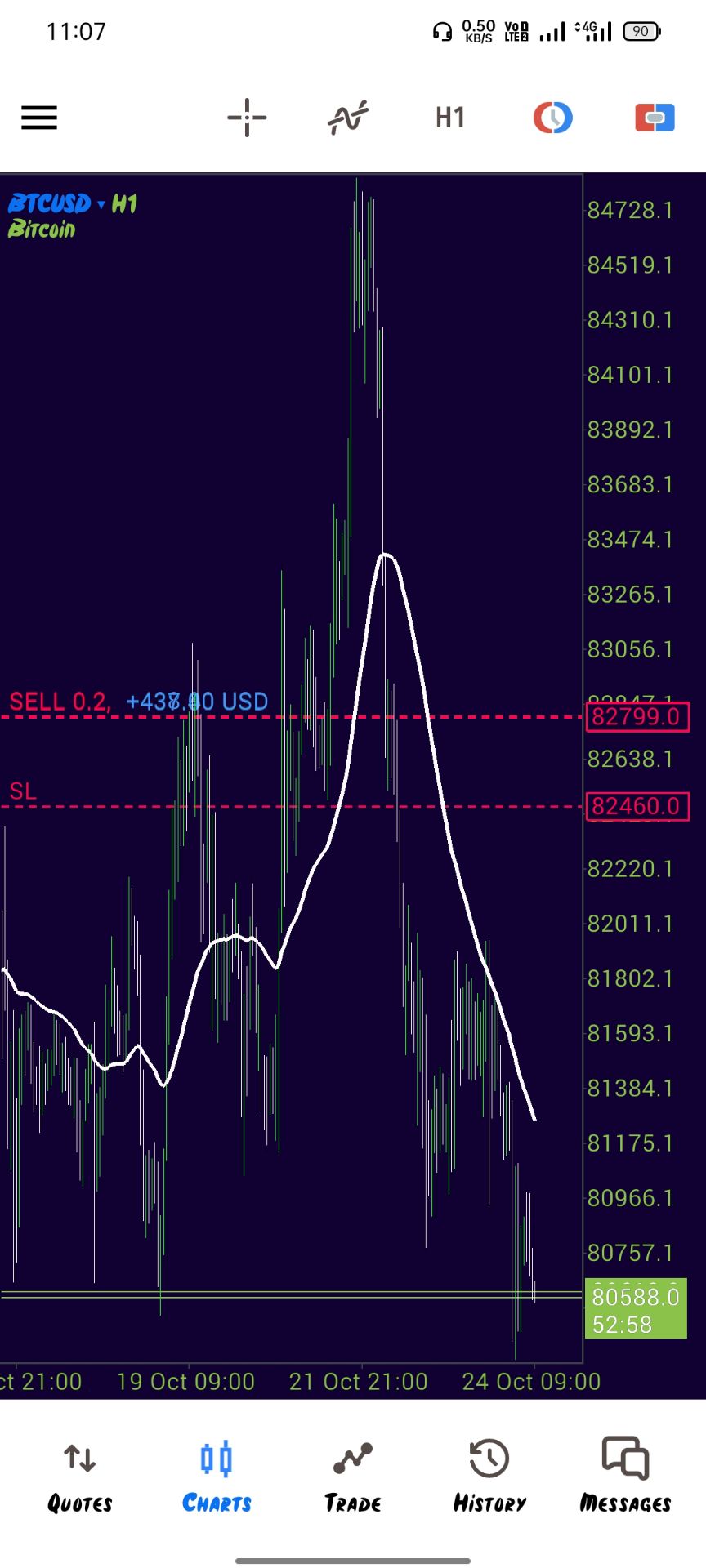
    @Kung FuI just made 1 BTC trade today @Kung Fu
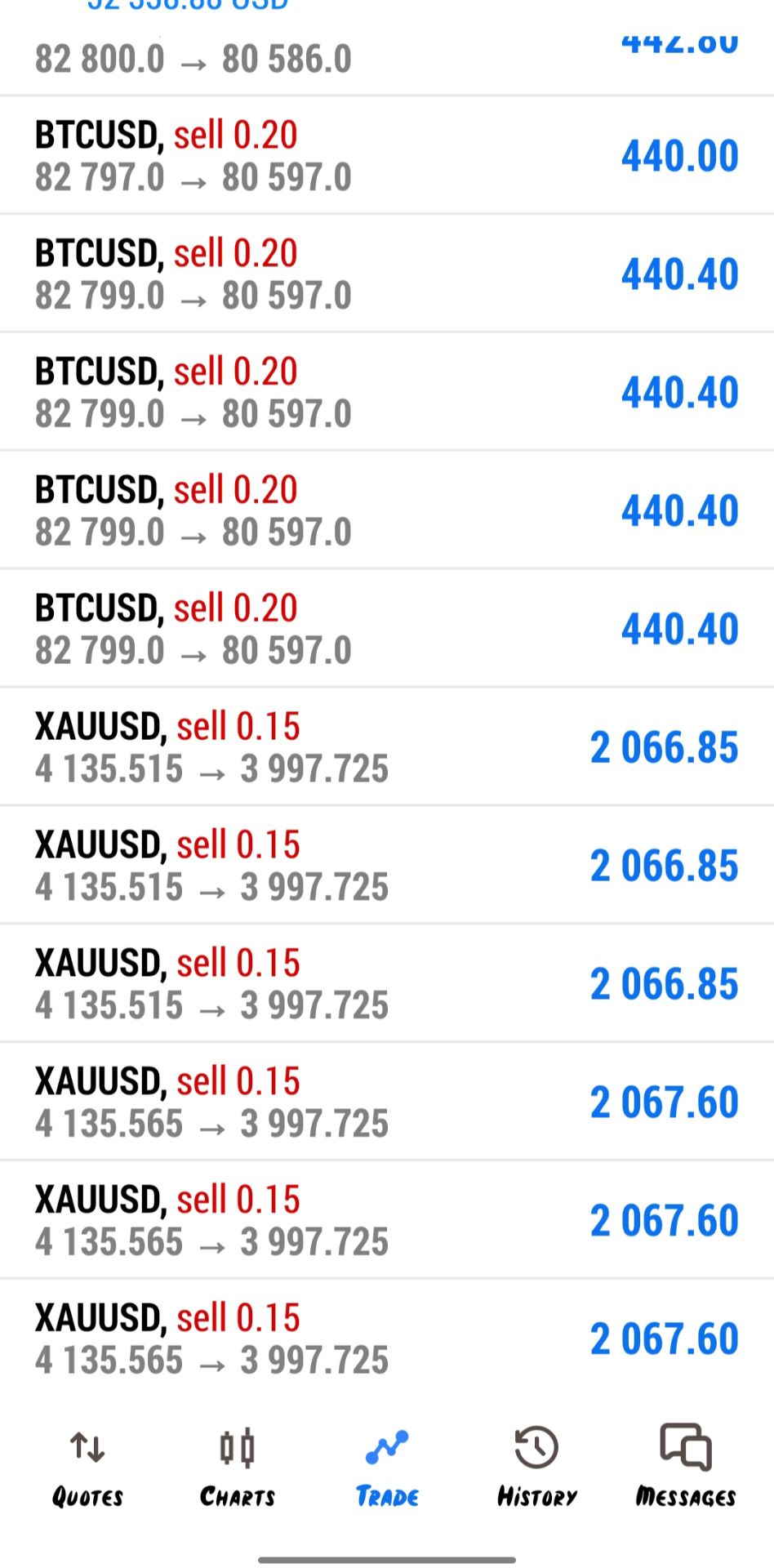
    @Nawhdir ØtI I've yet to take any crypto trade. I stole one XAU trade though. Made only 24 USD
    Kung Fu flag
    Nawhdir Øt
    @Nawhdir Øtthe one you sent yesterday, I guess. I saw it and responded
    Nawhdir Øt flag
    Kung Fu
    @Kung Futoday right?
    Nawhdir Øt flag
    Nawhdir Øt
    @Kung Fu
    Kung Fu flag
    Nawhdir Øt
    @Nawhdir Øtyes, just before I came online. But it hit TP while the king was bragging here
    Nawhdir Øt flag
    I think it's 80% success 20% failure
    Nawhdir Øt flag
    Kung Fu
    @Kung Fuoh that person Hehehehe
    3544360 flag
    hahaha
    john flag
    Nawhdir Øt
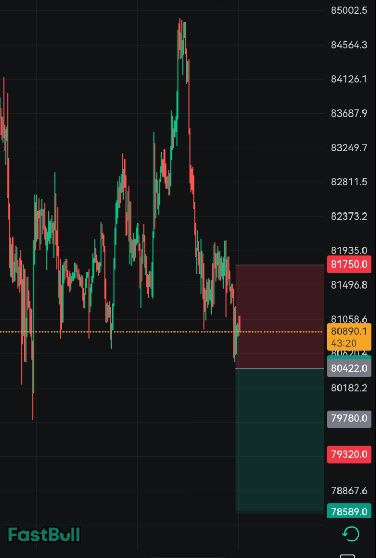
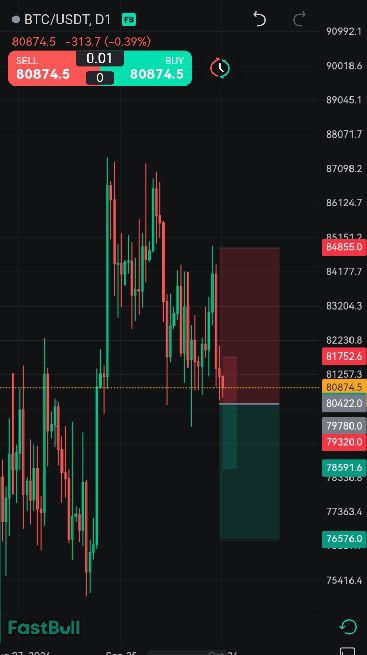
    @Nawhdir Øtthis is the area you have pending buy orders in place right
    john flag
    Nawhdir Øt
    @Nawhdir Øtthis is the area you have pending buy orders in place right
    Kung Fu flag
    Nawhdir Øt
    @Nawhdir ØtI wish I had the guts, I'd have ridden south with this, then look to buy at 66k
    haggaithebadguyfx flag
    i need help here please 🙏🥺
    SlowBear ⛅ flag
    Nawhdir Øt
    @Nawhdir Øt i have this on lock and it make good sense
    haggaithebadguyfx flag
    can anybody help me out please 😭🥺🙏🙏
    SlowBear ⛅ flag
    haggaithebadguyfx
    i need help here please 🙏🥺
    @haggaithebadguyfxWhat help do you need bro?
    Kung Fu flag
    Nawhdir Øt
    I think it's 80% success 20% failure
    @Nawhdir Øtthen it's success. In this market 80% is success
    Nawhdir Øt flag
    SlowBear ⛅
    @SlowBear ⛅so be patient, if in 1D it is not picked up, then the setup must be deleted, and change to a different plan
    Type here...
    Add Symbol or Code

      No matching data

      All
      Trump Updates
      Recommend
      Stocks
      Cryptocurrencies
      Central Banks
      Featured News
      • All
      • Russia-Ukraine Conflict
      • Middle East Flashpoint
      • All
      • Russia-Ukraine Conflict
      • Middle East Flashpoint
      Search
      Products

      Charts Free Forever

      Chats Q&A with Experts
      Screeners Economic Calendar Data Tools
      Membership Features
      Data Warehouse Market Trends Institutional Data Policy Rates Macro

      Market Trends

      Market Sentiment Order Book Forex Correlations

      Top Indicators

      Charts Free Forever
      Markets

      News

      News Analysis 24/7 Columns Education
      From Institutions From Analysts
      Topics Columnists

      Latest Views

      Latest Views

      Trending Topics

      Top Columnists

      Latest Update

      Signals

      Copy Rankings Latest Signals Become a signal provider AI Rating
      Contests
      Brokers

      Overview Brokers Assessment Rankings Regulators News Claims
      Broker listing Forex Brokers Comparison Tool Live Spread Comparison Scam
      Q&A Complaint Scam Alert Videos Tips to Detect Scam
      More

      Business
      Events
      Careers About Us Advertising Help Center

      White Label

      Broker API

      Data API

      Web Plug-ins

      Affiliate Program

      Awards Institution Evaluation IB Seminar Salon Event Exhibition
      Vietnam Thailand Singapore Dubai
      Fans Party Investment Sharing Session
      FastBull Summit BrokersView Expo
      Recent Searches
        Top Searches
          Markets
          News
          Analysis
          User
          24/7
          Economic Calendar
          Education
          Data
          • Names
          • Latest
          • Prev

          View All

          No data

          Scan to Download

          Faster Charts, Chat Faster!

          Download App
          English
          • English
          • Español
          • العربية
          • Bahasa Indonesia
          • Bahasa Melayu
          • Tiếng Việt
          • ภาษาไทย
          • Français
          • Italiano
          • Türkçe
          • Русский язык
          • 简中
          • 繁中
          Open Account
          Search
          Products
          Charts Free Forever
          Markets
          News
          Signals

          Copy Rankings Latest Signals Become a signal provider AI Rating
          Contests
          Brokers

          Overview Brokers Assessment Rankings Regulators News Claims
          Broker listing Forex Brokers Comparison Tool Live Spread Comparison Scam
          Q&A Complaint Scam Alert Videos Tips to Detect Scam
          More

          Business
          Events
          Careers About Us Advertising Help Center

          White Label

          Broker API

          Data API

          Web Plug-ins

          Affiliate Program

          Awards Institution Evaluation IB Seminar Salon Event Exhibition
          Vietnam Thailand Singapore Dubai
          Fans Party Investment Sharing Session
          FastBull Summit BrokersView Expo

          Silver Prices Plummet 16%, Wipe Out Recent Rebound

          Samantha Luan

          Commodity

          Summary:

          Spot silver slumped as much as 16.7% to $73.5565 an ounce, coming back in sight of lows hit following last week's rout. Silver futures for March delivery tumbled more than 10% to $73.383/oz.

          Silver prices tumbled in Asian trade on Thursday, leading losses across precious metals as the sector faced a wave of renewed selling that largely wiped out a short-lived rebound this week.

          Spot silver slumped as much as 16.7% to $73.5565 an ounce, coming back in sight of lows hit following last week's rout. Silver futures for March delivery tumbled more than 10% to $73.383/oz.

          Losses in the silver metal came abruptly during the Asian session, and were accompanied by a small uptick in the dollar.

          Chris Weston, head of research at Pepperstone, noted that the move in silver stemmed from China, starting with a slide in Shanghai silver futures, which then spilled over into CME futures and spot silver prices.

          Strength in the dollar had been a major weight on precious metals over the past week, as the greenback rebounded from near four-year lows after U.S. President Donald Trump's nominee for the next Federal Reserve Chair, Kevin Warsh, was viewed as being less dovish than markets were hoping.

          This notion continued to chip away at metal prices in recent sessions.

          Traders also remained largely biased towards the dollar ahead of key central bank meetings in Europe on Thursday, and U.S. nonfarm payrolls data due on Friday.

          Source: Investing

          Risk Warnings and Disclaimers
          You understand and acknowledge that there is a high degree of risk involved in trading. Following any strategies or investment methods may lead to potential losses. The content on the site is provided by our contributors and analysts for information purposes only. You are solely responsible for determining whether any trading assets, securities, strategy, or any other product is suitable for investing based on your own investment objectives and financial situation.
          Add to Favorites
          Share

          US Plans Minerals Bloc to Challenge China's Supply Grip

          James Riley

          China–U.S. Trade War

          Remarks of Officials

          Economic

          Commodity

          Political

          The Trump administration is advancing a plan to create a critical minerals trade bloc with allied nations, a direct challenge to China's dominance in the global supply chain for strategic materials.

          At the inaugural Critical Minerals Ministerial in Washington, U.S. Vice President JD Vance announced the proposal, which aims to secure the resources needed for semiconductors, electric vehicles, and advanced weaponry. The core of the strategy involves establishing coordinated price floors, enforced by tariffs, to protect and expand production among partner countries.

          Figure 1: Officials from over 50 nations gathered in Washington for the inaugural Critical Minerals Ministerial, a summit aimed at building new supply chain alliances.

          A New Alliance to Secure Supply Chains

          Vance argued that the U.S.-China trade war of the past year exposed a critical vulnerability: the West's heavy dependence on minerals largely controlled by Beijing. He stressed that collective action is now essential for achieving self-reliance.

          "We want members to form a trading bloc among allies and partners, one that guarantees American access to American industrial might while also expanding production across the entire zone," Vance stated at the meeting.

          The objective, he explained, is to prevent market manipulation that harms domestic industries. "We want to eliminate that problem of people flooding into our markets with cheap critical minerals to undercut our domestic manufacturers," Vance said, without explicitly naming China.

          The Strategy: Tariffs and Price Floors

          The proposed mechanism relies on a system of managed pricing to ensure stability and competitiveness within the bloc.

          "We will establish reference ‍prices for critical minerals at each stage of production," Vance detailed. "For members of the preferential zone, these reference prices will operate as a floor maintained through adjustable tariffs to uphold pricing integrity."

          This tariff-backed price floor is designed to create a protected market that encourages investment in mining and refining capabilities outside of China.

          A Global Coalition Takes Shape

          The Washington meeting, hosted by Secretary of State Marco Rubio, drew officials from 55 nations across Europe, Asia, and Africa. Key attendees included South Korea, India, Thailand, Japan, Germany, France, Britain, Australia, and the Democratic Republic of Congo—countries with varying levels of mining and refining capacity.

          Figure 2: Secretary of State Marco Rubio addresses the ministerial, highlighting how the concentration of critical minerals in one country has created a tool of geopolitical leverage.

          Rubio remarked that the supply of these minerals is "heavily concentrated in the hands of one country," a situation that has become a "tool of leverage in geopolitics."

          Forging New Bilateral and Trilateral Pacts

          Alongside the main initiative, several smaller agreements were announced. U.S. Trade Representative Jamieson Greer revealed bilateral plans with Mexico and trilateral agreements with the European Union and Japan aimed at strengthening critical mineral supply chains.

          Separately, Argentina's Ministry of Foreign Affairs confirmed an agreement with the United States to diversify its supply chains. The South American country aims to leverage the partnership to increase its exports of copper and lithium.

          Notably, Greenland and Denmark, the NATO ally responsible for the mineral-rich Arctic island, were not present at the meeting.

          To stay updated on all economic events of today, please check out our Economic calendar
          Risk Warnings and Disclaimers
          You understand and acknowledge that there is a high degree of risk involved in trading. Following any strategies or investment methods may lead to potential losses. The content on the site is provided by our contributors and analysts for information purposes only. You are solely responsible for determining whether any trading assets, securities, strategy, or any other product is suitable for investing based on your own investment objectives and financial situation.
          Add to Favorites
          Share

          Netanyahu Warns US: Iran Cannot Be Trusted Ahead of Talks

          Isaac Bennett

          Middle East Situation

          Remarks of Officials

          Political

          Israel Issues Stark Warning to US Envoy

          Israeli Prime Minister Benjamin Netanyahu delivered a direct message to the United States on Tuesday, cautioning that Iran cannot be trusted as a U.S. envoy prepares for potential diplomatic talks. The warning came during a meeting in Jerusalem with U.S. envoy Steve Witkoff, who is expected to meet with Iranian Foreign Minister Abbas Araghchi.

          In an official statement following the discussion, Netanyahu's office clarified Israel's position. "The Prime Minister clarified his position that Iran has proven time and again that its promises cannot be relied upon," the statement read.

          U.S. and Israeli officials convene amid rising diplomatic tensions with Iran.

          According to a report from Haaretz, President Trump’s son-in-law, Jared Kushner, was also present at the high-stakes meeting. Although Kushner holds no formal position within the Trump administration, he has played a central role in U.S. engagement with Israel and negotiations related to Gaza.

          US-Iran Negotiations Face Logistical Hurdles

          The planned talks between the U.S. and Iran are already encountering logistical challenges. While initial reports suggested Witkoff and Araghchi would meet in Turkey, the venue might be moved to Oman.

          Adding to the uncertainty, Axios reported on Tuesday that Iran was introducing new demands concerning the talks. However, this claim was quickly disputed by Ali Vaez of the Crisis Group.

          "A senior Iranian official just told me that this report is not accurate: 'Both sides are deciding together on the best format and venue,' he noted," Vaez stated on X, directly responding to the Axios story. The White House has since affirmed that the talks are still scheduled to proceed this Friday.

          Iran's Missile Program Remains Key Obstacle

          Despite the planned diplomatic engagement, the likelihood of a comprehensive deal between the U.S. and Iran remains low. A major sticking point is the Trump administration's insistence that any agreement must include restrictions on Tehran's missile program. Iranian officials have consistently described this condition as a non-starter.

          The push for diplomacy comes against a backdrop of escalating military tension. President Trump has threatened to bomb Iran for weeks and has ordered a significant U.S. military buildup in the region. This has included the deployment of the aircraft carrier USS Abraham Lincoln and its strike group, along with additional air defense systems.

          This pattern of simultaneous diplomatic outreach and military posturing has historical precedent. Before the launch of the 12-Day War, President Trump also publicly called for diplomacy, which was later seen as a deception campaign to catch Tehran off guard. Israel initiated that war on June 13, just days before another round of U.S.-Iran nuclear talks was scheduled. Hours before the first Israeli airstrikes, President Trump had publicly stated his commitment to diplomacy with Iran.

          Risk Warnings and Disclaimers
          You understand and acknowledge that there is a high degree of risk involved in trading. Following any strategies or investment methods may lead to potential losses. The content on the site is provided by our contributors and analysts for information purposes only. You are solely responsible for determining whether any trading assets, securities, strategy, or any other product is suitable for investing based on your own investment objectives and financial situation.
          Add to Favorites
          Share

          US-Russia Nuclear Treaty Expires, Sparking Arms Race Fears

          James Riley

          Remarks of Officials

          Political

          The last remaining nuclear arms control treaty between the United States and Russia expired at midnight GMT on Thursday, raising the threat of a renewed global arms race. The New START pact, which for decades limited the world's two largest nuclear arsenals, has officially lapsed without an extension.

          With the treaty's expiration, both the US and Russia are no longer bound by its upper limits on strategic nuclear weapons. This development marks a significant shift in global security dynamics, ending a long-standing framework for nuclear stability.

          Russia's Foreign Ministry stated that the country would act responsibly but warned it would take "decisive" measures if its security were threatened. Meanwhile, Washington has not announced any plans to voluntarily adhere to the treaty's former limits beyond the deadline.

          Figure 1: The expiration of the New START treaty removes caps on strategic nuclear arsenals for the world's two largest nuclear powers.

          Why Negotiations Stalled: The China Factor

          The New Strategic Arms Reduction Treaty (START), signed in 2010, capped both the US and Russia at 1,550 deployed strategic nuclear warheads. Despite efforts to keep it alive, negotiations for an extension ultimately failed.

          Russian President Vladimir Putin had previously proposed a one-year extension, a suggestion that US President Donald Trump initially called "a good idea" in October. However, no subsequent negotiations took place to formalize an agreement.

          The primary sticking point became President Trump's insistence that any future arms control deal must include China. This demand was consistently rejected by Beijing and considered unnecessary by Moscow. In a video call with Chinese President Xi Jinping, Putin reiterated Moscow's commitment to "act in a balanced and responsible manner" while remaining open to negotiations.

          Figure 2: Negotiations between US President Donald Trump and Russian President Vladimir Putin stalled, largely over the demand to include China in a future arms control agreement.

          US Secretary of State Marco Rubio affirmed this position on Wednesday, stating that Trump would decide on the treaty later but adding that "it's impossible to do something that doesn't include China, because of their vast and rapidly growing stockpile."

          This view was echoed by German Foreign Minister Johann Wadephul, who called on China to show "restraint" in its weapons development and argued that future arms control efforts must include Beijing.

          Global Leaders Warn of Rising Nuclear Threat

          International leaders have expressed grave concern over the treaty's expiration. UN Secretary-General Antonio Guterres described it as a "grave moment for international peace and security." He warned that "the risk of a nuclear weapon being used is the highest in decades" and implored both nations to return to negotiations without delay.

          Pope Leo XIV also weighed in during his weekly general audience, calling for de-escalation from a new arms race. "I urge you not to abandon this instrument without seeking to ensure that it is followed up in a concrete and effective manner," he stated.

          Risk Warnings and Disclaimers
          You understand and acknowledge that there is a high degree of risk involved in trading. Following any strategies or investment methods may lead to potential losses. The content on the site is provided by our contributors and analysts for information purposes only. You are solely responsible for determining whether any trading assets, securities, strategy, or any other product is suitable for investing based on your own investment objectives and financial situation.
          Add to Favorites
          Share

          Trump Tightens Tone on Fed Leadership as Rate Cut Expectations Dominate

          Gerik

          Economic

          Rate Policy As A Litmus Test

          In a recent interview, Donald Trump stated that he would not have considered Kevin Warsh for the top Federal Reserve role if Warsh had advocated raising interest rates. Trump framed his view around the idea that US rates remain excessively high despite the country’s improved economic standing, adding that a rate cut appears almost inevitable. His remarks suggest that monetary easing is not only an economic preference but also an implicit expectation for those seeking senior roles at the central bank.
          When asked whether Warsh understands this preference, Trump responded that he believes Warsh does, while also suggesting that Warsh personally favors lower rates at this stage. This marks a notable shift from Warsh’s earlier reputation as an inflation hawk during his time as a Federal Reserve governor. The change in tone reflects broader market expectations that monetary policy will turn more accommodative as growth stabilizes and inflation pressures ease.

          Independence Of The Federal Reserve Under Scrutiny

          Trump’s comments are likely to feature prominently during Warsh’s confirmation hearings, where the independence of the Federal Reserve will be closely examined. While Trump said he believes in the concept of an independent central bank in theory, he also argued that his own economic judgments should carry weight. This framing reinforces a long running tension between the White House and the Fed over who shapes interest rate policy.
          The backdrop includes growing political friction on Capitol Hill. Republican Senator Thom Tillis has vowed to block Federal Reserve nominees until the Justice Department concludes an investigation into the Fed’s renovation project. Outgoing chair Jerome Powell has characterized that probe as an indirect challenge to the institution’s policy autonomy, a claim the administration rejects. Trump has downplayed the threat, instead repeating criticism of the renovation’s cost.
          Taken together, Trump’s remarks reinforce investor expectations of a lower rate environment while raising fresh questions about the balance between political influence and monetary governance. As Warsh’s nomination advances, markets are likely to focus less on whether rates will fall and more on how explicitly future Fed leadership aligns with the White House’s economic priorities.

          Source: Bloomberg

          To stay updated on all economic events of today, please check out our Economic calendar
          Risk Warnings and Disclaimers
          You understand and acknowledge that there is a high degree of risk involved in trading. Following any strategies or investment methods may lead to potential losses. The content on the site is provided by our contributors and analysts for information purposes only. You are solely responsible for determining whether any trading assets, securities, strategy, or any other product is suitable for investing based on your own investment objectives and financial situation.
          Add to Favorites
          Share

          Trump And Xi Signal Tactical Thaw Ahead Of High-Stakes April Summit

          Gerik

          Economic

          Political

          A Carefully Choreographed Conversation

          The latest phone call between Donald Trump and Xi Jinping marked an important diplomatic checkpoint as both sides prepare for a face-to-face meeting in April. Trump described the discussion as excellent and thorough, emphasizing cooperation on trade flows such as increased Chinese purchases of US soybeans, energy products, and aircraft-related equipment. According to Trump, China committed to buying 20 million tons of US soybeans in the current season and 25 million tons next season, a signal aimed at reassuring American farmers and markets.
          From Beijing’s perspective, the call was framed more cautiously. China’s Foreign Ministry highlighted Xi’s emphasis on managing differences, expanding cooperation gradually, and building trust step by step. This contrast in tone reflects a familiar pattern in US-China diplomacy, where Washington stresses transactional gains while Beijing underscores stability and long-term balance.

          Trade Signals Versus Structural Uncertainty

          Trade was clearly a focal point of the exchange. The discussion of agricultural purchases, oil and gas imports, and aviation supply chains suggests both sides are seeking practical areas of alignment following last year’s one-year trade truce. That truce helped calm markets after a period of tariff escalation that rattled global growth expectations.
          Yet these commitments sit within a broader environment of uncertainty. Trump’s sweeping tariff regime remains in place, and concerns persist among US allies about Washington’s reliability as an economic partner. At the same time, China has been actively strengthening trade links with Europe and other traditional US partners, subtly reshaping global trade networks even as it maintains dialogue with Washington.

          Taiwan Remains The Central Strategic Fault Line

          Despite the positive language surrounding trade, Taiwan once again emerged as the most sensitive issue. Trump acknowledged that the topic was discussed, but Beijing’s account made clear that Xi raised the matter forcefully. According to China’s Foreign Ministry, Xi urged the US to handle arms sales to Taipei with utmost caution and reiterated that Beijing would never allow Taiwan to be separated from China.
          This divergence in messaging highlights the underlying tension that continues to define the relationship. Washington approved up to $11.15 billion in arms sales to Taiwan last year, one of the largest packages on record, reinforcing US support for the island’s defense. Beijing views these moves as deeply provocative, even as both sides attempt to prevent the issue from overwhelming broader diplomatic engagement.

          Diplomacy In A Crowded Geopolitical Landscape

          The call also touched on Russia’s war in Ukraine and wider geopolitical risks, underscoring how US-China relations are increasingly intertwined with global security dynamics. Xi spoke with Russian President Vladimir Putin earlier the same day, a reminder that Beijing continues to balance its relationship with Moscow while engaging Washington.
          Analysts noted that the absence of references to China’s recent diplomatic tensions with Japan suggests some easing in regional friction compared with late 2025. According to Neo Wang of Evercore ISI, the broadly positive tone from both sides points to a relationship that may remain relatively stable beyond 2026, even if it falls short of genuine rapprochement.

          Energy, Sanctions And Strategic Leverage

          Energy trade and sanctions form another layer of complexity. US pressure on Iran, including threats of tariffs on countries doing business with Tehran, directly affects China, the world’s largest buyer of Iranian oil. Meanwhile, shipments of Venezuelan crude to China dropped to zero in January following a US naval crackdown, illustrating how Washington is using enforcement actions to shape global energy flows.
          Trump has sent mixed signals by welcoming Chinese investment in Venezuela while simultaneously tightening controls on sanctioned oil. These overlapping policies create an environment where cooperation and confrontation coexist, requiring constant recalibration on both sides.

          Critical Minerals And Technology As Parallel Battlegrounds

          Beyond immediate trade flows, the strategic competition extends into critical minerals and technology. Trump recently unveiled plans for a $12 billion US stockpile of rare earths and other critical minerals, aiming to loosen China’s grip on supply chains essential to modern technologies. The European Union has also floated joint sourcing initiatives with the US, reflecting a shared dependence on Chinese mineral supply.
          Technology remains another sensitive area. The recent breakthrough allowing TikTok and its parent ByteDance to restructure US operations into a consortium of American investors illustrates how commercial issues have become bargaining tools within the broader diplomatic framework.

          A Window Of Managed Stability

          The upcoming April summit now looms as a critical test. Both leaders appear intent on preventing a return to open confrontation, favoring managed stability over escalation. However, the differing narratives around Taiwan and the continued use of trade and sanctions as leverage suggest that this stability is tactical rather than transformative.
          For global markets and policymakers, the message is nuanced. The US and China are not moving toward strategic alignment, but they are signaling a willingness to compartmentalize disputes and keep dialogue open. Whether this approach can hold amid rising pressure points will shape not only bilateral ties, but the broader international economic and security order in the year ahead.

          Source: Bloomberg

          To stay updated on all economic events of today, please check out our Economic calendar
          Risk Warnings and Disclaimers
          You understand and acknowledge that there is a high degree of risk involved in trading. Following any strategies or investment methods may lead to potential losses. The content on the site is provided by our contributors and analysts for information purposes only. You are solely responsible for determining whether any trading assets, securities, strategy, or any other product is suitable for investing based on your own investment objectives and financial situation.
          Add to Favorites
          Share

          US Targets Sahel Alliance with an 'Offer It Can't Refuse'

          James Riley

          Russia-Ukraine Conflict

          Remarks of Officials

          Economic

          Daily News

          Political

          The United States is launching a high-stakes diplomatic effort in West Africa, sending the chief of its Bureau of African Affairs to Mali to "chart a new course" in the relationship. While the official announcement speaks of respecting Mali's sovereignty, the visit signals a broader American push to reshape the security landscape in the Sahel, potentially at Russia's expense.

          This engagement targets not just Mali but its partners in the recently formed Alliance of Sahel States (AES), which also includes Burkina Faso and Niger. The move comes as the U.S. looks to consult with these governments on shared security and economic interests, setting the stage for a major geopolitical realignment.

          The Shifting Geopolitical Chessboard in the Sahel

          The context for this diplomatic outreach is critical. The AES was formed after patriotic military coups in all three member nations, leading to a strategic pivot away from their former colonial power, France. This new bloc is evolving into a confederation and has forged a strong military alliance with Russia to assist with "Democratic Security"—a term for ensuring political stability and countering persistent terrorist threats.

          Figure 1: The Sahel region, including Alliance members Mali, Burkina Faso, and Niger, has become a key arena for geopolitical competition between global powers.

          Since expelling French forces, the AES has accused France of backing terrorist groups in retaliation, an act they see as revenge for strategic setbacks that have damaged France's image as a global power. Meanwhile, reported coup attempts, particularly in Burkina Faso, continue to challenge the region's stability.

          For the United States, this situation presents an opportunity. If Washington can persuade the AES to replace or even "balance" Russia's role as its primary security guarantor, it could deliver a significant blow to Moscow's international prestige. This would add to a series of strategic setbacks Russia has experienced in regions like Armenia-Azerbaijan, Kazakhstan, Venezuela, and Syria since the start of its special operation.

          America's Two-Pronged Strategy: Diplomacy or Coercion

          The U.S. approach appears to be a classic carrot-and-stick strategy, presenting the AES with an offer that may be difficult to decline.

          The Diplomatic Path

          The "easy way" for the AES would be to voluntarily comply with U.S. overtures. This deal could be sweetened with offers of large-scale aid or reduced tariffs, granting the bloc's members preferential access to the massive U.S. market.

          The Coercive Path

          If diplomacy fails, the U.S. could pursue a "hard way" through indirect military coercion. This strategy would leverage a combination of escalating pressures:

          • US-backed Nigerian military action: Using anti-terrorism as a pretext, the U.S. could support military pressure from neighboring Nigeria.

          • French-backed terrorist advances: Washington could leverage France's alleged support for insurgent groups to destabilize the region further.

          • Direct US military strikes: The U.S. could conduct its own anti-terrorist strikes, with or without the approval of AES governments.

          A recent U.S. bombing of ISIS in Nigeria on Christmas has already set a precedent for direct American military intervention in the region. Furthermore, the U.S. is reportedly considering deploying spy planes and potentially armed drones in the Ivory Coast, which borders Mali and Burkina Faso, to facilitate cross-border operations.

          High Stakes for Russia and the Sahel

          The timing of the U.S. initiative is no accident. All three AES members are already struggling to contain terrorist advances, even with Russian assistance. Moscow's capacity to provide further aid is limited as it prioritizes its special operation. Unlike the Soviet Union's decisive intervention to save Ethiopia from Somalia in the late 1970s, modern Russia is unable to rush to the rescue of its African allies with overwhelming force.

          Both the U.S. and France are keenly aware of Russia's constraints. This understanding appears to be driving their coordinated strategy: France allegedly fuels instability through terrorist proxies, while the U.S. arrives with a powerful diplomatic and military proposition.

          For the Sahelian Alliance, the choice is stark. The best-case scenario involves their armed forces achieving a decisive breakthrough against terrorists with Russia's help, thereby thwarting the external pressure campaign. However, given their recent setbacks, this outcome is far from certain. The worst-case scenarios—capitulating to U.S. demands or collapsing under the combined military and political pressure—remain distinct possibilities.

          To stay updated on all economic events of today, please check out our Economic calendar
          Risk Warnings and Disclaimers
          You understand and acknowledge that there is a high degree of risk involved in trading. Following any strategies or investment methods may lead to potential losses. The content on the site is provided by our contributors and analysts for information purposes only. You are solely responsible for determining whether any trading assets, securities, strategy, or any other product is suitable for investing based on your own investment objectives and financial situation.
          Add to Favorites
          Share
          FastBull
          Copyright © 2026 FastBull Ltd

          728 RM B 7/F GEE LOK IND BLDG NO 34 HUNG TO RD KWUN TONG KLN HONG KONG

          TelegramInstagramTwitterfacebooklinkedin
          App Store Google Play Google Play
          Products
          Charts

          Chats

          Q&A with Experts
          Screeners
          Economic Calendar
          Data
          Tools
          Membership
          Features
          Function
          Markets
          Copy Trading
          Latest Signals
          Contests
          News
          Analysis
          24/7
          Columns
          Education
          Company
          Careers
          About Us
          Contact Us
          Advertising
          Help Center
          Feedback
          User Agreement
          Privacy Policy
          Personal Information Protection Statement
          Business

          White Label

          Broker API

          Data API

          Web Plug-ins

          Poster Maker

          Affiliate Program

          Risk Disclosure

          The risk of loss in trading financial instruments such as stocks, FX, commodities, futures, bonds, ETFs and crypto can be substantial. You may sustain a total loss of the funds that you deposit with your broker. Therefore, you should carefully consider whether such trading is suitable for you in light of your circumstances and financial resources.

          No decision to invest should be made without thoroughly conducting due diligence by yourself or consulting with your financial advisors. Our web content might not suit you since we don't know your financial conditions and investment needs. Our financial information might have latency or contain inaccuracy, so you should be fully responsible for any of your trading and investment decisions. The company will not be responsible for your capital loss.

          Without getting permission from the website, you are not allowed to copy the website's graphics, texts, or trademarks. Intellectual property rights in the content or data incorporated into this website belong to its providers and exchange merchants.

          Not Logged In

          Log in to access more features

          Connect Broker
          Become a signal provider
          Help Center
          Customer Service
          Dark Mode
          Price Up/Down Colors

          Log In

          Sign Up

          Position
          Layout
          Fullscreen
          Default to Chart
          The chart page opens by default when you visit fastbull.com