• Trade
  • Markets
  • Copy
  • Contests
  • News
  • 24/7
  • Calendar
  • Q&A
  • Chats
Trending
Screeners
SYMBOL
LAST
BID
ASK
HIGH
LOW
NET CHG.
%CHG.
SPREAD
SPX
S&P 500 Index
6870.39
6870.39
6870.39
6895.79
6858.28
+13.27
+ 0.19%
--
DJI
Dow Jones Industrial Average
47954.98
47954.98
47954.98
48133.54
47871.51
+104.05
+ 0.22%
--
IXIC
NASDAQ Composite Index
23578.12
23578.12
23578.12
23680.03
23506.00
+72.99
+ 0.31%
--
USDX
US Dollar Index
98.870
98.950
98.870
98.960
98.730
-0.080
-0.08%
--
EURUSD
Euro / US Dollar
1.16544
1.16551
1.16544
1.16717
1.16341
+0.00118
+ 0.10%
--
GBPUSD
Pound Sterling / US Dollar
1.33277
1.33285
1.33277
1.33462
1.33136
-0.00035
-0.03%
--
XAUUSD
Gold / US Dollar
4207.97
4208.38
4207.97
4218.85
4190.61
+10.06
+ 0.24%
--
WTI
Light Sweet Crude Oil
59.194
59.224
59.194
60.084
58.980
-0.615
-1.03%
--

Community Accounts

Signal Accounts
--
Profit Accounts
--
Loss Accounts
--
View More

Become a signal provider

Sell trading signals to earn additional income

View More

Guide to Copy Trading

Get started with ease and confidence

View More

Signal Accounts for Members

All Signal Accounts

Best Return
  • Best Return
  • Best P/L
  • Best MDD
Past 1W
  • Past 1W
  • Past 1M
  • Past 1Y

All Contests

  • All
  • Trump Updates
  • Recommend
  • Stocks
  • Cryptocurrencies
  • Central Banks
  • Featured News
Top News Only
Share

White House Economic Adviser Hassett On Fed: Trump Has Lots Of Good Choices

Share

White House Economic Adviser Hassett On Fed: We Should Continue To Get The Rate Down Some

Share

Argus: Ukraine Wheat Crop Could Rise To 23.9 Million T Next Year

Share

Argus Media Forecasts Ukraine's 2026/27 Wheat Production At 23.9 Million T, Up From 23.0 Million T In 2025/26

Share

Standard Chartered Expects US Fed To Cut Interest Rates By 25 Bps In December Versus Prior Forecast Of No Rate Cut

Share

Morgan Stanley Sees Upside Risks To Copper Price Forecast (2026 Base Case $10650/T, Bull Case $12780/T)

Share

White House Official - Trump Set To Unveil $12 Billion Aid For Farmers Hit By Trade War

Share

German Foreign Minister Wadephul: Will Meet Chinese Counterpart Again On Sidelines Of Munich Security Conference

Share

German Foreign Minister Wadephul: EU Tariffs Would Be Measure Of Last Resort

Share

German Foreign Minister Wadephul: China Has Offered General Licenses, Asked Our Businesses To Submit Requests

Share

Congolese President Felix Tshisekedi: Rwanda Is Already Violating Its Peace Deal Commitments

Share

German Foreign Minister Wadephul: Chinese Partners Say They Want To Give Priority To Resolving Bottlenecks In Germany, Europe

Share

India Foreign Ministry: New Deputy USA Trade Representative Will Visit India On Dec 10-11

Share

India Foreign Ministry: Advise Indian Nationals To Exercise Caution While Travelling To Or Transiting Through China

Share

Agrural - Brazil's 2025/26 Total Corn Output Seen At 135.3 Million Tonnes Versus 141.1 Million Tonnes In Previous Season

Share

Agrural - Brazil's 2025/26 Soybean Planting Hits 94% Of Expected Area As Of Last Thursday

Share

SEBI: Modalities For Migration To Ai Only Schemes And Relaxations To Large Value Funds For Accredited Investors

Share

All 6 Bank Of Israel Monetary Policy Committee Members Voted To Lower Benchmark Interest Rate 25 Bps To 4.25% On Nov 24

Share

India Government: Cancellations Are On Account Of Developer Delays And Not Due To Transmission Side Delays

Share

Fitch: We See Moderation Of Export Performance In China In 2026

TIME
ACT
FCST
PREV
France Trade Balance (SA) (Oct)

A:--

F: --

P: --
Euro Zone Employment YoY (SA) (Q3)

A:--

F: --

P: --
Canada Part-Time Employment (SA) (Nov)

A:--

F: --

P: --

Canada Unemployment Rate (SA) (Nov)

A:--

F: --

P: --

Canada Full-time Employment (SA) (Nov)

A:--

F: --

P: --

Canada Labor Force Participation Rate (SA) (Nov)

A:--

F: --

P: --

Canada Employment (SA) (Nov)

A:--

F: --

P: --

U.S. PCE Price Index MoM (Sept)

A:--

F: --

P: --

U.S. Personal Income MoM (Sept)

A:--

F: --

P: --

U.S. Core PCE Price Index MoM (Sept)

A:--

F: --

P: --

U.S. PCE Price Index YoY (SA) (Sept)

A:--

F: --

P: --

U.S. Core PCE Price Index YoY (Sept)

A:--

F: --

P: --

U.S. Personal Outlays MoM (SA) (Sept)

A:--

F: --

P: --
U.S. 5-10 Year-Ahead Inflation Expectations (Dec)

A:--

F: --

P: --

U.S. Real Personal Consumption Expenditures MoM (Sept)

A:--

F: --

P: --
U.S. Weekly Total Rig Count

A:--

F: --

P: --

U.S. Weekly Total Oil Rig Count

A:--

F: --

P: --

U.S. Consumer Credit (SA) (Oct)

A:--

F: --

P: --
China, Mainland Foreign Exchange Reserves (Nov)

A:--

F: --

P: --

Japan Trade Balance (Oct)

A:--

F: --

P: --

Japan Nominal GDP Revised QoQ (Q3)

A:--

F: --

P: --

China, Mainland Imports YoY (CNH) (Nov)

A:--

F: --

P: --

China, Mainland Exports (Nov)

A:--

F: --

P: --

China, Mainland Imports (CNH) (Nov)

A:--

F: --

P: --

China, Mainland Trade Balance (CNH) (Nov)

A:--

F: --

P: --

China, Mainland Exports YoY (USD) (Nov)

A:--

F: --

P: --

China, Mainland Imports YoY (USD) (Nov)

A:--

F: --

P: --

Germany Industrial Output MoM (SA) (Oct)

A:--

F: --

P: --
Euro Zone Sentix Investor Confidence Index (Dec)

A:--

F: --

P: --

Canada National Economic Confidence Index

A:--

F: --

P: --

U.K. BRC Like-For-Like Retail Sales YoY (Nov)

--

F: --

P: --

U.K. BRC Overall Retail Sales YoY (Nov)

--

F: --

P: --

Australia Overnight (Borrowing) Key Rate

--

F: --

P: --

RBA Rate Statement
RBA Press Conference
Germany Exports MoM (SA) (Oct)

--

F: --

P: --

U.S. NFIB Small Business Optimism Index (SA) (Nov)

--

F: --

P: --

Mexico 12-Month Inflation (CPI) (Nov)

--

F: --

P: --

Mexico Core CPI YoY (Nov)

--

F: --

P: --

Mexico PPI YoY (Nov)

--

F: --

P: --

U.S. Weekly Redbook Index YoY

--

F: --

P: --

U.S. JOLTS Job Openings (SA) (Oct)

--

F: --

P: --

China, Mainland M1 Money Supply YoY (Nov)

--

F: --

P: --

China, Mainland M0 Money Supply YoY (Nov)

--

F: --

P: --

China, Mainland M2 Money Supply YoY (Nov)

--

F: --

P: --

U.S. EIA Short-Term Crude Production Forecast For The Year (Dec)

--

F: --

P: --

U.S. EIA Natural Gas Production Forecast For The Next Year (Dec)

--

F: --

P: --

U.S. EIA Short-Term Crude Production Forecast For The Next Year (Dec)

--

F: --

P: --

EIA Monthly Short-Term Energy Outlook
U.S. API Weekly Gasoline Stocks

--

F: --

P: --

U.S. API Weekly Cushing Crude Oil Stocks

--

F: --

P: --

U.S. API Weekly Crude Oil Stocks

--

F: --

P: --

U.S. API Weekly Refined Oil Stocks

--

F: --

P: --

South Korea Unemployment Rate (SA) (Nov)

--

F: --

P: --

Japan Reuters Tankan Non-Manufacturers Index (Dec)

--

F: --

P: --

Japan Reuters Tankan Manufacturers Index (Dec)

--

F: --

P: --

Japan Domestic Enterprise Commodity Price Index MoM (Nov)

--

F: --

P: --

Japan Domestic Enterprise Commodity Price Index YoY (Nov)

--

F: --

P: --

China, Mainland PPI YoY (Nov)

--

F: --

P: --

China, Mainland CPI MoM (Nov)

--

F: --

P: --

Q&A with Experts
    • All
    • Chatrooms
    • Groups
    • Friends
    Connecting
    .
    .
    .
    Type here...
    Add Symbol or Code

      No matching data

      All
      Trump Updates
      Recommend
      Stocks
      Cryptocurrencies
      Central Banks
      Featured News
      • All
      • Russia-Ukraine Conflict
      • Middle East Flashpoint
      • All
      • Russia-Ukraine Conflict
      • Middle East Flashpoint
      Search
      Products

      Charts Free Forever

      Chats Q&A with Experts
      Screeners Economic Calendar Data Tools
      Membership Features
      Data Warehouse Market Trends Institutional Data Policy Rates Macro

      Market Trends

      Market Sentiment Order Book Forex Correlations

      Top Indicators

      Charts Free Forever
      Markets

      News

      News Analysis 24/7 Columns Education
      From Institutions From Analysts
      Topics Columnists

      Latest Views

      Latest Views

      Trending Topics

      Top Columnists

      Latest Update

      Signals

      Copy Rankings Latest Signals Become a signal provider AI Rating
      Contests
      Brokers

      Overview Brokers Assessment Rankings Regulators News Claims
      Broker listing Forex Brokers Comparison Tool Live Spread Comparison Scam
      Q&A Complaint Scam Alert Videos Tips to Detect Scam
      More

      Business
      Events
      Careers About Us Advertising Help Center

      White Label

      Data API

      Web Plug-ins

      Affiliate Program

      Awards Institution Evaluation IB Seminar Salon Event Exhibition
      Vietnam Thailand Singapore Dubai
      Fans Party Investment Sharing Session
      FastBull Summit BrokersView Expo
      Recent Searches
        Top Searches
          Markets
          News
          Analysis
          User
          24/7
          Economic Calendar
          Education
          Data
          • Names
          • Latest
          • Prev

          View All

          No data

          Scan to Download

          Faster Charts, Chat Faster!

          Download App
          English
          • English
          • Español
          • العربية
          • Bahasa Indonesia
          • Bahasa Melayu
          • Tiếng Việt
          • ภาษาไทย
          • Français
          • Italiano
          • Türkçe
          • Русский язык
          • 简中
          • 繁中
          Open Account
          Search
          Products
          Charts Free Forever
          Markets
          News
          Signals

          Copy Rankings Latest Signals Become a signal provider AI Rating
          Contests
          Brokers

          Overview Brokers Assessment Rankings Regulators News Claims
          Broker listing Forex Brokers Comparison Tool Live Spread Comparison Scam
          Q&A Complaint Scam Alert Videos Tips to Detect Scam
          More

          Business
          Events
          Careers About Us Advertising Help Center

          White Label

          Data API

          Web Plug-ins

          Affiliate Program

          Awards Institution Evaluation IB Seminar Salon Event Exhibition
          Vietnam Thailand Singapore Dubai
          Fans Party Investment Sharing Session
          FastBull Summit BrokersView Expo

          FintechZoom.com Bitcoin ETF Analysis: ROI, Risk, and Reliability for Investors

          Ukadike Micheal

          Cryptocurrency

          Stocks

          Summary:

          FintechZoom.com Bitcoin ETF analysis explores ROI, risks, and data reliability, helping investors assess if FintechZoom insights make Bitcoin ETFs a smart choice.

          FintechZoom.com Bitcoin ETF: Is It a Smart Investment With Real ROI Potential?

          FintechZoom.com Bitcoin ETF has become a focal point for investors seeking data-driven insights into cryptocurrency-linked funds. As Bitcoin ETFs gain mainstream traction, FintechZoom provides timely analysis on performance, risk exposure, and market sentiment. This article explores how its reports guide investors in understanding opportunities and challenges in today’s Bitcoin ETF landscape.

          What Is a Bitcoin ETF?

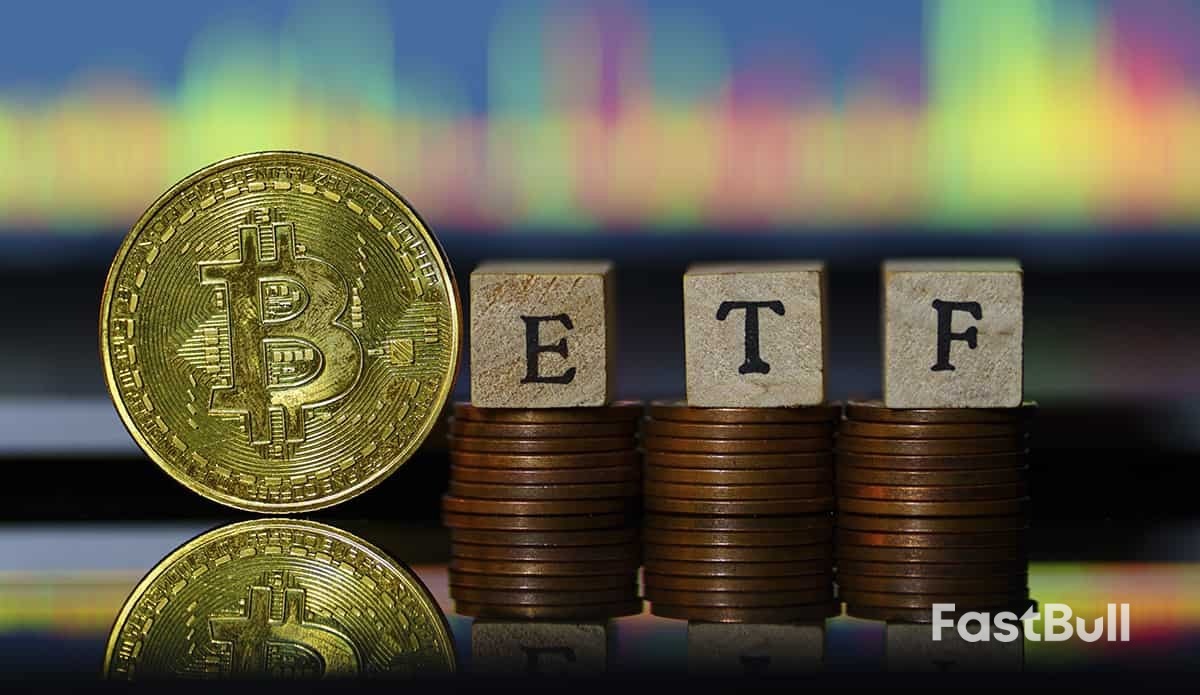
          A Bitcoin ETF, or exchange-traded fund, allows investors to gain exposure to Bitcoin’s price movements without directly owning the cryptocurrency. Traded on traditional exchanges, it mirrors the performance of Bitcoin while offering the convenience of regulated market access. FintechZoom.com Bitcoin ETF coverage explains this mechanism in depth, helping readers understand how institutional and retail investors participate.
          FintechZoom.com Bitcoin ETF Analysis: ROI, Risk, and Reliability for Investors_1

          Unlike direct crypto ownership, a Bitcoin ETF simplifies investing by removing wallet management and security challenges. FintechZoom.com investments often highlight how this structure appeals to investors who want diversification with reduced operational complexity. It bridges the gap between traditional finance and the growing fintechzoom.com cryptocurrency ecosystem.

          • Tracks Bitcoin’s market price through regulated channels.
          • Offers exposure without direct crypto custody.
          • May still carry market volatility and tracking differences, key risks of a Bitcoin ETF.

          Platforms such as fintechzoom.com bitcoin provide insights into how ETFs differ from direct holdings or fintechzoom.com bitcoin mining, emphasizing transparency, liquidity, and accessibility. As fintechzoom.com bitcoin stock coverage expands, investors are increasingly using ETF data to compare traditional assets with emerging digital markets like fintechzoom.com bitcoin price trends.

          Is Bitcoin ETF a Good Investment?

          How Profitable Can Bitcoin ETFs Be?

          Bitcoin ETFs have gained momentum as investors seek exposure to the crypto market without the operational complexity of direct ownership. FintechZoom.com Bitcoin ETF analysis highlights consistent capital inflows and the growing role of institutional participation. These products often mirror fintechzoom.com bitcoin price movements, allowing traders to benefit from market rallies while enjoying regulatory transparency.

          Data featured on fintechzoom.com investments suggests that Bitcoin ETFs performed strongly during major bull cycles, aligning with rising fintechzoom.com bitcoin stock interest among diversified portfolios. However, profitability depends heavily on entry timing and market cycles. FintechZoom.com cryptocurrency reports show that ETFs can also outperform direct holdings when fees and custodial risks are considered.

          YearBitcoin ETF Avg. ReturnSpot Bitcoin Return
          2023+42%+38%
          2024+31%+29%

          Compared to fintechzoom.com bitcoin mining or direct token holding, ETFs simplify exposure while maintaining profit potential. Yet, investors should remember that gains are still driven by Bitcoin’s volatility and broader market demand.

          What Are the Major Risks of Investing in Bitcoin ETFs?

          Despite the accessibility benefits, the risks of a Bitcoin ETF remain significant. FintechZoom.com Bitcoin ETF reviews frequently cite high price swings linked to spot market fluctuations. The same volatility that creates opportunity can also result in short-term losses.

          • Market Volatility — Bitcoin’s unpredictable price movements affect ETF performance directly.
          • Liquidity Gaps — During rapid selloffs, spreads may widen, impacting exit efficiency.
          • Regulatory Shifts — Changing global policies can limit ETF expansion or trading access.

          Fintechzoom.com bitcoin insights emphasize that investors should assess each fund’s management fee and tracking method. In periods of uncertainty, fintechzoom.com bitcoin and fintechzoom.com bitcoin stock often move together, intensifying market pressure. Understanding these elements is key to managing portfolio exposure effectively within fintechzoom.com cryptocurrency investments.

          Can Investors Trust FintechZoom.com’s Bitcoin ETF Analysis?

          FintechZoom.com has become a recognized source for cryptocurrency and investment insights, especially regarding the fintechzoom.com bitcoin etf. The platform offers updates on market trends, expert commentary, and ETF fund performance, helping readers interpret market data through a financial journalism lens. Its reports combine fundamental and technical views, often referencing fintechzoom.com bitcoin stock behavior and institutional sentiment.

          FintechZoom.com Bitcoin ETF Analysis: ROI, Risk, and Reliability for Investors_2

          Investors evaluating fintechzoom.com investments often appreciate its accessibility and timely analysis. The site compiles information from multiple exchanges and asset managers, presenting a wide perspective on digital asset performance. However, users should still cross-reference data with official ETF filings and other credible sources to ensure accuracy.

          • Regular coverage of Bitcoin ETF launches, approvals, and flows.
          • Market commentary aligned with fintechzoom.com bitcoin price updates.
          • Comparative insights across crypto sectors such as fintechzoom.com bitcoin mining and institutional adoption.

          Transparency and data reliability are essential for investor confidence. While fintechzoom.com bitcoin etf reports often highlight new opportunities, investors should remember that opinions expressed by analysts do not eliminate the inherent risks of a Bitcoin ETF. The best approach is to use FintechZoom as one data point among many in constructing a broader investment strategy.

          Overall, fintechzoom.com cryptocurrency analysis provides valuable context for market participants but should be complemented with independent research and professional advice before making major portfolio decisions. For long-term investors, the key is distinguishing between short-term sentiment and enduring structural trends within fintechzoom.com bitcoin markets.

          FAQs about FintechZoom.com Bitcoin ETF

          1. What is the best bitcoin ETF right now?

          The leading Bitcoin ETFs often mentioned on fintechzoom.com bitcoin etf updates include BlackRock’s IBIT and Fidelity’s FBTC. These funds attract strong inflows and offer low fees, but performance still depends on overall bitcoin market trends.

          2. Is FintechZoom.com a reliable source?

          FintechZoom.com is a widely used platform for fintech and cryptocurrency coverage. While its data is timely, investors should cross-check fintechzoom.com investments information with official ETF disclosures before acting.

          3. Are bitcoin ETFs a good idea?

          Bitcoin ETFs provide a regulated entry point into digital assets, removing wallet and custody issues. However, investors should understand the volatility and other risks of a bitcoin ETF before committing capital.

          4. Will bitcoin ETF get approved?

          Several spot Bitcoin ETFs have already received approval in major markets, and fintechzoom.com bitcoin coverage tracks future proposals closely. Further approvals depend on regulatory reviews and evolving market maturity.

          Conclusion

          FintechZoom.com Bitcoin ETF analysis offers investors valuable insight into returns, volatility, and market behavior. While the platform delivers timely updates, decisions should rely on diversified research. Overall, fintechzoom.com bitcoin etf coverage helps bridge traditional investing with the fast-evolving cryptocurrency landscape, providing informed guidance for market participants.

          Risk Warnings and Disclaimers
          You understand and acknowledge that there is a high degree of risk involved in trading. Following any strategies or investment methods may lead to potential losses. The content on the site is provided by our contributors and analysts for information purposes only. You are solely responsible for determining whether any trading assets, securities, strategy, or any other product is suitable for investing based on your own investment objectives and financial situation.
          Add to Favorites
          Share

          Global Central Banks Converge Towards Rate Cut Caution

          Justin

          Forex

          Central Bank

          Economic

          Key points:

          ● Most non-US cbanks hold rates on inflation, trade challenges
          ● SNB maintains 0% rate, inflation exceeds forecast
          ● Bank of Canada cuts rates, signals end to easing

          The U.S. Federal Reserve has moved back into line with other major rate setters after it cut rates by a quarter point on Wednesday but pushed back against market bets that it would keep going as the Washington shutdown fogs up its forecasting lens.

          The Bank of Japan and European Central Bank left rates unchanged on Thursday.

          Global Central Banks Converge Towards Rate Cut Caution_1

          Thomson ReutersHow interest rates have changed among G10 central banks

          Here's where 10 major central banks stand after the latest round of meetings:

          1/ SWITZERLAND

          The Swiss National Bank cut its key rate to 0% in June and is widely expected to hold steady with markets pricing a long pause.

          In its first set of minutes detailing its rate setting discussions, published last week, the SNB quashed market speculation that it would return to negative rates to stop the strong francpushing the sluggish economy into deflation.

          Global Central Banks Converge Towards Rate Cut Caution_2

          Thomson ReutersSwitzerland's inflation and interest rates

          2/ CANADA

          The Bank of Canada, battling an economic slowdown exacerbated by U.S. tariffs and the inflationary impact of the trade war, cut rates to a more than three-year low of 2.25% on Wednesday.

          It also sent strong signals that easing ends here and traders see more than 60% odds on the BoC standing pat until December 2026.

          Global Central Banks Converge Towards Rate Cut Caution_3

          Thomson ReutersCanada's inflation and interest rates

          3/ SWEDEN

          Money markets price in less than a one in five chance of further easing before 2026 as domestic inflation stays sticky, which has sent traders piling in to Sweden's crown. The currency has risen 15% against the dollar year-to-date. (0#SEKIRPR)

          Global Central Banks Converge Towards Rate Cut Caution_4

          Thomson ReutersSweden's inflation and interest rates

          4/ NEW ZEALAND

          The Reserve Bank of New Zealand cut rates by a punchy 50 basis points (bps) to 2.5% this month in an attempt to prop up a frail economy.

          Markets see a good chance of a further cut in late November, though inflation sitting at the top of the RBNZ's 1-3% target band could be a complication.

          Global Central Banks Converge Towards Rate Cut Caution_5

          Thomson ReutersNew Zealand's inflation and interest rates

          5/ EURO ZONE

          The ECB on Thursday matched traders' expectations and held the bloc's main deposit rate at 2% for a third straight meeting.

          Traders viewed this ECB easing cycle as almost over, pricing in less than a 50% chance of further easing by July 2026.

          Global Central Banks Converge Towards Rate Cut Caution_6

          Thomson ReutersEuro zone inflation and ECB interest rates

          6/ UNITED STATES

          The Fed on Wednesday executed a widely flagged 25 bps cut but pushed back against market bets for more by warning that data gaps caused by the U.S. government shutdown were clouding its forecasting lens.

          "If you're driving in the fog you slow down," Chair Jerome Powell said in his post-announcement press conference.

          The rate cut drew dissent from two policymakers, with Stephen Miran again calling for a deeper reduction and Kansas City Fed President Jeffrey Schmid favoring no cut given above-target inflation.

          Traders price a 70% probability of a 25 bps December cut, down from 84% ahead of Wednesday's decision.

          Global Central Banks Converge Towards Rate Cut Caution_7

          Thomson ReutersUS inflation and interest rates

          7/ BRITAIN

          The Bank of England is another major rate setter that is signalling cautious moves from here as it kept rates unchanged at its last meeting and said inflation risks remained high.

          Traders expect another hold on November 6 but markets price a 60% chance of a December cut after above-target UK inflation at least held steady in September.

          Global Central Banks Converge Towards Rate Cut Caution_8

          Thomson ReutersBritain's inflation and interest rates

          8/ AUSTRALIA

          The Reserve Bank of Australia has cut rates by 75 bps since February but hotter-than-expected inflation encouraged it to hold rates steady and turn more hawkish in September.

          That trend has continued, pushing expectations for the next cut forward to at least February 2026. (0#AUDIRPR).

          Global Central Banks Converge Towards Rate Cut Caution_9

          Thomson ReutersAustralia's inflation and interest rates

          9/ NORWAY

          Norway's central bank eased borrowing costs by 25 bps to 4.0% in September but signalled further cuts were less likely because underlying inflation was rising. That has helped the crown keep powering higher against the dollar, with a 12% gain for the year so far (0#NOKIRPR).

          Global Central Banks Converge Towards Rate Cut Caution_10

          Thomson ReutersNorway's inflation and interest rates

          10/ JAPAN

          The Bank of Japan, the sole central bank in hiking mode, kept rates steady on Thursday but repeated its pledge to keep increasing borrowing costs if the economy moves as it projects, shifting investor focus to December's meeting.

          The yenweakened after the announcement.

          U.S. Treasury Secretary Scott Bessent this week called for speedier BOJ rate hikes to avoid weakening the currency too much.

          Global Central Banks Converge Towards Rate Cut Caution_11

          Thomson ReutersJapan's inflation and interest rates

          Source: TradingView

          To stay updated on all economic events of today, please check out our Economic calendar
          Risk Warnings and Disclaimers
          You understand and acknowledge that there is a high degree of risk involved in trading. Following any strategies or investment methods may lead to potential losses. The content on the site is provided by our contributors and analysts for information purposes only. You are solely responsible for determining whether any trading assets, securities, strategy, or any other product is suitable for investing based on your own investment objectives and financial situation.
          Add to Favorites
          Share

          Xi Jinping Calls for Regional Unity and Supply Chain Integration Amid Fragile US Truce

          Gerik

          Economic

          China–U.S. Trade War

          Xi Urges Unity Amid Geopolitical Shifts and Economic Volatility

          Just one day after securing a partial tariff rollback from U.S. President Donald Trump, Chinese President Xi Jinping delivered a call for multilateral cooperation at the Asia-Pacific Economic Cooperation (APEC) Economic Leaders’ Meeting. Without naming the U.S. directly, Xi emphasized that “the more turbulent the times, the more we must work together,” highlighting the urgency of collective action to stabilize regional supply chains and foster inclusive growth.
          His comments followed a rare face-to-face meeting with Trump, the first since 2019 held in South Korea, during which the two sides agreed on a one-year suspension of certain tariffs and export controls. Though the agreement stopped short of a full trade deal, it signaled a cautious thaw in relations after months of escalatory rhetoric and trade measures.

          Supply Chain Integration vs. Strategic Decoupling

          At the heart of Xi’s address was a strong defense of integrated global supply chains. He urged member economies to “extend” rather than “disconnect” supply networks, countering growing calls from the United States and allies for reshoring or “friend-shoring” manufacturing to reduce dependence on China.
          This positioning comes amid structural changes in global manufacturing, with U.S. policies increasingly targeting transshipments and urging companies to relocate production domestically. Xi, however, framed China’s economic strategy as complementary to global needs, claiming that China's “revitalization” aligns with Trump’s “Make America Great Again” vision, an attempt to reframe the narrative from confrontation to cooperation.
          Yet, these messages underscore a deep divergence. While China promotes regional interdependence, Washington continues to emphasize economic security and domestic reindustrialization, backed by tariffs and reshoring incentives. This divergence presents a long-term tension that supply chains across the Asia-Pacific must navigate.

          Strategic Vision Anchored in Global Openness and High-Tech Investment

          Xi laid out five pillars of future cooperation: defending the multilateral trading system, creating open economic environments, stabilizing supply chains, promoting green and digital trade, and advancing inclusive development. These proposals aim to position China as a champion of globalization at a time when U.S. and European policies are becoming more protectionist.
          China’s own outbound investment strategy reflects this shift. According to a Rhodium Group report, Chinese firms invested $15.4 billion across Asia in Q3 2025, the highest level since the pandemic. These investments increasingly focus on high-value sectors such as data centers, green energy, and battery materials. Xi’s emphasis on green and digital trade aligns with these trends and attempts to expand China’s influence across emerging technology ecosystems.

          Economic Context: Manufacturing Stresses and Regional Realignment

          Xi’s appeal for regional solidarity comes as China grapples with its own manufacturing downturn. October marked the seventh consecutive month of contraction in factory activity, underscoring fragility despite the trade truce. The PMI slipped to 49.0, with sharp drops in new orders and production, reinforcing that geopolitical agreements alone are not reversing structural headwinds.
          Simultaneously, China’s trade ties have shifted. The Association of Southeast Asian Nations (ASEAN) has overtaken the EU to become China’s largest trading partner. This reorientation not only reflects efforts to diversify trade away from Western economies but also aligns with Xi’s rhetoric on Asia-Pacific unity.
          Xi Jinping’s APEC remarks present a vision of regional integration and supply chain cooperation amid an increasingly fragmented global order. While the temporary U.S.-China tariff truce reduces immediate tensions, deep economic and strategic rifts remain. As the Asia-Pacific region becomes the central arena for geopolitical competition and manufacturing realignment, Xi’s call for openness will be tested against rising nationalism, investment protectionism, and shifting corporate risk calculus. The challenge going forward will be whether regional economies can reconcile strategic autonomy with the interdependence required for long-term resilience.

          Source: CNBC

          To stay updated on all economic events of today, please check out our Economic calendar
          Risk Warnings and Disclaimers
          You understand and acknowledge that there is a high degree of risk involved in trading. Following any strategies or investment methods may lead to potential losses. The content on the site is provided by our contributors and analysts for information purposes only. You are solely responsible for determining whether any trading assets, securities, strategy, or any other product is suitable for investing based on your own investment objectives and financial situation.
          Add to Favorites
          Share

          Is XRP a Meme Coin? A Clear-Cut Answer and Why

          Justin

          Cryptocurrency

          Is XRP a Meme Coin or a Real Utility Token? Evidence-Based, In-Depth Analysis

          Debate over XRP’s identity keeps resurfacing: is xrp a meme coin or a payments-focused utility token? This article gives a clear answer first, then tests the claim with evidence—technology, use cases, market positioning, and adoption. You’ll see how XRP differs from meme coins, why perceptions persist, and what it means for research-driven investors. We also outline risks, limits, and context.

          What Is a Meme Coin?

          Meme coins are cryptocurrencies born from internet jokes or community trends rather than clear technical or financial objectives. Their value usually depends on viral exposure, celebrity mentions, or social sentiment instead of utility. Classic examples include Dogecoin, Shiba Inu, and PEPE. Unlike assets such as XRP, which have defined use cases, most meme coins rely on community-driven enthusiasm.

          • Originated from online culture and viral humor.
          • Value driven by hype, not technology or adoption.
          • High volatility and short market cycles.

          Is XRP a Meme Coin?

          No, XRP is not a meme coin. XRP is not a meme coin but a blockchain-based asset built for payment efficiency. Yet, the ongoing debate continues as investors and analysts explore its nature. To determine whether XRP belongs in the same category as DOGE or SHIB, it helps to analyze its architecture, market fundamentals, and ecosystem performance against typical meme projects.

          Evidence-Based Comparative Analysis

          When people ask “is xrp a meme coin today,” they often refer to its online popularity and price volatility. However, an evidence-based comparison shows XRP’s foundation differs completely. While meme tokens exist purely for cultural engagement or speculation, XRP’s value links to real-world usage within financial systems. Even if it sometimes trends as an xrp meme coin across social media, its operational framework places it closer to a utility asset than to hype-driven cryptos.

          Technical Architecture — XRP vs Meme Coins

          The XRP Ledger underpins Ripple’s payment ecosystem and processes thousands of transactions per second with minimal energy use. In contrast, most meme coins are secondary tokens that depend on host chains like Ethereum or Solana. They lack independent consensus mechanisms or scaling innovations. This technical distinction clarifies why XRP cannot be grouped with meme assets, even though some meme coins on xrp ledger exist as side projects for community fun.

          FeatureXRPMeme Coins
          Blockchain TypeNative ledger (XRP Ledger)Built on existing networks (ERC-20/Solana)
          Transaction Speed3–5 seconds per transactionDependent on host chain traffic
          Energy EfficiencyLow (Consensus Protocol)Varies; often higher cost
          Core ObjectiveGlobal payments and liquidityCommunity engagement and speculation

          Value Foundation and Market Positioning

          Many traders ask “is xrp considered a meme coin” because its price often moves with retail sentiment. Yet XRP’s valuation model is utility-based. Ripple’s partnerships with banks and fintech firms give it a role as a bridge currency, while meme coins thrive on momentary excitement. Unlike coins that depend on influencer promotion, XRP gains relevance from institutional adoption and transactional throughput.

          • Driven by liquidity demand, not pure speculation.
          • Integrated into remittance corridors and banking APIs.
          • Designed for long-term infrastructure use, not virality.

          Comparing XRP with hype-driven assets clarifies that it functions as a structured digital payment instrument rather than an xrp memecoin or short-lived social phenomenon.

          Real-World Utility and Ecosystem Support

          Within the ripple ecosystem meme coins sometimes emerge, but they are secondary experiments rather than the system’s foundation. XRP’s role is to provide liquidity for On-Demand Liquidity transactions and cross-border settlements. The network’s partnerships with entities like Santander, Tranglo, and SBI highlight its professional-grade use. Even if speculative tokens appear as meme coins on xrp ledger, they do not define XRP’s utility.

          For users evaluating “is xrp a meme coin or altcoin,” the clearer classification is that XRP is a utility altcoin designed for real payments. It occupies a hybrid space: technically an altcoin but functionally a financial settlement asset.

          What Drives Meme Coins — Community Hype and Virality

          The popularity of meme tokens rests on their viral culture. They spread through Twitter, Reddit, and TikTok via trends like xrp memes, celebrity endorsements, and online humor. Such momentum may attract attention but rarely builds sustainable value. XRP, on the other hand, gains legitimacy from measurable adoption and compliance frameworks.

          Meme tokens depend on attention cycles; XRP depends on utility cycles. Understanding this difference explains why XRP’s identity has substance beyond internet hype, reaffirming that despite the debates, it remains a legitimate utility-driven digital asset.

          Why Some People Call XRP a Meme Coin

          Despite its strong fundamentals, some traders and online communities label XRP a meme coin. The confusion stems from overlapping market behavior, social hype, and the rise of smaller tokens inspired by xrp memes. In times of market volatility, XRP’s sharp rallies can mimic those of meme-based projects, leading newcomers to question its identity.

          • Community Hype: Online discussions, particularly on Reddit, often revisit the question “is xrp a meme coin today,” associating its price movements with speculative sentiment.
          • Social Media Influence: Viral posts and trending xrp memecoin hashtags create the impression that XRP gains value from community enthusiasm rather than financial use cases.
          • Price Correlation: During bull runs, XRP sometimes trades alongside meme coins like DOGE, which fuels misconceptions among casual investors.

          Another reason lies within the broader ripple ecosystem meme coins narrative. While meme coins on xrp ledger exist, they serve different purposes than XRP itself. These tokens borrow visibility from XRP’s ecosystem but lack the institutional adoption or payment network backing that define XRP’s true role.

          Critics who still ask “is xrp considered a meme coin” or “is xrp a meme coin or altcoin” overlook its integration in cross-border liquidity systems and regulated financial corridors. The overlap of retail excitement with institutional adoption blurs perceptions, yet evidence continually points to XRP being a practical utility token, not a speculative fad.

          FAQs about Is XRP a Meme Coin

          1. What type of coin is XRP?

          XRP is a digital asset built for payments, not a meme-based token. It supports real-world transactions and liquidity management within Ripple’s global network. While small meme coins on xrp ledger exist, XRP itself functions as a utility token with institutional adoption.

          2. Will XRP reach $100?

          Most analysts consider a $100 price target highly unrealistic under current supply and market capitalization levels. For XRP to reach such valuation, it would require trillions in capital inflow—beyond the total crypto market size. The focus should remain on XRP’s adoption rather than speculation.

          3. Is XRP a good crypto?

          XRP is viewed as a solid crypto for utility-driven investors due to its speed, cost efficiency, and partnerships. Whether it is a “good” investment depends on individual risk appetite, but its underlying purpose and use cases set it apart from speculative meme coins.

          Conclusion

          In summary, despite community hype and social comparisons, XRP’s fundamentals prove it is not a meme coin. The question is xrp a meme coin underscores how perception can blur reality, but evidence shows it operates as a real-world utility token focused on payments, liquidity, and enterprise adoption.

          Risk Warnings and Disclaimers
          You understand and acknowledge that there is a high degree of risk involved in trading. Following any strategies or investment methods may lead to potential losses. The content on the site is provided by our contributors and analysts for information purposes only. You are solely responsible for determining whether any trading assets, securities, strategy, or any other product is suitable for investing based on your own investment objectives and financial situation.
          Add to Favorites
          Share

          China’s Prolonged Factory Slump Deepens Structural Concerns Despite US Trade Truce

          Gerik

          Economic

          Manufacturing Weakness Persists, Undermining Truce Optimism

          China’s factory activity remained firmly in contraction in October, with the official Purchasing Managers’ Index (PMI) falling to 49.0, its lowest since April. This marks the longest streak of manufacturing decline in over nine years, just as Beijing and Washington reached a tentative trade truce. While the diplomatic breakthrough has reduced headline tariff risks, the economic fundamentals suggest a more serious structural slowdown that short-term external relief is unlikely to reverse.
          The October slump was primarily driven by a steep decline in new orders both domestic and export-oriented as well as falling production levels. The output sub-index dropped below the 50 mark for the first time since Trump’s “Liberation Day” tariff campaign earlier this year. Meanwhile, the new export order sub-index also reached its worst level since that period, signaling persistent foreign demand fragility.

          Trade Truce Offers Symbolic Relief but Limited Economic Uplift

          Despite President Trump’s pledge to cut tariffs and de-escalate trade tensions, Chinese manufacturers appear largely unenthused. While some exporters voiced hope that the truce would improve order books, many remain skeptical due to the volatility of U.S. trade policy under Trump and the broader reorientation of global supply chains away from China. Several businesses acknowledged that they no longer view the U.S. as a dependable market and are actively diversifying exports to mitigate future risks.
          Net exports have accounted for nearly one-third of China’s GDP growth in 2025, and while alternative markets have helped cushion the blow, expectations for fourth-quarter performance remain subdued. Analysts widely anticipate that the final stretch of the year may mark the weakest quarterly growth since the 2022 Covid-era lockdowns.

          Domestic Fragility Fuels Demand for Policy Easing

          The National Bureau of Statistics partially attributed the October contraction to fewer working days during the National Day holidays and global uncertainty. However, analysts like ING’s Lynn Song emphasized that the poor data reflects more than seasonal effects it underscores the need for continued policy support. This view is echoed by Zhaopeng Xing of ANZ Bank, who argued that stimulus is essential to prevent further economic deterioration.
          While the non-manufacturing PMI rose slightly to 50.1, buoyed by holiday-related services like travel and accommodation, the overall composite index reflects stagnation. The weakness in core industrial sectors suggests that consumption alone cannot stabilize momentum without broader structural support.

          Stimulus Already Underway, But May Prove Inadequate

          Since late September, Beijing has introduced a 1 trillion yuan ($141 billion) stimulus package, including unspent provincial bond quotas and policy bank funding. These measures aim to boost public investment and repay local government arrears to private contractors. However, the manufacturing slump indicates that these efforts have yet to translate into broader industrial recovery.
          Economists expect further monetary easing in the coming months. The People’s Bank of China is projected to lower policy rates and reduce bank reserve requirements, injecting liquidity into the financial system. Yet, Bloomberg Economics analysts argue that the improving external environment and proximity to the 5% annual growth target may reduce urgency for deeper stimulus in the near term.

          China’s Five-Year Outlook: Dual Emphasis on Tech and Consumption

          Beijing’s long-term strategy remains anchored in technological advancement and manufacturing strength. The next five-year plan emphasizes “extraordinary measures” to achieve breakthroughs in core technologies and enhance export control frameworks. At the same time, officials have committed to significantly raising the role of domestic consumption in GDP composition, acknowledging the unsustainability of export dependence.
          According to Union Bancaire Privée’s Carlos Casanova, the emerging global bifurcation defined by U.S.-China technological rivalry demands that investors and businesses adapt their strategies. As both nations entrench their economic spheres of influence, companies must recalibrate to thrive in a world increasingly split between competing systems.
          Although the Trump-Xi truce has momentarily cooled geopolitical tensions, it has not reversed the economic momentum loss in China’s industrial base. The prolonged factory slump, weak new orders, and tepid sentiment all point to structural constraints that require more than symbolic diplomacy. Without stronger domestic demand or substantial policy intervention, the risk remains that China’s manufacturing downturn could bleed into broader economic fragility, particularly as global economic power continues to reorganize along strategic lines.

          Source: Bloomberg

          To stay updated on all economic events of today, please check out our Economic calendar
          Risk Warnings and Disclaimers
          You understand and acknowledge that there is a high degree of risk involved in trading. Following any strategies or investment methods may lead to potential losses. The content on the site is provided by our contributors and analysts for information purposes only. You are solely responsible for determining whether any trading assets, securities, strategy, or any other product is suitable for investing based on your own investment objectives and financial situation.
          Add to Favorites
          Share

          Asian Markets Diverge Despite Trump-Xi Trade Truce as China PMI Weighs on Sentiment

          Gerik

          Economic

          Stocks

          Mixed Regional Gains Reflect Uneven Confidence After Trade Talks

          Asian equities failed to rally uniformly despite a symbolic trade détente between U.S. President Donald Trump and Chinese President Xi Jinping. While Trump rated the meeting a “12 out of 10” and pledged to cut tariffs, the market response across Asia was cautious. Japan's Nikkei 225 jumped 1.7% to a record 52,201.05, fueled by stronger-than-expected industrial output, while China’s major stock indexes fell, and broader Asia showed fragmented momentum.
          South Korea’s Kospi added 0.4%, Taiwan’s Taiex rose 0.5%, and Australia’s ASX 200 inched up 0.2%. In contrast, Hong Kong’s Hang Seng dropped 0.9% and the Shanghai Composite slipped 0.6%, as fresh data reinforced the structural slowdown in China’s manufacturing sector.

          China PMI Slump Offsets Positive Diplomatic Optics

          The key driver of China’s market underperformance was the release of October’s official manufacturing PMI, which fell to 49.0 marking the seventh consecutive month in contraction territory. The reading signaled that Chinese factory activity remains subdued, echoing concerns about persistent weak demand and geopolitical uncertainty. Despite the high-profile trade meeting, investors remained wary of China’s economic fundamentals, especially as global supply chains continue to shift and Beijing faces structural headwinds from property and industrial overcapacity.
          The weak PMI data contrasted with the modest boost in non-manufacturing activity and reinforced a divergence between diplomatic signaling and economic reality. The decline in Chinese equities suggests markets are demanding more than symbolic gestures they are looking for concrete stimulus and structural reforms.

          Big Tech Disappointment Drags Down Wall Street and Dampens Sentiment Globally

          Wall Street’s pullback added further pressure on global investor sentiment. The S&P 500 fell 1% to 6,822.34, the Nasdaq Composite dropped 1.6% to 23,581.14, and the Dow Jones slipped 0.2% to 47,522.12. Despite record highs earlier in the week, earnings from major tech firms revealed vulnerability beneath the surface.
          Meta Platforms tumbled 11.3%, driven by concerns over its aggressive spending outlook for 2026. Analysts flagged growing investor anxiety that heavy AI investments may not translate into short-term returns. Microsoft also declined 2.9% despite beating profit estimates, as its Azure growth missed elevated expectations and its capital expenditure guidance triggered caution.
          Alphabet was a notable outlier, gaining 2.5% after surpassing both revenue and earnings forecasts. Given that Alphabet, Meta, and Microsoft collectively represent 14.5% of the S&P 500's total market capitalization, these moves significantly influence global sentiment and can overshadow broader market dynamics.

          Commodity and Currency Movements Reflect Defensive Positioning

          Oil prices retreated modestly, with U.S. crude down 42 cents to $60.15 per barrel and Brent falling to $63.95, reflecting tepid demand expectations. In currency markets, the U.S. dollar weakened slightly against the yen, trading at 153.95, while the euro edged higher to $1.1573.
          These moves indicate cautious investor positioning in light of mixed macroeconomic signals. While the Trump-Xi truce may alleviate immediate tariff risks, the market appears focused on earnings fundamentals, real economic data, and the durability of diplomatic resolutions.
          The divergence in Asian markets underscores that symbolic political agreements alone are insufficient to sustain risk appetite, particularly when macroeconomic indicators signal deeper fragility. China’s contracting manufacturing sector remains a drag on regional confidence, and with U.S. tech giants facing margin scrutiny, the global rally is encountering resistance. Investors are likely to remain selective, favoring markets with clearer data support and policy stability over headline-driven rallies.

          Source: AP

          To stay updated on all economic events of today, please check out our Economic calendar
          Risk Warnings and Disclaimers
          You understand and acknowledge that there is a high degree of risk involved in trading. Following any strategies or investment methods may lead to potential losses. The content on the site is provided by our contributors and analysts for information purposes only. You are solely responsible for determining whether any trading assets, securities, strategy, or any other product is suitable for investing based on your own investment objectives and financial situation.
          Add to Favorites
          Share

          Vietnam’s FDI Outlook Strengthens Amid Global Tax Shifts and Supply Chain Reorientation

          Gerik

          Economic

          FDI Sentiment Rebounds After April Tax Concerns

          In April 2025, investor sentiment in Vietnam briefly wavered due to the United States’ implementation of a global retaliatory tax policy. However, swift communication and policy responses from Vietnamese authorities helped restore stability, according to business leaders attending the 2025 Vietnam Industrial Real Estate Forum.
          SLP Vietnam’s Director of Business Development and Commerce, Đinh Hoài Nam, reported that investor risk had since returned to minimal levels, with SLP’s project portfolio exceeding 90% occupancy. Official statistics confirmed this resurgence, with Vietnam attracting $28.54 billion in FDI in the first nine months of the year up 15.2% year-over-year and reaching the highest disbursed capital in five years at $18.8 billion.

          Vietnam’s Competitive Edge Amid Regional FDI Competition

          Vietnam currently ranks third among ASEAN countries in FDI growth, behind only Singapore and Indonesia, as confirmed by Trần Thị Hải Yến from the Ministry of Planning and Investment. Despite intensifying regional competition, Vietnam remains attractive due to political stability, targeted industrial park development, and preferential policies in high-tech investment. These measures not only position Vietnam as a beneficiary of global supply chain shifts but also enhance its comparative advantage over peers within ASEAN.
          Hardy Diec, CEO of KCN Vietnam, observed a clear transition in Vietnam’s FDI profile from labor-intensive sectors like textiles and footwear to technology-driven and AI-powered industries. He emphasized that the appeal of low-cost labor is waning, replaced by investor demands for efficiency, sustainability, and technological capacity. Notably, the streamlining of Vietnam’s administrative processes from a three-tier to two-tier government model has contributed to a more transparent and efficient investment environment.

          Investor Composition and Sectoral Shifts Reflect Structural Evolution

          The current phase of FDI inflow reflects not just a recovery but a qualitative shift. The diversity of investors has expanded beyond traditional Asian sources to include conglomerates from Europe and North America. According to Trương Gia Bảo of VIREA, this evolving investor base signals rising confidence in Vietnam’s political and economic frameworks, with foreign companies now planning for long-term industrial participation rather than short-term manufacturing contracts.
          JLL Vietnam CEO Trang Lê echoed this view, noting a clear movement from labor-intensive to capital-intensive sectors, particularly in high-tech, electronics, pharmaceuticals, logistics, and data centers. The average occupancy rate in industrial zones now exceeds 73%, reflecting both strong demand and an evolution in the type of investments entering the country.

          Infrastructure, Human Capital, and Policy Direction Remain Central

          While current FDI data is encouraging, experts caution that long-term success hinges on ongoing improvements in logistics infrastructure, skilled labor availability, access to clean energy, and sustainable land development. Hardy Diec emphasized that high-tech FDI requires more than fiscal incentives it demands a competent technical workforce, engineering expertise, and globally compliant operating standards.
          Looking ahead, Vietnam is actively positioning itself as a strategic production hub rather than merely a manufacturing base. Government plans to double industrial real estate supply by 2030 and establish international financial centers in Ho Chi Minh City and Da Nang support this transformation. These developments will be key to attracting high-value capital and top-tier talent.

          Private Sector as a Critical Counterpart in FDI Realization

          Vietnam’s dynamic private sector plays a crucial counterpart role in absorbing and operationalizing foreign investments. Its adaptability and agility are instrumental in supporting long-term partnerships and facilitating knowledge transfer. As foreign investors become more discerning in choosing locations that offer long-term structural advantages, Vietnam’s dual commitment to policy reform and private sector empowerment may prove decisive.
          Vietnam’s FDI recovery post-April tax disruptions demonstrates both resilience and strategic adaptation. While global policy shocks initially rattled investor confidence, Vietnam’s rapid policy engagement and its increasingly sophisticated investment ecosystem have not only restored capital inflows but reoriented them toward high-value, long-term sectors. The country’s ability to balance macroeconomic stability, infrastructure expansion, and skilled workforce development will determine the sustainability of this FDI upgrade in the coming decade.
          To stay updated on all economic events of today, please check out our Economic calendar
          Risk Warnings and Disclaimers
          You understand and acknowledge that there is a high degree of risk involved in trading. Following any strategies or investment methods may lead to potential losses. The content on the site is provided by our contributors and analysts for information purposes only. You are solely responsible for determining whether any trading assets, securities, strategy, or any other product is suitable for investing based on your own investment objectives and financial situation.
          Add to Favorites
          Share
          FastBull
          Copyright © 2025 FastBull Ltd

          728 RM B 7/F GEE LOK IND BLDG NO 34 HUNG TO RD KWUN TONG KLN HONG KONG

          TelegramInstagramTwitterfacebooklinkedin
          App Store Google Play Google Play
          Products
          Charts

          Chats

          Q&A with Experts
          Screeners
          Economic Calendar
          Data
          Tools
          Membership
          Features
          Function
          Markets
          Copy Trading
          Latest Signals
          Contests
          News
          Analysis
          24/7
          Columns
          Education
          Company
          Careers
          About Us
          Contact Us
          Advertising
          Help Center
          Feedback
          User Agreement
          Privacy Policy
          Business

          White Label

          Data API

          Web Plug-ins

          Poster Maker

          Affiliate Program

          Risk Disclosure

          The risk of loss in trading financial instruments such as stocks, FX, commodities, futures, bonds, ETFs and crypto can be substantial. You may sustain a total loss of the funds that you deposit with your broker. Therefore, you should carefully consider whether such trading is suitable for you in light of your circumstances and financial resources.

          No decision to invest should be made without thoroughly conducting due diligence by yourself or consulting with your financial advisors. Our web content might not suit you since we don't know your financial conditions and investment needs. Our financial information might have latency or contain inaccuracy, so you should be fully responsible for any of your trading and investment decisions. The company will not be responsible for your capital loss.

          Without getting permission from the website, you are not allowed to copy the website's graphics, texts, or trademarks. Intellectual property rights in the content or data incorporated into this website belong to its providers and exchange merchants.

          Not Logged In

          Log in to access more features

          FastBull Membership

          Not yet

          Purchase

          Become a signal provider
          Help Center
          Customer Service
          Dark Mode
          Price Up/Down Colors

          Log In

          Sign Up

          Position
          Layout
          Fullscreen
          Default to Chart
          The chart page opens by default when you visit fastbull.com