

Markets
News
Analysis
User
24/7
Economic Calendar
Education
Data
- Names
- Latest
- Prev



Signal Accounts for Members
All Signal Accounts
All Contests
 U.S. Personal Income MoM (Sept)
A:--
F: --
P: --
U.S. PCE Price Index YoY (SA) (Sept)A:--
F: --
P: --
U.S. PCE Price Index MoM (Sept)A:--
F: --
P: --
U.S. Personal Outlays MoM (SA) (Sept)A:--
F: --
P: --
U.S. Core PCE Price Index MoM (Sept)A:--
F: --
P: --
U.S. Core PCE Price Index YoY (Sept)A:--
F: --
P: --
U.S. UMich 5-Year-Ahead Inflation Expectations Prelim YoY (Dec)A:--
F: --
P: --
U.S. Real Personal Consumption Expenditures MoM (Sept)A:--
F: --
P: --
U.S. UMich Current Economic Conditions Index Prelim (Dec)A:--
F: --
P: --
U.S. UMich Consumer Sentiment Index Prelim (Dec)A:--
F: --
P: --
U.S. UMich 1-Year-Ahead Inflation Expectations Prelim (Dec)A:--
F: --
P: --
U.S. UMich Consumer Expectations Index Prelim (Dec)A:--
F: --
P: --
U.S. Weekly Total Rig CountA:--
F: --
P: --
U.S. Weekly Total Oil Rig CountA:--
F: --
P: --
U.S. Unit Labor Cost Prelim (SA) (Q3)--
F: --
P: --
U.S. Consumer Credit (SA) (Oct)A:--
F: --
P: --
 China, Mainland Foreign Exchange Reserves (Nov)
A:--
F: --
P: --
 Japan Wages MoM (Oct)
A:--
F: --
P: --
Japan Trade Balance (Oct)A:--
F: --
P: --
Japan Nominal GDP Revised QoQ (Q3)A:--
F: --
P: --
Japan Trade Balance (Customs Data) (SA) (Oct)A:--
F: --
P: --
Japan GDP Annualized QoQ Revised (Q3)A:--
F: --
China, Mainland Exports YoY (CNH) (Nov)A:--
F: --
P: --
China, Mainland Imports YoY (CNH) (Nov)A:--
F: --
P: --
China, Mainland Exports (Nov)A:--
F: --
P: --
China, Mainland Imports (CNH) (Nov)A:--
F: --
P: --
China, Mainland Trade Balance (CNH) (Nov)A:--
F: --
P: --
China, Mainland Imports YoY (USD) (Nov)A:--
F: --
P: --
China, Mainland Exports YoY (USD) (Nov)A:--
F: --
P: --
China, Mainland Trade Balance (USD) (Nov)A:--
F: --
P: --
 Germany Industrial Output MoM (SA) (Oct)
--
F: --
P: --
 Euro Zone Sentix Investor Confidence Index (Dec)
--
F: --
P: --
 Canada Leading Index MoM (Nov)
--
F: --
P: --
Canada National Economic Confidence Index--
F: --
P: --
U.S. Dallas Fed PCE Price Index YoY (Sept)--
F: --
P: --
China, Mainland Trade Balance (USD) (Nov)--
F: --
P: --
U.S. 3-Year Note Auction Yield--
F: --
P: --
 U.K. BRC Overall Retail Sales YoY (Nov)
--
F: --
P: --
U.K. BRC Like-For-Like Retail Sales YoY (Nov)--
F: --
P: --
 Australia Overnight (Borrowing) Key Rate
--
F: --
P: --
RBA Rate Statement RBA Press Conference Germany Exports MoM (SA) (Oct)--
F: --
P: --
U.S. NFIB Small Business Optimism Index (SA) (Nov)--
F: --
P: --
 Mexico Core CPI YoY (Nov)
--
F: --
P: --
Mexico 12-Month Inflation (CPI) (Nov)--
F: --
P: --
Mexico PPI YoY (Nov)--
F: --
P: --
Mexico CPI YoY (Nov)--
F: --
P: --
U.S. Weekly Redbook Index YoY--
F: --
P: --
U.S. JOLTS Job Openings (SA) (Oct)--
F: --
P: --
China, Mainland M2 Money Supply YoY (Nov)--
F: --
P: --
China, Mainland M0 Money Supply YoY (Nov)--
F: --
P: --
China, Mainland M1 Money Supply YoY (Nov)--
F: --
P: --
U.S. EIA Short-Term Crude Production Forecast For The Next Year (Dec)--
F: --
P: --
U.S. EIA Short-Term Crude Production Forecast For The Year (Dec)--
F: --
P: --
U.S. EIA Natural Gas Production Forecast For The Next Year (Dec)--
F: --
P: --
EIA Monthly Short-Term Energy Outlook U.S. 10-Year Note Auction Avg. Yield--
F: --
P: --
U.S. API Weekly Cushing Crude Oil Stocks--
F: --
P: --
U.S. API Weekly Crude Oil Stocks--
F: --
P: --


No matching data

Latest Views
Latest Views
Trending Topics
Top Columnists
Latest Update
White Label
Data API
Web Plug-ins
Affiliate Program
View All
No data
U.S. stocks rose despite the Iran strike, buoyed by tech strength, stable oil, and dovish Fed signals. Traders eye cybersecurity, crypto, and AI stocks as geopolitical risks shift market focus.
Russian President Vladimir Putin said on Monday that "unjustified" U.S. attacks on Iran's nuclear sites were pushing the world towards great danger and he promised to try to help the Iranian people, although did not spell out how.
U.S. President Donald Trump and Israel have publicly speculated about killing Supreme Leader Ayatollah Ali Khamenei and about regime change, steps Russia says could thrust the entire region into the abyss of a major war.
Putin received Iranian Foreign Minister Abbas Araqchi in the Kremlin alongside Russian Foreign Minister Sergei Lavrov, Kremlin foreign policy aide Yuri Ushakov and Igor Kostyukov, the head of Russia's GRU military intelligence agency.
"The absolutely unprovoked aggression against Iran has no basis and no justification," Putin told Araqchi, adding that he wanted to speak about ways to calm the crisis. "For our part, we are making efforts to assist the Iranian people."
Araqchi was due to deliver a letter from Khamenei to Putin, seeking more help from Russia, a senior source told Reuters. There was no confirmation of that from Moscow, though Araqchi passed on best wishes from Iran's supreme leader and president.
At a meeting later with advanced military recruits, Putin noted the escalation of the conflict in the Middle East and the involvement of powers from outside the region, though he did not mention the United States by name.
"Extra-regional powers are also being drawn into the conflict," Putin said. "All this brings the world to a very dangerous line."
Iran has not been impressed with Russia's support so far, Iranian sources told Reuters, and the country wants Putin to do more to back it against Israel and the United States. The sources did not elaborate on what assistance Tehran wanted.
While Russia has bought weapons from Iran and signed a 20-year strategic partnership deal with Tehran earlier this year, the published accord does not contain a mutual defence clause.
Russian Deputy Foreign Minister Sergei Ryabkov, asked if Iran had requested military help, was quoted by state news agency RIA as saying: "We interact with Iran in many areas. It is clear that it would be irresponsible for me to disclose the content of the contacts that are being conducted, including today, given all the circumstances."
Ryabkov added that "our strategic partnership with Iran is unbreakable", and that Iran had the full right to defend itself.
Putin, whose army is fighting a major war of attrition in Ukraine, has shown little appetite for a confrontation with the U.S. over Iran just as Trump seeks to repair ties with Moscow.
Asked if the U.S. attack on Iran would affect the developing dialogue between Russia and the United States, Kremlin spokesman Dmitry Peskov replied: "These are separate processes."
Russia has also said it does not want Iran to develop an atomic bomb, a step that Moscow fears would trigger a nuclear arms race across the Middle East.
Iranian officials say they feel Russia has not done enough to support it, and that they feel betrayed by major powers such as Russia and China.
Russia intervened in the Syrian civil war in 2015 to support Iran's ally Bashar al-Assad, but as his enemies closed in on Damascus in late 2024 it refused to send troops or more air power as it considered the situation too dangerous, though it did grant Assad asylum when he was overthrown.
Inside Russia, there were calls for Moscow to come to the aid of Iran and provide it with the same support which Washington had given to Ukraine - including air defence systems, missiles and satellite intelligence.
At the U.N. Security Council on Sunday, Russia, China and Pakistan proposed the 15-member body adopt a resolution calling for an immediate and unconditional ceasefire in the Middle East after U.S. strikes.
Russia's U.N. Ambassador Vassily Nebenzia recalled former U.S. Secretary of State Colin Powell making the case at the U.N. Security Council in 2003 that Iraqi President Saddam Hussein constituted an imminent danger to the world because of the country's stockpiles of chemical and biological weapons.
"Again we're being asked to believe the U.S.'s fairytales, to once again inflict suffering on millions of people living in the Middle East," Nebenzia said. "This cements our conviction that history has taught our U.S. colleagues nothing."
Federal Reserve Governor Michelle Bowman has suggested a possible reduction in interest rates if inflationary pressures remain under control. Her remarks, made during an event this week, have sparked discussions on potential shifts in policy that might impact financial markets.
This possibility of a rate cut could refresh bullish sentiment within the crypto sector and influence market dynamics.
Michelle Bowman, in her first significant public economic forecast since becoming Vice Chair for Supervision, indicated openness to lowering the policy interest rate at the next Federal Open Market Committee meeting. Bowman's focus highlights her concern over inflation risks and the strategic timing for potential rate adjustments based on evolving economic indicators like anticipated idle capacity and modest tariff-induced price rises. Her comments come amidst an expected projection of solid labor market performance anticipated to approach full employment levels.
Immediate implications suggest that if inflationary pressures are managed, the Fed could pivot interest rates closer to a neutral stance. This action would contribute significantly to economic stabilization efforts, promoting liquidity and potentially enhancing risk asset appetite, including for prominent cryptocurrencies.
"If inflationary pressures are controlled, I will support lowering the policy interest rate as soon as possible at the next meeting to bring it closer to a neutral level and maintain a healthy labor market..." — Michelle Bowman, Vice Chair for Supervision, Federal Reserve.
Market reactions have been noteworthy, with industry analysts and traders interpreting Bowman's statements as supportive of risk-sensitive assets such as Bitcoin and Ethereum. While direct reactions from key stakeholders or institutions remain limited, Bowman's outlook effectively fuels speculative activities within financial markets, especially during discussions surrounding crypto-impacting monetary policies.
Did you know? Bowman's willingness to adjust interest rates reflects a historical trend where similar announcements have previously led to increased investor confidence in cryptocurrencies, signifying a potential continuation of this pattern.
According to CoinMarketCap, Bitcoin (BTC) is currently priced at $102,321.98, holding a market cap of $2.03 trillion with a dominance of 64.76%. Its 24-hour trading volume reached $61.53 billion, reflecting a 1.95% increase in the past 24 hours but a 4.57% decrease over the last 7 days. These statistics underscore the responsiveness of BTC's value to macroeconomic signals, as investor sentiment fluctuates following Fed policy updates.
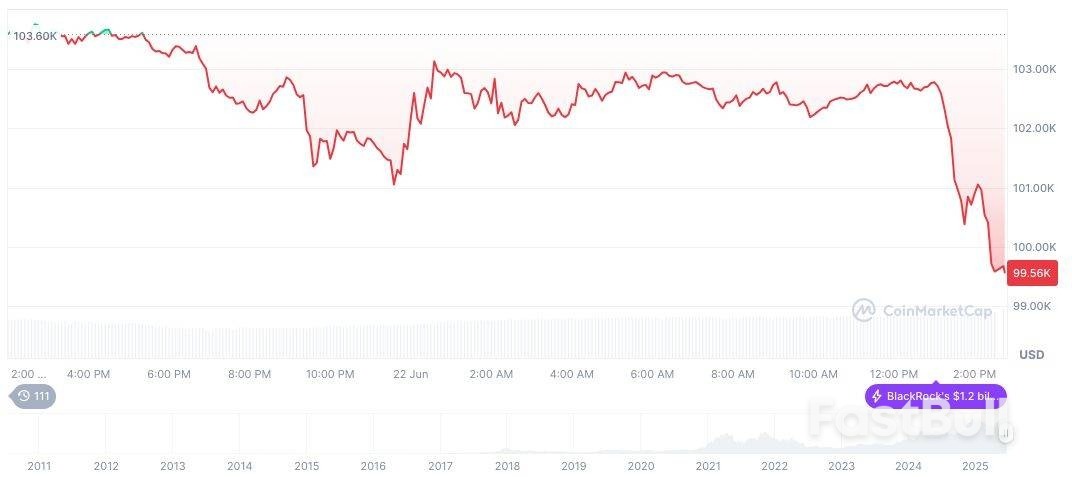 Bitcoin(BTC), daily chart, screenshot on CoinMarketCap at 14:19 UTC on June 23, 2025. Source: CoinMarketCap
The clock's ticking for senior clerics seeking a successor to Iran's Supreme Leader Ayatollah Ali Khamenei.
A three-man committee from a top clerical body, appointed by Khamenei himself two years ago to identify his replacement, has accelerated its planning in recent days since Israel attacked Iran and threatened to assassinate the veteran leader, five insiders with knowledge of the discussions told Reuters.
Khamenei, 86, is being regularly briefed on the talks, according to the Iranian sources who requested anonymity to discuss highly sensitive matters. He has gone into hiding with his family and is being guarded by the Vali-ye Amr special forces unit of the Revolutionary Guards, a top security official said.
The ruling establishment will immediately seek to name a successor to Khamenei if he is killed, to signal stability and continuity, according to the sources who acknowledged that predicting Iran's subsequent political trajectory was difficult.
A new leader will still be chosen for his devotion to the revolutionary precepts of the Islamic Republic's late founder Ayatollah Ruhollah Khomeini, according to one insider, who is close to Khamenei's office and privy to succession discussions.
At the same time, the top echelon of power is also considering which candidate might present a more moderate face to ward off foreign attacks and internal revolts, the person said.
Two frontrunners have emerged in the succession discussions, the five insiders said: Khamenei's 56-year-old son Mojtaba, long seen as a continuity choice, and a new contender, Hassan Khomeini, grandson of the father of the Islamic revolution.
Khomeini, a close ally of the reformist faction that favours the easing of social and political restrictions, nonetheless commands respect among senior clerics and the Revolutionary Guards because of his lineage, the sources added.
"I once again humbly express that this small and insignificant servant of the Iranian people stands ready to proudly be present on any front or scene you deem necessary," the 53-year-old said in a public message of support to the supreme leader on Saturday, hours before the U.S. bombed Iran's nuclear facilities.
Khomeini has come into the frame as a serious candidate this month amid the conflict with Israel and America because he could represent a more conciliatory choice internationally and domestically than Mojtaba Khamenei, the five people said.
By contrast, Khamenei hews closely to his father's hardline policies, according to the insiders who cautioned that nothing had been determined, candidates could change and the supreme leader would have the final say.
However, with the military conflict continuing, it remains unclear whether any new leader could be chosen easily or installed securely or if he could assume the level of authority enjoyed by Khamenei, they added.
Israeli strikes have also killed several of Iran's top Revolutionary Guards commanders, potentially complicating a handover of power as the elite military force has long played a central role in enforcing the supreme leader's rule.
Khamenei's office and the Assembly of Experts, the clerical body from which the succession committee was drawn, were not available to comment.
Planning for an eventual handover was already in the works because of Khamenei's age and the longstanding health concerns of a leader who has dominated all aspects of Iranian politics for decades, the sources said.
The urgency of the task was underlined in September when Israel killed Hezbollah leader Sayyed Hassan Nasrallah, a close ally of Khamenei's, and the planning accelerated significantly this month following the Israeli attacks on nuclear sites, which were followed by the American attacks at the weekend.
"We know exactly where the so-called 'Supreme Leader' is hiding," U.S. President Trump warned on social media last week, calling for Tehran's unconditional surrender. "He is an easy target."
Khamenei hasn't publicly expressed any preference for his successor. The sources said he had repeatedly opposed the idea of his son taking over, in succession discussions in the past, concerned about any suggestion of Iran returning to the kind of hereditary rule that ended with the ousting of the shah in 1979.
The role of Supreme Leader was created after the revolution and then enshrined in the constitution giving a top cleric ultimate authority in guiding the elected president and parliament.
Officially, the leader is named by the Assembly of Experts, made up of 88 senior clerics who are chosen through a national election in which a hardline watchdog body aligned with Khamenei must approve all the candidates.
"Whether the Islamic Republic survives or not, it will be a very different one, because the context in which it has existed has fundamentally changed," said London-based Iranian political analyst Hossein Rassam, adding that Hassan Khomeini could fit the bill for a leader to take Iran in a new direction.
"The regime has to opt for someone who'll facilitate slow transition."
Hassan Khomeini's close links to the reformist faction of Iranian politics, which pursued an ultimately unsuccessful policy of opening Iran to the outside world in the 1990s, saw hardline officials bar him from running as a member of senior clerical body the Assembly of Experts in 2016.
The succession planners are aware that Khomeini is likely to be more palatable to the Iranian population than a hardliner, the five insiders said. Last year he warned of a "crisis of rising popular dissatisfaction" among Iranians due to poverty and deprivation.
By contrast, Mojtaba Khamenei's views echo those of his father on every major topic from cracking down on opponents to taking a hardline with foreign foes, the sources said - qualities they saw as hazardous with Iran under attack.
A mid-ranking cleric who teaches theology at a religious seminary in the city Qom, the centre of Iranian religious life, Mojtaba has never held a formal position the Islamic Republic, though exercises influence behind the scenes as the gatekeeper to his father, according to Iran watchers.
The U.S. Treasury Department imposed sanctions on Mojtaba in 2019, saying he represented the Supreme Leader in "an official capacity despite never being elected or appointed to a government position" aside from working his father's office.
Several of the candidates long seen as possible successors to Khamenei have already died.
Former presidents Hashemi Rafsanjani passed away in 2017, former judiciary chief Mahmoud Hashemi Shahroudi died of natural causes in 2018 and former President Ebrahim Raisi was killed in a helicopter crash in 2024. Another senior cleric Sadegh Amoli Larijani, has been sidelined.
Others, such as the Assembly of Experts member Ayatollah Alireza Arafi, are still in contention but have fallen behind Mojtaba Khamenei and Hassan Khomeini, the five sources said.
Beyond the most likely candidates, it's also possible that a less prominent cleric could be chosen as a pawn of Revolutionary Guards, said Ali Vaez, Iran project director at the International Crisis Group think-tank.
"It is possible that they would put forward a candidate that no one has ever heard of and would not really hold the same levers of power that Ayatollah Khamenei has held now for more than 30 years," he said.
The supreme leader's voice is powerful.
After the death of the Islamic Republic's founder Ruhollah Khomeini in 1989, Khamenei was publicly hailed as his predecessor's choice. Although he had already served as president, Khamenei was only a mid-ranking cleric and was initially dismissed by influential clerics as weak and an unlikely successor to his charismatic predecessor.
However, he steadily tightened his grip to become Iran's unquestioned decision-maker, relying on the Revolutionary Guards as he outmanoeuvred rivals and crushed bouts of popular unrest.
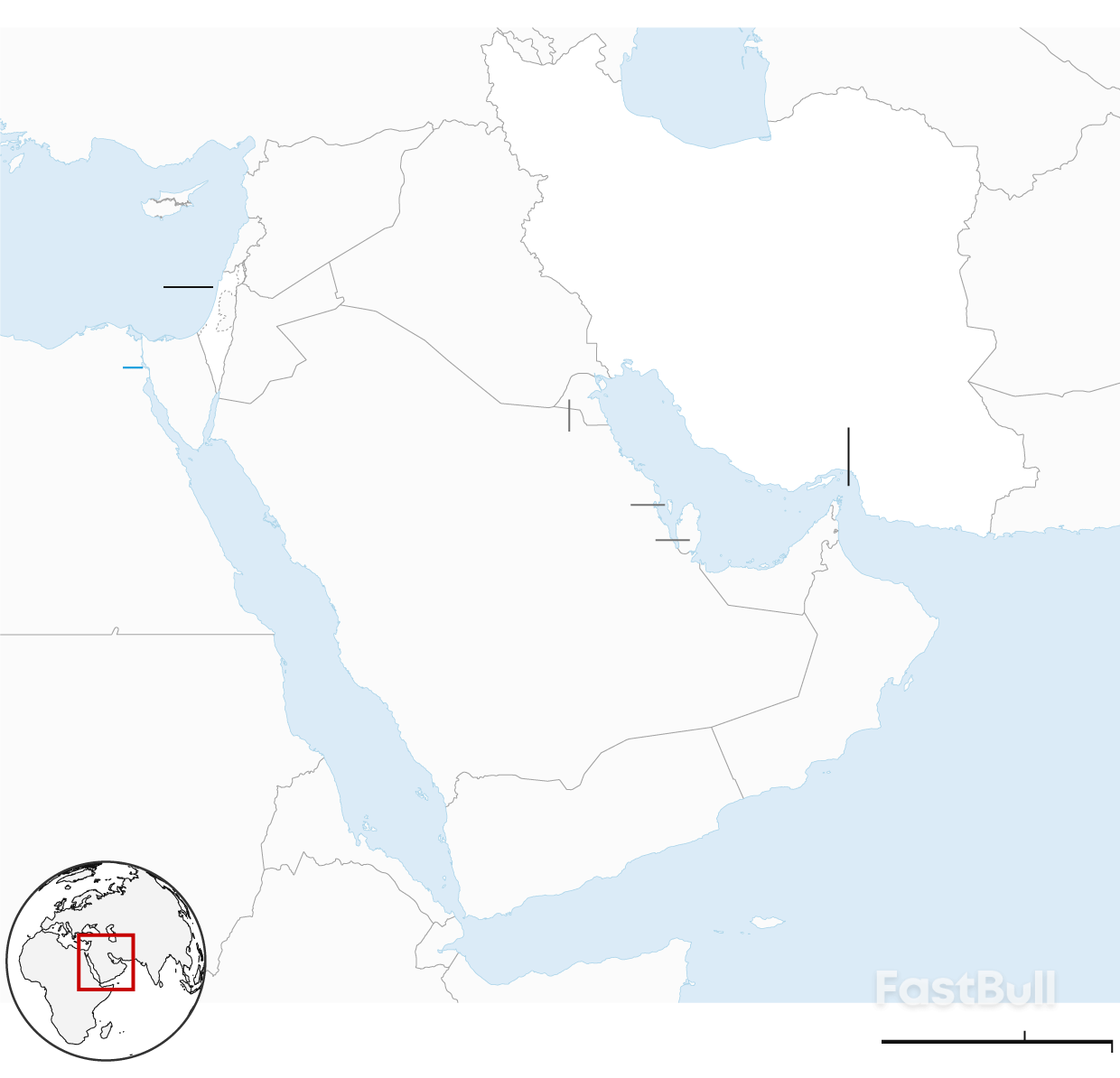
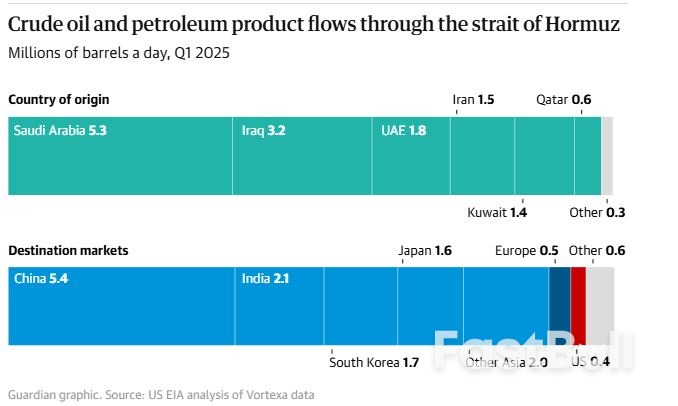
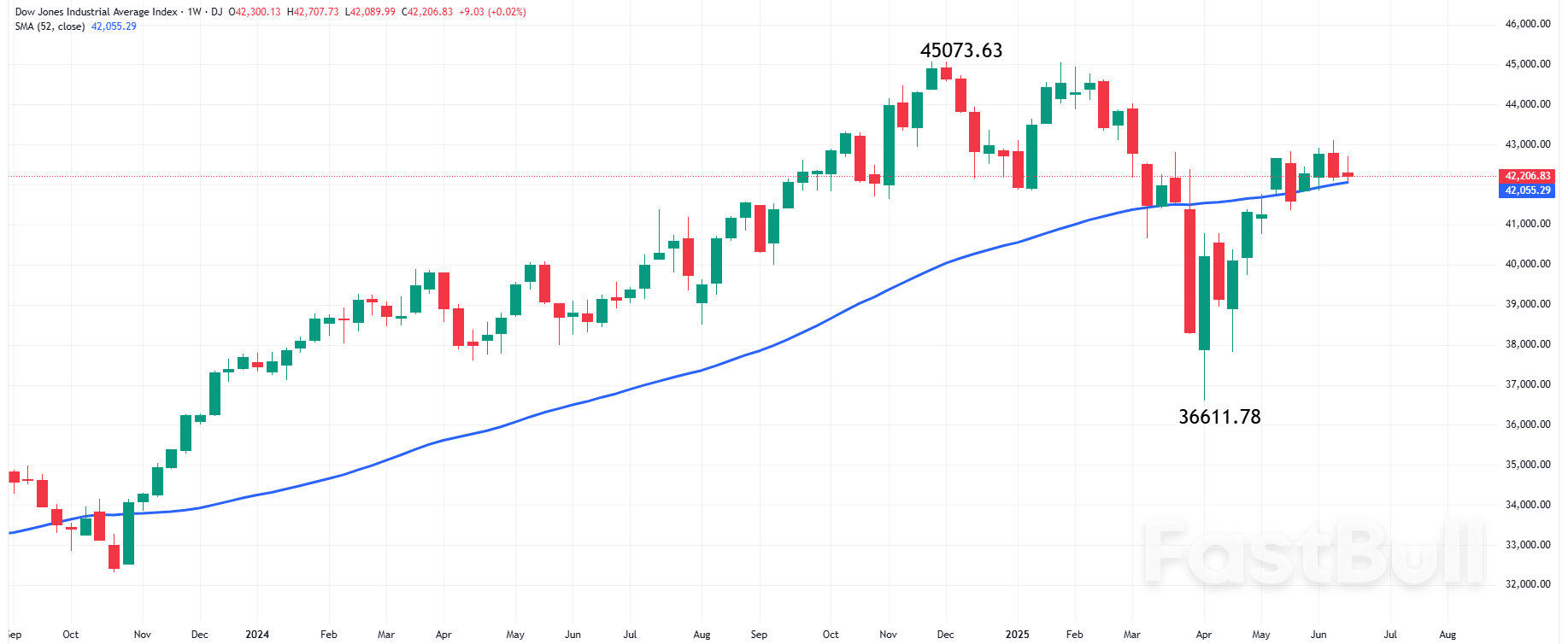
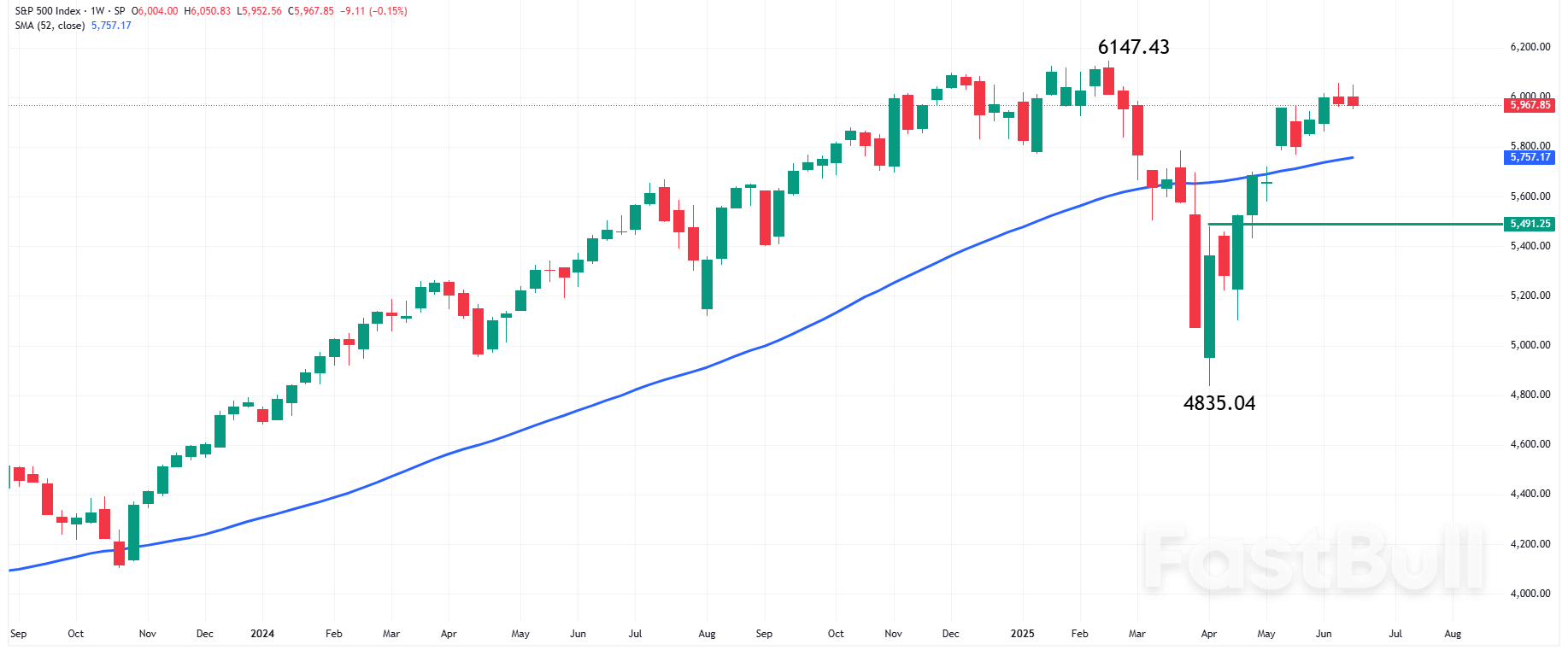 Weekly S&P 500 Index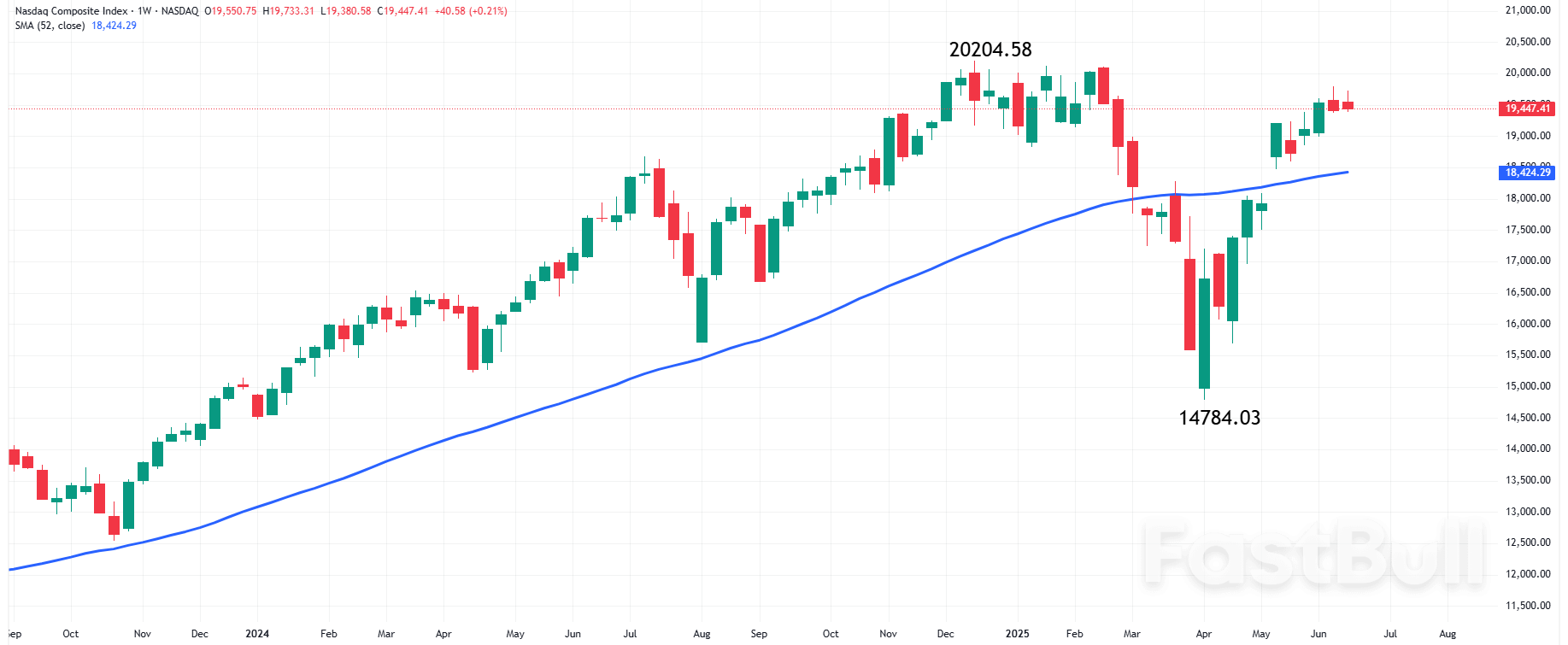
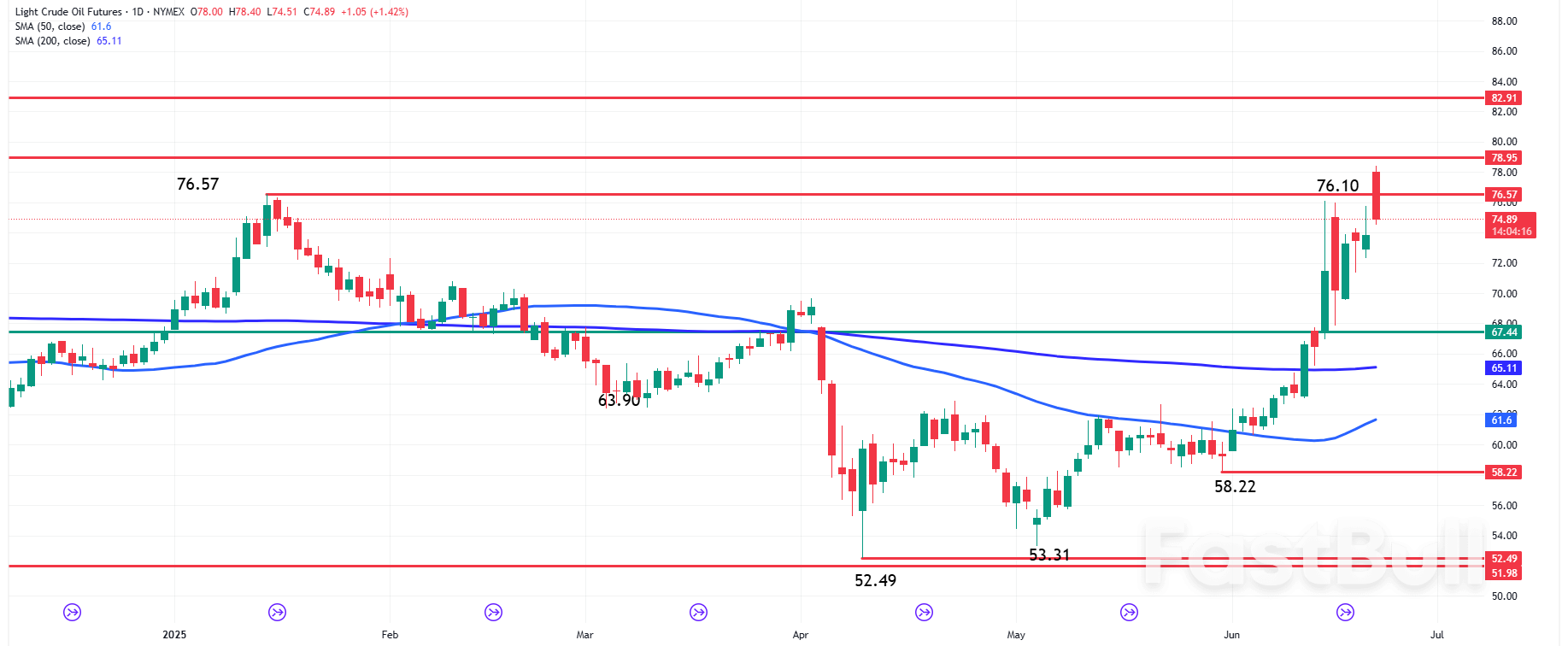 Daily Light Crude Oil Futures
728 RM B 7/F GEE LOK IND BLDG NO 34 HUNG TO RD KWUN TONG KLN HONG KONG


White Label
Data API
Web Plug-ins
Poster Maker
Affiliate Program
The risk of loss in trading financial instruments such as stocks, FX, commodities, futures, bonds, ETFs and crypto can be substantial. You may sustain a total loss of the funds that you deposit with your broker. Therefore, you should carefully consider whether such trading is suitable for you in light of your circumstances and financial resources.
No decision to invest should be made without thoroughly conducting due diligence by yourself or consulting with your financial advisors. Our web content might not suit you since we don't know your financial conditions and investment needs. Our financial information might have latency or contain inaccuracy, so you should be fully responsible for any of your trading and investment decisions. The company will not be responsible for your capital loss.
Without getting permission from the website, you are not allowed to copy the website's graphics, texts, or trademarks. Intellectual property rights in the content or data incorporated into this website belong to its providers and exchange merchants.
Not Logged In
Log in to access more features

FastBull Membership
Not yet
Purchase


Log In
Sign Up


