• Trade
  • Markets
  • Copy
  • Contests
  • 24/7
  • Calendar
  • Q&A
  • Chats
Screeners
SYMBOL
LAST
BID
ASK
HIGH
LOW
NET CHG.
%CHG.
SPREAD
SOURCE
SPX
S&P 500 Index
7511.34
7511.34
7511.34
7564.96
7508.68
-42.94
-0.57%
--
--
DJI
Dow Jones Industrial Average
51999.66
51999.66
51999.66
52190.29
51864.99
+328.64
+ 0.64%
--
--
IXIC
NASDAQ Composite Index
26376.33
26376.33
26376.33
26788.62
26369.39
-307.60
-1.15%
--
--
USDX
US Dollar Index
99.220
99.220
99.300
99.280
99.210
-0.070
-0.07%
--
--
EURUSD
Euro / US Dollar
1.16144
1.16144
1.16151
1.16163
1.16061
+0.00065
+ 0.06%
--
--
GBPUSD
Pound Sterling / US Dollar
1.34313
1.34313
1.34322
1.34332
1.34210
+0.00051
+ 0.04%
--
--
XAUUSD
Gold / US Dollar
4348.53
4348.53
4348.92
4349.77
4328.46
+17.25
+ 0.40%
--
--
WTI
Light Sweet Crude Oil
75.680
75.680
75.715
75.986
75.449
-0.096
-0.13%
--
--

Community Accounts

Signal Accounts
--
Profit Accounts
--
Loss Accounts
--
View More

Become a signal provider

Sell trading signals to earn additional income

View More

Guide to Copy Trading

Get started with ease and confidence

View More

Signal Accounts for Members

All Signal Accounts

Best Return
  • Best Return
  • Best P/L
  • Best MDD
Past 1W
  • Past 1W
  • Past 1M
  • Past 1Y

All Contests

  • All
  • Recommend
  • Stocks
  • Cryptocurrencies
  • Central Banks
  • Trump Updates
  • Featured News
Top News Only
Share

Heavy To Torrential Rains Have Struck Parts Of Southern China, And The Ministry Of Transport Has Maintained A Level II Response For Severe Rainfall

Share

The Main Palladium Futures Contract Rose More Than 2.00% Intraday, Currently Trading At 322.80 Yuan/gram

Share

The Main Urea Contract Surged 4.00% Intraday, Currently Trading At 1839.00 Yuan/ton

Share

The 2026 Lujiazui Forum Will Open Today, With Ding Xiangqun, Pan Gongsheng, Wu Qing, And Zhu Hexin Set To Deliver Remarks

Share

Singapore's Electronics Exports Rose 94.8% Year-on-Year In May

Share

The U.S. Military Says It Carried Out A Deadly Strike In The Eastern Pacific Against A Drug-trafficking Vessel Operated By A “terrorist Organization.”

Share

CITIC Securities: Japan's Apparent Inflation Rate Is Expected To Remain Moderate Throughout The Year. The Bank Of Japan Has No Urgency To Raise Interest Rates Further And May Keep The Policy Rate Unchanged At 1% After This Rate Hike

Share

Japan's Ministry Of Finance: Japan's Exports To The EU Rose 14.5% Year-on-Year In May

Share

Japan's Ministry Of Finance: Japan's Exports To The United States Rose 12.5% Year-on-Year In May

Share

Japan's Ministry Of Finance: Japan's Crude Oil Imports In May Fell 57.3% Year-on-Year; Liquefied Natural Gas Imports Decreased 15.1% Year-on-Year To 3.96 Million Tons

Share

Japan's Seasonally Adjusted Merchandise Trade Balance In May Was -¥904.01 Billion, Compared With An Expected Deficit Of ¥2,070 Billion And A Prior Surplus Of ¥2,364 Billion

Share

Japan's Core Machinery Orders In April Rose 15.6% Year-on-Year, Exceeding The Expected 9.3% And Following A Prior Reading Of 5.90%

Share

Japan's Unadjusted Merchandise Trade Balance In May Was -¥378.7 Billion, Compared With An Expectation Of -¥547.6 Billion And A Previously Reported Figure Of ¥301.9 Billion, Revised Down To ¥299.3 Billion

Share

Japan's Year-on-Year Merchandise Imports Rose By 12.5% In May, Versus An Expected Increase Of 12.8% And A Prior Reading Revised Upward From 9.70% To 9.80%

Share

Japan's Year-on-Year Merchandise Exports Rose By 17% In May, Exceeding The Forecast Of 16.5% And Up From The Previous Reading Of 14.80%

Share

G7: Will Strengthen Sanctions Against Russia's Oil And Gas Sector

Share

The G7 Reaffirmed That Iran Must Never Acquire Nuclear Weapons

Share

The Trump Administration Is Once Again Pushing To Transfer The Functions Of The Department Of Education

Share

Maritime Intelligence Firm Says Iran Has Exported Crude Oil For The First Time In Nearly Two Months

Share

Japan's June Reuters Tankan Non-manufacturing Business Conditions Diffusion Index Stood At 32, Up From The Previous Reading Of 29

TIME
ACT
FCST
PREV
IMPACT
Euro Zone Gross Wages YoY (Q1)

A:--

F: --

P: --

EURUSD
  • EURUSD
  • XAUUSD
  • XAGUSD
  • WTI
  • USDX
Euro Zone ZEW Current Conditions Index (Jun)

A:--

F: --

P: --

EURUSD
  • EURUSD
  • XAUUSD
  • XAGUSD
  • WTI
  • USDX
Germany ZEW Economic Sentiment Index (Jun)

A:--

F: --

P: --

EURUSD
  • EURUSD
  • XAUUSD
  • XAGUSD
  • WTI
  • USDX
Euro Zone Labor Cost YoY (Q1)

A:--

F: --

P: --

EURUSD
  • EURUSD
  • XAUUSD
  • XAGUSD
  • WTI
  • USDX
Euro Zone ZEW Economic Sentiment Index (Jun)

A:--

F: --

P: --

EURUSD
  • EURUSD
  • XAUUSD
  • XAGUSD
  • WTI
  • USDX
Germany ZEW Current Conditions Index (Jun)

A:--

F: --

P: --

EURUSD
  • EURUSD
  • XAUUSD
  • XAGUSD
  • WTI
  • USDX
U.K. 10-Year Note Auction Yield

A:--

F: --

P: --

GBPUSD
  • GBPUSD
  • XAUUSD
  • XAGUSD
  • WTI
  • USDX
Brazil Retail Sales MoM (Apr)

A:--

F: --

P: --

XAUUSD
  • XAUUSD
  • XAGUSD
  • WTI
  • USDX
U.S. Import Price Index YoY (May)

A:--

F: --

P: --

USDX
  • USDX
  • XAUUSD
  • XAGUSD
  • WTI
U.S. Building Permits MoM (SA) (May)

A:--

F: --

P: --

USDX
  • USDX
  • XAUUSD
  • XAGUSD
  • WTI
U.S. New Housing Starts Annualized MoM (SA) (May)

A:--

F: --

P: --
USDX
  • USDX
  • XAUUSD
  • XAGUSD
  • WTI
U.S. Export Price Index MoM (May)

A:--

F: --

P: --
USDX
  • USDX
  • XAUUSD
  • XAGUSD
  • WTI
U.S. Export Price Index YoY (May)

A:--

F: --

P: --

USDX
  • USDX
  • XAUUSD
  • XAGUSD
  • WTI
U.S. Import Price Index MoM (May)

A:--

F: --

P: --
USDX
  • USDX
  • XAUUSD
  • XAGUSD
  • WTI
U.S. Total Building Permits (SA) (May)

A:--

F: --

P: --

USDX
  • USDX
  • XAUUSD
  • XAGUSD
  • WTI
U.S. Annual New Housing Starts (SA) (May)

A:--

F: --

P: --
USDX
  • USDX
  • XAUUSD
  • XAGUSD
  • WTI
U.S. Weekly Redbook Index YoY

A:--

F: --

P: --

XAUUSD
  • XAUUSD
  • XAGUSD
  • WTI
  • USDX
ECB Chief Economist Lane Speaks
U.S. API Weekly Refined Oil Stocks

A:--

F: --

P: --

WTI
  • WTI
  • XAUUSD
  • XAGUSD
  • USDX
U.S. API Weekly Gasoline Stocks

A:--

F: --

P: --

WTI
  • WTI
  • XAUUSD
  • XAGUSD
  • USDX
U.S. API Weekly Cushing Crude Oil Stocks

A:--

F: --

P: --

WTI
  • WTI
  • XAUUSD
  • XAGUSD
  • USDX
U.S. API Weekly Crude Oil Stocks

A:--

F: --

P: --

WTI
  • WTI
  • XAUUSD
  • XAGUSD
  • USDX
Japan Reuters Tankan Manufacturers Index (Jun)

A:--

F: --

P: --

USDJPY
  • USDJPY
  • XAUUSD
  • XAGUSD
  • WTI
Japan Reuters Tankan Non-Manufacturers Index (Jun)

A:--

F: --

P: --

USDJPY
  • USDJPY
  • XAUUSD
  • XAGUSD
  • WTI
Japan Imports YoY (May)

A:--

F: --

P: --
USDJPY
  • USDJPY
  • XAUUSD
  • XAGUSD
  • WTI
  • USDX
Japan Exports YoY (May)

A:--

F: --

P: --

USDJPY
  • USDJPY
  • XAUUSD
  • XAGUSD
  • WTI
  • USDX
Japan Trade Balance (Not SA) (May)

A:--

F: --

P: --
USDJPY
  • USDJPY
  • XAUUSD
  • XAGUSD
  • WTI
  • USDX
Japan Goods Trade Balance (SA) (May)

A:--

F: --

P: --

USDJPY
  • USDJPY
  • XAUUSD
  • XAGUSD
  • WTI
  • USDX
Japan Core Machinery Orders YoY (Apr)

A:--

F: --

P: --

USDJPY
  • USDJPY
  • XAUUSD
  • XAGUSD
  • WTI
  • USDX
Japan Core Machinery Orders MoM (Apr)

A:--

F: --

P: --

USDJPY
  • USDJPY
  • XAUUSD
  • XAGUSD
  • WTI
  • USDX
Australia Westpac Leading Index MoM (May)

A:--

F: --

P: --

AUDUSD
  • AUDUSD
  • XAUUSD
  • XAGUSD
  • WTI
U.K. CPI MoM (May)

--

F: --

P: --

U.K. Core CPI YoY (May)

--

F: --

P: --

U.K. Output PPI MoM (Not SA) (May)

--

F: --

P: --

U.K. Retail Prices Index YoY (May)

--

F: --

P: --

U.K. Core Retail Prices Index YoY (May)

--

F: --

P: --

U.K. CPI YoY (May)

--

F: --

P: --

U.K. Retail Prices Index MoM (May)

--

F: --

P: --

U.K. Output PPI YoY (Not SA) (May)

--

F: --

P: --
U.K. Input PPI YoY (Not SA) (May)

--

F: --

P: --

U.K. Input PPI MoM (Not SA) (May)

--

F: --

P: --

U.K. Core CPI MoM (May)

--

F: --

P: --

South Africa Core CPI YoY (May)

--

F: --

P: --

South Africa CPI YoY (May)

--

F: --

P: --

IEA Oil Market Report
Euro Zone Core CPI Final MoM (May)

--

F: --

P: --

Euro Zone CPI YoY (Excl. Tobacco) (May)

--

F: --

P: --

South Africa Retail Sales YoY (Apr)

--

F: --

P: --

U.S. MBA Mortgage Application Activity Index WoW

--

F: --

P: --

U.S. Core Retail Sales (May)

--

F: --

P: --

U.S. Retail Sales (May)

--

F: --

P: --

U.S. Retail Sales YoY (May)

--

F: --

P: --

U.S. Retail Sales MoM (May)

--

F: --

P: --

U.S. Core Retail Sales MoM (May)

--

F: --

P: --

Canada New Housing Price Index MoM (May)

--

F: --

P: --

U.S. Commercial Inventory MoM (Apr)

--

F: --

P: --

U.S. Pending Home Sales Index YoY (May)

--

F: --

P: --

U.S. Pending Home Sales Index MoM (SA) (May)

--

F: --

P: --

U.S. Pending Home Sales Index (May)

--

F: --

P: --

U.S. EIA Weekly Crude Demand Projected by Production

--

F: --

P: --

U.S. EIA Weekly Cushing, Oklahoma Crude Oil Stocks Change

--

F: --

P: --

Q&A with Experts
    • All
    • Chatrooms
    • Groups
    • Friends
    𝐊𝐚𝐩𝐨𝐱 𝐟𝐱 𝐯𝐥𝐩 flag
    For this session scalpers
    Kung Fu flag
    𝐊𝐚𝐩𝐨𝐱 𝐟𝐱 𝐯𝐥𝐩
    For this session scalpers
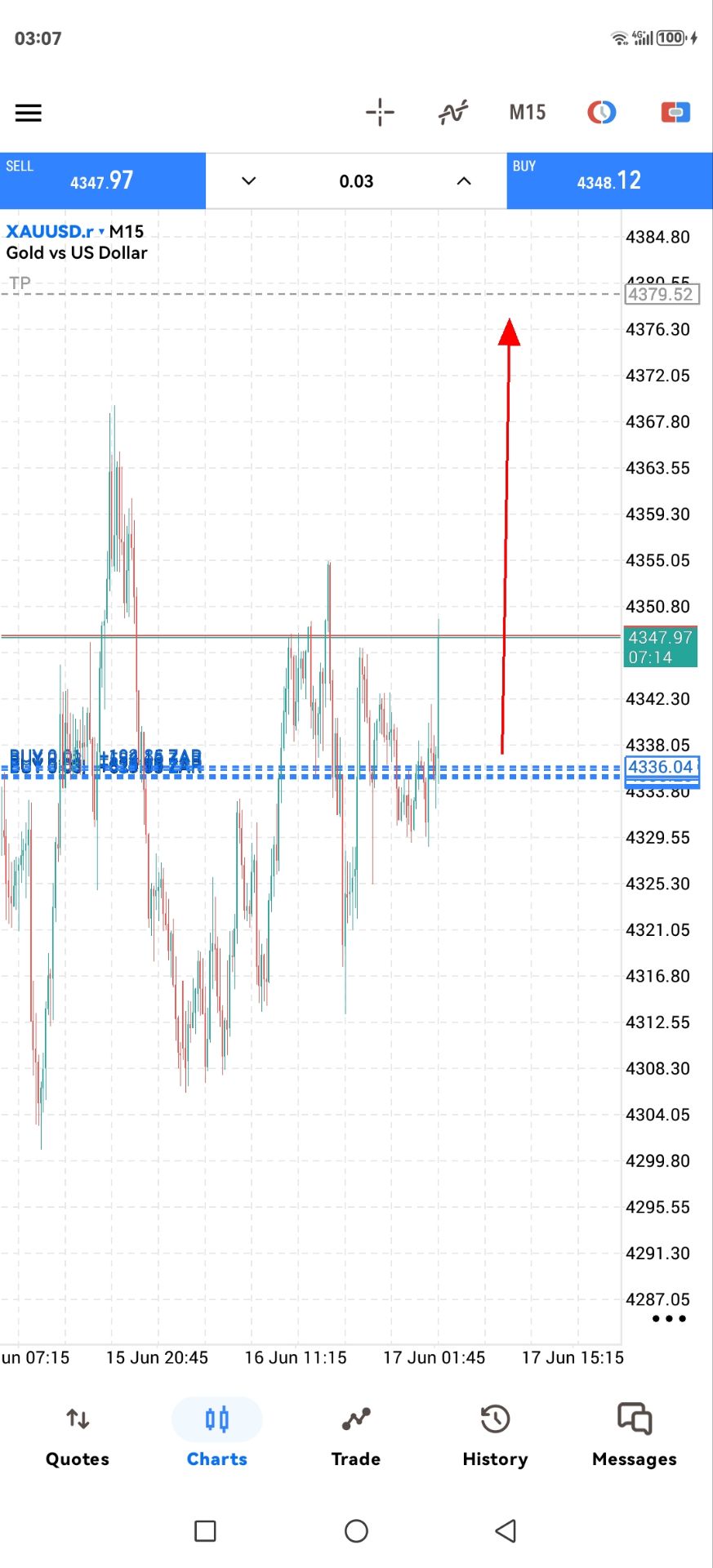
    @𝐊𝐚𝐩𝐨𝐱 𝐟𝐱 𝐯𝐥𝐩I'll be the happiest if we see 4370. I'm still holding a buy position from Tuesday.
    𝐊𝐚𝐩𝐨𝐱 𝐟𝐱 𝐯𝐥𝐩 flag
    𝐊𝐚𝐩𝐨𝐱 𝐟𝐱 𝐯𝐥𝐩 flag
    Deep profit
    Kung Fu flag
    𝐊𝐚𝐩𝐨𝐱 𝐟𝐱 𝐯𝐥𝐩
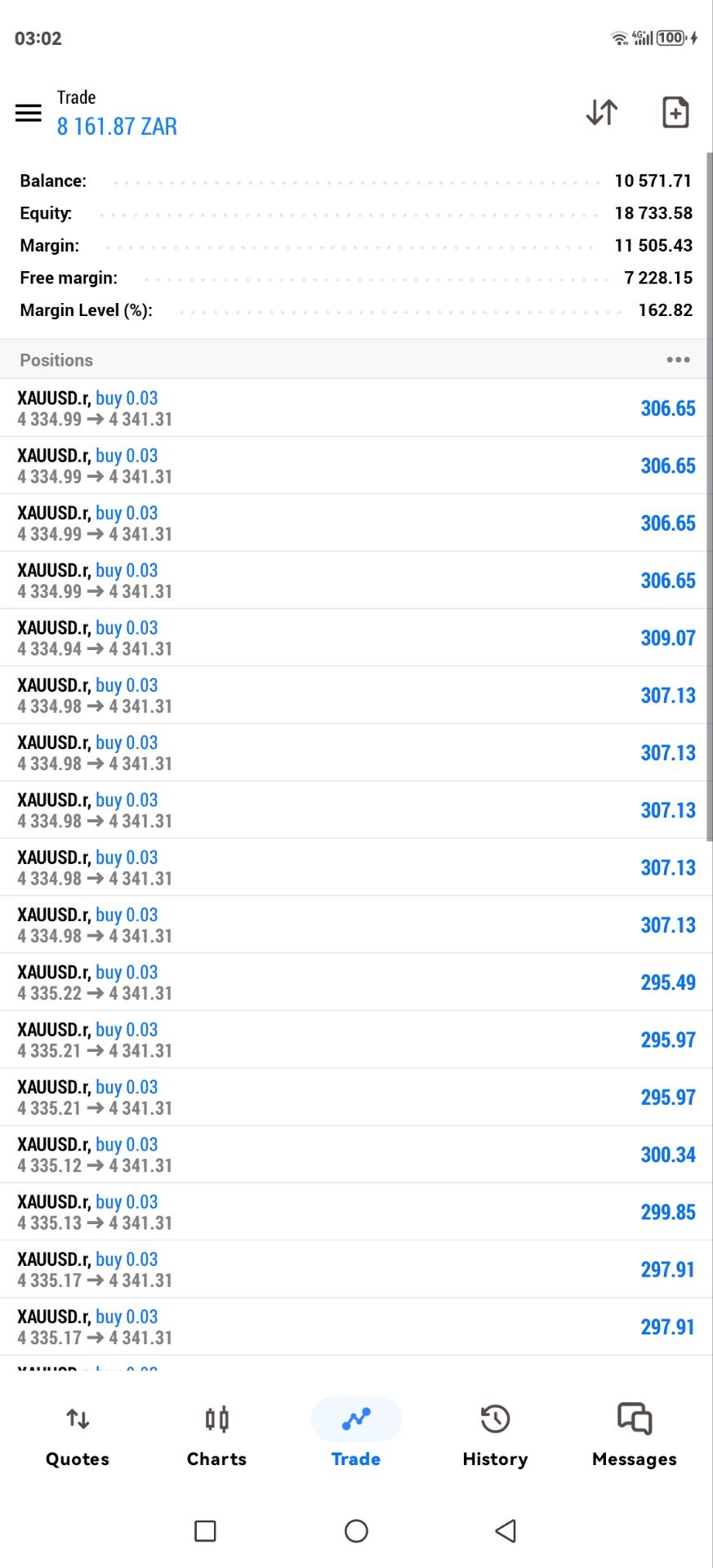
    @𝐊𝐚𝐩𝐨𝐱 𝐟𝐱 𝐯𝐥𝐩Yo, capital is in the South African rand. That's cool. You're not South African, are you?
    Kung Fu flag
    𝐊𝐚𝐩𝐨𝐱 𝐟𝐱 𝐯𝐥𝐩
    Deep profit
    @𝐊𝐚𝐩𝐨𝐱 𝐟𝐱 𝐯𝐥𝐩Indeed, it is.
    𝐊𝐚𝐩𝐨𝐱 𝐟𝐱 𝐯𝐥𝐩 flag
    Kung Fu
    @𝐊𝐚𝐩𝐨𝐱 𝐟𝐱 𝐯𝐥𝐩I'll be the happiest if we see 4370. I'm still holding a buy position from Tuesday.
    @Kung Fuk yeah gold have strong bullish to resistance 4370 or 4360
    Roberd Hud flag
    gold flying
    Kung Fu flag
    𝐊𝐚𝐩𝐨𝐱 𝐟𝐱 𝐯𝐥𝐩
    @Kung Fuk yeah gold have strong bullish to resistance 4370 or 4360
    @𝐊𝐚𝐩𝐨𝐱 𝐟𝐱 𝐯𝐥𝐩Thank you for this heads up. I'll be fixing my focus on the price.
    𝐊𝐚𝐩𝐨𝐱 𝐟𝐱 𝐯𝐥𝐩 flag
    Kung Fu
    @𝐊𝐚𝐩𝐨𝐱 𝐟𝐱 𝐯𝐥𝐩Yo, capital is in the South African rand. That's cool. You're not South African, are you?
    @Kung Fulam Namibia
    Roberd Hud flag
    anyone use cents acount
    Kung Fu flag
    𝐊𝐚𝐩𝐨𝐱 𝐟𝐱 𝐯𝐥𝐩
    @Kung Fulam Namibia
    @𝐊𝐚𝐩𝐨𝐱 𝐟𝐱 𝐯𝐥𝐩Okay, nice to meet you, brother. But Nambia doesn't use the Rand, I suppose. Sorry for my ignorance.
    𝐊𝐚𝐩𝐨𝐱 𝐟𝐱 𝐯𝐥𝐩 flag
    Roberd Hud flag
    Kung Fu flag
    Roberd Hud
    anyone use cents acount
    @Roberd HudI personally don't use a cent account. Do you? And what exactly do you want to learn or know about a cent account?
    𝐊𝐚𝐩𝐨𝐱 𝐟𝐱 𝐯𝐥𝐩 flag
    Kung Fu
    @𝐊𝐚𝐩𝐨𝐱 𝐟𝐱 𝐯𝐥𝐩Okay, nice to meet you, brother. But Nambia doesn't use the Rand, I suppose. Sorry for my ignorance.
    @Kung Fuokay
    Roberd Hud flag
    Kung Fu
    @Roberd HudI personally don't use a cent account. Do you? And what exactly do you want to learn or know about a cent account?
    @Kung FuI use cents account but unable to fix lot size, brother.
    Kung Fu flag
    Roberd Hud
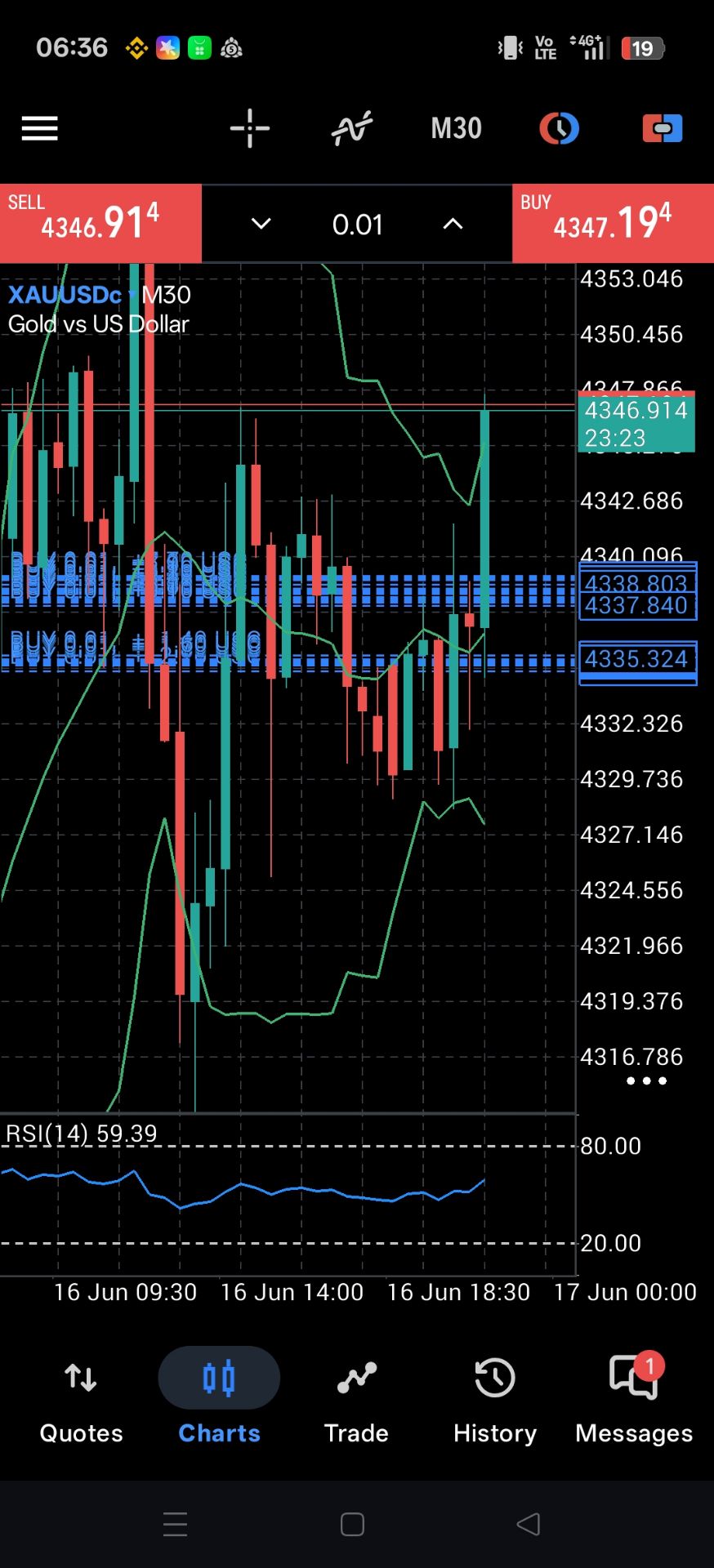
    @Roberd HudI can spot the BB on your chart. What's your target in all of these trades that you have open?
    Roberd Hud flag
    usually i trade with a captial of 50$. 0.02 lot for standard or prom..
    Roberd Hud flag
    Kung Fu
    @Roberd HudI can spot the BB on your chart. What's your target in all of these trades that you have open?
    @Kung Fuand FVG
    Type here...
    Add Symbol or Code

      No matching data

      All
      Recommend
      Stocks
      Cryptocurrencies
      Central Banks
      Trump Updates
      Featured News
      • All
      • Russia-Ukraine Conflict
      • Middle East Flashpoint
      • All
      • Russia-Ukraine Conflict
      • Middle East Flashpoint
      Search
      Products

      Charts Free Forever

      Chats Q&A with Experts
      Screeners Economic Calendar Data Tools
      Membership Features
      Data Warehouse Market Trends Institutional Data Policy Rates Macro

      Market Trends

      Market Sentiment Order Book Forex Correlations

      Top Indicators

      Charts Free Forever
      Markets

      News

      24/7 Analysis Education

      Latest Views

      Latest Update

      Signals

      Copy Rankings Latest Signals Become a signal provider AI Rating
      Contests
      Brokers

      Overview Brokers Assessment Rankings Regulators News Claims
      Broker listing Forex Brokers Comparison Tool Live Spread Comparison Scam
      Q&A Complaint Scam Alert Videos Tips to Detect Scam
      More

      Business
      Events
      Careers About Us Advertising Help Center

      White Label

      Broker API

      Data API

      Web Plug-ins

      Affiliate Program

      Awards Institution Evaluation IB Seminar Salon Event Exhibition
      Vietnam Thailand Singapore Dubai
      Fans Party Investment Sharing Session
      FastBull Summit BrokersView Expo
      Recent Searches
        Top Searches
          Markets
          Analysis
          User
          24/7
          Economic Calendar
          Education
          Data
          • Names
          • Latest
          • Prev

          View All

          No data

          Scan to Download

          Faster Charts, Chat Faster!

          Download
          English
          • English
          • Español
          • العربية
          • Bahasa Indonesia
          • Bahasa Melayu
          • Tiếng Việt
          • ภาษาไทย
          • Français
          • Italiano
          • Türkçe
          • Русский язык
          • 简中
          • 繁中
          Open Account
          Search
          Products
          Charts Free Forever
          Markets
          News
          Signals

          Copy Rankings Latest Signals Become a signal provider AI Rating
          Contests
          Brokers

          Overview Brokers Assessment Rankings Regulators News Claims
          Broker listing Forex Brokers Comparison Tool Live Spread Comparison Scam
          Q&A Complaint Scam Alert Videos Tips to Detect Scam
          More

          Business
          Events
          Careers About Us Advertising Help Center

          White Label

          Broker API

          Data API

          Web Plug-ins

          Affiliate Program

          Awards Institution Evaluation IB Seminar Salon Event Exhibition
          Vietnam Thailand Singapore Dubai
          Fans Party Investment Sharing Session
          FastBull Summit BrokersView Expo

          What is the Total Value of the US Stock Market? (2026 Market Cap)

          zhan chen
          Summary:

          As tech giants rewrite market rules, what is the total value of the us stock market today, and does its $77.9 trillion scale signal a historic bubble?

          The total value of the US stock market serves as the ultimate yardstick for American corporate growth, investor sentiment, and global economic dominance. Tracking this aggregate figure helps investors understand whether current equity prices are driven by fundamental earnings or speculative premiums. This guide explores the exact scale of the US market in 2026, the structural catalysts driving its historic expansion, and how domestic valuations stack up against international peers. By examining key calculation methods and macroeconomic benchmarks, you can better contextualize the trillions of dollars flowing through today's financial system.

          What is the Total Value of the US Stock Market? (2026 Market Cap)

          What Is the Total US Stock Market Cap Right Now in 2026?

          The total value of the US stock market is approximately $77.9 trillion as of May 2026. This figure encompasses the aggregate market capitalization of all publicly traded companies headquartered in the United States. To contextualize this scale, the American equity market now accounts for nearly 60% of the $127+ trillion global market cap total, dwarfing the next largest individual market, China, which sits at roughly $14.8 trillion.

          Current valuations are historically unprecedented relative to underlying economic output. The Buffett Indicator—which divides total US stock market capitalization by the nation's Gross Domestic Product (GDP)—surpassed a record 230% in May 2026. A primary driver of this expanded valuation is extreme asset concentration at the top of the indices. As of the April 2026 Russell Index reconstitution rank day, the seven largest US technology companies account for $22.4 trillion in market capitalization. Just seven firms represent roughly 30% of what is the total value of the US stock market.

          MetricMay 2026 ValuationContext & Implications
          Total US Market Cap~$77.9 TrillionAggregated estimate of all exchange-listed domestic equities.
          Russell 3000 Index$75.6 TrillionRepresents 98% of the investable US equity universe (April 2026 rank day).
          Mega-Cap Concentration$22.4 TrillionCombined value of the seven largest US technology companies.
          Market Cap-to-GDP>230%The "Buffett Indicator"; sets a historical record for valuation density.

          How Is Total Market Value Actually Calculated?

          Total market value is calculated by multiplying the current share price of every eligible publicly traded US company by its total number of outstanding shares, then aggregating those figures. Institutional data providers apply strict filtering mechanisms to this baseline math to prevent artificial inflation of the final sum.

          The exact calculation process requires four specific steps:

          1. Identify Eligible Equities: The baseline universe includes common stocks and Real Estate Investment Trusts (REITs) listed on primary exchanges like the NYSE and Nasdaq. Providers strictly exclude American Depositary Receipts (ADRs) to filter out foreign companies trading in the US, as well as ETFs and mutual funds to prevent the double-counting of underlying assets.
          2. Determine Share Count Methodology: Index providers structure their data using either "full-cap" or "float-adjusted" models. Full-cap counts every outstanding share, including closely held insider stock. Float-adjusted calculations only count shares actively available for public trading, which provides a more accurate reflection of actual market liquidity.
          3. Multiply and Aggregate: The eligible share count for each company is multiplied by its live stock price. This aggregate sum shifts continuously during trading hours, which is why a US market index live feed will display billion-dollar fluctuations minute-by-minute.
          4. Reconstitute Regularly: Index providers execute scheduled reconstitutions—such as the Russell US Indexes' annual June recalibration—to add recent IPOs, remove delisted or bankrupt firms, and adjust for corporate actions like share buybacks or secondary offerings.

          Which Index or Measure Gives the Most Complete Picture?

          The Wilshire 5000 Total Market Index provides the most comprehensive measure of the US stock market, tracking virtually every publicly traded American company with readily available price data. While retail investors often default to the S&P 500 as a proxy for the total market, the S&P 500 captures only about 75% to 80% of total US equity value, entirely ignoring the mid-cap, small-cap, and micro-cap segments.

          For a true representation of total equity value, financial analysts rely on three primary broad-market indices. The distinctions between them dictate which data set is used for macroeconomic research versus institutional asset allocation.

          Index / BenchmarkActive ConstituentsUS Market CoverageMethodological Distinctions
          Wilshire 5000~3,400 stocks~100%The original total market proxy; attempts to track every eligible US-headquartered equity with accessible price data.
          CRSP US Total Market~3,700 stocks~100%Captures micro-caps down to $15 million in size; strictly utilized by Vanguard for total market index funds.
          Russell 3000Exactly 3,000~98%Hard-capped at 3,000 constituents; serves as the primary benchmark for large institutional mandate allocations.
          S&P 500 (For Contrast)500 stocks~75% - 80%Requires committee approval and strict multi-quarter profitability screens; functionally a large-cap index, not a total market gauge.

          How Did the US Market Get to This Size?

          The US stock market reached its current $75.6 trillion benchmark valuation through a decade of severe capital concentration, shifting from an industrial-heavy index to one dominated by high-margin technology firms. This growth was not distributed evenly across all sectors; rather, it was driven by specific periods of multiple expansion and unprecedented corporate share repurchases that artificially constrained equity supply.

          What Drove the Biggest Jumps in Market Cap Over the Past Decade?

          The near-tripling of the US equity market from roughly $26 trillion in 2014 to over $62 trillion by 2024 was driven by a structural pivot toward intangible assets, extreme mega-cap consolidation, and the mechanics of quantitative easing.

          Three specific mechanisms fueled the steepest climbs:

          • The "Magnificent Seven" Consolidation: A handful of companies—Apple, Microsoft, Nvidia, Amazon, Alphabet, Meta, and Tesla—captured the vast majority of new investment dollars. By early 2026, these seven firms alone accounted for $22.4 trillion in combined market capitalization, effectively acting as an index within an index. As historical research from Professor Hendrik Bessembinder highlights, market wealth creation is acutely narrow; fewer than 4% of publicly listed companies account for all net shareholder wealth generated since 1926.
          • Intangible Asset Premium: Market leadership transitioned from capital-intensive businesses (energy, manufacturing) to software and platform ecosystems. Because these firms scale with near-zero marginal costs, they generate profit margins that command higher price-to-earnings (P/E) multiples than historical averages.
          • Corporate Buyback Mechanics: In the post-2008 low-interest-rate environment, US corporations aggressively repurchased their own stock. While retiring shares mathematically removes market capitalization at the exact moment of purchase, the resulting artificial scarcity and rapid earnings-per-share (EPS) growth drove the remaining shares' prices up fast enough to dramatically expand the market's total aggregate value over time.

          How Has 2025–2026 Market Performance Shaped the Current Number?

          The leap from $62.2 trillion at the end of 2024 to $75.6 trillion by mid-2026 was defined by the aggressive commercialization of artificial intelligence and a broadening of positive market breadth into smaller companies. US equities added roughly $7 trillion in value throughout 2025, returning 16.4% on the S&P 500, before accelerating into early 2026 as the Russell 2000 small-cap segment surged and Nvidia claimed the top valuation spot.

          TimeframeTotal US Market CapPrimary Market Catalyst
          December 2024$62.2 TrillionInitial AI hardware infrastructure investments and peak-inflation stabilization.
          December 2025$69.0 TrillionSustained mega-cap outperformance and corporate profitability resilience.
          April/May 2026$75.6 TrillionBroadening market breadth (small-cap resurgence) and Nvidia index leadership.

          This 18-month sprint pushed aggregate valuation metrics to historic extremes. By May 2026, the "Buffett Indicator"—which divides the total Wilshire 5000 market capitalization by annualized US Gross Domestic Product (GDP)—reached 233.9%. Because a ratio above 100% historically signals an overvalued market, this metric illustrates the direct trade-off of recent growth: investors are currently paying steep premiums for future earnings, exposing the $75 trillion figure to heightened contraction risk if corporate growth decelerates.

          Furthermore, the sheer size of the 2026 market is compounded by passive investment flows. Because market-cap-weighted indices automatically allocate more capital to the largest companies, routine retirement contributions inherently purchase more shares of the most expensive firms. This creates a persistent feedback loop that inflates the total dollar value of the US stock market independent of underlying economic output.

          How Does the US Market Cap Compare to the Rest of the World?

          The US equity market dwarfs all international peers, single-handedly accounting for roughly half of the world's aggregate stock market value. The combination of deep capital pools, heavy concentration in mega-cap technology, and higher baseline valuation multiples ensures the US remains the structural anchor for global equity investors.

          What Share of Global Stock Market Value Does the US Hold?

          For analysts tracking what is the total value of the US stock market, the figure exceeded $75.04 trillion in April 2026. This captures approximately half of the absolute global market cap threshold, which hovers near $150 trillion. This absolute metric tallies all domestically listed equities across every public exchange worldwide.

          However, institutional asset managers benchmark allocations against free-float adjusted indices. In major investable portfolios like the MSCI All Country World Index (ACWI), the US share routinely exceeds 64%. This structural difference exists because many foreign markets—particularly in the Middle East and Asia—feature high concentrations of state-owned enterprises or closely held insider shares that index providers exclude from investable free-float calculations.

          This concentration dictates global passive capital flows. A standard total stock market cap chart reveals that international equity returns are fundamentally driven by US technology earnings and dollar strength. Investors seeking genuine geographic diversification must actively override market-cap-weighted index defaults to mitigate this heavy US bias.

          Which Countries Come Closest in Total Market Size?

          China and Japan operate the second and third largest stock markets globally, yet their combined market capitalization equals less than a third of the US total. The international equity landscape outside North America is highly fragmented, characterized by frequent positional shifts among developed and emerging economies.

          RankCountry / MarketTotal Market Cap (USD)Size Relative to US MarketPrimary Growth Drivers
          1United States$75.04 Trillion100.0%Mega-cap technology, financial services
          2China$14.84 Trillion19.8%State-owned enterprises, industrial output
          3Japan$8.19 Trillion10.9%Automakers, advanced manufacturing
          4Hong Kong$7.41 Trillion9.9%Offshore Chinese equities, cross-border finance
          5Taiwan$4.95 Trillion6.6%Semiconductor foundries, electronics manufacturing

          Note: Table reflects domestic market capitalization estimates as of mid-2026.

          In May 2026, Taiwan overtook India ($4.92 trillion) to claim the fifth position globally. This reshuffling was driven entirely by aggressive valuations in artificial intelligence hardware, concentrated heavily in Taiwan Semiconductor Manufacturing Co. (TSMC), which alone accounts for roughly 42% of Taiwan's benchmark index.

          European exchanges sit significantly further down the capitalization tier. The United Kingdom and France hold approximately $3.99 trillion and $3.45 trillion, respectively. This severe drop-off illustrates a core trade-off for global asset allocators: capturing geographic valuation discounts outside the US requires accepting structurally lower liquidity, fewer mega-cap anchors, and narrower sector depth.

          What Does This Market Cap Number Actually Tell You?

          Rather than a static measure of intrinsic corporate worth, the total value of the US stock market acts as a real-time barometer of investor sentiment, corporate earnings expectations, and available macroeconomic liquidity.

          Is a High Total Market Cap a Sign of Overvaluation?

          An unconditionally high nominal market cap does not automatically signal overvaluation, but extreme deviations from underlying economic growth often do. Nominal equity values naturally drift upward over decades due to monetary inflation, population growth, and the expansion of corporate profit margins. When the aggregate market value climbs, it frequently reflects structural economic shifts—such as the heavy capital expenditures driving the 2026 artificial intelligence buildout—rather than irrational exuberance.

          However, overvaluation occurs when the market cap expands at a rate completely detached from corporate earnings or gross domestic product (GDP). A historic total market cap is justified if corporate cash flows scale proportionally. The actual risk emerges when the multiple paid for those earnings expands without a corresponding increase in underlying economic output. In these scenarios, the stock market becomes vulnerable to severe mean reversion, where even a slight miss in forward earnings expectations triggers a rapid contraction in total market value.

          How Do Investors Use the Buffett Indicator to Read This Figure?

          Investors rely on the aforementioned Buffett Indicator—dividing the market cap by annualized US GDP—to determine if equity prices have detached from the physical economy's output. Warren Buffett popularized this metric in a 2001 Fortune interview, framing it as the single best measure of valuations at any given moment. By comparing a financial aggregate (the Wilshire 5000 Total Market Index) against a macroeconomic baseline (GDP), analysts isolate speculative premium from genuine economic expansion.

          As of May 2026, the Wilshire 5000 hit approximately $75 trillion against an annualized US GDP of roughly $31.8 trillion. This puts the Buffett Indicator at roughly 235%—more than two standard deviations above its historical baseline.

          Analysts typically categorize the raw ratio using a standardized framework to assess risk:

          Market Cap to GDP RatioValuation AssessmentHistorical Precedent
          Below 80%Significantly UndervaluedOften coincides with cyclical troughs (e.g., 2009 financial crisis).
          90% to 115%Fairly ValuedRepresents equity prices moving in lockstep with economic output.
          120% to 150%OvervaluedIndicates earnings multiples are expanding faster than GDP growth.
          Above 200%Significantly OvervaluedReached before the dot-com crash in 2000, the 2022 bear market, and early 2026.

          Modern analysts frequently adjust this traditional framework to account for central bank intervention. A popular modification adds the total assets of the Federal Reserve to the denominator (GDP + Fed Assets). This adjustment acknowledges that quantitative easing permanently alters liquidity dynamics. Even with this modified formula accounting for expanded central bank balance sheets, the mid-2026 ratio remains near 195%, indicating heavy reliance on forward earnings growth to sustain current equity prices.

          FAQs about what is the total value of the US stock market

          How much is the US stock market worth?

          As of early to mid-2026, the total value of the US stock market is estimated to be between $69 trillion and $75 trillion. This valuation fluctuates continuously based on the daily stock prices of publicly traded companies.

          Who owns 90% of the stock market today?

          According to Federal Reserve data, the wealthiest 10% of American households own roughly 90% of the value of all US corporate equities and mutual fund shares. Furthermore, the top 1% of households alone control more than half of the stock market's total value.

          What percentage of the global stock market is the US?

          The United States represents approximately 40% to 50% of the world's total equity value. It remains the largest single equity market in the world and serves as a dominant force in global finance.

          How is the total value of the stock market calculated?

          The total value of a stock market is determined by adding together the market capitalizations of all publicly listed companies within that market. A single company's market capitalization is calculated by multiplying its current share price by its total number of outstanding shares. When calculating aggregate totals, adjustments are sometimes made to account for free-floating shares, cross-listings, or currency conversions.

          Conclusion

          Ultimately, the total value of the US stock market offers far more than a simple vanity metric for the American economy; it is a critical gauge of macroeconomic liquidity, technological concentration, and future earnings expectations. While extreme mega-cap valuations and historically high ratios like the Buffett Indicator suggest elevated downside risks, they also reflect genuine structural shifts toward high-margin digital assets. By monitoring broad indices rather than isolated benchmarks, investors can better navigate the realities of geographic concentration and domestic market breadth. Recognizing these underlying dynamics is essential for contextualizing equity valuations and building resilient portfolios in a top-heavy, historically expensive financial landscape.

          Risk Warnings and Disclaimers
          You understand and acknowledge that there is a high degree of risk involved in trading. Following any strategies or investment methods may lead to potential losses. The content on the site is provided by our contributors and analysts for information purposes only. You are solely responsible for determining whether any trading assets, securities, strategy, or any other product is suitable for investing based on your own investment objectives and financial situation.
          Add to Favorites
          Share
          FastBull
          Copyright © 2026 FastBull Ltd

          728 RM B 7/F GEE LOK IND BLDG NO 34 HUNG TO RD KWUN TONG KLN HONG KONG

          TelegramInstagramTwitterfacebooklinkedin
          App Store Google Play Android Windows
          Products
          Charts

          Chats

          Q&A with Experts
          Screeners
          Economic Calendar
          Data
          Tools
          Membership
          Features
          Function
          Markets
          Copy Trading
          Latest Signals
          Contests
          24/7
          Analysis
          Education
          Company
          Careers
          About Us
          Contact Us
          Advertising
          Download FastBull
          Help Center
          Feedback
          User Agreement
          Privacy Policy
          Personal Information Protection Statement
          Business

          White Label

          Broker API

          Data API

          Web Plug-ins

          Poster Maker

          Affiliate Program

          Risk Disclosure

          The risk of loss in trading financial instruments such as stocks, FX, commodities, futures, bonds, ETFs and crypto can be substantial. You may sustain a total loss of the funds that you deposit with your broker. Therefore, you should carefully consider whether such trading is suitable for you in light of your circumstances and financial resources.

          No decision to invest should be made without thoroughly conducting due diligence by yourself or consulting with your financial advisors. Our web content might not suit you since we don't know your financial conditions and investment needs. Our financial information might have latency or contain inaccuracy, so you should be fully responsible for any of your trading and investment decisions. The company will not be responsible for your capital loss.

          Without getting permission from the website, you are not allowed to copy the website's graphics, texts, or trademarks. Intellectual property rights in the content or data incorporated into this website belong to its providers and exchange merchants.

          Not Logged In

          Log in to access more features

          Connect Broker
          Become a signal provider
          Help Center
          Customer Service
          Dark Mode
          Price Up/Down Colors

          Log In

          Sign Up

          Position
          Layout
          Fullscreen
          Default to Chart
          The chart page opens by default when you visit fastbull.com